A
Species Profile

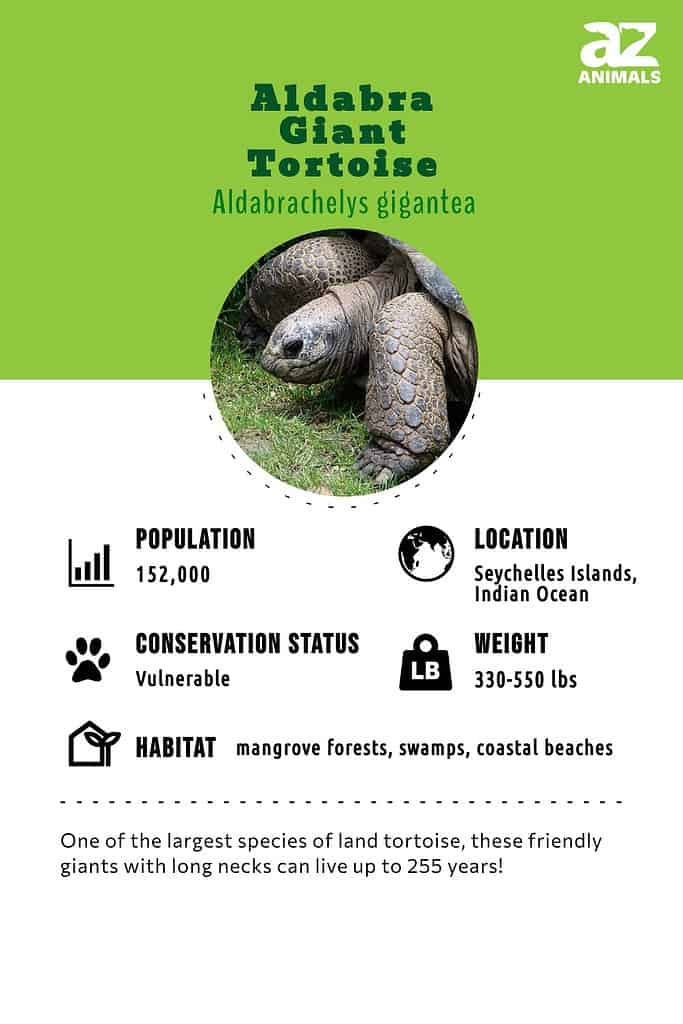
Aldabra Giant Tortoise

Aldabrachelys gigantea

Aldabra's living island giants
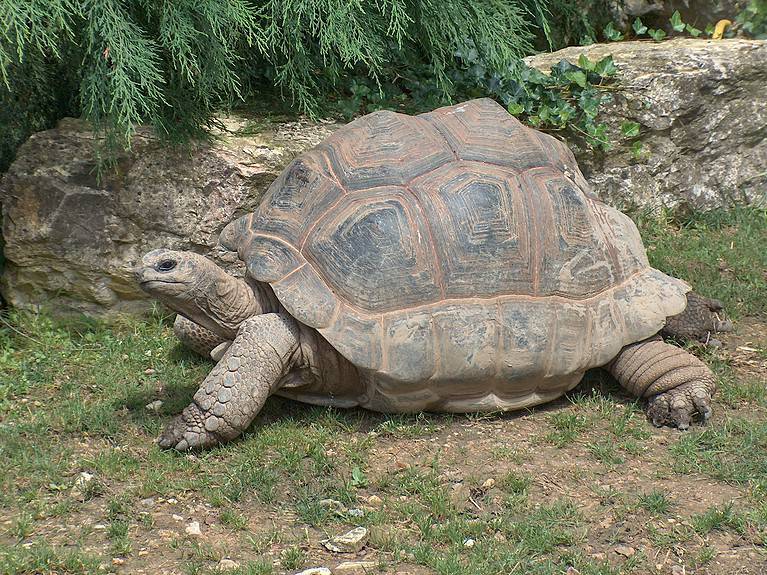
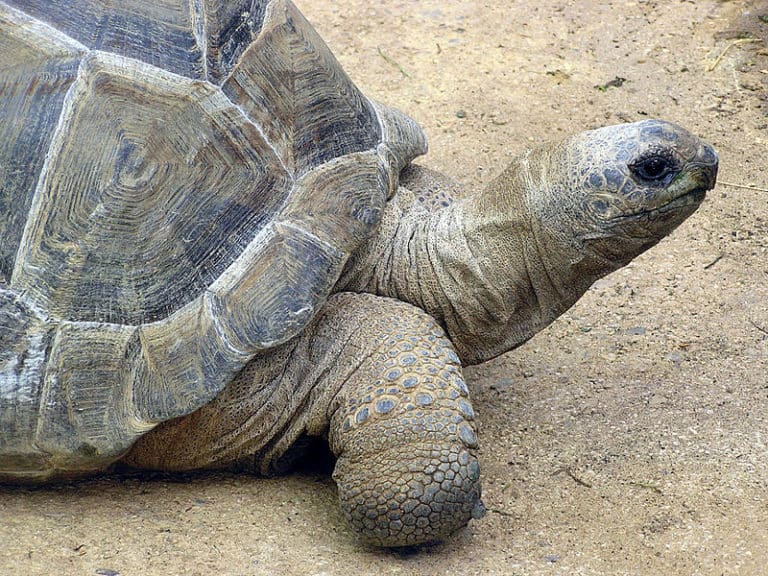
User: WL / CC BY-SA 3.0

Aldabra Giant Tortoise Distribution

Click a location to explore more animals from that region

Endemic Species
Loading map...

Found in 1 country

Size Comparison

Human 5'8"
Aldabra Giant Tortoise 1 ft 10 in

Aldabra Giant Tortoise stands at 32% of average human height.

Seychelles giant tortoise

At a Glance

Wild Species
Also Known As Aldabra tortoise, Seychelles tortoise, Seychelles giant tortoise, Aldabra land tortoise
Diet Herbivore
Activity Diurnal+
Lifespan 100 years
Weight 300 lbs
Status Vulnerable
Did You Know?

Endemic stronghold: the vast majority live naturally on Aldabra Atoll, Seychelles (UNESCO World Heritage site since 1982).

Scientific Classification

A very large herbivorous land tortoise and one of the world’s largest living tortoise species, famed for extreme longevity and its stronghold on Aldabra Atoll (Seychelles).

Kingdom
Animalia
Phylum
Chordata
Class
Reptilia
Order
Testudines
Family
Testudinidae
Genus
Aldabrachelys
Species
Aldabrachelys gigantea

Distinguishing Features

  • Very large domed carapace (shell) with robust, columnar limbs
  • Primarily herbivorous grazer/browser
  • Notable longevity (often many decades; reputed to exceed a century)
  • Native stronghold on Aldabra Atoll (Seychelles)

Physical Measurements

Males and females differ in size

Height
1 ft 10 in (1 ft 4 in – 2 ft 2 in)
Length
3 ft 5 in (2 ft 7 in – 4 ft)
Weight
441 lbs (220 lbs – 672 lbs)
198 lbs (154 lbs – 243 lbs)
Tail Length
6 in (5 in – 8 in)
Top Speed
0 mph
About 0.3 km/h

Appearance

Primary Colors
Secondary Colors
Skin Type Thick, dry, keratinized reptilian skin with large polygonal scales on limbs, heavy wrinkles on neck/legs, and robust keratin on beak and claws; adapted for abrasive, arid-to-seasonally-wet island habitats (Aldabra Atoll, Seychelles).
Distinctive Features
  • Aldabra Giant Tortoise (Aldabrachelys gigantea) is a very large land tortoise from Aldabra Atoll (Seychelles), with a heavy, high-domed shell; some groups have saddle-backed shells tied to habitat and how high they eat.
  • Adults are among the largest living tortoises, with straight carapace length up to about 122 cm and body mass up to about 250 kg in large males; sizes vary by population and care.
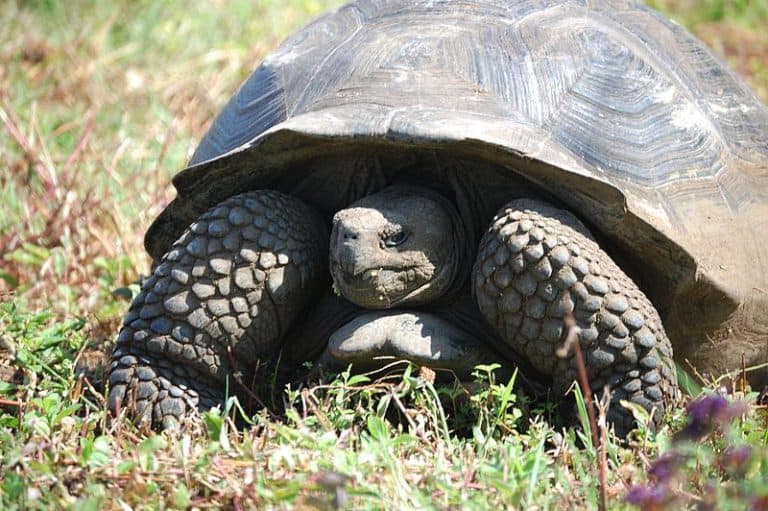
  • Massive columnar limbs with elephantine stance; forelimbs and hindlimbs bear large overlapping scales and strong claws suited to pushing through scrub and excavating shallow depressions/wallows.
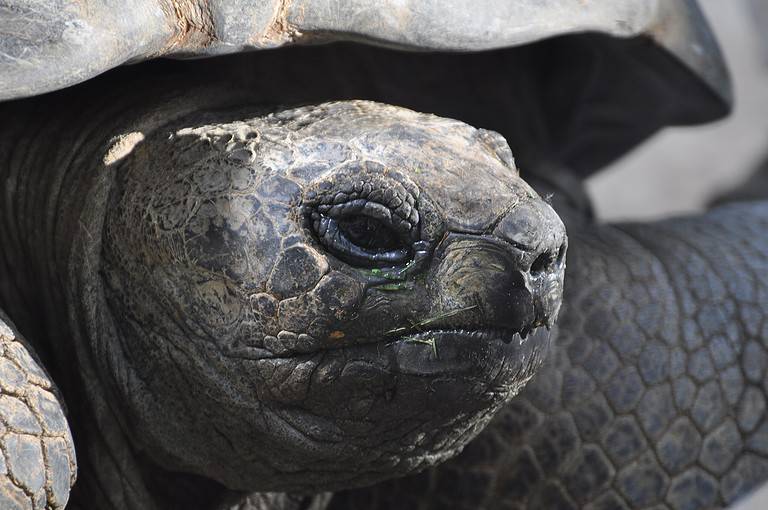
  • Head with a blunt, keratinous beak adapted for grazing and browsing; long, extensible neck that allows both ground-level grazing and mid-height browsing (important in Aldabra's shrub/grass mosaics).
  • Carapace scutes show prominent seams and growth rings; older individuals often exhibit worn, smoothed scute surfaces from decades of abrasion against limestone, sand, and vegetation.
  • Ecology-linked external wear: frequent dusting/mudding on legs and lower shell from wallowing and wet-season soaking; abrasion and chipping can occur along shell margins in very old individuals.
  • Aldabra giant tortoise often lives over 100 years. Tortoises kept in zoos and reserves have lived well past a century, though exact maximum age is hard to prove without continuous records.
  • Herbivore with a body and beak built for eating grasses, herbs, sedges, leaves, and woody plants; on Aldabra it changes plants and helps spread seeds in its droppings.
  • Conservation-linked appearance notes: many individuals on Aldabra show intact, heavy shells and thick limbs characteristic of low-predation island megafauna; translocated/restored populations elsewhere may show shell wear patterns and scute condition reflecting different substrates and climate.

Sexual Dimorphism

Males are larger and heavier than females, with longer, thicker tails and a differently shaped plastron for mating. Big males can reach about 1.2 m carapace (shell) length and 200–250 kg; females are generally lighter.

  • Larger overall body size and carapace dimensions on average (males constitute most of the very largest individuals).
  • Longer, thicker tail (housing the copulatory organ), often more conspicuous from behind.
  • More concave plastron relative to females (facilitates mounting during mating).
  • Generally more robust forequarters and neck thickness in large adult males, giving a bulkier, higher-profile appearance.
  • Smaller average adult body size and mass compared with males.
  • Tail shorter and less thick, typically less protrusive beyond the shell margin.
  • Plastron typically flatter than in males, contributing to a lower-contrast ventral curvature.

Did You Know?

Endemic stronghold: the vast majority live naturally on Aldabra Atoll, Seychelles (UNESCO World Heritage site since 1982).

Population scale: Aldabra has long been estimated to support on the order of ~100,000 giant tortoises, one of the world's largest remaining giant-tortoise populations (Swingland & Coe, 1979).

Size: adults can reach about 1.2 m straight carapace length; large males commonly exceed 100 cm (species accounts in major chelonian references; e.g., Pritchard, 1979; Ernst & Barbour, 1989).

Mass: large males are often ~150-250 kg in the wild/captivity reports; exceptionally heavy individuals have been reported above this range in captivity (compiled species accounts).

Longevity: individuals commonly live well over 100 years; verified ages beyond a century are frequent in well-documented captive animals and long-term monitored populations (zoo/collection records; long-term field studies).

Reproduction: females lay clutches typically around 9-25 eggs; incubation is temperature-dependent and can span roughly 3-8+ months (species accounts; Aldabra field observations summarized in Gerlach, 2004).

Ecosystem engineer: by grazing and trampling, they maintain open 'tortoise turf' and influence plant communities, nutrient cycling, and seed movement across islands (Swingland & Coe, 1979; Hansen et al., 2008).

Unique Adaptations

  • Island giantism: evolution on isolated islands with few large herbivores produced a very large-bodied, long-lived grazer-an ecological role rare among reptiles today.
  • Water economy: they can store substantial water in the bladder and tolerate dry periods, enabling survival through seasonal droughts typical of coral atolls (physiology described in chelonian husbandry/science syntheses).
  • Low metabolic rate: slow energy use supports long fasting periods and contributes to extreme longevity typical of giant tortoises (general testudinid physiology; applied to Aldabrachelys in species accounts).
  • Powerful beak and neck reach: a strong keratinous beak and long neck allow both close-cropping of turf and higher browsing on shrubs.
  • Robust, domed shell: heavy armor deters most predators; in Aldabra adults are effectively predator-proof, shifting selection toward longevity and slow life history.
  • Gut fermentation for fibrous plants: an enlarged hindgut supports microbial fermentation, extracting energy from tough grasses and leaves (general Testudinidae digestive biology; consistent with Aldabra diet).

Interesting Behaviors

  • Seasonal movement: many individuals shift between drier scrub and more vegetated areas as rainfall and fresh growth change through the year (documented in Aldabra ecological studies; Swingland & Coe, 1979).
  • Grazing-browsing flexibility: they graze low turf when it's lush, but also browse shrubs and take fallen leaves/fruit, switching with season and availability (Gerlach, 2004).
  • Thermoregulation by timing: activity peaks in cooler hours; during heat they rest in shade or wallow in mud to cool and reduce water loss (field observations summarized in Gerlach, 2004).
  • Social and sexual displays: males may engage in height-raising, head-bobbing, and shoving/ramming contests for access to females (chelonian behavioral descriptions in standard references).
  • Landscape 'trails': repeated use of the same routes creates visible tortoise paths that channel movement and concentrate grazing pressure in tortoise-turf areas (reported from Aldabra).
  • Long-distance seed transport: seeds can be carried internally and deposited far from parent plants in dung, sometimes enhancing germination after gut passage (Hansen et al., 2008).

Cultural Significance

Aldabrachelys gigantea is a national symbol in Seychelles and draws wildlife tourism. Sailors once took tortoises as ship food, but Aldabra's remoteness and protection helped them survive while many Mascarenes tortoises died out. They help rewild islands like Mauritius to restore grazing and seed spreading.

Myths & Legends

Aesop's fable "The Tortoise and the Hare" (Ancient Greek tradition) casts the tortoise as the underestimated victor-patience and persistence triumphing over speed.

In Hindu tradition, the tortoise avatar of Vishnu supports the cosmic churning of the ocean, presenting the tortoise as a stabilizing pillar of the world (a widespread South Asian sacred narrative).

In Yoruba storytelling (West Africa), the tortoise is a clever trickster whose schemes teach moral lessons about greed, pride, and communal responsibility.

When ships sailed the Indian Ocean, people said Aldabra Giant Tortoises (Aldabrachelys gigantea) were "living food" that lasted months on ships, shaping colonial sea stories and island views of these reptiles.

In modern Seychelles and island tourism culture, exceptionally old named tortoises (kept on islands and estates) are treated as living 'elders,' inspiring local anecdotes about endurance, memory, and guardianship tied to their remarkable lifespans.

Conservation Status

VU Vulnerable

Facing a high risk of extinction in the wild.

Population Increasing

Protected Under

  • Occurs primarily within the Aldabra Atoll protected area (Aldabra Special Reserve) managed by the Seychelles Islands Foundation; Aldabra Atoll is a UNESCO World Heritage Site (inscribed 1982).
  • International trade is regulated under CITES (listed in Appendix II for Aldabrachelys gigantea).
  • National protection and management measures apply in Seychelles through protected-area regulations and permitting/biosecurity controls for Aldabra access and any specimen movements.

Life Cycle

Birth 15 hatchlings
Lifespan 100 years

Lifespan

In the Wild
50–150 years
In Captivity
70–190 years

Reproduction

Mating System Polygynandry
Social Structure Aggregation Group
Breeding Pattern Transient
Fertilization Internal Fertilization
Birth Type Internal_fertilization

Aldabra giant tortoise (Aldabrachelys gigantea) have a multi-partner mating system (polygynandry). Adults mate with multiple partners, are largely solitary but form loose groups at resources, males compete to mate, mating is seasonal; females lay clutches (~10–25 eggs) and give no care.

Behavior & Ecology

Social Aggregation Group: 8
Activity Diurnal, Crepuscular
Diet Herbivore Fresh green grasses and sedges (new growth, especially after rain)

Temperament

Generally tolerant and non-territorial: individuals commonly feed in proximity with minimal aggression, reflecting a primarily resource-based (not dominance-based) social system (Swingland & Coe 1979/1980).
Seasonally variable assertiveness: adult males become notably more combative during the breeding period, using approaches, head/neck extension, pushing/ramming, and attempts to displace rivals (Gerlach 2004).
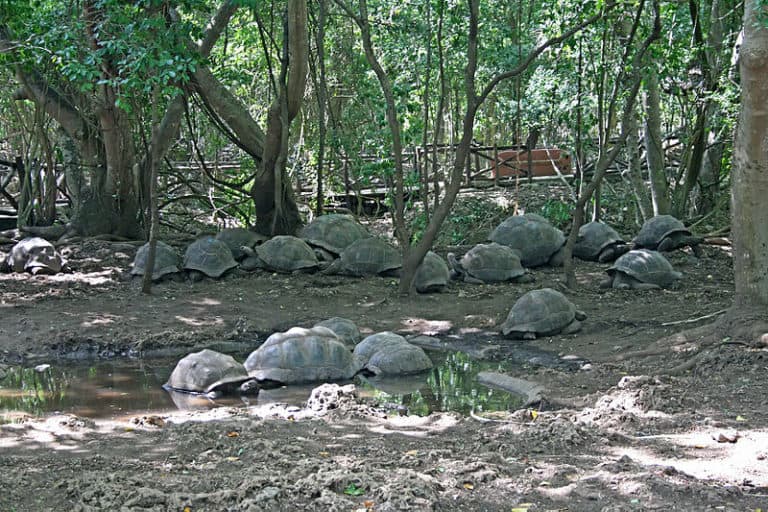
Thermoregulatory sociability: in intense heat, individuals converge on shade/wallows and reduce movement; this increases apparent grouping without implying coordinated group behavior (Swingland & Coe 1979/1980).
High individual persistence/site use: repeated use of favored routes, resting scrapes, shade trees, and wallows can make local 'social hubs' where encounters recur, but membership remains fluid rather than stable (Swingland & Coe 1979/1980).

Communication

Hissing/forceful exhalation Common during handling, stress, or close interactions
Low-frequency grunts/groans associated with courtship/mating Reported in giant tortoises including Aldabrachelys; Ernst & Barbour 1989; Gerlach 2004
Tactile signaling: nudging with the snout, pushing/ramming with the gular/forebody, and climbing attempts during mating; physical displacement is a primary 'message' in male-male and male-female interactions Gerlach 2004
Visual posturing: head/neck extension, elevated stance, and orientation/approach displays at close range; used in assessment and escalation, especially among males Gerlach 2004
Chemical cues: olfactory investigation Sniffing) of conspecifics and substrates, consistent with reptile social/sexual cue use; likely important for mate assessment and reproductive state (general Testudinidae pattern; Ernst & Barbour 1989; Gerlach 2004

Habitat

Biomes:
Savanna Tropical Dry Forest Wetland Marine
Terrain:
Island Coastal Plains Sandy Rocky Karst
Elevation: Up to 26 ft 3 in

Ecological Role

Megaherbivorous ecosystem engineer and keystone grazer/browser in Aldabra's terrestrial communities.

Maintains and creates open grassland structure through grazing (reducing woody encroachment and shaping plant community composition) Seed dispersal (endozoochory) of a variety of plant species via ingestion of fruits/plant parts and defecation at distance from parent plants Nutrient cycling and soil fertilization through concentrated dung deposition and associated microbial/invertebrate activity Creates and maintains trails and disturbed patches that alter microhabitats, aiding plant regeneration and affecting invertebrate communities Influences fire fuel loads and vegetation mosaics by regulating standing herbaceous biomass

Diet Details

Other Foods:
Grasses Sedges and other graminoids Herbaceous forbs Leaves and shoots of shrubs and low trees Succulent plant material Leaf litter Fallen fruit +1

Human Interaction

Domestication Status

Wild

Aldabra Giant Tortoise (Aldabrachelys gigantea) is not domesticated but has been moved and managed by people for centuries. Sailors took them as ship food, which helped cause island extinctions. Since the 1800s they have lived in zoos and estates. Aldabra Atoll (Seychelles) is a protected stronghold and source for rewilding.

Danger Level

Low
  • Bites can cause lacerations/crush injuries (strong beak; risk increases during feeding/handling).
  • Large adults can knock people over or pin feet/hands if startled or during mating/male-male pushing.
  • Zoonotic risk is low but non-zero: like many reptiles, can carry Salmonella; hygiene is required after contact.

As a Pet

Not Suitable as Pet

Legality: Aldabra Giant Tortoise laws differ by country or state. International trade is controlled by CITES and needs permits. Many places require wildlife or exotic pet permits; some ban private ownership. Check local laws and CITES rules.

Care Level: Expert Only

Purchase Cost: $2,000 - $20,000
Lifetime Cost: $50,000 - $250,000

Economic Value

Uses:
Ecotourism Zoological display and education Conservation and habitat restoration Scientific research (longevity, physiology, island ecology) Regulated live-animal trade (limited; permits required)
Products:
  • tourism value from viewing in protected areas (e.g., Aldabra/curated reserves)
  • education/programming revenue for zoos and conservation centers
  • conservation services as ecosystem engineers (grazing, seed dispersal) in restoration projects
  • historical provisioning (meat) by ships and settlements (now generally illegal/controlled)

Relationships

Classification and Evolution
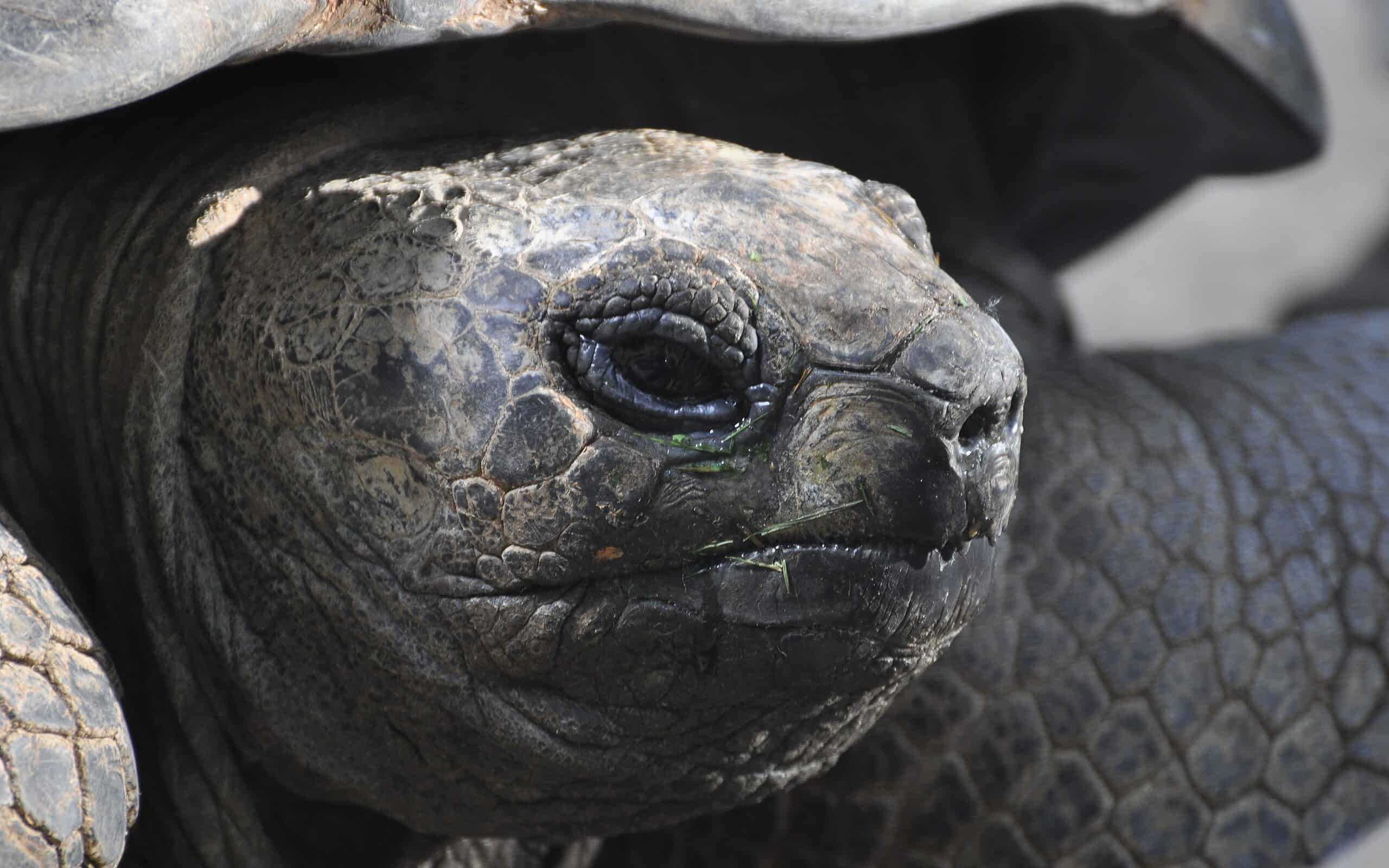
Aldabra giant tortoises are the only surviving members of the Aldabrachelys genus.

The Aldabra Giant Tortoise is a massive, long-necked reptile endemic to the Aldabra Islands off the East Coast of Africa. The Aldabra giant tortoise is among the biggest types of land tortoise and longest-living animals on the planet, with one Aldabra Giant Tortoise living to the impressive age of 255 years old. The Aldabra Giant Tortoise is the last living species of Indian ocean giant Tortoise species alive today as others such as the Seychelles Giant Tortoise fell extinct soon after the arrival of humans to this region. The Aldabra Giant Tortoise and the Seychelles Giant Tortoise share many characteristics, to the point where much debate has arisen as to their true classification.

Anatomy and Appearance
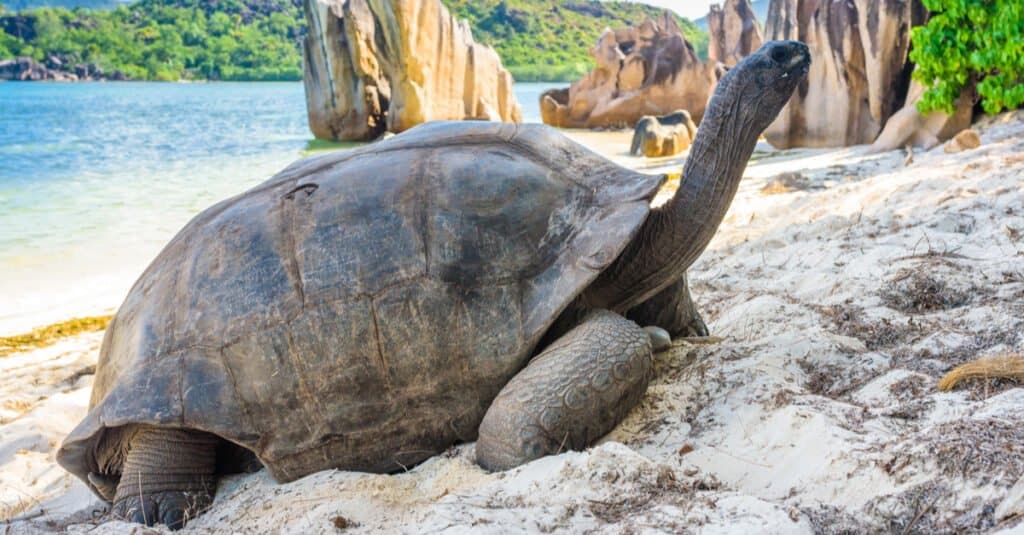
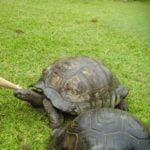
Largest Tortoise - Aldabra giant tortoise on the beach

Aldabra giant tortoises are perfectly adapted to life on the sandy shores of a mangrove beach.

The Aldabra Giant Tortoise has a massive defensive shell known as a carapace that protects the vulnerable, soft body within. The Aldabra Giant Tortoise is also notable for its long, craning neck that it uses to eat leaves from low hanging branches. The male Aldabra Giant Tortoise grows to an average size of 1.1 meters long, with females being slightly smaller at a length of 0.9 meters. The males are considerably heavier, despite not being much larger, weighing up to 100kg more than their female counterparts. Their sturdy, shovel-like feet provide them with traction for walking across unyieldy sands.

Distribution and Habitat
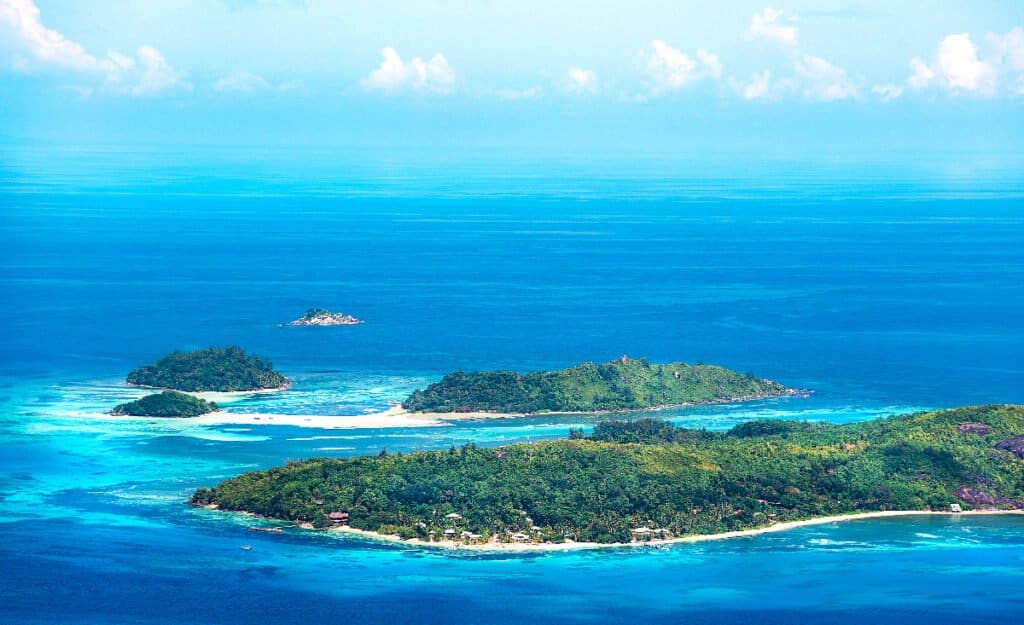
Aldabra giant tortoises only live in the island nation of the Seychelles.

The Aldabra Giant Tortoise mainly dwells in the grassy and swampy regions of the Aldabra Atoll (a mass of coral that partially or wholly obscures a lagoon), which is a portion of the Seychelles chain of islands in the Indian Ocean. They once shared these islands with a number of other giant Tortoise species, but many of these were hunted to extinction in the 1700s and 1800s. Although the Aldabra Giant Tortoise is usually found in areas of dense, low-lying vegetation, the Aldabra Giant Tortoise is also known to wander into more sparse, rocky regions when food is in short supply. The Aldabra Giant Tortoise can also often be found resting in the shade, or in a very shallow pool of water to cool itself down in the heat.

Behavior and Lifestyle
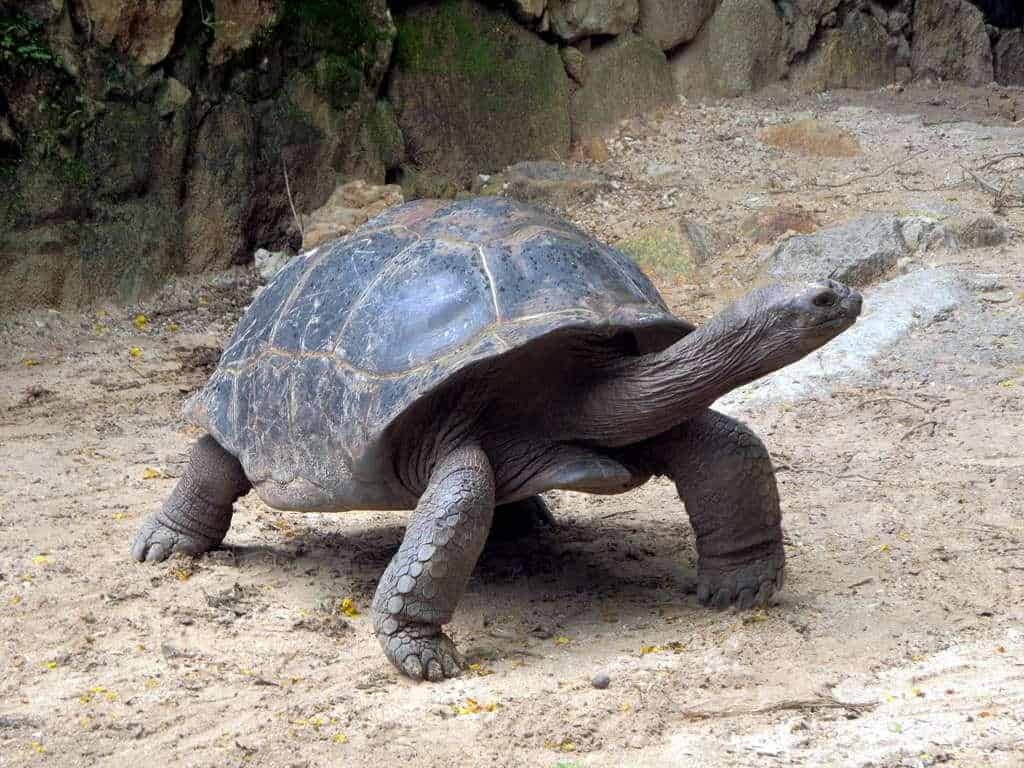
Aldabra giant tortoises are highly social amongst themselves.

Aldabra Giant Tortoises are known to travel solitarily, as well as in packs, which primarily congregate in spacious, grassy fields. The Aldabra Giant Tortoise do most of their eating in the early morning hours when they can forage in the light without the full force of the daytime sun’s heat. The Aldabra Giant Tortoise have also been seen digging burrows into the sand in order to cool off and escape the heat. Despite being slow and cautious animals, the Aldabra Giant Tortoise is said to be uninterested in the presence of people, indicating that one of the reasons that they were so easy for Human settlers to hunt, was simply because these animals had no fear of them.

Reproduction and Life Cycles
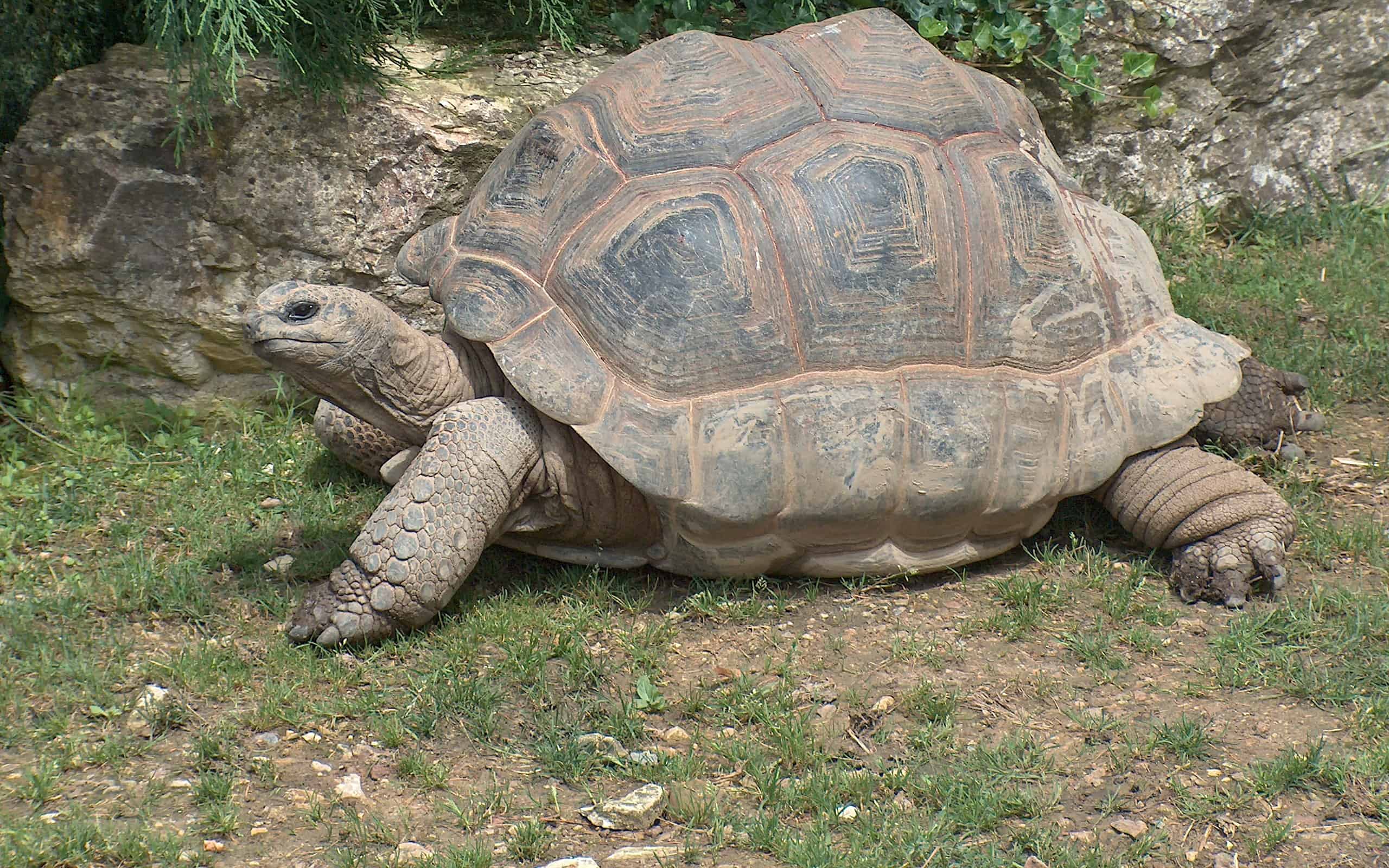
Aldabra giant tortoises metabolize incredibly slowly.

Aldabra Giant Tortoise mothers lay around 25 eggs of a rubber-like texture sometime after February begins and before May ends. They bury their eggs in a dry, shallow pit that is easily raided by predators if left unguarded. Biologists believe that female Aldabra Giant Tortoises are able to produce more than one clutch a year, which typically hatch after an 8 month process of incubation. The baby Aldabra Giant Tortoises tend to all emerge during the same two-week period which coincides with the arrival of the rainy season. They are very slow-growing reptiles and often do not reach sexual maturity until they are between 20 and 30 years old. Although some individuals have been known to live for more than 250 years, most live to be between 80 and 120 years old. Learn more about the oldest animals on earth here.

Diet and Prey
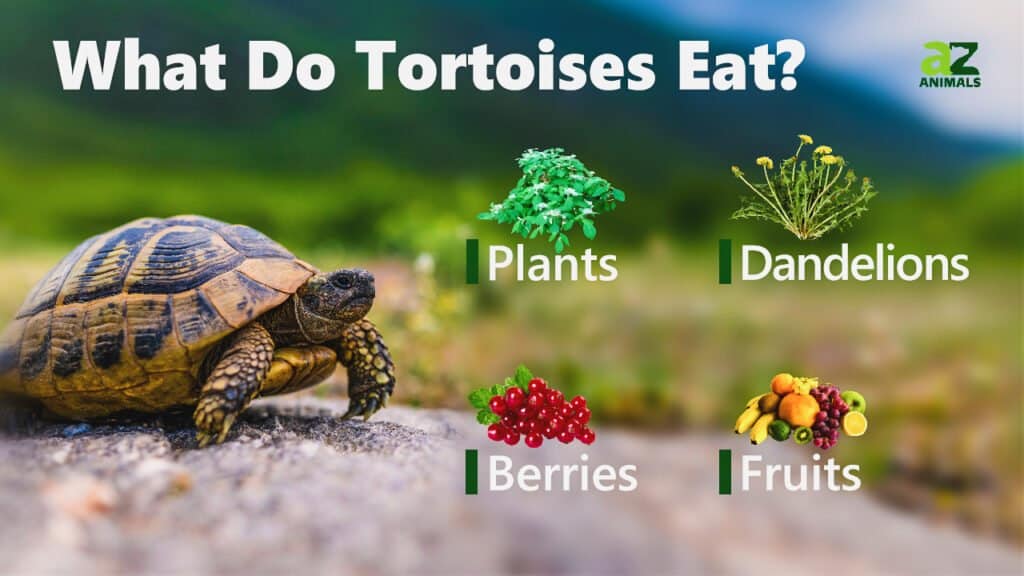
What Do Tortoises Eat
Tortoises of all sizes eat vegetables, fruits, plants, and fungi in the wild.

The Aldabra Giant Tortoise is an herbivore, spending a significant portion of its time searching for sustenance in its surrounding well-vegetated environment. The Aldabra Giant Tortoise is commonly seen in places that are referred to as “Tortoise Turf”, which offer a buffet of more than 20 varieties of herbs and grasses for these reptiles to snack on. Aldabra Giant Tortoises also eat leaves, berries, fruits and nuts from the foliage and are known to actually reach up on their hind legs to nibble on the treats slightly higher up. One of the biggest blows for the species with the introduction of domestic animals to the islands was that they had competition for food that wasn’t there before. Goats are known to graze very quickly, munching their way through vast areas of the Tortoise’s native habitat.

Predators and Threats
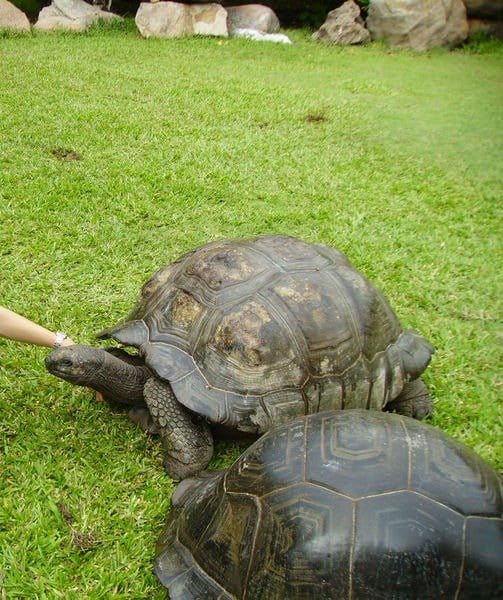
Aldabra Giant Tortoises were hunted by early human settlers of the Aldabra Atoll.

Due to their gargantuan size relative to the other creatures native to their island, Aldabra Giant Tortoises did not initially have any natural predators (with the exception being eggs and baby tortoises that fell victim to a species of Crab that inhabits sandy tunnels on the atoll). This changed when the first humans arrived and introduced domesticated animals like Dogs and Goats, which would eat the tortoises themselves as well as feeding on the vulnerable young. Today, the Aldabra Giant Tortoise is most threatened by habitat loss from growing Human settlements, with climate change becoming an increasingly bigger threat to the species in the future.

Interesting Facts and Features
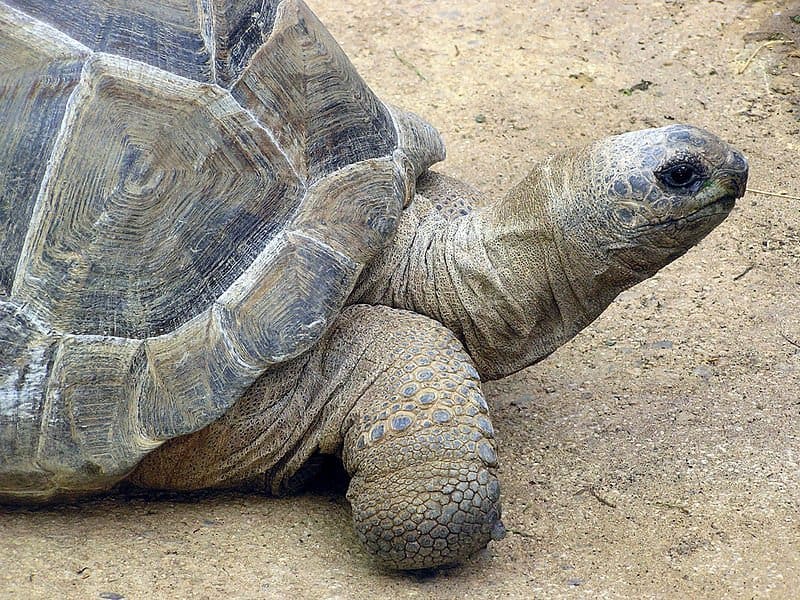
Aldabra Giant Tortoises could be greatly affected by climate change.

The Aldabra Giant Tortoise has now had four scientific names to date, mainly due to the fact that there are ongoing arguments about their similarity to other large Indian Ocean Tortoise species including the possibly extinct Seychelles Giant Tortoise. Despite population numbers having dropped through hunting, habitat loss, and the introduction of new predators, one of the biggest threats to the Aldabra Giant Tortoise is the rising sea level, caused by climate change. The islands that these tortoises live on are only a few meters above sea level and are therefore at great risk from these rising waters.

Relationship with Humans
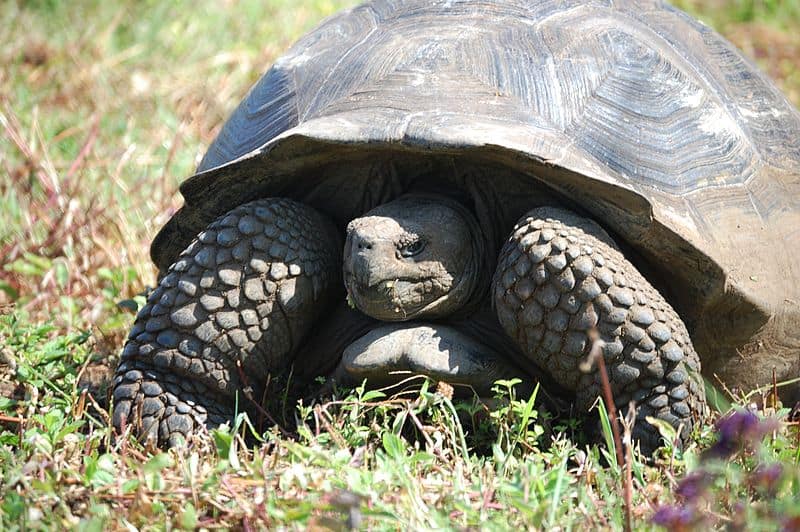
Aldabra giant tortoises have a tenuous relationship with humans, though they can make great pets for caring owners.

Before the 1700s, the Aldabra Giant Tortoise had no significant predators or competition for food, with all populations of the various giant Tortoise species thought to have been healthy. However, the people that arrived on the islands found both the Tortoises and their eggs, easy to catch and kill and somewhat good to eat, with mass hunting wiping out nearly all of them in less than 100 years. The Aldabra Giant Tortoise was also eaten by the domestic animals that arrived with people, with their ground-dwelling nests being particularly vulnerable. They have also now lost much of their natural habitat due to expanding Human settlements throughout the atoll.

Conservation Status and Life Today
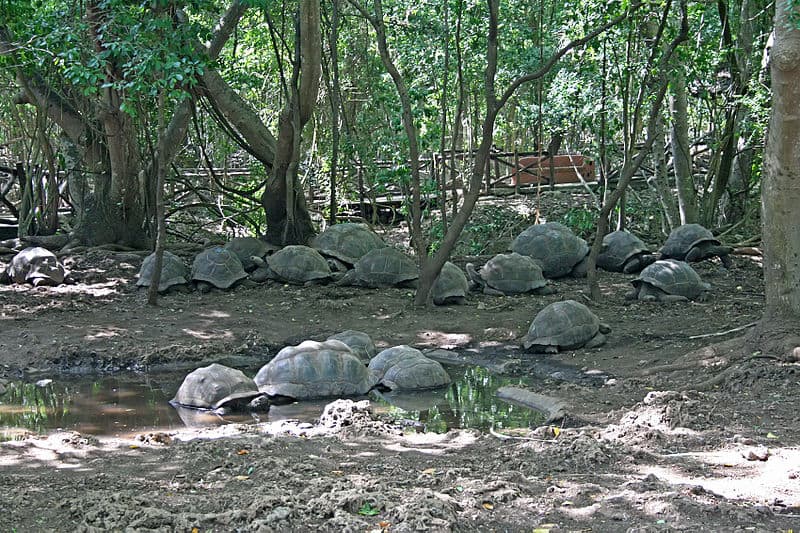
Conservation efforts have helped protect the Aldabra giant tortoise from extinction.

Today, the Aldabra Giant Tortoise is listed as an animal that is Vulnerable to extinction in the wild. However, the Aldabra atoll has now been protected from human interference after being declared a World Heritage Site and boasts a population of around 152,000 Aldabra Giant Tortoises, the world’s most stable and populous group. Other smaller families of the Aldabra Giant Tortoise dwell on Zanzibar, and Mauritius and Rodrigues are home to some small populations in captivity in conservation parks and zoos. The captive breeding programs on these islands are to try and revive the species, and populations on them today appear to be thriving.

View all 326 animals that start with A
How to say Aldabra Giant Tortoise in ...
Czech
Želva obrovská
German
Aldabra-Riesenschildkröte
English
Aldabra Giant Tortoise
Spanish
Geochelone gigantea
Finnish
Aldabranjättiläiskilpikonna
French
Tortue géante des Seychelles
Hungarian
Aldabrai óriásteknős
Italian
Geochelone gigantea
Japanese
アルダブラゾウガメ
Malay
Kura-kura Aldabra
Dutch
Aldabra-reuzenschildpad
Polish
Żółw olbrzymi
Swedish
Aldabrasköldpadda
Chinese
亞達伯拉象龜

Sources

  1. David Burnie, Dorling Kindersley (2011) Animal, The Definitive Visual Guide To The World's Wildlife / Accessed July 12, 2010
  2. Tom Jackson, Lorenz Books (2007) The World Encyclopedia Of Animals / Accessed July 12, 2010
  3. David Burnie, Kingfisher (2011) The Kingfisher Animal Encyclopedia / Accessed July 12, 2010
  4. Richard Mackay, University of California Press (2009) The Atlas Of Endangered Species / Accessed July 12, 2010
  5. David Burnie, Dorling Kindersley (2008) Illustrated Encyclopedia Of Animals / Accessed July 12, 2010
  6. Dorling Kindersley (2006) Dorling Kindersley Encyclopedia Of Animals / Accessed July 12, 2010
  7. About Aldabra Giant Tortoises / Accessed July 12, 2010
  8. Aldabra Giant Tortoise Information / Accessed July 12, 2010
Corinna Cybele

About the Author

Corinna Cybele

My name is Corinna! In my profile photo you can see me with one of my two cats, Bisky! The other's name is Yma and she's a beautiful black Bombay kitty. I'm 24 years old and I live in Birmingham, AL with my partner Anastasia and like to spend my free time making music, collecting records and reading. Some other animals I've owned were a hamster, 2 chihuahuas and many different kinds of fish.

Thank you for reading! Have some feedback for us?


Aldabra Giant Tortoise FAQs (Frequently Asked Questions)

Aldabra Giant Tortoises are Herbivores, meaning they eat plants.