




A
Species Profile

American Coonhound

Canis lupus familiaris

All nose, all night, all heart.
Heather Barrett/Shutterstock.com

American Coonhound Distribution

Click a location to explore more animals from that region

Origin Location

This map shows the native origin of the American Coonhound. As a domesticated species, they are now found worldwide.

Loading map...

Size Comparison

Human 5'8"
American Coonhound 2 ft

American Coonhound stands at 35% of average human height.

American coonhound sitting on grass

At a Glance

Domesticated
Also Known As Coonhound, Coon dog
Diet Omnivore
Activity Crepuscular+
Lifespan 11 years
Weight 34 lbs
Status Not Evaluated
Did You Know?

Developed in the U.S. from foxhound-type and other scenthound lines to excel at all-night trailing and "treeing" raccoon.

Scientific Classification

The American English Coonhound is a U.S.-developed scenthound breed within the domestic dog (Canis lupus familiaris), historically selected for tracking and treeing game—especially raccoon—using scent over long distances and varied terrain.

Kingdom
Animalia
Phylum
Chordata
Class
Mammalia
Order
Carnivora
Family
Canidae
Genus
Canis
Species
Canis lupus

Distinguishing Features

  • Scent-hound build with long ears and strong nose; bred for trailing
  • Vocal “hound” baying often used by hunters to locate the dog at distance
  • Typically athletic and endurance-oriented rather than heavy-bodied
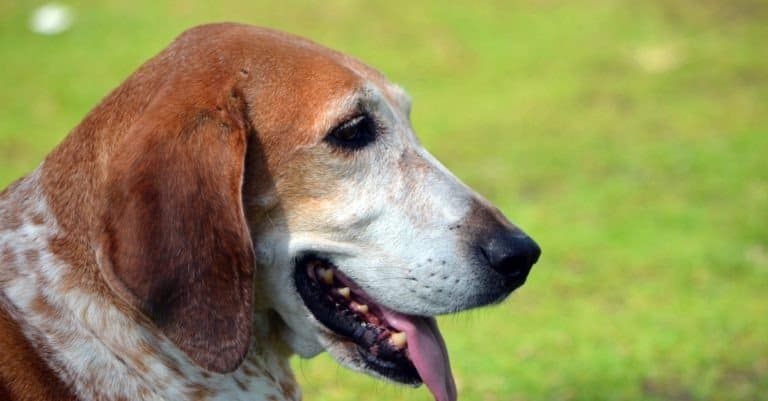
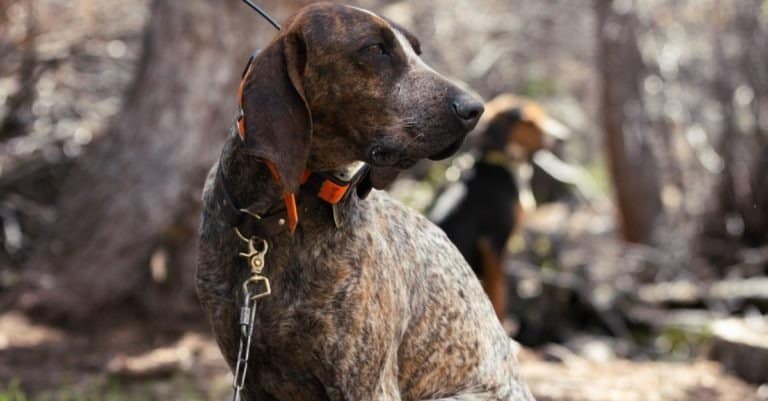
  • Coat commonly includes red/white with ticking or blue ticking; also may appear tricolor depending on lines/registries

Physical Measurements

Males and females differ in size

Height
2 ft 1 in (1 ft 11 in – 2 ft 3 in)
1 ft 11 in (1 ft 9 in – 2 ft 1 in)
Length
4 ft 1 in (3 ft 7 in – 4 ft 7 in)
Weight
54 lbs (44 lbs – 64 lbs)
55 lbs (44 lbs – 66 lbs)
Tail Length
1 ft 3 in (1 ft 1 in – 1 ft 4 in)
Top Speed
35 mph
Moderate top speed, high endurance

Appearance

Primary Colors
Secondary Colors
Skin Type Domestic dog with a short-to-medium, hard, close-lying hound coat; skin is moderately loose (especially around neck/throat) to allow flexibility while trailing, with long pendant ears requiring routine skin/ear care.
Distinctive Features
  • Domestic dog breed (Canis lupus familiaris), selectively bred in the U.S. as a scenthound for trailing and treeing game-especially raccoon-over long distances and varied terrain; not a wild canid species.
  • Athletic, leggy, and endurance-oriented build compared with the base domestic dog: deep chest and strong loin for sustained trotting/running; built for all-night hunts rather than sprinting.
  • Head typical of coonhounds: moderately domed skull, long muzzle, large open nostrils; expression often alert and intent when on scent.
  • Long, low-set, pendant ears that help funnel scent toward the nose; increased risk of ear infections-regular ear checks/cleaning are a key care requirement.
  • Tail carried high (often "flagging" when excited/on trail), aiding handler visibility in brush and at night.
  • Temperament/behavior shaped by work: strong scent drive, independent problem-solving while trailing, and a loud carrying voice ("baying")-important to note for training and neighborhood suitability.
  • Care needs: high daily exercise requirement (endurance cardio plus mental work), best met with long walks/runs, structured scent games, tracking, or trailing work; insufficient outlets often lead to roaming, nuisance vocalization, or destructive boredom behaviors.
  • Training considerations: benefits from positive reinforcement, patience, and recall work on long lines; strong prey/scent drive means off-leash reliability may be limited without extensive training and secure fencing.
  • Common health issues in American English Coonhounds include hip dysplasia, ear infections, some eye problems and obesity from poor exercise. Can get hunting injuries (paw pads, thorns, strains) and bloat; manage feeding and rest.
  • Breed vs group clarification: often confused with other coonhound breeds (Treeing Walker, Bluetick, Redbone, Black and Tan); American English Coonhound is its own breed with variation in coloring but consistent trailing/treeing working style.

Sexual Dimorphism

Males are typically larger and heavier-boned with broader heads and deeper chests; females are usually slightly smaller and lighter-framed while retaining the same athletic proportions and working capability.

  • Generally taller and heavier with a broader skull and thicker neck.
  • More pronounced muscle mass through shoulders and chest; often a deeper, wider forechest appearance.
  • Typically slightly smaller overall with a finer head and lighter bone.
  • Often appears more streamlined through the neck and shoulders while maintaining endurance build.

Did You Know?

Developed in the U.S. from foxhound-type and other scenthound lines to excel at all-night trailing and "treeing" raccoon.

Often shows a strong "cold nose" ability-following older scent trails that many dogs ignore.

Its iconic "bawl" on trail and "chop" at the tree are purposeful signals to hunters over distance.

Despite the name, it is a domestic dog breed, not a wild canid; selection emphasized teamwork with humans over survival traits.

Commonly confused with other coonhounds (Treeing Walker, Bluetick, Redbone, Black and Tan); American English is typically lean, fast, and often red/white "tick" patterned.

Good scent work candidates: tracking, mantrailing, and nose games can channel instinct even in non-hunting homes.

Many lines were prized for handling heat and humidity during Southern U.S. night hunts.

Unique Adaptations

  • Scenthound anatomy tuned for odor work: long muzzle and large nasal cavity support scent processing compared with more brachycephalic breeds.
  • Pendant ears and loose lip margins can help waft and trap scent molecules toward the nose while tracking (a classic scenthound trait).
  • Endurance-focused build: deep chest for lung capacity, long legs for ground-covering speed, and tough feet for varied terrain.
  • Heat tolerance in many working lines: historically selected to operate in warm, humid U.S. climates during night hunts (still requires safe heat management).
  • Distinct vocal repertoire optimized for distance-humans can tell "on track" vs "at tree" by sound patterns.

Interesting Behaviors

  • "Trailing with voice": may vocalize continuously while following scent, a hallmark of many scenthounds used for long-distance communication.
  • Treeing behavior: when quarry goes up a tree, the dog stays, circles the trunk, and barks to "hold" and indicate location.
  • Scent-first decision making: will often prioritize odor information over visual cues-can appear "stubborn" but is highly task-focused.
  • Wide-ranging hunt pattern: naturally inclined to cast back and forth to reacquire scent, especially on older trails.
  • Pack-social style: many are comfortable working alongside other hounds; may prefer canine company and can be vocal when isolated.
  • Rolling in strong smells: inherited canine behavior (from the wolf/dog lineage) that can be common in scent-driven breeds.
  • Food-and-scent motivated learning: tends to respond best to reward-based training that leverages treats, praise, and sniffing opportunities.

Cultural Significance

American English Coonhound grew from U.S. night-time coon hunting and "hound music" baying. It shaped rural sport in the South and Midwest, helped change dog breeding, and was useful on the frontier—trailing game far, handling rough land, and working with people and other hounds.

Myths & Legends

In Appalachian and Southern tales, the raccoon called 'ringtail' is a clever trickster that leads American English Coonhounds on night chases; a true hound follows the winding trail until the ringtail goes into the woods.

Old-trail brag: hunters shared stories of an American English Coonhound (Canis lupus familiaris) that could follow a track "laid yesterday," spoken praise of cold-nosed dogs that made some family lines proud.

Hunters say the American English Coonhound changes from a long, sad 'bawl' on the trail to a rapid 'chop' at the tree, 'telling the story' of the chase in camp songs and sayings.

Many local stories say a single redtick-style hound on a farm or in a valley started a regional line; these origin tales live in family memory and club lore, not in official records.

Night-hunt superstition: hunters thought an American English Coonhound that 'opens honest' (barks only on a real scent) brings good luck to the hunt, while a 'babble-barking' dog could spoil the woods.

Conservation Status

NE Not Evaluated

Has not yet been evaluated against the criteria.

Population Stable

Life Cycle

Birth 6 pups
Lifespan 11 years

Lifespan

In the Wild
11–12 years
In Captivity
10–14 years

Reproduction

Mating System Polygynandry
Social Structure Managed Domestic
Breeding Pattern Not Applicable
Fertilization Managed Selective
Birth Type Managed_selective

American English Coonhound (Canis lupus familiaris): Human-managed, chosen pairings. At the population level both males and females may have multiple mates (polygynandry). Not pair-bonded; breeders control matings and timing.

Behavior & Ecology

Social Pack Group: 4
Activity Crepuscular, Nocturnal, Cathemeral
Diet Omnivore Meat-forward, high-protein complete dog diet (often poultry- or beef-based), with strong-smelling rewards (e.g., liver treats) used for training and tracking reinforcement.

Temperament

Scent-driven and persistent; will follow odor trails for long distances, often overriding handler cues (distinguishes it from the average companion dog).
Social and generally friendly with people; typically not a one-person guard type, more "gregarious hound" than protective.
Independent problem-solver with a stubborn streak; responds best to consistent, reward-based training and structured routines rather than harsh corrections.
High prey drive and strong chase/track motivation; may pursue small animals and can be unreliable off-leash in unfenced areas.
Energetic endurance athlete; needs substantial daily aerobic exercise plus nose-work/scent games to prevent boredom-related behaviors (roaming attempts, nuisance baying).
Vocal and expressive; characteristic long, carrying bay/howl used to advertise track and location-often louder/more frequent than many domestic-dog breeds.
Dog-social tendency (especially when raised with other dogs) due to pack-hunting selection; may still show selective reactivity if under-exercised or poorly socialized.
Affectionate at home but can be distractible outdoors; benefits from decompression sniff walks and jobs (tracking, mantrailing, shed hunting).
Care/health-linked behavior notes: prone to ear issues due to long ears and outdoor activity-discomfort can reduce tolerance/irritability; routine ear checks/cleaning support stable temperament.
Deep-chested dogs can get bloat (GDV). Careful feeding and avoiding hard exercise right before or after meals help. Joint problems like hip dysplasia can limit activity and make dogs upset if exercise isn't changed.

Communication

Long, ringing bay (signature "coonhound bawl") to signal active track and location; often escalates when scent is strong or the dog is excited/frustrated.
Howl and yodel-like bays used for long-distance contact; more frequent than in many companion-line domestic dogs.
Sharp barks for alerting at home Often less protective, more "announcement"
Whines/whimpers during anticipation (leashing up, seeing wildlife) or when seeking proximity/attention.
Scent communication: heavy reliance on urine marking and sniff investigation; frequent nose-to-ground scanning and casting to reacquire a trail.
Body language: forward lean, high tail carriage, and intense sniffing indicate lock-on; may show "selective hearing" posture (head down, ears back/neutral) while tracking.
Treeing-related signaling: circling/locating behavior at the base of a tree, repeated baying upward, and checking back briefly before re-engaging the target area.
Social coordination in groups: follows and overlays scent lines from other hounds; pace-matching and leapfrogging during trailing are common in hunt-style packs.
Human-directed signals: sustained staring/approach-and-retreat to prompt activity; pawing/nudging to initiate play or solicit access to outdoors Can become habitual if reinforced

Habitat

Biomes:
Temperate Forest Temperate Grassland Wetland Boreal Forest (Taiga) Alpine Mediterranean Tropical Dry Forest Savanna Desert Hot Freshwater Marine +5
Terrain:
Mountainous Hilly Plateau Plains Valley Riverine Coastal +1
Elevation: Up to 14763 ft 9 in

Ecological Role

Domesticated omnivorous canid functioning primarily as a human-associated working hunter/scent-tracker rather than a self-sustaining wild predator.

Assists humans in locating and managing quarry species (historically raccoon/opossum) Supports wildlife management by helping control certain nuisance populations under regulated hunting Scent-tracking utility for recreation/field work and, in some lines, potential support roles in search-style tasks Companionship and human social/psychological benefits

Diet Details

Main Prey:
Raccoon Virginia opossum Rabbit Small canids Rodents
Other Foods:
Wild berries and fallen fruit Grasses Vegetable matter

Human Interaction

Domestication Status

Domesticated

Canis lupus familiaris: domestic dogs come from wolves, bred by people. The American English Coonhound is a breed bred in the U.S. as a scenthound for long-distance scent trailing and treeing raccoons. It has a strong nose, high stamina, loud baying, and independence in the field. People use it for hunting, trials, companionship, and sometimes face roaming or barking problems.

Danger Level

Low
  • Low baseline human-directed aggression is typical; most risk arises from poor socialization, fear, pain, or mishandling.
  • Can deliver a serious bite if provoked or in high arousal (e.g., guarding food, being restrained while overstimulated).
  • High prey drive and scent fixation can lead to bolting/roaming, increasing risk of traffic incidents or accidental knock-downs during excited greetings.
  • Loud baying can create neighborhood conflict (a human-safety/wellbeing concern via noise complaints rather than direct injury).

As a Pet

Suitable as Pet

Legality: American English Coonhound (Canis lupus familiaris) is usually legal as a pet in the U.S. Follow leash laws, noise rules, HOA/rental rules. Hunting use needs licenses and seasons. Insurance or housing rules may still limit by size or mixed look.

Care Level: Moderate

Purchase Cost: $150 - $1,200
Lifetime Cost: $15,000 - $32,000

Economic Value

Uses:
Companion animal Hunting/working dog Sport/competition (field trials, bench shows, tracking/scent work) Breeding (registered litters, stud services) Pet services economy (training, boarding, grooming, veterinary care)
Products:
  • hunting services/participation (guided hunts where legal, club events)
  • competition entry and titles (field trials, shows)
  • puppy sales/adoption fees
  • stud fees and breeding services
  • training services (recall, scent work), boarding/daycare, veterinary services, nutrition and equipment (tracking collars/GPS, leashes, crates)

Relationships

Quick Take

  • Owners must provide 60 minutes of daily high-intensity running to maintain this breed.
  • The 65-pound body mass leads to hip dysplasia when exposed to certain environmental factors.
  • These dogs demonstrate singular determination outdoors while remaining sweet companions inside the home.
  • Early socialization is required to prevent the American Coonhound from acting on its prey instinct.

An American Coonhound, also known as an American English Coonhound, is a dog characterized by a laid-back personality. If this breed is properly socialized, it makes a great dog for a family with (or without) children. This breed dates back to the early 19th century in England. They are descendants of English foxhounds.

English foxhounds were bred with other hounds, bringing about the American Coonhound. This breed is renowned for its ability to track down raccoons in wooded areas or fields. These dogs have a cold nose, which means they can detect a scent on a trail that has gone cold.

When they’re on the trail, these are smart, high-energy dogs with singular determination. At home, they are sweet, calm companions.

A detailed infographic about American Coonhounds featuring icons and text about their exercise needs, hunting history, and temperament.
From relentless prey instincts to high-intensity exercise needs, owning an American Coonhound is a full-time commitment that starts on day one. © A-Z Animals

3 Pros and Cons of American Coonhounds

ProsCons
A sweet personality
This breed makes for a good family dog due to its affectionate, sweet personality.
A high-energy dog
American Coonhounds are high-energy and need 30 to 60 minutes of running exercise each day. Exercise helps with their physical and mental well-being.
An easy grooming routine
These hounds have a simple grooming routine consisting of weekly brushing with a soft-bristle brush or a grooming glove.
A loud bark/howl
These hounds have a loud bark that makes them effective watchdogs, but their loud voice may disturb neighbors.
A good watchdog
The loud bark of this breed is more than enough to alert a family to someone on the property.
A prey instinct
These dogs were bred to pursue small animals such as raccoons. A coonhound that’s not properly socialized may mistake a family pet such as a rabbit or bird for prey. Socialization is key.

Evolution and Origins

The American Coonhound is a breed of dog that was developed in the United States and was a combination of English Foxhounds, Bloodhounds, and other hunting breeds. The breed was developed to hunt raccoons and other small mammals. They also served as general-purpose hunting dogs.

The American Coonhound is thought to have originated in the colonial era when settlers in the American colonies brought over Foxhounds and Bloodhounds from Europe to hunt game. These dogs were then crossbred with other hunting breeds. These other hunting breeds included the Black and Tan Coonhound, the Virginia Hound, and the Cur dog.

Over time, American Coonhounds were selectively bred to improve their hunting abilities and endurance. They were also used to hunt other animals such as bears and deer. The breed was officially recognized by the United Kennel Club in 1905 as the English Fox and Coonhound, and by the American Kennel Club in 2011 as the American English Coonhound under the Hound Group.

Today, American Coonhounds are still used for hunting, but they are also kept as family pets and are known for their friendly and affectionate personalities. They make great companions for active families and individuals who enjoy outdoor activities such as hiking and camping.

Size and Weight
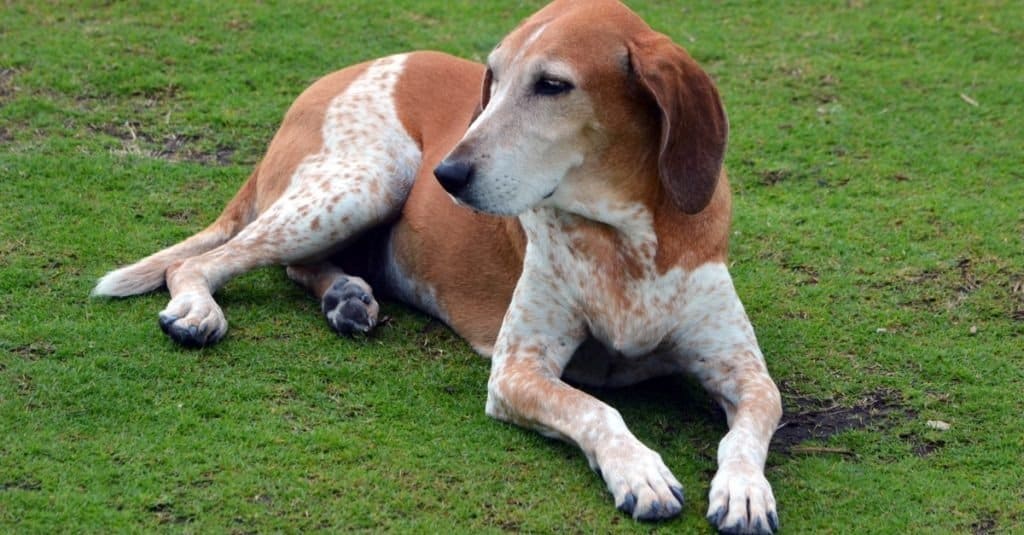
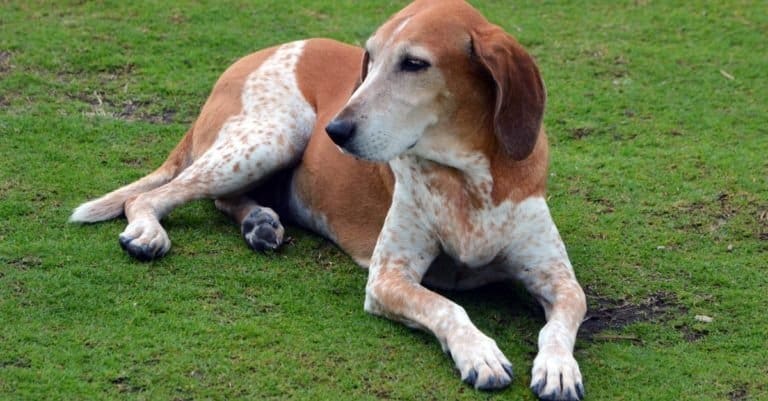
An American English Coonhound resting on the grass at Southpointe Park in Miami Beach,Florida

The American Coonhound is medium to large in size.

The American Coonhound is medium to large in size. A male can grow to be 26 inches tall at the shoulder, while a female can reach 25 inches tall. Males and females can weigh as much as 65 pounds. American Coonhound puppies weigh 7 to 8 pounds at 7 weeks old. They aren’t considered fully grown until they are 2 years old.

Common Health Issues
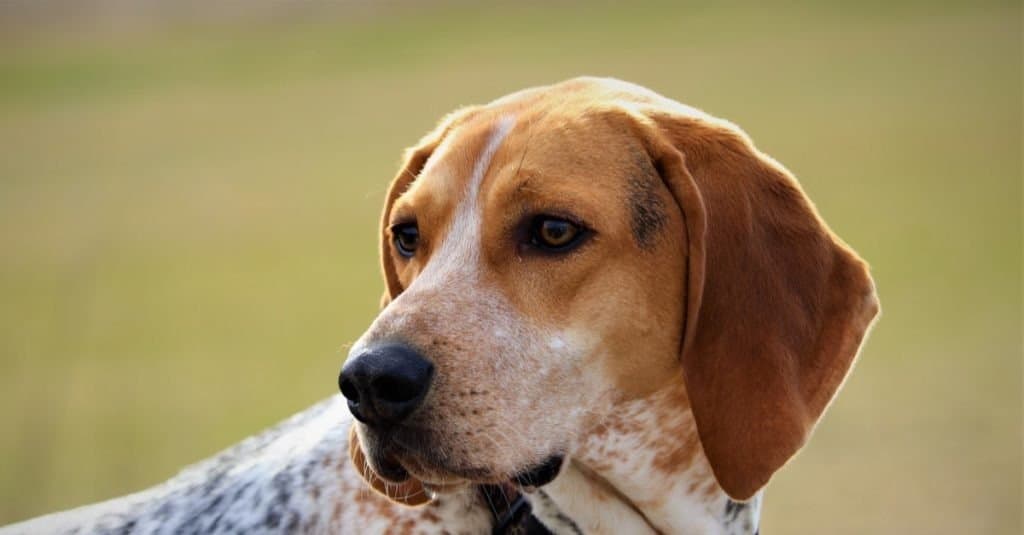
American coonhound sitting on grass

American Coonhounds are prone to certain health issues.

As with most dog breeds, American Coonhounds are prone to certain health issues. One of those is hip dysplasia.

Hip dysplasia is a condition in which the ball and socket of a dog’s hip joint are out of alignment. A dog with this condition is going to limp and otherwise have limited movement. This is a genetic illness that can be aggravated by environmental conditions.

Elbow dysplasia is another common health issue of American Coonhounds. It is the malformation of a dog’s elbow in either or both of its front legs. Limping and lameness are symptoms of this condition. Medication or surgery can be solutions to elbow dysplasia.

This dog breed is also prone to cataracts. A sign of cataracts is cloudiness in the lens of one or both of a dog’s eyes. This is common in older dogs and can cause partial or total blindness. Surgery can be a solution to this condition.

Temperament

American Coonhounds have sweet personalities and loyal behavior. When this dog has been properly socialized from an early age, it gets along well with children and other dogs.

One of the most significant traits of its personality is determination. These dogs were bred to track down the scent of raccoons and corner them in trees. Finding a scent and following it to the end of the trail takes focus and determination.

American Coonhounds that are given lots of time and space to run and explore their environment are happy, healthy dogs.

How to Take Care of an American Coonhound

Owners who learn all about the diet, grooming, and exercise requirements of an American Coonhound will have all the tools they need to provide excellent care for their pet. Whether it’s a puppy or an adult dog, considering this breed’s common health issues can help determine its daily care.

The Best Dog Food

Establishing a nutritious diet for an American Coonhound can help to prevent common health issues. Of course, puppies and adult dogs need different types and amounts of nutrients to stay healthy.

American Coonhound puppy food: A high-quality puppy food with protein in the form of meats and vegetables that builds growing muscles and strong bones. Protein is an essential ingredient in fighting against hip dysplasia as well as elbow dysplasia.

Vitamin C contributes to healthy eyes and vision, which can be useful in preventing cataracts. Omega-3 fatty acids support heart health. A limited amount of fat gives puppies energy while helping them to maintain a normal weight. A puppy should be given 1 to 2 cups of food twice or more times a day.

American Coonhound adult dog food: An adult American Coonhound needs high-quality food with protein in the form of meat, such as chicken. Protein in an adult dog’s diet continues to combat conditions such as hip and elbow dysplasia. Omega 3 and 6 fatty acids contribute to a healthy coat. Food containing antioxidants helps prevent and fight illness.

A limited amount of fat in an adult dog’s diet supplies energy without adding excess weight to its athletic frame. Vitamins A and C support continued eye health in this breed. Adult dogs should receive 2 to 3 cups of food three times per day. Of course, this can be varied if a dog is not as active.

Making water available at all times to your adult dog or puppy contributes to their proper digestion.

Maintenance and Grooming

How much do American Coonhounds shed? These dogs shed an average amount of hair. A weekly grooming routine can help to decrease the amount of hair on the furniture and keep the dog’s coat looking shiny.

A grooming glove helps remove dead hair and stir up natural oils that make a dog’s coat shine. A brush with soft boar hair bristles is another helpful grooming tool that smooths this dog’s coat.

The best way to groom an American Coonhound is to start at its head and work with the flow of its hair toward its tail.

Grooming a dog weekly allows an owner the opportunity to notice skin irritations and bald spots that may be a sign of allergies. In addition, a grooming routine can build even more trust between this dog and its owner.

Training

These dogs are intelligent, determined, and fairly easy to put through obedience training. However, they can be distracted by the scents of animals and other things in the area. A lot of patience, along with words of praise as well as favored treats, all combine to help this hound dog learn all its lessons in a training session.

Exercise

American Coonhounds have a lot of energy. They need from 30 to 60 minutes of exercise each day. Exercise contributes to their physical health and mental health. If this dog doesn’t get enough exercise, it can start to chew on items in the home and otherwise become destructive.

The best exercise for this dog is running. They love to chase down scents and explore their environment. It’s important to ensure they are running in a safe area and are trained to return when called. Also, they like to play fetch and chase.

These dogs aren’t appropriate for an apartment dweller. This is a dog that needs a lot of space to move around and stretch its legs. A family with a lot of fenced-in property or perhaps a farm would be ideal for this dog.

Puppies

A puppy is a cute, playful bundle of joy! But keep in mind that these puppies are very active and need a safe area to roam around in. Also, keep in mind, this puppy has the loud barking and howling that’s characteristic of coonhounds.
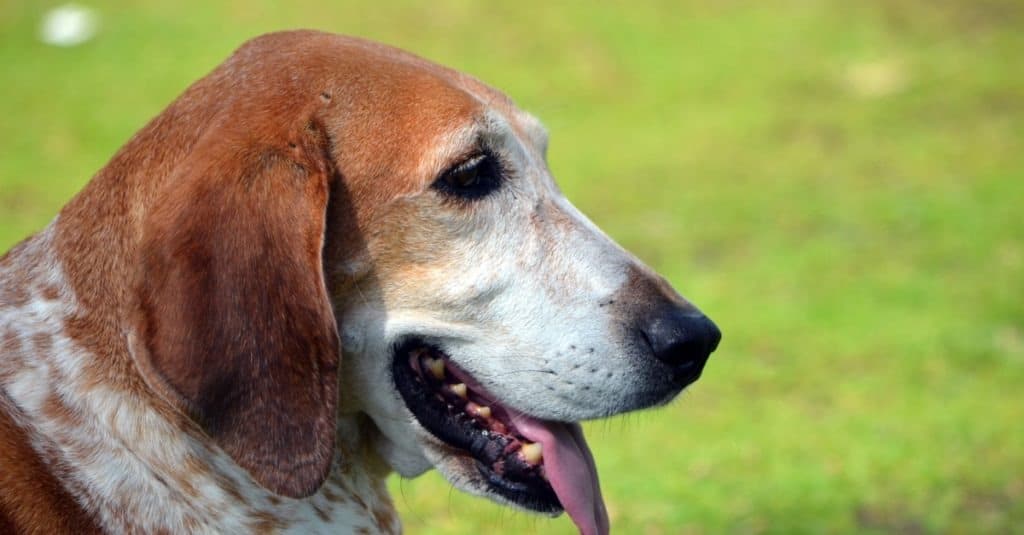
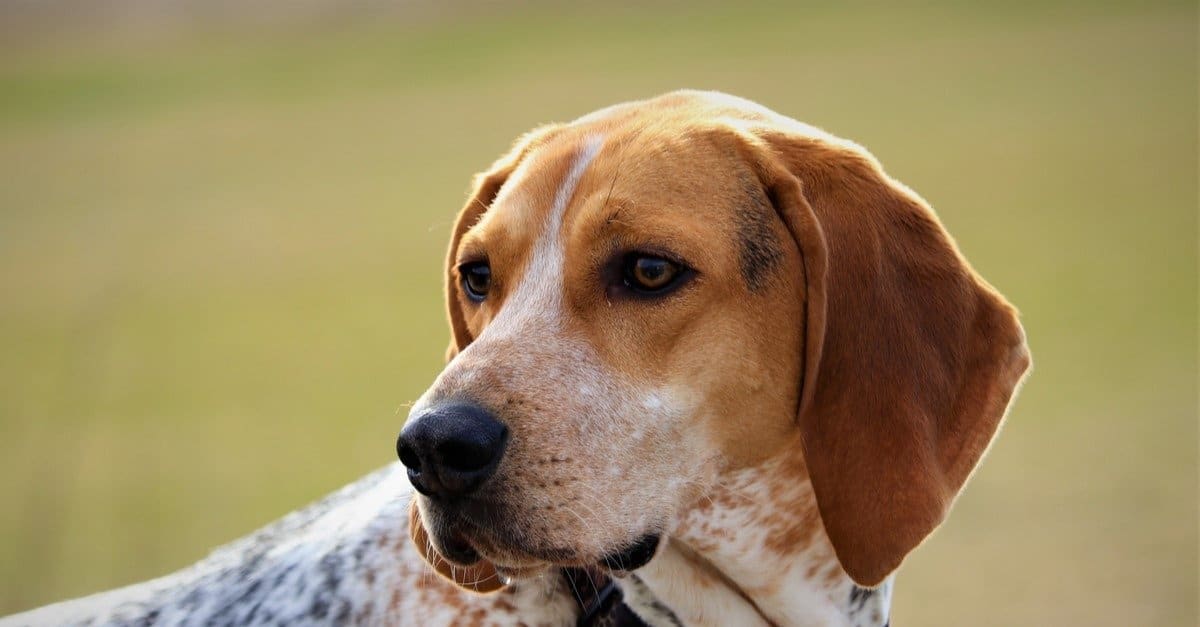
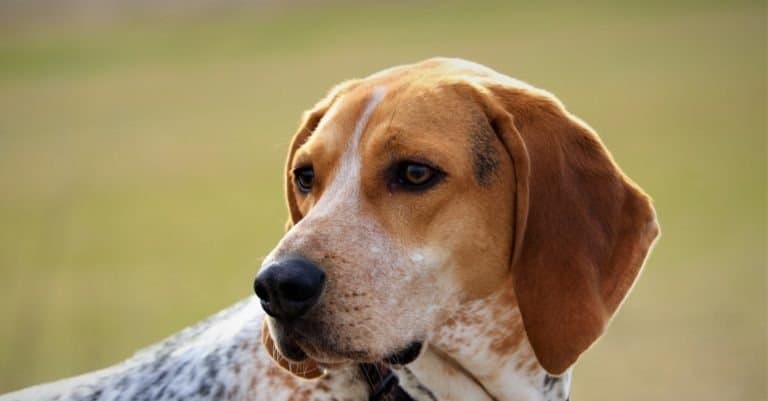
Close-up Portrait of an American Coonhound

This breed makes for a good family dog due to its affectionate, sweet personality.

American Coonhounds and Children

These Coonhounds are known for their sweet personality and loyalty. They are good with children of all ages. As a note, these dogs are highly energetic, so it’s necessary to monitor their interactions with very small children. A playful American Coonhound may bump into a small child, accidentally knocking him or her down in all the excitement.

Dogs Similar to American Coonhounds

Dog breeds similar to the American Coonhound include the American Foxhound, Basenji, and Beagle.

  • American Foxhound: American Foxhounds are very similar in height and weight to American Coonhounds. One difference is that American Coonhounds are easier to train.
  • Basenji: Basenjis and American Coonhounds are both highly energetic dogs. In terms of size, Basenjis are shorter and weigh less than American Coonhounds.
  • Beagle: Both of these dogs have a loyal temperament and a resonating bark. American Coonhounds are taller and weigh more than beagles.
View all 326 animals that start with A

Sources

  1. American Kennel Club / Accessed January 28, 2021
  2. The Happy Puppy Site / Accessed January 28, 2021
Rebecca Bales

About the Author

Rebecca Bales

Rebecca is an experienced Professional Freelancer with nearly a decade of expertise in writing SEO Content, Digital Illustrations, and Graphic Design. When not engrossed in her creative endeavors, Rebecca dedicates her time to cycling and filming her nature adventures. When not focused on her passion for creating and crafting optimized materials, she harbors a deep fascination and love for cats, jumping spiders, and pet rats.
Connect:

Thank you for reading! Have some feedback for us?


American Coonhound FAQs (Frequently Asked Questions)

American Coonhounds have long ears and strong, muscular legs.