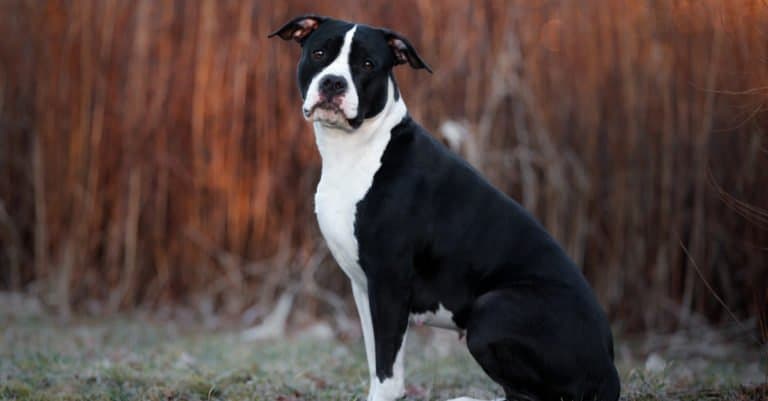
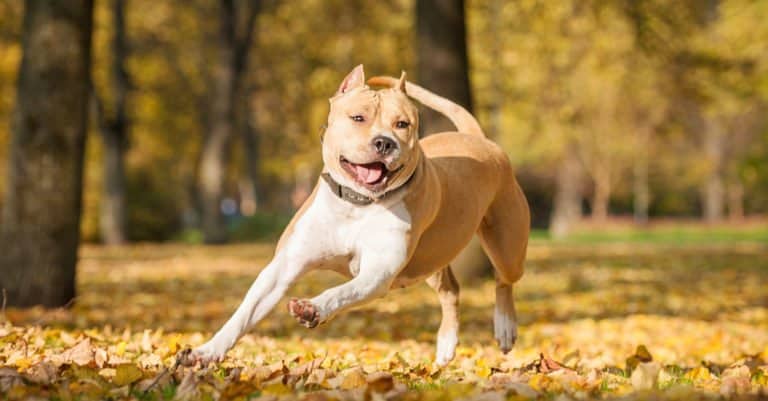
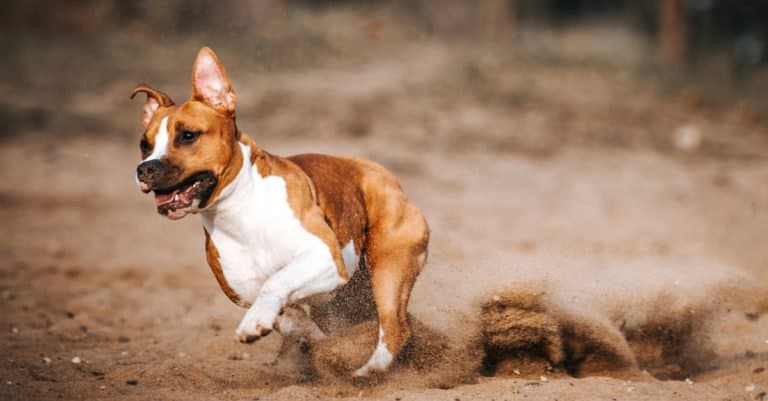
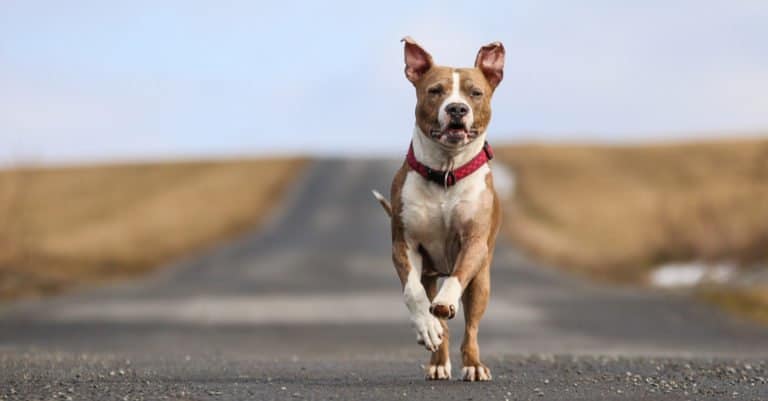









The American Staffordshire Terrier, also known as an AmStaff or Staffy, is one of the most popular family dogs. They can be friendly, almost to a fault. Despite their often tough appearance, they are not ideal guard dogs. These dogs are part of the terrier group, though their distant ancestors may have included mastiff-type dogs. They are descended from dogs brought over by English and Irish immigrants in the 19th century. The first pit bull dogs under the American Staffordshire Terrier name received American Kennel Club recognition in 1936. This dog is a popular pet because of its friendliness with people.
The American Staffordshire Terrier is a friendly, loyal companion and will usually get along with other pets when well-trained. Since they are bred to get along well with people, these dogs are responsive to training. An owner willing to train and socialize one of these dogs will find their pet a delight.
3 Pros and Cons of Owning an American Staffordshire Terrier
| Pros! | Cons! |
|---|---|
| Easy to groom: Short coats in colors from blue to brindle make these dogs a breeze to groom! They shed very little, and you just need to do a quick weekly brushing to keep them looking their best. | Not great with all dogs: A Staffy is not necessarily the most dog-friendly breed out there. These dogs are likely to see other dogs as threats instead of potential friends. |
| A great family dog: The American Staffordshire Terrier has a well-deserved “nanny dog” reputation. These dogs are good with children and enjoy a family setting. | Socialization time is a must: Early, consistent socialization is necessary for these dogs to be happy and well-adjusted. These dogs are not best for those unwilling to devote their time to socialization. |
| A natural family protector: Part of the temperament of an AmStaff is a strong protective instinct. They’ll go the distance to keep your family safe! | Unsuitable for novice owners: A novice owner is unlikely to understand the typical temperament of this dog which is similar to a pit bull. Although a gentle, loyal companions, these dogs have quite a stubborn streak! |
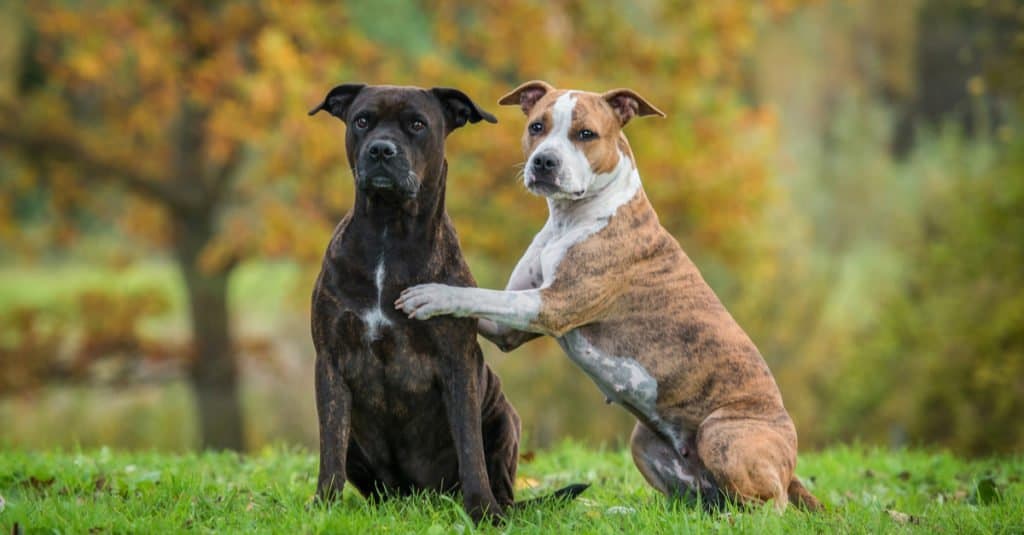
American Staffordshire Terriers need to be socialized early for these dogs to be happy and well-adjusted. These dogs are not best for those unwilling to devote their time to socialization.
©Rita_Kochmarjova/Shutterstock.com
History and Origins
For centuries, the Bulldog and different terrier breeds were developed and used in blood sports in Great Britain. These activities have since been outlawed, but they have left us with many of the popular dog breeds that we know and love today, such as the Bulldog, Bull Terrier, and American Staffordshire Terrier. It is unclear exactly which terrier breeds were involved in creating the AmStaff, but it is known that they were created by combining the powerful jaws of the Bulldog with the courage of the terriers.
The AmStaffs that were brought over to America were larger than their English counterparts, so they were eventually recognized as two separate breeds. Today’s AmStaffs are much more gentle than their ancestors and have become beloved American pets. They are well-known as gentle giants and excellent family companions.
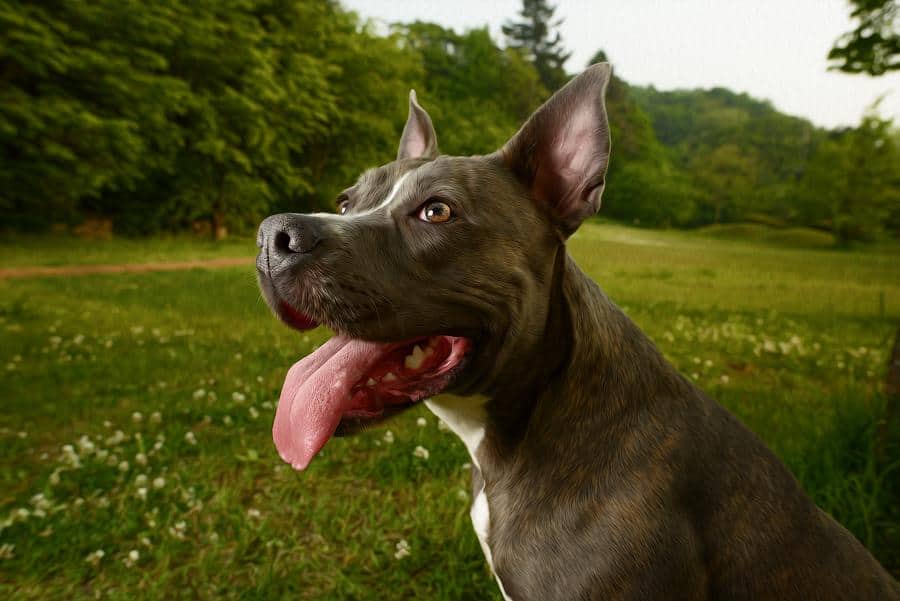
Today’s AmStaffs are much more gentle than their ancestors and have become beloved American pets.
Reproduction, Lifespan, and Babies
American Staffordshire Terriers can live a fairly long life with proper care and nutrition. Typically, they have a lifespan of 12 to 16 years which is longer than most other breeds of dogs. During reproduction, females are pregnant for around 9 weeks before giving birth to an average litter size of between 5 to 10 puppies. Each puppy will weigh around 7 to 10 ounces when born and will be deaf and blind. They stay with their mothers until 4 months old, when their senses are fully developed, and they are naturally weaned and eating solid food.
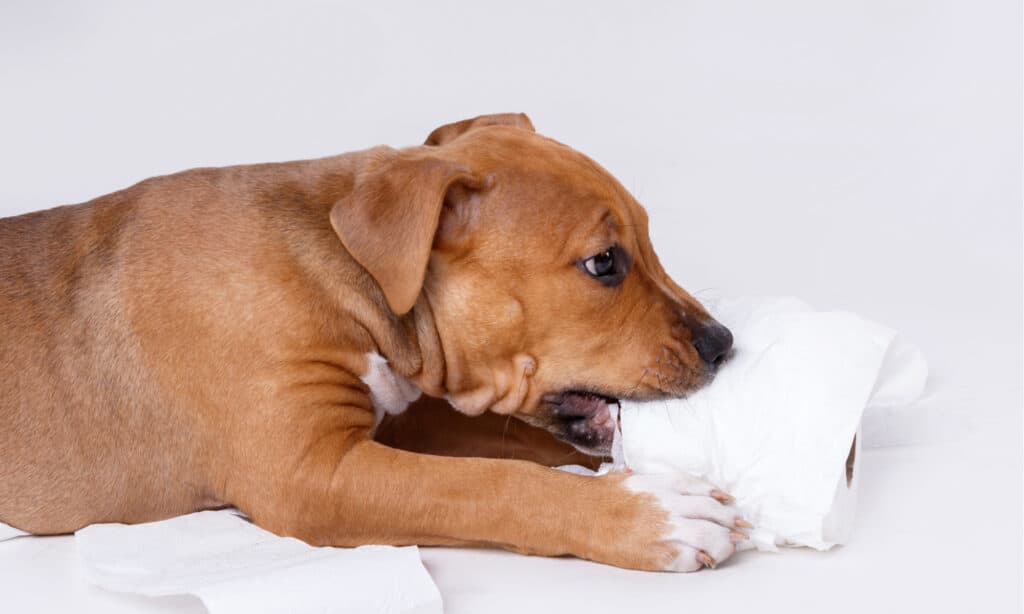
American Staffordshire terriers only weigh 7 to 10 ounces at birth.
©BLACKDAY/Shutterstock.com
Size and Weight
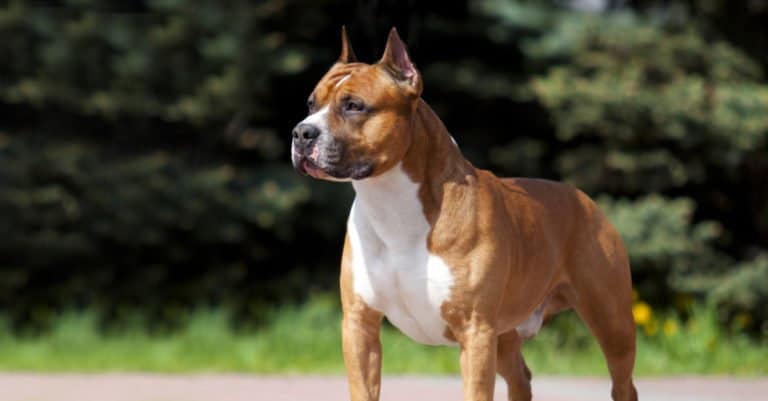
The American Staffordshire Terrier is a medium short-hair terrier with an average height of 19″ for males and 18″ for female dogs. Fully-grown males weigh about 70 pounds, while fully-grown females weigh 55 pounds on average. AmStaff puppies weigh about 19 pounds at eight weeks and will reach their full size by about three years.
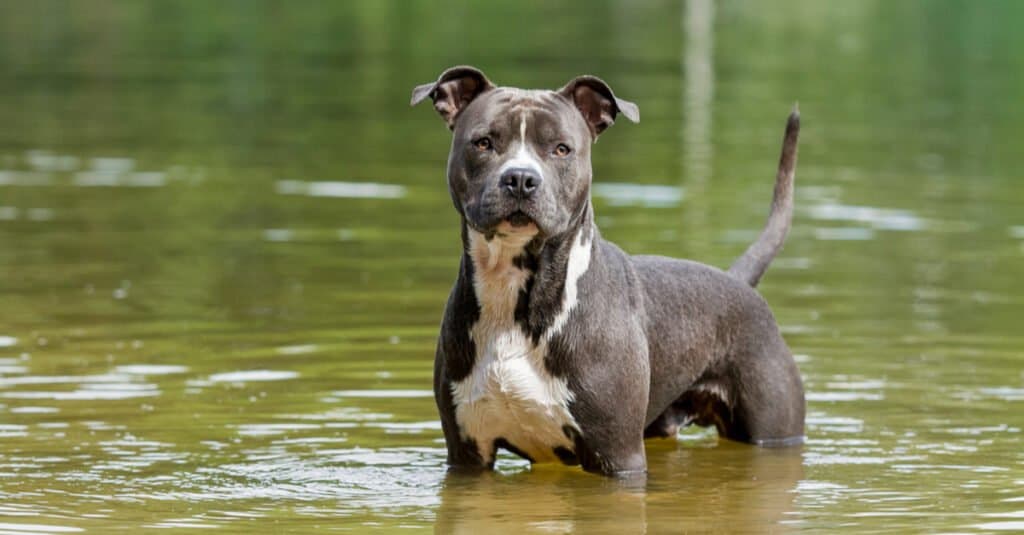
The American Staffordshire terriers weigh between 50 and 70 pounds when they are adults.
©Aneta Jungerova/Shutterstock.com
Common Health Issues
The Staffy is susceptible to a few health problems. Elbow dysplasia is one of the most common issues that these dogs might face, impacting their mobility over the longer term. Hypothyroidism can lead to excessive weight gain and decreased activity, making your dog more likely to experience additional health problems. Heart disease is another condition that these dogs are unfortunately prone to developing. Lastly, these dogs can develop progressive retinal atrophy, an eye disease that can lead to vision loss. These issues are relatively easy enough to diagnose with regular veterinary care. In short, the most common issues that American Staffordshire Terriers might experience include:
- Elbow dysplasia
- Hypothyroidism
- Heart disease
- Progressive retinal atrophy
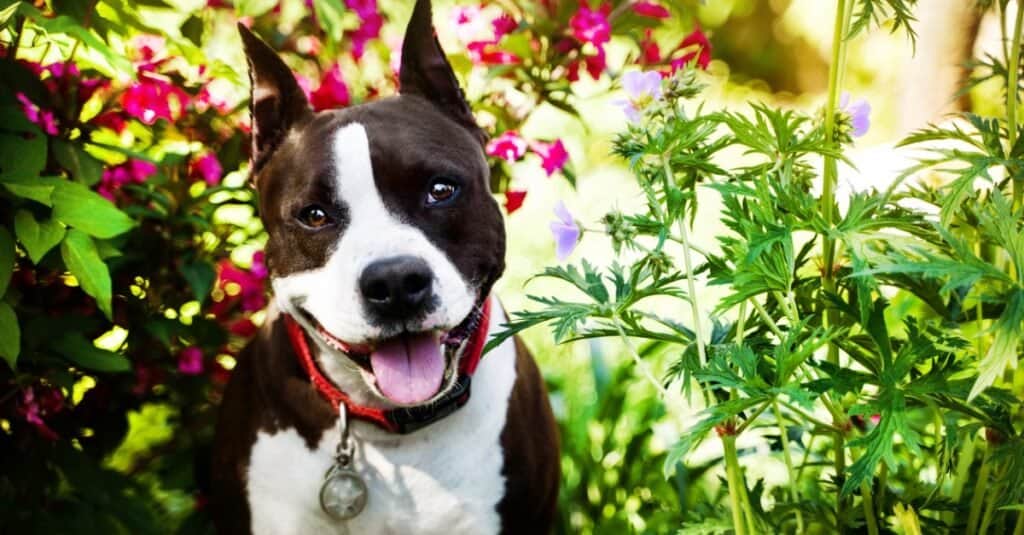
The American Staffordshire Terriers are prone to hip dysplasia.
©iStock.com/Marina Vedernikova
Temperament
American Staffordshire Terriers are well-known for their confident, good-natured temperament, as well as intelligence. Their good nature makes them perfect companions for all activities that take place in your household. These dogs like mental challenges that keep their minds busy. These dogs, like most breeds, live up to their scientific name of Canis lupus familiaris when given the chance to indulge their outdoorsy side.
Although these dogs are active, they also enjoy downtime. Staffies like to learn and do so very willingly; they require constancy in training. They enjoy going on walks but are quite capable of getting overexcited and pulling a lot. You need to find a balance where your dog has boundaries without your being needlessly harsh.

It is best to start dog training as early as possible when your puppy is young.
©Parilov/Shutterstock.com
Care
New pet owners who want to bring an AmStaff into their life will need to keep a few important matters in mind. From the time they are puppies all the way through adulthood, they will require training, plenty of physical stimulation, and attention to health needs.
The Best Dog Food
American Staffordshire Terrier puppies, in particular, have dietary needs that are suited to their strong builds. Choosing food that helps these dogs grow and develop well is key to your dog’s health throughout life.
American Staffordshire Terrier puppy dog food: Puppies of this breed are very active, requiring food that offers 22% protein. Puppies also require 8% fat. A puppy food rich in vegetable ingredients, as well as meat, will help meet these requirements.
Maintenance And Grooming
An easy answer to the question of how much the American Staffordshire Terrier sheds is, not very much. A weekly brushing, using an ordinary dog brush, is sufficient, along with baths every four to eight weeks, to keep their coats looking good. However, should your dog have allergies or sensitive skin, consider using shampoos with soothing ingredients like aloe and tea tree oil.
Training
American Staffordshire Terriers are eager to please and intelligent, both of which make them great companions. However, proper mental stimulation is a must to avoid boredom-based or destructive behavior. Owners also need to take care when introducing this breed to other dogs.
Exercise
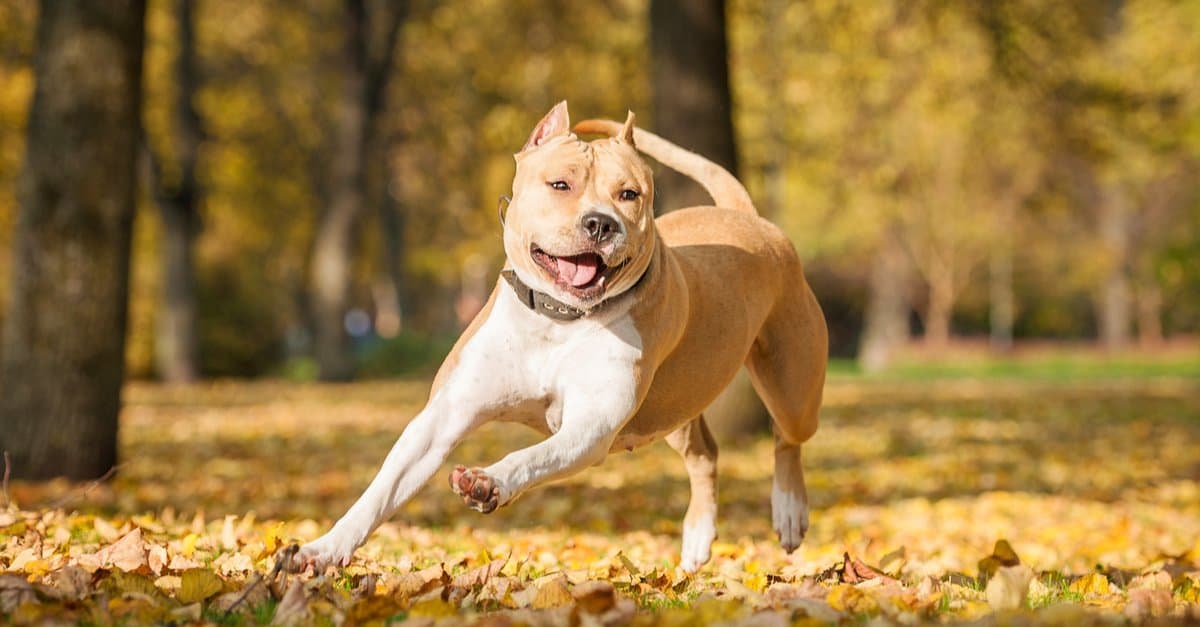
A Staffy requires regular daily exercise, such as playing in the yard or a brisk walk, to stay healthy. Fenced-in yards are preferable to apartments for these dogs because they need the space. Playing fetch or taking your dog along on a jog are great ways to keep your pet well-exercised.
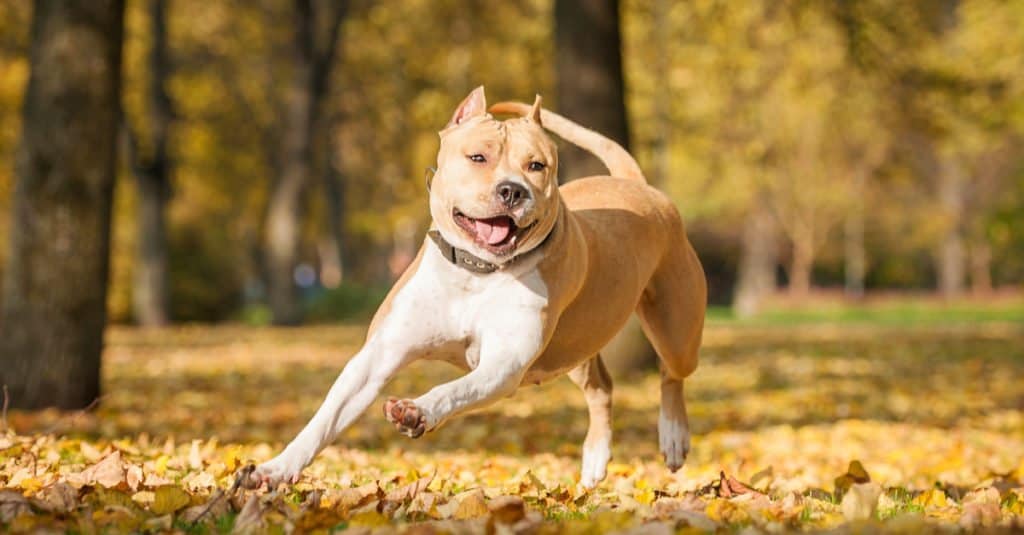
American Staffordshire Terriers shed very little, and you just need to do a quick weekly brushing to keep them looking their best.
©Rita_Kochmarjova/Shutterstock.com
Puppies
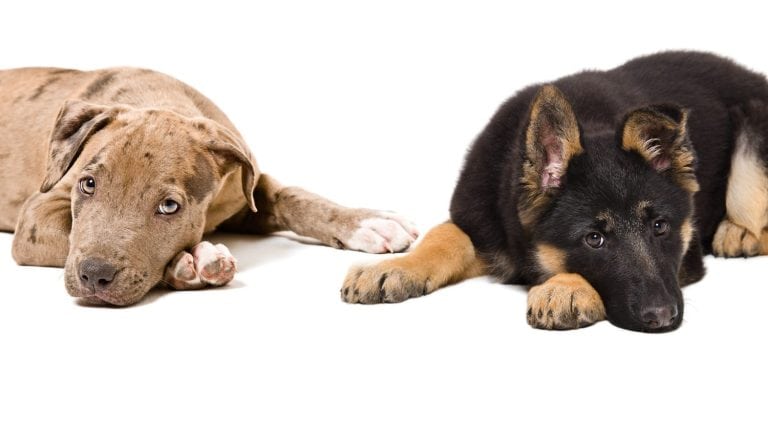
An American Staffordshire puppy is likely to have a high energy level. Supervision is essential to help prevent chewing and other destructive behaviors. They will have their coat colors, regardless of whether they are blue or another color, early.
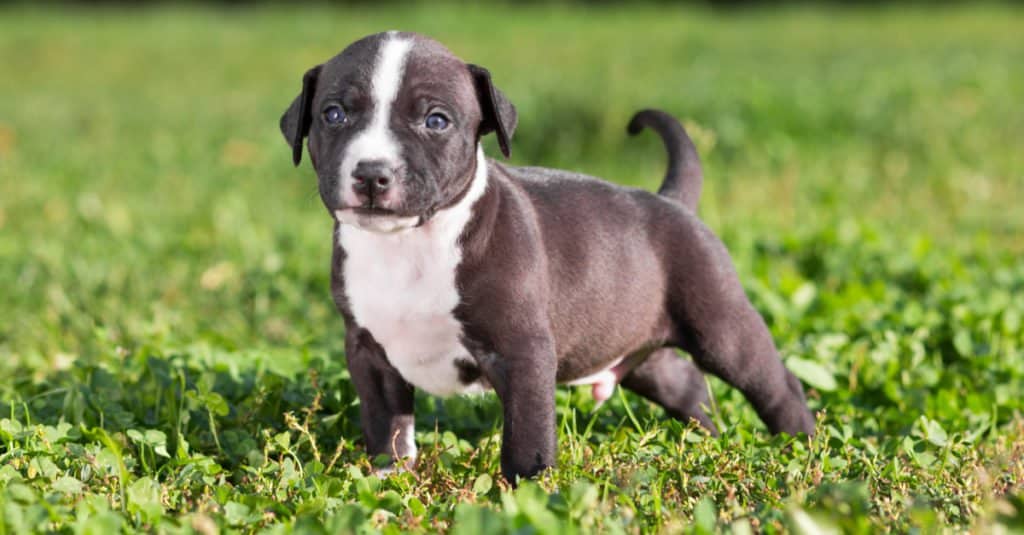
An American Staffordshire Terrier puppy is likely to have a high energy level. Supervision is essential to help prevent chewing and other destructive behaviors.
©Sergey Lavrentev/Shutterstock.com
American Staffordshire Terrier and Children
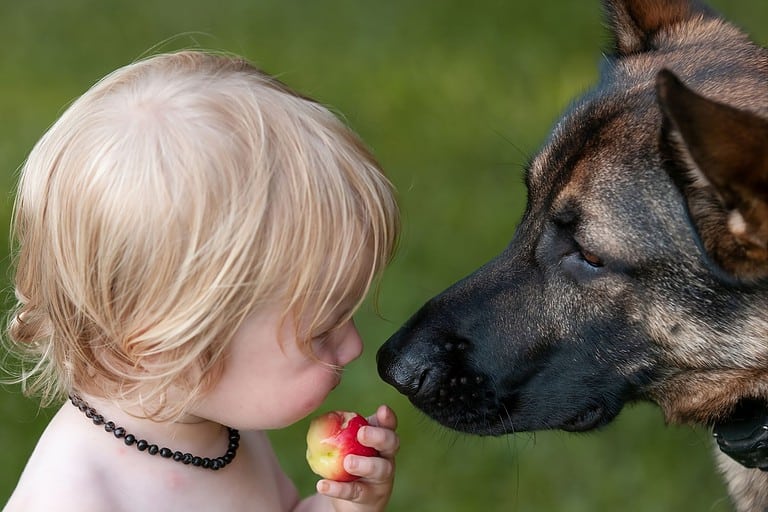
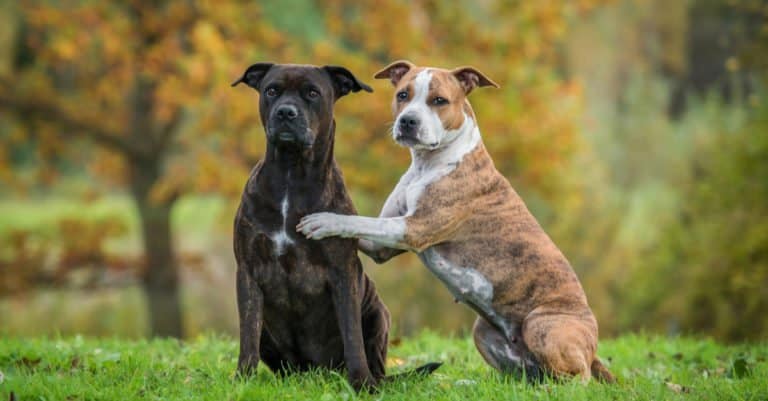
AmStaffs are good with children, having an energy level that allows them to keep up with kids’ demands. However, their large size makes supervision during play necessary to avoid the risk of injury.
Dogs similar to American Staffordshire Terriers
Some other breeds similar to the American Staffordshire Terrier include the American Pit Bull Terrier, Staffordshire Bull Terrier, and American Bulldog.
- American Pit Bull Terrier: Has a similar energy and activity level to American Staffordshire Terriers. These dogs boast a short coat that also has minimal care requirements.
- Staffordshire Bull Terrier: A dog similar in family loyalty to the American Staffordshire Terrier, these dogs have a low-maintenance coat and high energy level.
- American Bulldog: A descendant of the English Bulldog, this breed enjoys great popularity as a family companion.
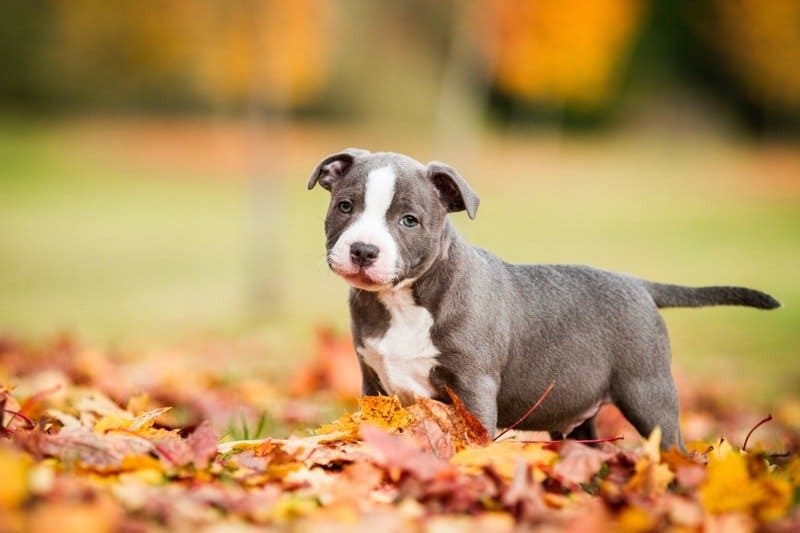
Lucky is a popular name for an American Staffordshire Terrier.
©Aneta Jungerova/Shutterstock.com
Famous American Staffordshire Terrier
Pete, of Little Rascals fame, was probably the most famous American Staffordshire Terrier that ever lived. Another famous dog of this breed was Stubby, the 102 Infantry Regiment mascot that served with the U.S. Army in World War I.
American Staffordshire Terrier Pictures
View all of our American Staffordshire Terrier pictures in the gallery.

Sbolotova/Shutterstock.com
Sources
- wagwalking.com / Accessed February 21, 2021
- dogspot.in / Accessed February 21, 2021
- a-z-animals.com / Accessed February 21, 2021
- dogtime.com / Accessed February 21, 2021
- akc.org / Accessed February 21, 2021
- amstaff.org / Accessed February 21, 2021