
Quick Take
- Defending against bears and wolves was a baseline requirement for the Anatolian Shepherd since 2000 BC.
- The Anatolian Shepherd name is a catch-all term that creates misunderstandings about purebred lineage.
- Maintaining high intelligence scores, ironically, makes obedience training significantly more difficult for modern owners.
- Restricting puppies from hard surfaces for 1 year is vital to prevent skeletal failure.
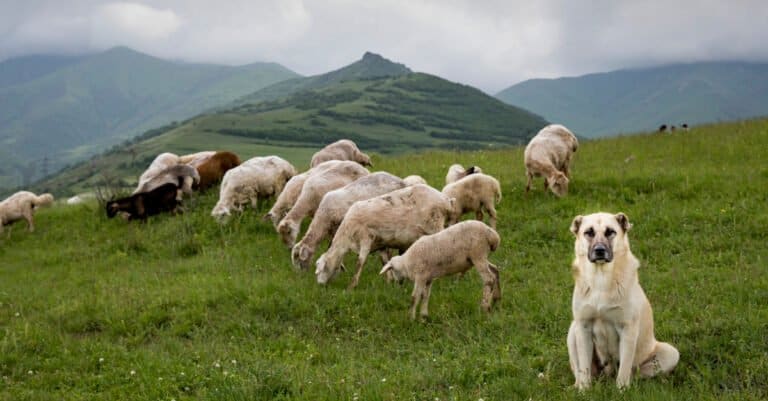
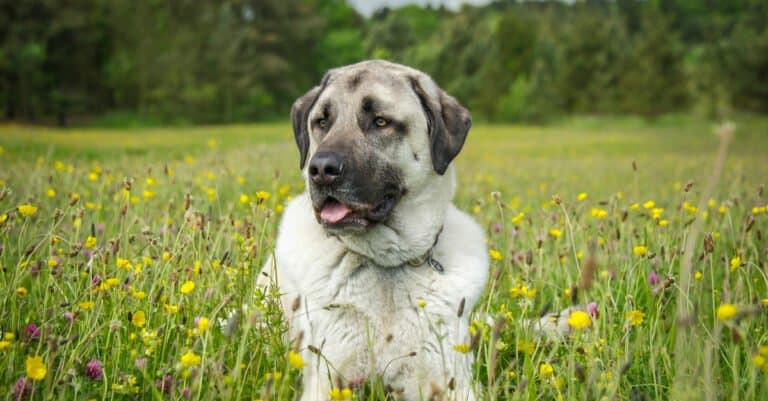
The Anatolian Shepherd is a big, muscular breed of ancient guard dog that originated from what is now modern-day Turkey, perhaps as far back as 2000 BC. The dog’s original purpose was to guard the livestock, not to shepherd them. Thanks to its size and ferocity, it could stand up to aggressive predators like bears, coyotes, and wolves that might threaten the livestock.
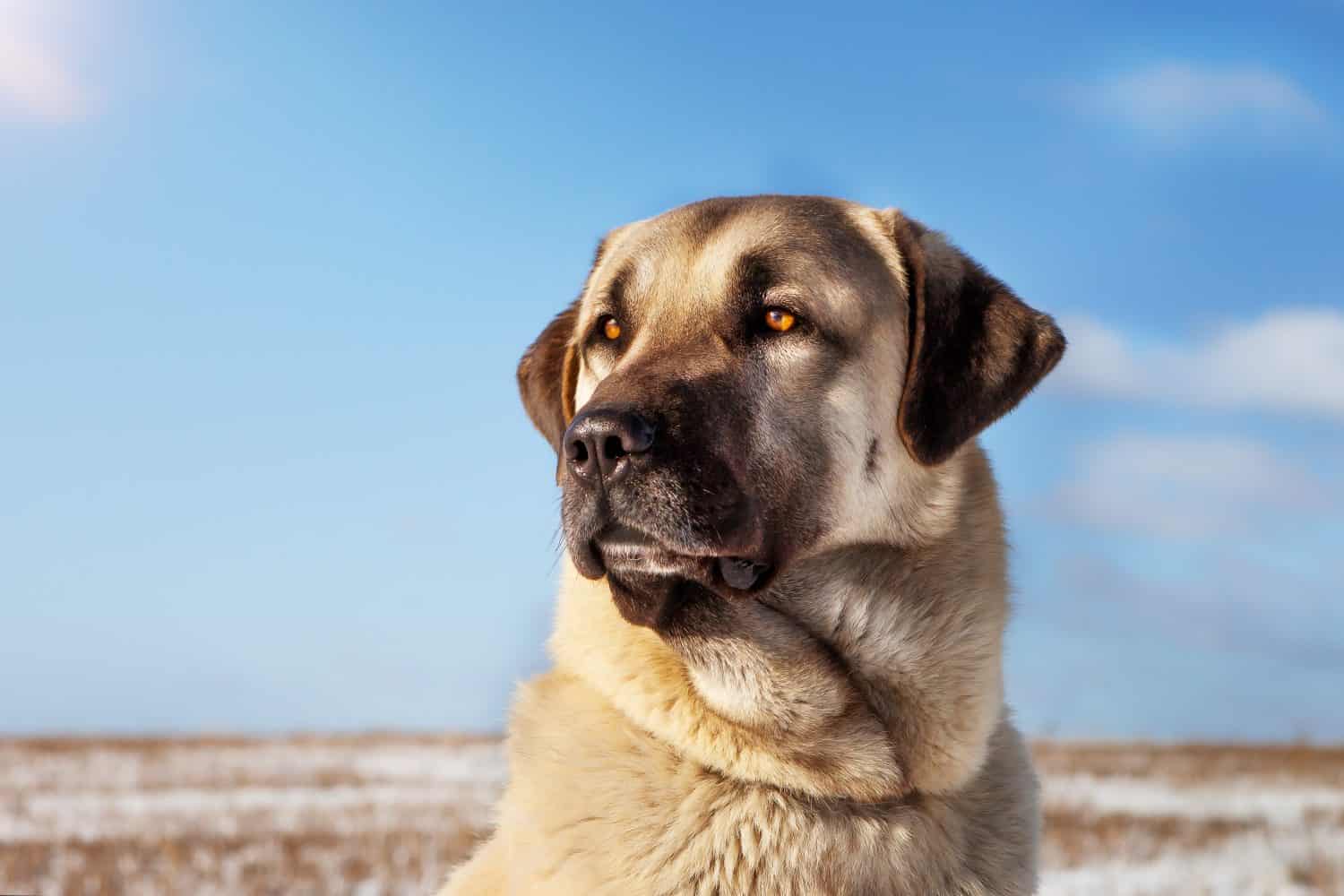
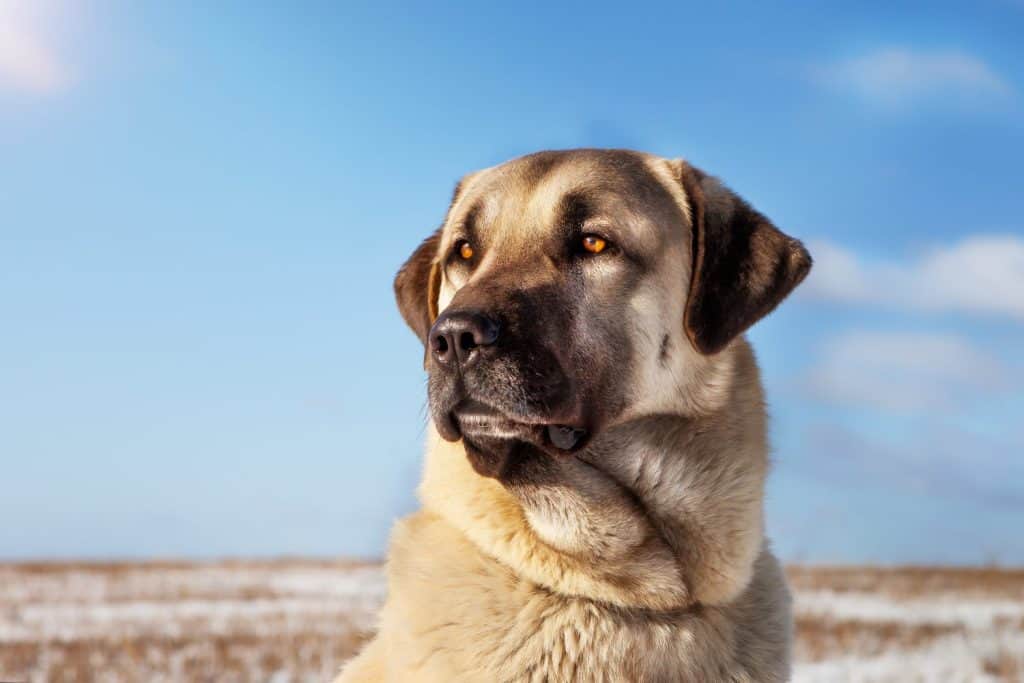
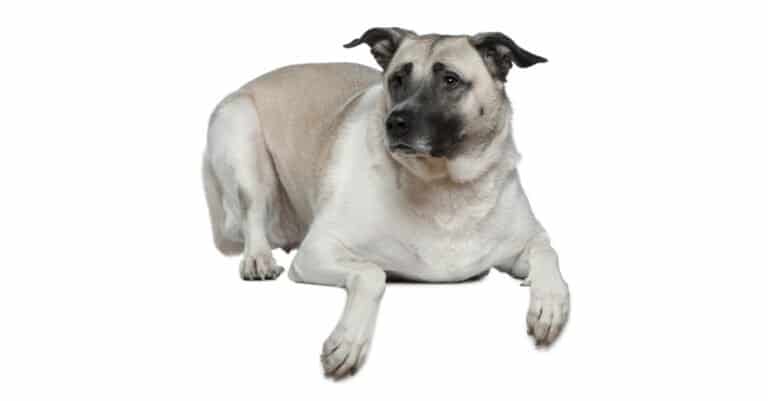
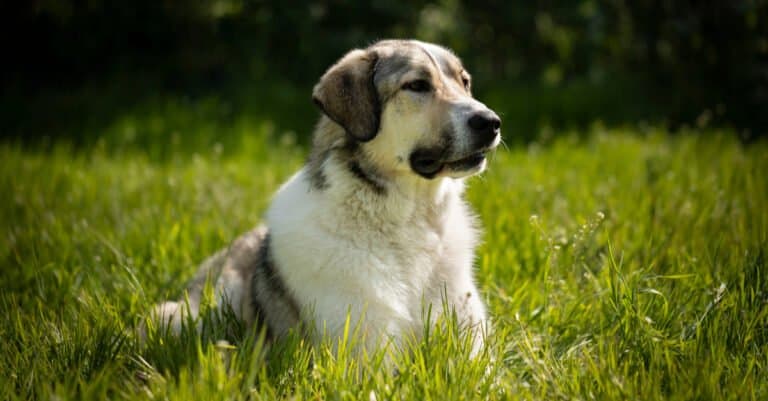
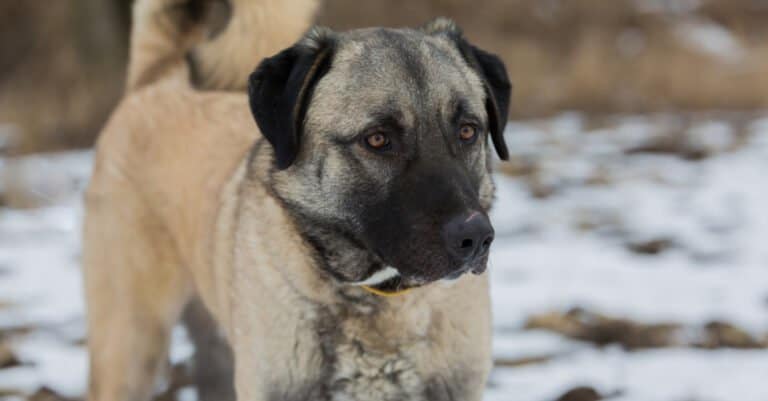
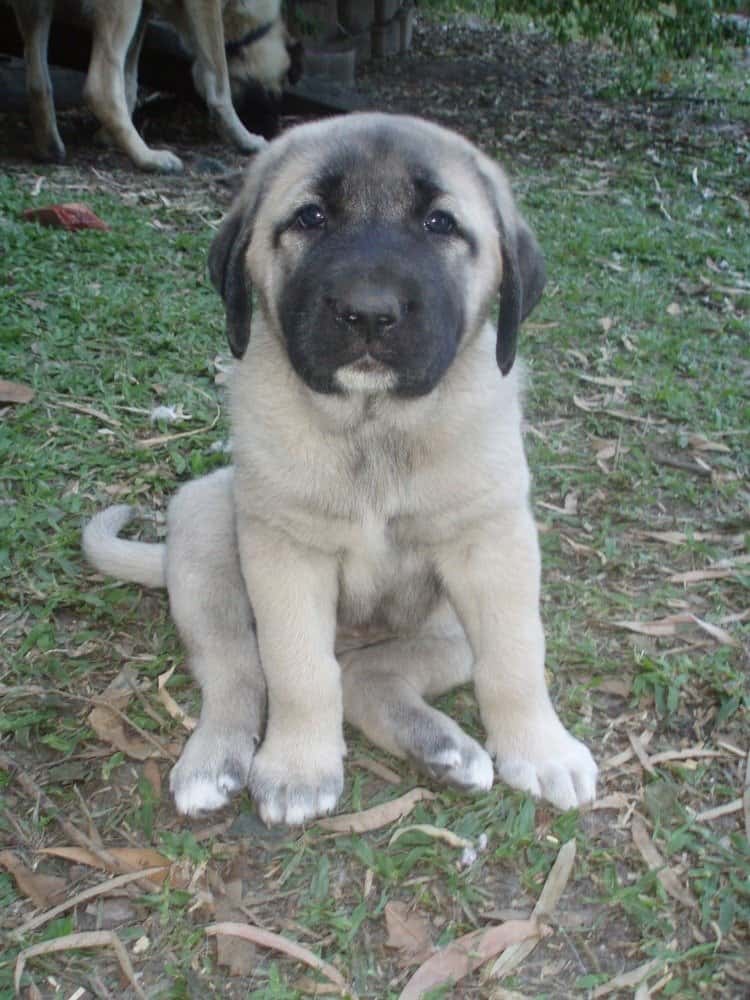
The Anatolian Shepherd is characterized by its long legs and neck, a curled tail, a deep chest, drooping triangle-shaped ears, and a large skull. The short coat of fur is dense, particularly around the neck and limbs, with a fawn or white color and a black or brown mask around the face. This gives it a distinctive look, even among larger breeds.
A quick note on the name: “Anatolian Shepherd” is kind of a catch-all term given to it when the dog arrived in the United States in the 20th century. It includes the Kangal Shepherd Dog and other related Turkish livestock breeds. “Kangal” comes from the name of a small town in central Turkey, where the breed was particularly popular for centuries.

3 Pros and Cons of Owning an Anatolian Shepherd
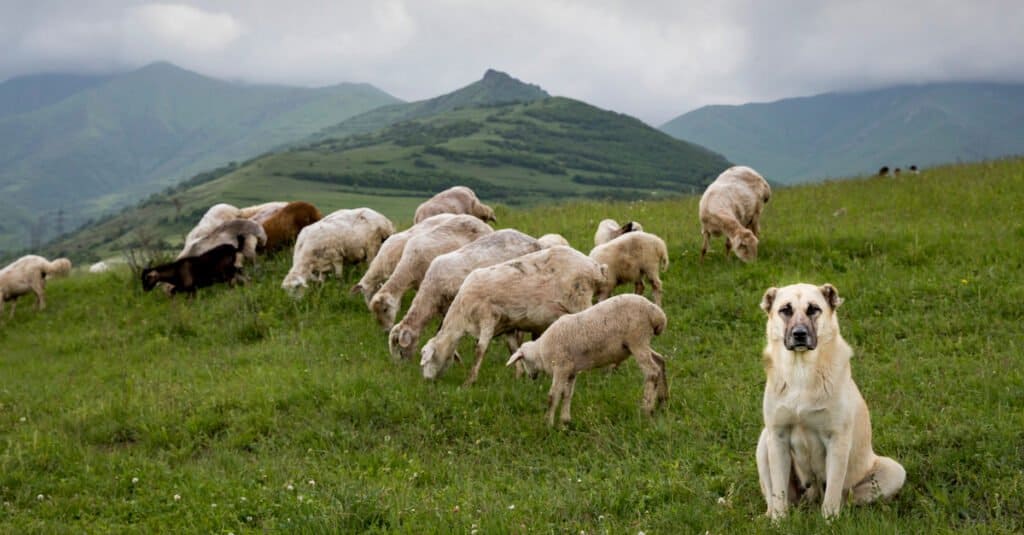
The Anatolian Shepherd was bred to protect its “flock” from danger.
©Katiekk/Shutterstock.com
| Pros! | Cons! |
|---|---|
| Alert and Protective: The Anatolian Shepherd was bred to protect its “flock” from danger. | Suspicious of Strangers: The Anatolian Shepherd treats any unfamiliar person or animal with suspicion. |
| Loyal Toward Family: This breed displays fierce loyalty toward its family. | Independent-minded: While independence serves it well in the field, this might not necessarily be an endearing quality to some owners as a pet. |
| Intelligent: The Anatolian Shepherd scores highly on any intelligence ranking. | Reserved: While generally playful, the Anatolian Shepherd is not quite as outgoing and affectionate as other breeds. |
Size and Weight
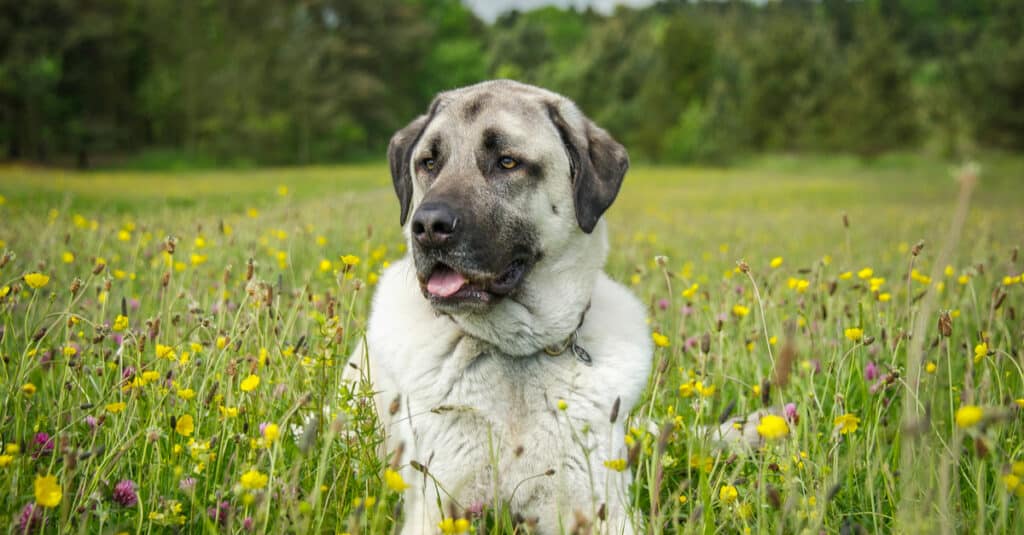
The Anatolian Shepherd is a large dog, weighing in at anywhere from 90 to 150 pounds.
©rebeccaashworth/Shutterstock.com
The Anatolian Shepherd is a large dog, weighing in at anywhere from 90 to 150 pounds. This livestock guardian has a thick coat of hair that adds weight to its body, making it look considerably heavier than it is, especially in the area of the mane.
The color of this hair is usually either brown, red, tan, or white, and the dog often has a blend of one of these colors together with black on its face and ears.
| Height (Male): | 29 inches |
| Height (Female): | 27 inches |
| Weight (Male): | 110 to 150 pounds |
| Weight (Female): | 80 to 120 pounds |
Evolution and Origins
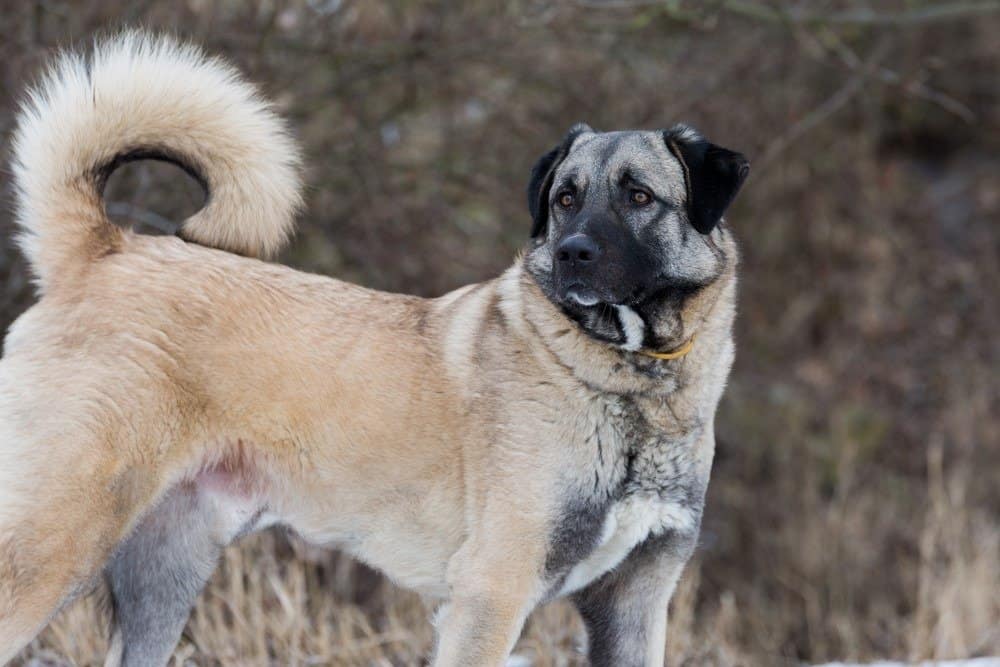
The Anatolian Shepherd Dog, also known as the Anatolian Karabash, is a breed of large livestock guardian dog that originated in the Anatolian region of Turkey.
©CharlitoCZ/Shutterstock.com
The Anatolian Shepherd Dog, also known as the Anatolian Karabash, is a breed of large livestock guardian dog that originated in the Anatolian region of Turkey. These dogs have been used for centuries to protect livestock, particularly sheep and goats, from predators such as wolves and bears.
They were bred to be independent and self-sufficient, able to make decisions on their own while guarding their charges. The breed has evolved to become well-suited to the harsh, rugged terrain of Anatolia and the strong, resilient dogs that are able to withstand the extreme conditions of the region.
The breed was officially recognized by the Turkish Kennel Club in the 1930s and later by the American Kennel Club in 1996.
Common Health Issues
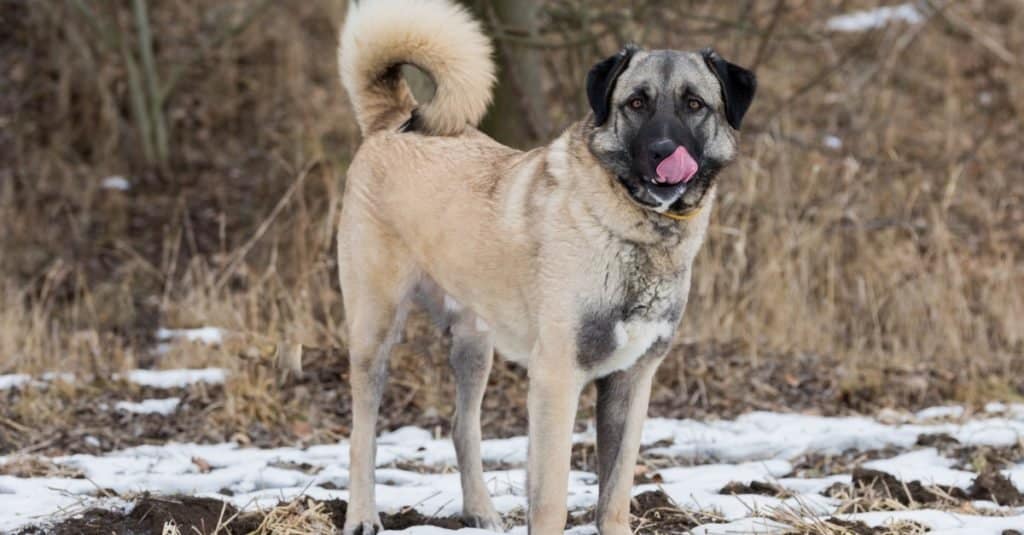
The Anatolian Shepherd has a decent lifespan of around 11 to 13 years, but it may be at risk of developing several health problems.
©CharlitoCZ/Shutterstock.com
For a dog of this size, the Anatolian Shepherd has a decent lifespan of around 11 to 13 years, but it still may be at risk of developing several health problems, including demodicosis mange (skin and fur issues caused by an infestation of mites), entropion (in which the hair from the eyelash grows backward and irritates the surface of the eye), dysplasia (a deformed joint), and cancer (a leading cause of death).
Bloating, or gastric dilatation-volvulus (GDV), is a life-threatening condition that can affect Anatolian Shepherds, as with many large, deep-chested breeds. Owners should be aware of the symptoms, such as excessive salivation or an enlarged abdomen, and act quickly if they arise.
Good breeders will always test their dogs for common developmental and genetic disorders, so you should always ask the breeder for proof of a positive health assessment. After bringing your dog home, you should also schedule regular visits to the vet to check for everyday health problems.
Temperament
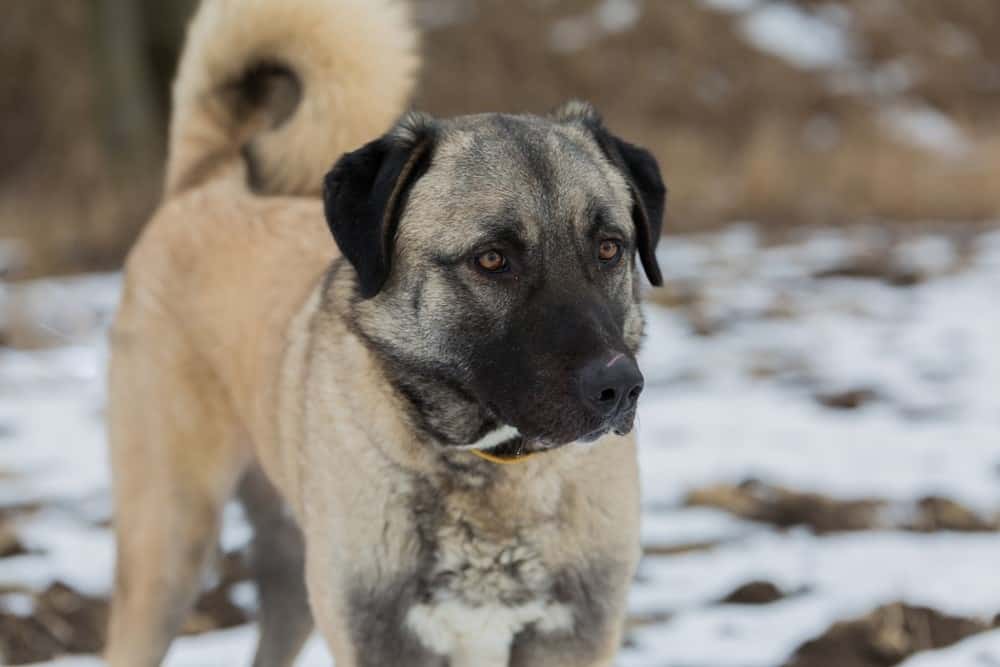
The Anatolian Shepherd is an excellent guardian and protector; all of its natural instincts were bred for this purpose.
©CharlitoCZ/Shutterstock.com
First and foremost, the Anatolian Shepherd is an excellent guardian and protector; all of its natural instincts were bred for this purpose. It has an alert and protective personality and regards anyone within the close family as its “flock” to be guarded.
This also means the dog is very suspicious and wary of strangers. While a properly socialized dog won’t exhibit too much aggressive behavior, it will take a lot of time and effort for this breed to accept unfamiliar people and animals. Once it becomes part of the family, though, this breed should be a calm and devoted companion.
How to Take Care of the Anatolian Shepherd
Due to their enormous size, independent nature, and somewhat difficult care, the Anatolian Shepherd probably isn’t recommended for novice owners. It requires a strong but understanding leader who knows how to work with their unique quirks. This breed is not very well-suited for apartment living either. If you have any other questions or concerns about this dog, then you should consult with your vet.
The Best Dog Food
Anatolian Shepherds are quite a furry breed, and they can experience skin and fur problems. In the event of excess shedding, it’s a good idea to check out some dog foods that help address shedding. This breed can also be susceptible to dangerous bloat, so careful feeding is crucial. Some experts believe that wet food is preferable for preventing bloat since it won’t absorb liquid like kibble.
An adult Anatolian Shepherd will probably need around 4 to 6 cups of high-quality dog food per day, which may vary based on age, size, and activity level. This breed does not tend to overeat, but treats and snacks should nonetheless be limited.
Maintenance and Grooming
While this breed doesn’t require any special grooming techniques, it should receive weekly brushing to deal with loose hair and prevent matting. During the shedding season, brushing should ideally occur at least once a day. The Anatolian Shepherd will also need the occasional nail trims (maybe once every four to six weeks), regular ear checks, and teeth brushings with healthy vet-approved toothpaste.
Training
This breed scores highly on intelligence rankings and can learn commands relatively quickly, but it is by no means an easy dog to train. It’s independent-minded, relentlessly driven, and always seeking to dominate and become the leader, so obedience training is absolutely necessary as early as possible. This breed needs a consistent and assertive presence (combined with positive reinforcement methods) to properly guide it. Keep in mind that there is only so much training one can do; at some level, it’s instincts are always ingrained. If you are having trouble, then you might want to hire the services of a professional trainer.
The dog may ignore strangers if it has not been properly socialized, so if you are interested in one of these, it is best if you socialize it well from the beginning.
Exercise
The Anatolian Shepherd is an athletic breed that needs at least an hour of exercise every day in the form of long walks, hikes, jogs, toys, games, fetching, and other playtimes. This breed will benefit from access to a large fenced yard with a locked gate. When walking your dog, make sure it is tethered to a leash at all times. Its behavior can be somewhat unpredictable.
Puppies
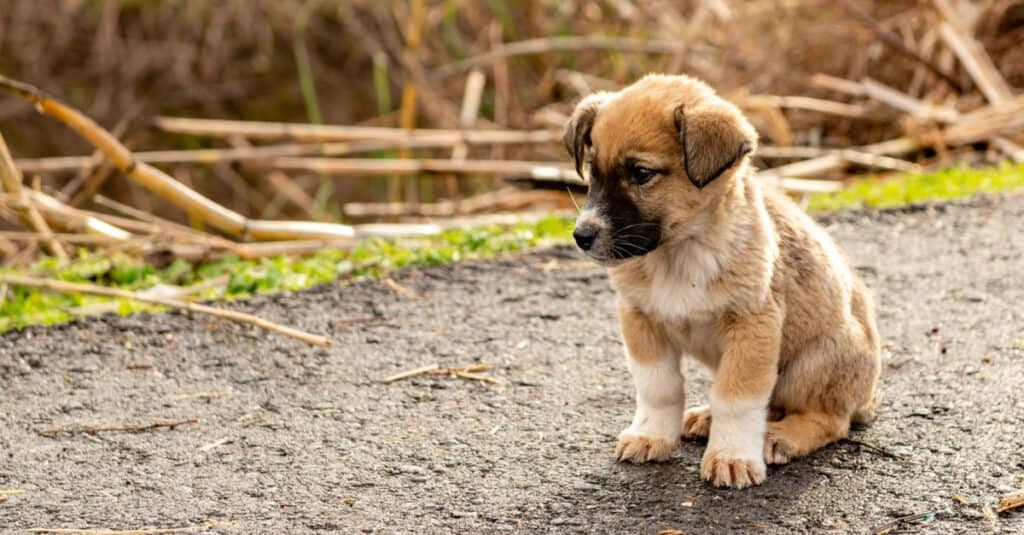
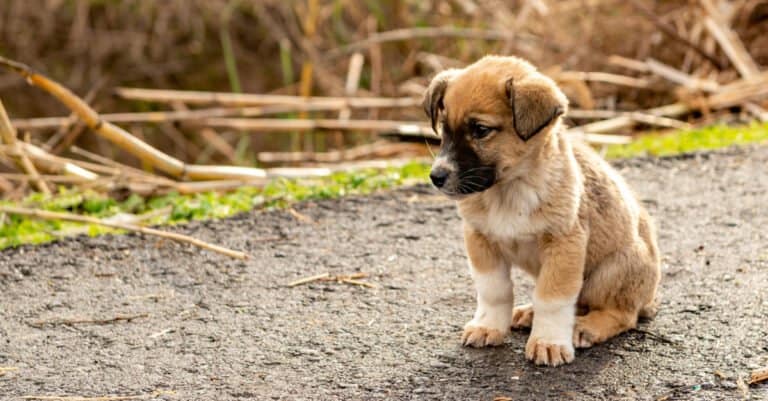
Anatolian Shepherds are big, fast-growing puppies.
©Ender BAYINDIR/Shutterstock.com
Anatolian Shepherds are big, fast-growing puppies. Because their bones and joints take time to fully develop, it’s recommended to limit the amount of time your dog spends playing or running on hard surfaces for the first year or so of its life.
Early obedience training and socialization are necessary with these puppies. Even if their instincts remain strong, it will help them become comfortable around new people and situations. Crate training can also help ease anxiety and assist with house training.
The Anatolian Shepherd and Children
This breed is surprisingly gentle for its size and should get along very well with any children it’s been reared with. Older children are generally better because they can take on the responsibility of caring for a large dog.
Unfortunately, due to its naturally protective tendency, this breed might regard other children with suspicion. Any such interactions between your dog and your children’s playmates should be carefully supervised by an adult at all times.
Dogs Similar to the Anatolian Shepherd
The Pyrenean Mountain Dog is a similar dog to the Anatolian Shepherd.
©LyndenLeaves/Shutterstock.com
If you’re looking for a dog similar to the Anatolian Shepherd, then you should check out one of the following livestock guardians:
- Pyrenean Mountain Dog: Originating from the French side of the Pyrenean Mountains, the Great Pyrenees, as it’s also called, was first bred to protect its flocks from dangerous predators. Today, it also works as a pet and an overall good companion. The thick double coat of fur is white all over, but it may have patches of black, tan, or gray.
- Kuvasz: This big, strong, Hungarian breed has served a dual purpose for centuries as both a livestock guardian and a pet for royalty. The thick double coat is white or ivory white and generally lacks patches, spots, or markings of any kind.
- Caucasian Shepherd Dog: Originating from the Caucasian mountains region, this is another large livestock guardian with a naturally protective temperament. It comes in many different colors with a solid, spotted, or piebald pattern.
Famous Anatolian Shepherd Dogs
This breed ranks average in terms of popularity in the United States, but it has appeared in numerous films, including the 2001 romantic comedy Kate and Leopold, the 2001 children’s film Cats & Dogs (in which it was voiced by Alec Baldwin), and the 2000 comedy Road Trip.
Anatolian Shepherd Dog Pictures
View all of our Anatolian Shepherd Dog pictures in the gallery.

Eric Isselee/Shutterstock.com
Sources
- American Kennel Club / Accessed July 30, 2021
- American Kennel Club / Accessed July 30, 2021
- Dog Zone / Accessed July 30, 2021