A
Species Profile

Ant

Formicidae

Small bodies, superorganism power
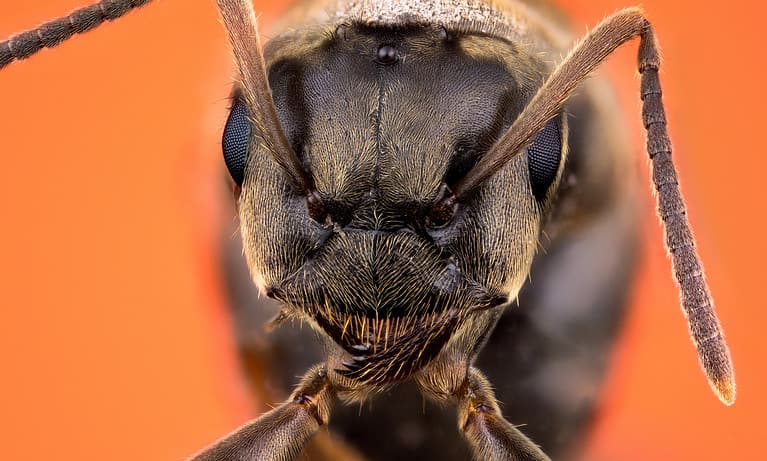
Steve Jurvetson / CC BY 2.0, Flickr

Ant Distribution

Click a location to explore more animals from that region

Invasive Species
Loading map...
https://commons.wikimedia.org/wiki/File:Ant_head_closeup.jpg curiosity

At a Glance

Family Overview This page covers the Ant family as a group. Stats below are general traits shared across the family.
Also Known As Pismire, Emmet, Sugar ant
Diet Omnivore
Activity Diurnal+
Lifespan 3 years
Weight 0.0003 lbs
Status Not Evaluated
Did You Know?

Family-wide size range is extreme: from ~1-2 mm "micro-ants" to queens approaching ~50 mm in the largest driver ants (Dorylus).

Scientific Classification

Family Overview "Ant" is not a single species but represents an entire family containing multiple species.

Ants (family Formicidae) are eusocial insects characterized by cooperative colony life, division of labor (queens, workers, males), and complex chemical communication via pheromones. They occur worldwide (especially diverse in the tropics) and fill many ecological roles including predation, scavenging, seed dispersal, soil engineering, and mutualisms with plants and sap-feeding insects.

Kingdom
Animalia
Phylum
Arthropoda
Class
Insecta
Order
Hymenoptera
Family
Formicidae

Distinguishing Features

  • Elbowed (geniculate) antennae
  • A narrow waist (petiole, often 1–2 nodes) between thorax and abdomen (gaster)
  • Eusocial colonies with queens and worker castes
  • Pheromone-based communication and trail-following
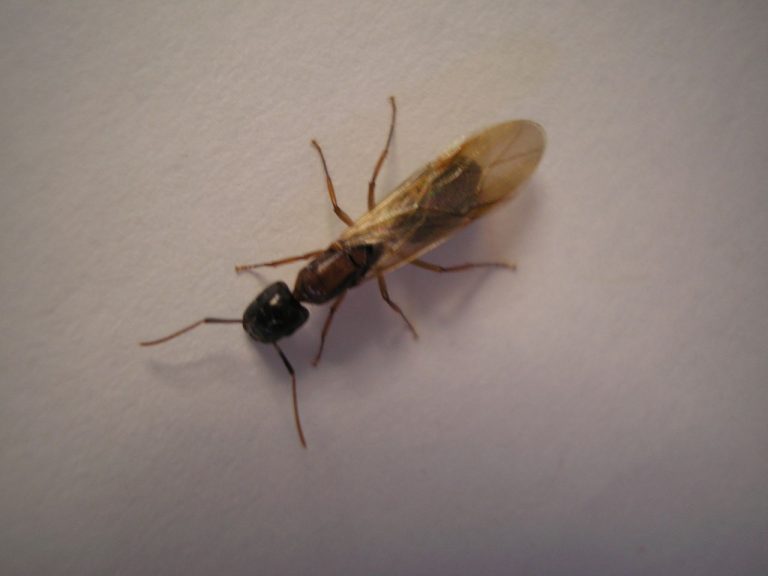
  • Winged reproductive forms (alates) produced seasonally for mating flights

Physical Measurements

Males and females differ in size

Length
0 in (0 in – 2 in)
Weight
0 lbs (0 lbs – 0 lbs)
Top Speed
2 mph
Speed varies; fastest ~3–4 km/h
Venomous

Appearance

Primary Colors
Secondary Colors
Skin Type Hardened, sclerotized chitinous exoskeleton with visible segmentation; surface texture ranges from smooth and glossy to strongly sculptured (punctate/striated) and may be coated with dense hairs (setae).
Distinctive Features
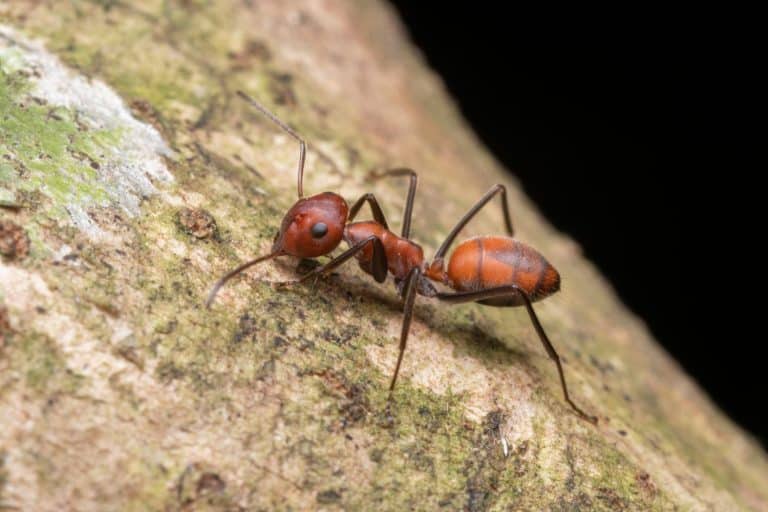
  • Ant sizes vary a lot: workers about 0.07–4+ cm, queens about 0.2–6 cm (army-ant queens can be largest), males about 0.2–3 cm. Bodies range slender to thick with many special head and jaw shapes.
  • Queen ants can live from about 1 to 30+ years or longer. Workers live weeks to several years depending on species, role, and climate. Males usually live only days to weeks after mating.
  • Eusocial colonies have queens (sometimes many), mostly female workers (sometimes different sizes), winged males, and young: eggs, larvae, pupae. Colony size can be dozens to millions.
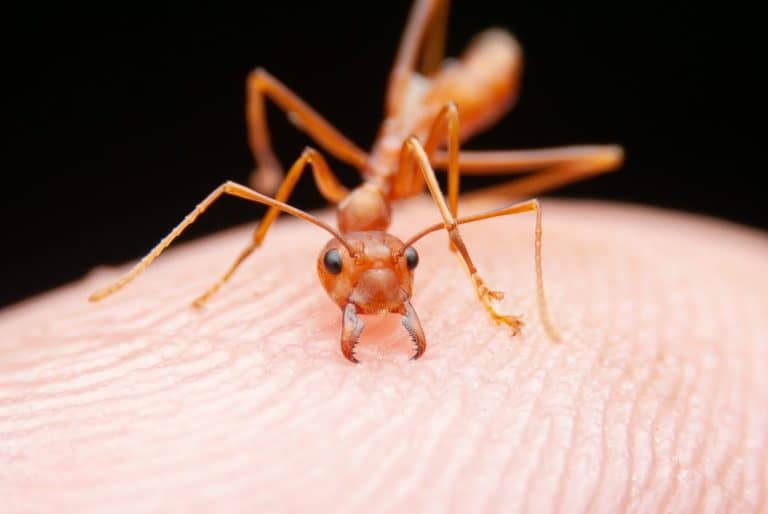
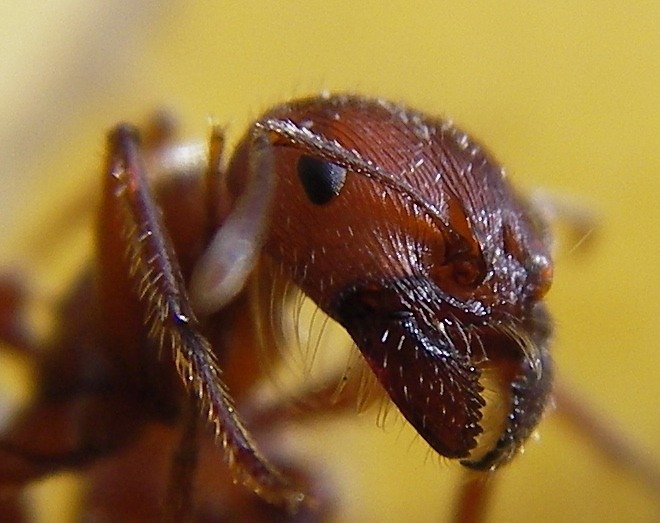
  • Key morphology: elbowed (geniculate) antennae; a narrow 'waist' with 1-2 petiole nodes between mesosoma and gaster; strong mandibles; caste-related body forms (workers vs. queens vs. males).
  • Wings occur in reproductive alates (queens and males) for dispersal flights; after mating, queens typically shed wings, leaving visible wing-scar marks on the thorax.
  • Ant defenses vary: some sting with venom, many bite, some spray chemicals (like formic acid in certain groups), and many use alarm pheromones and group defense; venom varies.
  • Ants (Formicidae) are predators, scavengers, and omnivores; disperse seeds (myrmecochory), aerate and mix soils, and form partnerships like honeydew tending and plant defense. Diets vary.
  • Ants nest in soil, leaf litter, wood, under stones, in plant domatia, in tree canopies, or as moving bivouacs. They live in deserts, rainforests, grasslands, temperate forests, and cities worldwide, most species in the tropics.
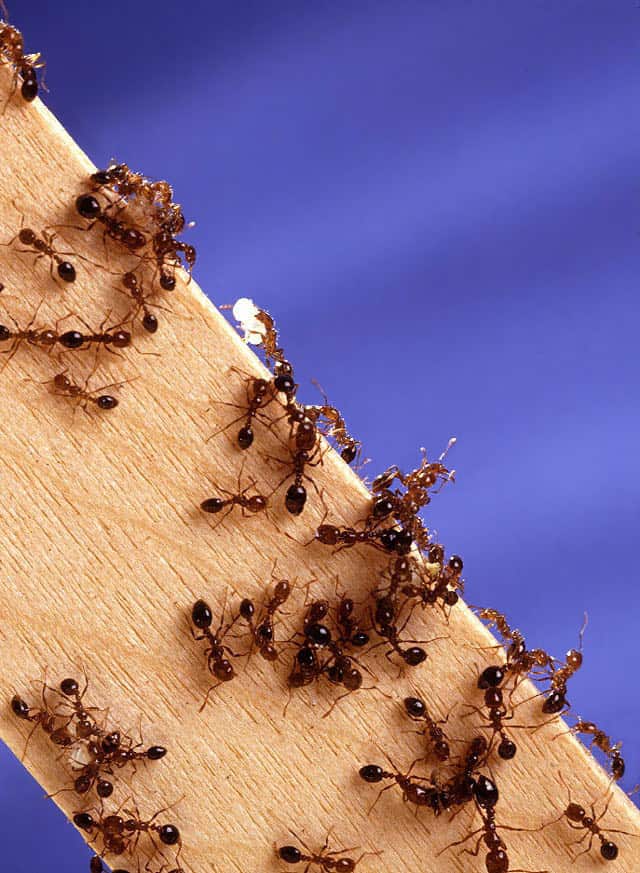
  • Communication is heavily chemical (pheromones) with tactile cues; trail-laying, recruitment intensity, and foraging strategy vary from solitary foraging to mass recruitment and cooperative transport; supercolonies occur in some lineages but are not universal.

Sexual Dimorphism

Ants show clear sexual dimorphism by caste and role. Workers are wingless females. Queens are larger females with a strong thorax for flight (before they lose wings). Males are winged, slimmer, with small jaws and big eyes for mating flights. Size differences and worker forms vary by species.

  • Typically winged (alate) during mating period; body often slender with long legs/antennae.
  • Relatively large compound eyes and distinct ocelli compared with workers; adapted for locating mates during flights.
  • Mandibles often reduced compared with workers; many males do not participate in foraging or defense and are short-lived.
  • Workers: wingless, usually smaller than queens; often the main foraging/defense caste; can be monomorphic or polymorphic (including majors/soldiers) depending on lineage.
  • Queens: usually the largest females; winged as alates, then shed wings after mating (wing-scar marks remain); enlarged mesosoma for flight muscles; abdomen (gaster) often expands greatly during egg production.
  • In many species, females (workers/queens) have more developed mandibles and functional venom/defensive glands relative to males; presence of a sting varies by lineage.

Did You Know?

Family-wide size range is extreme: from ~1-2 mm "micro-ants" to queens approaching ~50 mm in the largest driver ants (Dorylus).

Queens can be among the longest-lived insects: across species, queens may live ~1-30+ years (records near 30 years in captivity), while workers often live weeks to years.

Ants dominate many terrestrial ecosystems by biomass; in some habitats their combined weight can rival or exceed that of vertebrates.

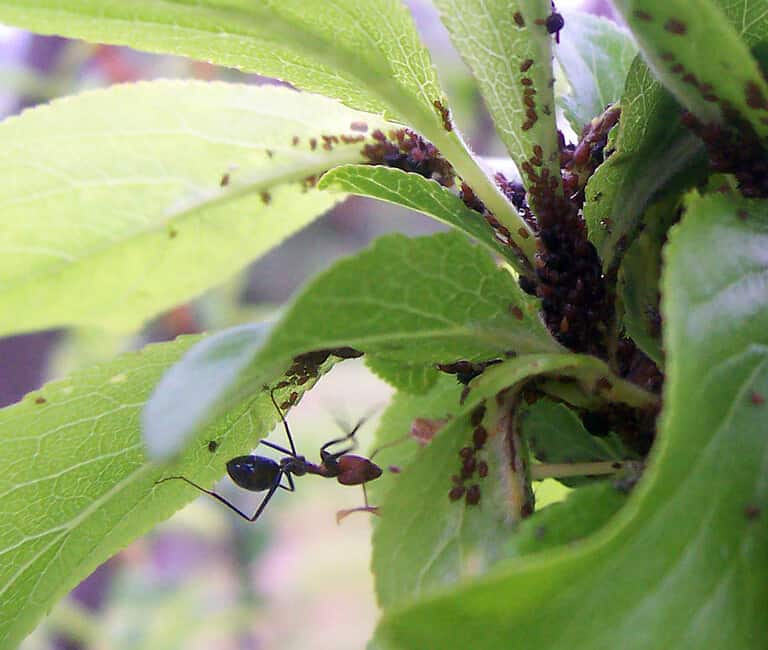
Many ants "farm" other organisms-some herd aphids/scale insects for honeydew, while attine ants cultivate fungus as their primary food.

Ant societies run on chemistry: many species lay pheromone trails, mark nestmates, and signal alarm or recruitment using complex blends.

Not all ants have stingers-some spray formic acid instead (the chemical is named after ants: Latin formica).

Several lineages independently evolved spectacular biomechanics, such as trap-jaw mandibles that snap shut in milliseconds.

Unique Adaptations

  • Elbowed antennae and a distinct "waist" (one or two petiole nodes) that increase maneuverability and allow flexible gaster movement for stinging, spraying, or signaling.
  • Metapleural glands (common in many ants) that secrete antimicrobial compounds-an important defense in crowded colonies with constant contact.
  • Defense toolkits vary by lineage: stingers with venoms, formic acid sprays, powerful mandibles, sticky secretions, and coordinated group attacks.
  • Extreme biomechanical innovations in some groups: trap-jaw mandibles; "snap" escapes; and specialized head/mandible shapes for seed milling, drilling, or carrying.
  • Symbioses that reshape ecosystems: fungus-farming attines with dedicated garden-tending behaviors and antibiotic-producing microbes; plant-ant partnerships that provide housing and food.
  • Collective construction and self-assembly: some species form living bridges, rafts during floods, or tightly packed "bivouacs," turning many bodies into a functional structure.

Interesting Behaviors

  • Eusocial colony organization: most species have queens (reproduction), workers (labor), and males (mating), but the details vary widely-some have multiple queens, some have a single queen, and some (e.g., certain ponerines) can have reproductive workers.
  • Division of labor and polymorphism: workers may be similarly sized or split into castes (minors/majors "soldiers"), with roles shifting with age, body size, season, and colony needs.
  • Chemical communication at scale: trail pheromones organize foraging; alarm pheromones coordinate defense; cuticular hydrocarbons help ants recognize nestmates-yet signal "dialects" differ across species and environments.
  • Nesting diversity: nests occur in soil, rotting wood, leaf litter, canopy epiphytes, under stones, within plants (domatia), and as woven-leaf structures; some lineages are nomadic (e.g., army ants).
  • Collective engineering: mound-building species regulate temperature and gas exchange; many ants move and mix soils (bioturbation), changing nutrient cycling and water infiltration.
  • Mutualisms and "farming": beyond aphid herding, ants protect plants in exchange for nectar/food bodies, and many plants rely on ants for seed dispersal (myrmecochory) via lipid-rich elaiosomes.
  • Predation and scavenging: diets range from mostly predatory to mostly nectar/honeydew-based; some are specialized termite hunters, spider hunters, or seed harvesters, while others are broad generalists.

Cultural Significance

Ants (Formicidae) often mean hard work, teamwork, and saving. People eat ants and their brood in places like Mexico. Ants appear in folk medicine, pest control, computer algorithms (ant colony optimization), language, and some religious acts (e.g., among Jains and Hindus).

Myths & Legends

Greek myth of the Myrmidons: Zeus (or in some versions, other gods) transforms ants into a people to repopulate an island, giving rise to the fierce warriors later led by Achilles.

Aesop's fable "The Ant and the Grasshopper" (and closely related traditions): the ant's storing and industry become a moral lesson about planning and work.

In the Quran (Chapter 27, "The Ant"), Solomon understands an ant warning its colony to take shelter, a story often told to illustrate humility, attentiveness, and respect for small creatures.

Hopi traditions of the "Ant People": ants are remembered as helpers who sheltered and guided people during times of world change and hardship, emphasizing cooperation and survival.

Jain and South Asian devotional practices that include feeding ants: a living cultural tradition that treats even tiny animals as worthy of care, tied to stories of merit and nonviolence.

You might be looking for:

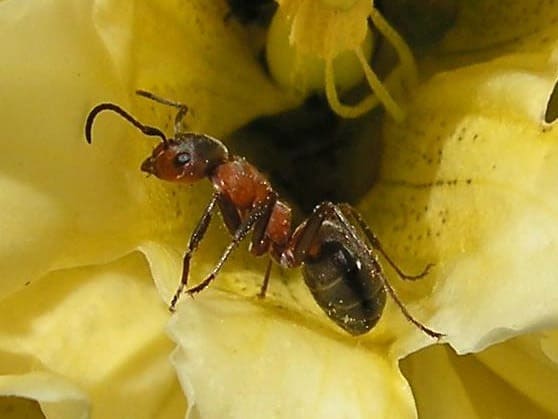
Red wood ant

18%

Formica rufa

Large mound-building forest ant common in Europe; important predator and scavenger in woodland ecosystems.

Black garden ant

16%

Lasius niger

Common small urban and garden ant across much of Europe; nests in soil and under stones.

Leafcutter ants

15%

Atta spp.

Neotropical fungus-farming ants that cut leaves to cultivate fungal gardens; highly organized societies.

View Profile

Fire ant

14%

Solenopsis invicta

Aggressive stinging ant native to South America and invasive in many regions; forms large colonies.

Carpenter ants

13%

Camponotus spp.

Often nest in wood (usually excavating, not eating it); some species are household pests.

View Profile

Army ants

12%

Eciton spp.

Nomadic, swarm-raiding predatory ants of the Americas; form large coordinated raiding columns.

Weaver ants

12%

Oecophylla smaragdina

Build nests by stitching leaves together with larval silk; arboreal and strongly territorial.

Life Cycle

Birth 1000 larvas
Lifespan 3 years

Lifespan

In the Wild
0.01–30 years
In Captivity
0.01–33 years

Reproduction

Mating System Polygynandry
Social Structure Eusocial
Breeding Pattern Transient
Fertilization Internal Fertilization
Birth Type Internal_fertilization

Ants (Formicidae) often show polygynandry (colony queen number and queen mate number vary). Mating usually happens outside in nuptial flights; males die, queens store sperm (internal fertilization). Sex is usually haplodiploid.

Behavior & Ecology

Social Colony Group: 10000
Activity Diurnal, Nocturnal, Crepuscular, Cathemeral
Diet Omnivore Sugary liquids (especially honeydew and nectar), with protein from insect prey used heavily for brood rearing
Seasonal Hibernates

Temperament

Highly cooperative within colonies; strong division of labor (foraging, nursing, defense, nest construction) with flexible task allocation that can shift with colony needs.
Territoriality and aggression range widely: from relatively tolerant neighbor relations to intense intercolony warfare; many species defend nest/food resources, while others coexist in dense communities with avoidance or dominance hierarchies.
Foraging strategies vary across the family: solitary foragers, mass trail recruitment, group raiding, and highly specialized predation/scavenging; many are generalists while others are specialized predators, seed harvesters, fungus farmers, or mutualists.
Ecological roles are diverse and often ecosystem-engineering: soil turnover and aeration, scavenging and predation, seed dispersal, and mutualisms (e.g., tending sap-feeding insects, plant associations); prevalence of each role varies by habitat and lineage.
Body-size diversity is extreme across Formicidae: workers can be ~1-30+ mm long across species, with queens typically larger; polymorphism within species (minor/major workers, soldiers) is common in some groups and absent in others.
Workers usually live weeks to months (sometimes longer). Queens can live months to decades, often many years; some over twenty years. Males usually live only days to weeks.

Communication

Stridulation (sound production via rubbing body parts) in many lineages; used in alarm, recruitment, or distress signals in some species.
Substrate-borne acoustic signals (tapping/drumming) reported in some ants, often in defensive or recruitment contexts.
Chemical communication is dominant: pheromone trails for recruitment, alarm pheromones, sex pheromones, aggregation and dispersal cues, and colony odor cues for nestmate recognition.
Tactile signaling via antennation and body contact; includes ritualized interactions for recognition and coordination.
Trophallaxis (mouth-to-mouth or anus-to-mouth fluid exchange) for food sharing and transmission of chemical cues regulating colony physiology and behavior.
Vibrational/substrate-borne signaling (gaster rubbing, body jolts) used by some species for alarm, recruitment, or coordination inside nests.
Visual cues play variable roles: generally limited compared to chemicals, but more important in some diurnal, visually oriented ants for navigation and coordination.

Habitat

Biomes:
Tropical Rainforest Tropical Dry Forest Savanna Desert Hot Desert Cold Mediterranean Temperate Grassland Temperate Forest Temperate Rainforest Boreal Forest (Taiga) Tundra Alpine Freshwater Marine Wetland +9
Terrain:
Mountainous Hilly Plateau Plains Valley Coastal Island Riverine Volcanic Karst Rocky Sandy Muddy +7
Elevation: Up to 16404 ft 3 in

Ecological Role

Widespread, ecologically dominant social insects functioning as predators, scavengers, mutualists, and ecosystem engineers across most terrestrial ecosystems (especially diverse in the tropics).

Biological control via predation on herbivorous insects and other arthropods Scavenging and carrion removal, accelerating nutrient recycling Soil engineering: bioturbation, aeration, and altered soil chemistry via nest building Seed dispersal (myrmecochory) and effects on plant community composition Mutualisms with plants (defense for nectar/extrafloral nectar) and with sap-feeding insects (honeydew) Food-web support as prey for many vertebrates and invertebrates, linking trophic levels

Diet Details

Main Prey:
Small insects Ants Termites Arachnids and other small arthropods Soft-bodied invertebrates Carrion
Other Foods:
Nectar Honeydew Plant sap and sugary secretions Seeds and grains Fruits and fruit pulp Fungi Pollen Detritus/organic crumbs +2

Human Interaction

Domestication Status

Wild

Formicidae (ants) are not domesticated; they stay wild eusocial insects. Humans have long managed, used, and moved them. Uses include weaver ants for orchard pest control, eating brood called ant eggs, medicinal or ritual uses, keeping colonies in labs, household pests and invasive species, and hobby ant farms.

Danger Level

High
  • Painful stings or bites in many lineages; severity ranges from mild to intense depending on species and exposure
  • Allergic reactions, including anaphylaxis, especially from medically significant stinging ants (risk is rare but potentially life-threatening)
  • Mass stinging events when nests are disturbed (some species recruit rapidly and attack in large numbers)
  • Nuisance infestations and food contamination in homes, hospitals, and food facilities
  • Property impacts: some species nest in structures/wood (can be associated with damage) or interfere with electrical equipment
  • Invasive ants can cause major ecological harm and indirectly affect human livelihoods (agriculture, biodiversity, livestock/pets)

As a Pet

Suitable as Pet

Legality: Rules differ by country, state, and species. Keeping local, non-protected ants is often legal, but moving or importing live ants (especially queens) is usually regulated or banned. Check local wildlife and invasive-species rules.

Care Level: Moderate

Purchase Cost: Up to $300
Lifetime Cost: $50 - $1,000

Economic Value

Uses:
Ecosystem services (soil engineering, nutrient cycling, seed dispersal) Biological control in agriculture/forestry Food and cultural products (entomophagy) Research model organisms (behavior, ecology, evolution, robotics/AI inspiration) Pest impacts and management industry (costs and services) Bioprospecting (venoms, antimicrobial compounds, adhesives/biomaterials inspiration)
Products:
  • biocontrol services (e.g., orchard pest suppression using arboreal ants in some regions)
  • edible brood/larvae/pupae (sometimes marketed as "ant eggs"; consumed in various regional cuisines, including a traditional Mexican dish made from ant larvae)
  • ant-derived chemicals and venoms studied for pharmaceuticals/materials (research and development)
  • pest control services/products targeting invasive and household ant species

Relationships

Predators 8

Giant anteater Myrmecophaga tridactyla
Aardvark
Aardvark Orycteropus afer
Pangolin
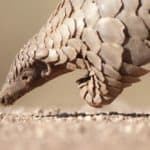
Pangolin Manis spp.
Nine-banded armadillo Dasypus novemcinctus
Antbirds Thamnophilidae
Spider
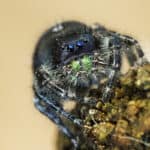
Spider Araneae
Antlion Myrmeleontidae
Horned lizards
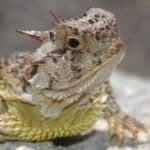
Horned lizards Phrynosoma

Related Species 5

Honey bees Apis Shared Order
Yellowjackets and hornets
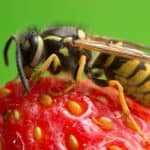
Yellowjackets and hornets Vespidae Shared Order
Ichneumon wasps Ichneumonidae Shared Order
Braconid wasps Braconidae Shared Order
Sawflies Shared Order

Types of Ant

12

Explore 12 recognized types of ant

Red wood ant Formica rufa
Black garden ant Lasius niger
Red imported fire ant Solenopsis invicta
Leafcutter ant
Leafcutter ant Atta cephalotes
Black carpenter ant Camponotus pennsylvanicus
Army ant Eciton burchellii
Asian weaver ant Oecophylla smaragdina
Argentine ant Linepithema humile
Pharaoh ant Monomorium pharaonis
Bigheaded ant Pheidole megacephala
Pavement ant Tetramorium caespitum
Bulldog ant Myrmecia gulosa

The ant is a small-sized invertebrate that is found all around the world, with the exception of the polar regions including the Arctic Circle and Antarctica. As with many other species of insect, there are numerous ant species inhabiting many different environments all around the world.

Incredible Ant Facts
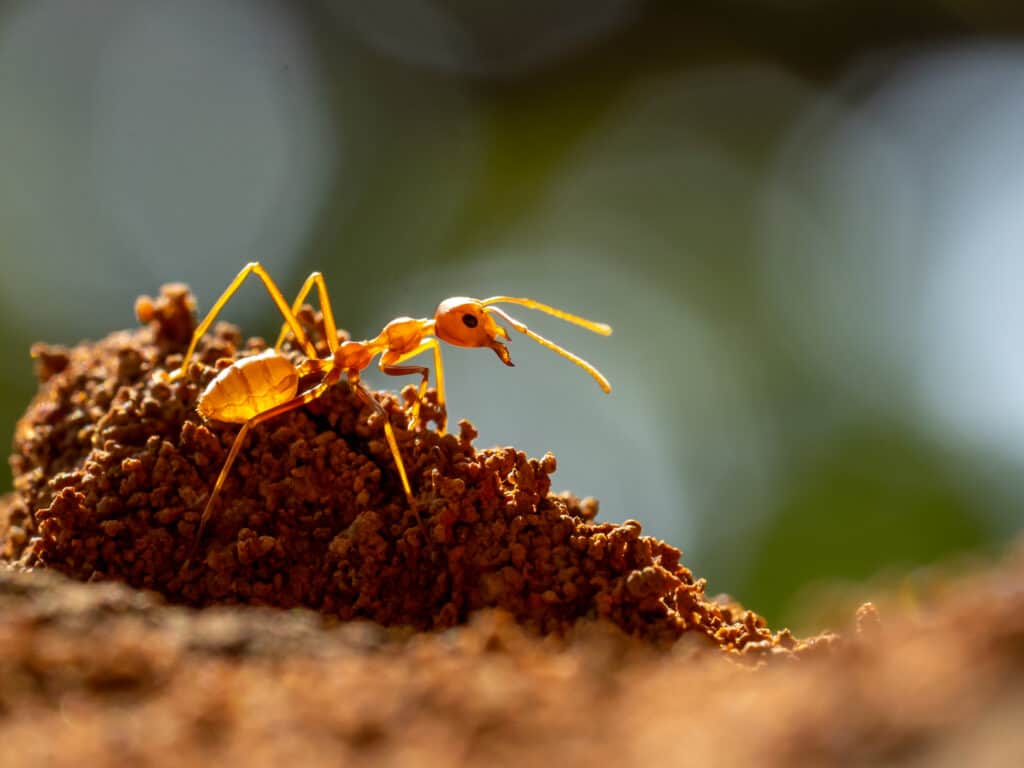
red ant

There is a single “super ant colony” that stretches 3,700 miles along the Mediterranean coast.

  • There is a species of ants found nowhere else on Earth except for between 63rd and 76th streets in New York. Its name: ManhattAnt.
  • More than 300 spider species have evolved to disguise themselves as ants as a predatory technique.
  • There is a single “super ant colony” that stretches 3,700 miles along the Mediterranean coast.
  • The largest ant species in the world is the Giant Amazonian, which can measure more than 1.5 inches in length!

Different Types of Ants

There are more than 12,000 recognized species of ant worldwide, but there are estimated to be nearly 14,000 in total. Ants are thought to have developed from wasp-like creatures 100 million years ago after blooming flowers appeared on Earth.

Bullet Ant (Paraponera clavata)

The bullet ant is known for its incredible sting which has been described as “the world’s most painful.” Pain from their sting is almost instantaneous and feels like a bullet that moves in waves for 12 hours or more.

The sting of bullet ants has long been used by local tribes in puberty rites and has no known long-term impacts.

What makes the bullet ant sting hurt so much? The ant delivers a neurotoxin known as ‘poneratoxin’ that disrupts the ability of nerve cells to send electrical signals, which causes extreme pain.

Bullet ants are found in colonies of 1,000 to 3,000 ants from Central America in the Amazon rainforest.

Argentine Ant (Linepithema humile)

Contrary to its name, the Argentine ant has been introduced across much of the world including the United States, Australia, and Japan. The Argentine ant is best known for its “super colonies” The longest stretching super colony that has been discovered is along the Mediterranean and stretches more than 3,700 miles!

A colony in California stretches more than 500 miles while other “super colonies” exist in places like Japan.

Black Garden Ant (Lasius niger)

The black garden ant is often known as the ‘common ant’ and is found across much of the world. Queens of the species have been recorded living up to 30 years. Colonies of black garden ants will reach up to 40,000 individuals, but more commonly have fewer than 10,000 workers.

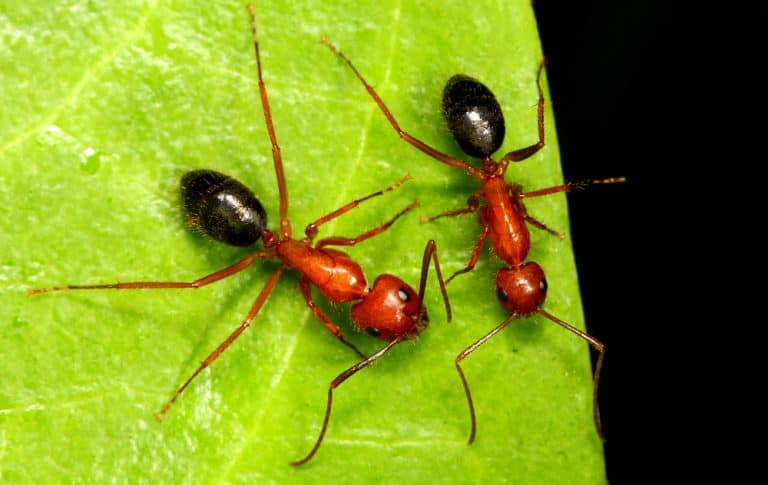
Banded Sugar Ants (Camponotus consobrinus)

Banded sugar ants (or, sugar ants) are found across Eastralia’s East coast and is a common ‘pest’ in the environments it lives in. While banded sugar ants (true to their name) prefer sweets, they also are predators of other insects which they disable with a spray of formic acid. The species is mostly nocturnal.

Honeypot Ant (Formicidae)

Honeypot ants are a family (Formicidae) that use their own bodies as storage. The abdomen of ‘repletes’ — or a type of honeypot ant that’s adapted specially to store food — swells and collects nourishment. As the abdomen of repletes grows, they begin to resemble “honey pots.”

During dry seasons, worker ants drain repletes, providing valuable nutrition at a time of lean sustenance. This incredible adaptation makes honeypot ants ideal for desert climates, and they can be found in America’s southwest, the Sahara, and also in Australia.

Additional types include:

  • Fire ant
  • Carpenter ant
  • Black garden ant
  • Bullet ant
  • Pharaoh ant
  • Atta
  • Oecophylla smaragdina
  • Red wood ant
  • Formica
  • Yellow crazy ant
  • Argentine ant
  • Dorylus
  • Ochetellus glaber
  • Electric ant
  • Myrmeciinae
  • Meat ant
  • Jack jumper ant
  • Tetramorium immigrans
  • Odontomachus
  • Dinoponera
  • Little black ant
  • Cephalotes
  • Messor
  • Dolichoderinae
  • Red harvester ant
  • Myrmicinae
  • Lasius
  • Messor barbarus
  • Formicinae
  • Pheidole
  • Myrmica rubra
  • Yellow meadow ant
  • Crematogaster
  • Ponerinae
  • Saharan silver ant
  • Subterranean ant
  • Longhorn crazy ant
  • Acanthomyops
  • Ponera
  • Titanomyrma
  • Lasius fuliginosus
  • Eciton burchellii
  • Myrmecocystus
  • Brachymyrmex
  • Giant forest ant
  • Carebara diversa
  • Monomorium
  • Pseudomyrmex gracilis
  • Pseudomyrmex ferruginea
  • Harpegnathos venator
  • Armania

Evolution and Origins

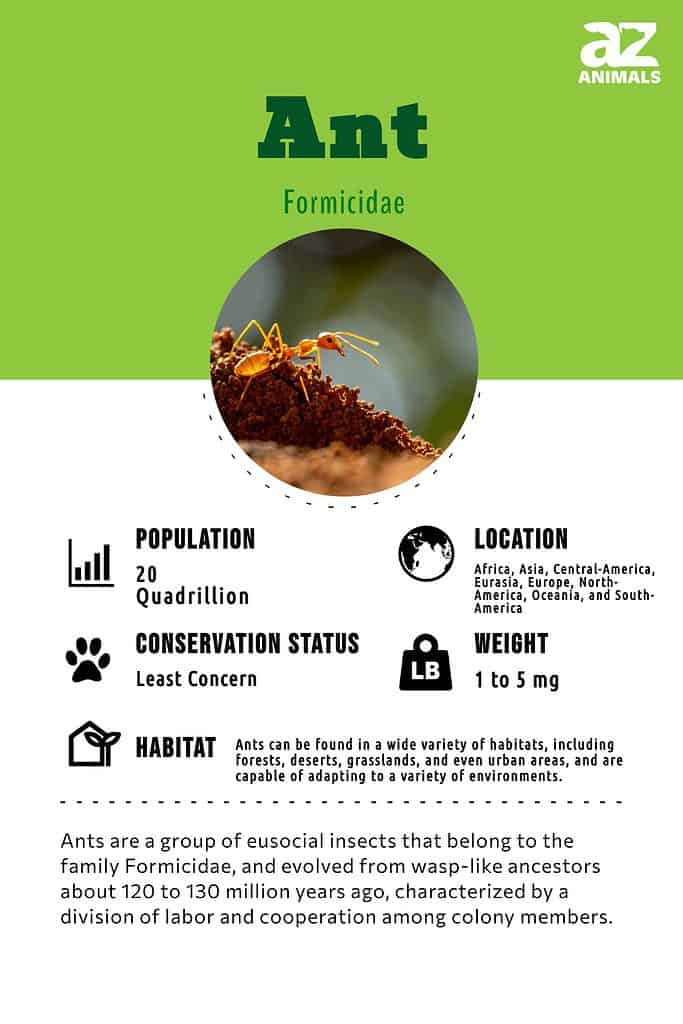
Ants are a group of eusocial insects that belong to the family Formicidae. They are believed to have evolved from wasp-like ancestors about 120 to 130 million years ago during the early Cretaceous period.

Ants developed eusocial behavior, in which individuals within a colony work together for the benefit of the colony as a whole, early on in their evolutionary history.

This behavior, along with their ability to farm and cultivate other organisms, has allowed ants to become one of the most successful groups of organisms on Earth, with millions of known species and a wide range of ecological roles.

Appearance and Behavior

Ants are found in many different sizes and vary in color depending on the species of ant. Some species of ant even have wings so are able to fly which only extends the range of their territory.

In the more humid environment of the tropical jungles of the Southern Hemisphere, the ants are generally of the bigger species, often reaching more than a few centimeters long.

Ants are extremely sociable insects and have a complex social structure where every ant individual has a purpose (effectively a job).

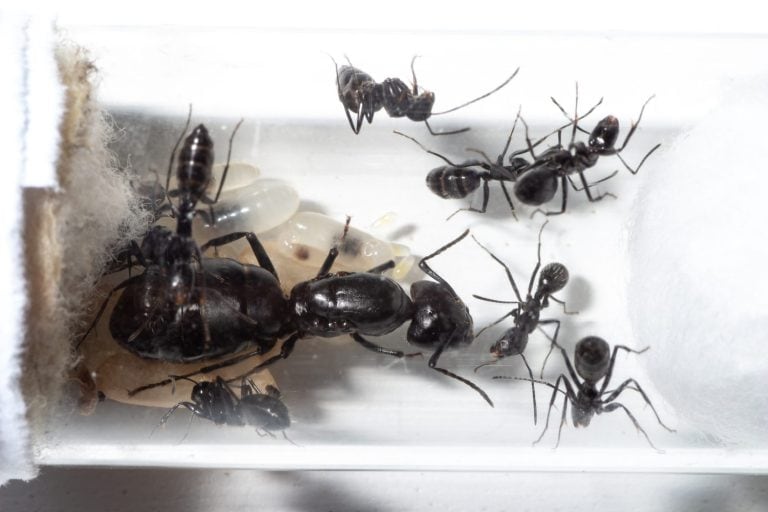
Ants live in colonies and have a social structure from the worker ants that gather the materials and food, as well as nursing and caring for the ant larvae (the babies), to the queen ant that runs the nest and is the only female that reproduces in her colony.

The queen ant often can live for over a year which is considerably longer than the lives of the worker ants which only really last for a couple of months. The queen ant produces between 800 and 1,500 eggs per day which are fertilized by the sperm of the male ants which is present in the nest.

Remarkably, ant eggs that have not been fertilized will still hatch but produce sterile female ants that become worker ants as they cannot reproduce.

Diet and Predators
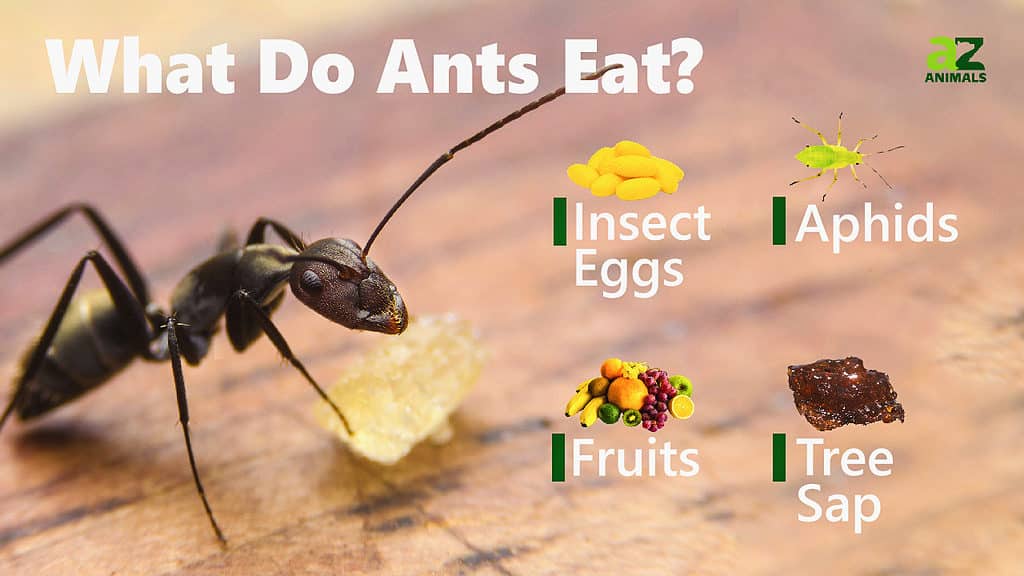
Ants eat insect eggs, aphids, fruits, and tree sap.

Ants are omnivorous animals and therefore eat a mixture of both plant and animal matter. The diet of the ant primarily consists of leaves, fungi, honey, nectar, small insects, and dead animals, although the exact diet of the ant depends on the species. Some ant species have a more herbivorous diet, whereas other species of ants mainly eat meat.

Due to their abundance and small size, ants have numerous animals that prey on them from tiny insects to reptiles, mammals, and fish, and even certain species of plants have also developed ways in which they can digest them.

An ant is said to be able to lift up to 50 times its own body weight and be able to be pulled more than 30 times its own body weight. This is the equivalent of an average human adult lifting a fully-grown African elephant! For a complete list of foods ants eat, check out our “What Do Ants Eat?” page.

View all 326 animals that start with A
How to say Ant in ...
Bulgarian
Мравки
Catalan
Formiga
Czech
Mravencovití
Danish
Myre
German
Ameisen
English
Ant
Esperanto
Formiko
Spanish
Hormiga
Finnish
Muurahaiset
French
Fourmi
Galician
Formiga
Hebrew
נמלים
Croatian
Mravi
Italian
Formicidae
Japanese
アリ
Latin
Formica
Dutch
Mier
English
Maur
Polish
Mrówkowate
Portuguese
Formiga
Swedish
Myror
Turkish
Karınca
Chinese
蚂蚁

Sources

  1. David Burnie, Dorling Kindersley (2011) Animal, The Definitive Visual Guide To The World's Wildlife / Accessed November 13, 2008
  2. Tom Jackson, Lorenz Books (2007) The World Encyclopedia Of Animals / Accessed November 13, 2008
  3. David Burnie, Kingfisher (2011) The Kingfisher Animal Encyclopedia / Accessed November 13, 2008
  4. Richard Mackay, University of California Press (2009) The Atlas Of Endangered Species / Accessed November 13, 2008
  5. David Burnie, Dorling Kindersley (2008) Illustrated Encyclopedia Of Animals / Accessed November 13, 2008
  6. Dorling Kindersley (2006) Dorling Kindersley Encyclopedia Of Animals / Accessed November 13, 2008
Rebecca Bales

About the Author

Rebecca Bales

Rebecca is an experienced Professional Freelancer with nearly a decade of expertise in writing SEO Content, Digital Illustrations, and Graphic Design. When not engrossed in her creative endeavors, Rebecca dedicates her time to cycling and filming her nature adventures. When not focused on her passion for creating and crafting optimized materials, she harbors a deep fascination and love for cats, jumping spiders, and pet rats.
Connect:

Thank you for reading! Have some feedback for us?


Ant FAQs (Frequently Asked Questions)

Ants are Omnivores, meaning they eat both plants and other animals.