

A
Species Profile

Australian Mist

Felis catus

Misty coat, sunny Aussie soul
Daniel Thompson/Shutterstock.com

Australian Mist Distribution

Click a location to explore more animals from that region

Origin Location

This map shows the native origin of the Australian Mist. As a domesticated species, they are now found worldwide.

Loading map...

Found in 1 country

Size Comparison

Human 5'8"
Australian Mist 10 in

Australian Mist stands at 14% of average human height.

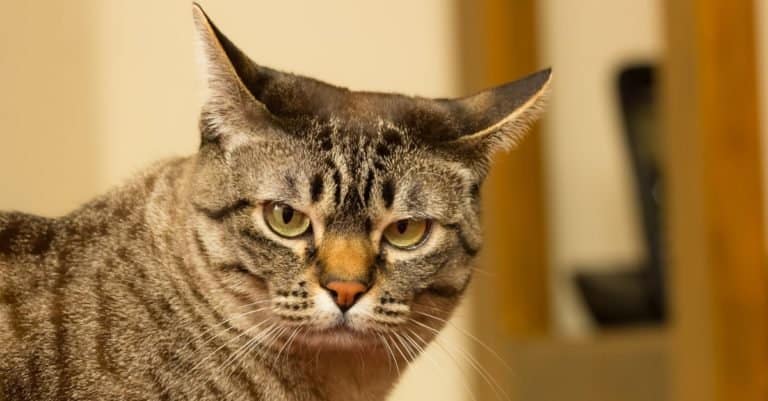
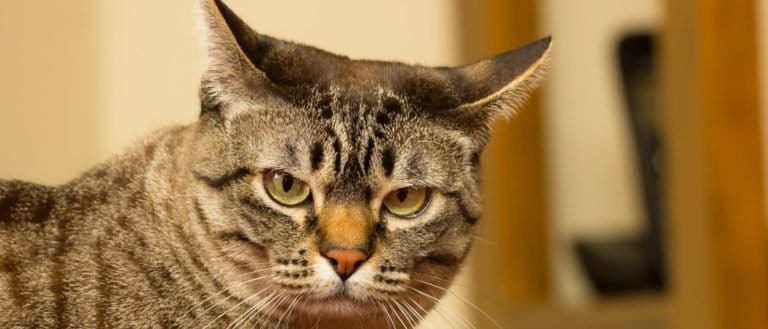
Australian Mist cat close-up

At a Glance

Domesticated
Also Known As Spotted Mist, Aussie Mist
Diet Carnivore
Activity Crepuscular+
Lifespan 14 years
Weight 7 lbs
Status Not Evaluated
Did You Know?

Developed in Australia in the late 1970s as a purpose-bred companion cat, later renamed from "Spotted Mist" to "Australian Mist."

Scientific Classification

The Australian Mist is a domestic cat breed developed in Australia for an even temperament and suitability as an indoor companion. It is known for a short coat with a characteristic “misty” (ticked/blurred) appearance overlaying spotted or marbled patterning.

Kingdom
Animalia
Phylum
Chordata
Class
Mammalia
Order
Carnivora
Family
Felidae
Genus
Felis
Species
Felis catus

Distinguishing Features

  • Short coat with a “misted” (ticked/softened) look over spotted or marbled tabby patterning
  • Moderate, athletic build (neither very cobby nor extremely slender)
  • Generally described as people-oriented and adaptable to indoor living
  • Breed developed in Australia (foundation influences commonly cited include Burmese and Abyssinian, plus domestic shorthair lines)

Physical Measurements

Males and females differ in size

Height
10 in (9 in – 11 in)
9 in (8 in – 10 in)
Length
2 ft 6 in (2 ft 4 in – 2 ft 9 in)
2 ft 4 in (2 ft 2 in – 2 ft 7 in)
Weight
12 lbs (9 lbs – 15 lbs)
9 lbs (7 lbs – 11 lbs)
Tail Length
11 in (10 in – 1 ft 1 in)
Top Speed
30 mph
Like a house cat's speed

Appearance

Primary Colors
Secondary Colors
Skin Type Short-haired domestic cat coat: fine, close-lying, satin-like texture with normal feline skin; generally low-maintenance grooming (light-to-moderate shedding typical of indoor companion cats).
Distinctive Features
  • Breed identity (not a wild cat): a selectively developed domestic cat breed from Australia created for an even temperament and suitability as an indoor companion.
  • Signature 'mist' coat: tabby pattern (spotted or marbled) intentionally blurred by ticking, producing a soft, shaded appearance rather than bold, high-contrast markings.
  • Medium, balanced build: sturdy but not cobby; overall appearance is athletic yet gentle/rounded, aligning with a companion-focused breed standard.
  • Head and expression: rounded head with full cheeks and large, expressive eyes; overall 'sweet' facial impression compared with many sharper-faced domestic shorthairs.
  • Temperament emphasis (breed-specific vs. base species variability): typically people-oriented, calm, and adaptable-often tolerant of indoor life and family activity compared with the wide temperament range seen across general domestic cats.
  • Australian Mist cats are generally healthy with no single inherited disease known, but watch for common problems: dental/gum disease, obesity (especially in indoor cats), and urinary tract problems like FLUTD.
  • Preventive care needs (indoor companion focus): maintain weight with portion control and interactive play; provide environmental enrichment (climbing, scratching, puzzle feeders) to prevent boredom-related stress behaviors common in indoor-only domestic cats.
  • Grooming/care requirements: short coat typically needs weekly brushing; routine nail trimming, dental hygiene, and regular veterinary screening (including heart and dental checks) are recommended, consistent with best practices for domestic cats.

Sexual Dimorphism

Mild sexual dimorphism typical of many domestic cats: males tend to be slightly larger and more robust, while females are typically finer-boned; differences are subtle and not extreme.

  • Slightly larger overall size and heavier musculature.
  • Broader head/cheeks may be more noticeable in mature males (especially if intact).
  • Slightly smaller frame and finer bone structure.
  • More delicate head/neck proportions compared with males.

Did You Know?

Developed in Australia in the late 1970s as a purpose-bred companion cat, later renamed from "Spotted Mist" to "Australian Mist."

Its signature look is a soft, hazy "mist" (ticked/blurred effect) layered over either spotted or marbled patterning.

Australian Mists are known for being people-oriented and tolerant-traits intentionally selected for family life.

Unlike many high-energy breeds, they're typically content with indoor enrichment and steady routines.

The breed's foundation includes Burmese and Abyssinian influence (for temperament and ticking), combined with domestic shorthair lines (for pattern and diversity).

Their short coat is designed to be low-maintenance compared with longhaired breeds.

As a domestic cat breed, it shares the excellent jumping, climbing, and hunting instincts of domestic cats-even if it is kept strictly indoors.

Unique Adaptations

  • Coat optics: the "mist" effect comes from ticking and a softened contrast between markings and background, creating a blurred, smoky look unique among common domestic patterns.
  • Body plan optimized for companionship rather than extremes: medium build and balanced proportions (not ultra-slim or ultra-cobby), supporting an agile yet easy-care household pet.
  • Temperament selection as an adaptation to human environments: deliberately bred for calm sociability and indoor suitability, reducing conflict behaviors in close quarters.
  • Short, close-lying coat reduces matting risk and makes grooming straightforward compared with longhaired domestic cat breeds.
  • Like all domestic cats, it retains classic feline adaptations-retractable claws, keen low-light vision, and sensitive whiskers-useful for indoor navigation and play-hunting.

Interesting Behaviors

  • "Shadowing" favorite people from room to room, then settling nearby rather than demanding constant handling.
  • Gentle, persistent play: many enjoy wand toys and puzzle feeders without the relentless intensity seen in some very active breeds.
  • Social flexibility: often greets visitors with curiosity and may integrate well in multi-pet homes when introduced slowly.
  • Quiet communication: tends to use soft chirps/meows and body language (tail-up greetings, head bunts) more than loud vocalizing.
  • Indoor exploration loops-revisiting the same perches and window spots as part of a predictable daily routine.
  • Strong food motivation in some individuals, making clicker training and treat-based enrichment particularly effective.

Cultural Significance

The Australian Mist (Felis catus) is a modern Australian cat bred to be calm and people-friendly for indoor or apartment life. It shows late 1900s efforts to breed pets for calm nature and less roaming to protect wildlife.

Myths & Legends

Early fans called the breed "Spotted Mist" for its spotted coat. Later the name "Australian Mist" became a proud label and a homegrown answer to imported pedigrees.

Owners joke that the Australian Mist's hazy coat lets it 'vanish into the carpet at dusk.' This modern tale echoes old cat folklore about cats slipping between the seen and unseen.

Black cat luck tales in parts of Britain and Ireland say a black cat brings good luck at sea and home. Owners of many breeds, including Australian Mist (Felis catus) dark varieties, tell stories.

In Japanese folklore, tales tell of strange "monster cats"—old cats that gain magical powers and sometimes a forked tail. These legends appear in popular culture, showing cats as mysterious, watchful companions.

European hearth-cat superstition (broader tradition): in various European folk beliefs, a calm cat by the fire was taken as a sign of a peaceful household-an association commonly applied to placid companion breeds today.

Conservation Status

NE Not Evaluated

Has not yet been evaluated against the criteria.

Population Stable

Life Cycle

Birth 4 kittens
Lifespan 14 years

Lifespan

In the Wild
12–16 years
In Captivity
10–20 years

Reproduction

Mating System Promiscuity
Social Structure Managed Domestic
Breeding Pattern Transient
Fertilization Internal Fertilization
Birth Type Internal_fertilization

Australian Mist (Felis catus): Like other domestic cats, they are not pair-bonding; females may mate with multiple males and mating is short and opportunistic. Breeders usually arrange matings and keep cats indoors, reducing natural mate choice; queens raise kittens alone.

Behavior & Ecology

Social Colony Group: 2
Activity Crepuscular, Cathemeral
Diet Carnivore High-protein, animal-based wet food (meat-focused formulas such as poultry-based)

Temperament

Breed-distinguishing profile: notably even-tempered, people-focused companion; tends to seek proximity and interaction more consistently than the average domestic cat when well-socialized.
Sociability: often tolerant of multi-pet households (including other cats and sometimes calm dogs) with structured introductions; individual variation persists, especially with limited early exposure.
Play/engagement: typically enjoys interactive play and puzzle/foraging games; can be moderately energetic but usually not hyperactive-benefits from daily structured activity in indoor homes.
Confidence/adaptability: generally handles routine changes, visitors, and family noise better than many cats; still may require safe retreats and predictable routines.
Independence: capable of settling alone for periods, but many do best with regular human contact or a compatible feline companion to reduce boredom.
Indoor risks: weight gain and dental disease. Boredom or overfeeding can cause night waking, meowing and counter-surfing. Prevent with portion control, play and dental care. No breed-wide disorder; screen for common cat issues like HCM.

Communication

Meow/varied meows Often directed at humans; Australian Mist may use frequent 'conversational' meows with familiar people
Purr Affiliative/soothing; also occurs with stress or discomfort
Trill/chirp Friendly greeting, attention-seeking; common in social, people-oriented cats
Chatter Excitement/frustration response to prey stimuli
Growl/hiss/spit Distance-increasing signals; typically less frequent in well-socialized Australian Mist but used when threatened
Yowl Distress, territorial or reproductive signaling; usually reduced in neutered indoor cats
Body language: tail position, ear rotation, pupil dilation, posture; Australian Mist often display relaxed affiliative signals (upright tail, soft eyes) in familiar settings.
Slow blink/eye softening Affiliative, calming signal toward humans and cats
Scent communication: facial rubbing (bunting), cheek marking, scratching posts; indoor care requirement-provide multiple scratch/marking sites to reduce furniture scratching.
Social grooming Allogrooming) and co-sleeping in bonded pairs/households; more likely when resources are ample (multiple beds, litter boxes, feeding stations
Tactile contact: headbutts, kneading, lap-sitting; breed is often selected for enjoying handling and close contact, though consent signals should be respected.
Play signals: play bows/side rolls, gentle pawing; care requirement-daily interactive play to channel hunting drive and prevent boredom in indoor environments.

Habitat

Biomes:
Temperate Forest Mediterranean Temperate Grassland Temperate Rainforest Tropical Rainforest Tropical Dry Forest Savanna Desert Hot Desert Cold Boreal Forest (Taiga) Tundra Alpine Wetland Freshwater +8
Elevation: Up to 18044 ft 8 in

Ecological Role

Domestic mesopredator and human-associated companion animal; in free-ranging contexts can be a significant predator of small vertebrates.

Predation on commensal rodents in human environments (when hunting occurs) Potential negative ecological impact via predation on native wildlife if allowed to roam (mitigated by indoor housing, supervised outdoor time, and enrichment) Human social/therapeutic value as a companion animal (non-ecological but primary role for the breed)

Diet Details

Main Prey:
Small rodents Small birds Small reptiles Small amphibians Large insects and other invertebrates

Human Interaction

Domestication Status

Domesticated

Felis catus comes from Near Eastern/African wildcats (Felis lybica) and spread worldwide with people. The Australian Mist was bred in Australia in the 1970s–1980s from Burmese, Abyssinian and domestic shorthairs for a calm, people‑friendly indoor cat. It has a short "misty" ticked coat over spots or marbling and moderate energy.

Danger Level

Low
  • Scratches or bites (usually minor; risk increases with stress, pain, or poor handling)
  • Allergic reactions to dander/saliva (can be significant for sensitive individuals)
  • Zoonotic infections uncommon but possible (e.g., ringworm; bacterial infection of bite wounds; toxoplasmosis risk mainly from litter handling)
  • Trip hazards in the home (especially with active cats underfoot)

As a Pet

Suitable as Pet

Legality: Australian Mist cats are usually legal to own in most places. You may need local pet licensing, a rabies shot if required, and to follow housing or HOA rules. Rules usually cover pet number, microchipping, spay/neuter, or containment.

Care Level: Easy

Purchase Cost: Up to $2,000
Lifetime Cost: $15,000 - $35,000

Economic Value

Uses:
Companion animal/pet market Pedigree breeding and cat fancy (shows/registrations) Veterinary and preventive health services Pet supply and enrichment industry Pet sitting/boarding and behavior services
Products:
  • Sale/adoption/rehoming of companion cats (kittens and adults)
  • Breeding services (registered kittens, stud services)
  • Veterinary services (spay/neuter, vaccinations, wellness screening, dental care)
  • Pet supplies (food, litter, scratchers, carriers, toys, enrichment, microchips)
  • Cat show participation/registrations and related services
  • Pet insurance and pet sitting/boarding services

Relationships

Ecological Equivalents 6

Animals that fill a similar ecological role in their ecosystem

Domestic shorthair Felis catus Shares the same general niche as a human-associated small mesopredator and indoor companion. Australian Mist is typically selected more strongly for even temperament and indoor suitability, with a short, low-maintenance coat.
Burmese
Burmese Felis catus Similar companion-focused niche and people-oriented temperament. Australian Mist lines historically incorporate Burmese ancestry and often share a sociable, calm disposition that suits indoor living.
Abyssinian
Abyssinian Felis catus Occupies a similar short-coated, active, interactive housecat niche. The Australian Mist often exhibits a moderated activity level (playful but less intense) and a distinctive 'misty' ticking overlay on spotted or marbled coat patterns.
Ferret
Ferret Mustela putorius furo A domesticated small carnivore primarily kept indoors. Overlaps in enrichment needs (interactive play, climbing/tunneling opportunities) and in risk factors, such as boredom-related behaviors if under-stimulated.
Small terrier-type dog Canis lupus familiaris Occupies a similar human-associated niche of small-pest control and companion. Contrasts with the Australian Mist's feline hunting style and typically lower exercise requirements, but shares a similar need for enrichment and routine.
Australian raven Corvus coronoides In urban/suburban environments, it may compete indirectly for small prey (insects, small vertebrates) and scavenging opportunities; both thrive around human resources.

The Australian Mist cats are medium in size and have short hair. They were developed in Australia in the 1970s and are a hybrid between Burmese, Abyssinian, and Moggy cats.

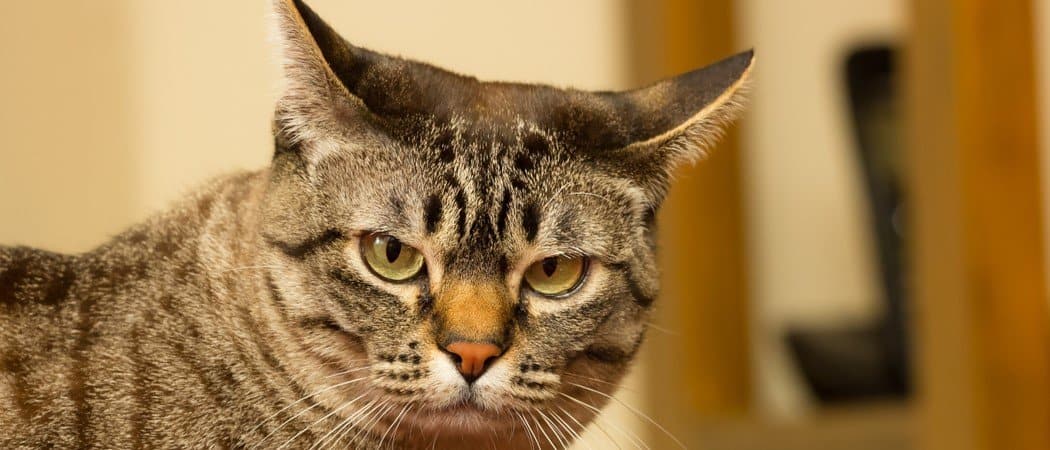
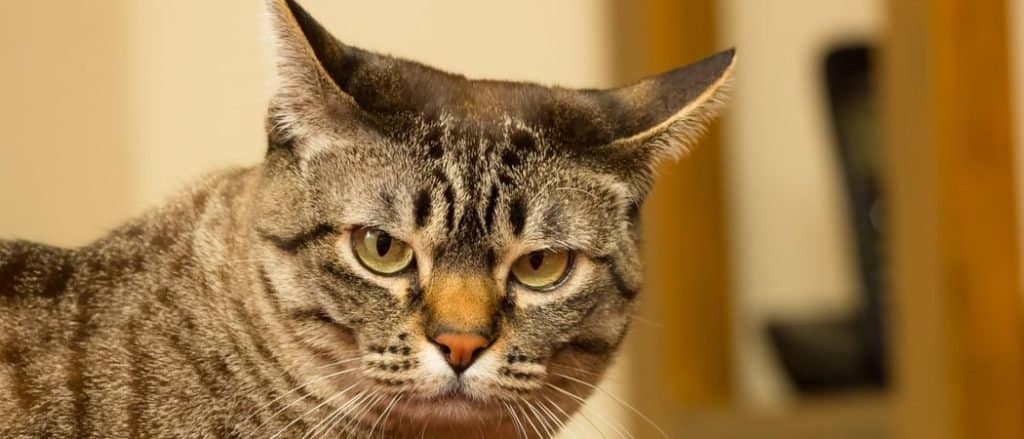
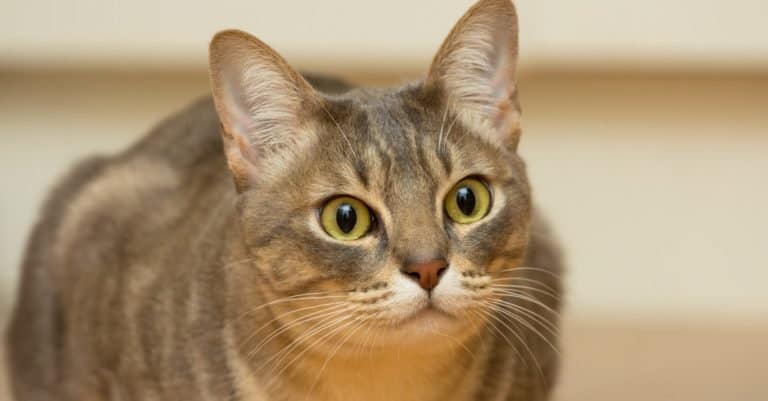
Their heads are round, complemented by their large and expressive green eyes. They are medium-boned and have friendly faces. Their coats usually have backgrounds that give them a misty look — hence, the name. These cats are known to exist in seven colors: brown, blue, chocolate, lilac, caramel, gold, and peach.

Breed History

The first Australian Mist cats were born in 1975, created by cross-breeding Abyssinian, Burmese, and other domestic cat breeds. The original result was a short-haired cat with a spotted coat, and it was named “Spotted Mist.” However, as the breed developed over the following 20 years, the coat became more marbled than spotted. In 1998, the name was changed to “Australian Mist.” This breed is notable for being the first internationally recognized domestic cat breed to originate in Australia.

The Australian Mist is considered a rare cat breed, and registered cats can be found in countries like Australia, the U.K., Germany, the United States, and Norway. It’s been recognized as a breed by the World Cat Federation and the U.K.’s Governing Council of the Cat Fancy.

Traits: What to Know Before You Buy

Before you buy an Australian Mist, it is important to understand a few things about this animal. With this knowledge, creating the right conditions for one of them to live in your home will become much easier.

It is important to note that these cats are known for their exceptional temperament. They are very tolerant and are not inclined to scratch. While these cats are lively as kittens, they tend to mellow out as they age. Due to these qualities, the breed is an excellent companion as an indoor pet.

These cats are known to be quite healthy, and there are no consistent conditions that are specific to the breed. The only health issues that may arise are the typical problems that cats face like renal failure, hyperthyroidism, and diabetes.
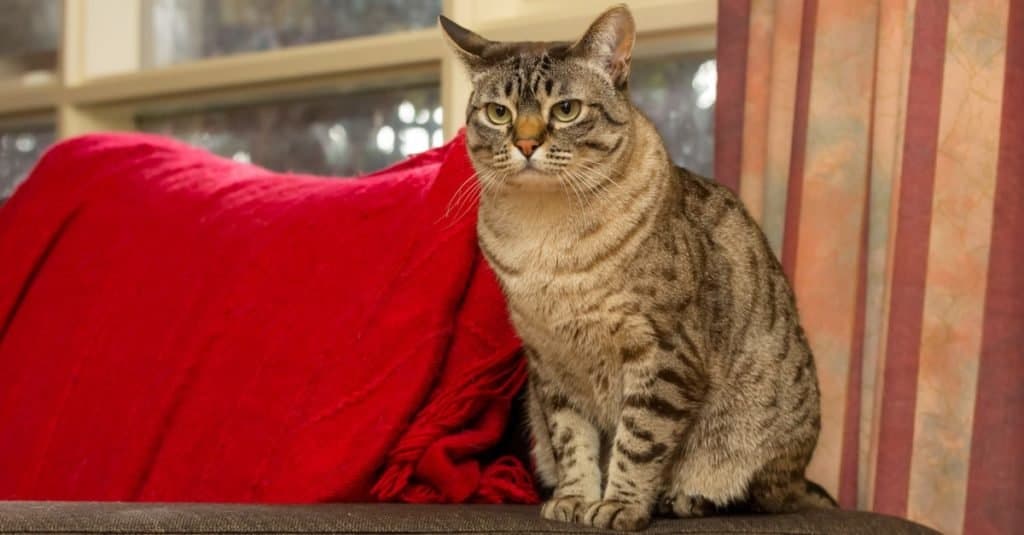
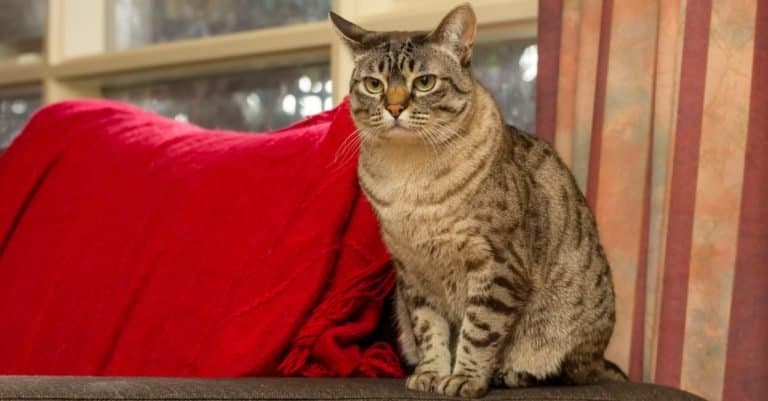
Australian Mist, a short-haired cat developed in Australia, sitting on the couch.

Australian mist cats are very tolerant and are not inclined to scratch, making them wonderful indoor pets.

Personality

These cats have calm and loving personalities. They are attention-loving and always enjoy attention from their owners. They are not haphazard, allowing them to be rather patient with younger and older members of the family. They constantly fixate on the people around them, preferring to stay near their homes where they can be loved by their families. Their social personality makes them incredibly welcoming to visitors in their home, playing and interacting with anyone who will spend time petting them.

Size and Weight

These cats are medium in size, weighing 8 to 15 pounds. They usually stand at a height of about 7 to 9 inches. While there is not much of a difference between the two, female cats are generally known to be slightly smaller than their male counterparts.
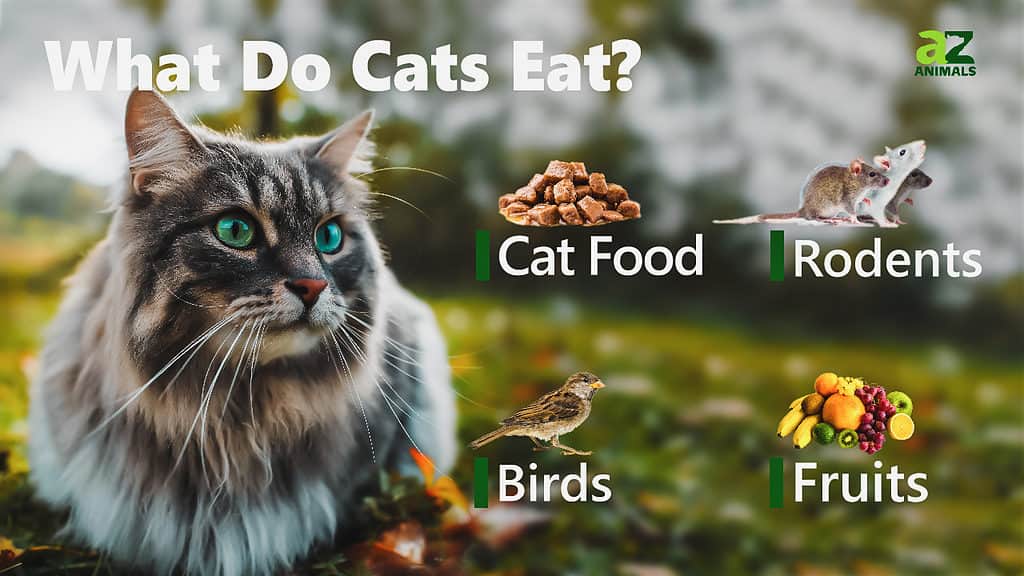
Domestic cats live on a diet of cat food, rodents, birds, and fruits.

Price

You will be able to find a kitten for between $800 and $1200, but many factors can cause the price to fluctuate from breeder to breeder. Neutered males typically start at $390, while a kitten that is fully vaccinated will cost about $390 and up.

The price range could also vary between the spotted as well as marbled Australian Mist cats. Annual grooming, maintenance, and feeding costs vary to add to the overall cost. If you adopted one, you should expect to add another $1,000 to your yearly budget to keep their coats detangled and healthy.
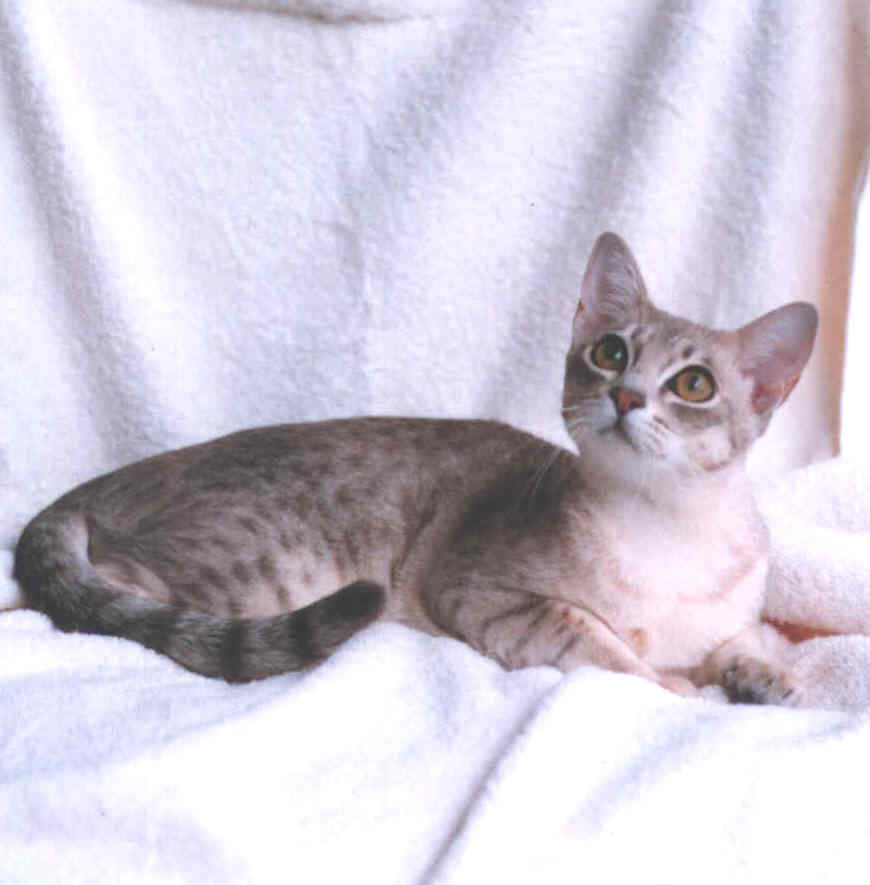
A Blue-spotted Australian Mist can range in price from USD800 to USD1200.

Buying directly from the breeders will add to the cost substantially. Seek out local breeders in your area to find the current animals that are available for adoption. Some breeders will not publish their official prices unless they have a litter ready to adopt, but their advertisement online will offer contact information to learn more.

On occasion, these cats may be found in rescue shelters, but availability depends on the particular facility.

Kittens

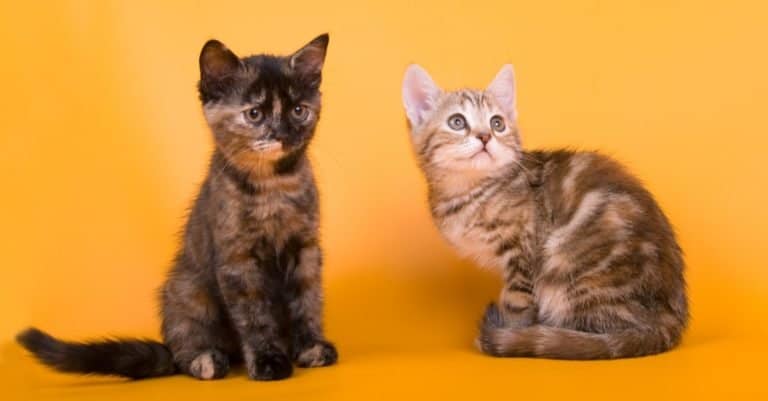
While most of the adult traits are easily seen in the kittens, the kittens are known to be very lively and energetic. However, as they mature, the trait is not as prominent, allowing them to become quieter and more patient.

When they are full-grown, they weigh about 8 to 15 pounds and are about 7 to 9 inches in size. These kittens are known to attain puberty in five months. These cats are great family pets and are known to be great and very playful around children.
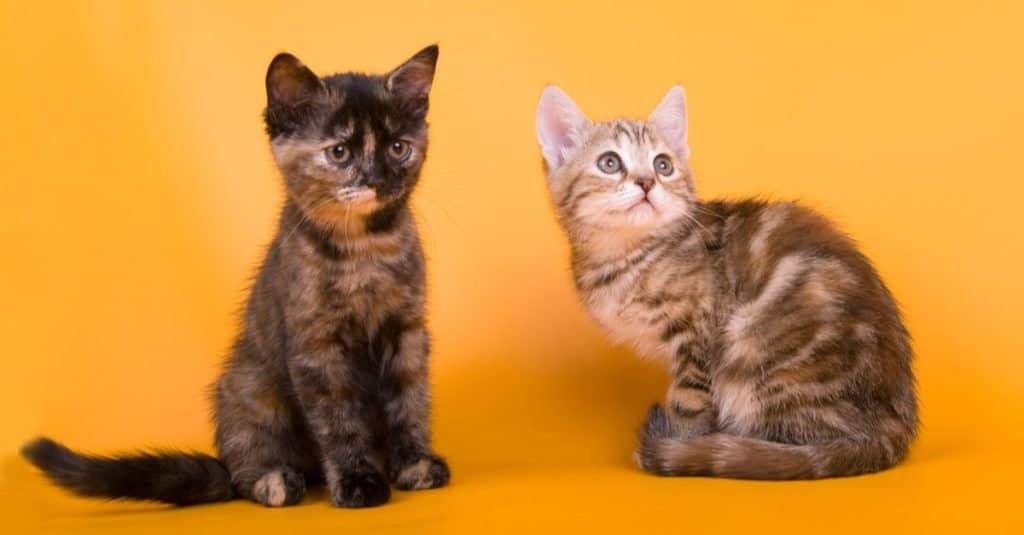
Australian Mist kittens tend to be very lively and energetic, but calm down as adults.

Lifespan

The standard lifespan of these cats is about 15 to 18 years. As they age, they become prone to health problems like renal issues, diabetes, and hyperthyroidism. While they can still develop these health problems at a young age, these cats are known to be relatively healthy compared to other cats.

Despite their life expectancy being 15 to 18 years, the cats may live more than 20 years if they thrive in the right conditions and are taken care of properly.

Australian Mist Breed vs. Mixed

The breed is characterized as being calm and composed. These hybrid cats are known to be very patient. They come in seven colors, including brown, blue, chocolate, lilac, caramel, gold, and peach. These cats are affectionate and home-bound, but that could sometimes vary depending on the inheritance in the case of a mix.

While they are roughly the same size as the cats that are bred for their development, you might notice differences in coat length and hair color. Also, you could spot a mix with a differentiated pattern like a spotted or marbled coat.

Also, there are health issues that could be a strong deciding factor in the case of a mix. These cats are usually healthy, but can sometimes inherit the qualities of their two parents, which could come with some inherited health issues as well.
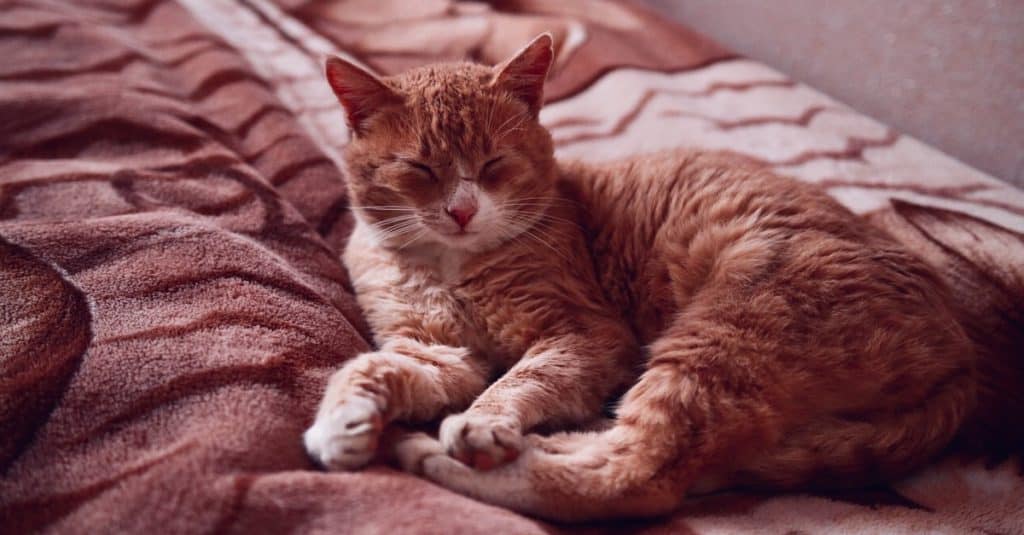
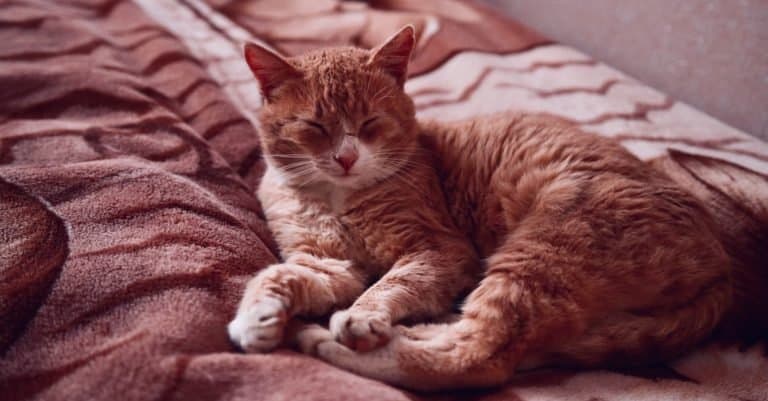
An Australian Mist cat resting on a bed.

Australian Mist cats come in seven colors, including brown, blue, chocolate, lilac, caramel, gold, and peach.

Types of Australian Mist Cats and Colors

The cats come in seven colors, including brown, blue, chocolate, lilac, caramel, gold, and peach.

Brown Australian Mist

Brown Australian Mist cats are beautiful and present with distinguishable brown patterns on the fur. The patterns could vary from rings to lines to waves.

Blue Australian Mist

Brown Australian Mist cats are not exactly blue. They tend to be greyish-blue in color and are lean, and usually distinguished as having a spotted coat.

Chocolate Australian Mist

Chocolate Australian Mist cats are very similar to brown ones and could have grey as their base color. The base coat is complemented by beautiful chocolate-colored designs.

Lilac Australian Mist

Lilac Australian Mist cats are very light-colored and look misty from a distance as well. This color gives the cats a very elegant look.

Caramel Australian Mist

A toned-down mixture of brown and gold, Caramel Australian Mist cats look delightful with very light-colored patterns on their body.

Gold Australian Mist

Gold Australian Mist cats have beautiful golden-colored coats that make them look beautiful and give their fur a glossy look.

Peach Australian Mist

The Peach Australian Mist has a light-colored coat. It might look like a mix of golden and pink, making it very pretty to look at.

View all 326 animals that start with A

Sources

  1. Purina / Accessed May 3, 2021
  2. Wikipedia / Accessed May 3, 2021
  3. Pet Insurance / Accessed May 3, 2021
  4. Animals Adda / Accessed May 3, 2021
  5. Kats Mists Cattery / Accessed May 3, 2021
Abby Parks

About the Author

Abby Parks

Abby Parks has authored a fiction novel, theatrical plays, short stories, poems, and song lyrics. She's recorded two albums of her original songs, and is a multi-instrumentalist. She has managed a website for folk music and written articles on singer-songwriters, folk bands, and other things music-oriented. She's also a radio DJ for a folk music show. As well as having been a pet parent to rabbits, birds, dogs, and cats, Abby loves seeking sightings of animals in the wild and has witnessed some more exotic ones such as Puffins in the Farne Islands, Southern Pudu on the island of Chiloe (Chile), Penguins in the wild, and countless wild animals in the Rocky Mountains (Big Horn Sheep, Mountain Goats, Moose, Elk, Marmots, Beavers).
Connect:

Thank you for reading! Have some feedback for us?


Australian Mist FAQs (Frequently Asked Questions)

These cats are patient and home-bound. They love attention from their owners and also like to socialize sometimes. As kittens, they are very energetic and lively.