


A
Species Profile

Australian Terrier

Canis lupus familiaris

Small Terrier, Big Aussie Grit
Lisjatina/Shutterstock.com

Australian Terrier Distribution

Click a location to explore more animals from that region

Origin Location

This map shows the native origin of the Australian Terrier. As a domesticated species, they are now found worldwide.

Loading map...

Size Comparison

Human 5'8"
Australian Terrier 10 in

Australian Terrier stands at 15% of average human height.

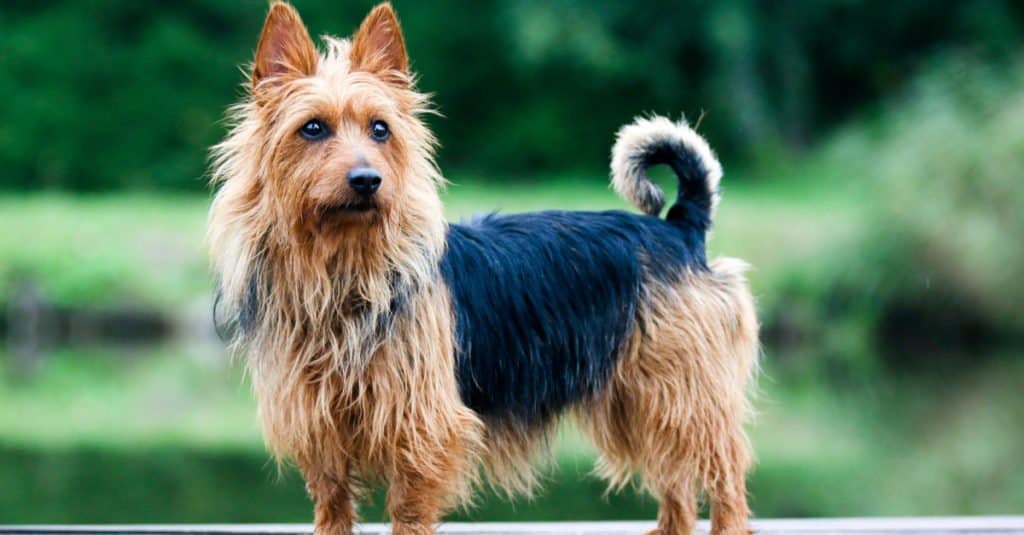
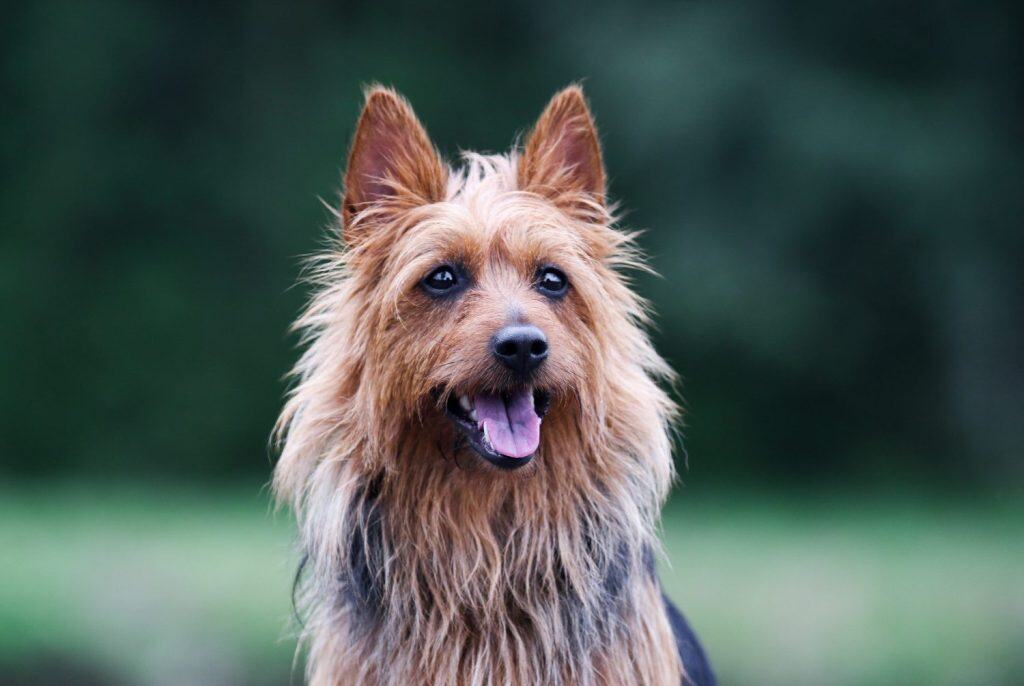
Summer portrait of black and sable tan purebred typical australian terrier. Pedigreed australian terrier dog outside with background of green grass. Smiling attractive doggy portrait with funny ears

At a Glance

Domesticated
Also Known As Aussie Terrier, Aussie
Diet Omnivore
Activity Diurnal+
Lifespan 5 years
Weight 7.5 lbs
Status Not Evaluated
Did You Know?

It's one of the first dog breeds developed in Australia from imported British/Irish terrier stock.

Scientific Classification

The Australian Terrier is a small, sturdy terrier breed developed in Australia from British terrier stock, historically used for vermin control and as an alert companion.

Kingdom
Animalia
Phylum
Chordata
Class
Mammalia
Order
Carnivora
Family
Canidae
Genus
Canis
Species
Canis lupus familiaris

Distinguishing Features

  • Small, robust terrier build with relatively long body and short legs
  • Harsh, wiry outer coat with a softer undercoat; notable forelock/topknot
  • Typically erect, pointed ears and an alert expression
  • Coat commonly blue & tan or solid red/sandy
  • Historically bred for ratting and small vermin hunting; confident, spirited temperament

Physical Measurements

Males and females differ in size

Height
♂ 10 in (10 in – 11 in)
♀ 9 in (9 in – 10 in)
Length
♂ 1 ft 7 in (1 ft 5 in – 1 ft 9 in)
Weight
♂ 14 lbs (13 lbs – 15 lbs)
♀ 13 lbs (11 lbs – 14 lbs)
Tail Length
♂ 5 in (4 in – 6 in)
Top Speed
17 mph
Quick over short distances

Appearance

Primary Colors
Secondary Colors
Skin Type Australian Terrier (Canis lupus familiaris) skin has normal pigment under a harsh double coat: wiry outer coat and short undercoat. Groom to keep texture; shaving or over‑clipping can cause irritation, itchiness, or redness in some.
Distinctive Features
  • Small, sturdy vermin-control terrier build: compact, slightly longer than tall, strong-boned for size (breed-developed in Australia from British terrier stock).
  • Harsh, wiry outer coat with a shorter undercoat; pronounced neck 'ruff' and forechest furnishings that give a rugged outline (distinct from the softer, silkier coat of the Silky Terrier).
  • Distinct topknot/forelock: lighter, softer hair on the head that stands out from the harsher body coat.
  • Erect, pointed ears set high; alert, keen terrier expression suited to watchdog/companion roles.
  • Straight forelegs and sturdy hindquarters; quick, agile movement typical of a working terrier used historically for vermin control.
  • Tail carriage typically upright; historically docked in some regions, but many dogs now have a natural tail depending on local laws/standards.
  • Breed-specific care: regular brushing/combing to prevent matting in furnishings; periodic hand-stripping or careful terrier-style trimming to maintain harsh texture; avoid frequent full-body clipping if coat texture is a priority.
  • Exercise/management: energetic but manageable-benefits from daily walks and play; strong prey drive means secure fencing/leash reliability are important.
  • Common health issues: patellar luxation, Legg‑Calvé‑Perthes (hip), dental disease, skin allergies (atopy), diabetes mellitus, and eye problems like cataracts. Routine checks and healthy weight help them live longer.

Sexual Dimorphism

Sexual dimorphism is usually mild, typical of many small domestic terrier breeds: males tend to be slightly larger and more robust, while females are often a bit finer-boned.

♂
  • Slightly greater overall size and substance; broader head/neck and more pronounced ruff in some individuals.
  • May appear more heavily boned through chest and forequarters while retaining the compact terrier outline.
♀
  • Slightly lighter frame and finer head; still sturdy and workmanlike for size.
  • May show a slightly more refined outline while keeping the characteristic erect ears, topknot, and harsh coat texture.

Did You Know?

It's one of the first dog breeds developed in Australia from imported British/Irish terrier stock.

The breed's signature "topknot" (silky forelock) is deliberately left softer than the harsh body coat.

Australian Terriers were prized as all-purpose "verminers," tackling rats and other pests around farms and settlements.

Despite the name, it's a domestic dog breed (Canis lupus familiaris), not a wild Australian species.

Its harsh, weather-resistant coat was selected for outdoor work in rough conditions.

The breed is known for being small but "big-dog bold," often acting as an alarm dog far larger than it looks.

The Australian Terrier was recognized by the American Kennel Club in 1960, reflecting its spread beyond Australia.

Unique Adaptations

  • Harsh, wiry double coat: helps shed dirt and provides weather resistance compared with many smoother-coated dogs.
  • Compact, sturdy frame: built to scramble through scrub and around farm buildings while remaining portable for settlers.
  • Erect ears and keen expression: selected for alertness-useful for detecting pests and intruders.
  • Natural "furnishings" (topknot, beard/ruff): hair patterning that helps channel water and debris away from eyes/face while working.
  • High prey drive paired with human bonding: selectively bred to hunt pests yet live closely as an attentive companion.

Interesting Behaviors

  • Vermin-drive focus: quick to spot, stalk, and chase small moving targets-classic terrier intensity.
  • Digging and den-making: many enjoy excavating, reflecting earth-terrier instincts.
  • Alert "sentinel" barking: tends to announce strangers and unusual sounds; strong watchdog tendencies.
  • Problem-solving persistence: will keep working at a toy, scent, or obstacle longer than many companion breeds.
  • Terrier confidence: can be feisty with other dogs if not well socialized; benefits from early, consistent training.
  • "Work-then-cuddle" pattern: active and busy outdoors, often affectionate and people-focused at home.

Cultural Significance

The Australian Terrier (Canis lupus familiaris) is an early Australian breed made for colonial life to catch vermin and warn settlers. Linked to farmyards and stables, it helped settlers, now known in kennel clubs and as a lively family companion.

Myths & Legends

Early settler yarns often celebrated the "little Aussie terrier" as a fearless barn-and-yard guardian-stories told around farms and goldfield-era camps of tiny ratters standing their ground and sounding the alarm at night.

Myth says the Australian Terrier was made for Australia: rough-coated terriers were mixed to make a tough, hardy dog that could work, watch, and live closely with families.

Traditional terrier storytelling frequently casts the Australian Terrier as the scrappy underdog hero-small in stature yet outsized in courage-an anecdotal theme repeated in historical accounts of working terriers kept by early Australian households.

Conservation Status

NE Not Evaluated

Has not yet been evaluated against the criteria.

Population Stable

Life Cycle

Birth 4 pups
Lifespan 5 years

Lifespan

In the Wild
2–10 years
In Captivity
10–16 years

Reproduction

Mating System Polygynandry
Social Structure Managed Domestic
Breeding Pattern Serial
Fertilization Internal Fertilization
Birth Type Managed_selective

Australian Terrier (Canis lupus familiaris): mating is managed by humans with planned pairings instead of natural mate choice. Biologically polygynandrous/serial with internal fertilization. No stable pair bonds. Humans give care, health screening, and vet help for whelping.

Behavior & Ecology

Social Pack Group: 3
Activity Diurnal, Crepuscular, Cathemeral
Diet Omnivore Meat-forward foods (e.g., cooked lean chicken or beef)

Temperament

Bold, confident, and high-agency problem solver (terrier trait); more self-directed than many toy/companion breeds despite small size.
Alert companion/watchdog: quick to notice and announce changes; breed-distinguishing tendency toward frequent barking if not trained with a "quiet" cue and provided outlets.
High prey drive/verminting instincts (distinguishes from the base species average pet dog): may chase small animals; benefits from leash reliability and secure fencing.
Human-affiliative and loyal; can be reserved with strangers and benefits from early, positive socialization to reduce alarm barking and suspiciousness.
Care requirements: needs daily exercise plus mental enrichment (scent games, trick training, puzzle feeding); without this may develop nuisance barking, digging, and boundary-testing.
Coat care: harsh/wiry coat typically benefits from regular brushing and periodic hand-stripping or appropriate grooming to maintain texture; also monitor ear cleanliness.
Health considerations common in the breed: patellar luxation, Legg-Calvé-Perthes disease, dental disease (small-breed risk), allergies/skin issues; monitor weight to reduce orthopedic strain and support longevity.

Communication

Sharp alert bark Notably frequent compared with many breeds
Growl Warning/guarding or play
Whine/whimper Attention-seeking or stress
Yip/high-pitched bark during excitement
Howl Less common; may occur in response to sirens or group vocalizing
Scent marking Urine; investigation of scent trails-terrier foraging style
Body posture: forward-leaning stance, raised hackles, stiff tail carriage when aroused/alert
Facial expressions and eye contact; strong attention to handler cues when bonded
Pawing/nudging for attention; mouthing/nipping in play if not redirected early
Digging/scratching as an outlet behavior and communication of arousal/frustration
Territorial boundary checking/patrolling; positioning between owner and perceived novelty

Habitat

Biomes:
Temperate Forest Temperate Grassland Mediterranean Desert Hot Desert Cold Boreal Forest (Taiga) Tundra Alpine Savanna Tropical Dry Forest Tropical Rainforest Wetland Freshwater Marine +8
Terrain:
Plains Coastal Hilly
Elevation: Up to 16404 ft 3 in

Ecological Role

Human-associated mesopredator/companion; historically a household vermin-control terrier in Australia.

vermin suppression around homes/farms (rodent control) invertebrate pest reduction (opportunistic) sentinel/alerting behavior that can deter intruders and wildlife nuisances social and therapeutic benefits to humans as a companion animal

Diet Details

Main Prey:
Rodents Small mammals Small birds and eggs Reptiles and amphibians Insects and other invertebrates
Other Foods:
Fruits Vegetables Starches and grains Leafy greens grasses

Human Interaction

Domestication Status

Domesticated

Domestic dog (Canis lupus familiaris) was domesticated from gray wolf ancestors at least 15,000 years ago. The Australian Terrier is a modern terrier bred in Australia in the 19th century from British rough-coated terriers (Cairn and Scottish types). It was chosen for toughness, a weatherproof coat, vermin drive, watchdog alertness, and a small sturdy build.

Danger Level

Low
  • Defensive biting if mishandled, cornered, or in pain (risk higher with poor socialization).
  • Nipping during rough play; small dogs can still cause puncture wounds.
  • Resource guarding or reactivity toward strangers/other dogs if not trained.
  • High prey drive may lead to chasing incidents that can trip people or cause minor injury.

As a Pet

Suitable as Pet

Legality: Generally legal to own as a domestic dog in most jurisdictions. Subject to standard local dog licensing, leash laws, and housing/breed rules; not commonly targeted by breed-specific legislation.

Care Level: Moderate

Purchase Cost: $800 - $2,500
Lifetime Cost: $18,000 - $45,000

Economic Value

Uses:
Companion animal Working vermin-control dog (historical; still used on smallholdings) Show/competition (conformation, agility, obedience, earthdog-type activities) Breeding (registered purebred market) Pet services economy
Products:
  • puppy sales/adoption fees
  • veterinary services (preventive care, dental care, parasite control)
  • training/behavior services
  • grooming/hand-stripping or coat maintenance supplies
  • pet insurance
  • equipment (harness, leash, crates)
  • dog sports entry fees and titling

Relationships

Quick Take

  • Securing the title of Australia‘s 1st documented native breed required specific 19th century criteria.
  • A 10% rate of diabetes creates a significant pancreas management hurdle for the breed.
  • Possessing silky hair is counterintuitive to the hypoallergenic profile expected of these terriers.
  • Controlling body temperature is a critical stage for the survival of newborn puppies.

A big dog was fit into a small package when it came to the Australian terrier. These terriers are smart, plucky, and spirited. This Aussie breed is self-assured and attacks life with curiosity and grit.

The Australian terrier has a harsh coat complemented by silky hair. These dogs are hypoallergenic, so you don’t have to worry about that silky hair shedding everywhere. This breed is an excellent watchdog and is very friendly, affectionate, and full of energy. Breeders developed these dogs in Australia during the 19th century. Many people believe these terriers are the first documented native breed in Australia.

Being the littlest of the working terriers, don’t be fooled by the Australian terrier’s small size. These dogs are very tenacious and have the standard slant of life that other terriers have.

Detailed infographic about Australian Terriers featuring health risks, pros and cons, and breed history with a central dog illustration.
From snake-hunting origins to a high-stakes survival battle for newborns, discover what it really takes to raise Australia's first native breed. © A-Z Animals

3 Pros And Cons of Owning an Australian Terrier

ProsCons
Very healthy: There aren’t many deadly diseases linked to this breed.Barks a lot: These little dogs bark a lot. So invest in some earplugs.
Travels well: Because of its small size, traveling with this dog is comfortable.Chases small animals: You’ll need to make sure to keep your Australian terrier on a leash.
Friendly with pets: Australian terriers are very friendly and will get along great with other household pets.Needs to be trained for life: Don’t get too comfortable. Training will be ongoing and nonstop.
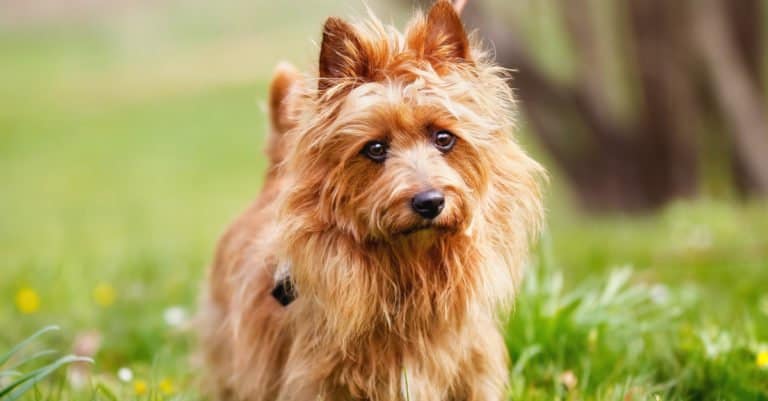
Australian Terrier standing at attention

Australian terriers chase small animals. Keep them on a leash when outside.

History and Origins

In the 19th century, British settlers brought with them a number of terrier breeds to Australia. It is believed that the Australian Terrier was created by crossbreeding various terriers from Great Britain, such as the Skye, Scottie, and Yorkshire terriers. The Australian Terrier was bred to be an effective and fearless hunter, taking on small mammals and snakes using a leaping, twisting technique.

Living in the isolated areas of Australia created a strong bond between people and their Aussie Terriers. These courageous, small terriers were great companions after a hard day’s work. Even to this day, Aussies need to be around people and cannot be neglected, as they need to be part of the family.

The Australian Terrier is often considered the national dog of Australia due to the fact that it was the first breed to be officially recognized in the country. The first club devoted to the breed was established in Melbourne in 1887, and afterward, exports of this breed were made to the United States and the United Kingdom. In 1933, the Kennel Club (England) gave the Aussie its official status, while the American Kennel Club officially recognized it in 1960.
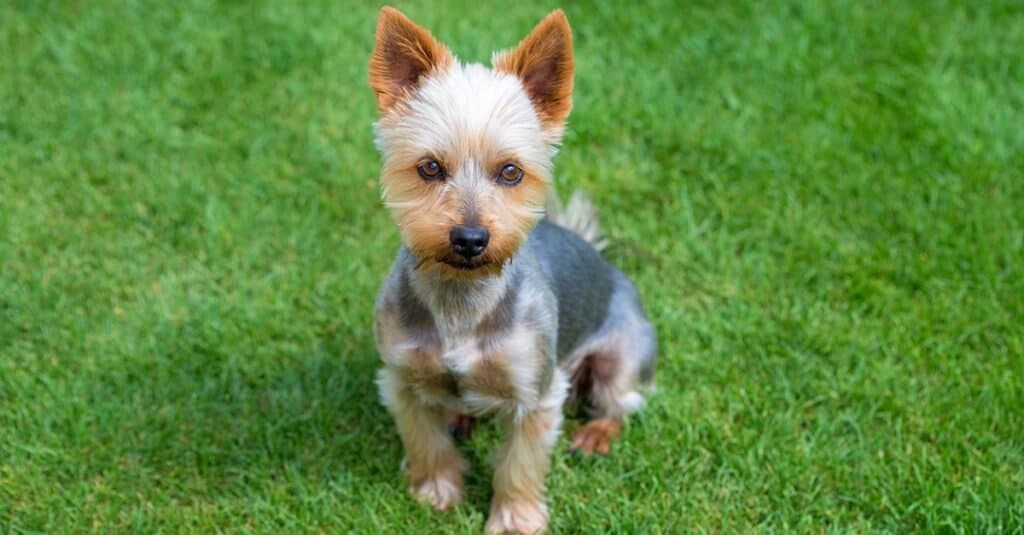
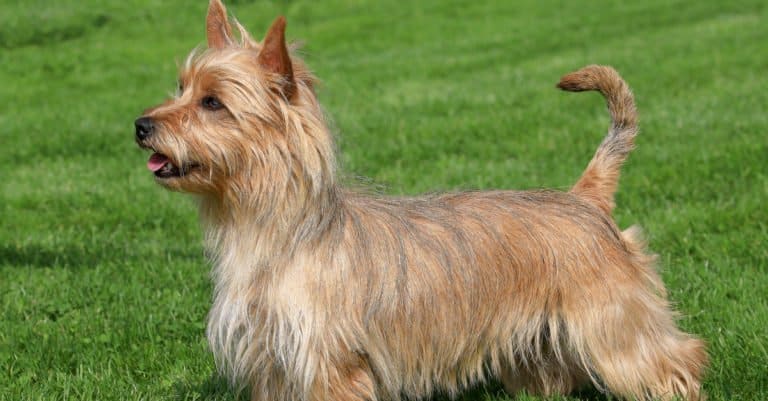
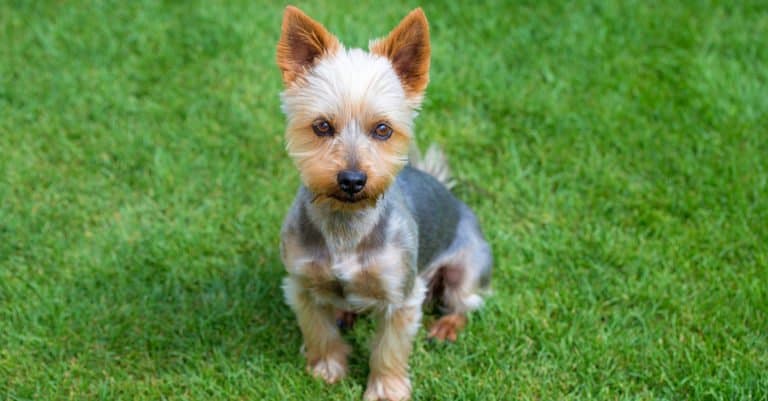
Australian Terrier sitting in grass

The Australian Terrier has been bred in Australia since the 1800s.

Size And Weight

Australian terriers are small, scrappy dogs with silky hair. According to the American Kennel Club, male Australian terriers weigh between 17 and 20 pounds. Female Australian terriers also weigh between 15 and 20 pounds.

Male Australian terriers are between 10 and 11 inches tall, while female Australian terrier is also between 10 and 11 inches tall.
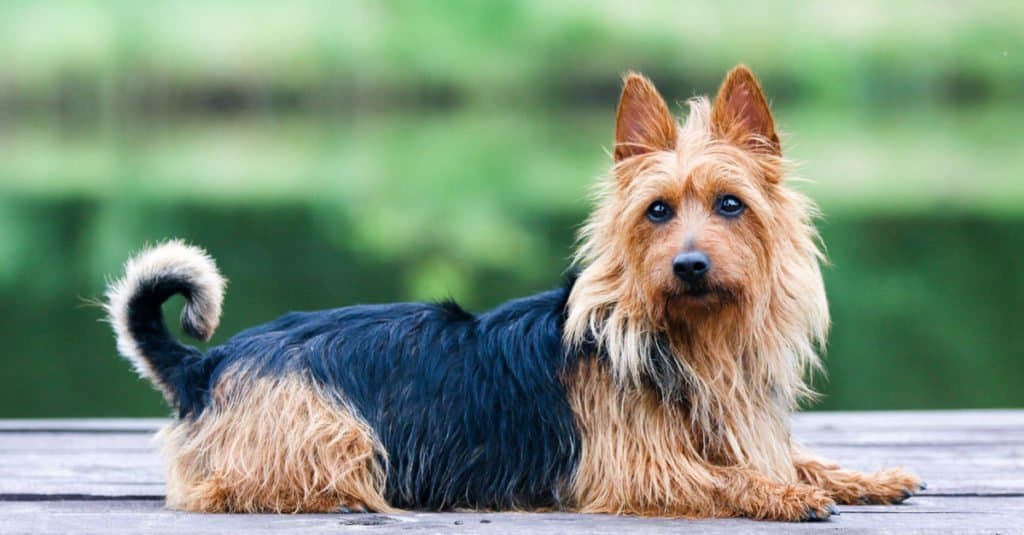
Australian Terrier laying down

Australian Terriers usually weigh between 15 and 20 pounds.

Common Health Issues

Although many people consider this breed to be very healthy, there are a few health risks associated with Australian terriers. Your puppy may inherit some illnesses from its parents. Equipping yourself with this general health knowledge may help prevent your dog from getting sick in the future.

Skin allergies, which cause itchy skin, are common in Australian terriers. These allergies often lead to bacterial infections known as pyoderma.

Diabetes affects 10% of all Australian terriers, according to The Australian Terrier Club. The dog’s pancreas doesn’t make insulin, so the hormone has to take sugar from the blood and move it to cells that use it as fuel.

Digestive problems are related to your dog’s diet. Some symptoms are vomiting after eating, diarrhea, bad breath after cleaning, hunger after eating, or lack of energy. Early detection of these symptoms can help keep your pet healthy and strong.
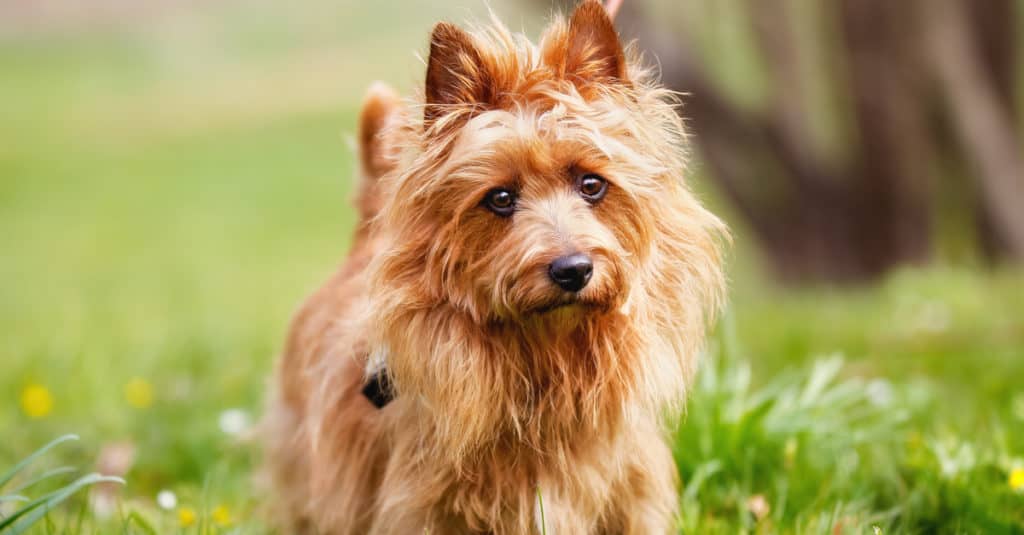
Australian Terrier in a park

Australian Terriers are prone to skin allergies.

Temperament and Behavior

The behavior and traits of an Australian terrier give it a spirited and courageous personality. They are scrappy, even-tempered dogs that are persistent yet obedient. They will be your watchdog, and although they are small, they are brave enough and believe they can rescue you from danger. Australian terriers are quieter than most terriers and are always eager to please their owners.

Because these dogs are fun-loving, they make a great addition to families with energetic lifestyles. Australian terriers are curious and love playing with children. Because this breed is intelligent, it makes Australian terriers easy to train.
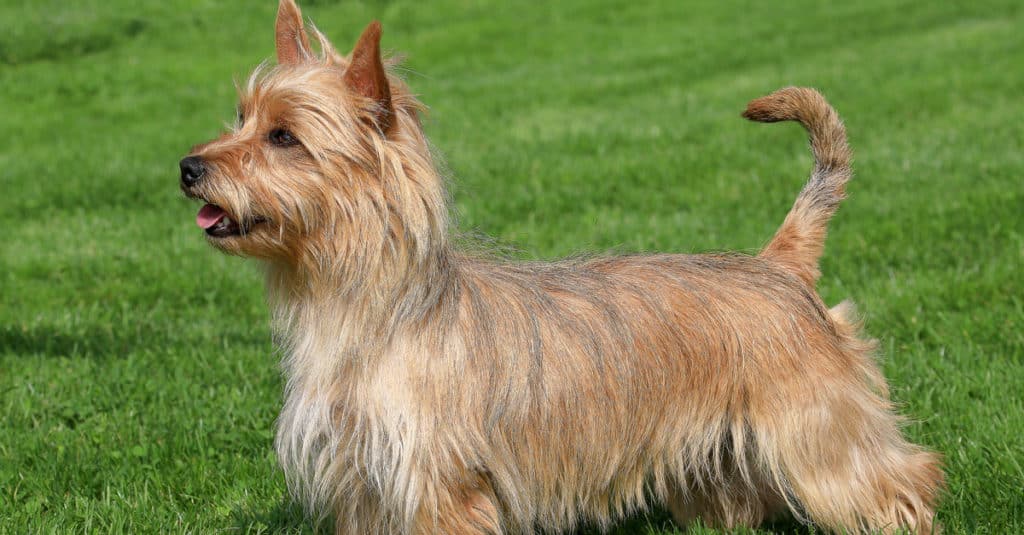
Australian Terrier standing in a park

Australian Terriers are very friendly and will get along great with other household pets.

How To Take Care Of Australian Terriers

Pet owners looking to care for Australian terrier puppies need to ensure their pet stays healthy. Make sure your Australian terrier has regular veterinarian check-ups. Maintaining healthy habits and the proper diet will ensure your pet stays happy and disease-free for years to come. Mixing dry and wet food with the right nutritional factors is a good idea as well.

The Best Dog Food

Naturally, the nutrients an adult Australian terrier needs are different from the nutrients puppies need.

Luckily, Australian terrier puppies aren’t picky eaters. In fact, they’ll eat pretty much anything you feed them. So to maintain a healthy diet, veterinarians recommend feeding puppies high-quality dry dog food. Choose the blends that are appropriate for your pet’s age and activity level.

Additionally, consider Australian terriers’ propensity for allergies and consider the selection of allergy-friendly and limited-ingredient dog foods.

Puppy, adult, and senior Australian terriers need a well-balanced diet. Specifically, a proper diet has essential vitamins, fats, minerals, nutrients, proteins, and carbohydrates. Like puppies, adult Australian terriers should eat high-quality food. Because this breed is prone to obesity, be sure not to overfeed your pet.

Maintenance And Grooming

Australian terriers are hypoallergenic, so they barely shed ever. Comb your dog’s coat twice a week, or tangling can be a problem. Use a bristle brush and spray conditioner to prevent breaking. These dogs only have to bathe 3 to 4 times a year or when they are filthy.

Training

Because Australian terriers want to please their owners and are naturally compliant, training them is easy. Begin training your dog early and remain fair but firm.

Exercise

Environments suitable for Australian terriers are either apartments or homes with a backyard where they can run freely and play with children. Forty-five minutes of exercise per day will be all your pet needs to exercise correctly. By mixing up walks with playtime, your dog will stay strong and healthy. You can achieve proper training for your dog with a good day of playing fetch and other activities, and two short walks.
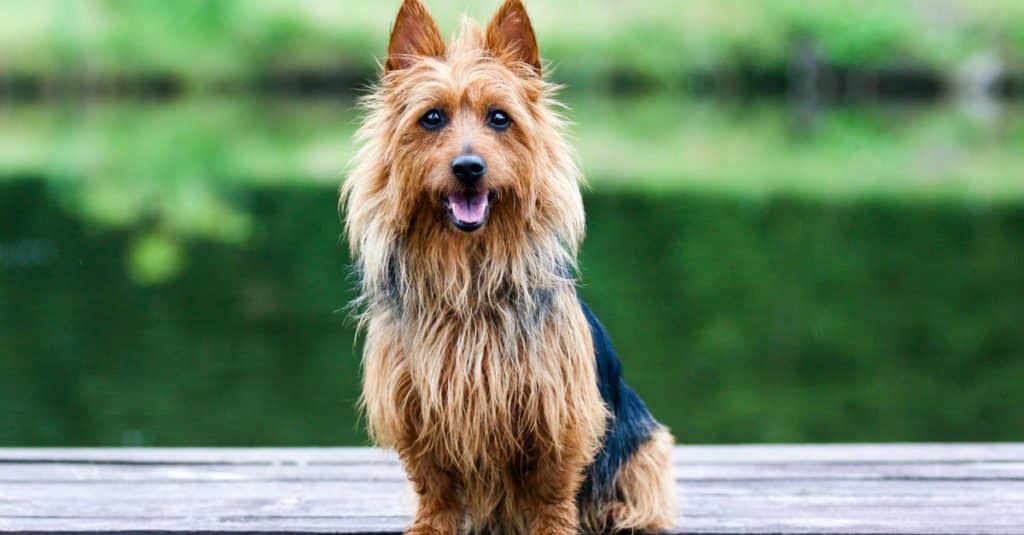
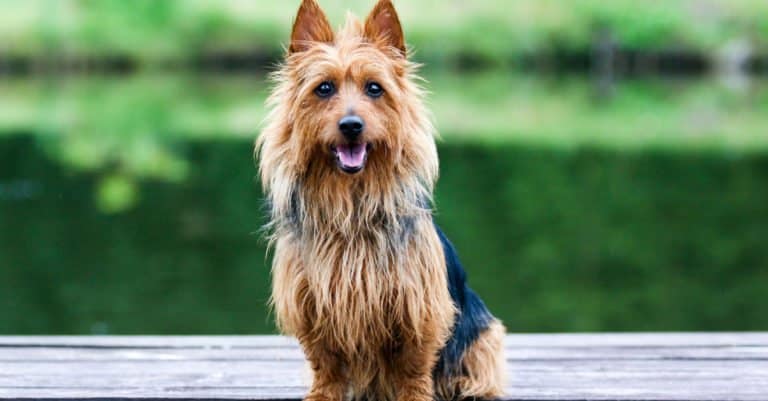
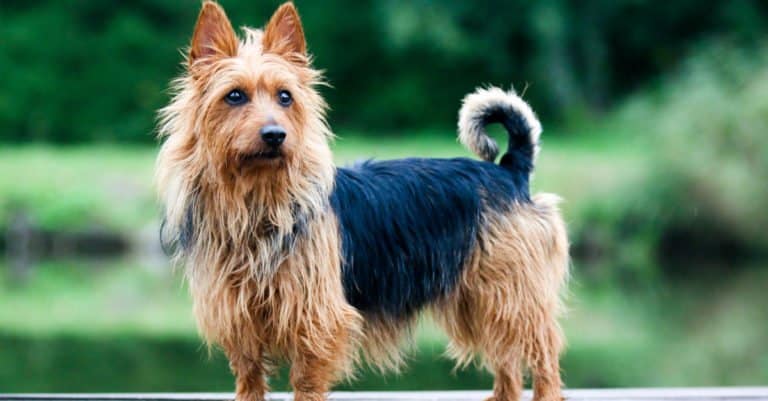
Australian Terrier sitting near a lake

Australian Terriers need around 45 minutes of vigorous exercise per day.

Puppies

While a newborn Australian terrier puppy’s immune systems mature, proper nutrition is essential. In the first few weeks of life, keep an eye on your pup’s weight. Look for signs of malnourishment or extreme weight gain.

You’ll have to control your puppy’s body temperature. The young pups can’t do it themselves, so this is an important consideration.
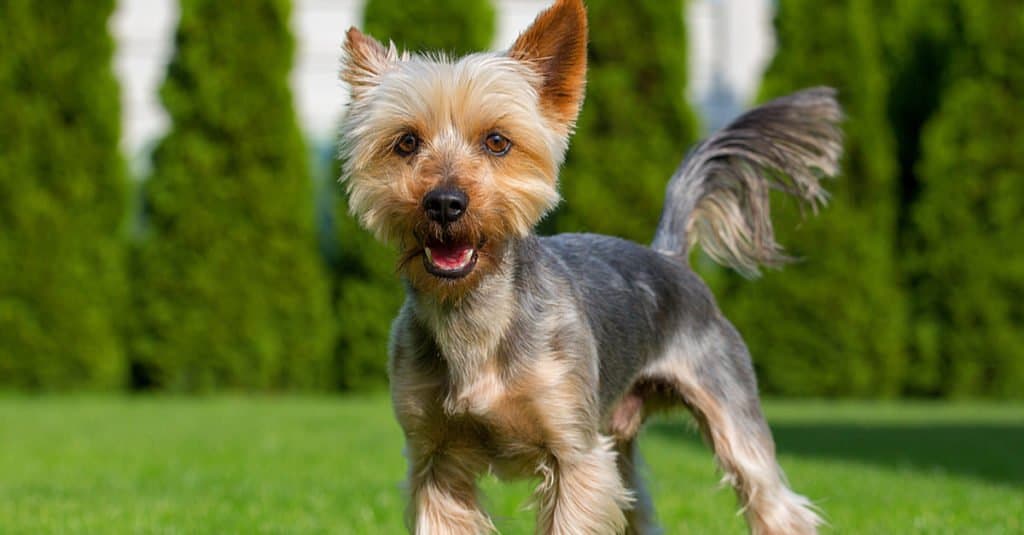
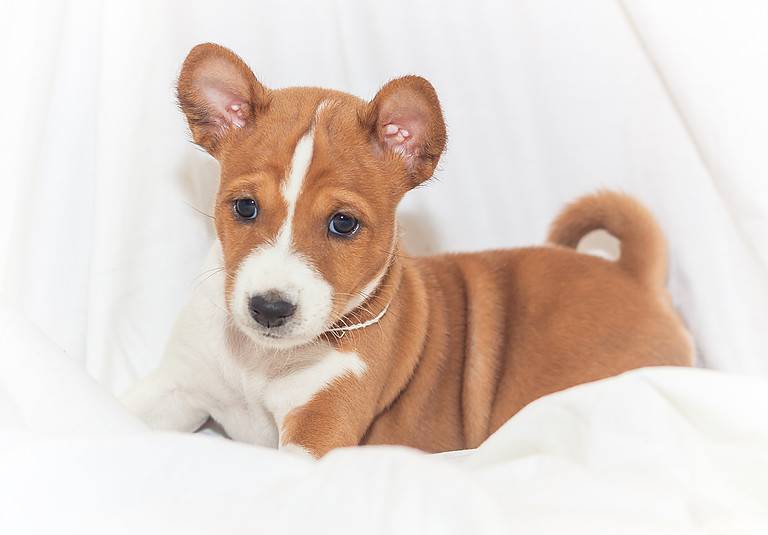
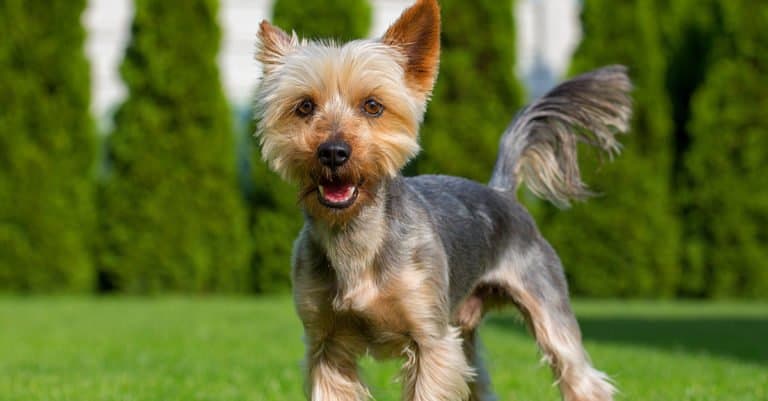
Australian Terrier puppy standing at attention

Because of its small size, traveling with the Australian Terrier is comfortable.

With Children

Australian terriers are very laid-back dogs. They get along well with children who are respectful of pets. Pairing your Australian terrier with older children is best. Australian terriers enjoy having playmates around and will blend perfectly with your family.

Dogs Similar to Australian Terriers

Three dogs similar to the Australian terrier are:

  • Airedale Terrier: Like the Australian terrier, the Airedale is a hunting dog. They are courageous, independent, strong-minded, and intelligent. They can be easily trained and are very friendly.
  • Cavalier King Charles Spaniel: Just like Australian terriers, these dogs are affectionate and playful. This breed is highly agreeable and makes a perfect family pet. There are numerous rescues in existence for both Cavalier adults and puppies.
  • Dachshund: This breed is a small dog with an energetic and bold personality. Like Australian terriers, they are hunting dogs. They are affectionate and loyal to their family. Also, dachshunds are excellent guard dogs. Because dachshunds are short-haired dogs, they’re easy to groom.
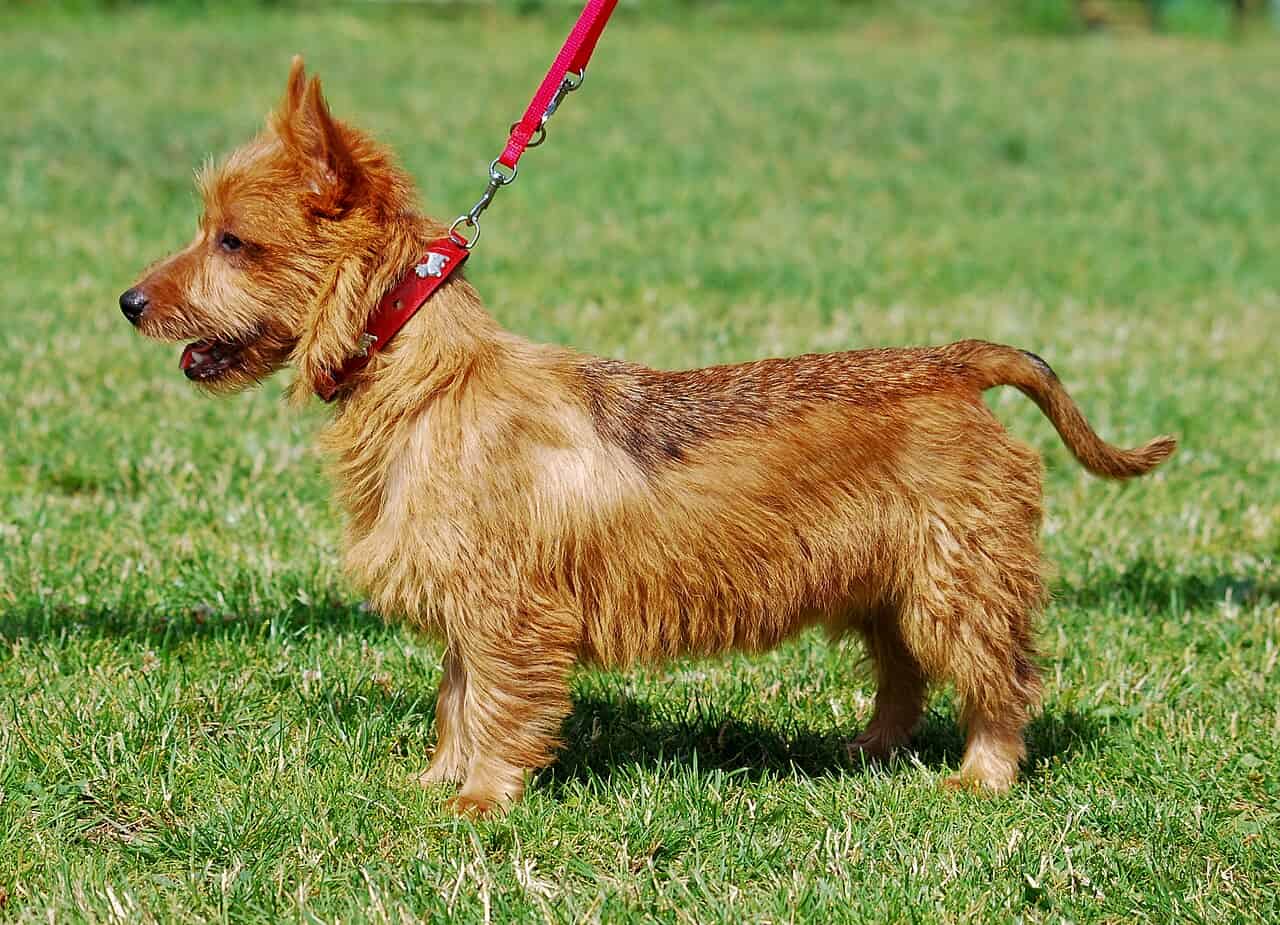
Australian Terriers are good with children.

View all 326 animals that start with A

Sources

  1. AKC / Accessed February 20, 2021
  2. Jones Natural Chew / Accessed February 20, 2021
  3. AKC / Accessed February 20, 2021
  4. Petful / Accessed February 20, 2021
  5. Doglime / Accessed February 20, 2021
  6. Wikihow / Accessed February 20, 2021
  7. AKC / Accessed February 20, 2021

  8. Pup Junkies / Accessed February 20, 2021
  9. AKC / Accessed February 20, 2021
  10. AKC / Accessed February 20, 2021
Heather Hall

About the Author

Heather Hall

Heather Hall is a writer at A-Z Animals, where her primary focus is on plants and animals. Heather has been writing and editing since 2012 and holds a Bachelor of Science in Horticulture. As a resident of the Pacific Northwest, Heather enjoys hiking, gardening, and trail running through the mountains with her dogs.

Thank you for reading! Have some feedback for us?


Australian Terrier FAQs (Frequently Asked Questions)

Because Australian terriers have double-layered coats, they don’t need much attention. Brushing a few times a week will stop matting and tangling. Bathing your dog every three months or when they’re dirty is all the grooming you’ll have to do.