B
Species Profile

Basking Shark

Cetorhinus maximus

Big mouth, tiny prey.
Martin Prochazkacz/Shutterstock.com

Basking Shark Distribution

Click a location to explore more animals from that region

This map shows coastal regions where Basking Shark are found.

Loading map...
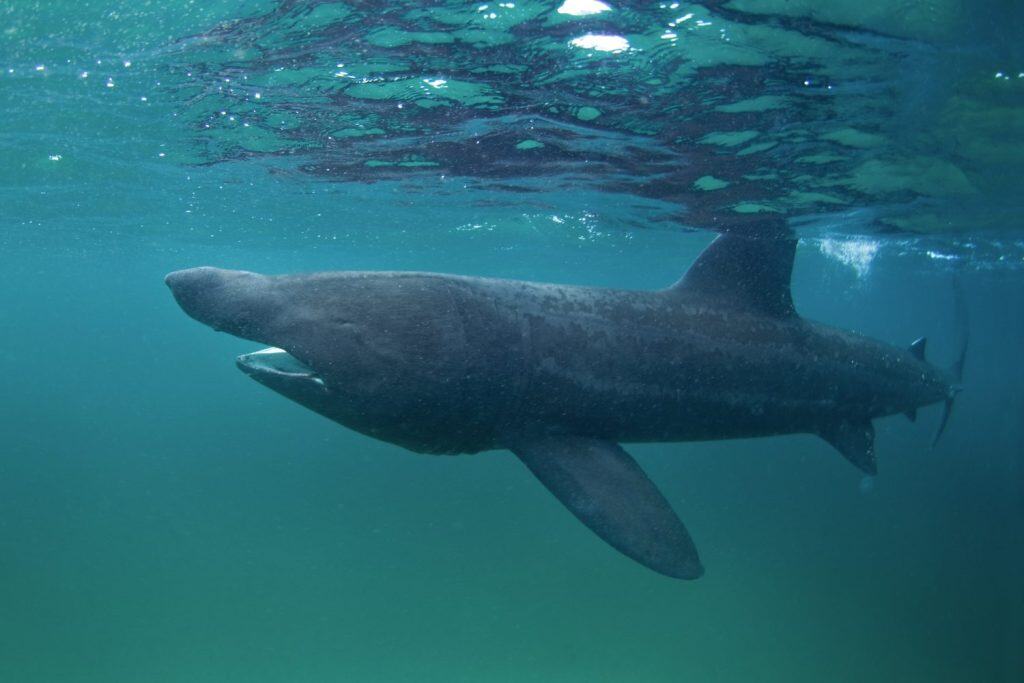
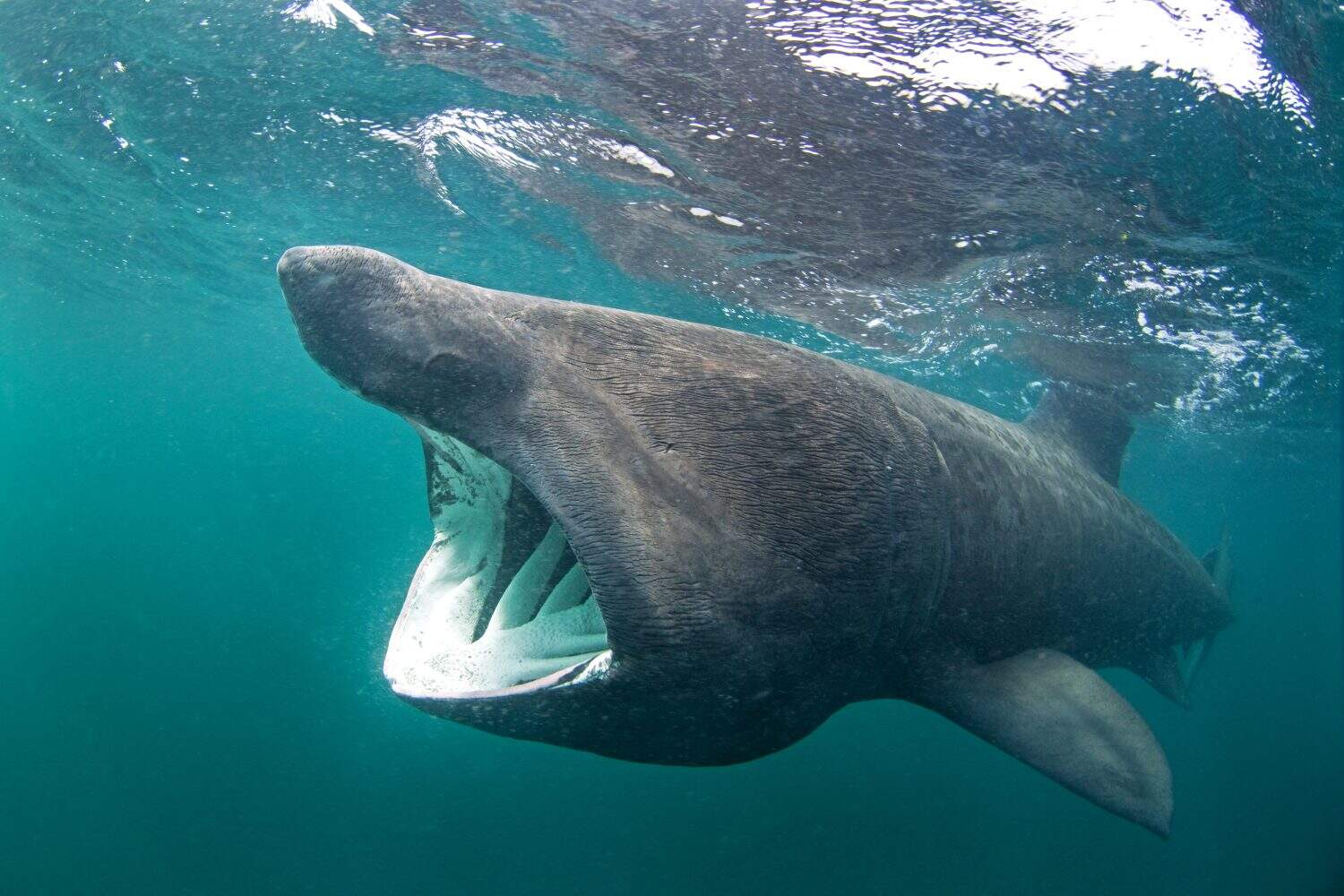
basking shark, cetorhinus maximus, Coll island, Scotland

At a Glance

Wild Species
Diet Filter Feeder
Activity Cathemeral
Lifespan 35 years
Weight 5200 lbs
Status Endangered
Did You Know?

It's the 2nd-largest living fish: verified lengths commonly 7-10 m, with a maximum around 12.2 m reported.

Scientific Classification

The basking shark is one of the world’s largest fishes and a gentle, slow-swimming filter-feeding shark that strains plankton and small invertebrates from seawater using specialized gill rakers.

Kingdom
Animalia
Phylum
Chordata
Class
Chondrichthyes
Order
Lamniformes
Family
Cetorhinidae
Genus
Cetorhinus
Species
Cetorhinus maximus

Distinguishing Features

  • Very large size (typically several meters; among the largest sharks)
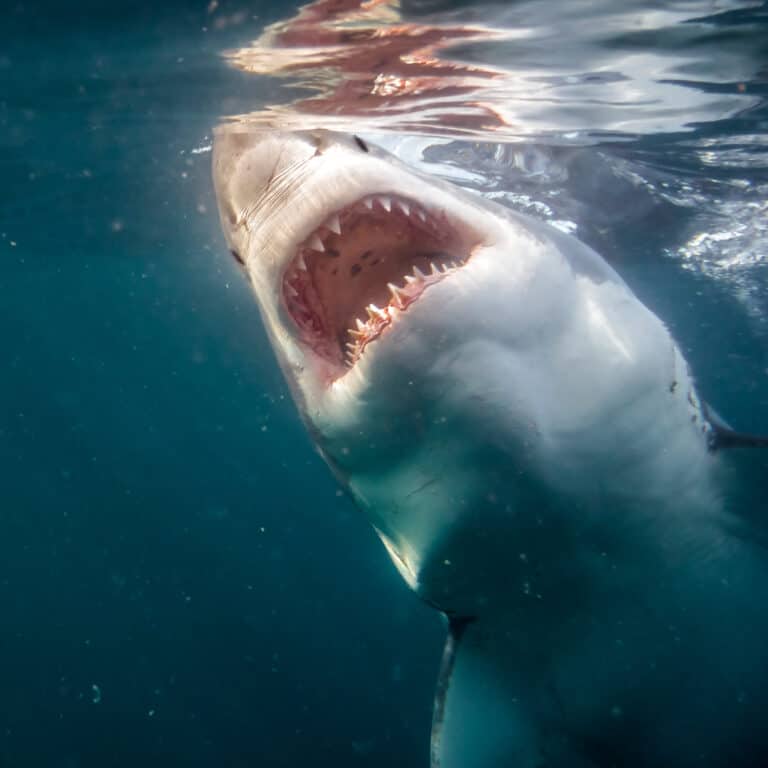
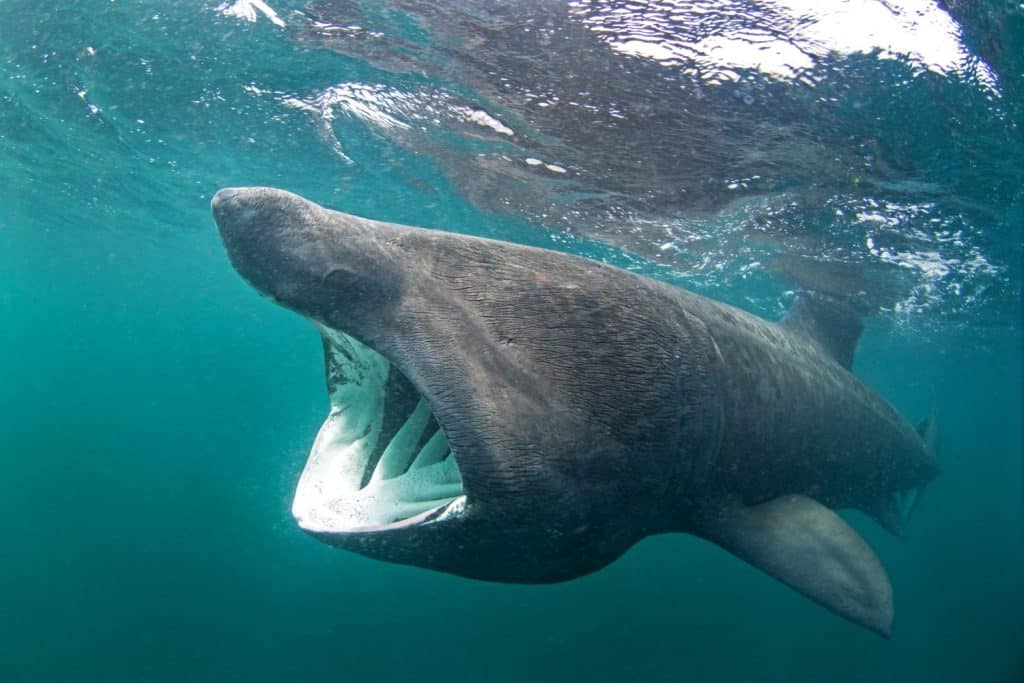
  • Huge mouth often seen gaping at the surface while feeding
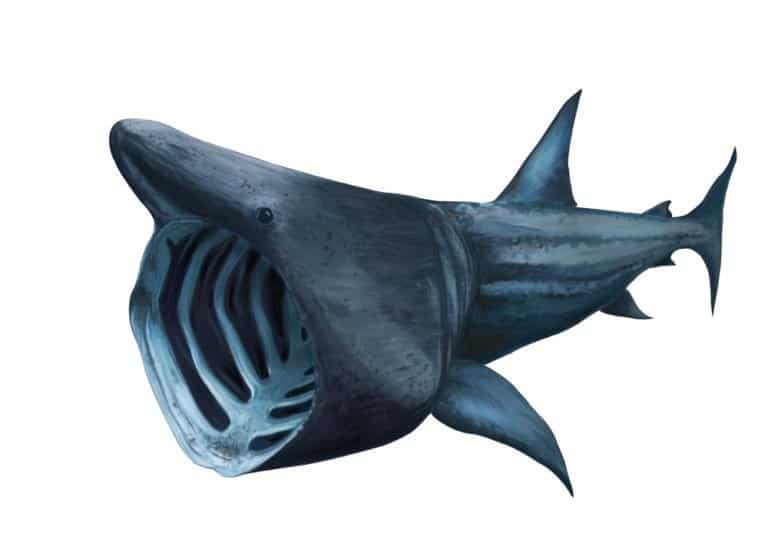
  • Long gill slits nearly encircling the head and prominent gill rakers (filter-feeding)
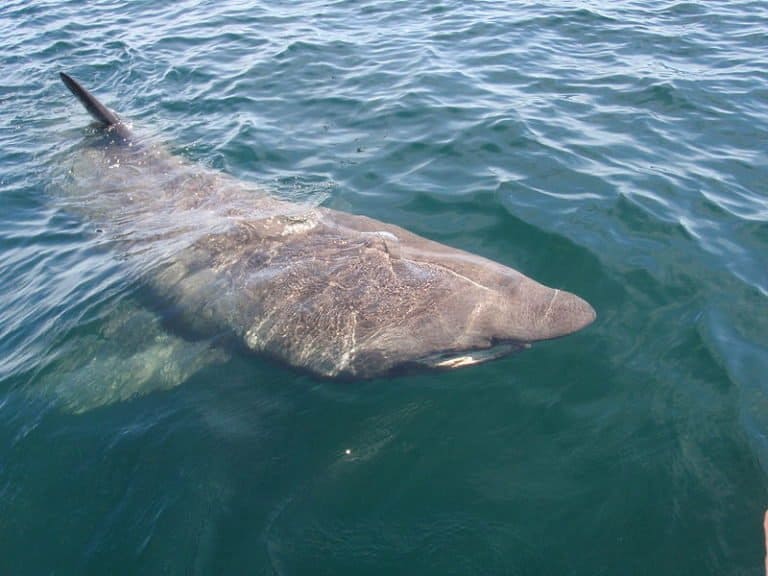
  • Large triangular dorsal fin and asymmetrical (heterocercal) tail; often the dorsal fin and tail tip break the surface
  • Generally non-aggressive toward humans; feeds on plankton

Physical Measurements

Males and females differ in size

Length
24 ft 7 in (16 ft 5 in – 29 ft 6 in)
29 ft 6 in (26 ft 3 in – 40 ft)
Weight
3.9 tons (1.7 tons – 6.6 tons)
5.0 tons (3.3 tons – 8.8 tons)
Top Speed
4 mph
0.6–1.0 m/s; max 1.9 m/s

Appearance

Primary Colors
Secondary Colors
Skin Type Tough, thick skin with placoid scales (dermal denticles) that feel very rough/sandpapery; gill arches bear long gill rakers used for filter-feeding plankton (rakers seasonally shed/regrow).
Distinctive Features
  • One of the world's largest fishes: adults commonly ~6-8 m total length; maximum reliably documented around 12.2 m TL (e.g., Compagno 2001; also summarized in IUCN species accounts). Do not treat maximum as typical.
  • Large, subterminal mouth that can gape widely while swimming; filter-feeding behavior involves cruising slowly with mouth open to strain zooplankton/small nekton using specialized gill rakers (key identification/behavioral trait; Sims 1999/2008 syntheses and IUCN account summaries).
  • Five extremely long gill slits that extend from the top of the head down around the throat region-diagnostic in the field and visible during surface feeding.
  • Gill rakers: long, bristle-like parts on the gill arches that trap plankton. Rakers can be shed seasonally, changing how well they filter and maybe tied to seasonal movements (IUCN, reviews).
  • Body shape differs from whale shark: more shark-like fusiform body with a prominent triangular dorsal fin and a strongly asymmetrical (heterocercal) caudal fin; lacks whale shark's broad, flattened head and distinct white spotting.
  • Seasonal surface sightings in temperate and boreal shelf/slope waters (often in spring-summer in many regions) associated with plankton blooms; individuals may 'bask' near the surface, making the dorsal fin and sometimes the caudal fin visible.
  • Typical slow-swimming filter-feeder; cruising speeds on the order of ~0.5-1.0 m/s have been reported from field observations/biologging studies (Sims and colleagues).
  • Estimated longevity on the order of decades; commonly cited estimates are ~50 years (age/growth estimates based on vertebral band analysis; e.g., Natanson et al. 2008 and later summaries).
  • IUCN Red List: Endangered worldwide. Threats include past targeted fisheries for fins and liver oil, plus ongoing bycatch, entanglement, and vessel strikes. Not a predator of large animals or usual threat to people.

Sexual Dimorphism

External sexual dimorphism is subtle. As in other sharks, males are identified by the presence of claspers on the pelvic fins; females lack claspers. Reported size differences are modest and not a strong field mark compared with claspers.

  • Paired claspers on the inner margins of the pelvic fins (primary external sex indicator).
  • Often slightly slimmer in the pelvic region compared with gravid females (not a reliable field mark without close view).
  • No claspers; pelvic fins lack the elongate intromittent organs.
  • When gravid, abdomen may appear noticeably distended (seasonal/individual, not always visible at the surface).

Did You Know?

It's the 2nd-largest living fish: verified lengths commonly 7-10 m, with a maximum around 12.2 m reported.

Despite its size, it feeds mainly on tiny zooplankton (e.g., copepods) filtered from seawater.

It can swim with its mouth wide open; the enormous gill slits nearly encircle the head-an easy field mark.

Its gill rakers (the filtering "comb") are shed and re-grown seasonally, linked to changes in feeding/behavior.

Tagging studies show deep dives to at least ~1,000 m, despite the shark's frequent surface "basking" in plankton blooms.

It matures late (often estimated ~12-16+ years) and reproduces slowly-one reason populations recover very slowly from fishing losses.

Unlike whale sharks, basking sharks have no spot pattern; they're typically uniform gray-brown with a more pointed snout and very prominent gill slits.

Unique Adaptations

  • Specialized gill rakers form a sieve for plankton; raker loss/replacement is a distinctive adaptation among filter-feeding sharks.
  • Enormous buccal cavity and wide gape maximize water intake during ram filtration.
  • Huge gill surface area and extended gill slits support high-flow filtration while swimming slowly.
  • Large, oil-rich liver aids buoyancy control-important for a massive shark that may spend time cruising near the surface.
  • Streamlined lamniform body plan allows sustained cruising while filtering (a different ecological use of the same order that includes fast predatory sharks).
  • Highly developed sensory systems for locating productive water masses (plankton fronts, tidal mixing zones) at regional scales.

Interesting Behaviors

  • Surface filter-feeding: cruises slowly near the surface in spring-summer where plankton concentrates, often with the dorsal fin and tail visible.
  • Seasonal movements: temperate-ocean sightings peak during productive months; individuals may disperse widely or move deeper/offshore outside bloom seasons.
  • Vertical diving: alternates surface feeding with deep dives (recorded by tags to >1,000 m), likely tracking prey layers and/or temperature regimes.
  • Ram filtration: feeds by forward motion pushing seawater across gill rakers (not suction-feeding).
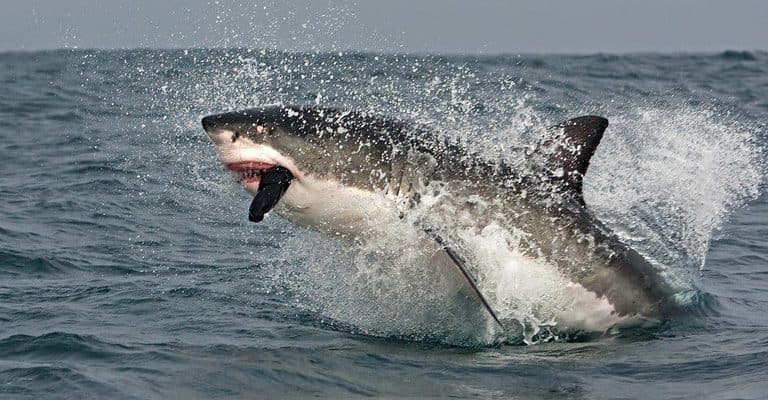
  • Occasional breaching: large individuals sometimes leap partially or fully from the water-function uncertain (possible parasite removal or signaling).
  • Loose aggregations: may gather where plankton is dense; not true schooling, but multiple individuals can feed in the same patch.
  • Low-aggression encounters: generally tolerant of boats and divers, but vulnerable to disturbance and ship strike because it often feeds at/near the surface.

Cultural Significance

Basking Shark (Cetorhinus maximus) has long mattered to coastal people for oil, fins, and meat. Now a “gentle giant” in wildlife tourism (Scotland, Ireland, Isle of Man, parts of Canada/US). Threats: ship strike, entanglement, bycatch. IUCN Red List: Endangered.

Myths & Legends

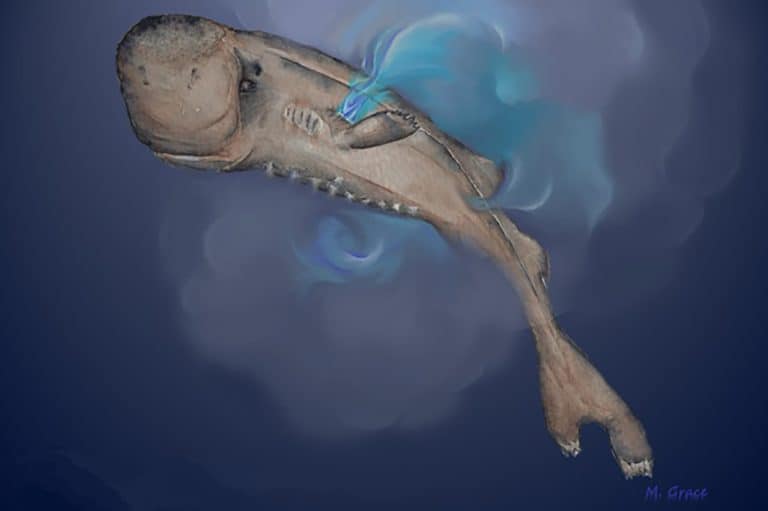
The "Stronsay Beast" (Orkney, 1808) was a famous "sea‑serpent" carcass; scientists and writers often link such remains to rotting basking sharks (Cetorhinus maximus), whose jaws and gill parts can change shape after death.

In the 18th–19th centuries, British and Irish newspapers and sailors told of long, humped "sea serpents" seen at the surface. Today scientists often think these were basking sharks (Cetorhinus maximus).

North Atlantic 'globster' stories: strange, hairy sea monsters that washed ashore became local legends. Investigators say many were badly rotted basking sharks whose torn tough tissue looks like fur.

Naming tradition: the English common name "basking shark" itself became part of maritime lore-rooted in the long-standing observation that these huge sharks seem to "bask" at the surface during calm, plankton-rich periods.

Conservation Status

EN Endangered

Facing a very high risk of extinction in the wild.

Population Decreasing

Protected Under

  • CITES Appendix II (international trade regulated; listed since 2003)
  • CMS (Convention on Migratory Species) Appendices I & II (migratory species protection/cooperation)
  • OSPAR Convention: listed as a Threatened and/or Declining Species in the North-East Atlantic (drives regional conservation actions)
  • National/regional protections in parts of its range (e.g., legal protection from intentional capture/harassment in some NE Atlantic jurisdictions, with fishery prohibitions/retention bans in various management areas)

Life Cycle

Birth 6 pups
Lifespan 35 years

Lifespan

In the Wild
20–50 years
In Captivity
1–10 years

Reproduction

Mating System Promiscuity
Social Structure Aggregation Group
Breeding Pattern Transient
Fertilization Internal Fertilization
Birth Type Internal_fertilization

Behavior & Ecology

Social Shoal Group: 5
Activity Cathemeral
Diet Filter Feeder Calanoid copepods-especially Calanus finmarchicus where available (dominant prey item reported in gut-content and field foraging studies).
Seasonal Migratory 5,958 mi

Temperament

Generally docile, slow-swimming, non-territorial filter-feeder; interactions in aggregations are typically non-aggressive and spacing is loose (Sims, 2008).
Low apparent reactivity to conspecifics during feeding; tolerance of close approach by other basking sharks is common at dense prey patches (Sims et al., 2000).
Basking Shark (Cetorhinus maximus) is a very large shark (up to about 12.2 m) with a slow life history and may live about 50 years, leading to low aggression and little social competition.

Communication

No confirmed vocalizations documented for Cetorhinus maximus in peer-reviewed field studies; like most sharks, communication is not known to rely on sound production.
Chemical cues Olfaction) likely important for locating conspecifics and/or reproductive cues in aggregations, as in other elasmobranchs (general elasmobranch mechanism; applied to basking shark social clustering in Sims, 2008
Visual signaling/recognition at the surface: coordinated or parallel swimming, following, and close tracking observed in aggregations and presumed courtship contexts Sims et al., 2000
Mechanosensory detection via lateral line: tracking nearby conspecific movement and maintaining spacing within loose shoals, especially in turbulent surface conditions General elasmobranch mechanism; consistent with observed loose, responsive spacing in Sims, 2008
Tactile contact during courtship/mating attempts is plausible Bite/hold is common in shark mating generally), though direct mating is rarely observed in this species; close-contact behaviors are reported primarily as following/parallel swimming (Sims et al., 2000; Sims, 2008
Electroreception Ampullae of Lorenzini) may contribute to close-range detection during coordinated movement/courtship, as in other sharks (general elasmobranch mechanism

Habitat

Coastal Open Ocean Deep Sea Seabed/Benthic
Biomes:
Terrain:
Coastal Island
Elevation: Up to 4146 ft 12 in

Ecological Role

Large pelagic planktivore (upper-level zooplanktivorous filter-feeding shark) that transfers energy from planktonic production to higher trophic levels and influences zooplankton community dynamics in temperate shelf and oceanic ecosystems.

Top-down grazing pressure on zooplankton patches (local regulation of zooplankton biomass/composition) Trophic coupling: moves energy from lower trophic levels (phyto-/zooplankton) into large-bodied vertebrate biomass Nutrient redistribution via vertical/horizontal movements and excretion (biological transport) Indicator value for productive frontal zones (aggregation at plankton-rich fronts used in ecosystem monitoring and conservation planning)

Diet Details

Main Prey:
Calanoid copepods Krill Zooplankton crustaceans Meroplanktonic larvae Fish eggs and very small fish larvae
Other Foods:
Zooplankton

Human Interaction

Domestication Status

Wild

Cetorhinus maximus (basking shark) has never been domesticated. People hunted it for liver oil, fins, and meat. Now it gets conservation efforts and non‑lethal study or tourism like photo ID and tagging. Captive care is not possible: adults are very large (6–8 m), must keep swimming to filter food, and become adults late (>10 years).

Danger Level

Low
  • Very low bite risk: a slow-swimming plankton filter-feeder; no established pattern of predatory attacks on humans (Compagno, 2001; Sims, 2008).
  • Collision risk: large body size and surface swimming can lead to accidental boat strikes or human injury during close approaches.
  • Entanglement/handling risk: distressed animals in fishing gear can thrash; attempting to tow, cut free, or handle a large shark can injure rescuers.
  • Diving/boating proximity: tail sweeps or sudden movement near the caudal fin can cause blunt trauma in close quarters.

As a Pet

Not Suitable as Pet

Legality: Not a legal or practical pet. Basking shark (Cetorhinus maximus) is widely protected; international trade is controlled (CITES Appendix II). Capture or keeping needs special government permits for science, conservation, or public aquariums.

Care Level: Expert Only

Purchase Cost:
Lifetime Cost: $10,000,000 - $100,000,000

Economic Value

Uses:
Historical commercial fishery (directed) Bycatch (entanglement in nets; hook-and-line incidental capture) Ecotourism (wildlife viewing) Scientific research and monitoring (tagging, surveys) Conservation and policy (protected-species management)
Products:
  • Liver oil (squalene) - historically a major driver of directed harvest
  • Fins - historically traded in international fin markets
  • Meat - locally used in some historical fisheries
  • Cartilage/skin - minor historical uses reported in some regions
  • Non-consumptive value: ecotourism (guided viewing/boating) and conservation branding

Relationships

Related Species 2

Pierson's basking shark Cetorhinus piersoni Shared Genus
Huddleston's basking shark Cetorhinus huddlestoni Shared Genus

Ecological Equivalents 5

Animals that fill a similar ecological role in their ecosystem

Whale shark
Whale shark Rhincodon typus Very large pelagic filter-feeding shark. Feeds by ram filtration on zooplankton and nekton in surface and epipelagic waters. Occupies a convergent niche with the basking shark; both specialize on dense plankton patches and seasonal aggregations.
Megamouth shark Megachasma pelagios Filter-feeding lamniform shark with specialized gill rakers and low-energy cruising. Strong overlap in trophic niche (zooplanktivory), though the megamouth commonly feeds deeper (diel vertical migrations) than the typically surface-feeding basking shark.
Reef manta ray Mobula alfredi A large-bodied planktivore that uses ram filtration to feed on zooplankton blooms and fronts; serves as an ecological analogue in trophic role (upper-trophic planktivore) despite being a ray rather than a shark.
Giant oceanic manta ray Mobula birostris Large pelagic filter-feeder that tracks productivity hotspots such as fronts and upwelling and consumes similar prey fields (copepods and euphausiids). Exhibits similar behavior of aggregating where plankton density is high.
Great white shark
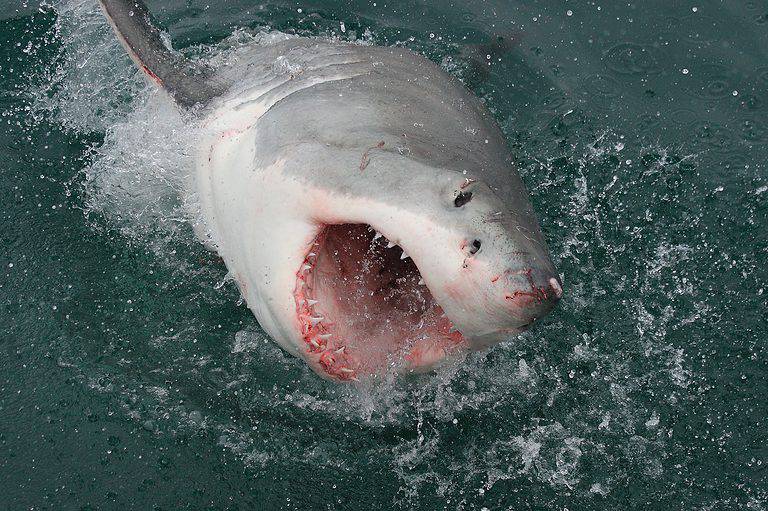
Great white shark Carcharodon carcharias Not a filter-feeder, but a large lamniform predator that closely co-occurs in many temperate regions. Relevant ecological comparator because it is a documented predator/attacker of basking sharks and seasonally shares broad habitat (coastal/continental shelf edges).

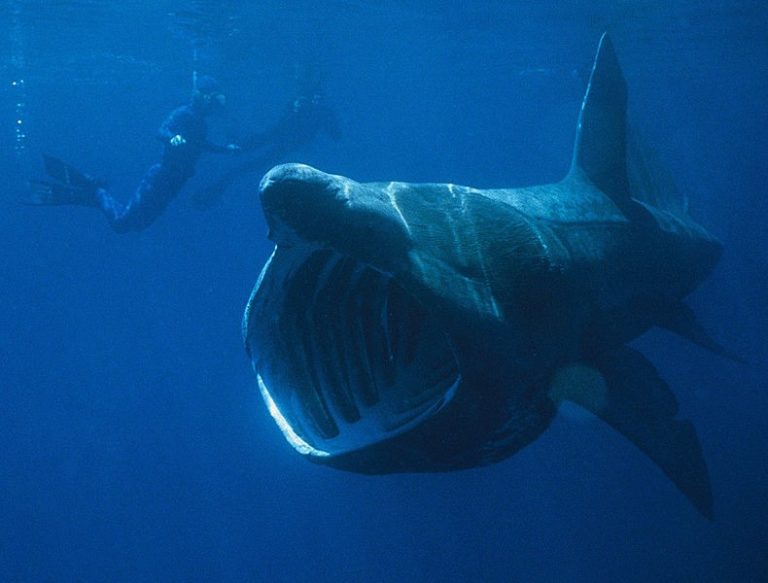
Basking sharks, also known as bone sharks, may have an intimidating appearance and massive size that could easily frighten nearby swimmers or divers, but they are essentially harmless as far as humans and aquatic animals are concerned. Much like whales, these sharks feed on plankton and other tiny life forms by filtering vast amounts of ocean water through their mouths. They routinely cruise or even float along the surface with their mouths hanging open as they gather food. They are the second-largest living fish on Earth (after the whale shark) and one of only three sharks that rely on plankton as a food source.

FeatureDetail
Scientific NameCetorhinus maximus
Family/ClassCetorhinidae / Chondrichthyes
Size26–33 ft (8–10 m) on average; up to 40 ft (12 m)
Weight~8,500 lbs (3,900 kg); some exceed 10,000 lbs
DietPlankton, larvae, tiny fish
Habitat RangeTemperate oceans worldwide (Atlantic, Pacific, Mediterranean, South Africa, NZ)
Depth RangeSurface to 3,000 ft (900 m), often near surface in summer
Lifespan30–50 years
Conservation StatusEndangered (IUCN Red List)
BehaviorMigratory, filter-feeding, and sometimes form groups, known to breach
basking shark, cetorhinus maximus, Coll island, Scotland

The basking shark may have the longest pregnancy of any vertebrate.

5 Incredible Basking Shark Facts!

  • Filtration experts: Their massive size and large mouths allow these sharks to filter thousands of gallons of water per hour.
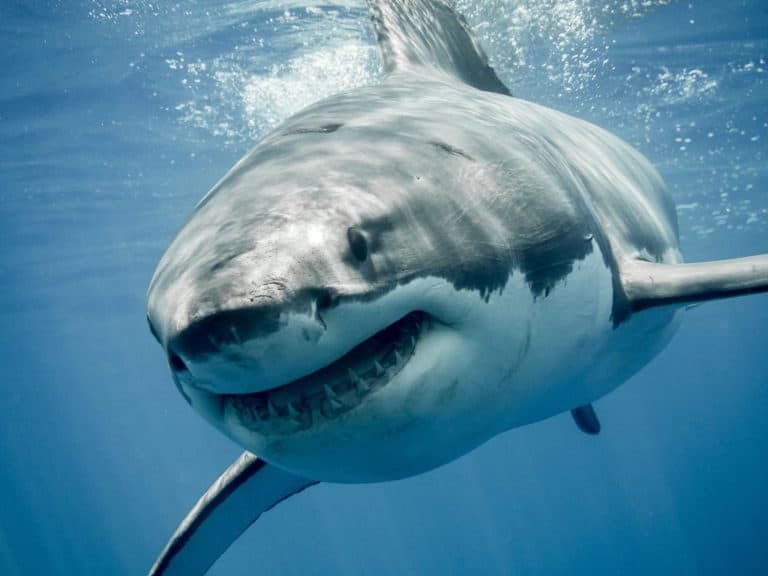
  • Mouth agape: These sharks tend to swim with their big mouth hanging wide open, which can be intimidating to divers who don’t know better.
  • Record-Breaking Pregnancy: With a gestation period estimated at 3 years, they may have the longest pregnancy of any vertebrate.
  • Breach potential: Unlike most sharks, basking sharks are known to leap completely out of the water, much like whales.
  • Seasonal Travelers: They migrate thousands of miles each year, diving as deep as 3,000 ft (900 m) before returning to the surface.

Classification And Scientific Name

Aside from the name basking shark, which they’ve earned through their habit of floating gently along the ocean’s surface, these massive animals are also known as bone sharks or elephant sharks. Their scientific name is Cetorhinus maximus. Cetorhinus is taken from the Greek words meaning “sea monster” and “nose,” while maximus means biggest or greatest in size. The species is part of the Cetorhinidae family in the Chondrichthyes class.

Evolution And History

The oldest known member of the basking shark species is from an extinct genus called Keasius, which lived 66 million years ago. This ancestor gave way to Cetorhinus parvus, a now-extinct basking shark species indicated by the bristle-like gill rakers. Fossil records were discovered that can trace the basking shark back about 35 million to 29 million years to the Cenozoic era. The shark that we know today didn’t begin to appear until 23 million years ago, during the late Miocene era.

Appearance and Adaptations
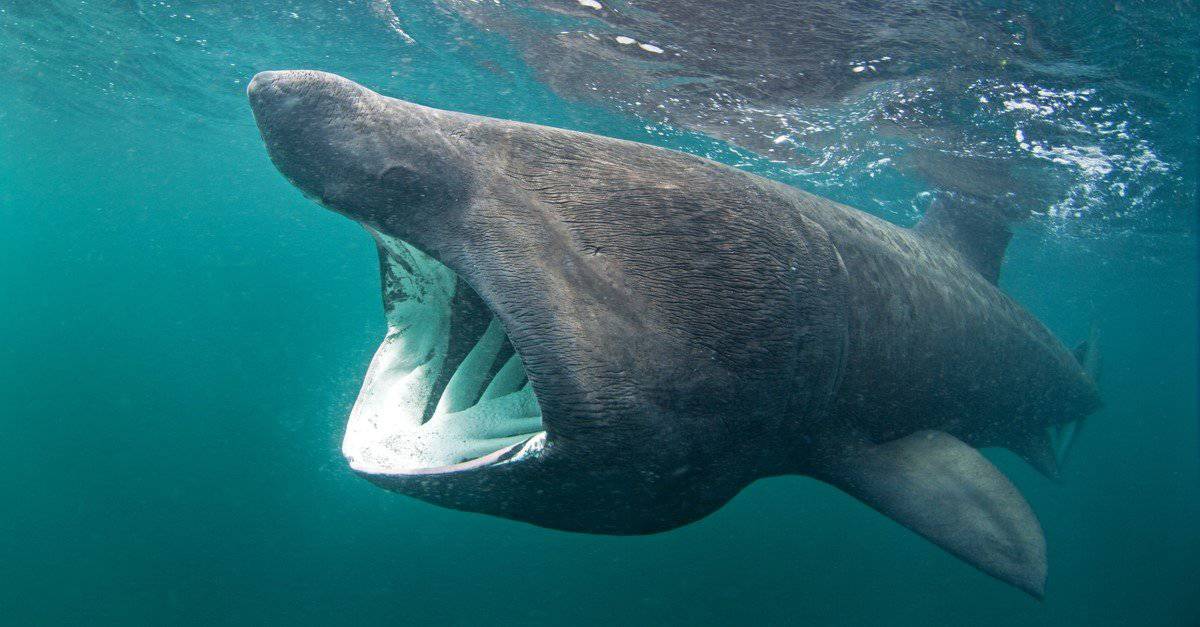
Biggest Shark: Basking Shark

A basking shark, Cetorhinus maximus, swimming near Coll Island, Scotland. The most impressive feature of the basking shark is its mouth, which opens up to 1 meter wide.

This shark species is one of the most easily recognized by external appearance alone due to its notable size and distinct features. The average adult shark can extend up to 26 feet long from nose to tail, with some individuals reported reaching lengths of over 40 feet. Their great size is also accompanied by comparable mass, with an average mass of roughly 8,500 pounds. Their coloration ranges from a light brownish gray to nearly black, with the potential for mottled or pale skin as well.

Basking sharks have distinct gills that nearly encircle their entire body. Their gills are equipped with gill rakers, which are filament-like growths along the gills that catch plankton from the water passing through the slits. While their other physical features generally resemble other large shark species, like the great white, they sport a crescent-shaped tail fin that gives them another unique hallmark to distinguish them from their predatory cousins.

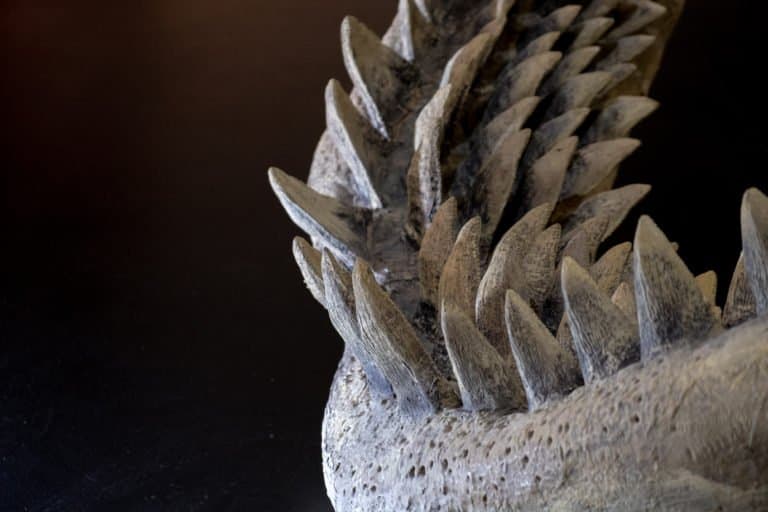
These sharks typically leave their massive mouth hanging wide open to maximize water intake as they slowly swim or float with the current. Their mouths are full of dozens of rows of tiny hooked teeth that can number well into the thousands. Their motion and feeding are relatively passive, although they can completely breach the surface of the water and engage in more rigorous swimming when threatened.

Behavior and Ecology

Basking sharks may gather in shoals of up to 100 individuals in rich feeding areas, but are generally solitary. They are highly migratory and may travel across entire oceans. Studies with satellite tags show they can dive to nearly 3,000 ft (900 m). However, they spend much of their time near the surface where plankton is abundant.

Distribution and Habitat
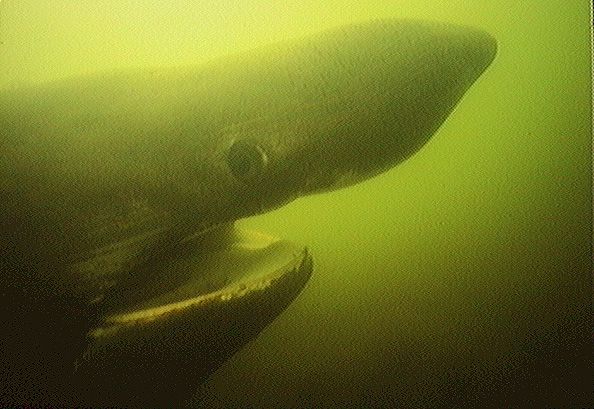
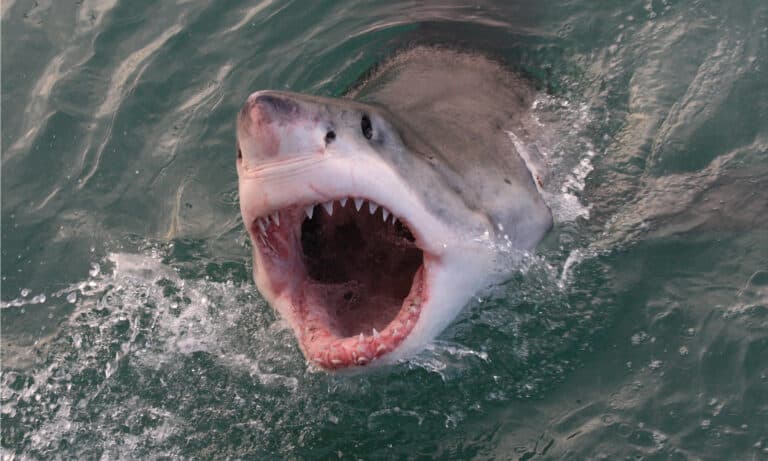
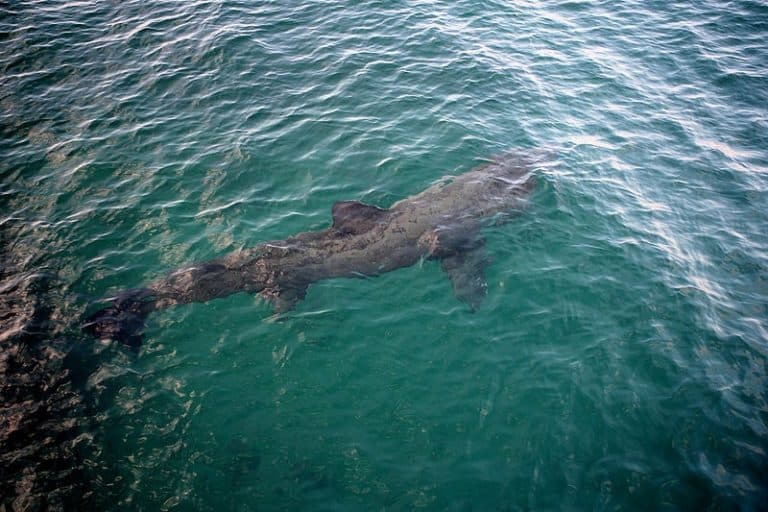
Basking Shark with mouth open

Basking Sharks prefer cool to temperate climates.

Geographically, the basking shark has a massive distribution that covers vast stretches of the Pacific and Atlantic oceans. They prefer cool to temperate climates, so their range does not include the Arctic, Antarctica, or tropical locations. However, they may pass through tropical waters during their long migratory trajectories that can extend for thousands of miles. They are encountered along the west coast of North and South America, as well as much of the European, Australian, and South African coastline.

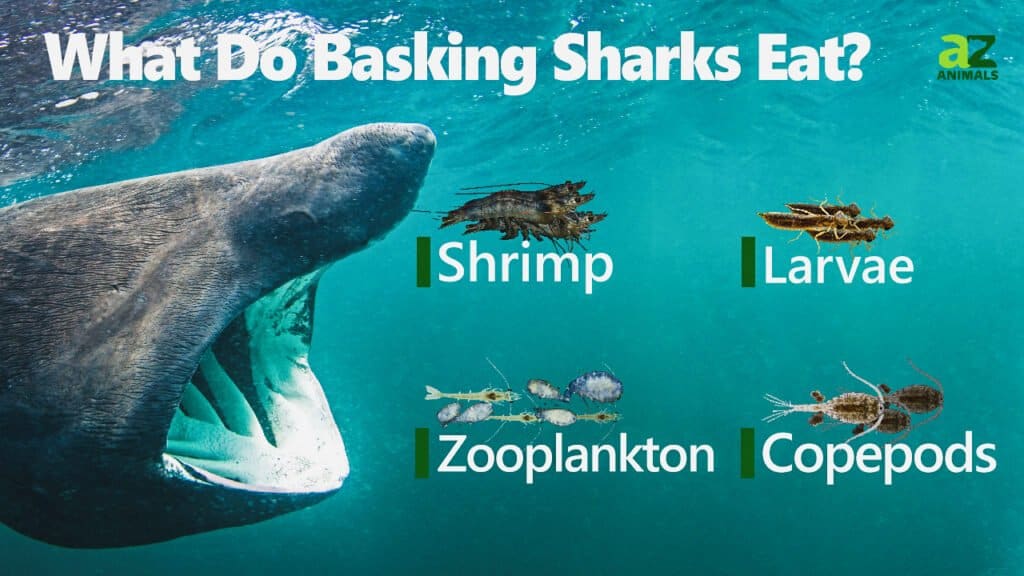
Diet: What Do Basking Sharks Eat?
What Do Basking Sharks Eat

Basking sharks are adapted to feed on marine zooplankton, which are the myriad of microscopic organisms and larvae that live in ocean water. They are typically available in greater abundance near the surface, where there is sunlight, or near the bottom along the substrate. The sharks typically rely on currents and their slow swimming motion to force water into their mouth and through their gills so they can snag their food, occasionally closing their mouth to ingest quantities of trapped prey.

Predators and Threats

Their massive size makes them virtually immune to natural predators (except for orcas), but they are particularly vulnerable to humans. Their easy availability on the water’s surface, passive nature, and high historical population made them a tempting target for fisheries in the 19th and early 20th centuries. They were historically hunted for meat, liver oil, and fins. These sharks are also vulnerable to bycatch, boat strikes, and illegal shark finning. They are also susceptible to parasites like sea lampreys and cookie-cutter sharks.

Reproduction And Lifespan
Basking shark

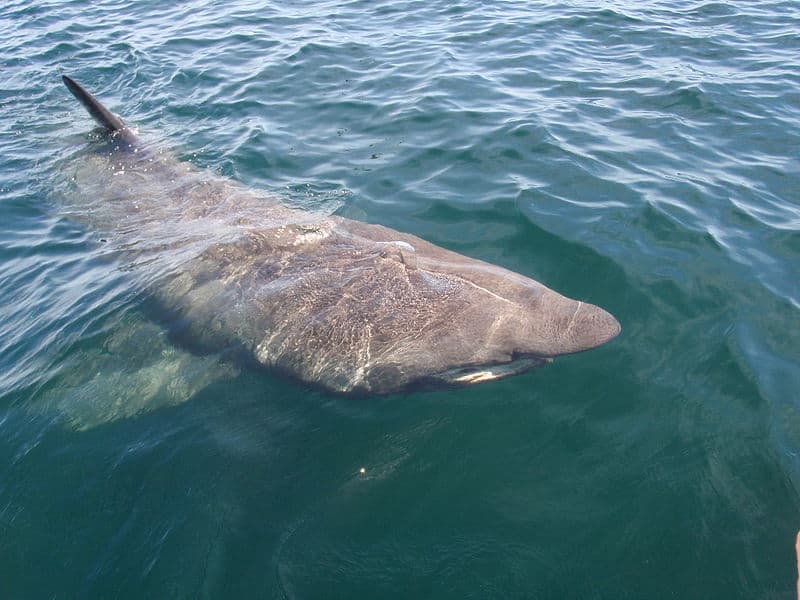
Basking sharks (Cetorhinus maximus) will move into shallow coastal waters when they are preparing to reproduce.

Basking sharks usually move into shallower coastal waters when they are preparing to reproduce, which usually occurs between May and July. Individuals may have different partners throughout a single breeding season. Aerial and direct observation by researchers indicates complex courtship and mating procedures between adult sharks. A combination of synchronized swimming, biting, and nudging may serve as part of the ritual.

Basking sharks can live for over 30 years in the wild, and some experts believe their lifespan could reach up to 50 years. However, it takes an estimated 12 to 16 years for females to mature to the point where they can reproduce. While facts regarding reproduction in this species are limited to a few observations and specimens, researchers believe that they have a gestation period of around 3 years (the longest known pregnancy of any vertebrate) and give birth to litters of around 6 pups.

Conservation Status

Exact population numbers are unknown and can only be estimated by location, but the species is considered endangered by conservationists. There are an estimated 10,000 individuals in Atlantic Canada, which is one of their prime feeding grounds. Targeting by commercial fisheries as recently as the 1950s caused a noticeable decline in the worldwide population that has yet to recover. Their extremely slow maturation process and long gestation period, combined with the frequency of human encounters, are leading factors in population decline.

Today, basking sharks are protected in many countries, with strict bans on hunting and international trade. Conservation groups monitor populations via tagging and public sighting reports.

Human Interaction

Basking sharks are completely harmless to people, despite their intimidating size. They are popular in ecotourism, especially in the UK, Canada, and South Africa. Today, awareness campaigns are improving their reputation, which leads to them being better understood and protected.

Basking Shark vs. Whale Shark vs. Megamouth

Whale Shark (Rhincodon typus)Basking Shark (Cetorhinus maximus)Megamouth Shark (Megachasma pelagios)
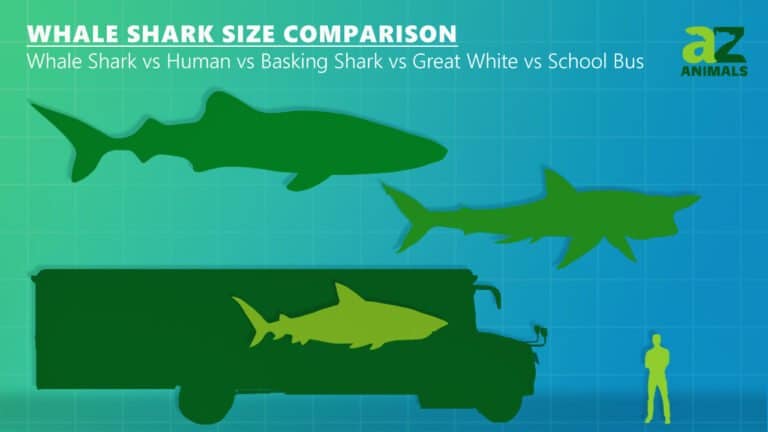
Average Length32–40 ft (10–12 m), record 60 ft (18 m)26–33 ft (8–10 m), record 40 ft (12 m)15–18 ft (4.5–5.5 m)
Max Weight20 tons (18,000 kg)4–5 tons (8,500+ lbs)~2,700 lbs (1,200 kg)
DistributionTropical & warm seasTemperate oceans worldwideDeep tropical/subtropical waters
Feeding MethodActive filter feedingPassive filter feedingSlow suction feeding
Rarity / StatusEndangeredEndangeredLeast Concern
whale shark

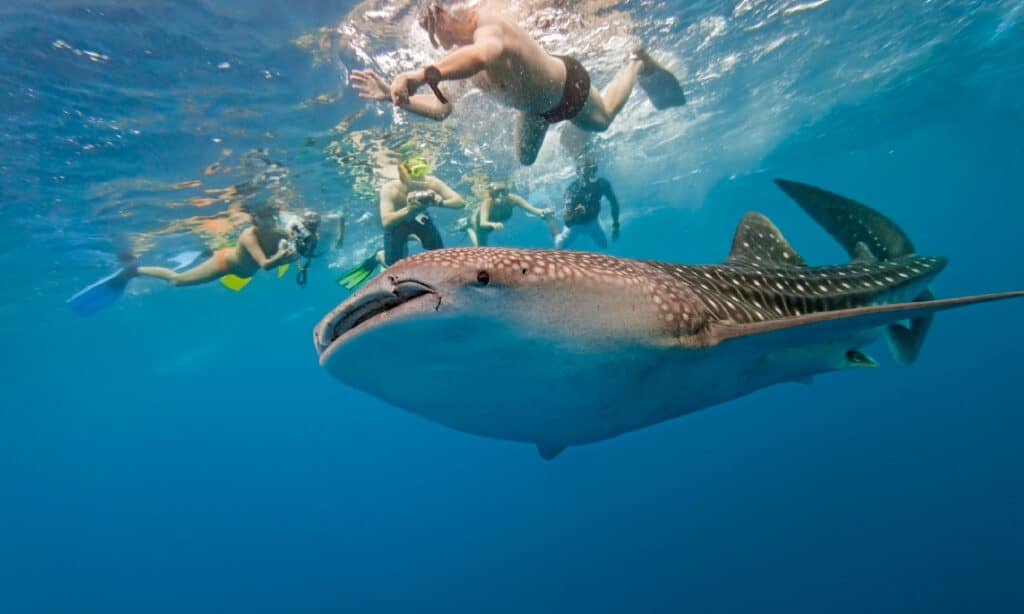
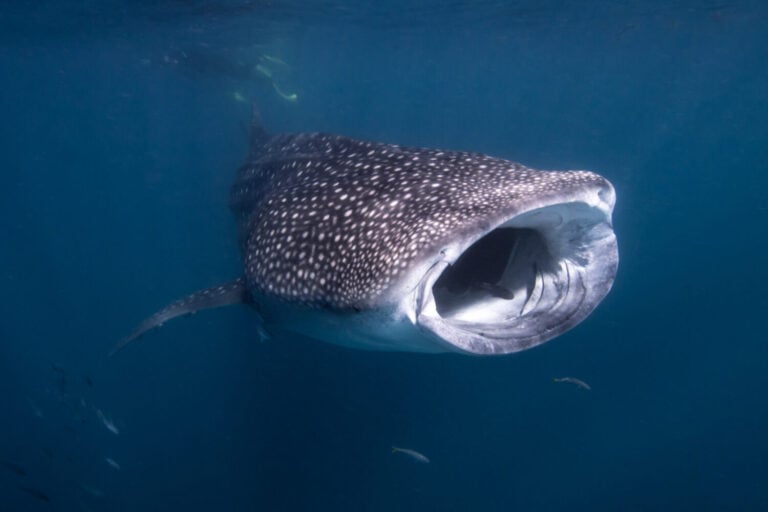
A whale shark, Rhincodon typus, slowly swims near the surface, feeding on krill in Indonesia. This is the largest known extant fish species and can reach over 40 feet in length.

Use In Fishing And Cooking

Historically, basking sharks served as an important source of raw meat and fishmeal, as well as leather from their skin and oil extracted from their liver. Some modern fisheries still target them for their fins, a key ingredient in shark fin soup, and for various internal parts that are prized in local traditional medicines, particularly in Asia. However, many countries have imposed a moratorium on fishing due to a substantial ongoing decline in the global population.

Famous Sightings and Research

View all 453 animals that start with B
How to say Basking Shark in ...
Catalan
Tauró pelegrí
Czech
Žralok veliký
Danish
Brugde
German
Riesenhai
English
Basking shark
Spanish
Cetorhinus maximus
Finnish
Jättiläishai
French
Requin pèlerin
Hebrew
כריש ענק
Hungarian
Óriáscápa
Indonesian
Hiu penjemur
Italian
Cetorhinus maximus
Japanese
ウバザメ
Dutch
Reuzenhaai
English
Brugde
Polish
Długoszpar
Portuguese
Tubarão-elefante
Swedish
Brugd
Turkish
Dev köpek balığı
Chinese
姥鲨

Sources

  1. Florida Museum / Accessed November 8, 2019
  2. Fishbase / Accessed November 8, 2019
  3. Animal Diversity Web / Accessed November 8, 2019
  4. Food and Agriculture Organization of the United Nations / Accessed November 8, 2019
  5. Wikipedia / Accessed November 8, 2019
  6. Shark Research Institute / Accessed November 8, 2019
Melissa Bauernfeind

About the Author

Melissa Bauernfeind

Melissa Bauernfeind was born in NYC and got her degree in Journalism from Boston University. She lived in San Diego for 10 years and is now back in NYC. She loves adventure and traveling the world with her husband but always misses her favorite little man, "P", half Chihuahua/half Jack Russell, all trouble. She got dive-certified so she could dive with the Great White Sharks someday and is hoping to swim with the Orcas as well.
Connect:

Thank you for reading! Have some feedback for us?


Basking Shark FAQs (Frequently Asked Questions)

These sharks are found throughout the temperate waters of the Atlantic and Pacific oceans. Continental shelves and coastlines are prime habitats for these massive fish. They are often seen floating or slowly swimming along the surface of the water, which is a prime location to collect zooplankton.