


Quick Take
- Managing a puppy-like mindset for years creates behavioral friction for unprepared owners.
- Their muscular 115-pound frame contradicts an extreme sensitivity that renders standard training ineffective.
- Executing leash training within the first 24 hours is vital to establish owner hierarchy.
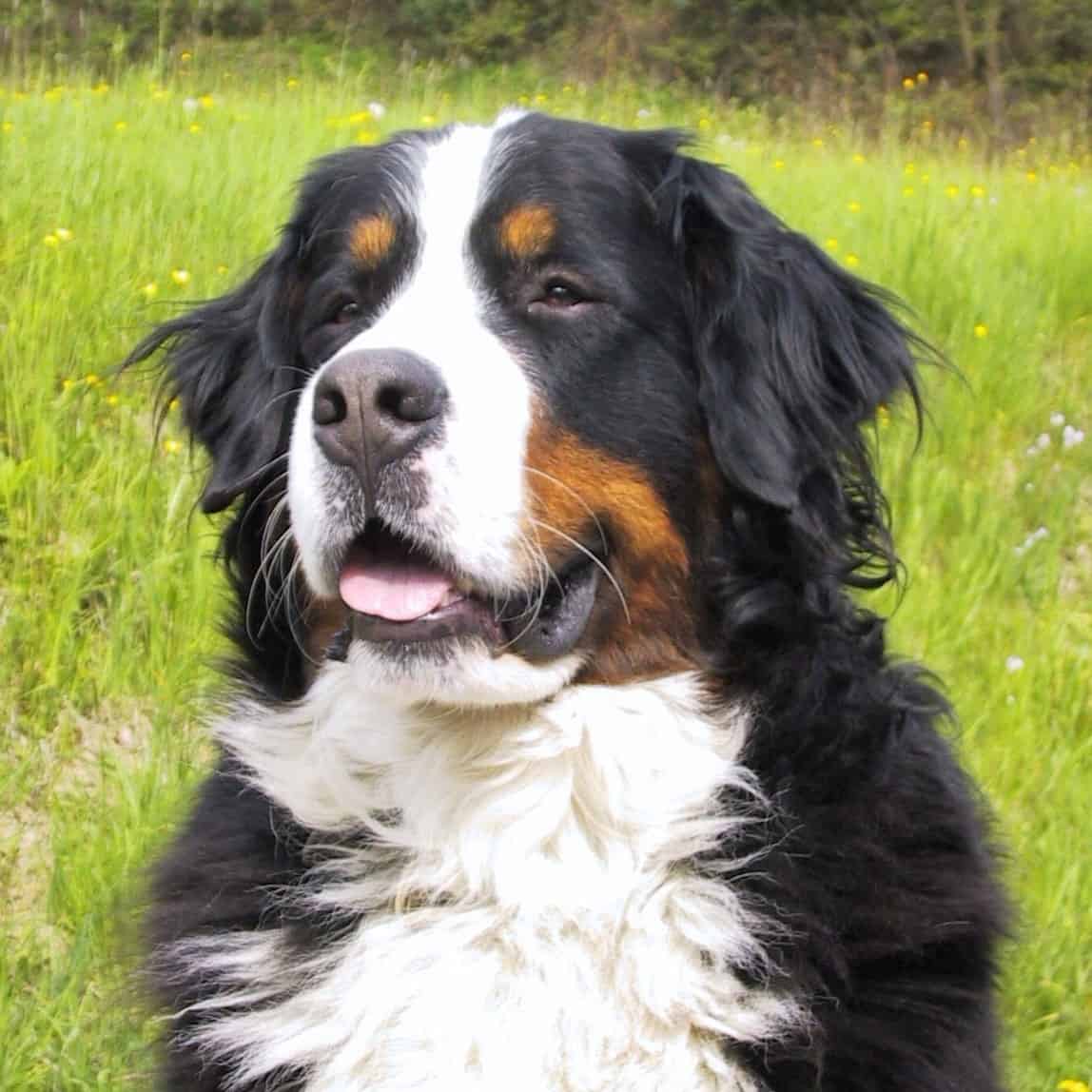
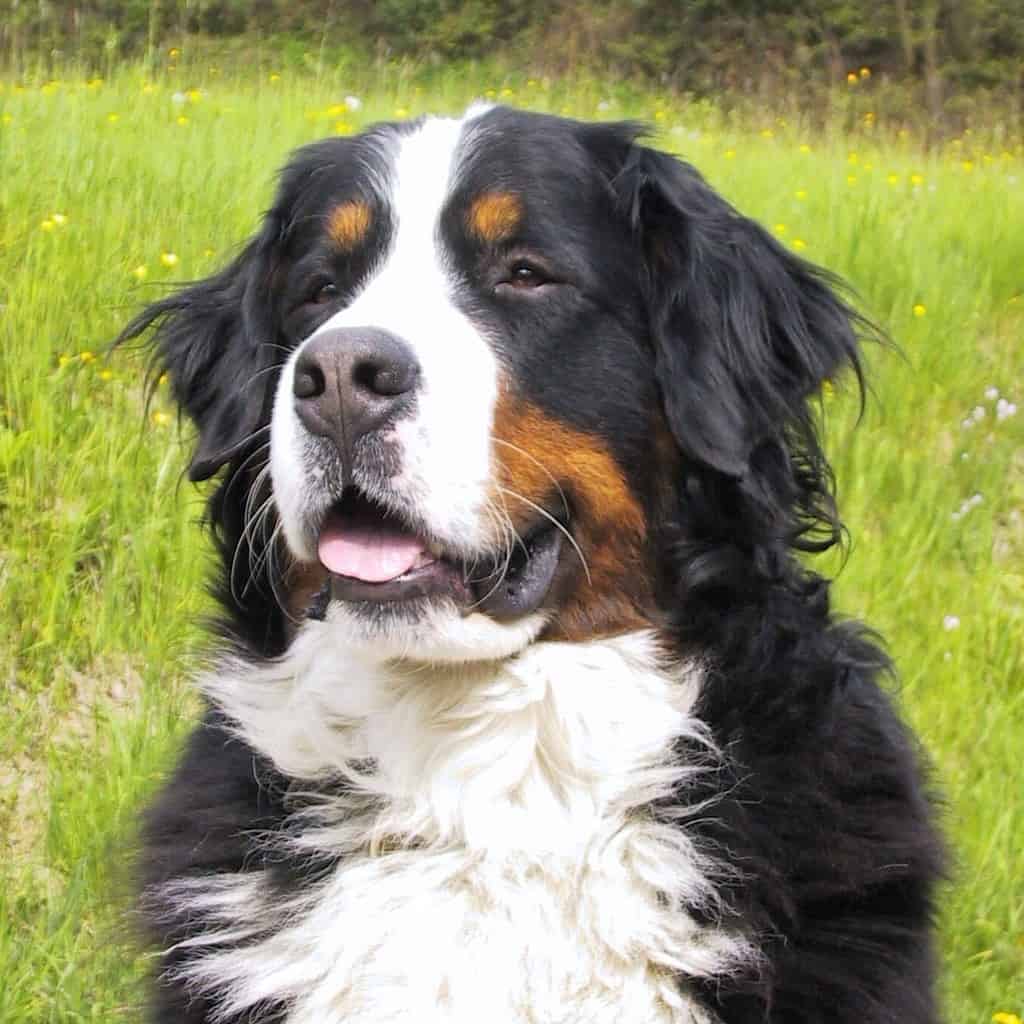
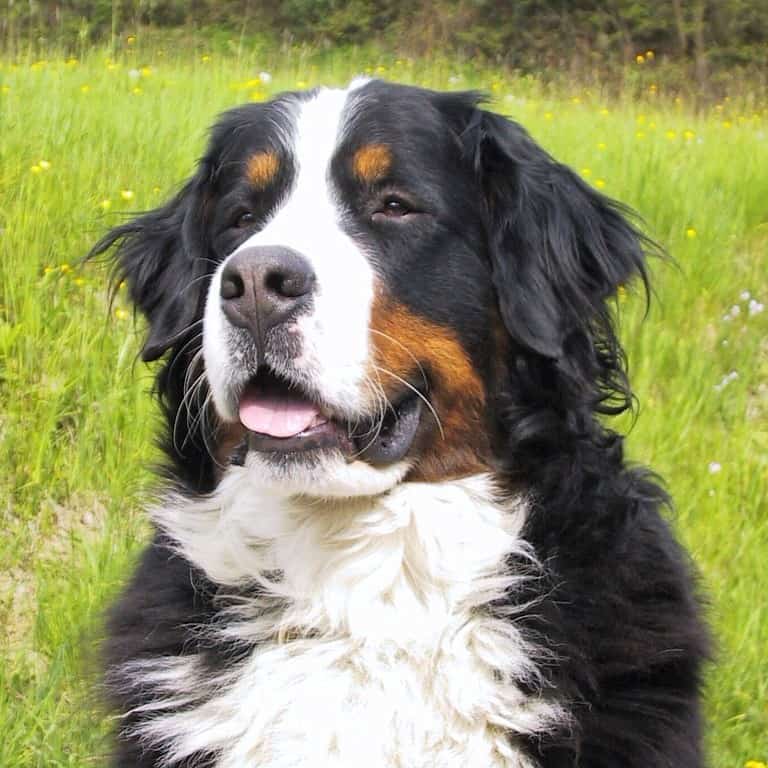
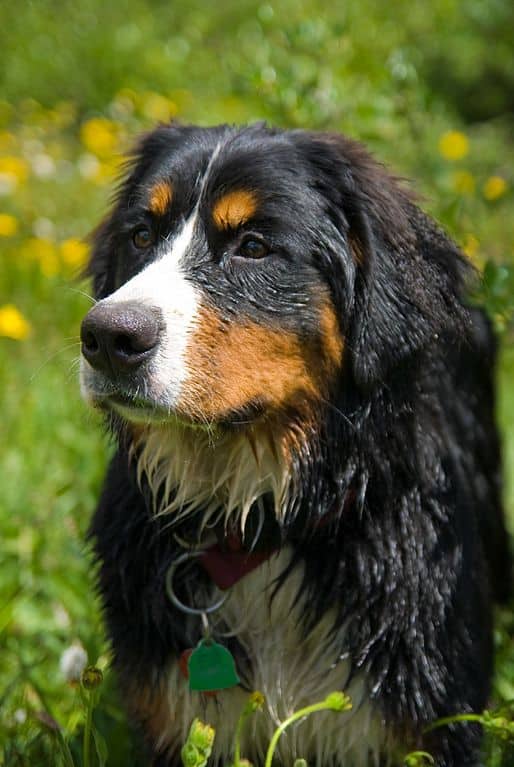
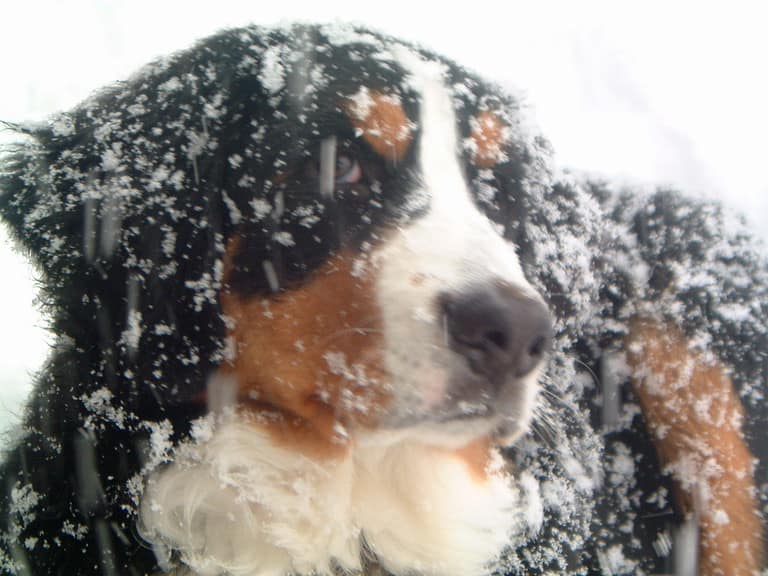
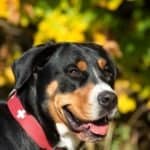
Reaching 27 inches tall at the shoulder, the Bernese mountain dog is known to be a large and strong animal that comes from the canton of Bern, Switzerland, thus giving it the name. It is covered in a thick, long fur coat which is a mix of three colors — jet black, white, and rust — giving it a royal look. These dogs thrive best in cold weather, which is particularly nice considering the thick layer of fur that they have. They are known to be friendly creatures and get along very well with most families they’re a part of. However, they are known to get attached to one person they are close to.

Evolution
These dogs are extremely hardworking and can be traced back to the farmlands of Switzerland. History says that their ancestors were brought to the Swiss mountains by the Romans around 2,000 years ago. It is said that they were earlier trained to work in farms, pull carts, and herd cattle. Apart from that, they are known to be very loyal and are often useful as watchdogs for people. They belong to the group of Swiss mountain dogs, one of the four types in that category. However, theirs is the only type that has long hair as a distinct feature. They are usually calm and are known to be obedient and very intelligent. Their high energy levels could often be a problem if you are handling them for the first time.
Owning a Bernese Mountain Dog: 3 Pros and Cons
| Pros | Cons |
|---|---|
| Excellent family dog These dogs learn quickly and are incredibly family-focused. Once this breed finds the right owner, it is nearly inseparable from the new family. | Matures more slowly than other breeds These dogs are known for remaining in a puppy-like mindset for years longer than other breeds. As smart as they are, the habits of this youthful time may be hard to break at the beginning. |
| Highly intelligent From the puppy years to their golden years, these dogs can learn quickly from their owner. Training them is relatively easy, as they will pick up their lessons quickly. | Requires regular grooming While there are many thick-coated and long-haired dog breeds, this dog’s fur will change from one season to the next. Make sure to find a regular groomer or learn to handle the undercoat properly. |
| No special diet required Much like other dogs, the diet of this dog mostly consists of protein, fat, and other nutrients that are found in everyday dry dog food. For a treat, they can eat many different vegetables, making mealtime more fun. | High energy as adults and puppies No matter what age this dog comes home, it will need regular exercise and walks to prevent restlessness. They are a highly energetic breed and will not thrive without physical activity. |
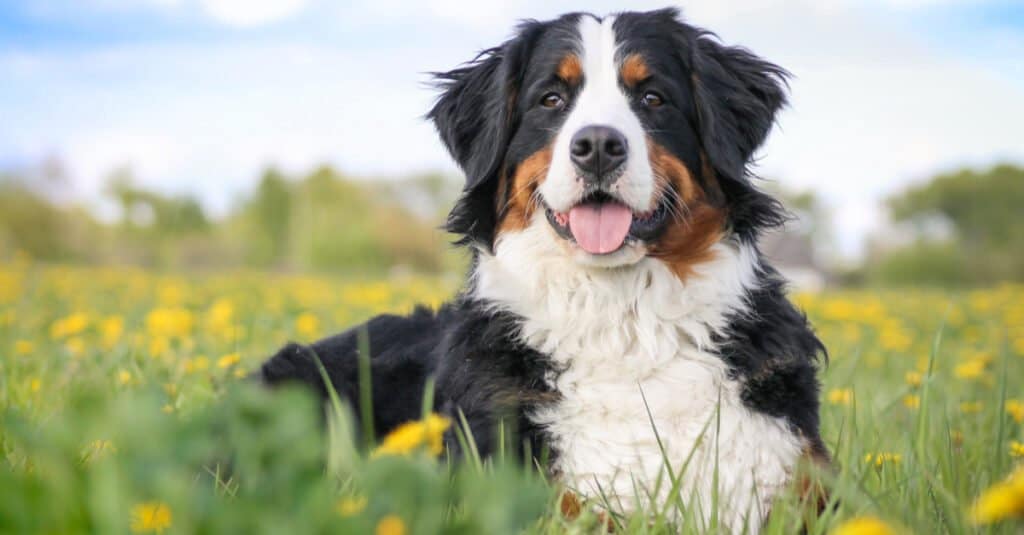
Bernese Mountain Dogs are wonderful, affectionate, and intelligent dogs.
©Eve Photography/Shutterstock.com
Size and Weight
Known as a dry-mouthed breed of dogs, these animals are muscular and have long hair. The average height of such dogs ranges from 25 to 27 inches in males and 22 to 25 inches in females.
While the male dogs from this category usually weigh about 84 to 115 lbs., the females reach about 79 to 106 lbs. in size.
Common Health Issues
These dogs are at an extremely high risk of cancer compared to other breeds. Studies suggest that approximately half of Bernese Mountain Dogs develop cancer during their lifetime, making it a leading cause of death in the breed. The lifespan of these dogs, therefore, depends a lot on the kind of diseases they are prone to.
Different types of cancers affect the Bernese mountain dog, including mast cell tumor (associated with the mast cells — usually occurring in the skin spleen, liver, or bone marrow), fibrosarcoma (related to fibrous connective tissues), malignant histiocytosis (impacts the lungs and lymph nodes), and osteosarcoma (originates in the cells that are known to help in making bones). Another kind of cancer that is common in the breed is a type of disease that impacts the muscle, known as histiocytic sarcoma.
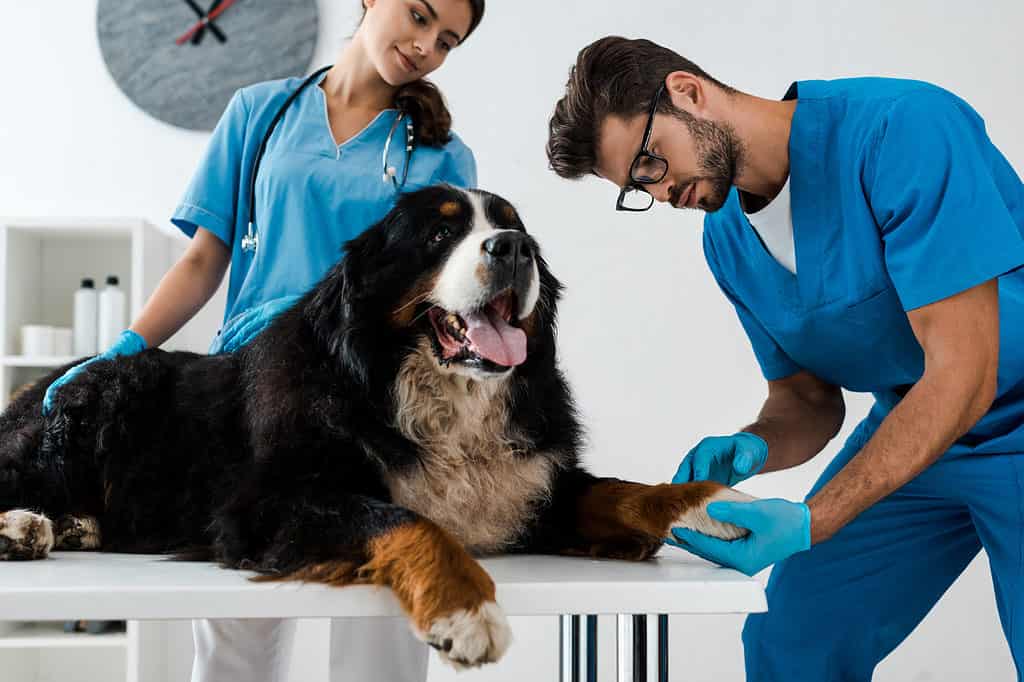
Bernese mountain dogs are prone to several serious illnesses and need regular veterinary care.
©iStock.com/LightFieldStudios
Apart from cancer, multiple types of inherited eye-related problems affect this community of dogs, including cataracts, progressive retinal atrophy, hypomyelination, and hypoadrenocorticism, causing the lifespan of these dogs to be cut short.
These dogs are also prone to death due to musculoskeletal causes like arthritis and hip dysplasia. Cruciate ligament rupture may also be a cause of death among these dogs.
If adopted as a rescue, the breed may be mixed with other types of dogs as well. Always bring the dog to a veterinarian for a clearer view of its health.
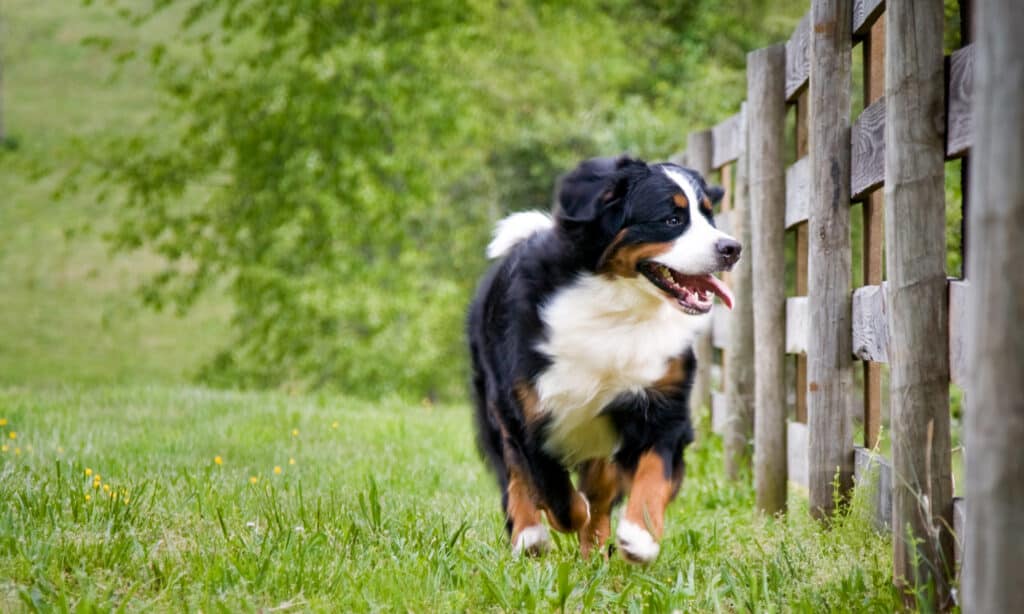
Bernese Mountain dogs are great family dogs with calm dispositions.
©vahamrick/Shutterstock.com
Temperament and Behavior
Originally trained to be farm dogs that could be used for herding cattle and watchdog purposes, Bernese mountain dogs have now grown to be very popular as home pets and are known to be very compatible with families, especially those with children. Their temperament is known to be very calm. They are known to be very loyal and compatible with the families that they are a part of.
Their behavior is generally calm and composed, and patience is a very prominent personality trait. However, it is also said that these dogs mature relatively more slowly than the rest of the dog breeds, which could mean that the dog owners might have to deal with puppy-like behavior for a longer period than expected. Since they get attached to one particular member of the family more than others, these traits could often be a problem with young children, as larger dogs could knock them over, potentially causing injury. However, their playful nature could be very well accepted by mature adults.
How to Take Care of a Bernese Mountain Dog
Anyone who takes on the responsibility of this breed of dog (even rescue puppies or a mix of this breed and another) must consider their health risks and general demeanor. This breed has a proclivity for developing cancer as one of its main health risks. Plus, with its slow maturing, owners may experience more puppy-like behavior for longer than other breeds.
The Best Dog Food
Quality food matters for this breed. It is particularly necessary to choose the right kind of food to keep the dog breed up and running in the best health conditions. Bernese mountain dogs have a love of fresh food, enjoying produce like carrots, broccoli, squash, and pumpkin. Many of these foods are excellent sources of digestive enzymes that can soothe the stomach. In lesser amounts, yogurt and lean, cooked meat are acceptable.
Superior quality food also promotes growth in these dogs and makes their bones strong, and helps with digestion. Moreover, the right kind of food helps in weight management and helps in preventing injuries or illnesses in dogs. Foods high in fats, fiber, and crude proteins are known to be the best foods for such dogs.
Many low-quality dog foods are highly processed, containing lots of fillers and additives, including artificial colors, flavors, preservatives, and more. Since this breed does have a strong tendency to develop certain cancers, owners may want to choose a less processed raw/freeze-dried food.
Bernese puppies require quality food to grow into strong, mature, and healthy adults. Typically, a Bernese puppy should be fed dry food with about 25 to 27 percent protein and 15 to 16 percent fat.
The best diet for an adult Bernese mountain dog would include natural and homemade foods like meat, grains, and fresh vegetables.
Maintenance and Grooming
Like any other pet, this breed of dog requires grooming from time to time. Maintaining an appropriate nail length shouldn’t take more than a trim every two weeks, which requires a special nail trimmer designed especially for dogs. Pet owners should also brush their dog’s teeth every day. For this purpose, you can look up kits with proper toothpaste and a toothbrush for your dog. Because these dogs are accustomed to having thick fur, it is often not advised that you shave your Bernese mountain dog. The thick coat of fur that covers the dogs often poses a problem for the owners, as this breed of dog tends to shed their fur heavily twice a year. During these heavy shedding periods, most dogs need to be groomed every four weeks. Between these shedding seasons, the most amount of time these dogs should go is about eight weeks, due to their longer guard coat.
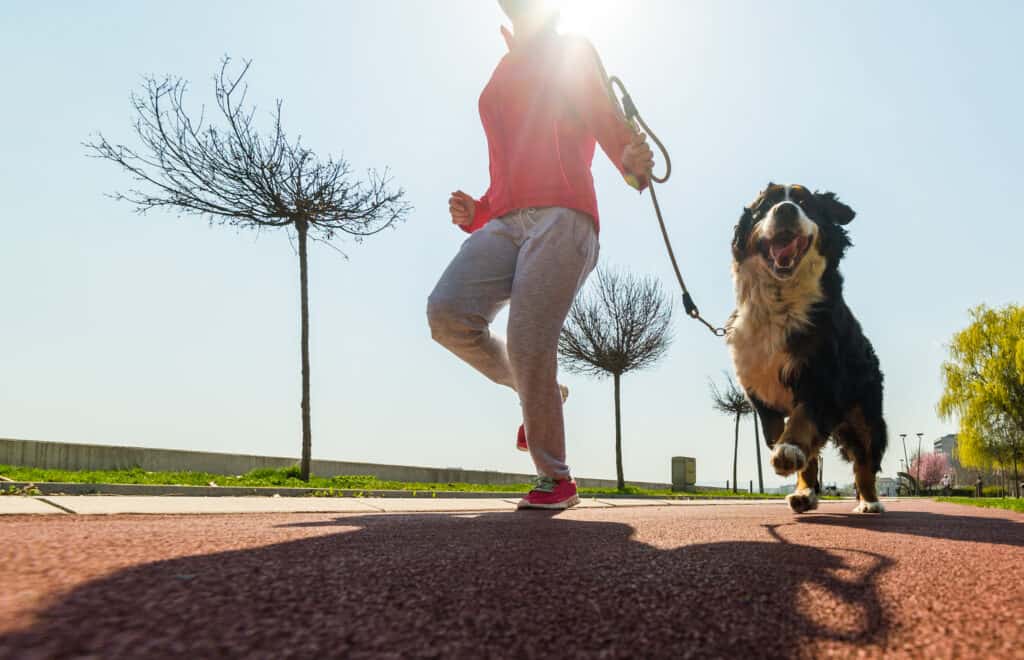
Bernese mountain dogs are extremely sensitive and don’t respond to harsh training methods.
©iStock.com/Dogfest sponsors a 5K race, for the stalwart, as well as 1/2 mile and 1 mile fun runs
Training
Bernese mountain dogs are typically easy to train. However, because they are extremely sensitive, they are usually unlikely to respond to harsh training methods. They are also known to be family-oriented animals, and therefore, you should expect to see a change in their behavior if they are left alone for long periods.
Exercise
Because they are so large, this breed needs moderate amounts of exercise for at least half an hour every day. This would help the animal to stay happy and healthy at the same time. This breed is particularly known for wanting to live indoors, though they are also known to make great company for long treks or hikes. Because of the traits that they might have picked up from their origins, these dogs are very comfortable with pulling carts for children. Bernese Mountain Dogs actively participate in carting and draft competitions, which remain popular events for the breed as of 2026.
Puppies
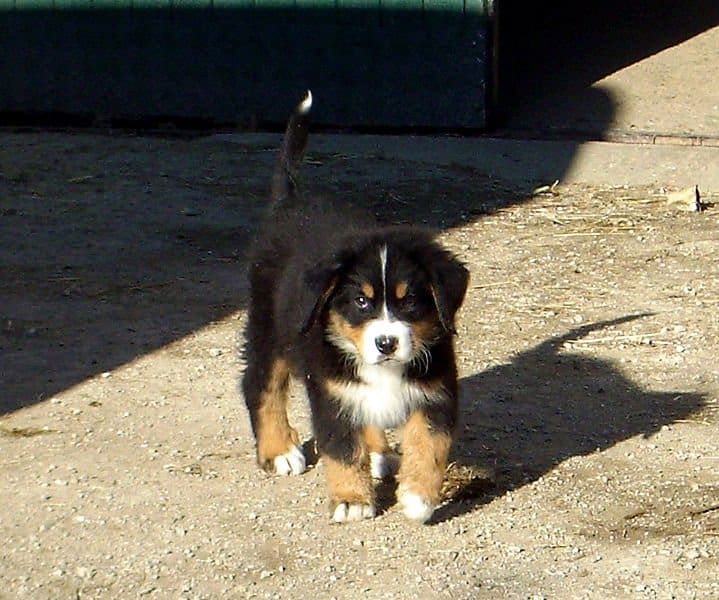
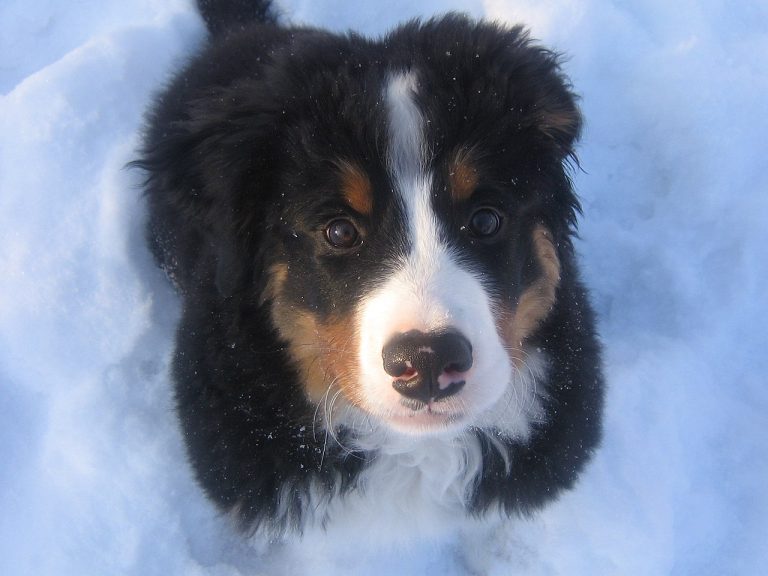
Bernese mountain dogs grow fast but tend to remain in the puppy stage mentally for longer than average.
©Wingman, CC BY-SA 3.0, via Wikimedia Commons – Original / License
Adopting a purebred or rescue Bernese mountain dog can be exciting, but the first 24 hours are crucial. All puppies are rather curious about their new homes, and they should begin leash training as soon as possible to establish the alpha between the pet owner and puppy. Considering how long this dog remains at the puppy stage mentally, be patient, and provide at least 30 minutes of exercise a day. Though small, these puppies have quite an appetite. Though no supplementation should be given to a Bernese puppy for at least the first six months, they will need two meals a day while they grow.
Bernese Mountain Dog and Children
Bernese mountain dogs are known to be great with children. They are affectionate and are usually very playful around kids. However, if there is an infant in the house, special care might need to be taken since the Bernese mountain dogs are huge and can knock over a child unintentionally. Usually, Bernese mountain dogs get attached to one particular member of the family — most likely the children. Overall, these dogs can mix with children at a high level.
Dogs Similar to the Bernese Mountain Dog
Various dog breeds are remarkably similar to Bernese mountain dogs, including cross-breeds such as the Bernedoodle and the Mini Bernese mountain dog, a cross between a Cavalier King Charles Spaniel and a Bernese mountain dog. Some of them include:
- Greater Swiss Mountain Dog: This breed of dog is particularly similar to the Bernese Mountain Dog in appearance, as it usually presents the same body fur color as the Berners. It is a strong animal and is usually gentle.
- Anatolian Shepherd: These dogs are courageous, powerful, and sturdy, much like the Bernese Mountain Dogs. However, they also differ from the Berners in the sense that they are not very sociable.
- Bullmastiff: This type of dog has a temperament similar to the Bernese mountain dog, as it is calm and loyal. It is also great with children and presents a very affectionate behavior towards the family it shares space with.
Famous Bernese Mountain Dogs
With the lovable personality that a Bernese mountain dog exhibits, it has earned many spots in pop culture and Hollywood. Ben Roethlisberger, the former NFL quarterback, famously owned a Bernese Mountain Dog named Hercules. Michael D. Higgins, the President of Ireland, owned two Bernese Mountain Dogs, Bród and Sioda, both of whom have since passed away. He is now often seen with his Bernese Mountain Dog, Misneach. This type of dog has been featured on the small screen as well in a TV series called “The New Normal.” The lead characters, Bryan and David (played by Andrew Rannells and Justin Bartha, respectively), gave the dogs the names Smelly and Harvey Milkbone.
Bernese Mountain Dog Pictures
View all of our Bernese Mountain Dog pictures in the gallery.

Ocmey http://fr.wikipedia.org/wiki/Utilisateur:Ocmey, CC BY-SA 2.5, via Wikimedia Commons
Sources
- Wikipedia / Accessed November 8, 2019
- Chewy / Accessed November 8, 2019
- Rover / Accessed November 8, 2019
- Bernese Love / Accessed November 8, 2019
- Wahl USA / Accessed November 8, 2019
- Alaska Dog Works / Accessed November 8, 2019
- PDSA / Accessed November 8, 2019
- Your Pure Bred Puppy / Accessed November 8, 2019
- American Kennel Club / Accessed November 8, 2019
- Dog Time / Accessed November 8, 2019
- Animal Planet / Accessed November 8, 2019