






B
Species Profile

Bichon Frise

Canis lupus familiaris

A little cloud of cheerful companionship
visal himansha/Shutterstock.com

Bichon Frise Distribution

Click a location to explore more animals from that region

Origin Location

This map shows the native origin of the Bichon Frise. As a domesticated species, they are now found worldwide.

Loading map...

Size Comparison

Human 5'8"
Bichon Frise 10 in

Bichon Frise stands at 15% of average human height.

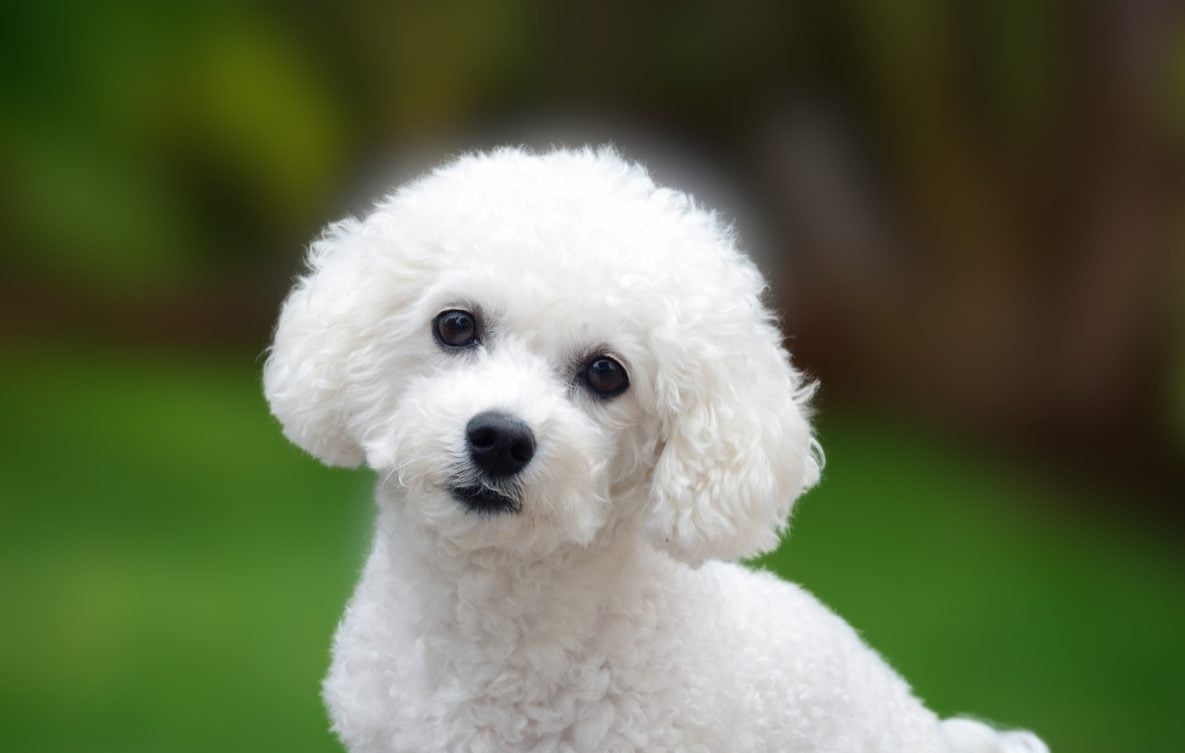
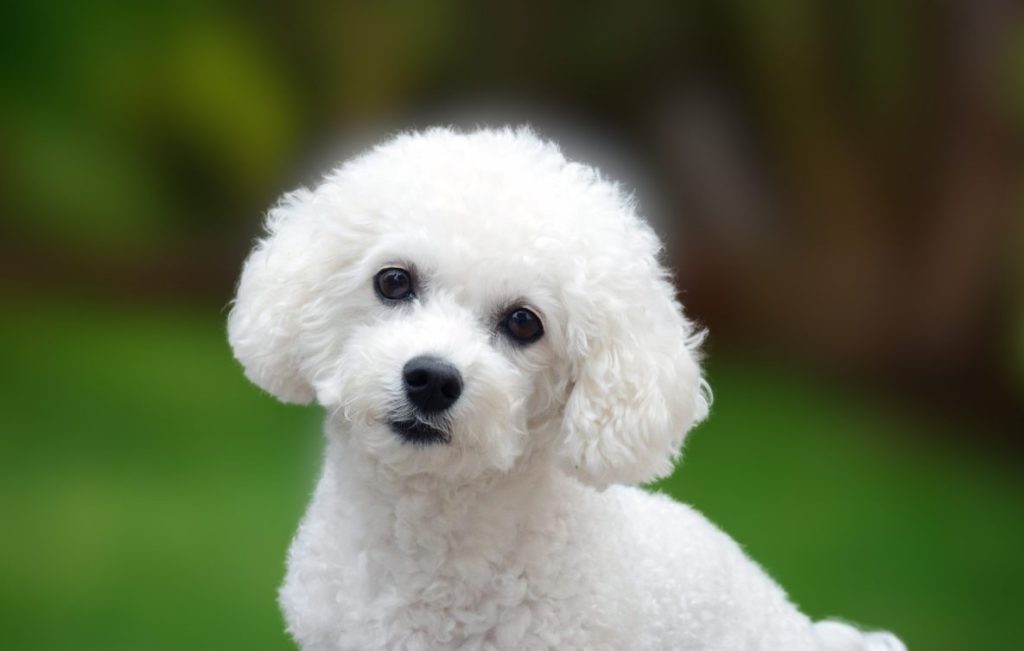
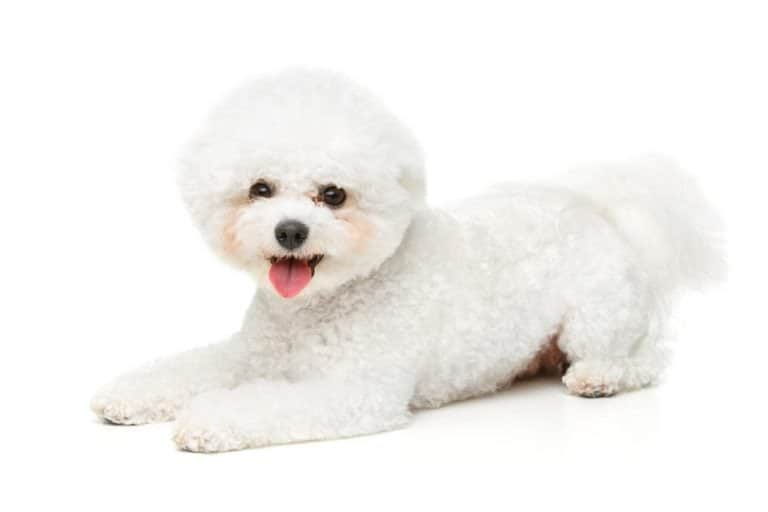
Bichon Frisé joyfully frolics in the park, fluffy white coat shining in the sun. this adorable dog embodies pure happiness amidst nature's beauty. The Bichon Frisé toy dog photo-shooting in studio

At a Glance

Domesticated
Also Known As Bichon, Bichon à poil frisé, Tenerife Dog, Bichon de Tenerife
Diet Omnivore
Activity Diurnal+
Lifespan 14 years
Weight 8 lbs
Status Not Evaluated
Did You Know?

The breed name comes from terms meaning a small long-haired dog and a curly-coated dog.

Scientific Classification

The Bichon Frise is a small companion dog breed known for its white, curly coat, sociable temperament, and characteristic rounded grooming style. It is a domesticated form of the gray wolf.

Kingdom
Animalia
Phylum
Chordata
Class
Mammalia
Order
Carnivora
Family
Canidae
Genus
Canis
Species
Canis lupus

Distinguishing Features

  • Small toy-sized companion dog
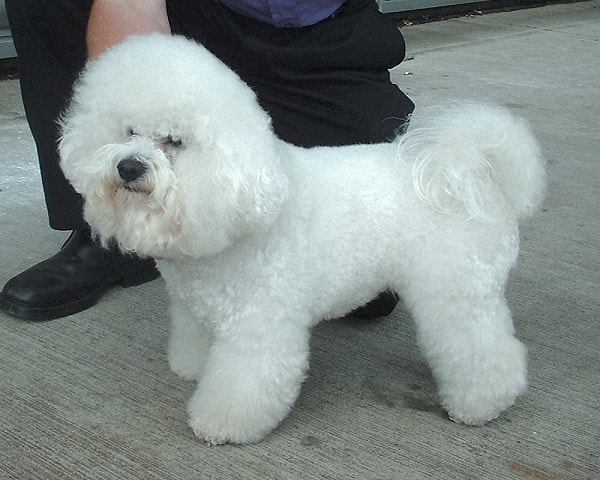
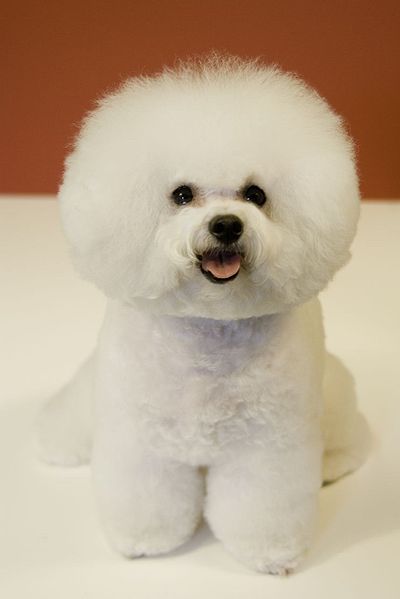
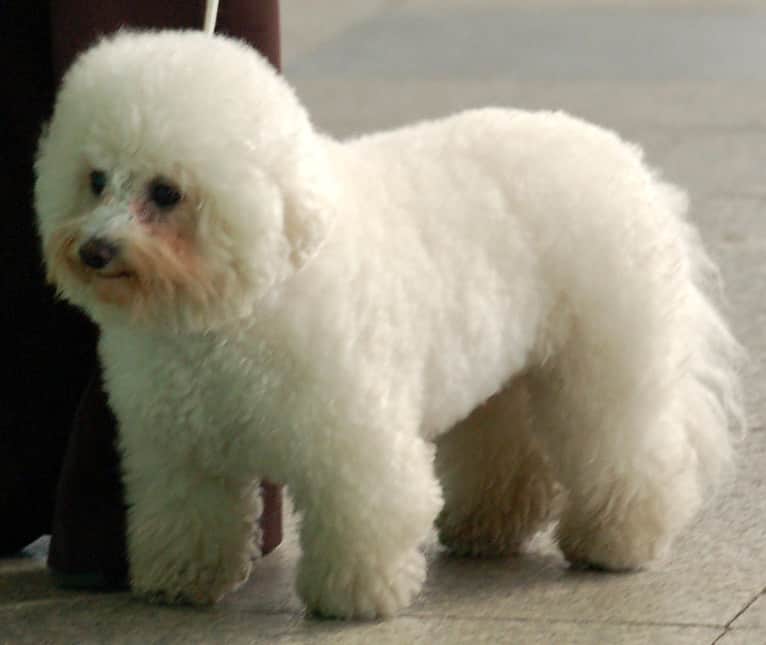
  • White, dense, curly double coat (often groomed into a rounded ‘powder-puff’ look)
  • Dark eyes and nose giving a high-contrast facial appearance
  • Sociable, people-oriented temperament
  • Drop ears concealed by coat; plumed tail carried over the back

Physical Measurements

Height
10 in (9 in – 11 in)
Length
1 ft 6 in (1 ft 3 in – 1 ft 9 in)
Weight
12 lbs (9 lbs – 15 lbs)
Tail Length
5 in (4 in – 6 in)
Top Speed
19 mph
short bursts of speed

Appearance

Primary Colors
Secondary Colors
Skin Type Domestic dog skin with breed-typical dark facial pigmentation (nose/eye rims). Skin can be prone to sensitivity/allergies (atopy/contact irritation), so coat/skin care often emphasizes gentle shampoos, thorough drying, and regular inspection beneath the dense curls.
Distinctive Features
  • Small companion/toy-dog morphology compared with the ancestral gray wolf: compact frame, short muzzle relative to skull, and a rounded, "teddy bear" silhouette when groomed.
  • Dense, curly double coat (soft undercoat with curly outer coat) that is low-shedding but high-maintenance; hair grows continuously and mats easily without routine brushing/combing.
  • Characteristic grooming styles (e.g., rounded head, full legs, and plush body) create the iconic Bichon Frise outline; coat texture supports scissored, cloud-like finish.
  • Plumed tail carried arched over the back, often blending into the coat to appear as a fluffy curl.
  • Dark, round eyes with black rims and a black nose ("button" look) are hallmark facial features.
  • Common appearance-related issues/care: tear staining around the eyes (requires regular cleaning), frequent professional grooming (typically every 4-8 weeks), and diligent dental care due to small-breed crowding/tartar.
  • Health concerns that influence care/appearance over time: allergic dermatitis/itching and recurrent ear issues (hairy ear canals), patellar luxation affecting gait, dental disease, cataracts/other eye disease, and occasional bladder stones (may prompt diet/water management).
  • Bichon-type relationship: shares the small, white companion-dog profile and coat-care demands seen in related bichon-type breeds (e.g., Maltese/Havanese/Bolognese lineages), but is especially known for a curly, plush coat and rounded grooming presentation.
  • Temperament-linked presentation: typically friendly, playful, and people-oriented-often carried with an alert, jaunty posture that complements the breed's bright expression.

Sexual Dimorphism

Sexual dimorphism is mild, typical of many small domestic dog breeds. Differences are more about size and robustness than distinct coat coloration or patterning.

  • On average slightly taller/heavier with a marginally broader skull and chest; may read as more robust in stance.
  • Often slightly smaller/finer-boned with a narrower chest and lighter overall build; silhouette can appear more refined when trimmed.

Did You Know?

The breed name comes from terms meaning a small long-haired dog and a curly-coated dog.

The breed's Mediterranean ancestors included the Tenerife bichon (a bichon-type lapdog from the island of Tenerife), which sailors and traders carried between ports.

Bichons were popular in European courts-especially France-where their rounded "powder-puff" grooming became a fashion statement.

Their hair grows continuously (more like human hair than typical shedding fur), which is why routine trimming is essential.

They're known for learning tricks quickly; historically they were favored by street performers and circuses for their trainability.

Despite the all-white look, many Bichons have cream or apricot shading as puppies that often lightens with age.

Unique Adaptations

  • Companion-breed temperament shaped by domestication: reduced wariness and aggression compared with the gray wolf, with strong bonding to humans.
  • Toy-dog morphology: small body, short muzzle, and juvenile-like facial proportions (neoteny) that promote caregiving responses in people.
  • Curly, continuously growing coat: provides insulation and allows sculpted grooming styles (e.g., rounded "Bichon head"), but requires intensive maintenance to prevent mats.
  • Highly social flexibility: typically tolerant of crowded human environments (homes, cities, travel) relative to wild canids.
  • Expressive communication: attentive eye contact and quick responsiveness to human cues-traits emphasized through selective breeding for companionship.

Interesting Behaviors

  • "Bichon buzz" (happy zoomies): sudden sprints and spins during play or excitement.
  • People-oriented shadowing: frequently follows family members room to room, seeking proximity and interaction.
  • Social greeting style: tends to approach with loose body posture, tail up, and quick solicitations for petting.
  • Vocal alerting: may bark at door sounds or new sights despite being a companion breed; benefits from quiet-cue training.
  • Play-bowing and toy "parading": invites games and sometimes proudly carries toys to show them off.
  • Trick-work enthusiasm: often enjoys short, upbeat training sessions and thrives on praise and rewards.

Cultural Significance

The Bichon Frise is a classic European lapdog that spread via Mediterranean trade, became popular in the Renaissance and in France, and is linked to other bichon breeds (Maltese, Havanese, Bolognese, Coton de Tulear) as small white companion dogs shaped by travel and human taste.

Myths & Legends

Sailors' shipboard companions: breed histories report that small Bichon-type dogs from Tenerife in the Canary Islands were transported by Mediterranean sailors and spread through port cities via trade and travel.

Courtly origin tales: European anecdotes describe curly-coated bichons as favored salon dogs whose pampered grooming mirrored aristocratic powdered styles, making them living fashion accessories at court.

Entertainer's companion stories: traditional performer lore celebrates bichon-type dogs as clever trick partners-small enough for street acts, quick to learn, and eager for applause.

Name-and-lineage legends: Tenerife Bichon stories recount these dogs moving between islands and mainland ports via traders, with local lines later refined into the modern Bichon Frise in France and Belgium.

Salon superstition: old companion-dog sayings in Europe held that a bright white lapdog in the home signaled harmony and hospitality, encouraging visitors and conversation.

Conservation Status

NE Not Evaluated

Has not yet been evaluated against the criteria.

Population Stable

Life Cycle

Birth 4 pups
Lifespan 14 years

Lifespan

In the Wild
12–15 years
In Captivity
12–16 years

Reproduction

Mating System Polygynandry
Social Structure Managed Domestic
Breeding Pattern Serial
Fertilization Managed Selective
Birth Type Internal_fertilization

Bichon Frise (Canis lupus familiaris) breeding is managed by people: breeders pick mates, avoid close inbreeding, and check health. Mates are chosen when females are in heat; studs may sire many litters and females may be bred to different males. Care is maternal with human help.

Behavior & Ecology

Social Pack Group: 4
Activity Diurnal, Cathemeral
Diet Omnivore Highly palatable animal protein (often poultry or fish) in a small-breed, nutrient-dense diet; many Bichon Frise do best with limited-ingredient formulas if they show signs of food sensitivity or itching.

Temperament

Affectionate, highly people-oriented companion; typically seeks proximity and attention more than primitive/working-type dogs (distinguishing breed trait vs base canid/wolf sociality).
Sociable and playful with a generally low tendency toward serious aggression; most thrive in multi-person or multi-pet homes when socialized early.
Alert and communicative (watchdog-ish barking) despite small size; may vocalize at doorbells/noises-training and routine help prevent nuisance barking.
Sensitive/nurturing handling preferred; responds best to positive reinforcement and consistent cues (harsher methods can increase fear or anxiety-driven behaviors).
Common behavioral risks: separation-related distress, clinginess, or demand behaviors if companionship needs and independence training are not balanced.
Care requirements (breed-specific): high-maintenance coat-daily/near-daily brushing to prevent mats, regular professional grooming, eye/face cleaning for tear staining; routine ear checks/cleaning due to hair and moisture trapping.
Exercise/engagement: moderate physical activity (short walks, play) plus enrichment (training games, scent games, puzzle feeders); mental stimulation often reduces barking and anxiety.
Health concerns seen in the breed (social/behavior relevance): dental disease (small mouths) requiring frequent dental care; allergies/atopy (may increase irritability/itch-related restlessness); patellar luxation; eye disease (cataracts/PRA); ear infections; bladder stones-pain/discomfort can increase reactivity or house-soiling.

Communication

barking Alert/attention-seeking/alarm
whining Frustration/appeasement/separation distress
growling Resource guarding or discomfort; less common but important
howling Rare; may occur with sirens or social facilitation
yips/excited squeals during play
tail and ear carriage, body posture, freezing/avoidance signals Can indicate stress in a small companion breed often handled closely
facial expressions and eye contact Frequent 'checking-in' with humans; strong human-directed gaze
play bows, pawing, and bouncing approaches Common affiliative/play invitations
nose touch/leaning and lap-seeking Contact-seeking affiliation; also attention solicitation
scent marking and sniffing routines Less territory-driven than wolves, but still used for information gathering
grooming-related communication: tolerating/soliciting brushing and handling can become a key social routine; cooperative care training improves welfare and reduces defensive reactions

Habitat

Biomes:
Temperate Forest Boreal Forest (Taiga) Tundra Alpine Temperate Grassland Mediterranean Desert Hot Desert Cold Savanna Tropical Dry Forest Tropical Rainforest Wetland Freshwater Marine +8
Terrain:
Plains Coastal Island Hilly Mountainous
Elevation: Up to 16404 ft 3 in

Ecological Role

Human-associated domestic canid (companion animal) derived from gray wolf; primarily a commensal omnivore supported by people rather than an apex predator.

Companionship and psychosocial benefits to humans Minor pest deterrence/alerting via barking and presence Nutrient cycling through waste in urban/suburban ecosystems (managed by humans) Participation in human-mediated food webs (pet food industry; limited direct predation)

Diet Details

Main Prey:
Small mammals Birds and bird eggs Invertebrates Processed animal proteins provided by humans
Other Foods:
Cooked grains and starches Vegetables Fruits Commercial dog food plant ingredients

Human Interaction

Domestication Status

Domesticated

Bichon Frise (Canis lupus familiaris) is a toy companion dog bred for close human company. Compared to wolves, it is much smaller, has puppy-like social behavior, low prey and guard drive, and a curly coat that keeps growing and needs grooming (powder-puff style). They make indoor pets, therapy and show dogs, and need gentle training and socializing.

Danger Level

Low
  • Bites/scratches typically associated with fear, pain, or resource guarding; risk increases with poor socialization or rough handling
  • Allergy considerations: while often marketed as 'hypoallergenic,' no dog is truly hypoallergenic; dander/saliva can still trigger reactions
  • Zoonotic risks common to pet dogs if hygiene/vet care is poor (e.g., intestinal parasites), mitigated by routine prevention
  • Fall/trip hazards due to small size underfoot, especially for older adults or in crowded homes

As a Pet

Suitable as Pet

Legality: Bichon Frise (Canis lupus familiaris) is usually legal where pet dogs are allowed. Owners may need a dog license, rabies shots, and to follow leash laws. Rare breed bans exist; landlords/HOAs may limit pets.

Care Level: Moderate

Purchase Cost: $800 - $2,500
Lifetime Cost: $15,000 - $35,000

Economic Value

Uses:
Companion animal/pet services Professional grooming and coat-care products Veterinary care and preventive medicine Breeding and conformation showing Training and enrichment services
Products:
  • Puppy/dog sales and stud services (ethical breeding programs)
  • Grooming services (clip/style, bathing, de-matting)
  • Coat-care supplies (slicker brush, combs, conditioners, whitening shampoos)
  • Veterinary services (vaccines, dental cleanings, chronic condition management)
  • Pet insurance, boarding/daycare, and training classes

Relationships

Quick Take

  • Reaching a 19-year lifespan requires meeting specific nutritional and care standards.
  • A liver shunt creates systemic failures that often present as simple allergies.
  • Despite their 18-pound limit, these animals are strictly excluded from the toy breed classification.
  • The 1-year housebreaking stage is usual to accommodate specific anatomical limitations.

Throughout history, this dog has been referred to as the clown dog due to its strong desire to entertain and bring smiles to its family and friends.

Bichons are of French and Spanish descent. The Spanish originally used them as sailing and herding dogs. However, the French ultimately bred them to be noble lapdogs.

In later years, they were sometimes used in the circus for their ability to walk on their hind legs and perform other tricks. Many of these dogs also enjoy dressing up and being the life of the party.

A detailed green and white infographic about the Bichon Frise, featuring sections on evolution, health risks, pros and cons of ownership, and a central illustration of a fluffy white dog.
Beyond the white fluff lies a sturdy former circus performer that can live nearly two decades—but only if you know how to spot the hidden medical crises that mimic simple allergies. © A-Z Animals

Evolution

Royals and aristocrats have loved these little white dogs for millennia. Lap dogs were traded and purchased around the Mediterranean Basin and came to be favored by European royalty, including King Henry VIII of England. Bichon Frise is known as a Barbichon-type dog along with the Bolognese, Havanese, and Maltese. It is believed that these breeds began on the island of Tenerife, the largest of the Canary Islands. The Bichon Tenerife became the primary ancestor of today’s Bichon Frise.

Around the 13th century, the little white lap dogs began their association with European royalty — including the courts of Italy, France, and Spain. There are many of these pretty little dogs depicted in paintings of the great masters of this era.

After the French Revolution, the once pampered pets were out on the street on their own. They were so lively and friendly that they caught the eyes of the circus and street performers — and quickly rose to stardom with their natural charisma and ability to do tricks.

3 Pros and Cons of Owning a Bichon Frise

ProsCons
Hypoallergenic: Bichon Frises are hypoallergenic and may be a good choice if the dander and hair of other breeds cause allergies for you and your family.Low Guarding Instincts: Bichons do make good watchdogs. They will bark at strangers outside of your home. However, they are a friendly breed and will generally welcome new people once they are in your house.
Low to Moderate Activity Level: These dogs are laid back and will mostly get the exercise they need by walking around your house. One of their most endearing traits is the Bichon “buzz” where they will excitedly run a circuit throughout your rooms.Grooming Costs: Bichon Frises do not shed. Because of their thick and cottony hair, you should expect to pay for monthly visits to the groomer. Their white coat also looks best when bathed regularly with brightening shampoo.
Trainable: Bichons are eager to please their owners. They are fairly easy to train and enjoy performing tricks in exchange for love and affection.Can be Difficult to Housebreak: Like many smaller breed dogs, it can take time to housebreak Bichons. Their smaller organs mean that they typically need to go to the bathroom more often than larger dogs, especially when they are young.

Appearance

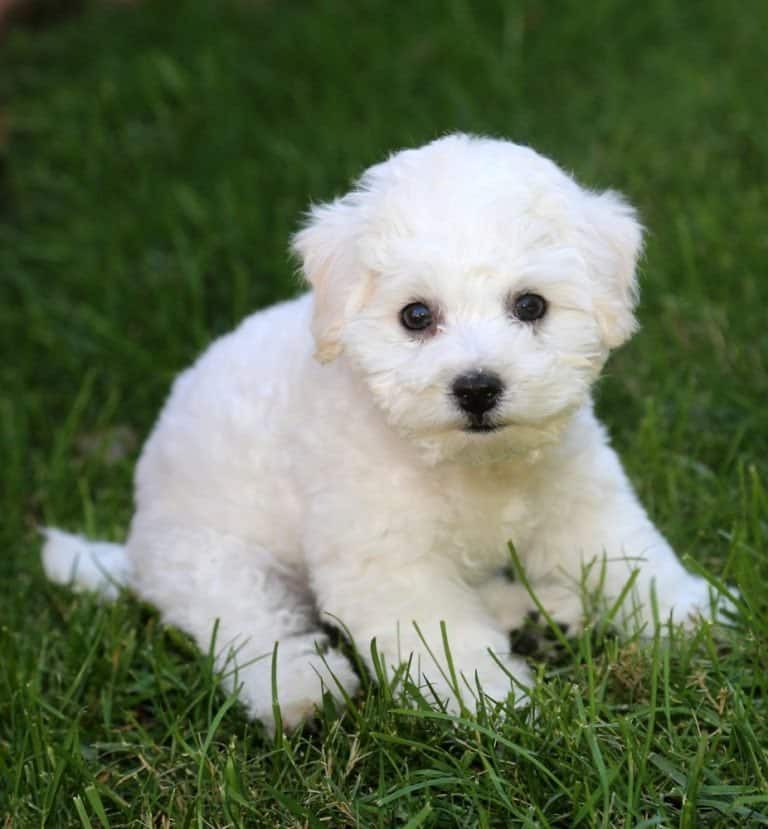
These non-sporting dogs are small but sturdy. While they are small dogs, they are not considered a toy breed. Bichon puppies have an exceptionally soft and supple white, cream, or apricot-colored coat that should turn snowy white by the time they reach adulthood.

Bichons are generally good with children and other pets. Their small size also makes them a good choice for apartment or city living. Bichons need minimal exercise and will be content to spend as much time as possible with their families.
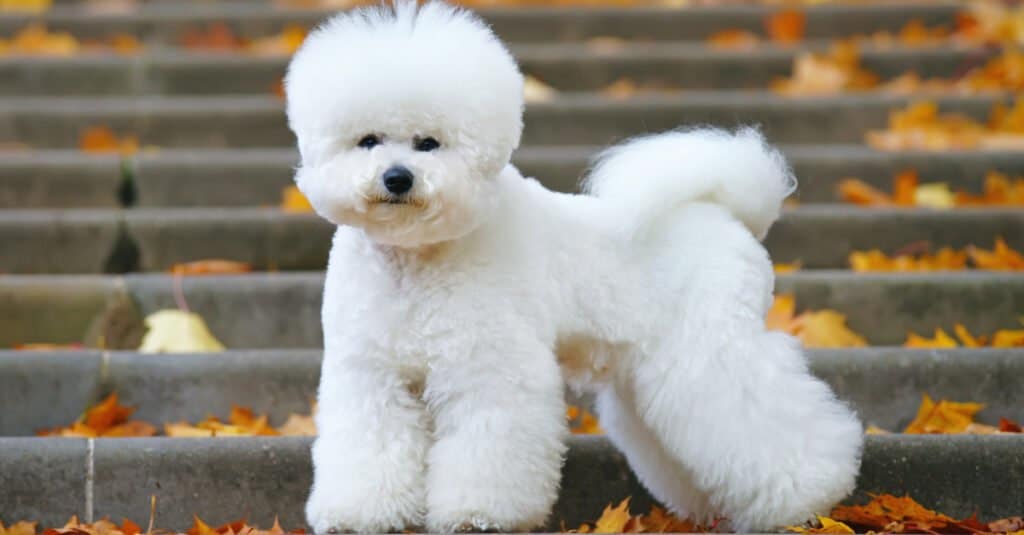
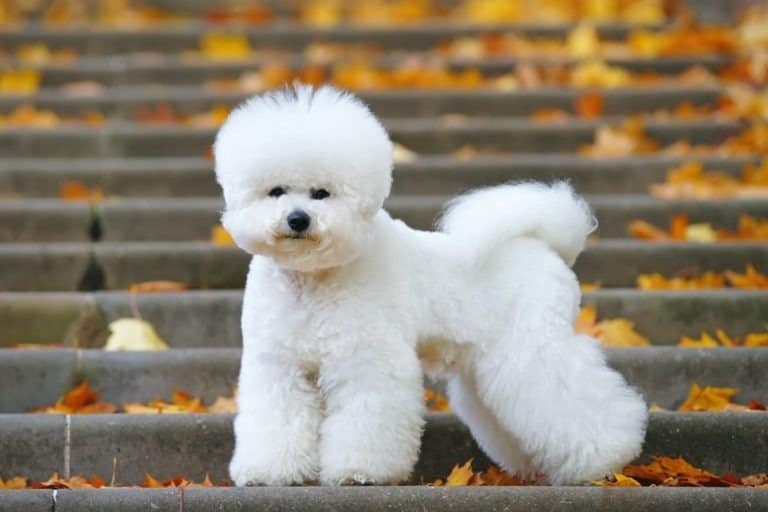
Bichon Frise standing on steps

The Bichon Frise is known for being a good companion breed and has long been favored by royalty.

Size and Weight

Male and female Bichons should both be between 9.5 and 11.5 inches tall. This breed typically weighs between 11 and 18 pounds. However, average size and weight do differ slightly between the sexes. The average height of a male Bichon is 11.8 inches, while the average height of a female is 10.6 inches. Males have an average weight of 15.4 pounds, while females have an average weight of just over 11 pounds. Even though Bichons are small, they are not small enough to be considered a toy breed.

Common Health Issues

Bichons are generally a healthy and sturdy breed. They have an average lifespan of between 14 and 15 years. However, with proper care and nutrition, these dogs can live for 19 years or longer.

Despite their long life and typically healthy makeup, Bichons are prone to some potential issues. One of the most common maladies for bichons is skin allergies. Reactions to some proteins or other ingredients in their diet are the most common cause of these allergies.

For example, bichons can be allergic to chicken, beef, or other meat proteins in their food. Signs that your bichon may be allergic to these meats include red, itchy “hot spots” on their skin. Your pet will likely scratch and bite its skin to try to relieve the itching sensation.

Bichons are also frequently allergic to corn or cornmeal. Dogs that are allergic to these foods often chew their paws or the fur on their legs. You may also notice a yeasty odor if your Bichon Frise is having an allergic reaction to the corn products in his or her food.

These allergy issues are more common with smaller Bichons or ones that were the runts of their respective litters. Liver shunts or other similar problems can contribute to these allergies and lead to liver failure later in life.

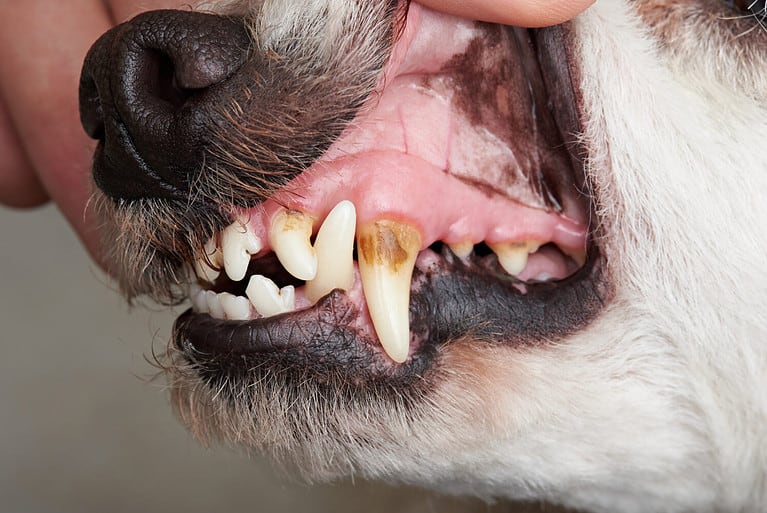
Like many other small dog breeds, Bichon Frise dogs can have dental issues. Many veterinarians recommend high-quality kibble combined with dental treats for these dogs to help them clean their teeth. You may also need to brush your furry friend’s teeth one or more times per week to help remove plaque and keep its mouth healthy.

Cancer is also another significant health concern for this breed. According to the UK Kennel Club, cancer was the second leading cause of death for Bichons behind old age. However, Bichons who contract cancer generally still live to be 12.5 years old before they succumb to this malady.

Temperament

A happy demeanor and alert intelligence are two of the Bichon Frise’s best-known behavioral traits. They like to spend time with their families and will follow you from room to room to be close to you. Many people say that their dark, intelligent eyes convey a merry twinkle when they are content. They have been known to “smile” by partially extending their tongues when they are truly satisfied.

Because of their personality and a strong desire to please, another key trait of this breed is their relative knack for training. However, you may need consistency and patience when it comes to housetraining your new family member.
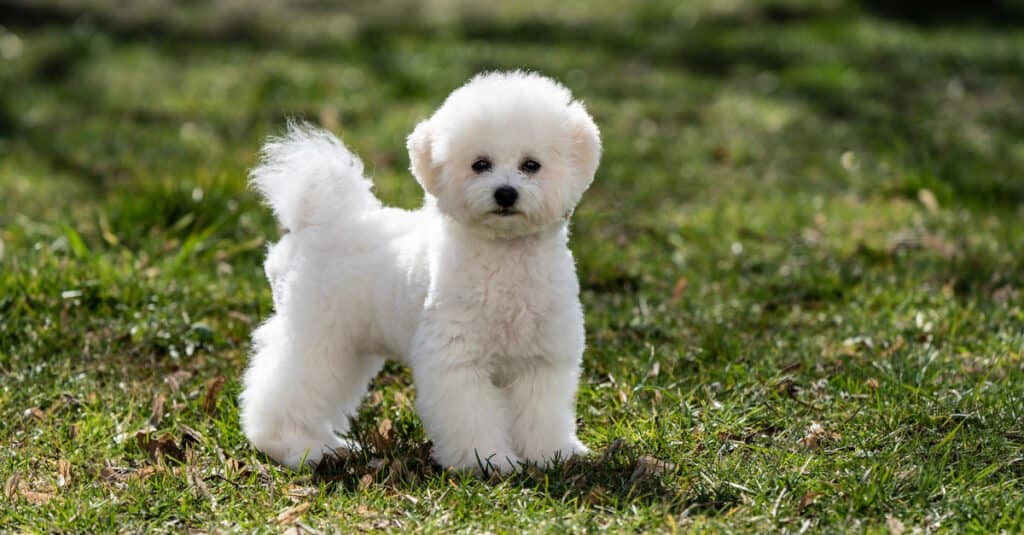
Bichon Frise puppy

This soft dog breed, the Bichon Frise, is a great choice for someone with allergies.

How to Take Care of a Bichon Frise

Because of their happy-go-lucky nature and small size, Bichons generally take care of their own exercise needs by buzzing around your house. However, these dogs do not shed, and their curly hair tends to trap dirt and dander. As a result, most breeders recommend daily brushing to remove dead hair and prevent mats or tangles.

If your Bichon suffers from allergies, then it may need special hypoallergenic kibble or other limited-ingredient diets. Given their small height, you should also watch your dog’s weight to ensure that it does not put undue stress on its knees, hips, or other joints.

The Best Dog Food

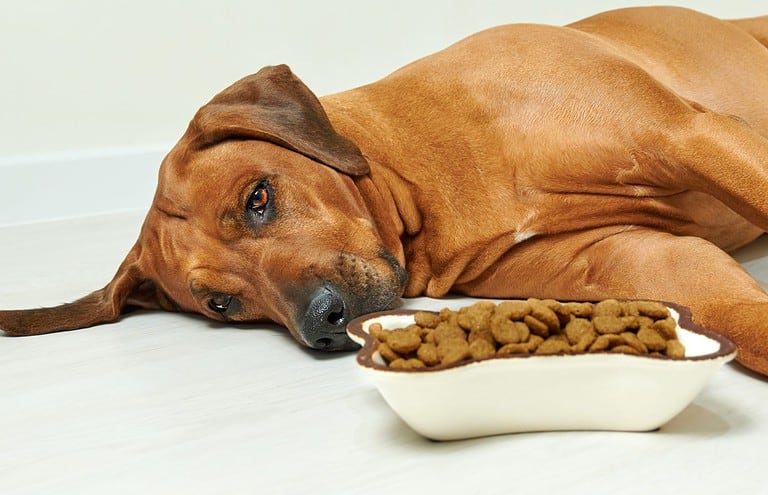
Because of their history of food and skin allergies, you should put some careful consideration into the ideal food for your Bichon. Some of these dogs are allergic to chicken, beef, and other traditional proteins found in mass-marketed kibble. If your dog has such allergies, then you may need to consider kibble made from other proteins such as fish, duck, pork, or other, more exotic meats.

Your veterinarian may be able to recommend a hypoallergenic diet if your dog has severe allergies. Many vets recommend kibble over canned wet food for Bichons because the hard morsels can help to remove plaque and other causes of tooth decay.

The good news is that, as a small breed, most adult Bichons only require up to one cup of food per day. Due to their smaller stomachs, you might want to split this food into a morning and an evening meal. Eight-week-old puppies should eat every 4-5 hours. You can split one cup of food into quarters and feed your puppy throughout the day.

Keep in mind that it’s best for dogs prone to dental issues like this breed to eat dry kibble rather than wet food. Select a high-quality formula from a reputable manufacturer. You should always read the ingredient label on the bag. If the first ingredients start with cornmeal, chicken meal, or rice as opposed to whole meats, then you may want to look for another option.

Maintenance and Grooming

Bichon Frise dogs typically require more grooming than many other dog breeds. These dogs do not shed and therefore will need to be groomed at least once every four to eight weeks. Furthermore, we recommend daily brushing with a slicker brush and a metal comb to remove dead hair follicles and to remove tangles.

Insufficient grooming may cause a Bichon Frise to develop mats or clumps of hair close to its skin. These mats can pull on their skin and become uncomfortable over time. Excess or overgrown hair around their mouths can contribute to tooth loss or other dental issues.

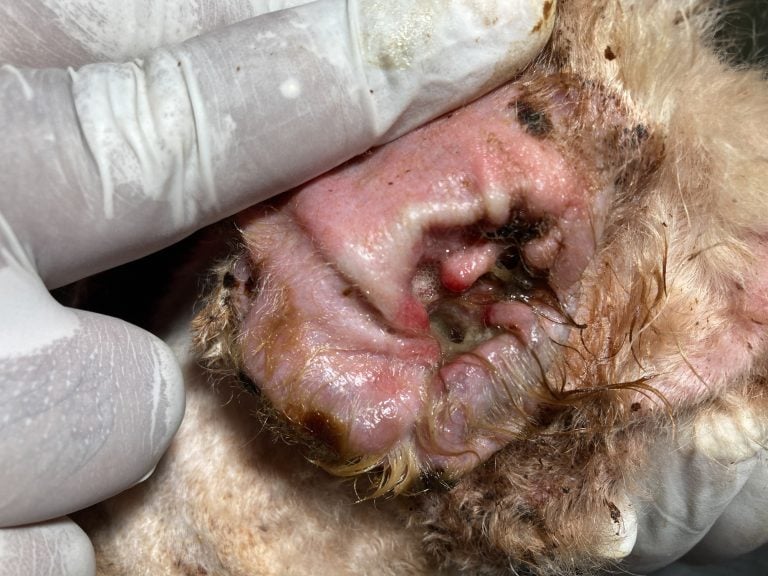
Similarly, the hair in a bichon’s ears needs to be plucked regularly to limit the accumulation of dust, dirt, and bacteria. These bacteria can lead to painful ear infections if the hair is not removed.

Due to their soft, white coats, many Bichon owners prefer to bathe their dogs once a month. It is recommended that you use a gentle brightening shampoo to help restore the luster and snowy white color to your dog’s coat. However, bathing your dog too often can remove essential oils and nutrients that help to protect his or her skin.
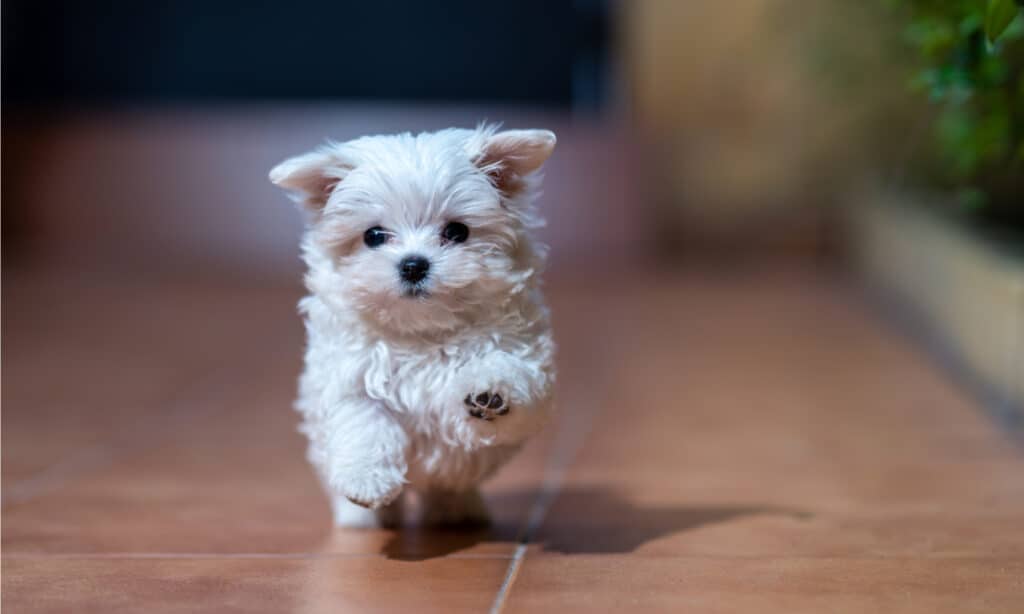
dog food for Maltese

Bichons are highly trainable and should start training when they are puppies.

Training

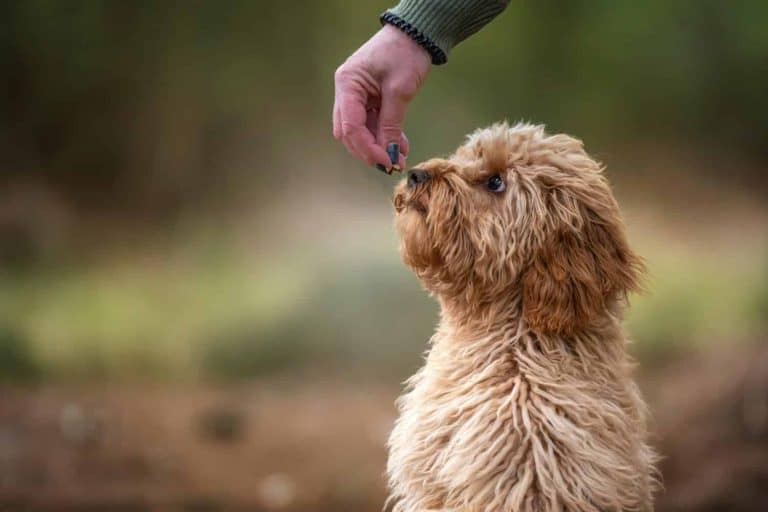
Bichon Frise dogs are relatively easy to train. They like to get attention from their families and friends and will be more than happy to do some tricks. This breed’s bubbly personality means that they often love to get dressed up in costumes or outfits for the holidays.

Exercise

As noted above, Bichons are a non-sporting breed and are not overly active. They generally take care of their needs by walking or running around the house. Short walks two or three times per day to go to the bathroom should be enough exercise for this breed.

Puppies

Bichon Frise puppies are cute cotton balls that love to play. They typically come in white, cream, or apricot colors. Their eyes should be dark black, and their noses and lips should also be black as opposed to brown.

Because of their small size, housetraining a Bichon Frise can be a challenge. Their small bladders and other organs mean that you will need to take them out more frequently than other, larger breeds. Some owners note that it can take one year or more to fully potty-train your Bichon and avoid accidents in the house.

Bichon Frises And Children

Bichons usually have a laid-back and happy-go-lucky demeanor. As a result, they are a great choice for families living in the city, apartments, or houses with limited outdoor space. While these dogs are generally sturdy, they are small. Toddlers and young children could inadvertently step on or otherwise hurt your Bichon while they are learning to play.

You may want to wait until your children are older before you decide to add this breed to your family. These dogs are also highly social and love being with their humans. Many discerning breeders will require that someone be at home with the puppy or that you have a plan in place so that your Bichon is not left alone for extended periods of time.

Dogs similar to the Bichon Frise

Other breeds that have similar traits to the Bichon Frise include the Bolognese, the Maltese, and the Havanese.

  • Bolognese: Bichon Frise and Bolognese dogs are both small breed dogs with a height of 12 inches or less. While Bichons are typically 12 to 18 pounds, Bolognese are only 5.5 to 9 pounds in weight. Bolognese are also easy-going, playful, and affectionate with their human families, just like Bichon Frises.
  • Maltese: Maltese dogs are also well-known for their coats. However, while the Bichon Frise has a soft and cotton-like curly coat, the Maltese’s coat is straight and silky. Many owners keep their Maltese dogs with long coats that touch the ground. These dogs are also normally white with dark eyes and noses. They have a similar lifespan to the Bichon of 12 to 15 years. Yet Maltese are shorter and lighter at a maximum of nine inches and 7 pounds, respectively.
  • Havanese: The Havanese is the only known dog breed to originate on the island of Cuba. Like the French Bichon Frise, these dogs are intelligent and friendly. They have a comical personality and are most happy around their friends and family. Havanese are also a non-sporting breed, like Bichons. According to the AKC breed standard, Havanese are between 8.5 and 11.5 inches tall and weigh between seven and 13 pounds. They, like the Bichon, are long-lived with an average lifespan between 14 and 16 years.

Famous Bichon Frises

Bichons have been a popular dog breed for many years. Because of this, there are lots of Bichons with famous owners, both now and in the past.

  • Sammy was Barbara Streisand’s Bichon. Two days after he died in 2003, she recorded a version of the song ‘Smile’ for him.
  • Buddy was Demi Lovato and Wilmer Valderrama’s Bichon Frise.
  • King Henry III of England and King Francis I of France both had Bichon Frises in the 16th century.
View all 453 animals that start with B

Sources

  1. David Burnie, Dorling Kindersley Animal, The Definitive Visual Guide To The World's Wildlife / Accessed November 10, 2008
  2. Tom Jackson, Lorenz Books The World Encyclopedia Of Animals / Accessed November 10, 2008
  3. David Burnie, Kingfisher The Kingfisher Animal Encyclopedia / Accessed November 10, 2008
  4. David Burnie, Dorling Kindersley Illustrated Encyclopedia Of Animals / Accessed November 10, 2008
  5. Dorling Kindersley Dorling Kindersley Encyclopedia Of Animals / Accessed November 10, 2008
  6. American Kennel Club / Accessed November 9, 2020
  7. Wikipedia / Accessed November 9, 2020
  8. Bichon Frise Club of America / Accessed November 9, 2020
  9. PetMD / Accessed November 9, 2020
Lisha Pace

About the Author

Lisha Pace

After a career of working to provide opportunities for local communities to experience and create art, I am enjoying having time to write about two of my favorite things - nature and animals. Half of my life is spent outdoors, usually with my husband and sweet little fourteen year old dog. We love to take walks by the lake and take photos of the animals we meet including: otters, ospreys, Canadian geese, ducks and nesting bald eagles. I also enjoy reading, discovering books to add to my library, collecting and playing vinyl, and listening to my son's music.

Thank you for reading! Have some feedback for us?


Bichon Frise FAQs (Frequently Asked Questions)

The cost of purchasing a Bichon from a breeder can vary quite a bit. You may be able to find some dogs that cost around $1,000, while others could be more than $3,000. Finding a well-trained Bichon with a healthy bloodline will cost more. If you find a Bichon to adopt from a rescue organization or shelter, you can expect to pay a few hundred dollars in adoption fees.

If you’re thinking about bringing a Bichon Frise home, you will also want to budget for other expenses associated with caring for a dog. These can include training, veterinary bills and vaccinations, accessories, food, and treats. You’ll likely spend the most money the first year you own your dog, and everything could easily add up to over $1,000 or even $2,000. Subsequent years should cost less, but you’ll always want to be prepared for unexpected expenses, so budgeting at least $500 to $1,000 is a good idea.