
B
Species Profile

Bird

Aves

Feathers, flight, and endless variety
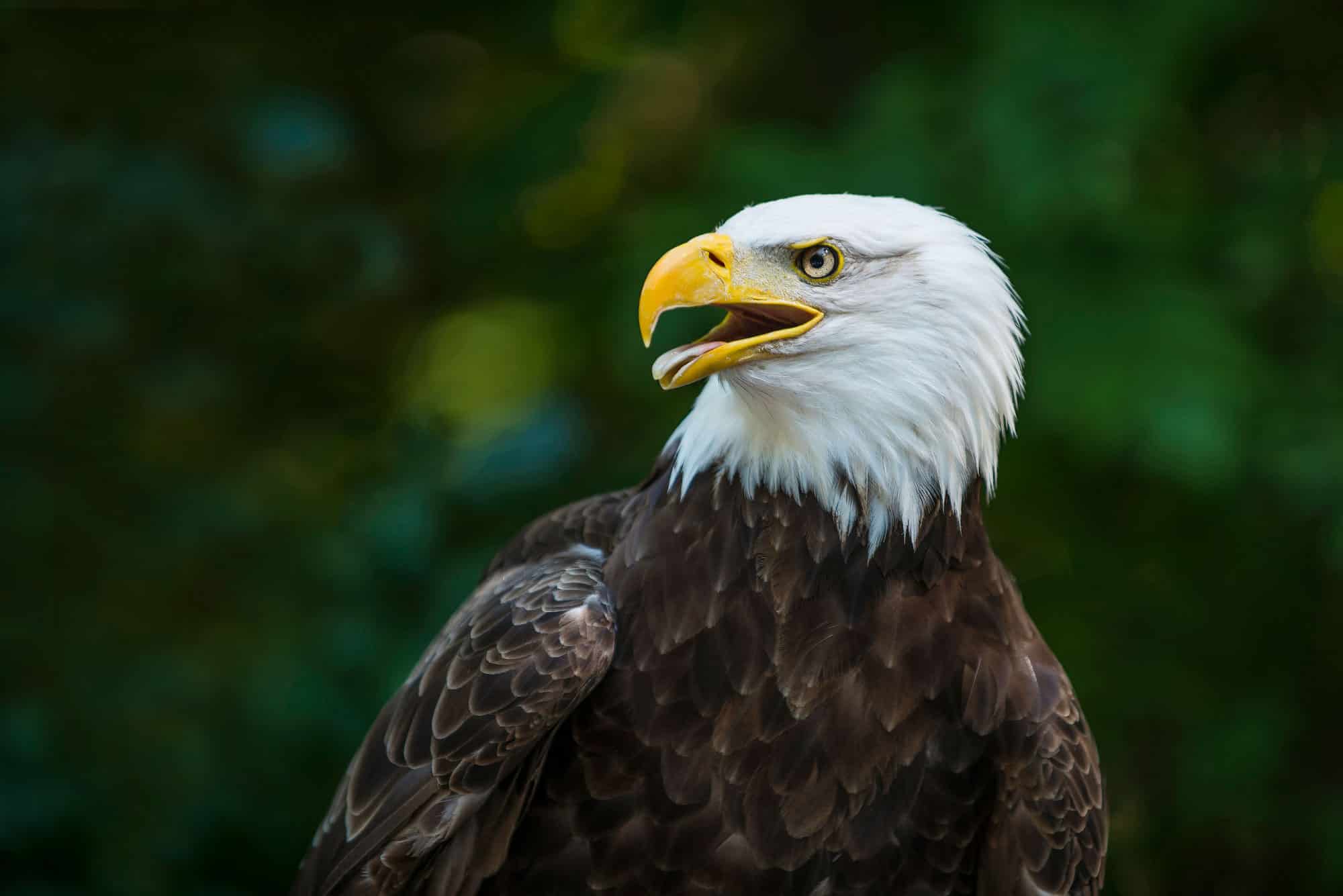
iStock.com/hsun337
Phoenix - Arizona, Bird, Zoo, American Culture, Animal Wildlife

At a Glance

Class Overview This page covers the Bird class as a group. Stats below are general traits shared across the class.
Also Known As Avians, Fowl, Birdlife, Feathered friends, Feathered animals, Winged creatures
Activity Diurnal+
Lifespan 5 years
Weight 156 lbs
Status Not Evaluated
Did You Know?

Size spans the ~5-6 cm, ~2 g bee hummingbird to the ~2.7 m, ~100-150+ kg ostrich; the widest wingspans reach ~3.5 m in great albatrosses.

Size Comparison

Human 5'8"
Bird 12 in

Bird stands at 17% of average human height.

Scientific Classification

Class Overview "Bird" is not a single species but represents an entire class containing multiple species.

Birds (Class Aves) are endothermic, feathered vertebrates characterized by beaks without teeth, egg-laying reproduction with hard-shelled eggs, and (in most species) the ability to fly. They occupy nearly all terrestrial and many aquatic habitats worldwide.

Kingdom
Animalia
Phylum
Chordata
Class
Aves

Distinguishing Features

  • Feathers (unique to birds)
  • Beak (keratinous bill) without true teeth
  • Lightweight, pneumatized skeleton in many species
  • Wings (modified forelimbs); flight common but not universal (e.g., ostriches, penguins)
  • Hard-shelled amniotic eggs
  • High metabolic rate and endothermy

Physical Measurements

Males and females differ in size

Height
0 in (0 in – 1 in)
8 in (2 in – 8 ft 10 in)
Length
0 in (0 in – 1 in)
10 in (2 in – 9 ft 2 in)
Weight
0 lbs (0 lbs – 344 lbs)
0 lbs (0 lbs – 287 lbs)
Tail Length
0 in (0 in – 1 in)
3 in (0 in – 1 ft 12 in)
Top Speed
242 mph
0-390 km/h range
Poisonous

Appearance

Skin Type Body mostly covered in keratin feathers (contour, down, flight); some bare skin on legs, feet, face, or neck. Legs have keratinized scales. Beak is keratin-covered (rhamphotheca) and toothless. Most have a uropygial (preen) gland.
Distinctive Features
  • Bird sizes vary widely in Aves: smallest about 5–6 cm long and 1.6–2 g, largest about 2.1–2.8 m tall and 100–160+ kg; wingspans range from about 6–8 cm to 3.0–3.7 m.
  • Endothermic (warm-blooded) vertebrates with high metabolic rates; insulation provided by feathers and (often) down, supporting activity across cold to tropical environments.
  • All birds have forelimbs changed into wings. Flight ability varies: many fly well, some fly poorly, and several groups cannot fly, with smaller wings, stronger bones, and heavier bodies.
  • Lightweight but strong skeleton with extensive fusion (e.g., fused hand bones; many species with a keeled sternum for flight-muscle attachment; keel reduced/absent in many flightless birds).
  • Beak shape is highly variable and closely tied to ecology (seed-cracking, probing, tearing, filtering, nectar-feeding, etc.); no teeth in modern birds.
  • Hard-shelled amniotic eggs; reproduction typically involves nest building or use of nesting sites, incubation (by one or both parents), and parental care that ranges from highly altricial to highly precocial young depending on lineage.
  • Feet/leg morphology is diverse (perching, grasping, running, wading, swimming, climbing, etc.); no single foot type applies to all birds.
  • Many birds are active by day, though many are night or twilight active. Some are solitary, others form colonies. They eat insects, seeds, fruit, nectar, meat, or filter food and live in most habitats.
  • Movement patterns: many species perform seasonal migrations (some spanning hemispheres), while others are resident or nomadic; migratory propensity varies strongly by lineage and environment.
  • Vocal and visual communication is widespread; song complexity is especially prominent in some groups, while others rely more on calls, drumming, displays, or plumage ornaments.
  • Many small wild birds live about 2–10 years because of predators and hazards. Larger seabirds and parrots often live 30–60+ years; some reach 50–70+ years.
  • Many birds face habitat loss and fragmentation, invasive predators, climate change (range shifts and timing mismatches), hunting, bycatch, collisions with buildings or vehicles, pollution (plastics, toxins), disease; island species and long-lived seabirds face higher risk.

Sexual Dimorphism

Sexual dimorphism is common but varies across Aves. Many species have showy male plumage, displays, or size differences; others look alike. Dimorphism can be seasonal (breeding plumage), depend on age, be linked to mating system, and in some raptors females are larger.

  • Often brighter or more contrasting plumage, including intensified reds/yellows/blues or iridescent patches (varies widely).
  • May exhibit ornamental structures such as elongated tail/wing feathers, crests, wattles, or specialized display feathers in some taxa (not universal).
  • In many species, more frequent or conspicuous display behaviors and song; some have more prominent courtship or territorial signals.
  • In some groups, smaller body size than females (e.g., many birds of prey), improving agility and division of foraging roles.
  • Often more cryptic/camouflaged plumage (browns/creams/striped or mottled patterns) in many ground- or shrub-nesting species; many exceptions exist.
  • In several lineages, larger average body size than males (notably many raptors and some seabirds), potentially linked to breeding roles and prey handling.
  • Plumage can become temporarily altered by wear, molt stage, or breeding condition; in many species females remain similar to males (monomorphic species).

Did You Know?

Size spans the ~5-6 cm, ~2 g bee hummingbird to the ~2.7 m, ~100-150+ kg ostrich; the widest wingspans reach ~3.5 m in great albatrosses.

Bird lifespans range from just ~2-5 years in many small songbirds to 50-70+ years in some seabirds and parrots; exceptional individuals can exceed 70 years.

Feathers are unique to birds and do more than flight: they insulate, waterproof, display signals, and can dampen sound (notably in owls).

Bird lungs use air sacs and mostly one-way airflow through the lungs, supporting high oxygen delivery for flight and high metabolism.

Many birds can perceive ultraviolet light, changing how plumage patterns, mate choice, and foraging cues work compared with human vision.

Bird reproduction is diverse: most build nests and care for young, but some (like cuckoos) are brood parasites, outsourcing parenting to other species.

Bird migration can be globe-spanning, with some species traveling from polar regions to the tropics and back on seasonal schedules.

Unique Adaptations

  • Feathers (contour, down, flight feathers) for insulation, flight surfaces, signaling, camouflage, and waterproofing (often enhanced by preen oil).
  • Beaks without teeth, with shapes adapted to diet (seed-cracking, probing, tearing, filtering, nectar-feeding), and frequent use of the gizzard to process food.
  • Lightweight yet strong skeleton with fused elements (e.g., in many fliers) and a keeled sternum for flight-muscle attachment; flightless birds show different skeletal emphases.
  • Highly efficient respiratory system: air sacs plus rigid lungs enable continuous airflow and strong endurance in many flying species.
  • Endothermy (warm-bloodedness) enabling activity across climates, from deserts to polar regions; insulation and behavioral thermoregulation vary widely.
  • Syrinx (voice box) allowing complex vocalizations; structure and vocal ability differ across lineages.
  • Specialized vision and sensory adaptations: wide fields of view, high acuity in raptors, facial discs aiding sound localization in many owls, and magnetoreception in some migrants.
  • Eggs with calcified shells and membranes that reduce water loss while allowing gas exchange; nest styles range from simple scrapes to elaborate woven or mud structures.

Interesting Behaviors

  • Migration and navigation: many species orient using the sun, stars, Earth's magnetic field, landmarks, odors, and learned routes; others are mostly resident year-round.
  • Vocal learning and communication: songbirds, parrots, and some others learn calls/songs; many species also use drumming (woodpeckers), wing sounds, or visual displays.
  • Courtship displays: can include elaborate dances (cranes), aerial acrobatics (swifts), gift-giving (some seabirds), or complex bowers decorated with objects (bowerbirds).
  • Parental care diversity: ranges from highly cooperative care in some groups to minimal care in others; chicks may be helpless (altricial) or mobile soon after hatching (precocial).
  • Foraging specializations: raptors hunt with talons; shorebirds probe mud; woodpeckers excavate wood; filter-feeding occurs in some waterbirds-yet many species are generalists.
  • Social systems: flocks, colonies, pair bonds, cooperative breeding, and solitary territoriality all occur; patterns often shift seasonally.
  • Tool use and problem-solving: observed in multiple lineages (notably corvids and some parrots), but varies widely across the class.
  • Molting strategies: many replace feathers seasonally; some do partial molts, others replace flight feathers in ways that temporarily reduce flight performance-showing major variation among groups.

Cultural Significance

Birds are important: people eat chickens and ducks, keep parrots as pets, help control pests, pollinate plants, and spread seeds. They are symbols (eagles, doves, owls), shape language and science, and face threats like habitat loss, invasive predators, overuse, plastic and pesticide pollution, building collisions, and climate change.

Myths & Legends

The Phoenix (Greco-Egyptian tradition): a radiant bird that dies in fire and is reborn from its own ashes, symbolizing renewal and immortality.

The Thunderbird (many Indigenous North American traditions): a vast, powerful bird whose wingbeats make thunder and whose actions shape storms and the world.

Garuda (Hindu and Buddhist mythology): a mighty, divine bird-man and mount of Vishnu, famed as a sky-soaring enemy of serpents.

The Roc (medieval Arabic and Indian Ocean lore, popularized in tales like Sinbad): a gigantic bird said to carry off elephants and shipwreck sailors.

Huginn and Muninn (Norse mythology): Odin's ravens who fly the world each day to bring back news, linking ravens with memory, thought, and prophecy.

Raven as creator/trickster (Pacific Northwest Indigenous stories): Raven brings light to the world and shapes landscapes through cunning and transformation.

Fenghuang (Chinese tradition): an auspicious 'phoenix' associated with harmony, virtue, and the well-ordered realm, often paired with the dragon in symbolism.

The Bennu (ancient Egyptian belief): a sacred heron-like bird tied to the sun, creation, and cyclical renewal along the Nile.

The owl of Athena (ancient Greek tradition): the goddess's companion, making the owl an emblem of wisdom and watchful insight.

The crane and longevity (East Asian folklore): cranes are associated with long life and auspiciousness; stories and art often portray cranes as bearers of immortality or good fortune.

Selkies and swan maidens (Celtic and broader Eurasian tales): women who transform via magical skins or feathered cloaks, linking waterbirds and swans with shapeshifting and marriage legends.

The albatross as portent (maritime lore, popularized by Coleridge's 'Rime of the Ancient Mariner'): harming an albatross invites misfortune, reflecting sailors' reverence for seabirds.

Conservation Status

NE Not Evaluated (class-level hub). The IUCN does not assign a single conservation category to the entire class Aves; individual bird species span the full spectrum from Least Concern (LC) to Extinct (EX), with many globally threatened (VU/EN/CR) lineages and numerous island endemics at elevated risk.

Has not yet been evaluated against the criteria.

Population Unknown

Protected Under

  • Protection is widespread but not universal and varies by species and country; many nations protect wild birds and regulate hunting/seasons and trade.
  • Convention on International Trade in Endangered Species of Wild Fauna and Flora (CITES) - applies to listed bird species (e.g., many parrots, raptors).
  • Convention on Migratory Species (CMS/Bonn Convention) - applies to listed migratory birds.
  • Ramsar Convention on Wetlands - site-based protection benefiting many waterbirds (indirectly).
  • EU Birds Directive (where applicable) - broad protections for wild birds and habitats.
  • Migratory Bird Treaty frameworks (e.g., North American agreements) - broad protections for many migratory species.
  • Protected areas and Important Bird and Biodiversity Areas (IBAs)/Key Biodiversity Areas (KBAs) - site networks critical for many threatened and migratory birds (implementation and coverage vary).

You might be looking for:

House Sparrow

12%

Passer domesticus

A small, highly adaptable songbird common around human settlements worldwide.

View Profile

Rock Pigeon

11%

Columba livia

A widespread pigeon species; ancestor of domestic pigeons and common in cities.

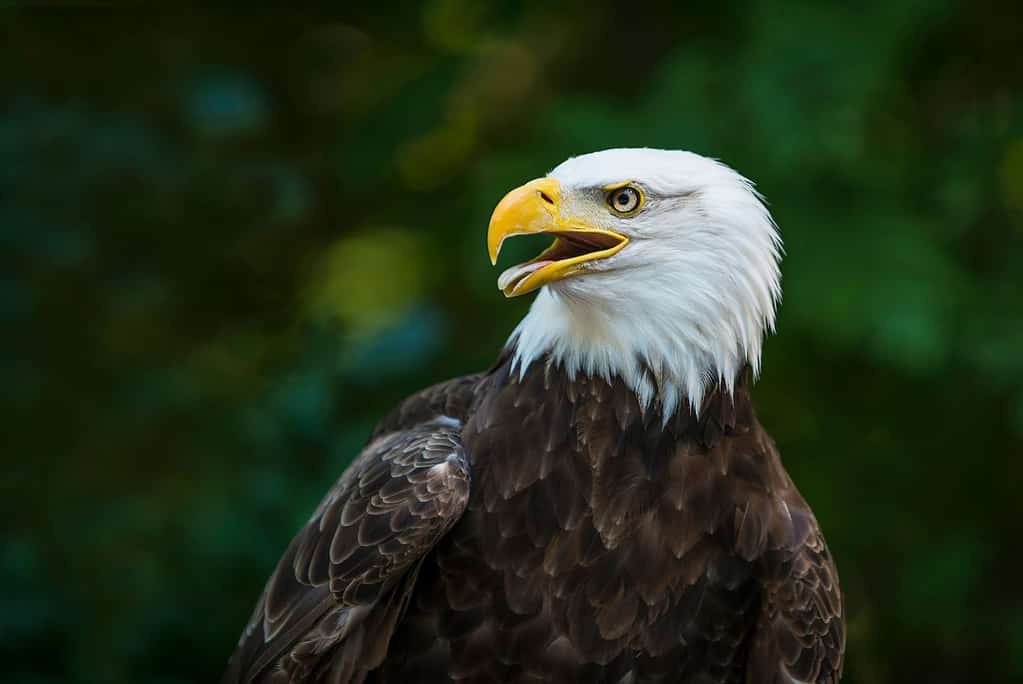
Bald Eagle

9%

Haliaeetus leucocephalus

Large North American raptor and national symbol of the United States.

View Profile

Mallard

9%

Anas platyrhynchos

A very common duck; ancestor of many domestic duck breeds.

View Profile

Chicken

8%

Gallus gallus domesticus

Domesticated fowl kept worldwide for eggs and meat (a domesticated form of red junglefowl).

View Profile

Common Raven

7%

Corvus corax

Large, intelligent passerine found across much of the Northern Hemisphere.

View Profile

Life Cycle

Birth 3 chicks
Lifespan 5 years

Lifespan

In the Wild
0.3–80 years
In Captivity
0.5–100 years

Reproduction

Mating System Monogamy
Social Structure Socially Monogamous
Breeding Pattern Seasonal
Fertilization Internal Fertilization
Birth Type Internal_fertilization

Birds (Aves) are very diverse, but most form social monogamy, often seasonal. Extra-pair mating is common. Other systems include polygyny, polyandry, leks, and cooperative breeding. Care varies. All have internal fertilization via cloaca and lay shelled eggs.

Behavior & Ecology

Social Flock Group: 30
Activity Diurnal, Nocturnal, Crepuscular, Cathemeral, Matutinal, Vespertine
Seasonal Migratory 12,427 mi

Temperament

Highly variable across the class: many species are wary/flighty with strong predator avoidance, while others (especially some urban-adapted or island species) can be bold and tolerant of close approach.
Territoriality is common (especially during breeding) and ranges from mild spacing to intense aggression; outside breeding, many species become more gregarious and tolerant.
Sociality spans solitary to highly colonial; context-dependent shifts are typical (e.g., solitary breeding but flocking in nonbreeding season).
Cognitive and exploratory tendencies vary widely; corvids and parrots are often notably inquisitive/problem-solving, while many species are more routine-driven and disturbance-sensitive.
Seasonality strongly affects behavior (migration, molt, breeding), often changing tolerance, vocal activity, and grouping patterns over the year.

Communication

Songs Often for mate attraction and territory; complexity and learning vary widely, with vocal learning prominent in songbirds, parrots, and hummingbirds
Calls: contact calls, flock cohesion calls, begging calls, and coordination calls during flight or foraging.
Alarm calls Often with graded urgency and sometimes predator-specific information
Duets/antiphonal calling in some pairs/families for coordination and pair-bond maintenance.
Non-song acoustic signals produced with the body in some species (e.g., wing/feather sounds), sometimes functioning like calls.
Visual signaling via plumage coloration/iridescence, crests, wing patches, and rapid postural changes; display repertoires are especially elaborate in many sexually selected systems.
Ritualized courtship and threat displays: dances, bowing, puffing, bill pointing, sky-dancing, and lek displays; intensity and complexity vary strongly among lineages.
Tactile communication: allopreening, billing, and physical contact for pair-bonding and social cohesion; parental tactile cues during brooding/feeding.
Mechanical sounds (non-vocal): drumming (e.g., woodpeckers), bill clattering, foot-stamping, and wing claps in some taxa.
Chemical cues are generally less emphasized than in many mammals but occur in some groups (e.g., preen oil odors, individual/colony scent signatures in certain seabirds), likely aiding recognition and mate choice in specific contexts.

Habitat

Biomes:
Tropical Rainforest Tropical Dry Forest Savanna Desert Hot Desert Cold Mediterranean Temperate Grassland Temperate Forest Temperate Rainforest Boreal Forest (Taiga) Tundra Alpine Freshwater Marine Wetland +9
Terrain:
Mountainous Hilly Plateau Plains Valley Coastal Island Riverine Volcanic Karst Rocky Sandy Muddy +7
Elevation: -16929 in – 21325 ft 6 in

Ecological Role

Class-wide, birds function as highly diverse consumers occupying multiple trophic levels (from primary consumers to apex predators) across terrestrial and aquatic ecosystems; their collective roles vary greatly by species and habitat.

Regulation of insect populations (predation on herbivorous and disease-vector insects) Seed dispersal (especially by frugivores) and plant community connectivity Pollination (notably by nectar-feeding birds in some regions) Scavenging and carrion removal (nutrient recycling and disease suppression) Predation on fish and aquatic invertebrates influencing aquatic food webs Control of small vertebrate populations (raptors and other predators) Nutrient transport and fertilization (e.g., seabird guano linking marine and terrestrial systems) Ecosystem engineering and habitat modification (e.g., burrowing seabirds, nesting colonies)

Diet Details

Main Prey:
Insects Other terrestrial invertebrates Fish Crustaceans Mollusks Amphibians Reptiles Small mammals Other birds Carrion Blood +5
Other Foods:
Seeds and grains Fruits and berries Nectar and pollen Leaves, shoots, buds Tubers, roots, bulbs Nuts Conifer cones Algae and aquatic plants Fungi Plant exudates Detrital organic matter +5

Human Interaction

Domestication Status

Wild

Most birds are wild, but people have domesticated some groups for thousands of years. Major domesticated birds include chickens, ducks, geese, turkeys, and some pigeons. Many other species are kept in aviaries or used in falconry. Feral flocks and uses for food, feathers, culture, and conservation cause varied impacts.

Danger Level

Moderate
  • Physical injury: most birds pose little threat, but large or defensive species (e.g., cassowaries, ostriches, some swans/geese) can cause serious trauma; raptors can injure handlers; nesting birds may strike intruders.
  • Zoonoses and foodborne illness: risk varies by context; includes avian influenza strains, salmonellosis (notably from poultry and backyard flocks), psittacosis (Chlamydia psittaci) from parrots and pigeons, and other region-specific pathogens.
  • Allergies/respiratory issues: feather/ dander sensitivity and poor air hygiene in enclosed aviary settings.
  • Bites/scratches: common minor injuries in pet/handling contexts; can become infected.
  • Environmental/infrastructure hazards: bird strikes to aircraft, road hazards from large birds, and droppings contributing to slip hazards or property damage.

As a Pet

Suitable as Pet

Legality: Laws vary by country and species. Common pet birds (parrots, finches, canaries, pigeons, some poultry) are legal with welfare rules. Wild-caught native birds are usually banned; many species protected (CITES). Raptors need falconry permits; invasive and quarantine rules may apply.

Care Level: Experienced

Purchase Cost: Up to $50,000
Lifetime Cost: $500 - $500,000

Economic Value

Uses:
Food production (meat, eggs) Agriculture inputs (pest control by insectivorous birds; manure/guano in some systems) Materials (feathers, down, historical quill use) Companion animal and aviculture trade (captive-bred birds, supplies, services) Recreation and sport (hunting, falconry, pigeon racing) Ecotourism and birdwatching Ecosystem services (pollination by some birds, seed dispersal, scavenging/carrion removal) Research and education (model organisms, wildlife management) Costs/negative economic impacts (crop losses, invasive species impacts, infrastructure fouling, airport bird strikes)
Products:
  • Eggs and egg products
  • Poultry meat and processed foods
  • Down/feather insulation and textiles
  • Ornamental feathers (regulated in many contexts)
  • Guano/fertilizer (regionally important)
  • Aviculture equipment and veterinary services
  • Hunting and ecotourism revenue

Relationships

Related Species 4

Mammals Mammalia Shared Class
Reptiles Sauropsida Shared Class
Amphibians Amphibia Shared Class
Ray-finned fishes
Ray-finned fishes Actinopterygii Shared Class

Ecological Equivalents 5

Animals that fill a similar ecological role in their ecosystem

Bats Chiroptera Only other living vertebrates capable of powered flight. They often overlap with birds in aerial insectivory, frugivory and nectar feeding, and in the use of roosting/nest structures, but are mammals with different physiology and reproduction.
Flying squirrel
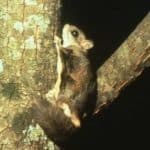
Flying squirrel Pteromyini Arboreal gliders that occupy similar canopy niches (movement between trees, predator avoidance), analogous to some bird locomotion strategies, though they glide rather than truly fly.
Cetaceans Cetacea In marine systems, they can overlap with seabirds as pelagic predators and scavengers, tracking fish and plankton hotspots and sometimes feeding on the same prey schools from different positions in the water column.
Bony fishes
Bony fishes Teleostei Not close taxonomic relatives, but frequently fill analogous roles in aquatic food webs to many birds: they act as mid-level consumers, form schooling/aggregation dynamics that attract predators, and are common prey targets for fish-eating birds.
Crocodilians
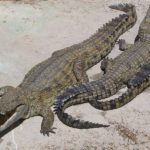
Crocodilians Crocodylia They share many wetland and riverine habitats with waterbirds and interact strongly as both competitors for fish and as predators of birds, eggs, and chicks—especially in nesting colonies near water.

Types of Bird

12

Explore 12 recognized types of bird

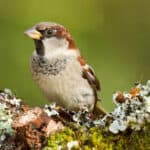
House sparrow
House sparrow Passer domesticus
Rock pigeon Columba livia
Bald eagle
Bald eagle Haliaeetus leucocephalus
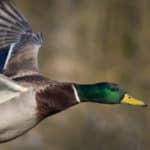
Mallard
Mallard Anas platyrhynchos
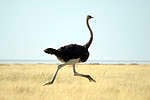
Common ostrich
Common ostrich Struthio camelus
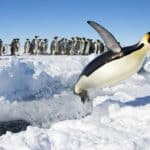
Emperor penguin
Emperor penguin Aptenodytes forsteri
Bee hummingbird Mellisuga helenae
Wandering albatross
Wandering albatross Diomedea exulans
Common raven
Common raven Corvus corax
Great horned owl Bubo virginianus
Red-tailed hawk Buteo jamaicensis
Chicken (red junglefowl domesticate) Gallus gallus

There are numerous species of birds found in a wide variety of habitats all around the world. Birds are one of the most thriving groups of animals on the planet.

Birds can be easily distinguished from other animals due to their sharp, pointed beaks, thin legs, wings, and feathers covering their bodies. Although all bird species have wings, some are actually flightless animals that only use their wings for balance and not for flying. Other birds, such as penguins, use their wings for swimming. Birds also have talons that they use for various purposes, including feeding and defending themselves from threats.

Birds are often omnivorous animals, generally eating nearly anything that they can find. Most species of birds survive on a diet primarily consisting of insects and plants such as fruits, nuts, berries, and seeds.

Birds are also distinctive in the fact that they lay eggs in a similar way to other animal groups, such as fish and reptiles. Birds often make nests in the trees or on the ground in which to lay their eggs.

Different Types of Birds
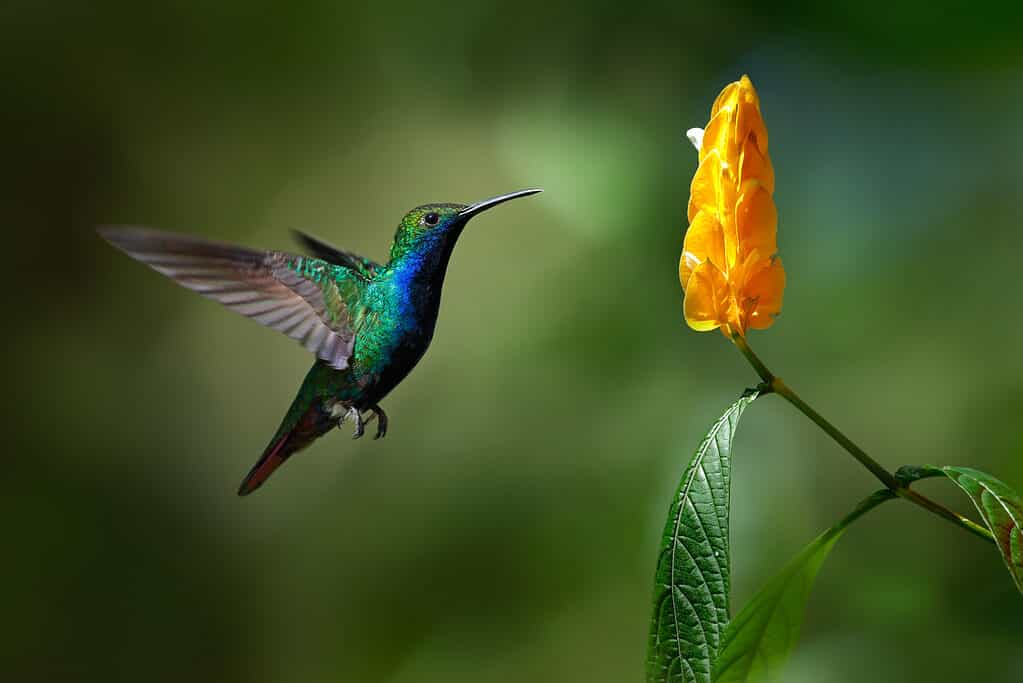
Black-throated Mango

Anthracothorax viridigula, sometimes known as the green-throated mango, can be seen along a brief stretch of the Atlantic Coast to the north and south of the exit of the Amazon River.

There are over 11,100 recognized species of birds on the planet as of 2025. Birds can be categorized by their habitat, diet, and distribution, among other characteristics.

The following list includes common bird species that most people are familiar with:

  • Owls: There are about 250 different species of owls throughout the world. Owls can be found in most regions of the world except the polar ice caps. Owls tend to be solitary and nocturnal birds, hunting for prey at night.
  • Parrots: Parrot species, including cockatoos, are colorful birds living mostly in tropical and subtropical regions of the world. There are about 398 different species of parrots, and just under one-third (about 28%) are threatened with extinction.
  • Finches: Finches are a type of perching bird, also known as a passerine, which can be identified by their toe arrangement. Finches inhabit a wide range of habitats, and many species don’t migrate in the winter.
  • Falcons: Approximately 40 different bird species make up the genus Falco. Falcons are birds of prey and are well known for their vision and speed. The Peregrine falcon is currently the fastest documented bird and animal species on the planet, reaching speeds of over 200 miles per hour (320 km/h) during its hunting dives.
  • Herons: Herons are long-legged freshwater and coastal birds that primarily eat fish and other aquatic prey. Pollution and habitat destruction have contributed to the decreasing number of herons in the wild.
  • Penguins: Penguins are a flightless, aquatic group of birds that are almost exclusively found in the Southern Hemisphere. Being highly adapted to life near the water, penguins spend about half of their lives in the sea.

Additionally, here is a full list:

Evolution and Origins

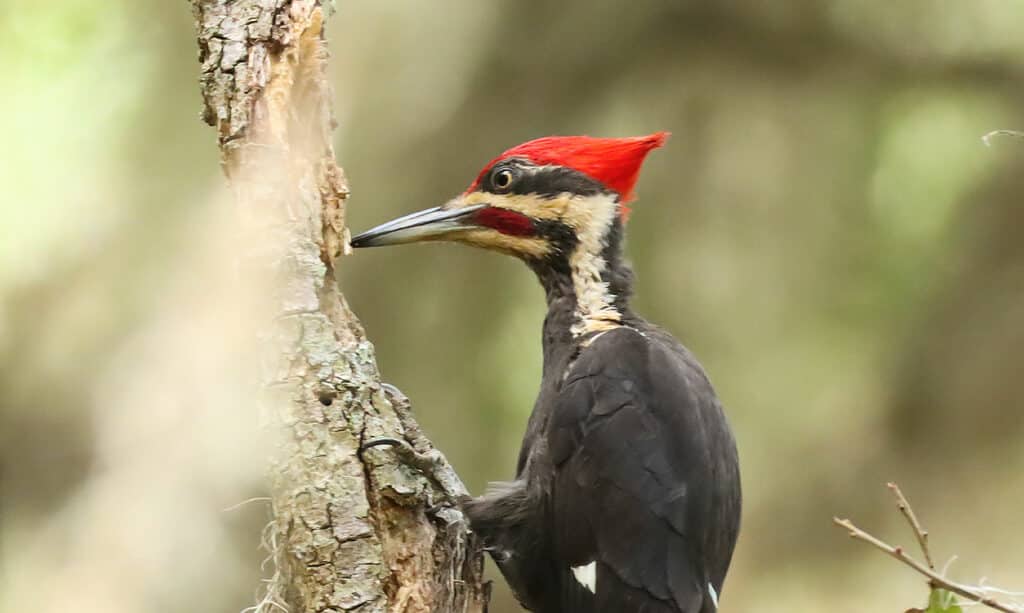
Ivorybill Woodpecker, Animal, Animal Wildlife, Beak, Bird

Part of the scarlet tanager’s scientific name means olive green.

Birds are a highly diverse and successful group of vertebrates that are found on every continent, including Antarctica. They are characterized by their feathered bodies, wings, and ability to fly. The evolution and origins of birds have long been the subject of scientific investigation and debate.

The earliest known bird-like fossils date back to the Late Jurassic period, approximately 150 million years ago. These early birds, such as Archaeopteryx, had a combination of both bird and reptile characteristics. They had feathers and a wishbone, which are unique to birds, but also possessed teeth and a long, bony tail, which are typical of reptiles.

The exact evolutionary relationship between birds and reptiles has been the subject of much debate among scientists. Some researchers have suggested that birds evolved from small, feathered dinosaurs, while others have proposed that birds evolved from a separate line of reptiles. The discovery of the early bird-like fossils has provided strong evidence for the dinosaur origin theory.

One of the key adaptations that allowed birds to evolve into the successful and diverse group they are today was the development of flight. Birds’ lightweight skeletons, powerful muscles, and specially adapted feathers allowed them to take to the air and escape from predators and access new food sources. Over time, birds evolved specialized beaks, feet, and wings for different lifestyles, such as diving for fish or cracking open seeds.

Diet
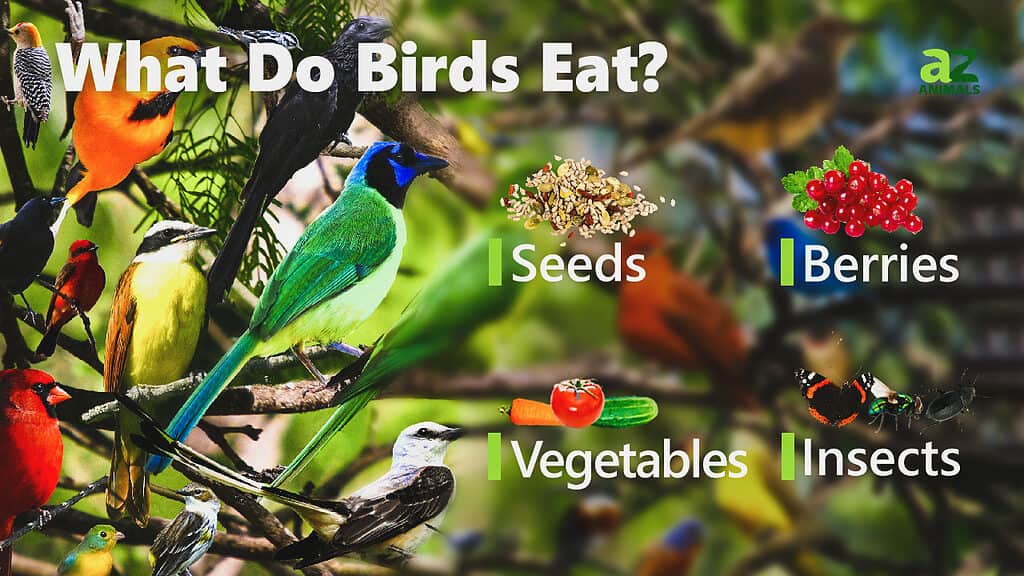
Birds eat seeds, berries, vegetables, and insects.

The diet of birds can vary greatly depending on the species, habitat, and availability of food. However, most birds feed on a variety of items such as seeds, fruits, insects, small vertebrates, and nectar.

Here is a list of things birds eat:

  • Seed-eating birds, such as sparrows, finches, and doves, make up the largest group of birds and feed primarily on seeds from plants. They also supplement their diet with small insects, berries, and other fruits.
  • Fruit-eating birds, such as parrots and toucans, feed on the fleshy part of fruits and berries. They are also known to eat seeds and insects as part of their diet.
  • Insect-eating birds, such as flycatchers and woodpeckers, feed primarily on insects, spiders, and other small invertebrates. Some species, such as the Baltimore Oriole, also feed on nectar from flowers.
  • Carnivorous birds, such as hawks, owls, and eagles, feed on small mammals, reptiles, and other birds. They are known for their keen eyesight and powerful talons that allow them to catch their prey.
  • Omnivorous birds, such as crows and jays, have a diverse diet that includes both plant and animal matter. They feed on a variety of items, including insects, seeds, fruits, small mammals, and eggs.

It is important to note that the availability of food can vary greatly depending on the season and habitat, so birds often adapt their diet accordingly. Additionally, some birds have specialized diets, such as the Hummingbird, which feeds almost exclusively on nectar.

Finally, the average diet of birds is diverse and varied, depending on the species, habitat, and availability of food. From seeds and fruits to insects and small vertebrates, birds have evolved a variety of feeding strategies to ensure their survival in different environments.

What is the Average Lifespan of Birds?
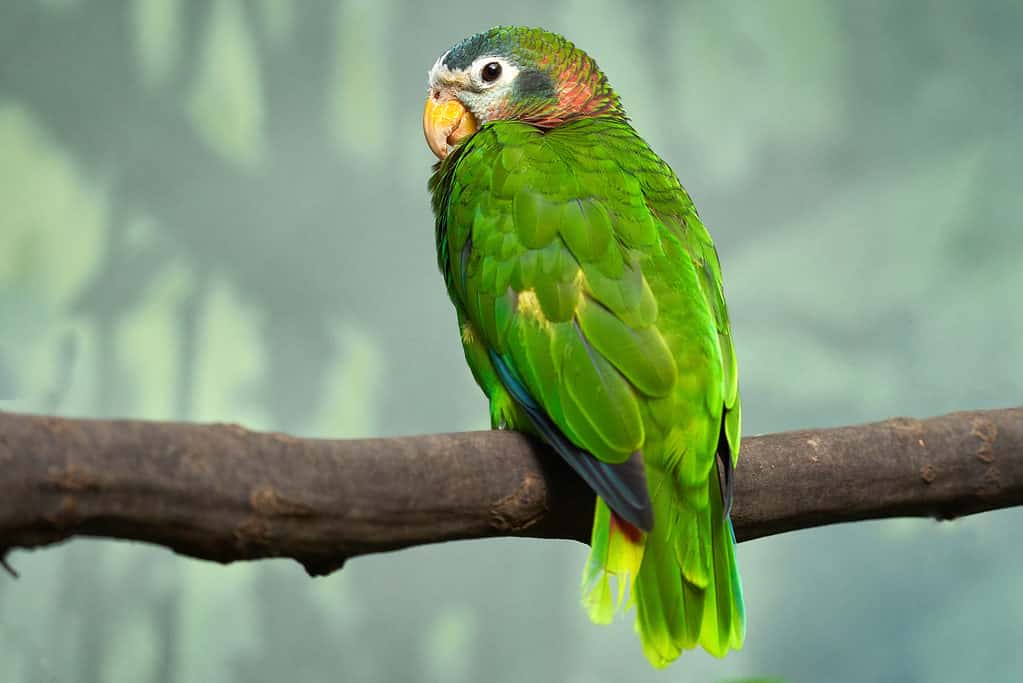
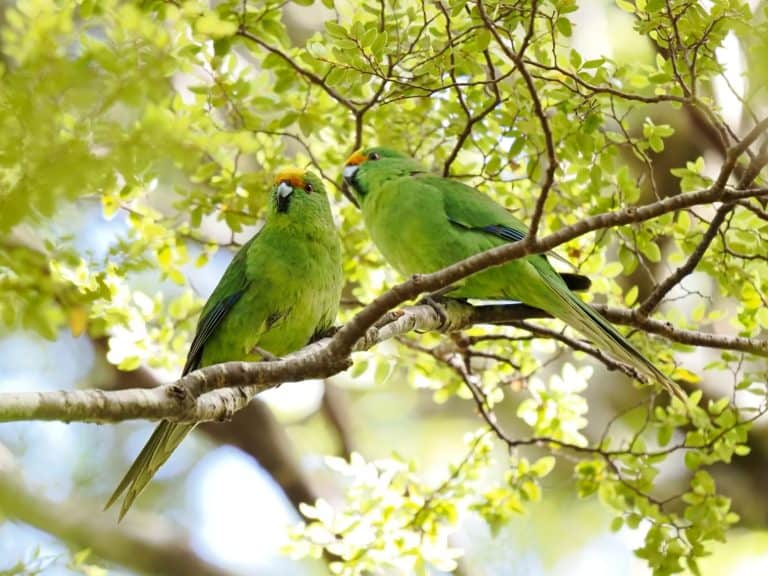
Yellow-billed parrot

The yellow-billed parrot is one of the many feathered residents of Jamaica. The average lifespan of birds varies greatly depending on the species, with some living just a few years while others can live for several decades.

The lifespan of birds can vary greatly depending on the species, with some living just a few years while others can live for several decades. On average, small bird species have a shorter lifespan compared to larger birds.

For example, small birds such as the Ruby-throated Hummingbird have a lifespan of just 3 to 5 years, while larger birds such as the Bald Eagle can live up to 20 to 30 years in the wild.

The lifespan of birds can also be affected by a number of factors, including habitat, diet, and exposure to predators and disease. Birds that live in captive environments, such as zoos or aviaries, often have a longer lifespan compared to their wild counterparts due to better living conditions and access to veterinary care.

In addition to species and habitat, the average lifespan of birds can also be influenced by genetics. Some bird species have longer lifespans due to genetic adaptations that help protect against disease and oxidative stress.

Furthermore, the average lifespan of birds can vary greatly depending on the species, habitat, and other factors such as genetics and exposure to predators and disease. While some bird species have short lifespans, others can live for several decades, making them a valuable part of our natural world.

Reproduction Cycles
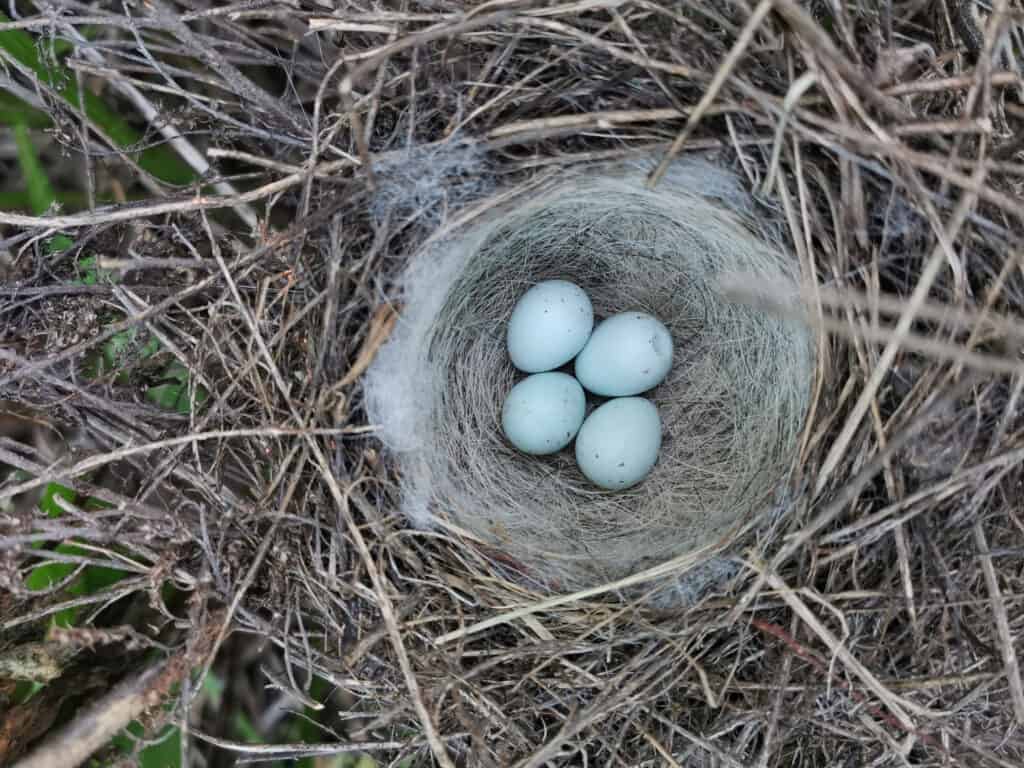
An arial view of a linnet's nest with four light-blue eggs

Linnet’s lay between 4 and 6 light blue eggs with dark streaking and spots. Some bird species are capable of migration, traveling thousands of miles between their breeding and wintering grounds.

The reproduction cycle of birds is a complex process that involves a variety of behaviors and physiological changes. While some bird species form lifelong pair bonds, most birds do not mate for life; instead, many are socially monogamous for a single breeding season. They often engage in courtship displays and vocalizations to attract a mate.

The breeding season for birds typically occurs during spring and summer, when food is abundant and the weather is favorable for raising young. During this time, females lay eggs and incubate them until they hatch. The number of eggs laid can vary greatly depending on the species, with some birds laying just one or two eggs while others lay up to a dozen or more.

The incubation period for bird eggs is typically 10 to 20 days, during which the female bird sits on the eggs to keep them warm and protected. Once the eggs hatch, the male and female birds work together to feed and care for the young.

After the young birds have fledged and become independent, the parents may breed again in the same season or wait until the following year. Some bird species, such as pigeons and doves, are capable of producing multiple broods in a single season.

Lastly, the reproduction cycle of birds is a complex process that involves a variety of behaviors and physiological changes. From courtship and egg-laying to incubation and care of young, birds have evolved a variety of strategies to ensure the survival and success of their offspring.

View all 453 animals that start with B
How to say Bird in ...
Bulgarian
Птици
English
Ptice
Catalan
Ocell
Czech
Ptáci
Danish
Fugl
German
Vögel
English
Bird
Estonian
Linnud
Spanish
Ave
Esperanto
Birda klaso
Finnish
Linnut
French
Oiseau
Hebrew
עופות
Croatian
Ptice
Hungarian
Madarak
Indonesian
Unggas
Italian
Uccelli
Japanese
鳥類
Latin
Avis
Malay
Burung
Dutch
Vogels
English
Fugler
Polish
Ptaki
Portuguese
Aves
English
Pasăre
Slovenian
Ptiči
Swedish
Fåglar
Turkish
Kuşlar
Chinese

Sources

  1. David Burnie, Dorling Kindersley Animal, The Definitive Visual Guide To The World's Wildlife / Accessed November 14, 2008
  2. Tom Jackson, Lorenz Books The World Encyclopedia Of Animals / Accessed November 14, 2008
  3. David Burnie, Kingfisher The Kingfisher Animal Encyclopedia / Accessed November 14, 2008
  4. Richard Mackay, University of California Press The Atlas Of Endangered Species / Accessed November 14, 2008
  5. David Burnie, Dorling Kindersley Illustrated Encyclopedia Of Animals / Accessed November 14, 2008
  6. Dorling Kindersley Dorling Kindersley Encyclopedia Of Animals / Accessed November 14, 2008
  7. Christopher Perrins, Oxford University Press The Encyclopedia Of Birds / Accessed November 14, 2008
Rebecca Bales

About the Author

Rebecca Bales

Rebecca is an experienced Professional Freelancer with nearly a decade of expertise in writing SEO Content, Digital Illustrations, and Graphic Design. When not engrossed in her creative endeavors, Rebecca dedicates her time to cycling and filming her nature adventures. When not focused on her passion for creating and crafting optimized materials, she harbors a deep fascination and love for cats, jumping spiders, and pet rats.
Connect:

Thank you for reading! Have some feedback for us?


Bird FAQs (Frequently Asked Questions)

Birds prey on fruit, spiders, insects, and seeds.