B
Species Profile

Black Widow Spider

Latrodectus

Small spider, big reputation.
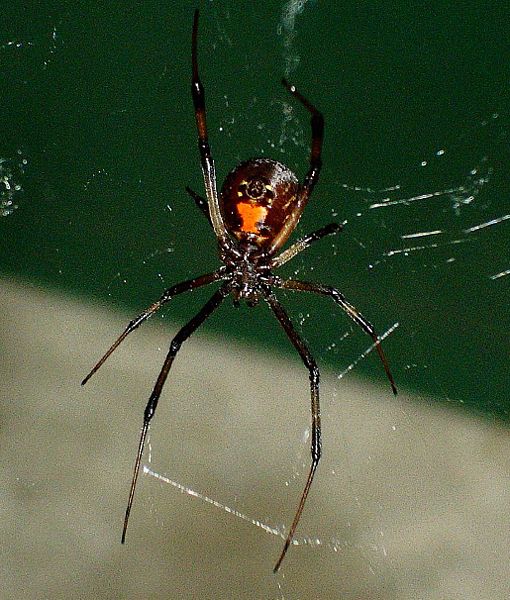
James Gathany / public domain

Black Widow Spider Distribution

Click a location to explore more animals from that region

Invasive Species
Loading map...
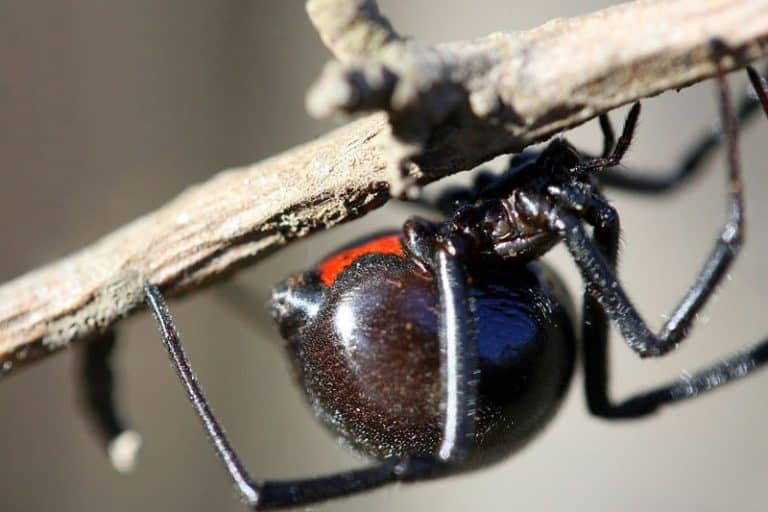
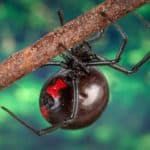
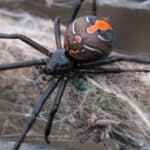
Female black widow spider on branch

At a Glance

Genus Overview This page covers the Black Widow Spider genus as a group. Stats below are general traits shared across the genus.
Also Known As Black widow, Widow spider, True widow, Hourglass spider, False black widow
Activity Nocturnal+
Lifespan 1.5 years
Weight 0.0015 lbs
Status Not Evaluated
Did You Know?

Size across the genus: adult females are roughly ~7-20 mm body length; males are much smaller, often ~3-8 mm (species vary).

Scientific Classification

Genus Overview "Black Widow Spider" is not a single species but represents an entire genus containing multiple species.

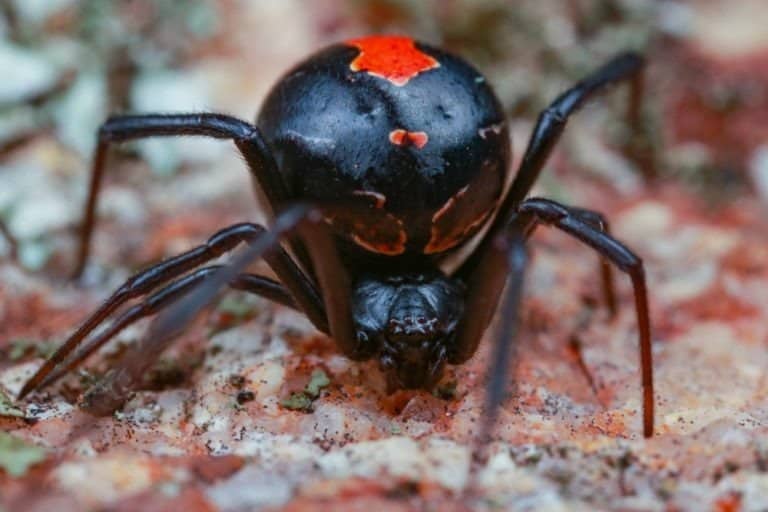
Black widow spiders are cobweb-weaving spiders in the genus Latrodectus (family Theridiidae). They are known for potent neurotoxic venom (latrotoxins), strong sexual size dimorphism, and the characteristic ventral red “hourglass” marking in many species.

Kingdom
Animalia
Phylum
Arthropoda
Class
Arachnida
Order
Araneae
Family
Theridiidae
Genus
Latrodectus

Distinguishing Features

  • Genus Latrodectus (widow spiders): tangled cobweb (theridiid) web with a retreat
  • Adult females much larger than males; females often glossy dark with red/orange ventral markings (commonly an hourglass)
  • Spherical to teardrop-shaped abdomen; long, slender legs
  • Egg sacs often present in the web; prey wrapped and suspended in the tangle web

Physical Measurements

Males and females differ in size

Weight
0 lbs (0 lbs – 0 lbs)
Top Speed
1 mph
Latrodectus up to 1.5 km/h
Venomous

Appearance

Primary Colors
Secondary Colors
Skin Type Hard exoskeleton (chitin) often smooth and shiny in adult females; usually with sparse fine hairs, sometimes more in juveniles. Abdomen bulbous to oval, with long thin legs like cobweb spiders.
Distinctive Features
  • Overall body plan: small theridiid (cobweb-weaving) spider with a rounded/bulbous abdomen, relatively small cephalothorax, and long slender legs; posture often with legs extended in a loose, web-hanging stance.
  • Adult female black widows (Latrodectus) are about 5–20 mm long; adult males about 2–8 mm. Size varies with abdomen fullness, molting, age, and leg span (larger females can be several cm across).
  • Male black widows usually live a few months to about one year. Females often live about 1 to 3 or more years. Lifespan varies by species, climate, and food; captive or warm-climate spiders may live longer.
  • They build irregular cobwebs or tangle webs in sheltered spots—ground clutter, rock or wood piles, crevices, sheds, or furniture. Some live near human structures; others live in shrublands, deserts, grasslands, or forest edges.
  • Black widow spiders are usually shy and not aggressive, hiding in web corners. Defense varies by species and situation (disturbance or guarding egg sacs). Bites are rare and happen when pressed against skin.
  • Latrodectus venom has latrotoxins and can cause latrodectism: severe pain, muscle cramps, sweating, nausea, and high blood pressure. Get medical help for severe, spreading, chest or belly pain, fainting, very young/old, pregnancy, or worsening symptoms.
  • Can be confused with false widows (Steatoda); they are not Latrodectus and usually lack the classic belly widow mark. Identify them by using several features and location, not one marking.

Sexual Dimorphism

Black widow spiders (Latrodectus) show big size differences between males and females. Females are much larger with rounder abdomens and are the main ones that can harm people. Males are smaller, slimmer, often more patterned. Courtship varies; 'widow' biting/eating of mates can happen but not always.

  • Much smaller overall body size and slimmer abdomen compared with females (often several times lighter).
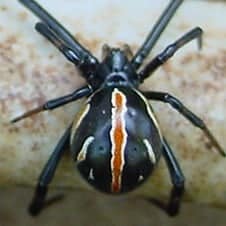
  • Frequently more patterned than adult females: mottling, striping, or lighter dorsal markings are more common and may persist into adulthood.
  • Often less glossy overall appearance; lighter brown/tan/gray tones and banded legs are more frequently seen than in uniformly dark adult females.
  • Mature males may roam more in search of females, increasing likelihood of being seen away from webs (varies by species and season).
  • Larger body with a more rounded/bulbous abdomen; many species show a darker, often glossier adult female coloration.
  • Ventral warning marking is often most conspicuous in females (commonly red/orange; shape and completeness vary widely across the genus).
  • Females are more consistently web-associated, often remaining in a retreat connected to the tangle web, especially when guarding egg sacs (varies by species and reproductive state).

Did You Know?

Size across the genus: adult females are roughly ~7-20 mm body length; males are much smaller, often ~3-8 mm (species vary).

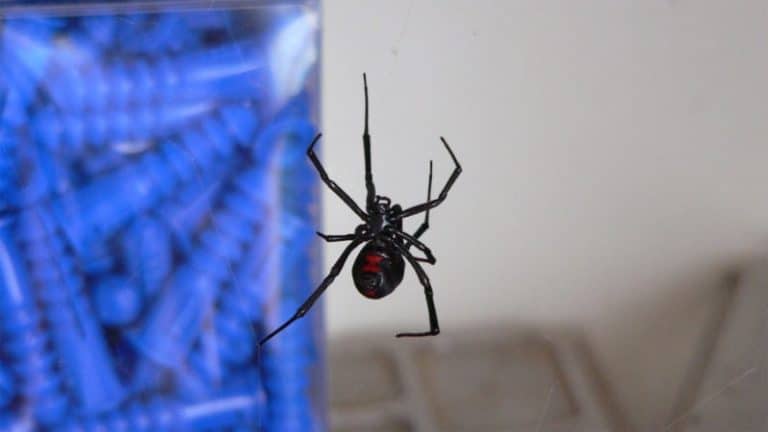
Many (not all) Latrodectus females show a red/orange ventral "hourglass," but it can be split into spots, faded, or absent depending on species and age.

They're in the cobweb spider family (Theridiidae): their webs are messy-looking but highly effective, with strong, sticky "gumfoot" lines to snag walkers.

"Widow" behavior is real but not universal: sexual cannibalism occurs in some situations and species, but it's not inevitable.

Lifespan varies by species and conditions: females commonly live ~1-3 years (sometimes longer in protected/captive settings), while males are typically shorter-lived.

Latrodectus venom contains latrotoxins that can cause systemic symptoms (latrodectism) in people-yet bites are relatively uncommon and often defensive.

The genus is widespread: different species occur across the Americas, Africa, southern Europe/Mediterranean, the Middle East, Asia, and Australia (with some expanding via human transport).

Unique Adaptations

  • Potent neurotoxic venom (latrotoxins): evolved for rapidly immobilizing prey; in humans it can trigger severe pain, muscle cramping, sweating, and autonomic symptoms.
  • Extreme sexual size dimorphism: tiny males can mature faster and travel more, while larger females invest heavily in egg production.
  • Tangle-web engineering: tough silk and sticky capture threads work well in cluttered microhabitats where tidy orb webs would fail.
  • Defensive restraint: many bites are "dry" or low-venom when the spider is disturbed-venom is metabolically valuable (severity still possible).
  • Color/marking variation: the iconic "black with red hourglass" is common but not a rule-some species/individuals are brownish, patterned, or differently marked, aiding camouflage in local habitats.
  • Hardy synanthropy: several species tolerate human-built environments, enabling wide dispersal via cargo and landscaping materials.

Interesting Behaviors

  • Cobweb ambush: they wait in a retreat and rush out when web vibrations signal trapped prey.
  • "Gumfoot" trap lines: many build vertical sticky strands that grab insects walking below; the spider reels prey upward.
  • Retreat living: common hideouts include woodpiles, rock crevices, sheds/garages, outdoor furniture, and cluttered corners-habitat choice varies by species and climate.
  • Prey flexibility: mostly insects and other arthropods, but larger Latrodectus can occasionally subdue small vertebrates (rare and opportunistic).
  • Courtship caution: males often approach slowly, signaling with web vibrations; in some species/contexts, males may be eaten during or after mating.
  • Egg sac diversity: egg sacs can differ noticeably among species (shape, texture, placement), reflecting adaptation to local conditions.
  • Seasonality varies: in temperate regions activity and mating can peak in warm months, while in warmer climates breeding may extend longer or occur year-round.

Myths & Legends

In southern Italy, folk tales linked severe symptoms after a spider bite to music and a fast folk dance. Tales often blamed big wolf spiders, but the Mediterranean widow (Latrodectus tredecimguttatus) also appears.

Name lore: "Latrodectus" is often explained from Greek roots meaning a "secret/hidden biter," reflecting the long-standing idea that these spiders strike unexpectedly from concealed retreats.

"Black widow" as a cultural archetype: the spider's occasional cannibalism inspired a widespread metaphor for a perilous lover or spouse; the term became embedded in Western storytelling as shorthand for lethal seduction.

Australian redback lore (Latrodectus hasselti): backyard encounters and cautionary tales about checking outdoor toilets, shoes, and sheds became a recognizable strand of Australian folk warning-part practical advice, part legend-building around a feared household spider.

Many people see the red hourglass on Black widow spiders (Latrodectus) as a bad sign. They think it warns of danger and bad luck, so they avoid areas where it appears near homes.

You might be looking for:

Southern black widow

34%

Latrodectus mactans

Iconic North American species often meant by "black widow" in the eastern/southern U.S.; glossy black female with red hourglass on underside.

Western black widow

26%

Latrodectus hesperus

Common in western North America; females typically black with red ventral hourglass; medically important.

Northern black widow

16%

Latrodectus variolus

Found in northeastern North America; similar to L. mactans with some pattern differences; medically important.

Redback spider

12%

Latrodectus hasselti

Australasian widow spider often described as a type of black widow; black female with prominent red dorsal stripe; medically important.

View Profile

Mediterranean black widow

12%

Latrodectus tredecimguttatus

Old World widow species (Mediterranean/steppe regions), often with red spots; medically important.

Life Cycle

Birth 250 spiderlings
Lifespan 2 years

Lifespan

In the Wild
0.25–4 years
In Captivity
0.5–6 years

Reproduction

Mating System Polygynandry
Social Structure Solitary
Breeding Pattern Transient
Fertilization Internal Fertilization
Birth Type Internal_fertilization

Black widows (Latrodectus) are solitary cobweb spiders with much larger females than males. Mating is mostly polygynandrous, but cannibalism, genital damage or plugging, or self‑sacrifice can limit male remating. Males use pedipalps to transfer sperm; females store and guard egg sacs.

Behavior & Ecology

Social Aggregation Group: 1
Activity Nocturnal, Crepuscular, Cathemeral
Diet Insectivore Large, high-struggle web-caught insects (commonly crickets/grasshoppers, beetles, cockroaches, and moths), varying by local availability across Latrodectus species and habitats.
Seasonal Hibernates

Temperament

Generally reclusive and web-bound; most individuals prefer retreating or remaining motionless over confronting threats
Adult females are typically more defensive/territorial at the web than males; males are usually non-aggressive and focused on locating mates
Opportunistic predators that rely on sticky tangle webs; prey capture tends to be rapid and decisive once prey is entangled
Biting humans is usually defensive and context-dependent (e.g., accidental contact), not an active hunting behavior; venom potency is high across the genus though envenomation outcomes vary
Intraspecific aggression and cannibalism (including sexual cannibalism) occur but vary widely among species and populations, influenced by hunger, body size differences, and encounter rates

Communication

No true vocal calls; communication is primarily through web/substrate-borne vibrations
Pheromones on silk and in the environment Mate attraction, species/sex recognition
Courtship signals via web-plucking, tremulation, and patterned vibrations to reduce female predatory response and coordinate mating
Tactile signaling during close contact (leg tapping/contact cues), especially during courtship
Silk-based cues (web structure, silk chemistry) that can indicate occupancy, reproductive status, and potentially deter rivals

Habitat

Biomes:
Tropical Rainforest Tropical Dry Forest Savanna Desert Hot Desert Cold Mediterranean Temperate Grassland Temperate Forest Temperate Rainforest Boreal Forest (Taiga) Wetland +5
Terrain:
Plains Valley Hilly Plateau Mountainous Coastal Island Riverine Rocky Sandy +4
Elevation: Up to 9842 ft 6 in

Ecological Role

Ambush/web-building mesopredators of insects and other arthropods in terrestrial ecosystems (often synanthropic as well as natural habitats).

Natural control of pest and nuisance insects (e.g., flies, mosquitoes, cockroaches, agricultural/household pests) Shaping local arthropod community structure via predation (including occasional intraguild predation on other spiders) Serving as prey for specialized predators/parasitoids (e.g., spider wasps, some birds/reptiles), linking arthropod biomass to higher trophic levels

Diet Details

Main Prey:
Insects Other arthropods Small vertebrates

Human Interaction

Domestication Status

Wild

Black widow spiders (Latrodectus) are wild, not domesticated. People meet them by chance in garages, sheds, woodpiles, furniture, and crawlspaces. They help control insects and are used in venom research, but can bite if trapped. Females are much larger than males; females live about 1–3 years, males months to a year.

Danger Level

High
  • Medically significant envenomation (latrodectism): severe pain, muscle cramping/spasms, sweating, nausea, hypertension; severity varies across species and individual exposures
  • Higher risk scenarios: accidental skin compression (putting on gloves/shoes/clothing, handling firewood, reaching into dark crevices); not typically from unprovoked aggression
  • Greater vulnerability in children, older adults, and people with certain health conditions; outcomes depend on access to medical care
  • Secondary issues: misidentification leading to delayed care, unnecessary pesticide exposure, or inappropriate first aid
  • Rare complications: allergic reactions, secondary infection at bite site, and significant systemic illness without timely treatment

As a Pet

Not Suitable as Pet

Legality: Laws about keeping Latrodectus vary by place. Many areas do not ban spiders, but some laws and shipping rules limit venomous animals. Landlords and institutions often forbid or warn against them because of bite risk.

Care Level: Expert Only

Purchase Cost: Up to $80
Lifetime Cost: $50 - $400

Economic Value

Uses:
Biomedical and toxin research Public health (antivenom and clinical toxicology) Informal pest suppression Education and outreach (museums, universities)
Products:
  • venom components for research (e.g., latrotoxins as neurobiology tools)
  • antivenom production inputs (region-dependent)
  • educational specimens/photography and training materials for bite prevention

Relationships

Predators 8

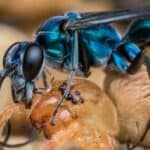
Blue mud dauber Chalybion californicum
Black-and-yellow mud dauber Sceliphron caementarium
Spider wasps
Spider wasps Pompilidae
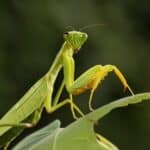
Praying mantis
Praying mantis Mantodea
Cellar spider Pholcus phalangioides
House centipede Scutigera coleoptrata
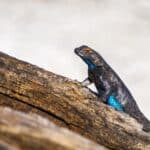
Western fence lizard
Western fence lizard Sceloporus occidentalis
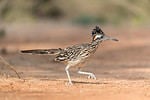
Greater roadrunner
Greater roadrunner Geococcyx californianus

Ecological Equivalents 5

Animals that fill a similar ecological role in their ecosystem

Types of Black Widow Spider

18

Explore 18 recognized types of black widow spider

Southern black widow Latrodectus mactans
Western black widow Latrodectus hesperus
Northern black widow Latrodectus variolus
Brown widow Latrodectus geometricus
Redback spider
Redback spider Latrodectus hasselti
Mediterranean black widow Latrodectus tredecimguttatus
Katipo spider Latrodectus katipo
Red widow Latrodectus bishopi
Chilean black widow Latrodectus curacaviensis
South American black widow Latrodectus mirabilis
Brown button spider Latrodectus indistinctus
Button spider (brown button) Latrodectus renivulvatus
Button spider (black button) Latrodectus cinctus
Pallid widow Latrodectus pallidus
Israeli black widow Latrodectus revivensis
European/Mediterranean widow (regional complex) Latrodectus tredecimguttatus (complex)
Asian black widow Latrodectus elegans
Japanese black widow Latrodectus japonensis

“Only the Bites of Female Black Widow Spiders Are Dangerous”

Their reputations are fierce, but in reality, black widow spiders — aka Latrodectus — are calm, loner pacifists that only unleash venomous bites when they’ve exhausted all other defensive options. Thirty-two species of the infamous arachnids populate the Earth on every continent except Antarctica, and the genus probably popped onto the world scene about 300 million years ago.

Female black widows carry large loads of venom, but males don’t. And though it’s widely believed that all females eat their mates after breeding, such behavior is rare and only happens in lab environments where there’s no escape.

Incredible Black Widow Spider Facts!

  • The strength of black widows’ webs are comparatively stronger than steel! Scientists actively study the spider’s weaving silks in the hopes of replicating it for infrastructure projects, like bridges!
  • At first glance, spiders in the genus Steatoda resemble widow spiders, which is how they got the nickname “false widow spiders.” Steatoda bites aren’t pleasant, but they’re not as destructive as black widow bites.
  • Latrodectus tredecimguttatus is the most deadly of all 32 widow species.
  • Black widow spiders don’t live long lives. Males typically expire in months, and only a smattering of lucky females make it to the ripe old age of three.

You can check out more incredible facts about black widow spiders.
Scientific Name

Latrodectus is the scientific name for widow spiders. A portmanteau combining the New Latin word “latro,” meaning “bandit,” and the Ancient Greek word “dēktēs,” meaning “biter,” it was coined by French nobleman Baron Charles Athanase Walckenaer in the early 1800s. Colloquially, the name translates to “bandit who bites.”

Types
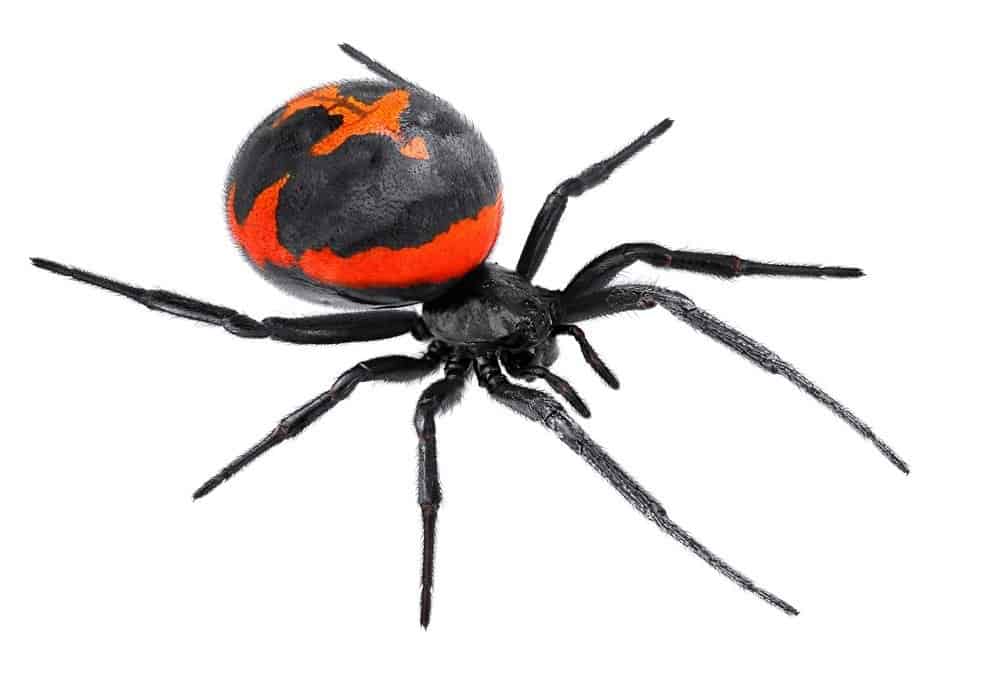
Black widow spider on white background

Members of the black widow genus can be found in Africa, the Americas, Asia, Australia, and Europe,

There are 34 recognized species in the “true widow” genus. In North America, three species — Latrodectus mactans, Latrodectus hesperus, and Latrodectus variolus — are informally known as southern black widows, western black widows, and northern black widows, respectively. Latrodectus tredecimguttatus is the European black widow; Latrodectus hasseltii crawls throughout Australia and known as the redback black widow; in South America, two species — Latrodectus corallinus and Latrodectus curacaviensis — are commonly called South American black widow spiders.

Scientific NameTaxonomy Origin DateRegions
Latrodectus antheratus1932Paraguay, Argentina
Latrodectus apicalis1877Galapagos Islands
Latrodectus bishopi1938USA
Latrodectus cinctus1865Cape Verde, Africa, Kuwait, Iran
Latrodectus corallinus1980Argentina
Latrodectus curacaviensis1776Lesser Antilles, South America
Latrodectus dahli1959Morocco to Central Asia
Latrodectus diaguita1960Argentina
Latrodectus elegans1898India, Myanmar, Thailand, China, Japan
Latrodectus erythromelas1991India, Sri Lanka
Latrodectus garbae2021Colombia
Latrodectus geometricus1841Africa, Introduced to North America and South America, Poland, Middle East, Pakistan, India, Thailand, Japan, Papua New Guinea, Australia, Hawaii
Latrodectus hasselti1870India, Southeast Asia to Australia, New Zealand
Latrodectus hesperus1935North America, Introduced to Israel, Korea
Latrodectus hurtadoi2021Colombia
Latrodectus hystrix1890Yemen
Latrodectus indistinctus1904Namibia, South Africa
Latrodectus karrooensis1944South Africa
Latrodectus katipo1871New Zealand
Latrodectus lilianae2000Spain, Algeria
Latrodectus mactans1775Probably native to North America only, Introduced to South America, Asia
Latrodectus menavodi1863Madagascar, Comoros, Seychelles
Latrodectus mirabilis1876Argentina
Latrodectus obscurior1902Cape Verde, Madagascar
Latrodectus pallidus1872Cape Verde to Libya, Turkey, Kazakhstan, Iran, Central Asia
Latrodectus quartus1980Argentina
Latrodectus renivulvatus1902Africa, Yemen, Saudi Arabia, Iraq
Latrodectus revivensis1948Israel
Latrodectus rhodesiensis1972Southern Africa
Latrodectus thoracicus1849Chile
Latrodectus tredecimguttatus1790Mediterranean to China
Latrodectus umbukwane2019South Africa
Latrodectus variegatus1849Chile, Argentina
Latrodectus variolus1837USA, Canada
The distribution of the different Black Widow spider species

Evolution and Classification

Black widows are Araneomorphae a category of spiders known for having chelicerae which cross each other. Within that vast collective, they also belong to the subgroup Theridiidae, which are also referred to as tangle-web spiders, known for their habit of spinning adhesive webs for the capture of prey and the bristles on the seventh segment of their back legs, known as the tarsus.

As members of the genus Latrodectus, they are known as true widows and are connected to their European and South American counterparts, brown widows, red widows, the Australian redback spider, etc.

These arachnids also share the ability to produce the neurotoxic venom known as latrotoxin, known to be especially potent and which in turn gives rise to latrodectism.

Appearance and Behavior
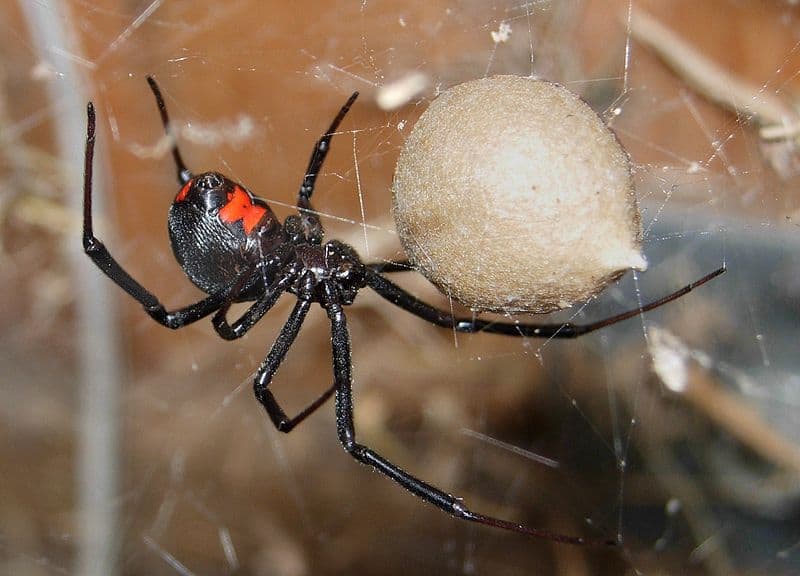
Female black widow spider guarding an egg case

In spite of their small sizes, black widows produce a potent neurotoxic venom

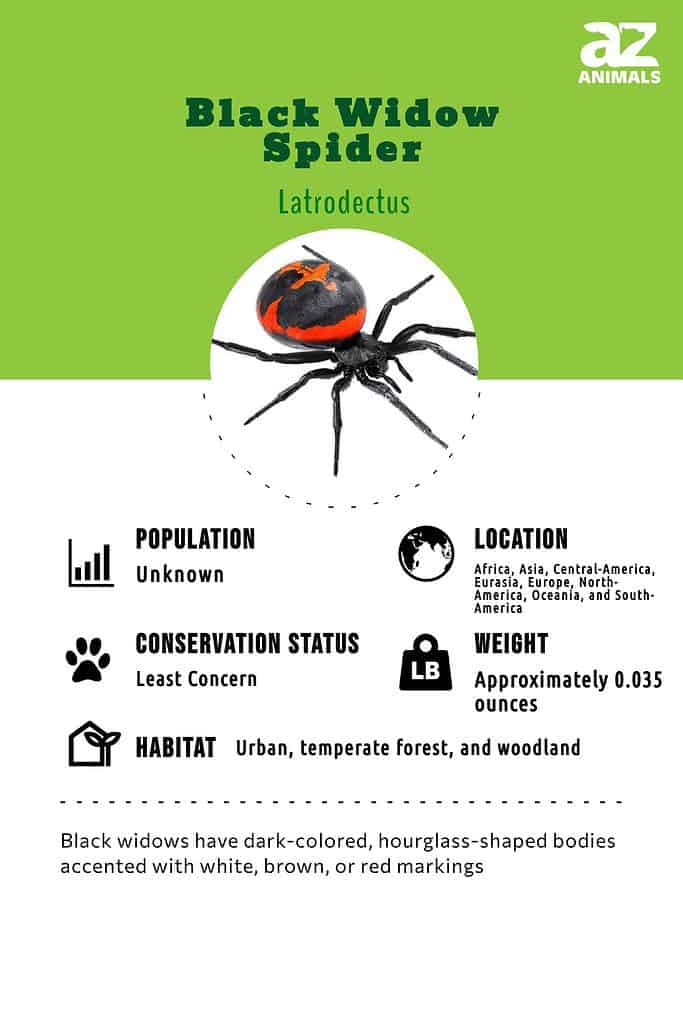
Nearly all black widow spiders are about 1.5 inches long, weigh approximately 0.035 ounces, and have dark-colored, hourglass-shaped bodies accented with white, brown, or red markings. Like most web-weaving spiders, widows have terrible eyesight and rely on vibrations to sense prey and danger.

Unlike the Goliath birdeater (Theraphosa blondi), the world’s largest spider, black widows are tiny — about the size of a paperclip. But don’t let their compact bodies fool you — because widows pack dangerous loads! Their bites release a neurotoxin called latrotoxin, which can cause extreme pain, muscle rigidity, vomiting, and heavy sweating. People bitten by black widow spiders may experience these symptoms for up to a week. But it’s false that widow bites routinely result in human fatalities. They do, however, kill cats and dogs.

Only females are harmful; males do not possess sufficient quantities of venom to cause signficant damage.

Widow spiders are notorious for female sexual cannibalism — meaning the ladies eat males after mating. But what people may not understand is that it doesn’t happen all that often, and not all species engage in the practice.

So why do some Latrodectus ladies murder their mates? Nobody knows for sure, but a popular theory postulates that the act increases the odds of offspring survival. Additionally, thanks to special chemicals that emanate from webs after meals, males can sense when females are well-fed, and most don’t choose hungry mates. In fact, most males who fall prey to their partners are trapped in a laboratory environment and can’t escape.

Habitat
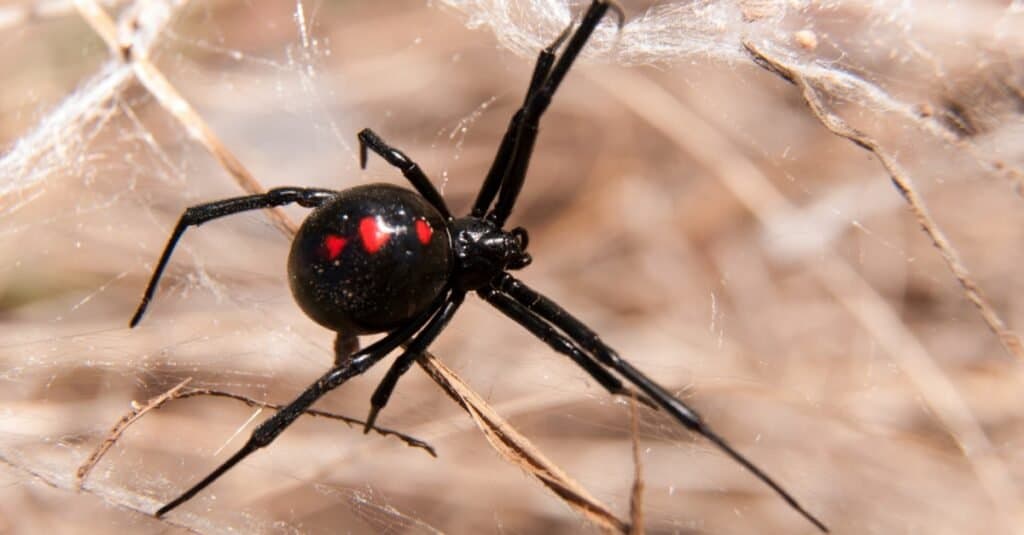
Deadliest Animals in America

Black widows can be found in attics, basements or holes or woodpiles

Widow spiders crawl around every continent except Antarctica. They’re particularly abundant in North America, especially in Canada’s wine country, the Okanagan Valley in British Columbia.

Typically, black widow spiders spin webs near the ground or in dark, low places. Inside, you’ll most likely find them in dark corners under desks, basements, and attics. Outside, they hunker in holes and wood piles.

Diet
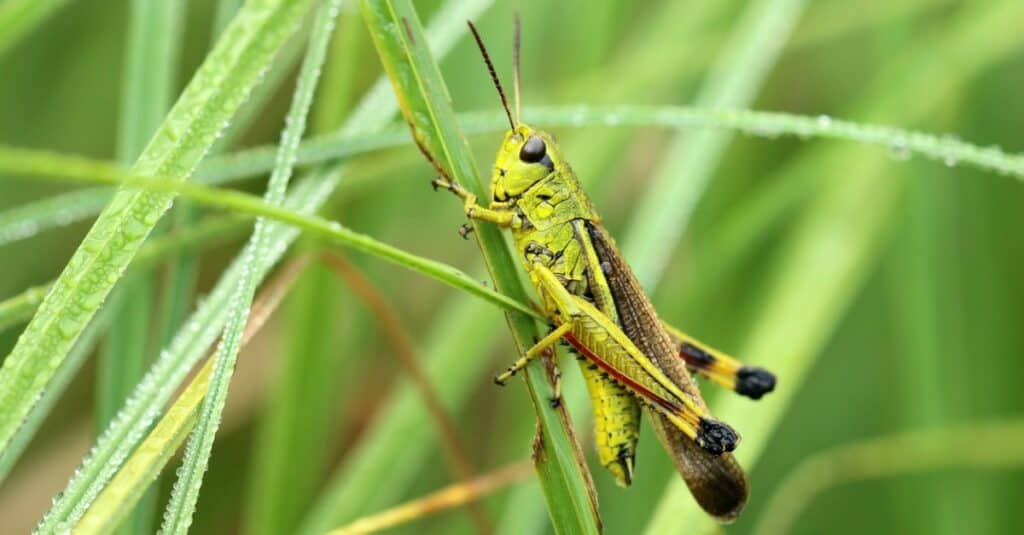
close up of grasshopper on blade of grass

Grasshoppers are some of black widows favorite prey

What do black widow spiders eat? They prey on small insects like flies, mosquitoes, grasshoppers, beetles, and caterpillars. Within their environment, you would consider them an apex predator.

How do black widows catch food? Like most other spider species, black widows weave sticky webs of silken fibers. When waiting for food to stumble into their lairs, widow spiders hang upside in the middle of their nets. When a victim crashes in, they’re incapacitated by the web’s stickiness. At that point, the spider converges, paralyzes the prey with venom, and then wraps its meal in silk to further prevent escape.

When a black widow is ready to dine, it covers its prey in erosive digestive juices and slurps up the remains. If a widow senses danger, it will quickly crawl down a loose web thread and scurry to safety.

Predators and Threats
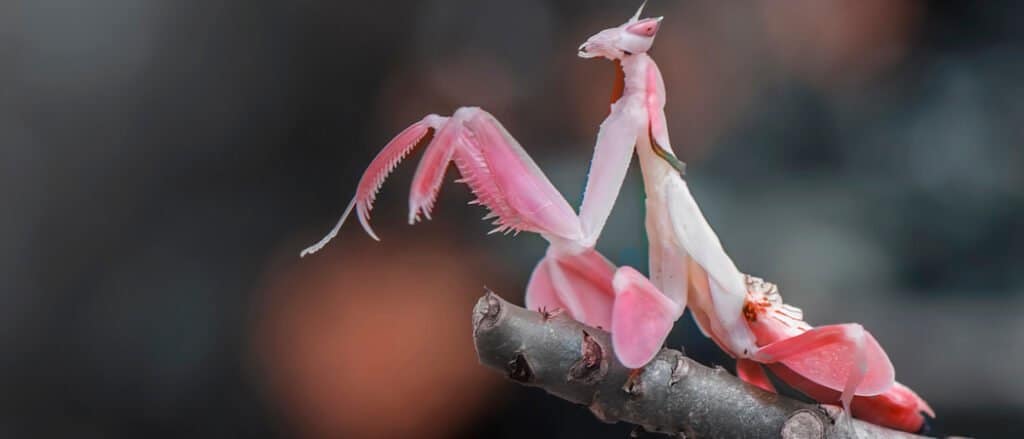
Animals That Look Like Plants - Orchid Mantis

Praying mantises are an example of predator that black widows have to look out for

Few animals prey on black widow spiders because of the insects’ body shapes and markings, which scientists believe send unpleasant signals that repel most animals.

But rules come with exceptions, and in this case, the three are praying mantises (Mantodea), alligator lizards (Anguidae), and blue mud wasps (Chalybion californicum), which use their stingers to paralyze before chowing down.

Humans also pose a threat to black widow spiders because we accidentally crush them and purposefully kill them when stumbling upon the species at home.

Reproduction, Babies, and Lifespan
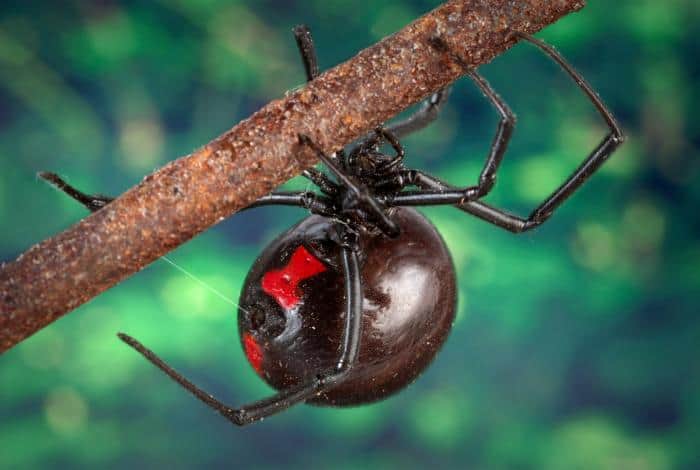
Female black widow spider on branch

Black widow spiders generally get to live for three years

Widow spiders are solitary animals that only come together in late spring for mating season. During the yearly ritual, males and females partner up, and the former injects the latter with sperm. The ladies then fertilize their eggs internally and lay silken egg sacs.

The sac incubates for about 30 days, at which point a pod of self-sufficient spiderlings hatch. The moment they’re born, baby spiders scurry away from the nest. The wind often helps them along, and most find themselves far away from home within hours of birth.

But a black widow’s life isn’t long. Many die before they reach a month old, and few — mostly females — make it to three years old.

Population
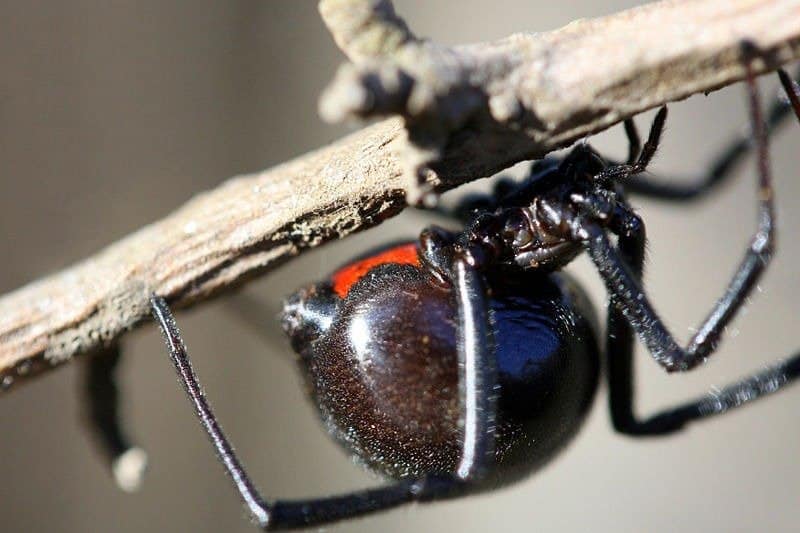
Black widow spider on branch

Black widow populations do not seem to be under any immediate threat

Black widow spiders aren’t in danger currently. The International Union for the Conservation of Nature doesn’t even include the animal on its Red List. IUCN does list false widow spiders, but only under the Data Deficient section.

Availability in U.S Zoos

Black widow spiders live in hundreds of exhibits and labs around the world. Here’s a partial list of U.S. zoos that care for individuals from the genus:

  1. St. Louis Zoo
  2. Oakland Zoo
  3. San Francisco Zoo and Gardens
  4. Cheyenne Mountain Zoo
  5. Navajo Zoo
View all 453 animals that start with B
How to say Black Widow Spider in ...
German
Echte Witwen
English
Black Widow spider
Spanish
Latrodectus
French
Latrodectus
Hungarian
Fekete özvegy
Italian
Latrodectus
Dutch
Weduwen
Polish
Latrodectus
Portuguese
Viuva-negra

Sources

  1. David Burnie, Dorling Kindersley (2011) Animal, The Definitive Visual Guide To The World's Wildlife / Accessed December 21, 2009
  2. Tom Jackson, Lorenz Books (2007) The World Encyclopedia Of Animals / Accessed December 21, 2009
  3. David Burnie, Kingfisher (2011) The Kingfisher Animal Encyclopedia / Accessed December 21, 2009
  4. Richard Mackay, University of California Press (2009) The Atlas Of Endangered Species / Accessed December 21, 2009
  5. David Burnie, Dorling Kindersley (2008) Illustrated Encyclopedia Of Animals / Accessed December 21, 2009
  6. Dorling Kindersley (2006) Dorling Kindersley Encyclopedia Of Animals / Accessed December 21, 2009
  7. Welke, Klaas W.; Schneider, Jutta M. "Sexual cannibalism benefits offspring survival". Animal Behaviour. 83 (1): 201–207. / Accessed October 13, 2020
  8. Baruffaldi, Luciana; Andrade, Maydianne C.B. (2015) "Contact pheromones mediate male preference in black-widow spiders: avoidance of hungry sexual cannibals?". Animal Behaviour. 102: 25–32. / Accessed October 13, 2020
  9. Osborne, H. Black widow spider silk is so strong a lab version could be used to build bridges. / Accessed October 13, 2020
  10. Garwood, R. J., & Dunlop, J. Three-dimensional reconstruction and the phylogeny of extinct chelicerate orders. / Accessed October 13, 2020
  11. Harris, R. Predators of the Black Widow / Accessed October 13, 2020
A-Z Animals Staff

About the Author

A-Z Animals Staff

AZ Animals is a growing team of animals experts, researchers, farmers, conservationists, writers, editors, and -- of course -- pet owners who have come together to help you better understand the animal kingdom and how we interact.
Connect:

Thank you for reading! Have some feedback for us?


Black Widow Spider FAQs (Frequently Asked Questions)

Widows eat other insects, which makes them carnivores.