
B
Species Profile

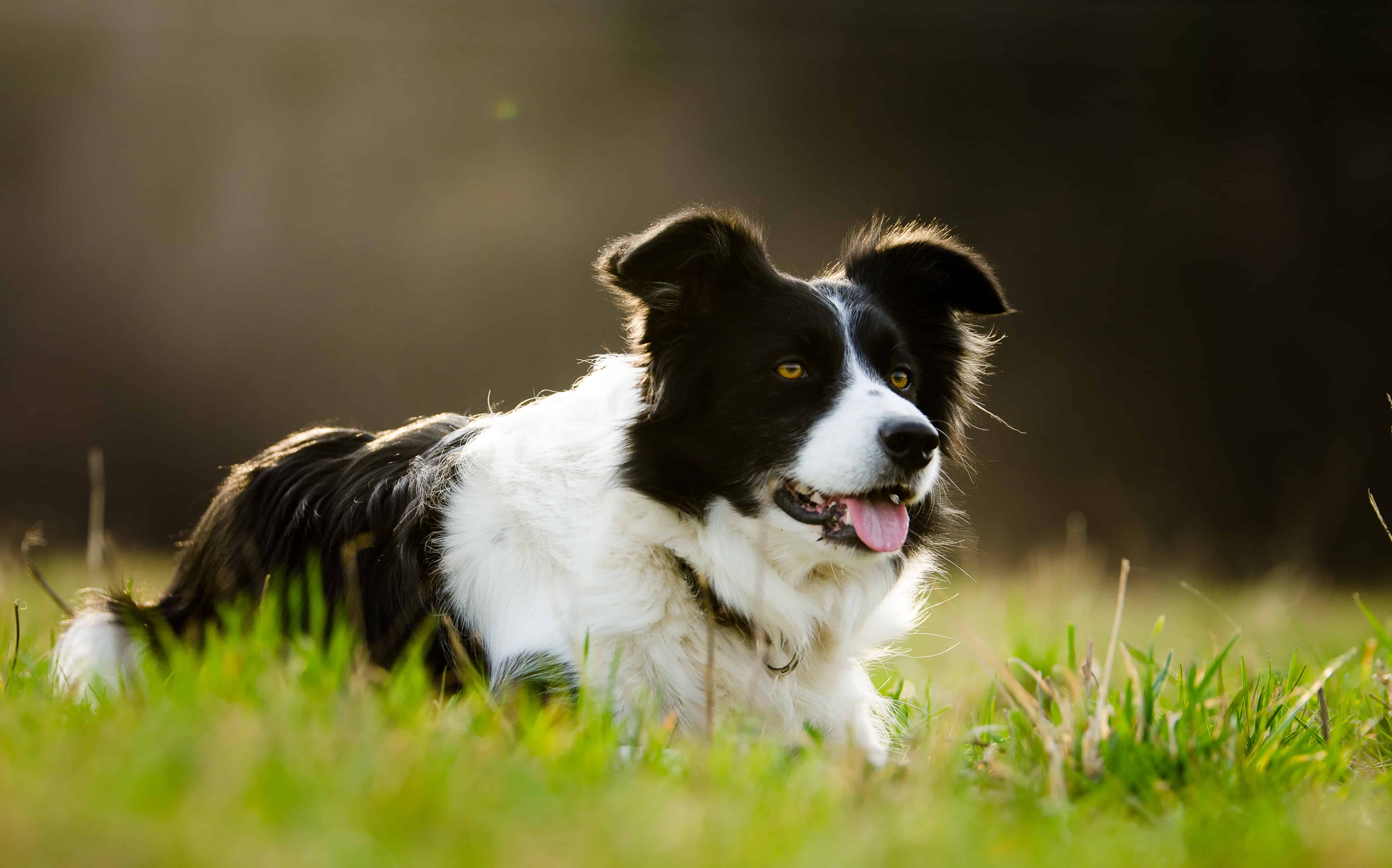
Border Collie

Canis lupus familiaris

The sheepdog with a laser focus
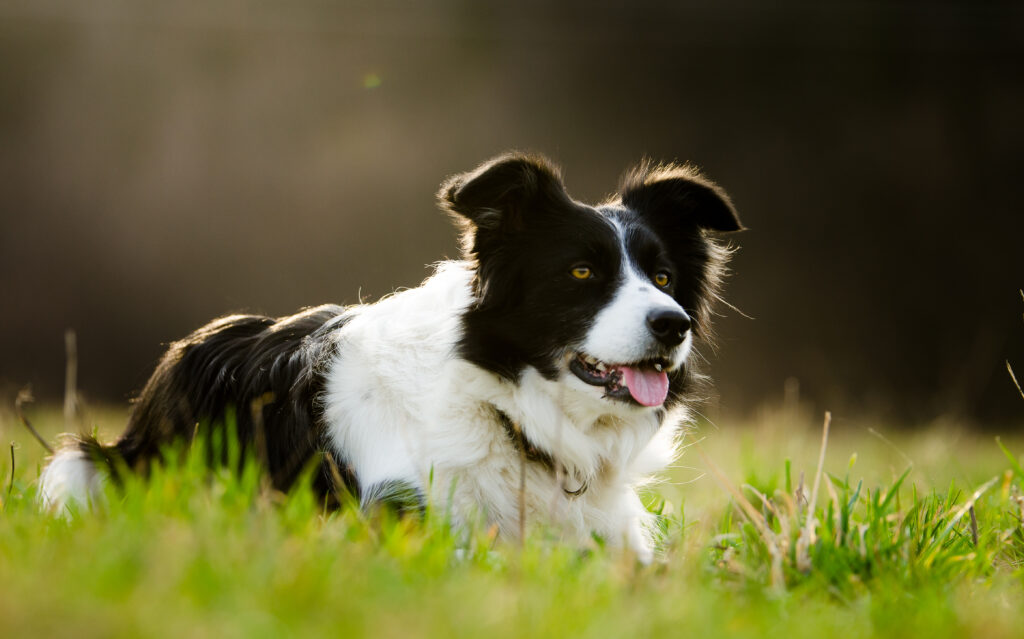
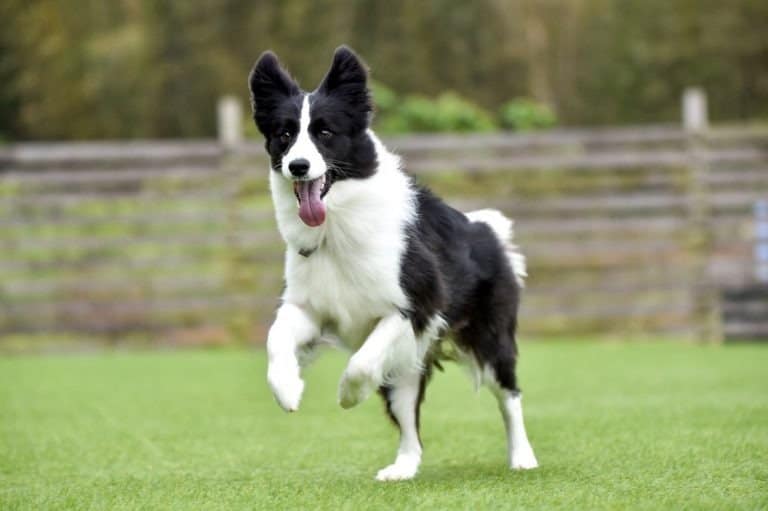
LSphotoCZ/Shutterstock.com

Border Collie Distribution

Click a location to explore more animals from that region

Origin Location

This map shows the native origin of the Border Collie. As a domesticated species, they are now found worldwide.

Loading map...

Found in 1 country

Size Comparison

Human 5'8"
Border Collie 1 ft 8 in

Border Collie stands at 30% of average human height.

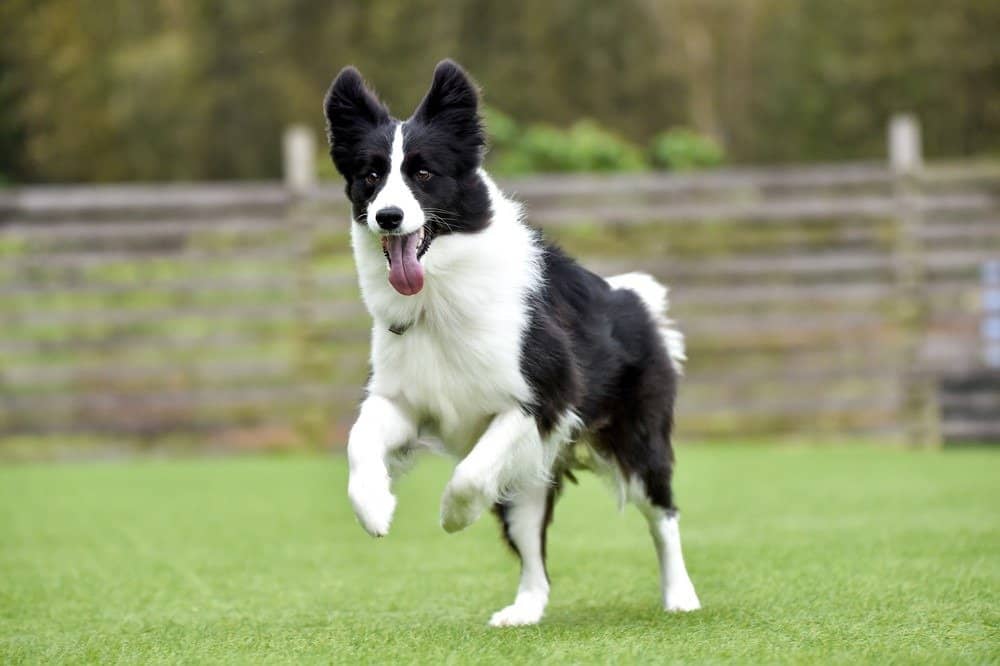
black and white border collie

At a Glance

Domesticated
Also Known As Sheepdog, Herding dog, Stock dog, BC
Diet Omnivore
Activity Diurnal+
Lifespan 5 years
Weight 23 lbs
Status Not Evaluated
Did You Know?

The name "Border Collie" reflects its development along the Anglo-Scottish border; "collie" is a traditional Scots term for sheepdogs.

Scientific Classification

The Border Collie is a highly trainable herding dog breed developed in the British Isles (especially the Anglo-Scottish border region) for working sheep. It is widely regarded for exceptional intelligence, responsiveness to handlers, and intense herding drive.

Kingdom
Animalia
Phylum
Chordata
Class
Mammalia
Order
Carnivora
Family
Canidae
Genus
Canis
Species
Canis lupus

Distinguishing Features

  • Medium-sized, athletic herding dog with strong endurance and agility
  • Very high trainability and problem-solving ability; intense focus (often described as “eye”) when herding
  • Coat can be smooth or rough; commonly black-and-white but many color patterns exist
  • Bred primarily for working ability; typically high energy and strong instinct to chase/herd moving objects

Physical Measurements

Males and females differ in size

Height
1 ft 9 in (1 ft 7 in – 1 ft 10 in)
1 ft 7 in (1 ft 6 in – 1 ft 8 in)
Length
3 ft 1 in (2 ft 9 in – 3 ft 5 in)
Weight
37 lbs (31 lbs – 44 lbs)
33 lbs (26 lbs – 42 lbs)
Tail Length
1 ft 2 in (12 in – 1 ft 4 in)
Top Speed
30 mph
Fast, agile, lots of endurance

Appearance

Primary Colors
Secondary Colors
Skin Type Border Collie (Canis lupus familiaris) skin has good pigment. Coat often double and weather resistant: dense undercoat with a harsher topcoat. Smooth types have shorter, tight coat. Noses black or brown; paw pads tough.
Distinctive Features
  • Intense, focused "herding eye" (a strong, fixed gaze) paired with an agile, athletic medium-sized build and a moderately long double coat.
  • Athletic, medium-sized, lean and agile build compared with the generalized domestic dog: long stride, quick turns, strong rear drive, and stamina suited to all-day stock work.
  • Signature herding style distinguishing it from many other dogs: intense 'eye' (focused stare), crouching/low stalking posture, and strong gathering/controlling instinct; highly sensitive to handler cues and motion.
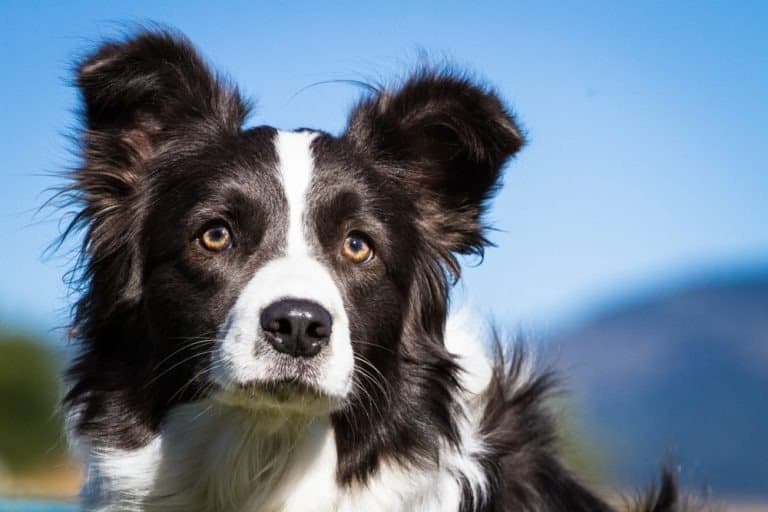
  • Head/face: alert, intelligent expression; semi-erect or erect ears are common; moderate muzzle; often a white facial blaze that enhances communicative expressions to humans and stock.
  • Coat varieties: rough (medium length with feathering on legs/tail and a noticeable ruff) vs smooth (shorter, tighter coat); both can have a dense undercoat and shed seasonally.
  • Breed-specific behavioral needs (care requirement): extremely high trainability and drive can become problematic without daily structured work (advanced obedience, herding, agility, scentwork, running/mental puzzles). Under-stimulation commonly leads to compulsive behaviors, reactivity, or destructive activity.
  • Border Collie needs lots of physical and mental exercise; best for active homes, work, or dog sports. Coat care is regular: rough coats need more brushing to stop mats; smooth coats still shed.
  • Border Collies have higher risk of hip dysplasia, elbow problems, CEA, PRA, epilepsy (unknown cause), deafness in merle-to-merle lines, and autoimmune or atopy issues. Responsible breeders use genetic tests, eye exams, and orthopedic checks.
  • Working-line vs show/pet variation: working-bred dogs often show lighter, more utilitarian build and very high drive; conformation/pet lines may have heavier coat and slightly different proportions but should retain athleticism and responsiveness.
  • Distinguished from Rough/Smooth Collie breeds: Border Collies are generally smaller, more athletic, and purpose-bred for high-intensity stock work and handler-directed precision rather than the heavier-coated, longer-headed collie types bred primarily for different roles/standards.

Sexual Dimorphism

Sexual dimorphism is moderate rather than extreme. Males tend to be slightly taller, heavier, and broader through the skull/neck and chest; females are often a bit lighter and more refined while maintaining the same athletic, agile outline. Coat fullness can vary individually and is not strictly sex-linked.

  • Slightly larger overall frame; more muscle mass and broader chest/neck common.
  • Often a broader head and more pronounced ruff/feathering in rough-coated individuals (variable).
  • Slightly smaller, lighter build; more refined head and narrower chest common.
  • May appear more streamlined and quick in outline; coat fullness varies by individual and line.

Did You Know?

The name "Border Collie" reflects its development along the Anglo-Scottish border; "collie" is a traditional Scots term for sheepdogs.

Many Border Collies use a distinctive herding "eye"-a low, intense stare-to control sheep with minimal barking or contact.

They commonly have either a rough (medium/long) coat or a smooth (short) coat; both are double-coated for weather protection.

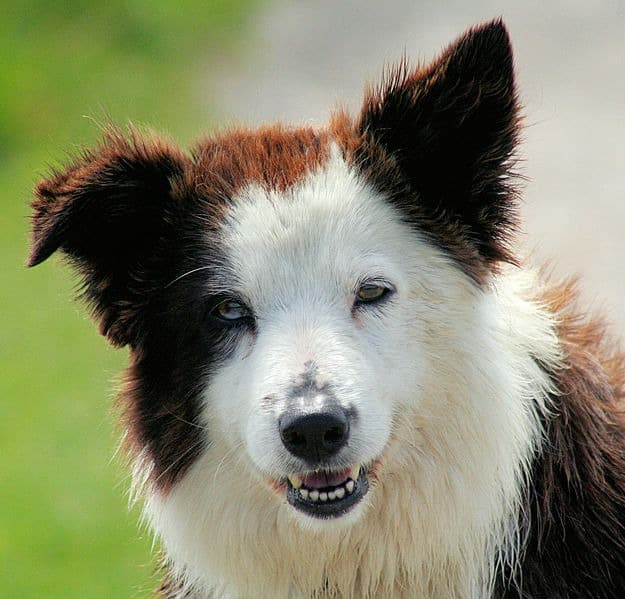
Coat colors are diverse (black-and-white is iconic), but red/white, tricolor, blue merle, and sable patterns also occur.

They excel in modern dog sports-agility, flyball, disc, obedience-because they're fast, biddable, and quick learners.

As a domestic breed (domestic dog), they retain wolf-descended canid traits (keen senses, endurance) but are selectively shaped for handler-focused teamwork and livestock control.

Working lines are often bred for herding ability and stamina more than for a specific "look," so size and coat can vary within the breed.

Unique Adaptations

  • Selective breeding amplified biddability (handler-orientation) compared with the base domestic dog population-key for precision work at distance.
  • Exceptional aerobic stamina and efficient gait for long days in variable terrain and weather typical of upland sheep country.
  • Fine motor control and quick directional changes-advantageous for cutting off escapes and adjusting to flock movement.
  • Weather-shedding double coat in both rough and smooth varieties supports outdoor work; coat density often correlates with climate/line.
  • Strong visual tracking and attention control (the "eye")-a specialized herding style that leverages canid predatory behaviors in a non-lethal way.
  • High trainability paired with problem-solving-useful for independent decisions when livestock are scattered or terrain limits handler visibility.

Interesting Behaviors

  • The "gather" instinct: circling wide to bring livestock back to the handler-different from breeds bred mainly to drive stock forward.
  • Crouch-and-stalk posture (predation sequence modified): they use controlled approach and eye without completing the chase-bite sequence.
  • Balance behavior: positioning themselves opposite the handler across the flock to keep animals grouped and moving as directed.
  • Shadow herding: attempting to herd children, runners, bicycles, or other pets if under-stimulated-an outlet for hardwired drive.
  • High responsiveness to human cues: rapid learning of whistles/hand signals; can chain complex tasks when trained consistently.
  • "Work fixation": some individuals become intensely focused on moving objects (balls, shadows, light reflections) and may need careful management.
  • Silent, efficient movement while herding: many work with minimal vocalization, relying on body pressure and gaze.

Cultural Significance

Border Collie (Canis lupus familiaris) is a famous working sheepdog from Britain and Ireland, linked to hill farming and stockmanship. It helped shape herding trials and is a worldwide sign of dog intelligence and teamwork with people, showing how selective breeding turned wolf traits into careful livestock work.

Myths & Legends

Shepherd lore in the British border country praises the "good dog" that gathers sheep through mist, heather, and steep hills—often working out of sight and returning with the whole flock.

In herding-trial history, Old Hemp (1890s) is frequently spoken of in near-legendary terms as the foundation sire whose calm, wide-gathering style shaped the modern Border Collie ideal.

Farm and croft tales sometimes treat a top sheepdog as a once-in-a-generation partner-"worth more than the flock for the saving of it"-reflecting the breed's cultural elevation beyond ordinary pets.

Along the Anglo-Scottish border, working-dog anecdotes commonly describe dogs learning routines by watching older dogs at work, reinforcing a folk belief in the Border Collie's almost uncanny ability to "understand" human intention.

Stories from shepherding communities often feature the dog's "eye" as a gift-an inherited spell-like stare that holds sheep in place-an expression of awe at a real, observable working behavior.

In stories and country tales, the Border Collie (Canis lupus familiaris) is shown as a tireless, loyal helper on the hills, a modern form of old European pastoral tales about clever dogs protecting farms.

Conservation Status

NE Not Evaluated

Has not yet been evaluated against the criteria.

Population Stable

Life Cycle

Birth 6 pups
Lifespan 5 years

Lifespan

In the Wild
3–8 years
In Captivity
10–17 years

Reproduction

Mating System Polygynandry
Social Structure Managed Domestic
Breeding Pattern Transient
Fertilization Managed Selective
Birth Type Internal_fertilization

Border Collie (Canis lupus familiaris): breeding is human-managed polygynandry—multiple males and females used, with planned pairings. Mates chosen by people, no lasting pair bond, not cooperative breeders. Estrus ~twice yearly, gestation ~63 days, litters 4–8.

Behavior & Ecology

Social Pack Group: 4
Activity Diurnal, Crepuscular, Cathemeral
Diet Omnivore Meat-forward meals (commonly lamb or chicken-based diets)

Temperament

Highly trainable; exceptionally biddable and handler-focused compared with many other dog breeds.
Intense herding drive with characteristic "eye" (stare), stalk/crouch, and fast responsiveness; may attempt to herd children, cyclists, cars, or other pets without guidance.
Very high physical stamina and mental work requirement; thrives with daily structured exercise plus problem-solving (training, agility, herding, scentwork).
Sensitive to harsh corrections; best with clear, consistent, reward-based training-stress can reduce performance and increase reactivity.
Alert and quick to respond; can be noise- or motion-sensitive, sometimes developing anxiety or reactive barking if under-socialized.
Socially selective: often polite/reserved with strangers; typically affectionate with family/primary handler; dog-dog sociability varies widely by lines and upbringing.
Potential for compulsive/obsessive behaviors (shadow/light chasing, spinning, fixating) when bored or over-aroused-requires impulse-control training and balanced downtime.
Border Collie (Canis lupus familiaris) can have hip dysplasia, epilepsy, Collie Eye Anomaly (CEA), Progressive Retinal Atrophy (PRA), Trapped Neutrophil Syndrome (TNS), and NCL. Regular tests and less work during growth are important.
Care requirements: high daily activity, structured "job," enrichment, and early/ongoing socialization; manage herding/nipping through training; avoid over-exercising puppies (joint protection) and provide rest to prevent chronic over-arousal.

Communication

Sharp alert barking Often triggered by movement/sounds; can escalate with arousal
Whines/whimpers to solicit attention, indicate anticipation, or express mild distress Common in highly motivated working lines
Growls as warning during resource guarding or discomfort; should be respected and addressed via behavior modification.
Occasional howls or "talking" vocalizations; less prominent than barking/whining in many individuals.
Breed-typical herding "eye" (sustained gaze) and stalking/crouching posture to control movement-more pronounced than in many other breeds.
Body language: ear set, tail carriage, weight shift, freeze/stalk sequences signaling intent; rapid changes with arousal.
Nipping/heel targeting as a herding-derived control behavior Requires training to inhibit in pet contexts
Circling, flanking, and blocking movement pathways to guide humans/animals-working pattern generalized to daily life if unmanaged.
Play bows, pawing, muzzle nudges, and leaning to initiate interaction; strong use of visual cues and learned signals from handlers.
Scent marking (urine), sniffing-based information gathering, and facial/anal gland scent cues typical of domestic dogs.
Looking back/check-ins with handler (frequent gaze alternation) as a key cooperative signal; unusually high compared with many breeds.

Habitat

Biomes:
Temperate Grassland Temperate Forest Temperate Rainforest Boreal Forest (Taiga) Tundra Alpine Mediterranean Savanna Tropical Dry Forest Tropical Rainforest Desert Hot Desert Cold Freshwater Wetland Marine +9
Terrain:
Plains Hilly Mountainous Valley Coastal Island Plateau +1
Elevation: Up to 16404 ft 3 in

Ecological Role

Domesticated canid functioning primarily as a human-associated omnivorous mesopredator/working partner (herding dog).

Livestock herding and management (reduces stock losses and improves grazing control) Rodent/pest deterrence around farms and homesteads (opportunistic predation/scaring) Scavenging/cleanup of food waste in human settings (historically) Companionship and assistance roles that indirectly support human land-use systems

Diet Details

Main Prey:
Small mammals Birds Fish Domestic livestock
Other Foods:
Cooked grains and starches Vegetables Fruit Plant oils and seeds

Human Interaction

Domestication Status

Domesticated

Border Collie (Canis lupus familiaris): Domestic dogs came from gray wolves (Canis lupus) and were shaped by humans over thousands of years. Border Collies were bred in the British Isles, especially the Anglo-Scottish border, from sheepdogs for herding. They show very high trainability, work drive, strong “eye,” stamina, and need close, cue-based handler work.

Danger Level

Low
  • Herding-related nipping at heels (especially in under-stimulated or poorly managed dogs)
  • Chasing/motion sensitivity that can lead to knocking over children, cyclists, or runners
  • Mouthiness during play; accidental bites if over-aroused
  • Behavior problems from unmet exercise/mental needs (reactivity, anxiety, destructiveness)
  • Risk increases with poor socialization, rough handling, pain/illness, or irresponsible ownership

As a Pet

Suitable as Pet

Legality: Generally legal to own as a domestic dog in most jurisdictions. Typical restrictions are not breed-specific but may include local leash laws, nuisance/vicious-dog ordinances, housing/insurance rules, or mandatory licensing and vaccination requirements.

Care Level: Experienced

Purchase Cost: $600 - $2,500
Lifetime Cost: $20,000 - $45,000

Economic Value

Uses:
Livestock management (herding and stock handling) Working and sporting dog industries (agility, obedience, flyball, herding trials) Service/assistance and therapy work (selected individuals) Detection work (some individuals in search tasks due to trainability/drive) Breeding, training services, and veterinary care markets Media/advertising and demonstration dogs
Products:
  • Herding labor for sheep/cattle operations (reduced labor costs, improved stock movement)
  • Professional training, lessons, and working-dog certification/competition fees
  • Breeding/puppy sales (working lines, sport lines, and companion lines)
  • Equipment: crates, leashes, long lines, working whistles, agility gear
  • Veterinary services: preventive care, genetic testing (e.g., CEA, TNS, IGS, NCL), orthopedic and neurologic care when needed
  • Nutrition and enrichment products (high-activity diets, puzzle toys, chew items)

Relationships

Ecological Equivalents 6

Animals that fill a similar ecological role in their ecosystem

Australian Shepherd
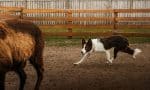
Australian Shepherd Canis lupus familiaris Similar working niche as a highly biddable, handler-focused herding dog. Compared with many other herding breeds, Border Collies are especially noted for an intense "eye," a crouching stalk, and extreme responsiveness at distance — traits selectively emphasized for sheep work on the Anglo-Scottish border.
Shetland Sheepdog
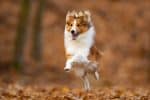
Shetland Sheepdog Canis lupus familiaris Small-to-medium herding breed used to manage livestock with speed and attentiveness. Border Collies typically have higher sustained working drive and are more commonly selected for competitive or open-field sheepdog trial–style work.
Rough Collie
Rough Collie Canis lupus familiaris Shares a collie-type herding background and sensitivity to handlers. Border Collies are generally more intensely work-driven and pressure-sensitive in stock situations, with a stronger emphasis on gathering and on controlling movement via eye and balance.
Australian Kelpie
Australian Kelpie Canis lupus familiaris Hard-driving sheep and cattle herder built for endurance and independent problem-solving. Border Collies are often more 'soft'—responsive to subtle handler cues—and are strongly associated with precision gathering of sheep.
German Shepherd Dog
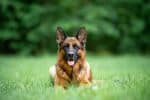
German Shepherd Dog Canis lupus familiaris Versatile working dog with high trainability. Border Collies are more narrowly specialized for herding behaviors (especially gathering and balancing) and often require more daily mental stimulation to prevent boredom-related behaviors.
Domestic dog
Domestic dog Canis lupus familiaris Border Collies learn quickly, have a strong herding drive, quick reactions, and require structured work. Watch for hip dysplasia, Collie Eye Anomaly (CEA), and epilepsy. They need lots of exercise, mental stimulation, and joint-safe exercise.

In 2024, it was ranked as the 31st most popular dog breed in America by the AKC. The athletic dog needs to stay busy by having a job to do and exercise in order to satisfy its high-energy demands, so it needs an owner who is as active and devoted as the dog itself and can work closely and intensely together.

Its high intelligence and eagerness to obey make it a wonderful detection dog for police, customs, and other government agencies, but the breed is also excellent for competitive dog sports, bird hunting, guide dog work, and search and rescue.

It was originally developed in the Anglo-Scottish border county of Northumberland as a hunting dog as well as a farm-working dog for herding sheep and other livestock. With an affectionate, obedient, and intelligent demeanor, good health, long life, and speed and agility, the Border Collie makes an excellent family pet.

3 Pros and Cons of Owning Border Collies

ProsCons
They’re incredibly smart. As one of the most versatile breeds around, border collies can learn many different things besides sheep herding. They love to obey their owners.They need regular brushing and grooming. Although they have average shedding, they shed more during the winter. They need to be brushed at least three times a week.
They’re hardy. This breed was bred for the cold climate of the UK and lives a long time, so it can be quite happy in colder climates.They have a need for space and the outdoors. Not a breed to be cooped up, Border Collies do badly in apartments and need a backyard to run around in. They are also escape artists, so fencing needs to be specially made to avoid them finding a way out. That means a fence with 8-10″ height, 3″ metal below, and extra closures besides latches.
They cost less than other breeds. The average cost of a Border Collie puppy is $300-$1,000, with an average cost of $700 and an occasional low cost of $200.They can stare, nip, be destructive, or bark a lot. They will stare to let you know they’re ready for a new task. They will also herd children, adults, and other pets by nipping at their back legs as a result of their herding instinct, and if they are bored, they chew things and bark a lot.
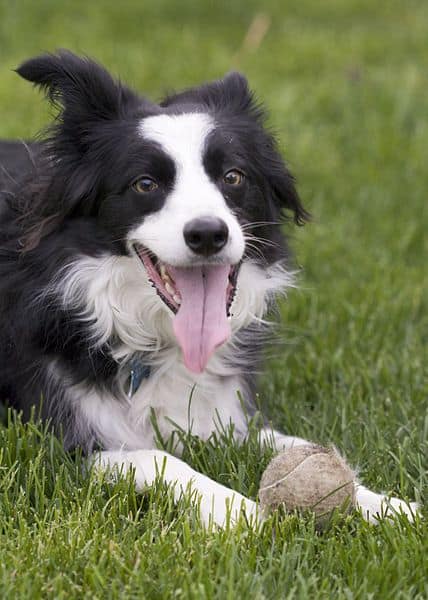
Border collie playing with dog run

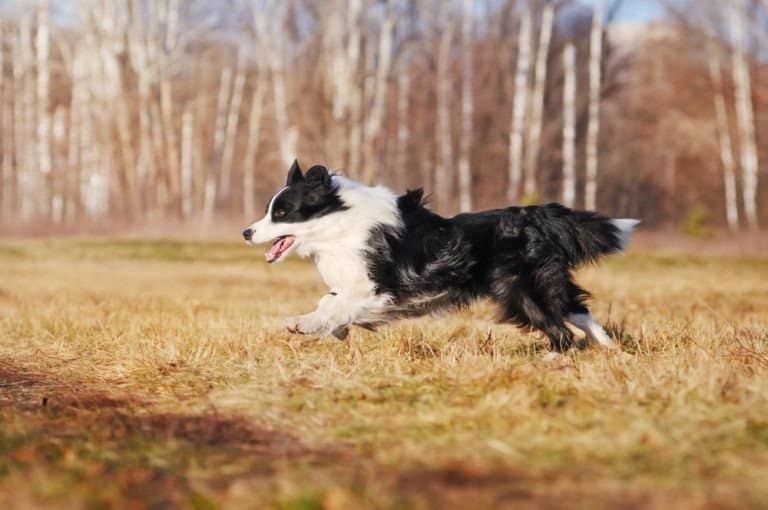
Border Collies are fast runners!

History and Origins

During the Roman Empire’s prime, numerous rulers brainstormed ways to take over and dominate Britain. However, for a variety of reasons — revolts in other parts of the empire or changes in the political scene — these plans were put on hold. It wasn’t until 43 CE that Emperor Claudius accomplished the mission of conquering Britain.

The Roman occupation of Britain had a lasting effect on British culture, including dog breeding. Roman soldiers brought their own livestock with them when they arrived, and as a result, large and sturdy herding dogs were also introduced. These canines stayed in Britain for over three centuries.

As the Roman Empire declined, Scandinavian raiders invaded Britain, bringing with them smaller and faster spitz-type herding dogs. These dogs were crossed with the older Roman breeds, creating agile herders that could work livestock in the hilly and rocky regions of Scotland and Wales. This was the beginning of the Border Collie breed.

Border Collies are widely regarded as the most skilled herders in the world. Their efficient outruns, low-to-the-ground creeping, and intense bursts of energy when needed make them a shepherd’s ideal canine companion. When the perfect dog is imagined, it’s sure to be a Border Collie.

The Border Collie is a highly intelligent and agile breed that has been used in sheepdog trials in the British Isles for over a century. It was officially recognized by the American Kennel Club in the Herding Group in 1995. This breed was famously portrayed in the movie “Babe” and is known for its competitive ability.
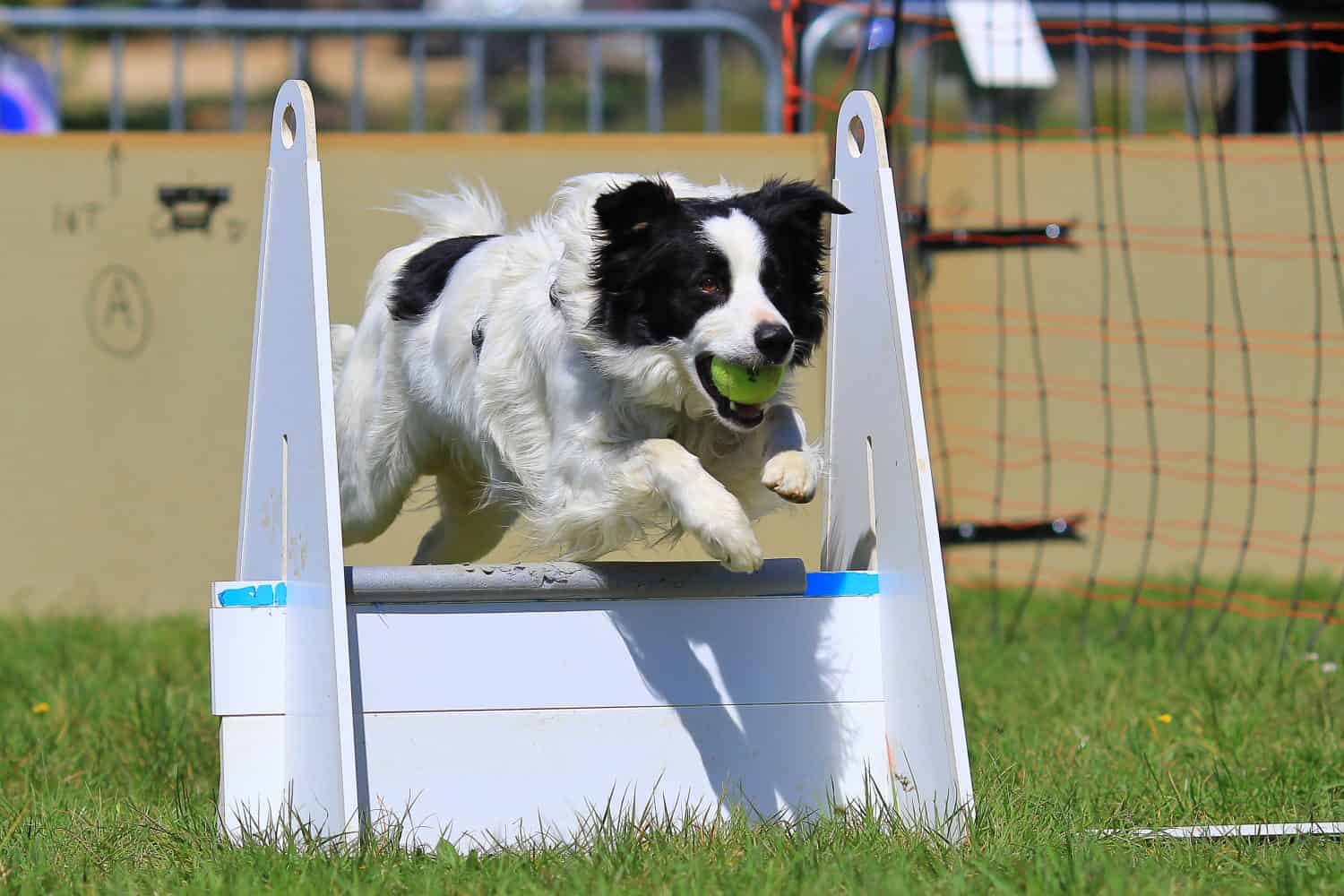
flyball border collie

Border Collies became a member of the AKC in 1995, but have been around since the Roman Empire.

Size and Weight

The Border Collie is a medium to large-sized dog with either a long and rough or a short and smooth coat. It has an average height of 24 to 27″ for males and 22 to 26″ for females. Males weigh 30 to 45lbs fully grown, while females weigh 27 to 42 lbs fully grown. Border Collie puppies weigh 4 to 8lbs at 8 weeks of age and are considered fully grown at 24 months for females and 36 months for males.
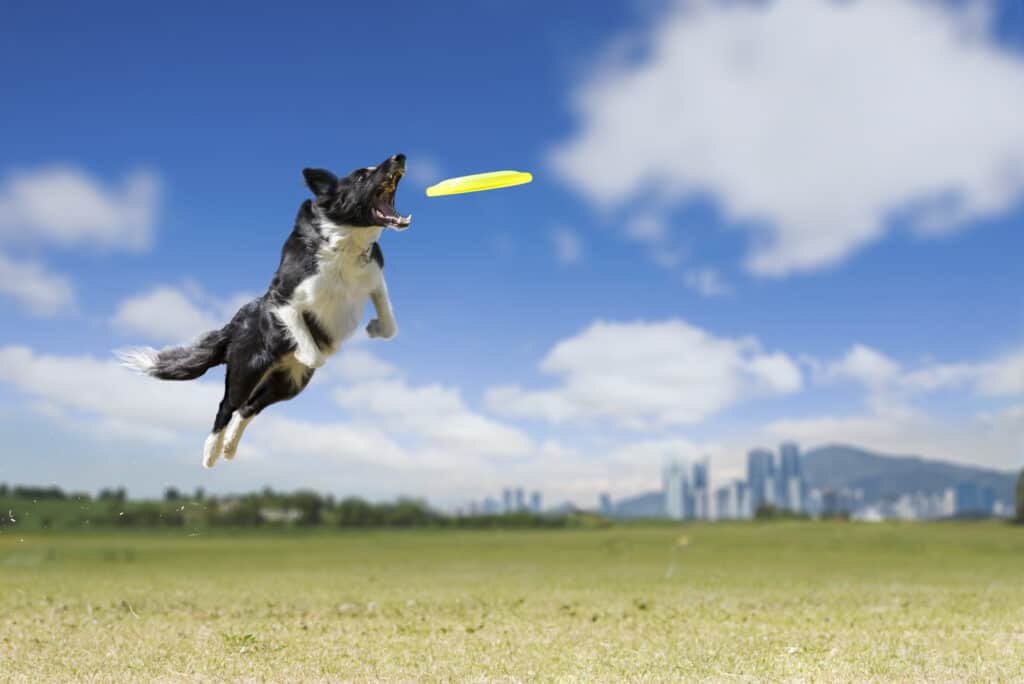
Border collie jumping high to catch a disc frisbee

Border collies weigh between 27-45 pounds.

Common Health Issues

Purebred border collies have a few common health issues, but most of the time, they are easily treatable or manageable. The most common are musculoskeletal disorders, including hip dysplasia and osteochondritis dissecans (OCD), which come from age or too much activity, resulting in accelerated growth during puppyhood. Idiopathic epilepsy, patent ductus arteriosus, and hypothyroidism are hereditary conditions unique to this breed, while dental problems, Progressive Retinal Atrophy (PRA), Collie Eye Anomaly (CEA), and deafness are common.
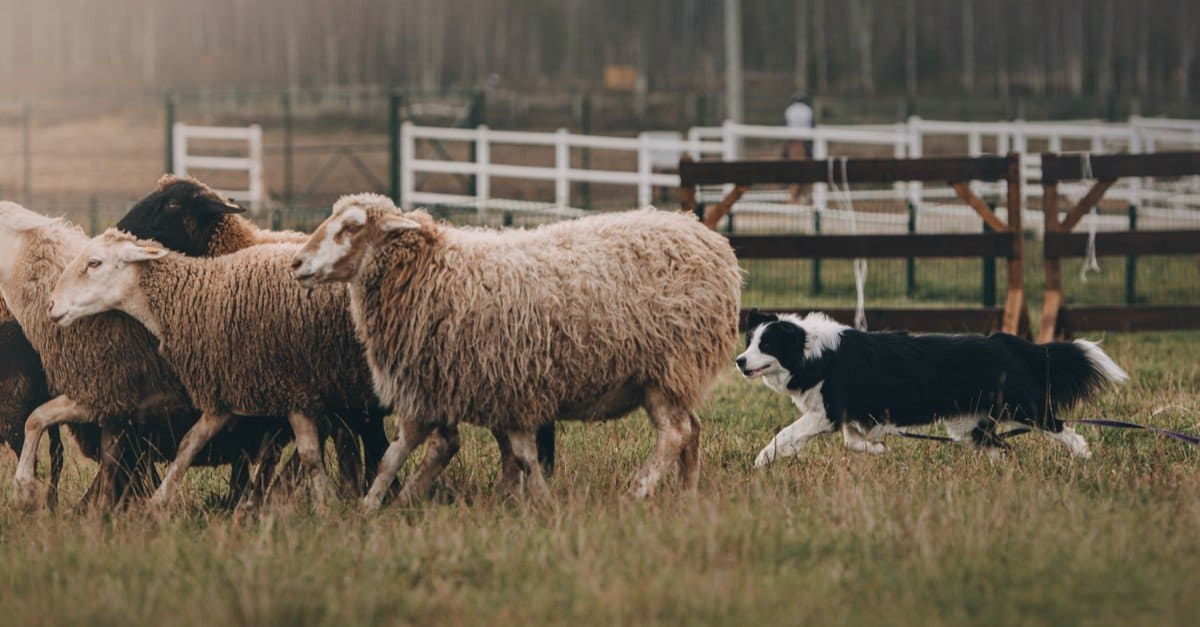
Prehistoric Pets herding dog

The first domesticated dogs were used to help with the herding of livestock, as this Border Collie is doing here.

Temperament

Border collies have very lively personalities. Their temperament is curious and easygoing, with mischievous, dominant, sensitive, and hyperactive traits. They can be quite funny with their clever behavior. As adults, they are wary of strangers.

This does not mean they are mistrustful as puppies, however. They quickly take to socialization, and they enjoy kindness and praise during training. A common Border Collie trait is being easy to train with consistent and clear messages, as they were bred for hunting geese and other birds. Because of this, they also have a “gentle” or “soft” mouth, meaning they don’t bite hard when carrying items in their jaws.
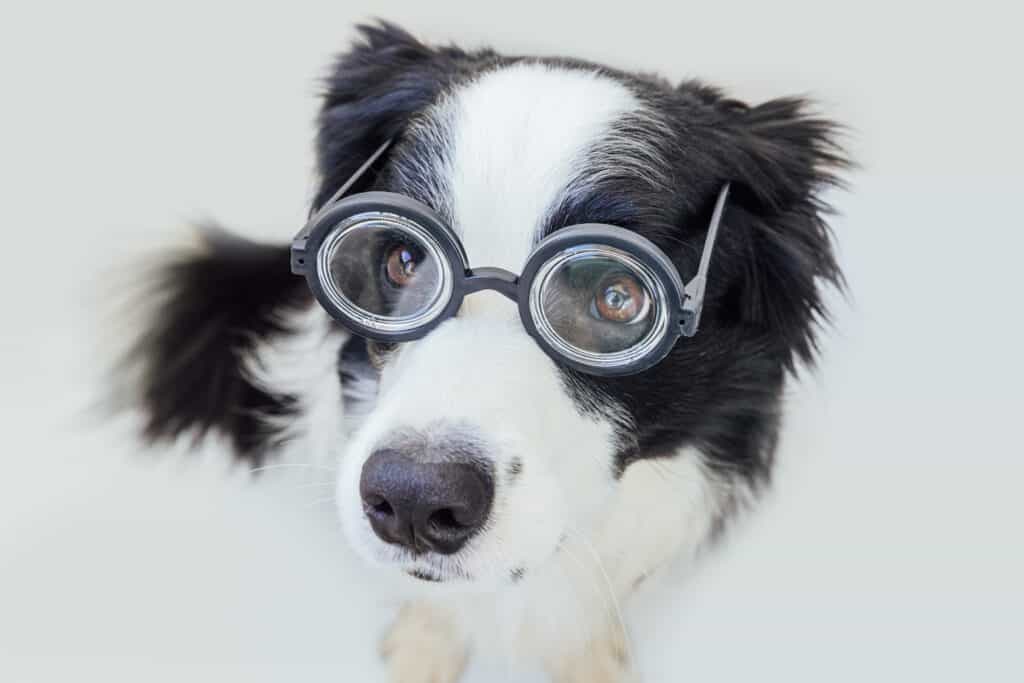
Dog wearing eye glasses

Border collies are intelligent dogs with strong personalities.

How To Take Care of Border Collies

New pet owners looking for how to care for border collies, especially puppies, need to consider several unique factors. Whether it’s hereditary conditions or different care related to their coat and moderate size, border collies have breed-specific factors their owners must know.

The Best Dog Food

Every dog breed, especially puppies, has different health needs compared to others, and border collies are no exception. Therefore, new owners should consider these needs when choosing food for their pets.

Border collie puppy food: Because of their high energy, size, and genetic makeup, border collies may develop musculoskeletal, neurological, eye, and other issues. When considering wet or dry food for puppies, consider a premium brand that not only has higher calcium and complex nutrients to support growth but also fatty acids such as DHA and ARA to support cognitive function and eye health. Dog food specifically formulated for puppy growth or for all life stages will have enough protein for border collie puppies, while adult dog food has too much and can lead to permanent damage.

Border collie adult dog food: Like puppy dog food considerations, pet owners should consider feeding their adult border collie premium dog food that is high in meat-based protein with meat as the first and main ingredient. Since border collies remain active well into adulthood, we recommend an active dog food variety of at least 25 percent protein and 15 percent fat to provide all the nutrients they need, whether as wet food, kibble, or patties. They can also eat a raw food diet, which can be purchased as a commercial diet or prepared at home. Border collies with dental issues may do best on a kibble-based diet.

Maintenance And Grooming

The Border Collie is one breed but has two main types of coats: the long or medium-length rough coat and the short, smooth coat. Both are double-layered. Although short-haired dogs are easier to maintain, both coats have average shedding throughout the year and more so during the winter. For this reason, they need brushing at least three times a week to keep shedding to a minimum. Long-haired border collies need special brushes for breaking up tangles. Two other lesser-known coat types are curly-coated and bearded. While brown, red, and white, red and blue merle, tricolors, and ticked colors are common to the other coat types, the colors the bearded have are various shades of gray.
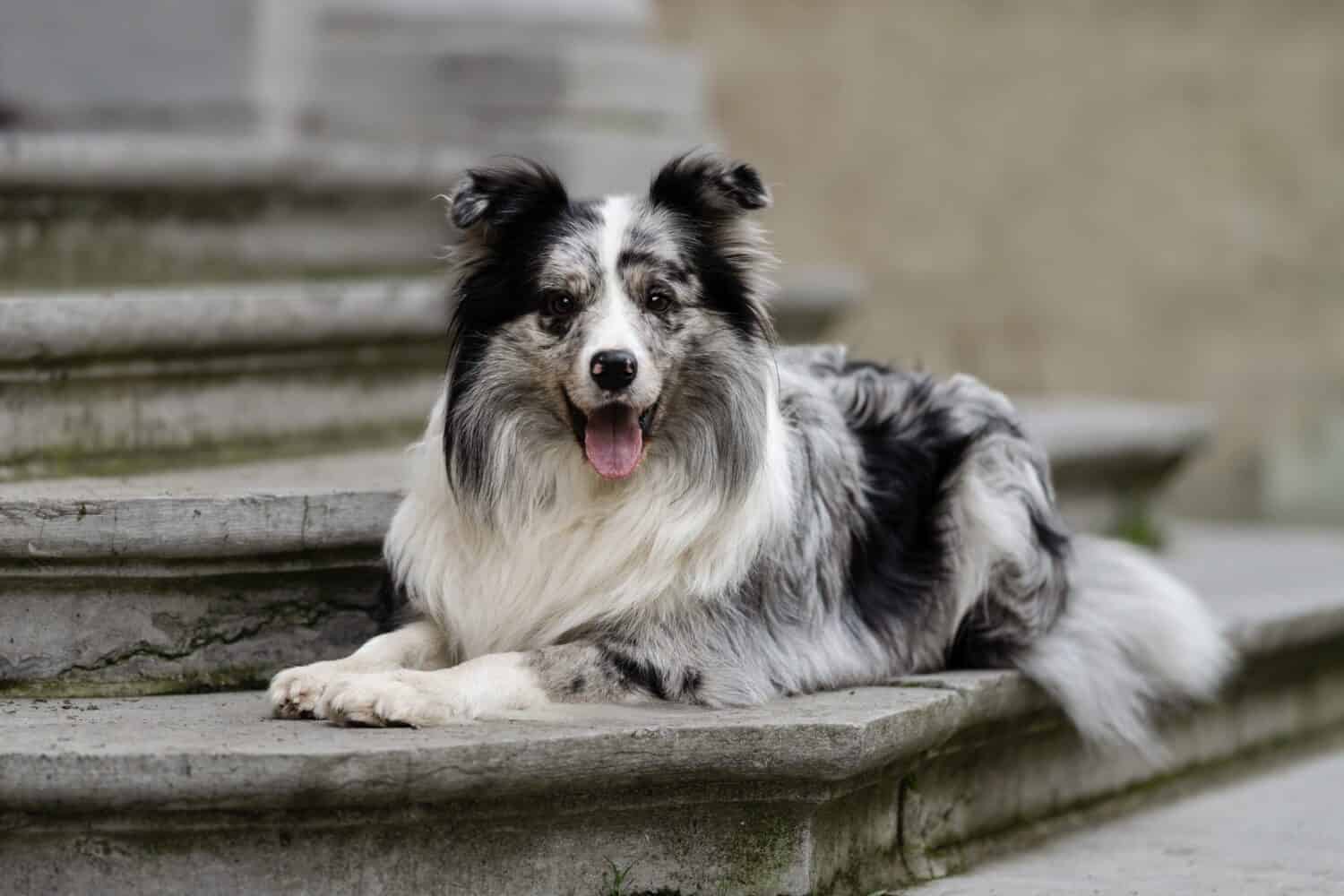
A blue-merle border collie posing in an urban setting

Border collies come in long-haired, medium-haired, curly-haired, and bearded.

Training

Border collies are persistent in their own training and refuse to stop until they learn the task. Unlike other hunting breeds, however, their eagerness to please means it’s best to train border collies with praise and clicker training instead of electronic collars. They were originally used for hunting birds and herding sheep and other livestock. They can work quickly, relying only on hand gestures and noises from their owner, or even working independently or in teams with other dogs.

When they have found prey or livestock, they will make a wide perimeter while out of sight and then herd the prey toward the owner’s designated spot. Their intelligent, hard-working, and obsessive nature makes them a common choice for search and rescue work. While they bark a lot when bored, they can learn to put their energy into barking on command.
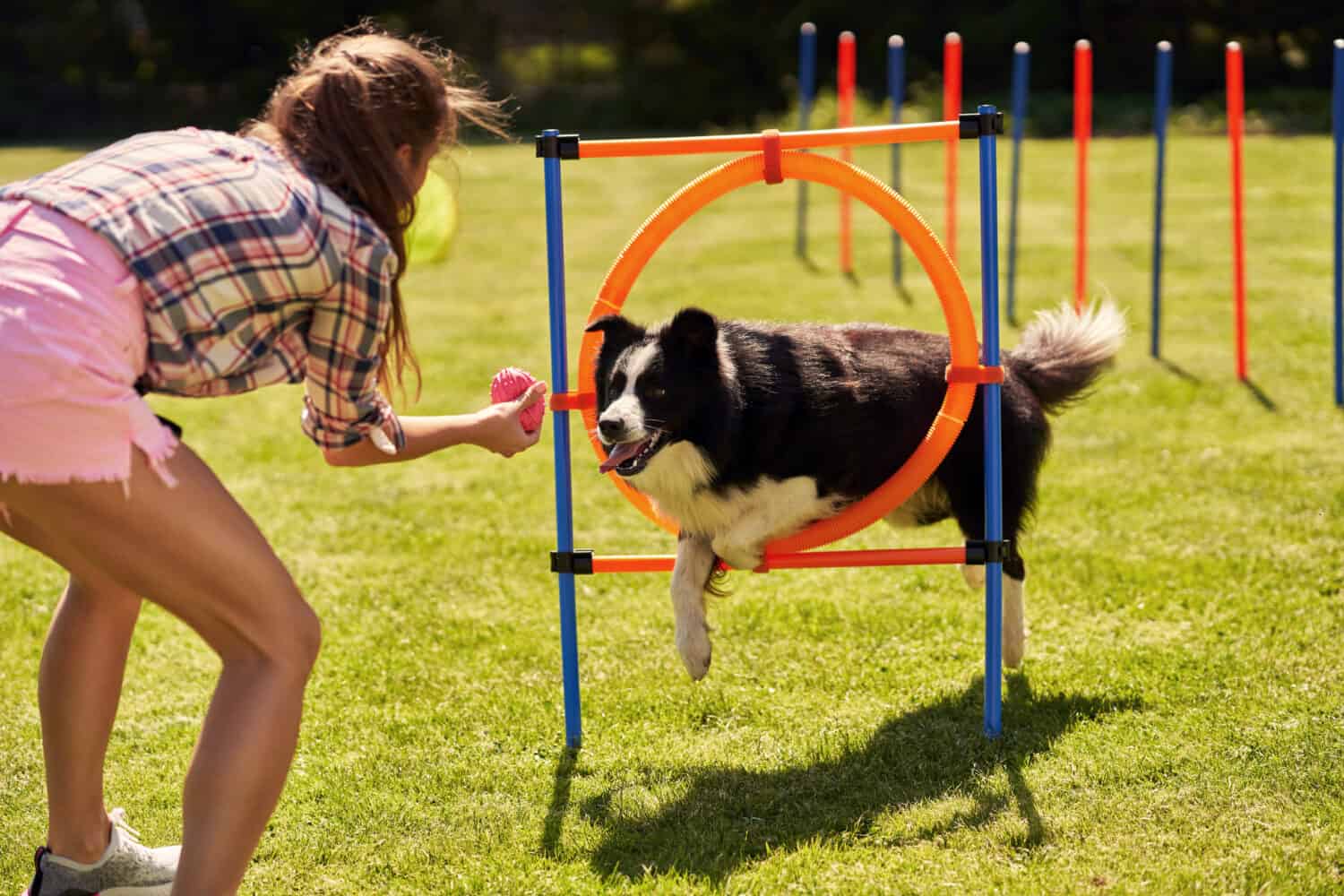
Border collie dog and a woman on an agility field

Border collies are very smart and can be taught lots of fun tricks.

Exercise

Due to their strong bodies and high energy, border collies need to live on spacious properties such as farms or ranches, or at least a large house with a large yard. You can help your Border Collie burn off excess energy with chew toys and hiding toys and treats around the house or yard. Puzzles or other games give them the mental stimulation they need, while obstacle courses, playing fetch, or joining a flyball dog team exercise their athletic ability. Border Collies ideally should get a minimum of 1-2 hours of vigorous exercise, such as running, herding, or agility activities, every day.

Border collie dog and a woman on an agility field

Border Collies are high-energy dogs that need vigorous activity, like running, every day.

Puppies

The Border Collie puppy needs dog food specially formulated for puppies or for all life stages. It must be a premium brand for the highest quality nutrition possible. Training the border collie puppy should start as early as possible to replace chewing on household items with chew toys, deter their herding tendency, and meet their athletic needs. Typical colors are black and white, but tricolor, red merle, blue merle, blue, grey, sable, and tan also exist.
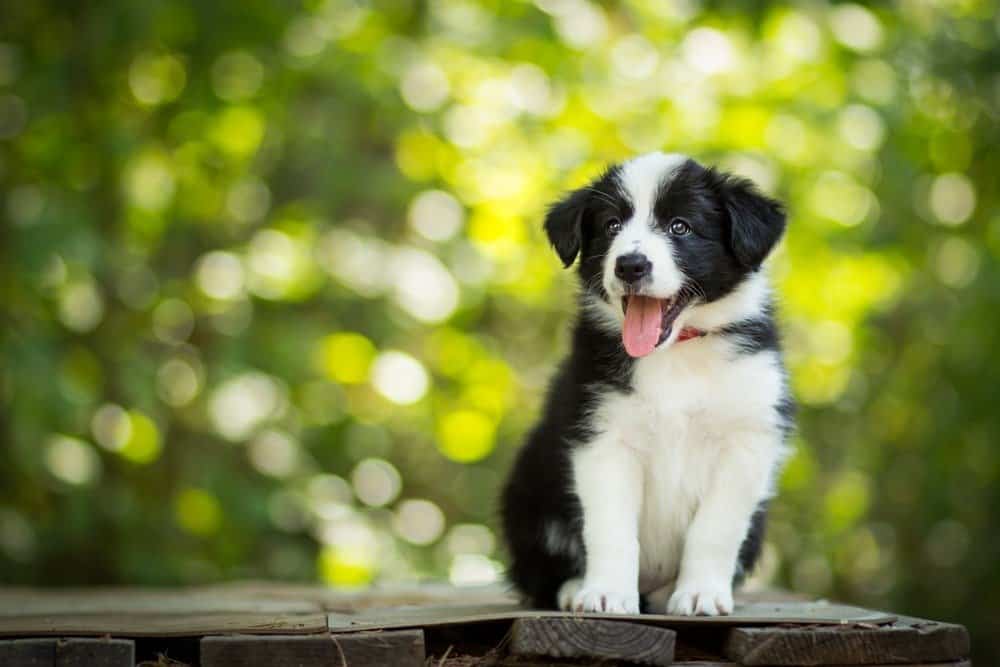
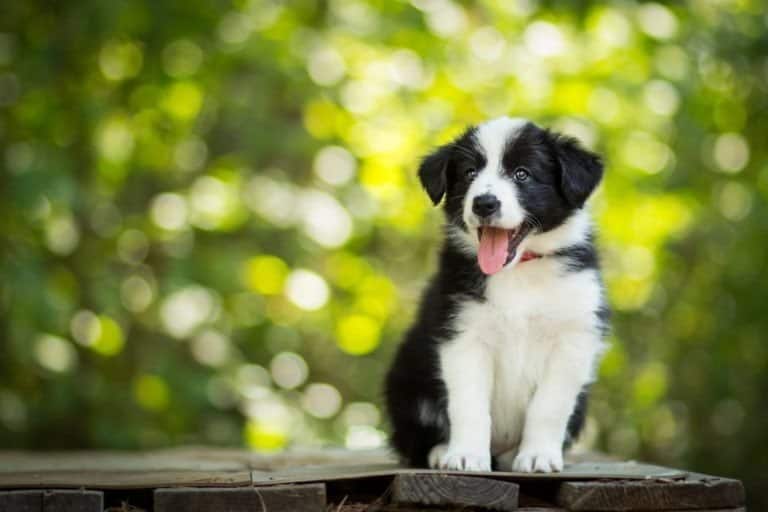
Portrait of amazing healthy and happy black and white border collie puppy

Border collie puppies are black and white, but tricolor, red merle, blue merle, blue, grey, sable, and tan also exist.

With Children

Border collies are loyal to their families and get along with everyone. They are good with children, although they may express their herding instinct with them when they don’t stay where the dog wants them to. For the best socialization, expose the Border Collie to children while it’s still a puppy. Border collies are also hesitant towards strangers and should be socialized early on to learn specific behavior around people they don’t know. Border collies from a rescue may have behavioral issues due to poor socialization, neglect, or confinement.

Dogs similar to Border Collies

  • Shetland Sheepdog: Shares the same collie traits of high intelligence, high energy, and excellent working ability, but is well-behaved within the home and with a smaller size that is better for first-time owners or those with smaller homes.
  • Rough Collie: A similar build and intelligence to border collies, rough collies (Lassie is a famous example) aren’t as physically demanding, needing only long walks. They’re also easier to train by inexperienced owners.
  • Lurcher: A hybrid from the crossing of a Border Collie with a Greyhound, this dog type is moderate in its traits to make it more versatile and suitable for different types of homes.
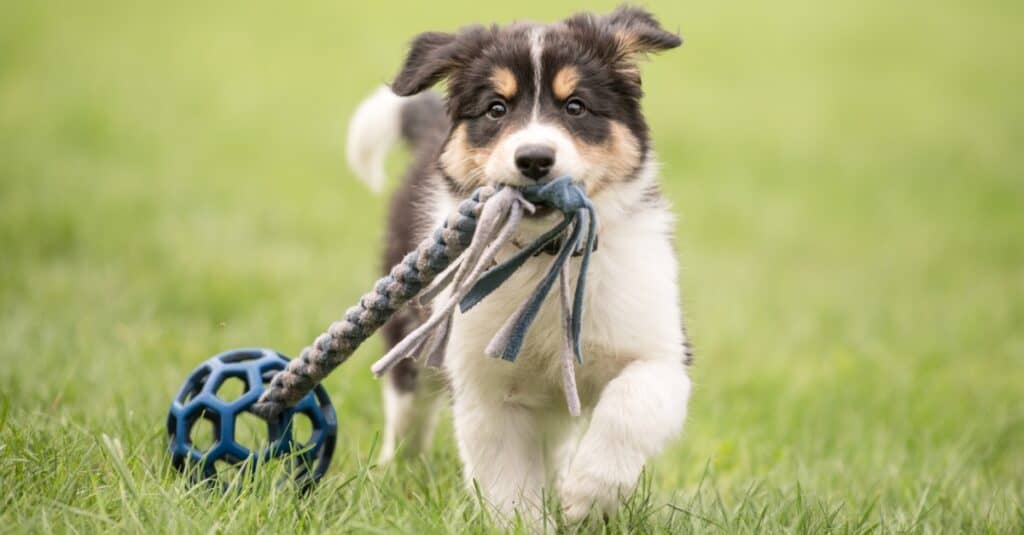
puppy training to fetch toy

Border collies are great with children and love to herd them around the yard.

Famous Border Collies

Border collies are known for being affectionate, smart, and energetic. Show dogs, rather than working dogs, are common as family pets since they’re bred for form over functionality, less behavioral diversity, and prey instinct impulsivity. Regardless, there have been several border collies that became famous for their herding ability:

  • Old Hemp was the common ancestor of modern border collies, siring the first litter and fathering over 200 males plus numerous females. He never lost a competition, first making fame when, in a sheep-herding showdown, he used only his hypnotic stare.
  • TV border collies: Nana in Snow Dogs, Fly in Babe, Raffles in Rover Dangerfield, and Bandit in Little House on the Prairie are just a few of several border collies that have been in movies and TV.
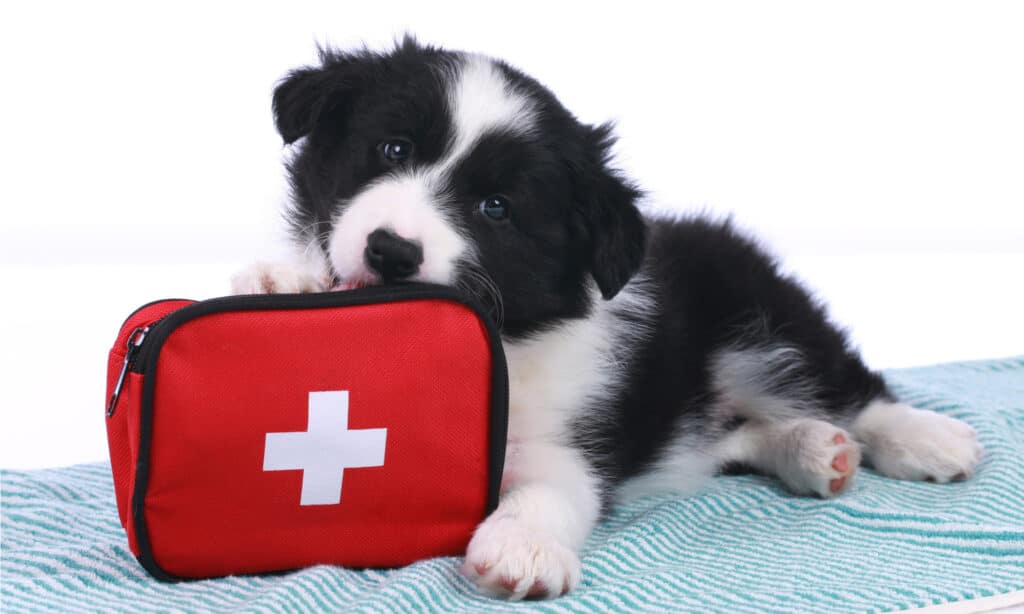
pet first aid kit

Border collies are great actors and are often featured in movies and commercials, due to their trainability.

View all 453 animals that start with B

Sources

  1. David Burnie, Dorling Kindersley Animal, The Definitive Visual Guide To The World's Wildlife / Accessed November 10, 2008
  2. Tom Jackson, Lorenz Books The World Encyclopedia Of Animals / Accessed November 10, 2008
  3. David Burnie, Kingfisher The Kingfisher Animal Encyclopedia / Accessed November 10, 2008
  4. David Burnie, Dorling Kindersley Illustrated Encyclopedia Of Animals / Accessed November 10, 2008
  5. Dorling Kindersley Dorling Kindersley Encyclopedia Of Animals / Accessed November 10, 2008
  6. American Kennel Club / Accessed November 19, 2020
  7. Wikipedia / Accessed November 19, 2020
  8. Vetstreet / Accessed November 19, 2020
  9. Border Collie Health / Accessed November 19, 2020
  10. Wikihow / Accessed November 19, 2020
  11. Outdoor Fun / Accessed November 19, 2020
  12. Border Collie Help / Accessed November 19, 2020
  13. The Smart Canine / Accessed November 19, 2020
Heather Hall

About the Author

Heather Hall

Heather Hall is a writer at A-Z Animals, where her primary focus is on plants and animals. Heather has been writing and editing since 2012 and holds a Bachelor of Science in Horticulture. As a resident of the Pacific Northwest, Heather enjoys hiking, gardening, and trail running through the mountains with her dogs.

Thank you for reading! Have some feedback for us?


Border Collie FAQs (Frequently Asked Questions)

On average, border collies cost $300-1,000 with an average cost of $700 and an occasional low cost of $200. However, special breeding lines, such as show dogs, cost more.