
B
Species Profile

Borneo Elephant

Elephas maximus borneensis

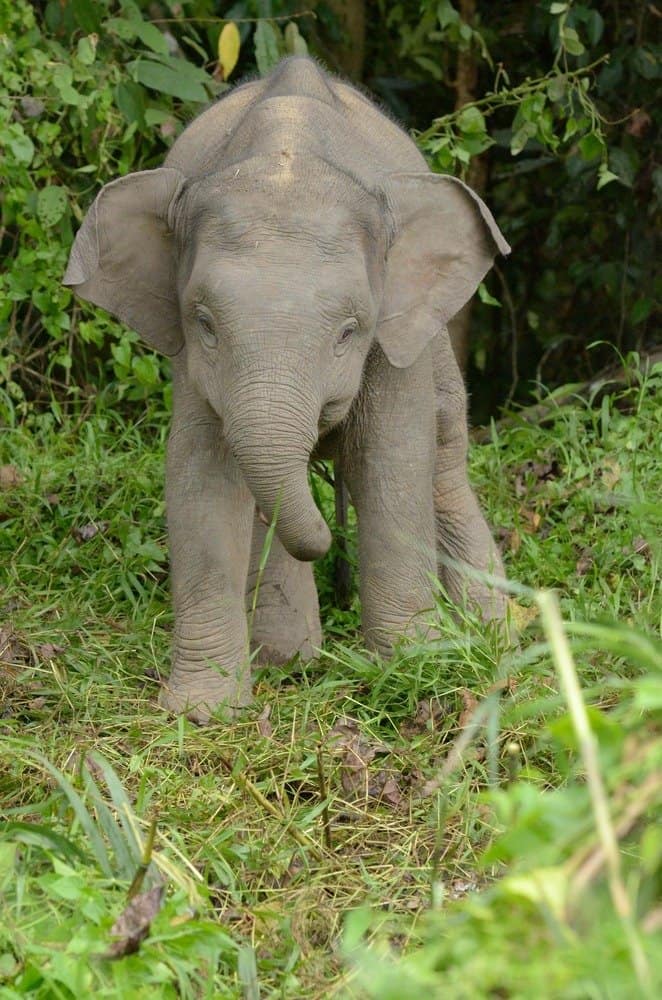
Borneo's gentle forest giant
Cacophony / Creative Commons

Borneo Elephant Distribution

Click a location to explore more animals from that region

Endemic Species
Loading map...

Size Comparison

Human 5'8"
Borneo Elephant 7 ft 7 in

Borneo Elephant is 1.3x the height of an average human.

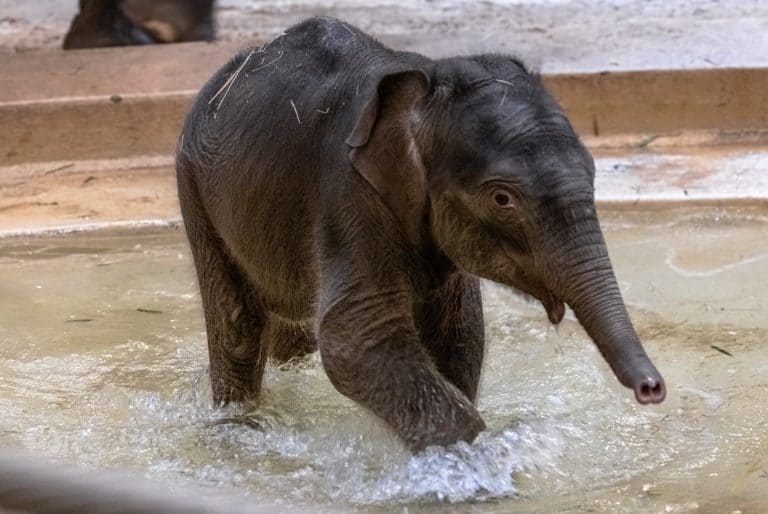
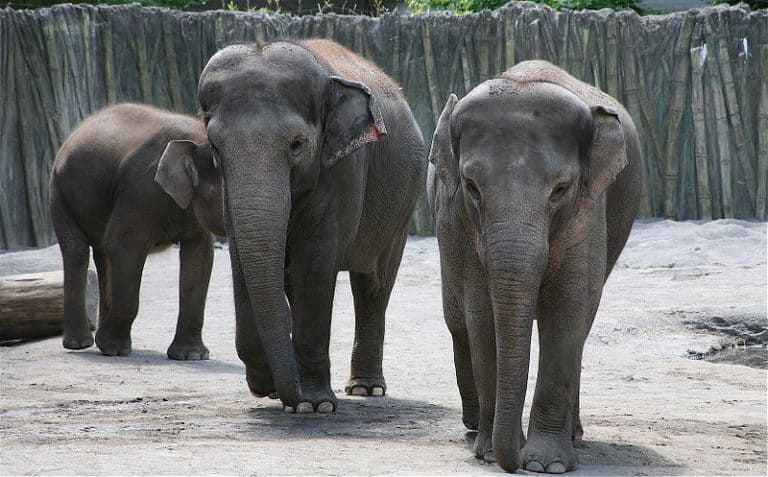
Borneo Elephants at Oregon Zoo

At a Glance

Wild Species
Also Known As Borneo elephant, Bornean elephant, pygmy elephant, Asian elephant, gajah Borneo
Diet Herbivore
Activity Cathemeral+
Lifespan 60 years
Weight 3500 lbs
Status Not Evaluated
Did You Know?

Taxon: widely treated as a distinct Asian elephant subspecies; a genetic study (Fernando et al., 2003) found deep divergence from other Asian elephants, though its origin has been debated.

Scientific Classification

A small-bodied Asian elephant population native to Borneo (primarily Sabah, Malaysian Borneo), often described as the “pygmy elephant.” It is widely recognized as a distinct subspecies, though its precise evolutionary origin has been debated in the literature.

Kingdom
Animalia
Phylum
Chordata
Class
Mammalia
Order
Proboscidea
Family
Elephantidae
Genus
Elephas
Species
Elephas maximus

Distinguishing Features

  • Relatively smaller body size compared with many mainland Asian elephant populations (hence “pygmy” in common name)
  • Often reported to have a more juvenile-looking profile with a comparatively rounder head and gentler facial appearance (field descriptions vary)
  • Long tail that may reach near the ground in some individuals
  • Occurs only on Borneo (geographically isolated from other Elephas maximus populations)

Physical Measurements

Males and females differ in size

Height
8 ft 2 in (7 ft 7 in – 8 ft 10 in)
7 ft 3 in (6 ft 7 in – 7 ft 10 in)
Weight
2.8 tons (2.2 tons – 3.3 tons)
2.2 tons (1.7 tons – 2.8 tons)
Tail Length
4 ft 3 in (3 ft 7 in – 4 ft 11 in)
Top Speed
16 mph
No Bornean data; ~25 km/h

Appearance

Primary Colors
Secondary Colors
Skin Type Very thick, wrinkled skin with sparse hair, often covered in mud or dust to cool the body and keep bugs away. Some face, trunk, and ear patches are lighter and smoother; overall like Elephas maximus.
Distinctive Features
  • Elephas maximus borneensis, the Bornean pygmy elephant, lives mainly in Sabah, Malaysian Borneo. It is usually treated as a distinct subspecies, but its origins are debated, with genetic support versus introduction ideas.
  • Smaller than many mainland Asian elephants. Adult male shoulder height about 2.4-2.8 m; adult female about 2.0-2.3 m. Sizes vary by age and individuals; few measurements from Borneo.
  • Often described (with individual variation) as having a more 'juvenile' look: rounder face and a less pronounced double-domed head profile compared with some mainland populations.
  • Ears are often described as relatively large and more rounded in outline for body size (still distinctly Asian-elephant ears, not African-elephant size).
  • Tail frequently described as relatively long for body size, sometimes reaching close to the ground; tail hair tuft present.
  • Tusks: many females have no visible tusks (tuskless) or only very small tushes; males typically have tusks but they are often shorter/slenderer on average than in many mainland Asian-elephant males (considerable variation among individuals).
  • Bornean pygmy elephants (Elephas maximus borneensis) live about 50–60 years in the wild, sometimes 60–70 years in good conditions; Borneo-specific lifespan data are limited.
  • Bornean Pygmy Elephants wallow in mud and dust, so skin color varies. In fragmented lowland forests and river edges they may have scratches and scars from dense plants and conflicts with people.

Sexual Dimorphism

In Bornean pygmy elephants, males are bigger and stronger than females and more likely to have tusks. Many females are tuskless or have small tushes; males range from short or thin to more developed tusks.

  • Larger body size and mass on average than females (commonly reported adult male shoulder height roughly ~2.4-2.8 m in Borneo field accounts/reviews; varies with age and individual).
  • Tusks usually present; often relatively short/slender compared with many mainland Asian-elephant males, though individual variation is substantial.
  • Thicker neck/forequarters and more pronounced temporal/musth-related swelling/secretions when in musth (a behavioral/physiological trait that can alter head/temple appearance).
  • Smaller body size on average (commonly reported adult female shoulder height roughly ~2.0-2.3 m in Borneo field accounts/reviews; varies with age and individual).
  • Usually tuskless (no visible tusks) or with very small tushes; this can make the head/trunk profile look smoother at the mouth corners.
  • More gracile head/forequarter build compared with adult males.

Did You Know?

Taxon: widely treated as a distinct Asian elephant subspecies; a genetic study (Fernando et al., 2003) found deep divergence from other Asian elephants, though its origin has been debated.

Adults are typically smaller than many mainland Asian elephants: reported adult male shoulder height ~2.3-2.6 m (females ~1.8-2.3 m), versus ~2.7-3.2 m for many mainland males (values summarized in regional field guides and Sabah wildlife references).

Reported adult mass is commonly ~2,000-3,000 kg for males (females ~1,500-2,000 kg), lower than many mainland Asian elephant males that can exceed ~4,000 kg.

They often show a proportionally longer tail (sometimes reaching near the ground) and relatively large ears compared with other Asian elephant populations-traits frequently noted in Sabah field descriptions.

Reproduction follows Asian elephant biology: gestation averages ~22 months (~660 days); calves may nurse for 2-4 years, and calving intervals are often ~4-6 years depending on resources.

Longevity is similar to Asian elephants generally: individuals can live ~60-70 years in the wild under favorable conditions (with survivorship strongly reduced where conflict/poaching pressures are high).

Most of the world population occurs in Malaysian Borneo (Sabah), with a smaller transboundary presence near northern Kalimantan; key strongholds include the Kinabatangan floodplain and adjacent forest reserves.

Unique Adaptations

  • Smaller average body size (relative to many mainland Asian elephants) may aid maneuvering and energy balance in dense, humid lowland forests (often discussed in the context of "pygmy" appearance).
  • Relatively large ears increase surface area for heat dissipation-useful in Borneo's warm, wet lowlands.
  • Flexible foraging: capable of switching among grasses, palms, bark, and forest-edge plants, enabling persistence in a mosaic of logged forest, regrowth, and floodplain habitats.
  • Trail-making and path memory: repeated use of traditional routes and river crossings reduces travel costs through thick vegetation and helps groups navigate fragmented landscapes.
  • Broad, cushioned feet (shared elephant trait) support quiet movement and weight distribution on soft, muddy floodplain soils common in Sabah's lowlands.

Interesting Behaviors

  • Matriarch-led family groups: adult females and calves travel in related units; adult males are more solitary and may associate mainly for mating.
  • Seasonal and daily movement shifts: in heavily modified landscapes, groups often move more at night and use forested corridors to avoid people and heat.
  • River use: frequent wallowing and bathing; regular crossings along major rivers (e.g., Kinabatangan system) to reach feeding and refuge areas.
  • Salt/mineral seeking: visits to natural mineral licks and disturbed-soil sites to supplement sodium and other minerals.
  • Crop-foraging in edge habitats: oil palm and smallholdings can attract elephants, increasing human-elephant conflict; repeated "learned routes" may form if deterrence is inconsistent.
  • Low-frequency communication: like other elephants, they use rumbles (including infrasonic components) to coordinate over long distances through dense forest.
  • Musth in adult males: temporary periods of heightened hormones/sexual activity with increased roaming and scent-marking, influencing conflict risk near settlements.

Cultural Significance

The Bornean pygmy elephant (Elephas maximus borneensis) is a symbol for lowland forest conservation and Kinabatangan river ecotourism. Plantation, road, and settlement spread into floodplain forests cause human-elephant conflict, leading to local ways to keep elephants away, corridor protection, and government moves to manage elephants.

Myths & Legends

In Sabah (North Borneo) stories, Bornean pygmy elephants (Elephas maximus borneensis) are said to come from animals given by a ruler — often the Sultan of Sulu — then released or escaped into the forests.

A royal version links Bornean pygmy elephants to old sultanates and sea trade (Brunei, Sulu), saying rulers kept them and they later roamed inland; these tales remain amid scientific debate over their origins.

In Southeast Asian myths, including Borneo, the white elephant is a royal sign of rightful kingship, linking elephants to power, rule, and sacred power in mainland and island traditions.

In Asian religious tradition, elephants link to divine and cosmic images: an elephant-headed god who removes obstacles and a sacred elephant mount in Hindu and Buddhist stories, shaping elephant symbolism across South and Southeast Asia.

Conservation Status

NE Not Evaluated

Has not yet been evaluated against the criteria.

Population Decreasing

Protected Under

  • CITES Appendix I (Elephas maximus listed; international commercial trade prohibited with limited exceptions).
  • Malaysia: Wildlife Conservation Act 2010 (Act 716) provides strict protection for elephants (implementation varies by jurisdiction; Sabah has state-level wildlife administration).
  • Sabah (Malaysian Borneo): Wildlife Conservation Enactment 1997-elephants are treated as a totally protected species under state law, prohibiting hunting/capture except under specific authority/permits.
  • Protected-area network and state-managed forest reserves in Sabah provide partial habitat protection, but many elephants range outside protected areas into production forests and plantation mosaics, making corridor protection and conflict mitigation central to effective conservation.

Life Cycle

Birth 1 calf
Lifespan 60 years

Lifespan

In the Wild
50–70 years
In Captivity
35–60 years

Reproduction

Mating System Polygynandry
Social Structure Aggregation Group
Breeding Pattern Transient
Fertilization Internal Fertilization
Birth Type Internal_fertilization

Elephas maximus borneensis likely has a promiscuous mating system with no lasting pair bonds. Females live in matrilineal family groups; males are solitary or in bachelor groups and show musth. Allomothering is common; estrus lasts days; gestation ~21 months; births ~4–6 years apart.

Behavior & Ecology

Social Herd Group: 8
Activity Cathemeral, Crepuscular
Diet Herbivore Seasonally preferred high-moisture, high-fiber items: young grasses and other succulent herbaceous growth in riverine/open areas; when available, soft fruits such as wild banana (Musa spp.) and figs (Ficus spp.). (Bornean-elephant-specific preference data are limited; this reflects field observations from Sabah alongside broader Asian-elephant diet ecology.)

Temperament

Generally non-territorial and wide-ranging; individuals and groups show avoidance/flight responses to people and sudden disturbance, but will escalate to defensive aggression at close range-especially adult females with calves and injured/harassed animals (Sukumar, 2003).
Strong calf-protection behavior: matriarchs and other adult females coordinate guarding, bunching, and controlled retreats; adults often position themselves between calves and threat direction (Sukumar, 2003).
Male behavioral state is strongly influenced by musth (physiological reproductive state): increased roaming, reduced tolerance of rival males, and higher risk of conflict around estrous females (Poole, 1987).
Fission-fusion flexibility: family groups may split into smaller parties during travel/foraging and rejoin later; in Borneo, this flexibility appears accentuated in fragmented landscapes (forest-plantation mosaics), where elephants adjust spacing and timing to reduce risk.
Wild Asian elephants often live about 60 years and can reach near 70 in good conditions; a separate lifespan estimate for Elephas maximus borneensis is not well known apart from E. maximus.

Communication

Low-frequency 'rumbles' Including infrasonic components) used for contact, coordination, and reproductive contexts; infrasonic calls in elephants have been measured at roughly ~14-24 Hz and can propagate over kilometers under suitable conditions (Payne et al., 1986; Garstang, 1995
Trumpets (high-intensity alarm/excitement calls), often in disturbance, reunions, or escalation contexts.
Roars/growls Threat/aggression contexts) and squeals/screams (high arousal, pain, or intense social interactions
Barks/snorts (short-range alarms or startle responses), particularly during sudden disturbance.
Seismic Ground-borne) signaling: elephants can generate and detect vibrations through the feet and trunk; seismic components are associated with some low-frequency calls and can support short- to medium-range communication (O'Connell-Rodwell, 2007
Chemical/olfactory signaling: urine dribbling and chemical cues from temporal gland secretions are important in male musth and reproductive assessment; dung and scent trails provide social information Poole, 1987; Sukumar, 2003
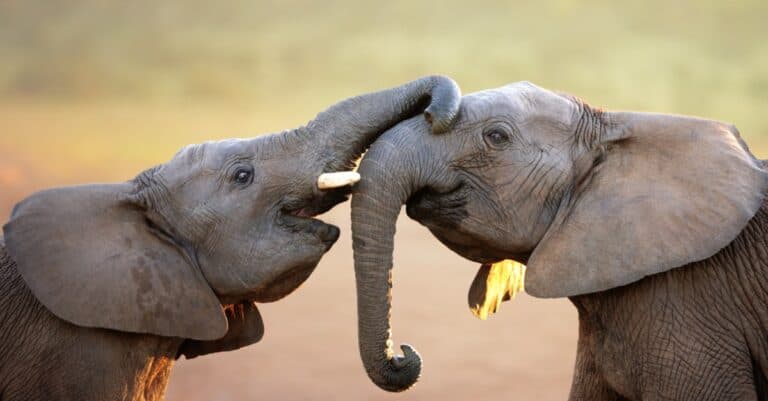
Tactile communication: trunk touches, mouth/trunk contact, body rubbing, and gentle pushing are common in reassurance, bonding, and calf handling; physical contact increases in tightly spaced travel and during calf guarding.
Visual signaling and posture: ear spreading, head-high displays, and charging/bluff-charging convey threat; retreat, turning away, and bunching communicate avoidance/defense intent Sukumar, 2003
Acoustic-behavioral coordination in groups ('HUB' pattern): family herds synchronize movement and decision-making via contact rumbles, tactile cues, and following the matriarch; variation occurs with habitat openness and human disturbance-more silent, tighter bunching and more nocturnal/edge-avoidant movement is often reported near people.

Habitat

Biomes:
Tropical Rainforest Wetland Freshwater
Terrain:
Island Plains Hilly Valley Riverine Coastal Muddy +1
Elevation: Up to 3608 ft 11 in

Ecological Role

Megaherbivore ecosystem engineer and long-distance seed disperser in Bornean lowland forests and floodplains (Sabah).

Seed dispersal (endozoochory) of large-seeded and fleshy-fruited plants via dung, often over kilometers, promoting gene flow and forest regeneration Creation of canopy gaps and maintenance of early-successional patches through browsing, tree pushing, and trampling, increasing habitat heterogeneity Nutrient cycling: concentrates and redistributes nutrients via dung/urine; dung supports dung beetles and decomposer food webs Trail and corridor formation that can facilitate movement paths for other wildlife and influence human/animal access patterns Riparian and wetland vegetation shaping through repeated grazing/browsing in floodplains and along river margins

Diet Details

Other Foods:
Grasses Sedges Palm Bamboo leaves and shoots Gingers and other herbaceous understory plants Browse Tree bark Fruits Roots, rhizomes, and tubers Aquatic and riparian vegetation +4

Human Interaction

Domestication Status

Wild

Bornean pygmy elephants (Elephas maximus borneensis) are wild, free-roaming elephants found only on Borneo. They have no known history of domestication. Genetic studies show they are a long-isolated, unique Asian elephant lineage. Today people focus on their conservation, managing human–elephant conflict in farms and oil-palm areas, and sometimes capturing or moving individuals for safety.

Danger Level

High
  • Human-elephant conflict encounters during crop-raiding or movement through plantations/settlements can result in charges, trampling, or crushing injuries
  • Vehicle collisions on roads that cut across elephant habitat (risk to drivers and elephants)
  • Aggression risk increases with stressed animals, separation of family groups, harassment, or close approach on foot/vehicle
  • Management operations (driving, herding, darting, translocation) carry elevated risk to personnel if protocols fail

As a Pet

Not Suitable as Pet

Legality: Not legal to keep as a pet. Bornean Pygmy Elephant (Elephas maximus borneensis) is protected by national laws and CITES Appendix I. Private keeping is usually illegal; only licensed zoos or rescue centers with permits may have them.

Care Level: Expert Only

Purchase Cost:
Lifetime Cost:

Economic Value

Uses:
Ecotourism and wildlife viewing value (non-consumptive) Ecosystem services (seed dispersal, habitat modification as megaherbivores) Conservation funding and research value Human-elephant conflict costs (crop loss, infrastructure damage, mitigation/compensation) Land-use planning costs/benefits (corridors, fencing, translocation operations)
Products:
  • No legal commercial products from the subspecies; any ivory trade is illegal and conservation-negative
  • Indirect economic outputs: tourism revenue, conservation jobs, and costs associated with conflict mitigation (e.g., electric fencing, patrols, translocation)

Relationships

Predators 3

Human
Human Homo sapiens
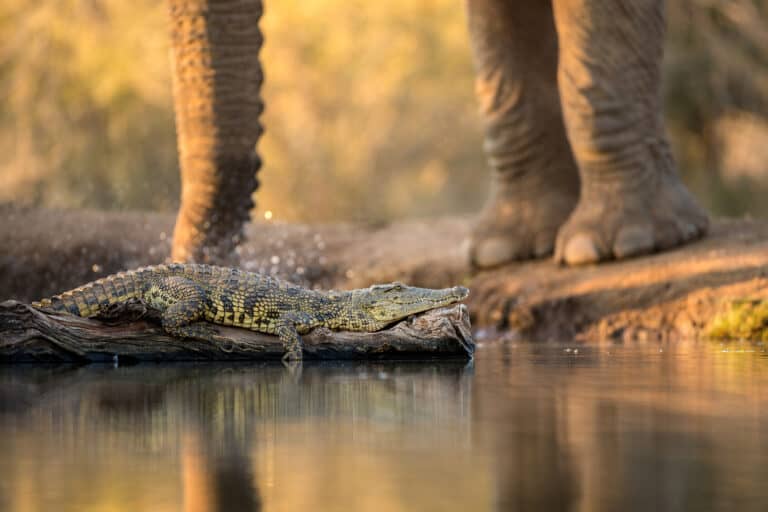
Saltwater crocodile Crocodylus porosus
Sunda clouded leopard Neofelis diardi

The Borneo elephant is a subspecies of the Asian elephant and the only member of the species to reside on the island of Borneo.

This subspecies also goes by the alternative name of pygmy elephant. However, there is nothing small about this gigantic creature. By any measurement, it is still the largest land animal on the island of Borneo. Much about its behavior remains unknown. Until the World Wildlife Fund attached satellite collars to a few Borneo elephants in 2005, most of what we know about this subspecies was based upon extrapolation from the study of other Asian elephants. As its fate hangs in the balance, it’s now a race against time to save it from extinction.
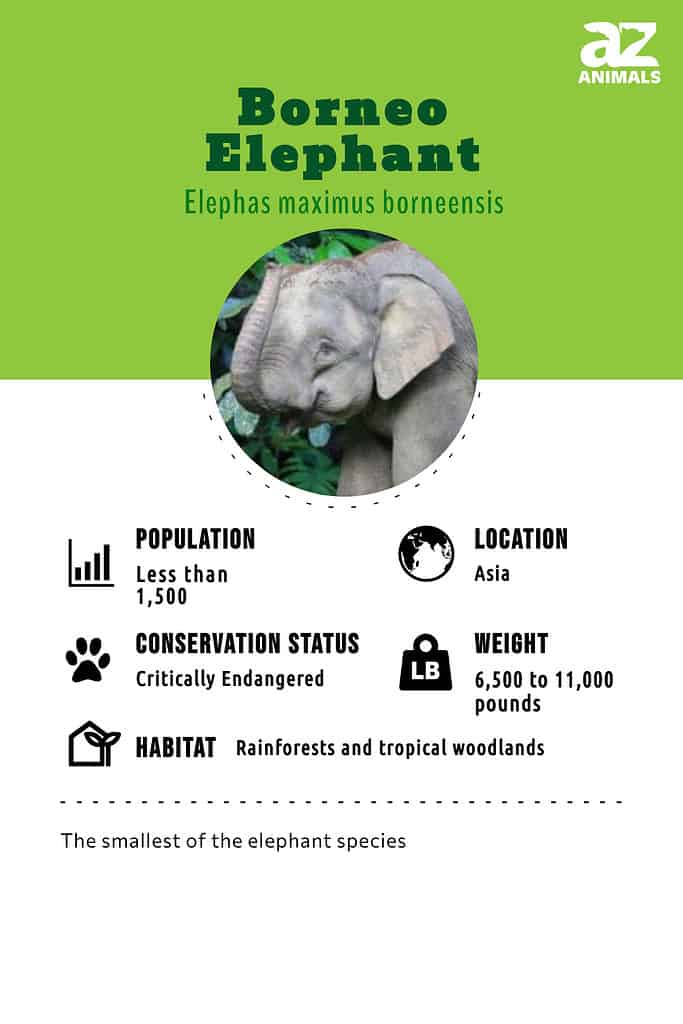
Borneo Elephant infographic

4 Incredible Borneo Elephant Facts

  • The Borneo elephant last shared a common ancestor with its Asian kin about 300,000 years ago. Isolated from the other subspecies, it has evolved separately on the island of Borneo, never exchanging genes with other populations of elephants.
  • Asian elephants grow six sets of teeth throughout their lives.
  • Female Asian elephants usually lack tusks, but they do have long teeth called tushes located right behind their upper lips.
  • The elephant trunk is an impressive instrument that’s almost akin to a human hand. One of the more amazing facts about it is the ability to break off branches and swat away flies.

Scientific Name
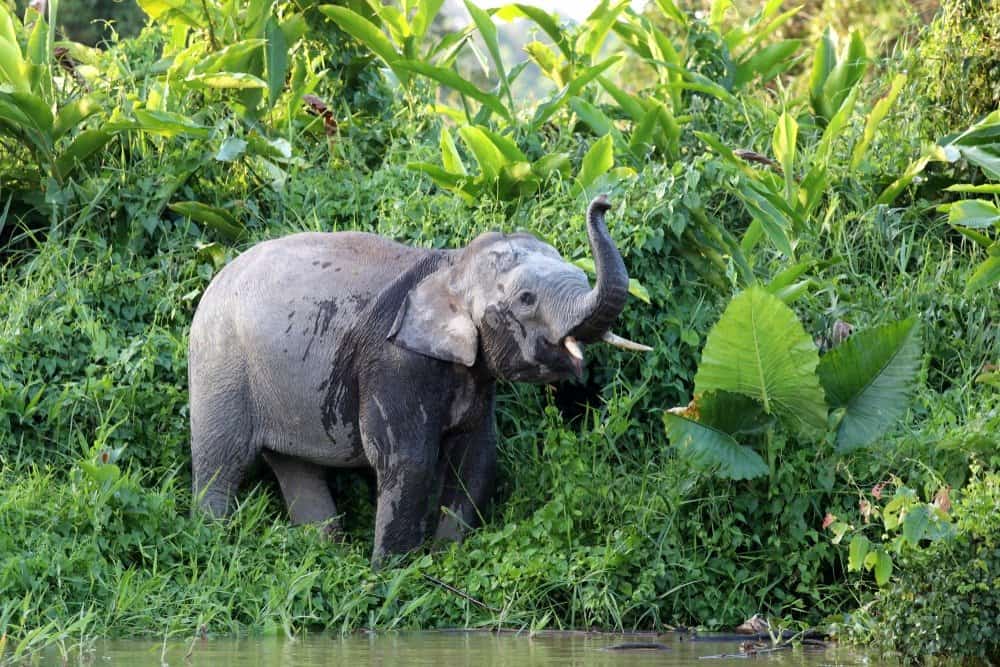
Borneo Elephant (Elephas maximus borneensis)

Borneo elephant is called Elaphas Maximus borneensis scientifically.

The scientific name of the Borneo elephant is Elaphas maximus borneensis. Elephas is obviously the name of the elephant family that includes both African elephants and Asian elephants. Maximus is the precise scientific name of the Asian elephant species. As you might already know, it is a Latin term meaning greatest or largest, which reflects the size of the Asian elephant. It is also where we get the English term maximum. Borneensis, a Latinized word for Borneo, refers only to the specific subspecies of Borneo. There are actually four subspecies of the Asian elephant in total. The other three are the Sri Lanka elephant, the Sumatra elephant, and the Indian elephant. It is believed that the Borneo elephant has evolved far enough away from its Asian counterpart to warrant a separate subspecies designation.

Evolution and Origins

Borneo Elephant (Elephas maximus borneensis)

Borneo elephants have been evolving for 60 million years.

Elephants are part of a group of mammals called proboscideans, which also includes extinct species such as mammoths and mastodons. The earliest known proboscideans lived around 60 million years ago in what is now North Africa and were small, rodent-like creatures. Over time, these animals evolved larger bodies and more complex teeth that allowed them to eat tough plant material.

Around 25 million years ago, the first true elephants appeared in Africa. These animals had elongated snouts (or trunks) that they used for grasping food and water, as well as tusks for defense and digging up roots. They also had large molars with ridges that helped them grind down vegetation.

Over millions of years, elephants continued to evolve and spread across the world. Some populations migrated to Asia, while others remained in Africa. Today there are three living species: African bush elephants (Loxodonta africana), African forest elephants (Loxodonta cyclotis), and Asian elephants (Elephas maximus). Each species has its own unique adaptations based on their habitat and diet.

Despite their impressive size and strength, modern-day elephant populations face numerous threats from human activities, such as poaching for ivory or habitat loss due to deforestation or development projects. Understanding their evolution can help us better appreciate these incredible animals’ place in our planet’s history while emphasizing the importance of conservation efforts.

Appearance
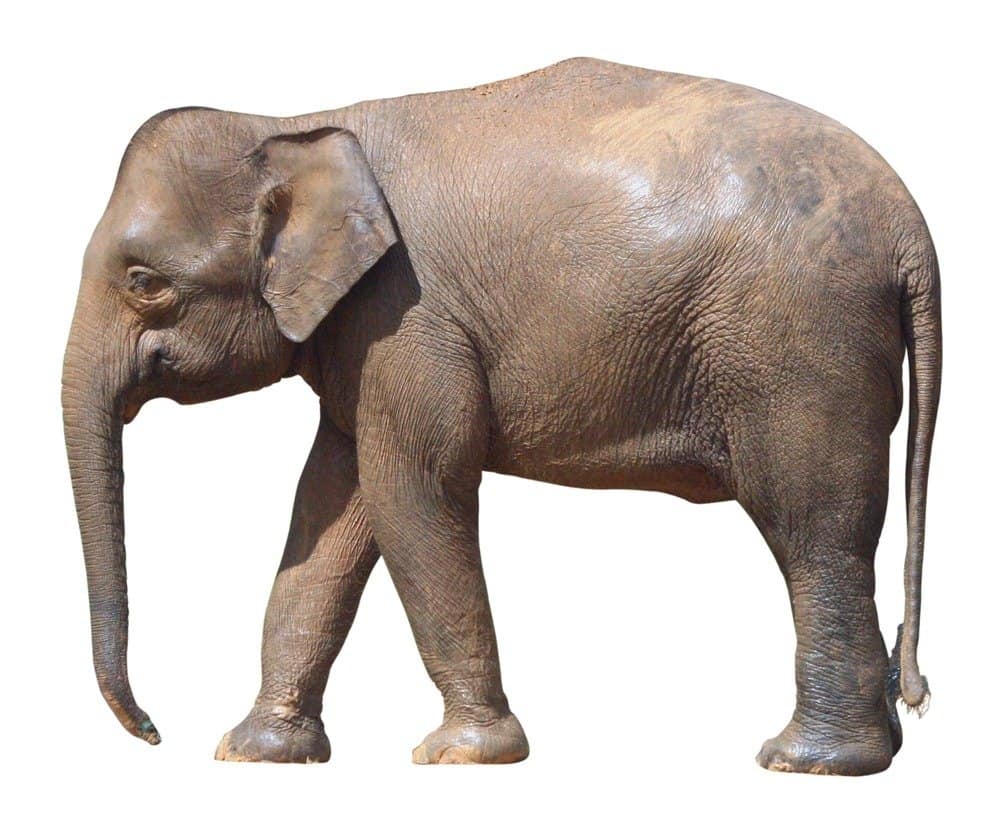
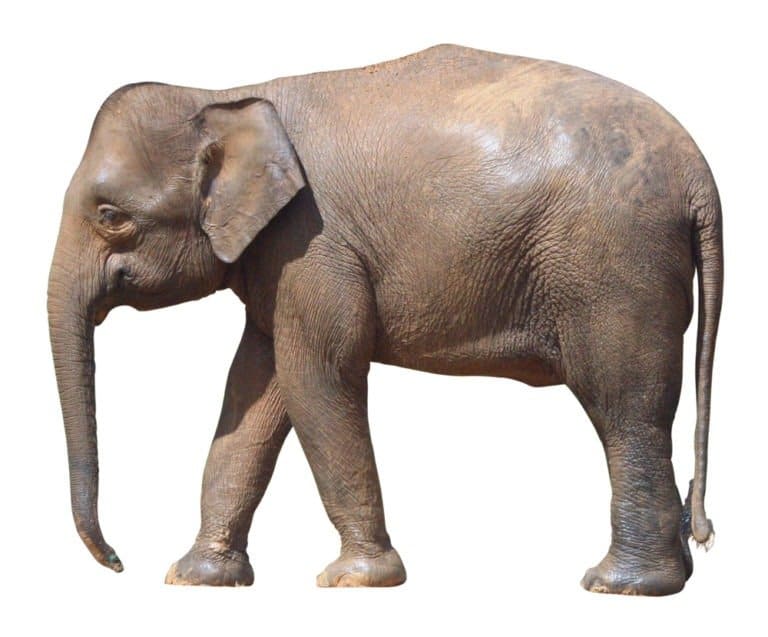
Borneo elephant isolated on a white background

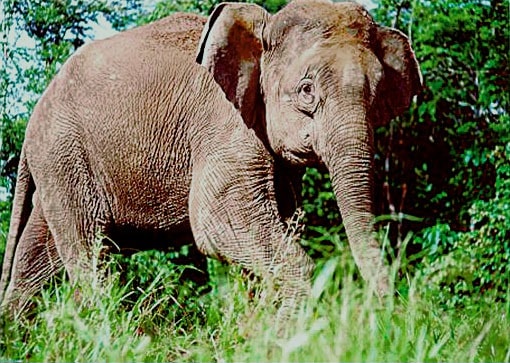
The Borneo elephant shares many features in common with its Asian relatives: the two-domed head, the smaller rounded ears, the four hooves on the hind foot, and the gray skin with tiny spouts of hair. But it also exhibits many physical differences, including straighter tusks and a longer tail. The Asian elephant is generally smaller than the African elephant, but the Borneo elephant is around 30% smaller than other Asian elephants. Small, in this case, is relative since the Borneo elephant measures between 8.2 and 9.8 feet tall and between 6,500 and 11,000 pounds in weight. Males tend to have a much larger weight than females on average.

Behavior
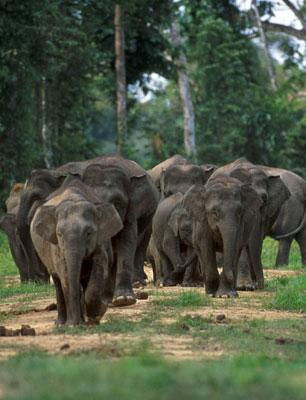
Borneo elephants (Elephas maximus borneensis)

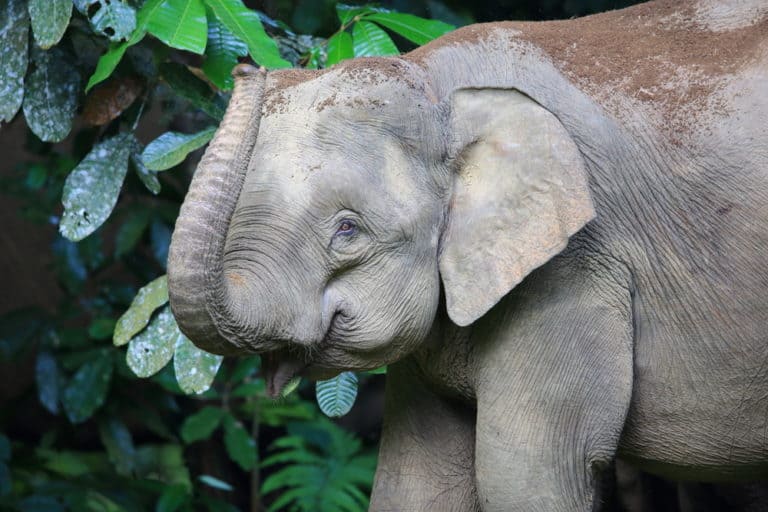
Borneo elephants use their trunk for dozens of purposes.

The elephant trunk is an all-around incredible instrument. Thanks to the large concentration of muscles and nerves, it is the main means through which the elephant interacts with the world: breathing, smelling, drinking, communicating, and grabbing objects. (It also has a finger-like appendage on the end to help with this.)

The elephant needs an equally impressive brain to perform all of these amazing feats with its trunk. Borneo elephants have not been widely studied for their cognition, but the elephant family as a whole has a highly developed neocortex (similar to humans, apes, and dolphins) that enables it to use tools, recognize itself in the mirror, solve complex problems, mimic behavior, and feel a range of complex emotions. Observations suggest that the elephant can experience grief and mourning over the death of a close friend or family member.

The herd is the center of all social activity and daily life for some elephants. This highly cooperative and altruistic unit consists of five to 20 adult females (called cows) and their offspring. The male bulls usually wander off on their own at a young age or join all-male bachelor groups, but the females tend to stay with the same herd for much of their lives. The oldest and largest female typically becomes the matriarch of the entire herd. She helps the group make decisions and instructs younger mothers on how to care for their young.

The Asian elephant is a crepuscular species, which means it sleeps during the day and accomplishes most of its activities during the dawn and dusk hours. Defying its rather cumbersome stereotype, the elephant is a fast runner and a surprisingly good swimmer. It can submerge its entire body in the water to stay cool. Only its trunk is visible above the water to help it breathe. The elephant will also cover itself in mud or soil to keep its body temperature down during the warmer months.

The life of the herd revolves around a nomadic existence. This means it wanders around a massive territory in search of waterholes and abundant sources of food. Multiple groups will sometimes join together based on the season, habitat, and other conditions.

Habitat
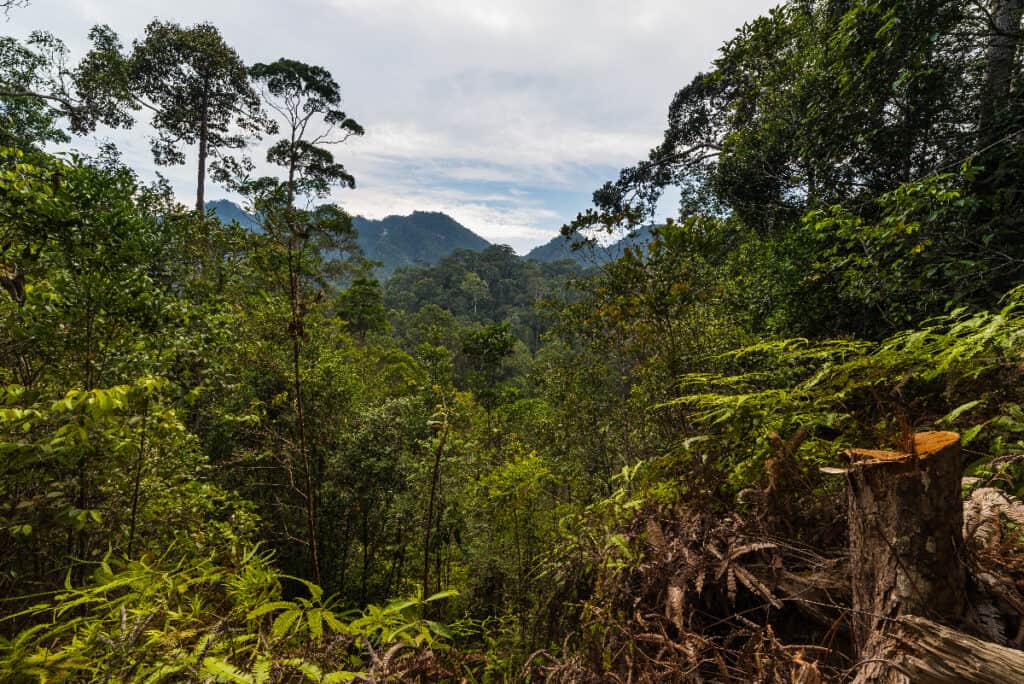
The Borneo Lowland Rain Forest are the only home of the Borneo Elephant.

The Borneo elephant, as the name implies, is endemic to the northeastern part of the island of Borneo. Although isolated from the rest of Asia, Borneo is one of the largest islands in the Pacific and a source of immense biodiversity. The greatest concentration of the Borneo elephant is found in the Malaysian state of Sabah at the very northern tip of the island. Here it wanders the forests and grasslands for 12 to 18 hours a day in search of resources.

Diet
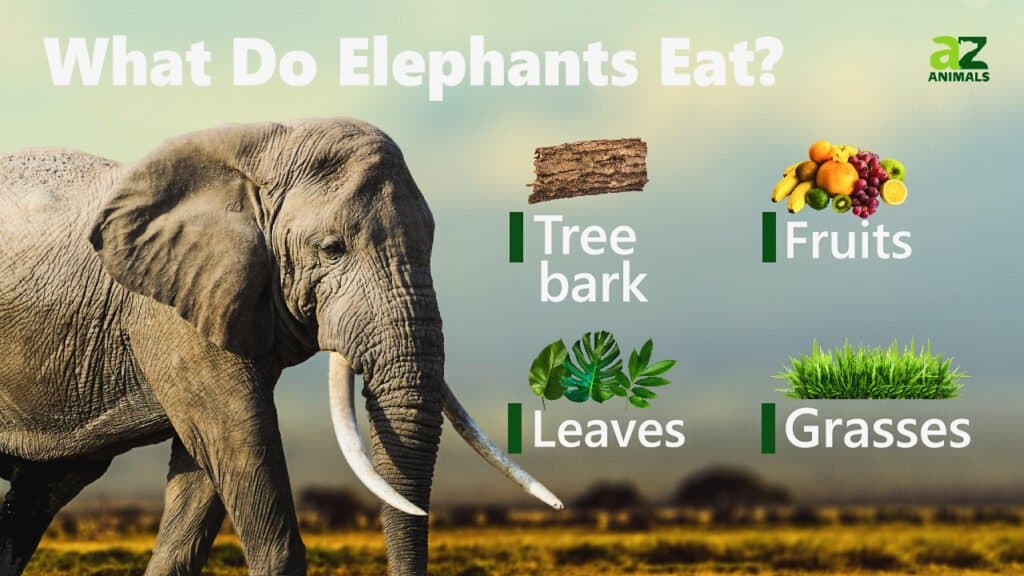
What Do Elephants Eat
Elephants are herbivores

The Borneo elephant is an herbivorous animal that feeds on a diverse diet of different plant species, including flowers, fruits, leaves, grains, and bark. In order to sustain itself, one elephant alone may consume hundreds of pounds of food in a single day either by grazing along the ground or browsing on the leaves and shoots of trees. The trunk functions as a versatile limb that can grasp vegetation and bring food to its mouth.

Predators and Threats
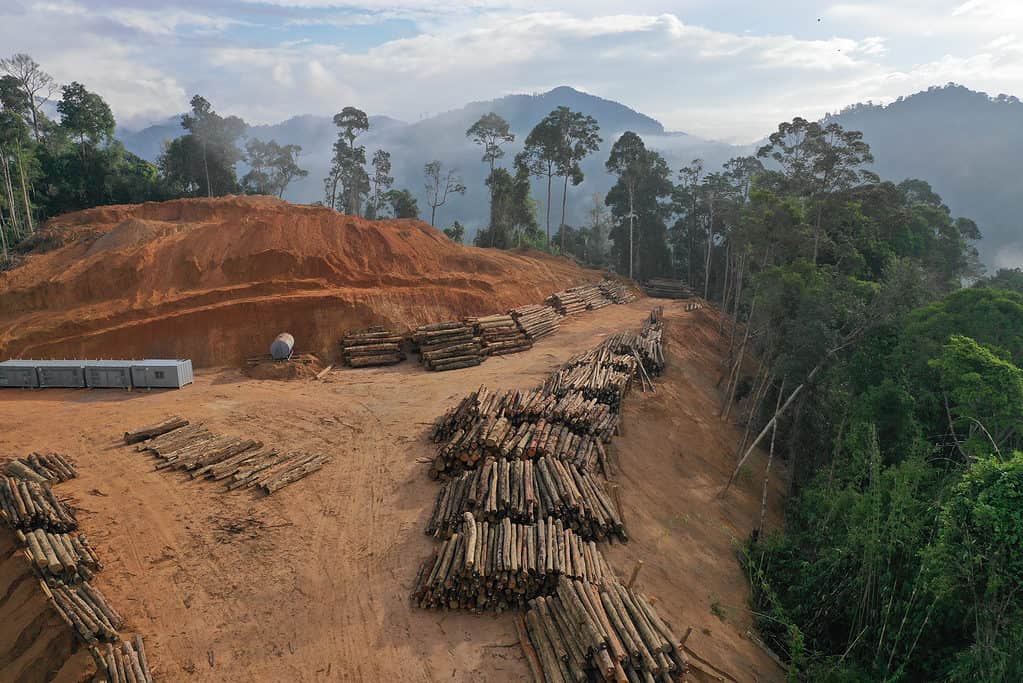
Photograph of a mountain top that has been destroyed by logging. Brownish red dirt is visible where all of the trees have been clear-cut. Many tree trunks are seen in the center frame. The destroyed mountaintop is dimmed with live, green trees. In the background are mountain tops that have not been destroyed.

Deforestation is one of the many threats to the Borneo elephant’s survival.

Because of its formidable size, the Borneo elephant has nothing to fear from any natural predators. Even the youngest elephants are quite large and, in any case, protected by the herd. The only real threat is humanity. Because this subspecies requires a large amount of land in which to live, deforestation for logging, agriculture, and plantations has degraded its natural habitat, which not only creates fragmented populations but also leads to direct confrontation with people. Elephants are sometimes killed or harmed because they accidentally destroy crops as they move through farms and plantations. Some elephants are just the victim of unfortunate circumstances. It is estimated that around 20% of this subspecies has sustained injuries from illegal snares to catch smaller game.

Reproduction, Babies, and Lifespan
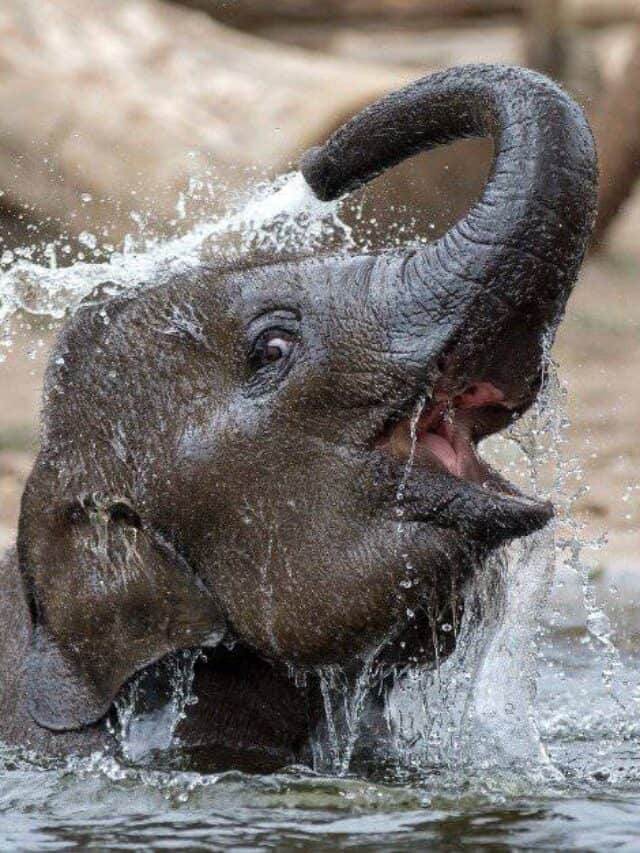
indian-elephant-playing-in-water
Borneo Elephants are pregnant for 22 months and give birth to 100-pound babies.

The reproductive habits of the Borneo elephant are not well studied, but based on what we know about other Asian elephants, several facts can be extrapolated. The most important element of male sexual behavior is a temporary condition called musth. During these periods, the male’s hormones become elevated, and the testes are enlarged. This allows the male in musth to compete with other elephants (who are usually not in musth) for the sexual rights of the female by wrestling, pushing, or ramming with their tusks. The weaker male will yield to the stronger male before these competitions turn too into a serious and deadly fight. This system tends to favor older males because musth gains in intensity with age.

Although elephants can mate all year round, it is believed that the female elephant is reproductively receptive for only a limited time of the year. She will demonstrate her sexual availability through various vocalizations and movements, triggering the males to compete for her affection. It is usually her choice whom she will mate with, but she prefers males who are in musth because it’s a signal of strength and dominance.

After copulation, the male will sometimes stay with the female just long enough to prevent her from mating with anyone else, but he otherwise plays no role in parental care. Once the father leaves, the female carries the young offspring for about 22 months, which is perhaps the longest of any mammalian species in the world. She produces only a single calf at a time, and rarely does she have twins. This is because the Asian elephant has an exceptionally long development time.

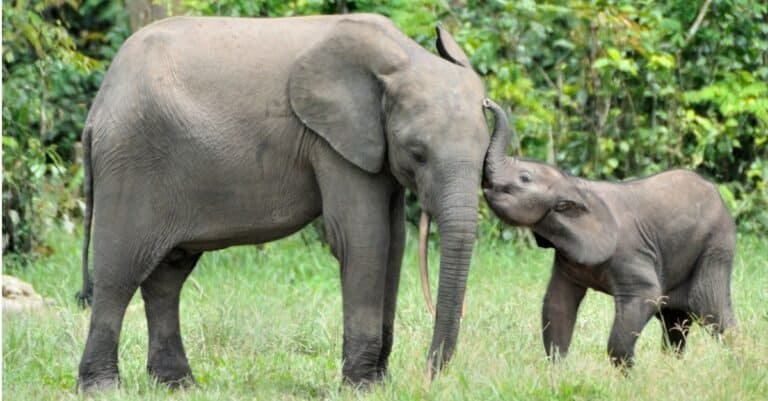
Although they start out weighing more than 100 pounds, the calves need a lot of growth before reaching their full size. The child will nurse on its mother’s milk for at least two years after birth, but full weaning doesn’t occur for almost four years. During this time, both the mother and her relatives will take an active role in the calf’s development. They will provide the calf with protection and tutelage until it is ready to become independent. Because of the massive investments required to raise the offspring, she only breeds once every four to five years.

Both males and females tend to become sexually mature at around 10 to 15 years of age. If the elephant is stressed, then sexual maturity may be delayed by several more years. The typical life expectancy of this species is around 50 years in the wild, though some individuals can live up to 60 or 70 years.

Population
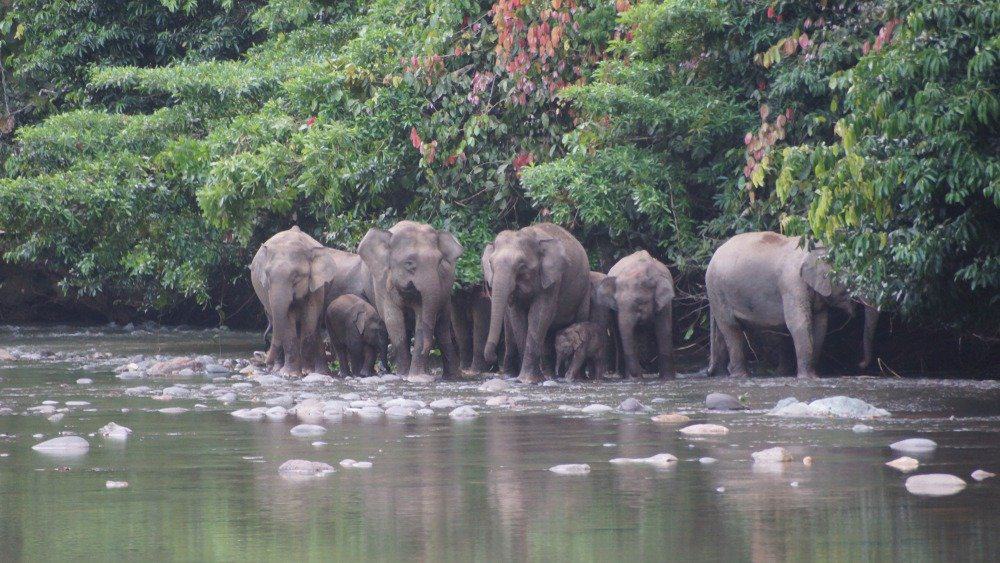
Herd of Borneo elephants

There are only 1,500 Borneo elephants left in the world.

The Borneo elephant is a critically endangered species, with fewer than 1,500 individuals remaining in the wild. It is estimated that population numbers have fallen some 60% since 1980. In order to create more sustainable foresting practices, some organizations like the World Wildlife Fund are working with local plantation managers and owners near the elephant’s habitat to create reforested wildlife corridors to enable free movement between fragmented areas. This should also reduce conflicts with humans.

Borneo Elephants in the Zoo
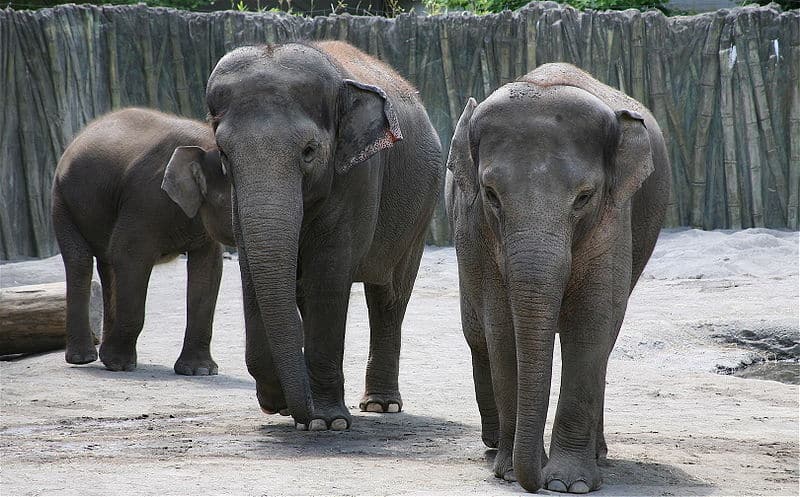
Borneo Elephants at Oregon Zoo

Borneo Elephants can be viewed at Oregon Zoo

The Oregon Zoo has the only Borneo elephant in the United States: a female called Chendra. She was born in Sabah, Malaysia, in 1993 and was later found wandering around a palm oil plantation, hungry and alone, with wounds on her front legs and left eye. Unsuited for life in the wild, she came into the possession of the Oregon Zoo in 1999. Chendra is now housed in the elephant lands section along with other Asian elephants. This section has three interconnected outdoor spaces for the elephants to roam in, plus feeding stations, mud wallows, and a massive pool.

View all 453 animals that start with B
How to say Borneo Elephant in ...
Catalan
Elefant asiàtic
Czech
Slon indický
Danish
Asiatisk elefant
German
Asiatischer Elefant
English
Borneo Elephant
Esperanto
Azia elefanto
Spanish
Elephas maximus
Estonian
India elevant
Finnish
Aasiannorsu
French
Éléphant d'Asie
Galician
Elefante asiático
Hebrew
פיל אסייתי
Croatian
Azijski slon
Hungarian
Ázsiai elefánt
Italian
Elephas maximus
Japanese
アジアゾウ
Latin
Elephas maximus
Malay
Gajah Asia
Dutch
Aziatische olifant
English
Asiatisk elefant
Polish
Słoń indyjski
Portuguese
Elefante-asiático
Slovenian
Azijski slon
Swedish
Asiatisk elefant
Turkish
Asya fili
Vietnamese
Voi châu Á
Chinese
亚洲象

Sources

  1. World Wildlife Federation
  2. National Geographic
  3. Brittanica
  4. Animal Diversity Web
  5. https://wwf.panda.org/discover/our_focus/forests_practice/deforestation_fronts2/deforestation_in_borneo_and_sumatra/? Jump to top
Heather Hall

About the Author

Heather Hall

Heather Hall is a writer at A-Z Animals, where her primary focus is on plants and animals. Heather has been writing and editing since 2012 and holds a Bachelor of Science in Horticulture. As a resident of the Pacific Northwest, Heather enjoys hiking, gardening, and trail running through the mountains with her dogs.

Thank you for reading! Have some feedback for us?


Borneo Elephant FAQs (Frequently Asked Questions)

It is estimated that there are only around 1,500 Borneo elephants left in the wild.