


B
Species Profile

Bulldog

Canis lupus familiaris

Tough look, tender heart.
Ammit Jack/Shutterstock.com

Bulldog Distribution

Click a location to explore more animals from that region

Origin Location

This map shows the native origin of the Bulldog. As a domesticated species, they are now found worldwide.

Loading map...

Found in 1 country

Size Comparison

Human 5'8"
Bulldog 1 ft 2 in

Bulldog stands at 20% of average human height.

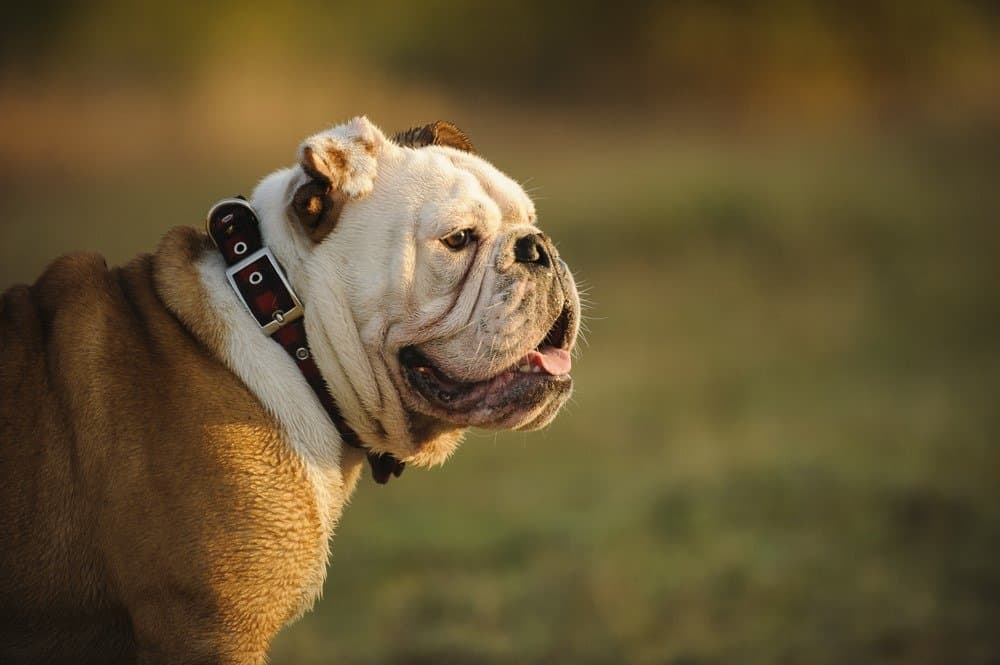
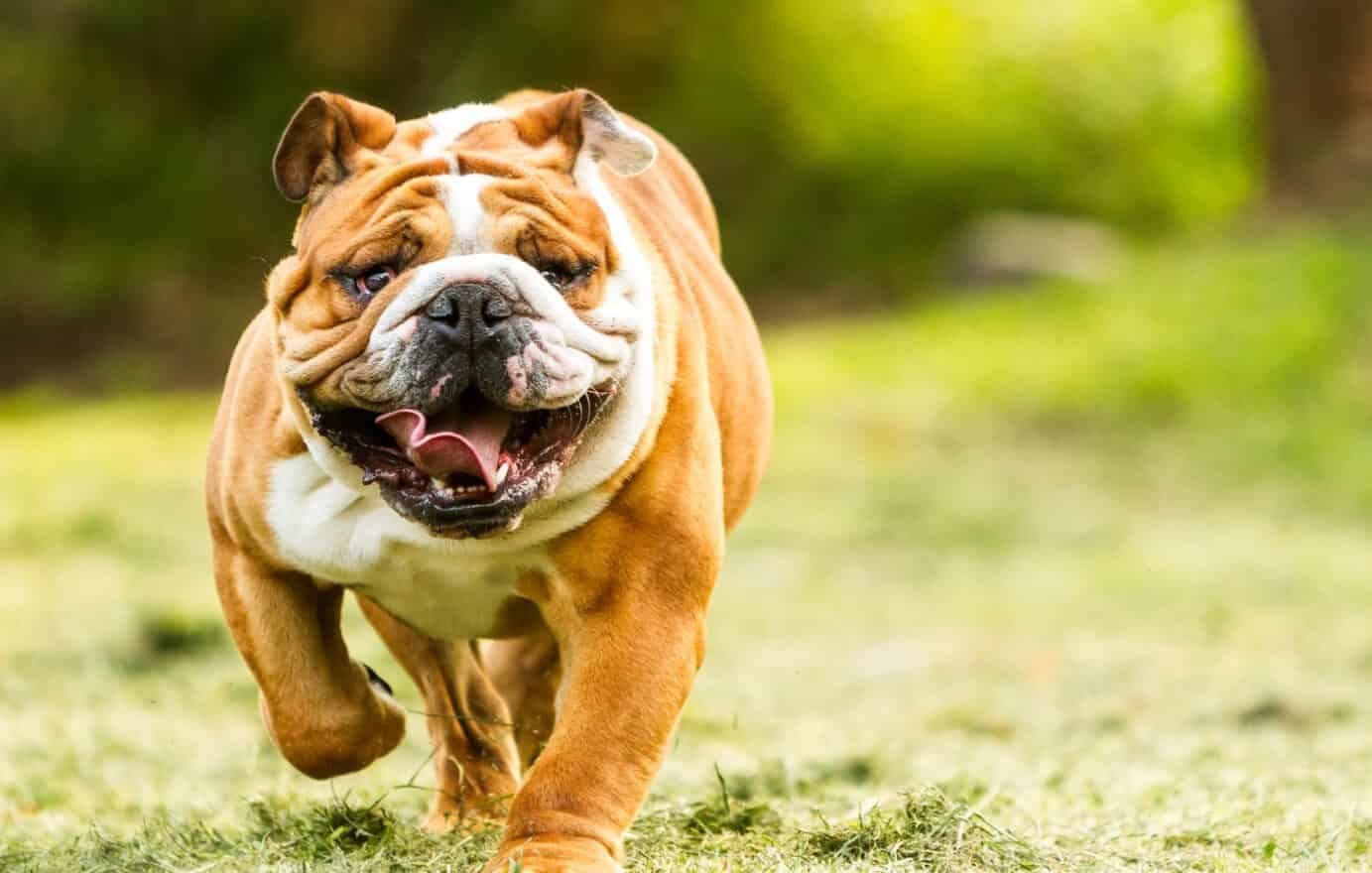
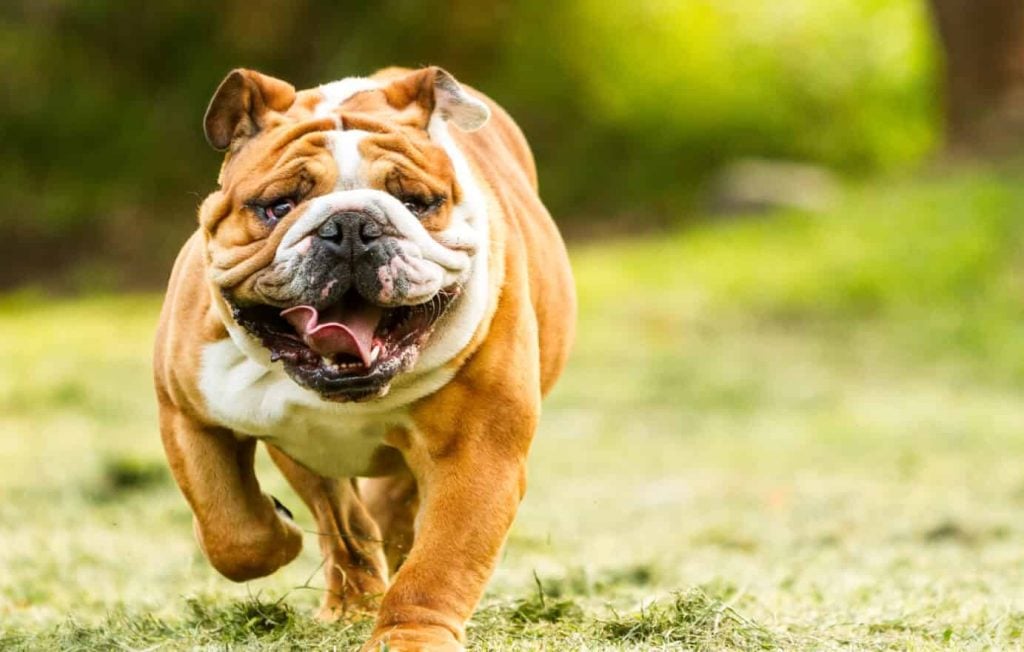
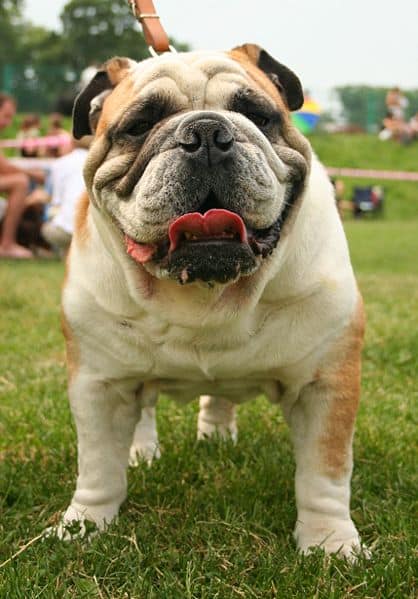
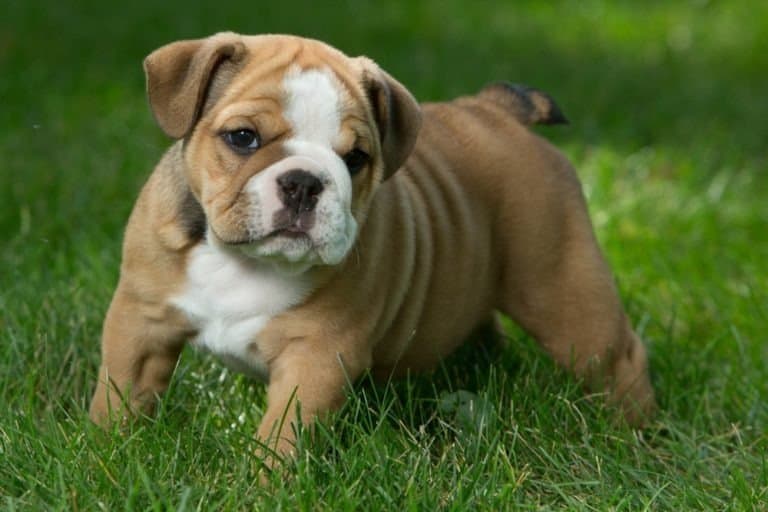
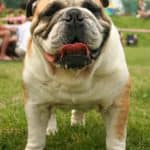
Purebred English Bulldog Moving Toward The Camera Wrinkled Face Close Up

At a Glance

Domesticated
Also Known As British Bulldog, Englishie, Bulldog inglés, Bouledogue anglais
Diet Omnivore
Activity Diurnal+
Lifespan 3 years
Weight 25 lbs
Status Not Evaluated
Did You Know?

The English Bulldog's name traces to its historical role in bull-baiting in Britain before the practice was banned in 1835.

Scientific Classification

The Bulldog (commonly the English Bulldog) is a domesticated dog breed (a form of the gray wolf, Canis lupus) characterized by a stocky build, broad head, short muzzle (brachycephaly), and loose facial skin.

Kingdom
Animalia
Phylum
Chordata
Class
Mammalia
Order
Carnivora
Family
Canidae
Genus
Canis
Species
Canis lupus

Distinguishing Features

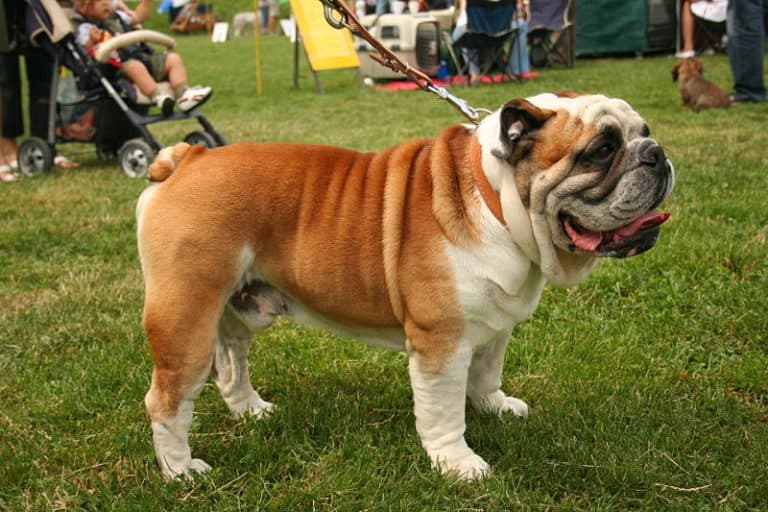
  • Stocky, muscular, low-slung body
  • Broad head with pronounced stop and short muzzle (brachycephalic)
  • Loose facial skin and characteristic ‘wrinkled’ appearance
  • Underbite common; wide chest and relatively short limbs
  • Typically a short, smooth coat

Physical Measurements

Males and females differ in size

Height
1 ft 3 in (1 ft 2 in – 1 ft 4 in)
1 ft 2 in (1 ft – 1 ft 4 in)
Length
2 ft 3 in (1 ft 12 in – 2 ft 7 in)
Weight
53 lbs (51 lbs – 55 lbs)
44 lbs (40 lbs – 51 lbs)
Tail Length
1 in (1 in – 2 in)
2 in (1 in – 3 in)
Top Speed
12 mph

Appearance

Primary Colors
Secondary Colors
Skin Type Bulldog (English Bulldog) (Canis lupus familiaris) has a very short, smooth coat and loose, thick skin with deep facial and neck wrinkles. Compared with Canis lupus (gray wolf), folds increase dermatitis risk and need cleaning.
Distinctive Features
  • Domestic dog breed (Canis lupus familiaris) shaped by human selection; not a wild canid. Distinguishes from the base gray wolf by extreme brachycephalic skull, shortened muzzle, heavy forequarters, reduced athletic endurance, and strong human-associated ecology.
  • Brachycephalic head: very short muzzle, wide nostrils may be narrowed, and a pronounced stop; contributes to breed-typical snoring and exercise/heat intolerance (BOAS risk).
  • Broad, square head with heavy facial wrinkles; deep skin folds around nose/face and sometimes tail pocket-requires regular cleaning/drying to prevent skin-fold dermatitis, yeast/bacterial infections, and odor.
  • Undershot jaw (underbite) and broad, strong jaw musculature; dental crowding is common-routine dental care is important.
  • Stocky, low-slung body with wide chest, barrel ribcage, and relatively short legs; distinct from the lean, long-limbed wolf morphology.
  • Screw tail or short, low-set tail is common; tail-pocket hygiene may be needed; some tail conformations can predispose to irritation/infection.
  • Short, smooth, low-shedding coat compared with many other breeds; grooming is generally minimal but frequent wipe-down of folds is a key breed-specific care requirement.
  • Thermoregulation challenges: high risk of heat stress due to brachycephaly and heavy build-needs cool environments, careful warm-weather management, and avoidance of strenuous exercise in heat.
  • Bulldogs often have breathing problems (BOAS), narrow nostrils or long soft palate, skin-fold infections, cherry eye or entropion, ear trouble, hip/elbow and kneecap problems, spine issues, weight gain, and often need C-sections.
  • Keep Bulldogs lean with calorie control; provide low-to-moderate exercise with rest; use a harness, not collar, to ease airway strain; clean wrinkles and tail pockets; check eyes/ears; get vet care for breathing or orthopedic problems.

Sexual Dimorphism

Sexual dimorphism is present but modest compared with many wild canids: males are typically heavier, broader-headed, and more muscular through the neck/forequarters; females are usually slightly smaller and lighter-boned. Breed-specific context: both sexes share the same brachycephalic, stocky morphology and associated care/health considerations.

  • Typically larger overall body mass and wider chest/shoulders.
  • Often broader skull and thicker neck/forequarter musculature.
  • May display more pronounced jowls and head breadth within the breed's normal range.
  • Typically slightly smaller, lighter, and less massive through the forequarters.
  • Often a somewhat narrower head and less neck thickness relative to males (still brachycephalic/stocky).
  • Reproductive considerations: higher likelihood of whelping difficulty and frequent need for planned cesarean delivery in the breed.

Did You Know?

The English Bulldog's name traces to its historical role in bull-baiting in Britain before the practice was banned in 1835.

Modern Bulldogs were re-shaped by selective breeding into a calmer companion with a shorter muzzle and heavier build than earlier working types.

Their wrinkled face and "rope" (nose wrinkle) are breed hallmarks, but the folds need routine cleaning and drying.

Many Bulldogs are born by planned cesarean section because the puppies' large heads and the dam's body shape can make natural whelping difficult.

The breed's signature "rolling" gait comes from a broad chest, short limbs, and heavy front-end structure.

Bulldogs are among the most heat-sensitive dog breeds; even mild warmth and humidity can be risky during exertion.

The Bulldog became an emblem of tenacity in British and American culture-often called the "bulldog spirit."

Unique Adaptations

  • Extreme brachycephaly (shortened skull) and a shortened muzzle-distinct from the gray wolf (Canis lupus), which has a long snout built for endurance and efficient airflow.
  • Broad, muscular forequarters and low center of gravity-traits originally selected for gripping and bracing, unlike the wolf's rangier, distance-traveling frame.
  • Loose facial skin and pronounced wrinkles-created by selective breeding; requires human-managed hygiene in domestic settings.
  • Neotenous (juvenile-like) facial features and temperament tendencies-common in domestic dogs, amplified in Bulldogs by selection for companionship.
  • Human-associated ecology: thrives as an indoor, family companion and depends on people for temperature control, diet management, and veterinary care-unlike self-sustaining wild canids.

Interesting Behaviors

  • "Bulldog lean": pressing their body against people for contact and reassurance.
  • Short-burst play: enthusiastic zooms followed by quick recovery breaks rather than sustained running.
  • Low-bark communication: grunts, snuffles, snores, and "talking" sounds are common due to airway shape.
  • Stubborn problem-solving: may pause, assess, then commit-responds best to patient, reward-based training.
  • Heat-avoidance habits: seeking cool floors, shade, and water; some will self-limit activity in warm weather.
  • Social affability: typically people-focused and tolerant, often enjoying calm, close-range interaction more than chase games.

Cultural Significance

The English Bulldog moved from a cruel sport role to a national symbol of resolve. In Britain it's tied to the 'bulldog spirit' in cartoons and war talk. In the U.S. it is a common mascot, for example Uga, seen as determined, loyal, and calm.

Myths & Legends

In 19th-century England, stories circulated of legendary bulldogs that would "hold fast" on a bull despite chaos around them-tales that helped cement the breed's reputation for tenacity even after bull-baiting ended.

British wartime folklore and popular press often invoked the "bulldog spirit" to personify national resilience, frequently linking the image of a bulldog to steadfast leadership and public morale.

Anecdotes from Victorian dog fanciers describe the "reinvention" of the Bulldog after the 1835 ban-portraying dedicated breeders as rescuing the breed from disappearance by reshaping it into a companion animal.

American campus traditions tell mascot stories in which a Bulldog's calm presence and stubborn bravery become a good-luck charm for teams-especially in long-running "Uga" narratives at the University of Georgia.

In political cartoons and pub lore, the Bulldog is cast as the watchful guardian of home and hearth-an emblematic "doorstep sentinel" that stands for protection and resolve.

Conservation Status

NE Not Evaluated

Has not yet been evaluated against the criteria.

Population Stable

Life Cycle

Birth 4 pups
Lifespan 3 years

Lifespan

In the Wild
1–6 years
In Captivity
8–12 years

Reproduction

Mating System Polygynandry
Social Structure Managed Domestic
Breeding Pattern Serial
Fertilization Managed Selective
Birth Type Managed_selective

English Bulldogs (Canis lupus familiaris) are human-managed breeders: mating is planned, often with multiple partners and assisted methods (AI, timed mating). Natural mating and whelping are hard; C-sections are common. No stable pair bonds or cooperative helpers.

Behavior & Ecology

Social Family Group: 3
Activity Diurnal, Cathemeral
Diet Omnivore Meat-forward complete dog food (often chicken- or beef-based), offered in measured portions

Temperament

Affectionate, companionable, and strongly human-focused; typically seeks close physical contact (leaning, lap-sitting when possible).
Generally calm/low-to-moderate energy; enjoys short play bursts and brief walks rather than sustained running (breed distinction tied to brachycephaly and heavy build).
Patient and often good with children; can be socially tolerant in stable households when well-socialized.
Stubborn/persistent; responds best to positive reinforcement, short sessions, and high-value rewards (avoid harsh corrections which can increase shutdown or resistance).
Can be dog-selective (sometimes same-sex selective) and may guard valued items; early socialization, structured introductions, and resource management are important.
Health-related behavior/care: high heat and humidity sensitivity with increased risk of overheating due to brachycephalic airway anatomy-needs climate control, shaded breaks, and exercise timed to cool parts of day.
Health concerns influencing social/activity: brachycephalic obstructive airway syndrome (stertor/snoring, exercise intolerance), skin-fold dermatitis (needs routine fold cleaning/drying), allergies, orthopedic issues (hip/elbow dysplasia, patellar issues), and tendency toward obesity-weight management supports mobility and sociability.

Communication

Low, short barks Often alert rather than sustained
Grunts and groans during greeting, handling, or play
Snorts/snuffles; stertorous breathing common due to short muzzle
Whines for attention or discomfort
Snoring during rest Very common
Leaning/pressing body against people to seek contact; 'velcro' following behavior
Facial expressions and head/shoulder posture; broad, forward stance to show interest or mild challenge
Pawing, nudging, and persistent proximity to solicit interaction
Licking, chin-resting, and climbing onto feet/lap as affiliative signals
Tail-base wagging/body wiggle Often more visible than tail movement due to short tail
Scent investigation/marking typical of domestic dogs; uses routine-based signaling Waiting by door/food area
Heat-stress signaling (excessive panting, noisy breathing, seeking cool surfaces, stopping/lying down) which handlers should treat as urgent welfare communication

Habitat

Biomes:
Temperate Forest Temperate Grassland Mediterranean Savanna Tropical Dry Forest Tropical Rainforest Desert Hot Desert Cold Boreal Forest (Taiga) Tundra Alpine Wetland Freshwater Marine +8
Terrain:
Plains Hilly Coastal Valley Island
Elevation: Up to 14763 ft 9 in

Ecological Role

Domesticated companion animal with minimal direct predatory role; historically selected for bull-baiting traits but now primarily a managed, human-provisioned omnivore.

Companionship and social bonding benefits to humans Therapy/emotional support roles Deterrence/alerting (watchdog behavior) Limited household pest deterrence (opportunistic, not specialized)

Diet Details

Main Prey:
Rodents and other small mammals Birds' eggs and small birds Human-provided animal protein
Other Foods:
Cooked starches and grains Vegetables Fruits Dietary fiber sources

Human Interaction

Domestication Status

Domesticated

Bulldog (English Bulldog, Canis lupus familiaris) was shaped in Britain from domestic dogs used for bull-baiting (now banned). In the 19th–20th centuries breeders bred a short muzzle, broad head, heavy bone, and loose facial skin for use as pets and show dogs. Today they are family pets but have many health problems tied to their shape.

Danger Level

Low
  • Bite risk is generally low but present (as with any dog), especially if in pain, poorly socialized, or mishandled-children should be supervised.
  • Physical risk is more commonly indirect: the breed's heat intolerance can lead to rapid medical emergencies during hot-weather activities, requiring human intervention.
  • Zoonotic risk is typical of domestic dogs (e.g., parasites) and managed with routine veterinary prevention; not breed-unique.

As a Pet

Suitable as Pet

Legality: English Bulldog is generally legal as a pet in U.S. places. Not usually banned as a fighting breed, but dangerous-dog rules, housing or insurance limits may apply. Some airlines ban brachycephalic dogs in cargo due to breathing risk.

Care Level: Experienced

Purchase Cost: $1,500 - $4,500
Lifetime Cost: $25,000 - $70,000

Economic Value

Uses:
Companion animal market Veterinary and pet healthcare services Show and breeding (regulated/ethical breeding programs) Media/advertising/mascot branding
Products:
  • Companionship and household pet services (training, boarding, grooming)
  • Conformation show participation and related industries
  • Breed-specific goods (harnesses for brachycephalic dogs, cooling gear, wrinkle care products)
  • Veterinary services frequently utilized (airway evaluation/surgery, dermatology, orthopedics)
  • Brand/mascot appearances and promotional media use

Relationships

Quick Take

  • Owners must wait 30 months for this breed to reach full adult maturity.
  • Including legumes in daily meals creates a high risk for sudden heart failure.
  • The lethargic appearance of this breed masks high-speed skills during exercise.
  • Intentional physical alterations were vital in 1886 to prevent the extinction of the breed.

They are known to be kind as well as courageous in nature. These dogs are also extremely friendly. It has also been said that this dog’s ‘sour-mug’ face has now become the universal symbol of courage. Bulldogs are known to be loyal companions and are very docile. There are three types of bulldogs: the English Bulldog, the American Bulldog, and the French Bulldog.

The ‘British Bulldog spirit’ became a phrase of courage, especially after Winston Churchill became the Prime Minister. He was known to absolutely love these dogs.

An educational infographic about bulldogs featuring icons for health warnings, silhouettes showing size, and photos of famous owners like Winston Churchill and Brad Pitt.
From their brutal 'bullbaiting' origins to a hidden high-speed gear, discover why this docile breed’s survival once hung in the balance. © A-Z Animals

3 Pros and Cons of Owning a Bulldog

Owning any pet could mean that you will have to be ready for a lot of stuff to deal with. Every animal comes with its own set of pros and cons.

ProsCons
Excellent guard dogs
If you are looking to own a dog for security and guarding purposes, the English Bulldog would be a good choice as it is known to be an excellent guard dog due to its vigilant and alert nature and muscular build.
Slow maturity process
If you are looking for a dog that is both playful and responsible, this might not be the correct pick. These dogs have a very slow maturation process and do not become adults until about 30 months of age.
Great with children
These dogs are known to be excellent with children. They are friendly and are known to be loyal companions. They are known to make friends with children very easily.
Susceptible to heart problems
Bulldogs are very prone to heart problems, which means that if you own these dogs, there will always be a chance that your dog will develop a heart problem and require special care.
Good for laughs
These dogs are great for fun and laughter. They are usually clumsy and can often make you laugh with all the dramatic stuff they do around the house.
Troublesome energy
While their being energetic is often a great thing, sometimes, the bulldogs can get into a lot of trouble because of their energetic behavior. They can sometimes chew out of boredom, so you might randomly find chewed shoes, socks, and towels around the house.
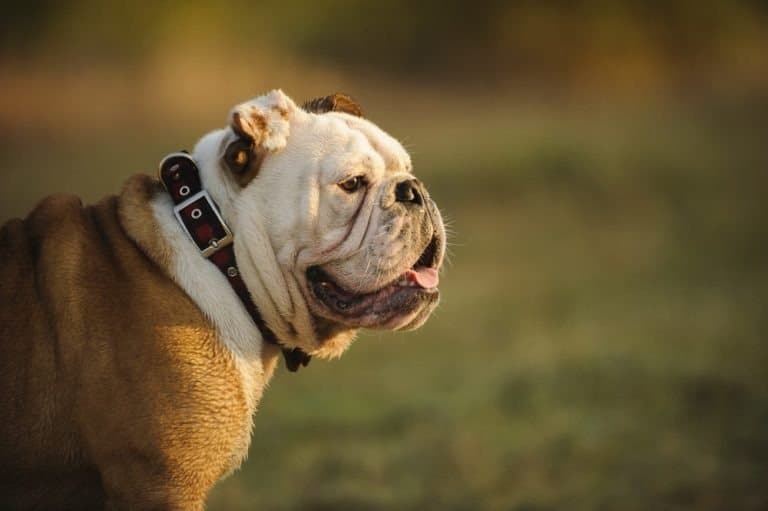
English Bulldog head shot with natural background

Bulldogs are slow to mature and stay in the playful puppy stage for a long time.

History and Origins

In the 13th century, during the rule of King John in England, Bulldogs were bred to participate in the cruel sport of bullbaiting. These ancestors of today’s Bulldogs were known for their immense strength and bravery, having huge jaws and seemingly unstoppable pain tolerance.

A significant change in the Bulldog’s history happened in 1835 when England prohibited animal blood sports. This led to pit-dog fighting taking place in concealed spaces, which necessitated more active dogs than the sluggish Bulldogs of the early 1800s. People who bet on these fights combined different types of terriers with Bulldogs to make their fierce four-legged warriors, which became the ancestors of today’s Staffordshire Bull Terrier, Bull Terrier, and other bull-type terrier breeds.

Bullbaiting became a thing of the past, and the Bulldog was in danger of becoming extinct. To prevent this, lovers of the breed worked to make it more appealing by altering its physical features and its temperament, ensuring it became a gentle and loving pet that is especially fond of children. By 1886, their efforts had been successful enough for the American Kennel Club to recognize the Bulldog.

The Bulldog has a long history of being England’s national symbol, especially during World War II, when it was likened to the determined Prime Minister Winston Churchill. In America, they are the mascot of many sports teams, most notably Yale University’s Handsome Dan, who is believed to be the first animal mascot in all sports. Uga is another famous Bulldog mascot and can be found cheering on the University of Georgia Bulldogs from a special air-conditioned doghouse. Additionally, the Bulldog is also the face of Mack Trucks and the U.S. Marine Corps.

Size and Weight

Bulldogs are medium-sized, hefty dogs that have a muscular body. The height of both the female and the male dogs is 12 to 14 inches. Meanwhile, a female weighs about 39 to 50 lbs. while a male bulldog weighs about 50 to 55 lbs.

A Bulldog’s Underbite

These dogs are quite famous for their underbites, which have made their face quite famous. An underbite is related to a situation of the teeth where there is improper tooth alignment.

It usually causes the lower jaw to protrude further out than the upper one, causing a peculiar facial expression that is commonly seen in the English and French bulldog. This situation often causes the bulldog’s lower teeth to be visible even when the dog’s mouth is shut.

An underbite can be an issue that is much more than just cosmetic. It can also cause chewing problems and can often cause food to fall from the dog’s mouth.
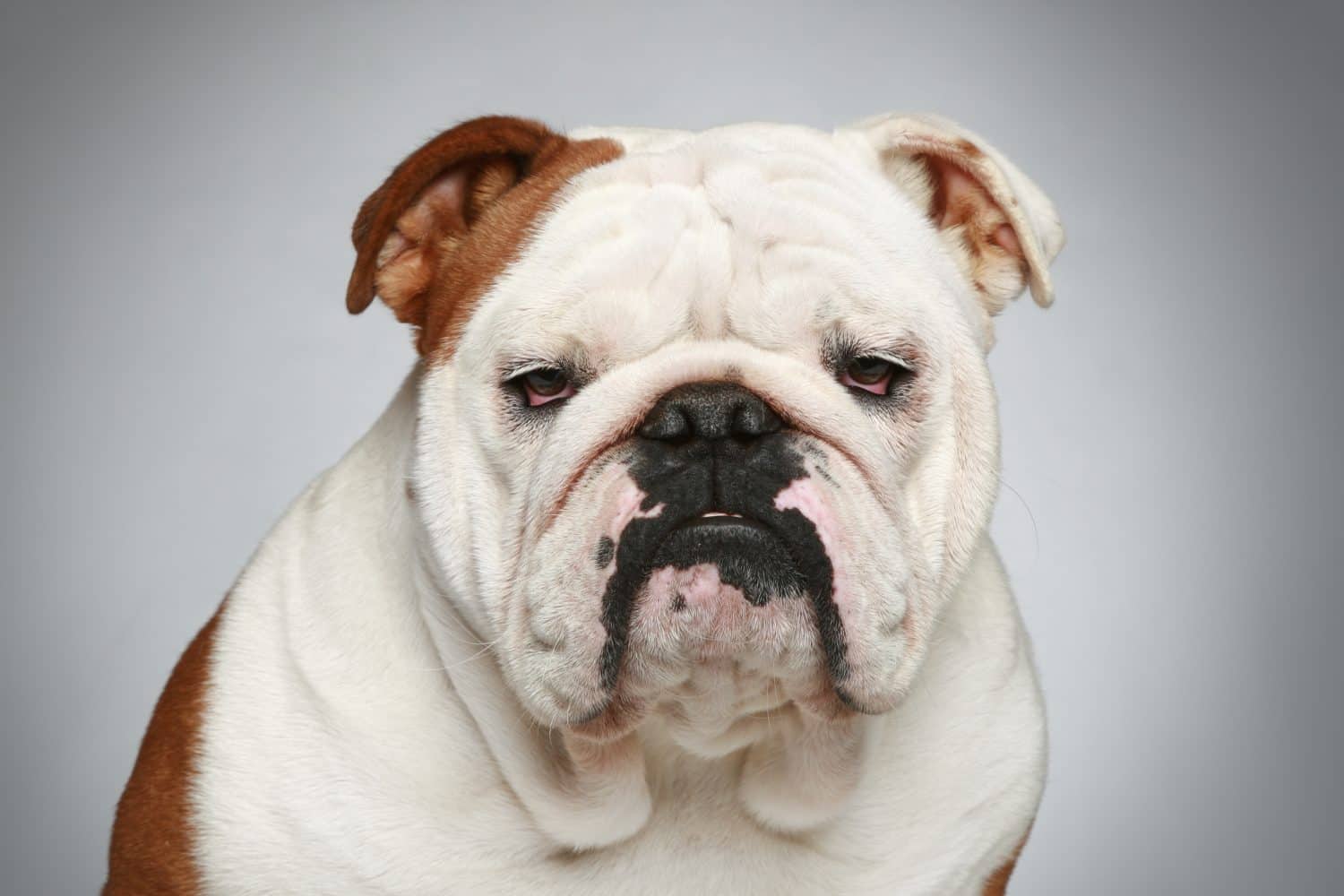
English bulldog. Close-up portrait on grey background

Bulldogs are famous for their underbite, which makes them look quite handsome.

Common Health Issues

Like any other animal, these dogs are also susceptible to several diseases, including several heart conditions, respiratory diseases, and hip dysplasia. The onset of hip dysplasia often comes from the abnormal development of the hip sockets in these dogs.

A condition that often impacts them is colloquially called “cherry eye.” It gets this name from the protrusion of the third eyelid, and it can cause vision issues with too much progression.

Other than that, bulldogs are also prone to heat-related problems. Their skin folds can also easily develop infections, so cleanliness is a must. Plus, there is always a threat for the bulldog to drown in any kind of water, including that of a swimming pool.

Temperament

The Bulldog is known to be very sweet and friendly. It is gentle and is known to be a great family dog. These dogs are especially great with the children in the family and are extremely people-oriented. They often attract a lot of human attention and are predictable as well as dependable.

Courage is a very prominent trait of their personality. These dogs are also known to be excellent watchdogs. Usually kind, these dogs can still become territorial and aggressive when they meet a new dog.

How to Take Care of a Bulldog

To own a pet requires you to know a lot of information on what to do and what not to do about them. You need to know how to take care of your pet — in this case, a bulldog.

The Best Dog Food

The amount of food that you give your dog should be monitored. You will have to observe and monitor your English Bulldog as each of them has special and individual needs.

The major ingredient in the diets of these dogs includes fish, lamb, and chicken. Extra attention should be paid to the fact that the dog should not be fed soy, as some of them are allergic to it.

Sources suggest that there should be no fillers in their food, and their meals should be full of healthy fats and should be reliable sources of carbohydrates. Avoid dog food containing legumes since Bulldogs are prone to heart disease, and legumes may lead to heart failure in dogs. Rawhide bones should be avoided in your Bulldog’s meals. You can, however, feed your dog some biscuits as treats on occasion.

Maintenance and Grooming

The dogs require regular grooming. You will have to invest your time in your Bulldog’s maintenance and grooming about four times a week. Their short hair needs to be brushed, trimmed, and plucked weekly. Moreover, it is also necessary to regularly clean the folds in your dog’s skin and their wrinkled face to avoid any hidden infections. Bulldogs also need to have their ears cleaned regularly.

Training

The Bulldog is known to be a ‘not-so-easy’ dog breed to train. It is very stubborn and resistant in such a case. They usually do not care about what their owner wants them to do, thus making the training exceedingly difficult.

To start the training of your dog, however, you could start with basic commands and see if your dog follows them. Once the dog starts understanding simple commands, you can move on to the more complex commands. This could, however, take some time, given the stubborn resistance of these dogs towards training.

Exercise

Bulldogs typically need 20 to 40 minutes of moderate exercise daily, often split into shorter sessions to prevent overheating and respiratory issues. However, the amount also varies from dog to dog and is especially dependent on their size.

At first glance, these dogs might look lazy and lethargic. However, they can surprise you with their speed skills while exercising. Your bulldog would still most likely enjoy being lazy on your couch the most.

Puppies

Bulldog puppies are extremely cute with a wrinkly face. They are tiny and stocky and have a lot of extra skin. The puppies must be fed much more often than the adult ones. However, their nutrition and the amount of food that is given to them have to be properly monitored else the puppies can gain a lot of extra weight in no time.

Bulldog puppies also tend to heat up faster than the adults, which is why you should always keep cool and clean water around them for better reach for when they might need it.
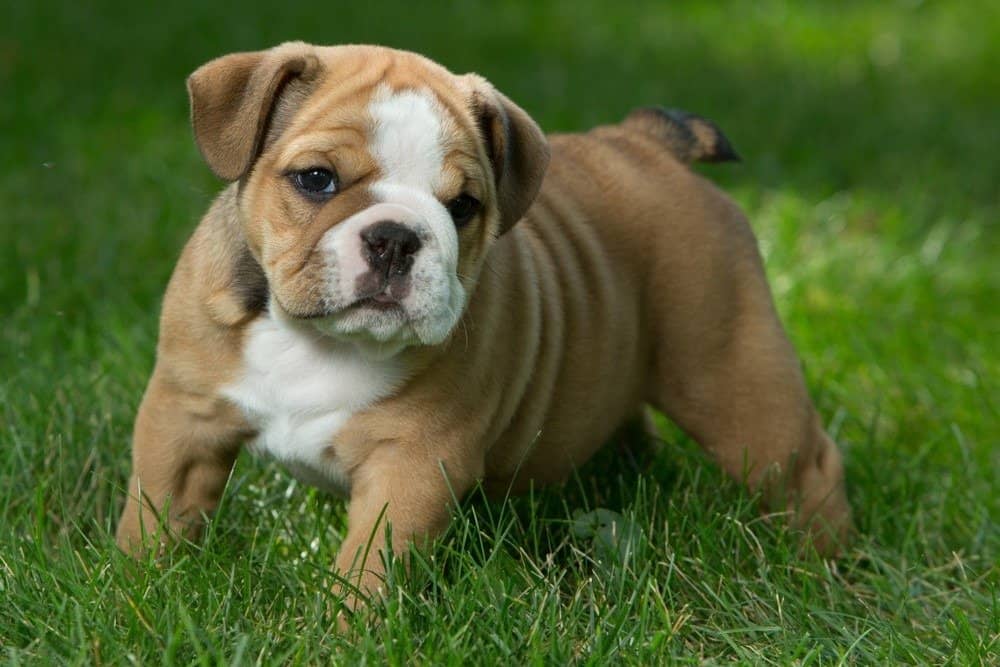
Cute brown, black, and white English Bulldog puppies

Bulldogs require moderate exercise, typically 20 to 40 minutes per day, and should avoid vigorous activity to prevent health complications.

With Children

Bulldogs love children and are extra playful around them. They are known to be affectionate, kind, and loyal creatures and make great family dogs. These dogs are particularly known to be patient around children and are also said to have motherly instincts and be very protective of them.

Dogs Similar to Bulldogs

Some dogs that are very similar to these dogs are:

  • American Pitbull Terrier: Much like bulldogs, these dogs are also medium-sized, have short hair, and are sturdy and intelligent. They are also affectionate and cannot be considered dangerous.
  • American Staffordshire terrier: These dogs are also similar to the bulldogs in size and appearance, with medium size and short hair. However, they are also different in the sense that they are usually aggressive and often labeled as dangerous.
  • Boston Terrier: Boston Terriers are known to be great family dogs, much like bulldogs. They are highly affectionate and friendly towards their owners and are known to be loyal pets.

Famous Bulldogs

There are several famous bulldogs in the history of the world. Some of them include: Tillman, who was a skateboarding English bulldog and holds a Guinness World Record; Uga, who is the official mascot of the University of Georgia, and Old Boy, who was the loving, famous bulldog of Republican President William G. Harding.

Several famous personalities, too, have these dogs as pets. Some of them include Ozzy Osbourne, Adam Sandler, Joe Jonas, Brad Pitt, Olivia Wilde, and Willow Smith. Former British Prime Minister Winston Churchill also loved bulldogs. The term “British Bulldog spirit” symbolized courage, especially gained momentum after Churchill came to power.
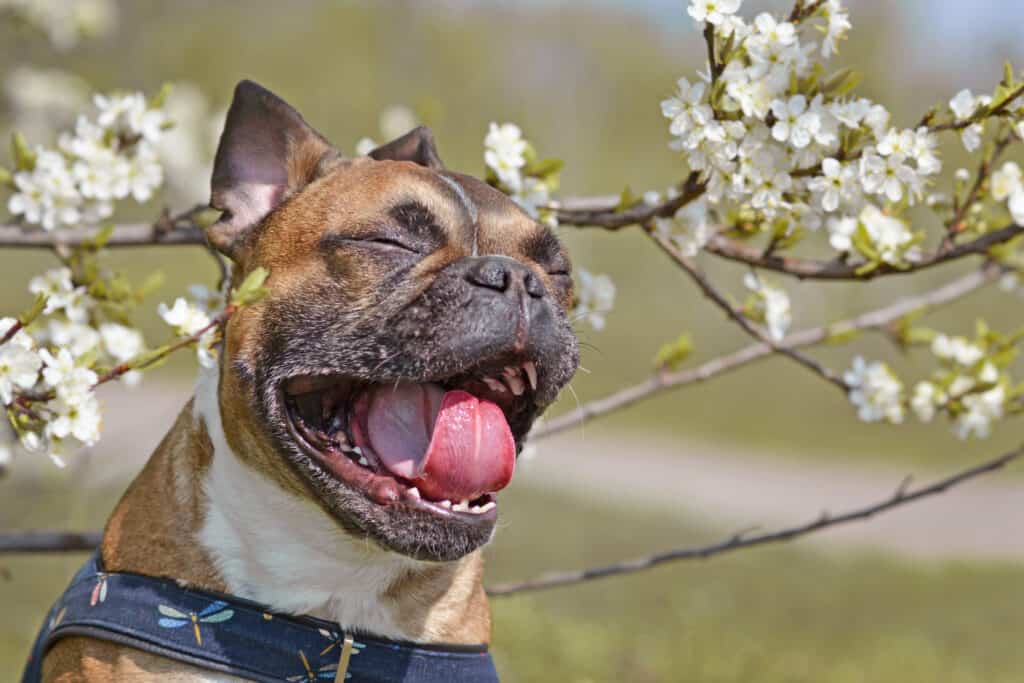
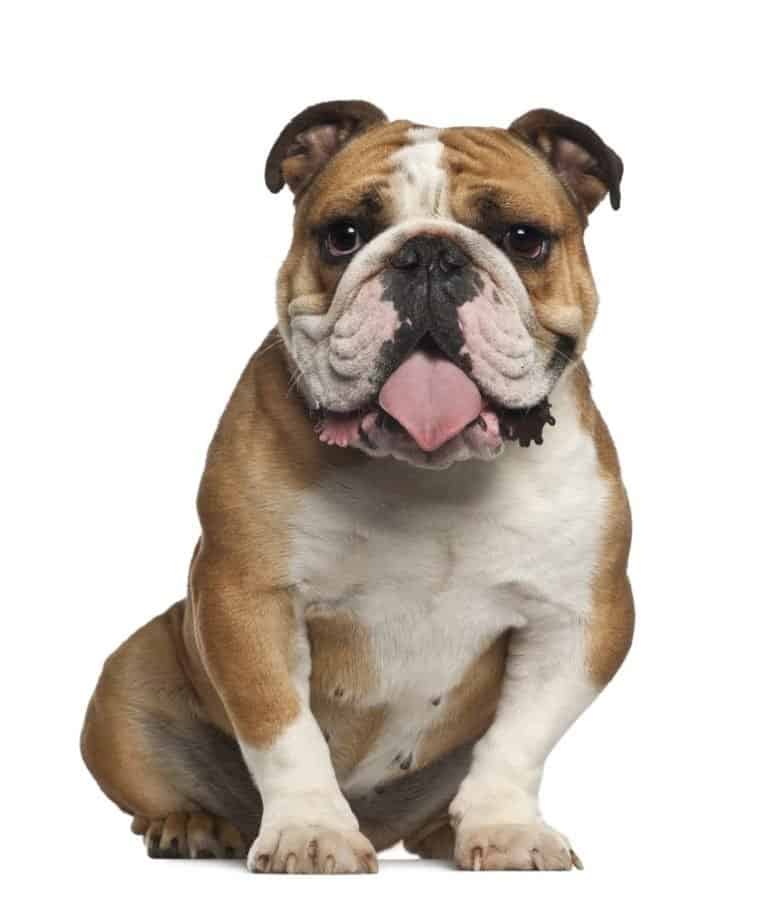
As you can see, bulldogs of all types are very photogenic!

View all 453 animals that start with B

Sources

  1. David Burnie, Dorling Kindersley Animal, The Definitive Visual Guide To The World's Wildlife / Accessed November 10, 2008
  2. Tom Jackson, Lorenz Books The World Encyclopedia Of Animals / Accessed November 10, 2008
  3. David Burnie, Kingfisher The Kingfisher Animal Encyclopedia / Accessed November 10, 2008
  4. David Burnie, Dorling Kindersley Illustrated Encyclopedia Of Animals / Accessed November 10, 2008
  5. Dorling Kindersley Dorling Kindersley Encyclopedia Of Animals / Accessed November 10, 2008
  6. American Kennel Club / Accessed November 8, 2020
  7. Wikipedia / Accessed November 8, 2020
  8. Cesar's Way / Accessed November 8, 2020
  9. Bulldogs World / Accessed November 8, 2020
  10. Borrow My Doggie / Accessed November 8, 2020
  11. Any Bulldog / Accessed November 8, 2020
Heather Hall

About the Author

Heather Hall

Heather Hall is a writer at A-Z Animals, where her primary focus is on plants and animals. Heather has been writing and editing since 2012 and holds a Bachelor of Science in Horticulture. As a resident of the Pacific Northwest, Heather enjoys hiking, gardening, and trail running through the mountains with her dogs.

Thank you for reading! Have some feedback for us?


Bulldog FAQs (Frequently Asked Questions)

Bulldogs are expensive, both to own and to take care of. They can cost anywhere between $1500 to $4000.