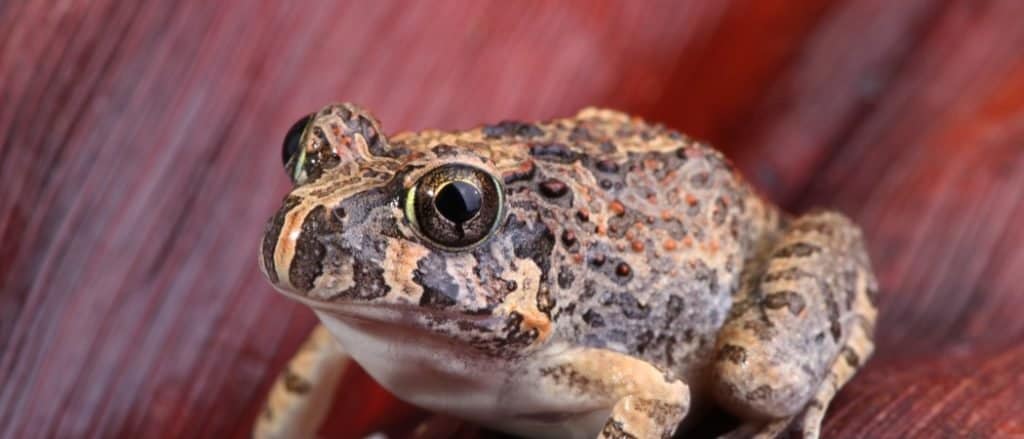
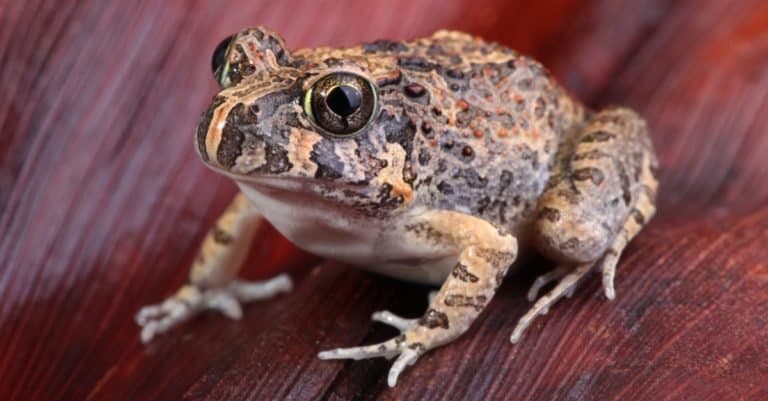
“Some burrowing frogs can spend their entire lives underground!”
Burrowing frogs are amphibians that dig themselves into the ground, and they can remain there for extremely long periods of time. They possess muscular arms and legs to aid in digging, and they make their homes near slow-moving, almost stagnant bodies of water. Eastern owl frogs have a soft hooting call that is commonly mistaken for that of an owl. Habitat loss is a major cause for concern, and it threatens the vast majority of burrowing frog species.
5 Incredible Burrowing Frog Facts!
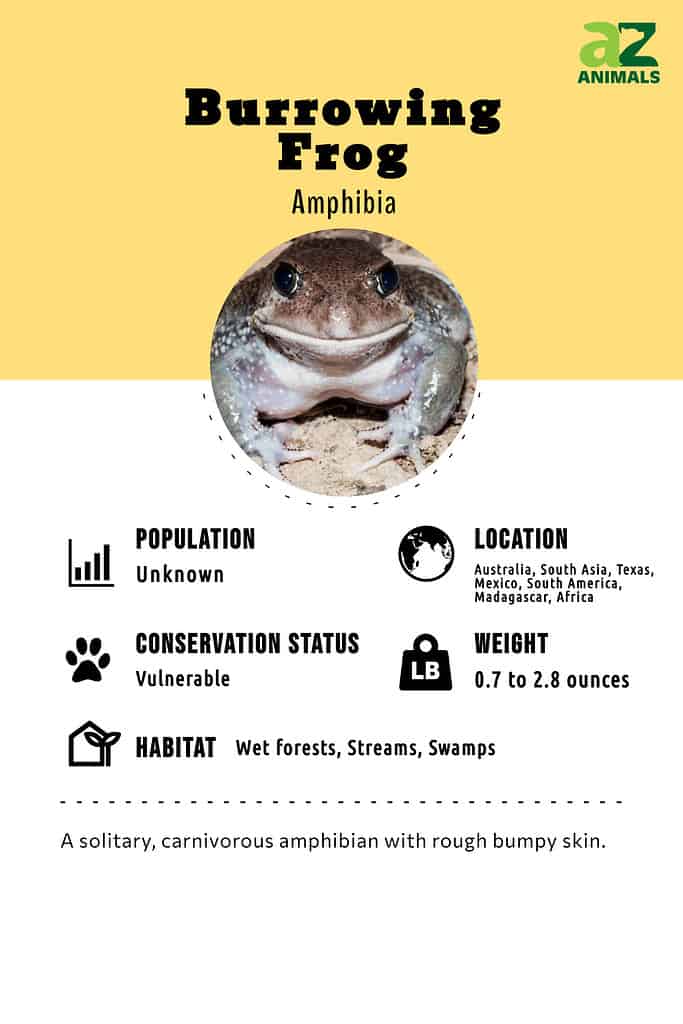
- The giant burrowing frog is so elusive that scientists have been unable to measure its population size.
- Burrowing frogs’ extremely muscular arms and non-webbed feet are specifically adapted to enable them to dig their burrows into the ground.
- The eastern owl frog, moaning frog, and whooping frog are all species of burrowing frogs in Australia that make unique and identifiable sounds.
- Giant burrowing frog eggs can remain dormant for months after being laid in burrows until flooding, rainwater, or tidal water enters the burrow and carries them out to larger pools.
- Eastern owl frogs live for upwards of 10 years, and some have been recorded to survive for up to 15 years.
Scientific Name
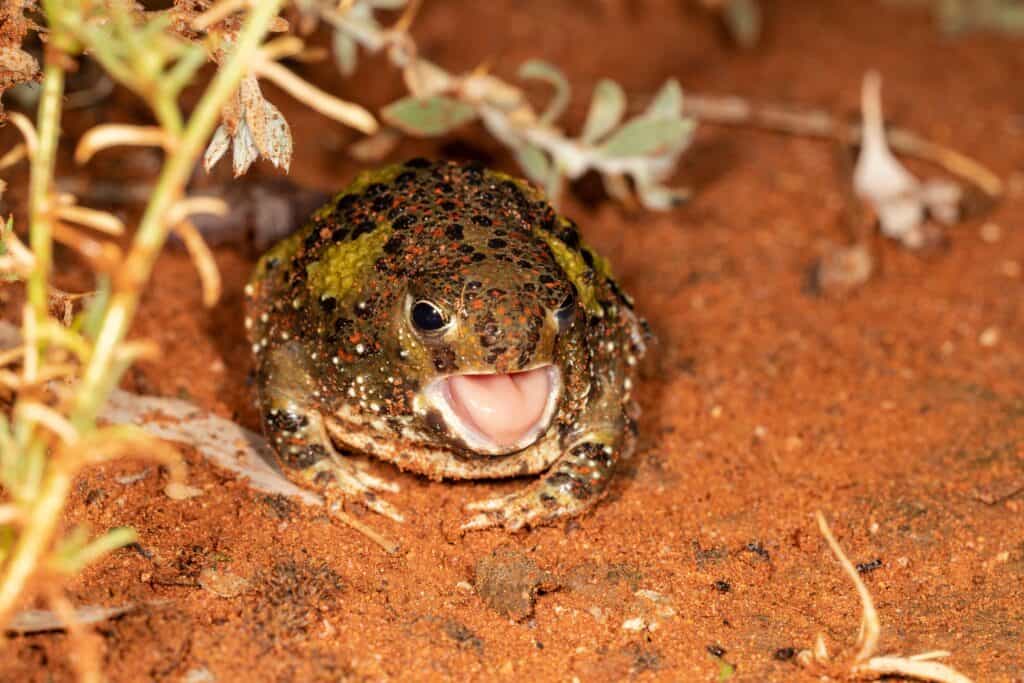
This burrowing frog eats insects, tadpoles, and mosquito larvae in the temporary ponds they live in.
©Ken Griffiths/Shutterstock.com
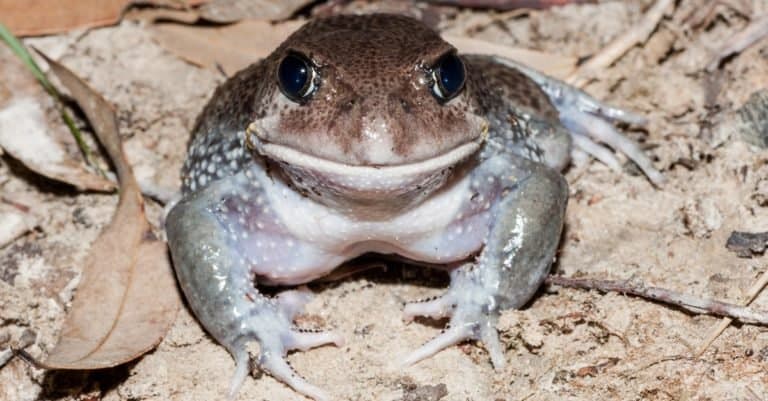
The giant burrowing frog’s scientific name is Heleioporus australiacus. It is also known as the eastern owl frog or the giant burrowing frog, and it is near relative to the blunt-headed burrowing frog. The genus Heleioporus contains six species of frogs, all of which are burrowing frogs native to the continent of Australia. Eastern owl frogs are the only species that reside in South East Australia, while the other five live in the South West. The giant burrowing frog is a member of the family Limnodynastidae and the class Animalia.
The other frogs of the Heleioporus genus are the western spotted frog (H. albopunctatus), the hooting frog (H. barycragus), the moaning frog (H. eyrei), the whooping frog (H. inornatus), and the sand frog (H. psammophilus). As you can see from the common names given to these different species, the sounds that they make are distinct enough to identify some of the various species by that trait alone.
There are many other types of burrowing frogs, besides those from the genus Heleioporus. There are Indian burrowing frogs, ornate burrowing frogs, Mexican burrowing frogs, and more. We will list more of them at the end of the article.
History and Origins
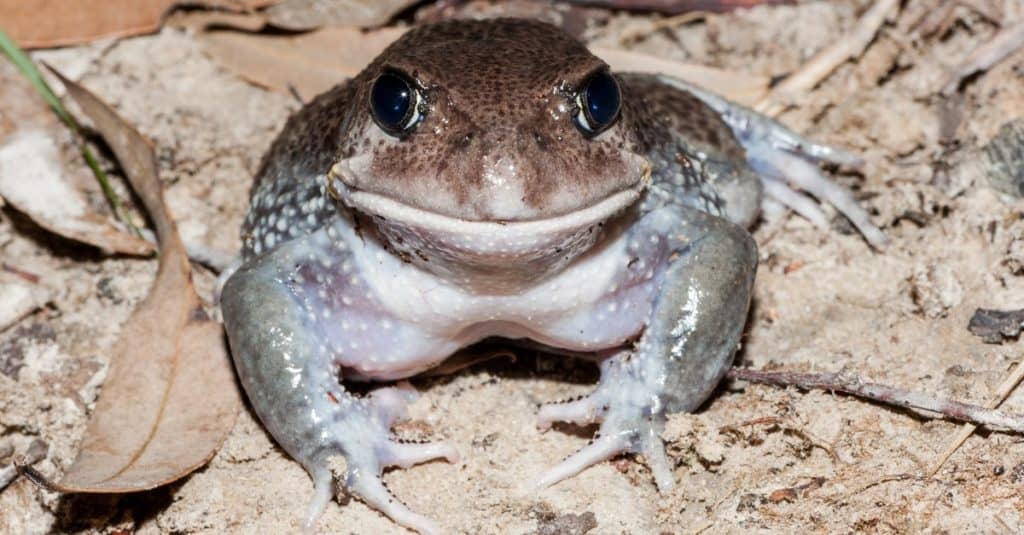
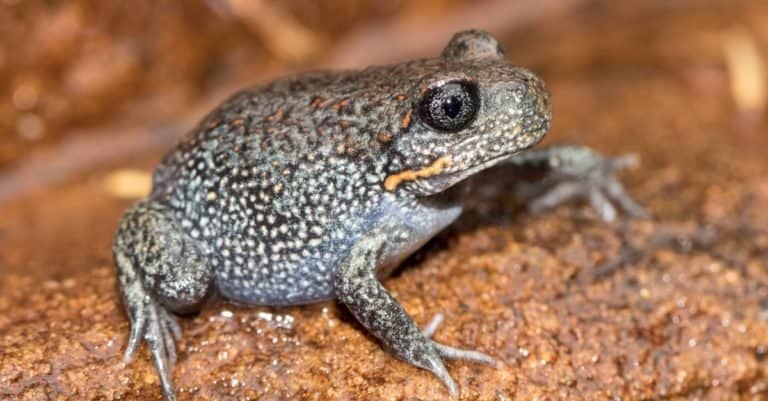
Giant burrowing frogs are very sneaky and hard to study.
©Ken Griffiths/Shutterstock.com
The evolutionary history of burrowing frogs is a fascinating subject to explore. These unique creatures have adapted to life underground, and as such, their evolution has been shaped by the challenges and opportunities that come with this lifestyle. While there is still much we don’t know about these amphibians, recent research has shed some light on their origins.
One of the main challenges in studying the evolutionary history of burrowing frogs is the lack of fossil evidence. Unlike many other groups of animals, including dinosaurs and early mammals, which have left behind rich fossil records spanning millions of years, burrowing frogs are poorly represented in the geological record. This may be because they live in environments that are not conducive to fossilization or because they simply haven’t been discovered yet.
Despite this limitation, scientists have been able to piece together some information about the ancestry of burrowing frogs using genetic data. One study published in 2016 analyzed DNA from more than 200 species of living frogs and found that all burrowing frog lineages likely originated from a common ancestor that lived around 100 million years ago during the Cretaceous period.
It’s believed that this ancestral frog was already partially adapted to digging tunnels when it gave rise to multiple lineages of modern-day burrowing frogs. These descendants continued to evolve specialized adaptations for life underground over time, including elongated hind limbs for digging and reinforced skulls for protection against collapsing tunnels.
Appearance and Behavior
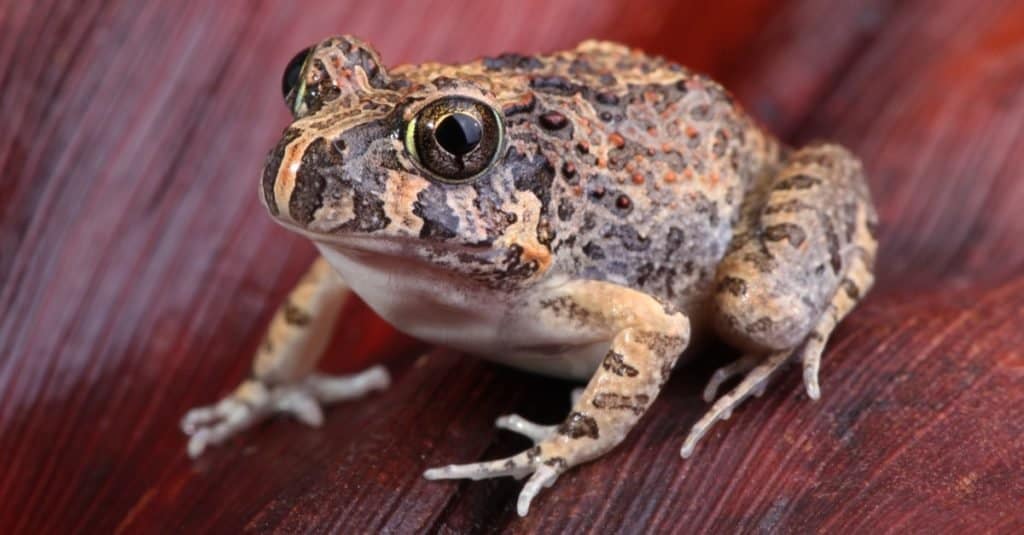
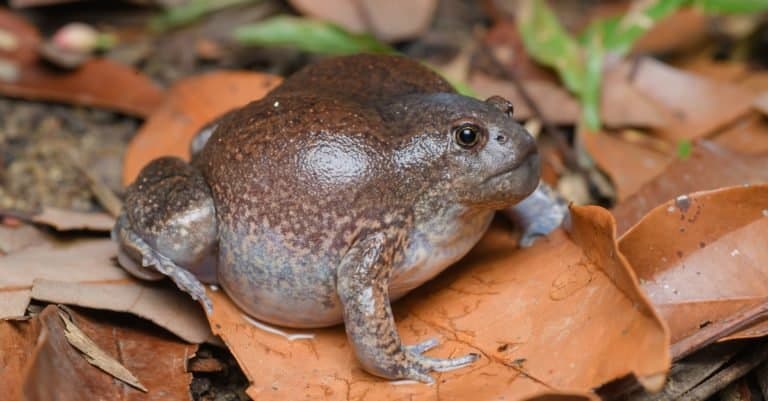
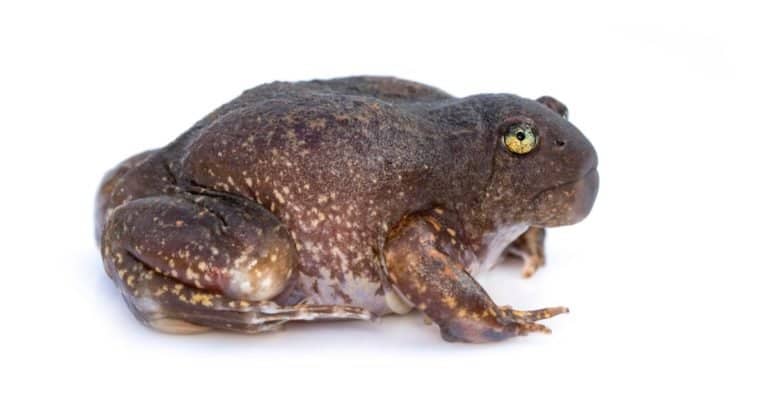
The ornate burrowing frog lies in Australia and is a member of the genus Opisthodon.
©Chris Ison/Shutterstock.com
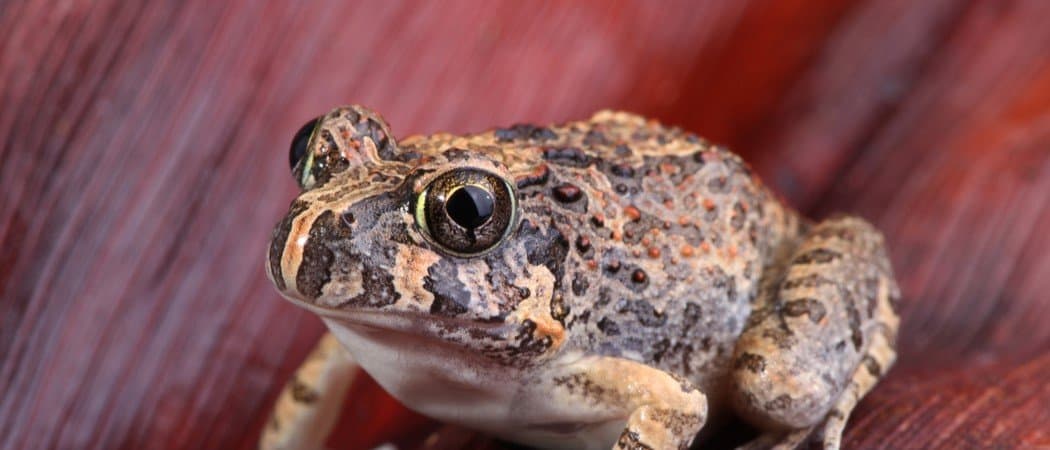
The eastern owl frog is one of the largest frogs to call Australia home. There are several facts that you can rely on to properly and quickly identify an eastern owl frog from the other native frog species. They can be up to three to four inches in length with a rough, warty, and multicolored back, a smooth single light-colored belly, and non-webbed feet. They have vertical pupils, and their backs may be spotted as well. The frog’s forelegs are noticeably muscular to aid in their digging through soil and other ground-covering debris. The lack of webbing on their feet is an adaptation that makes it easier to dig.
The males possess large black spines on their chests and arms that aid in holding their partner still for mating. Both males and females will dig burrows by backing into them as they use their hind legs and feet to throw dirt from the hole. The eastern owl frog earned its name from the soft, hooting sound that the male makes from the mouth of the burrow while trying to attract a mate. The call is very similar in nature to that of an owl. This call can be heard year-round, but it is much more prevalent during mating season.
The vast majority of their lives are spent underground, and this has prevented any significant study of their population outside of chance encounters and strictly designed trapping methods. They are the most active during the summer months into the fall, and these frogs are most likely to be observed during and after heavy rainfall or thunderstorms. They conceal themselves on the banks of rivers and other water bodies, and they use vegetation and their burrows to conceal themselves from sight.
Habitat
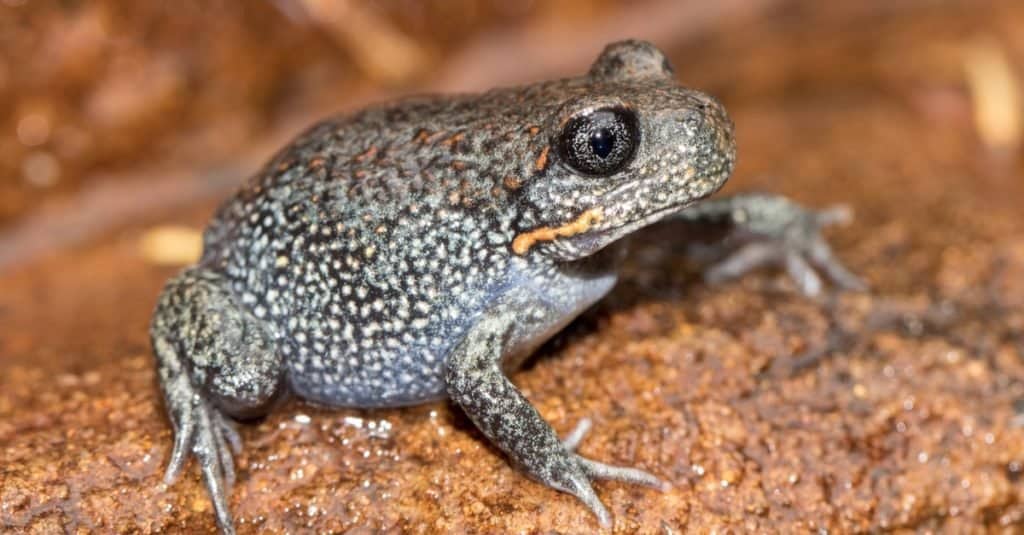
©Ken Griffiths/Shutterstock.com
The giant burrowing frog will reside in many different potential habitats. From wet forests to stream lands, the frog will always make its burrow in an area that is located near a significant water source that is slow-moving. These burrows frequently take advantage of natural features of the landscape such as cracks, crevices, and runoffs to capture slow-flowing water for reproduction.
Diet
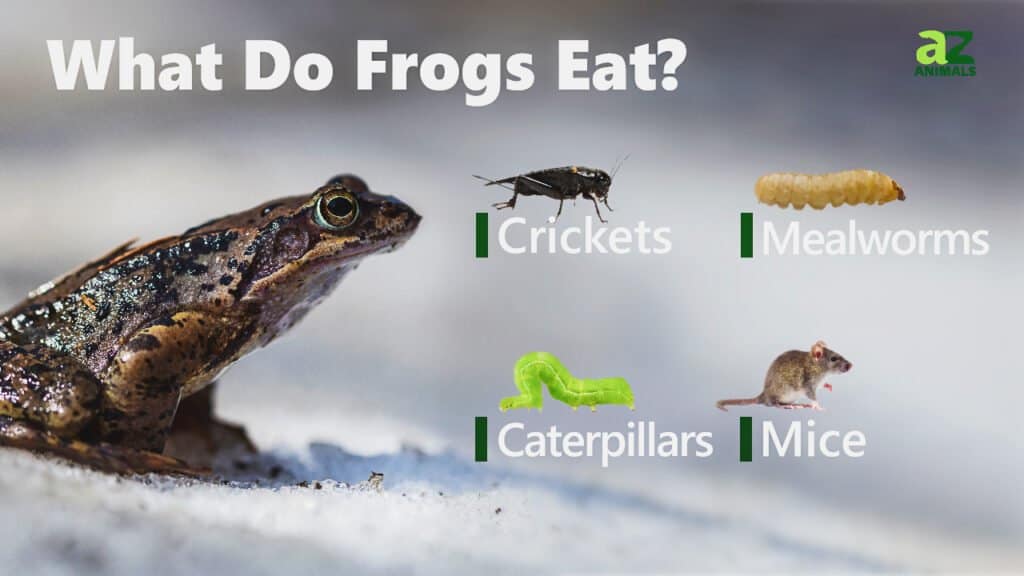
The giant burrowing frog’s diet is that of a generalist. It will eat many different types of foods, but it is a carnivore that only consumes other animals.
What eats the burrowing frog?
Predators for the eastern owl frog are the same for most other frogs. Foxes, snakes, lizards, and birds all prey upon burrowing frogs.
What does the burrowing frog eat?
The burrowing frog primarily consumes invertebrates like scorpions, spiders, ants, and centipedes. It uses its long tongue to catch and eat its prey.
Predators and Threats

The striped Burrowing Frog (Cyclorana alboguttata) is also native to Australia.
©Donna Flynn / Creative Commons – Original
The primary predatory threats to the eastern owl frog are ambush predators like the above-listed foxes, snakes, and birds. All of these animals target the burrowing frog in a similar manner. They lay in wait for an opportune moment to strike at unsuspecting prey.
The other major threats to the giant burrowing frog are man-made. Loss of habitat due to myriad types of construction like residential, commercial, utility, railroad, and others are wreaking havoc on the habitat for this frog. Fire prevention and suppression methods used to combat the brush fires common to the native habitat of the burrowing frog also take a significant toll on their population. Finally, pollution is yet another major threat to the species; there have been no scientifically observed cases of the eastern owl frog reproducing in an even slightly polluted water source.
A lack of clean, fresh water for mating and reproduction will further add challenges to the success of this animal. Furthermore, drought conditions experienced in regions previously known for an abundance of freshwater further limit locations available for mating. For all of these reasons, the giant burrowing frog is listed as a vulnerable species on the IUCN Red List; however, the other species within the Heleioporus genus are considered to be of least concern.
Reproduction, Babies, and Lifespan
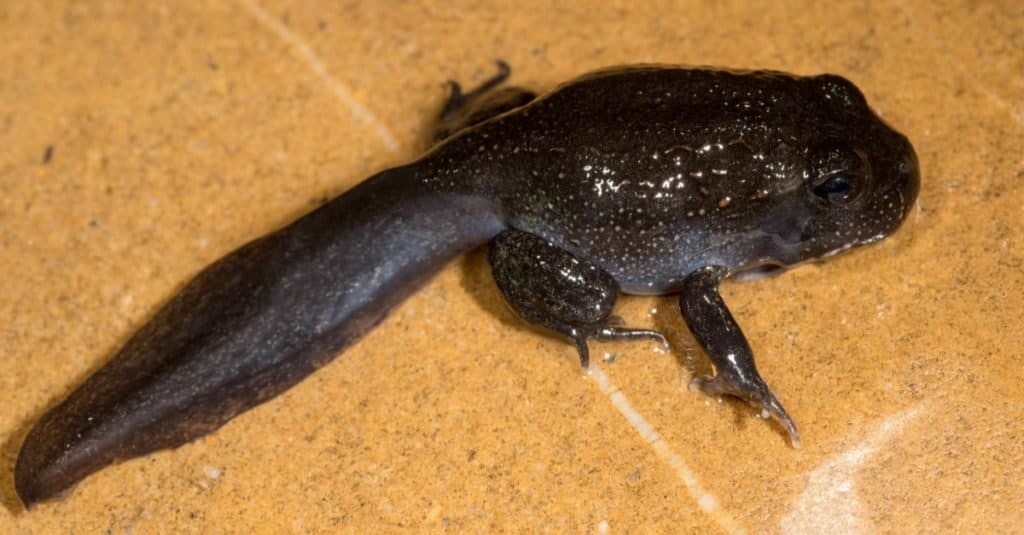
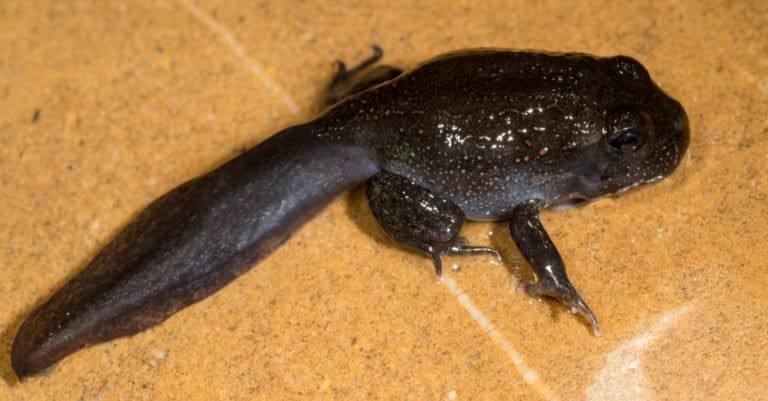
Burrowing frog tadpoles take between 12 weeks to 12 months to fully develop, depending on species.
©Ken Griffiths/Shutterstock.com
The breeding season begins in the fall, and the males call out with their hooting mating sounds from within the burrow or out in the open. Males are extremely territorial during mating season, and they average a claimed area of 0.04 hectares that will not overlap with the claimed area of another male. The female eastern owl lays her eggs in a foamy substance inside the burrow or in the water underneath vegetation. There can be anywhere from 800-1,250 eggs, but the average is around 500-800 eggs per female.
The eggs remain dormant until rain or other water flow washes them from their current location into a larger pool of water, where tadpole development begins in earnest. Tadpoles take between 12 weeks to a year to fully develop, depending on weather conditions and the timing of the season. They are typically a blue-gray color with streaks of black, and giant burrowing frog tadpoles have grown as large as three inches themselves!
Tadpoles that have not fully matured by the time winter arrives will go dormant, and they will resume their development in the spring. Once fully matured, eastern owl frogs live approximately 10-15 years. They are slow growers, and they are considered to be very long-lived for a frog species.
Population and Conservation

Burrowing frogs can be found in Australia, Mexico, Texas, and Asia.
©Froggydarb / Creative Commons – Original
The population of burrowing frogs across all species is currently unknown. However, what we do know is that many types of burrowing frogs are facing threats to their survival. One major threat is habitat loss due to human activities such as deforestation, urbanization, and agriculture expansion.
Additionally, pollution from pesticides and other chemicals used in farming practices can also have a negative impact on burrowing frog populations. Climate change is another factor that affects the survival of these amphibians as it alters their natural habitats and can cause shifts in breeding patterns.
To help preserve these important creatures, humans can take steps to reduce our impact on their environments. This includes supporting conservation efforts through donations or volunteering with organizations dedicated to protecting wildlife habitats.
Another way we can help is by reducing our use of harmful chemicals that pollute waterways where burrowing frogs live. Individuals can also make changes at home by planting native plants and avoiding the use of pesticides and fertilizers.
Overall, there are many ways that humans can contribute to the survival of the diverse array of burrowing frog species around the world. By taking action now, we may be able to ensure future generations will continue to enjoy these unique creatures for years to come.
12 Types of Burrowing Frogs
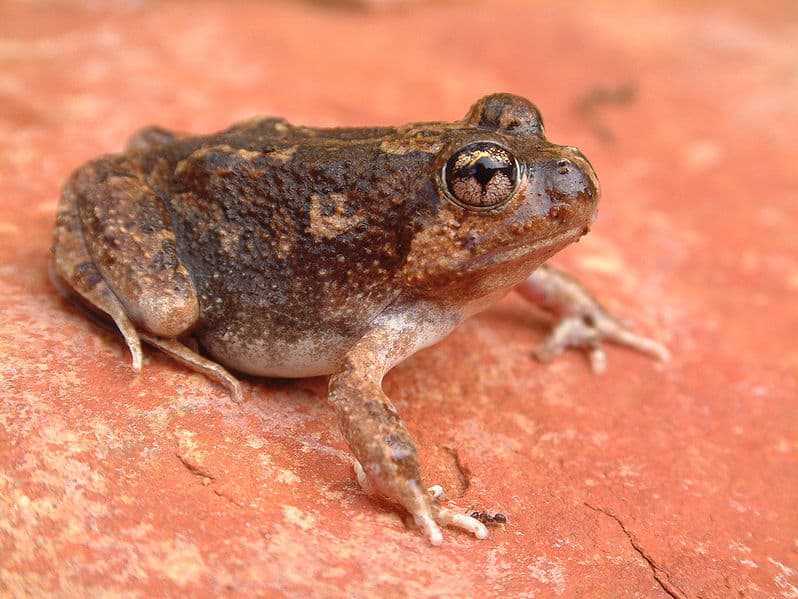
Spencers Burrowing Frog (Opisthodon spenceri) is native to Australia.
©Michael Barritt & Karen May / Creative Commons – Original
| Common Name | Scientific Name | Region |
|---|---|---|
| Giant Burrowing Frog | Heleioporus australiacus | Australia |
| Indian Burrowing Frog | Sphaerotheca breviceps | South Asia |
| Ornate Burrowing Frog | Opisthodon ornatus | Australia |
| Northern Burrowing Frog | Neobatrachus aquilonius | Australia |
| Spencer’s Burrowing Frog | Opisthodon spenceri | Australia |
| Striped Burrowing Frog | Cyclorana alboguttata | Australia |
| Painted Burrowing Frog | Neobatrachus pictus | Australia |
| Mexican Burrowing Frog | Rhinophrynus dorsalis | Texas, Mexico, South America |
| Moquard’s Burrowing Frog | Scaphiophryne calcarata | Madagascar |
| Shovelose Burrowing Frog | Genus Hemisus | Africa |
| Rainbow Burrowing Frog | Scaphiophryne gottlebei | Madagascar |
| Short-Footed Frog | Cyclorana brevipes | Australia |
Burrowing Frog Pictures
View all of our Burrowing Frog pictures in the gallery.

Chris Ison/Shutterstock.com
How to say Burrowing Frog in ...
Sources
- Australian Museum / Accessed February 10, 2021
- Frogs of Australia / Accessed February 10, 2021
- Giant Burrowing Frog / Accessed February 10, 2021
- Office of Environment & Heritage / Accessed February 10, 2021