



C
Species Profile

Cavalier King Charles Spaniel

Canis lupus familiaris

A royal lapdog with a spaniel heart
otsphoto/Shutterstock.com

Cavalier King Charles Spaniel Distribution

Click a location to explore more animals from that region

Origin Location

This map shows the native origin of the Cavalier King Charles Spaniel. As a domesticated species, they are now found worldwide.

Loading map...

Found in 1 country

Size Comparison

Human 5'8"
Cavalier King Charles Spaniel 1 ft 1 in

Cavalier King Charles Spaniel stands at 19% of average human height.

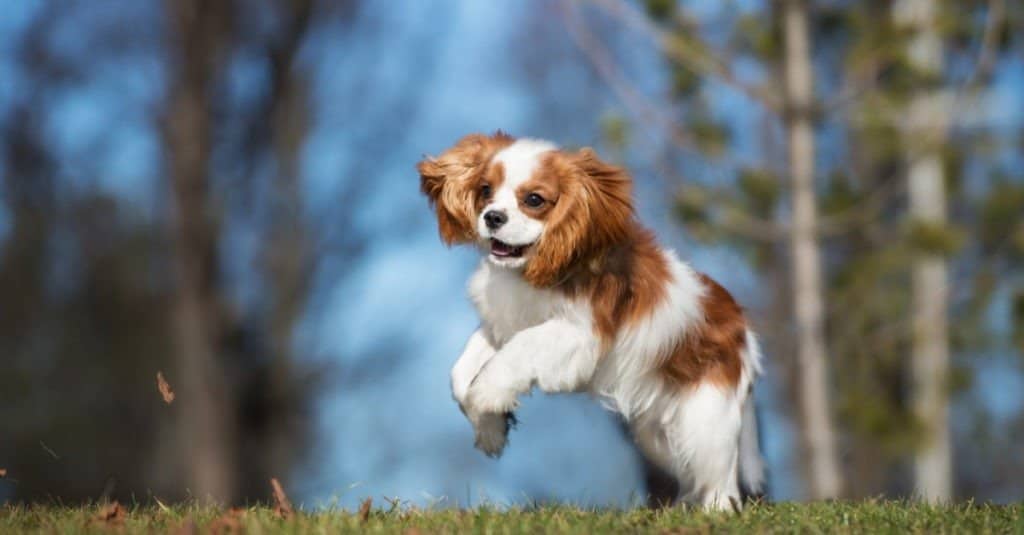
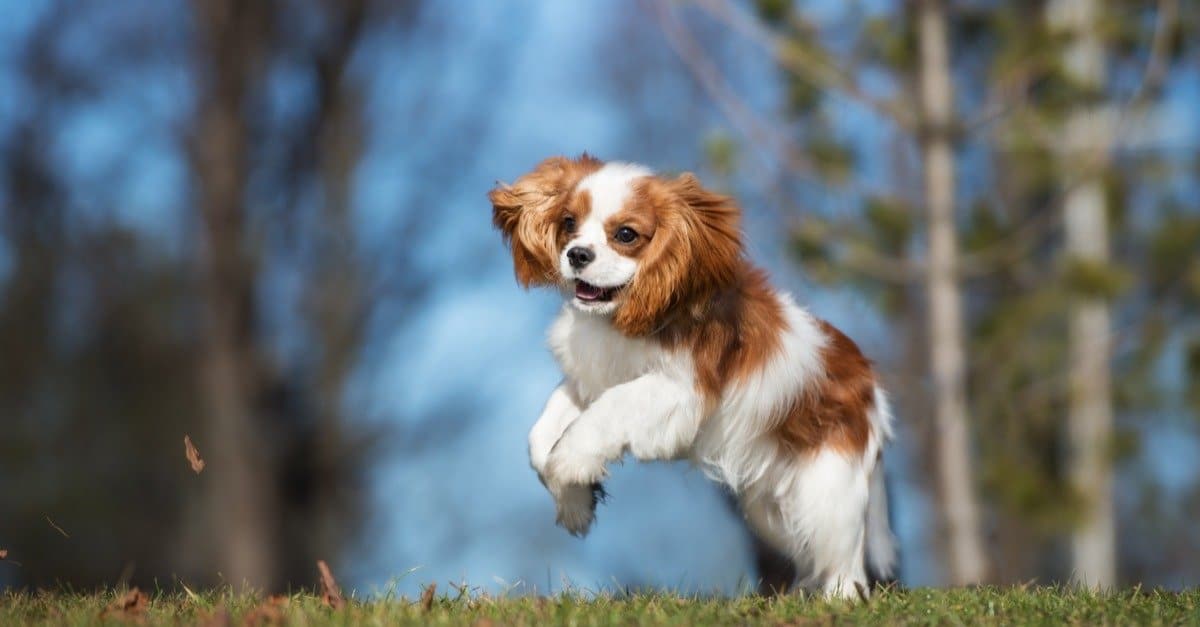
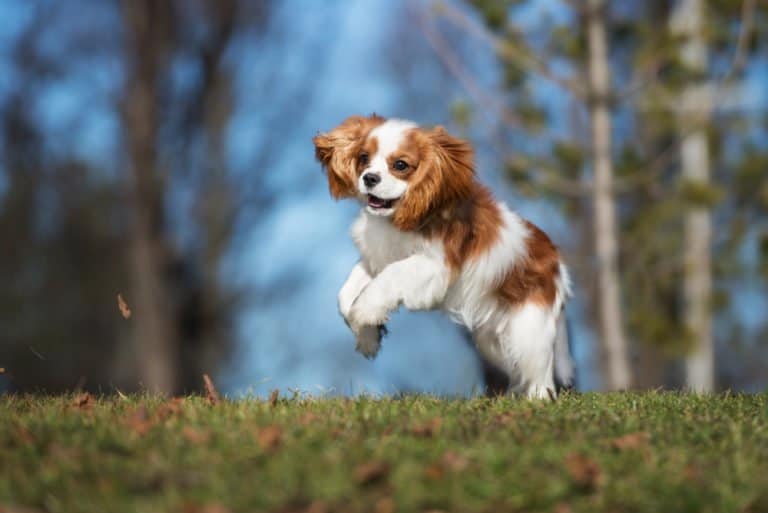
Cavalier King Charles Spaniel playing in the grass

At a Glance

Domesticated
Also Known As Cavalier, Cav, Cavvie, Cavalier Spaniel
Diet Omnivore
Activity Diurnal+
Lifespan 13 years
Weight 8.5 lbs
Status Not Evaluated
Did You Know?

Named after King Charles II of England, who was rarely seen without his little spaniels.

Scientific Classification

A small companion dog breed (toy spaniel) developed in the UK, known for a gentle, affectionate temperament and a silky coat with feathering.

Kingdom
Animalia
Phylum
Chordata
Class
Mammalia
Order
Carnivora
Family
Canidae
Genus
Canis
Species
lupus

Distinguishing Features

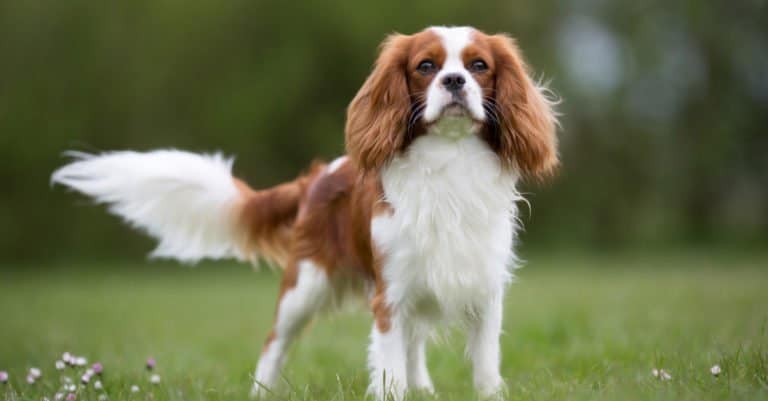
  • Small toy spaniel with large, round, dark eyes and a sweet expression
  • Long, silky coat with feathering on ears, chest, legs, and tail
  • Long, well-feathered ears set high
  • Moderate (not extremely flat) muzzle compared with the King Charles Spaniel
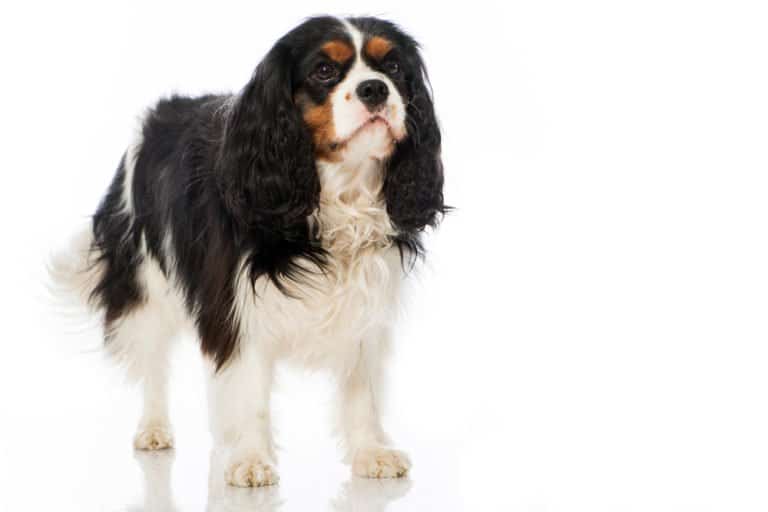
  • Typical color varieties: Blenheim (chestnut/white), tricolor, black & tan, ruby

Physical Measurements

Males and females differ in size

Height
1 ft 1 in (1 ft – 1 ft 1 in)
1 ft (11 in – 1 ft 1 in)
Length
1 ft 12 in (1 ft 9 in – 2 ft 2 in)
Weight
16 lbs (13 lbs – 19 lbs)
15 lbs (12 lbs – 17 lbs)
Tail Length
9 in (8 in – 11 in)
Top Speed
19 mph
Low top speed

Appearance

Primary Colors
Secondary Colors
Skin Type Cavalier King Charles Spaniel has typical dog skin under a long silky coat with feathering. Pigment follows coat—darker on black, pinkish under white. Check ears and skin often; feathering and ear leather can hide problems.
Distinctive Features
  • Toy spaniel companion breed distinct from the ancestral/typical gray wolf form: much smaller body size, shortened (but not flat) muzzle, and a rounded, gentle head with a pronounced stop for a softer facial profile.
  • Large, round, expressive eyes and a sweet, soft expression; eyes can be prone to irritation if hair contacts the surface.
  • Long, heavily feathered ears set high and framing the face; ear feathering and reduced airflow can predispose to ear infections-routine ear cleaning/drying is a common care need.
  • Silky, medium-long coat with pronounced feathering on ears, chest, belly, legs, and tail; regular brushing/combing helps prevent mats, especially behind ears and on leg feathering.
  • Compact, slightly longer-than-tall outline with a level topline; tail carried with gentle action and feathering (not typically curled over the back).
  • Breed-typical color varieties (Blenheim, tricolor, black & tan, ruby) with relatively consistent marking conventions compared with many mixed-breed dogs.
  • Health context (breed-associated): elevated risk of myxomatous mitral valve disease (heart murmur/heart failure risk) compared with the general domestic dog population; responsible screening and monitoring (auscultation/echocardiography as advised) are important.
  • Health context (neurologic): predisposition to Chiari-like malformation and syringomyelia; watch for pain signs (neck sensitivity, scratching at air/neck) and seek veterinary evaluation if suspected.
  • Other common breed considerations: patellar luxation, ocular issues (e.g., dry eye/corneal irritation), dental crowding in a small jaw-routine dental care and eye/tear-line grooming are often needed.
  • Care requirements tied to appearance: frequent grooming, attention to tear staining/eye hair, ear hygiene, and weight management to reduce strain on heart/joints; moderate exercise suited to a small companion dog rather than endurance work.

Sexual Dimorphism

Sexual dimorphism is mild, typical of many small companion dogs: males are often slightly larger/heavier with a broader head and more pronounced feathering, but overall appearance remains very similar between sexes.

  • Often marginally larger frame and heavier bone for the breed standard.
  • Head may appear slightly broader through skull and muzzle.
  • May develop somewhat fuller ruff/ear and chest feathering with maturity.
  • Often slightly smaller, finer-boned outline.
  • Head may appear a bit more refined and narrower.
  • Feathering can be equally long but may look lighter depending on coat density and spay status.

Did You Know?

Named after King Charles II of England, who was rarely seen without his little spaniels.

Four recognized color varieties: Blenheim, tricolor, black & tan, and ruby.

"Blenheim" refers to Blenheim Palace; the pattern became iconic in British sporting and royal circles.

Despite being a toy breed, many retain classic spaniel instincts-sniffing, flushing interest, and chasing birds.

Their long, feathered ears can reduce airflow in the ear canal, making routine ear care especially important.

They were developed in the early 20th century by breeders selecting longer-muzzled toy spaniels to resemble those seen in historic paintings, establishing the distinct "Cavalier" type alongside the flatter-faced English Toy Spaniel (King Charles Spaniel).

They are often described as "comfort-seeking" dogs-actively choosing laps, warm spots, and close contact with people.

Unique Adaptations

  • Companion-focused selection: temperament and human-directed sociability were prioritized over working drive compared with the base species (gray wolf lineage).
  • Neotenous facial traits: large, expressive eyes and a shorter, gentler face promote caregiving responses in humans (common in toy breeds).
  • Silky, feathered coat and long ears: optimized for "ornamental" companionship and comfort, though it increases grooming and ear-care needs.
  • Compact toy size: well-suited to indoor living and close handling, with lower absolute exercise needs than many larger dogs (still benefits from daily walks).
  • Highly people-attentive learning style: often motivated by praise and proximity, responding best to gentle, reward-based training.

Interesting Behaviors

  • Shadowing/"velcro dog" behavior: following a favorite person room-to-room and settling at their feet.
  • Lap-checking and "face gazing": sustained eye contact and gentle pawing to invite attention.
  • Spaniel-style sniff-and-search: nose-led exploration on walks, zig-zagging to sample scents.
  • Soft retrieval/play carrying: picking up toys and parading them rather than intense tugging.
  • Warmth seeking: curling tightly into blankets or laps; many prefer sleeping near people.
  • Alert-but-friendly greeting: quick to notice visitors, typically responsive and sociable rather than wary.
  • Feathering shake-out: vigorous full-body shakes after water/grass contact, often followed by grooming-like paw swipes over the face.

Cultural Significance

The Cavalier King Charles Spaniel (Canis lupus familiaris) is tied to British royal history and old paintings. Brought back in the early 1900s to match older dogs, it is a loving family and therapy dog and a living link to lapdog history.

Myths & Legends

The Blenheim spot tale says Sarah Churchill, Duchess of Marlborough, pressed her thumb to a pregnant spaniel's forehead while waiting for news of the Battle of Blenheim; the pups were born with a chestnut mark.

Royal companion lore of King Charles II: popular historical anecdotes describe the king's devotion to his spaniels-so constant that the dogs became a courtly emblem and helped cement the breed's association with gentle, ever-present companionship.

"Old-style spaniel" revival legend: early Cavalier fanciers told of seeking the longer-nosed spaniels from Stuart portraits-almost a quest to "bring back" the beloved lapdogs of an earlier England, guiding the creation of the Cavalier type.

Conservation Status

NE Not Evaluated

Has not yet been evaluated against the criteria.

Population Stable

Life Cycle

Birth 4 pups
Lifespan 13 years

Lifespan

In the Wild
12–15 years
In Captivity
9–14 years

Reproduction

Mating System Polygyny
Social Structure Managed Domestic
Breeding Pattern Transient
Fertilization Internal Fertilization
Birth Type Managed_selective

Behavior & Ecology

Social Pack Group: 4
Activity Diurnal, Cathemeral
Diet Omnivore Highly palatable animal proteins (especially chicken/turkey-based wet or fresh food formulations)

Temperament

Affectionate, companion-oriented; seeks lap contact and frequent interaction (more so than many working-line dogs)
Gentle, soft-mouthed spaniel tendency; generally low aggression and low prey-drive compared with many Canis lupus familiaris types, though may still chase small animals
Social and people-friendly; often good with children and other pets when properly introduced
Sensitive/nervy to harsh correction; responds best to positive reinforcement and calm routines
Moderate energy: enjoys daily walks and play but typically not a high-endurance athlete; prone to weight gain if under-exercised
Across the breed, many Cavaliers show strong attachment, high sociability, moderate activity, and good trainability with rewards. Separation-related distress can be common, and some lines or individuals show increased anxiety or sound sensitivity.

Communication

Soft barking/alert barking Typically less intense guarding-style barking than many breeds
Whining/whimpering to solicit attention or express discomfort; can increase with separation distress
Play growls Usually low-intensity and context-dependent
Sighs/grunts during relaxation; occasional yips when startled or excited
Tail wagging with whole-body wiggle and approach behavior; frequent soliciting of petting Pawing, leaning, lap seeking
Facial expressions and eye contact: 'soft eyes'/gaze-seeking for social bonding; may use gaze alternation to request resources
Licking and nuzzling as affiliative signals; muzzle nudge to prompt interaction
Spaniel-style following and shadowing behaviors in the home Proximity maintenance
Olfactory exploration on walks; scent marking present but typically less prominent than in more territorial types
Health- and care-linked behavior notes (breed-specific): ear scratching/head shaking may signal otitis due to long, feathered ears; neck scratching, air-scratching, or pain-avoidance may indicate syringomyelia; exercise intolerance/coughing may reflect mitral valve disease-these warrant veterinary evaluation. Care needs include regular coat/ear grooming, weight management, and heat sensitivity precautions due to small size and coat.

Habitat

Biomes:
Temperate Forest Temperate Grassland Boreal Forest (Taiga) Tundra Alpine Mediterranean Savanna Desert Hot Desert Cold Wetland Freshwater Marine +6
Terrain:
Plains Coastal Hilly Mountainous Island Valley Plateau Riverine +2
Elevation: Up to 16404 ft 3 in

Ecological Role

Human-associated domestic omnivore and companion; minor opportunistic predator/scavenger in human environments.

companionship and social support for humans behavioral role as a controlled household predator of small pests (limited/opportunistic) participation in nutrient cycling through consumption of human-provided food and waste streams (managed via pet care)

Diet Details

Main Prey:
Small mammals Small birds Insects and small invertebrates Animal-based proteins
Other Foods:
Starches and grains Plant fibers and vegetables Fruits Edible plant matter

Human Interaction

Domestication Status

Domesticated

Dogs (Canis lupus familiaris) were domesticated from the gray wolf by long human selection. The Cavalier King Charles Spaniel was developed in the UK in the early 20th century to copy small toy spaniels from 17th–18th century paintings. It has a longer muzzle and flatter skull than the King Charles Spaniel and was bred as a small, people-loving indoor companion.

Danger Level

Low
  • Minor bite risk exists as with any dog, typically linked to fear/pain handling; severity is usually limited by small size.
  • Zoonotic risks common to pet dogs if preventive care is poor (e.g., intestinal parasites, fleas/ticks), mitigated by routine vet care.
  • Allergy exposure (dander/saliva) for sensitive individuals.

As a Pet

Suitable as Pet

Legality: Cavalier King Charles Spaniels are usually legal as pets. Normal rules like licenses, leashes, and vaccinations apply. Breed bans rarely affect them, but always check local rules for housing, travel, and import.

Care Level: Moderate

Purchase Cost: $1,200 - $4,500
Lifetime Cost: $15,000 - $45,000

Economic Value

Uses:
Companion animal industry Veterinary and preventive healthcare Grooming services Breeding and showing Pet insurance
Products:
  • purchase/adoption fees for Cavaliers
  • routine veterinary care (vaccines, dental, parasite prevention)
  • management of breed-associated conditions (cardiology/neurology diagnostics, long-term medications)
  • grooming (brushing tools, professional grooming, shampoos)
  • pet supplies (food, harnesses/leashes, crates/beds, enrichment toys)
  • training services (basic manners, separation-related support)

Relationships

Ecological Equivalents 5

Animals that fill a similar ecological role in their ecosystem

King Charles Spaniel Canis lupus familiaris Closest niche match: small, brachycephalic-leaning companion spaniel type. Cavalier King Charles Spaniels are typically more active and athletic with a longer muzzle, and are often managed for breed-typical cardiac and neurologic risks (notably myxomatous mitral valve disease and syringomyelia/Chiari-like malformation).
Papillon
Papillon Canis lupus familiaris Both breeds occupy a similar niche as small, people-oriented companion dogs suited to indoor living. However, Cavaliers are generally calmer and less intense than Papillons, require more feathering coat care, and have a higher breed-associated risk of mitral valve degeneration (a form of heart disease).
Shih Tzu
Shih Tzu Canis lupus familiaris Similar role as a small lapdog with moderate exercise needs and regular grooming. Cavalier King Charles Spaniels have silkier, feathered coats that require brushing and ear care; they are prone to mitral valve disease and heat sensitivity and require weight control.
Maltese
Maltese Canis lupus familiaris Similar companion niche and size: both thrive on close human contact and can be prone to separation-related behaviors if under-socialized. Cavalier King Charles Spaniels typically require routine cardiac monitoring and may be less bark-prone than some toy breeds. Both breeds benefit from consistent dental care.
Domestic cat
Domestic cat Felis catus Shares the household companion niche (indoor pet, human-focused social bond). Cavaliers are usually more openly affiliative with strangers and often require structured exercise, play, and grooming; cats fill a similar companionship role but have different enrichment and handling needs.

The Cavalier King Charles spaniel was a favorite of European nobility from at least the 14th century. Originally believed to be introduced to Scotland by the French, Mary Queen of Scots brought them to England, where they quickly gained attention.

Eventually popularized by King Charles I and his son Charles II, this toy group canine is small in stature. However, it makes up for it with its boundless affection. Bred from hunting spaniels and a distinct breed from King Charles Spaniels, this variety of spaniels retains its forebears’ scenting and athletic traits. Four distinctive colors are recognized for the breed: Blenheim, ruby, tricolor, and black and tan.

At home, both on the couch and competing in a variety of events, the Cavalier has an agreeable temperament. It makes for a wonderful family pet. Regal, loyal, and graceful, the Cavalier’s noble stature is a visual representation of its history and breeding.

A popular breed in the UK and the US, this spaniel comes at a high price if purchased with papers. However, numerous rescues exist for both Cavalier puppies and adults.

Evolution

Little lapdogs have been beloved status symbols for European royalty since the Renaissance. Two 17th-century Kings — Charles I and his son, Charles II — favored a black and tan spaniel that was eventually named in their honor. Some said that King Charles II was more concerned with breeding spaniels than ruling Great Britain! This love of little spaniels continued into the 19th century, when aristocrats from all over Europe bred spaniels to their liking. A breed of red and white spaniels was produced at Blenheim Palace. During Queen Victoria’s time, spaniels were bred with pugs and Japanese Chin — now known as the English Toy Spaniel or King Charles Spaniel. Because of the pug influence, these spaniels evolved a flatter face than the dogs of King Charles’s era.

Spaniel lovers of the 1920s wanted dogs that looked like the ones depicted in the paintings of the 17th century, and sought breeders who could reverse the changes. After a sizable prize was offered by the American aristocrat, Roswell Eldridge, the British breeders rose to the challenge and produced what we now know as the Cavalier King Charles spaniel.
why do dogs sleep so much

Cavalier King Charles spaniels are adaptable to both active lifestyles and apartment living.

3 Pros and Cons of Owning a Cavalier King Charles Spaniel

Pros!Cons!
Highly intelligent and easy to trainSeveral health concerns are common with the breed
Social and comfortable with strangers, children, and dogs of other breedsProne to being overweight so the diet should be monitored
Adaptable to both active lifestyles and apartment livingThe long coat may develop an odor if not groomed
Cavalier King Charles Spaniel playing in the grass

Cavaliers were bred to be lap dogs, but they still retain the hunting abilities of their ancestors.

Size and Weight

Per American Kennel Club (AKC) standards, the Cavalier King Charles spaniel can’t be taller than 13 inches and ranges in weight from 13-18 pounds. These ranges may vary slightly for non-show animals.

Some Common Health Issues

There are a number of health issues that are common to the Cavalier King Charles spaniel. Eye conditions like cataracts and degenerative retina issues negatively affect their vision. Hip dysplasia and kneecap issues are the most frequently occurring orthopedic complaints of this dog; hip dysplasia affects the function and mobility of the hip joint, and patellar luxation is the tendency for the kneecap to move out of place.

Syringomelia is a neurological condition that results from the cerebrospinal fluid being forced through an opening into the spinal cord that is too small. It is both hereditary, progressive and present in the Cavalier King Charles Spaniel.

Reputable breeders should test all breeding stock for any of these conditions, and many breeders also include testing for their puppies to screen for common health problems.

    Temperament

    The Cavalier King Charles spaniel is an extremely versatile pet. While they were bred as lapdogs and have the associated calm and loving personality, they also retain the scenting and hunting behaviors of their ancestors. They perform well in a number of canine sports such as agility, rally, and obedience. Yet they also enjoy living the couch potato life. It is really all based on the personality of their owner.

    This breed is highly intelligent and easily trainable. You should capitalize on this by starting training early. This will help to prevent separation anxiety should they need to be left alone regularly for any length of time. The insatiable desire to please propels this dog breed to success, and it is a hallmark trait of the breed.
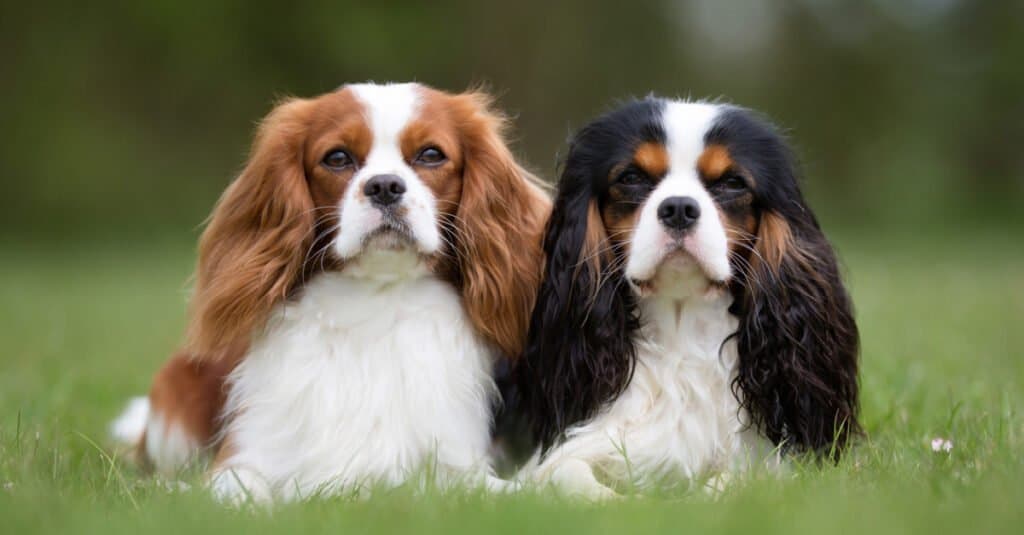
    Calmest dog - cavalier king charles spaniel dogs sitting together

    The Cavalier King Charles spaniel is a very loving and loyal dog.

    How to Take Care of a Cavalier King Charles Spaniel

    Caring for a Cavalier King Charles spaniel entails a wide range of considerations. This holds true for both puppies and more senior dogs. These pets will lead a happy and healthy life if you stick to these best practices.

    The Best Dog Food for Cavalier King Charles Spaniels

    Just as human nutritional needs change as they age, so too do the dietary requirements of the Cavalier King Charles spaniel. Due to the potential for orthopedic issues like hip dysplasia, dog food high in calcium or appropriate dietary supplements are especially beneficial for puppies. Care should be taken to avoid foods that are high in carbohydrates, particularly if your dog leads a more sedentary lifestyle, as this breed has a tendency towards obesity.

    Cavalier King Charles Puppy lying in front of an empty metallic dog bowl, 2 months old, isolated on white

    Cavalier King Charles spaniels need to eat measured portions of high-quality food to prevent obesity.

    For adults, calcium supplementation may still be beneficial, but you should discuss that with your veterinarian. Next to freshly prepared options, canned, high-quality dog food typically provides the best mix of nutrients while limiting carbohydrates. Weight control is even more of a concern as these toy dogs age because obesity only exacerbates any orthopedic issues that may already be present.

    Maintenance and Grooming

    The long hair of this spaniel needs to be regularly brushed in order to prevent the collection of debris that can create unpleasant odors. This also helps to reduce any shedding. Proper care of the coat of your Cavalier will go a long way to ensuring its luscious shine remains. Ruby, tricolor, Blenheim, and black and tan spaniels all look their best when properly groomed.

    Aside from monthly baths and nail trimmings, regular brushing is the extent of the maintenance and grooming requirement for this breed. Overall, it is a relatively low-maintenance dog, and no special tools are required beyond a brush and nail trimmer.
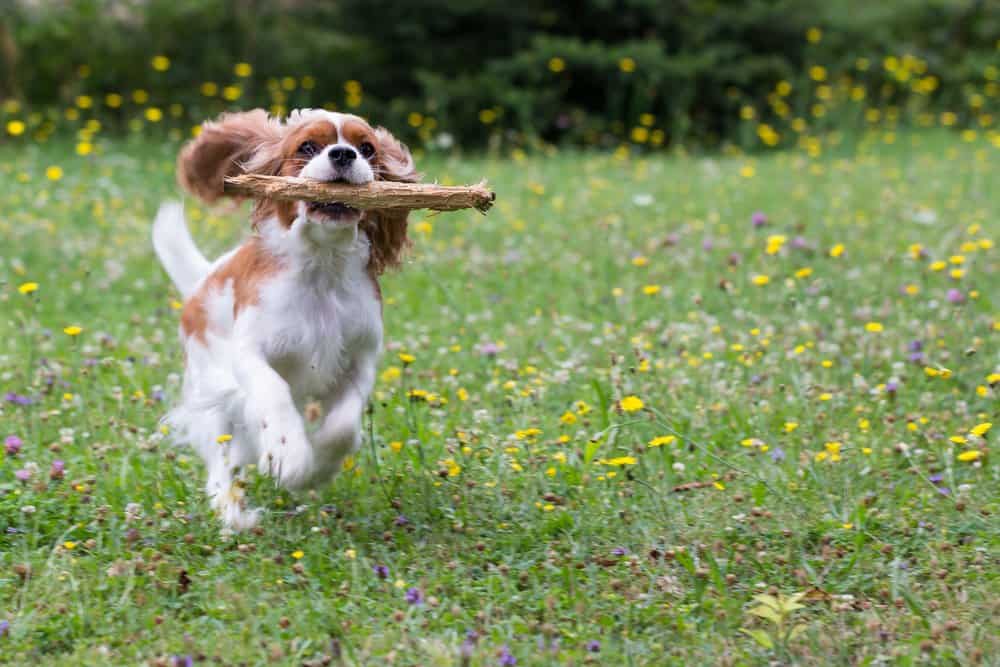
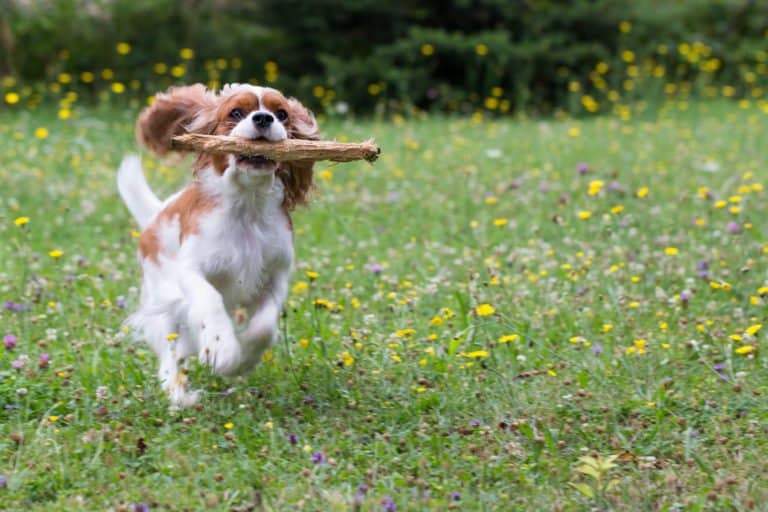
    Cavalier King Charles Spaniel (Canis familiaris) - running with stick in mouth

    Cavalier King Charles spaniels love to run and play, and are easy to train.

    Training

    These dogs are so bright that training is typically very easy. Their high drive to please their owner, coupled with some positive reinforcement, is all that you should need to accomplish even a high degree of obedience training.

    Socialization and preventative training for separation (should it be necessary) must be addressed early on in the puppy stage for the highest degree of success. Cavaliers adopted from rescues may need a slightly different approach due to unknown circumstances before adoption.

    Exercise

    A daily walk of moderate length is all that is necessary to make sure that your spaniel is properly exercised and healthy. While they are content to be lapdogs and even thrive in apartment living, regular exercise is good for your Cavalier.

    Due to their hunting dog ancestry, these pups may not heed their owner’s commands if they catch an interesting scent. It is critical that they never be allowed off-leash or in an unfenced yard for this very reason.

    These dogs can also adapt to much more exercise, and the breed is a regular competitor in several canine sports. Their go-with-the-flow temperament allows them to conform to whatever lifestyle their owner leads.
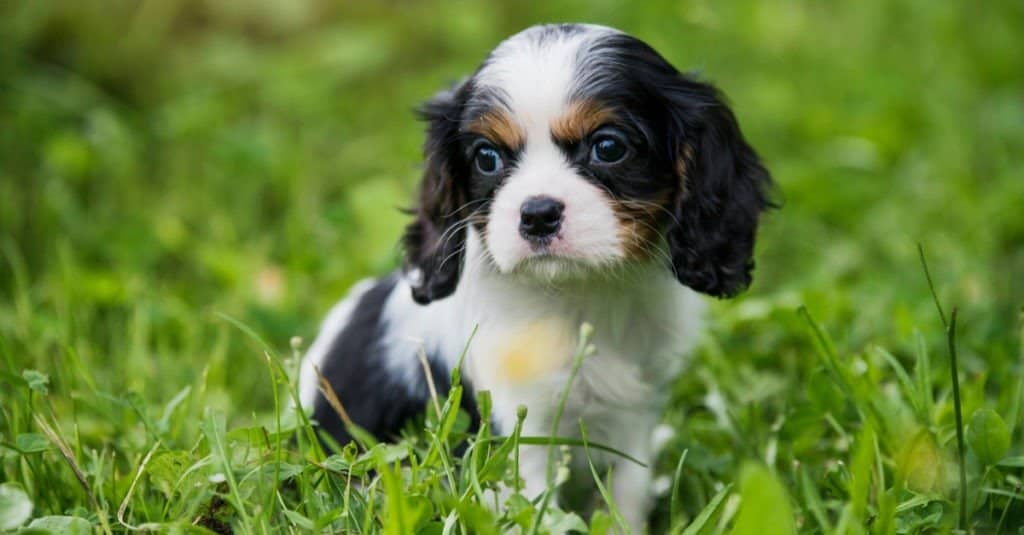
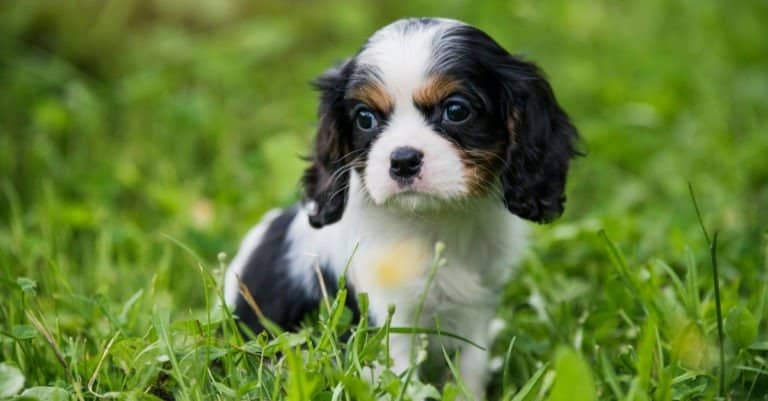
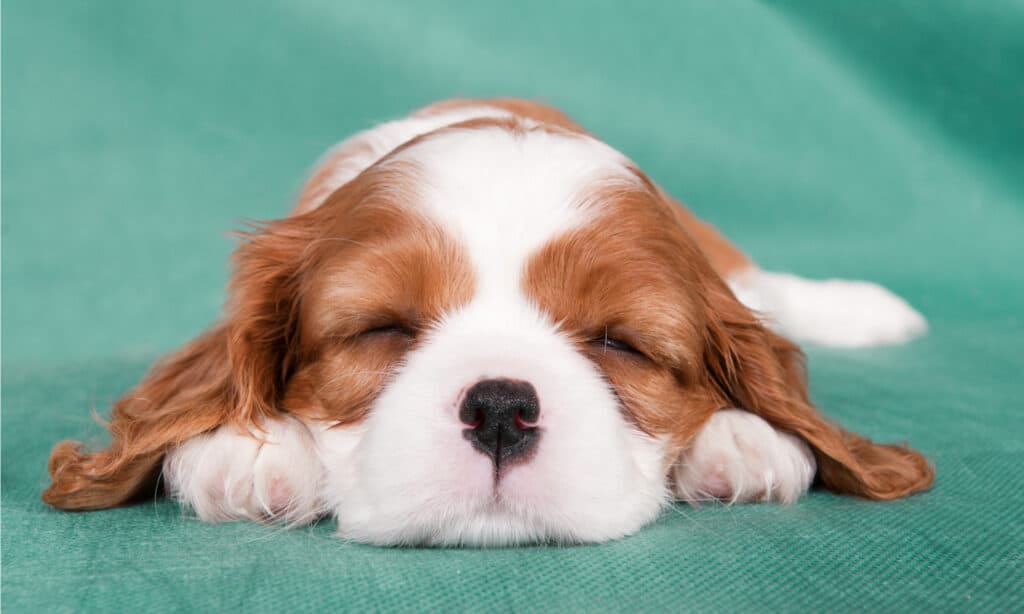
    Cavalier King Charles Spaniel Puppy

    Cavalier puppies thrive on affection and are great with children.

    Puppies

    There are no special considerations for puppies of this breed over any normal puppy care instructions. Regular checkups, appropriate nutrition, and standard training are the name of the game.

    Children and Cavaliers are a Match Made in Heaven

    Children and this breed are a match made in heaven. They thrive on affection and are huge fans of snuggling. The most important concern is that children have the appropriate knowledge of how to behave around any dog breed. The same traits that make this dog a wonderful therapy dog also make it great for life with children.

    Dogs Similar to the Cavalier King Charles Spaniel

    Dog breeds similar to this spaniel are the English cocker spaniel, the pug, and the Japanese chin.

    • English cocker spaniel: This sporting dog breed is an ancestor of the Cavalier King Charles spaniel and bears similar colors. It is the source of the breed’s hunting instincts and high drives.
    • Pug: The Pug is another loving homebody. They are much stronger-willed and have myriad more health concerns when compared to the English King Charles spaniel. Their short coat requires less maintenance and is less prone to shedding as well.
    • Japanese Chin: The Japanese equivalent of the English King Charles spaniel is the Japanese Chin. Bred to be loving lapdogs, these canines were a favorite of high-class Japanese citizens. In colors and hair, they bear a strong similarity to the English King Charles spaniel, but they have a flatter face and pronounced eyes like a pug.

    Dog Park Series - Chicago

    Cavaliers will be happy to go anywhere with you!

    Famous Cavalier King Charles Spaniel

    Arguably, the most famous King Charles spaniel is Rex, who belonged to Mary Queen of Scots. She was beheaded with Rex beneath her skirts, and it is rumored that he refused to leave her body until he died from grief several days later.

    Although not technically a Cavalier, as that is a moniker given to the renewed breed of the 20th century, Rex’s story makes him more than worthy of his fame. President Ronald Reagan also owned a Blenheim Cavalier King Charles spaniel named Rex!

    View all 392 animals that start with C

    Sources

    1. AKC / Accessed February 4, 2021
    2. Marketplace / Accessed February 4, 2021
    3. Hellobark / Accessed February 4, 2021
    4. Hellobark / Accessed February 4, 2021
    5. CKCSC / Accessed February 4, 2021
    6. l Love Cavaliers / Accessed February 4, 2021
    7. The Antique Almanac / Accessed February 4, 2021
    Lisha Pace

    About the Author

    Lisha Pace

    After a career of working to provide opportunities for local communities to experience and create art, I am enjoying having time to write about two of my favorite things - nature and animals. Half of my life is spent outdoors, usually with my husband and sweet little fourteen year old dog. We love to take walks by the lake and take photos of the animals we meet including: otters, ospreys, Canadian geese, ducks and nesting bald eagles. I also enjoy reading, discovering books to add to my library, collecting and playing vinyl, and listening to my son's music.

    Thank you for reading! Have some feedback for us?


    Cavalier King Charles Spaniel FAQs (Frequently Asked Questions)

    Cavalier King Charles Spaniels can live for 15 years.