


C
Species Profile

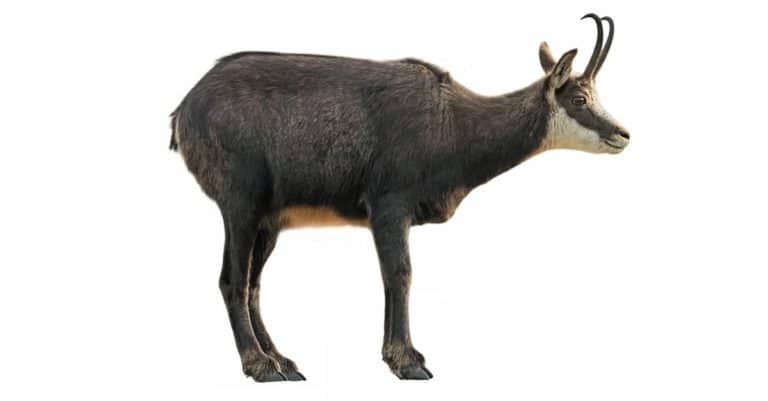
Chamois

Rupicapra rupicapra

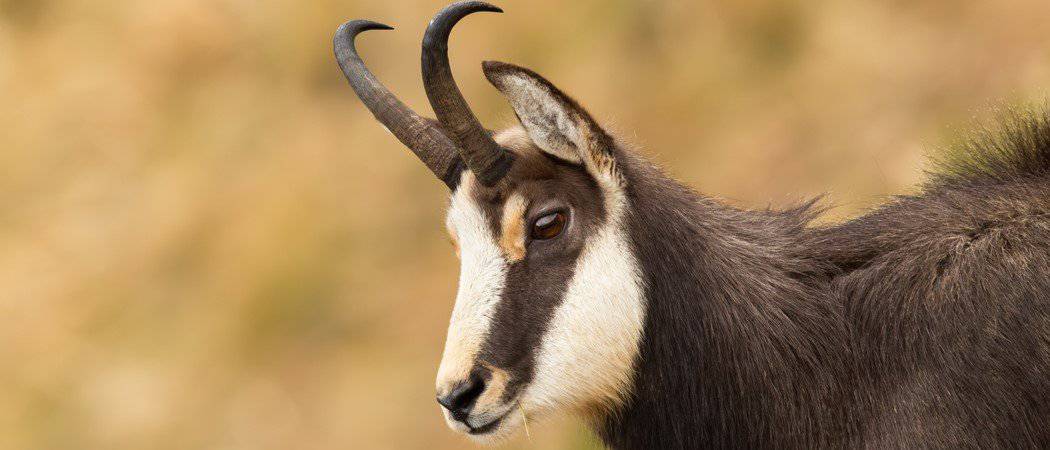
Hooked horns, cliff-edge confidence.
WildMedia/Shutterstock.com

Chamois Distribution

Click a location to explore more animals from that region

Invasive Species
Loading map...

Size Comparison

Human 5'8"
Chamois 2 ft 6 in

Chamois stands at 43% of average human height.

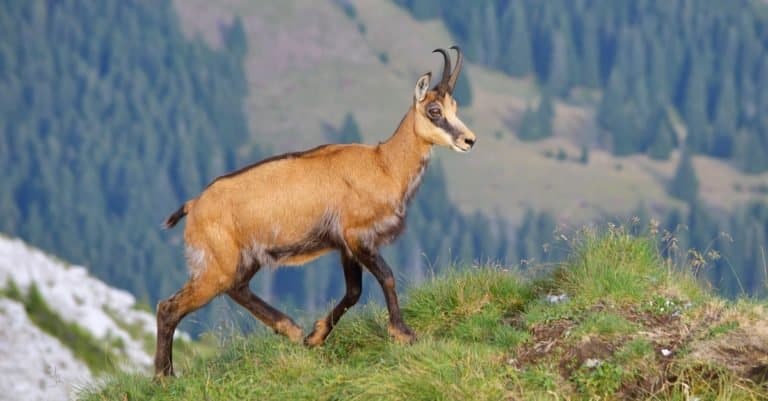
Tatra chamois, rupicapra rupicapra tatrica, in mountains in autumn

At a Glance

Wild Species
Also Known As chamois, rebeco, camoscio, Gämse, kamzík
Diet Herbivore
Activity Diurnal+
Lifespan 15 years
Weight 60 lbs
Status Least Concern
Did You Know?

Taxonomy: a goat-antelope (Bovidae) in genus Rupicapra-more closely related to serows and gorals than to true goats.

Scientific Classification

A small, agile mountain-dwelling goat-antelope (family Bovidae) adapted to steep alpine terrain; known for sure-footed climbing and hooked horns.

Kingdom
Animalia
Phylum
Chordata
Class
Mammalia
Order
Artiodactyla
Family
Bovidae
Genus
Rupicapra
Species
Rupicapra rupicapra

Distinguishing Features

  • Compact goat-antelope build; highly agile cliff climber
  • Both sexes have slender, black, backward-hooked horns
  • Tan-brown summer coat that becomes thicker/darker in winter
  • Distinct dark facial stripes with pale cheeks (often noticeable)

Physical Measurements

Males and females differ in size

Height
2 ft 7 in (2 ft 4 in – 2 ft 9 in)
2 ft 5 in (2 ft 4 in – 2 ft 6 in)
Length
4 ft (3 ft 6 in – 4 ft 6 in)
4 ft 1 in (3 ft 8 in – 4 ft 7 in)
Weight
84 lbs (55 lbs – 99 lbs)
55 lbs (44 lbs – 77 lbs)
Tail Length
4 in (3 in – 6 in)
4 in (3 in – 6 in)
Top Speed
31 mph
Up to 50 km/h

Appearance

Primary Colors
Secondary Colors
Skin Type Dense fur/hair coat with strong seasonal molt: shorter, sleeker summer coat; longer, thicker winter coat with pronounced guard hairs/ruff (insulation for alpine conditions).
Distinctive Features
  • Hooked, backward-curving black horns present in both sexes; typical horn length commonly cited ~15-25 cm (species accounts; e.g., Nowak, 1999; regional ungulate monographs).
  • Body measurements commonly reported: head-body length ~102-118 cm; shoulder height ~70-80 cm; tail length ~10-15 cm (commonly cited across European mammal references, including Nowak, 1999).
  • Body mass (strongly seasonal/region-dependent): females often ~25-40 kg; males often ~30-50 kg (values widely reported in European ungulate references; see Nowak, 1999; and regional management/field guides).
  • High-contrast face: pale cheeks/throat with two dark stripes from horn bases past eyes to muzzle; aids quick field identification (diagnostic for chamois in alpine habitat).
  • Darker lower legs (often black) with relatively short, strong limbs; hooves adapted for steep rocky terrain with hard rims and grippy pads enabling sure-footed climbing (functional morphology widely described in mountain-ungulate literature).
  • Winter pelage can show a darker dorsal area and more pronounced neck/shoulder hair (a 'ruff' effect), increasing apparent bulk in cold season.
  • Alpine/agile cliff-dweller: frequently uses steep slopes, rocky outcrops, and subalpine/alpine meadows; visual appearance often includes a compact, athletic silhouette adapted to jumping/climbing (behavior/ecology summarized in IUCN species accounts and European ungulate syntheses).
  • Typical wild longevity commonly reported ~10-15 years; maximum recorded longevity can reach ~20+ years under favorable conditions (values summarized in species accounts such as Nowak, 1999, and long-term European ungulate monitoring reports).

Sexual Dimorphism

Sexual dimorphism is moderate: males average larger and heavier and tend to have thicker horns and more robust neck/forequarters; both sexes retain similar overall coloration and the same hallmark facial striping. Seasonal coat change occurs in both sexes.

  • Heavier build on average (commonly cited male mass range ~30-50 kg, season/region dependent).
  • Horns typically thicker at the base and may show slightly stronger curvature; horn length overlaps with females (often cited ~15-25 cm) but males often appear more robust-horned.
  • Neck/forequarter musculature often more pronounced, especially in rut; winter ruff can make males look bulkier.
  • Slightly smaller/lighter on average (commonly cited female mass range ~25-40 kg, season/region dependent).
  • Horns generally slimmer (length overlaps males), giving a more delicate head profile.
  • Overall pelage pattern (facial stripes, pale throat/cheeks, darker legs) essentially the same as males; differences are mainly size/robustness rather than color.

Did You Know?

Taxonomy: a goat-antelope (Bovidae) in genus Rupicapra-more closely related to serows and gorals than to true goats.

Size (adult): head-body length ~102-130 cm; shoulder height ~70-80 cm; tail ~8-14 cm (reported ranges in standard mammal references such as Nowak, Walker's Mammals of the World).

Mass: typically ~25-45 kg in females and ~30-60 kg in males, varying by region and season (IUCN species accounts and regional game biology summaries).

Horns are permanent (not shed): slender black horns with strongly hooked tips, commonly ~15-27 cm long; both sexes have horns, usually thicker in males.

Reproduction: rut mainly Nov-Dec; gestation about ~170 days; usually a single kid born May-June (well documented in Alpine ungulate reproductive studies and management literature).

Seasonal coat shift: lighter reddish-brown summer coat changes to a darker, longer, denser winter coat-an adaptation to alpine cold and wind exposure.

Unique Adaptations

  • Climbing hooves: a hard outer rim for edging on rock plus softer, grippy pads that improve traction on smooth stone and steep scree (a key caprine-style mountain adaptation).
  • Compact, powerful build: relatively short limbs with strong forequarters and hindquarters for jumping and rapid changes of direction on ledges.
  • Seasonal insulation: pronounced winter underfur and longer guard hairs reduce heat loss and protect against wind chill at high elevations.
  • Hooked horns: backward-curving tips help in intraspecific sparring and can aid defense in tight, rocky terrain.
  • Efficient alpine foraging: flexible diet (grasses, herbs, shrubs, and winter browse) allows survival across seasonal bottlenecks typical of European mountain ecosystems.

Interesting Behaviors

  • Altitudinal migration: many populations move to higher alpine meadows in summer and descend toward forested slopes or wind-scoured ridges in winter, tracking forage and snow conditions.
  • Sexual segregation: outside the rut, adult males often form small bachelor groups or live more solitary, while females stay with kids in nursery groups.
  • Rut behavior (Nov-Dec): males increase scent-marking and chasing; dominance is reinforced by posturing and short horn clashes rather than prolonged fights.
  • Vigilance and alarm calling: groups often post sentinels; sharp whistling alarm calls can trigger rapid flight upslope to cliffs.
  • Escape strategy: instead of outrunning predators on flat ground, chamois typically bolt to steep, broken terrain where agility provides the advantage.
  • Daily activity: commonly most active at dawn and dusk (crepuscular), especially where human disturbance or heat is high.

Cultural Significance

The northern or Alpine chamois (Rupicapra rupicapra) is a symbol of the Alps and Carpathians, shown on emblems, mountain art, and in hunting traditions. In parts of Austria and southern Germany a tuft of chamois hair decorates traditional hats, and "chamois" names a soft leather.

Myths & Legends

Alpine hunter tales tell of the "King of the Chamois": a very old, clever male Rupicapra rupicapra with large, dark horns who avoids hunters for years and leads herds on a mountain.

In Eastern Alps tales, the Northern chamois (Alpine chamois, Rupicapra rupicapra) is shown as the sure-footed "animal of the rocks," knowing hidden paths and ledges better than people, used in warnings about mountain pride.

19th-century European Romantic literature popularized the figure of the "chamois hunter" as a near-mythic mountaineer-part folk hero, part wilderness spirit-symbolizing freedom and mastery of cliffs (a cultural legend more than a biological claim).

Alpine people say the Alpine chamois (Rupicapra rupicapra) can tell mountain weather. When chamois move down early, shepherds and hunters saw it as a sign that harsh weather or deep snow were coming.

Conservation Status

LC Least Concern

Widespread and abundant in the wild.

Population Stable

Protected Under

  • EU Habitats Directive 92/43/EEC: listed in Annex V (species whose taking in the wild and exploitation may be subject to management measures) in the EU portion of its range (listing application can vary by Member State/biogeographic context).
  • Bern Convention on the Conservation of European Wildlife and Natural Habitats: Appendix III (Protected fauna species) is commonly cited for Rupicapra rupicapra in European conservation frameworks.
  • Widely present in national parks/nature reserves across the Alps, Carpathians, Balkans and other mountain systems; hunting typically legal but strictly regulated via seasons/quotas and local management plans (country-specific game laws).
  • Species biology notes (R. rupicapra; commonly reported values): adult head-body length ~102-135 cm; shoulder height ~70-80 cm; tail ~8-14 cm; adult body mass commonly ~20-50 kg (can vary by sex, season, and population). Typical longevity reported up to ~20-22 years (higher in protected conditions; lower average in the wild). Rut typically Nov-Dec; gestation commonly reported ~170 days; usually 1 kid born May-June. (Standard mammalogy references + IUCN species account summaries).

Life Cycle

Birth 1 kid
Lifespan 15 years

Lifespan

In the Wild
10–21 years
In Captivity
15–22 years

Reproduction

Mating System Polygyny
Social Structure Aggregation Group
Breeding Pattern Seasonal
Fertilization Internal Fertilization
Birth Type Internal_fertilization

Behavior & Ecology

Social Herd Group: 12
Activity Diurnal, Crepuscular
Diet Herbivore Tender alpine forbs and legumes (notably clovers, Trifolium spp.) during the snow-free season

Temperament

Wary and highly vigilant; strong flight response and reliance on steep escape terrain when threatened, especially where hunting or human disturbance is high.
Socially tolerant within established female-offspring groups but with clear spacing and dominance interactions around food/lying sites.
Adult males become markedly more aggressive and dominance-driven during the rut (chasing, horn displays, and fights), while outside the rut they are comparatively less interactive.
Risk-averse and disturbance-sensitive; activity can shift toward earlier or later hours (more crepuscular) under heavy recreation pressure; the shift is site dependent.

Communication

Alarm call (sharp whistle/whistle-like call) used to alert conspecifics; typically triggers immediate vigilance and flight to cliffs/steep slopes.
Contact bleats between females and kids, especially during early post-parturition period and when regrouping after disturbance.
Rutting vocalizations by males (low grunts/snorts) during courtship, chases, and dominance encounters.
Visual signals: posture and orientation (head-high threat, lateral display), following/chasing, horn presentation; kids use tail/ear movements in close-range communication.
Chemical communication: scent marking and olfactory investigation Including urine/feces and glandular scents-commonly described for caprines/chamois as important during rut and for individual recognition
Tactile interactions: horn sparring and pushing in male-male competition; nose-to-body investigation during courtship and maternal checking of kids.

Habitat

Mountain Cliff/Rocky Outcrop Alpine Meadow Coniferous Forest Deciduous Forest Woodland Shrubland Grassland +2
Biomes:
Alpine Temperate Forest Temperate Grassland
Terrain:
Mountainous Rocky
Elevation: 656 ft 2 in – 11811 ft

Ecological Role

High-altitude primary consumer (mountain ungulate) that links alpine plant production to predators and scavengers.

Regulates alpine/subalpine vegetation structure via selective grazing and browsing (can suppress or release particular plant functional groups seasonally) Nutrient cycling and soil enrichment through dung/urine deposition in alpine pastures and bedding areas Seed dispersal of some meadow and shrub species via epizoochory (fur/hooves) and endozoochory (feces) Provides prey biomass supporting large carnivores and scavengers in mountain ecosystems (e.g., wolf, Eurasian lynx; carrion for corvids)

Diet Details

Other Foods:
Alpine graminoids Sedges and rushes Herbaceous forbs Legumes Alpine and subalpine plants Dwarf shrubs Subalpine conifer browse Mosses and lichens +2

Human Interaction

Domestication Status

Wild

Rupicapra rupicapra (Northern/Alpine chamois) is a wild mountain goat-like mammal with no history of true domestication. Humans interact by regulated hunting, game and population management, conservation and reintroduction, wildlife tourism, occasional conflict when they share pastures with livestock, and scientific research on ecology and climate effects.

Danger Level

Moderate
  • Goring/puncture wounds from hooked horns (highest risk during handling, cornering, or rut-related aggression; males can be particularly reactive).
  • Kicks/strikes causing blunt trauma during capture, transport, or enclosure work.
  • Indirect injury risk to hikers/observers from terrain: surprising animals on steep slopes can trigger sudden flight and rockfall; humans attempting close approach can fall on alpine terrain.
  • Zoonotic/animal-health considerations typical for wild Caprinae (risk depends on region and contact intensity): potential exposure to ectoparasites and pathogens; meaningful risk is mainly for hunters, carcass handlers, and captive-care staff using poor biosecurity.

As a Pet

Not Suitable as Pet

Legality: Northern chamois (Rupicapra rupicapra) are generally not legal or practical as private pets. They are kept only in licensed zoos or parks and usually need permits, health papers, and secure enclosures.

Care Level: Expert Only

Purchase Cost: $2,000 - $8,000
Lifetime Cost: $20,000 - $60,000

Economic Value

Uses:
Regulated hunting (game/trophy) Meat (venison) Wildlife tourism/ecotourism Research and conservation management employment Historical use of hides/horns (limited/secondary)
Products:
  • venison (chamois meat) from legal harvest
  • trophy mounts (horns/skull) from legal harvest
  • hide/leather (limited, where legally utilized)

Relationships

Related Species 7

Pyrenean chamois Rupicapra pyrenaica Shared Genus
Alpine ibex Capra ibex Shared Family
Wild goat
Wild goat Capra aegagrus Shared Family
Mouflon Ovis gmelini Shared Family
Mountain goat
Mountain goat Oreamnos americanus Shared Family
Himalayan goral Naemorhedus goral Shared Family
Mainland serow Capricornis sumatraensis Shared Family

Ecological Equivalents 5

Animals that fill a similar ecological role in their ecosystem

Northern chamois
Northern chamois Rupicapra rupicapra Cliff- and scree-adapted, mountain-goat-like herbivore that uses steep slopes and forest edges as predator refuge, migrates seasonally, and has hooked horns in both sexes.
Mountain goat
Mountain goat Oreamnos americanus Rupicapra rupicapra and Oreamnos are sure-footed, cliff-using alpine ungulates that flee to steep ground, shift elevation seasonally, eat grasses, herbs, and shrubs, and are active at dawn and dusk. Oreamnos is heavier with thicker fur adapted to colder North American ranges.
Gorals
Gorals Naemorhedus spp. Caprine goat-antelopes that occupy steep rocky slopes and forested montane edges in Asia; share anti-predator behaviors (rapid climbing, use of cliffs and ledges), a mixed diet of browsing and grazing, and generally solitary or small-group social structure outside the breeding season.
Serows Capricornis spp. Goat-antelopes that occupy steep, rugged terrain and dense cover; both use cliff refuges, have mixed browsing and grazing diets, and are preyed on by large carnivores and eagles. Serows use forests more, while Rupicapra rupicapra seasonally occupies alpine meadows and scree above the treeline.
Blue sheep Pseudois nayaur High-elevation, cliff-country grazer/browser that relies on steep escape terrain and open alpine grassland. Shows ecological convergence in locomotor adaptations to rocky slopes and in predator-avoidance behavior (notably against large felids and canids), despite differing regional climates and predator communities.

The chamois is a small, hoofed animal that is a goat antelope species.

It is native to Asia Minor and the Eastern, Central, and Western European mountains at moderately high altitudes, and it was introduced to New Zealand. The pronunciation of its name resembles that of the French, while the pronunciation of its name as leather is based on “chamy” or “shammy.” Some subspecies of this bovid are having protection under the EU’s European Habitat Directive.

5 Incredible Chamois Facts!

  • The chamois is in the goat-antelope subfamily, the same as goats and sheep.
  • It looks like an unusual goat.
  • They can jump almost 2 meters (6.5 feet) high and a minimum of 6 meters (19.5 feet) in length, and can run as fast as 50 km/h (31 mph) on uneven ground.
  • Chamois or shammy cloth can also refer to split sheepskin or lambskin tanned with fish oil. Alternately, it can be made of synthetic PVA.
  • Shammy cloth is absorbent and sponge-like, featuring a soft texture that is used for car cleaning, drying, polishing, and detailing surfaces, as well as a blending tool by artists blending charcoal.
Scientific Name

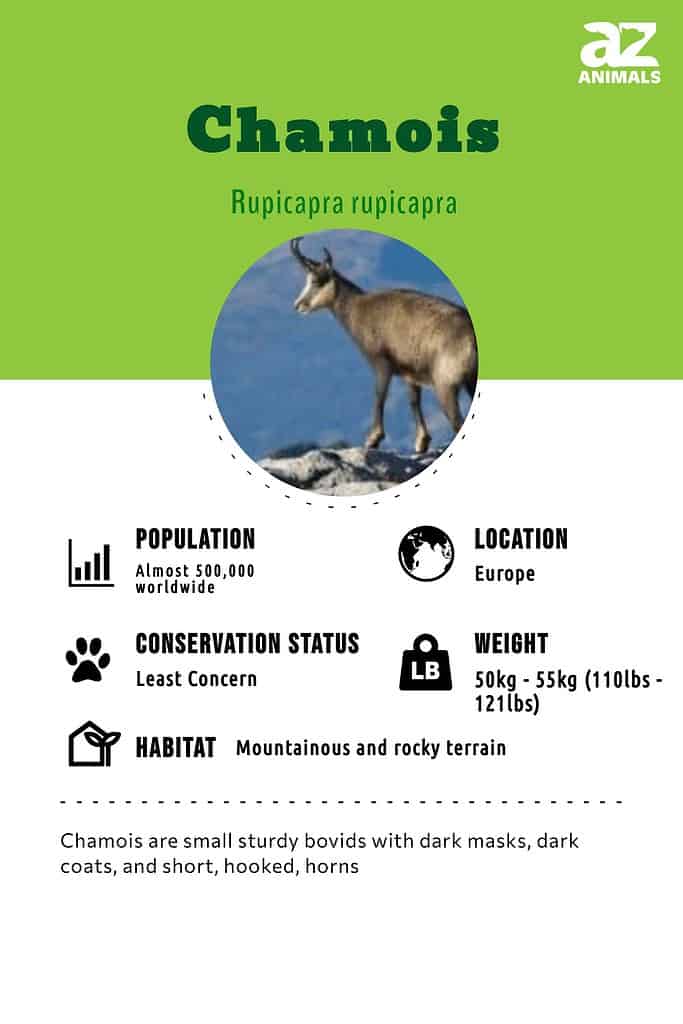
The chamois is an animal in the family Bovidae which includes cloven-hoofed, ruminant vertebrates such as the bison, American buffalo, water buffalo, antelope, sheep, goats, muskoxen, and domestic cattle. It is further classified into the goat antelope subfamily Caprinae, which contains medium-sized bovids. Called a caprine or goat antelope, it is not a true antelope, which is classed as either cervid-like (true deer in the family Cervidae) or antilocaprid-like (even-toed ungulates in the order Artiodactyl, with their closest relatives being in the superfamily Giraffoidea).

There are two species in the genus Rupicapra, R. rupicapra and R. pyrenaica. Its synonym is the former scientific name Capra rupicapra. The type species R. rupicapra contains 7 subspecies.

Appearance
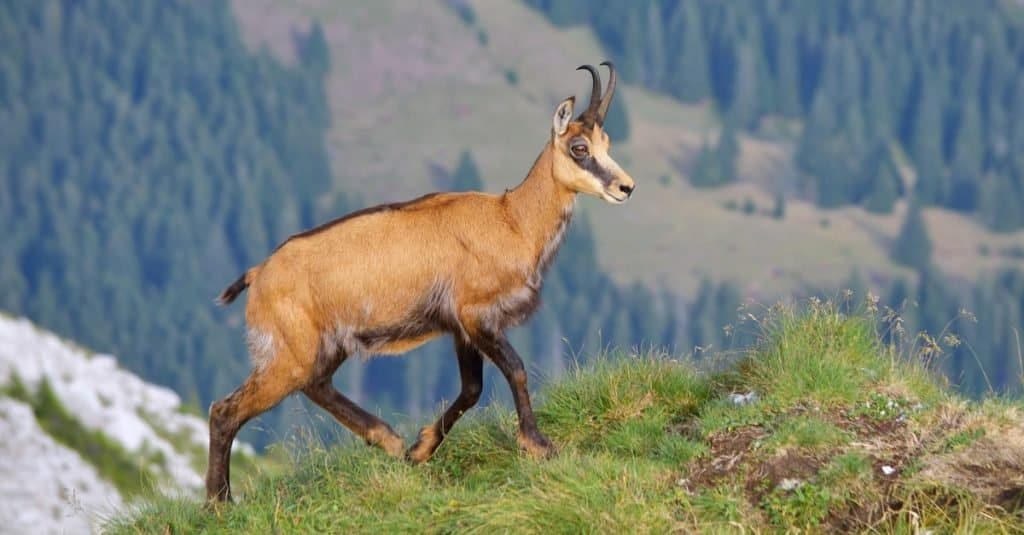
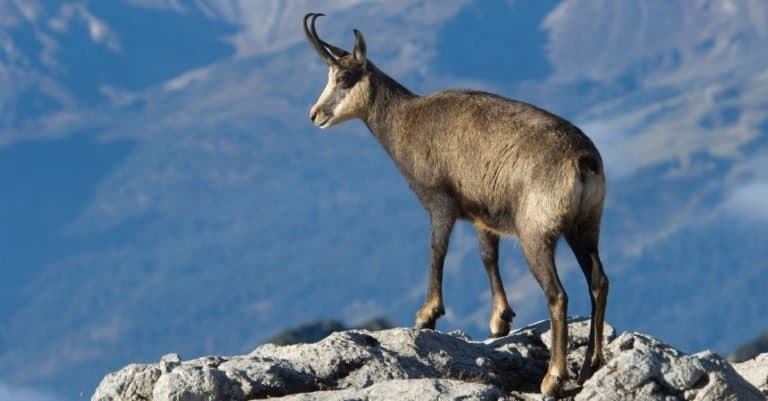
Chamois high in the mountains

Male chamois are larger than females and are capable of reaching 132 lbs

The subspecies of the Rupicapra genus differ by habitat range and certain physical traits, such as color. However, they are all very small bovids. Fully grown adult chamois reach 70–80 cm (28–31 in) in height and 107–137 cm (42–54 in) in length. Males are somewhat larger than females. Both genders have a weight range of 30–60 kg (66–132 lb) and 25–45 kg (55–99 lb), respectively.

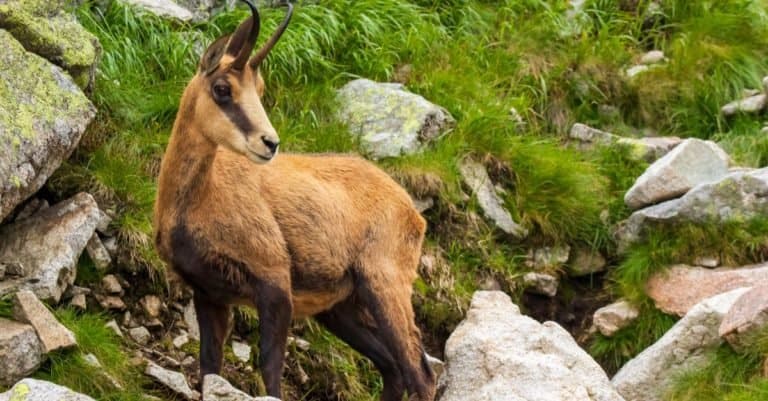
Both sexes have short, mostly straight horns which curve backward near the tip, with male horns being thicker. Both have rich brown fur which turns into a light chestnut color in spring and summer and long, light grey guard hairs in winter. They have white a long black or brown band from each side of the muzzle to the eyes and ears, white on the rest of the head and throat for contrast, a white rump, and a black stripe along the back. Their hooves are excellent for gripping slippery rock. The tail is not usually visible except when mating.

Types

The 7 subspecies of R. rupicapra have different habitat ranges including:

Evolution

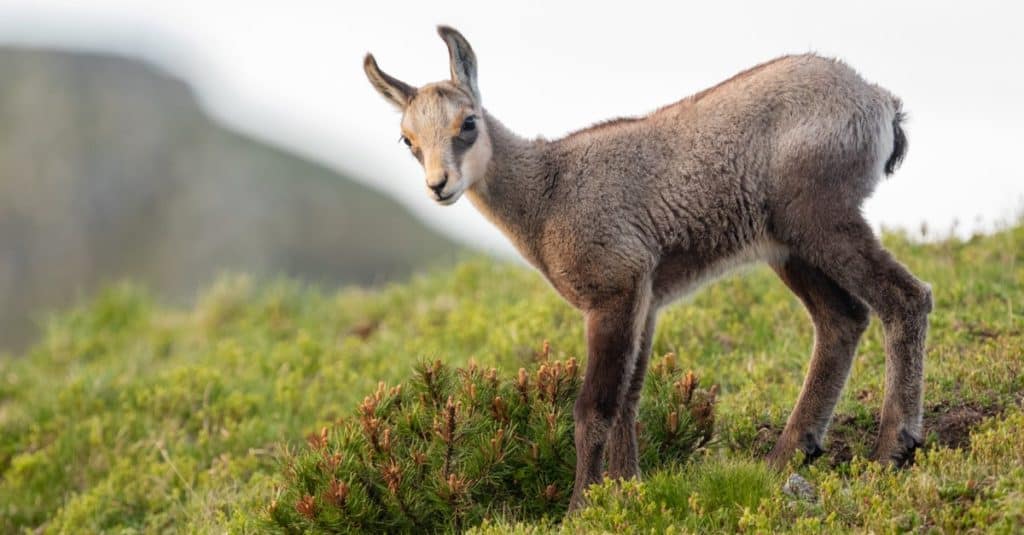
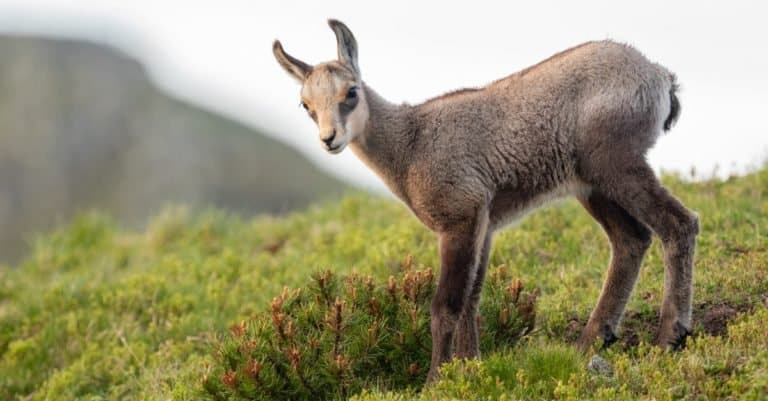
Chamois cub standing on the mountain meadow

The ancestor of the chamois is believed to have emerged during the Miocene

As a member of the tribe Caprini, chamois occupy a somewhat unique position since they are goat-antelopes. They are also related to goats and sheep and the earliest ancestor of the tribe is believed to have appeared during the Miocene about 5.333 – 23 million years ago.

Scientists believe that it was pretty similar to the medium-sized members of the genus Capricornis, serows. During the latest ice ages, this group experienced the greatest diversity it had ever known. It was during these periods that its members received the qualities which enabled different species to be capable of living in harsh climates of extreme cold or extreme heat and drought.

Behavior

Chamois are mostly diurnal animals but can be active at night. Adult males lead solitary lives for most of the year, while female chamois and their young live in hers of 15-30 individuals. Chamois give a warning call of danger by stamping their feet and making a whistling sound. When alarmed or threatened, they flee to the most inaccessible heights, often by making amazing leaps.

Habitat
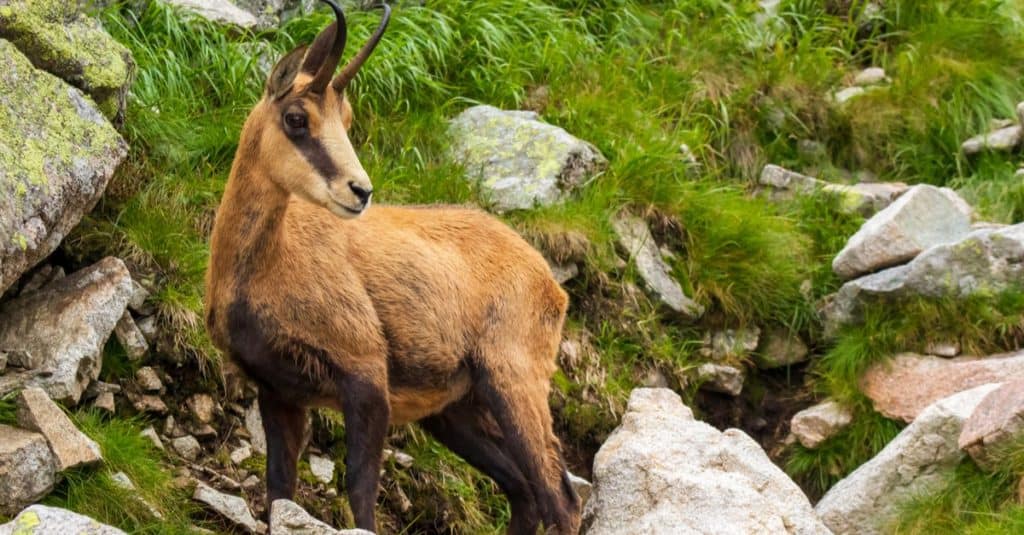
Chamois watching and standing

Chamois live in mountain ranges such as the Alps, Apennines, Carpathians, and the Pyrenees

The habitat of the chamois is the moderately high, very steep, rugged, and rocky mountains of Europe and Asia Minor. It prefers alpine and subalpine meadows above the timberline and both fairly steep and flatter terrain, moving into forested areas and steep slopes during the winter to avoid the accumulation of snow. The animal is often found at elevations with a minimum height of 3,600 m (11,800 ft), moving to areas predominated by pine trees in lower elevations of around 800 m (2,600 ft) in the winter

The chamois’ native habitat range includes the Alps, Pyrenees, Carpathians, Tatra Mountains, the Balkans, parts of Turkey, the Caucasus, and the Apennines. It was introduced into the South Island of New Zealand.

The other species of the chamois, R. pyrenaica (Pyrenean chamois) live in the Pyrenees, the Cantabrian Mountains, and the Apennine Mountains.

Diet
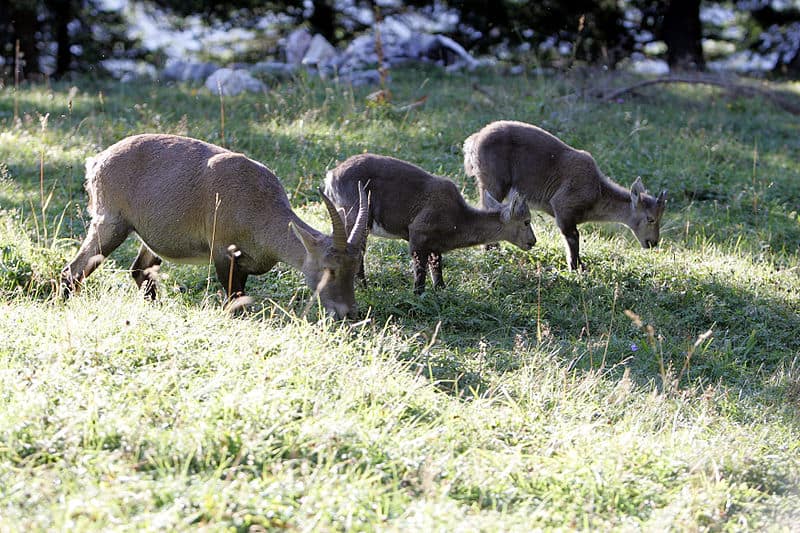
Chamois are capable of going without food for a fortnight

The chamois has an herbivorous diet. It eats mainly grasses, herbs, and flowers in the summer, and lichens, mosses, barks, needles, and young pine shoots in the winter. When the snow is so deep that it cannot find food, it has been known to fast for two weeks.

Predators and threats
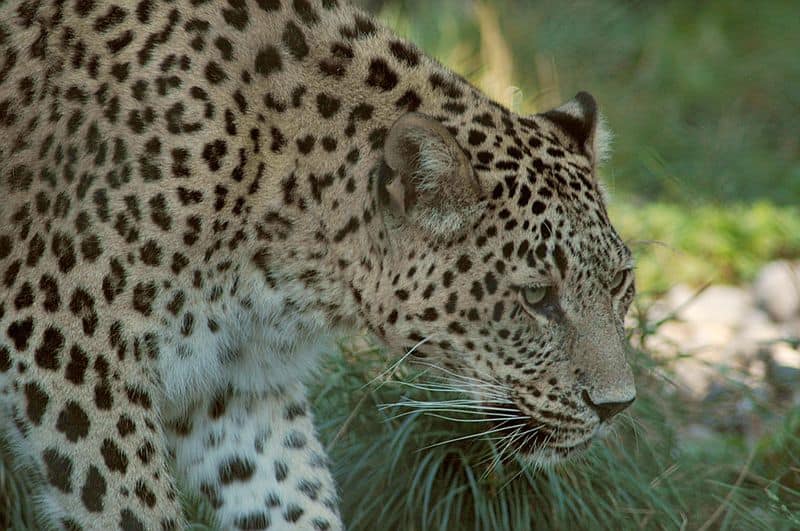
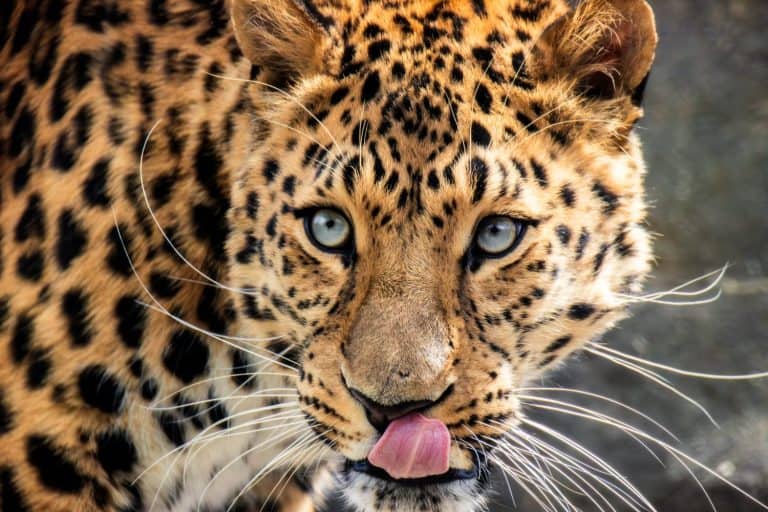
Persian Leopards are known to hunt chamois

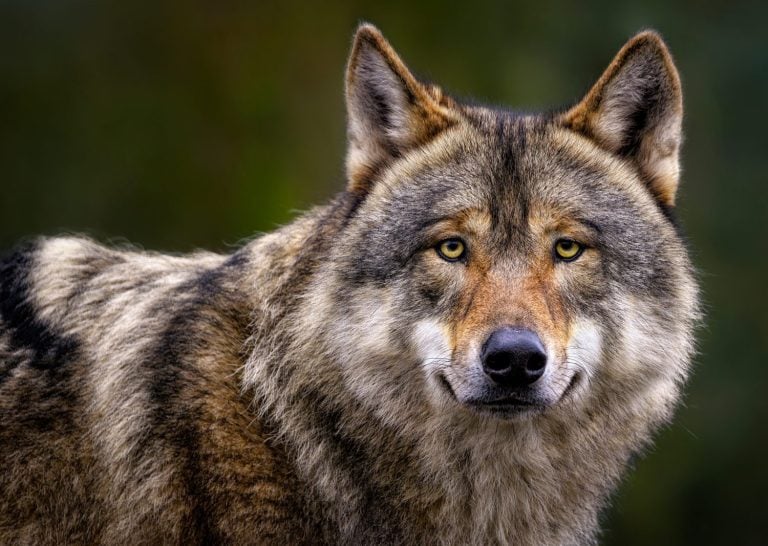
The common predators of the chamois used to be grey wolves, Eurasian lynxes, and Persian leopards, as well as some brown bears and golden eagles. Humans have established themselves as their main predators, finding them to be popular game animals with tasty meat. Chamois is also used for the soft, pliable leather made from its skin. Common causes of mortality to chamois include the threats of avalanches, epidemics, human disturbance, competition with livestock for food and space, habitat loss, and hybridization with introduced subspecies. Poaching and overhunting are threats from human predation.

Reproduction, Babies, and Lifespan
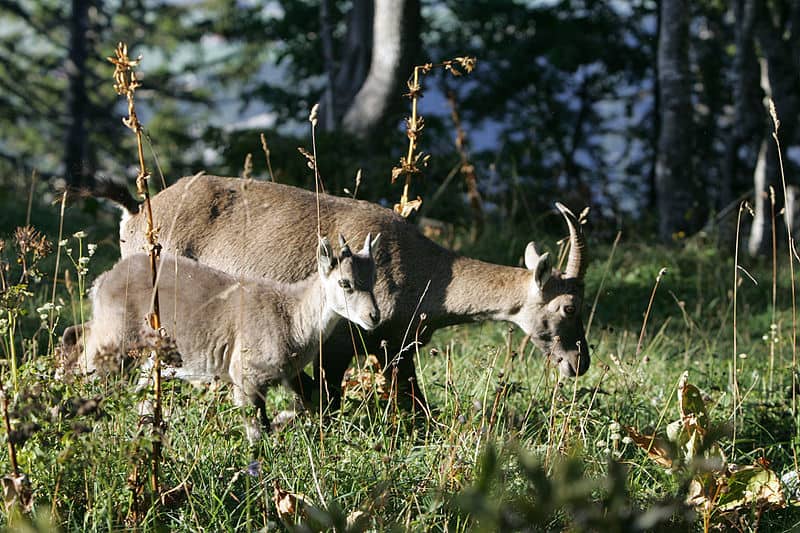
Chamois’ gestation period lasts almost six months and a mother may give birth to twins occasionally

The mating season of the chamois is around late November/early December when males have fierce battles with each other for the attention of unmated females. It is during this time that the tails of both sexes are visible. Pregnant females have a gestation period of 170 days. A baby chamois is called a kid. Females give birth to a single kid or the occasional twins in May or early June.

If the mother dies, other females raise the kids. Kids are weaned at 6 months and are fully grown at one year, but they do not reach sexual maturity until 3-4 years of age, with some females ready to mate as early as 2 years old. Once the males reach sexual maturity, dominant males force them out of their mothers’ herds. They then wander nomadically until they establish themselves through breeding at 8-9 years.

Chamois typically live up to 22 years in captivity and 15-17 years in the wild.

Population
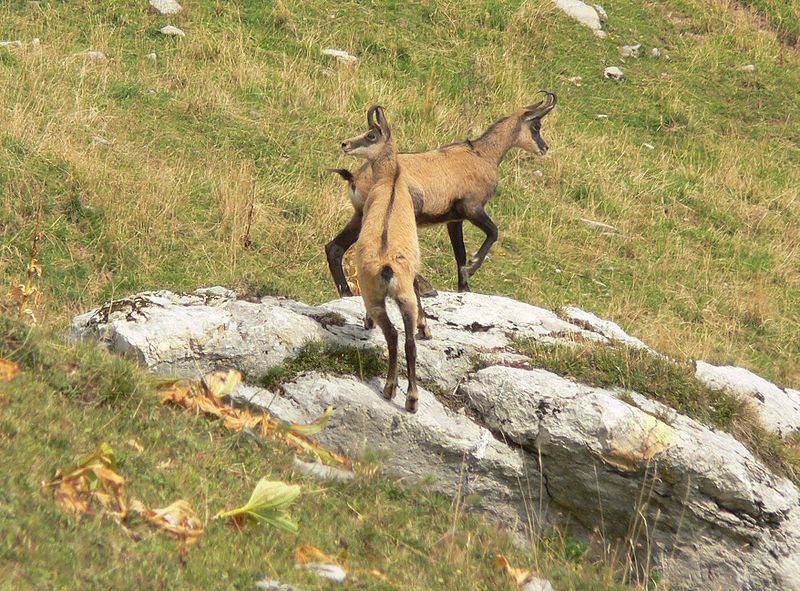
The worldwide population of chamois is just under 500,000

The latest estimated population of these animals in Europe is approximately 400,000. Since they were introduced into New Zealand in the 20th century due to environmental changes in their native habitat, their numbers rapidly increased to almost 100,000 by the 1970s and they threatened the local vegetation. Since then, the chamois population has decreased by about 20,000.

According to the IUCN Red List, the northern chamois populations have a status of least concern and are remaining stable. The southern chamois populations also have the same status and increasing.

In the Zoo

These animals are difficult to house in zoos, instead of being a common captive species in a number of game parks and nonscientific institutions in Europe. However, it can be seen at the Toronto Zoo and the Munich Zoo Hellabrunn.

View all 392 animals that start with C
How to say Chamois in ...
Bulgarian
Дива коза
English
Divokoza
Catalan
Isard
Czech
Kamzík horský
German
Gämse
English
Chamois
Esperanto
Ĉamo
Spanish
Rupicapra rupicapra
Finnish
Gemssi
French
Chamois
Galician
Rebezo
Hungarian
Zerge
Italian
Rupicapra rupicapra
Japanese
シャモア
Dutch
Gems (dier)
English
Gemse
Polish
Kozica
Portuguese
Rupicapra rupicapra
English
Capra neagră
Slovenian
Gams
Swedish
Gems
Chinese
臆羚

Sources

  1. Animalia / Accessed March 15, 2021
  2. Wikipedia / Accessed March 15, 2021
  3. Just Fun Facts / Accessed March 15, 2021
Dana Mayor

About the Author

Dana Mayor

I love good books and the occasional cartoon. I am also endlessly intrigued with the beauty of nature and find hummingbirds, puppies, and marine wildlife to be the most magical creatures of all.
Connect:

Thank you for reading! Have some feedback for us?


Chamois FAQs (Frequently Asked Questions)

Chamois are Herbivores, meaning they eat plants.