C
Species Profile

Chinchilla

Chinchilla lanigera

Built for the Andes, not the heat
Creatopic/Shutterstock.com

Chinchilla Distribution

Click a location to explore more animals from that region

Origin Location

This map shows the native origin of the Chinchilla. As a domesticated species, they are now found worldwide.

Loading map...

Found in 1 country

Size Comparison

Human 5'8"
Chinchilla 6 in

Chinchilla stands at 9% of average human height.

At a Glance

Domesticated
Also Known As Chinchilla, Common chinchilla, Andean chinchilla, Chinchilla de los Andes
Diet Herbivore
Activity Crepuscular+
Lifespan 6 years
Weight 0.8 lbs
Status Not Evaluated
Did You Know?

One of the densest mammal furs: ~50-60 hairs can grow from a single follicle (commonly reported in zoology/vet references).

Scientific Classification

A small Andean rodent famous for extremely dense, soft fur; the primary species kept as a pet and historically farmed for fur. Naturally crepuscular/nocturnal and adapted to cool, arid, high-elevation environments.

Kingdom
Animalia
Phylum
Chordata
Class
Mammalia
Order
Rodentia
Family
Chinchillidae
Genus
Chinchilla
Species
Chinchilla lanigera

Distinguishing Features

  • Extremely dense fur (many hairs per follicle)
  • Large ears and large eyes; strong hind legs for jumping
  • Long bushy tail (vs. shorter-tailed C. chinchilla)
  • Specialized dust-bathing behavior to maintain coat

Physical Measurements

Males and females differ in size

Height
6 in (5 in – 8 in)
Length
1 ft 3 in (11 in – 1 ft 7 in)
1 ft 5 in (1 ft 2 in – 1 ft 8 in)
Weight
1 lbs (1 lbs – 1 lbs)
1 lbs (1 lbs – 2 lbs)
Tail Length
5 in (3 in – 6 in)
5 in (4 in – 6 in)
Top Speed
15 mph
Chinchilla speed not measured

Appearance

Primary Colors
Secondary Colors
Skin Type Long-tailed Chinchilla (Chinchilla lanigera) has skin covered by very dense, fine fur, adapted to cold, dry high Andes; poor heat loss (no real sweating) makes it very sensitive to heat—keep cool.
Distinctive Features
  • Extremely dense, soft fur—typical of Chinchilla lanigera—about 20,000 hairs/cm² with many hairs per follicle, giving a plush velvet look and very strong insulation.
  • Long-tailed Chinchilla, Chinchilla lanigera, body length about 22.5–38 cm, tail 7.5–15 cm. Domestic pet chinchillas are often bigger and heavier than wild ones from breeding and diet.
  • Mass: wild long-tailed chinchillas are reported about 0.369-0.493 kg; domestic/pet chinchillas commonly fall around ~0.4-0.8 kg depending on line, sex, and condition (exotics veterinary references).
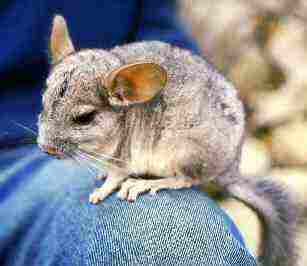
  • Large, rounded ears with relatively sparse fur compared with the body; prominent vibrissae (whiskers) used for navigation in low light.
  • Long, bushy tail used for balance during agile climbing and jumping; strong hind limbs and padded feet adapted for rocky terrain.
  • Behavioral appearance-related notes: crepuscular/nocturnal activity with alert, 'upright' sitting posture; frequent dust-bathing in fine powder (an essential grooming behavior for maintaining fur condition).
  • Social tendency: forms social groups/colonies in the wild; many pet chinchillas show affiliative behaviors and benefit from social interaction (while introductions require care).
  • Diet/condition notes relevant to appearance: hindgut fermenter requiring high-fiber grasses/hay; gastrointestinal sensitivity can rapidly affect body condition and coat quality if diet is inappropriate.
  • Environmental adaptation/appearance: adapted to cool, arid, high-elevation Andes; thick coat that is advantageous in cold/dry climates but predisposes to hyperthermia in warm/humid captive conditions (commonly emphasized in exotics veterinary guidance).
  • Lifespan: captive/domestic chinchillas commonly live ~10-20 years (with ~15 years often cited as typical in well-kept pets); wild longevity is generally shorter due to predation and environmental pressures (ranges commonly summarized in mammalogy/veterinary references).

Sexual Dimorphism

Sexual dimorphism is present but subtle: females are often slightly larger/heavier on average, while external sexing relies more on anogenital distance and genital morphology than on coat color or obvious body-shape differences. Domestic lines can blur size differences due to husbandry and selective breeding.

  • On average slightly smaller/lighter than females in many captive populations (difference is modest and overlapping).
  • Longer anogenital distance; presence of a penile structure within the urogenital cone (used for sexing in clinical/husbandry settings).
  • On average slightly larger/heavier than males in many captive populations (difference is modest and overlapping).
  • Shorter anogenital distance; external genital appearance dominated by a urogenital cone with a separate vaginal opening closely adjacent (used for sexing in clinical/husbandry settings).

Did You Know?

One of the densest mammal furs: ~50-60 hairs can grow from a single follicle (commonly reported in zoology/vet references).

Wild long-tailed chinchillas measure ~22.5-38 cm head-body with a ~7.5-15 cm tail (Nowak, Walker's Mammals; IUCN/ADW species accounts).

Gestation is long for a rodent-about 105-115 days (often cited ~111 days)-and the kits are precocial (furred, eyes open) (Animal Diversity Web; exotic mammal texts).

Domestic/pet chinchillas largely descend from a tiny founder group exported from Chile in 1923 by Mathias F. Chapman-often told as the "11 chinchillas" origin story in chinchilla husbandry histories.

They are hindgut fermenters that thrive on high-fiber diets (grass hay); rapid diet changes can trigger dangerous GI stasis/enterotoxemia (standard exotic mammal veterinary guidance).

Heat is a major hazard: they are adapted to cool, arid, high-elevation Andes and are prone to heat stress in warm/humid conditions (husbandry guidelines commonly keep them ≤~21°C and warn higher temps, especially with humidity).

Unique Adaptations

  • Ultra-dense fur and cool-climate insulation: dense underfur reduces heat loss in cold, windy Andes but also makes them vulnerable to overheating in warm, humid rooms.
  • 'Fur slip' defense: when grabbed, patches of fur can release, helping escape predators (a well-documented chinchilla trait; owners often see it after rough handling).
  • Hypsodont (high-crowned), continuously growing teeth: incisors (and cheek teeth) are adapted for abrasive grasses; steady wear is essential to prevent dental overgrowth.
  • Efficient hindgut fermentation: enlarged cecum and microbial fermentation allow extraction of energy from tough, dry grasses-matching a high-fiber, low-fat natural diet.
  • Large ears and behavioral thermoregulation: ear surface area plus seeking shade/rock crevices support cooling in a dry mountain climate-yet performance drops quickly with high ambient heat/humidity.

Interesting Behaviors

  • Crepuscular to nocturnal activity: most running, jumping, and social play peaks at dusk and night; daytime is spent resting in sheltered spots (wild ecology and common pet behavior).
  • Dust bathing: they roll and "swim" in fine dust (e.g., volcanic/attapulgite-style dust) to absorb oils and keep the coat dry-water baths can mat fur and chill the animal.
  • Extreme agility: vertical leaping and rapid directional changes ("parkour" style) reflect rocky-slope ancestry; many pets will repeatedly leap between shelves as routine exercise.
  • Social communication: a repertoire of barks/alarm calls, soft contact chirps, and tooth-chattering; dominant animals may use vocalizations plus chasing to enforce hierarchy.
  • Gnawing as maintenance: constant chewing keeps ever-growing incisors worn; pets often prefer untreated wood/pumice to avoid malocclusion risk from insufficient wear.
  • Fecal re-ingestion (coprophagy): like many hindgut fermenters, chinchillas may re-ingest nutrient-rich cecal pellets to recover vitamins and microbial nutrients (reported in chinchilla biology/husbandry).

Cultural Significance

The Long-tailed Chinchilla (Chinchilla lanigera) was hunted for its luxury fur, causing severe declines and Endangered status (IUCN). As pets, they need cool, dry homes, dust baths, and high-fiber hay diets. Name links to Chincha region.

Myths & Legends

The 'Chapman's Eleven' (1923) story says Mathias F. Chapman brought a small group of wild long-tailed chinchillas from Chile, and many pet and ranch chinchillas today trace back to them.

Andean status-and-luxury lore: colonial-era narratives and later popular retellings describe chinchilla fur as a prestige material reserved for elites in parts of the Andes, embedding the animal in stories of nobility, tribute, and coveted garments.

Long-tailed chinchillas are often said to be named after the Chincha people or region. Museums, schools, and care guides tell this cultural 'why it's called that' story.

Conservation Status

NE Not Evaluated

Has not yet been evaluated against the criteria.

Population Stable

Life Cycle

Birth 2 kits
Lifespan 6 years

Lifespan

In the Wild
3–10 years
In Captivity
10–22 years

Reproduction

Mating System Polygyny
Social Structure Managed Domestic
Breeding Pattern Serial
Fertilization Internal Fertilization
Birth Type Internal_fertilization

Behavior & Ecology

Social Colony Group: 30
Activity Crepuscular, Nocturnal
Diet Herbivore Grass hay (commonly timothy hay; high-structure fiber)

Temperament

Highly social (species-typical), with strong individual variation in domestic lines: many are affiliative/curious with familiar conspecifics and handlers, while others remain wary or skittish.
Alert, vigilant, and flight-prone; rapid escape responses are typical of the species and persist in pets (handling tolerance is heavily shaped by early-life socialization).
Can be territorial/possessive over preferred shelters, dust-bath sites, and food; conflict risk increases in cramped enclosures or with limited hiding spaces.
Dominance interactions occur (chasing, mounting, displacement at resources); stable hierarchies are more likely in established groups than in newly introduced groups.
Stress responses can include 'fur slip' (patchy fur release when grabbed), alarm calling, freezing, and avoidance; chronic social stress may manifest as barbering or repeated aggression.

Communication

Alarm bark (sharp, repeated call) used for disturbance/predator alarm; often triggers group vigilance and retreat to cover.
Soft chirps/squeaks used during routine contact, greeting, or mild solicitation; common between bonded partners and dam-kit interactions.
Growls/grunts used in agitation and warning during resource guarding or handling discomfort.
Teeth chattering (audible rapid tooth clicks) associated with threat/irritation and potential escalation to biting.
High-intensity screams/squeals during acute fear, restraint, or aggressive encounters; in colonies/domestic groups this often functions as a disturbance signal that recruits attention.
Olfactory marking via urine/feces and glandular scents (individual and enclosure-level odor cues); used for familiarity, territorial context, and reproductive state information.
Tactile communication through allogrooming (affiliative bonding), nose-to-nose investigation, and huddling for rest/thermoregulation in cool conditions.
Visual/postural signals: upright 'alert' stance, piloerection, ear position changes, lunging, and side-on threat displays during disputes.
Dust bathing is both maintenance and social: individuals may synchronize bathing and use shared dust sites; competition for the dust bath can be a social flashpoint in captivity if access is limited.
Acoustic non-vocal signals such as foot drumming/thumping and cage-object rattling in captivity, typically linked to arousal, alarm, or frustration.

Habitat

Biomes:
Mediterranean Desert Cold Temperate Grassland
Terrain:
Mountainous Rocky
Elevation: 1312 ft 4 in – 5413 ft 5 in

Ecological Role

Small-bodied herbivorous hindgut-fermenting rodent that functions as a primary consumer in arid high-Andean shrub-grass communities and as prey for meso-/top predators.

Vegetation trimming/browsing that can influence plant community structure at local scales Nutrient cycling via fecal deposition (returning processed plant material to soils) Energy transfer to predators as a prey base in high-elevation ecosystems

Diet Details

Other Foods:
Xerophytic grasses Herbaceous forbs and flowering plants Shrub leaves and young shoots Twigs and bark from shrubs Dry plant material Grass hay Chinchilla pellets Domestic treats +2

Human Interaction

Domestication Status

Domesticated

Long-tailed chinchillas (Chinchilla lanigera) are wild Andean rodents from north-central Chile. They were heavily hunted for fur in the late 1800s–early 1900s, then bred in captivity. Most pet chinchillas come from a small Chilean founder stock and were bred for coat quality, colors, and tamer behavior for the fur and pet trades.

Danger Level

Low
  • Bites or scratches (usually minor; risk increases with mishandling or fear responses).
  • Allergic reactions/asthma triggers (fur/dander and dust-bath particles).
  • Zoonotic disease risk is generally low but not zero (good hygiene reduces risk; potential concerns include dermatophytosis/ringworm and enteric bacteria in unsanitary conditions).
  • Falls/tripping hazards from cables/cages or escaped animals; property damage from chewing (wiring/wood).

As a Pet

Suitable as Pet

Legality: Chinchilla lanigera, the long-tailed chinchilla, is usually legal to own in much of the U.S. and other countries, but laws, city rules, and landlords may differ. Taking wild animals and trade are regulated; pets should be captive-bred.

Care Level: Moderate

Purchase Cost: $150 - $1,000
Lifetime Cost: $3,000 - $15,000

Economic Value

Uses:
Pet trade Fur and textile industry Veterinary and husbandry products Education and outreach Conservation management
Products:
  • live animals (captive-bred pets)
  • fur/pelts (historically and on farms; major driver of domestication)
  • specialized chinchilla pellets and timothy/orchard hay supply chains
  • dust-bath media (fine pumice/volcanic dust products)
  • large metal housing (multi-level cages) and cooling/climate-control equipment for safe keeping
  • exotics veterinary services (dentistry for continuously growing teeth, GI stasis care, reproductive care)

Relationships

Predators 8

Culpeo Lycalopex culpaeus
Pampas cat Leopardus colocolo
Andean cat Leopardus jacobita
Puma
Puma Puma concolor
Lesser grison Galictis cuja
Black-chested buzzard-eagle Geranoaetus melanoleucus
Variable hawk Geranoaetus polyosoma
Magellanic Horned Owl Bubo magellanicus

Related Species 5

Short-tailed chinchilla Chinchilla chinchilla Shared Genus
Northern mountain viscacha Lagidium peruanum Shared Family
Southern mountain viscacha Lagidium wolffsohni Shared Family
Peruvian mountain viscacha Lagidium peruanum Shared Family
Plains viscacha Lagostomus maximus Shared Family

Ecological Equivalents 4

Animals that fill a similar ecological role in their ecosystem

Short-tailed chinchilla Chinchilla chinchilla Closest ecological analog: a high-Andean, cold-arid, rocky/talus-dwelling, herbivorous chinchillid that shelters in crevices and uses rock habitats for predator avoidance; both are primarily crepuscular/nocturnal and strongly cold-adapted (IUCN species accounts).
Northern mountain viscacha Lagidium peruanum Shares a similar niche with viscachas in Andean rock outcrops and talus: an agile, crevice-roosting herbivore in cold, dry high elevations. Both use rock refuges, but viscachas (Lagidium spp.) are generally more active by day.
Plains viscacha Lagostomus maximus Ecological parallel: a social, colonial chinchillid herbivore that extensively digs and uses burrows/refuges, with heavy predation pressure shaping vigilant group behavior. Differs by being adapted to lowland grasslands and burrow systems rather than rocky high-Andean habitat; behavioral ecology literature on Lagostomus documents these traits.
American pika Ochotona princeps Strong convergent ecology despite distant relationship (lagomorph). A small-bodied alpine talus specialist that uses rock crevices for thermal buffering and predator refuge and feeds on herbaceous vegetation. Parallels the chinchilla's dependence on cool microclimates and rocky refugia (see alpine talus ecology literature for Ochotona).

Chinchilla Breeds

8

Explore 8 recognized breeds of chinchilla

Standard Gray Origin: Captive breeding (global pet/fur-trade stock derived from Chilean founders, 20th century)
Beige Origin: Captive breeding (North America/Europe, 20th century lines)
Wilson White Origin: Captive breeding (United States, 20th century)
Ebony Origin: Captive breeding (United States, 20th century)
Black Velvet Origin: Captive breeding (North America/Europe, 20th century)
Violet Origin: Captive breeding (Europe/North America, 20th century)
Sapphire Origin: Captive breeding (Europe/North America, 20th century)
Mosaic (white patterning) Origin: Captive breeding (global; derived from white morph lines)

Chinchillas are native to the Andes Mountains, particularly Chile and Peru. They are smart, cute members of the rodent family with extremely soft, plush coats of fur. Most chinchillas have gray fur, but they can also be black, white, tan, or beige. Chinchillas are active and loving and make excellent pets for families that are ready to give them the attention they crave. In fact, a chinchilla may become very attached to their family. However, they aren’t recommended for toddlers and young children that may unknowingly handle them roughly. Whether you are considering getting a chinchilla for a pet or you simply want to learn more about them, here is everything you’ll want to know about chinchillas.

Learn about the most interesting non-traditional pets here.
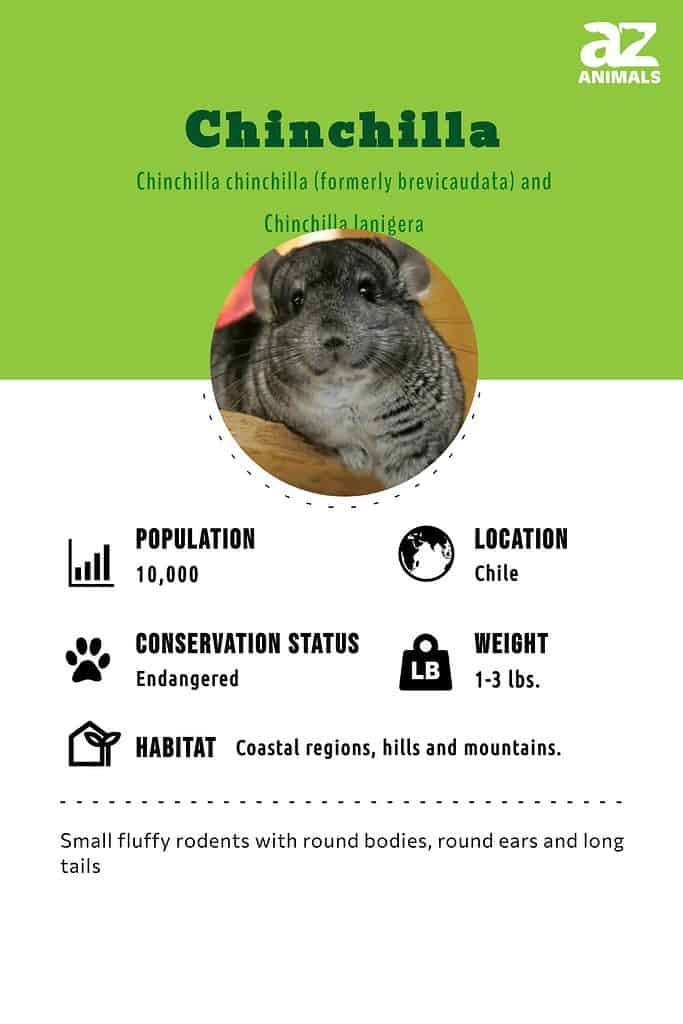
Chinchilla infographic
Chinchillas are an endangered species.

Interesting Facts

  1. Chinchillas are clean animals, but they do not take a bath in water. Instead, they take a dust bath.
  2. They need a lot of room to play and sleep in. They are active animals, so their habitat should include a large exercise wheel, tunnels, and hide areas (hide houses).
  3. Chinchillas are nocturnal, which means that they play and are more active at night and sleep during the day. Chinchillas are also crepuscular, which means they are the most active between dusk and dawn.
  4. One of the leading causes of death among chinchillas in captivity is refusing to eat.

Scientific Name

Chinchillas are small, furry animals that belong to two species – Chinchilla chinchilla (previously brevicaudata) and Chinchilla lanigera. They belong to the order Caviomorpha and are slightly bigger than ground squirrels. They are native to the Andes mountains in South America, where they live in herds at high elevations of up to 14,000 ft. Historically they lived across Bolivia, Peru, Argentina, and Chile, but modern wild colonies can only be found in Chile. The family Chinchillidae also includes their relative’s viscachas as well as the chinchilla rat, which is closely related to them both.
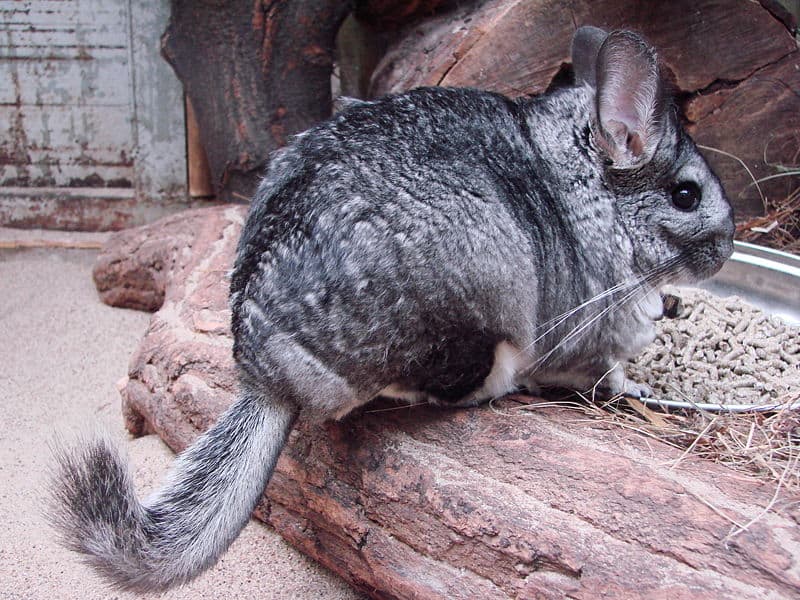
There are two species of chinchilla.

Evolution

The new evidence of the chinchilla fossil provides insight into how early rodents adapted to a dry and open environment. This type of environment would have meant that the animals had to find ways to cope with a diet high in abrasive food sources long before horses and other mammals on other continents developed similar adaptations for their teeth.

It is believed that this adaptation likely allowed them to survive better in the harsh conditions, as well as helped them use more of their resources wisely by not needing to continually replace worn-out teeth from eating tough grasses. The discovery also provided support for what may be some of the oldest grasslands in existence, dating back 15 million years ago when these ancient species lived in what is now known as the Chilean Andes.
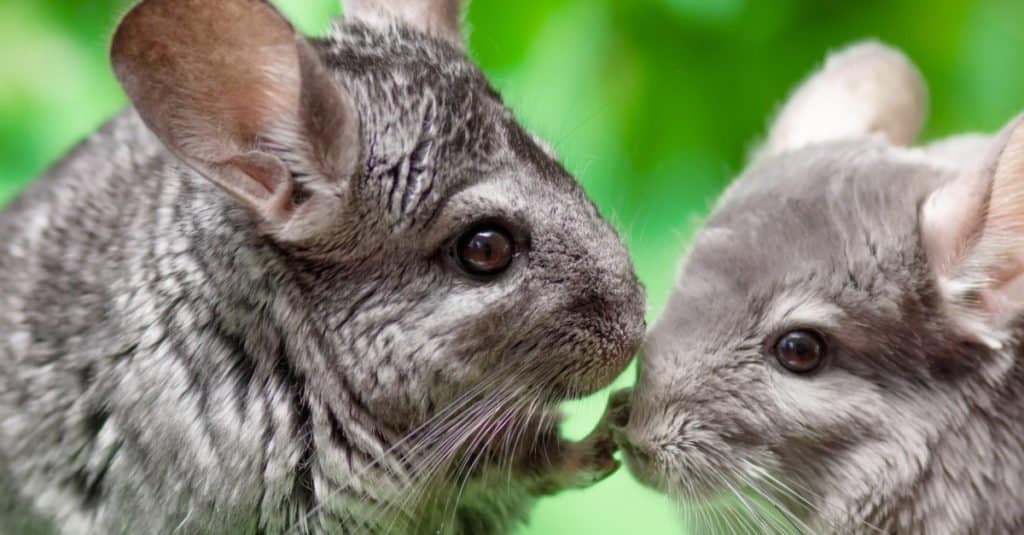
Chinchillas have been around for 15 million years.

Habitat

Chinchillas have long been found in the coastal regions, hills, and mountains of Chile, Peru, Argentina, and Bolivia. However, due to over-exploitation for their fur in the early 1900s, chinchilla populations drastically declined. By 1914 it was believed that there were no more chinchillas left in Argentina after five years of fieldwork failed to find a single specimen. Populations thought to be extinct by 1953 had later been rediscovered living in the Antofagasta Region during the late 1900s and early 2000s. There is some evidence that suggests that native populations may still exist in Bolivia and Peru, with one specimen being discovered as recently as 2003 when it was found at a restaurant located in Cerro de Pasco.
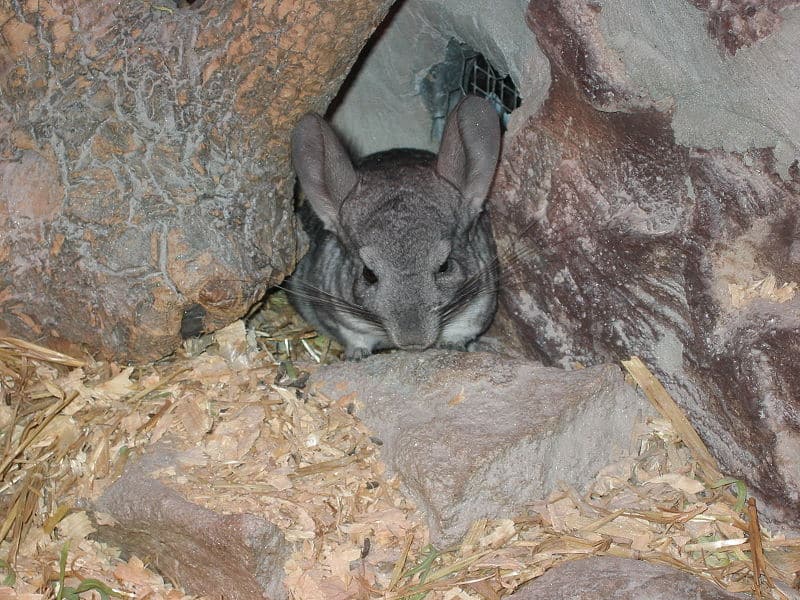
Chinchillas have long been found in the coastal regions, hills, and mountains of Chile.

Behavior

In the wild, chinchillas are excellent jumpers and can leap up to 6 ft. This allows them to find shelter in burrows or crevices in rocks from potential predators, including skunks, felines, snakes, canines and birds of prey. They have a variety of defensive tactics they use when threatened, such as spraying urine and releasing fur if bitten.

Their diet primarily consists of plant leaves, fruits, seeds, and small insects, which they feed on during dawn or dusk before retreating back into their burrows at nightfall. Chinchillas live in social groups called herds that range in size from 14 members up to 100 for protection against predators as well as for social interaction purposes.

Chinchillas breed any time of the year with a gestation period that is longer than most rodents at 111 days long. The litters are usually small, consisting predominantly of two babies who are born fully furred with eyes open, unlike many other rodents.
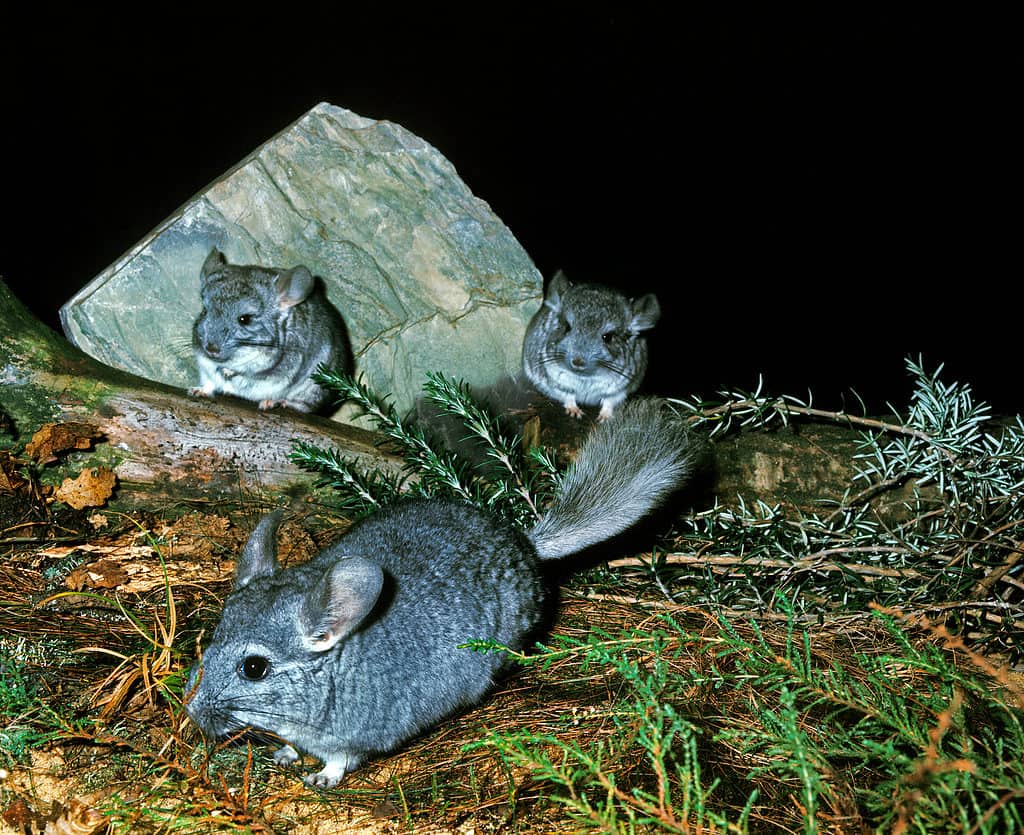
Chinchilla wild at night

Chinchillas are most active at dawn and dusk.

Appearance

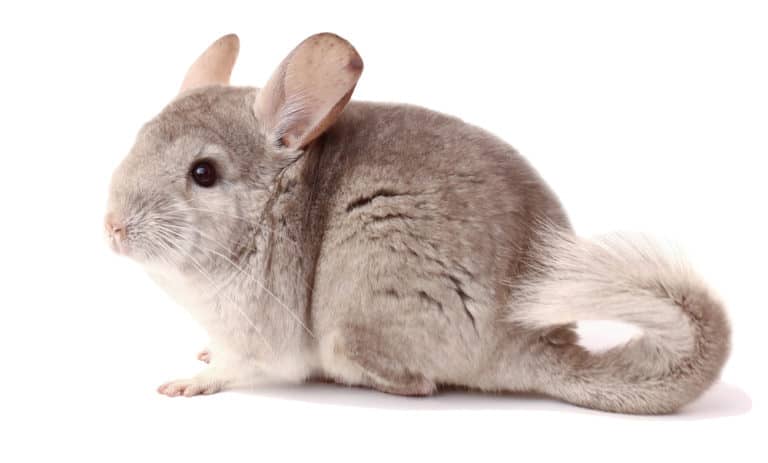
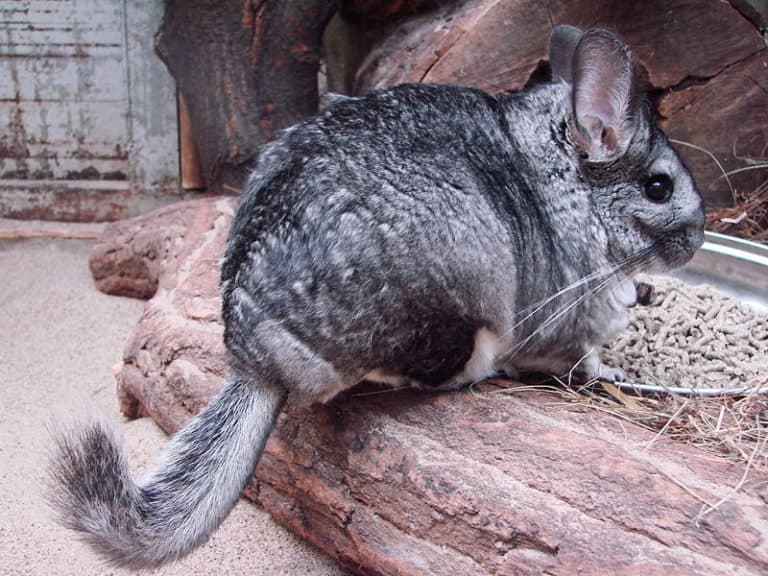
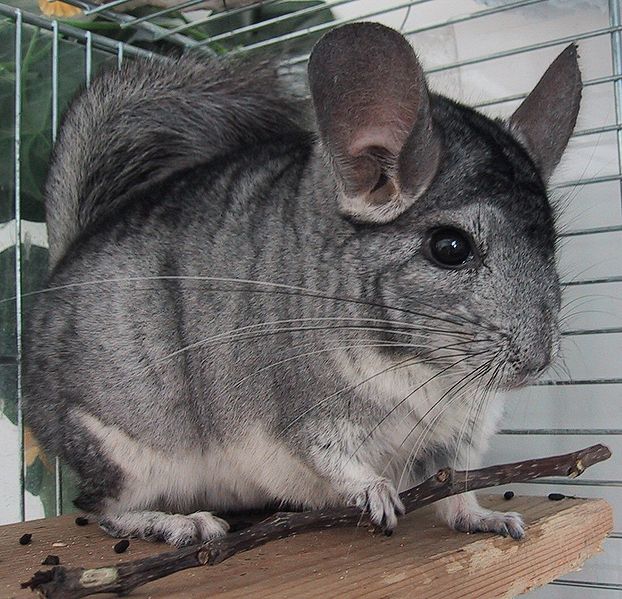
Chinchillas have a rounded ears, plump furry bodies, short legs, and long tails. The body of an average chinchilla grows to about 10 inches long, but it can range from 8 inches to 12 inches, and its tail will typically be about 5 inches in length. A chinchilla that is fully grown typically weighs between 1 and 3 pounds. A healthy chinchilla with a large build should not weigh more than 3.3 pounds. Female chinchillas grow larger than male chinchillas.
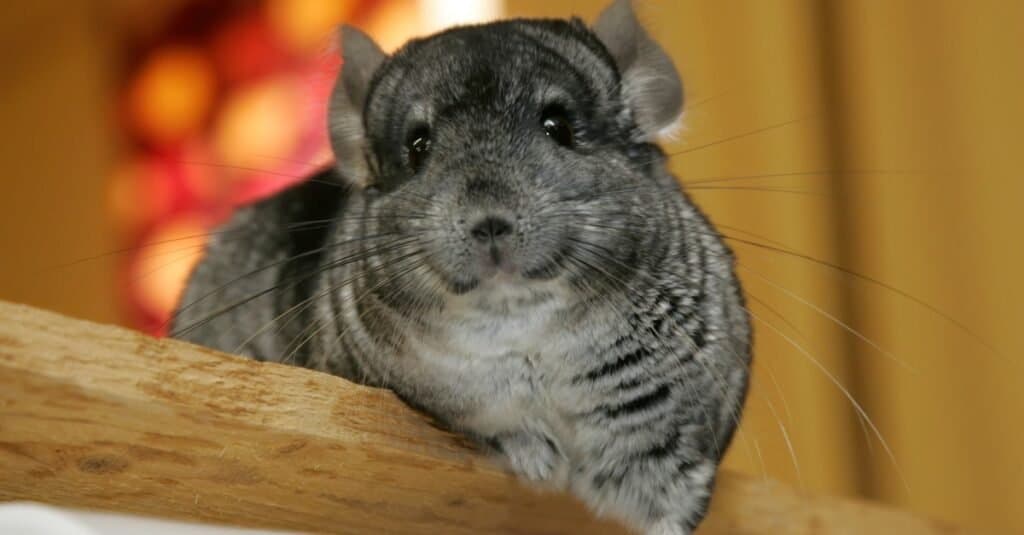
Best Apartment Animals

Chinchillas have a rounded ears, plump furry bodies, short legs, and long tails.

Breeding, Mating, and Birth

The breeding age for chinchillas can begin when they are about eight months old. Mating takes place seasonally and is based on the light cycle. For instance, mating season occurs from November thru May in the northern hemisphere. Female chinchillas generally have a long pregnancy, with the length of gestation being about 110 days. Chinchilla babies, which are known as kits, are usually born in the morning. The litter size is usually small, with only two babies. However, there may be as many as six in a litter. The babies are born covered in fur, with their eyes open and weighing about 2 ounces. Chinchilla babies are very active, and they begin playing and running from the moment of birth. Mama chinchillas are extremely protective of their babies, but some fathers may be aggressive toward the babies and may attempt to kill them. Chinchillas are strong enough to be moved to a new home after they are weaned, which is at 8 weeks.
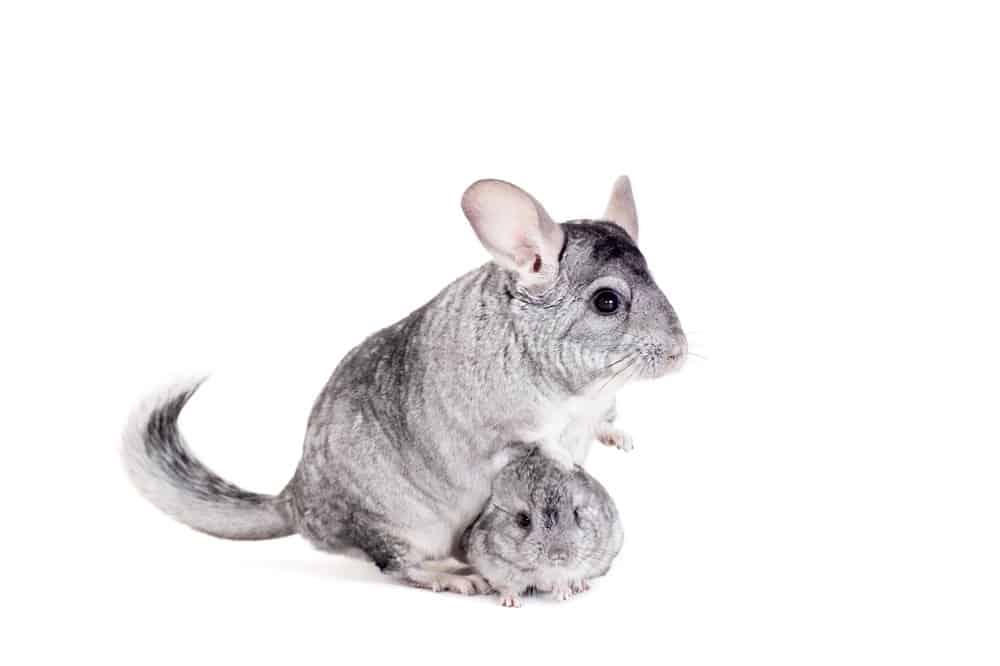
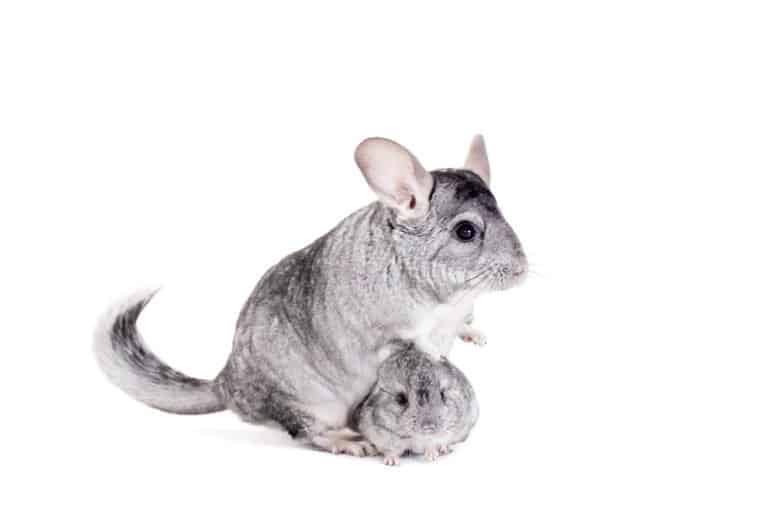
Chinchilla (Chinchilla Lanigera) - with baby against white background

Baby chinchillas are born covered in fur, with their eyes open and weighing about 2 ounces.

Diet

As vegetarians, a chinchilla has a sensitive stomach, so they must eat a specific diet in order to maintain their health. Your pet chinchilla’s diet should include food pellets that are specifically made for chinchillas. Along with commercially made food pellets, they eat hay, which is important to their diet, as well as helps to wear their growing teeth. A chinchilla loves to eat treats, but they should be limited, especially if they are high in sugar or fat, which can lead to digestive problems. Treats may include seeds, nuts, hibiscus leaves, dandelion leaves, and dried fruit. Chinchillas should also have access to a salt block to help them get the essential minerals their body may be lacking. It’s also important for them to have access to plenty of fresh, clean water, such as through a water bottle. If your chinchilla’s fur begins to look wavy, it’s most likely caused by too much protein in their diet, but over time it will be restored back to normal if they eat a more healthy, balanced diet.
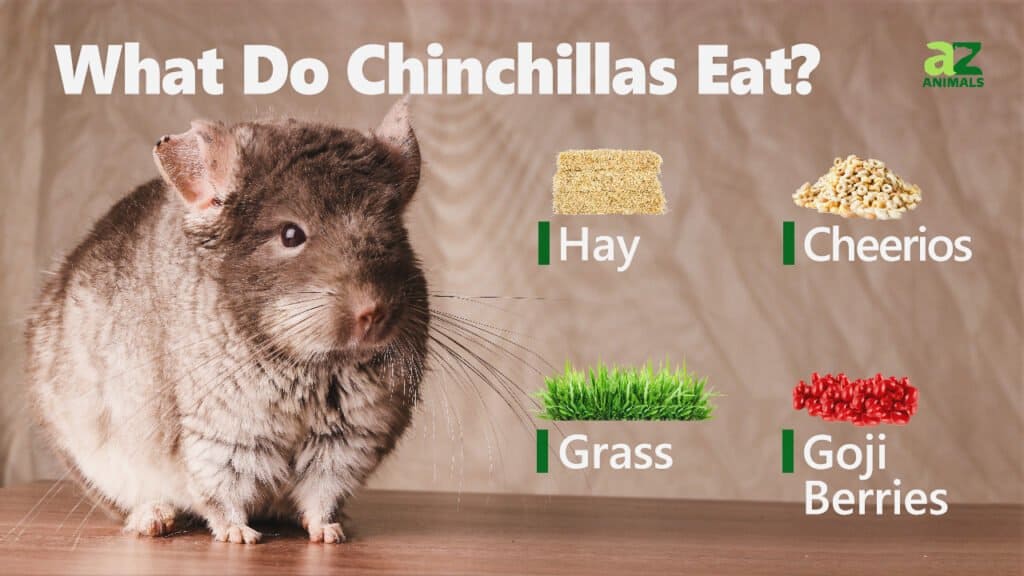
What Do Chinchillas Eat
Chinchillas eat plants, fruits, seeds and insects.

Lifespan

In the wild, chinchillas have a lifespan of about 8-10 years. However, in captivity, with proper nutrition and care, the lifespan of a chinchilla is as much as 20 years. There are several reasons why chinchillas live longer in captivity than they do in the wild. One of the reasons they don’t live as long in the wild is that they are prey for bigger animals, such as foxes and wild cats. Unfortunately, one of the reasons why they don’t live long in the wild is they are hunted for their fur, which is one of the main reasons they have become an endangered species.
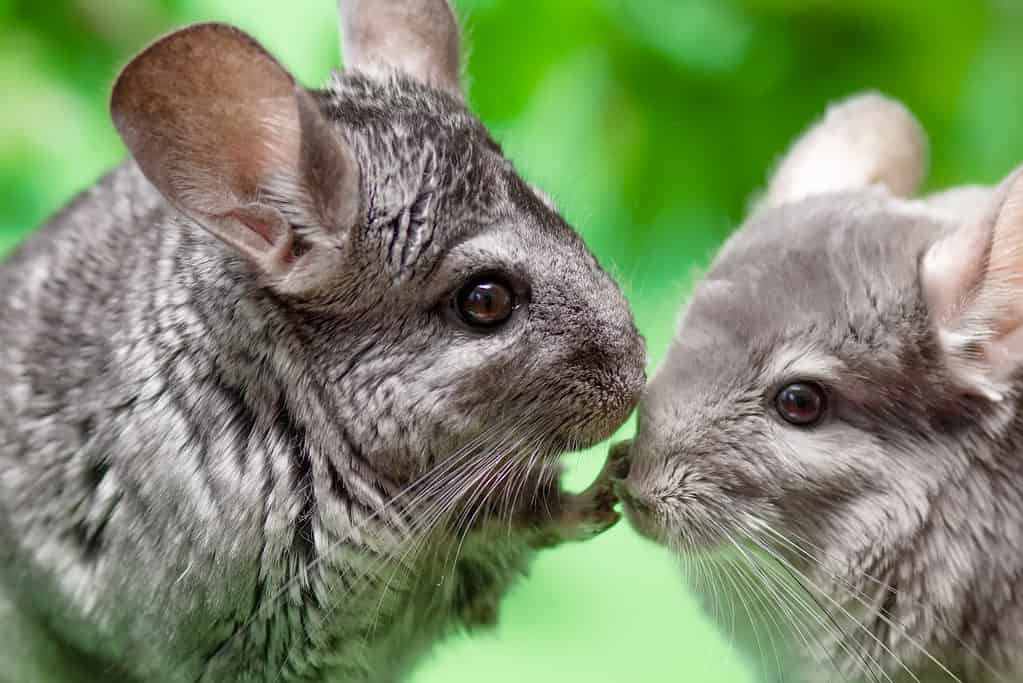
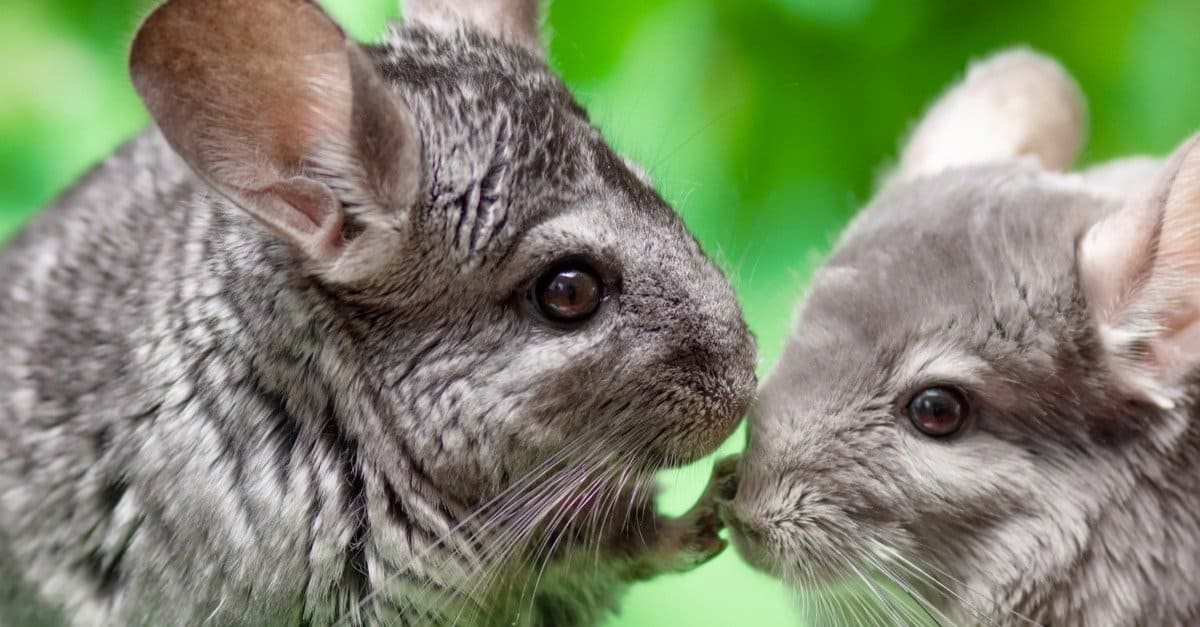
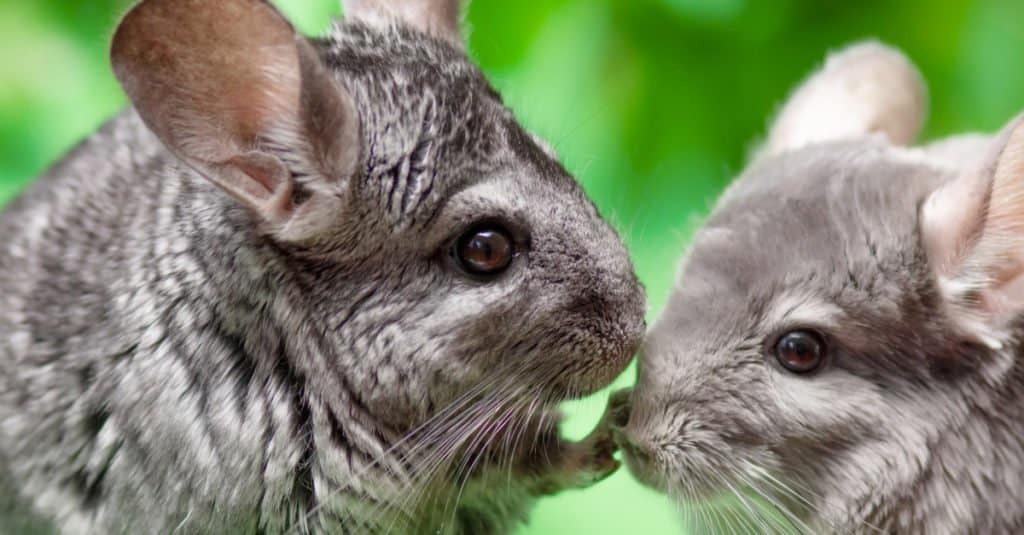
couple of cute gray chinchilla sitting on green colored background with leaves

In the wild chinchillas live for 8-10 years.

Predators and Threats

Wild chinchillas face a variety of predators and threats. These include large cats such as the mountain lion, foxes, and birds of prey such as falcons, hawks, and eagles. Smaller animals like skunks, weasels, and even snakes can also pose a threat to wild chinchillas.

Additionally, they are vulnerable to human activity, such as hunting or trapping for their fur. Since they live in arid areas with limited resources, they may also suffer due to competition with other animals for food or shelter. To protect themselves from these dangers, wild chinchillas have evolved keen senses of sight and hearing that help them detect predators before it is too late. They are also able to move quickly between rocks when threatened, which helps them evade danger until it passes by.
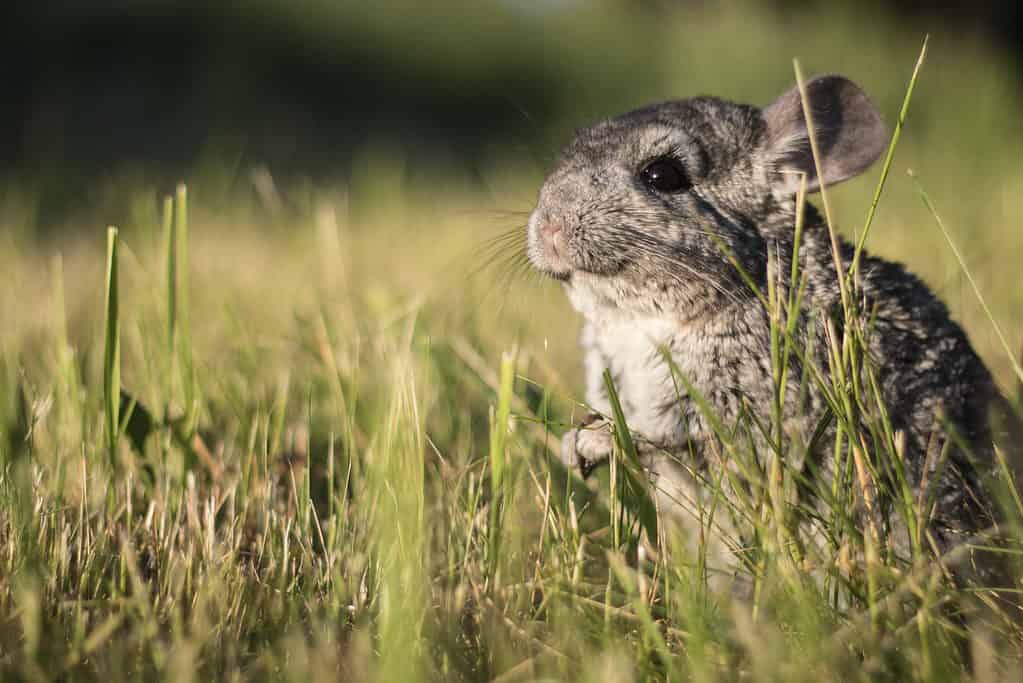
Chinchilla in the wild

Chinchillas have many predators, including large cats such as the mountain lion, foxes, and birds of prey such as falcons, hawks, and eagles.

Health in Captivity

Chinchillas will live a long, happy, and healthy life as long as they are fed a well-balanced diet, get lots of attention, and have a clean habitat. However, like other animals, they may get sick. One of the first signs that your chinchilla isn’t feeling well is that it will stop eating and begin to drastically lose weight. One of the leading causes of death among chinchillas is refusing to eat. Chinchillas, like other rodents, have teeth that do not stop growing, and if they grow too large, it makes it difficult for them to eat or may cause infection, which may lead to death. It is extremely important to routinely check their teeth or have your veterinarian examine the teeth and ensure they have plenty of hay to chew on, which helps to grind their teeth down.

Chinchillas prefer cooler temperatures, so it’s important to prevent overheating. Your chinchilla will become quite attached to you over time, but in the beginning, it’s important that you are gentle and consistent when holding them. When approaching your chinchilla, you should be slow-moving and calm until they become familiar with you. Chinchillas, like many other animals, will bite if they are scared or uncomfortable because this is their way of communicating. However, they may also bite or nip when they are happy. In the process of training a chinchilla not to bite, it’s important to understand its temperament. This will help you understand when they are upset, don’t want to be held, or are showing happy emotions. A baby chinchilla may nip more than an adult and will occasionally bite, but they do not intentionally bite hard enough to draw blood. If biting becomes excessive, you can gently tap your chinchilla on the head and say “no.” They are loving pets and will continue to adapt to you as you will to them.

You can check out some incredible facts about chinchillas.
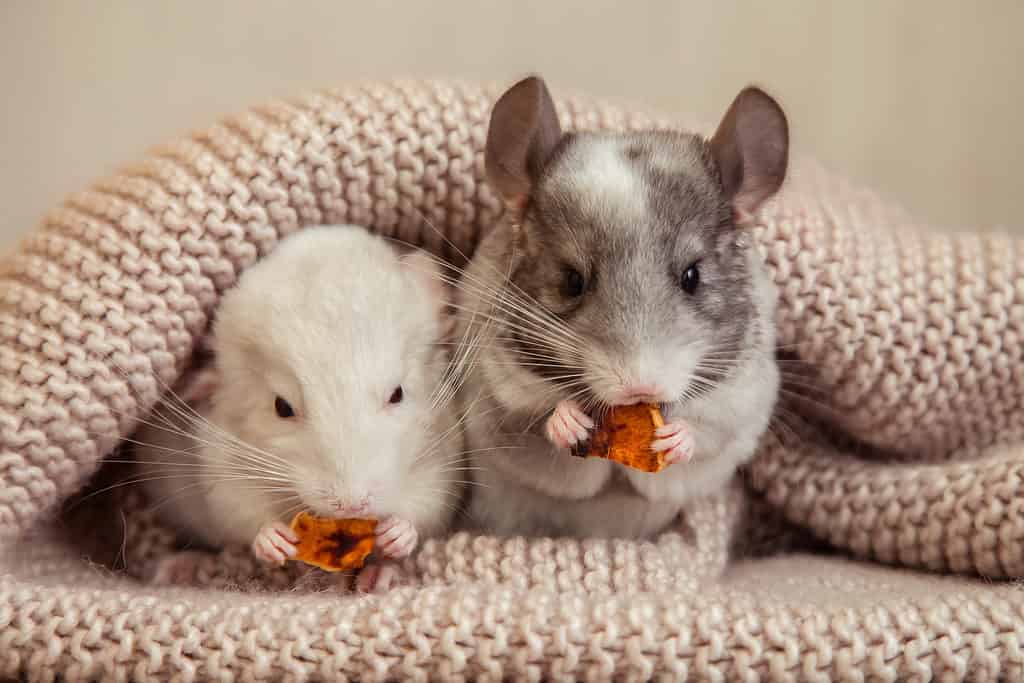
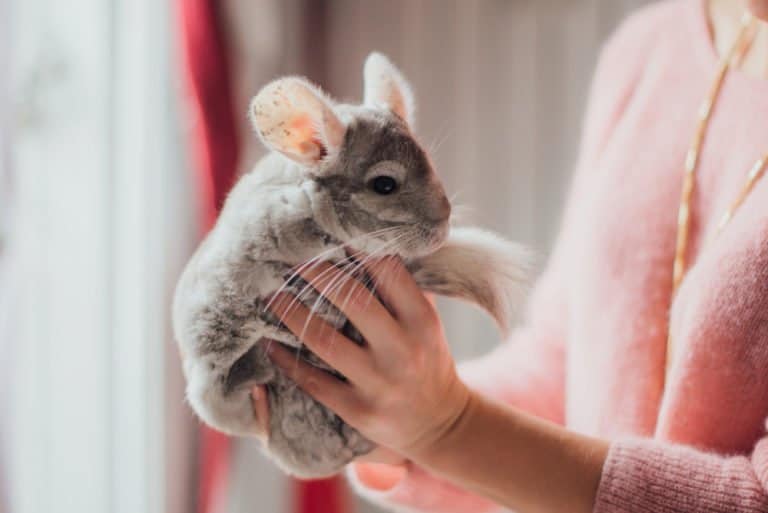
Pet Chinchillas in a blanket

One of the leading causes of death among chinchillas in captivity is refusing to eat.

Population

The exact population of wild chinchillas is unknown, but it is estimated that there are only 10,000 left in the world. This makes them an incredibly endangered species, and they are protected by law in their natural habitat.

Unfortunately, due to the remote nature of many areas of the Andes Mountains where they live, it can be difficult to properly monitor hunting activity. Illegal hunting continues to take place, which threatens their already limited numbers. Chinchillas are hunted for their fur despite this being illegal in most countries. In order to prevent extinction in the wild effective human intervention and conservation measures must be taken immediately.

Despite this situation, breeding chinchillas for pets has been successful when done responsibly in captivity. Hundreds of domesticated chinchillas are bred every year by people looking for pets. It is important that efforts continue to protect these creatures from extinction while still allowing responsible captive breeding so that future generations may enjoy owning pet chinchillas.
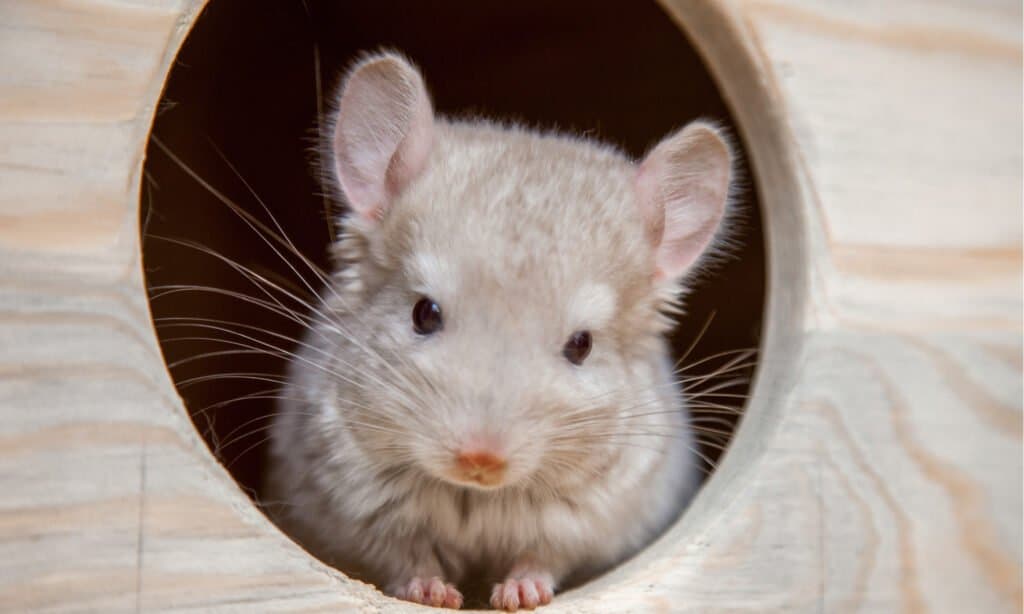
chinchilla cage

There are only 10,000 chinchillas left in the wild.

Conservation

The two species of chinchilla have had a difficult time in recent years. The population has been decimated by hunting by humans, leading to an estimated 90% global population loss over the last 15 years. This dramatic decrease was so serious that both species were listed as “Critically Endangered” on the IUCN Red List of Threatened Species by 2008. Fortunately, some areas have seen limited recovery since then, allowing them to be reclassified as simply “Endangered” in 2016. Despite this improvement in certain parts of their range, they remain threatened due to ongoing human hunting and habitat destruction caused by activities such as farming and mining. Conservation efforts are needed worldwide if we are going to ensure these animals do not become extinct in the wild.

2 Types of Chinchillas

Short-Tailed Chinchilla – Chinchilla chinchilla (formerly brevicaudata). Endangered species. Native to South America. Blue-gray fur and a fuzzy short tail.

Long-Tailed Chinchilla – Chinchilla lanigera. Also called the Chilean chinchilla, coastal chinchilla, and common chinchilla. Endangered species. Smaller by a third, with a long tail and a woolly coat.

View all 392 animals that start with C
How to say Chinchilla in ...
Catalan
Chinchilla lanigera
German
Langschwanz-Chinchilla
English
Long-tailed Chinchilla
Spanish
Chinchilla lanigera
Finnish
Chinchilla
French
Chinchilla lanigera
Hungarian
Csincsilla
Italian
Chinchilla lanigera
Dutch
Chinchilla
Polish
Szynszyla mała

Sources

  1. David Burnie, Dorling Kindersley (2011) Animal, The Definitive Visual Guide To The World's Wildlife / Accessed November 10, 2008
  2. Tom Jackson, Lorenz Books (2007) The World Encyclopedia Of Animals / Accessed November 10, 2008
  3. David Burnie, Kingfisher (2011) The Kingfisher Animal Encyclopedia / Accessed November 10, 2008
  4. Richard Mackay, University of California Press (2009) The Atlas Of Endangered Species / Accessed November 10, 2008
  5. David Burnie, Dorling Kindersley (2008) Illustrated Encyclopedia Of Animals / Accessed November 10, 2008
  6. Dorling Kindersley (2006) Dorling Kindersley Encyclopedia Of Animals / Accessed November 10, 2008
  7. David W. Macdonald, Oxford University Press (2010) The Encyclopedia Of Mammals / Accessed November 10, 2008
Heather Hall

About the Author

Heather Hall

Heather Hall is a writer at A-Z Animals, where her primary focus is on plants and animals. Heather has been writing and editing since 2012 and holds a Bachelor of Science in Horticulture. As a resident of the Pacific Northwest, Heather enjoys hiking, gardening, and trail running through the mountains with her dogs.

Thank you for reading! Have some feedback for us?


Chinchilla FAQs (Frequently Asked Questions)

Chinchillas are Herbivores, meaning they eat plants.