




“A desert tortoise can live to be over 80 years old!”
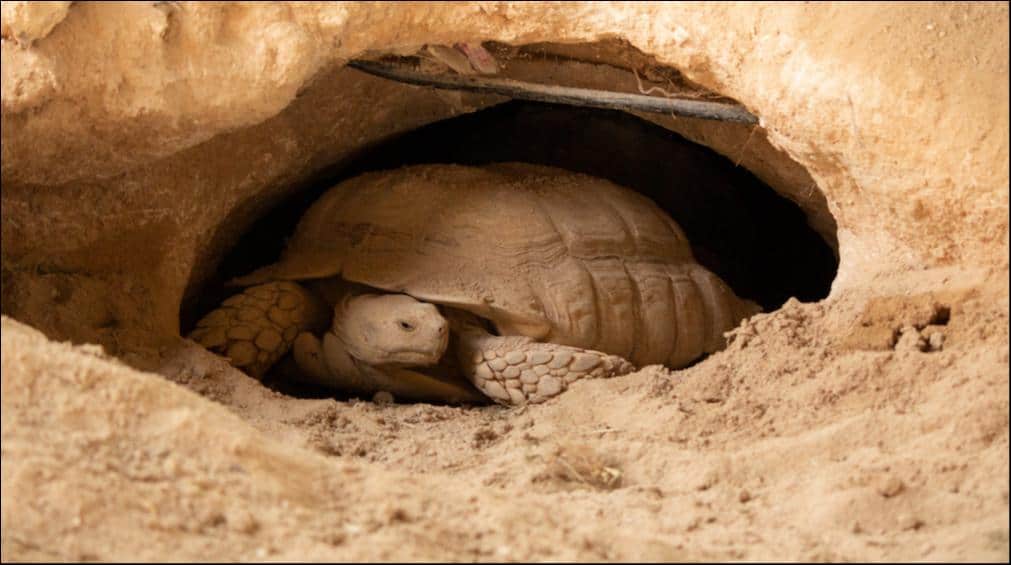
Desert tortoises are found in the United States and in Mexico. These tortoises burrow tunnels so they can go underground to cool off when the desert heat gets to be too much. The California desert tortoise eats grasses, flowers, and herbs found in their hot, dry environment. These reptiles dig grooves in the sand with their feet to catch rainwater to drink.
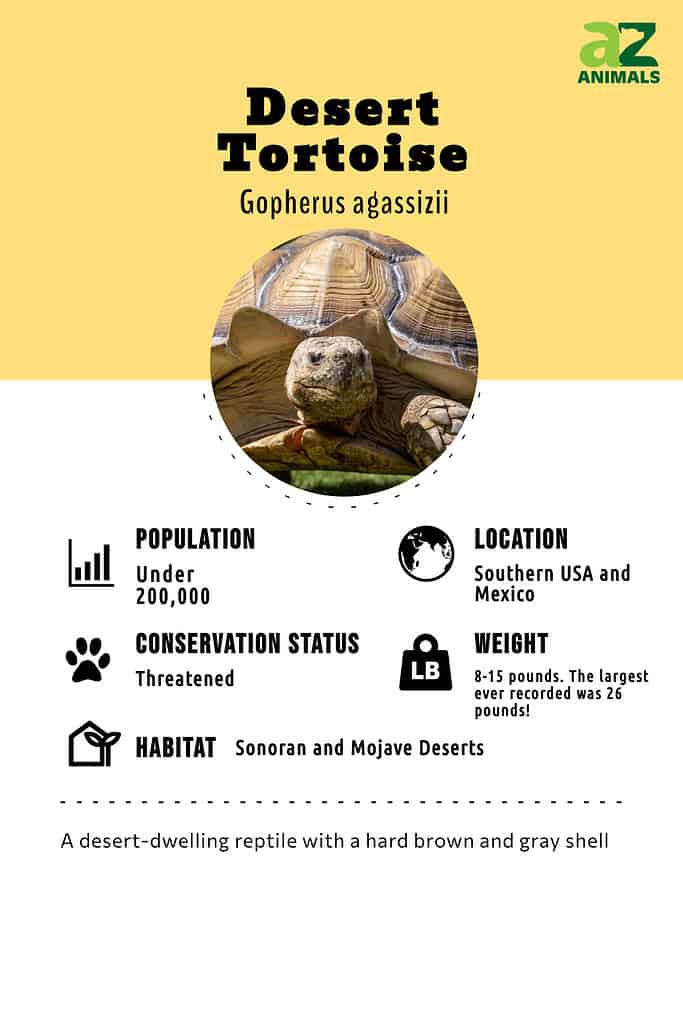
Desert Tortoise Top Facts
• Bouncing baby tortoises: The eggs laid by a tortoise are the size of ping-pong balls.
• A thirsty tortoise: After drinking rainwater, a tortoise may go as long as a year without needing more water.
• Life in a tunnel: A desert tortoise spends about 95% of its life inside tunnels beneath the sand.
Check out more incredible facts about desert tortoises.
Scientific Name
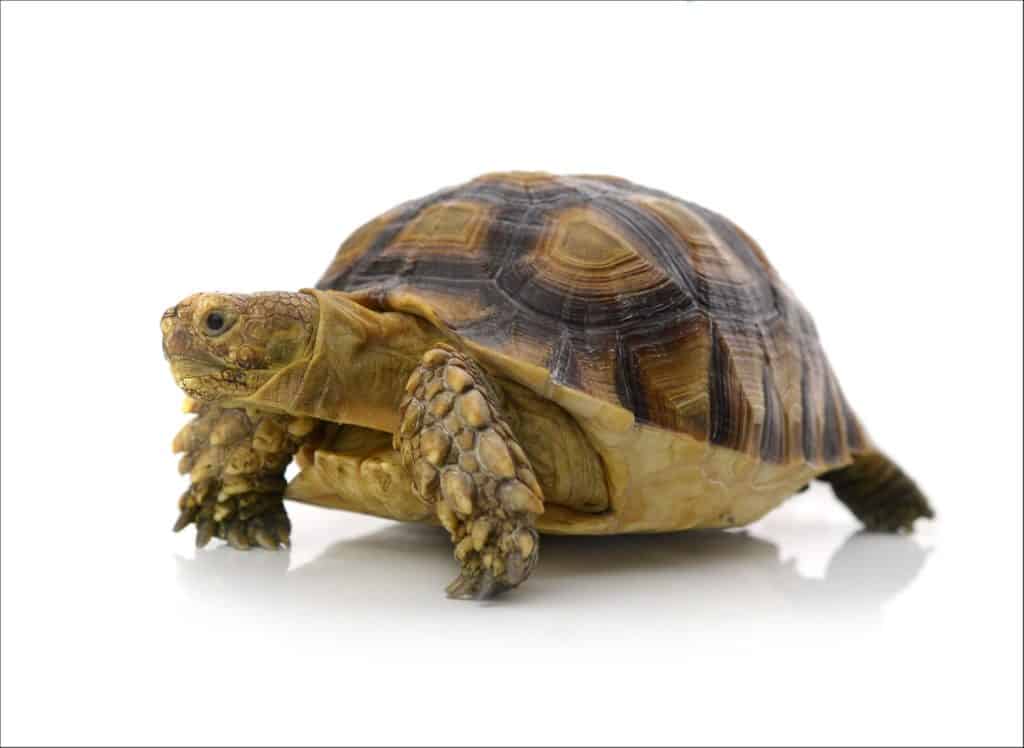
Desert Tortoise (Gopherus Agassizii)
©Mr. SUTTIPON YAKHAM/Shutterstock.com
Desert tortoise is the common name for this reptile, and Gopherus agassizii is its scientific name. This tortoise belongs to the Testudinae family, and its class is Reptilia. There is another species of desert tortoise with the scientific name Gopherus morafkai. It has a shell that’s narrower in shape than the Gopherus agassizii. Gopherus refers to the burrowing habits of this tortoise. They burrow into the ground just as actual gophers do. Agassizii is in the turtle’s name to honor Swiss zoologist Jean Louis Rodolphe Agassizii, who spent many years studying tortoises in North America.
Evolution and Origins

The Desert Tortoise (Gopherus agassizii) is a fascinating creature that has captured the attention of researchers and nature enthusiasts alike. Its evolutionary history is an area of great interest as scientists seek to understand how this species came into existence and how it has adapted to its harsh desert environment over time.
One thing we know for certain about the Desert Tortoise’s evolution is that it occurred over a very long period of time. Fossil evidence suggests that ancestors of today’s tortoises existed more than 50 million years ago, during the Eocene epoch. These early forms were much smaller than their modern descendants and lived in diverse environments ranging from forests to grasslands.
Over time, these ancestral tortoises evolved various adaptations that allowed them to survive in increasingly arid regions. For example, they developed thicker shells with higher domes to protect against predators and retain moisture. They also began relying on succulent plants for water and became more efficient at conserving water through urination.
The lineage leading up to Gopherus agassizii likely diverged from other tortoise species around 8-15 million years ago, during a period when geological changes created new deserts across North America. This resulted in isolated populations of tortoises adapting differently depending on their specific habitats.
Appearance and Behavior
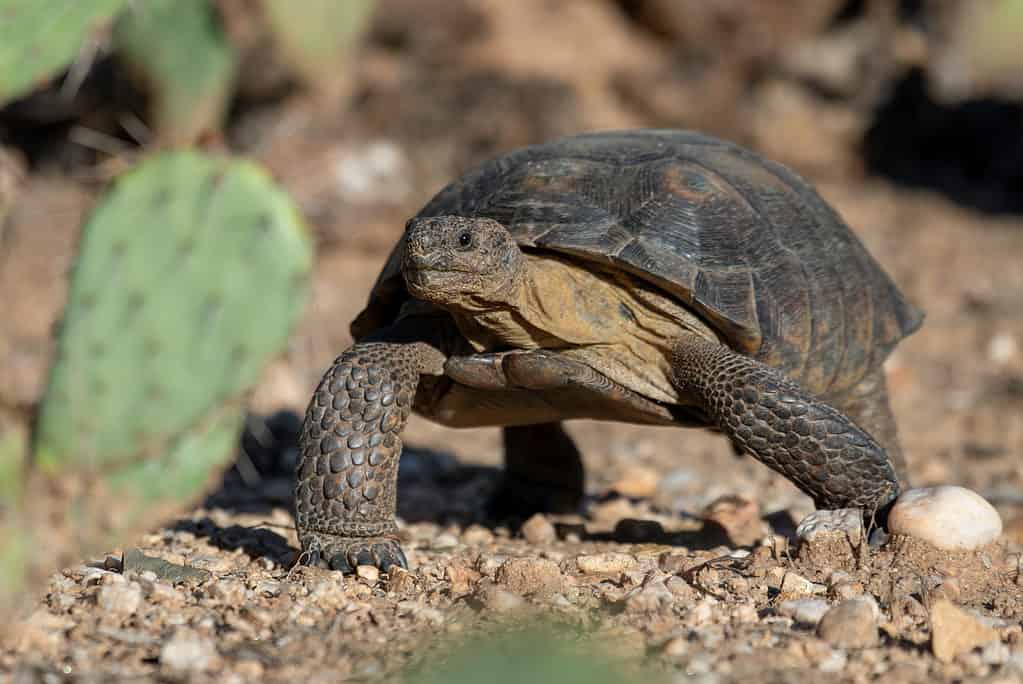
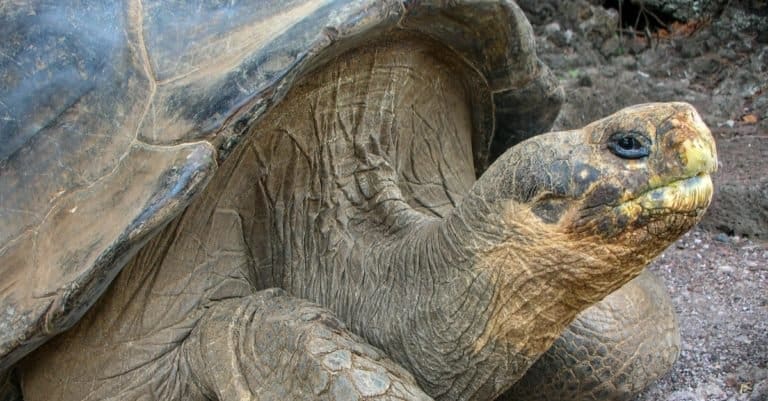
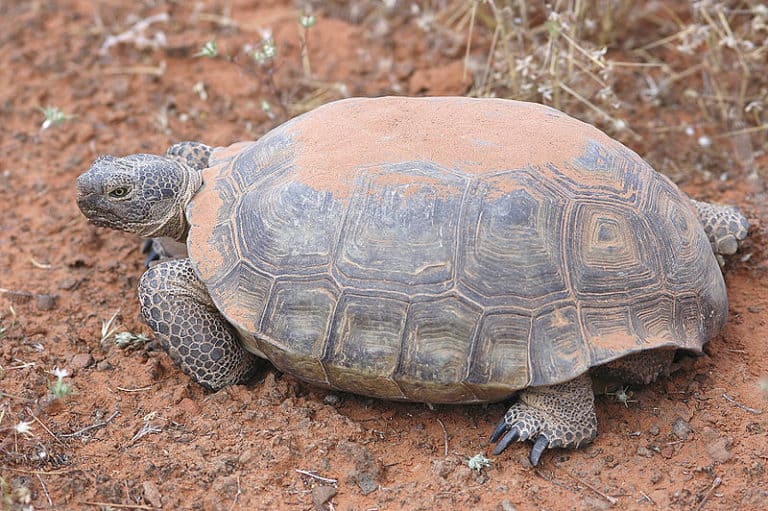
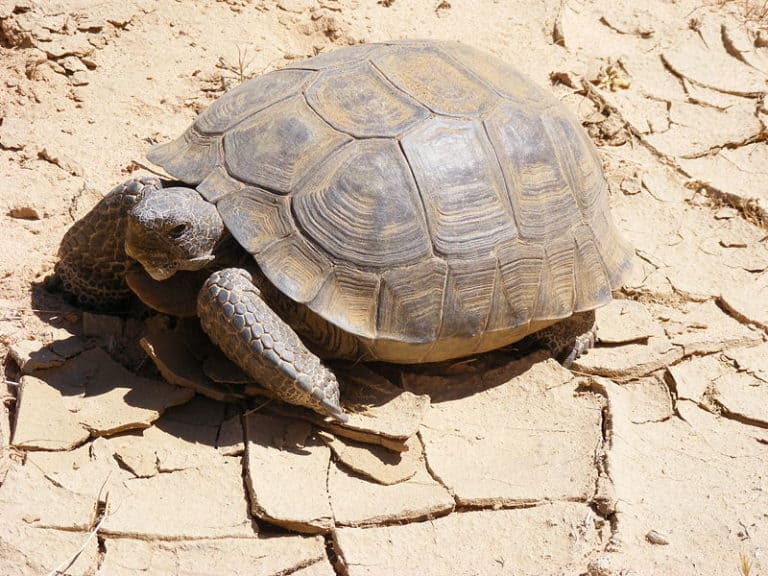
Desert dwelling tortoises have hard shells in brown and gray.
©Sean R. Stubben/Shutterstock.com
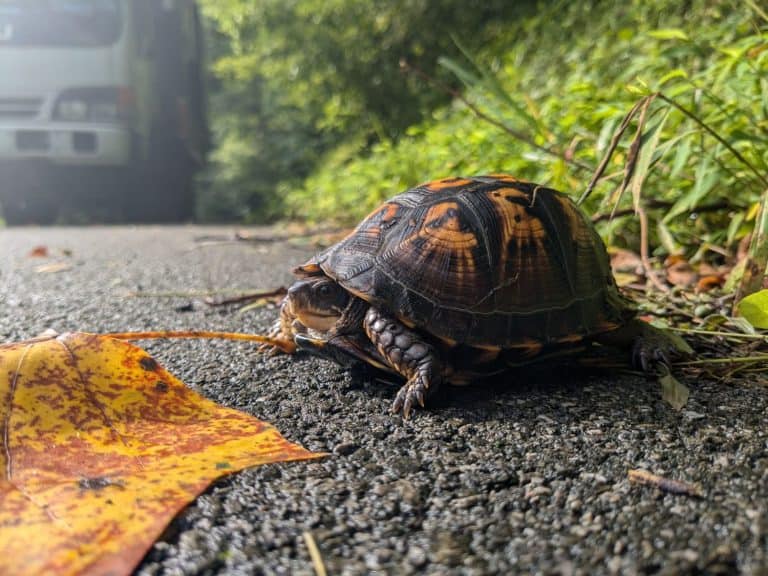
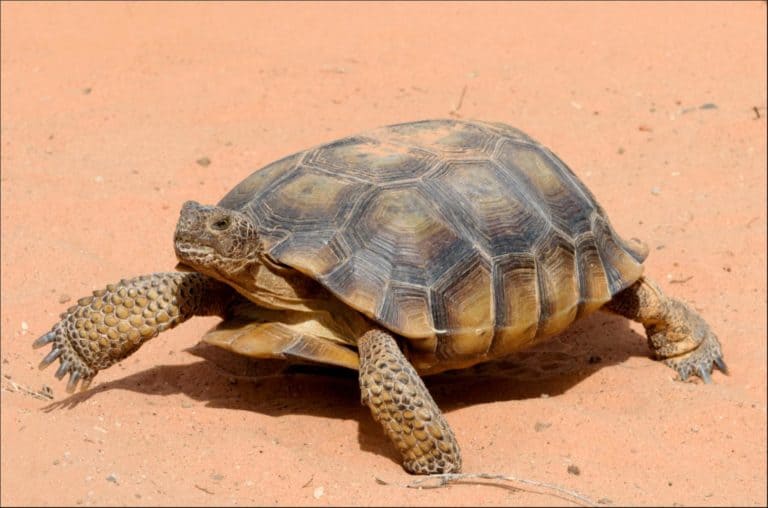
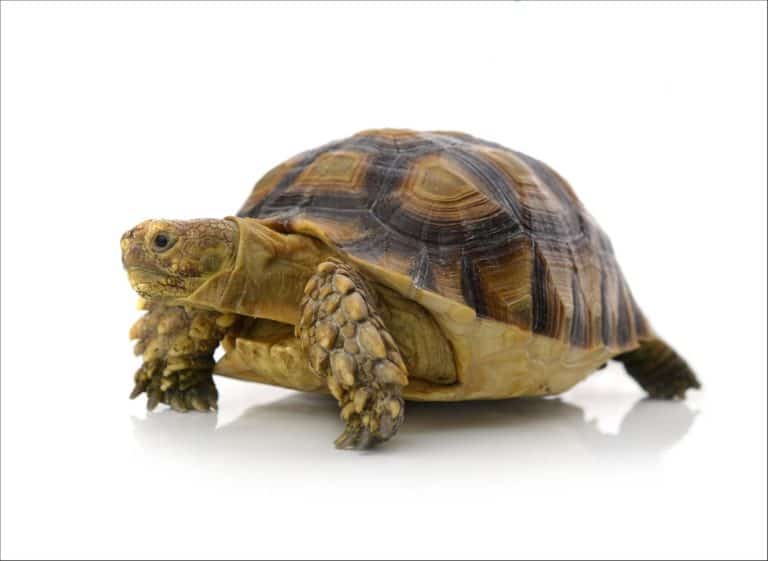
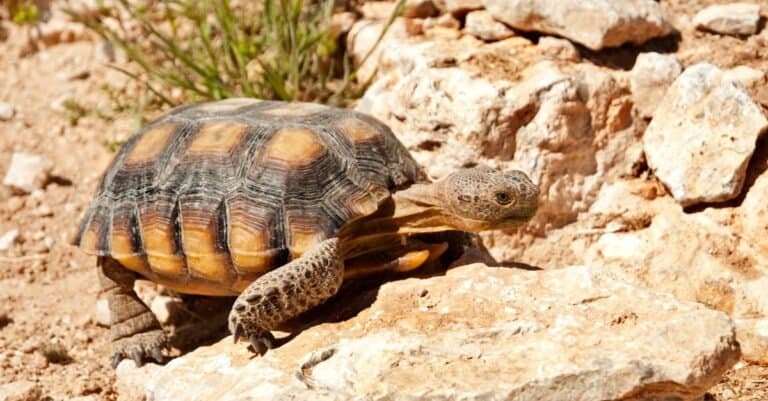
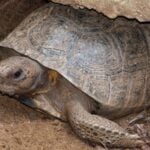
The shell of a desert tortoise is usually brown or gray without any colorful markings on it like you would see on a Box turtle you might find in the woods. It does have a pattern of lines that separates the shell into sections or scutes. The underside of its shell is yellow or light brown.
This tortoise can be from 8 to 15 inches long and 4 to 6 inches tall. If you put a desert tortoise on a scale, it would weigh from 8 to 15 pounds. A tortoise weighing 8 pounds would weigh the same as half a bowling ball! The largest desert tortoise on record is 17 inches long and weighs 26 pounds. His name is Monster!
Desert tortoises have small black eyes and ears that cannot be seen from the outside. They have an eardrum located on their neck under a layer of scales. A desert tortoise feels the ground vibrating, and those sounds move up through its legs, shell, and into their eardrums. That’s how they hear what’s going on around them.
Whether it’s burrowing a tunnel to live in or creating a groove in the sand to catch rainwater, these tortoises do a lot of digging! They have strong front legs with sharp, sturdy nails on them that help them to make a lot of progress when breaking through the dry ground. Their scaly skin protects them from the heavy digging work they do.
A desert tortoise has a large shell with plenty of space for its lungs. Plus, its roomy shell helps this reptile to keep its body temperature normal so it can adapt to the extreme heat in the desert.
The way a desert tortoise stores water helps it to live in a hot, dry environment. After taking a big drink of rainwater, a desert tortoise can store extra water in its bladder to use whenever it needs some.
Desert tortoises like to live alone except during breeding season. However, sometimes these solitary reptiles share a tunnel with a dozen or more other tortoises, especially during the wintertime. When tortoises do form a small group, it’s called a creep. Desert tortoises are shy animals making it hard for scientists and wildlife photographers to catch a glimpse of them.
Habitat
Desert tortoises live in the southwestern part of the United States and the northwestern part of Mexico. Specifically, they live in the Mojave and Sonoran deserts. This desert environment has temperatures that sometimes go a lot higher than 105 degrees Fahrenheit, and there’s very little rainfall.
The Sonoran and the Mojave Desert tortoise survive this very hot climate by going down into tunnels during extremely hot summer weather. In fact, they go into a type of hibernation called estivation. In the summertime, desert tortoises sleep a lot to save their energy!
In the wintertime, the grasses that desert tortoises eat become very scarce. So, these reptiles move into their tunnels and go into another type of hibernation called brumation. But when springtime arrives, desert tortoises move out of their tunnels into the sunshine to eat!
Diet
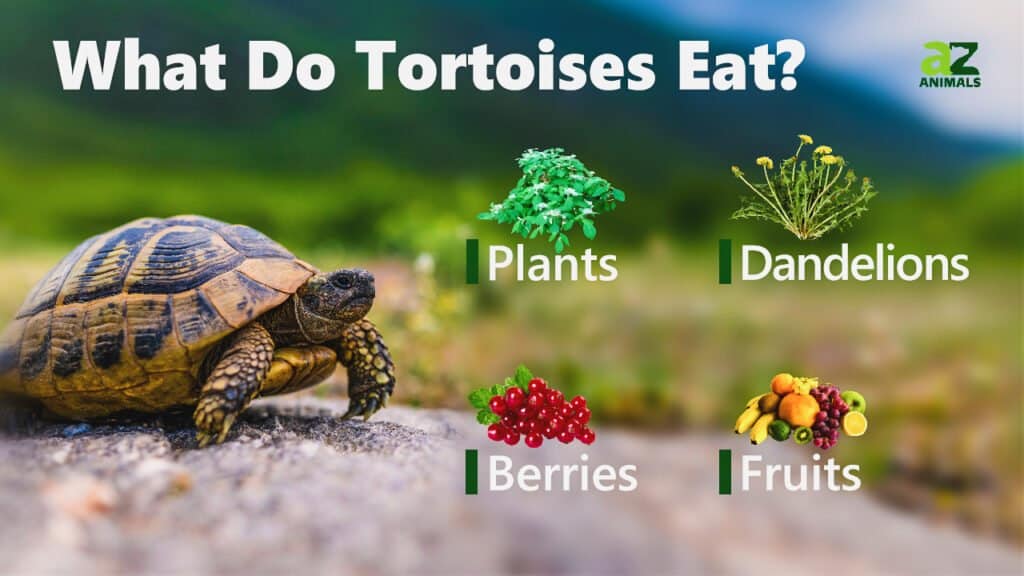
What does a desert tortoise eat? A desert tortoise eats rice grass, Bermuda grass, ryegrass, primrose, sow thistle, cactus, and wildflowers. This reptile walks slowly across the desert using its scaly, tough feet to pull dry grass out of the ground. It takes a tortoise about 20 to 30 days to digest its food!
In the wild, a desert tortoise knows what plant life to eat to survive. However, some tortoises become sick and die from eating trash left behind by humans. Balloons, plastic bags, and food containers are examples of items that are harmful to these reptiles.
Predators & Threats
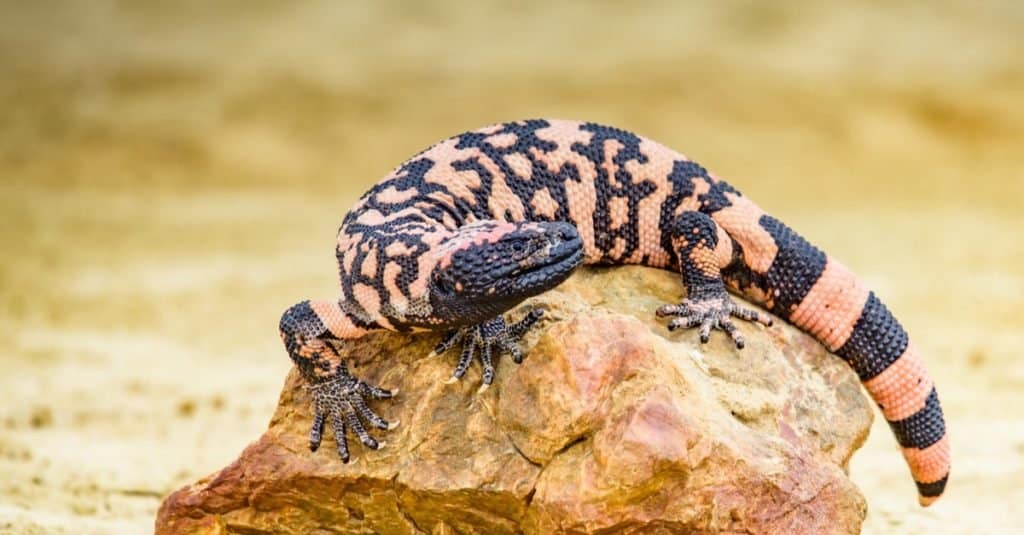
Desert tortoises need to watch out for hungry Gila monsters.
©Vaclav Sebek/Shutterstock.com
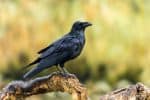
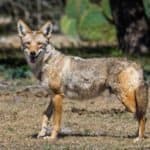
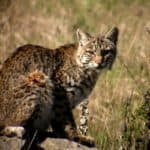
Coyotes, skunks, ravens, foxes, and Gila monsters are all predators of the desert tortoise. These predators are likely to go after younger, more vulnerable tortoises. A desert tortoise hides in its shell or in one of its tunnels to escape a predator. Also, if it’s picked up in the mouth of a predator, it releases urine in order to make the animal let go of it. This may help the tortoise to escape the predator’s grip, but releasing urine means the tortoise has less water to drink. This can put the tortoise at risk, especially during the hot summers in the desert.
The conservation status of the desert tortoise is: Threatened. Desert tortoises are losing some of their habitats to humans who are building neighborhoods and creating more landfills in the area. Also, the tortoise is at risk when it crosses roads where vehicles travel.
Reproduction, Babies & Lifespan
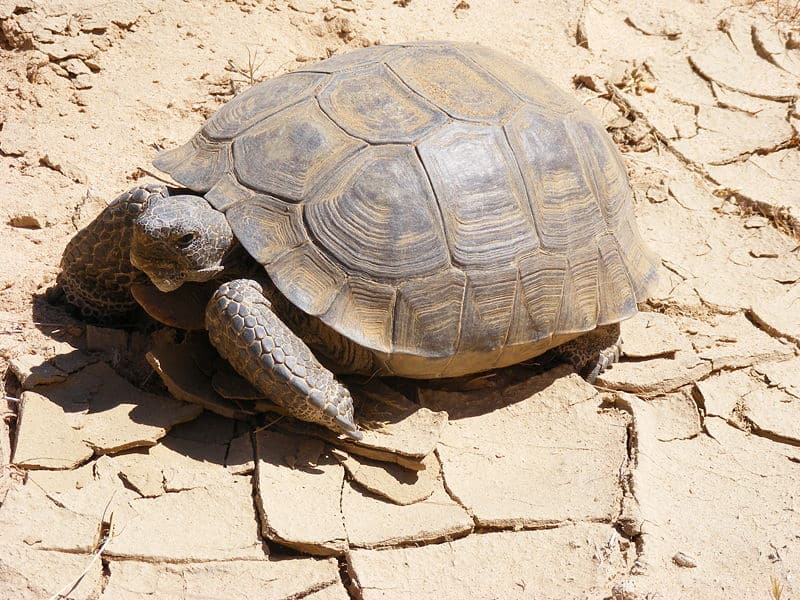
Desert Tortoises lay about a dozen eggs at a time.
Reproduction
Male desert tortoises compete with each other for the attention of a female during the breeding season. One male may even push another over onto its shell to prove its strength.
The gestation period of a female desert tortoise is 3 to 4 months. She digs a nest and can lay up to 14 eggs. After laying the eggs, the female tortoise leaves them. Eggs are laid between May and July and hatch between August and October.
Babies
Once the eggs hatch, each tortoise baby, or hatchling, measures about 1.5 inches long and weighs less than a pound. The hatchlings must try to survive without their mother from birth. Many of them don’t survive because their protective shell doesn’t fully develop until they are a few years old. They must find food on their own and often fall prey to one of their many desert predators.
Lifespan
Both male and female desert tortoises can live up to 80 years old. Of course, a desert tortoise that lives in a zoo is likely to live longer than one in the wild. Living in a zoo means the tortoise doesn’t have to deal with predators and has a regular supply of food. The oldest land tortoise on record is named Jonathan. He is believed to be 185 years old!
As a desert tortoise gets older, it can suffer from various illnesses. A loss of habitat and reduced food sources can weaken a tortoise’s immune system causing it to be at risk for upper respiratory illness, shell diseases, and herpesvirus.
Population
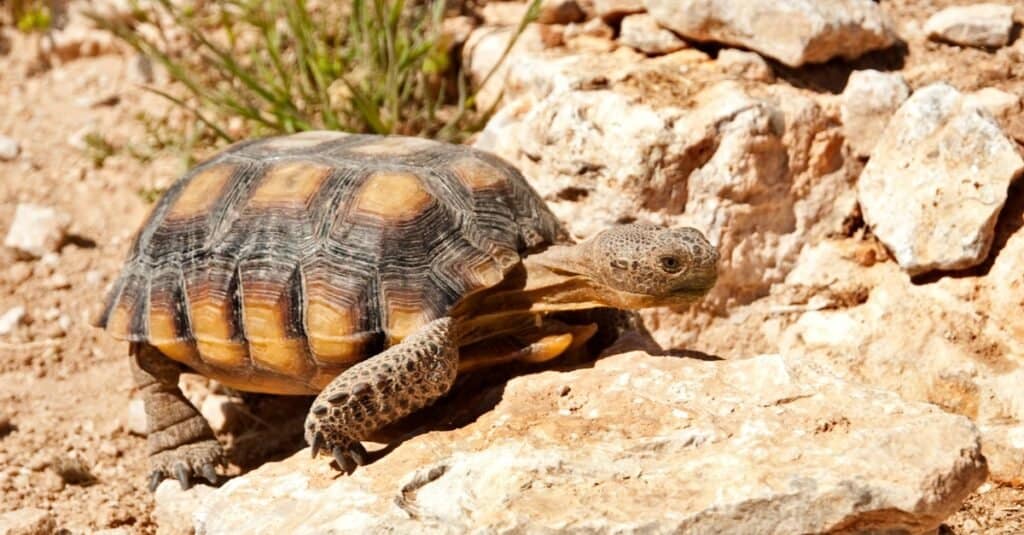
One of the reasons for tortoises’ slow speeds is because of their diet; they are herbivores, so they do not need to hunt or chase their food.
©Darren J. Bradley/Shutterstock.com
The desert tortoise population has fallen by 90% since 1980 due to habitat loss, livestock grazing, predators, and disease. Furthermore, only 1 to 5 of every 100 desert tortoise hatchlings grow to be adults. As a result, their conservation status is classified as Threatened. However, the desert tortoise was given protected status by the Endangered Species Act in 1990.
• Around 150,000 desert tortoises are living in a habitat threatened by new construction projects and trash dumping.
Desert Tortoise Pictures
View all of our Desert Tortoise pictures in the gallery.

SLSK Photography/Shutterstock.com
How to say Desert Tortoise in ...
Sources
- David Burnie, Dorling Kindersley (2011) Animal, The Definitive Visual Guide To The World's Wildlife / Accessed January 18, 2010
- Tom Jackson, Lorenz Books (2007) The World Encyclopedia Of Animals / Accessed January 18, 2010
- David Burnie, Kingfisher (2011) The Kingfisher Animal Encyclopedia / Accessed January 18, 2010
- Richard Mackay, University of California Press (2009) The Atlas Of Endangered Species / Accessed January 18, 2010
- David Burnie, Dorling Kindersley (2008) Illustrated Encyclopedia Of Animals / Accessed January 18, 2010
- Dorling Kindersley (2006) Dorling Kindersley Encyclopedia Of Animals / Accessed January 18, 2010