D
Species Profile

Dunker

Canis lupus familiaris

Norway's hare-tracking marathoner
By Canarian - Own work, CC BY-SA 4.0, https://commons.wikimedia.org/

Dunker Distribution

Click a location to explore more animals from that region

Origin Location

This map shows the native origin of the Dunker. As a domesticated species, they are now found worldwide.

Loading map...

Found in 1 country

Size Comparison

Human 5'8"
Dunker 1 ft 8 in

Dunker stands at 30% of average human height.

A Norwegian Hound, Dunker

At a Glance

Domesticated
Also Known As Dunker, Dunkerhund, Norwegian Dunker, Norsk Dunkerhund
Diet Omnivore
Activity Diurnal+
Lifespan 5 years
Weight 23 lbs
Status Not Evaluated
Did You Know?

The Dunker was developed in Norway specifically as a hare-hunting scenthound that works by nose rather than sight.

Scientific Classification

The Dunker, also called the Norwegian Hound, is a medium-sized Norwegian scenthound developed for hunting (notably hare) using scent. It is typically athletic, endurance-oriented, and valued for strong tracking ability.

Kingdom
Animalia
Phylum
Chordata
Class
Mammalia
Order
Carnivora
Family
Canidae
Genus
Canis
Species
Canis lupus

Distinguishing Features

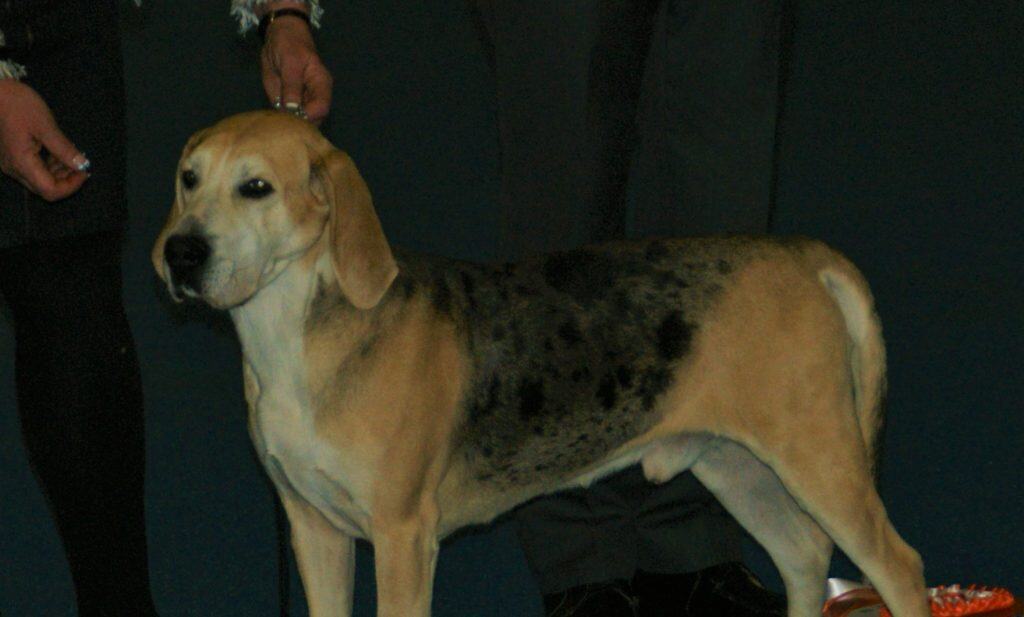
  • Medium-sized, short-coated scenthound build with endurance-focused proportions
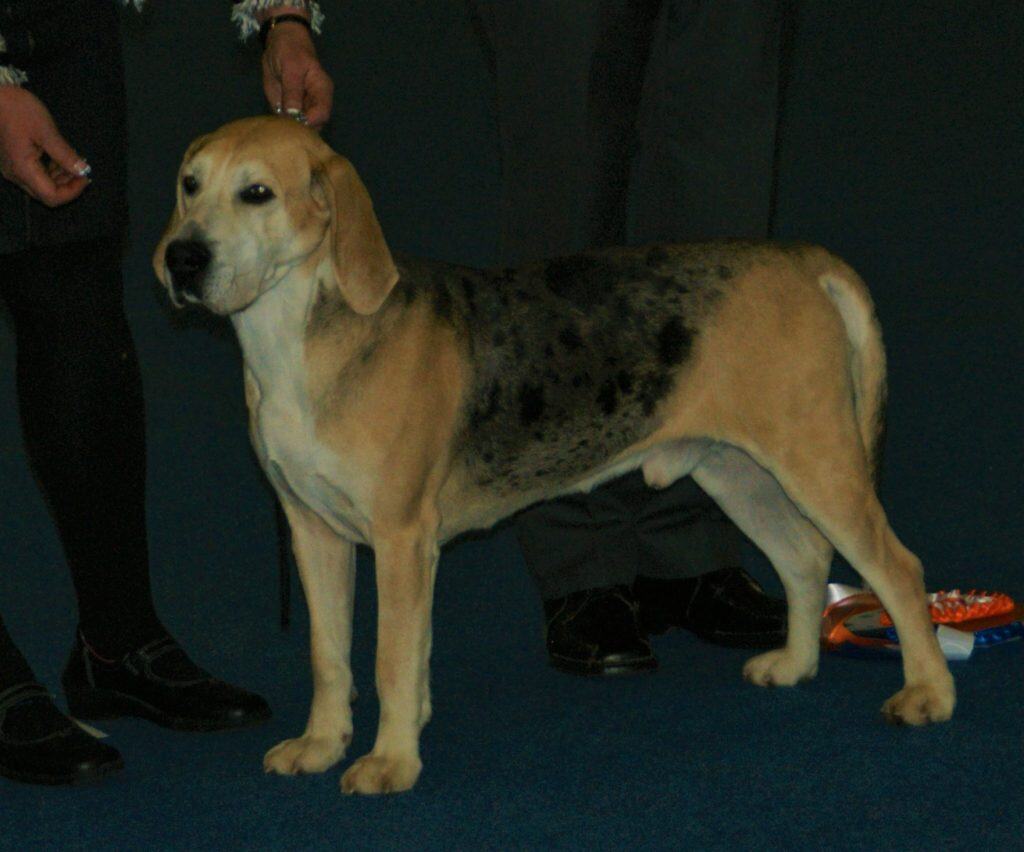
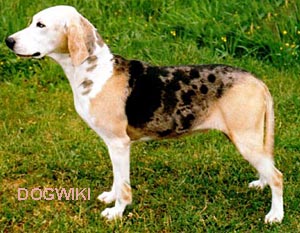
  • Often seen with harlequin/merle-like mottled or marbled coloration (breed-associated patterning)
  • Long, low-set ears typical of scent hounds
  • Strong scenting/tracking behavior; bred for hunting work

Physical Measurements

Males and females differ in size

Height
♂ 1 ft 9 in (1 ft 8 in – 1 ft 10 in)
♀ 1 ft 8 in (1 ft 7 in – 1 ft 9 in)
Length
♂ 2 ft 10 in (2 ft 7 in – 3 ft 1 in)
Weight
♂ 41 lbs (35 lbs – 46 lbs)
♀ 42 lbs (35 lbs – 49 lbs)
Tail Length
♂ 11 in (10 in – 1 ft 1 in)
Top Speed
31 mph
Dunker: made for long runs

Appearance

Primary Colors
Secondary Colors
Skin Type Domestic dog skin with normal canine pigmentation beneath a short, dense, weather-resistant coat; ear skin is thin and prone to moisture retention typical of drop-eared scenthounds.
Distinctive Features
  • Dunker (Norwegian Hound) (Canis lupus familiaris) is a domesticated dog bred in Norway for scent tracking and hare hunting. It is made to work with people, long trotting, and has a strong nose.
  • Medium-sized, athletic, endurance-oriented build: deep chest for lung capacity, strong back, and well-muscled thighs for long days of tracking.
  • Classic scenthound head and expression: moderately long muzzle, defined stop, and notably long, low-set drop ears that help funnel scent but increase ear-care needs.
  • Coat is short, dense, and fairly easy-care; sheds seasonally and benefits from weekly brushing to remove dead hair and distribute oils.
  • Color/pattern hallmark: 'Dunker' merle/mottling (often blue-gray/black) with tan points and white markings; this pattern is a key visual distinguisher among domestic dog breeds.
  • Some lines have higher risk of congenital deafness linked to merle patterning; check hearing with BAER testing when possible. Also watch for hip dysplasia and joint wear in active dogs.
  • Common care requirements for a working scenthound: high daily exercise (long walks, hiking, jogging) plus scentwork/tracking games to prevent boredom-driven behaviors.
  • Ear care is important due to pendulous ears: routine checks/cleaning and drying after wet weather to reduce risk of otitis (ear infections).
  • Weight management matters for an endurance hound; keep lean body condition to reduce joint strain, especially if hip dysplasia risk is present.
  • Typically hardy in cooler climates; provide weather-appropriate protection in extreme cold/ice and adequate hydration/cooling during intense activity.

Sexual Dimorphism

Mild sexual dimorphism typical of many domestic dog breeds: males are generally more robust and broader through the head and chest, while females tend to be slightly lighter and more refined in build.

♂
  • Slightly larger overall frame with heavier bone and more pronounced chest depth/width
  • Broader head and thicker neck/shoulder musculature in mature males
  • Often carries more visible muscle mass when conditioned for work
♀
  • Slightly smaller, lighter frame with a more refined head and narrower chest
  • May appear more streamlined through waist and neck
  • Often reaches mature body condition with less overall bulk than males

Did You Know?

The Dunker was developed in Norway specifically as a hare-hunting scenthound that works by nose rather than sight.

It's named after Captain Wilhelm Conrad Dunker, an early breeder who helped standardize the type in the 1800s.

Many Dunkers show a distinctive "harlequin" pattern: mottled/patchy black or blue on white, often with tan points.

Compared with many pet dogs, Dunkers are typically bred for all-day stamina and an efficient trot on rough terrain.

In the field they're known for giving voice (baying) to communicate their track-classic scenthound style.

The breed is uncommon outside Scandinavia, so it's considered relatively rare internationally.

As a scenthound, it tends to follow scent trails intensely-training often focuses on recall and leash reliability.

Unique Adaptations

  • Scenthound anatomy: a long muzzle and large nasal cavity support high odor-processing capacity typical of Canis lupus familiaris scenthounds.
  • Endurance-oriented build: medium frame, strong heart/lung capacity, and efficient gait for long hours in cold, rugged Norwegian landscapes.
  • Weather-tolerant coat: short, dense coat offers practical protection in variable Scandinavian conditions (not heavy insulation like spitz breeds).
  • Pendant ears (hound ears): help funnel and stir scent toward the nose when tracking close to the ground.
  • Focused olfactory drive: selective breeding emphasizes sustained scent interest and trail fidelity over quick sprinting or visual chasing.

Interesting Behaviors

  • Nose-to-ground "casting": sweeping side-to-side to relocate a lost scent line.
  • Baying on trail: vocalizing rhythmically while tracking, especially when the scent strengthens or turns.
  • Persistent line-work: will methodically follow older scent trails with less reliance on visual cues.
  • Independent decision-making: may choose a scent path over handler direction-useful in hunting, challenging in urban walks.
  • Scent mapping on walks: frequent pauses to sample, re-check, and "confirm" odors at intersections or wind shifts.
  • Pack-friendly tendency: many scenthounds, including Dunkers, often work well with other dogs when socialized.

Cultural Significance

The Dunker (Norwegian Hound, Canis lupus familiaris) is linked to Norway's hare hunting with scenthounds. It shaped rural hunting culture and breeding for a keen nose, stamina, and a clear voice. Named for Captain Wilhelm Conrad Dunker.

Myths & Legends

Norwegian hunting lore often celebrates the "voice on the trail" as a gift: a hound's bay was treated like a living map in forest and snow, guiding hunters who could not see the chase.

Stories about the Dunker (Norwegian Hound) say Captain Wilhelm Conrad Dunker worked to create a steady, hare-focused scenthound for Norway. He made it a symbol of plain, national dog breeding, not aristocratic fashion.

Scandinavian countryside superstition long held that a good scenthound's nose could 'read' the night forest-an idea echoed in hunters' tales where the dog senses turns and crossings before any human can interpret the signs.

Conservation Status

NE Not Evaluated

Has not yet been evaluated against the criteria.

Population Stable

Life Cycle

Birth 6 pups
Lifespan 5 years

Lifespan

In the Wild
2–10 years
In Captivity
12–15 years

Reproduction

Mating System Polygynandry
Social Structure Managed Domestic
Breeding Pattern Serial
Fertilization Managed Selective
Birth Type Internal_fertilization

Dunker (Norwegian Hound, Canis lupus familiaris) dogs are polygynandrous (multiple partners). Humans usually choose one sire per planned litter. Pairings are managed each heat; females cycle 1-2 times yearly, gestation ~63 days, mothers provide most care.

Behavior & Ecology

Social Pack Group: 4
Activity Diurnal, Crepuscular
Diet Omnivore Lean, high-protein meat (e.g., venison or poultry)

Temperament

Scent-driven, persistent, and methodical; tends to follow odor trails with strong focus (breed hallmark versus the base species' broader predatory sequence and territorial behaviors).
Even-tempered and generally friendly with familiar people; may be reserved rather than demonstratively social with strangers until warmed up.
Independent problem-solver outdoors; benefits from structured recall training and secure boundaries due to high tracking motivation.
Moderate-to-high energy with notable endurance; typically does best with daily long walks/runs plus scent games or tracking work (care requirement).
Can be vocal when excited or on scent; may alert-bark and 'bay' more than many breeds (common scenthound trait).
Usually tolerant with other dogs, especially when raised with them; prey drive can be high toward small wildlife (management/training need).
Dunker can get ear infections because of long drooping ears and may resist handling if it hurts. Some lines have hip dysplasia and retinal eye problems; regular vet checks help keep behavior and working ability.

Communication

Baying/long, carrying hound voice during tracking
Barking Alert and excitement
Whining Anticipation/frustration
Growling Resource or space warning; typically situational
Scent marking and intensive sniffing as primary information-gathering Stronger emphasis than many companion breeds; core to breed function
Body posture and tail carriage to signal arousal and intent; forward, nose-down posture often indicates active scent lock-on
Pacing/door-checking as a solicitation signal for exercise or tracking opportunities Under-stimulation indicator
Mouth/whisker contact and gentle nudging toward handlers or gear (leash/harness) to initiate work routines
Care/handling notes affecting communication: regular ear checks/cleaning and positive handling practice can reduce avoidance signals tied to ear discomfort; sustained daily exercise and scent enrichment reduce nuisance vocalization and frustration behaviors

Habitat

Forest Deciduous Forest Coniferous Forest Woodland Grassland Steppe Shrubland Tundra Alpine Meadow Mountain Wetland Marsh Bog Lake River/Stream Coastal Rocky Shore Urban Suburban Plantation +14
Biomes:
Temperate Forest Boreal Forest (Taiga) Temperate Grassland Tundra Alpine Mediterranean Desert Hot Desert Cold Tropical Dry Forest Tropical Rainforest Temperate Rainforest Wetland Freshwater Marine +8
Terrain:
Mountainous Hilly Valley Plains Coastal Riverine Rocky +1
Elevation: Up to 9842 ft 6 in

Ecological Role

Domestic working scenthound (human-associated mesopredator) specialized for scent-trailing hare; not an apex predator, but can function as a controlled hunting aid in managed ecosystems.

Assists humans in selective harvest/management of hare and small-game populations Scent-tracking and retrieval support reduces wounding loss in hunting contexts Can deter or displace some small mammal pests around rural holdings when exercised/managed appropriately Acts primarily as a companion animal with indirect ecological impact via human stewardship (leash control, waste management)

Diet Details

Other Foods:
Berries Grasses Roots and tubers Fallen fruits

Human Interaction

Domestication Status

Domesticated

Domestic dog (Canis lupus familiaris) was bred for reduced fear/aggression and cooperation. The Dunker (Norwegian Hound), originated in the 1800s by Capt. Wilhelm Dunker crossing Norwegian and European scenthounds, is an athletic hare hunter with strong scenting, cold-terrain stamina, trailing, and pack/handler cooperation. Harlequin-like coat raises congenital hearing risk. Human hubs: hunting, field training, rural homes, and scent sports.

Danger Level

Low
  • Bite risk exists like any dog, typically associated with fear, pain, poor socialization, rough handling, or resource guarding
  • High prey drive and scent fixation can cause bolting/dragging on leash, increasing risk of knocks/falls or traffic incidents if unsecured
  • Vocalization and persistence (hound traits) can create neighborhood conflict rather than direct physical danger
  • Potential for defensive reactions if ear infections/pain are present and handled improperly

As a Pet

Suitable as Pet

Legality: Generally legal as a domestic dog breed in most jurisdictions; subject to standard dog ownership laws (licensing, leash requirements). Not typically targeted by breed-specific legislation, though local rules can vary.

Care Level: Experienced

Purchase Cost: $500 - $1,500
Lifetime Cost: $15,000 - $35,000

Economic Value

Uses:
Hunting and field work (scent-trailing hare and other game where legal) Companion animal ownership Breeding (kennels, pedigreed lines) Training services (tracking/nosework, field trials) Veterinary and preventative care markets Pet supplies (food, gear, enrichment)
Products:
  • Working/hunting services (trained scenthound for field use where permitted)
  • Puppy sales/adoption placements
  • Stud services and breeding rights (jurisdiction/club dependent)
  • Training, boarding, and behavior services
  • Equipment sales (tracking leads, GPS collars, outdoor gear)
  • Participation in dog sports/events (nosework, tracking tests, field trials)

Relationships

Ecological Equivalents 6

Animals that fill a similar ecological role in their ecosystem

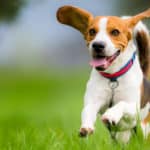
Beagle
Beagle Canis lupus familiaris The Dunker is like a rabbit- and hare-scent hound: it has a strong nose, persists in tracking, and is often vocal. Bred for long scent work in cool climates, these dogs require more daily stamina-building exercise and regular scent activities.
Harrier
Harrier Canis lupus familiaris Pack-style hare hound with comparable stamina and trailing behavior. Like Dunkers, they can be independent-minded on scent, so they benefit from recall training, secure fencing, and mental work (tracking games) to prevent roaming.
Finnish Hound Canis lupus familiaris Nordic scenthound used for tracking quarry over distance; shares a similar cold‑weather working profile. Dunkers are distinguished by their Norwegian breed history and strong hare specialization; they generally thrive with high activity levels, consistent training, and a job‑like routine.
Halden Hound Canis lupus familiaris Norwegian scenthound developed for similar terrain and game. Comparable athletic, scent-driven behavior and high exercise needs. Both breeds tend to be people-friendly but can prioritize scent over cues unless trained with high-value reinforcement.
Hygen Hound Canis lupus familiaris Another Norwegian scenthound with an overlapping function: hare hunting by scent. Dunkers are often noted for endurance and tracking focus; care overlaps include ample aerobic exercise, weight management, and routine ear care due to drop (pendulous) ears.
Eurasian lynx
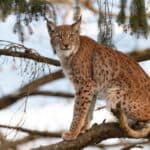
Eurasian lynx Lynx lynx Dunker (Norwegian Hound) uses woodland edges and can hunt hares like wild predators. Unlike the lynx, Dunkers are domesticated and managed by people, requiring care, controlled diets, veterinary care, and exercise.

Dunkers are sometimes also referred to as Norwegian Rabbit Hounds. Dunkers were developed when Russian Harlequin Hounds were crossed with different Norwegian scent hounds. Captain Wilhelm Conrad Dunker was a military officer who worked to cross these Russian Harlequin Hounds with other dogs to create a breed that could handle working in the harsh conditions in Norway. The breed has been around since the 19th century.

Dunkers are very intelligent dogs who can make an excellent family dog as long as they are properly trained and socialized.

3 Pros and Cons of Owning Dunkers

Pros!Cons!
Calm: A Dunker dog can be very calm and laid back when their exercise needs are met. They will enjoy hanging out with their owners for a lazy day on the couch.Exercise needs: Dunkers require at least 45 to 60 minutes of exercise each day. Because of their higher activity levels, they are not a great dog for an apartment.
Friendly: Dunkers are very friendly. When properly trained and socialized, they are great with kids and make an excellent family dog.Challenging to train: A Dunker can be quite stubborn and is not always easy to train. If you are not an experienced handler, you’ll likely want to look for an obedience training class for your dog.
Playful: Dunkers love to play. If you are looking for a playful dog with will play tug of war or chase a frisbee, this is a good breed to consider.Shed a lot: Dunkers lose a good amount of fur, so you’ll likely have a lot of fur on your clothing and furniture. Be prepared to brush them multiple times a week to keep the shedding at bay, but don’t expect your home to be fur-free with this dog breed.

Evolution and Origin

A Norwegian Hound, Dunker

The Dunker was bred in the 19th century by Captain Dunker.

In the 19th century, Captain Wilhelm Conrad Dunker decided to embark on a quest to create a breed of dogs that were not only ideal hunting companions but were also capable of handling harsh Norwegian winters. To that end, he began to breed Scandinavian tracking dogs renowned for their ability to withstand harsh conditions, with the Russian Harlequin Hound.

The result was the Dunker, named in honor of the Captain, capable of getting along with both dogs and humans, and possessing impressive endurance and superb tracking skills.

However, the German occupation of Norway resulted in a significant decline in the Dunker population. And although breeders managed to save the breed from extinction, other dogs that were imported into Norway became more popular.

However, the dog’s friendly, calm disposition means that it can be an excellent choice of house pet for canine enthusiasts. 

Size and Weight

Dunkers are a medium-sized breed. Both males and females generally weigh between 25 and 39 pounds. Males can be just a little taller and are normally between 19 and 22 inches tall. Females are typically between 18 and 21 inches tall. At 6 months, Dunker puppies are between 13.5 and 14.5 inches and weigh about 22.5 pounds. By 12 months, the puppies are between 16.5 and 17.5 inches and weigh about 27 pounds. A Dunker puppy should be fully grown by the age of 18 months.

Common Health Issues

Taking good care of your Dunker and scheduling regular checkups with the veterinarian will be important. There are a few common health concerns to be aware of before you adopt a Dunker.

Some Dunkers may be affected by hearing loss or deafness, but the exact prevalence is not well-documented. Prospective owners should inquire about hearing health when selecting a puppy. If you are concerned about your dog’s hearing, contact your veterinarian.

Another health issue some Dunkers face is hip dysplasia. The ball and socket in the hip of a Dunker with hip dysplasia do not develop correctly. Instead of fitting properly and moving together smoothly, they rub on each other. Over time, this causes deterioration to the ball and socket and can stop the joint from functioning. Hip dysplasia is hereditary, but can be exacerbated by being overweight or not getting the right types of exercise. You can talk to your veterinarian. They may recommend a supplement with glucosamine and chondroitin to reduce the symptoms your dog is experiencing.

Without proper exercise, Norwegian Hounds may become obese, which can lead to other health problems. To prevent this from happening to your dog, be sure to give them proper exercise and feed them a high-quality dog food that will help keep them at a healthy weight.

Some Dunkers may also develop a condition called progressive retinal atrophy (PRA). This eye condition leads to a gradual loss of vision and can cause dogs to become blind at a younger age. There is no cure for this condition, so you will want to look for a Dunker who has breeding lines with healthy eyes.

Because of the droopy shape of a Dunker’s ears, they are also prone to ear infections. Less air is able to circulate within their ear canal, which makes it more humid and welcoming to yeast and bacteria. Regularly clean your Dunker’s ears and keep an eye on them. If you notice any discharge or odd smells, schedule an appointment with their veterinarian.

To recap, here are the common health issues that Dunkers face:

  • Hearing loss or deafness
  • Hip dysplasia
  • Obesity
  • Progressive retinal atrophy (PRA)
  • Ear infections

Temperament

Dunker standing in profile on grass

Dunkers are known for their very calm and affectionate personalities.

When their exercise needs are met, Dunkers are known for their very calm and affectionate personalities. They love getting a lot of attention and will seek it out, so if you are not looking for a dog that will always want to be by your side, a Dunker may not be the right fit for you.

Another key personality trait of a Dunker is being very well-behaved. When time is taken to properly train and socialize them, they make a great family dog and are good with children. When Dunkers are out hunting, they exhibit a very focused behavior as they try to track down prey.

Dunkers are also known for their strong-willed personality. They do best with owners who have experience with training and raising a needier dog.

How to Take Care of Dunkers

Dunkers are unique dogs. Their health concerns, temperament, and other traits can help you develop the best plan to care for your dog.

The Best Dog Food for Dunkers

Dunker puppies should be fed a large-breed puppy formula until they have grown to be 80% of the maximum adult size. After that time, they can be switched to adult food. When selecting a food for your puppy or adult Dunker, look for a high-quality option from a trusted company. Finding the right combination of nutrients will be important. You will also want to avoid giving your dog people food.

Adult Dunkers should be fed a total of 2 ½ to 3 ½ cups of food each day. This should be split up into two or more meals. Your dog’s activity level, weight, metabolism, and overall health will determine the exact amount of food that they should get. You can always check with your veterinarian to confirm you’re feeding your dog an appropriate amount.

Maintenance and Grooming

Dunkers will require a fair amount of grooming and maintenance. While you won’t need to schedule regular professional grooming appointments, this breed sheds a lot and will require regular brushing to remove loose fur. You will also need to take care to brush your dog’s teeth, keep their ears clean, and trim their nails.

Training

Starting to train your Dunker from a very early age is very important. While these dogs can be trained to hunt quickly and with relative ease, the same is not the case for obedience training. Because of their stubborn nature, Dunker dogs do best with an experienced trainer.

Be prepared for training to take some time and to be patient during the process. In order for training to be successful, a Dunker’s owner must stand their ground and remain confident.

Additionally, socializing a Dunker from an early age is also important. This will get your dog used to being around other dogs, people, and places.

Exercise

Since Dunkers are raised to be hunting dogs, they will need a good amount of exercise each day. This often comes in the form of active training or hunting trips. Daily walks, along with playing with your dog in a fenced yard, are a good way to get in extra exercise when needed. You should aim to make sure your Dunker gets between 45 and 60 minutes of exercise each day.

Puppies

A female Dunker typically has between three and seven puppies in her litter. If you bring home a new Dunker puppy, you will want to sign him or her up for obedience training classes as soon as possible. Dunkers can be very stubborn, so looking for a training opportunity with an experienced trainer will be ideal. Be patient and don’t expect your new dog to start obeying right away, but with some dedication and consistency, you should begin to notice improvements soon.

You should also look for opportunities to socialize your new Dunker with other dogs and people. This will get them used to being around a variety of animals and humans and can help them adapt better to new situations in the future.

Children

Dunkers can be great dogs to have around children. They are playful, friendly, and loving. If you’re going to have a Dunker around children, you’ll want to be sure to train them and make sure they get socialized from an early age. Always supervise your children and teach them how to properly treat and interact with the dog. You should keep an extra close eye on toddlers and babies near Dunkers and other dogs.

Dogs similar to Dunkers

Beagles, American Foxhounds, and Basset Hounds are similar to Dunker dogs.

  • Beagles: Both Beagles and Dunkers are scent hounds. They are also both very playful dogs. Dunkers are larger than Beagles, however. While a Beagle may only weigh 20 to 25 pounds, Dunkers typically weigh between 25 and 39 pounds.
  • American Foxhound: The American Foxhound is another scent hound. Whereas Dunkers are cross-bred, American Foxhounds are a purebred dog breed. American Foxhounds are larger than Dunkers. They typically weigh between 65 and 75 pounds, while a Dunker weighs between 25 and 39 pounds. Both dogs are very playful, affectionate, and social.
  • Basset Hound: Yet another scent hound that is similar to the Dunker is the Basset Hound. While Basset Hounds weigh more than Dunker dogs, they are significantly shorter. A Basset Hound generally weighs between 52 and 57 pounds, but they are only between 11 and 15 inches tall. Dunkers, on the other hand, weigh between 25 and 39 pounds and are between 19 and 22 inches tall. Dunker dogs are highly intelligent, while Basset Hounds are not very intelligent or obedient dogs. Both dogs are very affectionate and can be social.

View all 451 animals that start with D

Sources

  1. David Burnie, Dorling Kindersley (2011) Animal, The Definitive Visual Guide To The World's Wildlife / Accessed December 1, 2008
  2. Tom Jackson, Lorenz Books (2007) The World Encyclopedia Of Animals / Accessed December 1, 2008
  3. David Burnie, Kingfisher (2011) The Kingfisher Animal Encyclopedia / Accessed December 1, 2008
  4. David Burnie, Dorling Kindersley (2008) Illustrated Encyclopedia Of Animals / Accessed December 1, 2008
  5. Dorling Kindersley (2006) Dorling Kindersley Encyclopedia Of Animals / Accessed December 1, 2008
  6. Wikipedia / Accessed October 28, 2020
  7. Dogzone / Accessed October 28, 2020
Dana Mayor

About the Author

Dana Mayor

I love good books and the occasional cartoon. I am also endlessly intrigued with the beauty of nature and find hummingbirds, puppies, and marine wildlife to be the most magical creatures of all.
Connect:

Thank you for reading! Have some feedback for us?


Dunker FAQs (Frequently Asked Questions)

While the exact cost of adopting a Dunker can vary based on different factors, you should expect to spend somewhere around $700 to adopt this breed from a breeder. You will also want to budget additional money towards purchasing supplies, food, and toys. Medical expenses and pet insurance are other expenses you’ll want to take into account. On average, you should expect to spend about $1,000 a year on a Dunker.