


E
Species Profile

English Springer Spaniel

Canis lupus familiaris

Spring it. Retrieve it. Love it.
Jeff Dalton/Shutterstock.com

English Springer Spaniel Distribution

Click a location to explore more animals from that region

Origin Location

This map shows the native origin of the English Springer Spaniel. As a domesticated species, they are now found worldwide.

Loading map...

Found in 1 country

Size Comparison

Human 5'8"
English Springer Spaniel 1 ft 7 in

English Springer Spaniel stands at 28% of average human height.

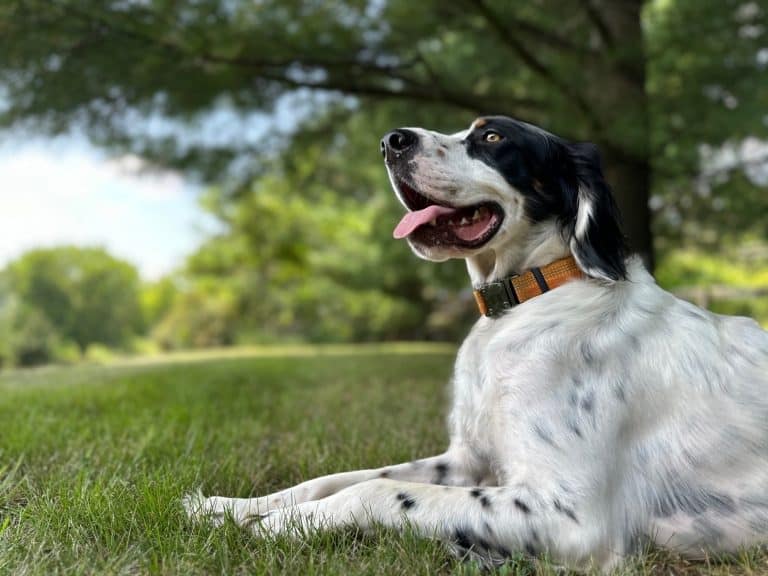
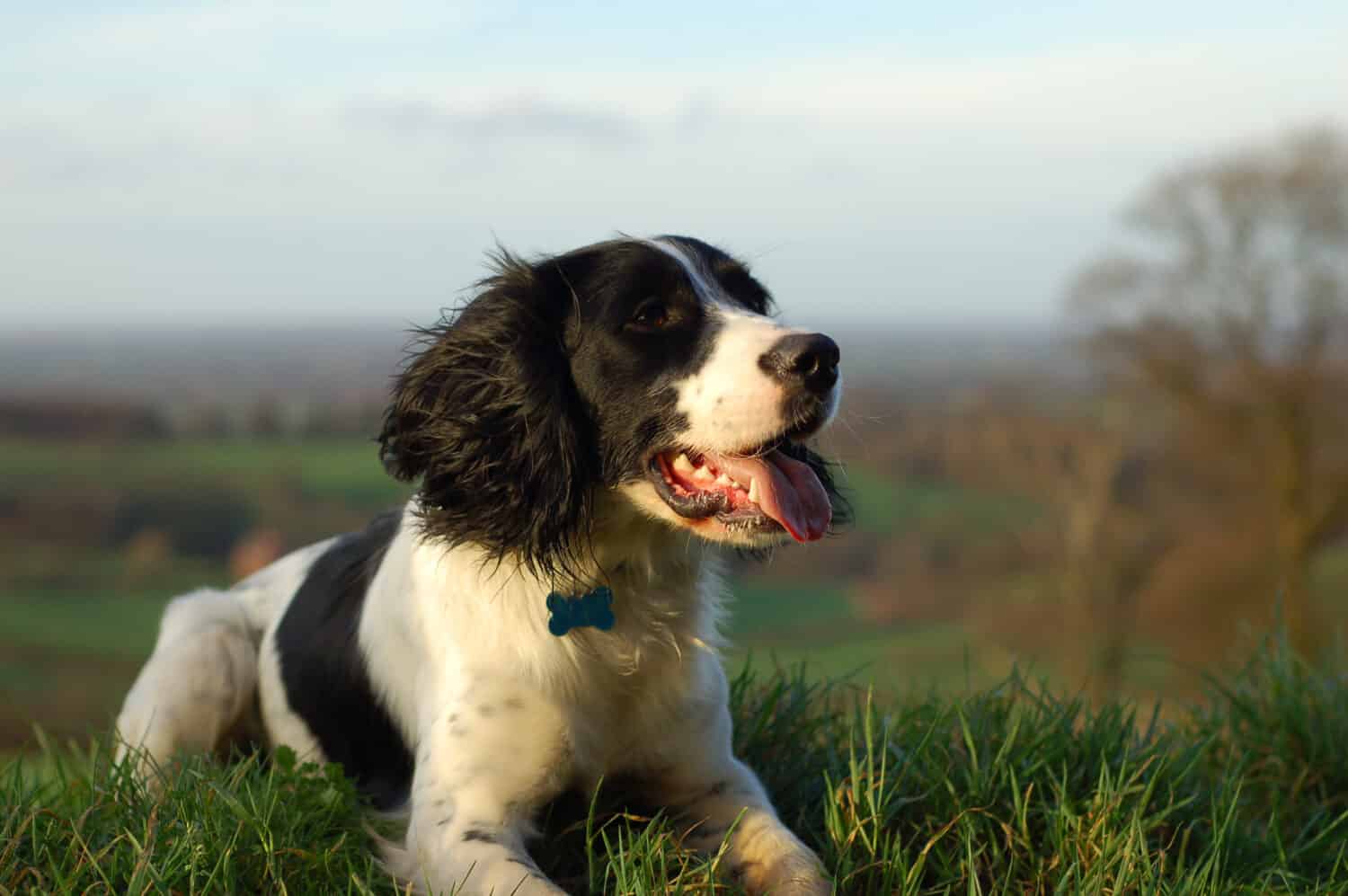
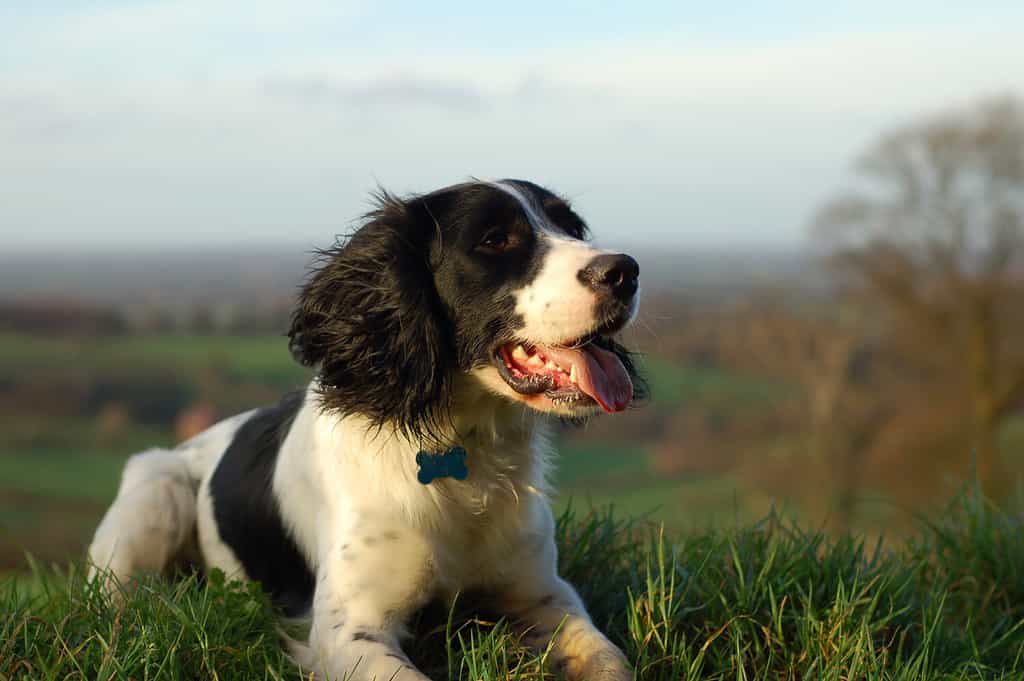
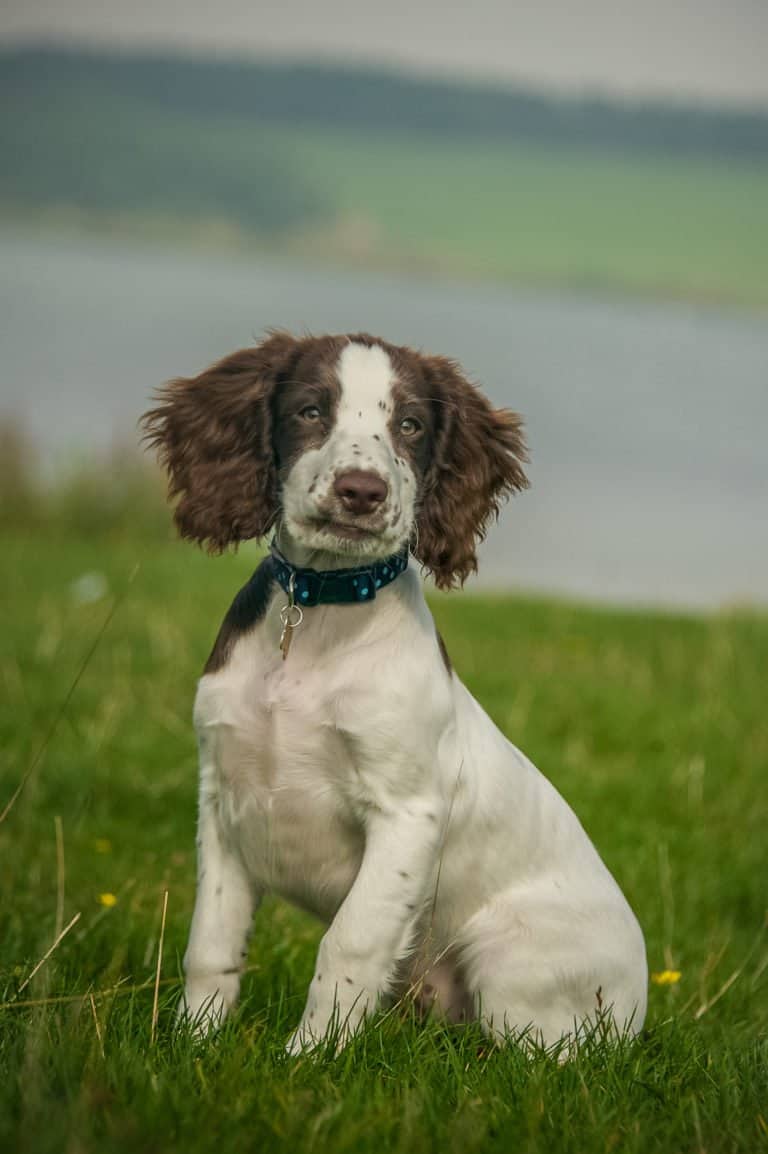
English springer spaniel sitting down looking out over the countryside.

At a Glance

Domesticated
Also Known As Springer, Springer Spaniel, English Springer, ESS
Diet Omnivore
Activity Diurnal+
Lifespan 13 years
Weight 25 lbs
Status Not Evaluated
Did You Know?

"Springer" refers to flushing ("springing") game birds from cover for a hunter.

Scientific Classification

The English Springer Spaniel is a medium-sized gundog breed developed for flushing (“springing”) game for hunters and retrieving, known for high energy, trainability, and strong affiliative temperament.

Kingdom
Animalia
Phylum
Chordata
Class
Mammalia
Order
Carnivora
Family
Canidae
Genus
Canis
Species
lupus

Distinguishing Features

  • Medium-sized, athletic spaniel built for endurance and field work
  • Feathered ears, legs, and chest; long, pendulous ears
  • Common coat pattern: liver-and-white or black-and-white, often with ticking/roaning
  • Strong flushing/quartering instinct; typically eager-to-please and highly trainable

Physical Measurements

Males and females differ in size

Height
1 ft 8 in (1 ft 7 in – 1 ft 8 in)
1 ft 7 in (1 ft 6 in – 1 ft 7 in)
Length
2 ft 1 in (1 ft 12 in – 2 ft 3 in)
Weight
51 lbs (44 lbs – 55 lbs)
45 lbs (40 lbs – 51 lbs)
Tail Length
10 in (9 in – 12 in)
7 in (4 in – 10 in)
Top Speed
30 mph
Fast sprinter, steady trotter

Appearance

Primary Colors
Secondary Colors
Skin Type English Springer Spaniel skin has moderate pigment under a medium-length double coat. Feathered areas can trap moisture and debris. Long, hanging ears and poor airflow make ear canals sensitive and prone to infections.
Distinctive Features
  • Medium-sized, well-proportioned spaniel with long, pendulous, feathered ears and a moderately long, close-fitting coat with distinct feathering on the legs, chest, and ears; commonly black-and-white or liver-and-white (often with ticking/roaning).
  • Medium-sized, athletic, field-oriented build with a slightly longer-than-tall outline; designed for stamina, quick acceleration, and maneuverability in cover rather than sheer speed.
  • Silky, medium-length coat with characteristic feathering on ears, chest, belly, legs, and tail; feathering is a hallmark of the breed's spaniel type and requires regular grooming to prevent mats and burr accumulation.
  • Long, pendulous, set-on ears with heavy feathering; enhances classic spaniel look but predisposes to ear moisture retention and recurrent ear infections-routine ear checks/cleaning and thorough drying after swimming are important.
  • High energy and strong affiliative temperament: typically eager-to-please, social, and highly trainable; needs daily vigorous exercise (running, retrieving, field work, scent games) plus mental enrichment to prevent restlessness or nuisance behaviors.
  • Field coat management needs: regular brushing/combing (especially feathering), periodic trimming of feet/ears/feathering, and prompt removal of seeds/burrs after outdoor work to reduce skin irritation and hotspots.
  • Health concerns seen in the breed: otitis (ear infections), hip dysplasia, eye disorders (e.g., progressive retinal atrophy/cataracts), allergies/skin issues, and occasional autoimmune or endocrine problems; responsible breeding and routine veterinary screening help reduce risk.
  • Nutrition/conditioning considerations: tends to thrive with lean-body conditioning; because of high activity, benefits from measured feeding, joint-friendly conditioning, and avoiding obesity to reduce orthopedic strain.

Sexual Dimorphism

Sexual dimorphism is modest, typical of many domestic dog breeds: males are generally slightly larger and heavier-boned with a broader head/neck; females tend to be a bit lighter and more refined. Coat color/pattern is not sex-linked.

  • Slightly greater height/weight on average; more pronounced head breadth and neck musculature.
  • May carry a more robust chest and bone, especially in working-line individuals.
  • Slightly smaller, lighter frame with a more refined head/neck.
  • Often appears a bit more streamlined while maintaining the same athletic, field-capable structure.

Did You Know?

"Springer" refers to flushing ("springing") game birds from cover for a hunter.

The breed shares roots with early British "land spaniels"; Springers and Cockers were once varieties in the same litters, sorted by size/work.

Many excel beyond hunting-common in scent-detection roles (e.g., explosives, conservation, and medical-detection programs) thanks to strong noses and drive.

Classic colors are liver-and-white or black-and-white, often with ticking/roaning; feathering helps shed water and burrs but needs upkeep.

They tend to be "people-forward" working dogs-highly affiliative and often happiest when included in family routines.

A well-bred Springer is designed for stamina and agility: quartering fields, pushing through bramble, then delivering a gentle retrieve.

Unique Adaptations

  • Selected temperament vs. the base species (gray wolf): reduced wariness and aggression, increased social bonding with humans, and responsiveness to cues-hallmarks of domestication.
  • Field-athletic build: deep chest for aerobic endurance, strong hindquarters for pushing through cover, and efficient gait for long working days.
  • Scent-driven working style: strong olfactory focus and persistence, useful for flushing and modern detection work.
  • Feathered double coat provides weather protection in damp hedgerows and helps channel water off the body; requires regular grooming to prevent matting.
  • Pendulous ears protect the ear canal from debris in brush, but reduce airflow-raising risk of external ear infections without routine cleaning/drying.
  • Trainability shaped by gundog selection: biddability and reliable recall can be outstanding with consistent, reward-based training.

Interesting Behaviors

  • Quartering pattern in front of the handler (sweeping side-to-side) to locate scent and flush birds.
  • Intense "nose-down" investigation on walks; many naturally gravitate to scent games and tracking-style play.
  • Soft-mouth retrieving: carrying toys or dummies carefully and delivering to hand when trained.
  • "Velcro dog" tendency-shadowing family members and seeking frequent social contact.
  • High bounce/enthusiastic greeting and play bows; energy often spikes outdoors, then settles indoors with enough exercise.
  • Ear-scent fixation after wet/field work-shaking and head-tilting are common and can hint at ear irritation if persistent.

Cultural Significance

English Springer Spaniel (Canis lupus familiaris) links to British hunting and gamekeeping. Bred to flush and retrieve in hedgerows and woods, today its good nose, stamina, and teamwork make it a working scent-detection dog and a friendly, active family pet.

Myths & Legends

Old European naming lore links "spaniel" to Spain, reflecting a long-held belief that spaniel-type dogs arrived in Britain from Iberia before becoming distinct local land and water strains.

Medieval hunting literature described "land spaniels" used to drive game from cover, an ancestor concept often cited in traditional accounts of how Springers earned their flushing role.

In British sporting anecdotes, a "good springer" is portrayed as the gamekeeper's near-mind-reading partner-working thick bramble at a hand signal and delivering birds gently, a celebrated ideal in gundog storytelling.

Traditional kennel history tells how Springers and Cockers were once grouped together as land spaniels, with dogs sorted by size and function; the "Springer" identity grew as hunters favored the larger, stronger flushing dog.

Country-house field lore often praises the Springer as a dog that "works for praise as much as prey," a cultural trope emphasizing partnership and cheerful obedience in the shooting field.

Conservation Status

NE Not Evaluated

Has not yet been evaluated against the criteria.

Population Stable

Life Cycle

Birth 6 pups
Lifespan 13 years

Lifespan

In the Wild
12–14 years
In Captivity
10–15 years

Reproduction

Mating System Polygynandry
Social Structure Managed Domestic
Breeding Pattern Transient
Fertilization Managed Selective
Birth Type Managed_selective

English Springer Spaniel (Canis lupus familiaris) breeding is managed by people: planned matings, health testing, and heat timing. Dogs may mate with multiple partners over time; pair bonds are not needed. Puppies are raised by the mother and people, not helpers.

Behavior & Ecology

Social Pack Group: 4
Activity Diurnal, Crepuscular
Diet Omnivore Meat- and fish-based foods (high-value rewards such as cooked poultry, liver treats, or fish-based kibble/treats).

Temperament

Affiliative, people-oriented; strong desire for social contact and cooperative work (more handler-focused than many base-species free-ranging dogs).
High energy and stamina; needs daily vigorous exercise plus structured training/mental work (retrieving games, scentwork, obedience, field-style tasks) to prevent nuisance behaviors.
Biddable and trainable; responds best to positive reinforcement and clear routines - harsh handling can produce avoidance, shutdown, or fear-based reactions.
Playful and mouth-oriented; may carry/hold objects to self-soothe or to initiate interaction-benefits from taught retrieve/"hold" cues and appropriate chew outlets.
Sensitive to isolation; higher risk of separation distress in some lines - gradual alone-time training and enrichment are important.
Generally sociable with dogs and friendly with strangers when well-socialized; can be exuberant/impulsive, so early impulse control and polite greeting training are key.
English Springer Spaniels can get ear infections (droopy ears) making them irritable. Check hips, elbows, eyes (PRA, cataracts). Rare epilepsy or sudden aggression occurs in some lines. Use trusted breeders, get vet checks, handle gently.
Friendly, eager-to-please, and energetic.

Communication

Barking: alert/excitement/frustration; may increase with under-exercise or isolation.
Whining: solicitation for attention, anticipation (leash/food), or stress.
Growling: discomfort, resource guarding, or boundary-setting; often preventable with pain/ear checks and cooperative handling.
Howling: uncommon but may occur in response to triggers (sirens) or social separation in some individuals.
Body language: high tail wag, play bow, loose wiggly posture when social; stiffening/aversive head turn when overwhelmed-important for families to recognize early calming signals.
Close-range check-ins and eye contact: hallmark of breed's cooperative working style; frequently looks back to handler during exploration.
Scent communication: investigative sniffing; urine marking varies by individual and neuter status.
Object-based signaling: brings toys/dummies or 'gifts' to initiate play, bonding, or to request interaction.
Physical contact: leaning, pawing, muzzle nudges; may escalate when needs (exercise, toileting, social time) aren't met.
Retrieving/flush behavior as communication: quick movement into cover/edges and circling back can indicate arousal and desire to work - channel via structured games and cues.

Habitat

Biomes:
Temperate Forest Freshwater Wetland Temperate Grassland Boreal Forest (Taiga) Tundra Desert Hot Mediterranean Marine +3
Terrain:
Plains Hilly Valley Riverine Coastal
Elevation: Up to 16404 ft 3 in

Ecological Role

Human-associated mesopredator/omnivore; primarily a companion and working hunting dog that can locally reduce small-game/pest species under human direction.

hunting assistance: flushing and retrieving downed game pest deterrence/control around rural properties (opportunistic) supporting human livelihoods and recreation (sporting work) companion animal role (social/therapeutic benefits to humans)

Diet Details

Main Prey:
Game birds Rabbits and hares Small rodents
Other Foods:
Berries and other wild fruits Grasses Roots and plant matter Cultivated plant foods

Human Interaction

Domestication Status

Domesticated

English Springer Spaniel (Canis lupus familiaris) is a British gundog bred to spring (flush) and retrieve game. Friendly, eager-to-please, and handler-focused, it needs lots of exercise, training, and grooming. Field and show lines differ in drive and coat. Watch for ear infections, hips, eyes, and skin issues.

Danger Level

Low
  • Bite/scratch risk is generally low but possible if fearful, in pain, poorly socialized, or during resource guarding; excitability can increase incidental nips in adolescence
  • Knock-down risk to small children/elderly due to high energy and jumping
  • Allergic reactions to dander/saliva in sensitive individuals
  • Zoonotic/parasite risks typical of pet dogs (e.g., ticks, fleas, intestinal parasites) if preventives and hygiene are inadequate
  • Road/field safety risks during off-leash activity if recall is unreliable (indirect risk via accidents)

As a Pet

Suitable as Pet

Legality: Generally legal to own as a pet in most jurisdictions; subject to standard local animal control laws (licensing, leash requirements, vaccination/registration) and housing/breed rules that vary by landlord/HOA. Not commonly subject to breed-specific bans.

Care Level: Moderate

Purchase Cost: $100 - $2,500
Lifetime Cost: $20,000 - $45,000

Economic Value

Uses:
Companion animal (family pet) Sport/competition dog (agility, obedience, rally, scent work) Hunting and gundog work (flushing and retrieving) Breeding and showing (conformation/field lines) Veterinary, grooming, boarding/daycare services economy
Products:
  • Puppy sales/adoption placements
  • Stud services and breeding rights
  • Professional training (basic manners to field training)
  • Field trial participation and hunting guide work (where applicable)
  • Grooming services and coat/ear-care products
  • Veterinary care, diagnostics, preventives (vaccines, parasite control)
  • Pet insurance and related financial products
  • Equipment: crates, leashes, e-collars/whistles (use depends on training philosophy), retrieving dummies, scent-work supplies

Relationships

Quick Take

  • Owning this breed requires a strict daily commitment to 2 hours of intense physical activity.
  • The breed’s distinctive drooping ears frequently lead to persistent and painful ear infections.
  • Surprisingly, their elegant long coats do not result in heavy shedding throughout the home.
  • The Shropshire-based Boughey family spent the 19th century perfecting a specific and necessary breeding process.

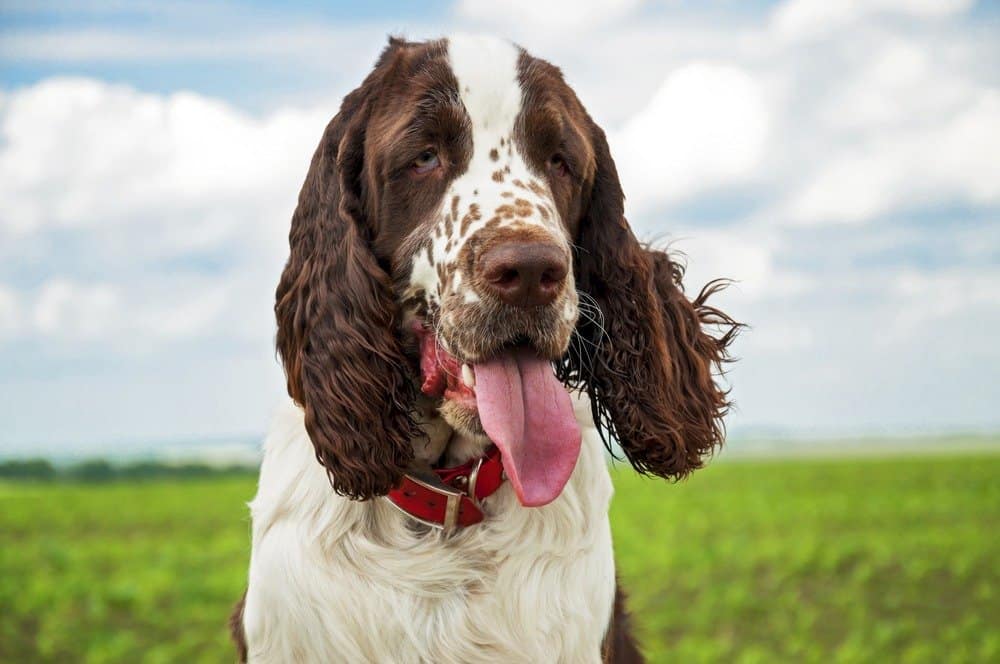
The English Springer Spaniel is a very common breed of gun dog that was originally created in England (probably bred from the Norfolk or Shropshire Spaniels in the mid-19th century) as a hunting companion to flush out and retrieve game. It is characterized by big drooping ears, bright, round eyes, medium-length fur, and elegantly shaped legs. The coat color is typically a combination of black or liver (brown) and white, and may also include blue or liver roan, or tricolor patterns with tan markings.

The name describes both the country of origin and the use for which it was bred. Springer is the name of the tactic (flushing or springing) that it uses to chase birds up into the air. The name spaniel is thought to derive from the Old French ‘espaigneul,’ meaning ‘Spanish (dog),’ reflecting a belief that the type originated in Spain, though the true origins are debated.

There are generally two different types: the bench type and the field type. The bench type is a show dog with a thicker coat and more feathering around the legs. The field type is more of a hunting gun dog with a shorter coat and less feathering. According to the American Kennel Club, it is also one of the more popular breeds in the United States.

A detailed infographic about the English Springer Spaniel breed, showing size and weight charts, pros and cons, and a daily requirement of two hours of intense activity.
High energy, low shedding, and a 19th-century pedigree of perfection. Discover if you have the stamina to keep up with the English Springer Spaniel. © A-Z Animals

3 Pros and Cons of Owning an English Springer Spaniel

ProsCons
Friendly and loyal
The English Springer Spaniel has an obedient temperament, friendly nature, and tireless work ethic.
Requires a task to focus its mind
This breed of dog is alert and vigilant at all times, so it may have some trouble just relaxing.
Athletic and playful
The English Springer Spaniel was originally bred to accompany its owner on the hunt. This translates to a very athletic and energetic breed.
Needs plenty of exercise
This breed is probably not suitable for owners who lack the time or ability to keep the dog engaged with physical activity.
Easy to train
This breed will almost immediately pick up any task you assign it with incredible gusto.
Prone to ear infections
Its big, floppy ears need regular cleaning to prevent infections.

Evolution and Origins

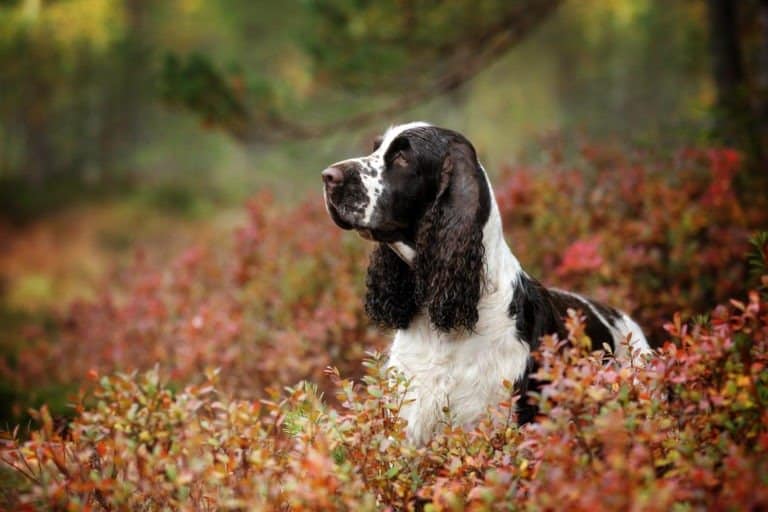
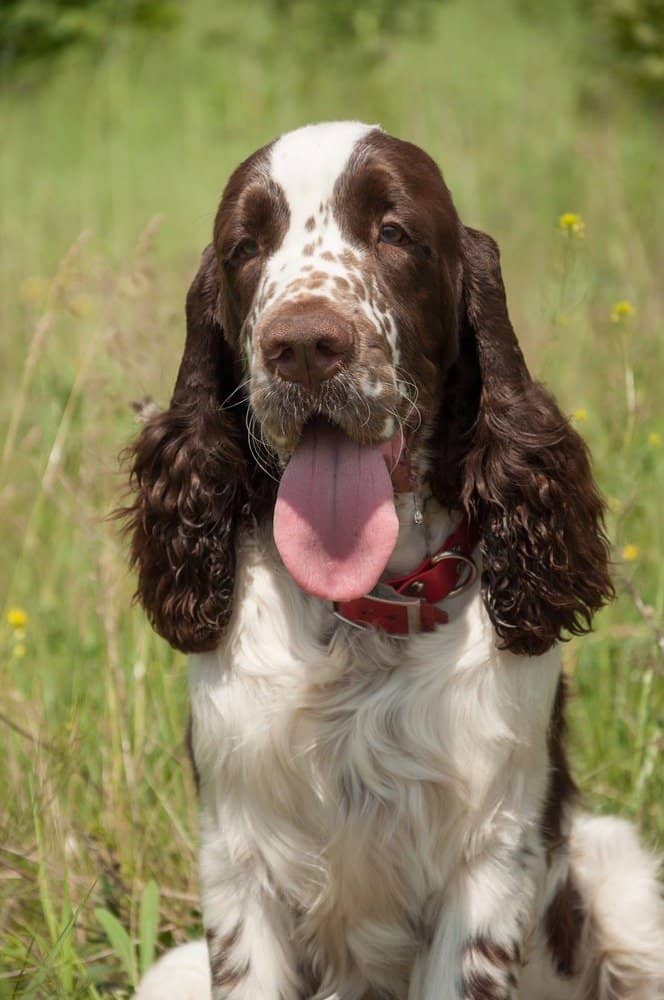
English spring spaniel outside

Once used during hunting, English springer spaniels also serve as K-9 operatives.

The first appearance of English springer spaniels occurred in paintings completed as far back as the 1500s. Those early appearances, notwithstanding, it was only in the 19th century that the breed received a specific name.

During the early 19th century, the Boughey family of Shropshire bred a notable early English Springer Spaniel named ‘Mop 1,’ contributing to the development of the modern breed alongside other breeders. By the 1920s, these pets had become rather popular in the United States.

Currently, these spaniels are especially efficient as K-9 operatives, thanks to their keen intelligence, focus, and excellent sense of smell.

Size and Weight

The English Springer Spaniel is a medium-sized dog with a muscular frame. Males typically reach a height of 20 inches and weigh about 50 pounds, while females are about 19 inches tall and weigh around 40 pounds.

Common Health Issues
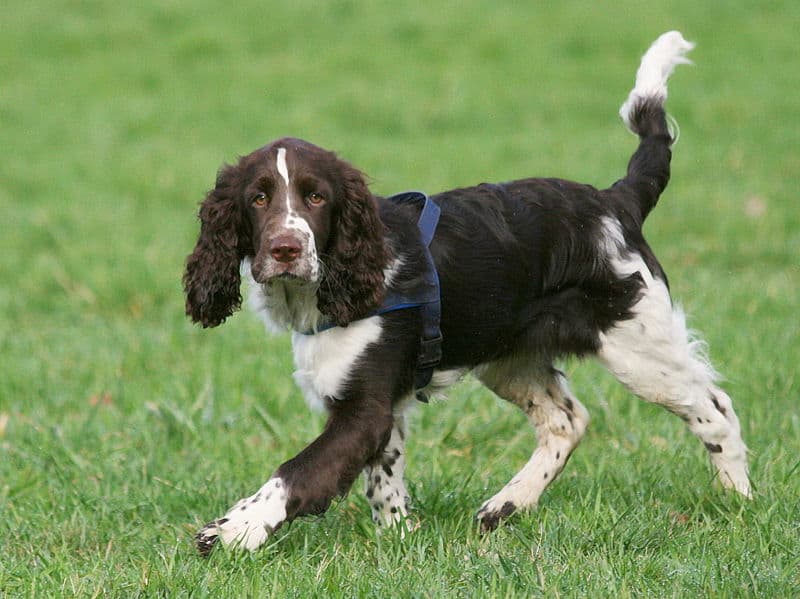
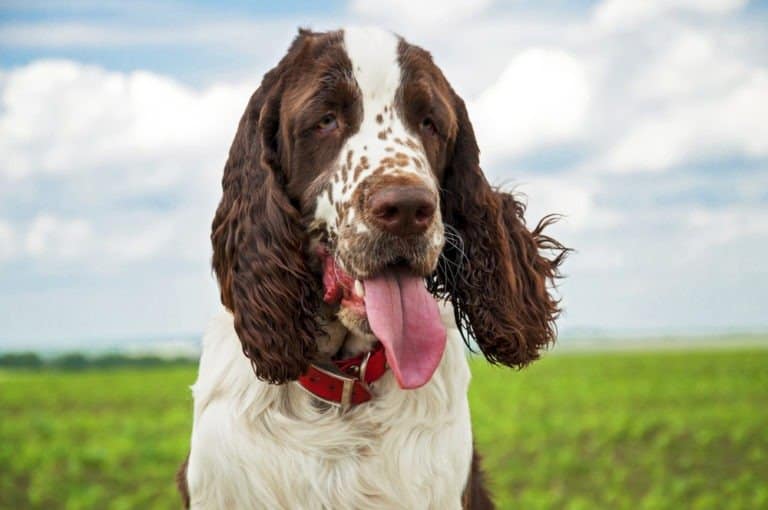
English Springer Spaniel

English Springer Spaniels are prone to hip and elbow dysplasia.

This is a healthy breed of dog with a life expectancy of 12 to 14 years. That does not mean it is free of health problems, however. This breed is prone to many genetic disorders, such as progressive retinal atrophy (the degeneration of the eye), hip dysplasia (a developmental disorder of the hip socket), and elbow dysplasia (a similar condition that affects the elbow joints).

Other potential problems include autoimmune disorders (in which the body’s immune system attacks its own cells), ear infections (especially because of the big, floppy ears), allergic sensitivities, eye problems, and cancer. These problems affect both the bench type and field type in almost equal measure.

Temperament and Behavior
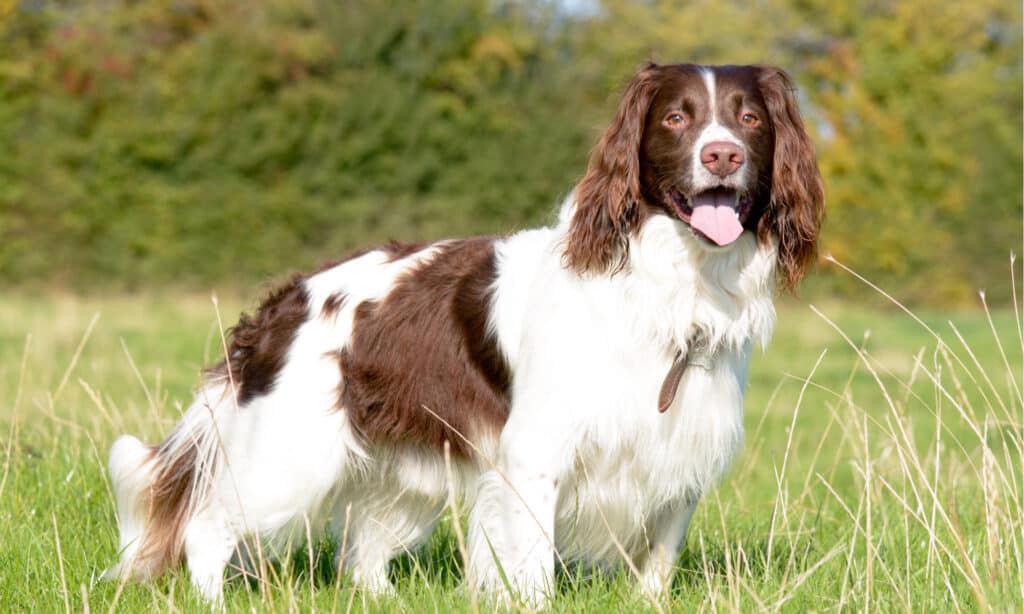
royal canin urinary so dog food

English springer spaniels are highly intelligent, affectionate, and loyal.

The first characteristic you may notice about this breed is the very trusting and sweet eyes. This is perhaps a reflection of the spaniel’s eager personality and obedient behavior. The breed is keenly intelligent, fiercely loyal, and incredibly alert. It wants nothing more than to please its owner by performing tasks with its inspiring can-do spirit. The English Springer Spaniel may have the tendency to single out one person to bond deeply with. It will then suffer from anxiety and worry if it’s separated from its special friend for a long period of time.

The English Springer Spaniel is a very talented hunting gun dog that will find and retrieve game with incredible intelligence and athleticism. You do not necessarily need to take it hunting to enjoy this breed’s presence, but you should make sure that you have plenty of open space and lots of activities for it to do. If it doesn’t have a task to focus on, then it may become slightly lost or anxious.

How to Take Care of an English Springer Spaniel

The English Springer Spaniel is probably not ideal for an owner who wants a low-maintenance dog. It requires a fair amount of time and work to properly care for in terms of meeting its dietary, exercise, and grooming needs. Your pet will need annual checkups at the vet from the time it’s a puppy to catch potential health problems as early as possible.

The Best Dog Food
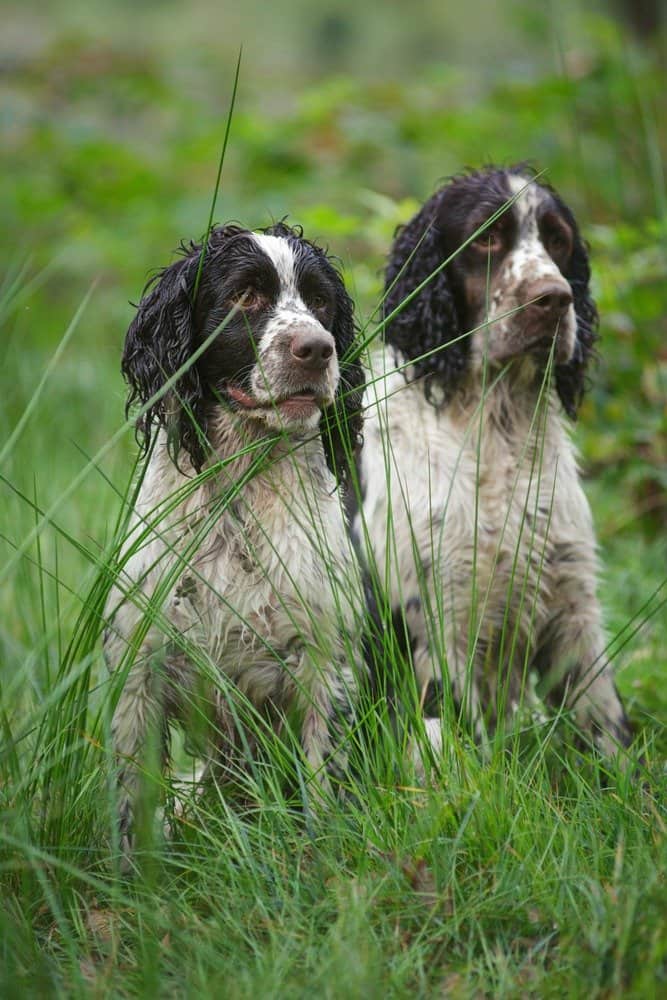
Two English Springer Spaniel dogs

Despite their overall fitness, English springer spaniels may be prone to obesity.

The English Springer Spaniel requires high-quality dog food to support its active lifestyle. Ideally, you should purchase food specifically targeted for the dog’s age and activity level. Also, many allergy-support and limited-ingredient dog foods can help you address any allergies in your dog.

Treats are fine for obedience training as long as you don’t overdo it, and table scraps should be given only rarely. This breed is fairly fit, but it may have a tendency to become overweight. The typical calorie consumption is around 1,300 per day. If you think that your dog is beginning to gain weight, then you should immediately restrict calorie intake or change the dog’s food and eating behavior.

Maintenance and Grooming

Despite the length of its elegant hair, the English Springer Spaniel does not shed heavily. It probably requires no more than a weekly brushing to remove loose hair and dirt and keep the coat healthy and shiny. A slicker brush or metal comb should be sufficient to eliminate any small tangles from the dog’s coat. The areas around the head, neck, tail, and feet may require particular attention. The nails should be trimmed regularly as well to prevent pain and discomfort when the dog is walking or running.

Training

The English Springer Spaniel is a very trainable breed thanks to its deep roots as a hunting dog. Owners should strive to put their dogs through obedience training as early as possible for the best outcomes. Tricks, games, hunting, and other tasks are all activities in which it excels. However, this breed can become easily lost or discouraged without clear directions, so you should endeavor to keep its focus placed squarely on the task in front of it.

Exercise

Due to its energetic nature, regular exercise of at least two hours a day should be sufficient to keep your dog occupied. This breed loves long walks or hikes, swift runs, swimming, toys, ball games, sports, and agility training. Thanks to its versatile nature, the English Springer Spaniel is willing to engage in almost any activity. Although this breed works well in many different types of living situations, the English Springer Spaniel is most ideal for owners with large yards or open spaces nearby.

Puppies

Regardless of its health condition, your new English Springer Spaniel puppy needs an early visit to the vet. This routine examination is necessary to check for common health problems and keep it up to date with vaccinations. If your puppy begins to experience unusual symptoms, such as vomiting, diarrhea, loss of appetite, irregular urination, eye problems, or extreme irritability, then it may be a sign of a more serious condition, and you should have your puppy checked at the vet immediately.

Children
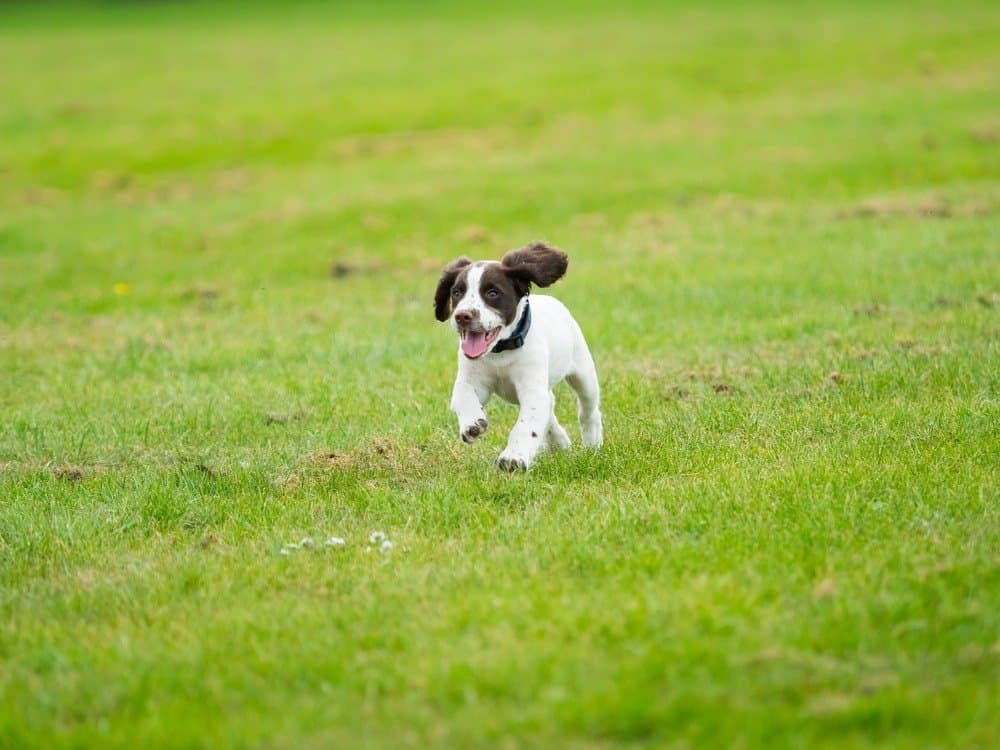
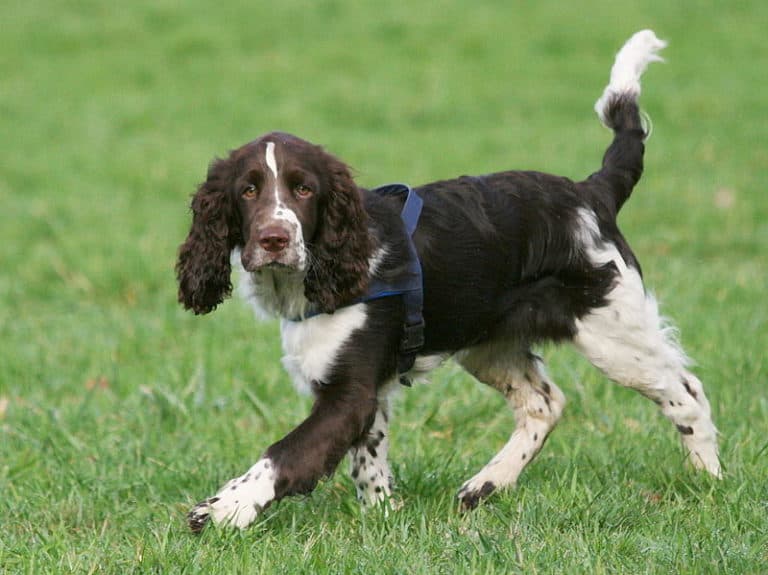
English springer spaniel puppy running in the grass

English springer spaniels are ideal companions for individuals of all ages.

The English Springer Spaniel is a natural friend and companion for all families. This breed will not overwhelm or frighten your children with its size or overly aggressive nature, but it’s also sturdy and good-natured enough to tolerate any rough play. It loves being around people of all ages, and it should be a good opportunity to teach your children a sense of responsibility while taking care of it.

Breeds Similar to the English Springer Spaniel

If you are a fan of spaniels, then you might want to check out the following breeds of dogs:

  • American Cocker Spaniel: Featuring a similar appearance as the springer, the American Cocker Spaniel (and by extension the closely related English Cocker Spaniel) is a sporting dog with an alert and diligent personality. The modern version of this spaniel has been bred more for show than hunting, so it makes for a good family pet.
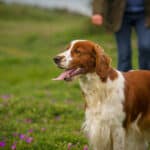
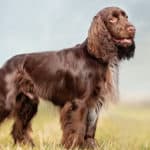
  • Field Spaniel: Featuring big, floppy ears and a darker coat compared to the typical spaniel, this breed was designed more as a show dog than a hunting dog. With its intelligent, loyal, and friendly personality, it is a good companion dog for the entire family.
  • Cavalier King Charles Spaniel: This breed combines the gentleness of a toy dog with the athleticism and alertness of a hunting dog. Its affectionate nature makes it a good overall companion for the entire family.

Famous English Springer Spaniels

The English Springer Spaniel is a fairly common breed with an excellent historical pedigree. Some of the most famous individuals are listed below.

  • President George W. Bush owned an English Springer Spaniel named Spot Fetcher between 1989 and its death in 2004. She was the daughter of another famous spaniel called Millie, which belonged to President George H. W. Bush in the 1980s.
  • Other famous owners include the singer Bing Crosby and the Princess of Monaco, Grace Kelly.
  • Buster, an English Springer Spaniel, was awarded the British Dickin Medal for devotion to duty in military conflict.
View all 185 animals that start with E

Sources

  1. American Kennel Club / Accessed September 10, 2018
  2. Borrow My Doggy / Accessed September 10, 2018
Dana Mayor

About the Author

Dana Mayor

I love good books and the occasional cartoon. I am also endlessly intrigued with the beauty of nature and find hummingbirds, puppies, and marine wildlife to be the most magical creatures of all.
Connect:

Thank you for reading! Have some feedback for us?


English Springer Spaniel FAQs (Frequently Asked Questions)

The English Springer Spaniel is a solid family dog that exhibits a friendly disposition to adults, children, dogs, and many other pets. After a brief adjustment period, you should not have many problems integrating a well-behaved spaniel into your home.