E
Species Profile

Entlebucher Mountain Dog

Canis lupus familiaris

Swiss grit in a compact herder
otsphoto/Shutterstock.com

Entlebucher Mountain Dog Distribution

Click a location to explore more animals from that region

Origin Location

This map shows the native origin of the Entlebucher Mountain Dog. As a domesticated species, they are now found worldwide.

Loading map...

Found in 1 country

Size Comparison

Human 5'8"
Entlebucher Mountain Dog 1 ft 6 in

Entlebucher Mountain Dog stands at 26% of average human height.

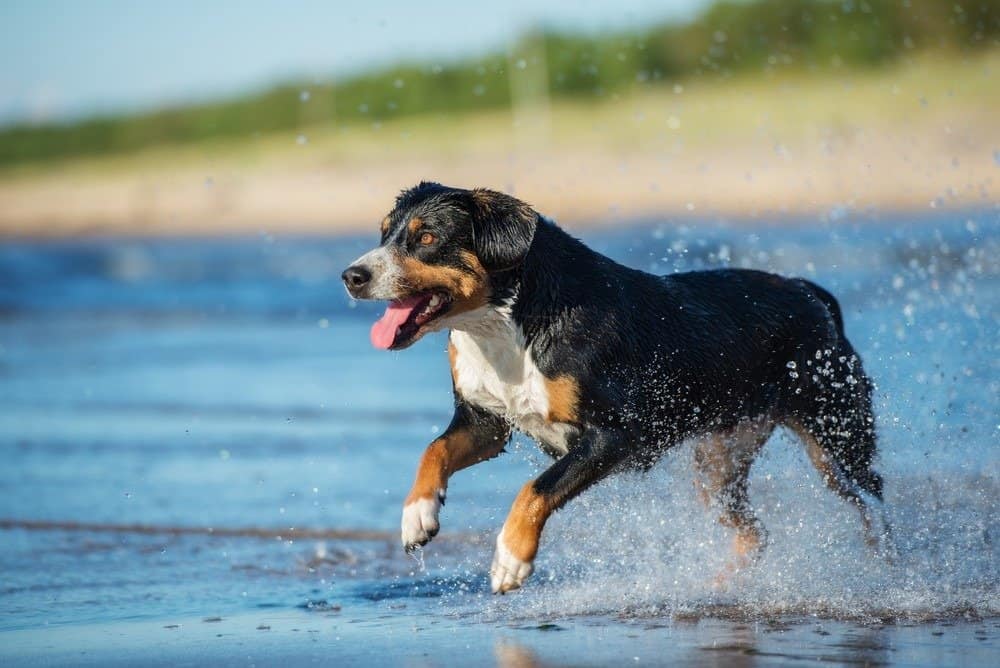
Entlebucher mountain dog running on a beach

At a Glance

Domesticated
Also Known As Entlebucher Sennenhund, Entlebucher, Entlebucher Cattle Dog, Bouvier d'Entlebuch
Diet Omnivore
Activity Diurnal+
Lifespan 3 years
Weight 30 lbs
Status Not Evaluated
Did You Know?

It's the smallest of the four Swiss mountain dog breeds: Entlebucher, Appenzeller, Bernese, and Greater Swiss.

Scientific Classification

The Entlebucher Mountain Dog is a medium-sized Swiss herding and farm-utility dog breed (Sennenhund type), historically used for driving cattle and general farm work. It is an athletic, intelligent, high-energy companion suited to active handling and training.

Kingdom
Animalia
Phylum
Chordata
Class
Mammalia
Order
Carnivora
Family
Canidae
Genus
Canis
Species
Canis lupus

Distinguishing Features

  • Medium-sized, compact, athletic build (smallest of the four Swiss mountain dog breeds)
  • Typically tricolor coat (black with tan and white markings)
  • Short, smooth double coat
  • Historically a cattle-driving/herding working style; alert, agile, and vocal tendencies can occur
  • Often described as highly trainable but needing substantial exercise and mental stimulation

Physical Measurements

Males and females differ in size

Height
1 ft 7 in (1 ft 5 in – 1 ft 8 in)
1 ft 6 in (1 ft 5 in – 1 ft 8 in)
Length
2 ft 11 in (2 ft 6 in – 3 ft 5 in)
2 ft 7 in (2 ft 4 in – 2 ft 11 in)
Weight
61 lbs (55 lbs – 66 lbs)
49 lbs (40 lbs – 55 lbs)
Tail Length
Up to 1 ft 2 in
11 in (9 in – 1 ft 1 in)
Top Speed
28 mph
Quick, no measured top speed

Appearance

Primary Colors
Secondary Colors
Skin Type Mammalian skin with a short, close-lying double coat (dense undercoat with a sleek topcoat). Skin is generally tight and protective; coat is weather-resistant for farm and outdoor work.
Distinctive Features
  • Domestic dog breed (Canis lupus familiaris) shaped by selective breeding for Swiss cattle-driving and farm utility-more compact, athletic, and purpose-built than the generalized domestic dog type.
  • Medium-sized, sturdy, muscular, slightly longer-than-tall silhouette; built for endurance, agility, and quick directional changes while herding/driving livestock.
  • Short, glossy coat (occasionally slightly harsher in texture) that sheds seasonally; less feathering than long-coated Swiss mountain dog breeds (e.g., Bernese).
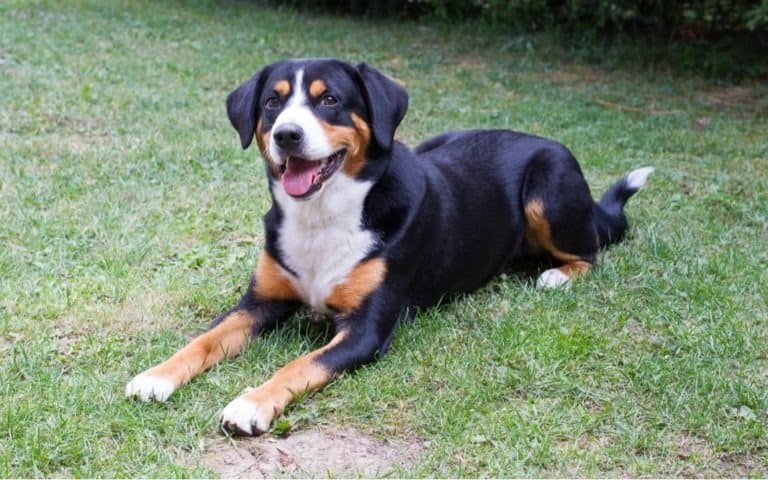
  • Characteristic wedge-shaped head with a moderate stop; alert expression; medium, triangular drop ears set high and carried close to the head.
  • Tail typically carried low at rest and raised in motion; can be naturally long (breed standards vary by region regarding tail presentation).
  • Temperament-linked appearance cues: bright, attentive demeanor; ready-to-work posture; often visibly energetic and reactive to movement due to herding instincts.
  • Breed-specific care needs: requires substantial daily exercise and structured training/mental work (obedience, herding-style games, scent work, agility) to prevent boredom-driven behaviors.
  • Coat care is relatively low-maintenance (regular brushing, more during shedding seasons); benefits from routine nail/ear care due to active lifestyle.
  • Health issues include joint problems (hip dysplasia, patellar luxation), eye disease (progressive retinal atrophy), and urinary problems (ectopic ureters, incontinence). Regular health checks and careful breeding help reduce risk.

Sexual Dimorphism

Sexual dimorphism is moderate: males are typically more robust with heavier bone and broader head/neck; females are usually slightly lighter and more refined while maintaining the same tricolor pattern and athletic build.

  • Broader head and muzzle; thicker neck and more pronounced forechest.
  • Overall heavier bone and musculature; more substantial appearance.
  • Slightly finer head and lighter build; often a more streamlined outline.
  • Same characteristic tricolor markings; typically less bulky through neck/forequarters.

Did You Know?

It's the smallest of the four Swiss mountain dog breeds: Entlebucher, Appenzeller, Bernese, and Greater Swiss.

Named for Switzerland's Entlebuch valley (canton of Lucerne), where it worked as an all-purpose farm and droving dog.

Bred to drive cattle (often from behind), many Entlebuchers show a classic "heeler" style-quickly targeting the hind legs to move stock.

The breed's hallmark look is a short, dense double coat with a tricolor pattern: black base with rich tan points and clear white markings.

Some Entlebuchers are born with naturally short tails; historically, tails were also docked in some regions to avoid injuries during farm work.

As a domestic dog (Canis lupus familiaris), it shares wolf ancestry (Canis lupus) but was selectively shaped for human-guided herding, high trainability, and close household bonding.

Unique Adaptations

  • Compact, muscular build with a low center of gravity-useful for quick acceleration, bracing, and agile stock work.
  • Weather-ready double coat: the short topcoat and dense undercoat help handle wet, cool Alpine conditions with relatively easy grooming.
  • Endurance suited to long farm days: bred for repeated bouts of trotting, circling, and driving livestock rather than brief sprints.
  • Human-cooperative temperament: selective breeding emphasized responsiveness to direction (a key difference from wild-type canids that work independently for survival).

Interesting Behaviors

  • Tight, fast herding turns: they pivot quickly to control cattle movement in narrow farm lanes and alpine paths.
  • "Shadowing" their person: many are notably handler-focused and prefer staying close, especially when working or training.
  • Alert barking and watchdog scanning: they often post up at windows/doors and announce changes in their environment.
  • High object-drive: they may carry, tug, or "job" with toys and tools-an outlet for working-dog instincts.
  • Motion sensitivity: cyclists, runners, and moving animals can trigger herding behaviors unless trained and managed.
  • Problem-solving persistence: if under-stimulated, they may invent tasks (opening doors, rearranging items) or become noisy/chewy.

Cultural Significance

The Entlebucher Mountain Dog (Canis lupus familiaris) is part of Switzerland's mountain-dog heritage. Herders used it in the Alps to drive cattle, guard farms, and do many jobs. It links to transhumance (seasonal livestock movement) and still works in dog sports and active homes.

Myths & Legends

The Entlebucher Mountain Dog is named for the Entlebuch valley. Locals and breed stories link the dog to that region, showing pride in local farm life and livestock work.

Swiss herdsmen tell stories of mountain dogs as vital farm partners: driving cattle to pasture or market, keeping order among livestock, and the famous 'farm dog who always knows the road home.'

In the early 1900s, Swiss dog experts and fans who studied mountain dog types are often credited with saving the Entlebucher Mountain Dog from near vanishing when modern farming cut demand for droving dogs.

Entlebucher Mountain Dog (Canis lupus familiaris): In Alpine and Central Europe, steady cattle dogs were seen as signs of a well-run farm. Families valued reliable drovers and passed them down as family good luck.

Conservation Status

NE Not Evaluated

Has not yet been evaluated against the criteria.

Population Stable

Life Cycle

Birth 5 pups
Lifespan 3 years

Lifespan

In the Wild
1–10 years
In Captivity
11–15 years

Reproduction

Mating System Polygyny
Social Structure Managed Domestic
Breeding Pattern Serial
Fertilization Managed Selective
Birth Type Internal_fertilization

Entlebucher Mountain Dogs are bred by people, not like wolf packs. Mating is human-managed, selective, and often polygynous: popular male studs sire many litters while females have few. Pairings are planned, serial, and pups are raised by the mother (dam) and people.

Behavior & Ecology

Social Pack Group: 4
Activity Diurnal, Crepuscular
Diet Omnivore Meat-forward, high-quality complete diet (often most motivating as training rewards: cooked lean meat such as chicken or beef, used sparingly)

Temperament

High-energy, athletic, work-driven; distinguishes the breed from the general pet-dog baseline by stronger herding/utility instincts and a higher daily activity requirement.
Intelligent, biddable, and fast-learning; thrives with structured training (obedience, herding, agility, scent work) and clear boundaries.
Alert and watchful; can be reserved with strangers compared with many companion breeds-early, positive socialization is important to prevent fearfulness or reactivity.
Confident and devoted; may be protective and prone to 'patrolling' behavior in the home/yard, especially without adequate mental work.
Can be mouthy or heel-nippy as an expression of herding drive; needs impulse-control training and appropriate outlets.
HUBS (group-level): generally social with familiar people/dogs; variation ranges from very outgoing to cautious-strongly influenced by breeder lines, early handling, and adolescent training consistency.
Care requirements (breed-specific): needs substantial daily aerobic exercise plus problem-solving work; does poorly with long, inactive confinement and may develop nuisance behaviors (barking, pacing, destructiveness).
Care requirements: benefits from a job-like routine, reward-based training, and managed greeting protocols; secure fencing recommended due to chase/herding tendencies.
Health concerns (breed-specific, not exhaustive): orthopedic risk (hip dysplasia/degenerative joint issues) and possible patellar concerns; keep lean body condition and avoid repetitive high-impact exercise during growth.
Health concerns: progressive retinal atrophy (PRA) and other inherited eye issues reported in the breed; routine ophthalmic screening and reputable health-tested breeding are important.
Health concerns: urinary stone disease (including cystinuria reported in some lines) and other breed-linked conditions; monitor urinary signs, ensure hydration, and consult a vet on diet if predisposed.

Communication

Alert barking Notably when monitoring property, novel sounds, or approaching strangers
Excited yips/short barks during play or work transitions
Low growl/grumble as a warning when uncomfortable Often preventable with early socialization and consent-based handling
Whining/soft vocalizations for attention or anticipation Work/play cues
Body posture: forward-leaning, intense stare, and quick directional changes when 'working' or attempting to control movement Herding expression
Mouth/heel-directed behavior: nipping at moving ankles/heels can be communicative (drive/over-arousal) rather than aggression; requires training/redirection.
Tail/ear signals: high carriage and stiff tail during alertness; relaxed tail and loose body during affiliative contact.
Scent marking and investigation: typical canine olfactory communication; may increase marking during adolescence or in multi-dog settings.
Physical contact: leaning, pawing, and close following to maintain social proximity with family/handler Breed-typical attachment
Play signals: bows, bouncy gait, and 'chase invitations'; may escalate to controlling/circling if under-stimulated-manage with structured play and cue-based starts/stops.

Habitat

Mountain Alpine Meadow Agricultural/Farmland Suburban Urban Coniferous Forest Deciduous Forest Woodland Grassland Tundra Shrubland Desert Wetland Coastal +8
Biomes:
Alpine Temperate Forest Temperate Grassland Mediterranean Desert Hot Desert Cold Savanna Tropical Dry Forest Tropical Rainforest Freshwater Wetland Marine +6
Terrain:
Mountainous Hilly Valley Plains Riverine
Elevation: Up to 18044 ft 8 in

Ecological Role

Human-associated working companion (herding/farm utility) rather than a natural apex predator; its diet and impacts are largely human-mediated compared with the wild wolf.

Livestock herding and farm utility work (indirectly supporting agricultural systems) Companionship and working-dog roles that reduce the need for mechanized herding Potential negative ecological impact if unmanaged (predation/harassment of small wildlife), mitigated by responsible containment and feeding

Diet Details

Main Prey:
Domestic livestock-derived meats Small mammals Birds and eggs Fish Carrion/food scraps
Other Foods:
Cooked vegetables Fruits Grains and starches Grasses and other plant matter Commercial dog food

Human Interaction

Domestication Status

Domesticated

Entlebucher Mountain Dog (Canis lupus familiaris) is a fully domesticated Swiss farm and cattle-droving dog from Entlebuch. Humans bred it for strong work drive, herding and heel-nipping, athletic build, and alertness. It bonds to a main handler, needs lots of exercise and training, and faces breed health risks (hips, eyes, knees).

Danger Level

Low
  • Herding behavior (heel-nipping/chasing), especially toward running children or unfamiliar visitors if under-trained
  • Accidental knocks or scratches due to high energy and athletic movement
  • Defensive biting risk if fearful, poorly socialized, in pain, or mishandled (as with most breeds)
  • Increased reactivity risk if insufficient exercise/mental stimulation leads to frustration

As a Pet

Suitable as Pet

Legality: Entlebucher Mountain Dog (Canis lupus familiaris) is usually legal to own in the United States and most places. Normal local rules apply (license, leash, rabies shot). HOA or landlord rules may limit ownership.

Care Level: Experienced

Purchase Cost: $800 - $2,500
Lifetime Cost: $18,000 - $40,000

Economic Value

Uses:
Livestock herding and farm utility work Companion animal market Dog sports and training services Breeding (registered litters, stud services) Working-dog education and equipment
Products:
  • Cattle droving/herding labor (on-farm services)
  • Puppy sales from registered breeders
  • Stud fees and breeding rights
  • Professional training/behavior services and classes
  • Competition participation (agility/obedience/rally) driving related spending on gear, travel, and entry fees

Relationships

Ecological Equivalents 6

Animals that fill a similar ecological role in their ecosystem

Quick Take

  • Maintaining a 66 lb athletic frame requires meeting a strict 1-hour daily physical output standard.
  • The Progressive Retinal Atrophy gene triggers a total loss of vision as early as age 6.
  • Ironically, this short-coated breed produces heavy shedding that complicates standard maintenance.
  • Implementing early social circle exposure is mandatory to bypass innate stubborn resistance to training.

The Entlebucher mountain dogs, also known as the Entlebucher Sennenhund, are medium-sized dogs. The name Sennenhund comes from the people of the region who are called Senn. These dogs help the Senn in their work as herders in the Entlebuch region, in the canton of Lucerne, in the Swiss Alps.

There are four Swiss mountain dogs or Sennenhunds:

During the 1800s, these dogs were very similar and not regarded as separate breeds. Through the years, though, they have developed into four different types. The Entlebucher is the smallest of the four.

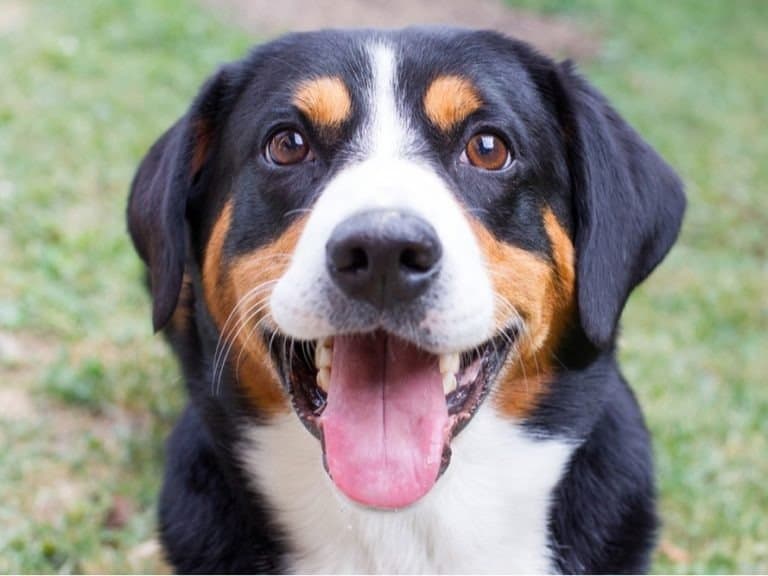
Entlebucher Sennenhund dogs are tricolor “laughing dogs,” and their strong build and alertness make them impressively diligent cattle movers. They are often high in spirits, and they tend to be active and energetic in their overall disposition. They find happiness in performing tasks that they are asked to do.

These dogs can often be found in both purebred adoption centers and rescue shelters, finding a home quickly with their stubborn yet sweet personality.

A comprehensive infographic about the Entlebucher Mountain Dog featuring icons for its athletic needs, health issues, and comparison to other Swiss mountain dogs.
Don't let the short coat fool you—this high-energy herder brings heavy shedding and a stubborn streak that demands expert training. © A-Z Animals

3 Pros and Cons of Ownership

ProsCons
Athletic: If you are looking for a dog that is athletic and sturdy, this would be a perfect choice.High exercise requirements: These dogs have high exercise requirements and can get demanding in the long run.
Low grooming needs: These dogs have low grooming needs and have a short coat, which is easy to maintain.Suspicious: These dogs can get extremely suspicious of strangers. They are a mix of a stubborn and sweet nature.
Great watchdogs: These dogs make great watchdogs so if you are looking for such a dog, this would be a good choice.Barking: If you are looking for a quiet dog, this might not be your best pick, as these dogs bark excessively. While training is possible, they prefer to be vocal.

Size and Weight

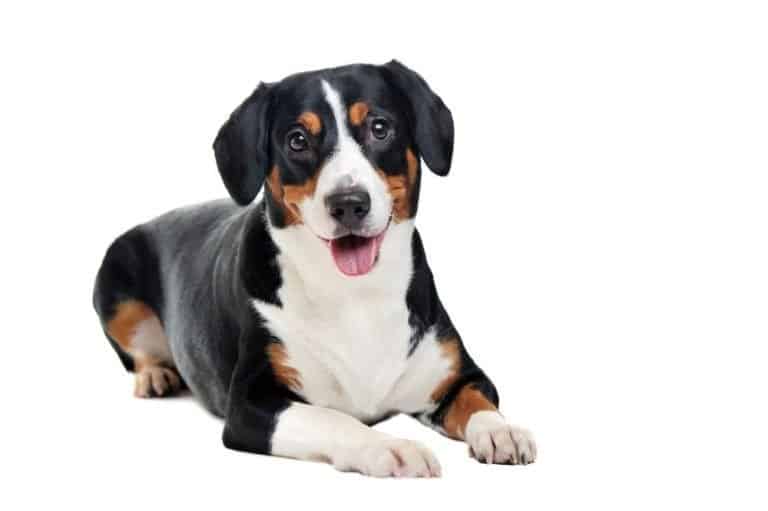
The Entlebucher mountain dog is a medium-sized dog, giving them a slightly bigger build than a terrier for a sturdier appearance. The females are about 16 to 19 inches in size, while the males are about 17 to 20 inches. Meanwhile, both the female and male Entlebucher mountain dogs weigh around 44 to 66 lbs., matching each other’s weight fairly closely (with some variations).

Common Health Issues

To properly understand the Entlebucher mountain dog, there are some health risks that you need to keep in mind. Hip dysplasia is one of the most common conditions, though it is fairly typical for dogs with this body type to endure. The condition essentially means that the hip joint is not properly aligned, and it comes with old age.

Blindness is another cause for concern with the breed. More specifically, their genetics put them at risk for Progressive Retinal Atrophy, which can occur late or early in life. On average, if the dog has this genetic problem, vision will deteriorate as early as age 6 before eventually progressing to complete blindness.

With improper dieting, bloating and torsion are major risks for the Entlebucher mountain dog. This condition is common amongst dog breeds that have a deep chest, and it is caused by a certain combination of food, fluid, and air that collects in the stomach at the same time.

Temperament
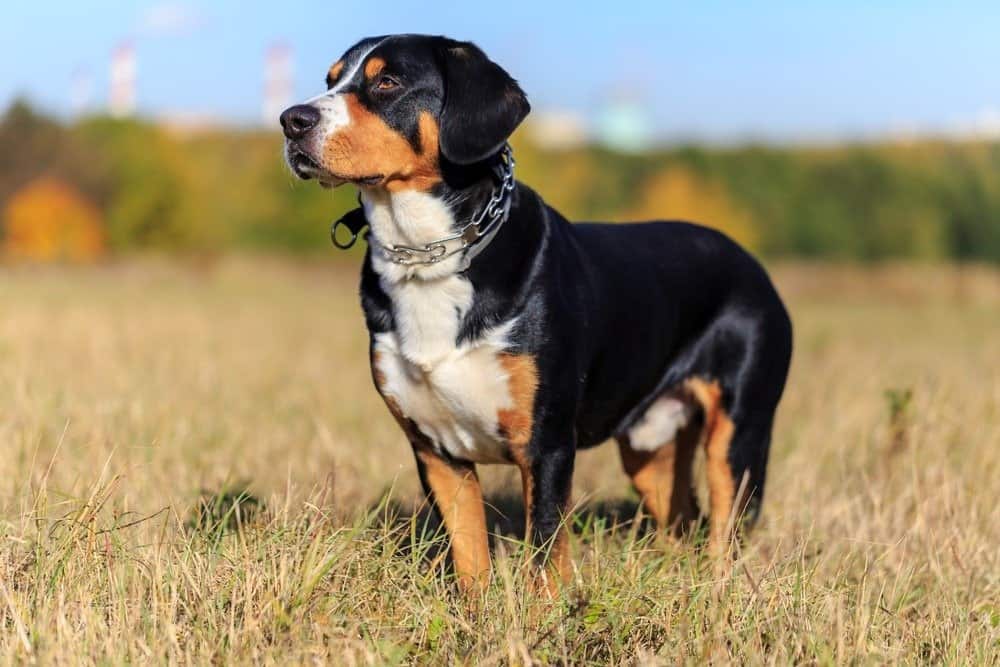
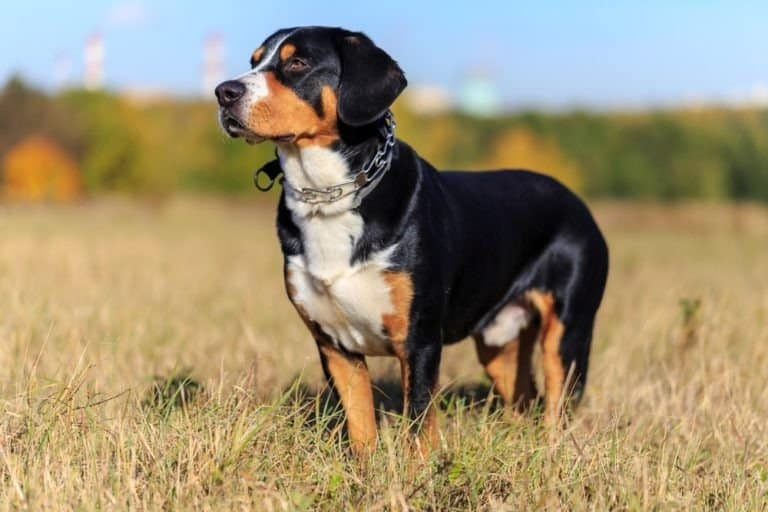
Entlebucher mountain dog standing in field

Entlebucher mountain dogs are very protective of their owners. They have sweet and stubborn personalities.

These dogs are incredibly energetic, sturdy, and tough in nature. They are great with families, especially with those who have older children. These dogs are extremely protective of their owners. They have a mix of stubborn and sweet in their personality, which is part of their appeal.

They are also affectionate and loyal towards the families with whom they live. However, these dogs can turn abruptly aggressive towards strangers or other dogs.

To avoid their negative behaviors, these dogs must be introduced to social circles early on in life. The dogs, however, are stubborn and can make training a huge task for the owner. They are intelligent and can also become bored easily. Nowadays, they can be found in adoption centers and rescue shelters.

Care

Adopting one of these pups is a big decision, and they have many needs to be met. Here are some of the things you should know before adopting an Entlebucher mountain dog:

Best Dog Food

Owing to the energy levels that these dogs have, they should be fed foods that are high in protein as well as of high quality. However, overfeeding could lead to a lot of health problems for your dog. Though many breeds can simply survive on the typical foods in kibble, enthusiasts recommend only feeding these dogs the foods that are recommended by the Association of American Feed Control Officials (AAFCO).

Common foods that you can feed these dogs are chicken, dairy, wheat, pork, and rabbit meat. However, since Entlebucher mountain dogs can have allergies like any other dog, check with a veterinarian if they have a bad reaction. Avoid foods like onions, garlic, and pork, as these foods generally irritate the stomach lining and cannot be processed by the digestive system.

Maintenance and Grooming

Entlebucher Mountain Dogs have a double layer of coat, so they shed heavily sometimes.

These dogs have a double layer of coat, and although the hair is short, it could get difficult to maintain and groom these dogs. You would at least need to brush the coat once every week to remove dead hair and straighten out the coat.

Although these dogs are very clean, they can shed heavily during some seasons. A de-shedding brush found from nearly any local pet store should work, but they can be groomed by a professional, if needed. Be aware that these dogs can be aggressive with strangers, so an introduction may be helpful.

You would also need to bathe your Entlebucher mountain dogs every three months to keep them clean.

Training

These dogs are intelligent, which means that they pick up commands quickly. However, they are sometimes also stubborn, which can make training harder in the long run.

To make things easier for yourself, you could start your dog’s training early in life so that the puppy develops good habits.

Exercise

These dogs are highly energetic, which means that they need a great amount of exercise. These dogs need at least one hour of exercise daily, which can be in the form of a walk, playing outside, or a trip to a local dog park.

Any lack of exercise in their routine could lead to problems like chewing non-food items, scratching on doors, and tearing up the home. They need to be stimulated, and exercise is the best way to accomplish that feat.

Puppies

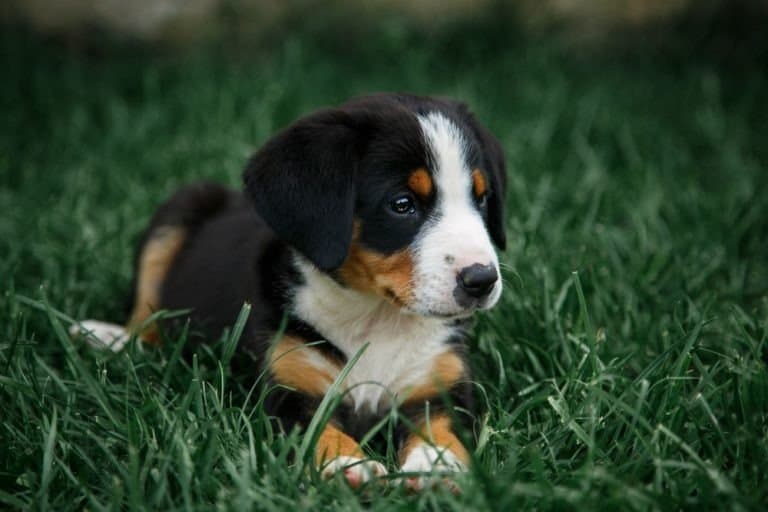
Entlebucher Mountain Dog puppy lying in grass

An Entlebucher mountain puppy should start its training as soon as you bring it home.

The Entlebucher mountain dog puppies should be trained from early on in life so that training them becomes easier with time. These dogs are also to be fed in small quantities when they are young, as their small stomachs are unable to digest a lot of food in one go. Make sure to feed them multiple small meals a day to prevent regurgitation and inadequate nutrition.

Children

These dogs are great with families that have older children. With their playful nature, children of all ages will enjoy their company. If this playful attitude isn’t properly controlled, and children aren’t taught the proper limitations, the dog may get ahead of itself without meaning to become aggressive. However, this dog likely only gets overly excited as it has more fun, so you may want to give the pup some gentle guidance for the future.

Similar Dogs

As beautiful as these dogs may be, the price or the general disposition may not be the right match for you. For anyone who still wants to adopt a new pet, here are some dogs that are similar to the Entlebucher mountain dogs:

  • Bernese mountain dogs: These dogs thrive best in cold weather and are affectionate towards the families they live with. This dog’s markings are strikingly close to those of the Entlebucher mountain dog.
  • Greater Swiss Mountain Dog: These dogs are great with children and are highly protective of the families that they live with. They are also incredibly affectionate.
  • Bullmastiff: These dogs are friendly, loyal, and affectionate towards their owners’ families. Unlike the Entlebucher mountain dog, they are fairly quiet, barely barking at all throughout the day.
View all 185 animals that start with E

Sources

  1. Wikipedia / Accessed December 18, 2020
  2. American Kennel Club / Accessed December 18, 2020
  3. Your Pure Bred Puppy / Accessed December 18, 2020
  4. The Spruce Pets / Accessed December 18, 2020
  5. Dog Zone / Accessed December 18, 2020
  6. Alfie's Blog / Accessed December 18, 2020
  7. Dogell / Accessed December 18, 2020
Thank you for reading! Have some feedback for us?


Entlebucher Mountain Dog FAQs (Frequently Asked Questions)

These dogs have a price tag of $1,400 to $2,200. The price goes up with various food and grooming, adding up to about $15,000 a year.