

E
Species Profile

Estrela Mountain Dog

Canis lupus familiaris

Serra Sentinel, Family Guardian
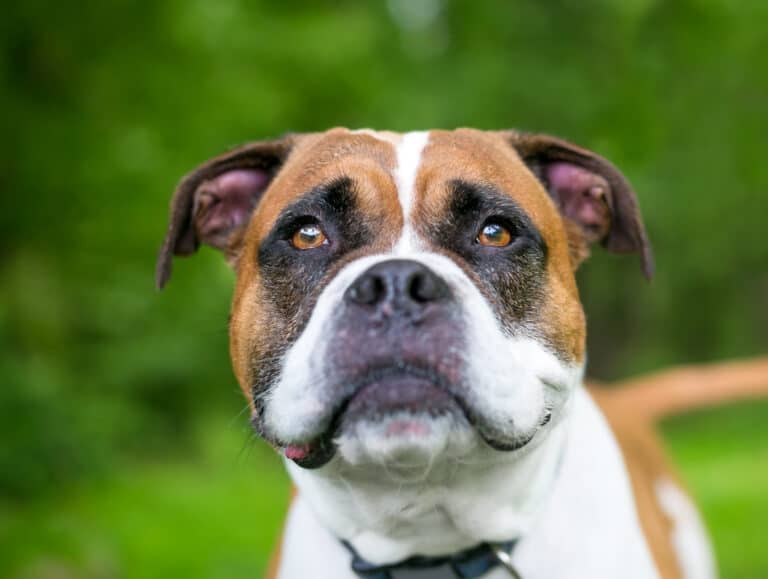
Oliver OB/Shutterstock.com

Estrela Mountain Dog Distribution

Click a location to explore more animals from that region

Origin Location

This map shows the native origin of the Estrela Mountain Dog. As a domesticated species, they are now found worldwide.

Loading map...

Found in 1 country

Size Comparison

Human 5'8"
Estrela Mountain Dog 2 ft 2 in

Estrela Mountain Dog stands at 39% of average human height.

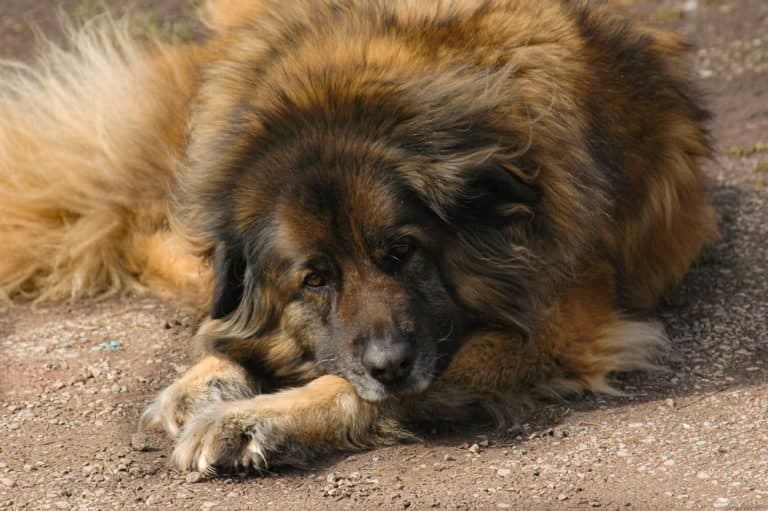
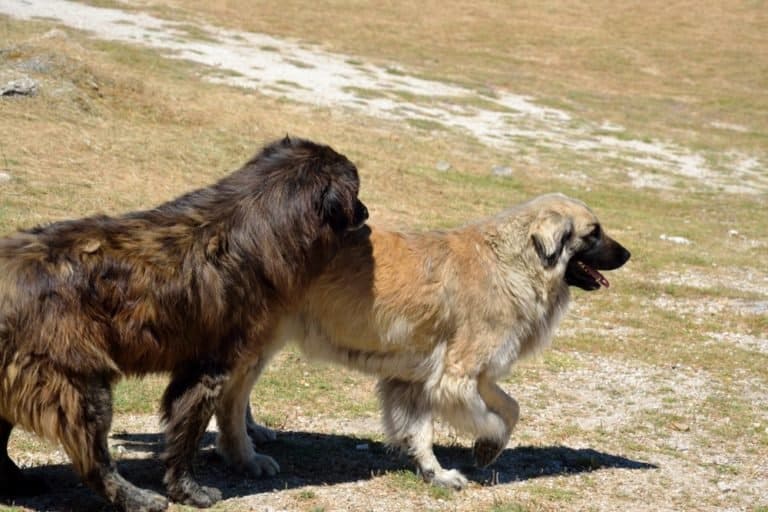
Dogs similar to St Bernards - Estrela mountain dog lies down exhausted after a day at work

At a Glance

Domesticated
Also Known As Dog, Domestic dog, Domestic canine, Canine, Pooch, Pup, Puppy, Doggo
Diet Omnivore
Activity Cathemeral+
Lifespan 6 years
Weight 60 lbs
Status Not Evaluated
Did You Know?

The Estrela Mountain Dog developed in Portugal's Serra da Estrela as a flock-and-farm guardian, not a herding dog.

Scientific Classification

A large Portuguese livestock-guardian and farm dog breed originating in the Serra da Estrela mountain region. Known for protective instincts, strong bonding with its family/flock, and a robust build adapted to mountainous climates.

Kingdom
Animalia
Phylum
Chordata
Class
Mammalia
Order
Carnivora
Family
Canidae
Genus
Canis
Species
Canis lupus familiaris

Distinguishing Features

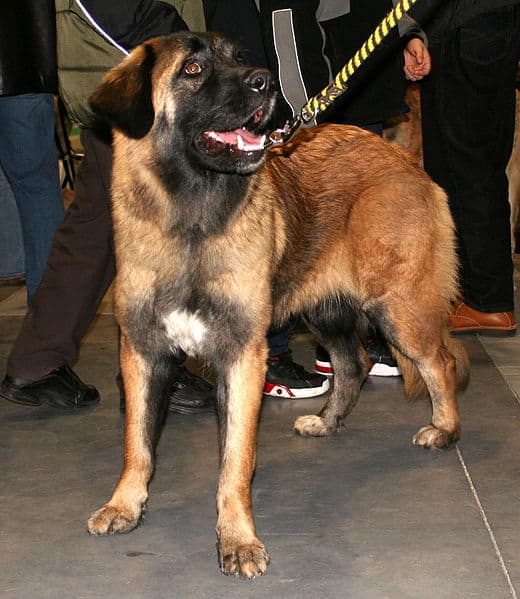
  • Large, powerful livestock-guardian type with substantial bone and protective temperament
  • Origin in Portugal’s Serra da Estrela mountains
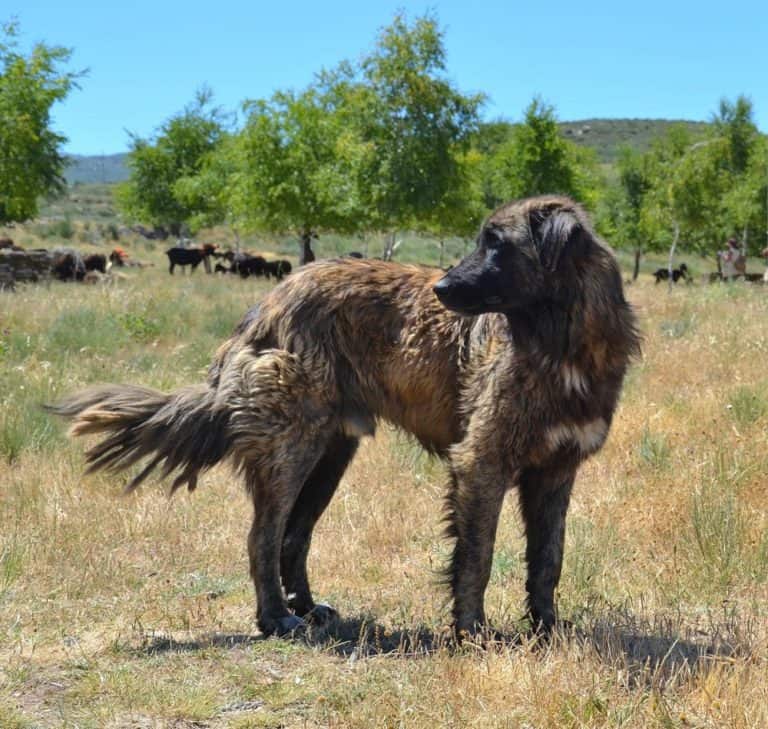
  • Thick double coat; can be long- or short-coated varieties
  • Often has a characteristic hooked tail tip and strong neck/ruff (especially in long coat)
  • Traditionally used to guard sheep/goats and homesteads against predators and intruders

Physical Measurements

Males and females differ in size

Height
2 ft 3 in (2 ft 2 in – 2 ft 5 in)
2 ft 2 in (2 ft – 2 ft 3 in)
Length
4 ft 1 in (3 ft 7 in – 4 ft 7 in)
Weight
115 lbs (99 lbs – 132 lbs)
88 lbs (77 lbs – 99 lbs)
Tail Length
1 ft 6 in (1 ft 4 in – 1 ft 8 in)
1 ft 4 in (1 ft 2 in – 1 ft 6 in)
Top Speed
28 mph
Not bred for speed

Appearance

Primary Colors
Secondary Colors
Skin Type Skin has heavy color in exposed areas (often darker nose and eye rims). Dense, weather-resistant double coat for cold, wet, windy mountain conditions; two types, long and short, differ in grooming.
Distinctive Features
  • Extremely variable body size, skull shape, and coat length/texture/color due to domestication and intensive selective breeding (domestic dogs show exceptional morphological diversity across breeds).
  • Origin/role: From Portugal's Star Mountain range region; built for steep terrain, long patrols, and territorial flock and farm defense-typically confident, suspicious of strangers, and strongly bonded to its household or flock.
  • Build: Large, robust, slightly rectangular outline with strong bone and substantial neck/shoulders; movement is powerful and steady for all-day working endurance rather than sprinting.
  • Head/expression: Broad head with attentive, assessing gaze; ears are naturally dropped (not erect), reinforcing the classic guardian-dog silhouette.
  • Coat variants: Long-coated dogs often show a pronounced mane/ruff and feathering on tail/legs; short-coated dogs appear tighter and more 'utilitarian' while retaining a thick insulating undercoat.
  • Tail: Long, thick, and carried in a gentle curve; heavily coated tail is typical, especially in long-coated individuals.
  • Temperament-linked appearance notes: Mature dogs often develop a more imposing presence and heavier ruff/neck in winter-useful for protection in cold conditions and during confrontations with predators.
  • Early, guided social time is important to guide guarding instincts. A secure fence and careful introductions reduce roaming and guard-style fence checks. Daily moderate exercise with training or property walks beats nonstop high-intensity drills.
  • Grooming: Double coat sheds seasonally; long-coated dogs need routine brushing to prevent mats (especially behind ears, ruff, and feathering). Short-coated dogs are lower maintenance but still shed heavily during seasonal coat blows.
  • Large guardian dogs need watching for hip and elbow dysplasia, bloat (gastric dilatation-volvulus), and eye problems like entropion/ectropion. Control weight, use joint-friendly exercise, and feed to reduce bloat.

Sexual Dimorphism

Moderate sexual dimorphism typical of large livestock-guardian dogs: males tend to be more massive with broader heads and heavier neck/ruff development; females are often slightly lighter and more refined while retaining the same protective type.

  • Heavier bone and chest; broader skull/muzzle
  • More pronounced neck/ruff (especially in long-coated males)
  • Often a more imposing overall silhouette and territorial presence
  • Slightly lighter frame with a more refined head
  • Often a cleaner outline through the neck/shoulders (still robust)
  • May appear more agile/streamlined while maintaining the same double-coat protection

Did You Know?

The Estrela Mountain Dog developed in Portugal's Serra da Estrela as a flock-and-farm guardian, not a herding dog.

It comes in two coat varieties-long and short-both with a dense undercoat suited to cold, wet mountain conditions.

Traditional Iberian livestock guardians often wore a spiked protective collar to help protect the neck from wolf bites-part of the region's pastoral toolkit.

Its working style is "think for itself": it's bred to make independent decisions when threats appear, even without human direction.

The breed's iconic "lion-like" ruff and heavy tail feathering (in long-coated dogs) add weather protection and visual presence during deterrent displays.

Like many giant guardian breeds, it matures mentally and physically more slowly than average dogs, often "growing into" its steadier temperament over time.

In modern Portugal, it remains closely tied to highland pastoral life, where dogs historically accompanied seasonal movement of flocks (transhumance).

Unique Adaptations

  • Mountain-ready build: robust frame, strong bone, and endurance suited to steep terrain and long outdoor hours.
  • Cold-weather coat system: protective topcoat plus insulating undercoat; short coat sheds debris, long coat adds extra coverage.
  • Deterrence-first temperament: evolved to prevent conflict-using posture, barking, and presence to keep predators at distance.
  • High situational awareness: excels at scanning, scenting, and listening-traits shared across Canidae but emphasized in guardian lines.
  • Energy management: capable of long steady work rather than sprinting-typical of dogs selected for all-day flock protection.

Interesting Behaviors

  • Perimeter patrolling: naturally checks boundaries and "maps" the home/farm as territory.
  • Alarm barking with purpose: uses deep, rhythmic barking to warn and deter before escalating.
  • Body-blocking and "standing ground": positions itself between family/flock and a stranger rather than immediately chasing.
  • Selective friendliness: often reserved with newcomers; warms up through calm, repeated introductions.
  • Night vigilance: many livestock guardians are more alert after dusk, matching predator activity patterns.
  • Independent problem-solving: may choose a vantage point (gate, ridge, porch) to monitor approaches.

Cultural Significance

The Estrela Mountain Dog is a native Portuguese breed from the Serra da Estrela highlands. Bred for shepherding, it guarded sheep and goats from wolves and thieves. Today it stands for mountain rural life—steady, self-reliant, and very loyal.

Myths & Legends

In Serra da Estrela shepherd story, a good mountain dog (Canis lupus familiaris) would "hold the line," barking from a ridge or doorway like another shepherd, warning wolves away from the flock.

Old pastoral anecdotes describe guardian dogs fitted with the spiked carlanca collar; the collar became a local emblem of a dog's role as a sworn protector, a visible sign that the flock was defended.

In Catholic Europe, including Portugal, stories of Saint Roch say a dog brought him bread and stayed with him when he was sick, helping make dogs seem faithful guardians and helpers.

In Iberian rural superstition, a vigilant farm dog's nighttime alarm was often treated as more than mere noise-an omen that "something is coming," whether predator, stranger, or storm-reinforcing the dog's status as a household sentinel.

Conservation Status

NE Not Evaluated

Has not yet been evaluated against the criteria.

Population Stable

Life Cycle

Birth 7 pups
Lifespan 6 years

Lifespan

In the Wild
3–10 years
In Captivity
9–15 years

Reproduction

Mating System Polygynandry
Social Structure Managed Domestic
Breeding Pattern Transient
Fertilization Managed Selective
Birth Type Managed_selective

The Estrela Mountain Dog (Canis lupus familiaris) is a Portuguese livestock guardian. Breeding is usually planned by people with chosen studs. By nature dogs can mate with multiple partners, but lasting pair bonds and wolf-like shared pup care are not common.

Behavior & Ecology

Social Pack Group: 3
Activity Cathemeral, Crepuscular, Nocturnal
Diet Omnivore Lamb or beef-based meals with organ meat (e.g., heart/liver) in appropriate amounts

Temperament

Protective, territorial guardian; strong threat assessment and willingness to confront intruders (breed hallmark vs. many companion dogs).
Deeply loyal and affiliative with its in-group (family/flock), often reserved or suspicious with strangers; early, extensive socialization is critical to prevent over-guarding.
Independent decision-maker (livestock-guardian trait): may be less biddable than herding or gundog breeds; responds best to consistent, calm leadership rather than harsh corrections.
Calm, steady presence when nothing is happening; can switch rapidly to high-intensity alert behavior when triggered by novel sights/sounds near the boundary.
Most watch at night and at dawn or dusk, patrol boundaries, and stand-and-watch to guard; behavior varies by breeding line (working vs. show), how they're raised, and training—some welcome visitors, others stay aloof.
Breed-specific care/handling needs: requires structured exposure to visitors, dogs, and handling from puppyhood; benefits from secure fencing and clear territory rules; mental work (patrol-style walks, scent games) often suits it better than repetitive obedience drilling.
Health issues like hip dysplasia and elbow problems lower tolerance for long, hard exercise. Giant-breed bloat (GDV) needs rest after eating. Heavy coat and heat sensitivity reduce daytime activity; provide shade and water.

Communication

Deep, repetitive alarm barking-often prolonged and more frequent at night/crepuscular hours; a key guardian signal used to deter threats at distance.
Low growls and rumbling vocal warnings when boundaries are crossed; typically escalates if the intruder advances.
Whines/soft grumbles used within the family for proximity-seeking and attention.
Howling is less common than in wolves but may occur in response to sirens/other dogs; frequency varies by individual and environment.
Body blocking and positioning (standing between family/flock and a perceived threat), a signature livestock-guardian communication strategy.
Stare, upright posture, forward weight shift, and controlled approach to create distance without immediate biting; escalation is often graded if the intruder retreats.
Territorial scent marking (urine marking, ground scratching) and route-based patrolling that reinforces boundaries.
Use of proximity and 'shadowing' family members or stock; resting with a vantage point to monitor approaches.
Subtle affiliative signals with in-group (leaning, gentle muzzle nudges) but generally less overtly demonstrative than some companion breeds; variation is common by line and socialization.

Habitat

Biomes:
Mediterranean Temperate Forest Temperate Grassland Alpine Boreal Forest (Taiga) Desert Hot Desert Cold Wetland +2
Terrain:
Mountainous Hilly Plateau Valley Rocky
Elevation: Up to 16404 ft 3 in

Ecological Role

Human-associated omnivorous domestic guardian; localized mesopredator/scavenger around rural holdings

protects livestock and property by deterring predators and trespassers reduces local rodent/small pest activity opportunistically supports pastoral systems by enabling coexistence with large carnivores through non-lethal deterrence

Diet Details

Main Prey:
Small mammals Birds and eggs Animal proteins provided by humans
Other Foods:
Starches and grains Root and squash vegetables Leafy vegetables Fruits Pasture grasses

Human Interaction

Domestication Status

Domesticated

Canis lupus familiaris is the domestic dog, bred from gray wolves over thousands of years for work and companionship. The Estrela Mountain Dog is a large Portuguese livestock guardian shaped by centuries in the Estrela Mountains. It is independent, strongly bonded to family, wary of strangers, needs early socialization, secure fencing, work, and has risks like hip dysplasia and bloat.

Danger Level

Moderate
  • territorial aggression or defensive biting if poorly socialized or if strangers enter the property unexpectedly
  • protective behavior around family/children or livestock that can escalate without clear handling and management
  • barrier reactivity (fence/door guarding) leading to redirected bites during restraint
  • physical injury risk from size/strength (knocking down, leash pulling), especially with inexperienced handlers
  • higher risk in intact, undertrained, or improperly confined individuals (chaining/poor fencing can worsen reactivity)

As a Pet

Suitable as Pet

Legality: Canis lupus familiaris (domestic dog) is usually legal as a pet in most places. Local rules may limit size, leashes, noise, housing, or insurance; some areas add dangerous-dog rules after attacks or serious problems. Check local laws, housing, and insurance.

Care Level: Experienced

Purchase Cost: $900 - $3,000
Lifetime Cost: $22,000 - $65,000

Economic Value

Uses:
Livestock protection services (guardian work) Farm and rural property security Companion animal industry (food, veterinary care, training, grooming tools) Breeding and conformation/show participation Working-dog training and behavior services
Products:
  • predator deterrence and flock protection (service value)
  • property-guardian role reducing losses from predation/theft (service value)
  • breeding stock and puppies (regulated sale value)
  • participation in dog shows/sport events (entry/training economy)
  • rescue/rehoming services and adoption fees (when applicable)

Relationships

Ecological Equivalents 6

Animals that fill a similar ecological role in their ecosystem

Rafeiro do Alentejo Canis lupus familiaris Portuguese livestock-guardian and farm dog with a similar working role (property and flock protection), exhibiting independence and deterrence-based guarding rather than prey-driven hunting; typically lower-energy patrol style but with comparable territorial instincts.
Cão de Gado Transmontano Canis lupus familiaris Iberian livestock guardian used against wolves; overlaps strongly in niche (flock defense in rugged terrain) and has been selected for courage, low reactivity to livestock, and strong suspicion of strangers.
Great Pyrenees
Great Pyrenees Canis lupus familiaris Classic mountain livestock guardian. Similar behavioral toolkit: bonding to flock/family, night alertness, and boundary patrolling. Compared with many pet-bred dogs, both breeds prioritize independent judgment and deterrence.
Anatolian Shepherd Canis lupus familiaris Livestock guardian selected for predator confrontation and wide-range patrol; has similar needs for secure fencing, early socialization, and a job. Often comparable in size and protective intensity.
Maremma Sheepdog
Maremma Sheepdog Canis lupus familiaris Livestock guardian that emphasizes constant presence with stock and strong bonding. Parallels include a weather-resistant coat, guarding vocalizations, and a propensity for autonomy; management and care needs are similar, including structured socialization and controlled introductions.
Domestic dog
Domestic dog Canis lupus familiaris Domesticated form of the gray wolf; variable in size, behavior, and roles. Common health issues include dental disease, obesity, and joint disorders such as hip dysplasia. Requires socialization, training, veterinary care, exercise, and enrichment.

Affiliate Disclosure: As an Amazon Associate and affiliate partner of various brands, we may earn a small commission when you purchase through links on our site, at no extra cost to you. This helps us continue to provide high-quality content.

The Estrela Mountain Dog breed started as a herd-guarding dog in Portugal. Today, this breed is the companion dog of the Portuguese police force.

These large, agile dogs make excellent guard dogs because they are incredibly loyal to their masters and wary of strangers. Proper socialization in their early days is crucial; without it, you will have a huge dog who could become aggressive to those outside his family.

These dogs are a calm, watchful breed that is wonderful with children. So, their loyalty makes them excellent family pets.

3 pros and cons of owning an Estrela Mountain Dog

Pros!Cons!
They are highly intelligent
This high level of intelligence makes it easy for an Estrela Mountain Dog to learn new tricks and commands.
Their stubbornness makes them difficult to train
Like most other highly intelligent breeds, the Estrela Mountain Dog can be quite stubborn. Consistency should always be the key component in their training.
They make excellent watchdogs
They are loyal and protective of their pack, which makes them well-suited as watchdogs.
They have a high tendency to become overweight
Since they has only moderate energy levels, they can become overweight more easily than high energy breeds.
They get along well with children and other dogs
Estrela Mountain Dogs love children and do quite well in multi-dog households.
They are not cat-friendly
Estrela Mountain Dogs have a moderate prey drive, so they don’t get along well with cats or other small animals.

Evolution and Origins

Estrela Mountain Dog standing with its handler

The Estrela Mountain Dog is believed to have been introduced to Portugal by either the Romans or the Visigoths

Also referred to as cao da Serra da Estrela, this domestic canine is considered to be one of the oldest breeds in the mountainous region for which it is named. While no one can quite decide on whether it was introduced to the Estrela Mountains by the Romans or the Visigoths, they can agree on the fact that this hardy, intelligent dog was bred over the course of centuries for agility in navigating tricky mountain paths, an insulating coat for handling the mountainous chill, and endurance for chasing errant sheep on limited sustenance.

In the 1900s attempts were made to establish standards for the breed which had faced stiff competition from other foreign breeds. By the mid-20th century, its visibility began to increase thanks to its participation at shows. Today the breed can currently be found in the USA and the UK. It can also be found in its native Portugal where it continues to guard livestock, is the canine of choice for the National Police force, and is also a much-loved family pet.

Size and Weight

Estrella Mountain Dogs are a giant breed that can weigh 77 to 132 pounds and stand between 24 and 30 inches high at the shoulder. The males of this breed are slightly larger than the females. They have a thick, wavy coat that comes in a variety of colors, including gray, yellow and fawn.

Common Health Issues

As with all purebreds, responsible breeders are the key to generations of healthy dogs. That said, these dogs are a generally healthy breed and don’t have any particular genetic diseases to worry about, though, like any large breed, they are susceptible to hip and elbow dysplasia.

Temperament

Estrela mountain dog lies down exhausted after a day at work

Estrela Mountain Dogs are highly intelligent but also tend to have a mind of their own

Estrela Mountain Dogs are courageous and loyal and therefore make excellent guard dogs. They have an adaptable, laidback personality, so they will be happy taking long walks and hikes or just curling up beside their owners. These dogs get along great with children and with other dogs and make wonderful family pets. They do have a bit of a prey drive, so if you want them to get along with cats or other small animals, you should introduce these animals to them when they are puppies.

These dogs are highly intelligent, which is both a blessing and a curse in terms of training. They can learn new tricks and commands with ease, but you must be consistent with the rules. Otherwise, they will decide they will only follow your lead when they want to. This breed also has a fair amount of wanderlust and likes to have large open areas to roam. This wanderlust makes them ill-suited for apartment living.

How To Take Care of an Estrela Mountain Dog

This is an easy breed to maintain. As long as you feed them high-quality food, give them a moderate amount of daily exercise and establish a simple grooming regimen, you’ll have a happy and healthy canine companion for many years to come.

Food and Diet

These dogs do quite well on high-quality food for extra large dogs. They don’t have any particular dietary concerns.

During puppyhood, go with a puppy food rich in nutrients like calcium, DHA, and protein, then transition to an equally nutritious adult dog food.

A-Z Animals says the best dog food for Estrela Mountain Dogs is Purina Pro Plan Large Breed Adult Dry Dog Food Chicken with Shreds.

The poultry ingredients in this chicken-based large breed dog food are natural sources of glucosamine for stabile, mobile joints. Additionally, there are adequate levels of calcium and phosphorus to fortify the bones and the cartilage in joints for extra support.

Check Chewy or Amazon for this product.
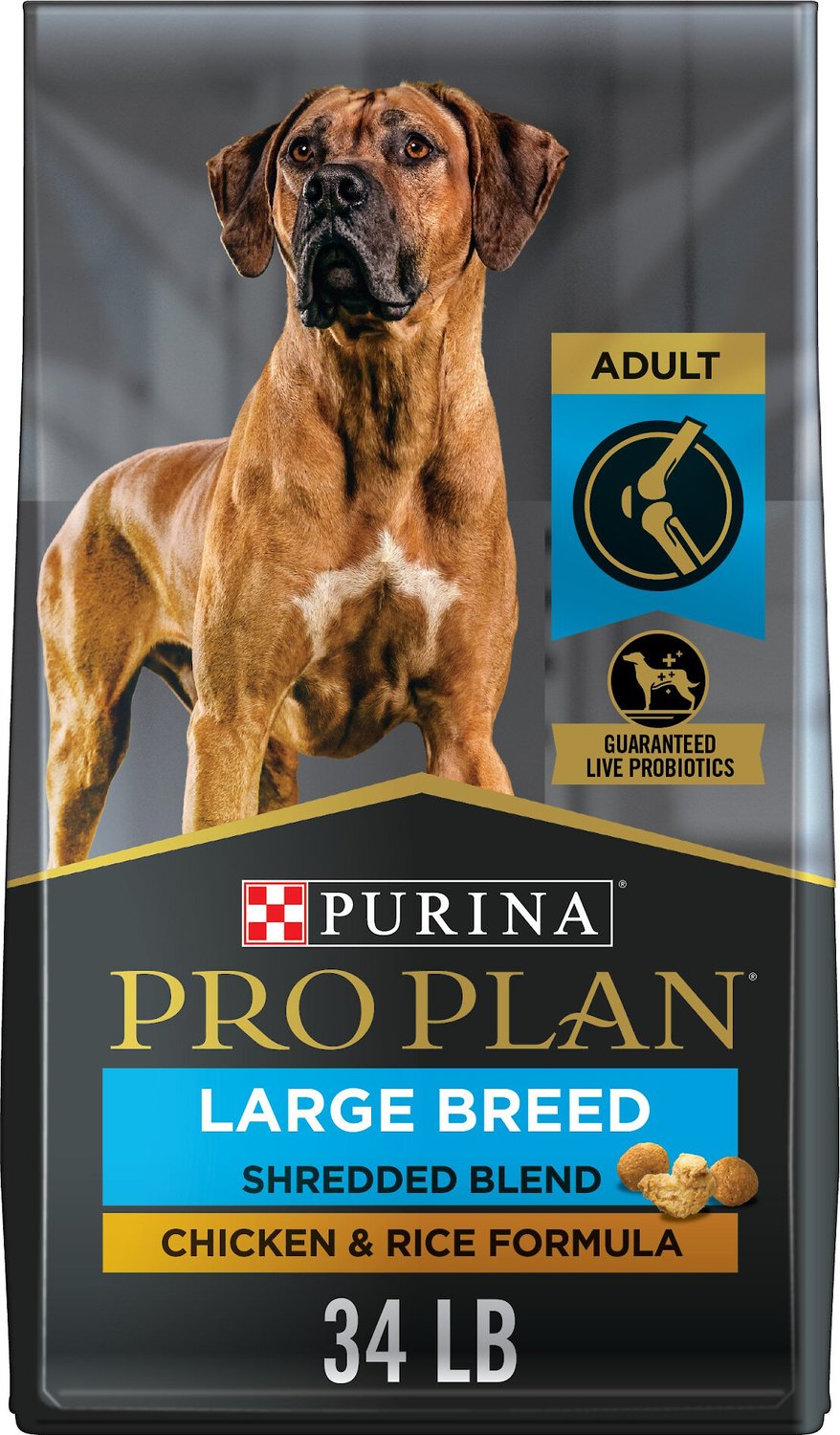
Purina Pro Plan Adult Large Breed Shredded Blend Chicken & Rice Formula
  • Crunchy kibble combined with tender, shredded pieces for taste and texture dogs love
  • High protein formula, with real chicken as the first ingredient
  • Fortified with guaranteed live probiotics for digestive and immune health
  • Used to be known as SAVOR Shredded Blend Large Breed Formula
  • Glucosamine and EPA, an omega-3 fatty acid, for joint health and mobility


Check Chewy Check Amazon

Insurance

These dogs have no particular health concerns that need consideration when choosing pet insurance.

Maintenance And Grooming

There is no special maintenance involved in caring for these dogs. This breed sheds moderately year-round, so you should brush them regularly to reduce their shedding. Beyond that, all you need to do to keep them happy and healthy is to keep a grooming regimen that includes brushing their teeth, keeping their ears cleaned, and clipping their nails.

Training

Again, these dogs are quite intelligent and can master new tricks and commands with ease. This intelligence, however, often leads to stubbornness, so you’ll need to firm but gentle and consistent with the rules to earn your dog’s respect.

Exercise

After puppyhood, this is a fairly calm breed that doesn’t need much exercise. For instance, one walk each day or a game of fetch in the backyard should keep this gentle giant happy.

Puppies
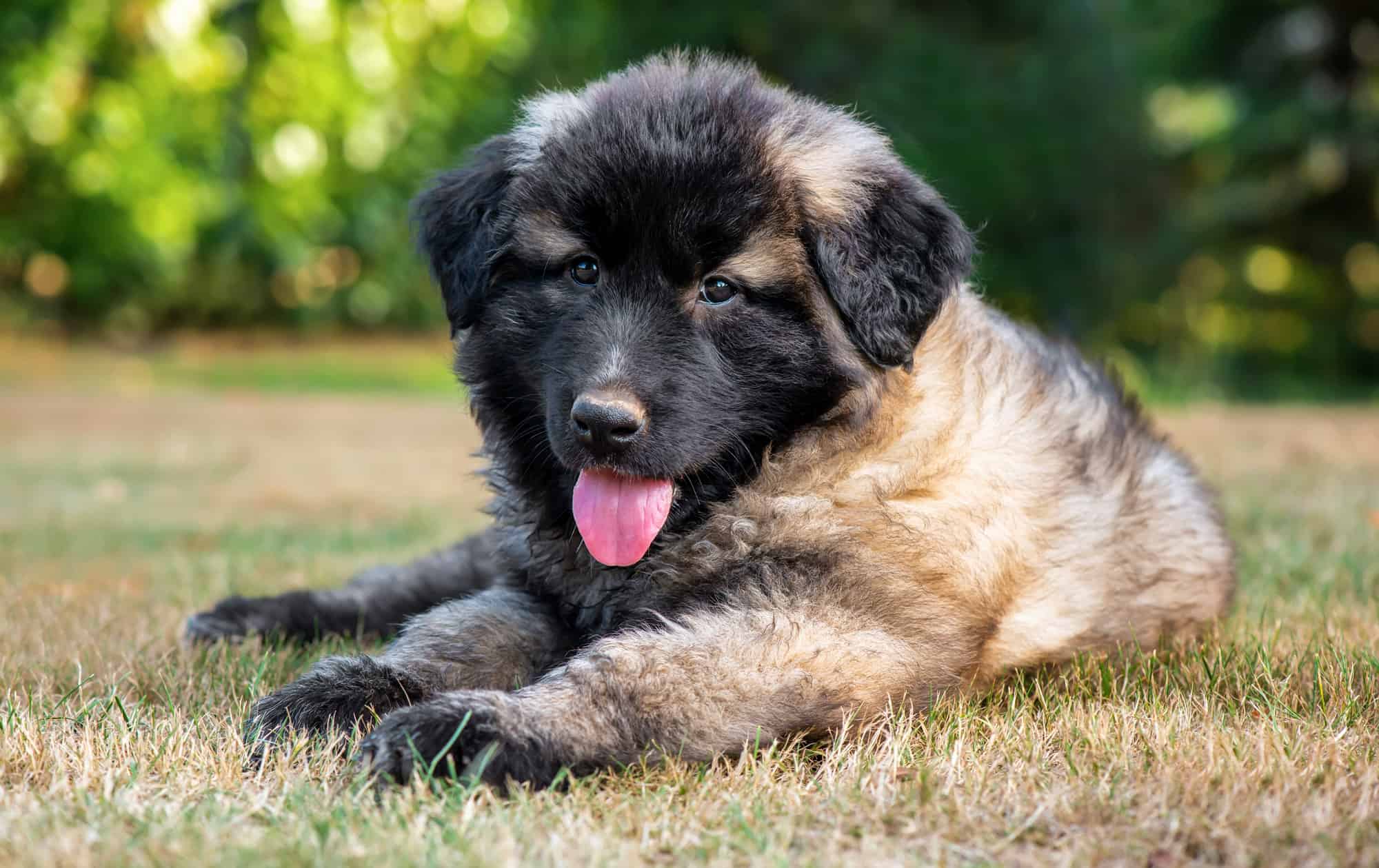
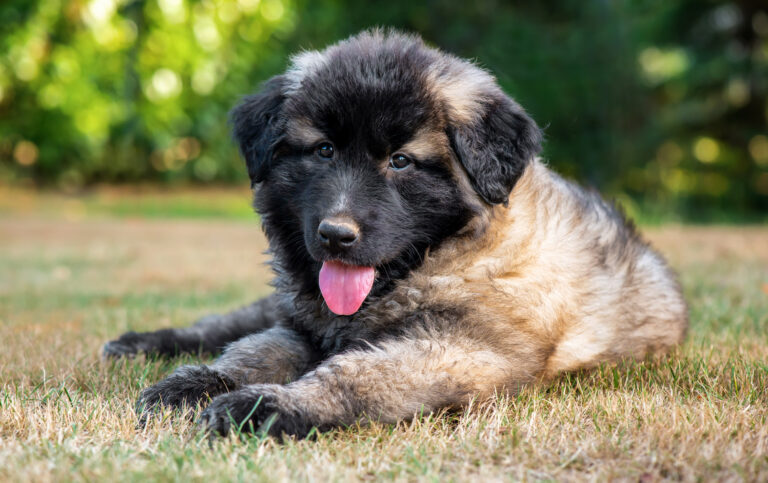
A vertical shot of an adorable Estrela mountain puppy on a field during daylight

Estrela Mountain Dog puppies can be a bit of a handful to train

Like any other breed, the puppies have more energy than the adults, so you’ll need to spend more time exercising them when they are young to prevent the destructiveness that comes with pent-up energy. Early socialization is also important, particularly if you plan to raise them with cats or other small animals. They can be quite stubborn when it comes to training, so puppy obedience classes would give a new owner some welcomed help in this arena.

Children

Fortunately, the calm, protective nature of these dogs makes them fantastic companions for children. As with any large breed, you’ll need to teach both dogs and children how to safely interact with one another and never leave them unsupervised to prevent any accidental injuries.

Dogs similar to the Estrela Mountain Dog

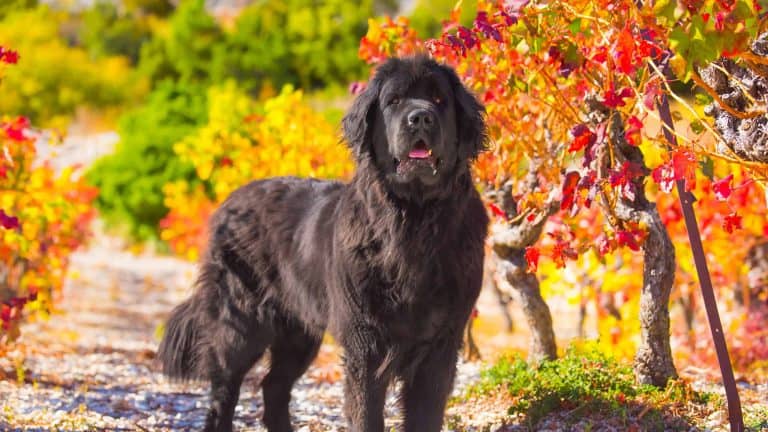
A few breeds that are similar in size or temperament to these dogs include the Newfoundland, Saint Bernard, and the Bernese Mountain Dog.

  • Newfoundland
    The Newfoundland is excellent with children and highly trainable, making them the perfect fit for new dog owners.
  • Saint Bernard
    The Saint Bernard is known for its gentleness and is careful around children. These dogs are eager to please which makes training a pleasure.
  • Bernese Mountain Dog
    The Bernese Mountain Dog loves children and tends to attach itself to one special human in its family. These dogs are affectionate with their pack but reserved around strangers.

Here are a few great names for an Estrela Mountain Dog:

  • Atlas
  • Aoraki
  • Denali
  • Everest
  • Odin
  • Sidley
  • Stirling
  • Taranaki
  • Tavan
  • Whistler
View all 185 animals that start with E

Sources

  1. David Burnie, Dorling Kindersley (2011) Animal, The Definitive Visual Guide To The World's Wildlife / Accessed November 10, 2008
  2. Tom Jackson, Lorenz Books (2007) The World Encyclopedia Of Animals / Accessed November 10, 2008
  3. David Burnie, Kingfisher (2011) The Kingfisher Animal Encyclopedia / Accessed November 10, 2008
  4. David Burnie, Dorling Kindersley (2008) Illustrated Encyclopedia Of Animals / Accessed November 10, 2008
  5. Dorling Kindersley (2006) Dorling Kindersley Encyclopedia Of Animals / Accessed November 10, 2008
  6. American Kennel Club / Accessed October 31, 2020
  7. Dogell / Accessed October 31, 2020
Dana Mayor

About the Author

Dana Mayor

I love good books and the occasional cartoon. I am also endlessly intrigued with the beauty of nature and find hummingbirds, puppies, and marine wildlife to be the most magical creatures of all.
Connect:

Thank you for reading! Have some feedback for us?


Estrela Mountain Dog FAQs (Frequently Asked Questions)

On average, Estrela Mountain Dogs cost around $1,000 when purchased from reputable breeders.