

F
Species Profile

Fox

Vulpes

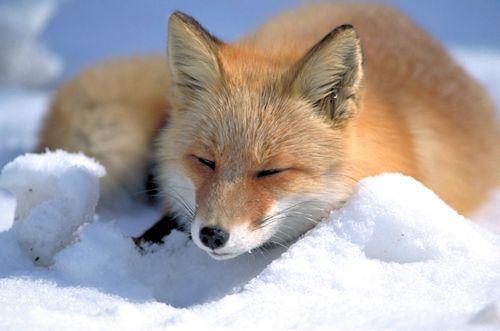
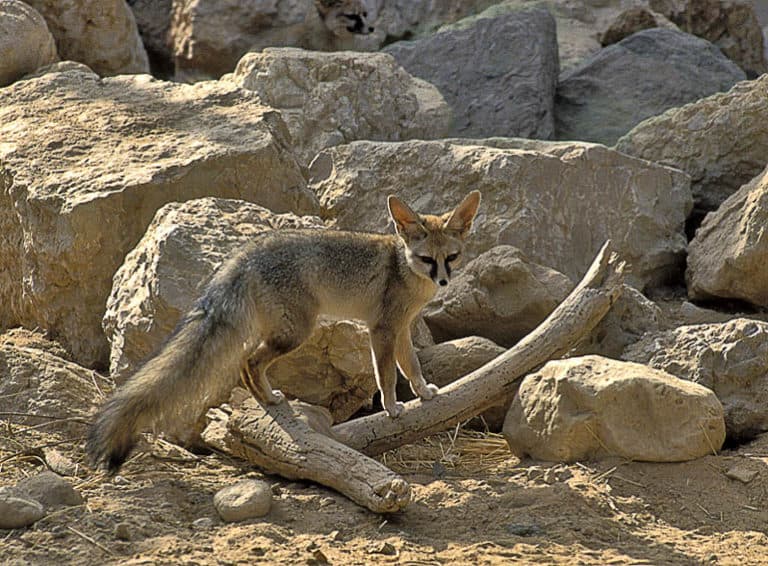
From dunes to tundra-fox smart.
Shiretoko-Shari Tourist Association - Public Domain

Fox Distribution

Click a location to explore more animals from that region

Invasive Species
Loading map...

Size Comparison

Human 5'8"
Fox 12 in

Fox stands at 17% of average human height.

At a Glance

Genus Overview This page covers the Fox genus as a group. Stats below are general traits shared across the genus.
Also Known As Fox, Reynard, Tod, Dog-fox, Vixen, Zorro, Renard
Diet Omnivore
Activity Crepuscular+
Lifespan 5 years
Weight 14 lbs
Status Not Evaluated
Did You Know?

Size range across Vulpes: ~0.7-14 kg; head-body ~24-90 cm, with tails ~18-55 cm (fennec among smallest; red fox among largest).

Scientific Classification

Genus Overview "Fox" is not a single species but represents an entire genus containing multiple species.

True foxes (genus Vulpes) are small-to-medium canids characterized by a relatively slender build, pointed muzzle, large upright ears, and a long, bushy tail. They are opportunistic omnivores and highly adaptable across deserts, grasslands, forests, and tundra, with many species exhibiting flexible diets and crepuscular/nocturnal activity.

Kingdom
Animalia
Phylum
Chordata
Class
Mammalia
Order
Carnivora
Family
Canidae
Genus
Vulpes

Distinguishing Features

  • Small-to-medium canid proportions (generally lighter-built than wolves/jackals)
  • Pointed muzzle and relatively large ears
  • Long, bushy tail often used for balance and warmth
  • Opportunistic omnivory (small mammals, insects, fruit, carrion)
  • High adaptability; some species thrive near human settlements

Physical Measurements

Males and females differ in size

Height
1 ft 1 in (7 in – 1 ft 6 in)
1 ft 1 in (7 in – 1 ft 4 in)
Length
3 ft 1 in (1 ft 5 in – 4 ft 9 in)
3 ft 5 in (1 ft 5 in – 4 ft 9 in)
Weight
11 lbs (2 lbs – 31 lbs)
9 lbs (2 lbs – 23 lbs)
Tail Length
1 ft 3 in (7 in – 1 ft 10 in)
Top Speed
37 mph
Top speeds ~40–60 km/h

Appearance

Skin Type Vulpes have fully furred skin with dense underfur and longer guard hairs. Coats vary (very thick in cold, short in hot deserts). Many molt seasonally. Foot fur increases in snow, reduces in heat.
Distinctive Features
  • Measurements (range across genus, smallest to largest species): head-body length ~24-90 cm; tail length ~18-55 cm; shoulder height ~20-40 cm; mass ~0.7-14 kg.
  • Lifespan (range across genus): typically ~3-6 years in the wild for many populations, but can reach ~10-15 years (occasionally higher) in captivity; longevity varies by species, predation pressure, disease, and human conflict.
  • Overall build: small-to-medium canids with a relatively slender frame, long legs relative to body size, and a narrow waist compared with many other canids.
  • Head and ears: pointed muzzle, large upright triangular ears (often proportionally larger in desert-adapted species for heat dissipation), and keen hearing; whiskers and facial vibrissae well developed.
  • Tail: long, bushy tail ("brush") used for balance, signaling, and insulation when curled around the body; tail-tip coloration is often lighter but is not universal across all Vulpes.
  • Dentition: carnivoran dentition suited to mixed diets; sharp canines and shearing carnassials, with capacity to process varied foods.
  • Scent communication: strong reliance on olfaction; scent glands and urine/fecal marking are typical for territorial and social communication (intensity and social structure vary by species).
  • Foxes (Vulpes) are mostly active at dawn, dusk, or night but can be flexible. They usually forage alone, eat many foods (rodents, rabbits, birds, insects, fruit), act as mesopredators, and respond differently to humans.
  • Habitat-linked appearance variation: desert-adapted forms tend to be paler (tan/cream), sometimes with proportionally larger ears and lighter coats; cold-climate forms often have denser fur and may be paler/whiter in winter, improving insulation and camouflage.

Sexual Dimorphism

Sexual dimorphism is generally present but subtle across Vulpes. Males average slightly larger and heavier with somewhat broader heads/neck musculature; coat color/pattern is usually similar between sexes within a species, with differences mainly in size and reproductive anatomy. Degree of dimorphism varies among species and populations.

  • Slightly greater average body mass and head-body dimensions; broader skull/muzzle and more robust neck/shoulders on average.
  • External genitalia visible when not obscured by fur; otherwise pelage typically similar to females.
  • Slightly smaller/lighter on average; differences are often difficult to judge without direct comparison or measurements.
  • Presence of nipples/mammary development during breeding/lactation may be visible; otherwise pelage typically similar to males.

Did You Know?

Size range across Vulpes: ~0.7-14 kg; head-body ~24-90 cm, with tails ~18-55 cm (fennec among smallest; red fox among largest).

They occupy an enormous habitat spread-hot deserts (fennec, Blanford's) to high Arctic tundra (Arctic fox).

Most are opportunistic omnivores: rodents and rabbits are common prey, but many also eat insects, fruit, and carrion; diets shift strongly by season and location.

Many Vulpes cache surplus food ("scatter-hoarding"), helping them survive lean periods-especially in cold or highly seasonal environments.

Activity timing varies: many species are crepuscular/nocturnal near people or in deserts, while Arctic foxes can be active day or night in summer's continuous light.

Lifespan across the genus is variable: often ~2-6 years in the wild, but some individuals can reach ~10+ years; in captivity, ~10-16 years has been recorded depending on species and care.

Their big ears aren't just for hearing: in hot-climate species they also help shed heat, while cold-climate species trend toward smaller ears to conserve warmth.

Unique Adaptations

  • Large, upright ears and acute hearing across the genus support pinpointing small prey; extremes occur in desert species with especially oversized ears.
  • Bushy tails aid balance, communication, and insulation; in cold climates, foxes may wrap the tail around the body as a "tail blanket."
  • Coat and body-form differences track climate: desert foxes tend toward lighter coloration and heat-dissipating features; Arctic-adapted foxes have dense fur and compact shapes that reduce heat loss.
  • Highly adaptable dentition and digestion for omnivory-many can switch between animal prey and plant foods as seasons change.
  • Efficient low-resource living: several arid-land species meet much of their water needs from food and minimize daytime activity to avoid heat.
  • Keen spatial memory supports caching and retrieval of scattered food stores, especially important where winters or droughts reduce prey availability.

Interesting Behaviors

  • Flexible hunting styles: many stalk-and-pounce on small prey, with tactics tuned to habitat (e.g., sand vs snow vs grassland).
  • Denning is common, especially for raising pups; dens may be dug, enlarged from other burrows, or reused across years depending on species and local conditions.
  • Mostly solitary foragers, but social structure varies-some populations form mated pairs with helpers or loose family groups, while others are more strictly solitary.
  • Seasonal diet-switching: when rodents crash, many foxes increase scavenging, insects, fruit, or human-associated foods where available.
  • Territorial scent-marking (urine, feces, gland secretions) is widespread; intensity and territory size vary with prey density and habitat productivity.
  • Play is frequent in young foxes (and sometimes adults): chasing, wrestling, and object play help develop coordination and hunting skills.
  • Urban tolerance varies by species and region: some (notably red foxes) can exploit cities, while others remain strongly tied to intact habitat.

Cultural Significance

Across Eurasia and North America, Vulpes foxes are symbols of cleverness, adaptability, and edges (wild places, crossroads, night). They appear as tricksters in stories, messengers and spirit-animals in East Asia, figures in European fables, and in modern art, heraldry, and conservation debates near farms and cities.

Myths & Legends

Reynard the Fox (medieval European cycle): the fox is a brilliant trickster who outwits nobles and clergy, becoming a lasting symbol of cunning in European literature.

Aesop's fables (ancient Greek tradition): fox-centered tales like "The Fox and the Grapes" and "The Fox and the Crow" use the fox as a clever, sometimes morally ambiguous character.

Fox spirits (Japan): fox spirits associated with the Shinto deity of rice and prosperity; stories describe foxes as shapeshifters, guardians, tricksters, or devoted messengers who can bring fortune or deception.

Fox spirits (China): fox spirits that can transform into human form; tales range from dangerous seducers to powerful beings capable of learning, longevity, and magic.

Nine-tailed fox (Korea): the nine-tailed fox of Korean legend, a shape-changing fox spirit often tied to tests of virtue, danger, and transformation.

"Fox and Raven/Crow" tales (circumpolar and Indigenous North American storytelling): recurring story patterns feature the fox as a wily rival or partner to corvids, emphasizing clever survival in harsh landscapes.

Conservation Status

NE Not Evaluated (genus-level taxa are not assessed by IUCN; assessments are made at the species level)

Has not yet been evaluated against the criteria.

Population Unknown

Protected Under

  • Protection is species- and country-specific across Vulpes; many populations occur in national parks/reserves, while legal status ranges from unprotected/managed as pests to fully protected.
  • Some of the most conservation-dependent members (e.g., island endemics) are covered by strict national/subnational endangered-species laws and recovery programs; widespread species often have regulated hunting/trapping rather than full protection.

You might be looking for:

Red Fox

38%

Vulpes vulpes

Most widespread and commonly referenced fox species across the Northern Hemisphere; highly adaptable generalist.

View Profile

Arctic Fox

14%

Vulpes lagopus

Cold-adapted tundra fox with seasonal coat changes; specialized for polar environments.

View Profile

Fennec Fox

12%

Vulpes zerda

Small Saharan desert fox with very large ears for thermoregulation and hearing.

View Profile

Kit Fox

8%

Vulpes macrotis

Small fox of arid regions in western North America; large ears; nocturnal tendencies.

View Profile

Corsac Fox

6%

Vulpes corsac

Steppe-adapted fox of Central Asia; nomadic/seasonal movements in some regions.

Gray Fox (not Vulpes)

6%

Urocyon cinereoargenteus

Often called a fox but in a different genus; notable for tree-climbing ability.

View Profile

Bat-eared Fox (not Vulpes)

5%

Otocyon megalotis

African canid often called a fox; specialized insectivore with very large ears.

View Profile

Crab-eating Fox (not Vulpes)

4%

Cerdocyon thous

South American canid commonly termed a fox; actually in a different genus.

View Profile

Life Cycle

Birth 5 kits
Lifespan 5 years

Lifespan

In the Wild
2–12 years
In Captivity
8–16 years

Reproduction

Mating System Monogamy
Social Structure Socially Monogamous
Breeding Pattern Long Term
Fertilization Internal Fertilization
Birth Type Internal_fertilization

True foxes (Vulpes) usually pair to breed, sharing a den and caring for pups together. They breed seasonally with internal fertilization and about 7–8 week pregnancy. Sometimes polygyny, extra-pair mating, or helpers occur.

Behavior & Ecology

Social Skulk Group: 3
Activity Crepuscular, Nocturnal, Cathemeral, Diurnal
Diet Omnivore Small mammals (especially rodents)

Temperament

Generally cautious and wary of novelty (especially in low-human-contact populations), but highly behaviorally flexible; many populations show increased boldness and tolerance in urban/subsidized settings.
Opportunistic, adaptable omnivores: diets commonly mix small vertebrates, invertebrates, fruit/plant material, and scavenged foods; the balance varies strongly among species and habitats (desert, grassland, forest, tundra, urban).
Typically territorial: scent-marking and boundary patrols are common; territoriality may relax where resources are clumped/abundant or during dispersal.
Intraspecific aggression is usually context-dependent (mates/den defense, food competition), with avoidance and spacing behaviors more common than direct conflict.
Genus-level size diversity (smallest to largest members): adult mass roughly ~0.7-14 kg; head-body length ~24-90 cm; tail length ~18-55 cm (ranges vary by species and sex).
Lifespan diversity across Vulpes: in the wild commonly a few years, with species/population ranges roughly ~2-10+ years; in captivity many can reach ~10-16 years (varies by species, husbandry, and disease exposure).

Communication

Barks Contact/alarm, often context-specific in pitch and cadence
Yelps/yips and whines Close-range social cohesion, appeasement, parent-offspring interactions
Growls/snaps Threat/defense, resource guarding
Screams/screech-like calls High-arousal alarm or conflict; frequency and usage vary among species
Chattering/rapid "gekkering"-like sequences High excitement or agitation; terminology and prevalence vary by species
Scent marking with urine, feces, and gland secretions (including anal/supracaudal sources depending on species): used for territory advertisement, reproductive status, and individual identification.
Use of latrine sites and repeated marking along travel routes; intensity and placement vary with habitat structure and population density.
Body postures and facial/ear/tail signals (e.g., tail carriage, ear orientation) for threat, submission, and attention; often combined with vocal cues.
Close-range tactile behaviors within family units (nuzzling, grooming, play) important for pair maintenance and pup development.
Den-based signaling and spatial behavior: dens function as social hubs during breeding; den attendance and guarding vary with predation risk, climate, and food availability.

Habitat

Biomes:
Temperate Forest Boreal Forest (Taiga) Tundra Alpine Temperate Grassland Mediterranean Savanna Tropical Dry Forest Desert Hot Desert Cold Wetland Marine +6
Terrain:
Plains Hilly Plateau Valley Mountainous Coastal Island Riverine Rocky Sandy Muddy +5
Elevation: Up to 17060 ft 5 in

Ecological Role

Mesopredators and omnivorous generalists that link small-prey populations with plant resources across diverse ecosystems

Regulation of rodent and rabbit/hares populations (pest control) Control of insect populations in some habitats/seasons Seed dispersal via fruit consumption and scat deposition Scavenging/carrion removal (disease and nutrient cycling effects) Trophic link between invertebrates/small vertebrates and larger predators (as prey and as competitors)

Diet Details

Main Prey:
Small mammals Lagomorphs Birds Bird eggs and nestlings Reptiles Amphibians Invertebrates Fish and aquatic prey Carrion +3
Other Foods:
Fruits and berries Seed and grain-like plant foods Other plant matter Fungi Human-associated foods and garbage

Human Interaction

Domestication Status

Wild

True foxes (Vulpes) are wild, not domesticated like dogs. Humans have long hunted, trapped, and lived near them. Only limited, human-led change happened: fur farms bred red fox color types (silver fox) for pelts, and the Russian farm-fox experiment bred a tame captive line. Getting used to people is not domestication, and feral does not describe the whole group.

Danger Level

Moderate
  • Zoonotic disease risk where present (notably rabies in some regions; also parasites such as mange mites and various helminths)
  • Bites/scratches when cornered, handled, or habituated individuals become bold (generally minor but can be serious if rabies risk exists)
  • Food-conditioning and nuisance behaviors in urban/suburban areas (raiding bins, denning under structures)
  • Vehicle collisions involving foxes (indirect human safety risk)
  • Occasional predation on small pets and poultry, creating human-wildlife conflict

As a Pet

Not Suitable as Pet

Legality: Highly variable by country/state/province. Many jurisdictions prohibit private ownership of foxes as native wildlife/exotics; others allow permits for education/research or licensed breeders only. Even where legal, zoning, animal-welfare rules, and rabies-vector regulations can restrict ownership; import/export is often tightly controlled.

Care Level: Expert Only

Purchase Cost: Up to $7,000
Lifetime Cost: $15,000 - $60,000

Economic Value

Uses:
Fur and trapping economy (species- and region-dependent) Agricultural impacts (both pest control and poultry/livestock predation) Public health management (rabies surveillance/vaccination programs) Wildlife tourism/education (zoos, sanctuaries, nature viewing) Scientific research (behavior, ecology, disease, domestication/selection studies)
Products:
  • Pelts/fur (notably from red fox color morphs; practices vary by region and regulation)
  • Ecosystem services via rodent and lagomorph predation (variable by habitat and prey availability)
  • Oral rabies vaccine bait distribution programs (public-sector services rather than commercial products)
  • Educational programming and captive exhibition (licensed facilities)
  • Field-study data and biomedical/veterinary disease surveillance outputs

Relationships

Types of Fox

12

Explore 12 recognized types of fox

Red fox
Red fox Vulpes vulpes
Arctic fox
Arctic fox Vulpes lagopus
Fennec fox
Fennec fox Vulpes zerda
Kit fox
Kit fox Vulpes macrotis
Swift fox Vulpes velox
Corsac fox Vulpes corsac
Ruppell's fox Vulpes rueppellii
Pale fox Vulpes pallida
Blanford's fox Vulpes cana
Cape fox Vulpes chama
Bengal fox Vulpes bengalensis
Tibetan sand fox
Tibetan sand fox Vulpes ferrilata

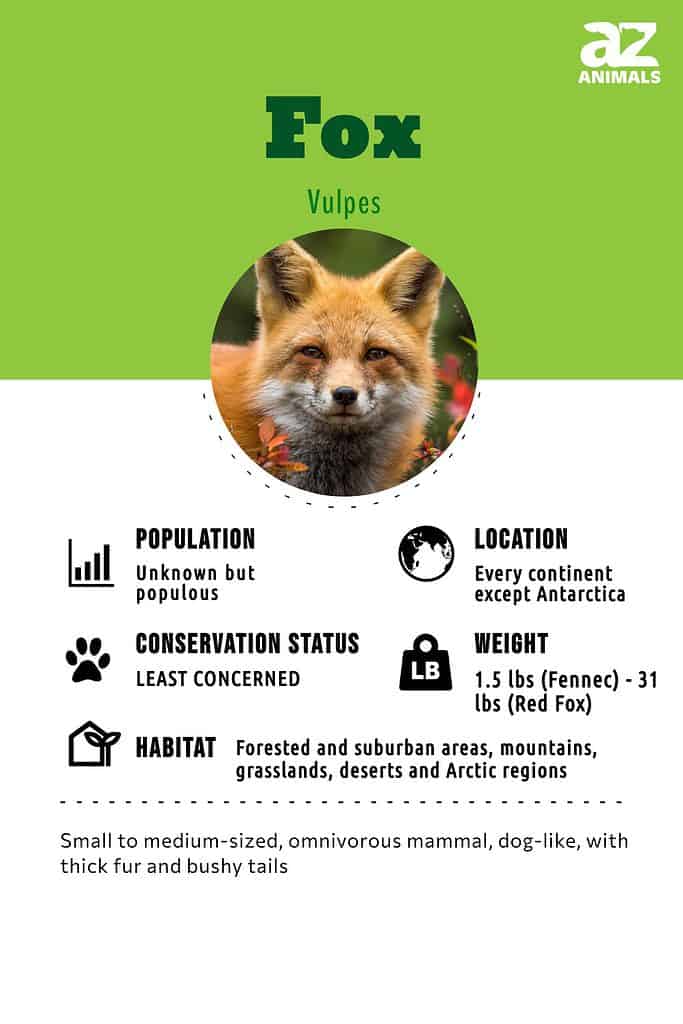
The fox is an omnivorous, dog-like mammal, often found around urban areas in the Northern Hemisphere. Known for their cunning and a favorite subject of folklore – foxes, and stories about them are found on every continent on earth except Antarctica. Among land mammals, the red fox has the second largest natural distribution behind humans.

Foxes come in various sizes and colors – but they all have pointed ears, long snouts, thick fur, and big bushy tails. Fennec foxes are the smallest – weighing up to three pounds, while their cousins, the red fox, can weigh up to 31 pounds.

The foxes of the world are clever creatures with an amazing ability to adapt to their environments. From Arctic foxes who can calculate where a running mouse will be in the time, it will take for him to leap and land on it in deep snow – to the common red fox who has learned the secrets of living among humans – a fox can survive and thrive.
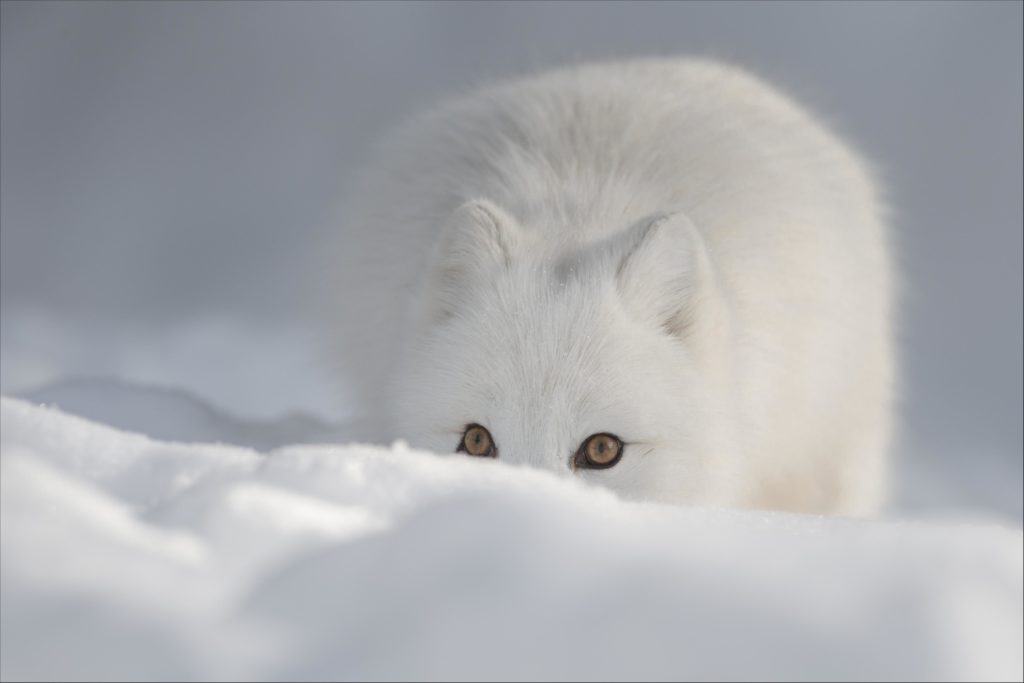
Arctic Fox on snow

An Arctic fox can jump 3 feet into the air to catch a mouse at a snow depth of more than three feet.

Fun Fox Facts:

  • Adapted for snow: Foxes live in environments where the animals they hunt have adapted for snow, so the fox has its winter adaptations! For example, a fox can jump 3 feet into the air to catch a mouse at a snow depth of more than 3 feet, even if the mouse is moving! Foxes know how to determine a mouse’s speed and trajectory so they land on exactly the right spot of snow.
  • A long-distance animal: An Arctic fox fitted with a tracking device traveled 2,175 miles from Norway to Canada in just 76 days’ time!
  • A creative solution for rabies: Rabies caused by red foxes was causing a huge problem in Europe into the 60s. How did scientists solve this problem? Well, they got animals to vaccinate themselves. Scientists air-dropped vaccinated chicken heads for wild foxes to eat and helped eliminate the scourge of rabies!

Read about the fox mating season.
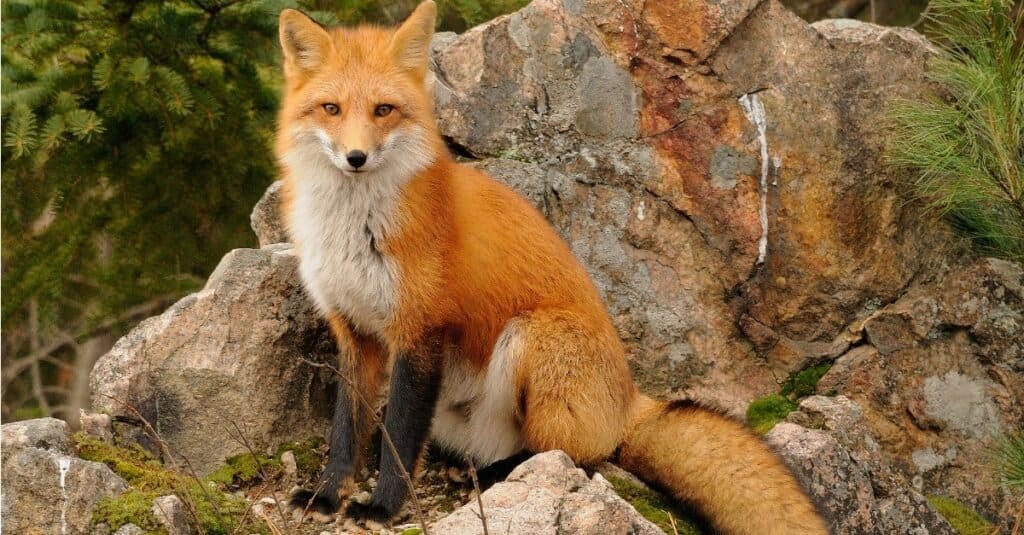
fox scream at night - red fox in field

Among land mammals, the red fox has the second largest natural distribution behind humans.

From Animal to Vulpes: The Classification of the Fox

Foxes belong to the kingdom Animalia and are mammals. As part of the family Canidae, they’re closely related to wolves, raccoons, and domesticated dogs.

The genus Vulpes contains 12 different species of “true” fox. The most widespread is the red fox, which has the scientific name Vulpes Vulpes and is found across most of the Northern Hemisphere. Three more genera, Urocyon, Otocyon, and Lycalopex, contain the “non-true” foxes.
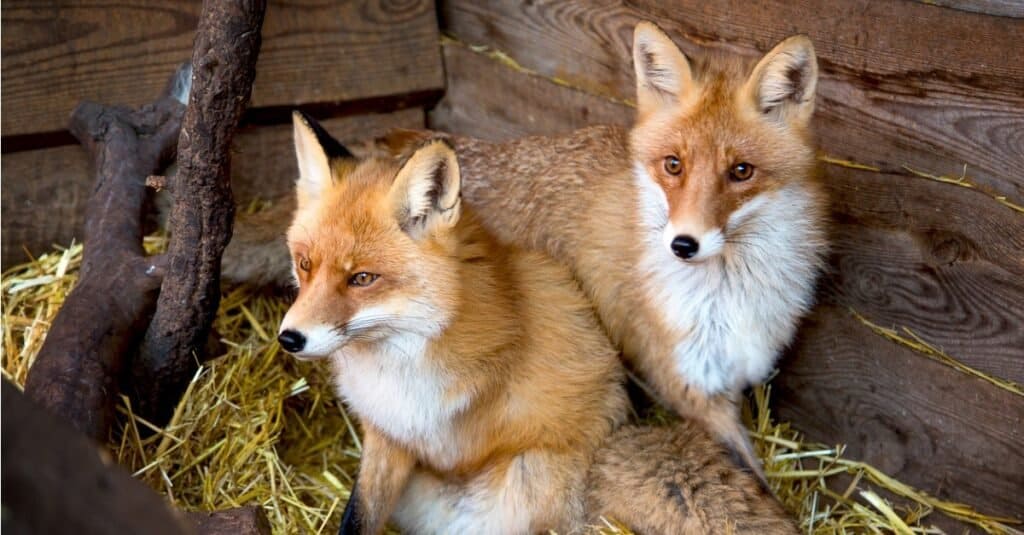
Most Romantic Animals

Foxes are smaller than wolves, jackals, and many domestic dogs.

Appearance and Lifespan

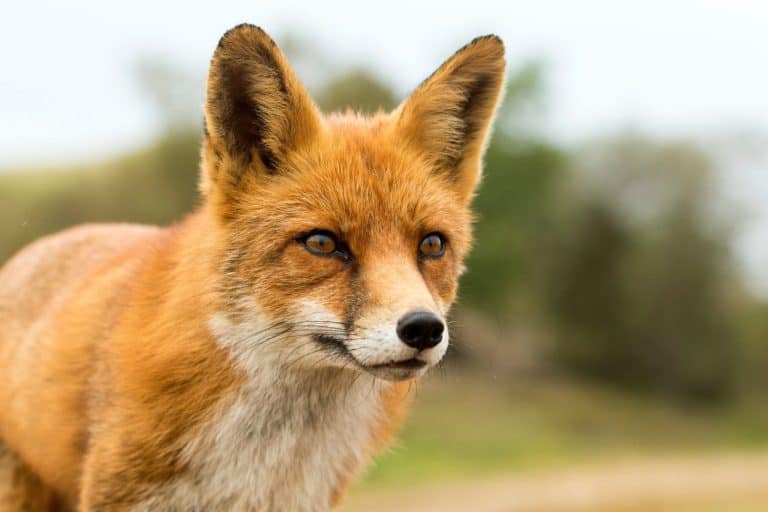
A fox is generally smaller than other members of the Canidae family like coyotes, wolves, and most domestic dogs. They range in size and color but are dog-like in appearance with pointed ears, long snouts, thick fur, and long bushy tails.

Wild foxes tend to live for around 6-7 years, but some foxes have been known to be older than 13 in captivity. The wild fox hunts mice and other small mammals, amphibians, and birds. Foxes also appear to enjoy berries, nuts, human food from garbage cans, and the occasional insect.

What preys on Foxes?

Foxes are considered prey to a variety of larger animals, including wolves, large cats, and bears. Baby foxes are often prey for eagles and coyotes. Foxes are killed mainly by humans who hunt them for their fur or because they are pests.

Evolution of Foxes

Modern-day dogs and foxes are thought to have evolved from a grassland predator of North America called the Prohesperocyon wilsoni that lived during the late Eocene, around 36 million years ago. These caniforms diverged into three sub-families: the Hesperocyoninae (western dogs), Borophaginae (bone-crushing dogs), and the Caninae, the only one still around which includes dogs, wolves, and foxes.

As the Borophaginae began to die out – new species filled the niche – Canis, (dogs, wolves, dingoes, etc.; Urocyon (Gray foxes); and Vulpes (true foxes).
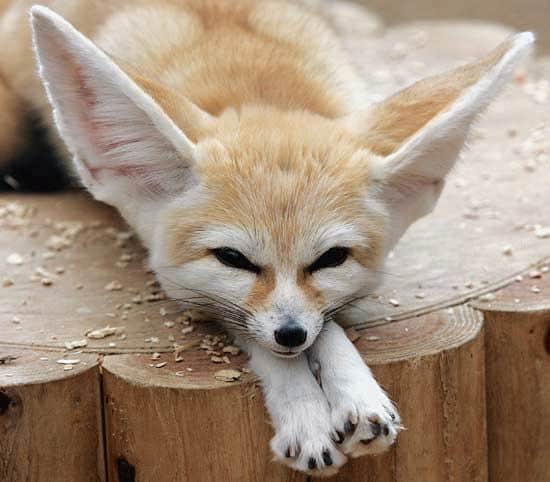
Fennec Foxes are native to middle-eastern desert regions and are the smallest of the fox species.

12 Different Fox Species

There are 12 different species of “true” fox found around the world, which include the following:

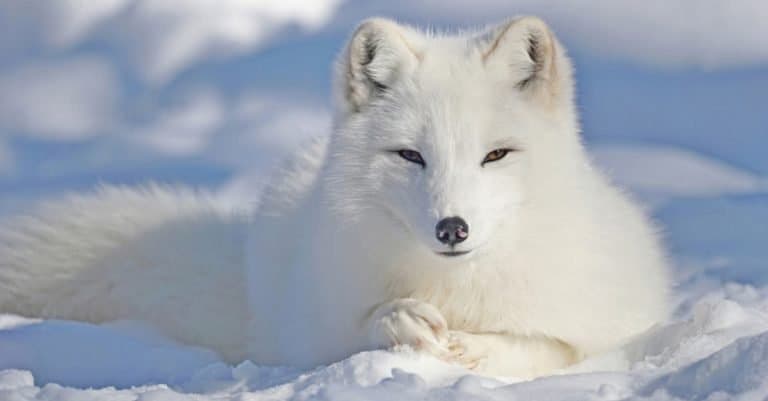
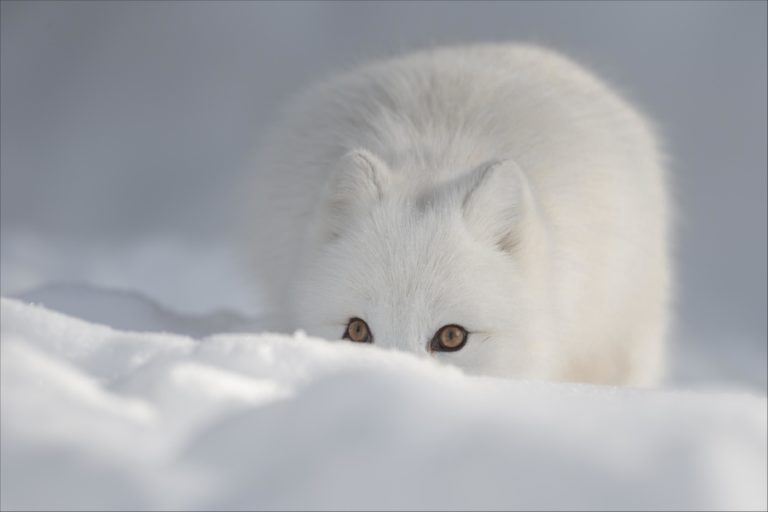
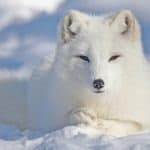
  • Arctic FoxArctic foxes are found in the Arctic tundra of the Northern Hemisphere. Also known as the polar fox, snow fox, or white fox, this species has adapted to life in colder climates. Their multi-layered coats, furry foot pads, and seasonal camouflage have aided them in surviving in some of the coldest habitats on the planet.
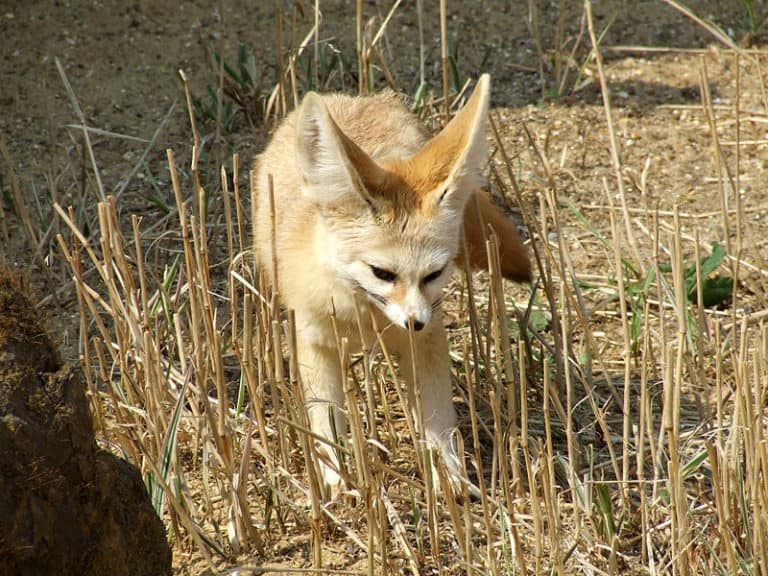
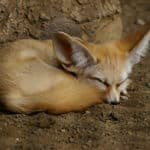
  • Fennec FoxFennec foxes are native to the Sahara Desert, Sinai Peninsula, and the Arabian Desert and have large ears which help dissipate heat from their bodies. The smallest of the fox species, these animals are social creatures that dig burrows in the sand for habitation and protection and live in groups of up to ten individuals.
  • Pale Fox – Pale foxes live in the Sahel region of Africa and have sandy-colored coats that help them blend in with their desert-like habitats. While not much is known about this species, their population size is estimated to be large and relatively stable.
  • Blanford’s Fox – The Blanford’s fox was named after English naturalist William Blanford, who first described them in 1877. Also known as the Afghan fox, royal fox, and dog fox, these animals live in parts of Central Asia and the Middle East in mountains, steppes, and arid plains regions.
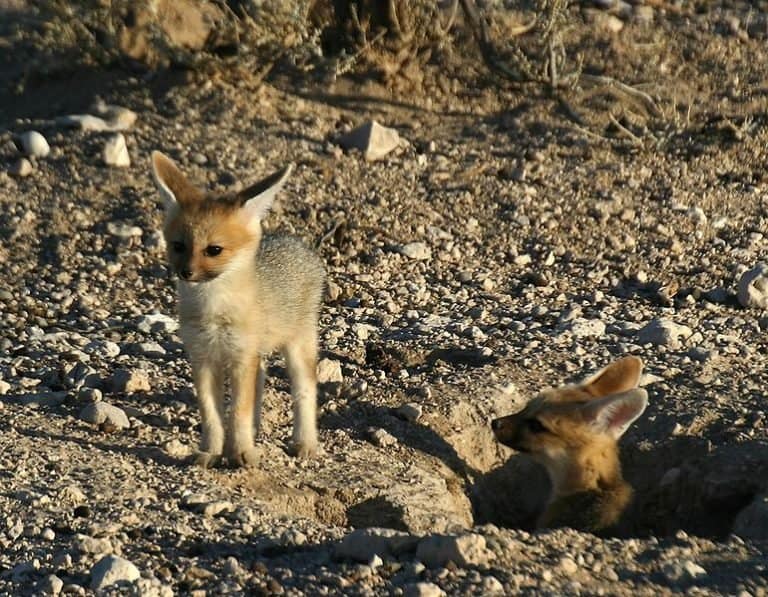
  • Cape Fox – Cape foxes are a small species of fox that inhabit Southern Africa. Mostly solitary creatures, these foxes are nocturnal and omnivorous, feeding on small mammals, birds, insects, and fruit.
  • Corsac Fox – The corsac fox lives in deserts and steppes in Central Asia and can go long periods of time without food or water as an adaptation to their environments. These foxes are slow runners and are easily caught by poachers who hunt them for their pelts.
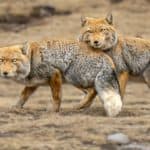
  • Tibetan Sand FoxTibetan sand foxes are only found in the vicinity of the Tibetan and the Ladakh Plateau in semi-arid and arid grasslands up to elevations of 17,000 feet. This species is diurnal, preying on pikas, rodents, marmots, hares, and lizards.
  • Swift Fox – Swift foxes inhabit the western grasslands of North America and feed on both plants and animals. The species was all but extinguished in Canada in the 1930s, but the reintroduction program in the 1980s established successful populations through the 1990s. Swift foxes are now classified as a species of Least Concern.
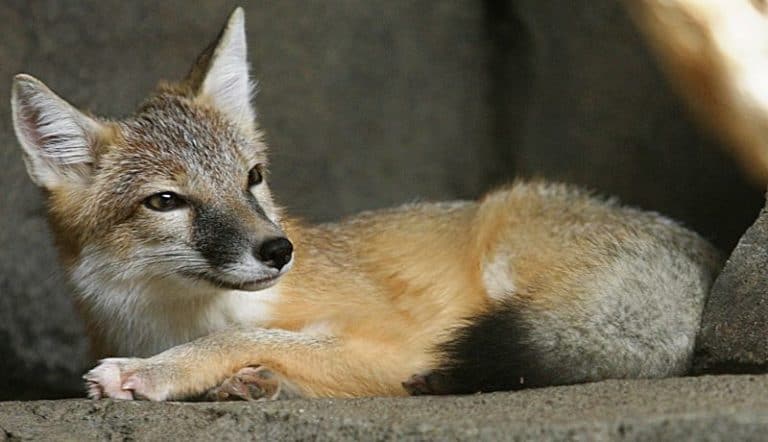
  • Kit FoxKit fox populations range from central Mexico to the southwestern United States. Determined to be the smallest species of fox in North America, kit foxes prefer arid regions and have large ears which help dissipate heat.
  • Ruppell’s Fox – Named after the German naturalist Eduard Ruppell, these foxes can be found in the Middle East, southwestern Asia, and Northern Africa. Their preferred habitats are sandy or rocky deserts, scrublands, or steppes.
  • Bengal Fox – Also known as the Indian fox, Bengal foxes are only found on the Indian subcontinent. These foxes can thrive in a wide variety of environmental conditions but prefer grasslands and semi-arid thorn or scrub forests.
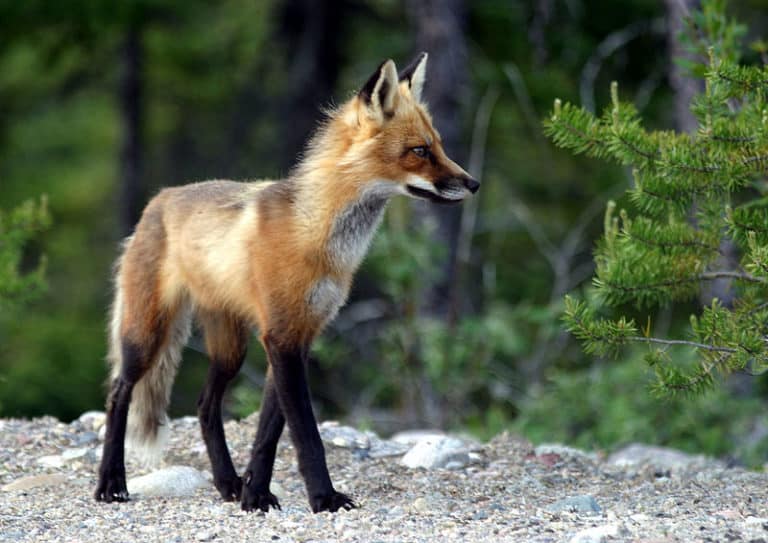
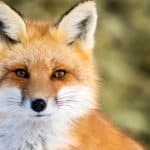
  • Red Fox – The red fox is the largest species of fox and inhabits a wide variety of regions in the Northern Hemisphere. While mostly red, these foxes can vary in color from reddish brown to platinum.

Genus Urocyon, Otocyon, and Lycalopex: Almost Foxes

There are 12 species of “true fox”, members of the genus, Vulpes, but there are three other genera that contain animals that are referred to as foxes but don’t quite meet the qualifications.
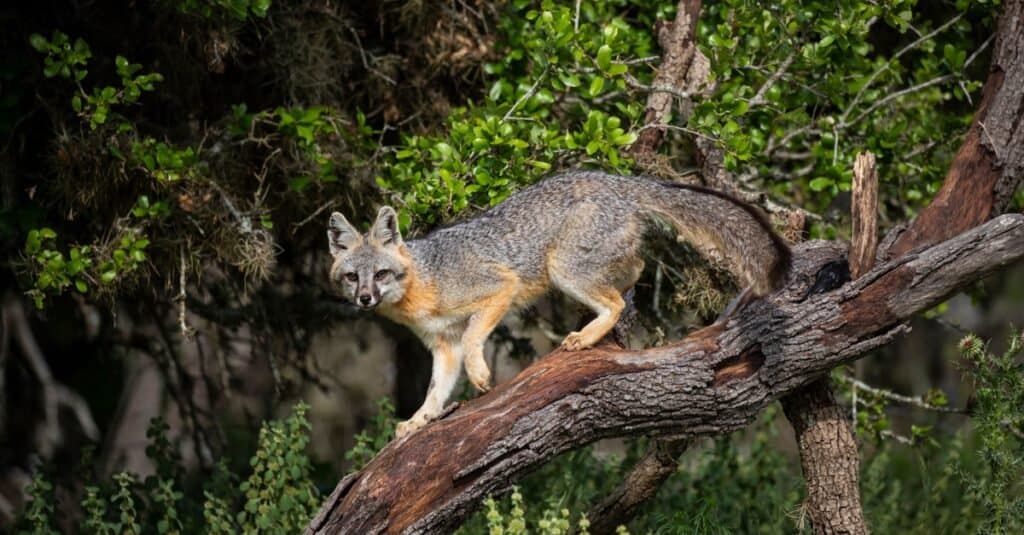
Fox scream at night - grey fox in tree

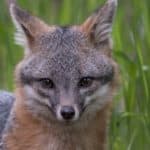
Gray foxes are exceptionally skilled tree climbers.

Genus Urocyon

They aren’t “true foxes” but animals of the genus Urocyon look like foxes and all living canines are believed to have evolved from this genus. The gray fox lives throughout North and Central America in woodland areas. It is one of the best tree-climbing foxes on earth. The second in the Urocyon genus is the island fox, which lives only on six of the eight Channel Islands off of the coast of southern California.
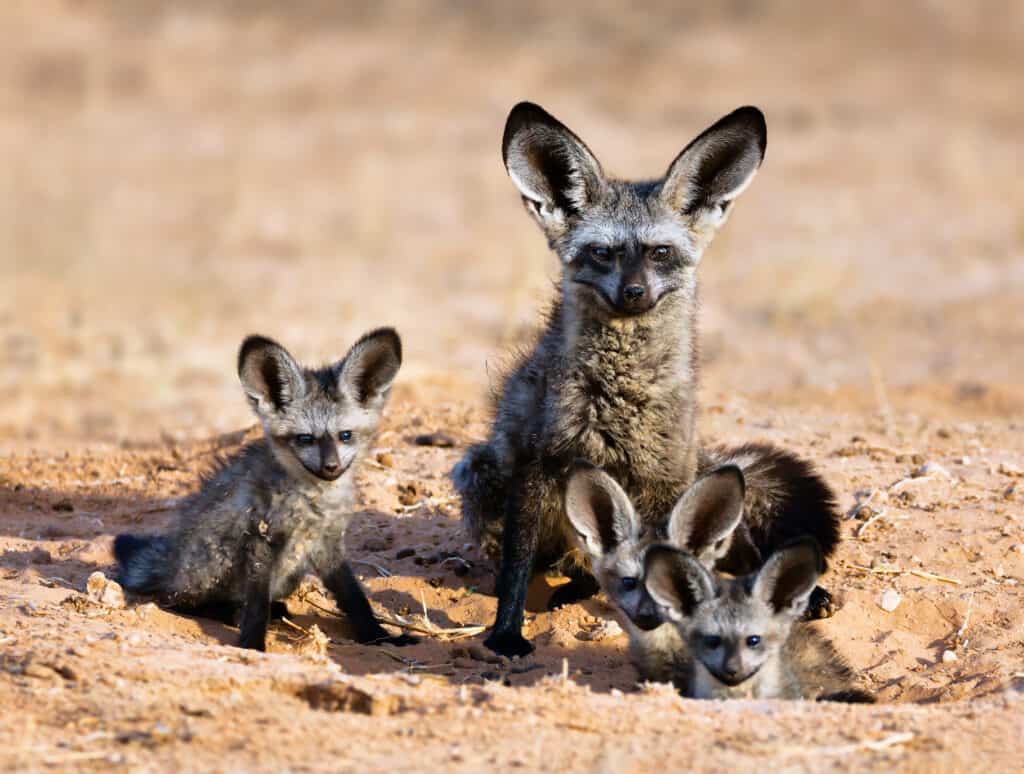
A family of bat-eared fox pups at the entrance to their den

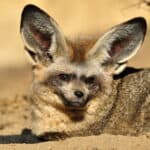
Bat-eared foxes have developed oversized ears to cool off in the arid African savannah heat.

Genus Otocyon

This genus contains just one species, the bat-eared fox. Once believed to be a jackal, the bat-eared fox, inhabits the African savannah. This species has evolved oversized ears to dissipate body heat and cool off in the hot arid heat.
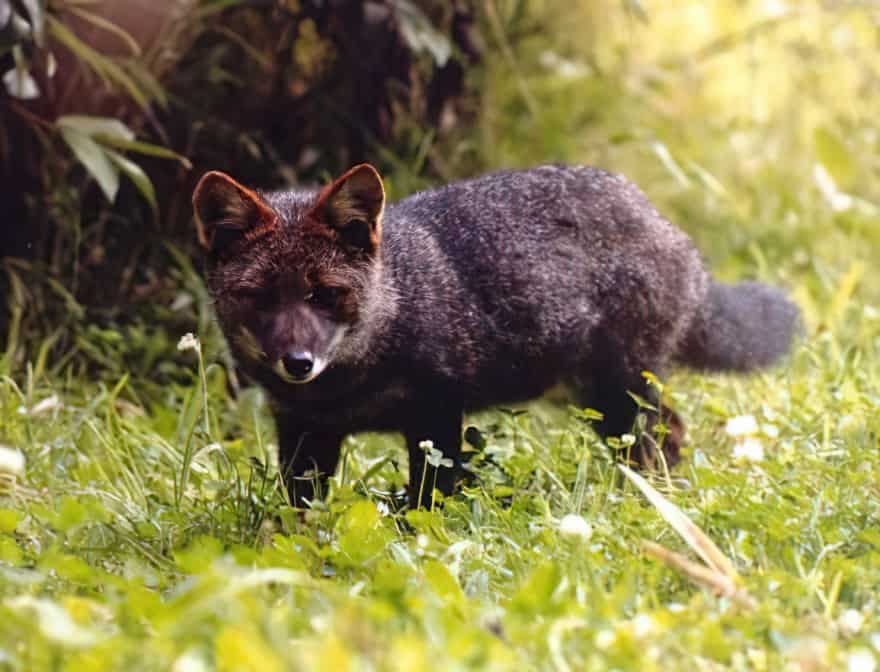
Darwin's fox

Darwin’s fox is one of the six living genera Lycalopex known as South American foxes.

Genus Lycalopex

Second, to Vulpes, this genus contains the largest number of “fox” species. All located in South America, they are collectively known as South American Foxes. The six living species in this group are the Culpeo fox, Darwin’s fox, South American Gray fox, Pampas fox, Sechuran fox, and the Hoary fox.
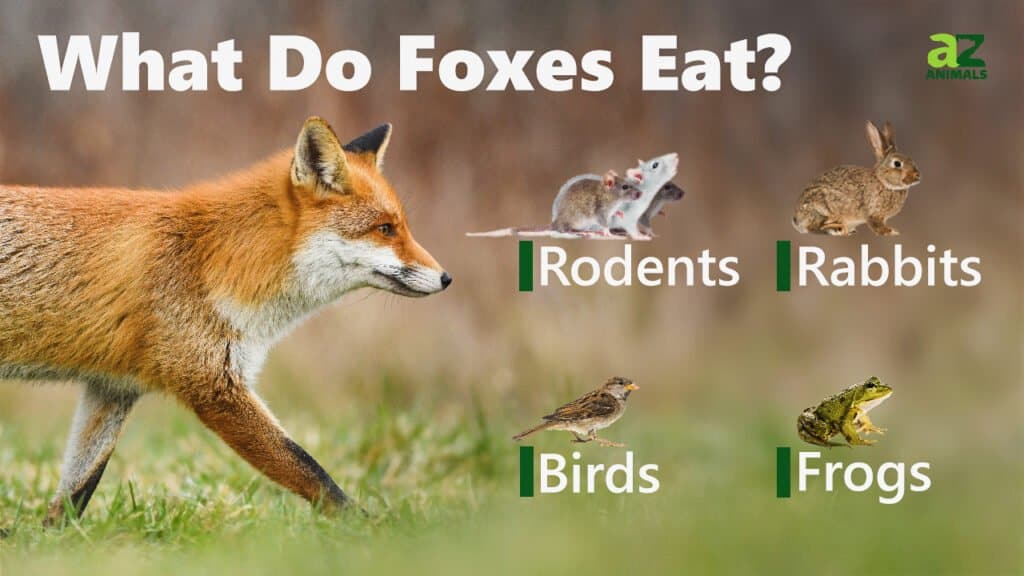
What do Foxes Eat
Foxes are omnivorous but their diet is mostly rodents, rabbits, birds, and amphibians.

What Do Foxes Eat?

Foxes have a varied diet that is omnivorous. While they will eat plant material such as berries, fruits, acorns, and other food found in garbage cans, foxes mostly eat meat – rodents, rabbits, birds, and amphibians. Foxes are opportunistic eaters that have “canine teeth” which can grip a variety of prey.

To learn more about the foxes’ complete diet, give our complete ‘What Do Foxes Eat’ guide a read.

Distribution and Habitat
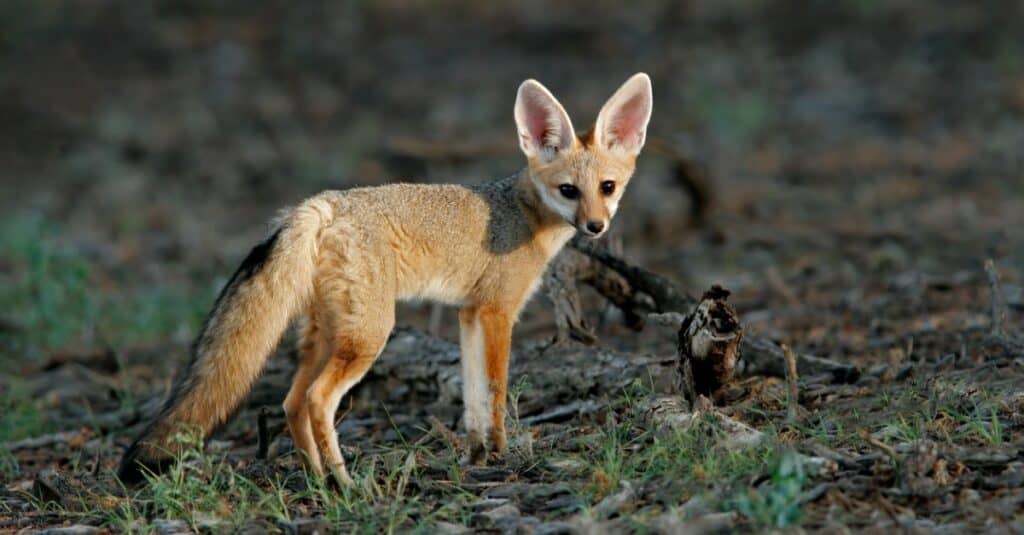
cape fox

Cape foxes are the only foxes found south of the equator in Africa.

Foxes live across nearly every major biome on Earth. They can be found on every continent aside from Antarctica. Fox species can be found in the Arctic (both Arctic foxes and red foxes), in mountains at elevations higher than 3 miles (Tibetan fox), and in many other locations. Desert foxes in particular have a number of adaptations that allow them to live in harsh environments.

Conservation Status

Overall, the conservation status of foxes is considered Least Concerned, meaning the population is stable. If you check the status of every individual species you will find that some populations are less stable or even endangered.

Foxes in Europe have been the victims of fox hunting, an extremely controversial sport that involves humans on horses hunting out the fox, led by a pack of hound dogs that would find the fox by following its scent. Fox hunting in this manner is now illegal, although it is still allowed with hunters on horseback, without the vicious pack of hunting hounds.

English Foxhounds Out Hunting

Foxes in Europe have been victims of fox hunting. Fox hunting with dogs is now illegal but hunting on horseback is still allowed.

Foxes have had a long relationship with humans because, like dogs, they always seem to be around. Because they tend to be a nuisance to farmers and homeowners by stealing livestock and eating from garbage cans, and because their luxurious fur is prized in the fur trade, foxes are frequently hunted.

The hunting of foxes hasn’t depleted their population, for the most part. Red foxes are populous all over the world- across the entire Northern hemisphere, Europe and Asia, and parts of North Africa. They have been introduced into Australia where they are considered a threat to native wildlife.
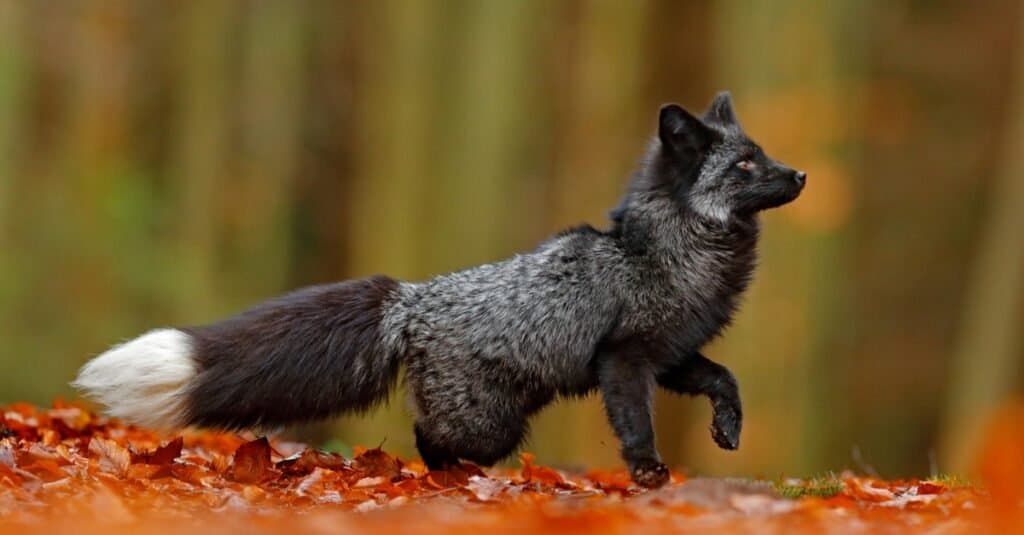
Silver Animals - Silver Fox

A silver fox is actually a red fox with a layer of grey or silver hair. These silver animals are very rare.

In Russia, silver foxes are being domesticated as part of an experiment designed to demonstrate the power of selective breeding to transform the species, as described by Charles Darwin. In an attempt to prove whether selection by behavior rather than morphology produced dogs from wolves, the team keeps track of the traits of the kits – only allowing the tamest to breed. Many of the descendent foxes became much tamer and more dog-like – even developing spotted coats.

Perhaps, in the future, foxes will be another type of dog – but don’t adopt one any time soon. They are wild animals who mark their territories with foul-smelling urine that no amount of cleaner could erase.

View all 170 animals that start with F

Sources

  1. David Burnie, Dorling Kindersley (2011) Animal, The Definitive Visual Guide To The World's Wildlife / Accessed November 10, 2008
  2. Tom Jackson, Lorenz Books (2007) The World Encyclopedia Of Animals / Accessed November 10, 2008
  3. David Burnie, Kingfisher (2011) The Kingfisher Animal Encyclopedia / Accessed November 10, 2008
  4. Richard Mackay, University of California Press (2009) The Atlas Of Endangered Species / Accessed November 10, 2008
  5. David Burnie, Dorling Kindersley (2008) Illustrated Encyclopedia Of Animals / Accessed November 10, 2008
  6. Dorling Kindersley (2006) Dorling Kindersley Encyclopedia Of Animals / Accessed November 10, 2008
  7. David W. Macdonald, Oxford University Press (2010) The Encyclopedia Of Mammals / Accessed November 10, 2008
Lisha Pace

About the Author

Lisha Pace

After a career of working to provide opportunities for local communities to experience and create art, I am enjoying having time to write about two of my favorite things - nature and animals. Half of my life is spent outdoors, usually with my husband and sweet little fourteen year old dog. We love to take walks by the lake and take photos of the animals we meet including: otters, ospreys, Canadian geese, ducks and nesting bald eagles. I also enjoy reading, discovering books to add to my library, collecting and playing vinyl, and listening to my son's music.

Thank you for reading! Have some feedback for us?


Fox FAQs (Frequently Asked Questions)

Foxes are omnivores, but their diet is mostly meat