








G
Species Profile

Golden Retriever

Canis lupus familiaris

Gentle retriever, happy helper
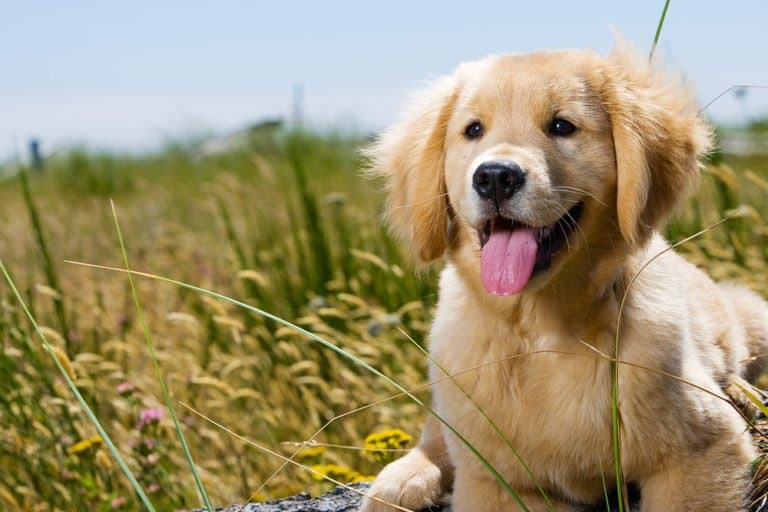
Volodymyr Burdiak/Shutterstock.com

Golden Retriever Distribution

Click a location to explore more animals from that region

Origin Location

This map shows the native origin of the Golden Retriever. As a domesticated species, they are now found worldwide.

Loading map...

Found in 1 country

Size Comparison

Human 5'8"
Golden Retriever 1 ft 10 in

Golden Retriever stands at 32% of average human height.

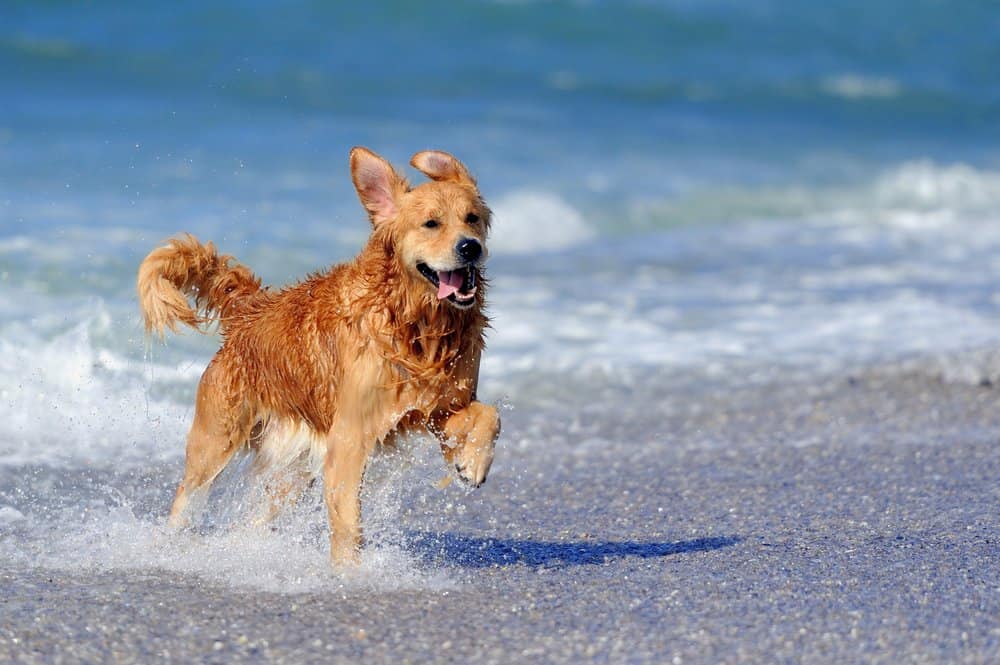
Golden Retriever (Canis familiaris) - golden retriever running on the beach

At a Glance

Domesticated
Also Known As Goldens, Goldie, Golden
Diet Omnivore
Activity Diurnal+
Lifespan 5 years
Weight 34 lbs
Status Not Evaluated
Did You Know?

Golden Retrievers were developed in Scotland in the late 1800s to retrieve shot game-especially waterfowl-over land and water.

Scientific Classification

The Golden Retriever is a large, friendly, biddable domestic dog breed developed in Scotland for retrieving game (especially waterfowl). It is widely kept as a companion animal and commonly used as a service, therapy, and assistance dog due to its trainability and sociable temperament.

Kingdom
Animalia
Phylum
Chordata
Class
Mammalia
Order
Carnivora
Family
Canidae
Genus
Canis
Species
Canis lupus

Distinguishing Features

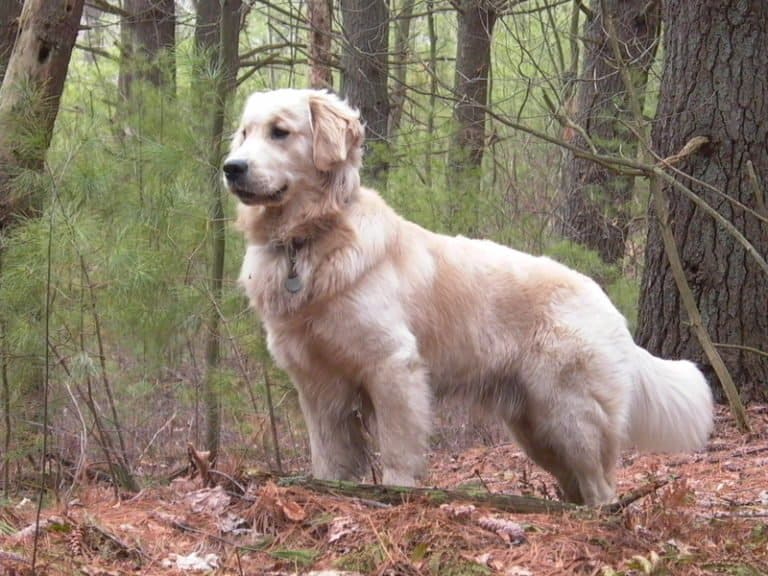
  • Medium-long, dense, water-repellent double coat in shades of gold/cream
  • Feathering on legs, chest, tail; tail carried level with a characteristic ‘plume’
  • Broad head with gentle expression; pendant ears
  • Athletic, sturdy retriever build; strong affinity for carrying objects and swimming
  • Typically highly social and cooperative; strong trainability

Physical Measurements

Males and females differ in size

Height
1 ft 11 in (1 ft 10 in – 2 ft)
1 ft 9 in (1 ft 8 in – 1 ft 10 in)
Length
3 ft 5 in (3 ft 1 in – 3 ft 9 in)
4 ft 2 in (3 ft 9 in – 4 ft 7 in)
Weight
71 lbs (64 lbs – 75 lbs)
63 lbs (55 lbs – 71 lbs)
Tail Length
1 ft 2 in (12 in – 1 ft 4 in)
Top Speed
22 mph
Friendly retriever, moderate speed

Appearance

Primary Colors
Secondary Colors
Skin Type Mammalian haired skin with a dense, water-resistant double coat: soft insulating undercoat plus longer, water-shedding outer coat; moderate seasonal shedding with heavier molts.
Distinctive Features
  • Domestic dog breed (Canis lupus familiaris) selectively developed from the base species (gray wolf lineage) for cooperative retrieving work; far more neotenous, social, and biddable than wild Canis lupus.
  • Medium-long, flat to gently wavy double coat with obvious feathering on forelegs, hindquarters, chest, and tail-more feathered than a Labrador Retriever's short coat.
  • Broad, kind expression with well-set dark eyes; black nose and eye rims preferred for typical breed appearance.
  • "Soft mouth" retrieving trait: carries objects/game gently; strong fetch/hold behaviors and high handler focus typical of retriever function.
  • Affinity for water: water-repellent coat, webbed toes, and strong swimming drive; tail carried as a "rudder" while swimming.
  • Friendly, sociable temperament with low tendency for sharpness; commonly suited to service/assistance, therapy, and search roles due to trainability and steadiness.
  • Breed health issues that affect coat and body: hip/elbow dysplasia (changes gait/muscle), cruciate ligament injuries, otitis externa from floppy ears/water, atopy/hot spots, and higher cancer risk (lymphoma, hemangiosarcoma).
  • Needs regular brushing for shedding and to prevent mats in feathering; dry and clean ears after swimming; watch skin for hotspots; manage weight to ease joints; give steady exercise and mental work.

Sexual Dimorphism

Sexual dimorphism is moderate: males are typically larger, heavier-boned, and broader through the head and chest; females are usually slightly smaller and finer-boned with a more refined head and lighter overall outline. Both sexes share the same coat type and coloration range.

  • Typically larger overall frame with broader skull and more substantial neck/chest.
  • Heavier bone and more robust musculature; thicker tail base and overall "blockier" outline in many individuals.
  • Typically smaller, lighter build with a more refined head and neck.
  • Often a slightly more streamlined outline, though still solidly built and athletic.

Did You Know?

Golden Retrievers were developed in Scotland in the late 1800s to retrieve shot game-especially waterfowl-over land and water.

They're known for a "soft mouth," meaning they're bred to carry game (and objects) gently without crushing it.

Their water-repellent double coat and feathering help them work in cold, wet conditions.

Goldens are among the most common breeds used as guide, service, therapy, and assistance dogs due to biddability and sociability.

Coat color ranges from rich gold to pale cream; color alone doesn't predict temperament or working ability.

As domestic dogs, they share the species' high social intelligence-Goldens are especially tuned to human cues and cooperation.

They mature slowly compared with some breeds, often keeping a "puppy-like" demeanor for longer into adulthood.

Unique Adaptations

  • Selective breeding for cooperative work with humans: compared with the base domestic dog population, Goldens are notably biddable, tolerant, and motivated to retrieve on cue.
  • Water-ready coat: dense undercoat for insulation plus longer, water-shedding guard hairs; feathering provides extra coverage while swimming through reeds.
  • Athletic, efficient swim mechanics: strong hindquarters and natural enthusiasm for swimming support repeated water entries during retrieves.
  • Retrieving morphology: broad head and jaws suited to carrying, plus selection for a gentle bite pressure ("soft mouth") during carries.
  • High social and training responsiveness: a breed-typical tendency to attend to human gestures/voice, supporting assistance and therapy roles.

Interesting Behaviors

  • Retrieving "for the joy of it": many Goldens will repeatedly fetch and carry objects as self-rewarding behavior.
  • Water affinity: they often choose puddles, ponds, or sprinklers, reflecting their waterfowl-retrieving heritage.
  • "Soft carry" and parade behavior: picking up items (shoes, toys) and carrying them around without chewing hard.
  • Strong human focus: frequent check-ins, following family members, and thriving on cooperative tasks.
  • Mouth-oriented exploration: using the mouth to hold and transport items more than to destroy them (when properly trained/enriched).
  • Gentle social greetings: leaning, tail-wagging, and seeking contact; they commonly show low defensiveness toward strangers compared with many breeds.
  • Scent-led searching: enthusiastic nose use in games like "find it," reflecting the broader canid reliance on olfaction.

Cultural Significance

Golden Retriever (Canis lupus familiaris) is a Scottish gundog turned global family pet and symbol of friendly, trustworthy dogs. Often used as guide and therapy dogs for hospitals, schools, and disasters because they are steady, social, and easy to train.

Myths & Legends

Lord Tweedmouth's records say the Golden Retriever began at Guisachan in Scottish Highlands when he bred a yellow retriever, Nous, with the Tweed Water Spaniel, Belle, to work in rain, heather and cold water.

A long-lived Victorian-era story claimed Golden Retrievers descended from rare "Russian circus sheepdogs" bought after a performance-an oft-repeated kennel-side legend that persisted for decades before Tweedmouth's breeding records were widely known.

Guisachan House in Inverness-shire became a pilgrimage site in modern breed lore; enthusiasts gather there to honor the breed's "birthplace," reinforcing a communal tradition around the Golden's Scottish origins.

Historical sporting anecdotes from British field culture celebrated the 'gentle-mouthed' retriever that could deliver game unspoiled-stories that elevated the Golden's careful carry into a near-mythic hallmark of good breeding and good handling.

Conservation Status

NE Not Evaluated

Has not yet been evaluated against the criteria.

Population Stable

Life Cycle

Birth 8 pups
Lifespan 5 years

Lifespan

In the Wild
3–7 years
In Captivity
10–12 years

Reproduction

Mating System Polygyny
Social Structure Managed Domestic
Breeding Pattern Transient
Fertilization Managed Selective
Birth Type Internal_fertilization

Golden Retrievers (Canis lupus familiaris) are bred by people. Breeding is managed by breeders, often with a few popular males mated to many females. No lasting pair bonds; multiple mates and assisted breeding happen.

Behavior & Ecology

Social Pack Group: 4
Activity Diurnal, Crepuscular, Cathemeral
Diet Omnivore Animal-protein-rich foods (commonly poultry or fish-based diets; many individuals strongly prefer meat flavors)

Temperament

Highly affiliative and human-oriented; typically less wary and less territorial than the base species (gray wolf), reflecting selection for cooperative work with people.
Biddable, eager-to-please, and reinforcement-sensitive; excels in service/therapy roles due to stable social tolerance and trainability (HUBS: most are friendly, but confidence varies by lines and early handling).
Playful and socially demonstrative; frequent greeting behavior, contact-seeking, and desire to carry/offer objects (retrieving drive).
Generally gentle with children and other dogs; may show exuberant, jumpy greetings without impulse-control training.
Moderate-high exercise and enrichment needs: daily aerobic activity plus retrieval/play, scent games, and obedience/skills work to prevent boredom-related behaviors (chewing, counter-surfing).
Common behavior-linked care considerations: prone to separation-related distress in some individuals-benefit from gradual alone-time training and predictable routines.
Golden Retrievers: Health issues affect behavior: hip/elbow dysplasia, cranial cruciate ligament disease, and osteoarthritis can lower play; otitis externa and allergies cause irritability; high cancer risk (hemangiosarcoma, lymphoma) and obesity need diet and activity care.

Communication

Barks (alert, demand, play) often less territorial in tone than many guarding breeds; frequency varies by individual and training.
Whines/whimpers for attention, anticipation, or distress Including separation-related
Growls primarily in play or discomfort contexts; breed-typical inhibition is common but should still be respected.
Howls/"talking" vocalizations occasionally, often socially facilitated.
Sighs/grunts during relaxation or mild frustration.
Tail carriage and wag patterns Broad, low wags common in friendly approach; high stiff wag can indicate arousal
Mouth-based communication: gentle mouthing and object-carrying/presenting (breed-specific retrieving heritage); requires training to maintain soft mouth and avoid grabbing hands/clothes.
Play bows, bouncing gait, and exaggerated facial expressions as affiliative signals.
Leaning, pawing, licking, and close-contact seeking toward humans Strong attachment behavior
Eye contact and head orientation used heavily in training contexts; responsive to human gestures.
Scent marking and investigative sniffing; typically less territory-driven than wild canids but still uses olfactory cues.
Body freezing/avoidance signals when stressed or in pain Important given orthopedic/ear issues that can change tolerance

Habitat

Biomes:
Temperate Forest Freshwater Wetland Temperate Grassland Marine Boreal Forest (Taiga) Tundra Alpine Desert Hot Desert Cold Mediterranean Savanna Tropical Rainforest Tropical Dry Forest +8
Terrain:
Plains Hilly Valley Coastal Island
Elevation: Up to 16404 ft 3 in

Ecological Role

Domesticated companion and working canid; not a natural apex predator in managed environments, but an omnivorous consumer supported by humans with occasional opportunistic predation/scavenging.

Human assistance and disability support work (service/guide tasks) Therapy/comfort roles that improve human wellbeing Retrieving/hunting assistance (game recovery) reducing loss/wounding waste Deterrence of some pest wildlife in peri-urban settings (incidental) Nutrient cycling via consumption of human-provided foods and waste (minor, managed)

Diet Details

Main Prey:
Small mammals Birds Fish Invertebrates
Other Foods:
Berries and other fruits Grasses Root vegetables and plant scraps Cooked grains and starches

Human Interaction

Domestication Status

Domesticated

Canis lupus familiaris, fully domesticated from gray wolves. Golden Retriever: bred in Scotland mid‑late 1800s (Lord Tweedmouth) to retrieve shot game, especially waterfowl, on land and water. Bred for a soft mouth, being easy to train, friendly nature, and a dense water‑repellent double coat with a well‑feathered tail. Common roles: family pet, hunting retriever, service/therapy, search‑and‑rescue, dog sports.

Danger Level

Low
  • Physical injury from size/strength (knocking down children/elderly, leash pulling)
  • Bites/scratches possible if fearful, in pain, poorly socialized, or mishandled-risk increases around resource guarding or rough play if training is neglected
  • Zoonotic risks common to dogs (e.g., parasites) without routine veterinary prevention
  • Allergic reactions to dander/saliva in sensitive humans

As a Pet

Suitable as Pet

Legality: Golden Retriever (Canis lupus familiaris) are usually legal to own as pets in most places. Rules are general—licensing, leashes, noise rules, rabies shots, or housing/insurance limits. Breed bans are rare.

Care Level: Moderate

Purchase Cost: $500 - $3,000
Lifetime Cost: $20,000 - $55,000

Economic Value

Uses:
Companion animal (pet industry: food, grooming, boarding, daycare) Service/assistance work (guide, mobility, autism support) Therapy/AAA programs (hospitals, schools, disaster response comfort) Sporting/hunting retrieval (field work, training services) Working roles (search-and-rescue; some detection) Breeding/show and competitive dog sports (conformation, obedience, agility, rally, dock diving)
Products:
  • Puppy/dog sales and adoption fees
  • Veterinary services (preventive care, orthopedics, oncology)
  • Training services (basic manners through advanced task training)
  • Grooming services and tools (deshedding, coat care)
  • Pet insurance
  • Sporting/hunting equipment (dummies, whistles, waders)
  • Service-dog programs and certification/training pipelines
  • Food and supplements (especially joint/weight management diets)

Relationships

Quick Take

  • Reaching a 20-year lifespan requires surviving a disease that affects 60% of the population.
  • The 5-cup feeding limit prevents a metabolic crisis linked to hypothyroidism and obesity.
  • Despite their gundog status, these canines are surprisingly unsuitable for protection and guarding duties.
  • Baron Tweedmouth initiated a breeding project to solve retrieval failures on rugged Scottish terrain.

Originating from the serene and picturesque hills of the Scottish Highlands, the golden retriever is the very epitome of loyalty and affection. The first major breeder was Dudley Marjoribanks, the Baron of Tweedmouth, who created the golden retriever in the 19th century by crossing a yellow retriever with the now-extinct tweed water spaniel, plus a mix of the bloodhound and Irish Setter. He intended for the breed to be a superior hunting dog that could retrieve dead game from all kinds of rugged terrain on land or water. The technical term for this type of retriever or hunter is a gundog.

The result is a hardy dog breed with an impeccable and lustrous double coat of orange, golden, or light-colored fur that can tolerate cold water during hunting months and also deal with felled fowl.

These beloved pups are great for families with kids and other animals. You will also commonly see them utilized as service animals and search and rescue dogs. There really is no end to their capability! According to the American Kennel Club, it is one of the most popular breeds in the country.

A large infographic about Golden Retrievers featuring a central illustration of a dog against a mountain backdrop, surrounded by charts about health risks, breed history, and popular crossbreeds.
Beyond the wagging tail lies a high-stakes battle for health. Discover the Scottish origins and the specific care rules needed to help your retriever defy the odds and reach its 20th year. © A-Z Animals

The Different Types of Golden Retrievers and Golden Retriever Mixes

There are quite a few Golden Retriever crossbreeds, including:

  • Beago: The Beago is a blend of a beagle and a golden retriever. They have many of the great characteristics of their parents, including being great swimmers like their retriever parent.
  • Golden Saint: Golden Saints are one of the breeds with the absolute best names. They, as you might have guessed, come from golden retriever and Saint Bernard parents. When they have puppies, the young ones come out with all types of unpredictable, colored, and patterned fur.
  • Golden Doodle: The Golden Doodle is a very popular “designer breed” that combines golden retrievers with poodles. The result is a very smart and family-oriented pup with shaggy hair.
  • Golden Shepherd: The Golden Shepherd breed is a great combination of German shepherds and golden retrievers. Their puppies have the sweetness and gentleness of the retriever but also have the athleticism and work dog mentality of the shepherd.
  • Golden Pyrenees: The Golden Pyrenees is another interesting breed. They come from breeding a golden retriever with a Great Pyrenees. Typically, they carry over the huge size of the Pyrenees and the gentle nature of the retriever.

Owning a Golden Retriever: 3 Pros and Cons

ProsCons
A sweet breed
Let’s face it, Golden Retrievers are just generally a sweet breed of dogs. They’re just generally good-natured and work well with families.
This playful mate needs EXERCISE
Goldens aren’t a breed that’s content to lie around an apartment all day. They require daily exercise, and if you’re lacking, they can get restless and begin causing havoc in small spaces.
Easy to train
Some dogs can be challenging to train. However, the intelligence of Goldens makes them one of the easier breeds to train. The breed can adapt to fairly complex tricks, so don’t be afraid to push the envelope.
Shed, shed, shed
Like many retrievers, Goldens will shed… But they tend to shed a lot. The biggest shedding seasons come in spring and fall, but be prepared for hair… everywhere.
A playful mate
Goldens are a playful breed. They need a lot of physical activity and can be especially energetic in their first four (or so) years of life.
Some health concerns
Goldens are very active, especially when young. This comes with some health conditions, especially a propensity for hip dysplasia. In addition, Goldens are prone to many health ailments, which we’ve listed below.

Size

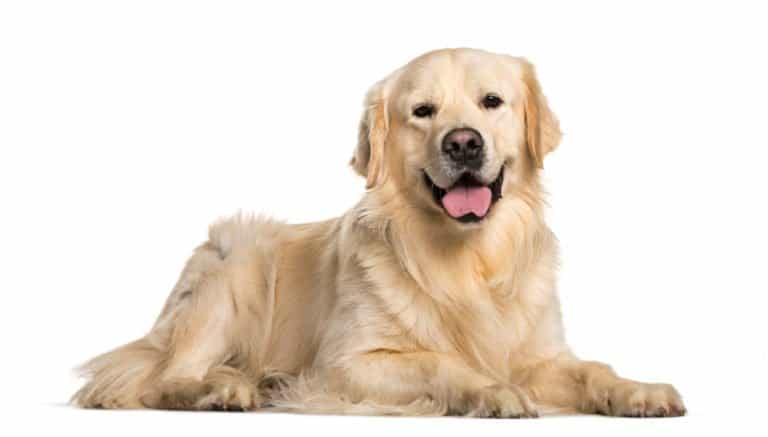
The pure-breed golden retriever, as opposed to a mix, is a medium-to-large-sized dog with a strong and muscular frame. The typical member of this breed stands up to 2 feet high and weighs between 55 and 75 pounds. Males are slightly larger than females, but otherwise, they are similar in appearance. Due to the exact breeding standards, the golden retriever adheres to a very narrow range of sizes.

Height (Male) 23 to 24 inches
Height (Female)21.5 to 22.5 inches
Weight (Male)65 to 75 pounds
Weight (Female)55 to 65 pounds

Common Health Issues

Due to various genetic factors, the golden retriever, unfortunately, comes with several health problems, the most significant of which is cancer. Golden Retrievers are among the most cancer-prone dog breeds, with studies indicating that around 60-65% of them in the United States may eventually die from cancer.

The breed is also susceptible to eye disease, skin diseases, ear infections, hypothyroidism (low levels of thyroid hormones), heart disease, and hip and elbow dysplasia (a genetic developmental abnormality in which parts of the joint grow somewhat out of alignment with each other, potentially hobbling the dog). If you intend to purchase a golden retriever, then you should be aware of the common signs of distress or illness. For instance, infections and skin allergies, which can be caused by pollens, food, and fleas, generally appear as red skin and excessive itching. For dysplasia, you may notice a limp.

To reduce the possibility of long-term health problems, you can request medical records from the breeder, store, or adoption agency from which you purchased the dog. You should also ensure that your dog has an annual checkup to catch health problems as soon as possible.

Temperament

Golden retrievers seem to positively radiate a friendly, trusting, and affable personality with their warm and cheerful expressions. For this reason, they are sometimes held up as an example of the quintessential dog breed. Their keen intelligence and playful behavior make them very easy for all kinds of people to interact with, as they are always looking for ways to please people and meet new friends.

This has allowed them to thrive as good companions and hunting dogs but perhaps not so much as guard dogs. In modern society, this devoted and exuberant personality makes them well-suited for rescue work, therapy, some law enforcement work, and guides for the blind.

Check out some incredible facts about Golden Retrievers.
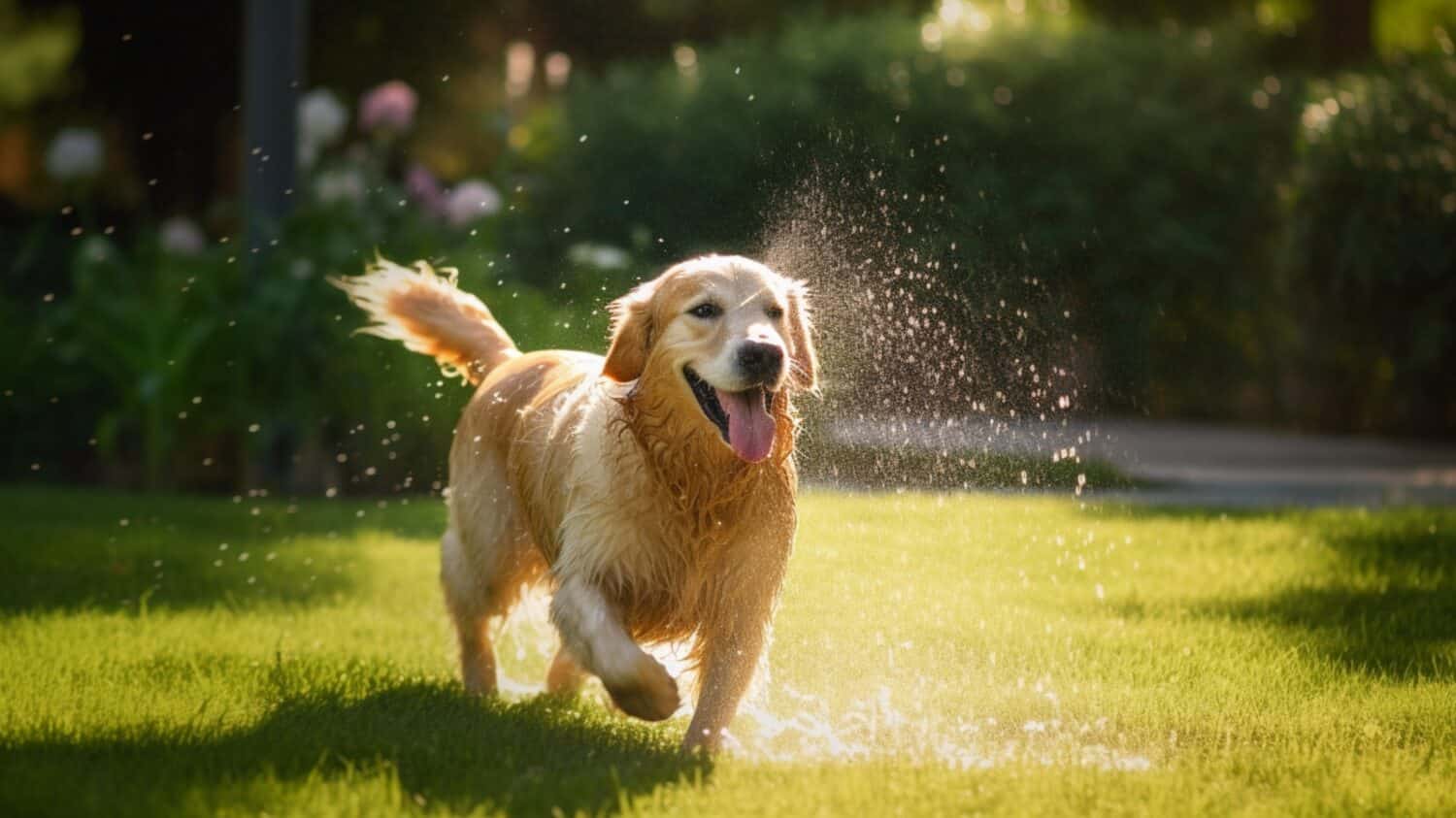
Smiling face cute Golden Retriever running and playing with sprinkled water on a grass lawn in summer.

Golden retrievers seem to positively radiate a friendly, trusting, and affable personality with their warm and cheerful expressions.

How to Take Care of Golden Retrievers

Because of their frequent need for exercise and grooming, golden retrievers require a large amount of work and effort to maintain. It is a good idea to ensure that there’s a constant human presence in the house to keep the dog company and take care of its needs. If the dog begins to show early signs of health problems, such as dysplasia, then you should take it to a veterinarian as soon as possible.

The average Golden Retriever lifespan is 10 to 12 years; sadly, studies show their lifespan has been trending down. The oldest Golden on record was named Augie and lived 20 years and 11 months.

The Best Dog Food

Golden retrievers require high-quality food for medium or large dogs to support an active lifestyle. You can also feed the dog treats judiciously from time to time, but don’t overdo it. Because of the tendency to overeat, golden retrievers are sometimes prone to obesity. Hypothyroidism is a particularly worrying accelerator of weight gain. This can lead to long-term health problems, including heart disease and arthritis.

A general rule is that you should limit adults to no more than 5 cups of food per day. You should feed a puppy no more than 3 cups per day. You should also avoid feeding the dog too many scraps from human food. If you notice that the dog is gaining weight, then you should immediately reduce the amount of food you are giving it.

Maintenance and Grooming

With its rich fur coat, the golden retriever is notorious for its semi-frequent shedding. You should therefore endeavor to groom the dog at least once per week, maybe more. In addition, when the dog is heavily shedding its double coat about once or twice a year, it may require almost daily brushes to stay clean and healthy.

The brushing can be preceded by a very rigorous bath to loosen some of the fur, but make sure the dog is dry before attempting to groom it. The nails should be trimmed on a regular basis as well. And if possible, you should regularly clean out the ears to reduce the chances of an infection.

Training

One of the breed’s most appealing traits is the ease with which these dogs can be trained to perform tricks or tasks. Golden retrievers will want to do what they’re told, but the dog also needs a focused training regime or it could become distracted easily. If socialized and trained from an early age, meaning up to around four months, then they can be seamlessly integrated into the family with much less of a tendency to nibble or bark. But even adult dogs are trusting and friendly toward almost anyone it encounters and therefore might take easily to training. Since this breed is so loyal and eager to place, training often comes naturally and effortlessly.

The golden retriever is a good athlete and working dog, so it excels when given an objective to complete. The breed is especially proficient at sports and agility competitions.
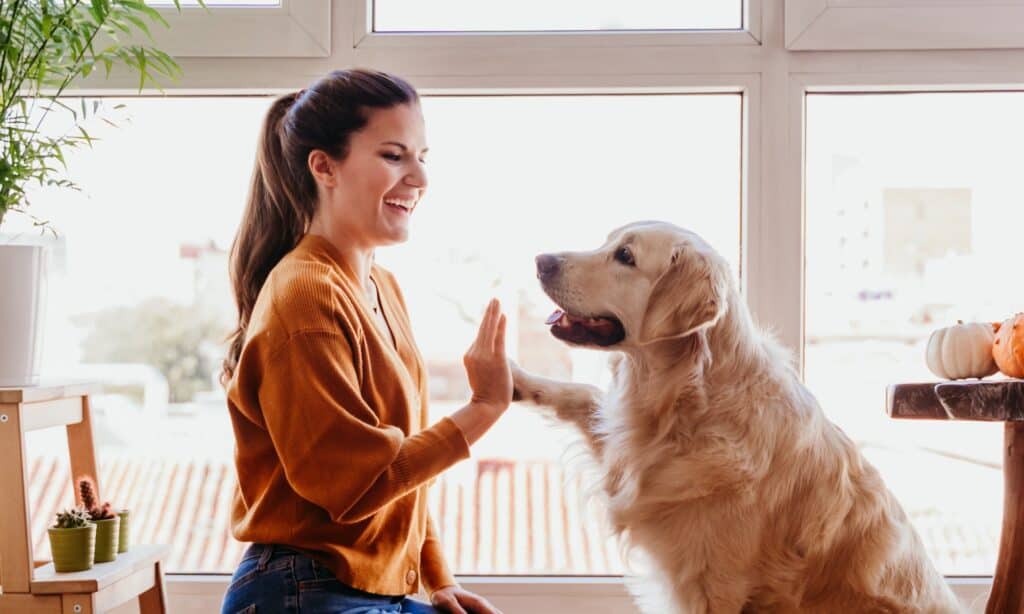
why can't dogs talk

Since this breed is so loyal and eager to place, training often comes naturally and effortlessly.

Exercise

The golden retriever is an active breed of dog that requires an outlet for all of that pent-up energy. It is therefore a good idea to give your dog as much as 45 minutes of exercise throughout the day, plus additional mental and physical stimulation.

You should also try to keep the dog frequently entertained with toys and chewing items. If it does not receive an adequate level of activity, then it might engage in destructive behavior around the home. Before buying this breed, make sure you have plenty of indoor and outdoor space for activity. You can also take this breed with you on your walk, run, or bicycling.

Puppies

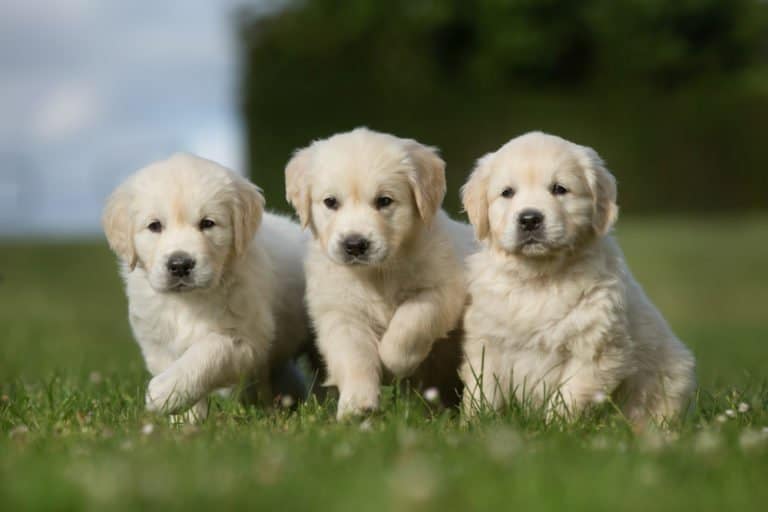
A golden retriever puppy is very eager to work and play but lacks a lot of discipline. If you obtain the dog as a puppy, then you should immediately put it through training to form a strong bond with your dog and teach it the basics. Exposing the dog to many different people and situations early may make it better adjusted as an adult. It is also a good idea to take the dog to a vet and have it examined for possible joint problems, which can develop early in life.
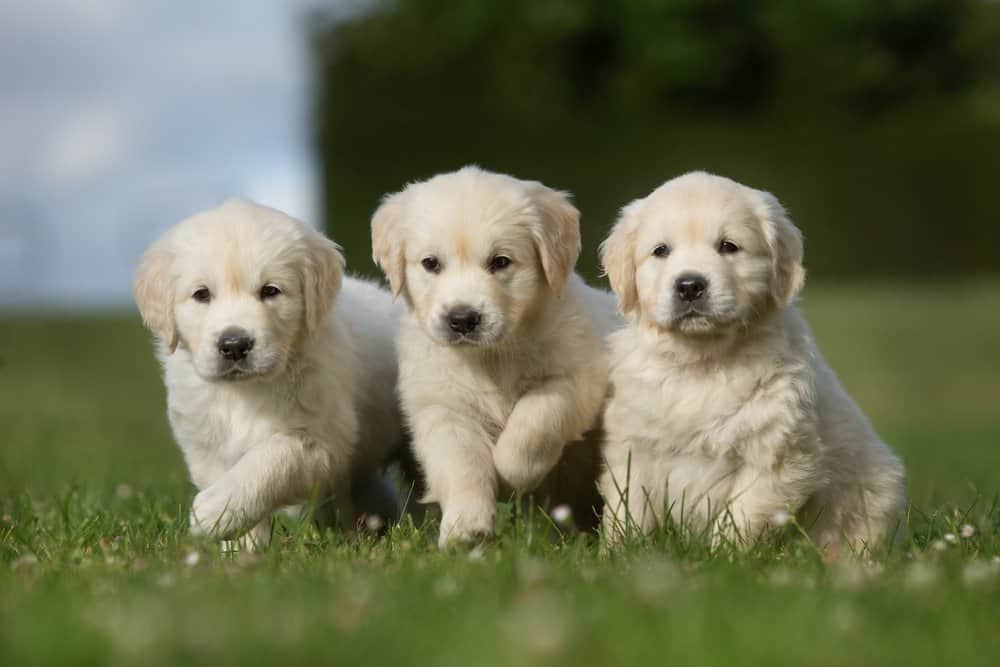
Golden Retriever (Canis familiaris) - golden retriever puppies

Golden Retriever puppies should be socialized from a young age.

With Children

Because of its friendly and kind personality, the golden retriever is one of the most popular breeds to keep around children. It will tolerate a lot of rough and playful behavior with immense patience and its good, loyal personality even around toddlers and adolescents.

This also provides a constant source of companionship and teaches kids a sense of responsibility. The American Kennel Club lists the golden retriever as one of the best dog breeds for kids.
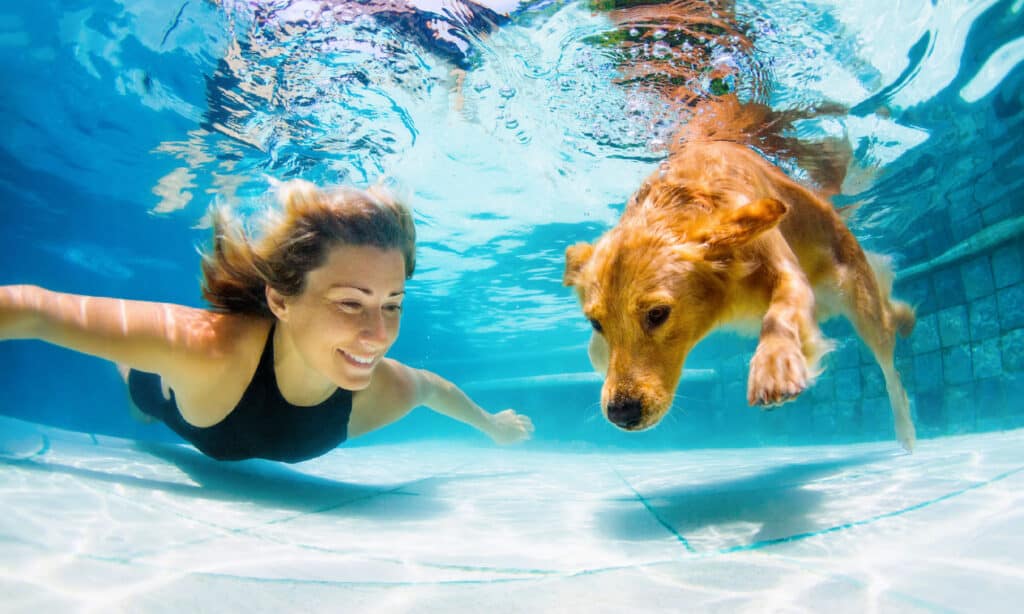
Dog, Family, Summer, Swimming, Underwater

Because of its friendly and kind personality, the golden retriever is one of the most popular breeds to keep around children.

Similar Dogs

The golden retriever is just one of many breeds that qualifies as a retriever. Besides some mix breeds like the goldendoodle and golden Aussie, here are some of the most similar dog breeds:

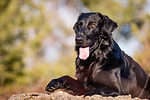
  • Labrador Retriever: Originating from Newfoundland in the 1600s, this breed is similar in most respects to the golden retriever, including its friendly and easy-going nature, its trainability, and its dedication to tasks. Like its golden variant, the Labrador retriever is incredibly popular both in the home and for work purposes.
  • Flat Coat Retriever: This breed is similar to the Labrador retriever, but as the name suggests, it has a flatter coat of fur with a long head and a leaner appearance. This coat is well-adapted to harsher weather conditions.
  • Chesapeake Bay Retriever: Originating from the Maryland area in the 1800s, this breed is characterized by its wavy tan or brown hair, which is similar to the flat coat retriever. It is generally larger than the golden retriever with some individuals weighing up to 100 pounds.

Famous Golden Retrievers

  • Air Bud: How could any list of “famous” Golden Retrievers not begin with Air Bud? The franchise began in 1997 with a movie about ‘Buddy’, the basketball-dunking dog, and has continued forward. As of this writing, the most recent entry in the series was Air Bud: Spikes Back, which featured Buddy as a volleyball player.
  • Duke: The Golden Retriever in ‘Bush’s Baked Beans’ commercials became a celebrity. He passed away in 2018.
  • Gracie: One of Oprah Winfrey’s dogs. Unfortunately, Grace died at a young age after choking on a plastic ball.
View all 261 animals that start with G

Sources

  1. David Burnie, Dorling Kindersley Animal, The Definitive Visual Guide To The World's Wildlife / Accessed November 10, 2008
  2. Tom Jackson, Lorenz Books The World Encyclopedia Of Animals / Accessed November 10, 2008
  3. David Burnie, Kingfisher The Kingfisher Animal Encyclopedia / Accessed November 10, 2008
  4. Richard Mackay, University of California Press The Atlas Of Endangered Species / Accessed November 10, 2008
  5. David Burnie, Dorling Kindersley Illustrated Encyclopedia Of Animals / Accessed November 10, 2008
  6. Dorling Kindersley Dorling Kindersley Encyclopedia Of Animals / Accessed November 10, 2008
  7. American Kennel Club / Accessed October 17, 2020
  8. Chewy / Accessed October 17, 2020
  9. AKC / Accessed October 17, 2020
  10. Rover / Accessed October 17, 2020
Heather Ross

About the Author

Heather Ross

Heather Ross is a secondary English teacher and mother of 2 humans, 2 tuxedo cats, and a golden doodle. In between taking the kids to soccer practice and grading papers, she enjoys reading and writing about all the animals!

Thank you for reading! Have some feedback for us?


Golden Retriever FAQs (Frequently Asked Questions)

Besides some health problems and a bit of rambunctiousness, golden retrievers don’t necessarily have bad qualities, but they do require quite a lot of care and maintenance, as well as open space and attention. If you foresee a problem with meeting this dog’s needs, then you might want to consider another breed with less daily effort.