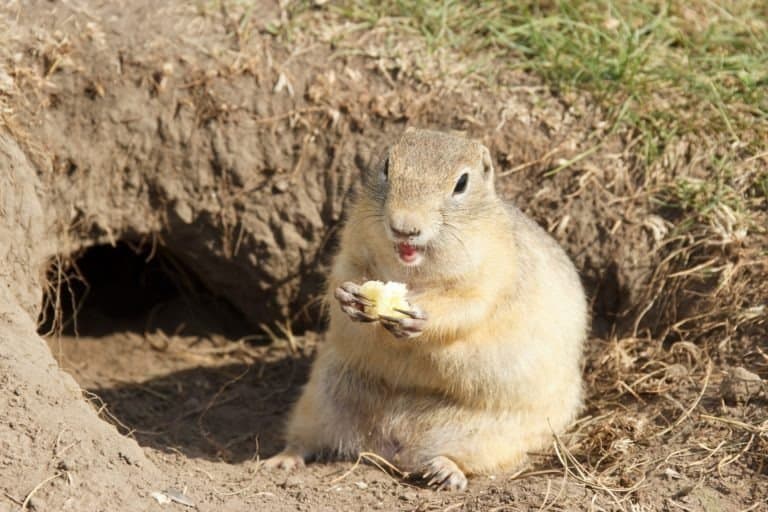
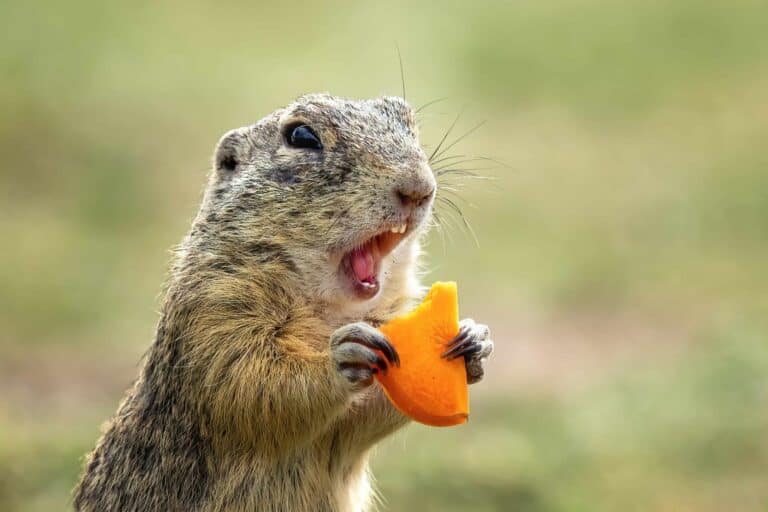
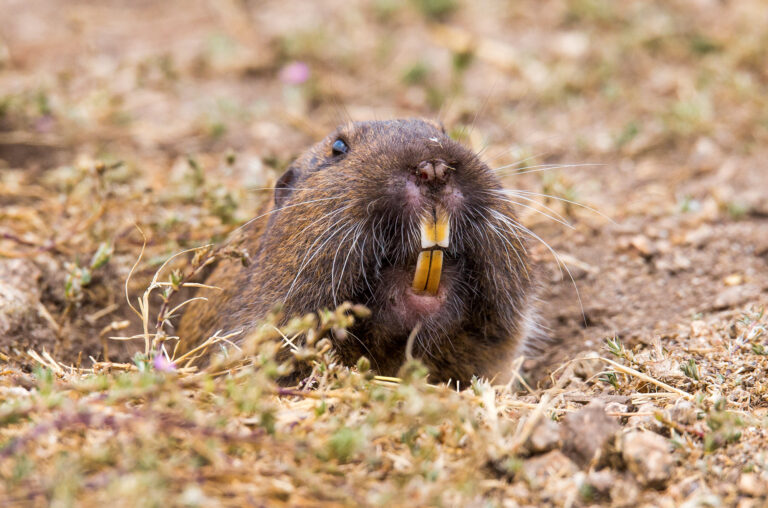



“A gopher’s head looks twice as big when the pouches in its cheeks are stuffed with food”
Gophers are rodents that live in North America and Central America. They are herbivorous animals that eat a variety of plants. Though these rodents are active in the daytime they stay mostly underground in tunnels. They are solitary animals. The lifespan of a gopher ranges from 1 to 3 years.
An Incredible Animal: Five Gopher Facts!
• The pocket gopher can turn its fur-lined pouches inside out to remove the contents, much like a pocket
• The gopher is able to close their lips while keeping their incisor teeth exposed; if they did not do that, they would get a lot of dirt in its mouth while digging
• Gophers don’t need to leave their tunnels even to find water. They get their water supply from the moisture in the plants they eat
• Gophers are animals with flat teeth that help them to grind up bulbs, roots, and other parts of a plant
• They sometimes share their tunnels with other animals
Scientific Name
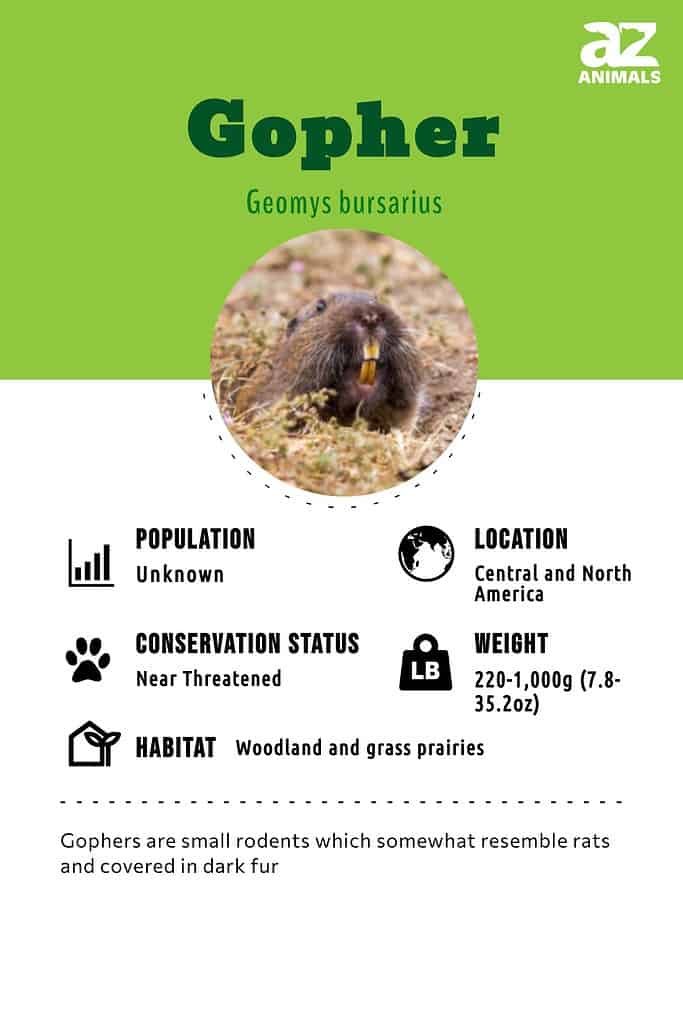
The scientific name for this gopher is Geomys bursarius. It’s in the Geomyidae family and belongs to the class Mammalia. This rodent is also known as a pocket gopher because it has fur lining the pouches inside its cheeks. It is capable of turning these pouches inside out to remove the contents. Like a pocket!
The origin of the word gopher is believed to have come from the French word gaufre. Gaufre means waffle which may refer to the complicated pattern of the tunnels made by pocket gofers.
There are many subspecies of this gopher. Some of them include the Geomys bursarius ozarkensis, the Geomys bursarius illinoensis, and the Geomys bursarius missouriensis. Subspecies of the gopher, or pocket gopher, live throughout the United States and down into Mexico.
Appearance and Behavior
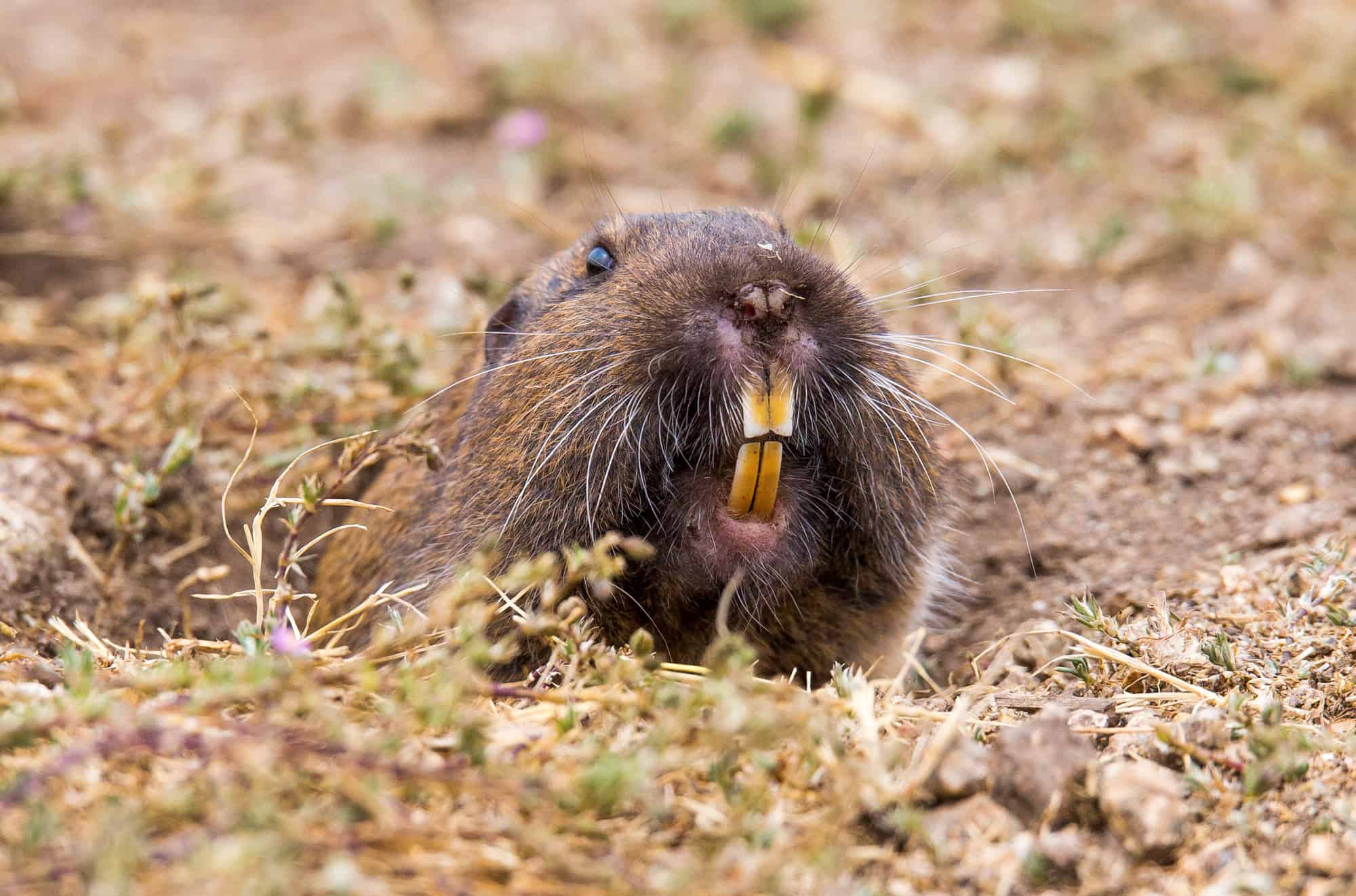
Gophers have pouches in their cheeks which they stuff with food and to be carried to different locations
©iStock.com/stevelenzphoto
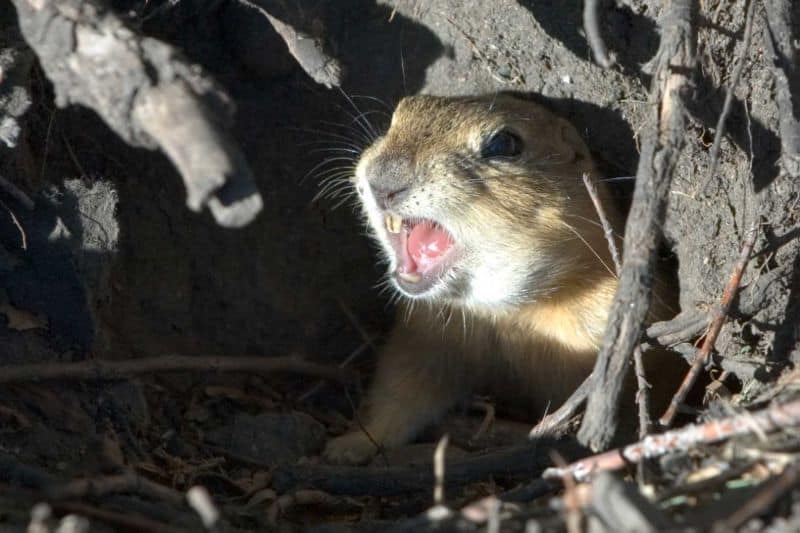
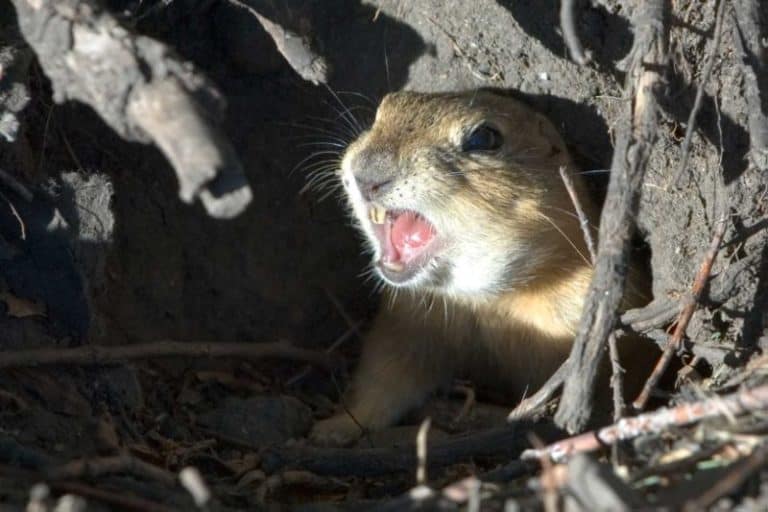
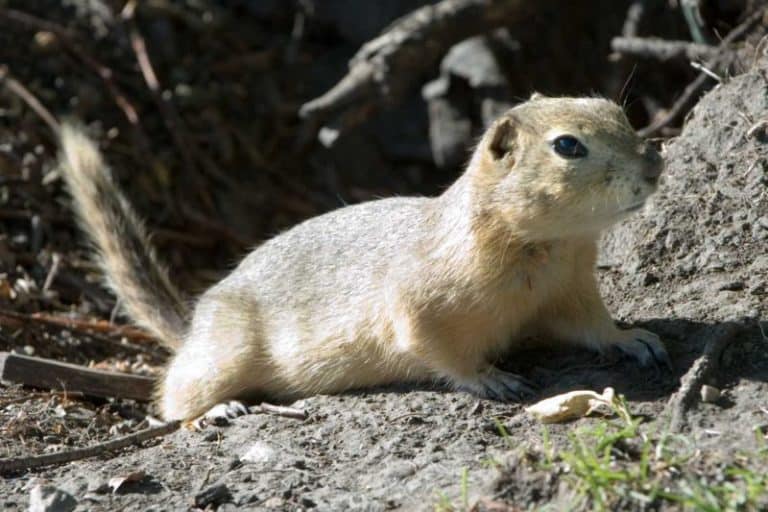
Gophers have brownish, black fur as well as small dark eyes and tiny ears. A gopher has a slender body that it can flatten allowing it to fit into narrow tunnels. This rodent ranges from 5 to 14 inches long. A gopher that is 5 inches long is an inch or so shorter than the average pencil.
Normally, these rodents weigh around one pound. A gopher weighing one pound is equal in weight to two hamsters you’d see at a pet shop. The largest species of gopher can grow to be 2.2 pounds and live in Central America.
This rodent has pouches in its cheeks. It stuffs its pouches with food and carries it to different locations without losing any of it. The ability to stuff its cheeks allows this rodent to take food underground and eat it in safety.
A gopher is an animal with a mouth and teeth designed to help it to survive in its environment. For instance, gophers have flat molars that make it easy to chew up dry, rough vegetation. Also, they are able to close their lips while keeping their incisor teeth exposed. Some scientists compare the appearance of a gopher’s incisor teeth to a chisel. They use their incisors to dig through the dry, pebbly ground to make their tunnels. They push up rocks and stones as they progress. If a gopher wasn’t able to close its lips, it would get a lot of dirt in its mouth while digging!
This animal has claws on its front paws that help it to burrow quickly so it has a place to hide from predators. Hiding underground is the main defense of this animal due to its small size.
Gophers are shy, solitary animals except during the breeding season. However, they’ve been known to share their burrows and tunnels with animals other than gophers. Rabbits, lizards, and toads are all animals that may share a tunnel system with a gopher. They may not be best friends, but they manage to share the same living space!
Types
There are 41 species of gopher, including:
- Yellow-faced pocket gopher (Cratogeomys castanops): Found in the southwestern United States and Northern Mexico, they are known for their small skulls, yellowish fur, and grooved teeth. Their swimming abilities are somewhat lacking compared to their other relatives, owing to their bulk.
- Oriental Basin pocket gopher (C. fulvescens): This rodent is found in the Mexican states of Puebla, Tlaxcala, and Veracruz. It is capable of living at elevations of 8,900 feet.
- Smoky pocket gopher (C. fumosus): Fond of living in lowland plains, this rodent is found in one of Mexico’s smallest states, Querétaro.
- Goldman’s pocket gopher (C. goldmani): A tubby rodent with light brownish fur, this pocket gopher is endemic to northern Mexico.
- Merriam’s pocket gopher (C. merriami): This rodent is fond of living in farmlands and woodlands and can be found at elevations of over 13,000 feet. Endemic to Mexico, it lives in the valley of Toluca.
Evolution
To understand how gophers came to be it is necessary to examine the history of the vast family they are a part of — rodents. According to scientists, the earliest ancestor of this large collective first emerged 66 million years ago at the end of the Paleocene – right after non-winged dinosaurs had vanished from the earth.
Their diversification however, began in the Eocene (34 – 56 million years ago) and these mammals also participated in the Great American Interchange much later, about 3 million years ago. As members of the suborder Myomorpha, they are related to over 1,520 species which are also part of this vast collective, including gerbils, hamsters, lemmings, mice, and voles.
They are also related to dormice and jerboas. However, gophers’ closest relatives are kangaroo rats which belong to the superfamily Geomyoidea, just as they do, too.
Habitat
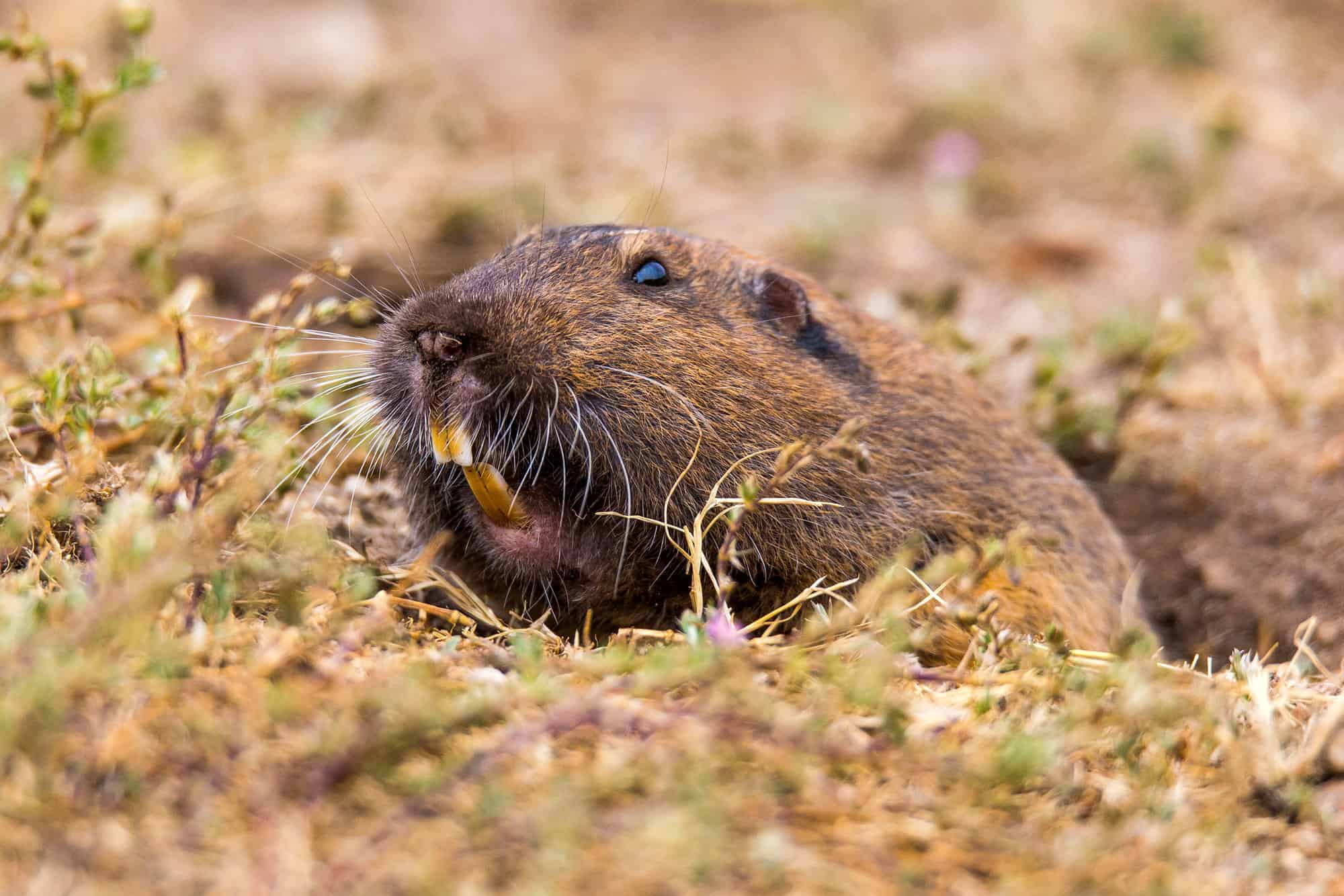
Gophers dig tunnels which are close to the surface and those which are deeper in the ground
©iStock.com/stevelenzphoto
Gophers live in North America on the Great Plains ranging from Texas all the way up to the Canadian border. There are also gophers living in Central America specifically down into Mexico.
Some species of these rodents live in deserts with extremely hot temperatures while others live near the mountains with colder temps. The main living requirement for a gopher is sandy soil that they can dig into to make a burrow. They can go underground to escape the heat or cold.
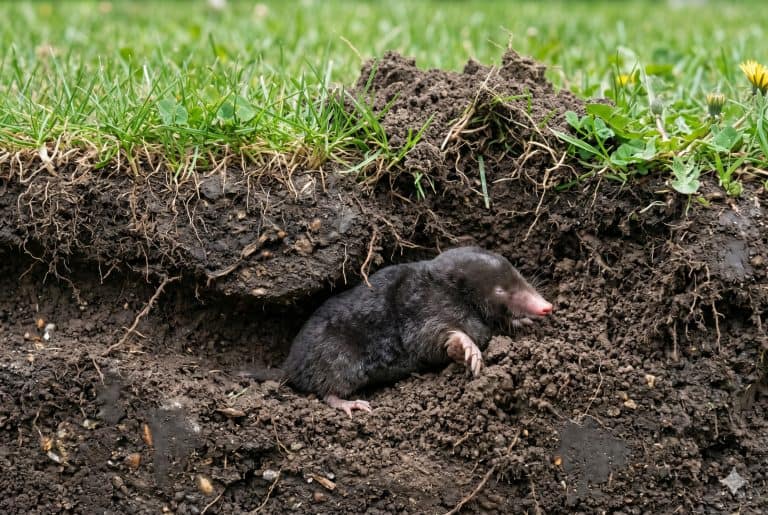
Pocket gophers make two types of tunnels. One type of tunnel is long with many twists and turns. It is near the surface of the ground and gophers move through this tunnel to find plant roots. The second type of tunnel is deeper in the ground. Gophers use these tunnels for their nests, storing food and hiding from predators.
They can live in wooded areas , grasslands, deserts, or meadows. These rodents don’t migrate or go into hibernation. They are busy digging to extend tunnels, looking for food or breeding at various times throughout the year.
Diet
What does a gopher eat? Gophers are herbivores. They like to eat the roots, bulbs, and tubers of a plant along with its leaves. Normally, a gopher finds the roots of plants growing in its tunnels and pulls the plant down to eat it. As a way to protect itself against predators, this rodent avoids leaving its tunnels to forage for plants above ground.
Gophers don’t need to leave their tunnels even to find water. They get their water supply from the moisture in the plants they eat. For a complete analysis of their diet, give our ‘What Do Gophers Eat? A Complete List of Their 8 Favorite Foods’ page a read!”
Pest Control
Gophers have been known to make their way out of their tunnels – an occurrence that can spell bad news for gardeners. During such visits to the surface, they will munch on food or ornamental crops and generally wreak havoc on their surroundings.
They may even make up their minds to settle down in a farm or garden and borrow right through it undoing hours and hours of hard work. And while their larders and droppings may make for more fertile soil, they can also strip its surface of vegetation.
To repel these little adorable rodents with not-so-adorable habits, simply apply castor oil around the openings of their burrows. Coffee grounds, fish oil, or even tabasco sauce will work wonderfully as well.
Alternatively, gopher-proof plants can serve as a handy deterrent. They include daffodils, geranium, iris, sage, and thyme.
The one thing all these remedies have in common? Strong smells which gophers simply cannot abide. The result? A tranquil, undisturbed lawn or garden for you, and gopher-free premises.
Predators and Threats
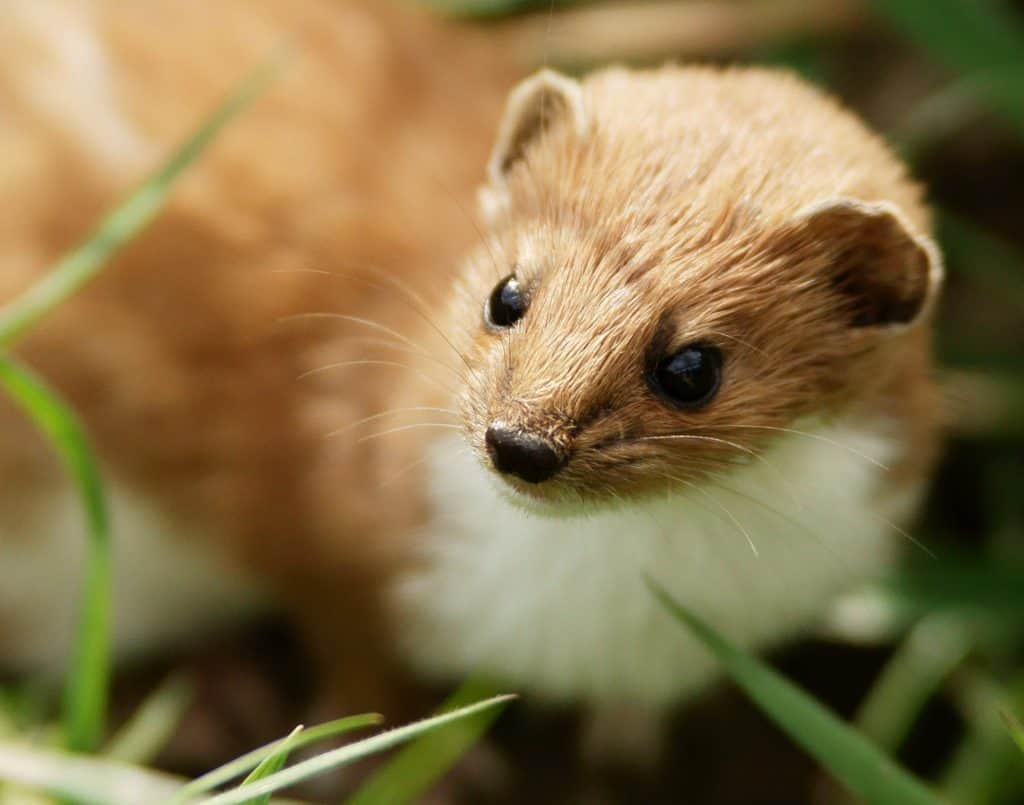
Weasels are known to prey on gophers
©Peter Trimming / CC BY 2.0, Flickr – Original
Some of a gopher’s predators include coyotes, snakes, weasels, hawks, and owls. When a gopher spots a predator, it heads for the protection of its burrow. These rodents can even move in a backward motion to quickly disappear into their burrow. They have sensitive tails that help to guide them back into the safety of their home.
If a gopher is above ground foraging for plants it can easily fall prey to a swooping owl or hawk. Plus, many snakes are able to follow gophers into their tunnels to capture them. Coyotes, bobcats, and other larger animals can overpower these rodents.
The official conservation status of a gopher is Least Concern. Gophers are thought of as pests in some cities where they dig tunnels under gardens and around homes. But their population remains stable.
Reproduction, Babies, and Lifespan
In the spring season, male gophers go in search of burrows where female gophers live. Most gophers breed just once each year though some have been known to breed in the fall season as well as spring.
Gophers have more than one mate. The gestation of a female gopher ranges from 18 to 30 days. Normally, a female gopher has 5 to 6 live babies also called pups. A group of pups is called a litter. They have their litter in a nest inside their tunnel system.
Gopher pups are born blind as well as with their ears closed. They aren’t able to see or hear until they are 5 weeks old. The pups nurse from their mother for several weeks and are weaned at about 40 days old. The mother gopher cares for her pups by herself. Gopher pups can stay with their mother for up to two months, then they go out to dig their own burrows.
The lifespan of a gopher ranges from 1 to 3 years. Though they are quick moving rodents, they have many predators that live nearby and share their environment.
Population
The conservation status of the pocket gopher is Least Concern and its population is holding steady. Scientists estimate an average of 4 to 5 gophers per acre of land. However, a few species of gopher are decreasing due to habitat loss. Two examples include the tropical pocket gopher and the Michoacan pocket gopher.
The tropical pocket gopher lives in Mexico. Its official conservation status is Endangered due to loss of habitat. Clearing of land and construction is taking away the habitat of this gopher. They are on the list of highly threatened animals in Mexico.
The Michoacan pocket gopher also lives in Mexico and is listed as Endangered as well. Habitat loss due to forest clearing and competition for food from other animals in the environment are two specific reasons for the population decrease of the Michoacan pocket gopher. It is now protected by the Mexican government as an animal in danger of extinction.
Gopher Pictures
View all of our Gopher pictures in the gallery.

No machine-readable author provided. Cszmurlo assumed (based on copyright claims) / CC BY-SA 3.0
Sources
- David Burnie, Dorling Kindersley (2011) Animal, The Definitive Visual Guide To The World's Wildlife / Accessed January 26, 2009
- Tom Jackson, Lorenz Books (2007) The World Encyclopedia Of Animals / Accessed January 26, 2009
- David Burnie, Kingfisher (2011) The Kingfisher Animal Encyclopedia / Accessed January 26, 2009
- Richard Mackay, University of California Press (2009) The Atlas Of Endangered Species / Accessed January 26, 2009
- David Burnie, Dorling Kindersley (2008) Illustrated Encyclopedia Of Animals / Accessed January 26, 2009
- Dorling Kindersley (2006) Dorling Kindersley Encyclopedia Of Animals / Accessed January 26, 2009
- David W. Macdonald, Oxford University Press (2010) The Encyclopedia Of Mammals / Accessed January 26, 2009
- Arizona-Sonora Desert Museum
- The National Wildlife Federation
- The IUCN Red List of Threatened Species
- Animal Facts Encyclopedia