














Quick Take
- The Harrier has been recognized by the American Kennel Club since 1885, yet something keeps this breed from becoming popular, leaving it on the verge of near-total obscurity in the U.S. Explore the breed's history →
- First-time dog owners are often steered toward the wrong breed, and the Harrier vs. Beagle comparison reveals a counterintuitive winner. See the full comparison →
- The Harrier's friendly, pack-loving personality comes with a hidden behavioral trigger that can turn a well-tempered dog destructive. Discover the behavioral trigger →
- The Harrier's origins trace back to 13th-century England, yet two completely contradictory stories about its ancestry have never been reconciled. Read the conflicting origin stories →
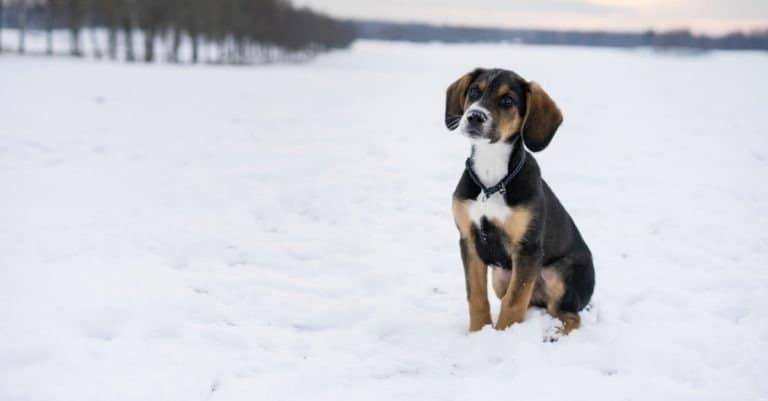
Harriers are affectionate, fun-loving, and sweet, which is another reason that people love them as much as the Beagle or the English Foxhound. Even though the breeds are incredibly different, their coats are strikingly similar. Like the Beagle, the Harrier shares the same trait of its coat changing colors as it ages.
With their friendly nature as pack hounds, these dogs can be highly energetic. They love to run, making them ideal companions for individuals who like to jog and engage in different sports. Keeping a leash on them while in public areas is crucial, as they also like to freely follow any scent that might attract their attention.

Breed History
The first pack of the harriers is believed to have been bred in England in the 1200s to chase hares. However, there are conflicting stories about this breed’s origins. In one account, they were crosses of the Bloodhound, the Talbot Hound, and the Basset Hound, yet in another, the Harrier was a mix of the English Foxhound, the Terrier, and the Greyhound.
Known to have originated in England, this breed was re-recognized by the UK Kennel Club in January of 2020, after having previously lost recognition in 1971. Extremely popular in Ireland, they are the most commonly used dog in hunts. The Harrier was introduced by settlers to the United States in the early 1800s, and although this breed was recognized by the American Kennel Club in 1885, it is still extremely rare in the United States, with fewer than 500 Harriers believed to exist in the country as of 2026.

Harriers are rare to find in the United States.
©cynoclub/Shutterstock.com
Harrier vs. Beagle
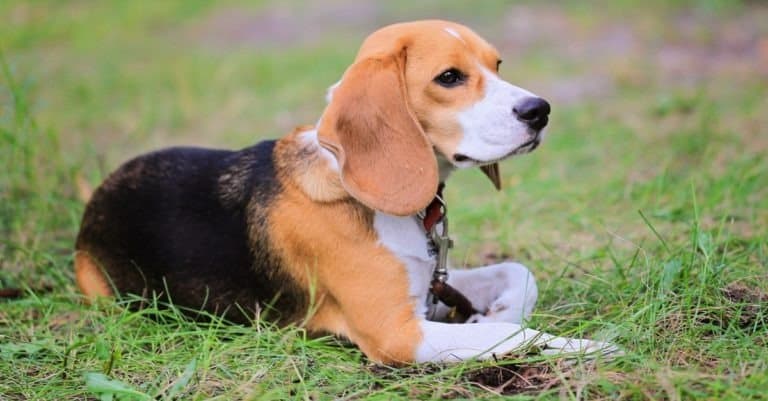
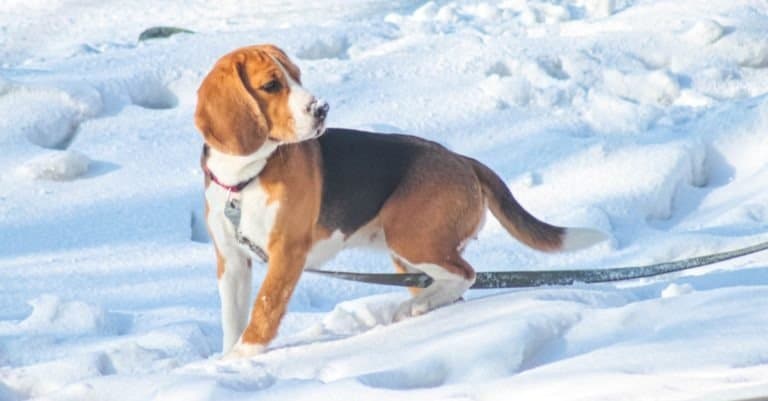
Though the Harrier and the Beagle look similar, they are very different. While they both originate in Europe, the harrier is commonly double the weight of the beagle, despite the fact that they are only 3-4 inches longer. Both animals have white, black, tan, and red in their coats, though Harriers have some yellow hues as well. While the Beagle has a dense coat, the Harrier has a thicker and shinier coat.
With similar personalities, families that prefer a quieter dog should adopt the harrier; the beagle can be quite vocal and noisy. Due to the need to train and acclimate the dogs to their surroundings, harriers are thought to be a better fit for individuals who have not owned a dog before. Beagles require a bit more experience to take care of properly.
3 Pros and Cons of Owning a Harrier
Before owning any pet, you should always establish whether it is right for you. Consider these pros and cons to determine if the Harrier is the right dog for your family.
| Pros | Cons |
|---|---|
| Affectionate: This dog breed is very affectionate and is loving towards the owner’s family. | High exercise needs: Harriers have a very high need to exercise, which means that their owners will need to bring them out frequently to prevent destructiveness and boredom. |
| Good with kids: If you are looking for an infant-friendly pet, harriers are extremely gentle. | Stubborn: Harriers can be very stubborn, which could turn out to be hard on the owner eventually. |
| Running companion: These dogs are very athletic and can make great running and jogging companions. | Not good with non-canine animals: These pups are usually not good with any other non-dog animal that you might have, which would ultimately lead to compatibility issues |
Size and Weight
The Harrier is a medium-sized dog, and their size is about the same for both males and females. This dog stands about 19 to 21 inches tall and weighs about 45 to 60 pounds.
Common Health Issues
Like all other living creatures, harriers are generally healthy but still have some issues that could be potential concerns with regard to their health. Hip dysplasia is incredibly painful due to the misalignment of the hip bone in the socket.
There are a few genetic diseases that impact the harrier, including hypothyroidism. Left untreated, it can cause weight issues and other hormonal concerns. However, this condition is not always common. These dogs may occasionally develop eye conditions, though cases are rare.
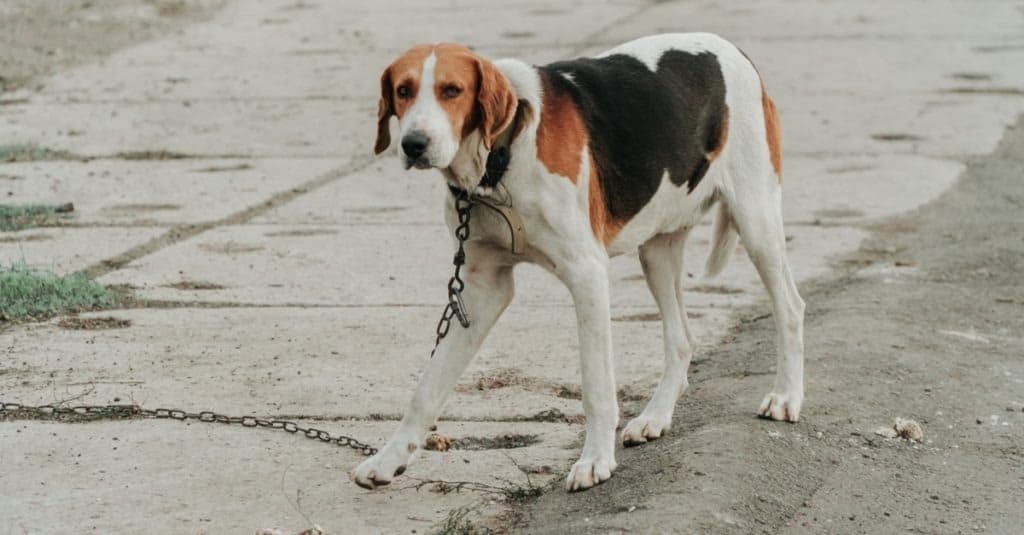
The Harrier is prone to hip dysplasia.
©evaleenage/Shutterstock.com
Temperament
Harriers are known to be very energetic and are often very playful. They love to be around people and other dogs, but they might not get along too well with other pets that you might have. They do not warm to other animals and see cats and other small pets as potential prey to be chased and caught.
These dogs are known to be great with children and are intelligent and independent. Harriers often make their own decisions.
How to Take Care of Harriers
To effectively care for harriers, it is essential to understand their proper care needs. Here are a few tips to ensure that any harrier adoption is a good experience.
The Best Dog Food
Harriers should be fed premium dog food, including both wet and dry textures. If you want to feed them a fresh diet, they can safely consume boneless chicken, turkey, and beef, as long as it is cooked without oils and has minimal fat. They’ll also willingly consume salmon and duck, if available.
Puppies need to be fed in a similar way, though their protein intake will increase as they get older. You should also check for any allergies and avoid feeding your harrier dog foods that could harm them.
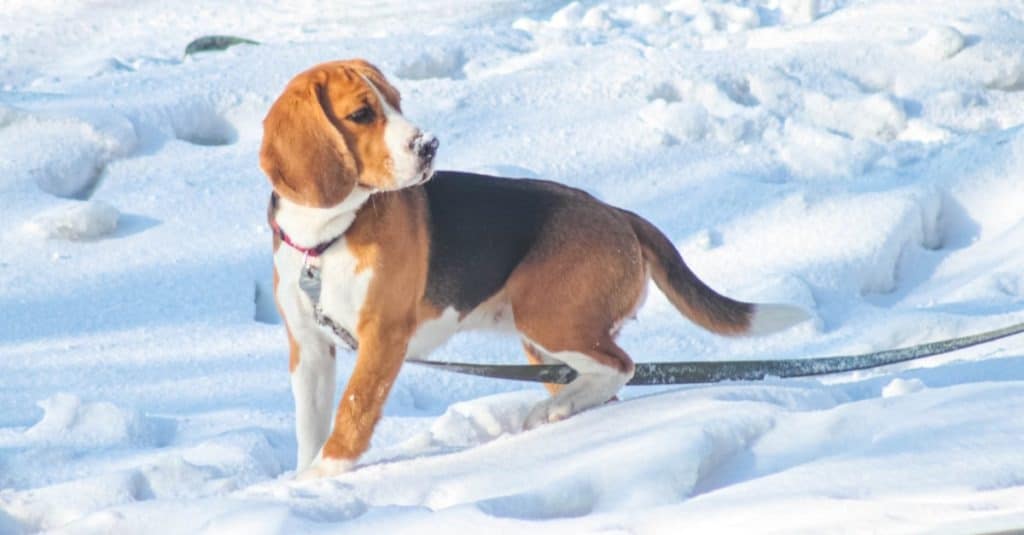
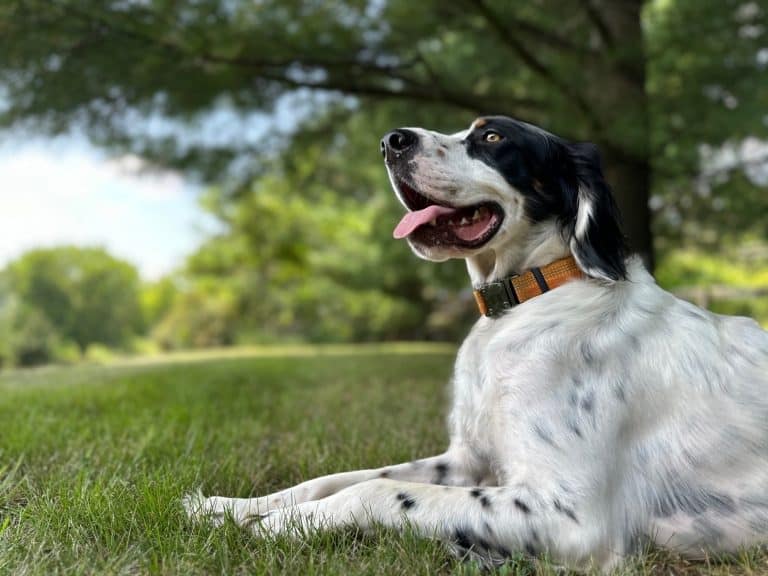
This is a highly energetic breed prone to boredom and requires both mental and physical stimulation.
©MargaPl/Shutterstock.com
Maintenance and Grooming
Harriers have short and dense coats, decorated in red, tan, brown, yellow, and white. Brush their coat once a week to remove dead hair. The shedding in these dogs is usually moderate, but regular grooming helps significantly.
Make sure to bathe the harrier if they become dirty, trim their nails, and brush their teeth to ensure their health. They’ll also need to have their ears cleaned out, but all of these types of grooming can be done with a professional instead.
Training
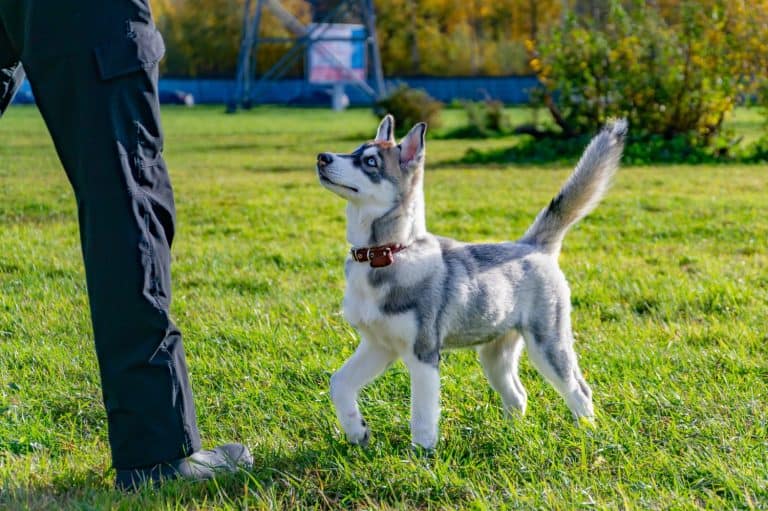
Harriers are stubborn at times, which could cause problems while training them. To ensure this pup is friendly with other animals, expose them to other animals while young to prevent conflict. Plus, early exposure to new people will reduce their anxiety and defensiveness, helping them to get used to the people who often visit their family.
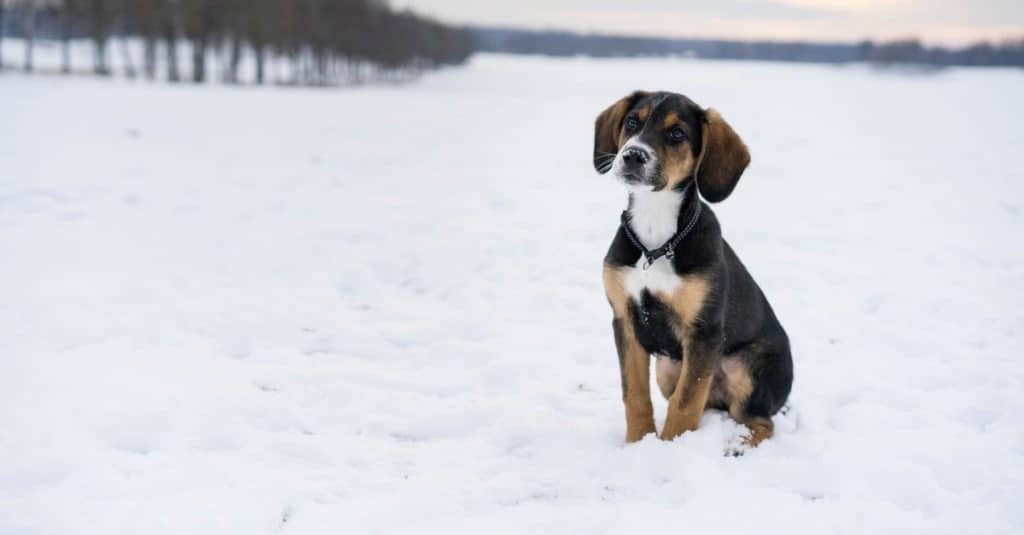
Exposing puppies to other animals while young can help avoid conflict.
©Joachim Bago/Shutterstock.com
Exercise
Harriers were originally bred for hunting purposes and, as such, need a lot of exercise daily. They can spend hours chasing after potential prey.
Insufficient daily exercise could turn the dog’s behavior destructive. These dogs enjoy jogging, long walks, as well as several other outdoor activities and games. It keeps them in check, and they are typically happy after these activities.
If their exercise requirements are met, the dogs can be very adaptable to any kind of environment. Keep them on a leash in areas with heavy traffic, as they can easily wander off if they find a desirable scent.
Puppies
Finding a purebred Harrier puppy can be quite challenging, as the breed is very rare and there are few breeders, often resulting in long waiting lists for puppies. The needs of the puppies are different from those of an adult. You need to give harrier puppies an adequate amount of protein, which would be different from the protein requirements of an adult Harrier.
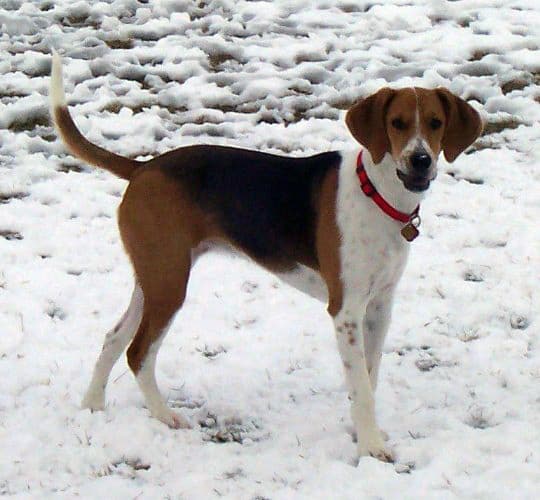
Harriers are tolerant of the excited energy of children.
©Smcmilla – Public Domain
Harriers and Children
Known to be great with children, harriers are tolerant of the excited and playful nature of kids, joining in their antics energetically. If you want a pup for a large family, the harrier would be a great choice. However, you would still need to supervise them when they are around children.
Dogs Similar to Harriers
Since Harriers aren’t always the right fit, here are a few other breeds that blend well with families.
- Bloodhounds: These are large dogs that were originally bred in France. They are also helpful companions while hunting.
- American Foxhound: American foxhounds were originally bred in the 1700s. These dogs are very muscular and have great stamina.
- Beagles: This breed is both energetic and friendly. They are very loyal too. They make great family pets.
Harrier Pictures
View all of our Harrier pictures in the gallery.

Ross Stevenson/Shutterstock.com
Sources
- Vetstreet / Accessed January 31, 2021
- American Kennel Club / Accessed January 31, 2021
- The Happy Puppy Site / Accessed January 31, 2021
- Dogtime / Accessed January 31, 2021
- Paw Diet / Accessed January 31, 2021