






H
Species Profile

Human

Homo sapiens

The culture-building biped
Altaileopard - Public Domain

Human Distribution

Click a location to explore more animals from that region

Invasive Species
Origin Location

This map shows the native origin of the Human. As a cosmopolitan species, they are now found worldwide.

Loading map...

Size Comparison

Human 5'8"
Human 5 ft 7 in

Human stands at 98% of average human height.

At a Glance

Found Worldwide
Also Known As Person, People, Human being, Individual, Mankind, Humankind, Earthling
Diet Omnivore
Activity Diurnal
Lifespan 73.4 years
Weight 100 lbs
Status Least Concern
Did You Know?

Chromosomes: 2n = 46 (23 pairs).

Scientific Classification

Humans (Homo sapiens) are large-brained, highly social primates characterized by habitual bipedalism, complex language, cumulative culture, and advanced tool use; they are the only extant species of the genus Homo.

Kingdom
Animalia
Phylum
Chordata
Class
Mammalia
Order
Primates
Family
Hominidae
Genus
Homo
Species
Homo sapiens

Distinguishing Features

  • Obligate bipedal locomotion with specialized pelvis, femur angle, and foot arches
  • Very large brain relative to body size and extensive neocortex
  • Complex symbolic language and cumulative culture
  • Precision grip enabled by hand morphology and opposable thumb
  • Reduced body hair and high density of eccrine sweat glands for thermoregulation

Physical Measurements

Males and females differ in size

Height
5 ft 7 in (5 ft 3 in – 6 ft)
5 ft 3 in (4 ft 7 in – 5 ft 11 in)
Weight
156 lbs (119 lbs – 193 lbs)
126 lbs (88 lbs – 243 lbs)
Top Speed
28 mph
Usain Bolt: 12.4 m/s

Appearance

Primary Colors
Secondary Colors
Skin Type Mammalian skin with relatively sparse body hair compared with most primates; abundant eccrine sweat glands enabling high sweating capacity for thermoregulation; scalp retains dense terminal hair; includes keratinized epidermis with variable melanin pigmentation.
Distinctive Features
  • Habitual bipedalism: upright posture with S-shaped vertebral column, short broad pelvis, valgus knee, and arched feet with adducted (non-opposable) hallux; enables efficient long-distance walking/running relative to other primates.
  • Large brain and cranial vault relative to body size; typical adult endocranial volume often cited around ~1,200-1,600 cm³ (commonly ~1,350 cm³ in many references; e.g., Holloway et al., paleoanthropology/neuroanatomy syntheses).
  • Orthognathic (relatively flat) face compared with other great apes; reduced prognathism and reduced canines; presence of a distinct mental eminence (chin) is characteristic of Homo sapiens.
  • Highly dexterous hands with long thumbs and precision grip; nails (not claws) and expanded apical tufts support fine manipulation and tool use.
  • Dental formula 2.1.2.3 per quadrant (32 adult teeth typical), with reduced molars compared with many earlier Homo; variable third molar (wisdom tooth) eruption/agenesis.
  • Broad global habitat breadth and niche construction (clothing, fire, shelter, agriculture/industry) allow occupation of environments from arctic to desert to tropical forest (behavioral ecology trait closely tied to morphology/thermoregulation).
  • Representative adult stature (global mean): ~171 cm for men and ~159 cm for women (NCD-RisC, 2016, worldwide height trends).
  • Maximum documented lifespan: 122 years (Jeanne Calment; demographic record). Recent global life expectancy at birth ~72.8 years (WHO, 2019) (life history context).

Sexual Dimorphism

Moderate sexual dimorphism typical of humans: males average larger body size and greater upper-body muscularity; females show pelvic/birth-canal adaptations and greater average subcutaneous fat deposition; dimorphism is substantially influenced by population, nutrition, and environment.

  • On average greater stature and lean muscle mass, especially in upper body; broader shoulders relative to hips (sexual dimorphism in body proportions).
  • More frequent/coarser terminal hair growth in beard/moustache area and often on trunk/limbs (androgen-influenced).
  • Larger average craniofacial robusticity (e.g., brow ridge prominence) in many populations, though with wide overlap.
  • Wider pelvis with broader subpubic angle and pelvic inlet/outlet morphology associated with obstetrics; relatively wider hips.
  • Greater average subcutaneous fat deposition (notably gluteofemoral) and development of functional mammary glands; secondary sexual characteristics influenced by estrogen/progesterone.
  • Typically lower average terminal facial hair density; overall body hair tends to be finer/sparser, with wide individual variation.

Did You Know?

Chromosomes: 2n = 46 (23 pairs).

Typical adult brain volume ≈ 1,200-1,400 cm³ (mass ~1.2-1.4 kg).

Gestation length averages ~280 days from last menstrual period (≈38 weeks from fertilization).

Record verified human lifespan: 122 years 164 days (Jeanne Calment, 1875-1997).

Humans have ~2-4 million eccrine sweat glands, enabling exceptional heat loss during sustained activity.

Newborns are highly altricial: human childhood is unusually long among primates, supporting intensive learning and culture.

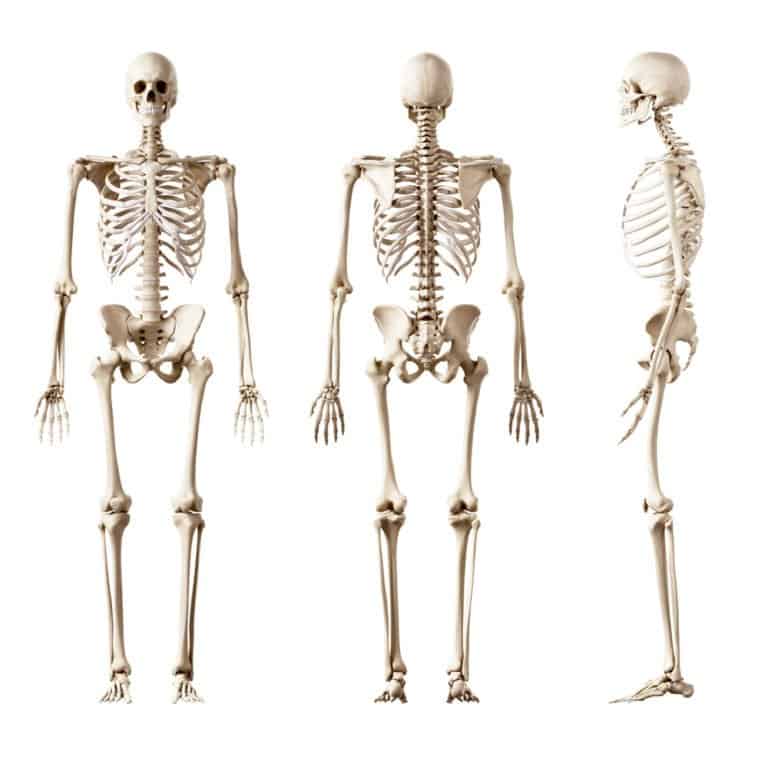
Adults typically have 206 bones (minor anatomical variation is common).

Unique Adaptations

  • Habitual bipedalism: pelvic and spinal morphology, valgus knee, and arched feet support efficient long-distance walking.
  • Endurance running capacity: long tendons (e.g., Achilles), enlarged gluteus maximus, and thermoregulation support sustained travel at aerobic speeds.
  • Exceptional thermoregulation: dense eccrine sweating and reduced body hair improve cooling in hot conditions.
  • Precision grip: a long, strong, fully opposable thumb and refined motor control enable fine toolmaking and writing.
  • Expanded cerebral cortex (especially association areas): supports planning, social cognition, and flexible problem-solving.
  • Speech-capable vocal tract and breath control: fine control of respiration and vocal articulation supports rapid, information-dense communication.
  • Extended life history: long juvenile period and post-reproductive lifespan (notably in many females) facilitate intergenerational knowledge transfer.

Interesting Behaviors

  • Cumulative culture: skills and knowledge are preserved and improved across generations (e.g., complex tools, institutions, sciences).
  • Complex language: open-ended vocabulary and syntax allow communication about abstract, displaced, and hypothetical events.
  • Cooperative breeding/alloparenting: childcare commonly involves fathers, grandparents, and non-parents, not only the mother.
  • Ultra-large-scale cooperation: coordinated action with non-kin via norms, laws, reputations, and shared symbols.
  • High-fidelity teaching and imitation: deliberate instruction, demonstration, and practice accelerate learning.
  • Symbolic behavior: art, ritual, music, storytelling, mathematics, and writing encode shared meaning beyond immediate survival needs.
  • Niche construction: humans systematically modify environments (fire use, agriculture, urbanization), reshaping selection pressures for many species including themselves.

Cultural Significance

Homo sapiens is the only living Homo species and a major force that changes ecosystems worldwide. Humans use technology, language, culture, family, economies, science, art, and religion to share knowledge fast and reshape environments.

Myths & Legends

Abrahamic traditions (Genesis): humans are formed by God (often "from dust/earth") and given life; Adam and Eve anchor many later origin narratives.

Greek mythology: Prometheus fashions humans from clay and gives them fire; Pandora's story explains the arrival of hardships among humans.

Norse mythology: the first humans, Ask and Embla, are created from trees and given spirit, mind, and senses by the gods.

Maori traditions: Tane Mahuta forms the first woman (Hineahuone) from earth/clay, and humanity descends from their lineage.

Yoruba traditions (West Africa): Obatala shapes humans from clay on behalf of Olodumare; different accounts explain human diversity and imperfection.

Chinese mythology: Nuwa creates humans from yellow earth (some versions describe higher-status people shaped by hand and others formed from splashed mud).

Kiche Maya Popol Vuh: the gods attempt to make humans from mud and wood before succeeding with maize (corn), linking people to staple crops.

Hopi emergence narratives: people emerge through worlds to the present one, guided by spiritual beings, establishing moral and ceremonial obligations.

Conservation Status

LC Least Concern

Widespread and abundant in the wild.

Population Increasing

Protected Under

  • Universal Declaration of Human Rights (1948)
  • International Covenant on Civil and Political Rights (ICCPR, 1966)
  • International Covenant on Economic, Social and Cultural Rights (ICESCR, 1966)

Life Cycle

Birth 1 infant
Lifespan 73 years

Lifespan

In the Wild
0–122.45 years
In Captivity
0–122.45 years

Reproduction

Mating System Monogamy
Social Structure Socially Monogamous
Breeding Pattern Serial
Fertilization Internal Fertilization
Birth Type Internal_fertilization

Humans (Homo sapiens) are mainly pair-bonded with socially recognized monogamy, often serial; polygyny also occurs. Internal fertilization, placental gestation (~38 weeks), usually one baby. Children need long care; cooperative breeding/alloparenting; birth spacing ~2–4+ years.

Behavior & Ecology

Social Household (co-residential family unit) Group: 4.9
Activity Diurnal
Diet Omnivore Cooked starchy staples (species-typical preference for energy-dense cooked carbohydrates; commonly rice/wheat/maize and tubers, varying by culture and ecology).

Temperament

Highly social and cooperative (frequent coordination, reciprocal exchange, coalition-building)
Status- and reputation-sensitive (prestige/dominance strategies; strong norm enforcement)
Behaviorally flexible (large cultural and individual variation; rapid learning and role specialization)
In-group favoritism with context-dependent out-group distrust/aggression (coalitional psychology varies with threat, norms, and institutions)
High parental investment and alloparenting/cooperative breeding tendencies (care from non-parents common in many societies)

Communication

spoken language Articulated speech; culturally variable phonologies/lexicons
laughter
crying/sobbing
shouting/screaming Alarm/anger/distress
singing/chanting Often group-coordination and ritual
paralinguistic prosody Intonation, rhythm, volume conveying affect/intent
facial expressions E.g., smiles, frowns; rapid affect signaling
manual gestures and full-body posture Including emblematic and co-speech gestures
touch Comforting, bonding; includes culturally patterned greeting/affiliation touch
grooming-like affiliative behaviors Stroking, hair-touching; also structured 'social grooming' analogs such as conversation
eye gaze and gaze-following Joint attention; crucial for teaching/coordination
graphic communication Writing, drawing, symbols; durable information storage
signed languages Full natural languages with complex grammar
material culture and signals Clothing, ornaments, badges; identity/status cues
digital/mediated communication Text, audio/video; massively extends network reach in modern contexts

Habitat

Biomes:
Tropical Rainforest Tropical Dry Forest Savanna Desert Hot Desert Cold Mediterranean Temperate Grassland Temperate Forest Temperate Rainforest Boreal Forest (Taiga) Tundra Alpine Freshwater Marine Wetland +9
Terrain:
Mountainous Hilly Plateau Plains Valley Coastal Island Riverine Volcanic Karst Rocky Sandy Muddy +7
Elevation: -16457 in – 16732 ft 4 in

Ecological Role

Generalist omnivore and dominant ecosystem engineer/keystone cultural species across most biomes; functions as predator, gatherer, scavenger (opportunistically), and large-scale niche constructor via fire use, agriculture, domestication, and landscape modification.

Top-down predation on wild animals and harvest pressure shaping prey populations Seed dispersal and plant propagation via cultivation, transport, and accidental dispersal Nutrient redistribution and cycling via waste, carcass processing, and land-use change Creation/maintenance of anthropogenic habitats (farmland, rangeland, urban ecosystems) that support novel communities Mutualisms with domesticated plants and animals (co-evolutionary and managed food webs)

Diet Details

Main Prey:
Mammals Birds Fish Marine invertebrates Terrestrial invertebrates
Other Foods:
Cereal grains Starchy roots and tubers Legumes Fruits Nuts and seeds Vegetables and leafy greens Fungi Algae and seaweed Plant oils Honey +4

Human Interaction

Domestication Status

Wild

Humans (Homo sapiens) are not a domesticated species like dogs or cows. Some scientists call "self-domestication": social selection against quick, angry attacks made people more tolerant and have smaller, less rugged faces, giving domestication-like traits. Humans live worldwide and change how they act mostly through culture and institutions, not by breeding.

Danger Level

High
  • Interpersonal violence and homicide; armed conflict/war; terrorism (humans are the primary apex risk to other humans in most societies).
  • Coercion and exploitation (assault, abuse, trafficking, forced labor).
  • Injury via technology use (e.g., vehicles, industrial accidents, weapons).
  • Infectious disease transmission within and between populations (humans as major vectors/reservoir amplifiers for many pathogens due to high contact networks and global travel).
  • Environmental and occupational hazards caused by human activity (pollution exposure; workplace risks).
  • Social/psychological harms (harassment, coercive control), enabled by complex language, planning, and institutions.

As a Pet

Not Suitable as Pet

Legality: Homo sapiens are not legal pets. Owning a person is illegal—slavery and trafficking are banned by international law (1926 Slavery Convention; UN Palermo Protocol 2000). Care is by rights, consent, or guardianship (parenting, medical).

Care Level: Expert Only

Purchase Cost:
Lifetime Cost: $2,000,000 - $6,000,000

Economic Value

Uses:
Labor and services (all sectors: agriculture, industry, healthcare, education, governance) Knowledge creation and innovation (science, engineering, art, software) Household production and caregiving Cultural production (media, language, institutions) Ecosystem impacts (resource extraction, land-use change, conservation management)
Products:
  • Food production (farming, fishing, livestock management)
  • Manufactured goods (tools, machinery, electronics)
  • Digital goods and services (software, data, AI systems)
  • Medical and public health services
  • Infrastructure (housing, transportation networks)
  • Education and training
  • Governance and law
  • Art, literature, and entertainment

Relationships

Related Species 10

Neanderthal
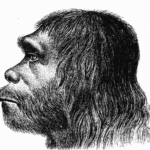
Neanderthal Homo neanderthalensis Shared Genus
Denisovan Shared Genus
Heidelberg human Homo heidelbergensis Shared Genus
Homo erectus Homo erectus Shared Genus
Flores man Homo floresiensis Shared Genus
Homo naledi Homo naledi Shared Genus
Chimpanzee
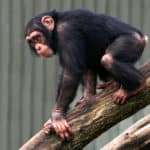
Chimpanzee Pan troglodytes Shared Family
Bonobo
Bonobo Pan paniscus Shared Family
Western gorilla
Western gorilla Gorilla gorilla Shared Family
Bornean orangutan
Bornean orangutan Pongo pygmaeus Shared Family

Humans are the only surviving species of the genus Homo.

Humans are in a class by themselves. We’re the only surviving species of the genus Homo, and as far as scientists and scholars can determine from current data, we enjoy higher cognitive function than every other animal.

But don’t confuse intelligence with rectitude. We’re also the most destructive species on Earth, and scientists caution that a failure to adjust our lifestyles may irrevocably harm the planet.

Ten Fascinating Facts About Humans

Human Omnivore

Anthropologists estimate that humans began to develop language, music, and other cultural universals 300,000 years ago.

  • The evolutionary split date between humans and apes happened about four to eight million years ago.
  • Anthropologists estimate that humans began to develop language, music, and other cultural universals 300,000 years ago.
  • Until about 12,000 years ago, all humans lived as hunter-gatherers.
  • About 7.5 billion humans currently occupy Earth.
  • The human population has exploded over the past two centuries. It grew from one billion in 1800 to over seven billion in 2020.
  • Human hair grows about six inches per year on average. The largest human ever reached a height of 8 feet 11 inches and had size 36 shoes!
  • The human nose can detect one trillion smells.
  • Human belly buttons grow special hairs to trap lint.
  • Human feet are one of the most ticklish parts of the body.

You can check out more incredible facts about humans.

Evolution and Origins of Humans
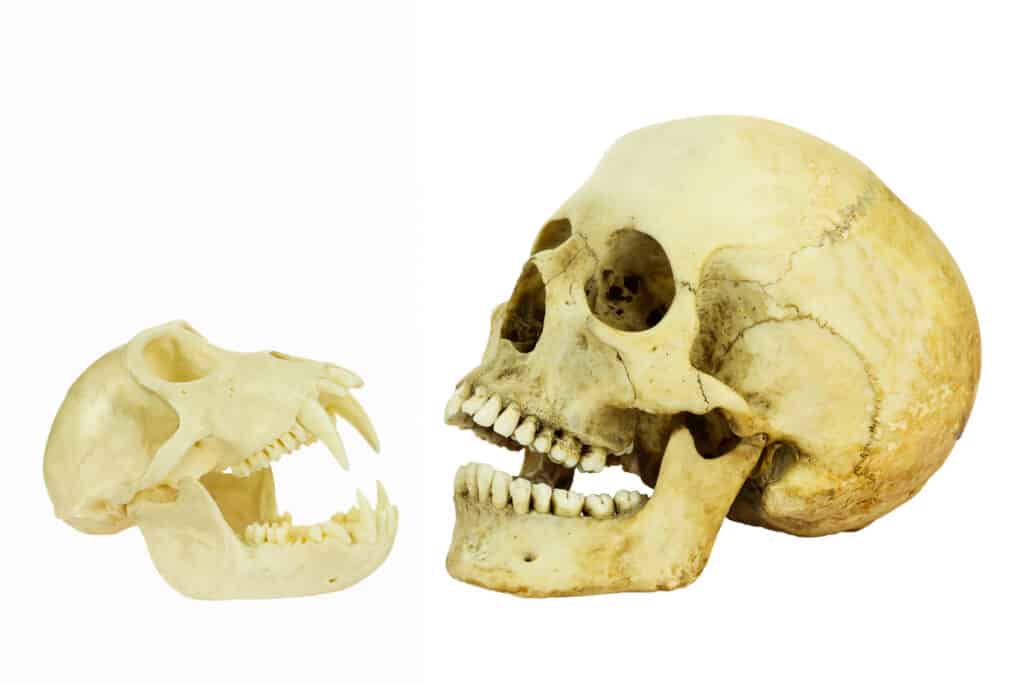
A monkey skull and a human skull against a white background

Humans belong to the genus Homo and are believed to have evolved from a common ancestor with chimpanzees and bonobos.

Humans belong to the genus Homo and are believed to have evolved from a common ancestor with chimpanzees and bonobos, with the split occurring around 6-7 million years ago.

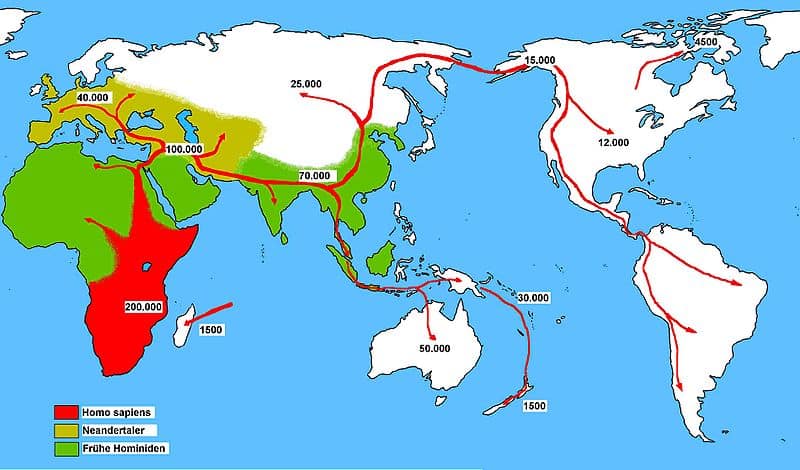
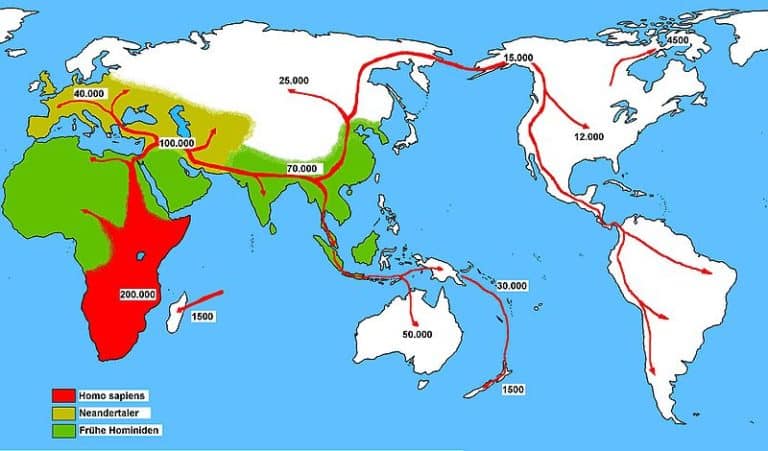
The exact evolutionary path and origins of the genus Homo are still the subject of ongoing research and debate, but it is widely accepted that early members of the genus, such as Homo habilis, evolved in Africa and eventually gave rise to Homo erectus. This species then spread out of Africa around 1.8 million years ago and eventually evolved into Homo sapiens, the species to which modern humans belong, around 300,000 years ago.

In fact, humans belong to the primate order, which also includes other mammals such as monkeys, apes, and lemurs. Within this order, humans belong to the family Hominidae, which includes great apes such as gorillas, chimpanzees, and orangutans.

Additionally, there are three lower classifications of humans:

  • Balangoda Man
  • Herto Man
  • Homo sapiens

The genus Homo, to which modern humans belong, is thought to have first appeared around 2.8 million years ago in Africa, with the earliest known member being Homo habilis. This early human species had a cranial capacity slightly larger than that of chimpanzees and were able to make and use stone tools.

Scientific Name

cat licking owner

The scientific name for humans is “homo sapiens.” Coined by the father of taxonomy, Carl Linnaeus, both words derive from Latin, with Homo meaning “earthly being” and sapiens meaning “wise.”


The scientific name for humans is “homo sapiens.” Coined by the father of taxonomy, Carl Linnaeus, both words derive from Latin, with Homo meaning “earthly being” and sapiens meaning “wise.” In other words, homo sapiens translates to “wise man.” Note that the word is “sapiens,” not “sapien,” which is a common mistake.

Colloquially, the word “human” didn’t enter the English language until the 16th century. It started its linguistic life as an adjective from the Old French word “humain,” meaning compassionate or kindhearted.

Appearance and Behavior

Human

Humans are one of the few species — though not the only — that qualify as bipedal, meaning we walk on two limbs.


Humans are one of the few species — though not the only — that qualify as bipedal, meaning we walk on two limbs.

The worldwide average height for adult males is 5 foot 7.5 inches, with a weight of 154 to 183 pounds. Females are slightly smaller, averaging 5 feet 2 inches in height and 119 to 141 pounds in weight. These figures vary from continent to continent, and country to country, because the environment affects human size.

Interestingly, humans change heights over the course of a single day. We’re all slightly taller in the morning because our cartilage compresses during the day.

Human beings may not appear to sport as much hair as the average ape, but we have more hair follicles than our chimp and gorilla cousins. We also have way more sweat glands — 2 million to be precise. Out of the primates, humans have the smallest teeth, and we’re the only species to sport chins.

The tallest human to ever live was Robert Pershing Wadlow. The Illinoisan stood 8 feet 11.1 inches tall and weighed 490 pounds. An infection inflicted by his stabilizing braces caused Wadlow’s death at the young age of 22. The tallest person alive today is Sultan Kösen, who measures 8 feet 2.8 inches and works as a farmer.

The shortest person to ever live was Chandra Bahadur Dangi. The Nepali stood 1 foot 9.5 inches tall and weighed 32 pounds. Dangi lived to the ripe old age of 75 and died of natural causes, likely pneumonia. The shortest person alive today is Jyoti Kisange Amge of India, who measures 2 feet 1.25 inches and works as an actress and chef.

The heaviest person to ever live was Jon Brower Minnoch. The Washingtonian tipped the scales at 1,400 pounds and stood 6 feet 1 inch tall. He died of complications caused by obesity at the age of 41. The heaviest person alive today is Khalid bin Mohsen Shaari of Saudi Arabia, who weighs 1,340 pounds.

Habitat


Humans are highly adaptable and have permanently colonized six of the seven continents. We can survive in both arctic and equatorial environments — and everything in between! Currently, 61 percent of humans live in Asia, 14 percent in the Americas, 14 percent in Africa, 11 percent in Europe, and .5 percent in Oceania.

Diet


Human beings are omnivores. We can digest meat, fish, vegetables, fruit, and dairy. For cultural and ethical reasons, however, about 8 percent of the world’s population chooses to eat fruits, vegetables, and dairy only. They’re called vegetarians. Of that 8 percent, about .5 percent also shun dairy. They’re called vegans.

Though people can eat all types of food, they can’t eat every food. Some fungi and plants are deadly to humans, like death cap mushrooms and hemlock.

Predators and Threats


Thanks to man-made weaponry, humans are at the top of the food and predatory chain. However, without weapons, several animals successfully prey on humans, including lions, tigers, bears, and crocodiles. Other animals, like coyotes, sharks, piranhas, dingoes, and rat swarms have killed humans in the past, but the low occurrences of such incidents don’t amount to predatory behavior.

Find out about more dangerous animals that are even more dangerous than sharks.

Reproduction, Babies, and Lifespan


Humans mate throughout the year, but cultural traditions significantly impact how, when, where, and even why. Unlike other animals, many humans mate for pleasure only, and not just for reproduction. However, some groups of people only mate with the hope or intention of creating more humans.

Males and females reach sexual maturity between the ages of 12 and 15 but typically choose not to have babies until they’re in their late 20s or early 30s.

Female humans gestate for about nine months, and childbirth is exceptionally dangerous because of our bipedalism. Since we walk on two feet, our birth canals are more narrow, making the journey arduous. As a result, human babies are more vulnerable than any other mammal in the first several months of their lives. At birth, they weigh between 7 and 9 pounds and are about 20 to 24 inches tall.

The average lifespan for humans is 60 to 80 years, depending on the region. The oldest person to ever live was Jeanne Calment, who was born in 1875 and lived to 1997, 122 years and 164 days. Learn about the oldest living animals on earth here.

Population

Over 8 Billion people live on the planet, and the International Union for the Conservation of Nature puts us in the Least Concern conservation status grouping.

Humans are one of the most populous species on Earth and the most populous mammal. But if domestic chickens were ever to rise up, they would outnumber us by about three to one!

More on Humans

  • What’s the Largest Baby Ever Born?
  • What’s the Largest Cell In the Human Body?
  • What’s the Largest Cranial Nerve in the Human Body?
View all 287 animals that start with H

Sources

  1. David Burnie, Dorling Kindersley (2011) Animal, The Definitive Visual Guide To The World's Wildlife / Accessed November 8, 2008
  2. Tom Jackson, Lorenz Books (2007) The World Encyclopedia Of Animals / Accessed November 8, 2008
  3. David Burnie, Kingfisher (2011) The Kingfisher Animal Encyclopedia / Accessed November 8, 2008
  4. Richard Mackay, University of California Press (2009) The Atlas Of Endangered Species / Accessed November 8, 2008
  5. David Burnie, Dorling Kindersley (2008) Illustrated Encyclopedia Of Animals / Accessed November 8, 2008
  6. Dorling Kindersley (2006) Dorling Kindersley Encyclopedia Of Animals / Accessed November 8, 2008
  7. David W. Macdonald, Oxford University Press (2010) The Encyclopedia Of Mammals / Accessed November 8, 2008
Rebecca Bales

About the Author

Rebecca Bales

Rebecca is an experienced Professional Freelancer with nearly a decade of expertise in writing SEO Content, Digital Illustrations, and Graphic Design. When not engrossed in her creative endeavors, Rebecca dedicates her time to cycling and filming her nature adventures. When not focused on her passion for creating and crafting optimized materials, she harbors a deep fascination and love for cats, jumping spiders, and pet rats.
Connect:

Thank you for reading! Have some feedback for us?


Human FAQs (Frequently Asked Questions)

Humans are omnivores, meaning they can eat plants, meat, and fish. However, some humans choose to be herbivores in practice.