

L
Species Profile

Labrador Retriever

Canis lupus familiaris

Born to retrieve, built to bond.
iStock.com/lizcen

Labrador Retriever Distribution

Click a location to explore more animals from that region

Origin Location

This map shows the native origin of the Labrador Retriever. As a domesticated species, they are now found worldwide.

Loading map...

Size Comparison

Human 5'8"
Labrador Retriever 1 ft 10 in

Labrador Retriever stands at 32% of average human height.

Food for Labrador Retrievers

At a Glance

Domesticated
Also Known As Lab, Labrador, Labby, Labbie, Labrador Dog
Diet Omnivore
Activity Diurnal+
Lifespan 11 years
Weight 36 lbs
Status Not Evaluated
Did You Know?

Despite the name, Labradors trace to Newfoundland's St. John's water dog tradition, not Labrador.

Scientific Classification

The Labrador Retriever is a breed of domestic dog (a domesticated form of the gray wolf) developed as a working retriever, widely kept today as a companion animal and service/assistance dog.

Kingdom
Animalia
Phylum
Chordata
Class
Mammalia
Order
Carnivora
Family
Canidae
Genus
Canis
Species
Canis lupus

Distinguishing Features

  • Medium-large, strongly built retriever-type dog
  • Short, dense, water-resistant double coat
  • Broad head with friendly expression; drop ears
  • Thick, tapering “otter” tail used as a rudder when swimming
  • Bred for retrieving and swimming; typically high trainability and sociability

Physical Measurements

Males and females differ in size

Height
1 ft 11 in (1 ft 10 in – 2 ft)
1 ft 10 in (1 ft 9 in – 1 ft 10 in)
Length
3 ft 3 in (3 ft – 3 ft 7 in)
Weight
72 lbs (64 lbs – 79 lbs)
64 lbs (55 lbs – 71 lbs)
Tail Length
1 ft 1 in (11 in – 1 ft 3 in)
1 ft 2 in (12 in – 1 ft 4 in)
Top Speed
30 mph
running

Appearance

Primary Colors
Secondary Colors
Skin Type Short, dense double coat with weather- and water-resistant oils; moderately pigmented skin, shedding seasonally.
Distinctive Features
  • Domesticated dog breed (gray wolf derivative) shaped for cooperative retrieving, not a wild canid.
  • Medium-large, athletic build with broad skull and moderate muzzle; softer expression than wolves.
  • Dense, short coat and thick undercoat suited to cold water work; noticeable seasonal shedding.
  • "Otter" tail: thick at base, tapering, carried level; acts as a rudder when swimming.
  • Drop ears (pendant) reduce airflow; predisposes to ear moisture retention after swimming.
  • Slightly webbed feet and strong shoulders/loin support swimming and carrying game.
  • Highly trainable and social; energy level often high-individual temperament varies with lines and upbringing.
  • Common health concerns: hip/elbow dysplasia, obesity-prone metabolism, exercise-induced collapse (EIC).
  • Eye issues occur in some lines: progressive retinal atrophy (PRA), cataracts; regular screening recommended.
  • Other common issues: chronic otitis externa (especially swimmers), allergies, cruciate ligament disease.
  • Care needs: daily exercise plus retrieval-style mental work; weight control is critical for joint health.
  • Care needs: routine brushing, frequent ear drying/cleaning after water exposure, nail/skin monitoring.

Sexual Dimorphism

Males are typically larger, heavier-boned, and broader through head, chest, and neck. Females tend to be slightly smaller and more refined in build, though overlap is common and conditioning strongly affects appearance.

  • Greater overall height and mass; thicker neck and more pronounced forechest.
  • Broader skull with more robust muzzle and jaw musculature.
  • Heavier bone and larger paws; often a more substantial "otter tail" base.
  • Slightly smaller, lighter frame; more tapered head and neck profile.
  • Often a narrower chest and finer bone structure.
  • May appear more agile/lean when similarly fit, with comparable coat and tail type.

Did You Know?

Despite the name, Labradors trace to Newfoundland's St. John's water dog tradition, not Labrador.

Their thick, tapering "otter tail" acts like a rudder when swimming, helping steer efficiently.

Labs have a dense, water-resistant double coat and webbed feet-traits selected for cold-water retrieving.

They're one of the most common breeds used for guide, assistance, detection, and search-and-rescue work due to biddability and stable temperament.

Coat colors recognized by major registries are black, yellow, and chocolate; "silver" is controversial and typically registered as chocolate where accepted.

A well-known genetic variant (POMC-related) is linked to strong food motivation in many Labs, which can aid training but increases obesity risk if unmanaged.

Field-bred and show-bred Labradors can differ noticeably: field lines are often leaner and more driven; show lines are typically heavier-boned with a calmer pace.

Unique Adaptations

  • Water retrieving toolkit (breed-specific selection): water-resistant double coat, webbed toes, strong shoulders, and an "otter tail" for propulsion and steering.
  • Soft mouth: many Labs can carry game or objects gently with minimal puncture-an intentionally reinforced trait in retrievers.
  • High biddability: an unusual combination of trainability, sociability, and steadiness that suits complex assistance and working roles.
  • Athletic endurance: built for repeated retrieves over distance, especially in cool conditions.
  • Compared with the base species (gray wolf): reduced wariness and increased tolerance for close human contact; juvenility (playfulness) retained into adulthood; greater variation in coat color and body type due to domestication and selective breeding.

Interesting Behaviors

  • Retrieving obsession: many Labradors will spontaneously pick up and carry objects, reflecting their selection for soft-mouthed fetching.
  • "Water magnet" tendency: given a choice, many seek puddles, ponds, and shorelines; swimming is often self-rewarding.
  • Human-oriented check-ins: frequent eye contact and returning to the handler, which supports service-dog work.
  • Play bow-heavy social style: Labs commonly use exaggerated friendly signals in dog-to-dog greetings.
  • Scent-to-mouth behavior: investigating with nose first, then picking up items-useful in gundog work and detection training.
  • Food-driven learning: quick to repeat behaviors that earn treats; can also counter-surf if boundaries aren't taught.
  • Joyful full-body wagging: the tail can "thump" hard enough to clear tables-an infamous household behavior.

Cultural Significance

Labrador Retriever (Canis lupus familiaris) is a top working and companion breed. Labs retrieve waterfowl, serve as guide, mobility and medical alert dogs, and work in customs, conservation, and disaster detection. They are friendly, steady, have strong noses, and like people.

Myths & Legends

Fishermen's helper tales (Newfoundland): early "Labrador" forebears are celebrated in maritime anecdotes as dogs that hauled nets, retrieved ropes, and dove for fish that slipped hooks in icy North Atlantic waters.

The St. John's dog legacy: traditional breed-history stories describe black water dogs from Newfoundland-valued by coastal communities-being brought to Britain in the 1800s, where sporting estates refined them into the modern Labrador Retriever.

The nickname "otter tail" comes from hunters who said the Labrador Retriever's thick tail was like an otter's and acted like a rudder, helping the dog swim through cold water.

Royal and aristocratic shooting estate lore: historical anecdotes from British kennels recount Labs earning near-mythic status as tirelessly reliable retrievers that could work all day in marsh and moor without damaging game.

Newfoundland dog-tax anecdote: breed histories often recount that restrictive dog taxes in Newfoundland contributed to the decline of the original St. John's water dog, adding a cautionary, story-like chapter to the Labrador's origin narrative.

Conservation Status

NE Not Evaluated

Has not yet been evaluated against the criteria.

Population Stable

Life Cycle

Birth 7 pups
Lifespan 11 years

Lifespan

In the Wild
10–12 years
In Captivity
8–14 years

Reproduction

Mating System Polygynandry
Social Structure Managed Domestic
Breeding Pattern Serial
Fertilization Managed Selective
Birth Type Internal_fertilization

Behavior & Ecology

Social Pack Group: 4
Activity Diurnal, Crepuscular, Cathemeral
Diet Omnivore Meat- and fish-based foods (often strongly preferred; many Labradors are especially motivated by fishy/animal-fat aromas).

Temperament

Highly sociable and people-oriented; strong affiliation with handlers
Generally friendly toward unfamiliar humans; low typical suspicion compared to many breeds
Biddable and cooperative; enjoys structured work and positive reinforcement
Playful, mouthy, and retrieval-driven; may carry objects as self-soothing
Food-motivated; prone to scavenging and counter-surfing without management
Usually tolerant with children and other dogs; individual socialization still crucial
Can develop separation-related distress if under-exercised or under-stimulated
Moderate prey/chase interest; typically lower than many herding or terrier breeds

Communication

Barks to alert, demand interaction, or during play; usually not a persistent guard-barker
Whines/whimpers to solicit attention, express anticipation, or mild stress
Howls or "talks" occasionally, often in response to sirens or excitement
Growls during play or when uncomfortable; should be read with body language
High-rate tail wagging and full-body "wiggle" greetings; signals friendly intent
Mouthing/object-carrying as greeting or excitement; manage with toys and training
Physical contact seeking (leaning, pawing); common affiliation behavior
Face/hand licking to appease or solicit interaction
Play bows and chase games; social play often intense but typically non-aggressive
Scent investigation and urine marking on walks; moderate compared with many intact males
Gaze alternation and pointing with nose/body toward desired objects; common in trained Labs
Stress signals: lip-licking, yawning, panting, turning away; important in busy environments

Habitat

Biomes:
Temperate Forest Boreal Forest (Taiga) Tundra Temperate Grassland Mediterranean Desert Hot Desert Cold Wetland Freshwater Marine +4
Terrain:
Coastal Riverine Plains Island
Elevation: Up to 16404 ft 3 in

Ecological Role

Domestic omnivorous canid functioning primarily as a human-associated companion/working animal; ecologically minimal as a managed breed but can act as an opportunistic scavenger/predator when loose or feral.

Human services: assistance/service work, search-and-rescue, detection work (e.g., explosives/narcotics), therapy support Hunting/field role: retrieval of downed birds (reduces loss/waste in managed hunting) Nutrient cycling at human interfaces via consumption of food waste (managed settings), though this can be a nuisance impact if uncontrolled Potential negative ecological impact if unmanaged: disturbance/predation on wildlife and scavenging of refuse

Diet Details

Main Prey:
Human-provided animal proteins Fish Eggs Rodents, rabbits and birds
Other Foods:
Cooked grains and starches Vegetables Fruits Plant fibers

Human Interaction

Domestication Status

Domesticated

Domestic dogs (Canis lupus familiaris) descend from gray wolves and were shaped by humans for tameness and work. The Labrador Retriever was developed in the 18th–19th centuries from St John's water dogs in Newfoundland and refined in Britain to retrieve waterfowl and game. Labradors keep puppy-like traits, are easy to train, tolerate handling, and are made for retrieving in water.

Danger Level

Low
  • Bites are possible with any dog (often linked to fear, pain, poor socialization, or resource guarding), though the breed is generally people-friendly
  • Injury from size/strength (knocking down children/elderly during exuberant greeting or play)
  • Zoonotic risks typical of pet dogs if not vaccinated/parasite-controlled (e.g., rabies risk where vaccination is absent; intestinal parasites)
  • Allergies/asthma triggers from dander/saliva in sensitive individuals

As a Pet

Suitable as Pet

Legality: Generally legal to own as a pet in most jurisdictions; may be subject to standard local dog licensing, vaccination, leash laws, and breed-neutral dangerous-dog ordinances. Not typically targeted by breed-specific legislation.

Care Level: Moderate

Purchase Cost: $50 - $3,000
Lifetime Cost: $15,000 - $40,000

Economic Value

Uses:
Companion animal Service/assistance work Therapy and emotional support Search and rescue Detection (narcotics/explosives/agriculture) Hunting and sporting (retrieving) Breeding and show sports Working dog training and handling services Veterinary, grooming, and pet supply markets
Products:
  • trained service dogs (guide, mobility, autism support, diabetic alert-varies by training and suitability)
  • working retrievers for hunting/sport
  • SAR and detection-trained dogs
  • pet puppies and stud services (regulated by welfare and local laws)
  • associated goods/services: food, crates, leashes, training classes, boarding, veterinary care

Relationships

Ecological Equivalents 5

Animals that fill a similar ecological role in their ecosystem

Golden Retriever
Golden Retriever Canis lupus familiaris Occupies a similar niche as a biddable, human-directed gundog retriever and is similar in temperament and trainability. Labrador Retrievers are typically more robust, very food-motivated, and often excel in service/assistance roles due to steady nerves and high responsiveness to reinforcement.
Flat-Coated Retriever
Flat-Coated Retriever Canis lupus familiaris A retrieving gundog bred for a soft mouth and strong retrieving drive. Has similar needs for structured exercise, training, and joint care. Labradors tend to be stockier and commonly have higher rates of obesity if overfed.
Chesapeake Bay Retriever
Chesapeake Bay Retriever Canis lupus familiaris Waterfowl-retriever niche with cold-water aptitude; useful comparison for coat and waterwork. Labradors have a dense double coat and an otter tail that aid swimming but are generally more consistently social and easier for novice handlers.
German Shorthaired Pointer
German Shorthaired Pointer Canis lupus familiaris Field sporting dog occupying a similar working/active-companion role. Comparison highlights that Labradors are typically less prone to roaming and hunt-independence and are more handler-focused, but still require daily aerobic activity and mental work.
Gray Wolf
Gray Wolf Canis lupus Labrador Retrievers (Canis lupus familiaris) are very social, puppy-like dogs bred to retrieve for people. They are medium-large, strong swimmers with short double coats. Watch for hip and elbow dysplasia, progressive retinal atrophy (PRA), exercise-induced collapse (EIC), and obesity; they need regular exercise, joint care, and ear and eye checks.

Breed History

Labrador Retrievers are a gun dog breed that was bred from Canadian fishing dogs found in the Labrador Territory, northwest of Newfoundland, and in Newfoundland itself. These ancestors of today’s Labrador were also known as St. John’s Water dogs, after the capital of Newfoundland.

Known for their impressive water skills, this breed became popular among sailors and was brought to the United Kingdom in the nineteenth century, where they were bred with British hunting dogs to create what is now known as the Labrador Retriever.

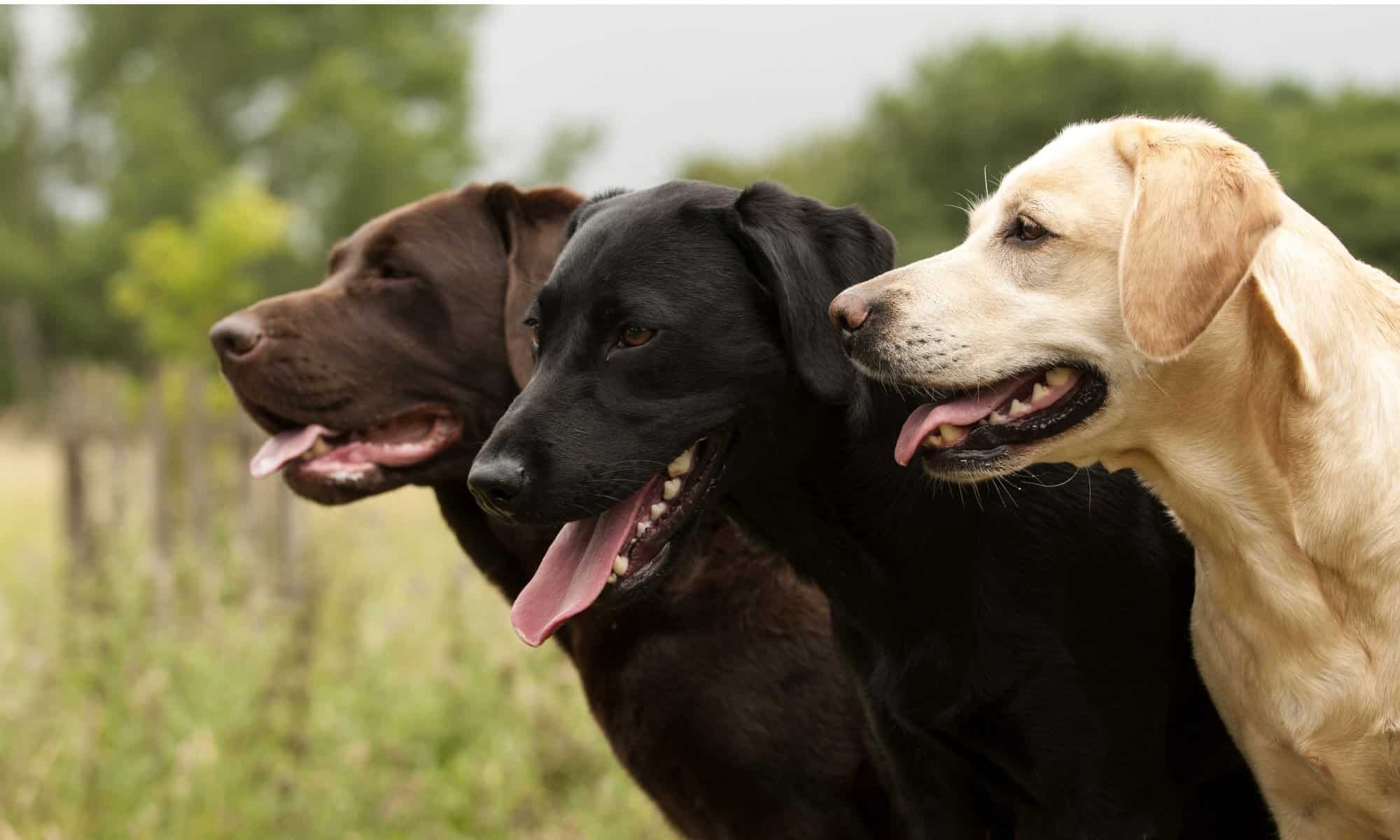
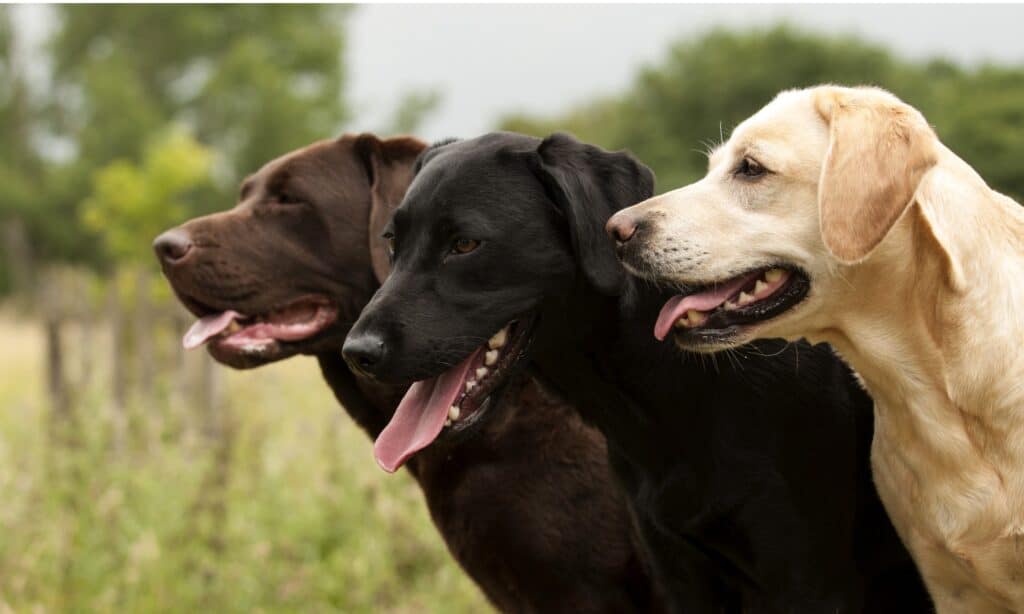
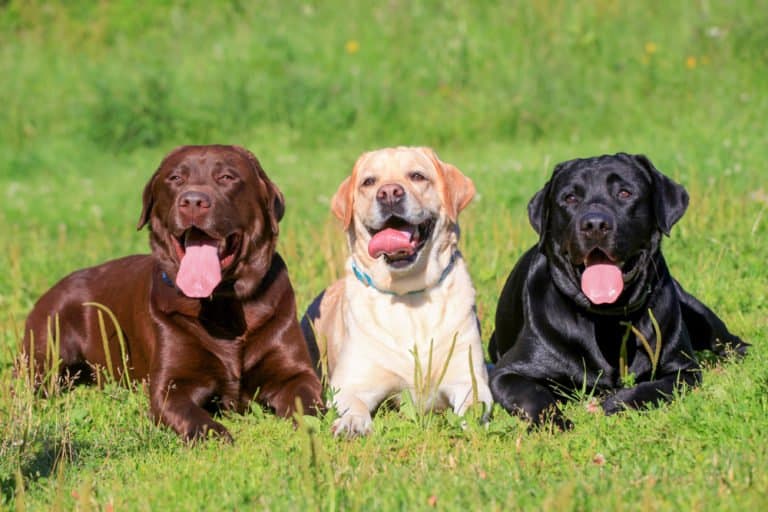
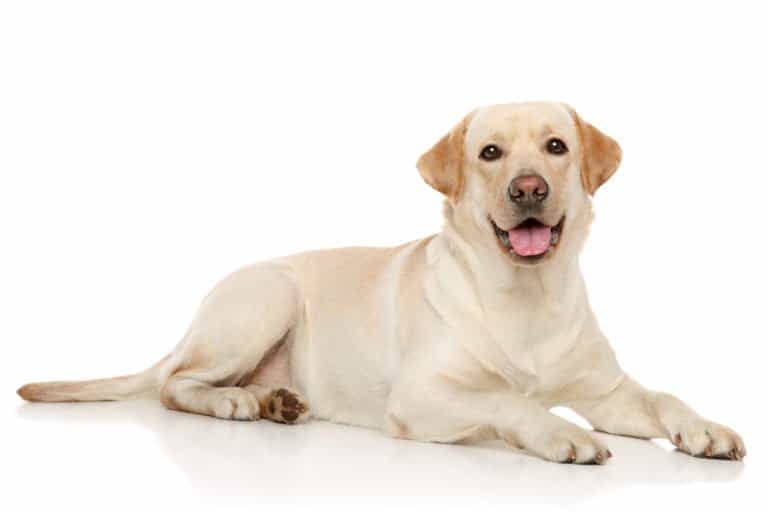
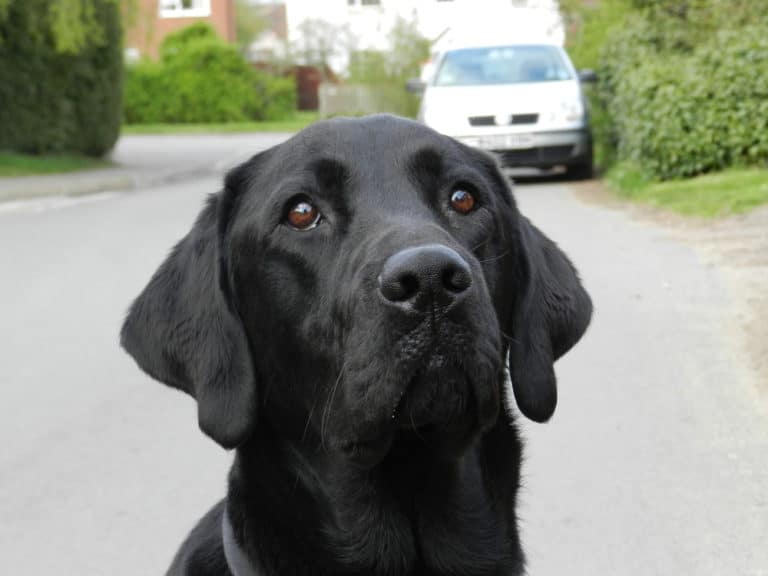
Labrador Retrievers have coats that may be of different colors, including black, yellow, or chocolate brown.

Labrador Retrievers are easy-going, friendly, and loyal dogs. They make excellent family pets and are also a popular option for service dogs. Learn more about the best dog breeds for families with children here.

The Different Types of Labradors and Labrador Mixes

Labrador crossbreeds run the gamut. In fact, there are more than 20 Labrador crossbreeds, including:

Owning a Labrador Retriever: 3 Pros and Cons

Pros!Cons!
Friendly: Labrador Retrievers are very friendly and loving dogs.High Exercise Need: Labrador Retrievers are an active breed. They will need regular exercise every day.
Kid-Friendly: This breed makes a wonderful family dog. They are gentle, very tolerant with kids, and love to play.Kid-Friendly: This breed makes a wonderful family dog. They are gentle, very tolerant with kids, and love to play.
Easy to Groom: Labrador Retrievers have short hair, and their coat is easy to maintain.Shedding can be a problem: These dogs shed extensively twice a year, and you need to brush them regularly to keep on top of this.
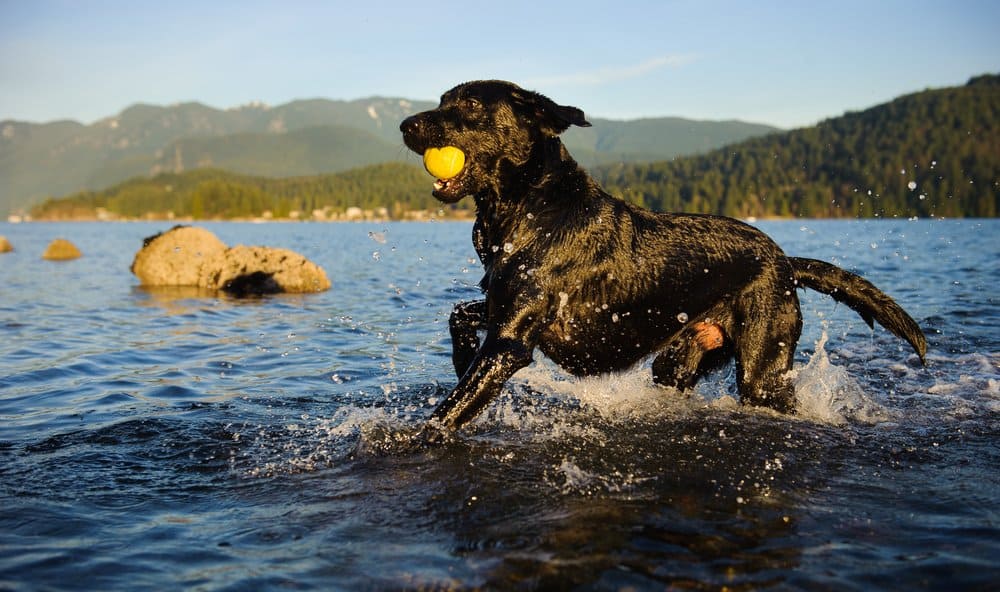
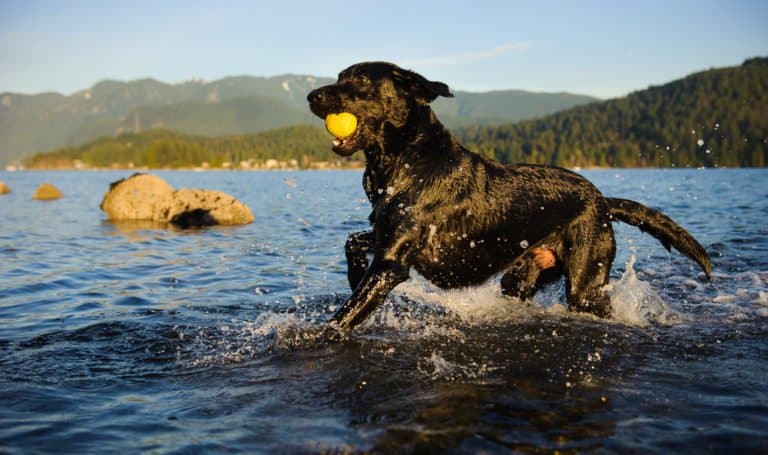
Labrador Retriever (Canis familiaris) - black lab with ball in water

Labrador retrievers excel at some of the most difficult search and rescue tasks, including bomb detection, disaster recovery, and water recovery.

Size and Weight

Labrador Retrievers are a medium-sized dog breed. Male Labrador Retrievers are slightly larger than females. A male Labrador is between 22.5 and 24.5 inches tall and weighs between 65 and 80 pounds. Females are between 21.5 and 23.5 inches tall and weigh between 55 and 70 pounds. Three-month-old puppies weigh between 21 and 29 pounds. At six months, a puppy will weigh between 40 and 54 pounds. Labrador Retrievers will be fully grown between the ages of 16 and 19 months.

Common Health Issues

If you will be bringing home a Labrador Retriever, it is important to be aware of some of the more common health issues that impact this breed. Overall, they are a healthy breed, but there are still a few conditions you will want to be on the lookout for.

One condition that can affect Labrador Retrievers is hip dysplasia. This is an inherited condition where a dog’s thighbone does not fit correctly into the hip joint. Over time, this can be painful and may cause a dog to limp.
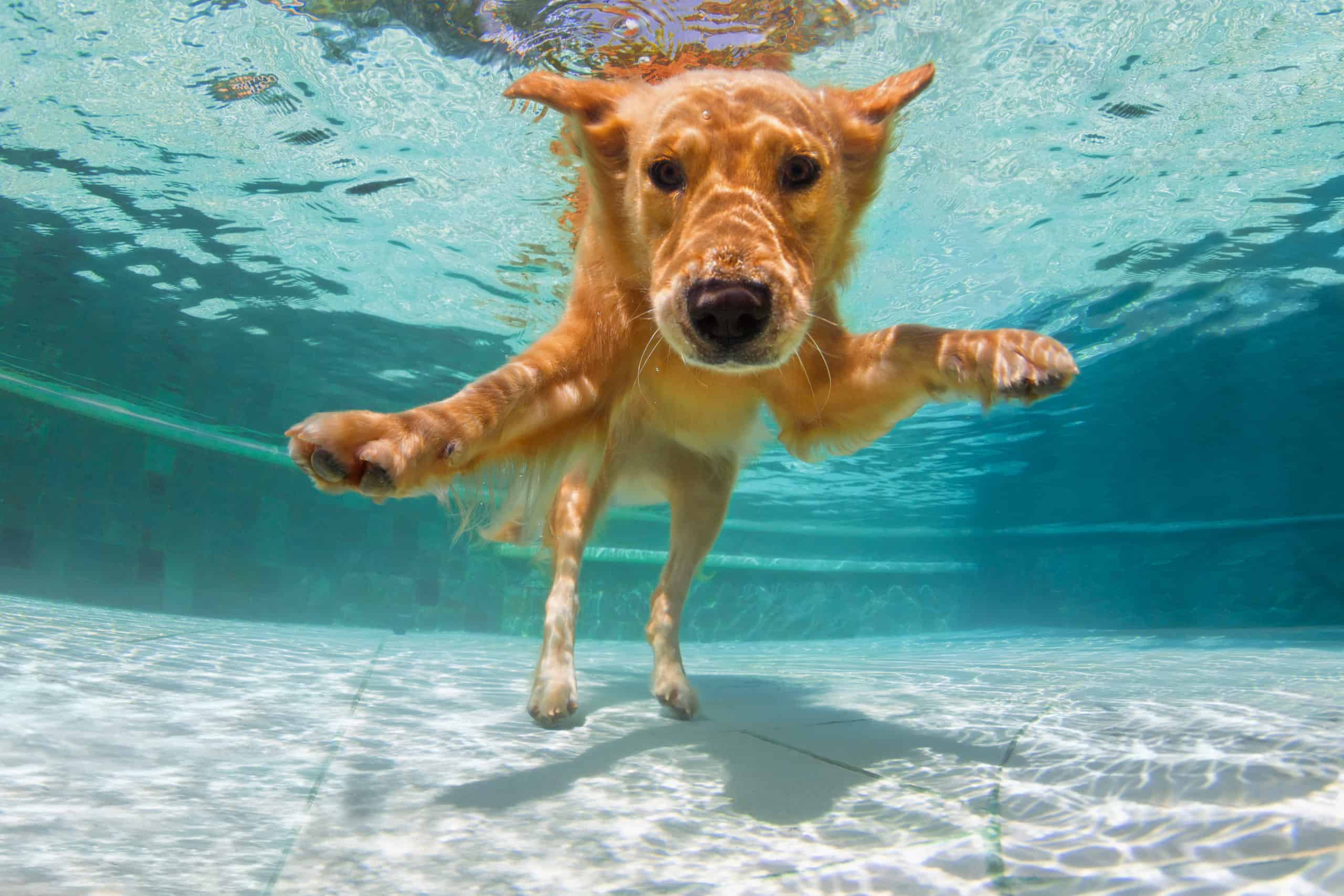
swimming golden retriever

Labradors love to swim, but always monitor your dog when in the water.

Another condition that Labrador Retrievers may develop is Progressive Retinal Atrophy, or PRA. The retina of dogs with this condition will slowly deteriorate until the dog completely loses their vision. Night blindness occurs before daytime blindness.

Some Labrador Retrievers may also suffer from epilepsy. Epilepsy is a seizure disorder. Seizures in a dog may look different from those in humans; you may notice your dog exhibiting very strange behavior like staggering, hiding, or running around. If you believe your dog has had a seizure, you should bring them to the vet immediately.

To review, some of the major health concerns that Labrador Retrievers may face include:

  • Hip dysplasia
  • Progressive Retinal Atrophy (PRA)
  • Epilepsy

Temperament and Behavior

Labrador Retrievers are very friendly dogs. They have very even-tempered personalities, which makes them great family dogs. Labrador Retrievers are also very active and playful dogs. When they are still puppies, they are even more active and energetic.

Unlike some other dog breeds that are more suspicious of strangers, most Labrador Retrievers are generally friendly and trusting of strangers. Their traits and personality do not make them the best choice for a guard dog.
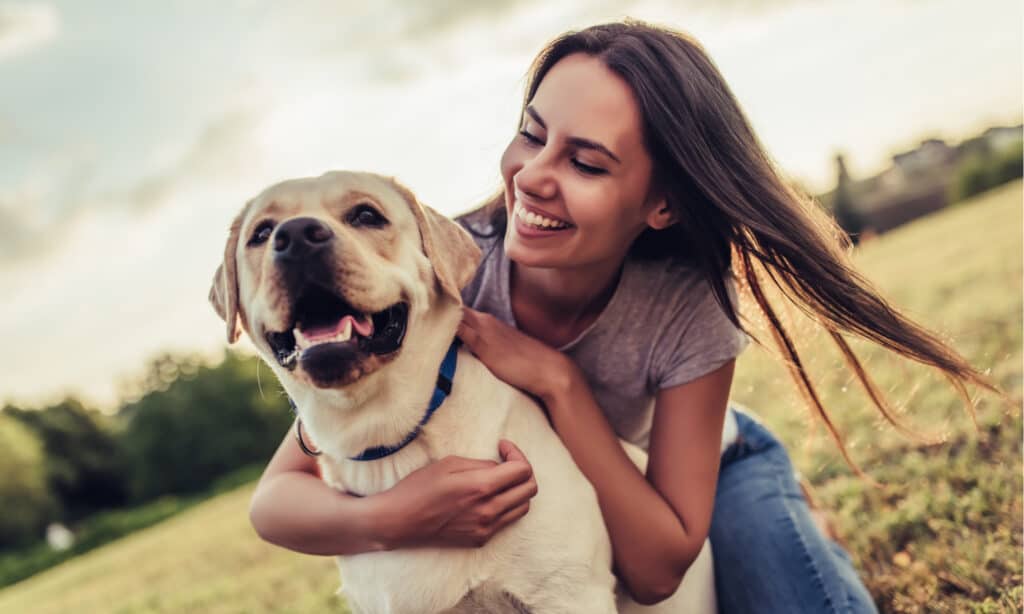
Dog Park Series - Lab with Woman

Generally trusting and friendly, Labs do not usually make good guard dogs.

How to Take Care of a Labrador Retriever

Since every dog breed is different, caring for a Labrador Retriever will be different from caring for other dog breeds. You will want to think about the specific health concerns, nutritional needs, and activity needs of Labrador Retrievers when creating your care plan.

The Best Dog Food for Labrador Retrievers

When you are selecting food for your adult or puppy Labrador Retriever, it is always important to choose quality dog food from a reputable company. You may also choose to prepare a homemade diet for your dog. If you do this, consult with a veterinarian to ensure you are providing your dog with all the vitamins and nutrients it needs.
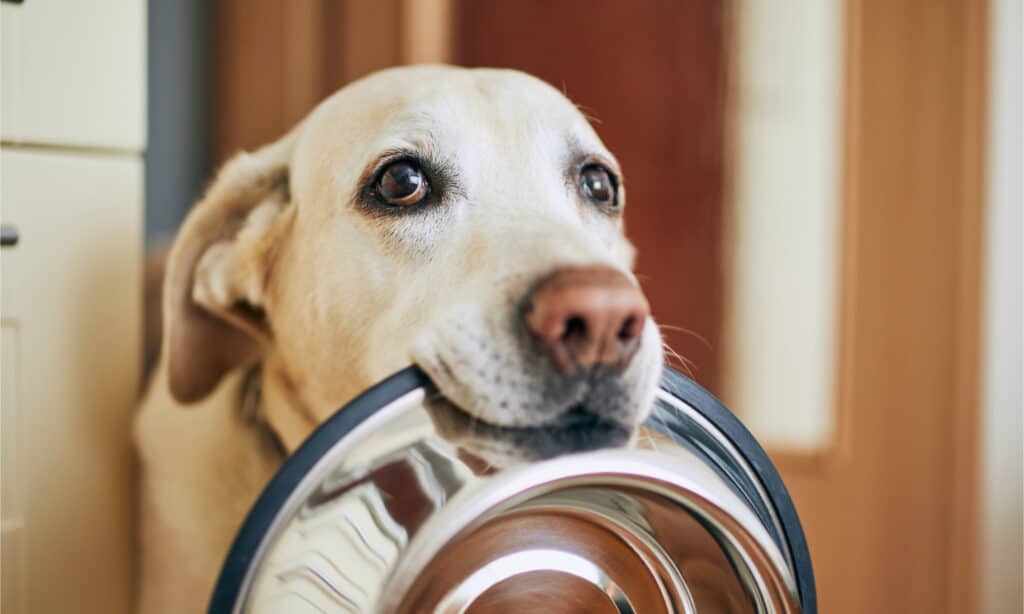
A hungry yellow Labrador retriever holding an empty bowl in its mouth

Dog food is food specifically formulated and intended for consumption by dogs and other related canines.

Some Labrador Retrievers face problems with obesity, so you will want to closely monitor their food consumption and make sure you are feeding them the appropriate amount. The right amount of food will vary for different dogs based on their activity level, age, health concerns, and other facts. You can always check with the vet, but in general Labrador Retrievers should eat between 2.5 to 3 cups of food each day, broken into two meals.
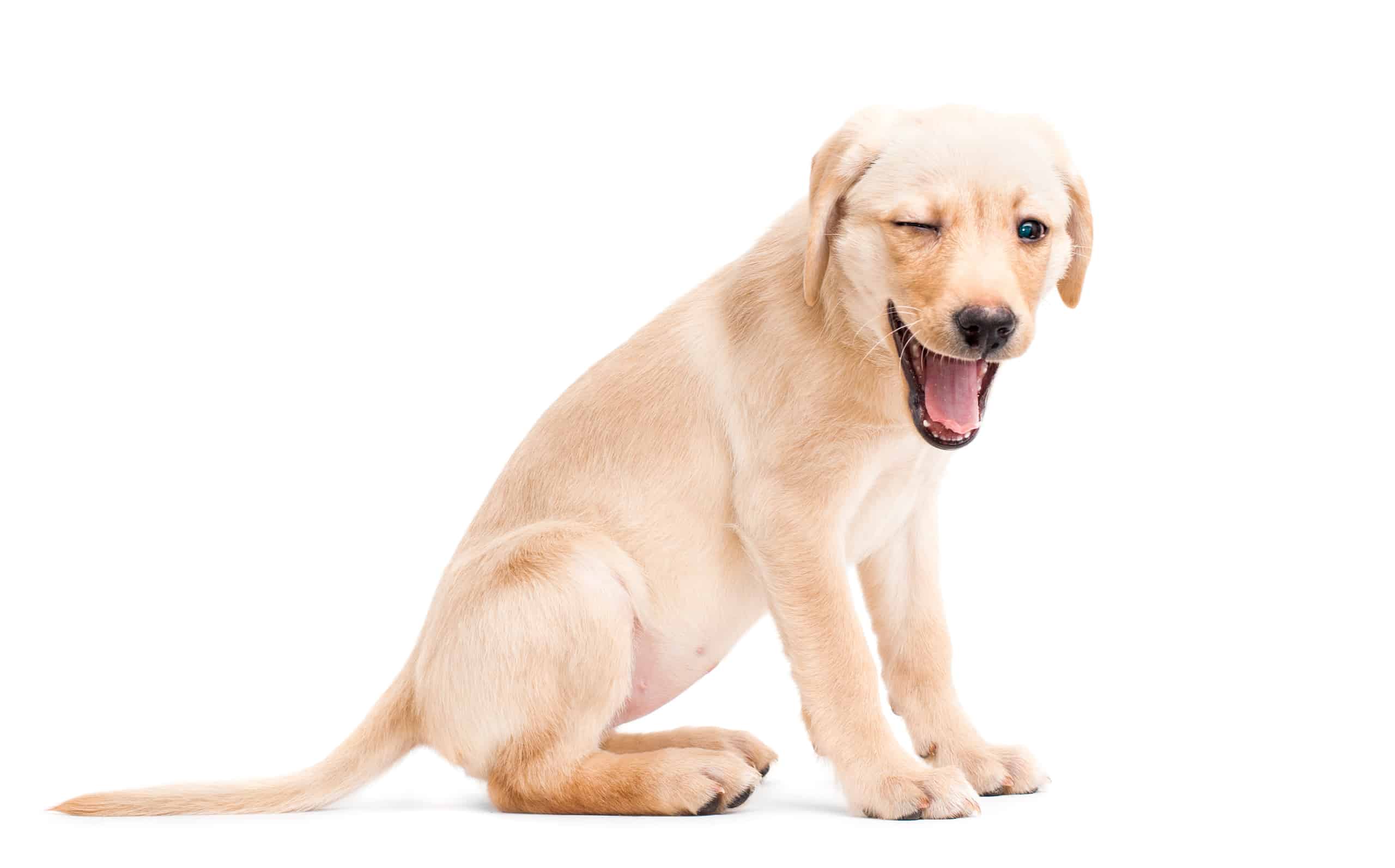
Make sure you feed your Labrador puppy the correct food so they avoid bone disorders!

Labrador Retriever puppies will grow very quickly, especially between the ages of four and seven months. If they aren’t fed the right type of food, it may make them more susceptible to different bone disorders. Choose a lower-calorie puppy food for your puppy for this reason. Two-month-old puppies should eat between 7 and 9 ounces of food, split into four meals. Three-month-old puppies should eat between 9 and 11 ounces of food split into three meals, and six-month-old puppies should eat between 12 and 16 ounces of food split into 2 meals.

Maintenance and Grooming

Labrador Retrievers are very easy to groom. However, they do shed a good amount, so you will want to be sure to brush your dog regularly. It will also be important to bathe your Labrador Retriever about once every two months. This will help their coat look nice and will prevent them from starting to smell.

In addition to brushing your dog and giving him baths, you will also need to brush their teeth a few times a week to get rid of bacteria and tartar. Their nails should also be trimmed a few times a month to prevent them from getting too long and becoming uncomfortable.
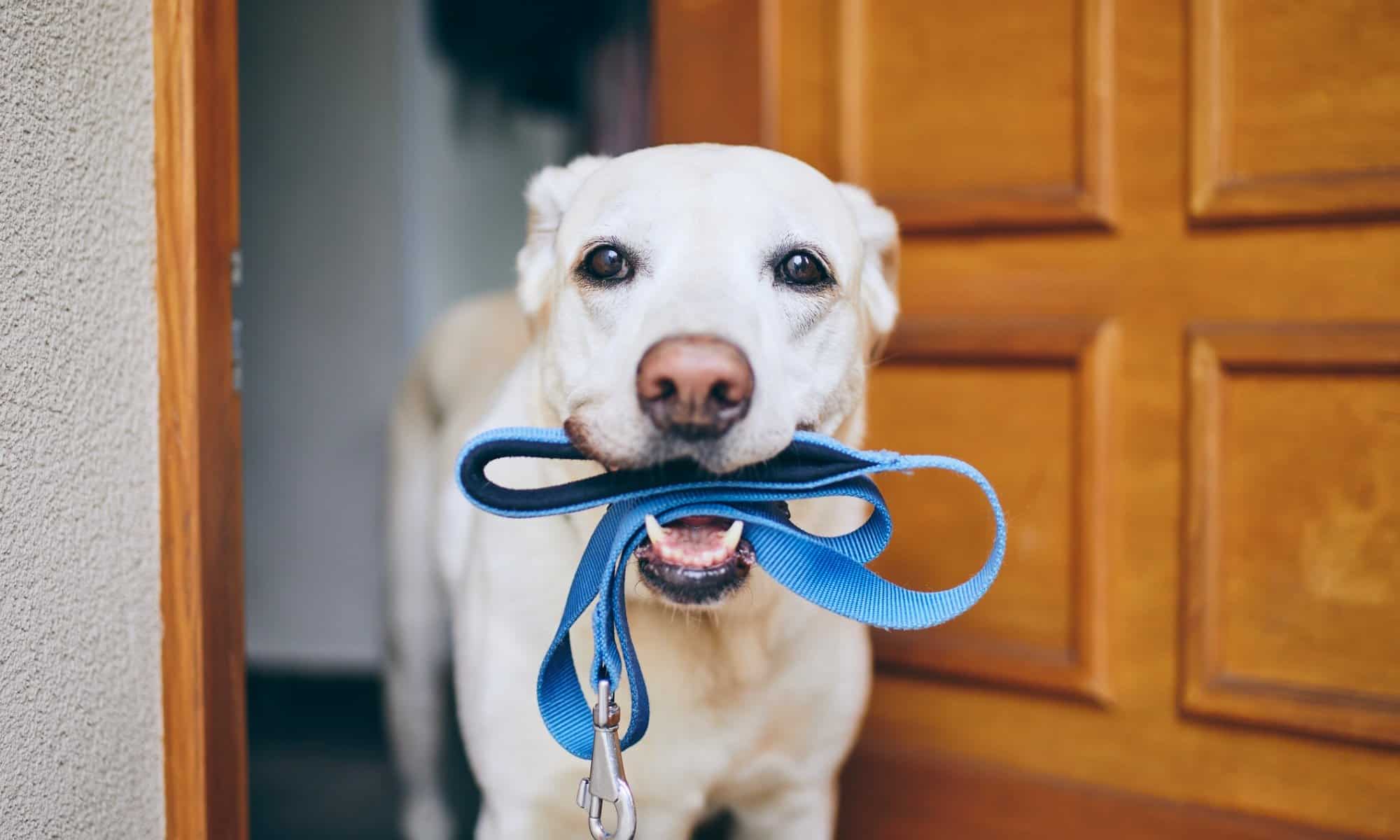
Big chains for dogs

Labrador retrievers need regular exercise.

Retriever Training

Even though they have a very even-tempered personality, it will still be important to train your Labrador Retriever. However, doing so should be relatively easy since Labrador Retrievers are very eager to please their owners. When choosing a training method or looking for an obedience class for your Labrador Retriever, be sure to choose one that uses positive reinforcement. Your lab will respond much better to this type of training.

Retriever Exercise

Labrador Retrievers are very active dogs. Making sure your dog gets regular exercise will be very important. They are a type of gun dog that was bred to assist with physically demanding tasks; if they are not being used as a working dog, you will want to make sure your dog gets at least half an hour to an hour of exercise every day.

If Labrador Retrievers’ exercise needs aren’t met, they may become destructive due to all of their excess energy. Lack of exercise can also cause a lab to bark excessively.
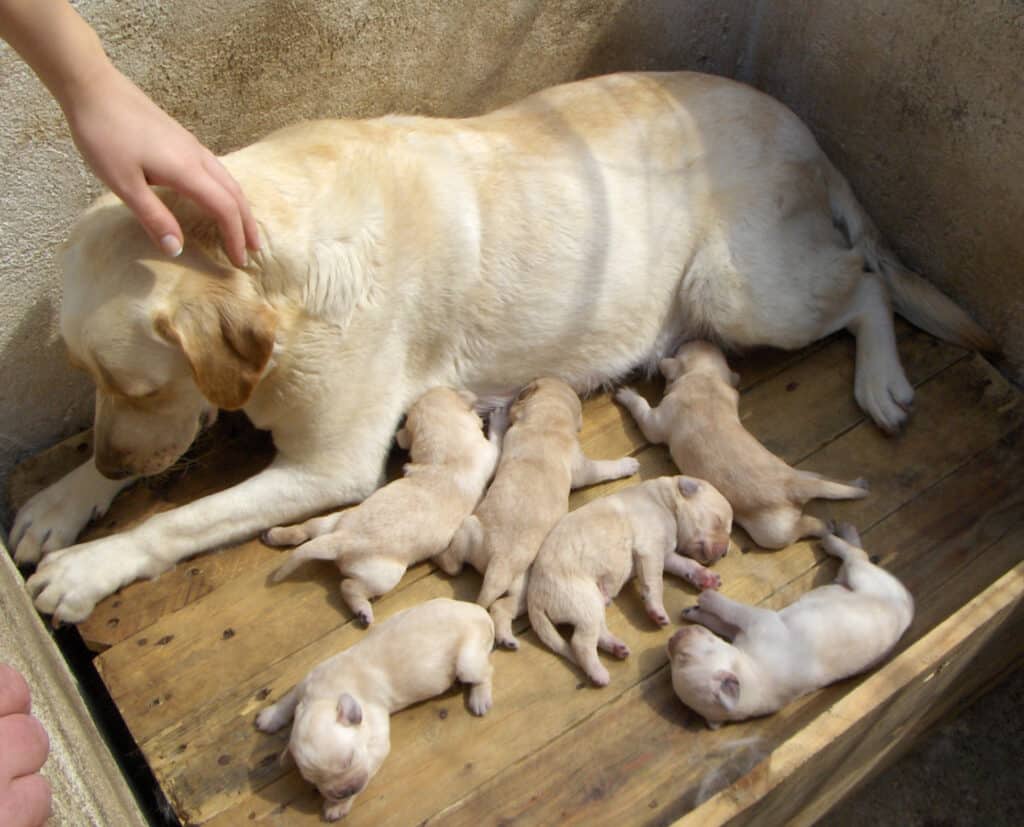
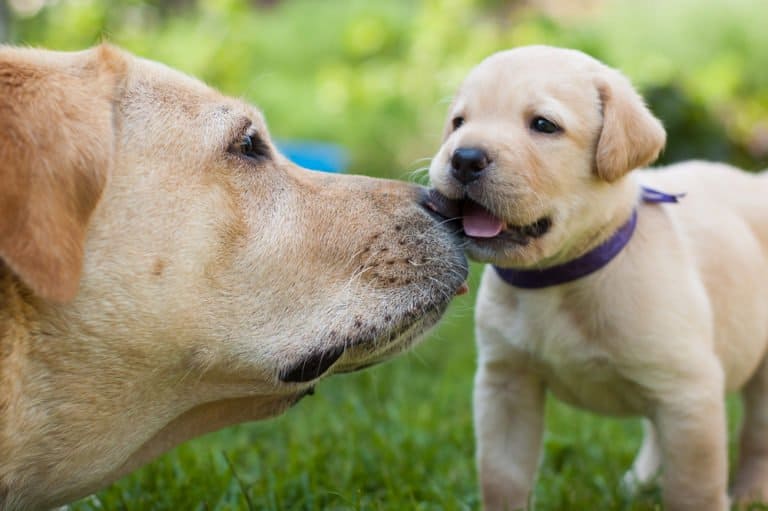
Mom Labrador retriever and puppies

Labrador Retriever puppies can be very playful.

Retriever Puppies

If you are bringing a Labrador Retriever puppy home, there are a few things you will want to prepare first. Labrador puppies can be very playful and may ‘play’ with your belongings if they are left within reach. Before you bring home your new puppy, be sure to puppy-proof your home and move anything that could be hazardous or that you wouldn’t want to see destroyed.

Be prepared to give your new puppy daily exercise. Labrador puppies will need to be able to run around inside or outside and should accompany you for some shorter walks. Just be cautioned that Labrador Retrievers have a reputation for being workaholics, so they can push themselves to the point of exhaustion.

It will also be important to begin training your new puppy pretty much as soon as you bring them home. You can look for a puppy training class to help your dog learn commands and how to act around other people and dogs. Labrador Retrievers respond best to positive reinforcement training programs.
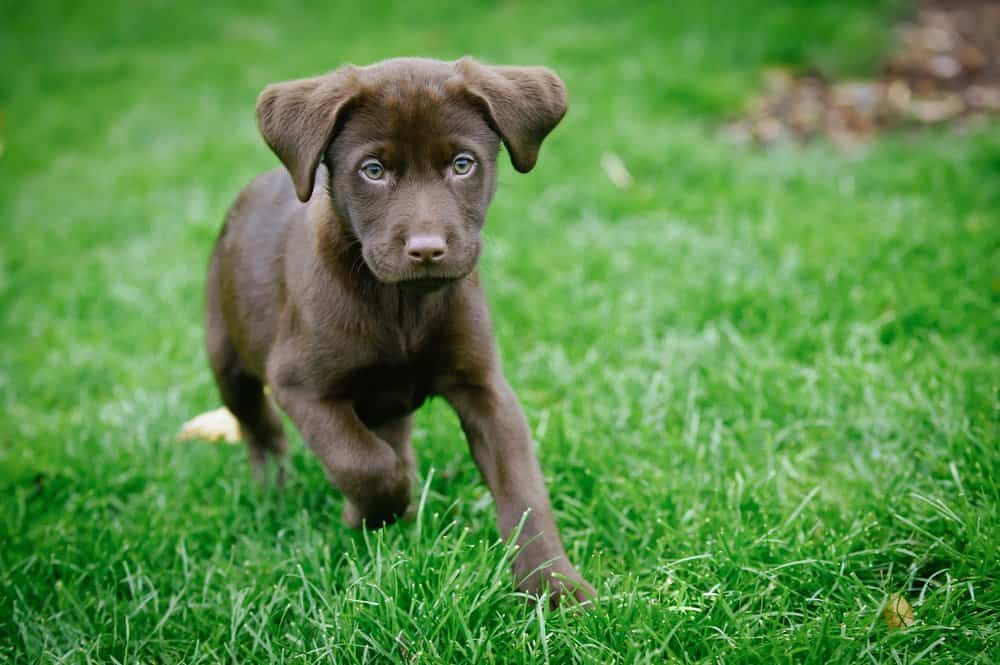
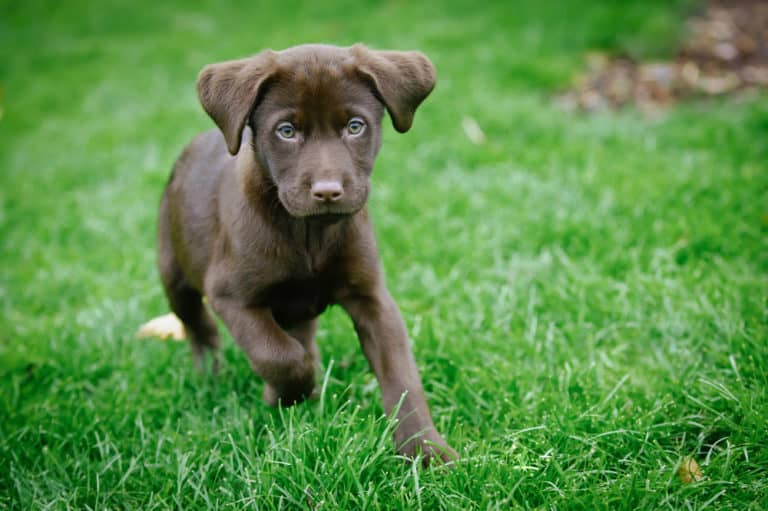
Labrador Retriever (Canis familiaris) - brown labrador puppy

Brown Labrador puppy playing outside.

Labrador Retrievers and Children

If you’re looking for a dog breed that does well with children, a Labrador Retriever is an excellent choice. This breed is very friendly and outgoing. They enjoy playing with children and can be very tolerant with younger kids. As with all other dog breeds, it is still always a good idea to supervise children when they are with a lab.

Dogs similar to the Labrador Retriever

Curly-Coated Retrievers, Chesapeake Bay Retrievers, and German Shorthaired Pointers are three dog breeds that share some similarities with Labrador Retrievers.

  • Curly-Coated Retriever: Curly-Coated Retrievers are also gun dogs, like the Labrador Retriever. Both of these breeds are about the same size, with the average weight for a male Labrador Retriever being 67.5 pounds and the average weight for a male Curly-Coated Retriever being 72.5 pounds. Labrador Retrievers are more intelligent and more sensitive than Curly-Coated Retrievers, though.
  • Chesapeake Bay Retriever: A Chesapeake Bay Retriever is another gun dog. Both dog breeds can have similar coloring and have a waterproof coat. Chesapeake Bay Retrievers can be more stubborn and harder to train than Labrador Retrievers.
  • German Shorthaired Pointer: The German Shorthaired Pointer and Labrador Retriever are both gun dogs with a very affectionate personality. They are both also very easy to train and love to play. Labrador Retrievers have a greater need for social interaction and are less likely to roam away.

Famous Labrador Retrievers

As one of the most popular breeds with the American Kennel Club, currently ranked second after the French Bulldog, it only makes sense that Labrador Retrievers are popular with celebrities as well. Here are a few famous Labrador Retrievers:

  • Buddy: Bill Clinton’s Chocolate Lab
  • Bubba: Minnie Driver’s Black Lab
  • Rex: Sarah McLachlan’s Black Lab
  • Holden: Gwyneth Paltrow’s Black Lab
View all 131 animals that start with L

Sources

  1. David Burnie, Dorling Kindersley Animal, The Definitive Visual Guide To The World's Wildlife / Accessed November 11, 2008
  2. Tom Jackson, Lorenz Books (2007) The World Encyclopedia Of Animals / Accessed November 11, 2008
  3. David Burnie, Kingfisher The Kingfisher Animal Encyclopedia / Accessed November 11, 2008
  4. David Burnie, Dorling Kindersley (2008) Illustrated Encyclopedia Of Animals / Accessed November 11, 2008
  5. Dorling Kindersley (2006) Dorling Kindersley Encyclopedia Of Animals / Accessed November 11, 2008
  6. American Kennel Club / Accessed November 23, 2020
  7. Wikipedia / Accessed February 12, 2023
  8. Labrador Retriever Club / Accessed November 23, 2020
  9. The Labrador Site / Accessed November 23, 2020
  10. The Dog People / Accessed November 23, 2020
  11. AKC / Accessed February 8, 2023
  12. AKC / Accessed February 12, 2023

Melissa Bauernfeind

About the Author

Melissa Bauernfeind

Melissa Bauernfeind was born in NYC and got her degree in Journalism from Boston University. She lived in San Diego for 10 years and is now back in NYC. She loves adventure and traveling the world with her husband but always misses her favorite little man, "P", half Chihuahua/half Jack Russell, all trouble. She got dive-certified so she could dive with the Great White Sharks someday and is hoping to swim with the Orcas as well.
Connect:

Thank you for reading! Have some feedback for us?


Labrador Retriever FAQs (Frequently Asked Questions)

If you purchase a Labrador Retriever from a breeder, it will likely cost between $300 and $1,000; however, the cost could be higher if you are looking for a field-trial dog or a show dog. Adopting a Labrador Retriever from a shelter or a rescue organization will be cheaper and will probably cost a few hundred dollars to cover application fees and vaccinations.

In addition to the money you spend to bring home a Labrador Retriever, you should also budget for all the other expenses that are associated with owning a dog. These include medical bills, training, food, toys, and other supplies. Your first year owning the dog will be the most expensive and could cost $1,000 or more. Each year after that, you should still budget between $500 and $1,000 for expenses.