



Quick Take
- Rubble achieved a record 31-year lifespan, surpassing standard breed limits by 18 years.
- The 38-inch Maine Coon creates significant litter box challenges and high risks of hip dysplasia.
- This giant breed displays a surprising affinity for water, defying standard domesticated cat behavior.
- The 1950 formation of the Central Maine Cat Club was vital to disproving widespread extinction rumors.
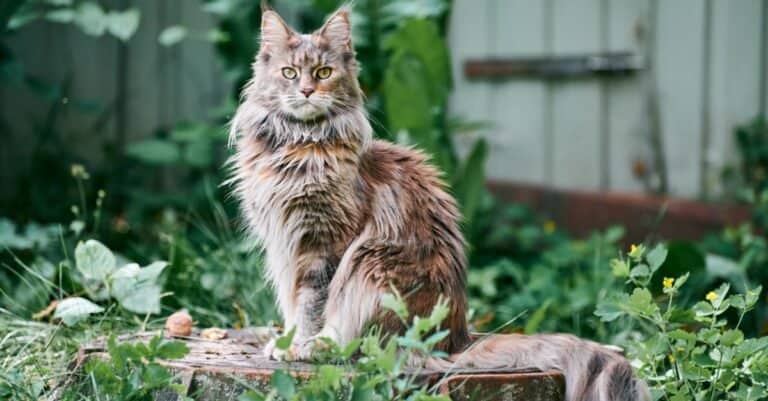
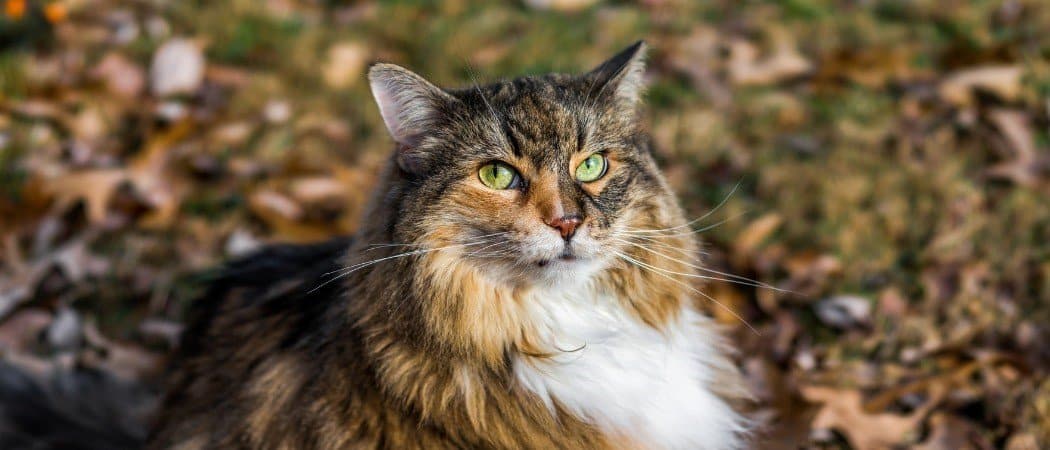
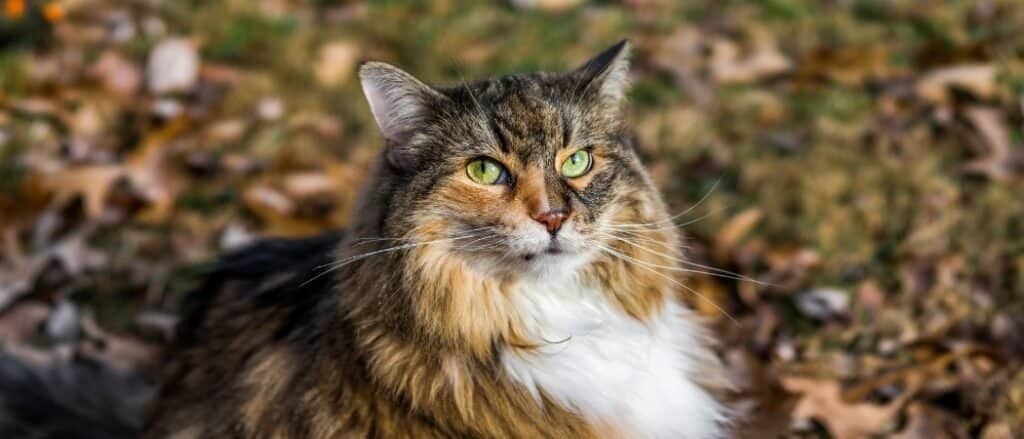
The Maine Coon is a domesticated cat breed known as a gentle giant due to its medium to large size, contrasting with its gentle, sweet, well-balanced personality. Although it started as a mouser, it is popular as a family, companion, and therapy pet that is great with children, dogs, and other cats. It is currently the second most popular cat breed in the US, after the Ragdoll.

Traits: What to Know Before You Buy
Before you buy a Maine Coon, there are some important things you need to know:
- This is a fluffy, medium-haired cat. You can expect to be brushing yours regularly. With its high grooming needs, you should brush it every day. However, its fur is straight and smooth and does not tend to tangle or knot.
- It enjoys water. Unlike with other breeds, you will be able to bathe your cat without trouble.
- The Maine Coon is the largest domesticated cat breed. That means it will probably need a bigger litter box, depending on its size. Also, it is prone to hip dysplasia with age.
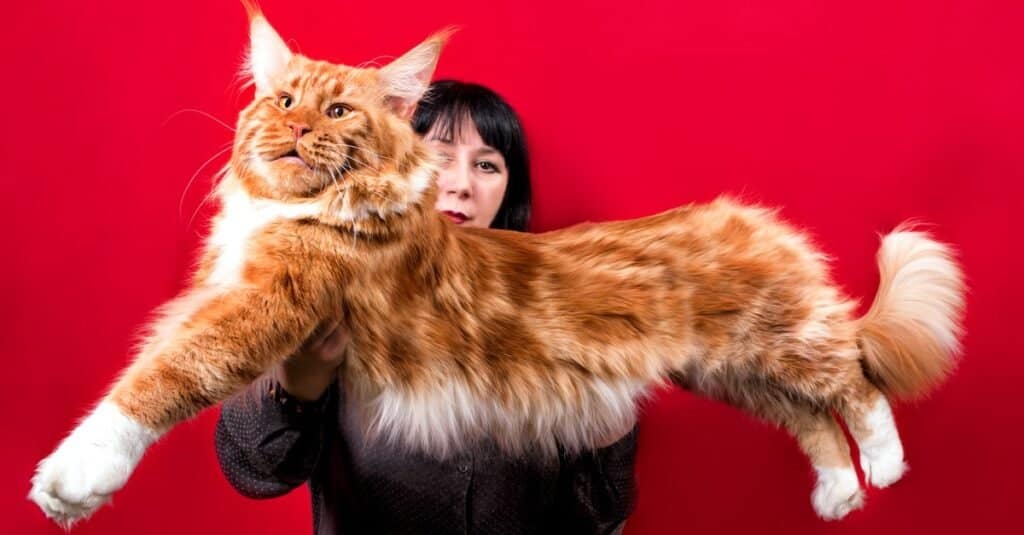
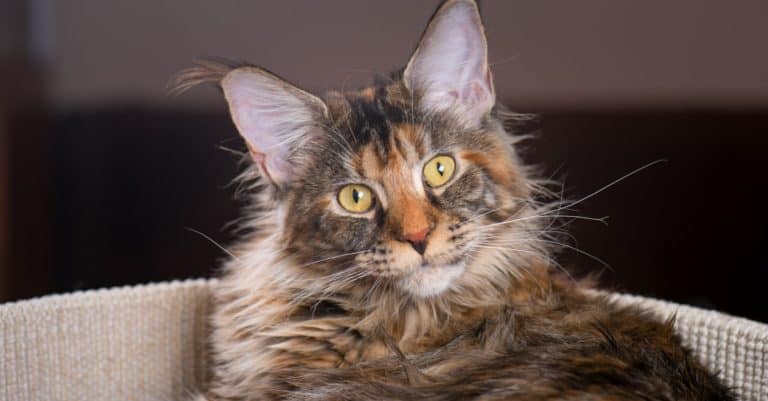
The Maine Coon is the largest domestic cat breed in the world.
©Sergey Ginak/Shutterstock.com
Breed History
Maine Coon cats could be descended from Siberian forest cats or Norwegian forest cats, which were brought by settlers to North America, but their exact origins are unknown. There is also a legend that Marie Antoinette had six of her most treasured Turkish Angora and Siberian cats packed aboard a ship with other important possessions bound for the New World in 1793, fearing her death. This ship, steered by Captain Samuel Clough, landed on the coast of Maine at Wiscasset, where the cats may have been rescued and cross-bred with other cats, or bred in the wild.
A wilder tale is that Maine Coons came about by cross-breeding with raccoons, but that would have been an impossibility, though folks speculated the Maine Coon’s tail was very similar to that of a raccoon. These unusual cats were written about in the 1860s by F.R. Pierce, who owned several. During the same decade, farmers from Maine held a contest called the “Maine State Champion Coon Cat.” They soon became part of other cat shows, like one in Boston and one in New York City, both in 1895. In the latter show, a Maine Coon brown tabby named Cosey won the silver collar and a medal for Best in Show.
While Maine Coons were initially popular, they were forgotten for some years with the introduction of other long-haired breeds in the US. Due to some claiming they had gone extinct in 1950, the Central Maine Cat Club was formed to preserve this unique cat breed and grow it. It wasn’t until 1976 that Maine Coons were approved for championship status. Today, they are the second most popular cat breed in the US, as well as the official state cat of Maine.
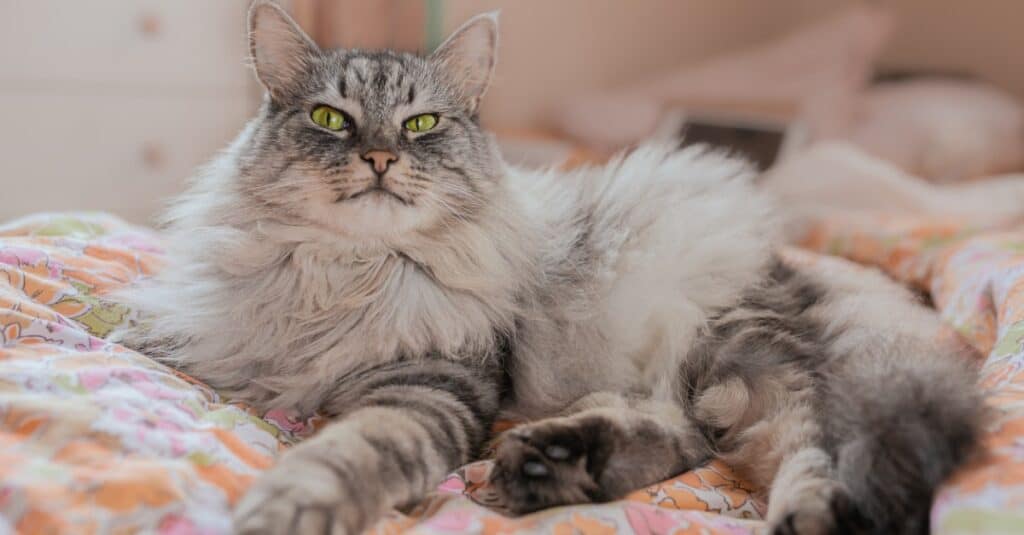
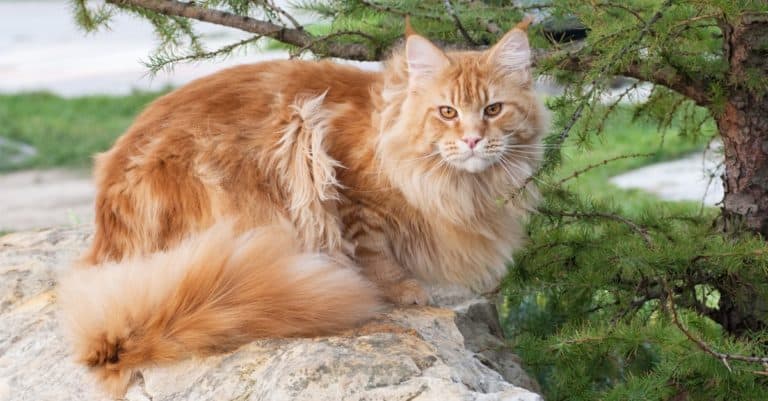
One legend links the origin of the Maine Coon to long-haired cats shipped to America in 1793 by Marie Antoinette.
©iStock.com/Larisa Stefanuyk
Personality
The personality of the Maine Coon is such that they’re called the “dog of the cat world.” They have traits of loyalty, sociability, affection, docility, playfulness, and intelligence.
The Maine Coon is curious and patient. This makes it easy to train. This outdoor cat became a working breed to hunt rodents, but it’s also commonly used as a therapy cat.
Although initially timid or reserved around strange people and animals, it can quickly warm up and become friendly. While not a lap cat, it wants to be near people, but it is not overly needy.
It is not vocally loud but makes chirping and trilling noises, which it is known for. Owners can expect responses in the form of these chirps and trills instead of meows.
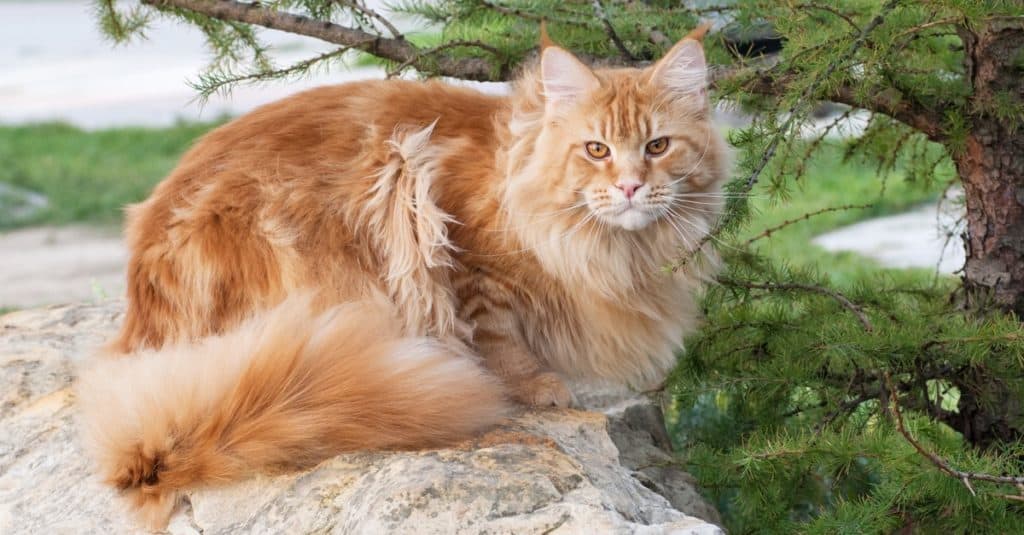
Maine Coons have patient temperaments and have been used as therapy animals.
©Mirt Alexander/Shutterstock.com
Size and Weight
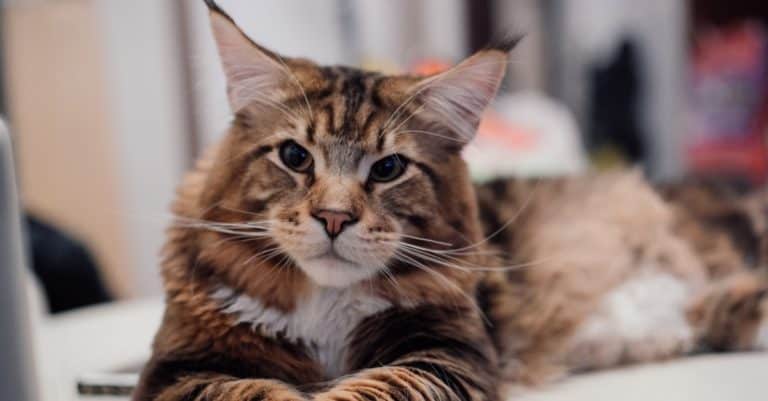
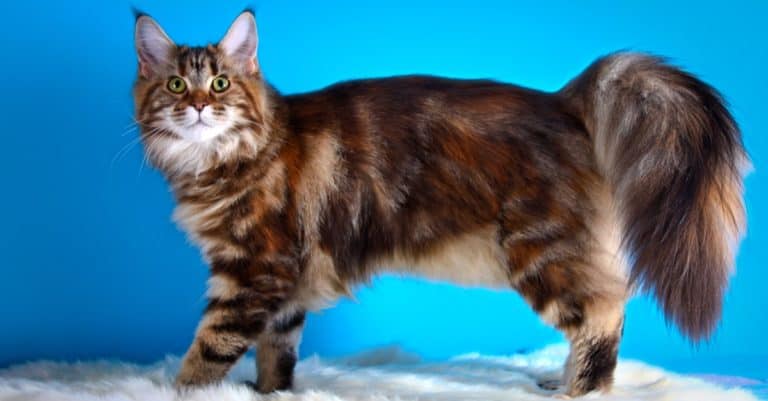
The Maine Coon is a medium to a giant-sized domesticated breed of cat with large and slightly rounded eyes, adding to its size with ear and toe tufts, along with medium-long fur. It is one of the oldest natural breeds in North America and the official state cat of Maine, where it is a native. Hence, it can adapt to harsh conditions, featuring a heavily boned, muscular build and a smooth, shaggy coat. Its coat is long on the neck, tail, and under the belly but medium on the body.
The size of the Maine Coon tends to be medium, large, or giant. On average, the Maine Coon is large, especially the male. While both males and females can weigh 8 to 12lbs, males average 15 to 25lbs and females 10 to 15 lbs. This makes females medium-sized and males large to giant-sized. Adults of both sexes are on average 10 to 16 inches and up to 38 inches in length, including the tail, which can be up to 14 inches in length.
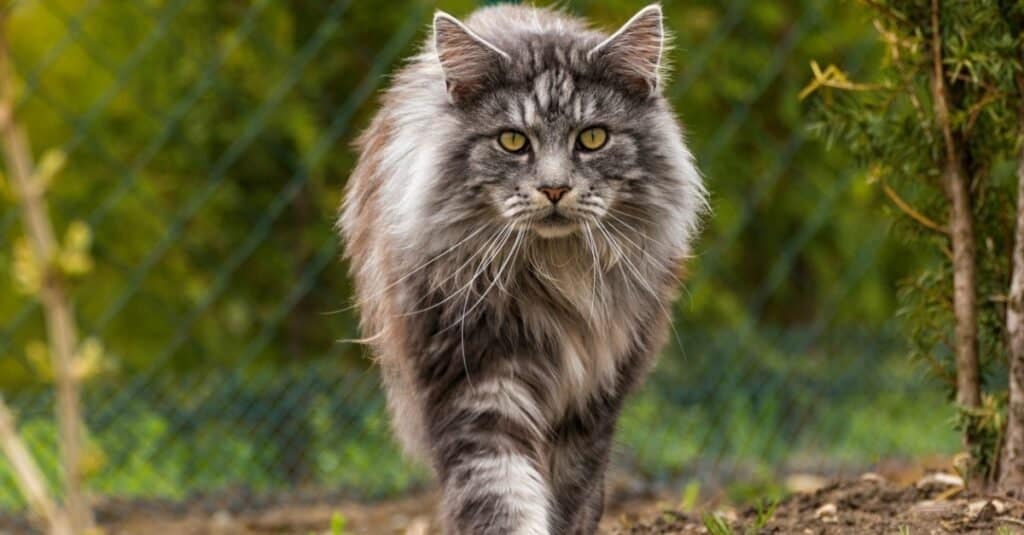
The size of the Maine Coon is either medium, large, or giant, but on average, they are large, especially the males.
©iStock.com/Tylinek
Price
The price of a Maine Coon cat for sale depends on where you get it from. From a rescue, the price is the standard adoption fee. From respected breeders, pet-quality Maine Coons typically cost between $1,000 and $2,500, while show-quality or breeding-quality cats can reach $3,000 to $4,000 or more. Prices from backyard breeders may be lower, but are generally above $700.
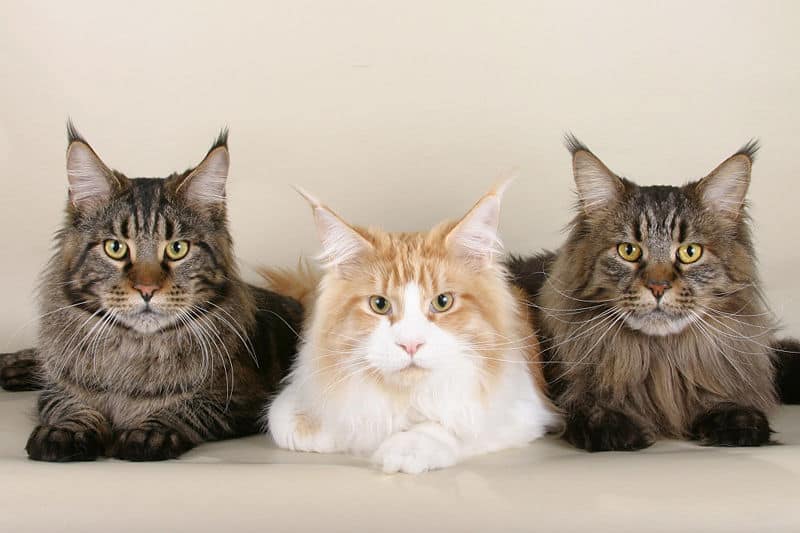
From a reputable dealer, a Maine Coon will usually cost between 1000 and 2500 US dollars.
©Ankord – Public Domain
Kittens
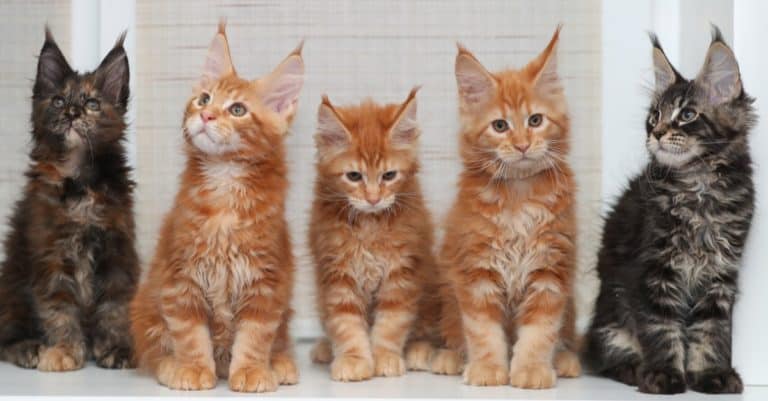
The price of Maine Coon kittens for sale from breeders is typically between $1,000 and $2,500. Show-quality kittens for sale cost more than pet-quality ones or those from backyard breeders. If you decide to get your Maine Coon kitten from a rescue, it will likely be a mix, and the cost will be the standard adoption fee. Maine Coon mothers have an average of 5 kittens per litter.
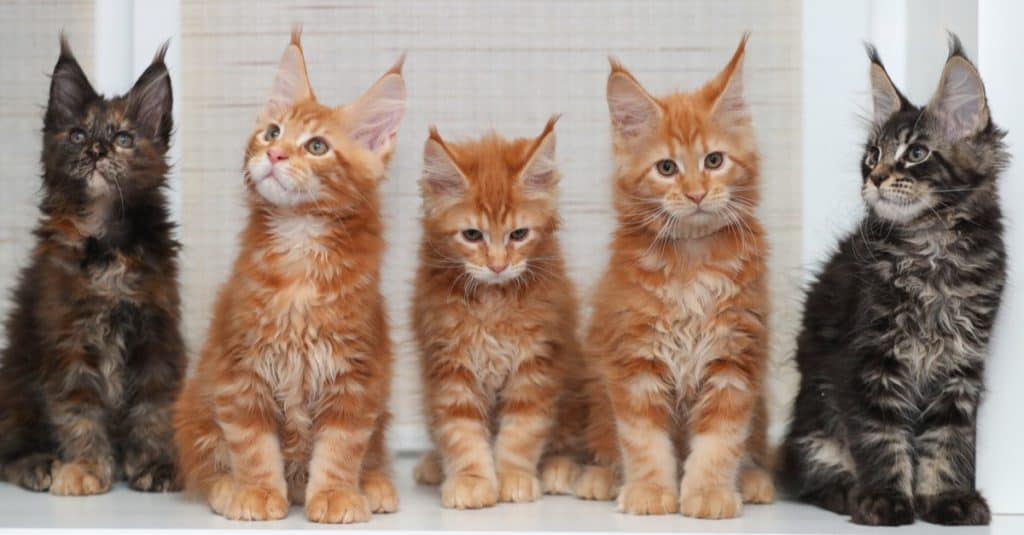
Female Maine Coons have an average of five kittens per litter.
©Andrew Will/Shutterstock.com
Lifespan
‘These cats typically live 12 to 15 years, with some individuals reaching 16 years or more. A few examples of health issues that can impact their quality of life or their lifespan are arthritis, dental health issues, kidney problems, and cancer. To lessen the risk of health issues with a Maine Coon, consider a respected breeder who will have done a health screening of its parents and can provide you with a certificate of health for your adoption. A Maine Coon named Rubble became one of the oldest cats ever at 31 years old.
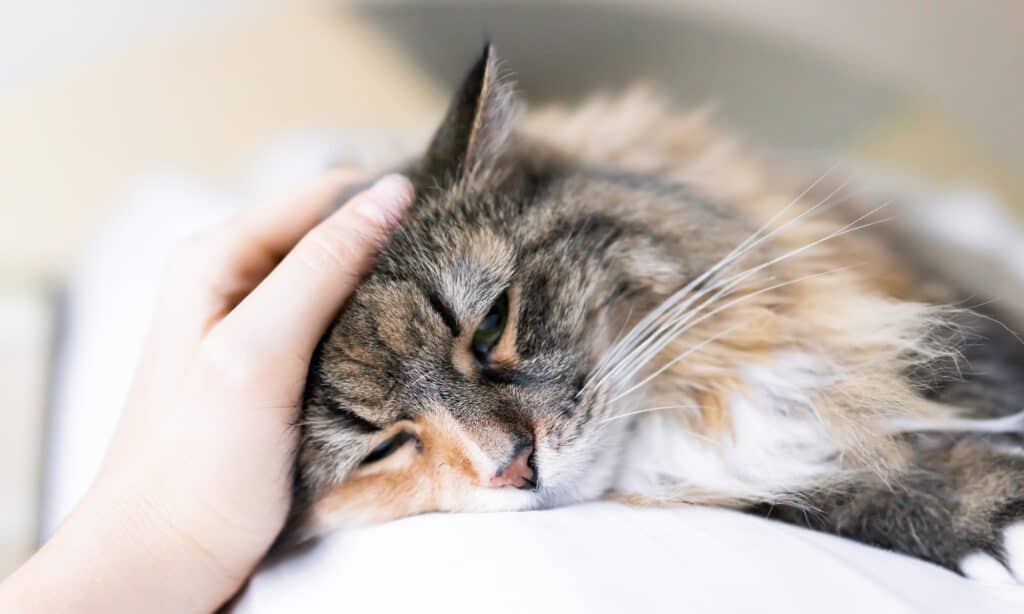
The life expectancy of a Maine Coon is from 9 to 13 years.
©iStock.com/krblokhin
Breed vs. Mixed
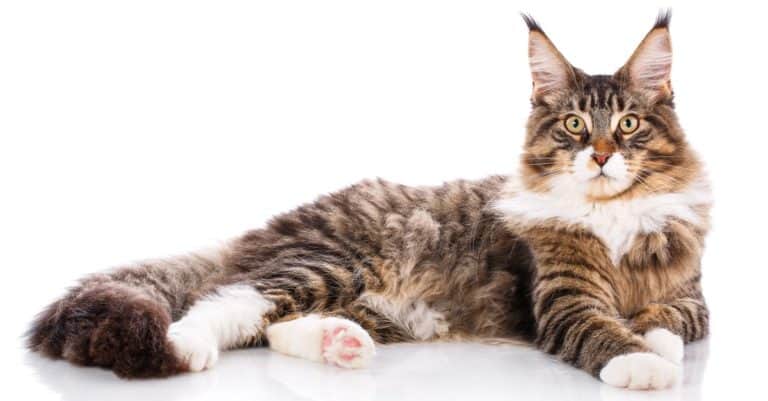
These cats have specific coat color and pattern standards as purebreds, but some of these traits carry over into the Maine Coon mix. As a result, the Maine Coon mix has unique diluted coat colors resulting from hybridization, often with the Siamese or Abyssinian: Chocolate, cinnamon, fawn, caramel, apricot, lilac, and lavender. Unique coat patterns are Abyssinian type ticked tabby (agouti), Himalayan pattern, or either of those mixed with white.
Types of Maine Coon Cats and Colors
These cats are divided into different types depending on coat color and pattern, with there being 84 possible types and 75 officially recognized. Here are some of the most common ones.
- Solid color: Black, blue, cream, white, silver, brown, golden, and red (orange).
- Parti-color: Tortoiseshell, calico (tricolor), bluecream, and tortie/white. This combination is usually only seen in females, who can inherit more than one color.
- Bi-color: Parti-color, but with one color being white, such as black/white, blue/white, cream/white, and red (orange)/white.
- Tabby: Striped cats with patterns such as classic (swirls with a butterfly pattern on the shoulders), mackerel (narrow, parallel stripes), spotted, and ticked (several bands of color on each hair and barring on the legs and tail). Brown tabby is the most common, while the ticked pattern is accepted only by certain cat associations’ breed standards.
- Tabby with white
- Shaded (smoked)
- Shaded (smoked) with white
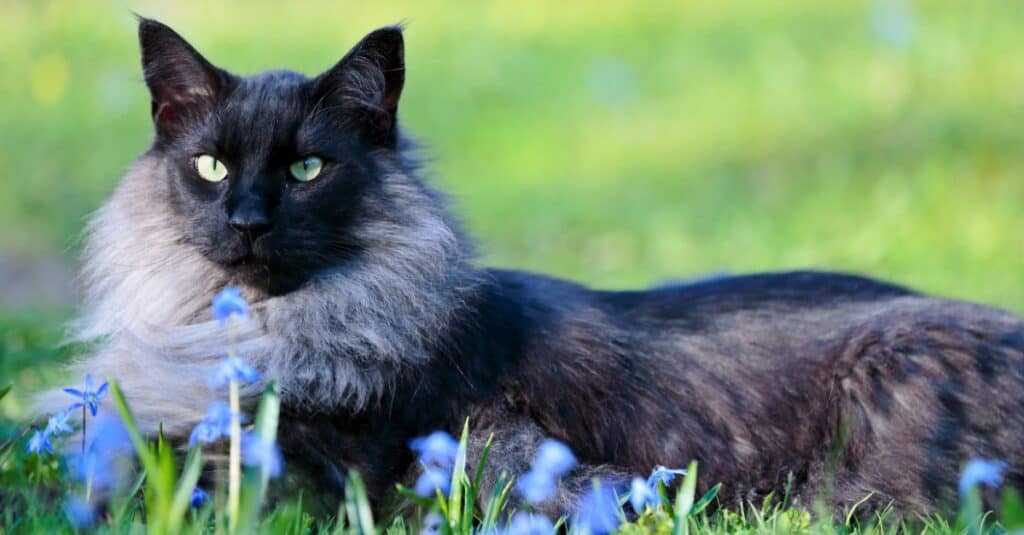
The Maine Coon is sometimes confused with the Norwegian Forest Cat.
©Elisa Putti/Shutterstock.com
Maine Coon vs. Norwegian Forest Cat
The Maine Coon’s origins aren’t exactly known, but it’s said to be related to the Norwegian Forest Cat and the Siberian. Its ancestors were likely Marie Antoinette’s Turkish Angora (or Siberian) cats, brought by Captain Charles Coon in the 1800s. These long-haired cats then mated with short-haired breeds, resulting in the medium-haired shaggy coat.
That being said, there are some subtle differences between the Maine Coon and the Norwegian Forest Cat. For one thing, the Norwegian Forest cat’s fur is even and silkier. There is no ruff around the neck. Secondly is the difference in the head and facial features. The Maine Coon has large, slightly rounded eyes, a squarish head, high cheekbones, and a friendly expression, whereas the Norwegian Forest cat has almond-shaped eyes, a triangular head, a flatter nose, and a more serious expression. Lastly is the difference in behavior and personality. The Maine Coon is between independent and needy and enjoys playing and being around people, while the Norwegian Forest cat tends to prefer relaxing alone.
Maine Coon Pictures
View all of our Maine Coon pictures in the gallery.

ShotPrime Studio/Shutterstock.com
Sources
- Pet Finder / Accessed April 7, 2021
- Hill's Pet / Accessed April 7, 2021
- The Cat Fancier's Assiciation / Accessed April 7, 2021
- Epic Pet Club / Accessed April 7, 2021
- Spend On Pet / Accessed April 7, 2021
- Maine Coon Cat Nation / Accessed April 7, 2021
- World Cat Congress / Accessed April 7, 2021
- Maine Coons / Accessed April 7, 2021
- Maine Coon Expert / Accessed April 7, 2021
- Maine Coon / Accessed April 7, 2021
- Maine Coon Central / Accessed April 7, 2021