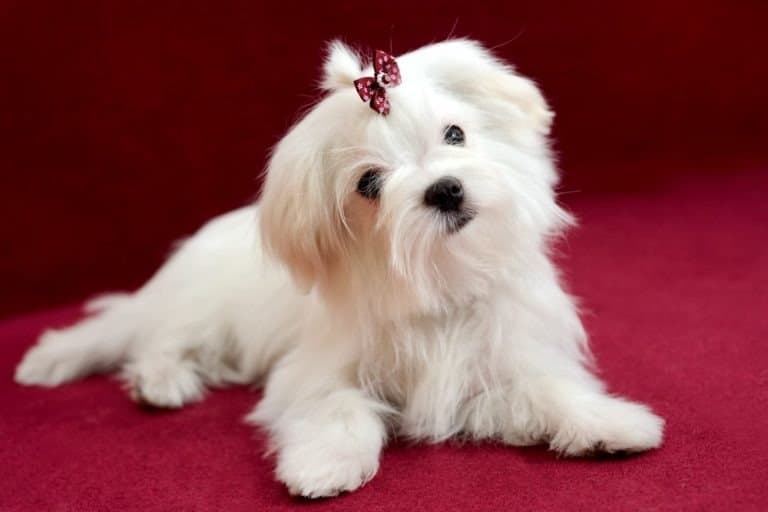
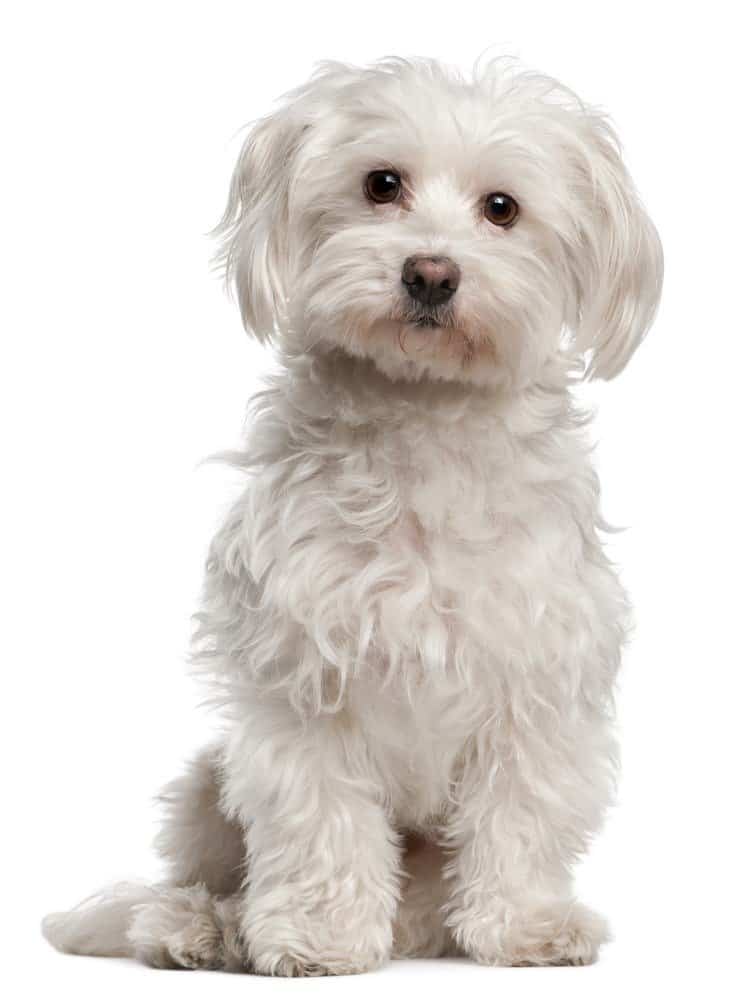
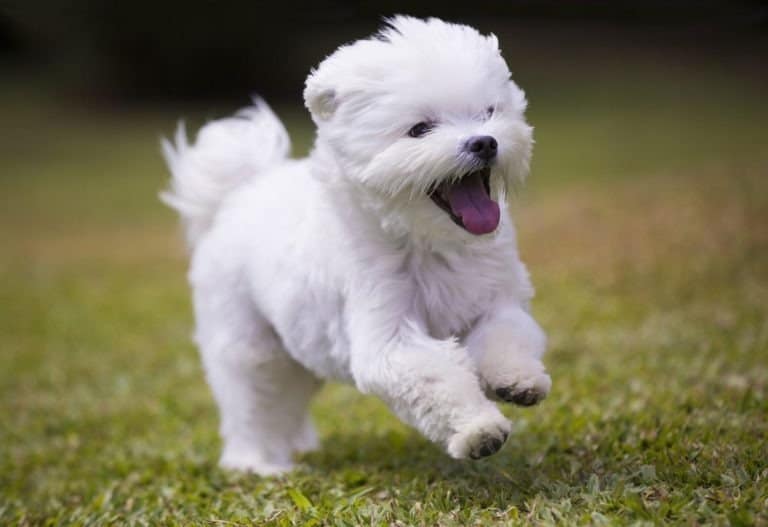
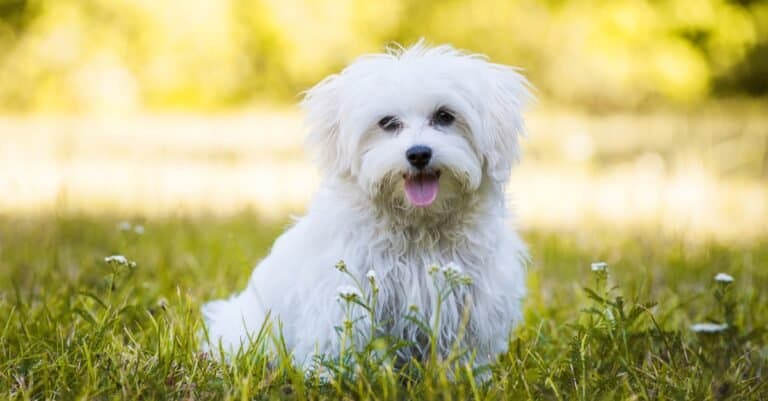






While their name suggests that Maltese dogs are from Malta, most people believe they were originally from south-central Europe. Maltese is a toy dog breed. They are hypoallergenic dogs with white hair. Maltese was most likely bred from Spitz-type dogs. However, there is not a lot of written history about the origin of these dogs, so their history is not completely clear.
Breed History
While it is believed that Maltese dogs are from the island of Malta, their exact place of origin is a mystery. They have been found around the Mediterranean for thousands of years, including Sicily, Egypt, and Southern Europe, but most historians pinpoint Malta as the development site of the breed.
Past writings about them indicate that numerous individuals, from the ancient Greeks to the physician for Queen Elizabeth I, believed that they were indeed from Malta.
Regardless of where they originated, these dogs are a very playful and gentle breed. They are friendly and can make great family pets for households with older children.
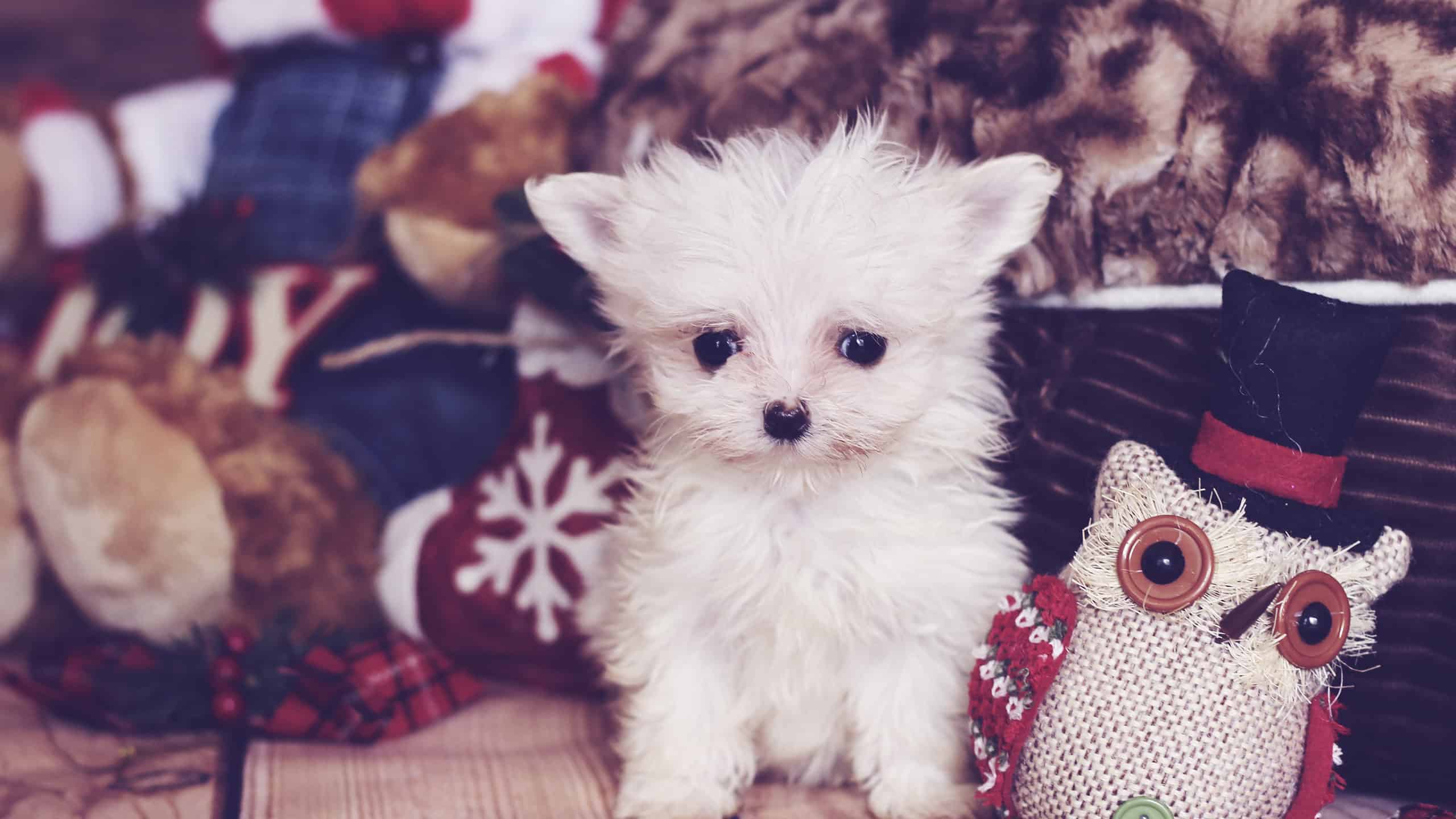
Teacup Maltese are among the smallest dogs in the world.
©Andi Berger/Shutterstock.com
3 Pros and Cons of Owning a Maltese
| Pros | Cons |
|---|---|
| Hypoallergenic: Even though they have longer hair, Maltese are hypoallergenic dogs. This makes them a great choice for households with family members who suffer from allergies. | Not great for families with young children: They are very small and can be easily injured. They would not be a good choice for households with toddlers who haven’t learned how to appropriately interact with a dog. |
| Great companion dog: Maltese dogs were bred to be good companions. They are playful, gentle, and affectionate with their family members. With additional training, Malteses can also make great therapy dogs. | High maintenance: These dogs require daily brushing to keep their coats looking good and prevent them from getting matted. They also need regular baths and should have their nails trimmed frequently. |
| Overall healthy breed: In general, Maltese are a healthy breed. Buying a Maltese from a trusted breeder can help make sure your dog won’t be impacted by genetic disorders. | Can be destructive when left alone: Maltese dogs form a close bond with their owners. They do not do well when they are left alone and may become destructive or suffer from separation anxiety. |
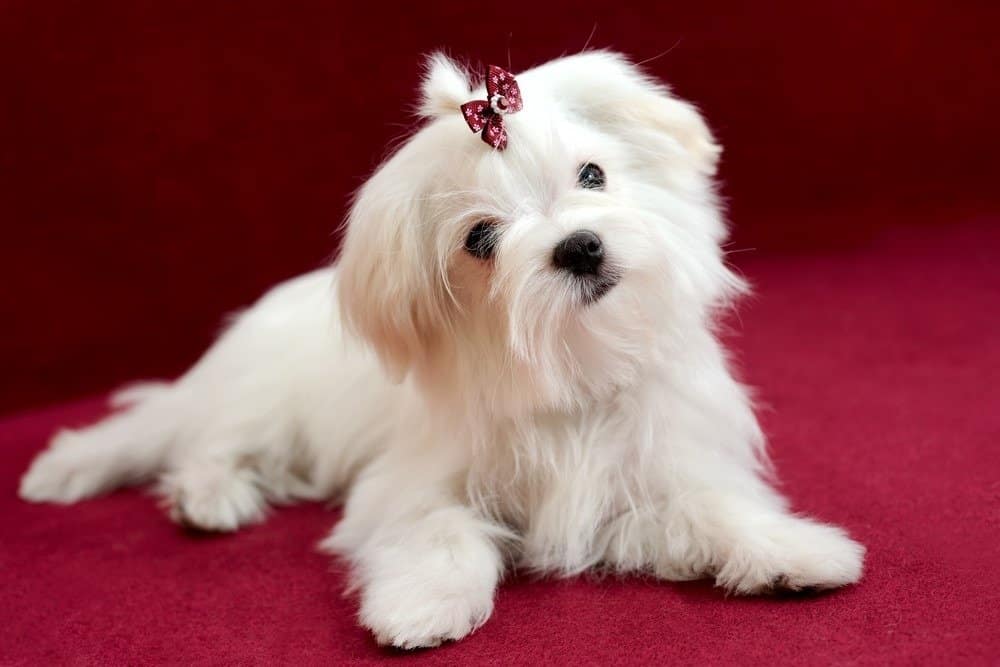
Maltese are agile, talented, and trainable.
©Arthur Lookyanov/Shutterstock.com
Size and Weight
Maltese dogs are a toy-sized dog breed. Both males and females are around the same size. They stand between 7 and 9 inches tall and weigh less than 7 pounds. Since this is such a small dog breed, the puppies are very small. They can weigh as little as ¼-pound at birth. By three months, puppies typically weigh between 2 and 4 pounds. By the time they are six months old, most puppies will be close to full-grown.
Common Health Issues
Being aware of some of the common health issues that these dogs may face can help you be prepared to provide the best level of care to your dog. One problem that is faced by some Maltese dogs is obesity. The body of a Maltese is not made to support a lot of extra weight, so obese dogs can have problems with their joints. They may also develop digestive or metabolic disorders, heart disease, or back pain associated with the extra weight gain.
Patent Ductus Arteriosus is a condition that these dogs have a genetic predisposition for. A vessel that carries blood between two different sections of the heart is not properly closed in dogs with this condition. With the vessel partly open, more blood is brought to the dog’s lungs than it should be. This causes fluids to build up and can put extra stress on their heart.

Maltese may have a few health concerns, but they will live well into the double digits.
©gorillaimages/Shutterstock.com
Maltese dogs may also develop a liver disorder called portosystemic shunt (PSS). This disorder caused some of the blood meant for the liver to go around it. With this reduced blood flow, the liver is not able to grow as it should and does not function properly. Livers in dogs with PSS are not able to remove toxins from the blood like a normally functioning liver would.
Temperament
These dogs have very friendly personalities. They are gentle and loving; a Maltese will be very happy to curl up on the lap of its owner. These traits will become much more reserved when the Maltese is around a person they do not know.
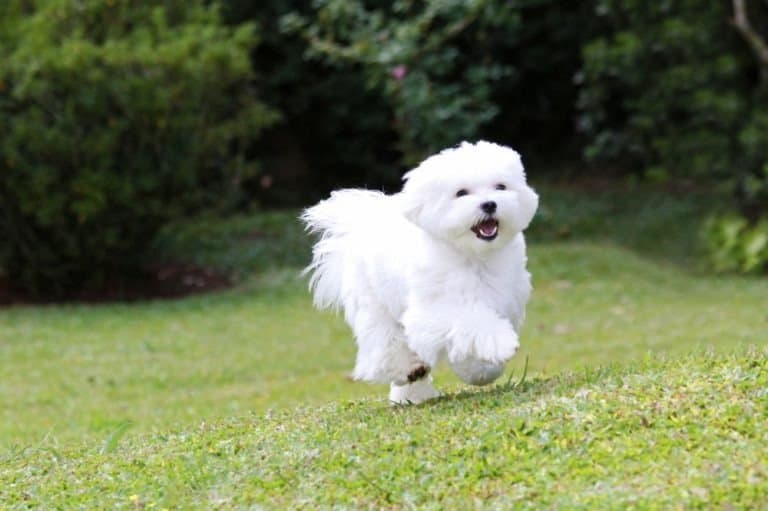
In addition to the behaviors above, Maltese can also be very active. They enjoy running around and going for walks. They often seem to forget how small they are and will bark at or try to challenge another dog.
How to Take Care of a Maltese
Every dog is unique, and Maltese are no exception. Caring for these dogs will look different from caring for other breeds. Being informed about the health concerns, nutritional needs, and other unique aspects of this breed will allow you to keep your dog happy and healthy.
The Best Dog Food for Maltese Dogs
Since Maltese dogs can have problems with obesity, it will be important to make sure you are feeding your dog the proper amount of food. For both adult and puppy dogs, you’ll want to choose a high-quality food from a trusted manufacturer. Another option when feeding your dog is to offer home-prepared meals. Whichever option you choose, you’ll want to consult with your veterinarian to make sure the food you are feeding your dog is meeting their nutritional needs.

Make sure your Maltese avoids certain foods like grapes, which are toxic.
©iStock.com/humonia
Every dog is different and may require a different quantity of food. Your dog’s activity level, age, and other health concerns can impact the amount of food they should be eating. In general, adult dogs should eat somewhere between ¼ and ¾ cup of food each day. This food should be divided into two or three meals.
When they are first born, the puppies can be free-fed. This means you can leave food out so they can eat when they want. By the time the puppy is about 12 weeks, you should stop free-feeding them so they don’t overeat. 12-week to 9-month-old puppies should eat three smaller meals each day. Once your dog is an adult, you can switch to feeding them two meals a day, or you may decide to stick to three meals.
Maintenance and Grooming
While Maltese do not shed very much, they are still a pretty high-maintenance dog. To keep their coat looking nice and prevent it from getting tangled, you will need to brush your dog every day. It will also be important to bathe them regularly, condition their hair, and blow them dry. Their nails should be trimmed, and their ears should be checked and cleaned regularly as well.
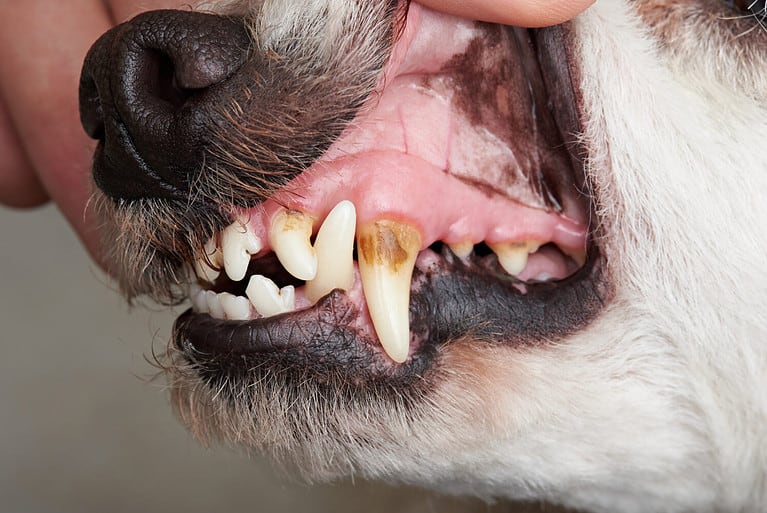
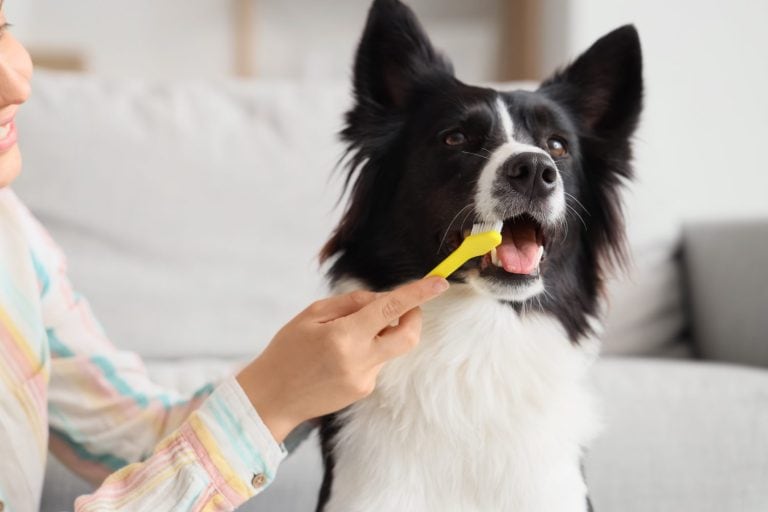
In addition to the grooming items listed above, you will also want to brush your dog’s teeth at least once a day. This will help protect them from developing dental diseases.
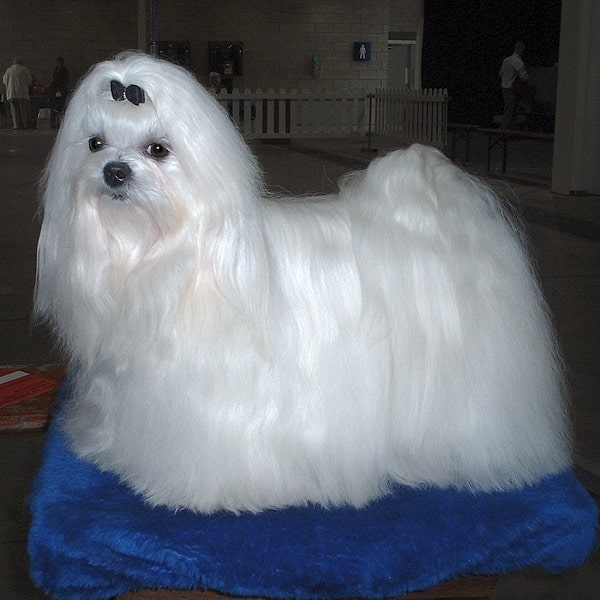
Regular grooming will keep your Maltese well-maintained.
©Sannse, CC BY-SA 3.0, via Wikimedia Commons – Original / License
Training
Training your Maltese dog will take a little bit of work. Over the years, they have learned ways to get what they want from their owners. However, if you start training your Maltese from an early age, are consistent, and use positive training methods, you should notice that your dog begins to comply with your requests.
Maltese are very intelligent dogs, which means they are capable of learning more complex commands. They also make good show dogs and can excel in agility or obedience competitions.
Exercise
Unlike other breeds that need lots of exercise each day, Maltese dogs do well with minimal exercise. They are a relatively high-energy dog, but will meet their exercise requirements by taking a short walk or playing in a fenced-in yard.
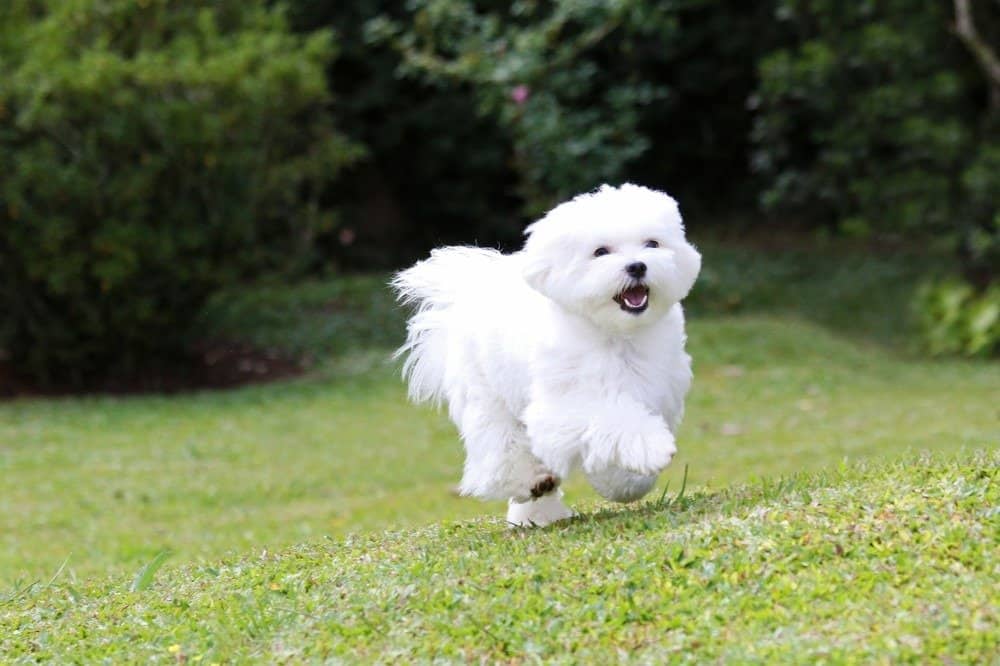
Malteses do well with minimal exercise but should still be walked daily.
©Kimrawicz/Shutterstock.com
Puppies
Maltese puppies will sleep between 18 and 20 hours each day. As they get a little older, the amount of sleep they need will decrease to between 12 and 14 hours. However, when they are awake, puppies will be very energetic. They can act hyper and may run all around your house. Puppies will begin to calm down around the age of 6 months and will be significantly calmer by the time they are between 9 and 12 months.
Before you bring home a new Maltese puppy, you’ll want to take a few steps to make sure your home is ready. Make sure you have purchased food, a harness and leash, a crate, toys, and all the other supplies you’ll need for your new dog. You will also want to make sure your home is puppy-proofed. Remove any items that could be hazardous to the dog or that you wouldn’t want to see destroyed by a puppy. Choosing a veterinarian before bringing home your new dog is also a good idea.
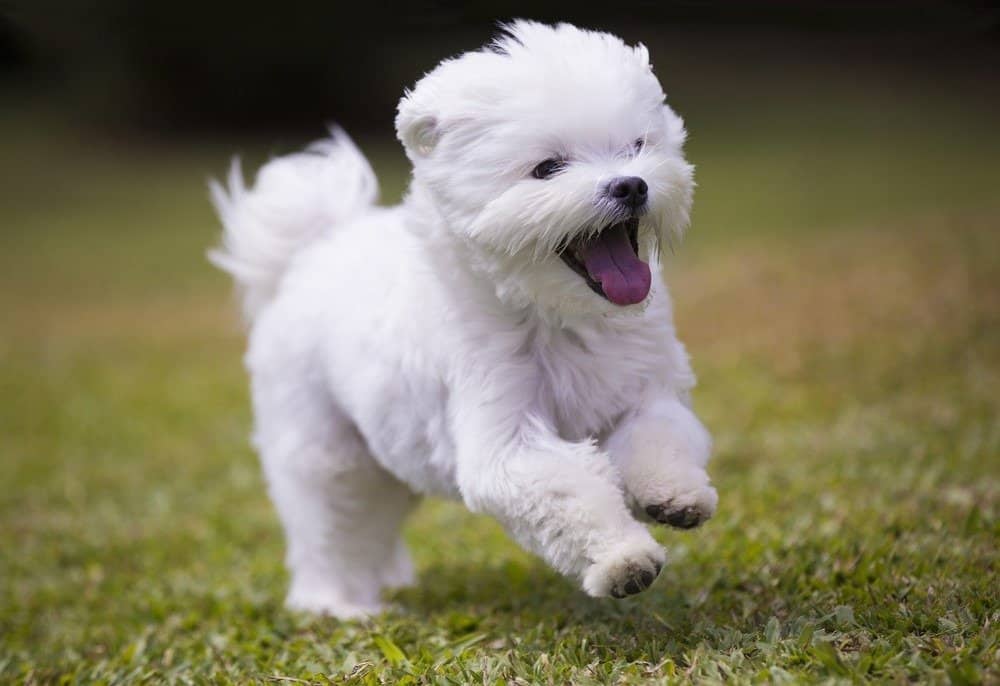
Maltese are a toy dog breed. They are hypoallergenic dogs with white hair. Maltese were most likely bred from spitz-type dogs.
©Kimrawicz/Shutterstock.com
Maltese Dogs and Children
Maltese dogs are gentle and loving. They can be a great addition to a family with older children. However, it is typically not recommended to bring home a Maltese if you have babies or toddlers in the home. Maltese dogs are so small that they can easily be injured by young children who have not yet learned how to treat a dog.
Even older children should always be supervised around a Maltese. This will help prevent accidental injuries to either the child or the dog.
Dogs similar to the Maltese
Shih Tzus, American Eskimo Dogs, and Bichon Frises are three dog breeds that share some characteristics with Maltese dogs.
- Shih Tzu: Like Maltese Dogs, Shih Tzus are also a toy breed. Both breeds are also hypoallergenic. Shih Tzus are larger than Maltese dogs. They typically weigh between 9 and 16 pounds, while a Maltese will weigh closer to 7 pounds. Maltese have white hair, and Shih Tzus have red, black, brindle, liver, or silver-colored hair.
- American Eskimo Dog: American Eskimo dogs are closely related to the German Spitz breed. Maltese are believed to share common ancestry with spitz dogs; they have a similar pointed muzzle. Both dogs have white hair, and the toy-sized American Eskimo Dogs are comparably sized to a Maltese. American Eskimo dogs shed quite a bit, while Maltese dogs hardly shed at all. American Eskimo Dogs are typically more playful than Maltese dogs.
- Bichon Frise: Bichon Frises are another dog breed that is small with white hair like the Maltese. Bichon Frises are hypoallergenic as well. Both breeds are very affectionate and can be more sensitive than other dog breeds. Maltese dogs are more territorial and more likely to bark than Bichon Frises.
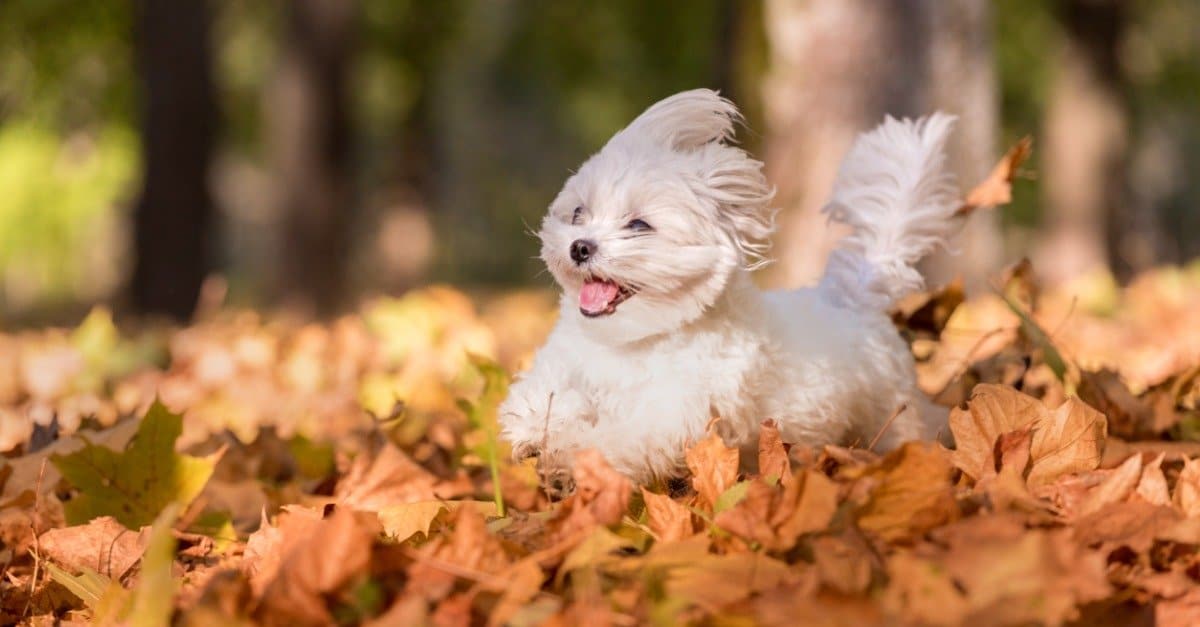
The Maltese has silky, elegant fur.
©iStock.com/Mindaugas Dulinskas
Famous Maltese Dogs
There have been a number of famous people who have owned Maltese Dogs over the years.
- Sugar was Elizabeth Taylor’s Maltese Terrier that went everywhere with her.
- Maf, short for Mafia, was Marilyn Monroe’s Maltese. Maf was gifted to her by Frank Sinatra.
- Happy was Tony Bennet’s Maltese dog.
Maltese Pictures
View all of our Maltese pictures in the gallery.

Sources
- David Burnie, Dorling Kindersley Animal, The Definitive Visual Guide To The World's Wildlife / Accessed November 11, 2008
- Tom Jackson, Lorenz Books The World Encyclopedia Of Animals / Accessed November 11, 2008
- David Burnie, Kingfisher The Kingfisher Animal Encyclopedia / Accessed November 11, 2008
- David Burnie, Dorling Kindersley Illustrated Encyclopedia Of Animals / Accessed November 11, 2008
- Dorling Kindersley Dorling Kindersley Encyclopedia Of Animals / Accessed November 11, 2008
- American Kennel Club / Accessed November 9, 2020
- Wikipedia / Accessed November 9, 2020
- Pet Maltese / Accessed November 9, 2020
- Dog Zone / Accessed November 9, 2020
- Nylabone / Accessed February 7, 2023