



A large female marine toad can lay a clutch (group) of eggs numbering over 40,000.
A marine toad is a carnivore that eats insects, small birds, rodents, and other amphibians. This toad grows to be four to six inches in length and weighs around two pounds. Females are normally larger than males. The average lifespan of a marine toad is five years, but it can live up to 15 years in captivity. These toads can release poison from glands located on its shoulders.
5 Marine Toad Facts
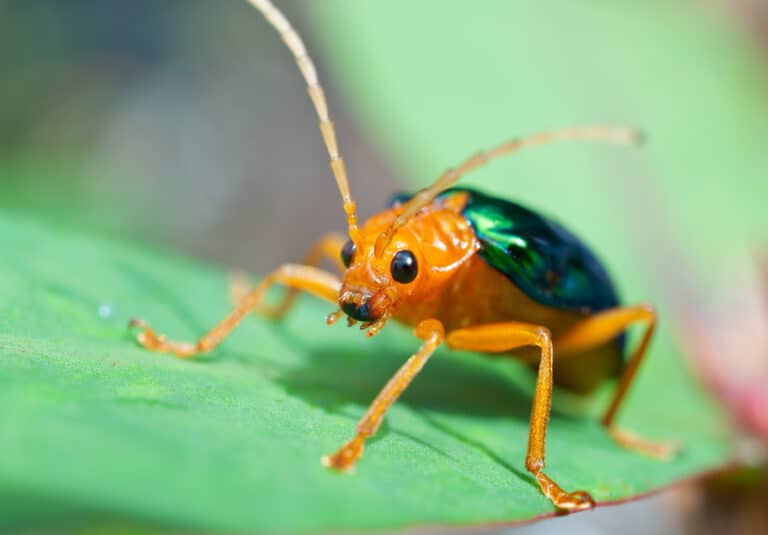
• Marine toads were introduced into the wild by scientists to control the population of sugar cane beetles
• These toads are nocturnal
• Marine toads live in tropical and subtropical regions
• They sometimes eat dead animals (carrion) that they find
• These toads can detect moving and non-moving prey
Marine Toad Scientific Name
The marine toad is sometimes called a cane toad, giant toad, or Bufo toad. Its scientific name is Bufo marinus. This name is Latin, Bufo meaning toad and marinus meaning marine. This toad belongs to the Bufonidae family and is in the class Amphibia.
There are hundreds of species of toads in the Bufonidae family. Examples include the western leopard toad, Oak toad, eastern leopard toad, and American toad.
Marine Toad Appearance and Behavior
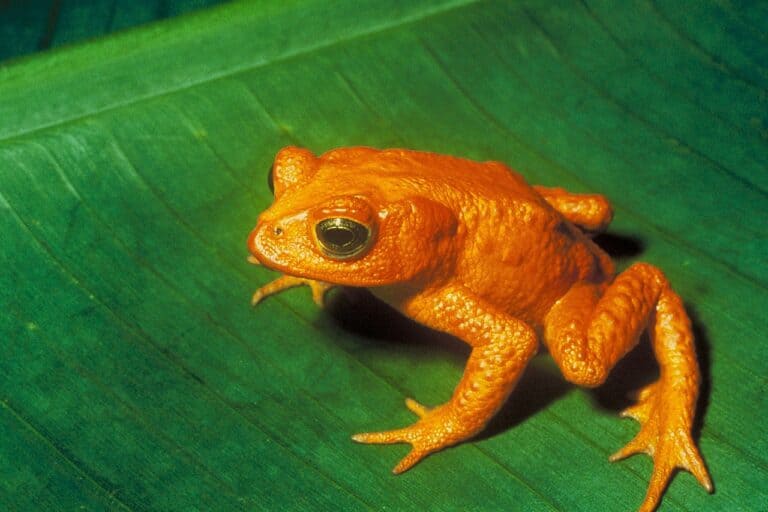
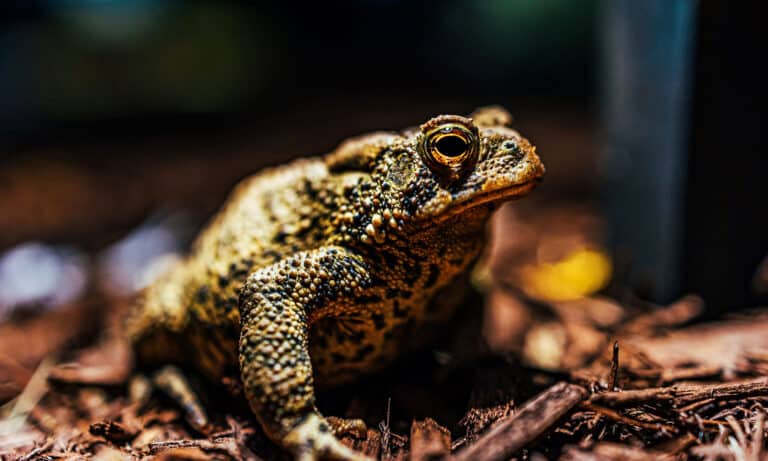
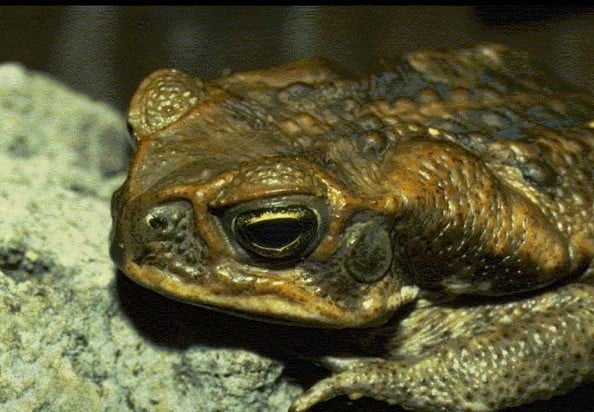
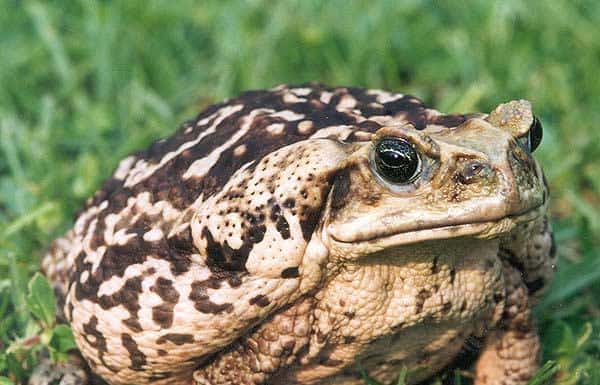
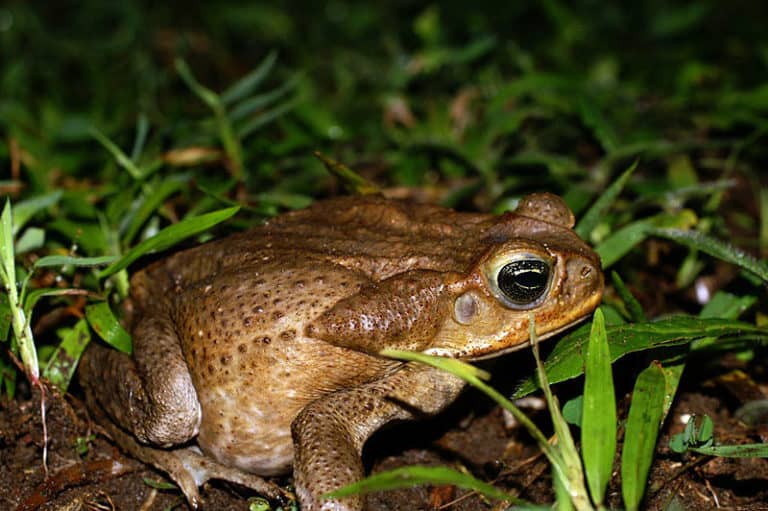
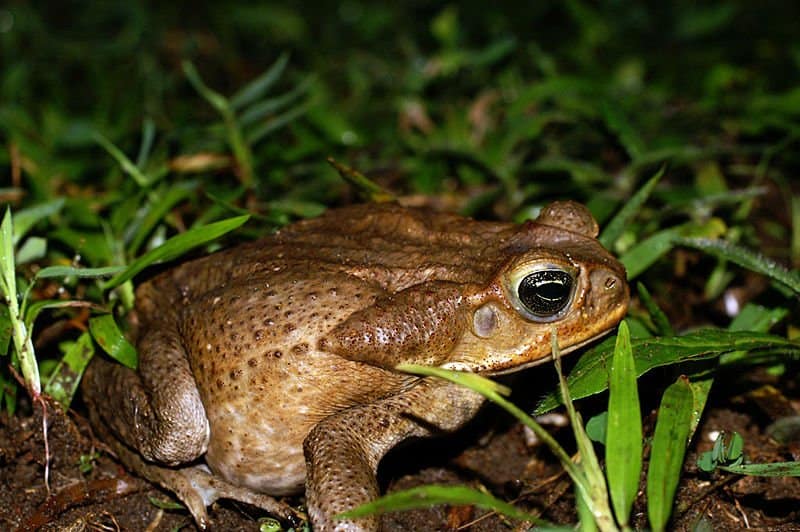
These toads has brown or grayish skin covered with bumps. It has large dark eyes and parotid glands located on its shoulders. These glands release poison when the toad feels threatened.
The average marine toad measures from four to six inches in length and weighs around two pounds. A marine toad that is six inches in length, is as long as three golf tees. The weight of these toads is equal to two and a half cans of soup that you may find in your pantry.
The record for the largest marine toad is held by a marine toad named Prinsen. This toad weighs five pounds, 13 ounces and is a little more than two feet long! Just imagine two rulers you use at school lined up end to end – that’s about the length of Prinsen.
The brown skin of these toads helps it to blend in with the trees, dry grass, and other plants in its environment. This can serve as protection from predators. If a predator does find this toad, it can release a poison from glands on its shoulders. A predator can become ill or even die from the poison.
They are solitary animals. Breeding season is the only time you’ll find them living close together. This is a shy animal that wants to avoid humans and larger animals, if at all possible.
Marine Toad Habitat
These toads live in southern parts of the United States as well as in Central and South America. In addition, they live in Australia and near some Caribbean islands.
These toads live in a tropical or subtropical climate. When the weather becomes a little cooler in these environments, these toads hide in crevices between rocks and in hollow logs to stay warm.
These toads have an annual migration in March where they go to a pond, lake, or other body of water to begin their breeding season.
Marine Toad Diet
What do these toads eat? The marine toad’s diet is one of the most interesting things about this amphibian. These carnivores eat a variety of things including beetles, spiders, small lizards, and salamanders. They’ll also eat dead animals left behind by other predators. Eating dead animals (carrion) is unusual for other toads.
Marine Toad Predators and Threats
As you’ve probably guessed, the poison released by this toad allows it to escape many predators. However, snakes, eagles, rats, and caimans are all animals that can sometimes manage to eat these toads.
As a matter of fact, some animals have developed ways to eat these toads while avoiding the poison. For example, the Australian crow kills a marine toad and quickly turns it onto its back to eat it, so it doesn’t get near its poisonous glands. The Australian tarantula as well as the common wolf spider are two other animals that have figured out how to eat these toads without taking in the poison.
The marine toad was released by scientists back in the 1930s to control the population of sugar cane beetles among other pests. Over the years, the population of these toads has actually grown to a point of causing it to become the pest! Because there are so many marine toads, they consume a lot of the smaller animals in their habitat. This leaves less food for other species of animals that share the habitat with marine toads. So, there’s now an overpopulation of marine toads in Australia, among other places.
The official conservation status of these toads is least concern.
Marine Toad Reproduction, Babies, and Lifespan
The breeding season for these toads goes from March to September. During this time, these toads move to a pond, lake, or stream. A male mates with different females each breeding season and uses a particular call that attracts the females. It is similar to a purring sound. Not surprisingly, it can get very noisy around ponds and lakes during the breeding season of these toads!
After pairing up, a female toad lays strings of eggs in a slow-moving pond or stream. The male fertilizes the eggs and when all of the eggs have been laid, both toads move away. Neither one stays to care for the eggs.
A female toad lays an average of 30,000 eggs in one clutch (group). Instead of floating on the surface, the strings of eggs sink to the bottom of the pond or stream clinging to underwater plants. These eggs are vulnerable to frogs, fish, and other predators that swim in the water. However, because a female lays so many, there is an excellent chance that many of the eggs will survive.
It takes just three days for the marine toad eggs to hatch and take the form of tadpoles. Initially, tadpoles eat the eggs they just came out of along with algae. As they grow into young toads, they start to eat small insects. Tadpoles grow into young marine toads, or toadlets, in about 30 to 50 days. It takes a toadlet one year to grow into an adult.
An adult toad lives an average of five years in the wild. In captivity, where there are few or no predators to threaten them, they can live to be about 15. The record for the oldest marine toad living in captivity is 35 years!
Marine Toad Population
The population of these toads throughout the world numbers in the millions. As an example, there are approximately 200 million marine toads in Australia alone.
The population of these toads is increasing, and its conservation status, according to the International Union for the Conservation of Nature (IUCN), is least concern.
Marine Toad Pictures
View all of our Marine Toad pictures in the gallery.

Sources
- David Burnie, Dorling Kindersley (2011) Animal, The Definitive Visual Guide To The World's Wildlife / Accessed May 17, 2010
- Tom Jackson, Lorenz Books (2007) The World Encyclopedia Of Animals / Accessed May 17, 2010
- David Burnie, Kingfisher (2011) The Kingfisher Animal Encyclopedia / Accessed May 17, 2010
- Richard Mackay, University of California Press (2009) The Atlas Of Endangered Species / Accessed May 17, 2010
- David Burnie, Dorling Kindersley (2008) Illustrated Encyclopedia Of Animals / Accessed May 17, 2010
- Dorling Kindersley (2006) Dorling Kindersley Encyclopedia Of Animals / Accessed May 17, 2010