

M
Species Profile

Minke Whale

Balaenoptera acutorostrata

Small rorqual, big ocean presence
Annie Leblanc/Shutterstock.com

Minke Whale Distribution

Click a location to explore more animals from that region

This map shows coastal regions where Minke Whale are found.

Loading map...
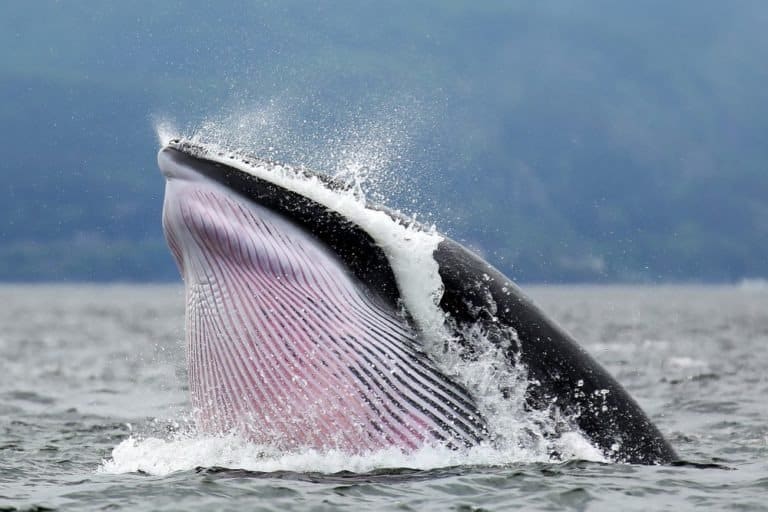
Minke whale at Tadoussac Québec

At a Glance

Wild Species
Also Known As Minke whale, Minke, Lesser rorqual
Diet Filter Feeder
Activity Cathemeral
Lifespan 45 years
Weight 10000 lbs
Status Least Concern
Did You Know?

"Minke whale" can mean two species: the Common minke (B. acutorostrata; mostly Northern Hemisphere) and the Antarctic minke (B. bonaerensis; Southern Ocean).

Scientific Classification

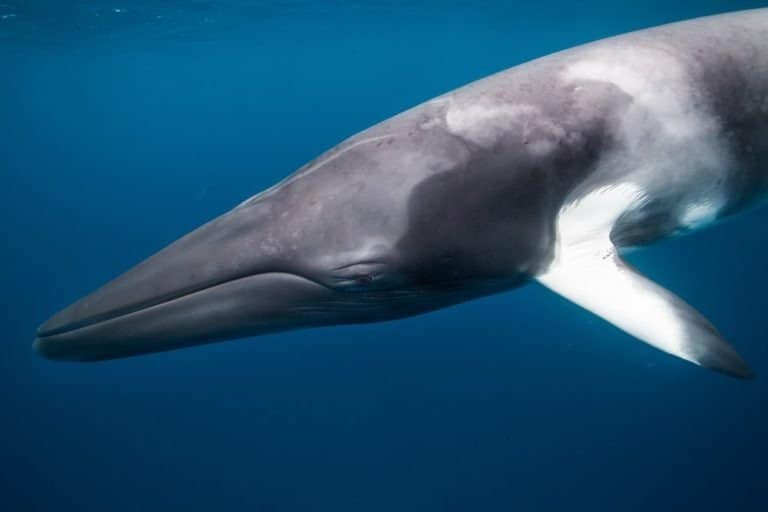
The common minke whale is a small-to-medium rorqual (baleen whale) known for a streamlined body, pointed snout, and (in many populations) a distinctive white band on the flippers. It is among the most widespread baleen whales and is often encountered in cool-temperate to subpolar seas.

Kingdom
Animalia
Phylum
Chordata
Class
Mammalia
Order
Cetacea
Family
Balaenopteridae
Genus
Balaenoptera
Species
Balaenoptera acutorostrata

Distinguishing Features

  • Smallest/among the smallest rorquals; sleek, torpedo-shaped body
  • Often shows a white flipper patch/band (not universal across all forms/populations)
  • Baleen whale: feeds by lunge-feeding on small schooling fish and krill
  • Typically a low, small blow and a quick, inconspicuous surfacing behavior compared with larger rorquals

Physical Measurements

Males and females differ in size

Length
23 ft 7 in (19 ft 8 in – 26 ft 3 in)
27 ft 11 in (22 ft 12 in – 32 ft 10 in)
Weight
6.6 tons (4.4 tons – 8.8 tons)
7.7 tons (4.4 tons – 11.0 tons)
Top Speed
19 mph
swimming

Appearance

Primary Colors
Secondary Colors
Skin Type Smooth, hairless cetacean skin over thick blubber; 50-70 ventral throat pleats (rorqual), paired blowholes, and keratinous baleen plates instead of teeth.
Distinctive Features
  • Small-to-medium rorqual with very pointed rostrum ("sharp-snouted" appearance).
  • Adult length commonly ~7-10 m; females average larger than males (IWC/NOAA syntheses).
  • Adult mass typically ~5-10 metric tons, varying by region and season (IWC/NOAA).
  • Newborn calves ~2.4-2.8 m long; nursing calves closely follow the mother (NOAA).
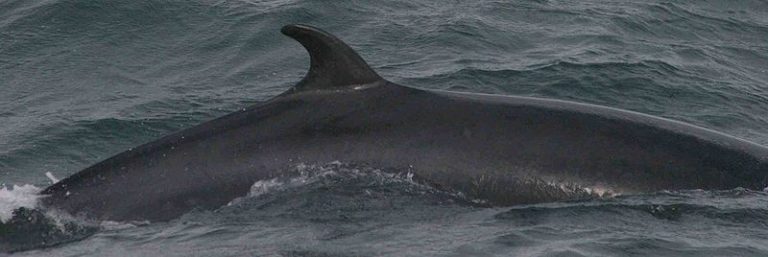
  • Tall, falcate dorsal fin set far back on the body; quick, low surfacing profile.
  • Usually 200-300 baleen plates per side (range reported ~230-360), pale with darker outer margins (field/necropsy reports).
  • Ventral grooves extend to around or behind the umbilicus, enabling lunge-feeding expansion (rorqual trait).
  • Blow is small and often indistinct compared with larger balaenopterids.
  • Lunge-feeding behavior: rapid acceleration into prey patches (fish/krill) using throat-pleat expansion.
  • Clarification: "minke whale" can mean two species-Common minke (B. acutorostrata) vs Antarctic minke (B. bonaerensis); the latter is mainly Southern Ocean and differs in distribution and some coloration details.
  • Typical longevity reported up to ~50 years (NOAA/IWC summaries); maximum varies among studies/populations.

Sexual Dimorphism

Females are typically longer and heavier than males, especially in mature adults. External coloration and field marks are broadly similar between sexes, so size is the most reliable sexual difference at sea.

  • Slightly shorter average body length and lower body mass at adulthood.
  • No consistent, reliable external color/mark differences from females in the field.
  • Typically longer average body length than males within the same population.
  • Often greater body mass, especially when pregnant or in peak feeding season.

Did You Know?

"Minke whale" can mean two species: the Common minke (B. acutorostrata; mostly Northern Hemisphere) and the Antarctic minke (B. bonaerensis; Southern Ocean).

Adult common minkes typically measure about 7-10.7 m long and can weigh up to about 9,072 kg. (NOAA Fisheries)

They're rorquals: expandable throat pleats let them take huge lunges of water and prey, then strain it through baleen (a hallmark of Balaenopteridae).

Common minkes often show a distinctive white band on each flipper-one of the best field marks used at sea (especially in the North Atlantic).

They have hundreds of baleen plates per side (about 230-360), acting like a sieve for small fish and zooplankton. (Encyclopedia of Marine Mammals)

Longevity is commonly cited around 30-50 years. (NOAA Fisheries)

Unique Adaptations

  • Ventral throat pleats (about ~50-70 grooves in minkes) that unfold to greatly increase mouth volume during a feeding lunge-key rorqual innovation. (Encyclopedia of Marine Mammals)
  • Baleen filtration system: ~230-360 baleen plates per side enable efficient straining of small prey from seawater. (Encyclopedia of Marine Mammals)
  • Streamlined body and pointed rostrum reduce drag for fast, agile maneuvering around prey schools.
  • Countershading (dark back, light belly) helps camouflage in open water when viewed from above or below.
  • Insulating blubber supports life in cool-temperate to subpolar seas; seasonal changes in body condition track feeding success.

Interesting Behaviors

  • Lunge-feeding (rorqual feeding): accelerates into prey patches, opens jaws, throat pleats expand, then water drains through baleen leaving prey to swallow (typical of Balaenopteridae).
  • Often solitary or in small, loose groups rather than large pods; aggregations form where prey is dense (common minke ecology summarized by IWC/NOAA accounts).
  • Seasonal movements tied to prey and temperature: many populations shift toward higher latitudes for summer feeding and lower latitudes in winter for breeding/calving (pattern varies by ocean basin).
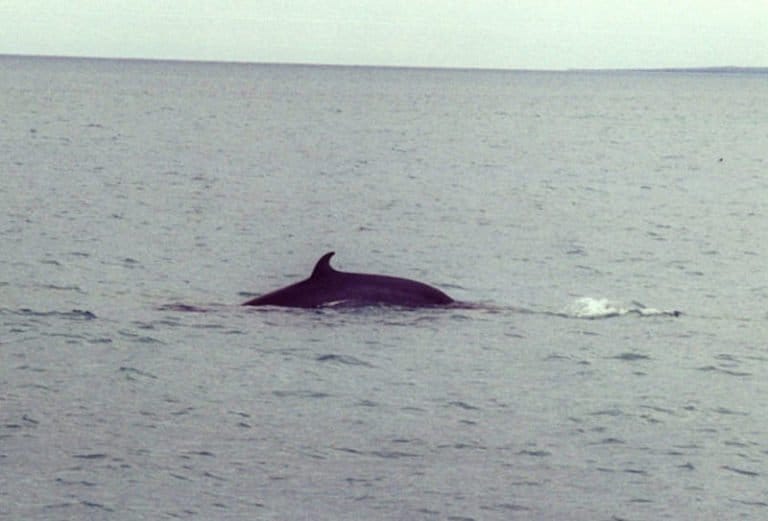
  • Quick, low-profile surfacing and short, faint blows make them harder to spot than larger baleen whales-part of why they're sometimes called "the elusive rorqual."
  • Opportunistic diet and flexible foraging: takes schooling fish (e.g., herring, sand lance, capelin) and krill/copepods depending on region and season (IWC/NOAA species profiles).

Cultural Significance

Common minke whale (Balaenoptera acutorostrata) is important in parts of the North Atlantic (Norway, Iceland, Faroe) where it was hunted and now draws whale-watchers. Its rorqual traits (throat pleats, lunge-feeding) make it a key marine ambassador.

Myths & Legends

A 19th-century Norwegian tale says the name 'minke' for the Common Minke Whale comes from a whaler nicknamed 'Minkie', often tied to Svend Foyn's era, who first pointed out or mistook this smaller rorqual.

Arctic Inuit and Siberian tales about the sea-woman (Sedna/Nerrivik) say a powerful sea spirit holds back or frees whales. Respectful hunting and proper rituals bring back balance and let whales, including minke, return.

Norse and North Atlantic sailors told of 'whale roads' where whales showed shifting seas, fish runs, luck or warnings; small whales near shore, like Common Minke Whale (Balaenoptera acutorostrata), were seen as omens.

Conservation Status

LC Least Concern

Widespread and abundant in the wild.

Population Unknown

Protected Under

  • International Whaling Commission (IWC) commercial whaling moratorium (since 1986; with reservations/withdrawals by some nations)
  • CITES Appendix I (international trade restrictions for most populations)
  • Convention on Migratory Species (CMS) - many cetaceans listed on Appendices I and/or II
  • U.S. Marine Mammal Protection Act (MMPA) (protection in U.S. waters)

Life Cycle

Birth 1 calf
Lifespan 45 years

Lifespan

In the Wild
30–60 years

Reproduction

Mating System Promiscuity
Social Structure Transient
Breeding Pattern Transient
Fertilization Internal Fertilization
Birth Type Internal_fertilization

Mating occurs on wintering grounds; adults form brief associations and multiple mating is inferred. Copulation is internal; gestation ~10 months and a single calf is born, usually every 1-2 years; females provide all care (Perrin et al., 2009; Jefferson et al., 2015).

Behavior & Ecology

Social Pod Group: 1
Activity Cathemeral
Diet Filter Feeder Small schooling forage fish-especially sand lance (Ammodytes spp.) where available; otherwise krill can dominate seasonally/regionally (documented prey switching).
Seasonal Migratory 1,243 mi

Temperament

Generally shy and evasive; frequently avoids vessels with rapid course changes and long dives.
Opportunistic feeder; may briefly aggregate at prey patches without sustained social cohesion.
Seasonally migratory; social contact increases during breeding season but remains loosely structured.
Longevity commonly ~30-50 years; maximum ages ≥50 years reported from earplug/earbone ageing (e.g., Lockyer-era/IWC datasets).

Communication

Low-frequency pulse trains and downsweeps used in social/seasonal contexts Reported across North Atlantic monitoring studies; e.g., Risch et al.
North Pacific tonal 'boing' call centered ~1.3-1.5 kHz, attributed to common minke whales E.g., Watkins et al., JASA
Broadband grunts/click-like impulsive sounds reported near feeding interactions; repertoires vary by region.
Surface behaviors (breaches, head/rostrum lifts, tail or pectoral slaps) as visual signals at short range.
Coordinated spacing and synchronized surfacing in cow-calf pairs; calf position maintained alongside/behind mother.
Bubble release and sudden directional changes can function as close-range cues during foraging or avoidance.

Habitat

Coastal Open Ocean Seabed/Benthic
Biomes:
Terrain:
Coastal Island
Elevation: Up to 1476 ft 5 in

Ecological Role

Mid-trophic-level predator (mesopredator) linking zooplankton/forage fish production to higher trophic levels; also a nutrient cycler via the "whale pump".

Regulates local abundance and spatial distribution of krill and small schooling fish through predation Transfers energy from lower trophic levels (zooplankton/forage fish) to higher trophic levels; calves and adults are prey for killer whales (Orcinus orca) in parts of the range Enhances nutrient recycling (notably nitrogen and iron in some systems) via fecal plumes, supporting primary productivity indirectly Contributes to carbon cycling/long-term sequestration via biomass accumulation and (when carcasses sink) localized deep-sea carbon inputs

Diet Details

Main Prey:
Krill Copepods Small schooling fish
Other Foods:
Phytoplankton

Human Interaction

Domestication Status

Wild

The common minke whale (Balaenoptera acutorostrata) is a wild species with no history of domestication. People interact by hunting (historic and some current), research (tagging, biopsies, photo-ID, acoustics), whale-watching, and harmful contacts like bycatch, entanglement, ship strikes, and boat noise.

Danger Level

Low
  • Accidental injury to people in small boats from sudden surfacing, breaching, or tail/pectoral strikes (rare, typically incidental)
  • Vessel collision hazards: risk is primarily to the whale, but collisions can damage vessels and injure occupants
  • Entanglement/handling risk: attempting to disentangle or closely approach an entangled whale can be hazardous
  • Biohazard risk is generally low, but standard precautions apply when handling stranded animals/tissues (pathogens and sharp barnacles/teethless but large-body trauma risk)

As a Pet

Not Suitable as Pet

Legality: Common minke whale (Balaenoptera acutorostrata) cannot be kept as a pet in almost any country. Protected by laws (e.g., U.S. MMPA) and international rules (CITES, IWC). Only rare, strict permits for science or rehab; captivity is not practical or ethical.

Care Level: Expert Only

Purchase Cost:
Lifetime Cost: $50,000,000 - $200,000,000

Economic Value

Uses:
Commercial whaling (limited, country- and stock-dependent; subject to IWC/CITES and national policies) Subsistence/aboriginal harvest (regional, where permitted) Whale-watching / ecotourism (non-consumptive value; varies by region and accessibility) Scientific research value (monitoring, ecosystem indicator, climate/food-web studies) Ecosystem services (nutrient cycling/biological carbon pathways associated with large whales) Costs/negative externalities (fisheries depredation perceptions, gear damage from entanglement incidents, vessel strike damage)
Products:
  • Meat (where whaling occurs/allowed)
  • Blubber/oil (historically important; limited modern use where whaling occurs)
  • Other whale products (historical: bone/baleen-related uses; modern trade heavily restricted)
  • Tourism revenue (boat tours, accommodation, local services linked to whale-watching)

Relationships

Related Species 7

Antarctic minke whale Balaenoptera bonaerensis Shared Genus
Fin whale
Fin whale Balaenoptera physalus Shared Genus
Sei whale
Sei whale Balaenoptera borealis Shared Genus
Blue whale
Blue whale Balaenoptera musculus Shared Genus
Bryde's whale Balaenoptera edeni Shared Genus
Omura's whale Balaenoptera omurai Shared Genus
Humpback whale
Humpback whale Megaptera novaeangliae Shared Family

Ecological Equivalents 5

Animals that fill a similar ecological role in their ecosystem

Minke whales are the smallest of the baleen whales, yet they are quick, agile swimmers found in oceans around the world. Known for their streamlined bodies and wide range of behaviors, they can dive for long periods, travel great distances, and feed in both solitary and group settings. Despite facing predation from orcas and ongoing pressure from whaling in some regions, global populations of minke whales remain relatively robust.

Incredible Minke Whale Facts

  • These whales can swim up to 24 miles per hour to escape a Killer Whale or try to keep up with a ship.
  • Spotting this whale is not very easy since their flukes don’t rise out of the water before they dive beneath the surface.
  • When they feed, these whales may stay with a large group; however, at other times, they prefer to be alone or with just one or two other whales.
  • Minke whales can stay underwater for up to 20 minutes.

Classification and Scientific Name

The scientific name for these whales is Balaenoptera acutorostrata. Balaenoptera means a winged whale, and acutorostrata translates to sharp snout. The common name was given to them by an inexperienced Norwegian Whaling Spotter, Meincke. He initially thought the Minke Whale was a Blue Whale, but was mistaken. Minke Whales are also sometimes called Lesser Rorquals, Sharp-Headed Finners, Lesser Finbacks, Little Finners, and Pike Whales.

Evolutionary History
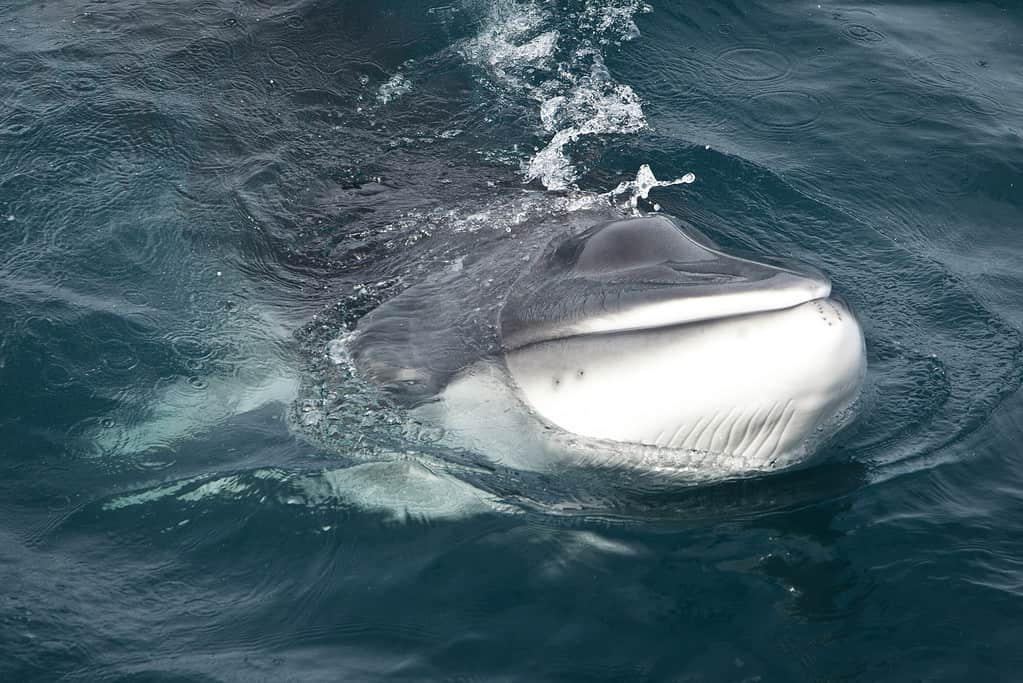
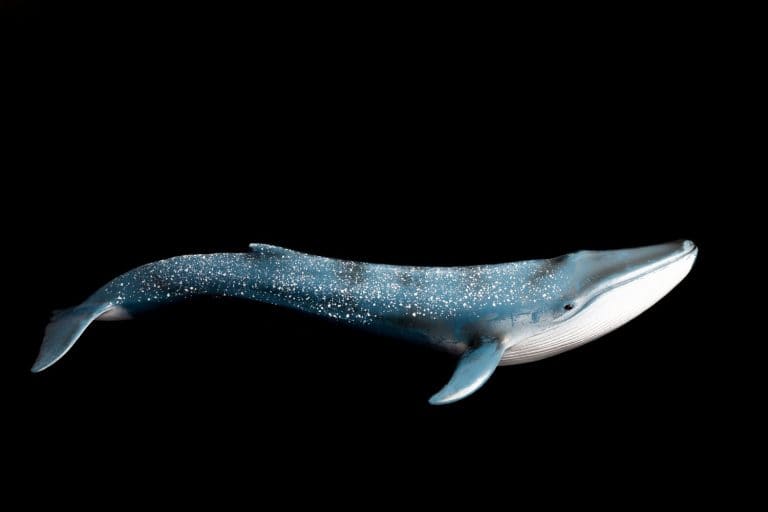
Minke Whale in Antarctica

Minke whales have baleen, which is a filter-feeding system inside the mouths of baleen whales.

The early ancestor of all whales actually walked on land and is a four-legged animal that is recognized by scientists as one of the first cetaceans. This ancestor was Pakicetus, or “first whale”, and roamed the earth around 50 million years ago. From this animal, generations later began to adapt to life in the water slowly, one of them being Ambulocetus, and finally, Dorudon, which is the animal that gave us the modern whale.

Approximately 30 to 34 million years ago, near the end of the Eocene and the beginning of the Oligocene, it is believed that baleen whales first developed. The first baleen-type whale, the now-extinct Maiabalaena nesbittae, existed during this time. As baleen doesn’t become a fossil, it was a bit trickier to estimate the exact date of when this development occurred.

Types of Minke Whales

The minke whale is part of the Mammalia class and belongs to the Balaenopteridae family. The Balaenopteridae includes eight different species of Baleen Whales, including Humpback Whales, Blue Whales, and Fin Whales.

There are two different species of these whales. They are the Common, or Northern, Minke Whale, and the Antarctic, or Southern, Minke Whale. Balaenoptera Acutorostrata is the scientific name for Northern Minke Whales. Balaenoptera bonaerensis is the scientific name for Southern Minke Whales. The currently unnamed subspecies of the Northern minke whale is the Dwarf minke whale.

Appearance
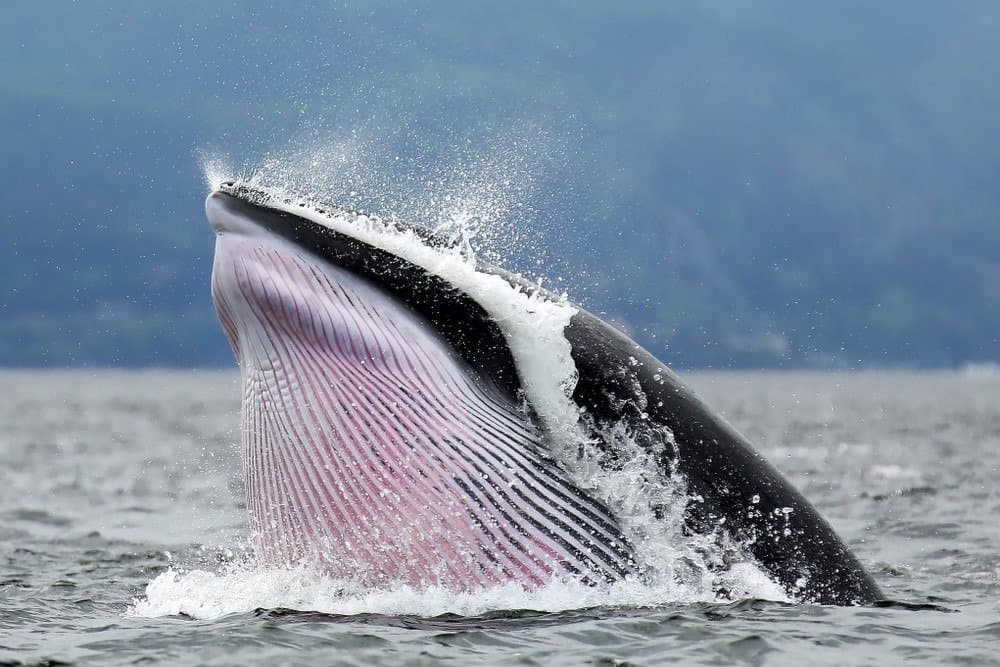
Minke whale at Tadoussac Québec

The body of a Northern Minke Whale is dark gray to black. Their bellies are white, and they have a light chevron marking on their backs behind their heads.

While these whales are about 35 feet long and can weigh up to 20,000 pounds, they are actually the smallest member of the Baleen Whale family. The females in this species are often a little larger than the males.

The body of a Northern Minke Whale is dark gray to black. Their bellies are white, and they have a light chevron marking on their backs behind their heads. The patterns and coloring in this species can vary from whale to whale, typically based on their geographic location. There is also some variation with the baleen, or keratin plates, hanging from the mouths of these whales. They will have somewhere between 240 and 360 baleen plates. Northern Minke Whales also have a white band on their flippers.

There is a subspecies of the Northern Whale called the Dwarf Minke Whale. As their name suggests, this subspecies does not grow to be as large as Common Minke Whales. They typically only weigh about 14,000 pounds and are around 26 feet long. Another difference between Dwarf and Common Minke Whales is that they have a black border around their baleen plates. Their pectoral fin also includes a bright white patch that reaches up towards their back and shoulder area.

The second main species of Minke Whales, Antarctic, or Southern Minke Whales, also have some differences from the Northern Minke Whales. They have between 200 and 300 plates of baleen on the sides of their mouth. Unlike Common and Dwarf Minke Whales, which have a white band on their pectoral fins, a Southern Minke Whale’s flippers are gray with a white edge. Another difference in this species is that they have asymmetric baleen. The left side of their mouth has a smaller number of baleen plates than the right side.

Distribution, Population, and Habitat
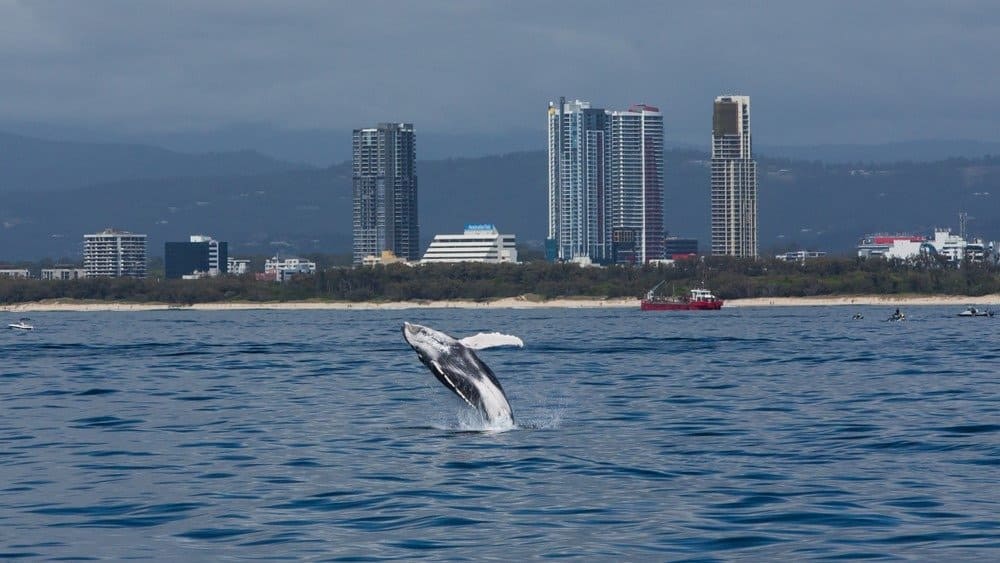
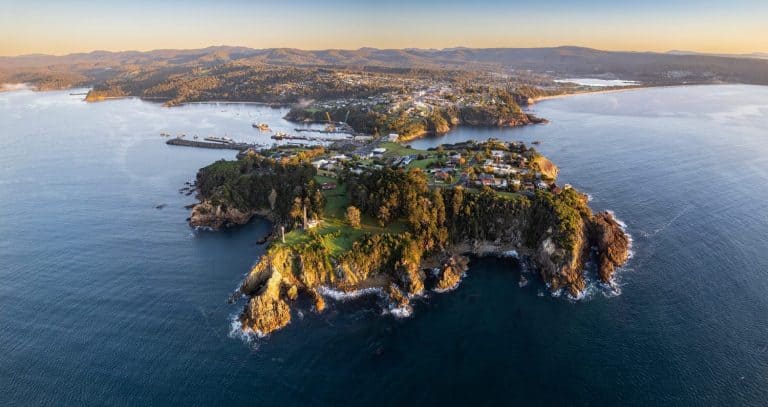
Minke whale calf jumping out of the water with Gold Coast buildings in the background

Northern Minke Whales are found in the Pacific and Atlantic Oceans.

These whales can be found in many places around the globe. While they prefer boreal (northern) or more temperate water habitats, this species is also sometimes found swimming in tropical or subtropical waters. When feeding, they often seek out cooler water at a higher latitude. These whales may choose to swim in either inshore or offshore waters.

These whales feed about 62 feet beneath the surface of the water. The maximum depth they’ll dive to is about 350 feet beneath the surface.

Their preferred habitat can often be predicted by their age, sex, and reproductive status. In most cases, older males tend to stay closer to the edge of the ice in the polar regions during the feeding season in the summer. Older females, on the other hand, typically choose to stay in more coastal waters, but still at a higher latitude. During the summer feeding season, younger and more immature whales tend to choose to remain at lower latitudes.

Northern Minke Whales are found in the Pacific and Atlantic Oceans. During the summer, they tend to stay closer to the edge of the Arctic ice. In the winter months, they may be found almost as far south as the equator.

During the summer, Dwarf Minke Whales tend to stay closer to the southern polar regions. They can also be found in warmer water at lower latitudes than other whales. For example, this subspecies may be found along the Great Barrier Reef in Australia or near South Africa, or South America.

Antarctic Minke Whales can be found in many different locations in the Southern Hemisphere. This species has been spotted near Brazil, in the Strait of Magellan, along Southern Chile, and near New Zealand and Australia.

Both Common and Antarctic Minke Whales engage in seasonal migration. They will stay closer to the North or South Pole in the spring and will swim towards more tropical waters in the fall and winter. Because of the difference in when the season occurs in the different hemispheres, Common and Antarctic Whales don’t meet and/or mix near the equator. These whales may swim up to 263 miles when they migrate.

These whales are not an endangered species. Common Minke Whales currently have a conservation status of Least Concern from the IUCN (International Union for Conservation of Nature). Scientists estimate there are at least 180,000 to 200,000 Common Minke Whales.

Although its numbers are greater, the Antarctic Minke whale is at a slightly higher risk of becoming endangered. It is listed as Near Threatened according to the IUCN. It is estimated that there are about 500,000 whales of this species left.

Predators and Prey
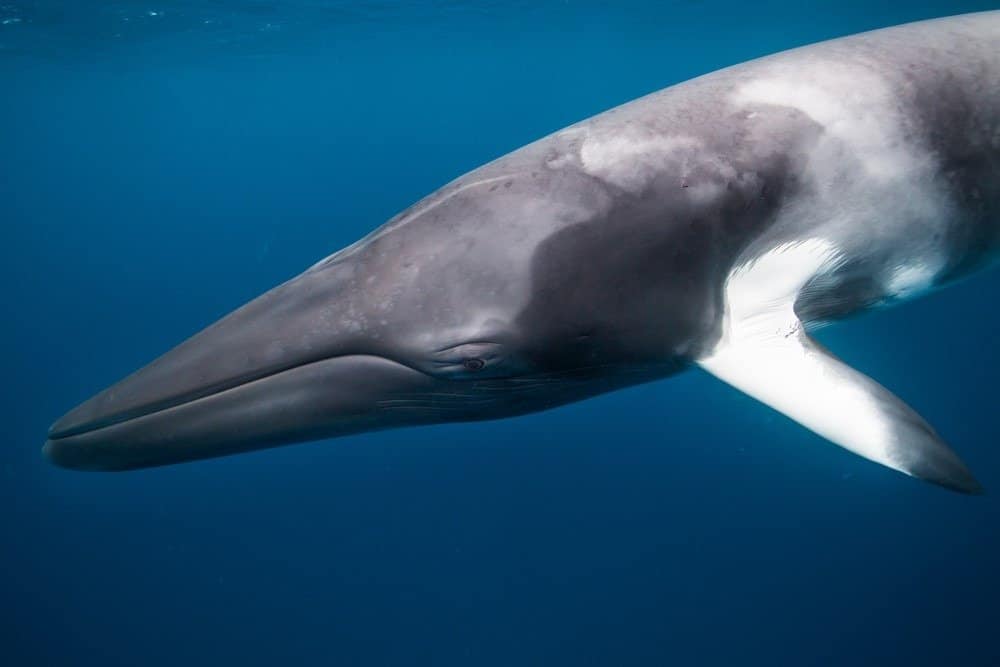
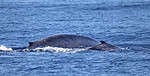
Giant dwarf minke whale in the ocean

Humans play a role in decreasing the whale population, including the giant dwarf minke whale.

Predators: What Eats a Minke Whale?

Killer Whales pose the greatest threat to these whales. In the Antarctic, some populations of Type A killer whales may have diets composed of up to 85% minke whales, but this is not representative of killer whales globally. If a Killer Whale is chasing down a Minke whale, the minke whale will try to get away by swimming very quickly. In open water, they are capable of maintaining a speed of 9 to 18 miles per hour as they try to escape. The whale has the best chance of escaping in these open water scenarios since they have greater endurance for long distances than Killer Whales do. Other times, though, Killer Whales can corner these whales in a harbor or bay. In these scenarios, the whale has a much smaller chance of survival.

Humans also played a role in decreasing the whale population. While initially this species of whale was seen as too small to be worth it, after populations of other species began to decrease, they were targeted as well. While commercial whaling is banned by the International Whaling Commission, some countries, including Norway, Japan, and Iceland, continue to hunt minke whales legally under objections or reservations to the ban.

What do Minke Whales Eat?

The Common Minke whale that lives in the North Atlantic Ocean eats a variety of different types of food. Some of these include Krill, Herring, Sand Eels, Capelin, and sprat. Common Minke Whales that live in the North Pacific eat Japanese Anchovy, Pacific Saury, and Krill.

An Antarctic Whale’s diet consists of Antarctic Krill, Ice Krill, Antarctic Jonasfish, Antarctic Lanternfish, Antarctic Silverfish, Notothenia, and Chionodraco.

Reproduction and Lifespan
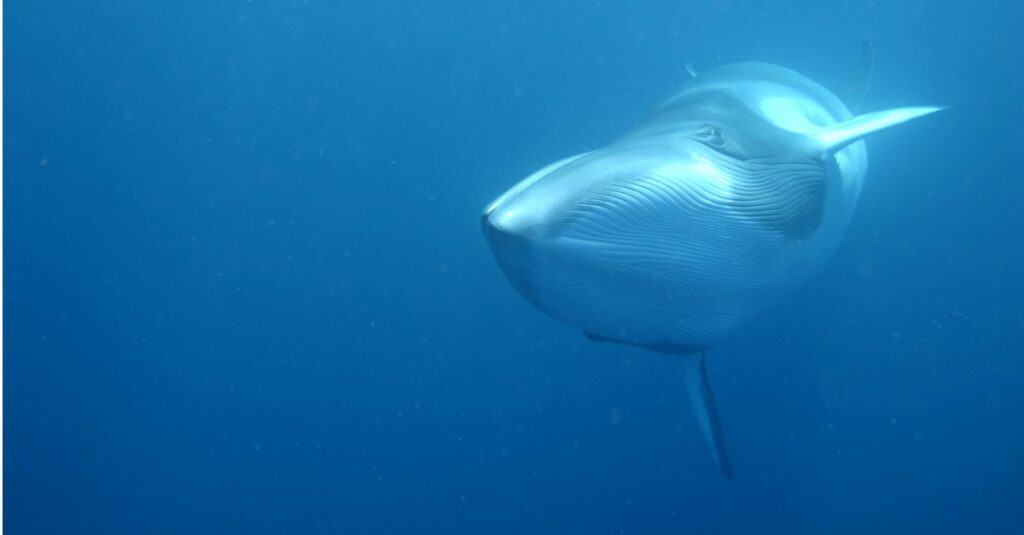
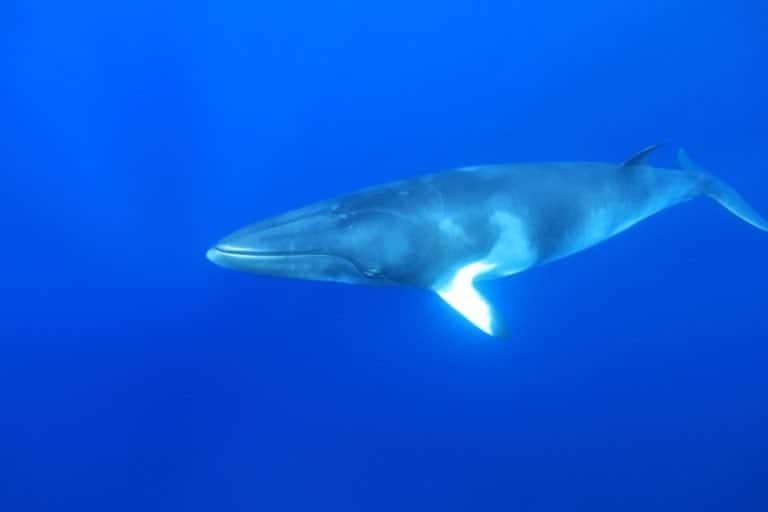
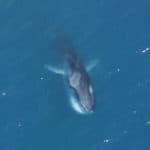
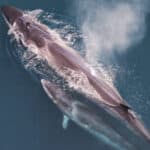
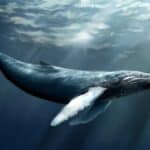
minke whale swimming in the ocean

These whales have a long lifespan; they can live to be up to 50 years old.

These whales will reach sexual maturity when they are about 23 feet long. For the Common species, this occurs when they are between 3 and 8 years old, and for Antarctic Whales, it occurs when they are between 7 and 8 years old. Scientists are still unsure about how these whales mate, as it has never been observed.

The gestation period for these whales is about 10 months. Scientists have speculated that a mother will nurse and stay with her calves until they are between four and six months old. Females normally have a calf about once every two years.

These whales have a long lifespan; they can live to be up to 50 years old.

Use in Fishing and Cooking

While animal organizations are trying to prevent the deaths of more whales through whaling, these whales are still targeted and caught in some areas of the world, particularly in Norway and Iceland, where quotas for minke whale hunting continue to be issued as of 2025. In Iceland, this whale meat is a common offering. Tourists consider it an exotic treat when they visit Reykjavik. However, the facts of the matter are that eating whale meat encourages whaling to continue and can endanger whales like this.

View all 330 animals that start with M

Sources

  1. Wikipedia / Accessed December 2, 2020
  2. NOAA Fisheries / Accessed December 2, 2020
  3. Whale and Dolphin Conservation / Accessed December 2, 2020
  4. B.C Cetacean Sightings Network / Accessed December 2, 2020
  5. The Whale Trial / Accessed December 2, 2020
  6. Wildlife Journal Junior / Accessed December 2, 2020
Melissa Bauernfeind

About the Author

Melissa Bauernfeind

Melissa Bauernfeind was born in NYC and got her degree in Journalism from Boston University. She lived in San Diego for 10 years and is now back in NYC. She loves adventure and traveling the world with her husband but always misses her favorite little man, "P", half Chihuahua/half Jack Russell, all trouble. She got dive-certified so she could dive with the Great White Sharks someday and is hoping to swim with the Orcas as well.
Connect:

Thank you for reading! Have some feedback for us?


Minke Whale FAQs (Frequently Asked Questions)

Minke Whales typically create a habitat near the poles (the North Pole for Common Minke Whale and the South Pole for Antarctic Minke Whale) in the spring. During the fall and winter, they migrate to warmer water closer to the equator.