O
Species Profile

Oyster

Ostreidae

Reef builders that clean the coast
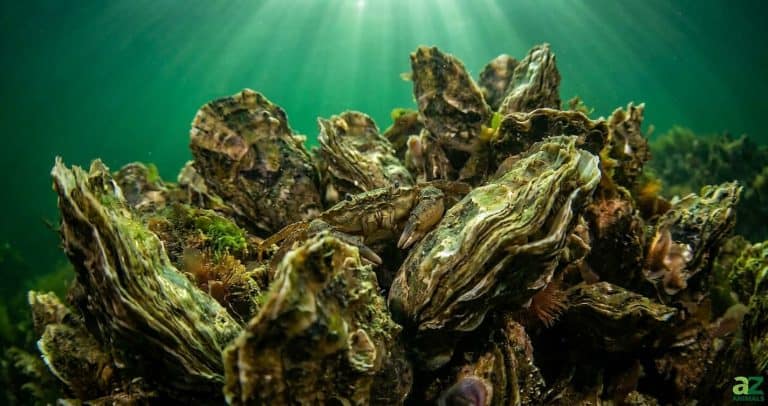
aquapix/Shutterstock.com

Oyster Distribution

Click a location to explore more animals from that region

Invasive Species

This map shows coastal regions where Oyster are found.

Loading map...

Size Comparison

Human 5'8"
Oyster 5 in

Oyster stands at 7% of average human height.

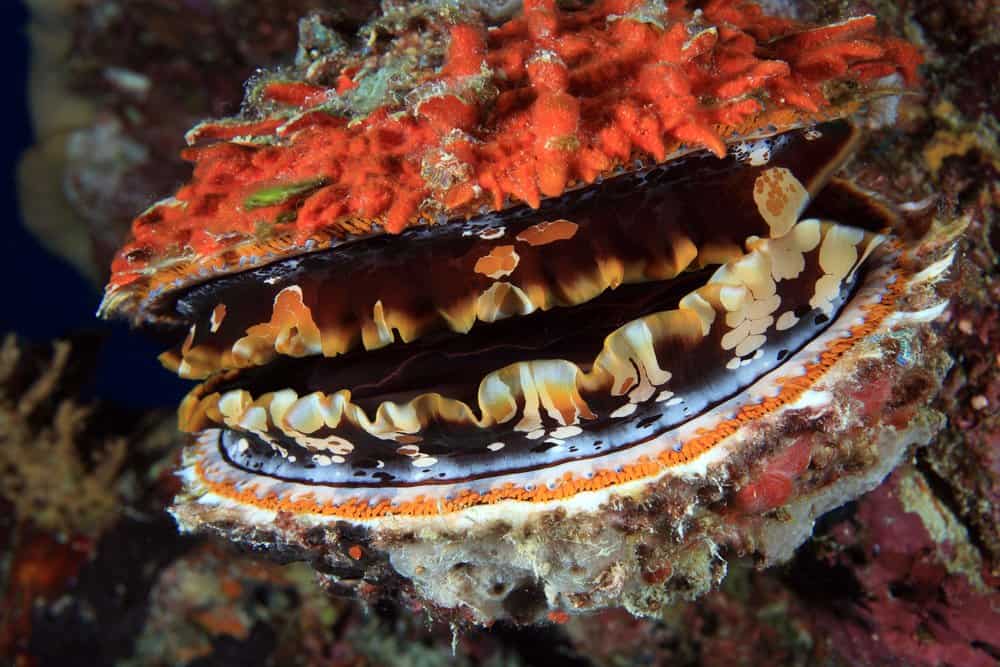
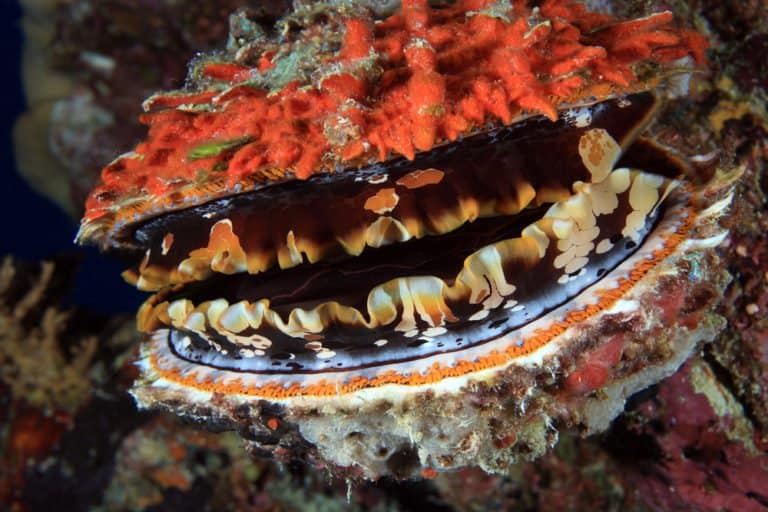
Oyster (Ostreidae) - colorful thorny oyster

At a Glance

Family Overview This page covers the Oyster family as a group. Stats below are general traits shared across the family.
Also Known As Sea oyster, Rock oyster, Saltwater oyster, Edible oyster, Flat oyster, Common oyster
Diet Filter Feeder
Activity Cathemeral
Lifespan 5 years
Weight 3 lbs
Status Not Evaluated
Did You Know?

True oysters don't use byssal threads as adults-they cement one valve to rock, shells, or each other.

Scientific Classification

Family Overview "Oyster" is not a single species but represents an entire family containing multiple species.

True oysters (Ostreidae) are sessile (attached) marine bivalve mollusks, typically living in coastal and estuarine waters. Many species form dense reefs that provide habitat, stabilize sediments, and improve water clarity through filter feeding.

Kingdom
Animalia
Phylum
Mollusca
Class
Bivalvia
Order
Ostreida
Family
Ostreidae

Distinguishing Features

  • Two hinged shells (valves), often irregular and rough; one valve commonly more deeply cupped and cemented to substrate
  • Sessile adult lifestyle (cemented attachment), unlike many other bivalves that burrow
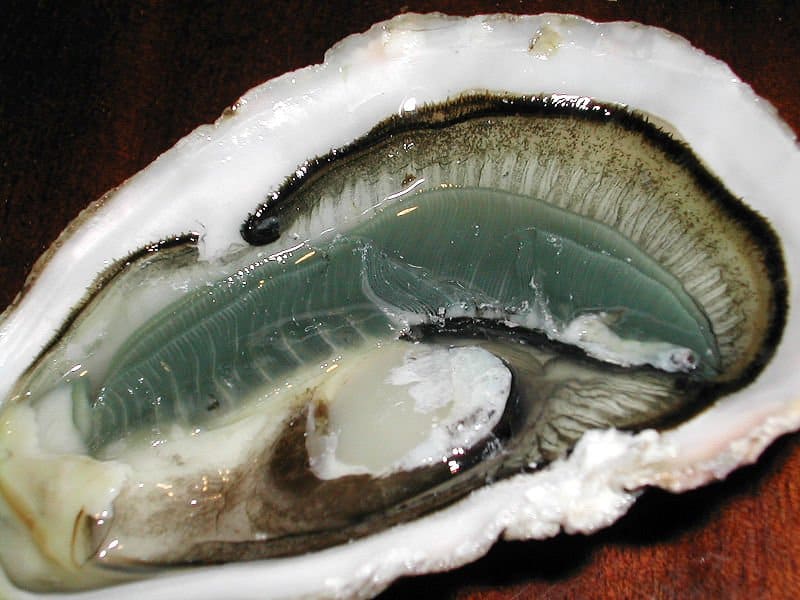
  • Powerful filter-feeders using gills to capture plankton and suspended particles
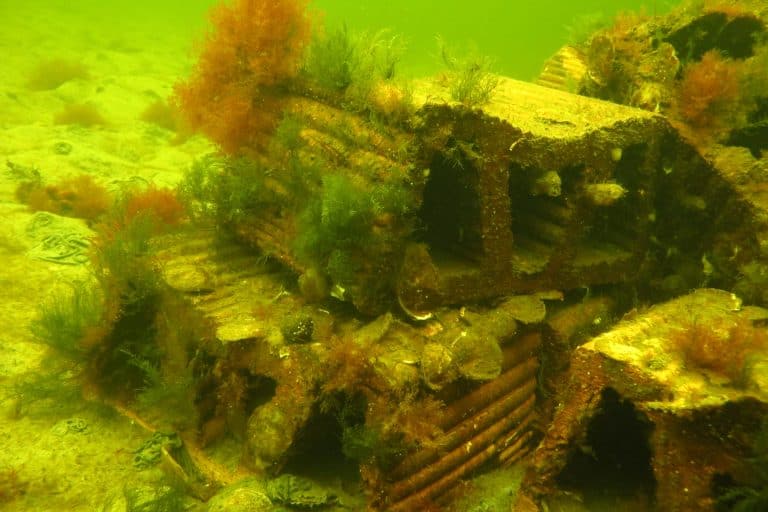
  • Often form reefs/beds that create complex three-dimensional habitat

Did You Know?

True oysters don't use byssal threads as adults-they cement one valve to rock, shells, or each other.

Across the family, adults range from just a few centimeters to roughly 30-40 cm in shell length, with highly irregular shapes.

Many species form reefs that act like living breakwaters-stabilizing sediments and buffering shorelines from waves.

Oyster reefs are biodiversity hotspots, providing hiding and nursery space for fish, crabs, shrimp, worms, and algae.

Reproduction varies widely: some species broadcast spawn, while others (notably in Ostrea) can brood larvae before release.

Sex can be flexible in many true oysters (often changing with size/season), but patterns differ by species and habitat.

They're famous as a food, yet most commercially valuable pearls come from pearl oysters (family Pteriidae), not true oysters.

Unique Adaptations

  • Cementation (no adult byssus): a strong natural "glue" anchors one shell valve to hard substrate, resisting waves and currents.
  • Irregular shell architecture: shell shape is highly plastic, conforming to crowding and substrate-useful for packing into reefs.
  • Efficient gill system: ciliated gills capture microscopic food and move water for respiration; filtration capacity is substantial but highly variable with size, temperature, and food.
  • Estuarine resilience: many members tolerate low oxygen episodes, muddy water, and fluctuating salinity better than many other bivalves.
  • Reef-scale ecosystem engineering: by building three-dimensional structure, oysters create habitat and alter local water flow and sediment deposition.
  • Disease/parasite pressures shape populations: resistance and susceptibility vary widely among species and regions, driving strong local adaptation.

Interesting Behaviors

  • Reef-building and clustering: many Ostreidae settle on existing shells, growing into dense aggregations; the extent of reef formation varies by species and local conditions.
  • Synchronized spawning: many species release eggs and sperm in pulses tied to warming water, tides, and food availability; timing differs among regions and species.
  • Larval dispersal then permanent settlement: free-swimming larvae drift for days to weeks, then cement down and remain sessile for life.
  • Shell "gaping" and valve control: oysters open and close to feed and manage sediment; responses to turbidity and salinity vary across estuarine vs. more marine species.
  • High tolerance in estuaries: many species withstand wide salinity swings and periodic exposure in the intertidal; others prefer steadier, fully marine conditions.
  • Reef self-maintenance: as generations accumulate, living oysters often sit atop older shells, creating layered "biogenic" structures that persist even as individuals die.

Cultural Significance

True oysters (Ostreidae) have tied coasts to food, trade, and restoration for thousands of years. Shell middens show long harvests. Oysters became major fisheries and aquaculture, and reef rebuilding helps fisheries, cleans water, and protects shorelines, valued in estuaries and waterfront towns.

Myths & Legends

Aphrodite/Venus and the oyster: in Greco-Roman-inspired European art and symbolism, shellfish (including oysters) became associated with Venus-echoing the famous "Venus on a shell" motif and linking oysters with love, beauty, and the sea's generative power.

Oysters as an aphrodisiac: European folk belief and culinary tradition long cast oysters as a food that stirs desire-an association reinforced by their ties to Venus and their prominence in coastal feasts.

"The world is my oyster": an English proverb (popularized by Shakespeare's era) uses the oyster as a symbol of hidden treasure and opportunity-something plain outside, valuable within.

Pearls and "wishes in a shell": coastal stories say finding a pearl brings luck. People often apply this to oysters in general, though most old pearl tales focus on true pearl oysters (Pteriidae).

Conservation Status

NE Not Evaluated (family-level taxon not assessed by IUCN; individual Ostreidae species span a range of Red List categories from Least Concern to threatened and Data Deficient, with many populations locally depleted).

Has not yet been evaluated against the criteria.

Population Unknown

Protected Under

  • National and subnational fisheries/harvest regulations (size limits, seasons, quotas, sanctuaries)
  • Marine Protected Areas (MPAs) and no-take zones that incidentally protect oyster reefs
  • Wetland/coastal-zone protection and permitting frameworks affecting dredging and shoreline hardening
  • Water-quality regulations and estuary restoration programs (jurisdiction-specific; e.g., Clean Water Act in the United States)

You might be looking for:

Eastern oyster / American oyster

28%

Crassostrea virginica

Major edible oyster of the Atlantic and Gulf coasts of North America; forms extensive reef structures in estuaries.

Pacific oyster

22%

Crassostrea gigas

Widely farmed globally; native to the northwest Pacific; among the most important aquaculture oysters.

European flat oyster

14%

Ostrea edulis

Native to European coasts; historically important; a classic "flat" oyster species.

Pearl oysters

12%

Pteriidae (e.g., Pinctada spp.)

Bivalves that produce many commercial pearls; not true oysters (different family).

Saddle oysters / gryphaeid oysters

8%

Gryphaeidae

Another oyster-like bivalve family; some species are colloquially called oysters.

Life Cycle

Birth 5000000 larvas
Lifespan 5 years

Lifespan

In the Wild
1–30 years
In Captivity
1–25 years

Reproduction

Mating System Promiscuity
Social Structure Aggregation Group
Breeding Pattern Transient
Fertilization Broadcast Spawning
Birth Type Broadcast_spawning

Most Ostreidae spawn in dense reef aggregations: individuals release eggs and sperm into the water, with many mates contributing each event. Many are protandric sequential hermaphrodites; some species spermcast and brood larvae. No pair bonds.

Behavior & Ecology

Social Reef (oyster bed) Group: 100000
Activity Cathemeral
Diet Filter Feeder Diatoms and other phytoplankton-rich seston (family-wide preference varies with local plankton availability).
Seasonal Hibernates

Temperament

Sessile and generally non-aggressive
Gregarious via settlement and reef-building; degree varies strongly by species and habitat
Highly defensive/reactive to disturbance (rapid valve closure)
Tolerant of crowding in reef-forming species; more dispersed species less so

Communication

none known
waterborne chemical cues coordinating spawning Gamete/pheromone signals
larval settlement cues (chemical and biofilm-associated) promoting gregarious clustering
mechanosensory and chemosensory detection of predators/irritants triggering synchronized closure
environmental cue tracking (temperature, salinity, tides) influencing feeding and reproduction timing

Habitat

Coastal Estuary Mangrove Marsh Wetland Rocky Shore Beach Seabed/Benthic Kelp Forest Coral Reef Open Ocean Urban Agricultural/Farmland +7
Biomes:
Marine Wetland Tropical Rainforest Mediterranean Temperate Forest Boreal Forest (Taiga)
Terrain:
Coastal Island Rocky Sandy Muddy
Elevation: -3150 in – 16 ft 5 in

Ecological Role

Foundation suspension-feeder and reef/bed former in coastal and estuarine ecosystems (role strength varies from sparse individuals to dense, reef-building species).

Improves water clarity by filtering phytoplankton and suspended particles Couples pelagic production to the benthos via biodeposition (feces and pseudofeces) Provides complex habitat and nursery structure for fishes and invertebrates (reef/bed formation in many species) Stabilizes sediments and can reduce shoreline erosion in reef-forming assemblages Mediates nutrient cycling (including nitrogen transformation and sequestration in sediments) Can reduce intensity/duration of algal blooms locally through grazing on phytoplankton (context-dependent)

Diet Details

Main Prey:
Zooplankton Copepod nauplii and other small crustacean plankton Bivalve, gastropod and other invertebrate larvae Suspended protozoans and other animal plankton
Other Foods:
Phytoplankton Dinoflagellates and microalgae Picoplankton and Nanoplankton Suspended particulate organic matter

Human Interaction

Domestication Status

Semi domesticated

Oysters (family Ostreidae) are wild sea bivalves often managed and selectively bred in aquaculture, not fully domesticated like farm animals. People have harvested, farmed, and moved them for centuries. Modern hatcheries pick for fast growth, disease tolerance, triploidy (sterility), and shell shape. Oysters are used in fisheries, reef restoration, and biosecurity controls.

Danger Level

Moderate
  • Foodborne illness from consuming raw/undercooked oysters (notably Vibrio spp.; risk varies by region, season, and handling)
  • Bioaccumulated toxins/contaminants (e.g., harmful algal bloom toxins, heavy metals, sewage-related pathogens) depending on water quality
  • Cuts/puncture wounds from sharp shells during harvesting, shucking, or wading on reefs
  • Allergic reactions to shellfish in sensitive individuals
  • Occupational hazards in fisheries/aquaculture (lacerations, repetitive strain, exposure to contaminated water)

As a Pet

Not Suitable as Pet

Legality: Usually you can legally own live oysters bought from seafood sellers or farms. Collecting wild oysters often needs a license or is banned in protected areas. Moving oysters between regions is usually controlled to prevent invasive species and disease.

Care Level: Expert Only

Purchase Cost: Up to $50
Lifetime Cost: $200 - $5,000

Economic Value

Uses:
Food and aquaculture Wild fisheries Ecosystem services and coastal protection Water quality improvement (filtration) Habitat creation and biodiversity support Restoration economy (reef rebuilding, living shorelines) Shell byproducts and recycling
Products:
  • fresh and processed oyster meat (raw, cooked, canned, smoked)
  • half-shell market oysters
  • spat/seed for aquaculture and restoration
  • cultch and shell material for reef restoration and shoreline stabilization
  • shell for lime/calcium products, soil amendment, poultry grit, and aggregate

Relationships

Predators 8

Oyster drill Urosalpinx cinerea
Dogwhelk Nucella lapillus
European green crab Carcinus maenas
Blue crab Callinectes sapidus
Common starfish Asterias rubens
Ochre sea star Pisaster ochraceus
American oystercatcher Haematopus palliatus
Southern stingray Hypanus americanus

Related Species 5

Cupped oysters Crassostrea Shared Family
Flat oysters Ostrea Shared Family
Rock oysters Saccostrea Shared Family
Tree oysters Isognomon Shared Class
Pearl oysters Pteriidae Shared Family

Ecological Equivalents 5

Animals that fill a similar ecological role in their ecosystem

Blue mussel Mytilus edulis Sessile, attached coastal bivalve that forms dense beds that stabilize substrate and provide habitat. Filter-feeds on plankton in a manner similar to oysters.
Ribbed mussel Geukensia demissa Estuarine, reef- and mat-forming filter feeder that often co-occurs with oyster reefs and contributes to water filtration and shoreline stabilization.
Hard clam
Hard clam Mercenaria mercenaria Benthic, filter-feeding bivalve in similar estuarine and coastal systems; overlaps in diet (phytoplankton and detritus) and shares many predators, though it burrows rather than cementing to substrates.
Acorn barnacle
Acorn barnacle Sessile suspension feeders that frequently colonize the same hard substrates and compete for space and flow in the intertidal and shallow subtidal.
Tube-building polychaetes Serpulidae Sessile suspension feeders that build tubes and create biogenic structure on hard bottoms, functioning as habitat-formers analogous to oyster reefs.

Types of Oyster

14

Explore 14 recognized types of oyster

Eastern oyster (American oyster) Crassostrea virginica
Pacific oyster Crassostrea gigas
Portuguese oyster Crassostrea angulata
Sydney rock oyster Saccostrea glomerata
Hooded oyster (Indo-Pacific rock oyster) Saccostrea cucullata
European flat oyster Ostrea edulis
Olympia oyster Ostrea lurida
Chilean oyster Ostrea chilensis
Mangrove oyster Crassostrea tulipa
Tropical oyster Crassostrea rhizophorae
Kumamoto oyster Crassostrea sikamea
Dwarf oyster (stentina oyster) Ostrea stentina
Cortez oyster Crassostrea corteziensis
Black-lip rock oyster Saccostrea echinata

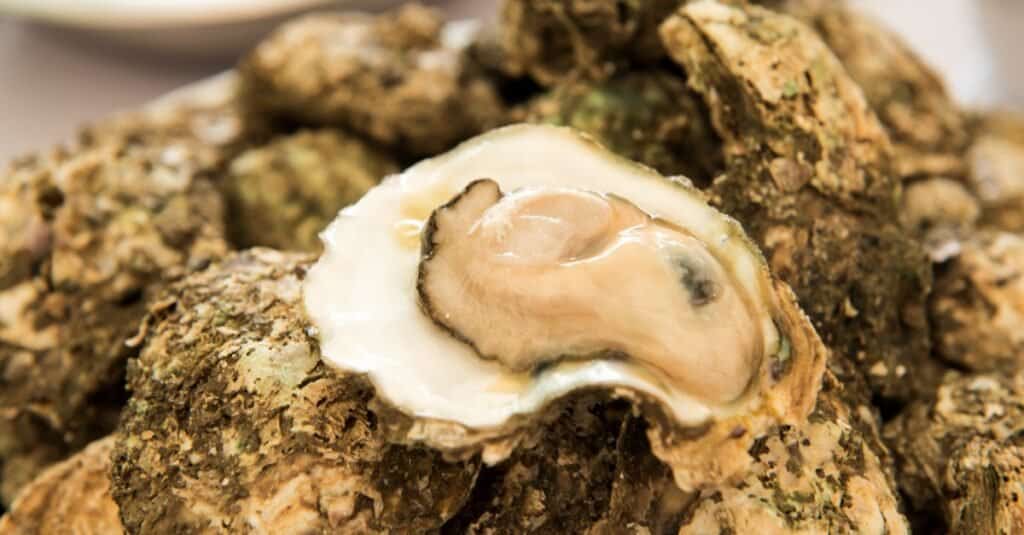
Oysters make up a family of a large number of saltwater bivalve mollusks. Oysters are marine animals that are often found in brackish habitats. They are very irregular in shape, and the valves of some are highly calcified. They belong to the phylum Mollusca.

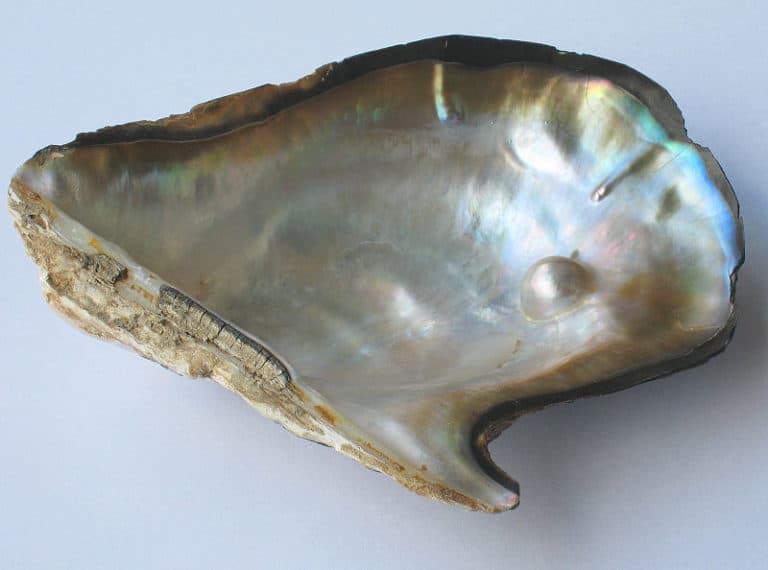
Oysters are animals that eat algae and other food particles that are usually drawn to their gills. They are known to reproduce through broadcast spawning in warm waters and are also capable of changing their gender. Some oysters, particularly those in the family Pteriidae (pearl oysters), are capable of producing pearls, but most edible oysters rarely produce pearls of any value.
Animals With Exoskeletons-oyster

Humans have been eating oysters for thousands of years.

Evolution and Origins

According to zoologists, the initial oyster species emerged during the Triassic era, more than 200 million years ago, when dinosaurs were prevalent on Earth. Based on fossil evidence, oysters have been traced back to around 145 million years ago. Oysters have existed long before the beginning of human civilization.

Researchers have potentially discovered the individuals who were the first to consume shellfish. While excavating the Pinnacle Point cave in South Africa, scientists found indications of shellfish meals that date back to 165,000 years ago.

Furthermore, to be able to reproduce, oysters generate larvae, which float for a period of two to three weeks. During this time, a large number of them are consumed by minor predators or perish due to other reasons, while the surviving ones settle on a surface.

Preferably, they anchor themselves onto an established oyster reef where they remain for the rest of their lives. Upon attachment to any surface, the larvae are referred to as “spat”.

Classification and Scientific Name
Oyster

These animals are classified in the family Ostreidae and belong to the class Bivalvia and subclass Pteriomorphia. They belong to the kingdom Animalia and Phylum Mollusca.

The name Ostreidae is a combination of two words — Ostrea and the suffix -idae. The suffix is fairly common in ocean life, coming from the ancient Greek word eîdos for “appearance” or “resemblance.” In this case, the suffix refers to the Latin word for oyster (“Ostrea”).

Ostrea goes further back to predate the ancient Greek language from the word “ὀστέον,” which means “bone.” The name is likely a reference to the uniquely shaped shell.

Species

There are about 200 species of oysters around the globe. The oysters make up a large family of bivalve mollusks. In the United States, there are only five species that are typically sold to consumers as food. Those species include Pacific -, Atlantic -, Kumamoto -, Olympia oysters, and European flats.

Many species can change their gender at some point. While some may only switch genders once or twice, this process can be repeated multiple times.

Appearance

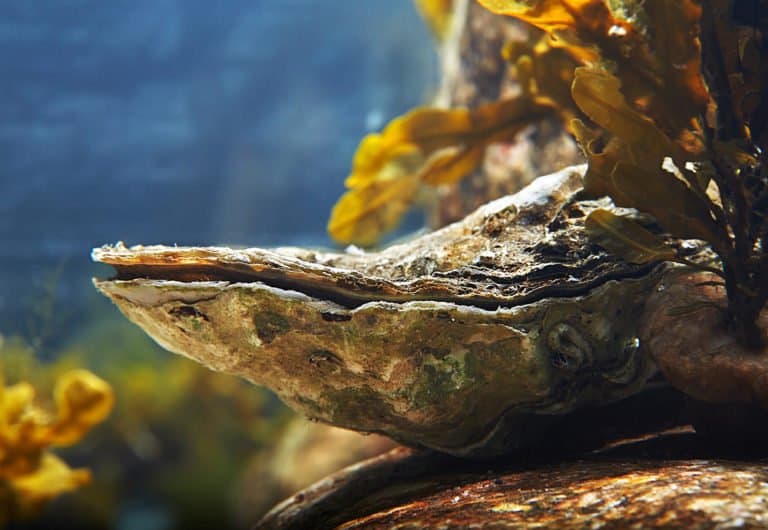
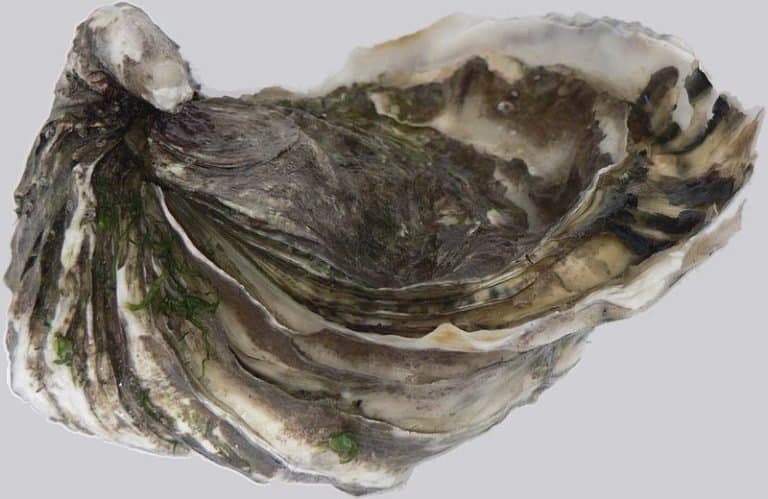
Many oysters are irregular in shape with oval and/or pear-shaped shells. The shells are usually whitish-grey, and the inside of the shell is usually white.

These animals are known to have very strong adductor muscles that help them shut their shells when they hide inside them upon sensing danger. They are usually 62 to 64 mm long, and a medium oyster usually weighs about 50 grams.
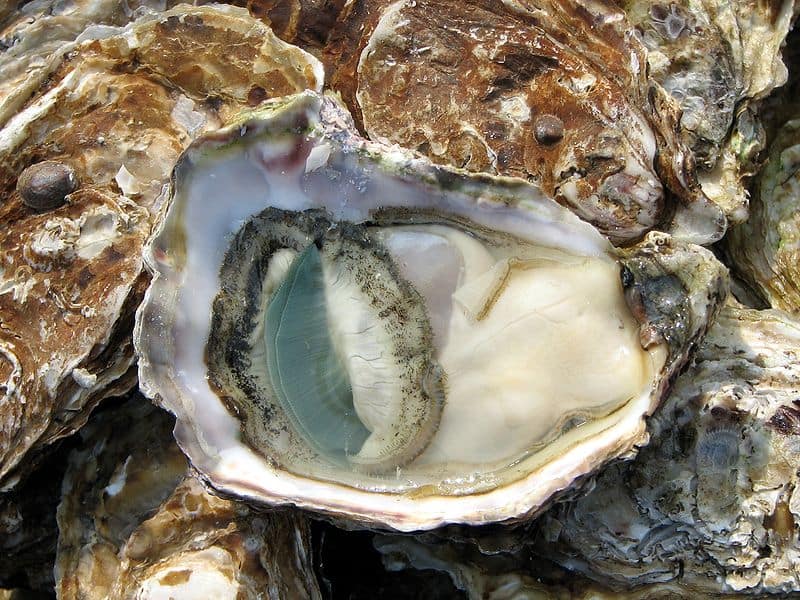
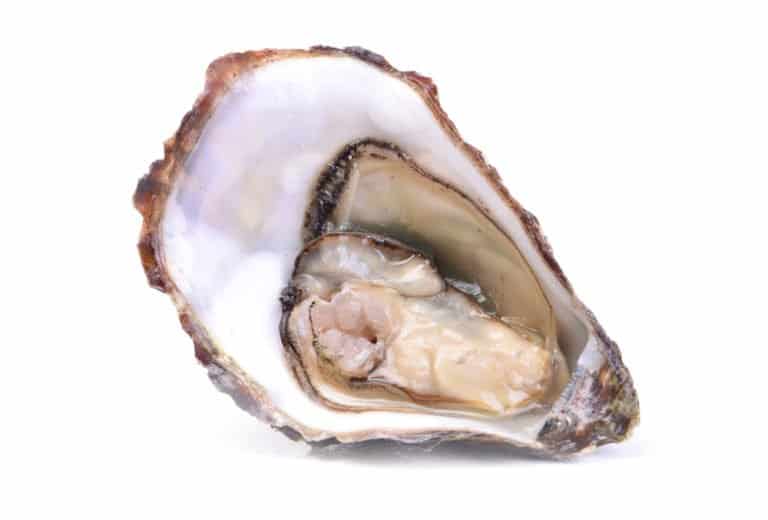
Open oyster on a market in Lyon

Open oyster on a market in Lyon.

Distribution, Population, and Habitat

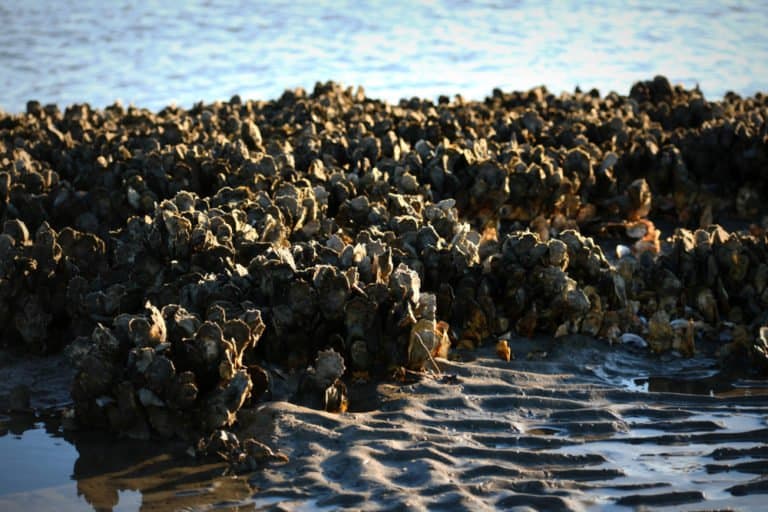
These marine creatures are usually found in the brackish and salty waters across the US coasts. They usually exist in clusters and are often found on shells, rocks, or any other hard surface.

The clusters often fuse together and eventually form rock reefs that also become a habitat for many other marine animals.

The total number of their population around the globe is not known. However, the bivalve mollusk exists in large numbers in water bodies around the world, and these marine creatures are not yet threatened or endangered.

Predators and Prey
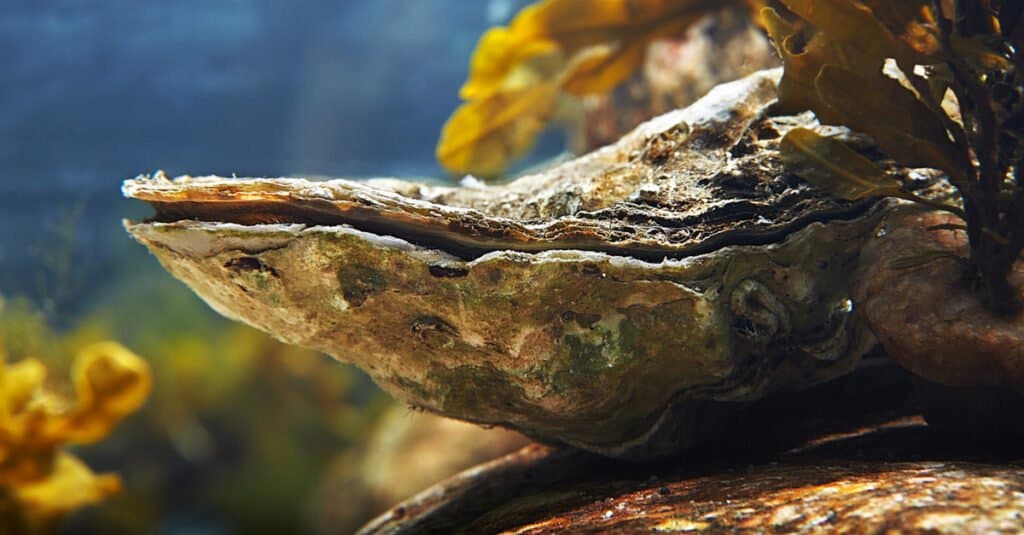
oyster vs mussel

They may not have a brain, but an oyster’s ability to make pearls is notable.

Like almost all other living animals, they are also an integral part of the environmental food chain and are eaten by other creatures. The main predators of oysters include crabs, starfish, humans, and seabirds, due to the amount of protein and other nutrients that they offer.

Not all predators go after these creatures for their meat. The boring sponge, for example, will infiltrate the shell to kill the animal and take it over for its own home. The oyster flatworm (a.k.a. the oyster leech) will go after young oysters when they eat, sneaking into the shell. After the flatworms have eaten the meat, they use the shell to protect their eggs.

Meanwhile, these marine creatures are not known to feed on other animals and are known to usually eat algae and other food particles as water rushes over them.

Reproduction and Lifespan

These animals are known to reproduce using broadcast spawning, which means that the female and male release the eggs and sperm into warm waters, which is where they hatch. After fertilization, oyster larvae remain planktonic for about 2 to 3 weeks before settling onto a surface.

While in captivity, the typical lifespan for these animals is 20 years, but proper care is needed. They are not currently considered to be endangered, but much of the impact on their lifespan in the wild has to do with the fishing of these animals.

Fishing and Cooking

Oysters can very well be caught and cooked. In fact, they are widely eaten across the world. However, if not cooked properly, they could make you ill. Cooking them well kills unnecessary bacteria and also eliminates the risk of infection. If prepared properly, these animals offer an excellent source of protein and vitamins.

Differentiating between the species is crucial since they all have different flavors and ways to prepare them. For example, Eastern oysters in the United States are much saltier than Pacific oysters, but the latter have a more savory taste for a complex palate.

Oysters are an incredibly flexible dish since they can be steamed, pan-seared, poached, smoked, fried, or prepared in nearly any way. They can even be baked. Most interestingly, their flavor can make them an excellent aphrodisiac for a romantic dinner for two.

Some vegans will opt to eat oysters as well. Though it is a living thing, oysters lack a central nervous system. Without these nerve endings, they cannot experience pain, and they do not move.

View all 88 animals that start with O

Sources

  1. David Burnie, Dorling Kindersley Animal, The Definitive Visual Guide To The World's Wildlife / Accessed May 17, 2010
  2. Tom Jackson, Lorenz Books (2007) The World Encyclopedia Of Animals / Accessed May 17, 2010
  3. David Burnie, Kingfisher The Kingfisher Animal Encyclopedia / Accessed May 17, 2010
  4. Richard Mackay, University of California Press (2009) The Atlas Of Endangered Species / Accessed May 17, 2010
  5. David Burnie, Dorling Kindersley (2008) Illustrated Encyclopedia Of Animals / Accessed May 17, 2010
  6. Dorling Kindersley (2006) Dorling Kindersley Encyclopedia Of Animals / Accessed May 17, 2010
  7. National Geographic / Accessed November 27, 2020
  8. Wikipedia / Accessed November 27, 2020
  9. Oyster House / Accessed November 27, 2020
  10. Food & Wine / Accessed November 27, 2020
  11. NOAA Fisheries / Accessed November 27, 2020
  12. HuffPost / Accessed November 27, 2020
Rebecca Bales

About the Author

Rebecca Bales

Rebecca is an experienced Professional Freelancer with nearly a decade of expertise in writing SEO Content, Digital Illustrations, and Graphic Design. When not engrossed in her creative endeavors, Rebecca dedicates her time to cycling and filming her nature adventures. When not focused on her passion for creating and crafting optimized materials, she harbors a deep fascination and love for cats, jumping spiders, and pet rats.
Connect:

Thank you for reading! Have some feedback for us?


Oyster FAQs (Frequently Asked Questions)

Oysters can mostly be found in the salty and brackish waters along the US coasts.