




P
Species Profile

Persian

Felis catus

Velvet coat, calm soul.
pavels/Shutterstock.com

Persian Distribution

Click a location to explore more animals from that region

Origin Location

This map shows the native origin of the Persian. As a domesticated species, they are now found worldwide.

Loading map...

Size Comparison

Human 5'8"
Persian 9 in

Persian stands at 13% of average human height.

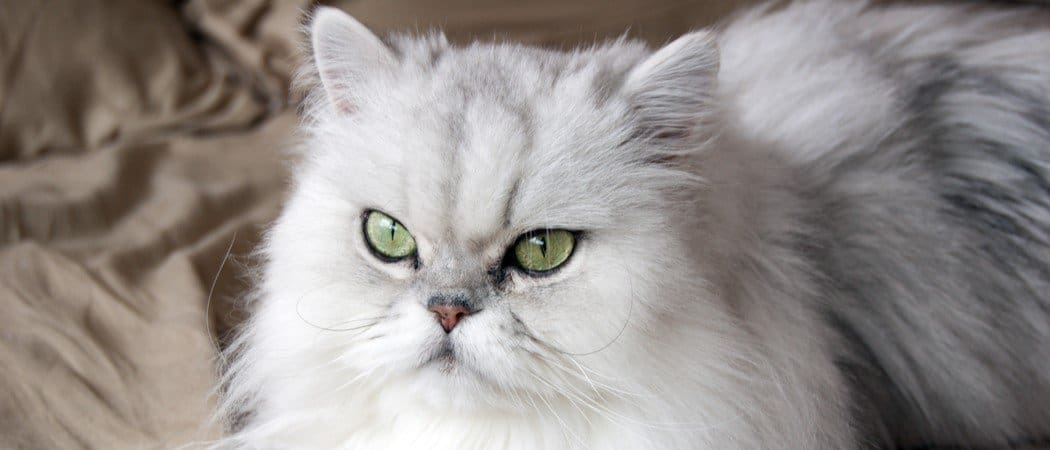
Persian cat, close-up

At a Glance

Domesticated
Also Known As Longhair, Long-haired cat, Iranian cat
Diet Carnivore
Activity Crepuscular+
Lifespan 4 years
Weight 6 lbs
Status Not Evaluated
Did You Know?

"Persian" refers to a domestic cat breed-distinct from wild animals sometimes nicknamed "Persian," like the Persian leopard.

Scientific Classification

The Persian is a long‑haired domestic cat breed known for its round head, short muzzle (brachycephalic type in many lines), large eyes, and dense coat. It is primarily a companion animal breed rather than a wild taxon.

Kingdom
Animalia
Phylum
Chordata
Class
Mammalia
Order
Carnivora
Family
Felidae
Genus
Felis
Species
catus

Distinguishing Features

  • Long, dense coat with a pronounced ruff
  • Round head and large round eyes
  • Relatively short muzzle in many modern lines (brachycephalic type)
  • Sturdy, cobby body type; short legs compared to some other breeds

Physical Measurements

Males and females differ in size

Height
♂ 10 in (9 in – 11 in)
♀ 9 in (8 in – 10 in)
Length
♂ 2 ft 6 in (1 ft 12 in – 2 ft 9 in)
Weight
♂ 11 lbs (8 lbs – 14 lbs)
♀ 9 lbs (7 lbs – 11 lbs)
Tail Length
♂ 12 in (10 in – 1 ft 2 in)
♀ 11 in (10 in – 1 ft 1 in)
Top Speed
22 mph
running

Appearance

Secondary Colors
Skin Type Typical domestic cat skin (normal feline epidermis and dermis); the Persian's distinctive trait is a very long, dense double coat (undercoat and guard hairs), which can mat without regular grooming.
Distinctive Features
  • Breed context: a domesticated Felis catus companion breed, not a wild 'Persian' animal
  • Very long, dense double coat with heavy ruff and pronounced britches
  • Round head with full cheeks; small, low-set ears and large round eyes
  • Short muzzle/flat-faced (brachycephalic) type common in many modern lines
  • Cobby, compact body; short legs; broad chest and substantial bone
  • Plumed tail with long feathering
  • Facial tear overflow and staining more frequent, especially in flat-faced lines
  • Grooming requirement: daily combing to prevent mats and skin irritation
  • Care: regular bathing/coat maintenance and hairball control often needed
  • Health concern: brachycephalic airway issues (noisy breathing, heat intolerance)
  • Health concern: eye issues (excess tearing, entropion/corneal irritation) in some lines
  • Health concern: polycystic kidney disease (PKD) risk in some lineages; genetic testing advised
  • Health concern: dental crowding/malocclusion risk with shortened facial structure

Sexual Dimorphism

Sexual dimorphism is modest. Males are typically larger and more heavily boned with broader heads and necks, while females tend to be smaller with a finer build and less pronounced jowls.

♂
  • Larger overall size and weight on average
  • Broader head and thicker neck; more prominent jowls in adults
  • Heavier bone and more muscular, cobby frame
♀
  • Smaller, lighter frame with finer head and neck
  • Less prominent cheek/jowl development
  • Often slightly more refined overall proportions

Did You Know?

"Persian" refers to a domestic cat breed-distinct from wild animals sometimes nicknamed "Persian," like the Persian leopard.

Persians helped define modern "cat fancy" shows in the late 1800s and became a hallmark long-haired show breed.

The breed's ultra-dense undercoat is why Persians can mat quickly without regular combing.

Many Persians have a brachycephalic (flat-faced) look; some lines keep a more moderate "traditional/doll-face" profile.

Their calm temperament is a well-known breed hallmark: many prefer predictable routines and quiet spaces.

Because of their coat and head shape, Persians often need more day-to-day maintenance than short-haired domestic cats.

They've been popular in art and media as a symbol of luxury and indoor companionship.

Unique Adaptations

  • Coat specialization (breed-selected): a very long, fine topcoat plus dense undercoat-excellent insulation but prone to tangles and requires human care indoors.
  • Brachycephalic head type (in many lines): shortened muzzle and rounded skull create the iconic look, but can reduce nasal airflow and increase heat/respiratory sensitivity.
  • Large, round eyes: aesthetically emphasized in the breed; paired with a shortened nose in flat-faced lines, this can predispose to tear overflow requiring cleaning.
  • Companion-animal selection: temperament shaped for calm indoor living compared with the baseline domestic cat's wide behavioral range. (This is a human-directed "adaptation," not a wild evolutionary trait.)

Interesting Behaviors

  • Low-energy "lounging" style: Persians often choose comfortable perches and spend long stretches resting near people.
  • Gentle play preference: many favor short bursts with wand toys over high-speed sprinting typical of some other breeds.
  • Quiet communicator: compared with many domestic cats (Felis catus), Persians are often less vocal and use subtle body language.
  • Face-wiping and grooming pauses: some individuals pause more during self-grooming due to coat thickness or facial structure.
  • Routine-seeking: many Persians thrive on consistent feeding/grooming schedules and may show stress with abrupt changes.

Cultural Significance

Persian cats are linked to indoor luxury, companionship, and cat shows. Imported long-haired cats were called Oriental or Persian/Angora. Breeding in Britain and the U.S. made the modern Persian, a sign of how humans can change Felis catus.

Myths & Legends

In European accounts from the 1600s-1800s, long-haired cats described as "from Persia" were treated as exotic courtly animals; this aura of eastern origin became part of the breed's enduring identity in cat fancy lore.

Early cat-fancy tradition in Victorian Britain popularized stories of long-haired "Persian" cats as aristocratic drawing-room companions, reinforcing a legend of refined temperament tied to their appearance.

Folklore around long-haired cats in general-often blended into Persian/Angora stories in Europe-linked unusually plush coats with good fortune and household prosperity, making them favored gift animals in some historical anecdotes.

Among Persian cat (Felis catus) fans, a legend says 'doll-face' versus 'peke-face' types arose as show fashion slowly changed head shape over decades, shaping ideas of the 'original' Persian.

Conservation Status

NE Not Evaluated

Has not yet been evaluated against the criteria.

Population Stable

Life Cycle

Birth 4 kittens
Lifespan 4 years

Lifespan

In the Wild
2–7 years
In Captivity
8–18 years

Reproduction

Mating System Polygynandry
Social Structure Managed Domestic
Breeding Pattern Transient
Fertilization Internal Fertilization
Birth Type Internal_fertilization

Domestic cats are polygynandrous, but Persians are typically paired through managed breeding. Mating is internal fertilization with little pair-bonding; males provide no care. Brachycephaly and heavy coats can hinder mating/parturition, so owners often supervise and assist queens.

Behavior & Ecology

Social Colony Group: 4
Activity Crepuscular, Cathemeral
Diet Carnivore High-protein, animal-based wet food (poultry- or rabbit-based) with strong aroma; many Persians prefer softer textures that are easy to pick up and chew.

Temperament

Species context (Felis catus): flexible sociability; can be solitary or colony-living depending on resources.
Breed distinction (Persian): typically calmer, less active, more sedentary and content with indoor routines.
Often affectionate but not demanding; prefers quiet companionship, predictable handling, and gentle interactions.
Tends to be less territorial/aggressive than many lines; may avoid conflict rather than escalate.
Can be reserved with strangers; warms up through consistent, low-stress exposure and positive reinforcement.
Calm and gentle; typically quiet, affectionate, and people-oriented, preferring a predictable routine and relaxed indoor life.
Health-linked behavior notes: brachycephalic lines may tire easily, snore, and avoid vigorous play or heat.
Care requirements affecting social behavior: daily coat care and eye cleaning support comfort and tolerance of handling.

Communication

meow
soft meow Breed-typical, often less frequent
purr
trill/chirp Greeting/attention
growl
hiss
yowl
scent marking Rubbing, facial pheromones, scratching
tail and ear postures signaling arousal, friendliness, or discomfort
slow blink and relaxed body posture to signal affiliative intent
kneading and head bunting as comfort and bonding behaviors
allogrooming in bonded pairs/groups; mutual sleeping for social cohesion
withdrawal/hiding as stress communication, especially in overstimulating environments
breed-specific care signals: pawing at eyes/face from tear overflow; may resist grooming when mats pull
health concerns to monitor: brachycephalic airway issues, tear duct obstruction, dental malocclusion, PKD, HCM

Habitat

Biomes:
Tropical Rainforest Tropical Dry Forest Savanna Desert Hot Desert Cold Mediterranean Temperate Grassland Temperate Forest Temperate Rainforest Boreal Forest (Taiga) Tundra Alpine Freshwater Wetland Marine +9
Elevation: Up to 14763 ft 9 in

Ecological Role

Domestic mesopredator and companion animal; localized predator of small vertebrates/invertebrates in human-associated environments.

Rodent suppression in and around homes/barns (where allowed/managed) Carries cultural/companion value with no essential wild ecosystem niche Potential negative ecological impact via predation on native birds and small wildlife if allowed outdoors (best mitigated by indoor housing/supervised outdoor time)

Diet Details

Main Prey:
Small rodents Small birds Small reptiles Amphibians Insects and other invertebrates

Human Interaction

Domestication Status

Domesticated

Felis catus was domesticated from Near Eastern and African wildcats thousands of years ago. The Persian breed was developed in Europe from long-coated cats brought from the Middle East and Asia in the 1600s–1800s and set by cat clubs. Persians are bred for round heads, short muzzles, big eyes and long coats, needing heavy grooming and vet care.

Danger Level

Low
  • scratches or bites (typically minor; risk increases if stressed or in pain)
  • zoonotic risks shared with domestic cats (e.g., ringworm/dermatophytes, toxoplasmosis exposure via feces, fleas/ticks transmitting pathogens)
  • allergic reactions to cat dander/saliva
  • fall/trip hazards from underfoot behavior
  • rare severe injury in immunocompromised people from cat bites/scratches if untreated

As a Pet

Suitable as Pet

Legality: Persian cats (Felis catus) are usually legal as pets worldwide, but local rules (landlord/HOA) can limit ownership. Some places restrict breeding of very flat-faced lines for animal welfare, and airlines may limit travel.

Care Level: Experienced

Purchase Cost: $500 - $3,000
Lifetime Cost: $15,000 - $40,000

Economic Value

Uses:
Companion animal Pedigree breeding and sales Cat shows and registrations Grooming and coat-care services Veterinary and specialty care (brachycephalic/ocular/renal screening) Pet products (food, litter, enrichment, carriers) Media/advertising and brand mascots (occasional)
Products:
  • kitten sales from registered breeders
  • adoption/rehoming services (rescues and shelters)
  • professional grooming (dematting, sanitary trims, bathing, blow-drying)
  • routine veterinary services (vaccines, spay/neuter, dental cleanings)
  • screening tests common in the breed (e.g., PKD DNA testing; cardiac/renal monitoring as advised)
  • specialty treatments (eye/tear-duct care, respiratory evaluations, dermatology for coat/skin issues)
  • pet insurance policies (often recommended due to breed-associated costs)
  • specialty tools and supplies (metal combs, slicker brushes, detanglers, eye wipes)

Relationships

Related Species 6

Domestic cat
Domestic cat Felis catus Shared Species
European wildcat
European wildcat Felis silvestris Shared Genus
African wildcat Felis lybica Shared Genus
Jungle cat Felis chaus Shared Genus
Black-footed cat Felis nigripes Shared Genus
Leopard
Leopard Panthera pardus Shared Family

Ecological Equivalents 5

Animals that fill a similar ecological role in their ecosystem

Persian Varieties

2

Explore 2 recognized types of persian

Exotic Shorthair (Persian-type) Felis catus Variety
Himalayan
Himalayan Felis catus Variety

The Persian cat is a famous breed with an instantly recognizable appearance. Persians have sweet faces and elegant fur coats in various delicate color patterns. If you’re looking for a reserved cat that will add a touch of class to your home, the Persian is an excellent choice.

Breed History

The true origins of the Persian cat are somewhat of a mystery. The beginning of their history, as we know, was in the early 1600s when Persian cats first set paws on European soil as exports from Khorasan, Persia, to the Italian Peninsula via Pietro della Valle. Other Persians came to France from Ottoman Turkey through Nicolas-Claude Fabri de Peiresc. Interestingly, modern Persian cats do not carry the genes of ancient Middle Eastern cats; rather, they are descendants of European breeds. 

It is from this latter group (that came to France) that Persian cats entered Great Britain, where their popularity truly took off.  In fact, Queen Victoria is known to have owned multiple Persians, helping to develop their reputation as stately, sophisticated pets. The world’s first organized cat show, held in 1871 at the famed Crystal Palace in London, featured Persian cats, and one Persian kitten took the “Best in Show” title. Persians are also among the first pedigreed cat breeds. In 1875, they came to the United States, and in 1906, the Cat Fanciers’ Association was founded and recognized the Persian as one of its first registrants.

Traits: What to Know Before You Buy

Most breeders will give you a detailed explanation of how to take care of your new pet. However, before you buy, there are a few traits that you need to consider.

  • These cats are known for having long coats of fur that require a lot of maintenance. Brush your cat every day; it’s a wonderful bonding exercise and will keep your cat looking pristine and elegant.
  • Because the Persian breed is so highly sought after, many of these cats are bred for appearance and may develop serious health issues. Be ready to take your Persian to the vet often to improve its lifespan.
  • These cats are known to be finicky eaters and may reject low-quality cat food. If your cat isn’t eating, try finding a different brand with a focus on high protein and natural ingredients.
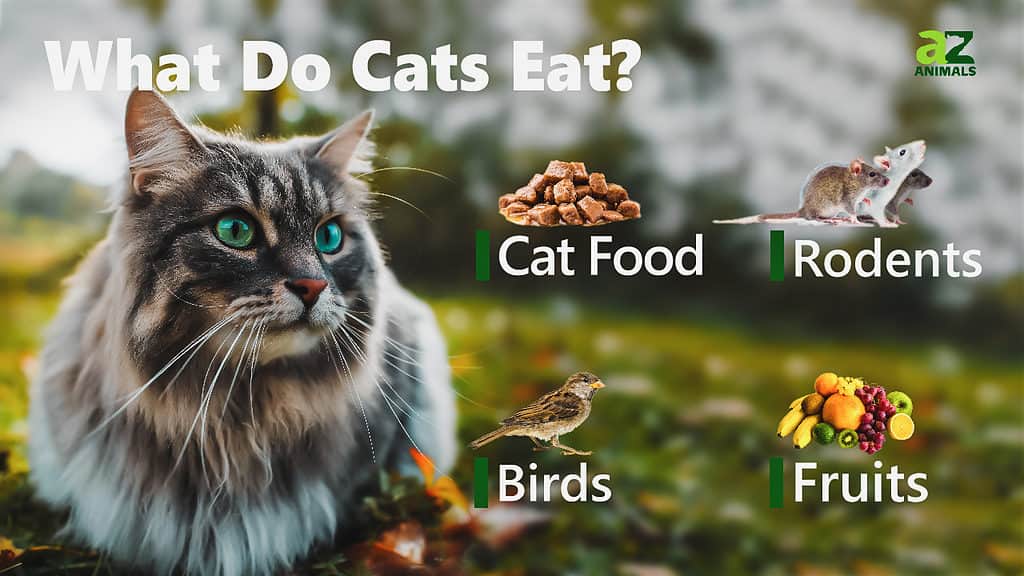
All domestic cats typically consume cat food, or animals like rodents or birds in the wild, as well as fruit.

Personality

These sweet, affectionate, and laid-back cats enjoy lounging around the house and napping in beams of sunshine. These cats are not particularly vocal or needy, although they do have a picky personality and like to have their food delivered on schedule.

One of the things you’ll notice about your cat is that they don’t do well with changes to their environment. They love their primary owners, but they can take quite a while to warm up to strangers. They also don’t like loud noises, which makes them a bad match for families with small children. This personality trait often keeps Persians from getting adopted out of animal rescues, where they are under too much stress to show off their loving nature.

However, if you’re capable of providing a quiet and elegant environment for your cat, you’ll find that they make excellent company and are a soothing presence in any lifestyle. Persians love habits and will jump up on the sofa for their daily brushing at the same time as they did the day before. They also enjoy good meals and will love to try all of the best cat foods on the market.
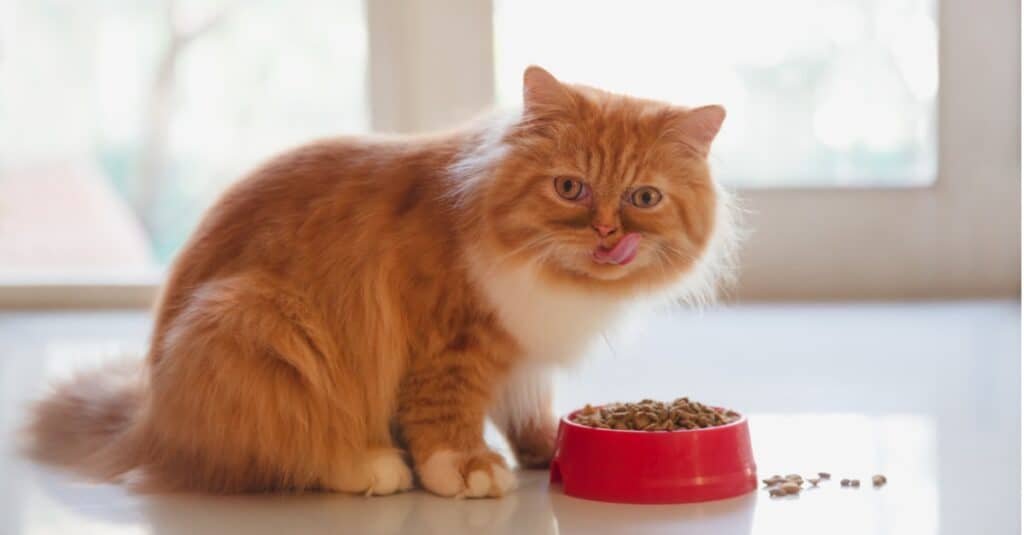
Persian licking mouth while eating

Persians love daily routines and habits, and are known to be finicky eaters.

Size and Weight

These cats are typically medium to large-sized and can weigh anywhere from 7 to 13 pounds. These cats stand at around 10 to 15 inches tall, but their long and fluffy fur often makes them look larger than they actually are.

Because the Persian breed is highly sought after and carefully monitored, you can almost always expect your purebred cat to conform to standard height and weight. Neutering this breed doesn’t usually change its size, and is often very necessary to help your Persian maintain an even demeanor.
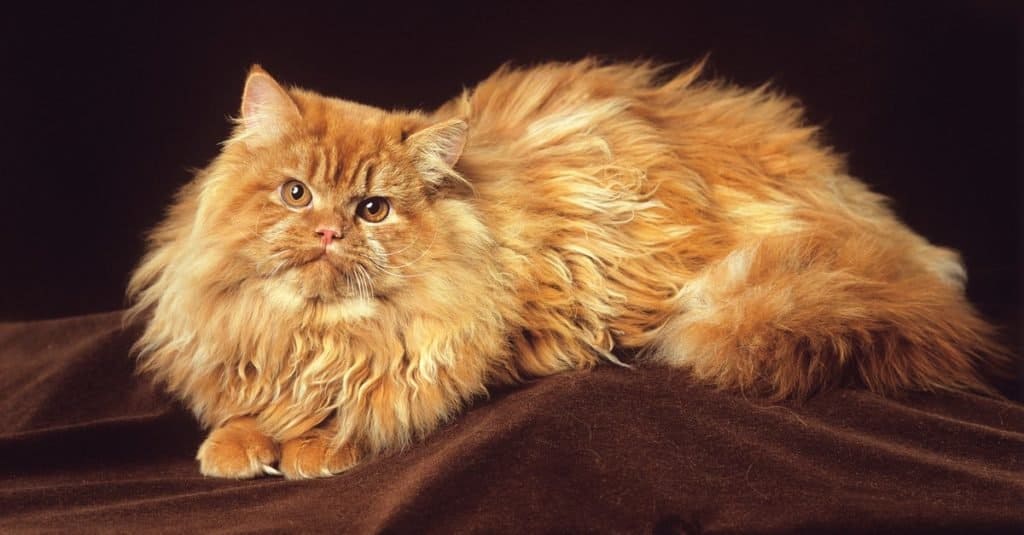
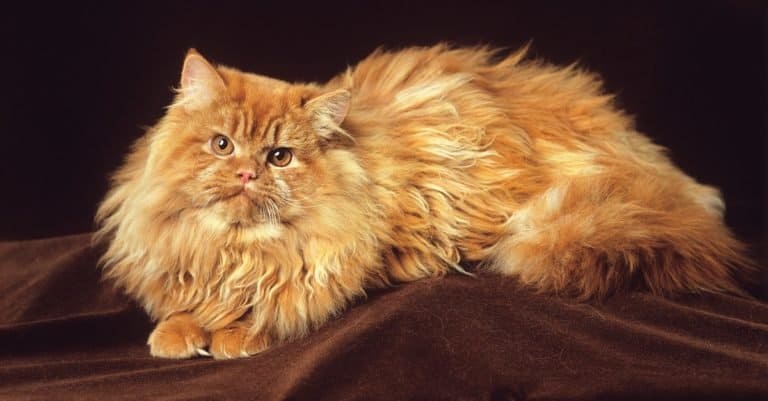
A red Persian cat lying on a table in the studio.

The Persian is a medium-sized cat that typically weighs from 7 to 13lbs and stands 10 to 15 inches tall.

Price

These cats are among the most expensive purebred cats on the market. No matter which breeder you buy from, you can expect your new kitten to cost anywhere from $1,300 to the high end of $3,000. Females often cost significantly more than males, and new kittens are typically more expensive than full-grown adults.

Because solid white Persians are so highly coveted, you can expect this color pattern to be the most expensive. Blue eyes are rarer and more expensive than copper eyes, and unique color patterns may greatly alter the cost. If you’re looking to find a Persian at a lower price, consider adopting a kitten with a cosmetic “defect” that might disqualify them from a cat show.

In addition to the price you pay at the breeder, you should also expect your cat to incur regular vet costs. Take your cat to the vet at least once a season to make sure they aren’t developing a health condition that could reduce their lifespan.
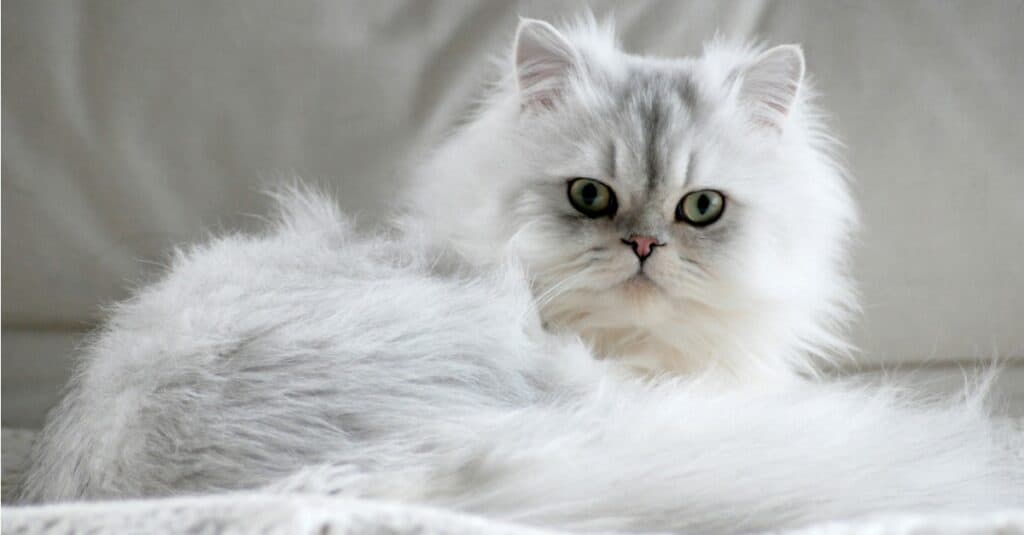
Friendliest Cats - Persian

Persian cats are among the most expensive in the purebred market, fetching prices that vary from 00 to 00.

Kittens

The kittens are small, fluffy, playful, and incredibly adorable. This breed is known for being rather shy and reserved, but the kittens are generally more adventurous than full-grown adults.

These cats are not usually fully grown until they are around two years of age. Once they reach their full size, your cat should weigh between 7 to 13 pounds, with females tending to weigh one or two pounds less than their male counterparts.

The kittens are sweet and typically do well with older children. These cats love to lounge on the couch and enjoy gentle petting; however, they will often be uninterested in more than a mild amount of playtime.
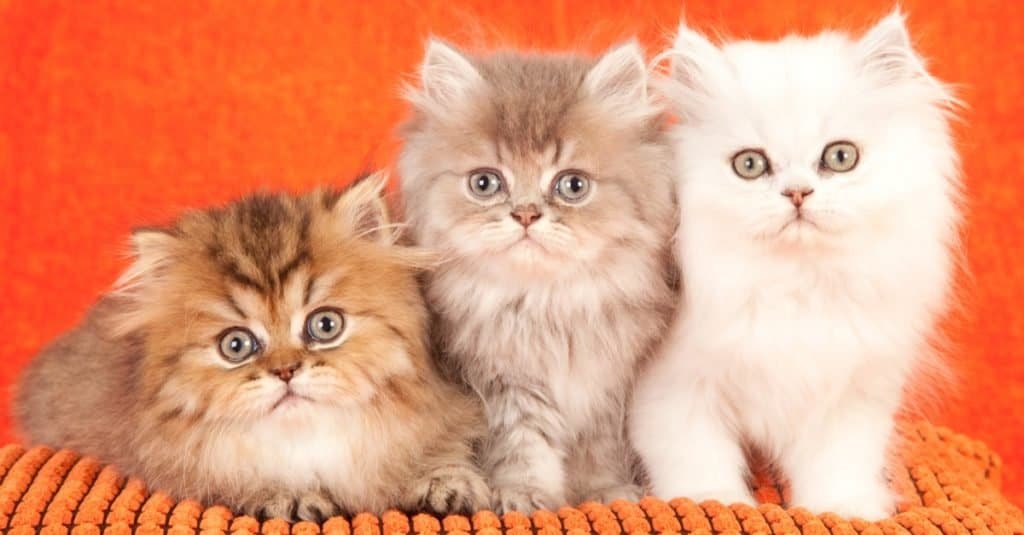
<a class=
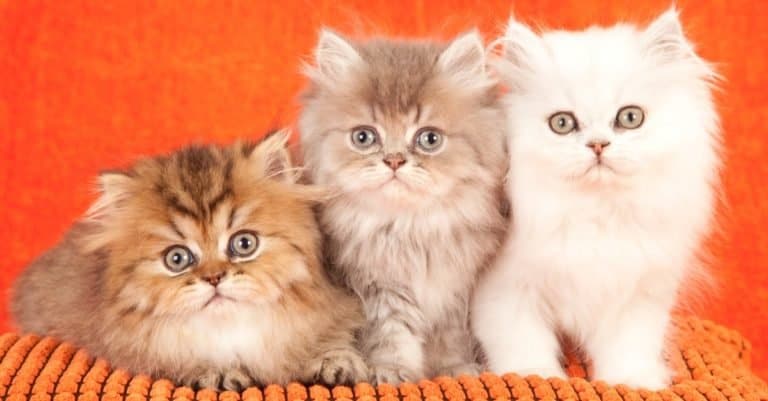
Persian kittens are generally more adventurous than their more shy and reserved full-grown adult counterparts.

Lifespan

Most Persians have a lifespan between 10 to 17 years, with an average lifespan of 13.5 years. This is a relatively low lifespan, especially for a purebred cat.

As much as their owners love them, studies have shown that these cats are significantly more susceptible to health issues and diseases than other breeds. Nearly two-thirds of adult cats suffer from at least one health condition, including dental diseases, eye infections, overgrown nails, and even coat disorders. These issues result in mild to extreme discomfort for the cat; however, Persian mortality is generally caused by either kidney diseases or cancer.

The generally low health of the Persian breed can likely be attributed to the fact that breeders have been selecting for coat color and the popular squished doll face that has come to distinguish the breed in recent years. As an owner, you can improve the state of the market by only purchasing from breeders that are more concerned with their cats’ health and well-being than producing a specific appearance.
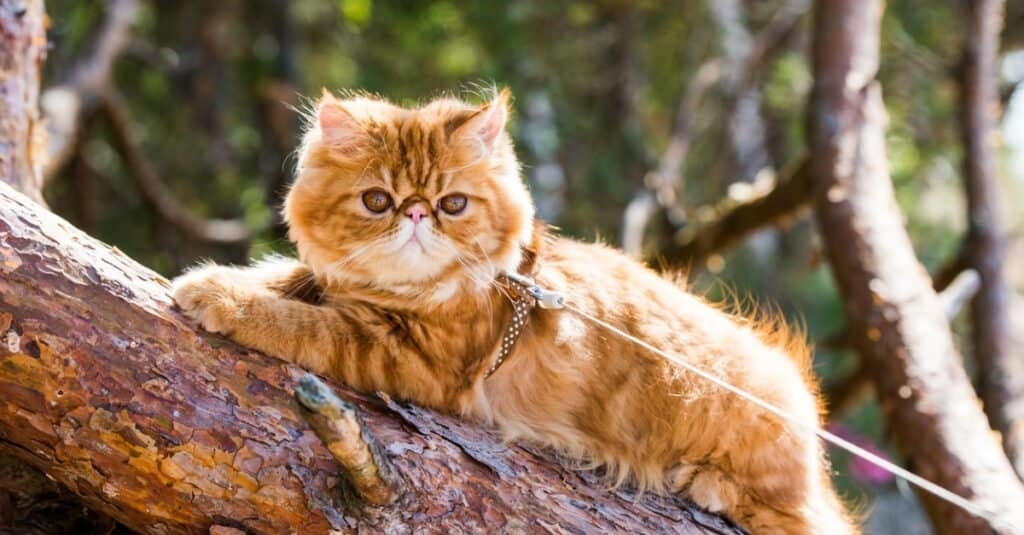
Persian laying on branch with leash on

Studies have shown that Persian cats are more susceptible to health issues and diseases than other breeds.

Breed vs. Mixed

Persians are incredibly popular, so it’s not uncommon to find mixed-breed cats that display Persian traits. If you want to guarantee that you have a purebred Persian, you should purchase your kitten directly from a breeder instead of from an animal rescue. Otherwise, there are a few traits that you can use to identify whether your Persian cat is purebred or mixed.

First, take note of your Persian’s eye colors. Most Persians have copper eyes, although a few divisions also allow for either blue or hazel eyes when combined with specific color patterns. The Cat Fanciers’ Association offers details on which eye colors are viable for each division.

Next, it’s worth noting that mixed-breed Persians rarely have full-length hair, a thick tail, and a doll face that are noticeable in purebreds. If your cat has shorter hair or a longer muzzle, you can be fairly certain that they are not purebred. Many animal rescues will simply mark these cats as Persians; unless you’re planning on taking them to a show, they’re still incredibly lovely and adoptable pets.
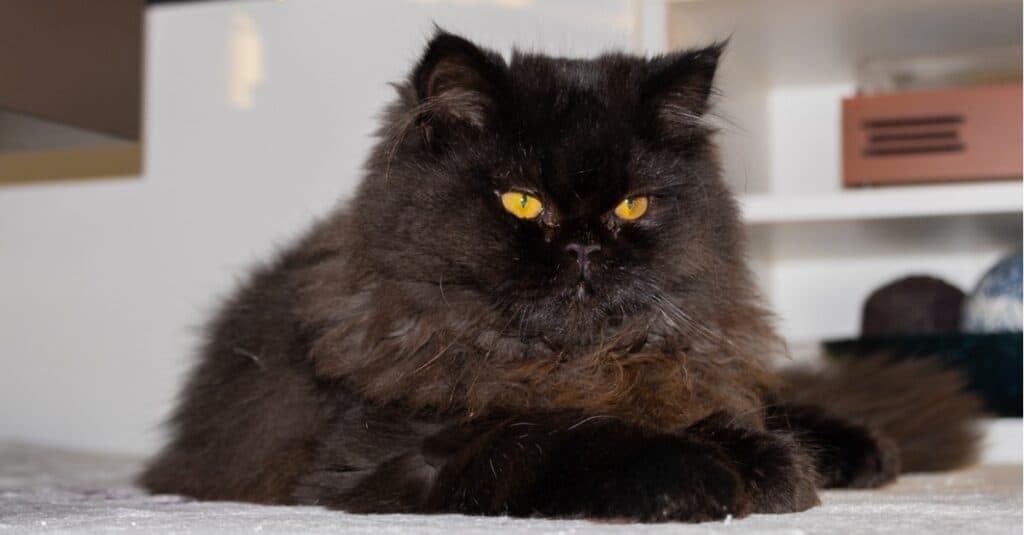
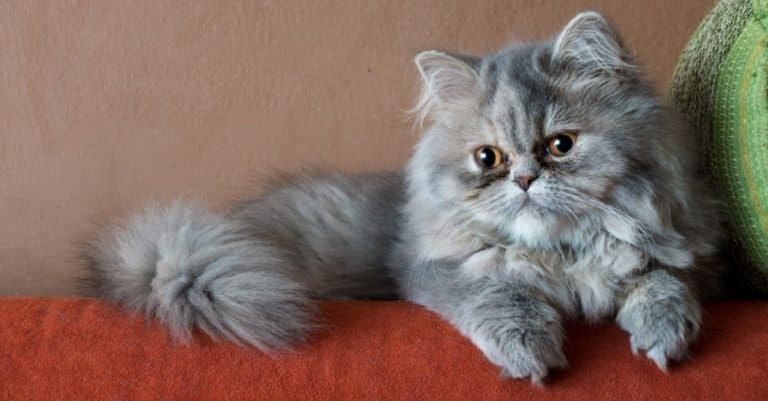
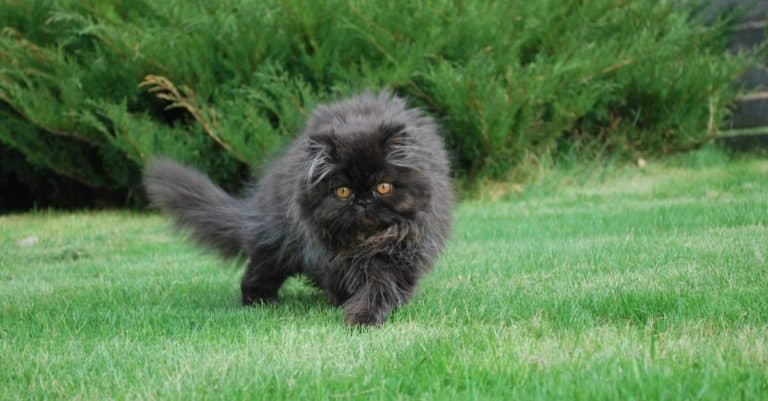
Persian with yellow=-orange eyes laying down

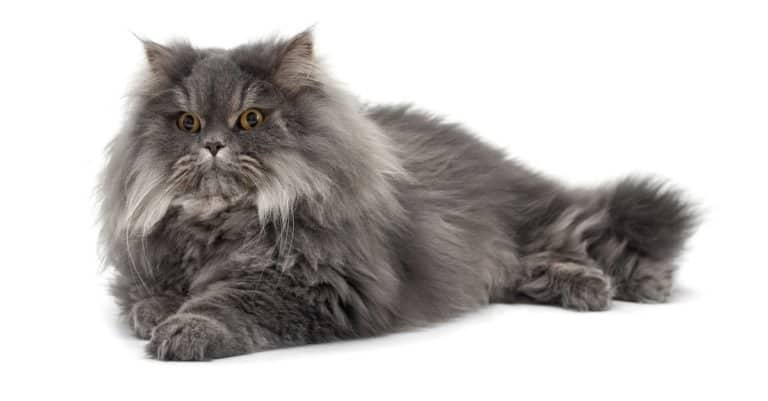
Most Persians have copper eyes, but other color variations are blue and hazel eyes.

Types of Persian Cats and Colors

Because Persian cats are so popular, they have been bred to exhibit a wide number of different colors and patterns. This highly varied breed has been organized into seven divisions.

Solid Persians

As the name implies, the solid division consists of Persian cats with single-color coats. You can find solid Persians in white, blue, black, cream, chocolate, and lavender. All of these colors have copper-colored eyes, except the white Persian, which can also display eyes in a beautiful sapphire blue.

Tabby Persians

Tabby patterns are popular on many different cat breeds, but they look exceptionally striking on the long-furred Persian. You can find tabby Persians in classic, patched, and mackerel patterns, all with easily distinguishable markings. Available colors include red, blue, silver, cream, and cameo.

Many cat fanciers have noticed that tabby Persians are more playful and extroverted than other members of this breed. With fun patterns and social personalities, tabby Persians are a great choice as family pets.

Himalayan Persians

The Himalayan Persian is an incredibly popular variant that was created by combining classic Persians with the media-famous Siamese. The result is a cream or fawn-colored cat with soft facial and point markings in a wide variety of colors such as chocolate, lilac, blue, red, seal, and an extreme number of beautiful combinations thereof.

Because the Himalayan Persian is technically a crossbreed, it took some time for these cats to be accepted by the Cat Fanciers Association. To be qualified, a Himalayan must have sapphire blue eyes, and the point colors must only be displayed on the face, tail tips, and feet.
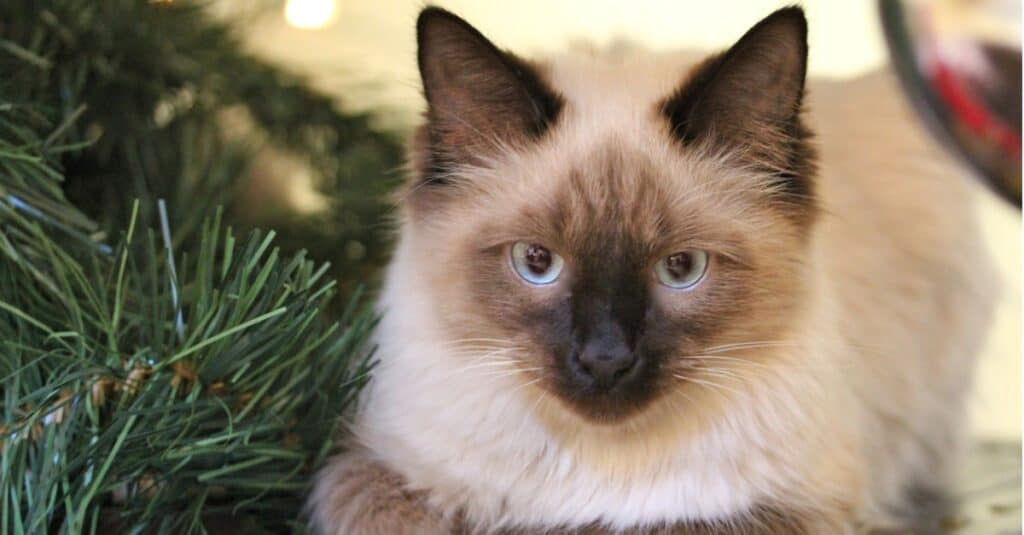
close up of a Himalayan

The Himalayan Persian variation was created by pairing Persian cats with Siamese.

Silver and Golden Persians

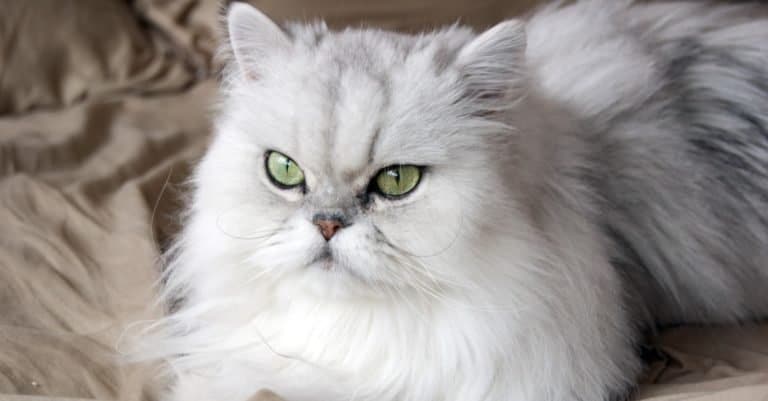
With main fur colors of either moonlight silver or sunshine gold cream, the Persians in this division also display either a sparkling chinchilla pattern or a delicately shaded mantle. The chinchilla pattern is marked by light black tips across otherwise immaculate fur. Meanwhile, the shaded mantle is slightly darker and is draped across the cat’s body like a cloak. Both silver and golden Persians are capable of having either green or blue-green eyes in both chinchilla and shaded varieties.

Smoke and Shaded Persians

Shaded and smoke Persians usually have a strong undercoat that transitions into a different overcoat or tip color. The various patterns include shades of cream, black, blue, red, orange, cameo, and tortoiseshell. Breeders work carefully to create exotic effects that are only visible under the correct lighting. Persians in this division almost always have warm copper eyes.

Parti-Color Persians

The parti-color division of Persians contains four carefully bred color patterns that are instantly recognizable. There is little room for variation among the stunning tortoiseshell, chocolate tortoiseshell, blue-cream, and lilac-cream parti-colors. All of these cats feature a strong base color with beautiful patches of a secondary color that add interest and variety to the breed’s appearance. Copper eyes peek out from the beautiful doll faces of all four of these varieties.

Bi-Color Persians

This Persian division includes calicos, van patterns, and classic bi-colors. Calicos and van patterns both have white coats with splashes of color either on the extremities or across the body. Possible patch colors include orange, black, blue, chocolate, and many other shades. Meanwhile, bi-colors have coats in any of the classic Persian colors with white on the feet and chest. Most cats in the bi-color division have copper eyes, although a few breeds may also display green irises.

View all 247 animals that start with P

Sources

  1. Cat Fanciers Association / Accessed May 4, 2021
  2. Petfinder / Accessed May 4, 2021
  3. FAQ Cats / Accessed May 4, 2021
  4. RVC / Accessed May 4, 2021
  5. Purr Craze / Accessed May 4, 2021
Abby Parks

About the Author

Abby Parks

Abby Parks has authored a fiction novel, theatrical plays, short stories, poems, and song lyrics. She's recorded two albums of her original songs, and is a multi-instrumentalist. She has managed a website for folk music and written articles on singer-songwriters, folk bands, and other things music-oriented. She's also a radio DJ for a folk music show. As well as having been a pet parent to rabbits, birds, dogs, and cats, Abby loves seeking sightings of animals in the wild and has witnessed some more exotic ones such as Puffins in the Farne Islands, Southern Pudu on the island of Chiloe (Chile), Penguins in the wild, and countless wild animals in the Rocky Mountains (Big Horn Sheep, Mountain Goats, Moose, Elk, Marmots, Beavers).
Connect:

Thank you for reading! Have some feedback for us?