







S
Species Profile

Siamese

Felis catus

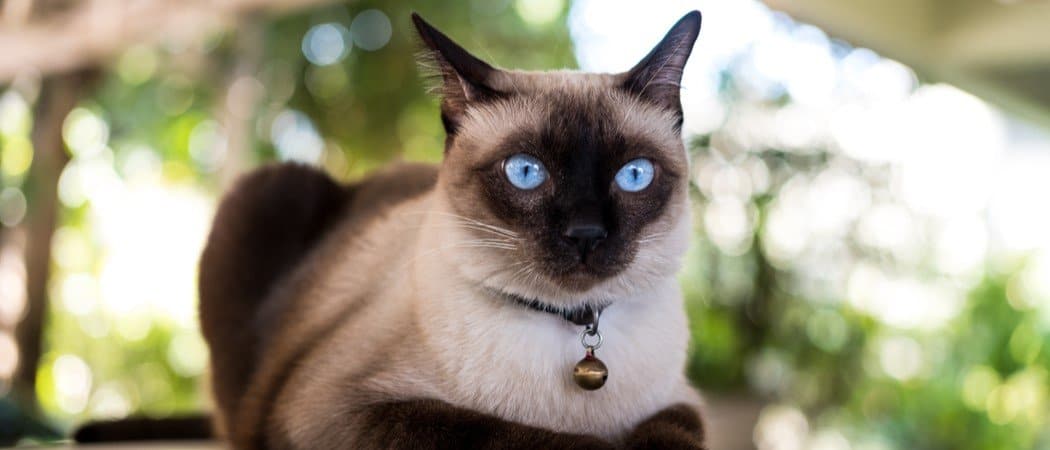
Blue eyes, bold voice, Thai elegance
iStock.com/voraorn

Siamese Distribution

Click a location to explore more animals from that region

Origin Location

This map shows the native origin of the Siamese. As a domesticated species, they are now found worldwide.

Loading map...

Found in 1 country

Size Comparison

Human 5'8"
Siamese 9 in

Siamese stands at 13% of average human height.

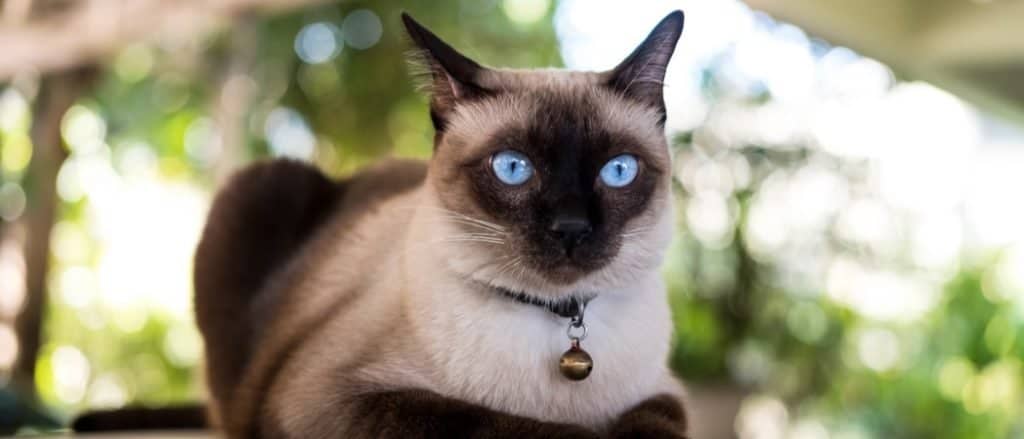
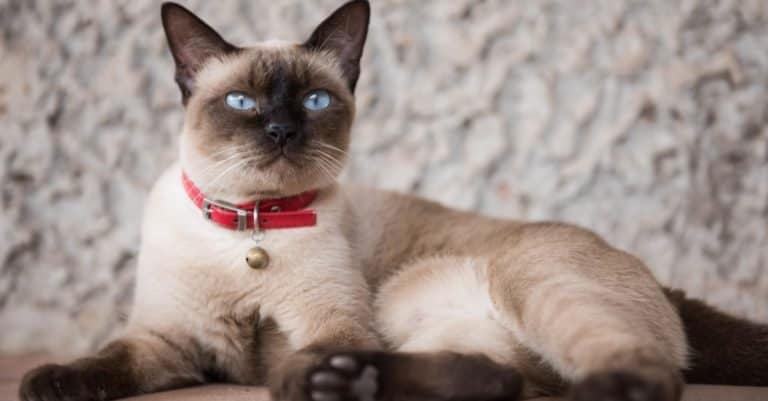
Siamese cat resting on the floor.

At a Glance

Domesticated
Also Known As Thai cat, Wichienmaat, Royal cat of Siam
Diet Carnivore
Activity Crepuscular+
Lifespan 15 years
Weight 6.5 lbs
Status Not Evaluated
Did You Know?

The Siamese colorpoint pattern comes from a temperature-sensitive gene (cs) that darkens cooler body areas like ears, face, paws, and tail.

Scientific Classification

The Siamese is a well-known breed of domestic cat originating from Thailand (formerly Siam), characterized by a short coat, colorpoint pattern, and typically blue eyes. Modern Siamese are often slender with large ears, while related Thai/Traditional Siamese types are more moderate in build.

Kingdom
Animalia
Phylum
Chordata
Class
Mammalia
Order
Carnivora
Family
Felidae
Genus
Felis
Species
catus

Distinguishing Features

  • Colorpoint coat pattern (darker ‘points’ on ears, face mask, paws, and tail) driven by temperature-sensitive pigmentation
  • Typically blue eyes
  • Short, fine coat; often a slender, long-bodied build in modern lines
  • Vocal, social temperament commonly reported

Physical Measurements

Males and females differ in size

Height
9 in (8 in – 11 in)
9 in (8 in – 10 in)
Length
2 ft 7 in (2 ft 4 in – 2 ft 11 in)
2 ft 5 in (2 ft 2 in – 2 ft 9 in)
Weight
11 lbs (8 lbs – 13 lbs)
8 lbs (6 lbs – 10 lbs)
Tail Length
1 ft 1 in (11 in – 1 ft 3 in)
11 in (10 in – 1 ft 1 in)
Top Speed
30 mph
running

Appearance

Primary Colors
Secondary Colors
Skin Type Short, fine, close-lying coat with minimal undercoat; silky texture and low shedding compared with many domestic cats.
Distinctive Features
  • Domestic cat breed (Felis catus) selectively bred from Thai/Siam origins; distinguished from typical mixed-breed cats by consistent colorpoint pattern and blue eyes.
  • Almond-shaped, vivid blue eyes strongly associated with the colorpoint gene; darker-eyed individuals are atypical for the breed standard.
  • Modern Siamese type: long, slender tubular body; fine-boned frame; long legs and whippy tail.
  • Large, wide-set ears with a wedge-shaped head; straight profile emphasized in many modern lines.
  • Short coat highlights underlying musculature; tends to feel sleek rather than plush.
  • Highly social and vocal; thrives on human interaction and environmental enrichment (play, puzzle feeders, climbing).
  • Care: minimal grooming (weekly wipe/brush), but needs warmth in cool climates due to thin coat and low undercoat.
  • Care: benefits from companionship; prolonged isolation can contribute to stress-related behaviors.
  • Health predispositions reported in breed lines: dental/periodontal disease risk; maintain regular dental care and vet cleanings as advised.
  • Health predispositions: hypertrophic cardiomyopathy (HCM) and other hereditary cardiac issues reported; periodic veterinary screening recommended.
  • Health predispositions: progressive retinal atrophy (PRA) in some lines; responsible breeding and eye checks are important.
  • Health predispositions: amyloidosis (notably liver) described in Siamese-related lines; monitor for chronic illness signs.
  • Breed-associated ocular traits can include strabismus and nystagmus; often cosmetic but should be assessed if severe.
  • Respiratory sensitivity may occur in more extreme head types; avoid overheating, smoke, and poor air quality.

Sexual Dimorphism

Males are typically larger and heavier with broader heads and necks, while females tend to be more lightly built and fine-boned. Coat color and point pattern are not sex-linked and look similar in both sexes.

  • Larger overall size and weight; more muscular shoulders and neck.
  • Broader skull and more pronounced jowls, especially in intact males.
  • May have slightly thicker tail base and heavier bone structure.
  • Smaller, lighter frame with a narrower head and finer limbs.
  • Often appears more refined in build, especially in modern Siamese lines.
  • Same colorpoint expression and blue eye color as males.

Did You Know?

The Siamese colorpoint pattern comes from a temperature-sensitive gene (cs) that darkens cooler body areas like ears, face, paws, and tail.

All Siamese kittens are born pale; their points develop as they grow and their extremities stay cooler than the torso.

Blue eyes in Siamese are linked to the same colorpoint genetics (reduced pigment in the iris).

Modern "show-type" Siamese are typically very slender with large ears; the related Thai/Traditional Siamese has a more moderate, rounded build.

Siamese are among the most vocal domestic cat breeds and often develop an extensive "conversation" with their people.

They were introduced to the West in the 19th century and quickly became a fashionable, instantly recognizable breed.

Common point colors recognized in many registries include seal, chocolate, blue, and lilac (with additional colors/patterns recognized by some organizations).

Unique Adaptations

  • Temperature-dependent coat pigmentation (colorpoint): pigment production is reduced in warmer body regions and stronger in cooler extremities, creating the signature "points."
  • Low-maintenance coat: short, fine hair typically needs minimal brushing compared with many longhaired breeds (still benefits from occasional grooming to reduce shedding).
  • Athletic, fine-boned build (especially modern lines): supports agility and quick bursts of speed-paired with a strong drive for play and exploration.
  • Strong social-communication tendency: selective breeding for companionability has amplified human-focused behaviors compared with the general domestic cat population.

Interesting Behaviors

  • Highly vocal: frequent meows, chirps, and "talking back," often to solicit interaction or respond to speech.
  • People-oriented shadowing: follows household members room-to-room and prefers being involved in activities.
  • Play intensity: many enjoy fetch-like games, puzzle feeders, and learning simple cues with positive reinforcement.
  • Vertical living: strong drive to climb and perch; benefits from tall cat trees and window perches.
  • Social bonding: often forms a strong attachment to one or two people and may dislike long periods alone.
  • Heat-seeking lounging: chooses warm spots (sun patches, blankets) more than many thicker-coated breeds.
  • Interactive grooming/cuddling: may nuzzle, head-butt, and insist on lap time, especially in quiet moments.

Cultural Significance

Siamese cats (Felis catus) are from Thailand and are part of Thai history and temple stories. Their blue eyes and colorpoints made them popular in Europe and America, shaped art and media, and helped create breeds like Balinese, Himalayan/Colorpoint, and Oriental Shorthair.

Myths & Legends

Thai "cat poems" (Tamra Maew) describe revered cats from Siam, including pointed cats associated with good fortune and esteemed households, reflecting their long cultural presence in Thailand.

A long-told Siamese legend says temple cats were entrusted with guarding sacred objects; in some versions, a watchful cat's intense focus (and curled tail) is tied to its devotion to protecting treasures.

Western historical anecdote: a Siamese cat was presented in the late 19th century as a diplomatic gift from Bangkok to the U.S. White House, helping spark American fascination with the breed.

In popular 20th-century Western culture, Siamese cats became iconic "mysterious" characters in film and illustration-most famously in mid-century animation-cementing their place in modern cat folklore and stereotypes.

Conservation Status

NE Not Evaluated

Has not yet been evaluated against the criteria.

Population Stable

Life Cycle

Birth 4 kittens
Lifespan 15 years

Lifespan

In the Wild
12–20 years
In Captivity
10–20 years

Reproduction

Mating System Polygynandry
Social Structure Managed Domestic
Breeding Pattern Transient
Fertilization Managed Selective
Birth Type Internal_fertilization

Siamese follow domestic cat biology: males compete and roam, and females in estrus may mate with multiple males; ovulation is induced by mating. Pair bonds are not maintained, and queens typically rear kittens without help outside managed breeding.

Behavior & Ecology

Social Colony Group: 3
Activity Crepuscular, Cathemeral, Diurnal
Diet Carnivore Meat-based, high-protein wet food (often poultry such as chicken/turkey) or appropriately balanced raw-style meat diets formulated for cats (taurine-rich).

Temperament

Highly social and people-oriented; distinguishes breed by strong attachment and attention-seeking.
HUBS pattern: often initiates play, follows owners, and mediates multi-cat interactions; variation by upbringing.
Very vocal and expressive; more frequent and louder calling than typical domestic cats.
Intelligent, curious, and problem-solving; benefits from puzzle feeders, training, and rotating enrichment.
Playful and athletic; enjoys climbing, fetch-like games, and interactive wand sessions.
Sensitive to isolation; can develop separation-related stress without daily engagement or a companion.
Generally confident and outgoing with visitors when well-socialized; may be clingy or possessive of attention.
Care needs: short coat is low-maintenance, but requires warmth, nail trims, dental care, and routine vet checks.
Health concerns (breed-leaning): hypertrophic cardiomyopathy risk, amyloidosis, asthma/bronchial disease.
Health concerns (breed-leaning): dental/gingival disease and some ocular issues (e.g., strabismus/nystagmus).

Communication

Loud, low-pitched meows Often sustained
Yowls/howls when seeking attention or protesting
Trills and chirps during greeting and following behavior
Purring during contact-seeking and relaxation
Growls/hisses when overstimulated or threatened
Close-proximity shadowing and face-to-face staring to solicit interaction
Head bunting, cheek rubbing, and body rubbing for affiliative scent exchange
Slow blinking and relaxed ear/tail carriage as friendly signals
Tail flicking, tense posture, and ear rotation to signal overstimulation
Scent marking via scratching and cheek glands; may increase with stress or new animals
Kneading and pawing at people/blankets as comfort-seeking and bonding behavior

Ecological Role

Domestic mesopredator (human-associated) that hunts small vertebrates; in homes and farm settings can function as a rodent-control predator, while free-roaming individuals may negatively impact native wildlife.

Rodent population suppression around human dwellings and stored food areas Carries out predation that can reduce some pest species locally (Trade-off) Free-roaming predation can reduce local bird/reptile populations; responsible indoor management mitigates ecological impact

Diet Details

Main Prey:
Rodents Small birds Small reptiles Amphibians Small mammals

Human Interaction

Domestication Status

Domesticated

Domestic cats (Felis catus) came from the Near Eastern wildcat (Felis lybica) about 9,000 years ago, living with people for rodent control. The Siamese began in Thailand (Siam) and reached the West in the 1800s. Bred for colorpoint fur, blue eyes, short coats. Kept as pets, used in therapy, but can cause allergies, bites, nuisance, or become feral needing shelter/TNR.

Danger Level

Low
  • Scratches and bites (especially if under-socialized, overstimulated, or in pain)
  • Allergy/asthma triggers from dander/saliva proteins
  • Zoonotic risks typical of domestic cats (e.g., Bartonella/cat-scratch disease; toxoplasmosis exposure via feces-risk mitigated by hygiene and litter management)
  • Trip/fall hazards from an active, people-oriented cat underfoot

As a Pet

Suitable as Pet

Legality: Generally legal to own as a domestic cat worldwide, subject to local ordinances (registration/licensing, pet limits, rabies vaccination, microchipping) and rental/HOA restrictions. Not typically subject to exotic animal laws.

Care Level: Moderate

Purchase Cost: $400 - $2,500
Lifetime Cost: $15,000 - $35,000

Economic Value

Uses:
Companion animal/pet industry Pedigree breeding and cat shows Veterinary services and preventive care Pet food, supplies, and enrichment products Pet insurance and behavioral consulting
Products:
  • Purebred kitten sales and stud services (ethical breeding)
  • Show participation/registrations
  • Commercial diets and treats (including dental diets)
  • Enrichment items (interactive toys, climbing structures)
  • Veterinary diagnostics, dental cleanings, chronic disease management

Relationships

Siamese Varieties

5

Explore 5 recognized types of siamese

Siamese Cat (modern type) Felis catus Variety
Thai (Traditional Siamese) Felis catus Variety
Balinese (long-haired Siamese-type) Felis catus Variety
Colorpoint Shorthair (Siamese-type in additional colors) Felis catus Variety
Oriental Shorthair (closely related Siamese-derived type) Felis catus Variety

Did you know that Siamese kittens are born with no point markings? Siamese cats have a temperature-sensitive enzyme in their bodies that allows the pigment in their fur to collect in cooler parts of their bodies, such as their ears, paws, tails, and faces.

Siamese cats are smart, loyal, sweet-tempered, and chatty, and they love nothing more than to play and snuggle with their humans.

Traits: What to Know Before You Buy

  • Siamese cats are loving and loyal companions, but you must be prepared to give them a lot of love and companionship in return. They don’t like to be left alone for long periods of time, and they don’t respond well to being ignored.
  • Purebred Siamese is considered hypoallergenic.
  • Because the breed was originally cross-eyed, Siamese cats are more prone to vision problems as they age.
  • They thrive in stable, consistent environments and love routine.
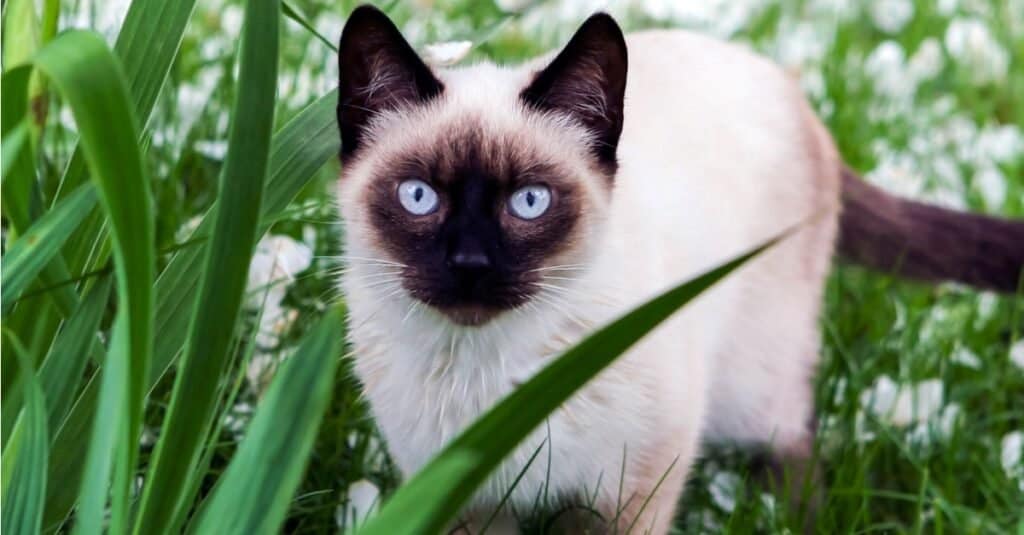
Maddest Angriest Cats - Siamese

Siamese cats are hypoallergenic.

Breed History

The first historical mention of the Siamese cat is in an ancient manuscript titled the Tamra Maew (The Cat-Book Poems), which originated in the Ayutthaya Kingdom, a kingdom in Siam that lasted from 1351-1767 AD. A poem described cats from Thailand as being rare like gold, and promises that any owner of one will become rich.

One early King of Siam valued these cats highly (so legend says), as he used them as guard cats in his temple. They were trained to perch on tall columns and pounce on anyone who might threaten the king. Western culture first noted the Siamese cat in the form of Peter Simon Pallas, a German explorer and naturalist, who described the Siamese cat in his writings.

In the late 1800s, the King of Siam gifted Owen Gould, the English consul general in Bangkok, with a pair of breeding Siamese cats — the first to enter Europe. He named them Pho and Mia, and they were exhibited by his sister at the Crystal Palace in 1885. Ironically, the first Siamese cats to come to the United States were also gifts from the King of Siam to a friend. While these cats remained mysterious and rare into the early 20th century, there was a boom in imports and registrations of these cats after World War II.
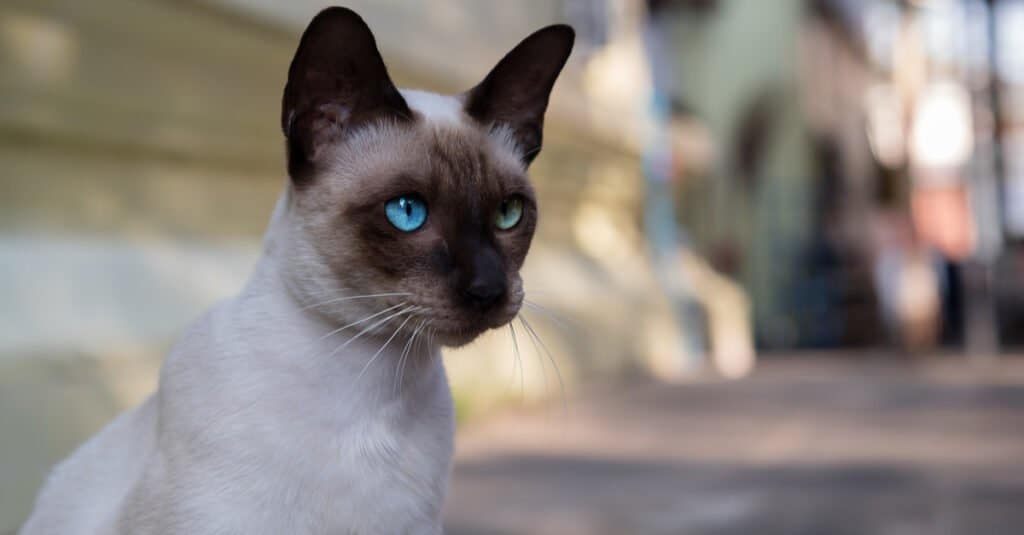
Siamese cat - old style

The first Siamese cats came to Europe as a gift from the King of Siam to the British Consul General in Bangkok.

Personality

Siamese cats have a reputation for being high-strung and aggressive, but this is not the case for any well-bred and well-loved Siamese cat. They make excellent companions and family pets.

In general, Siamese cats are:

  • Extremely intelligent
  • Affectionate
  • Playful
  • Incredibly vocal

They prefer to have plenty of affection and attention from their human family, and their intelligence and curiosity make every moment interesting. They learn quickly, and because they are an active breed, you can teach them to play games like fetch very easily. They also love to “chat” with their humans all day long, even if their humans don’t always talk back.
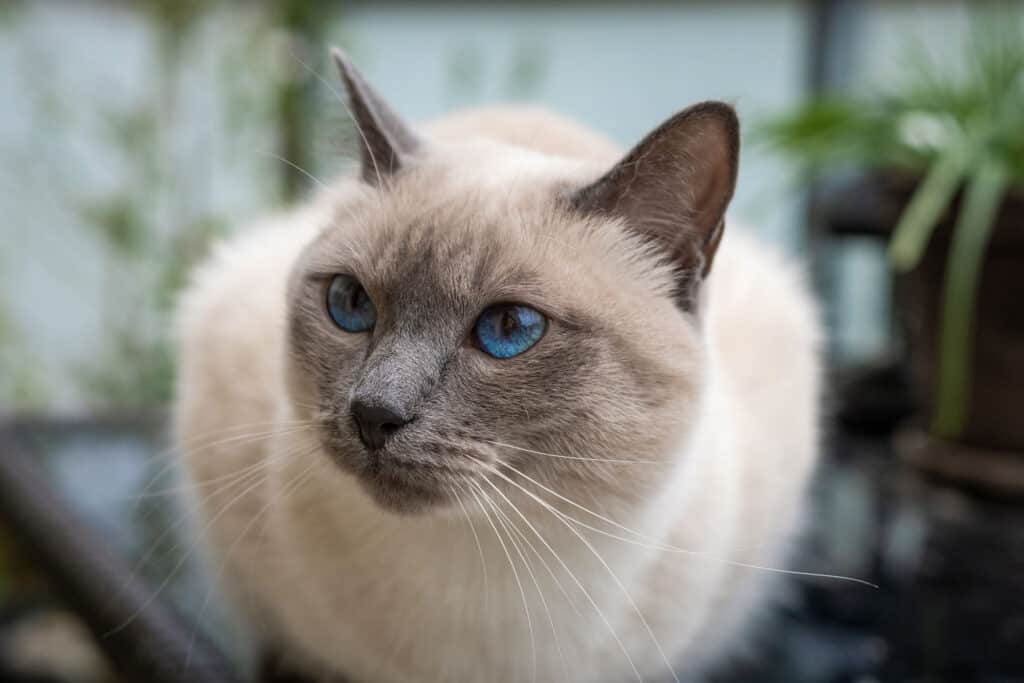
siamese blue point shorthaired cat

Siamese cats make excellent pets, being extremely intelligent, affectionate, playful, and highly vocal.

Size and Weight

Siamese is not a large breed. They may grow up to 14 inches in length and typically weigh less than 10 pounds. On the upper end of the size range, males can weigh up to 14 pounds.

A Siamese cat named Katy once made the news for being the world’s fattest cat. In 2003, she weighed 50 pounds, which is as much as a small child.
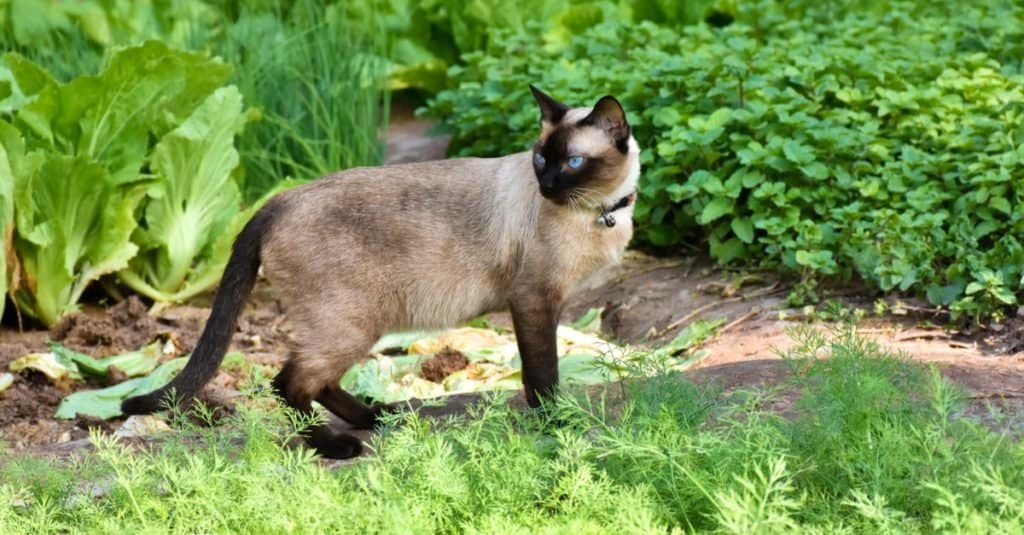
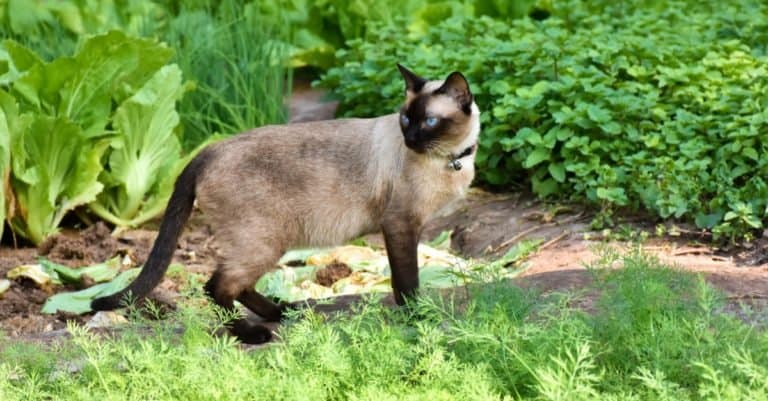
Portrait of blue-eyed Siamese cat hunting in a green garden.

Siamese cats can grow up to 14 inches in length and typically weigh less than 10 pounds.

Price

These cats are a highly sought-after breed, so purebred cats can come with a hefty price tag. However, when you purchase a Siamese cat from a reputable breeder, you’re also paying for a cat or kitten that has been given a thorough wellness check, plenty of socialization, and all of its necessary shots. Many breeders also give clients a wellness guarantee, and some include the cost of pet insurance in the adoption fees.

The price will depend on several factors, such as:

  • Pedigree
  • Coloring
  • Age
  • Demand
  • Geographic location

If you are hoping to buy a show-quality cat, you can expect to pay up to $3,000. However, if you’re simply buying a purebred companion, most Siamese cats and kittens will cost between $250 and $1,200. You may also be able to find a Siamese cat at a nearby rescue shelter for considerably less, but it might require more patience. You can also check to see if there is a Siamese-specific rescue shelter in your area.

Some of the rare colorations, such as lilac point and flame point, may cost up to $2,000 depending on the breeder and geographic location.

When you’re considering the cost of getting a Siamese cat, it’s important to take other factors into account as well. Siamese is a naturally lean and active breed, so they need to have a quality, high-protein diet. Owners should expect to spend at least $300 on high-quality wet and dry food per year.

While Siamese is a generally healthy breed, it’s important to schedule regular vet visits, especially when they are kittens. Pet insurance may help to lessen these costs, but it’s best to budget a few hundred dollars for routine and unplanned vet visits each year.
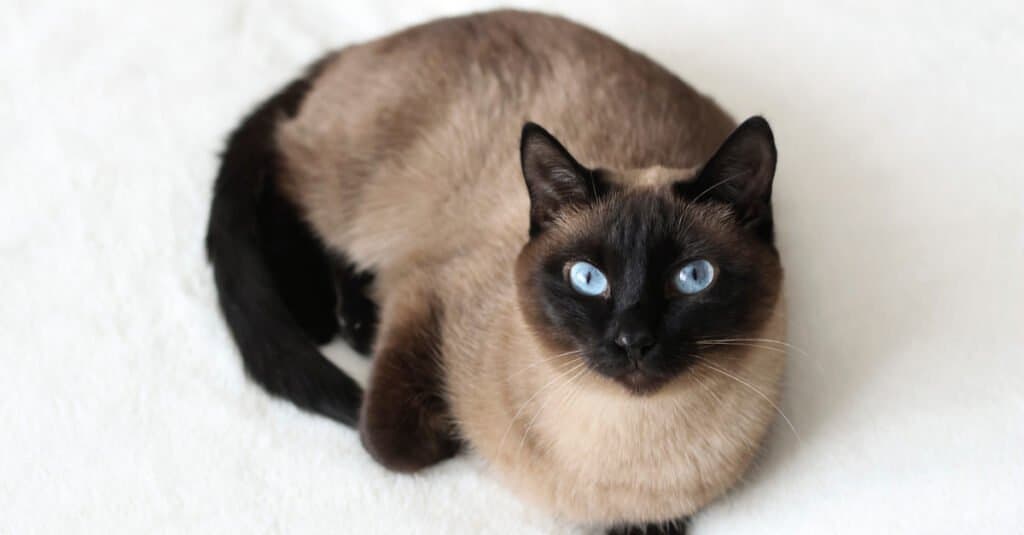
Siamese Cats - Classic Siamese Cat

A show-quality Siamese cat can cost upwards of 00, while a pet purebred can range from 0 to ,200.

Kittens

Kittens are even more playful and energetic than their adult counterparts. They do best with plenty of affection and socialization when they’re young. This is key to helping them develop into friendly, well-rounded adults.

One interesting fact about these kittens is that they are born with a purely white or cream coat. They have a special “temperature control” enzyme that allows them to develop the black, brown, blue, and gray point colors that they are known for on the cooler parts of their bodies.

Most cat breeds hit puberty around six months of age, but these kittens may reach sexual maturity as early as four months. If you’re adopting a Siamese as a companion, it’s important to have your furry friend spayed or neutered as soon as possible.

In general, the kittens are good with children, as long as the children understand how to interact with a cat. It’s important to monitor all interactions with young children so that they’re a positive experience for both the child and the cat. Because these cats bond so well with humans, raising a kitten alongside your child ensures that the two will be inseparable friends for life.
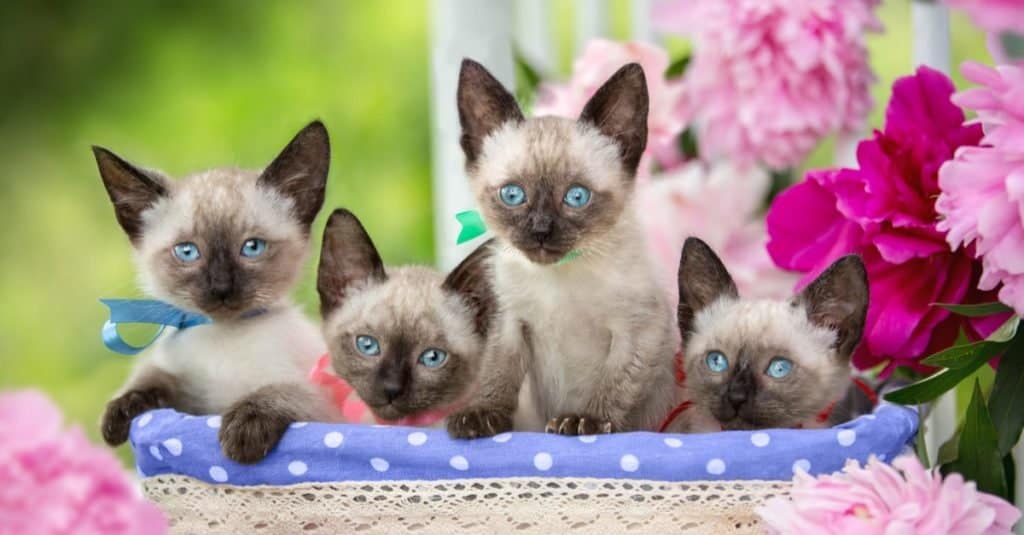
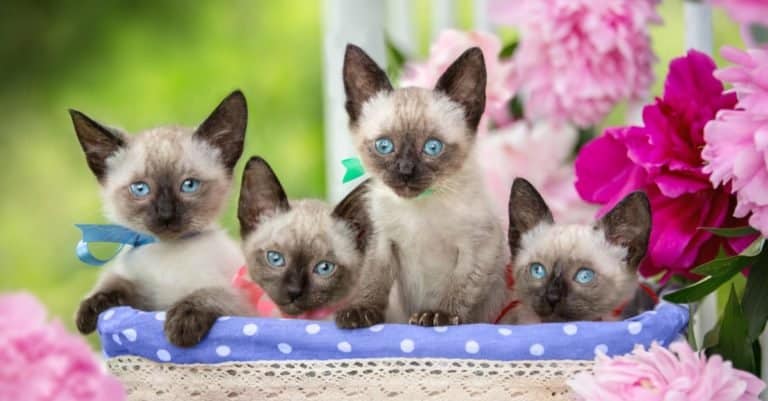
Four Siamese kittens are sitting in a basket on a background of flowers

Siamese kittens can reach sexual maturity as early as 4 months of age.

Lifespan

The average lifespan of a healthy Siamese cat ranges from 12 to 20 years. However, the oldest Siamese on record was a 30-year-old cat named Scooter who obtained the Guinness World Record for the world’s oldest living cat in 2016.

The most common ailments that can shorten these cats’ lifespan are hereditary conditions like congenital heart disease and asthma. In addition, because of their original genetic predisposition for crossed eyes, these cats typically have worse vision than most breeds and are susceptible to vision loss and blindness as they age.
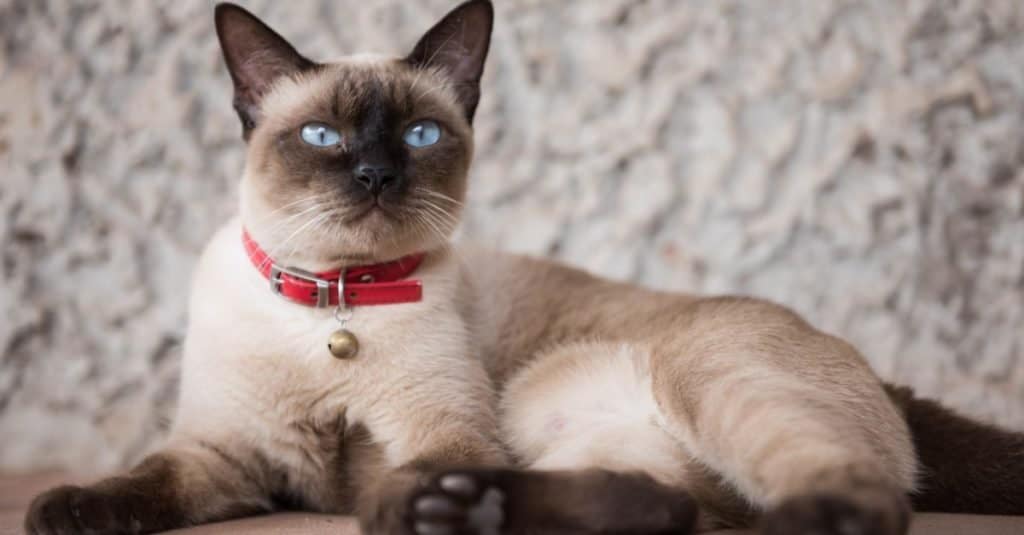
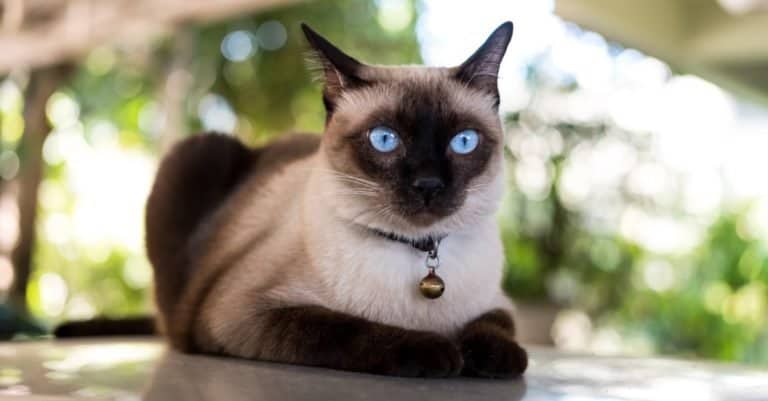
Siamese cat lying on a table.

The average lifespan of a Siamese cat is 15 to 20 years.

Breed vs. Mixed

Purebred Siamese cats have several notable traits, including the following:

  • Dark points in their coat
  • A sleek, muscular physique
  • Blue, almond-shaped eyes
  • Long, tapered, wedge-shaped head
  • A short, glossy coat that is white, cream, or fawn-colored

If your cat has Siamese traits but also tabby stripes, a fluffy coat, a round head, black fur patches, or eyes that aren’t blue, you likely have a Siamese mix. As long as you aren’t in the market for a show-quality Siamese, a Siamese mix is just as wonderful a companion as a purebred Siamese. They are also much easier to find at a rescue shelter.
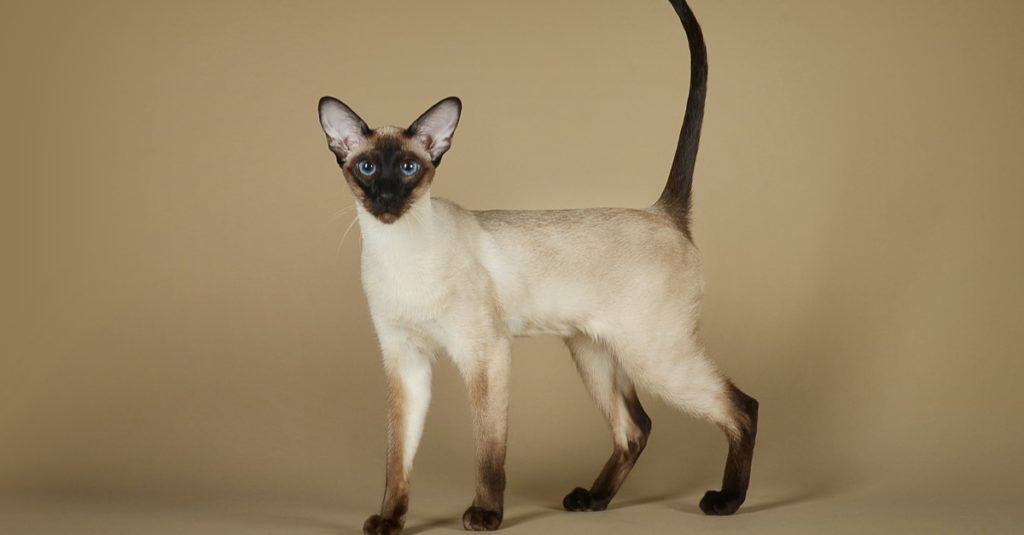
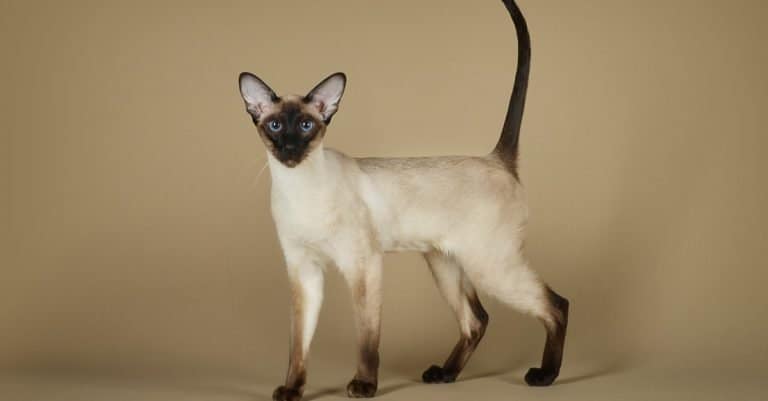
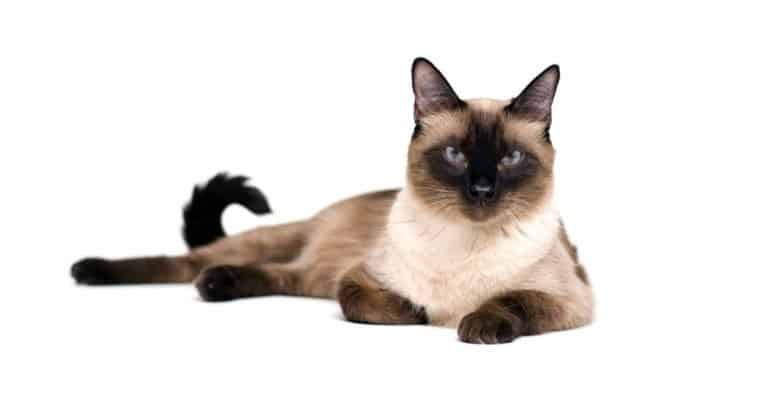
Oriental Siamese cat standing in the studio.

The Siamese cat is characterized by a sleek, muscular body, blue eyes, a short, glossy coat colored white, cream, or fawn, and dark points.

Types of Siamese Cats and Colors

According to the breed standard, there are only four recognized colors:

  • Chocolate point
  • Seal point
  • Lilac point
  • Blue point

However, there are many other coat types with names such as tortie point, flame point, cinnamon point, fawn point, and lynx point. All color types of these cats have white or cream bodies, but they often darken with age.

View all 390 animals that start with S

Sources

  1. FAQ Cats / Accessed April 23, 2021
  2. BBC / Accessed April 23, 2021
  3. The Cat Fancier's Association / Accessed April 23, 2021
  4. Petfinder / Accessed April 23, 2021
Abby Parks

About the Author

Abby Parks

Abby Parks has authored a fiction novel, theatrical plays, short stories, poems, and song lyrics. She's recorded two albums of her original songs, and is a multi-instrumentalist. She has managed a website for folk music and written articles on singer-songwriters, folk bands, and other things music-oriented. She's also a radio DJ for a folk music show. As well as having been a pet parent to rabbits, birds, dogs, and cats, Abby loves seeking sightings of animals in the wild and has witnessed some more exotic ones such as Puffins in the Farne Islands, Southern Pudu on the island of Chiloe (Chile), Penguins in the wild, and countless wild animals in the Rocky Mountains (Big Horn Sheep, Mountain Goats, Moose, Elk, Marmots, Beavers).
Connect:

Thank you for reading! Have some feedback for us?


Siamese FAQs (Frequently Asked Questions)

Siamese cats are an intelligent and extremely vocal breed. They have an energetic and lively personality, so it’s important that they get enough exercise and mental stimulation. They can also be more demanding than other breeds, so they sometimes get a reputation for being high-maintenance.