
S
Species Profile

Siberian Husky

Canis lupus familiaris

Built to run, born to belong.
Rabinger Photography/iStock via Getty Images

Siberian Husky Distribution

Click a location to explore more animals from that region

Origin Location

This map shows the native origin of the Siberian Husky. As a domesticated species, they are now found worldwide.

Loading map...

Found in 1 country

Size Comparison

Human 5'8"
Siberian Husky 1 ft 10 in

Siberian Husky stands at 32% of average human height.

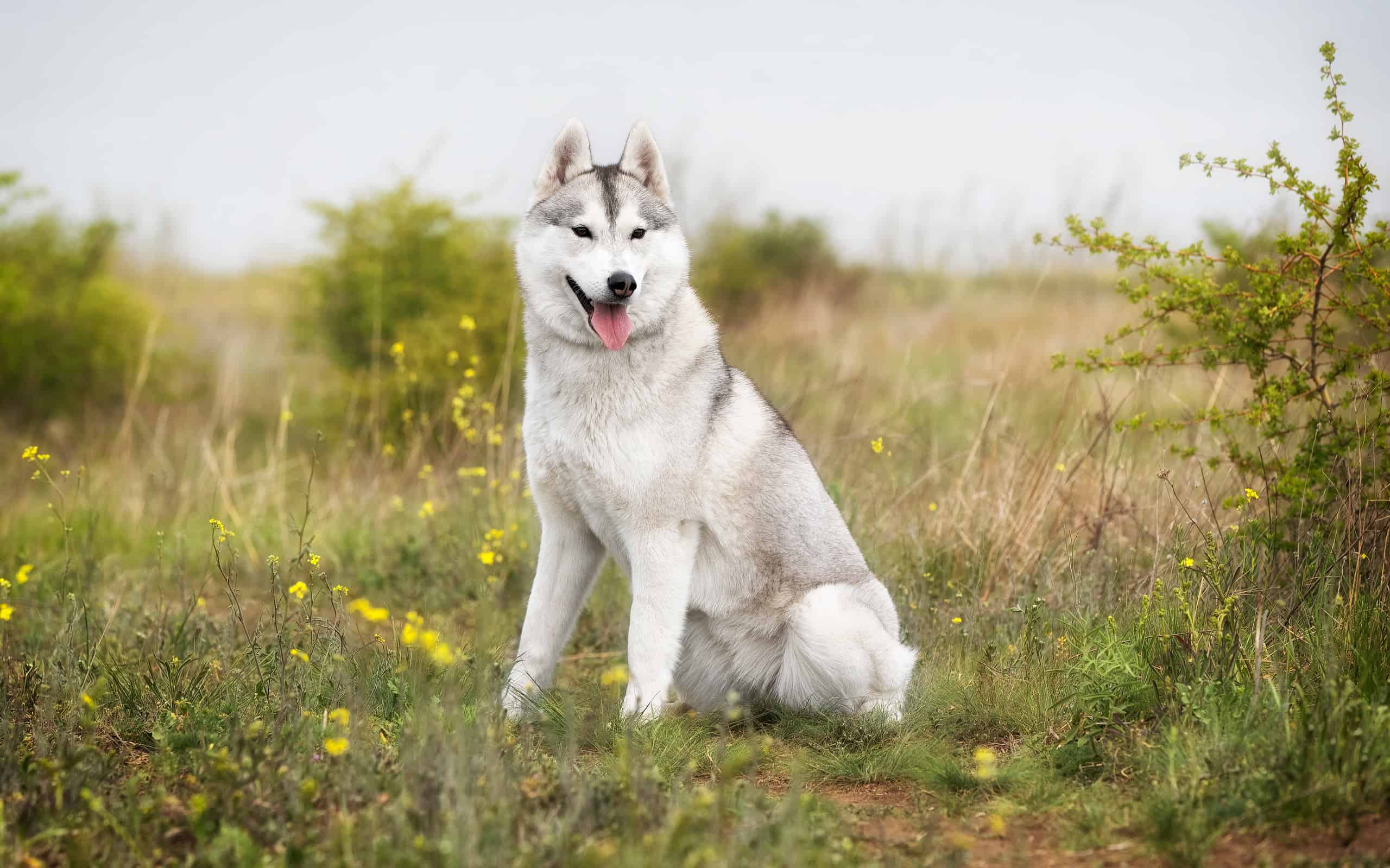
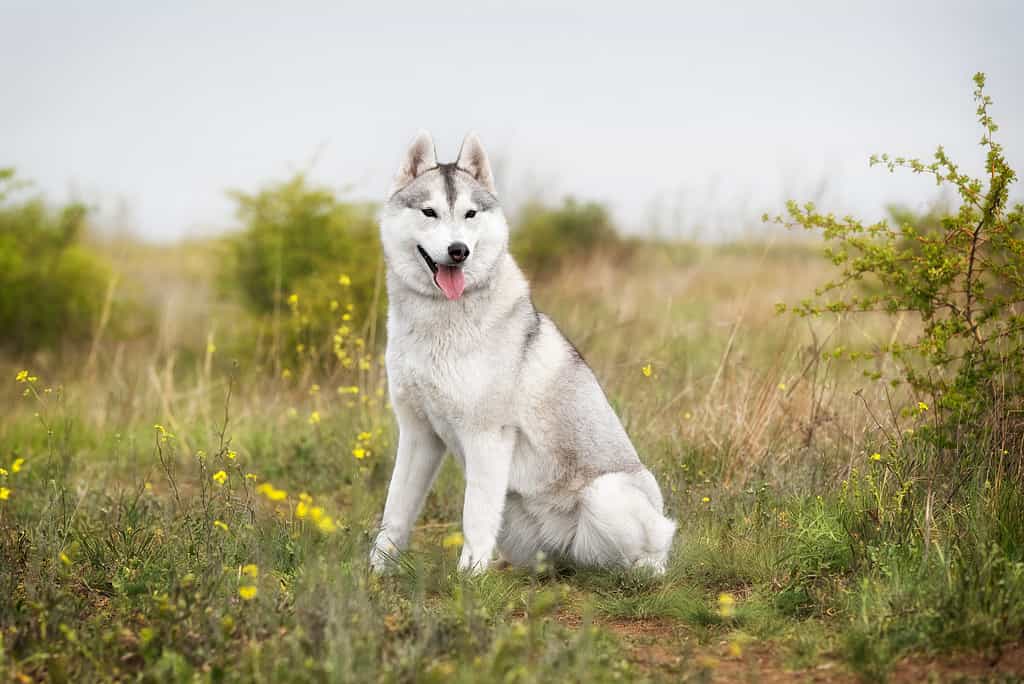
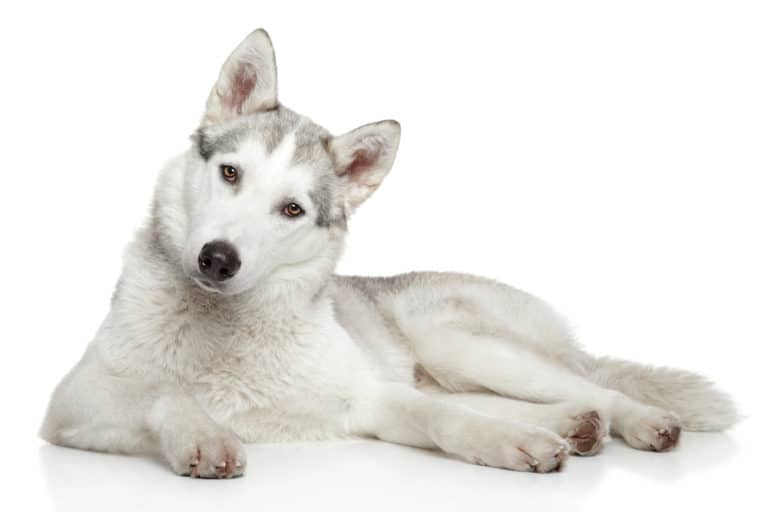
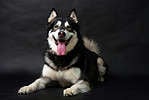
A portrait of a young grey and white Siberian husky female bitch with brown eyes.

At a Glance

Domesticated
Also Known As Husky, Siberian sled dog, sled dog, snow dog, working sled dog
Diet Omnivore
Activity Cathemeral+
Lifespan 13 years
Weight 27 lbs
Status Not Evaluated
Did You Know?

Bred by the Chukchi people of northeastern Siberia to pull sleds efficiently and live closely with families.

Scientific Classification

The Siberian Husky is a medium-sized spitz-type domestic dog breed developed by the Chukchi people of northeastern Siberia for endurance sled pulling and companionship. It is known for high stamina, efficient gait, strong pack-oriented behavior, and frequent blue or heterochromatic eyes.

Kingdom
Animalia
Phylum
Chordata
Class
Mammalia
Order
Carnivora
Family
Canidae
Genus
Canis
Species
Canis lupus

Distinguishing Features

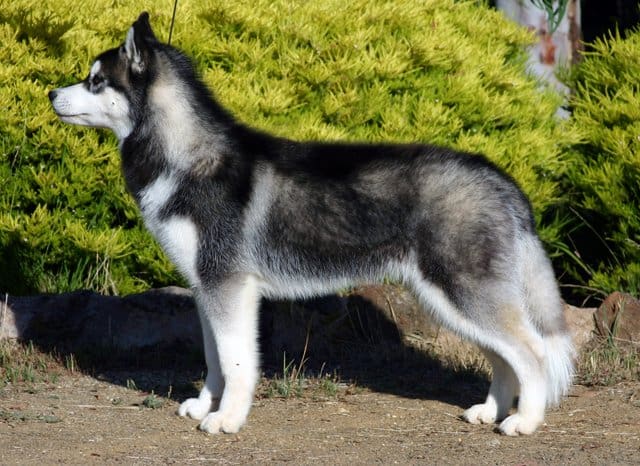
  • Medium build with dense double coat adapted to cold
  • Erect triangular ears; fox-like spitz head shape
  • Often striking eye colors (including blue and heterochromia)
  • Endurance-oriented body plan and efficient trotting gait
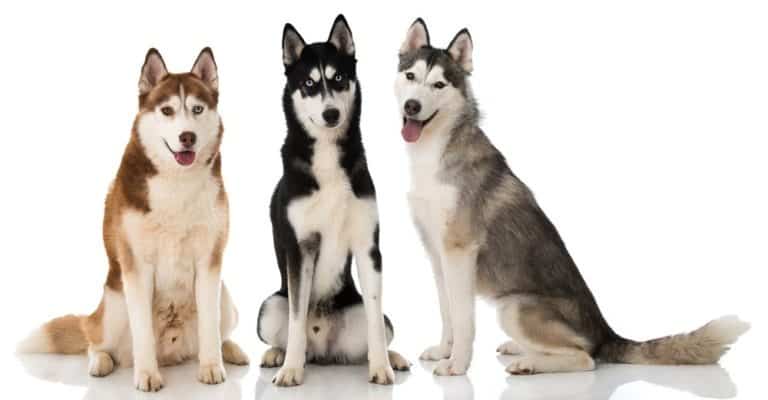
  • Common coat patterns include agouti, sable, black-and-white, red-and-white, and gray-and-white

Physical Measurements

Males and females differ in size

Height
♂ 1 ft 10 in (1 ft 9 in – 1 ft 12 in)
♀ 1 ft 9 in (1 ft 8 in – 1 ft 10 in)
Length
♂ 3 ft 9 in (3 ft 4 in – 4 ft 2 in)
Weight
♂ 53 lbs (45 lbs – 62 lbs)
♀ 43 lbs (35 lbs – 51 lbs)
Tail Length
♂ 1 ft 3 in (1 ft 1 in – 1 ft 5 in)
♀ 1 ft 3 in (12 in – 1 ft 6 in)
Top Speed
31 mph
running

Appearance

Primary Colors
Secondary Colors
Skin Type Furred, double-coated; dense undercoat with medium guard hairs; seasonal heavy shedding ("blowing coat").
Distinctive Features
  • Medium-sized spitz-type domestic dog; more gracile and shorter-faced than the gray wolf base species.
  • Developed by the Chukchi people for endurance sled pulling and close companionship in Siberia.
  • Efficient, ground-covering trot and light, economical gait suited to distance travel.
  • Thick double coat for cold adaptation; requires frequent brushing during seasonal coat blow.
  • Erect triangular ears; wedge-shaped head with high-contrast facial mask markings.
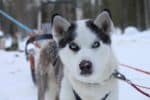
  • Almond-shaped eyes commonly brown or blue; heterochromia (two different eye colors) is frequent.
  • Well-furred sickle tail carried over the back when alert or in cold conditions.
  • Compact, athletic frame optimized for stamina rather than heavy freight hauling.
  • Fur between toes and tough pads improve insulation and traction on snow and ice.
  • Highly social, pack-oriented behavior; needs substantial daily exercise and mental engagement.
  • Heat-sensitive in warm climates; requires shade, hydration, and careful activity timing.
  • Inherited eye concerns (juvenile cataracts, progressive retinal atrophy); routine ophthalmic screening recommended.
  • Orthopedic risk including hip dysplasia; maintain lean condition and appropriate conditioning.
  • Some lines show zinc-responsive dermatosis; monitor skin/coat quality and diet with veterinary guidance.
  • Escape-prone and curious; secure fencing and leash management are common care needs.

Sexual Dimorphism

Males are typically taller, heavier, and more powerfully muscled through neck and shoulders; females are slightly finer-boned with a narrower head and lighter frame. Both sexes share erect ears, almond eyes, and a dense double coat.

♂
  • Broader head and muzzle with heavier neck musculature
  • Deeper chest and more pronounced shoulder mass
  • Often thicker ruff and overall heavier bone
♀
  • Slightly finer bone and narrower chest
  • More refined head and neck appearance
  • Typically lighter overall body mass at similar height

Did You Know?

Bred by the Chukchi people of northeastern Siberia to pull sleds efficiently and live closely with families.

Their "endurance trot" is famously economical-built for steady miles rather than sprint speed.

Blue eyes and heterochromia (two different eye colors) are common and normal in the breed.

Huskies often "talk" (howls, yodels, and chuffs) more than they bark-reflecting their social canid roots.

A Husky's double coat insulates in extreme cold and sheds heavily ("blows coat") seasonally.

The breed helped shape modern sled-dog racing after Siberian teams were imported to Alaska in the early 1900s.

The 1925 serum run to Nome made Husky-type sled dogs internationally famous; Balto and Togo became enduring icons.

Unique Adaptations

  • Cold-climate double coat: dense undercoat plus longer guard hairs conserve heat and help shed snow; requires routine grooming and seasonal de-shedding.
  • Efficient gait and endurance physiology: lean build, moderate angulation, and a smooth trot support long-distance travel with low energy cost.
  • Fur-covered feet and tight, compact paws: improve insulation and traction on snow; nails and pads still need regular care.
  • Tail "tail muff" curl: many rest with the tail over the muzzle to warm inhaled air in cold conditions (common in spitz breeds).
  • High social tolerance: selection for cooperative sled teams reduced dog-directed aggression compared with many other working types.

Interesting Behaviors

  • Pack-oriented friendliness: many Siberian Huskies are sociable with people and other dogs, reflecting selection for team work and close human companionship.
  • Vocal communication: howling and "woo-woo" sounds are common; they may respond to sirens or household chatter like a social chorus.
  • High roaming/escape drive: strong curiosity and distance-running instincts can lead to digging, climbing, or bolting if unsecured.
  • Predatory chase: despite being friendly, many retain strong chase behavior toward small animals (a canid trait) and may require careful management.
  • Work-first enthusiasm: they may pull on leash naturally, a carryover from harness work; training often focuses on controlled pulling vs. polite walking.
  • Cold-weather playfulness: many become noticeably more energetic in cooler temperatures when their coat and physiology are in their element.
  • Selective attention: intelligent but independent-often described as "willful," benefiting from short, engaging training sessions and clear rewards.

Cultural Significance

The Siberian Husky was bred by the Chukchi for winter travel, hauling, and company in the Arctic. After the 1925 diphtheria antitoxin relay to Nome it became a symbol of endurance, public service, sled-dog sports, and Arctic imagery.

Myths & Legends

Chukchi stories and northern tales show sled dogs as vital winter partners. Their loyalty and strength made travel and survival possible, and top dogs are remembered like family ancestors.

The 1925 "Great Race of Mercy" to Nome became modern legend: teams raced lifesaving serum across Alaska in brutal conditions, elevating lead dogs into folk-hero status.

Balto's story-celebrated in statues and popular tales-casts the lead dog as a steadfast guardian who carried hope into Nome; it persists as an American urban legend of courage and duty.

Togo's long, grueling lead run-preserved in mushers' accounts-endures as a sled-dog epic about endurance and leadership, often told alongside Balto's as a two-hero saga.

Early Alaskan race lore about imported "Siberian" teams describes them as seemingly tireless, smaller, faster travelers that surprised locals-stories that helped build the breed's mystique in North America.

Conservation Status

NE Not Evaluated

Has not yet been evaluated against the criteria.

Population Stable

Life Cycle

Birth 5 pups
Lifespan 13 years

Lifespan

In the Wild
12–14 years
In Captivity
12–14 years

Reproduction

Mating System Polygyny
Social Structure Managed Domestic
Breeding Pattern Serial
Fertilization Internal Fertilization
Birth Type Managed_selective

In Siberian Huskies, mating is typically human-managed: selected studs may sire multiple females, with brief pairings during the female's estrus. Reproduction occurs via internal fertilization, with no stable pair bond; parental care is mainly provided by the dam.

Behavior & Ecology

Social Pack Group: 8
Activity Cathemeral, Diurnal, Crepuscular
Diet Omnivore High-value animal protein and fat (e.g., salmon or other oily fish; meat/organs).

Temperament

Pack-oriented and people-friendly; typically less territorial than many other domestic dog breeds.
Endurance-driven worker: high stamina, efficient gait, and strong motivation to run/pull.
Independent, problem-solving mindset; can appear stubborn without clear structure and rewards.
High play drive and social energy; rough-and-tumble play common, especially with other dogs.
Prey drive often elevated; may chase small animals despite good socialization.
Low watchdog tendency: may greet strangers; guarding is usually unreliable.
Care requirement: needs daily vigorous exercise plus mental work (pulling sports, scent games, training).
Care requirement: escape-prone; requires secure fencing, leash reliability, and boredom prevention.
Care requirement: heavy seasonal shedding ("blow coat"); frequent brushing, heat management, and hydration.
Health concern: inherited eye issues (cataracts, progressive retinal atrophy) warrant screening.
Health concern: hip dysplasia risk; maintain lean body condition and appropriate exercise.
Health concern: hypothyroidism may affect energy, coat, and weight; monitor with veterinary testing.
Health concern: zinc-responsive dermatosis can occur; diet and veterinary guidance may be needed.

Communication

Howling and "talking"/warbling more common than sustained barking.
Yips, whines, and short barks used during excitement, play, or frustration.
Grumbles/soft growls during play or handling; context-sensitive, not always aggression.
Expressive facial cues and eye contact; distinctive looks can signal engagement or solicitation.
Ears and tail carriage indicate arousal and intent; quick shifts during play are common.
Play bows, body slams, and chase invitations are frequent social signals in dog groups.
Scent marking and investigative sniffing structure social information, especially outdoors.
Leaning, pawing, and bringing objects to initiate interaction with humans.
Pulling into harness/forward orientation communicates readiness to work and high arousal.

Habitat

Biomes:
Tundra Boreal Forest (Taiga) Alpine Temperate Forest Temperate Grassland Desert Cold Mediterranean Savanna Tropical Dry Forest Freshwater +4
Terrain:
Plains Coastal Riverine
Elevation: Up to 13123 ft 4 in

Ecological Role

Human-associated domestic canid functioning as a working/companion omnivore; when free-roaming can act as an opportunistic mesopredator impacting local wildlife.

Sled pulling/transport and expedition support in cold climates Companionship and social/working roles in human communities Search-and-rescue and recreation/athletic partnership Potential scavenging of human food waste (managed settings) Cultural significance tied to northern and sled-dog traditions

Diet Details

Main Prey:
Small mammals Birds Fish Domestic animal proteins
Other Foods:
Berries and other fruits Grasses Roots and tubers Vegetables and leafy greens Grains and starches

Human Interaction

Domestication Status

Domesticated

Canis lupus familiaris (domestic dog) comes from gray wolves. The Siberian Husky, bred by the Chukchi in Siberia, is an endurance sled dog. It has high stamina, pack drive, lower handler focus, strong roaming urge, blue or odd eyes, and a dense double coat. People use them for sled work, sports, tours, and homes; many need rehoming and vet care.

Danger Level

Moderate
  • Bite risk exists like any dog; can increase with poor socialization, pain/illness, resource guarding, or rough handling of an aroused/excited dog.
  • High prey drive may lead to chasing/nipping behaviors; elevated risk around small animals and sometimes running children if poorly managed.
  • Escape/roaming can cause traffic incidents and human conflict (property disputes, animal control encounters).
  • Strong pulling ability can injure handlers via falls or leash/harness accidents if not trained and managed.

As a Pet

Suitable as Pet

Legality: Siberian Husky (Canis lupus familiaris) is usually legal as a pet in most U.S. places. Local dangerous-dog rules, homeowner insurance, leash/containment, or rental/HOA rules can limit ownership. Wolf-dog laws don't apply to purebreds; wrong labeling may cause disputes.

Care Level: Experienced

Purchase Cost: $500 - $2,500
Lifetime Cost: $18,000 - $45,000

Economic Value

Uses:
Companion animal Working/utility (sled pulling) Sport and competition (mushing, skijoring, canicross, conformation) Tourism and recreation (sled-dog tours) Breeding and stud services Pet services (training, grooming, boarding)
Products:
  • sled-dog labor and transport in recreation/heritage contexts
  • sled tour experiences and racing events
  • specialized equipment (harnesses, lines, sleds, dog boots, cold-weather gear)
  • training services for recall/impulse control/loose-leash walking
  • grooming and de-shedding services; high-volume coat-care products
  • veterinary services for eye screening and orthopedic care

Relationships

Siberian Huskies are the 12th most popular dog breed in the United States.

The Siberian Husky breed originated in northeast Asia. These dogs were kept by the Chukchi people as both family pets and working sled dogs. At the turn of the 20th century, this breed gained notoriety for winning sledding races, but their real rise to fame began in 1925 when Gunnar Kaasen rushed medication to Nome, Alaska. His sled dog team raced 658 miles across the frozen tundra in five days to deliver the serum that would bring an end to the diphtheria epidemic. His lead sled dog, Balto, is still regarded as one of history’s greatest canine heroes and even has a commemorative statue in Central Park in New York City.

Size and Weight

Siberian Huskies are considered medium-sized dogs. They stand between 20 and 24 inches high and can weigh anywhere from 35 to 60 pounds, with males being slightly larger than females.
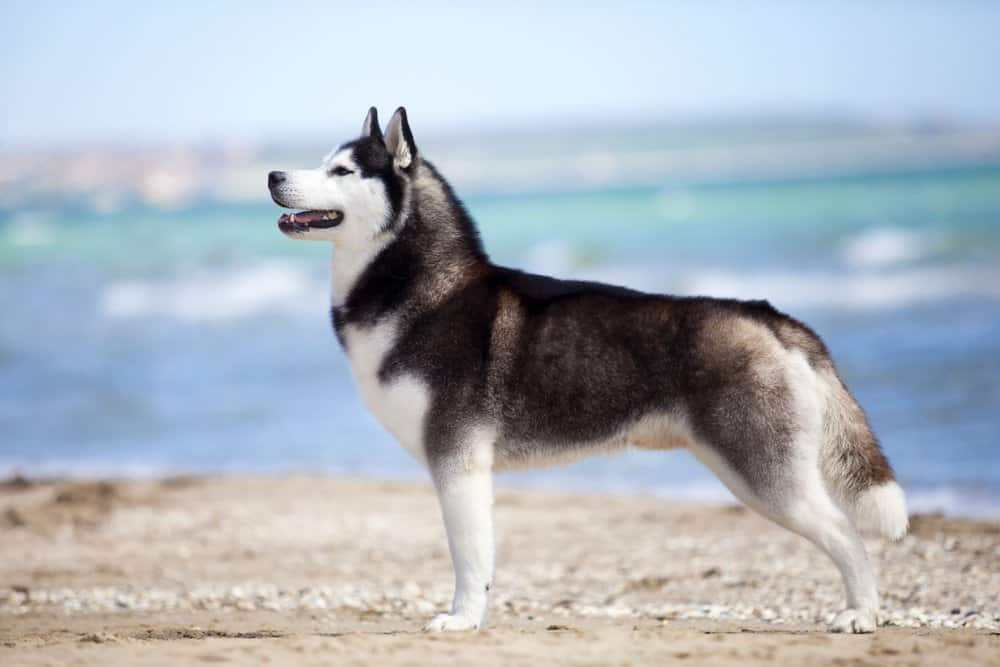
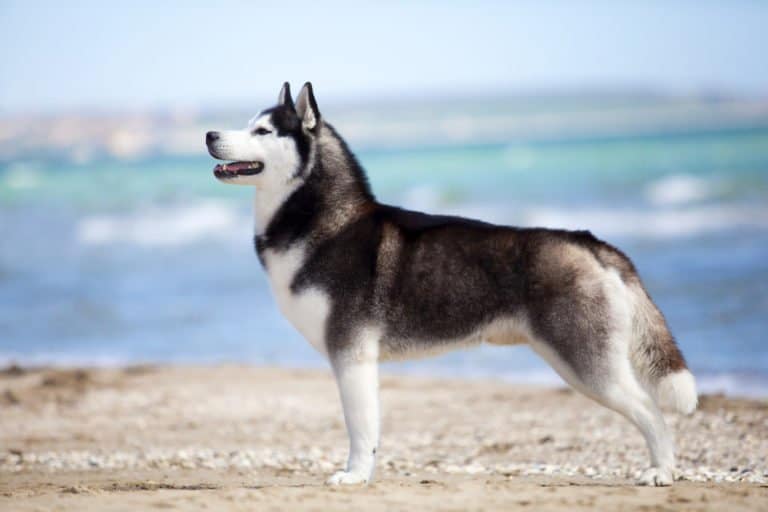
Siberian Husky at the beach

Health and Temperament

The Siberian Husky is a healthy breed, but one a common problem they face is juvenile cataracts. An annual visit for a check-up with a canine ophthalmologist should be scheduled every year.

Siberian Huskies are highly intelligent and love the companionship of both humans and other dogs. This breed is outgoing, friendly, and trusting. Therefore, they will not make a good guard dog; they will accept any stranger as a new friend, which makes them incredibly ill-suited to protect the home. These dogs are not aggressive towards other dogs, which makes them an excellent fit for a multi-dog household. They do, however, have a high prey drive, so they should not share a home with cats or other small animals.

Due to their friendly, non-aggressive nature and energetic spirit, huskies make great pets for children. As with any breed, owners should teach both child and dog how to interact safely with each other and remember not to leave them unsupervised to prevent accidental injuries.

Caring for a Siberian Husky

Training

These dogs are notoriously difficult to train, so obedience classes should be strongly considered. These dogs are working dogs and are happiest when they have a job to do, so harness training could be a fun activity for both dog and owner to enjoy together. It’s also important to note that no matter how well you think you’ve trained your husky, they should never be allowed off-leash in an unsecured area. Even a well-trained husky should never be allowed off-lead unless they are in a secured area. They are also known for digging. Burying concrete along the fence line can prevent a curious dog from digging out.
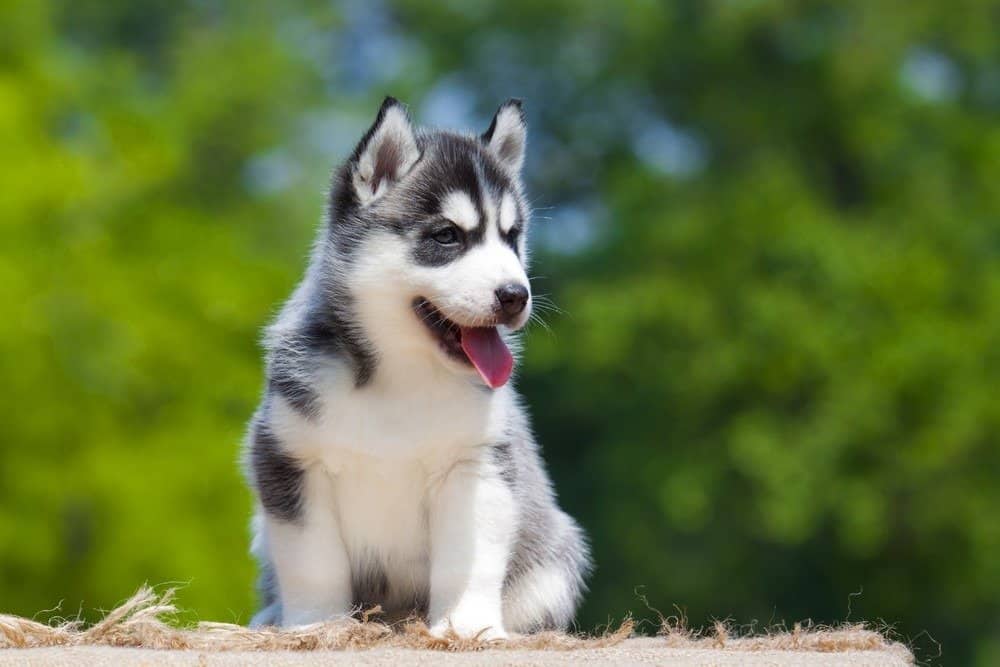
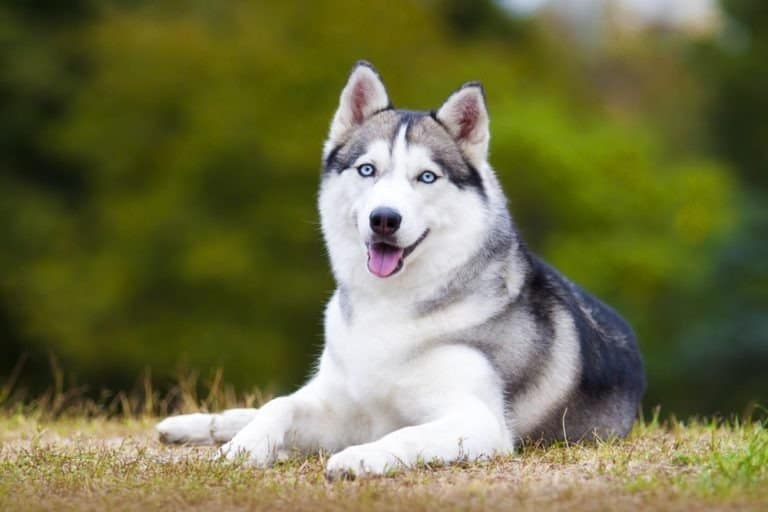
Siberian Husky puppy outdoors

Siberian Husky puppies are energetic and require plenty of activity and training to ensure they grow into well-behaved dogs.

Diet

Siberian Huskies benefit greatly from high-quality food. Their nutritional needs vary based on their activity levels. For example, if your dog is a family pet that only gets breed-required activity, he will only need a protein level of about 20 percent, but a working husky will need its protein level to be around 32 percent. Look for dog food with taurine and vitamin A for eye health.

Exercise

This breed is known for its high energy levels. Veterinarians recommend a minimum of two hours of exercise each day. Huskies enjoy hiking, agility training, or daily walks. Failure to provide adequate exercise can lead to destructive behavior.
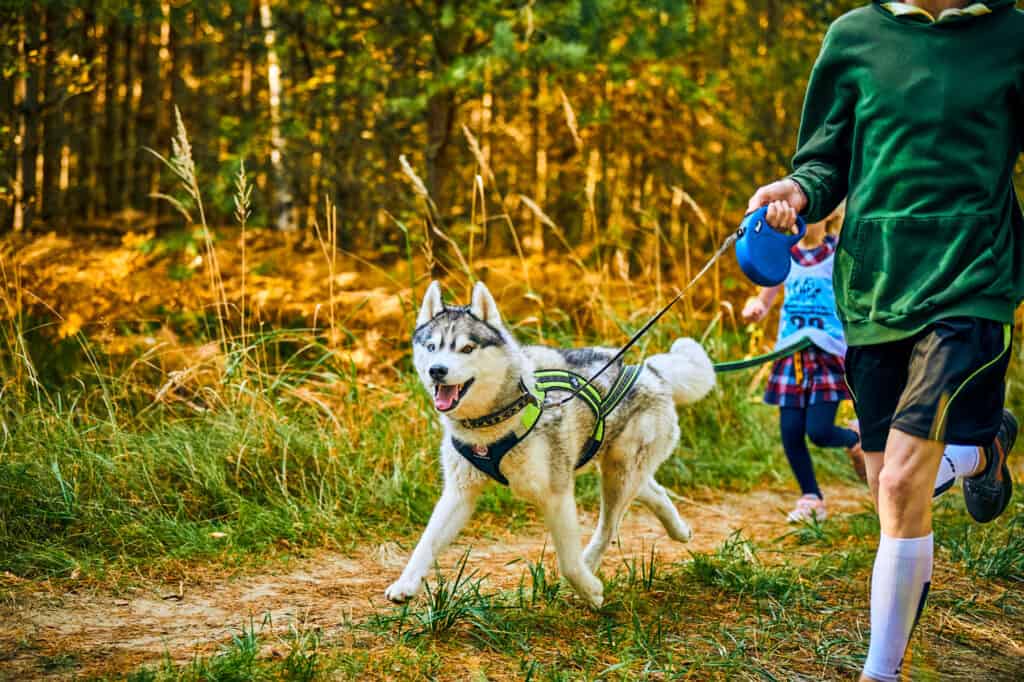
A husky-like dog jogging on a natural dirt/grass trail. A man dressed in white knee socks, black shorts, and a grey long sleeved shirt is frame right holding a retractable leash with a blue casing/handle. A child dressed in a multi-colored plaid dress and a light blue sleeveless tank top with black design is running behind them Golden grasses and trees with green leaves complete the scene.

Siberian Huskies need plenty of exercise!

Grooming

Siberian Huskies are relatively clean dogs without much odor. While they don’t require frequent baths, they should be brushed weekly to keep their coat looking healthy. They also lose their thick undercoats twice a year in a process called blowing, during which time they need to be brushed every day to prevent matting and a build-up of hair around the house.

Siberian Huskies as Sled Dogs

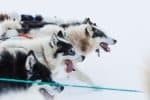
Siberian Huskies have a lot of physical and temperamental traits that make them exceptional sled dogs. On the physical side, they have heavy, double-layered coats that keep them warm and dry in a snowy environment. They also have incredible endurance, which allows them to run great distances without tiring.
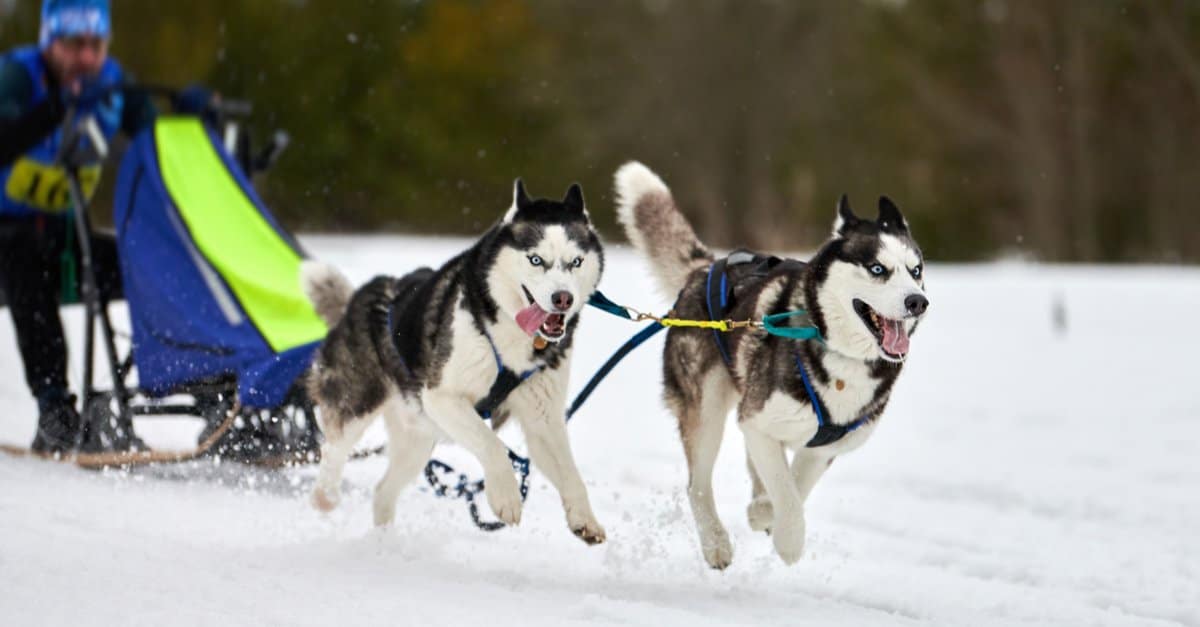
The temperamental trait that makes them great sled dogs is their innate ability to work as a pack. When the musher establishes themselves as leader of the pack, Siberian Huskies become eager to please their leader and work as a team to get the job done. These friendly dogs enjoy working closely with humans and other canines, and they rarely have any issues with aggression toward their packmates.

View all 390 animals that start with S

Sources

  1. David Burnie, Dorling Kindersley (2011) Animal, The Definitive Visual Guide To The World's Wildlife / Accessed November 11, 2008
  2. Tom Jackson, Lorenz Books (2007) The World Encyclopedia Of Animals / Accessed November 11, 2008
  3. David Burnie, Kingfisher (2011) The Kingfisher Animal Encyclopedia / Accessed November 11, 2008
  4. David Burnie, Dorling Kindersley (2008) Illustrated Encyclopedia Of Animals / Accessed November 11, 2008
  5. Dorling Kindersley (2006) Dorling Kindersley Encyclopedia Of Animals / Accessed November 11, 2008
  6. American Kennel Club / Accessed October 25, 2020
  7. Siberian Husky Rescue of Florida, Inc. / Accessed October 25, 2020
  8. AKC / Accessed February 7, 2023
  9. Spirit Dog Training / Accessed February 7, 2023
Heather Ross

About the Author

Heather Ross

Heather Ross is a secondary English teacher and mother of 2 humans, 2 tuxedo cats, and a golden doodle. In between taking the kids to soccer practice and grading papers, she enjoys reading and writing about all the animals!

Thank you for reading! Have some feedback for us?


Siberian Husky FAQs (Frequently Asked Questions)

Although Siberian Huskies may look dangerous, in reality, they are quite friendly. Huskies make horrible guard dogs because they would sooner befriend a stranger than attack them. This breed loves nothing more than meeting a new playmate. Proper training and socialization from a young age, paired with adequate exercise to prevent frustration, will keep your husky from developing aggression.