








S
Species Profile

Snake

Serpentes

Built to glide, strike, and swallow
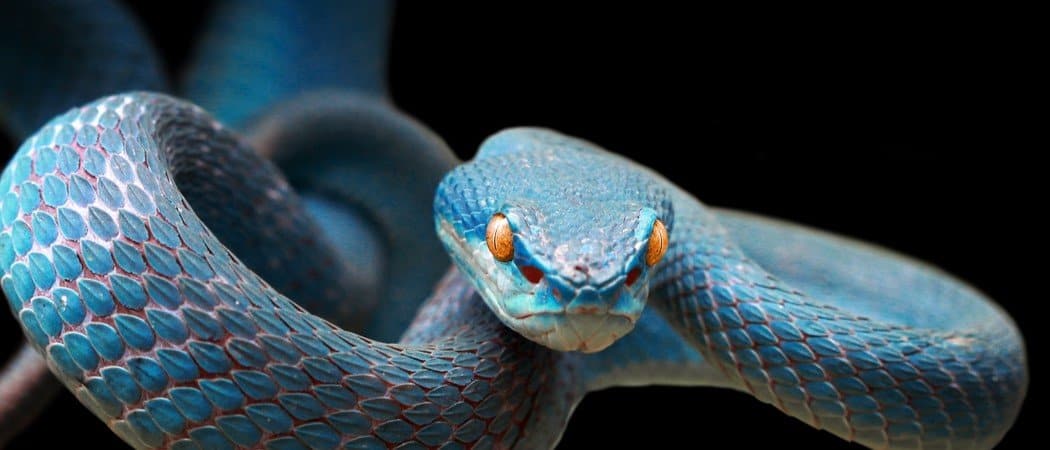
Kurit afshen/Shutterstock.com
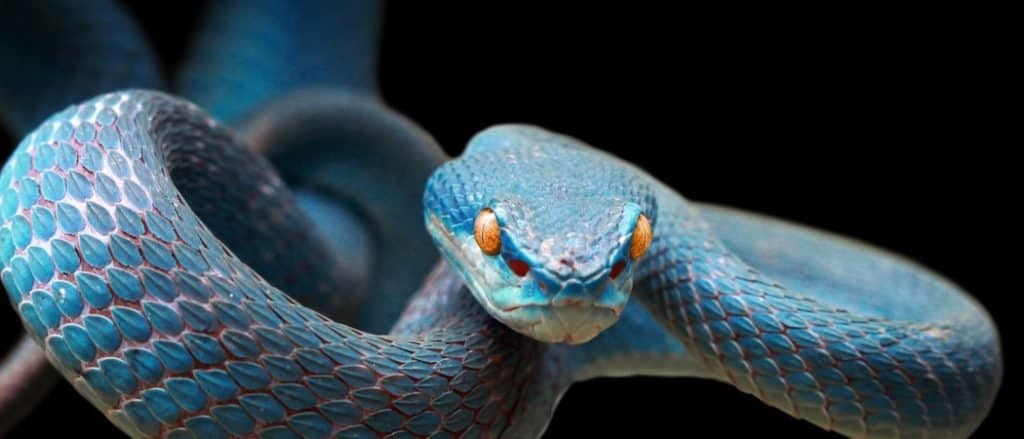
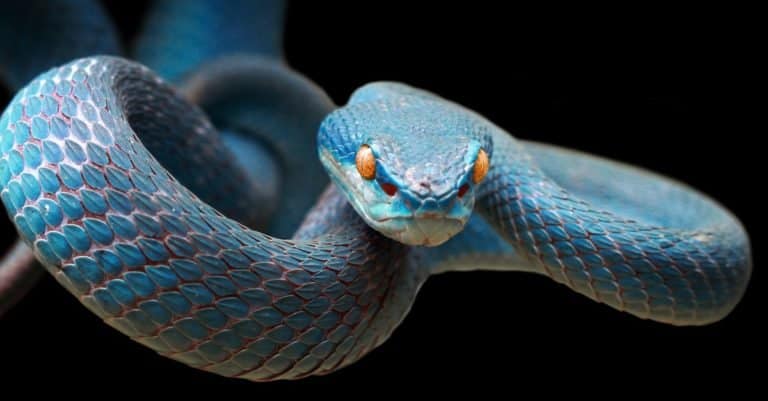
Blue viper snake on branch ready to attack prey

At a Glance

Order Overview This page covers the Snake order as a group. Stats below are general traits shared across the order.
Also Known As Snake, Serpent, Serpents, Ophidian, Slitherer, Snek
Diet Carnivore
Activity Diurnal+
Lifespan 10 years
Weight 250 lbs
Status Not Evaluated
Did You Know?

Smallest snakes (threadsnakes) can be ~10 cm long, while the longest (reticulated pythons) can exceed ~6 m.

Scientific Classification

Order Overview "Snake" is not a single species but represents an entire order containing multiple species.

Snakes are a diverse lineage of elongate, legless reptiles (Serpentes) with highly kinetic skulls that enable swallowing large prey. They include both venomous and nonvenomous species and occupy habitats worldwide (except Antarctica).

Kingdom
Animalia
Phylum
Chordata
Class
Reptilia
Order
Serpentes

Distinguishing Features

  • Legless, elongate body with specialized vertebrae and ribs
  • Highly flexible (kinetic) skull and jaws enabling wide-gape feeding
  • Periodic shedding (ecdysis) of the skin
  • Forked tongue and vomeronasal (Jacobson’s) organ for chemical sensing
  • Venom system present in several lineages (e.g., vipers, elapids), absent in many others

Physical Measurements

Males and females differ in size

Length
3 ft 3 in (4 in – 22 ft 12 in)
Weight
1 lbs (0 lbs – 220 lbs)
2 lbs (0 lbs – 551 lbs)
Tail Length
65 ft 7 in (1 ft 8 in – 656 ft 2 in)
8 in (1 in – 4 ft 7 in)
Top Speed
12 mph
slithering
Venomous

Appearance

Primary Colors
Secondary Colors
Skin Type Keratinized, overlapping scales range from smooth and glossy to strongly keeled; ventral scutes are enlarged for traction. All snakes shed skin regularly (ecdysis). Head scales may be large plates or small granules.
Distinctive Features
  • Measurements (order-wide range): ~0.10-0.12 m smallest adults to ~7-8 m longest; mass from ~0.0006 kg in the tiniest species to ~100 kg (occasionally reported higher) in the largest constrictors.
  • Lifespan (order-wide range): commonly ~4-15 years in many small species; ~15-30+ years in larger snakes; exceptional individuals may exceed ~40-50 years in captivity.
  • Elongate, limbless body; some boas/pythons retain tiny pelvic spurs as external vestiges.
  • Fused, transparent eye scale (spectacle) instead of movable eyelids; external ear openings absent.
  • Highly kinetic skull with flexible jaw joints enabling ingestion of large prey relative to head size.
  • Forked tongue and vomeronasal (Jacobson's) organ used for chemical tracking; head and neck often show prey-capture specializations.
  • Dentition varies widely: rear-fanged, fixed-front-fanged, and hinged-front-fanged systems occur; many species are nonvenomous.
  • Locomotion varies (lateral undulation, concertina, rectilinear, sidewinding) reflecting habitat diversity.
  • Behavior/ecology (generalized): primarily predators of vertebrates/invertebrates; habitat use spans fossorial, arboreal, terrestrial, and aquatic niches; activity can be diurnal, nocturnal, or crepuscular depending on species and climate.
  • Reproduction varies: both egg-laying (oviparity) and live-bearing (viviparity/ovoviviparity) occur across lineages; parental care is limited but present in some (e.g., guarding/clutch brooding).
  • Ectothermic physiology with wide geographic distribution (except Antarctica); coloration can contribute to thermoregulation and camouflage.

Sexual Dimorphism

Sexual dimorphism is variable but common: females are often larger-bodied, while males typically have proportionally longer tails due to hemipenes. Some lineages show male pelvic spurs or seasonal differences in color/contrast, but many species are subtly dimorphic.

  • Proportionally longer tail beyond the vent; basal tail may appear thicker from hemipenes.
  • In boas/pythons, pelvic spurs may be more prominent/used in courtship.
  • In some species, males show slightly brighter or higher-contrast patterning during breeding season.
  • Often larger overall body size and girth, especially in many vipers, boas, and pythons.
  • Shorter tail proportionally; body may appear more robust when gravid.
  • In some taxa, coloration/pattern may be duller, but many species show minimal differences.

Did You Know?

Smallest snakes (threadsnakes) can be ~10 cm long, while the longest (reticulated pythons) can exceed ~6 m.

Snakes don't "unhinge" their jaws-multiple mobile skull joints (cranial kinesis) let them walk the mouth over large prey.

Venom evolved multiple times across snake lineages; many species are nonvenomous, and some are mildly venomous (rear-fanged).

Some boas and pythons sense infrared heat with specialized pit organs, helping them target warm-blooded prey in darkness.

Many snakes can go weeks to months between meals because of low resting metabolism and highly efficient digestion.

Not all snakes lay eggs: many give live birth (common in several vipers and some boas), especially in cooler climates.

Most snakes have only one fully functional lung, freeing body space for elongated organs and swallowing large prey.

Unique Adaptations

  • Extreme body elongation with hundreds of vertebrae and ribs enables multiple locomotion modes (lateral undulation, concertina, sidewinding, rectilinear "caterpillar" motion).
  • Highly kinetic skull with independent left/right jaw elements and rearward-pointing teeth helps transport prey into the throat.
  • Chemosensory "tongue-flick + Jacobson's organ" system allows fine-scale tracking of prey, predators, and mates via scent trails.
  • Specialized scales and microstructure reduce friction and aid traction; belly scutes act like gripping treads during locomotion.
  • Venom systems (in multiple lineages) combine modified salivary glands with delivery teeth (front-fanged in vipers/elapids; rear-fanged in many colubrids).
  • Infrared detection in pit vipers and many boas/pythons via heat-sensing pits enhances hunting in low light.
  • Physiological flexibility for feeding: expandable skin between scales, movable ribs, and the ability to accommodate large meals; many can substantially increase digestive organ activity after feeding.

Interesting Behaviors

  • Ambush vs. active hunting: many vipers and some boas/pythons often wait in concealment, while many colubrids actively forage-both strategies occur across the order.
  • Constricting and envenomation: some snakes subdue prey by tight coiling (common in boas/pythons), while others use venom delivered through specialized fangs (e.g., vipers, elapids); many species use neither and simply seize and swallow smaller prey.
  • Wide habitat use: snakes include burrowing species, arboreal canopy hunters, river and ocean-going species (sea snakes), and desert specialists-ecology varies widely by lineage and region.
  • Seasonal dormancy: in temperate zones many species brumate (reptile dormancy) and may form communal dens, especially where safe overwintering sites are limited.
  • Reproduction diversity: egg-laying (oviparity) is widespread, but live-bearing (viviparity/ovoviviparity) evolved repeatedly; parental care is uncommon but does occur in some pythons (brooding/guarding clutches).
  • Defensive repertoires: camouflage and stillness, bluff strikes, musk release, tail vibration (sometimes mimicking rattlesnakes), hooding (in some elapids), and death-feigning (notably in some colubrids).
  • Long-distance movement patterns: many species have small home ranges, but some make seasonal migrations to breeding, feeding, or denning areas-patterns differ across climates and habitats.

Cultural Significance

Snakes (Serpentes) mean danger and protection, death and renewal. Shedding skin links them to rebirth and healing (Asclepius). In South/Southeast Asia, Australia (Rainbow Serpent), and Mesoamerica (feathered‑serpent) they tie to water, fertility, creation, and protect. They eat pests like rodents and amphibians.

Myths & Legends

Serpent beings (Hindu and Buddhist traditions): divine or semi-divine serpents linked to rivers and rain, sometimes guarding treasures and sacred sites; a protective serpent is said to shelter the Buddha with a hood.

Rainbow Serpent (Aboriginal Australian traditions): a vast ancestral serpent associated with creating waterways, shaping the land, and enforcing cultural laws tied to water and life.

Feathered Serpent (Aztec and broader Mesoamerican lore): a deity associated with creation, learning, wind, and rulership-uniting serpent and bird symbolism.

World Serpent (Norse mythology): the serpent that encircles the earth; destined to rise during the final battle in a fatal clash with Thor.

Ouroboros (ancient Egyptian/Greek-alchemical tradition): a serpent eating its own tail symbolizing cyclical time, renewal, and the unity of opposites.

The Legend of the White Snake (Chinese folklore): a snake spirit who becomes a woman, exploring love, morality, and the boundary between human and spirit worlds.

Horned Serpent/Great Serpent (widespread Indigenous North American traditions, varying by nation): powerful water-associated serpentine beings connected to storms, lakes/rivers, and spiritual power, sometimes as protectors and sometimes as perilous forces.

Medusa and the Gorgons (Greek mythology): snakes as living hair, linking serpents to divine punishment, terror, and transformative power in heroic tales.

You might be looking for:

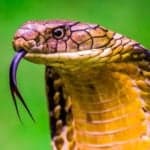
King Cobra

8%

Ophiophagus hannah

Largest venomous snake; a specialized predator of other snakes in South and Southeast Asia.

View Profile

Green Anaconda

8%

Eunectes murinus

One of the heaviest snakes; a large semi-aquatic constrictor from tropical South America.

View Profile

Reticulated Python

8%

Malayopython reticulatus

Among the longest snakes; a large constrictor from Southeast Asia.

View Profile

Eastern Diamondback Rattlesnake

7%

Crotalus adamanteus

A large venomous pit viper from the southeastern United States.

View Profile

Inland Taipan

6%

Oxyuranus microlepidotus

Highly venomous elapid from arid Australia.

View Profile

Common Garter Snake

6%

Thamnophis sirtalis

Widespread, generally harmless colubrid of North America.

View Profile

Life Cycle

Birth 10 hatchlings
Lifespan 10 years

Lifespan

In the Wild
2–40 years
In Captivity
4–50 years

Reproduction

Mating System Promiscuity
Social Structure Solitary
Breeding Pattern Transient
Fertilization Internal Fertilization
Birth Type Internal_fertilization

Across Serpentes, mating is typically promiscuous with brief pairings; males often search widely, engage in combat or sperm competition, and females may mate with multiple males and store sperm. Rare lineages show facultative parthenogenesis, adding variation.

Behavior & Ecology

Social Aggregation Group: 1
Activity Diurnal, Nocturnal, Crepuscular, Cathemeral, Matutinal, Vespertine
Diet Carnivore Vertebrate prey-particularly small mammals (rodents)-is the most common food source across many snake lineages, but diet varies widely by habitat and specialization (e.g., fish, frogs, birds/eggs, lizards, or invertebrates).
Seasonal Hibernates 12 mi

Temperament

Generally secretive and avoidant
Defensive when threatened (striking, biting, bluffing)
Temperament varies widely from docile to highly reactive
Territoriality uncommon; males may show seasonal combat or dominance interactions
Tolerance of conspecifics increases at shared dens or basking sites

Communication

hissing
tail buzzing or rattling In some lineages
occasional low-frequency exhalation sounds during threat displays
chemical communication via pheromones and skin/cloacal secretions
tongue-flicking to sample airborne and substrate-borne chemical cues
tactile signaling during courtship, mating, and male-male combat
visual threat displays Postures, hooding, body inflation, color display
substrate vibrations and body movements that can be detected by nearby snakes

Habitat

Biomes:
Tropical Rainforest Tropical Dry Forest Savanna Desert Hot Desert Cold Mediterranean Temperate Grassland Temperate Forest Temperate Rainforest Boreal Forest (Taiga) Tundra Alpine Freshwater Marine Wetland +9
Terrain:
Mountainous Hilly Plateau Plains Valley Coastal Island Riverine Volcanic Karst Rocky Sandy Muddy +7
Elevation: Up to 16076 ft 1 in

Ecological Role

Widespread mid- to top-level predators across terrestrial, freshwater, and coastal ecosystems worldwide (except Antarctica), with niche breadth ranging from highly specialized feeders (e.g., egg-eaters, fish-eaters, invertebrate specialists) to broad generalists; they also serve as prey for birds of prey, mammals, and other reptiles, linking trophic levels.

Regulation of prey populations (notably rodents and other small vertebrates) Stabilization of food webs as both predators and prey Influence on disease ecology indirectly via controlling rodent abundance in some regions Energy and nutrient transfer across habitats (e.g., aquatic-to-terrestrial via fish/amphibian predation; movement between refuges and foraging areas)

Diet Details

Main Prey:
Small mammals Birds and bird eggs Reptiles and reptile eggs Amphibians Fish Invertebrates Carrion +1

Human Interaction

Domestication Status

Wild

Snakes (Serpentes) are not truly domesticated like dogs or cats. Most remain wild, though many species have long histories in captivity and are captive-bred, producing color and pattern forms. This human selection is not full domestication. Pet trade and releases have created some feral or invasive populations in suitable climates.

Danger Level

High
  • Venomous bites causing local tissue injury to life-threatening systemic effects; risk varies widely by species, region, and access to medical care/antivenom
  • Injury from very large constrictors (crushing/asphyxia) and from defensive bites by nonvenomous species
  • Secondary infection after bites/scratches; oral bacteria can complicate wounds
  • Zoonotic disease risk from handling/keeping (notably Salmonella), especially with poor hygiene
  • Allergic reactions to venom, dander, or feeder prey; anaphylaxis is possible though uncommon
  • Escape/release leading to invasive populations in some regions, creating indirect human and ecosystem risk

As a Pet

Suitable as Pet

Legality: Laws vary by country, state, and species. Many nonvenomous snakes are legal with animal care rules. Venomous snakes often need permits, training, and secure cages. Big constrictors, wild-caught, and CITES species are often restricted—check local laws.

Care Level: Moderate

Purchase Cost: $20 - $5,000
Lifetime Cost: $500 - $20,000

Economic Value

Uses:
Pet and hobby trade (captive-bred and, in some places, wild-caught) Leather/skins (limited to certain large-bodied species; regulated in many regions) Venom collection for research/pharmaceutical development and antivenom production Agricultural pest control value (rodent suppression) Ecotourism and wildlife education Food and traditional medicine in some cultures (varies regionally; often regulated)
Products:
  • Live animals (pets, breeding stock)
  • Hides/leather goods (e.g., belts, bags, shoes)
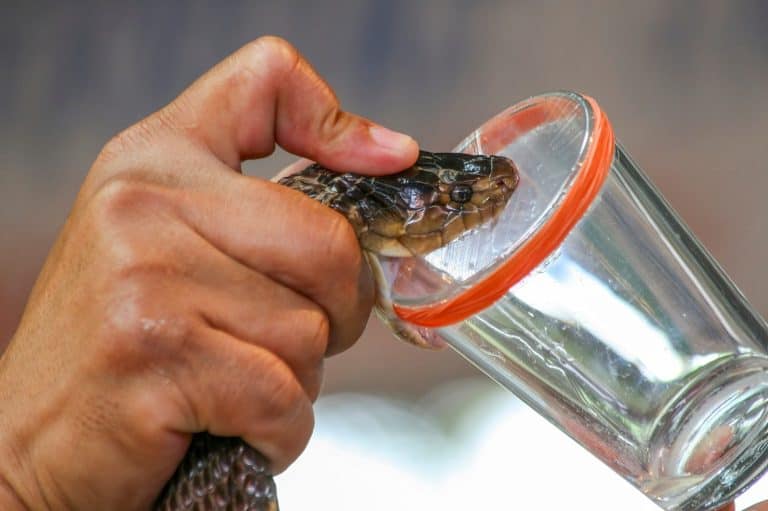
  • Venom for biomedical research and drug discovery
  • Antivenom and related medical supply chains (indirect economic value)
  • Meat and other consumables in some regions
  • Educational programming/exhibits and guided wildlife tourism services

Relationships

Ecological Equivalents 5

Animals that fill a similar ecological role in their ecosystem

Legless lizards Anguidae Convergent body plan (elongate, limbless or limb-reduced); similar use of grassland and brush habitats and similar ambush/foraging strategies. They differ anatomically (e.g., many have external ear openings and eyelids) and generally exhibit less extreme gape and cranial kinesis than snakes.
Worm lizards Amphisbaenia They share fossorial (burrowing) lifestyles with many small snakes; both occupy soil and leaf-litter niches and consume invertebrates or small vertebrates. Amphisbaenians specialize in head-first burrowing and have distinctive skull and skin adaptations.
Caecilian
Caecilian Gymnophiona Elongate, limbless burrowers in tropical soils; they overlap with fossorial snakes in microhabitat and prey (worms and insects). They are amphibians, not reptiles, and have different physiology and ecology—often being strongly moisture-dependent.
Eels
Eels Anguilliformes Aquatic, elongate predators that occupy a snake-like role in many aquatic food webs; they hunt fish and crustaceans and use crevices. This represents strong functional convergence rather than a close relationship.
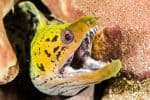
Moray eel
Moray eel Muraenidae Reef- and crevice-dwelling ambush predators with elongate bodies; ecological analogs to aquatic/reef-associated snakes (e.g., sea snakes) in shelter use and predation style.

Snake Facts

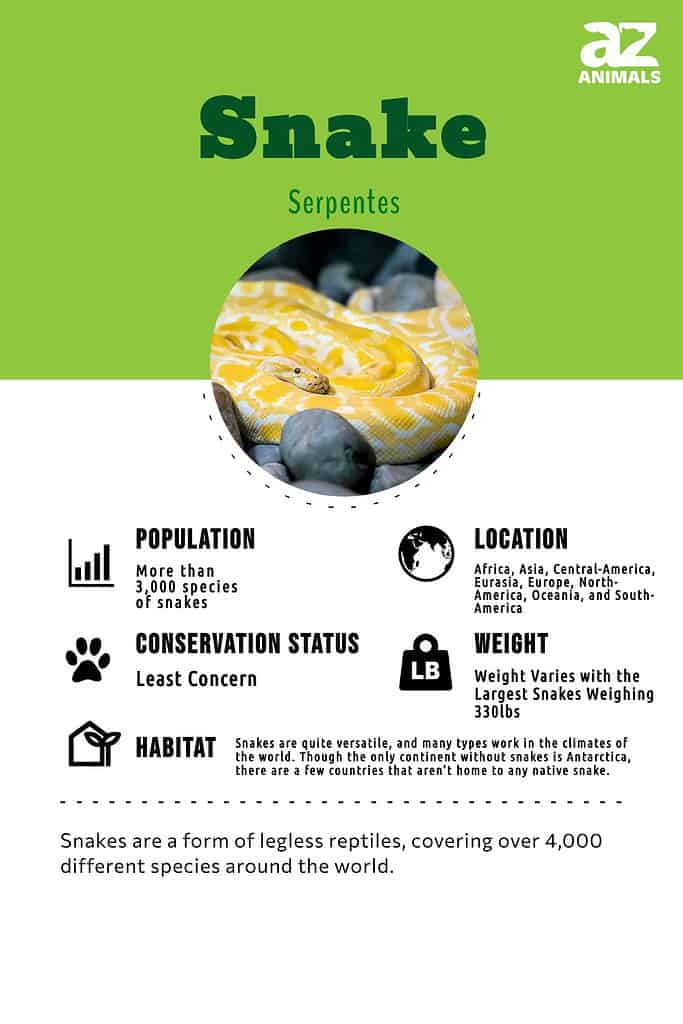
Snakes are a form of legless reptiles, covering over 4,000 different species around the world.

Also known by the scientific name Serpentes they are easily noticeable by their elongated body that seemingly looks like a head with a long tail. Their bodies are incredibly strong, though this strength is used for multiple purposes.

Snakes have a close relationship with lizards, which are also reptiles. While snakes have no eyelids or ear holes, they have become a well-loved pets by many eclectic owners. The serpent, a mythical symbol that is broadly known everywhere, is simply another term for it.
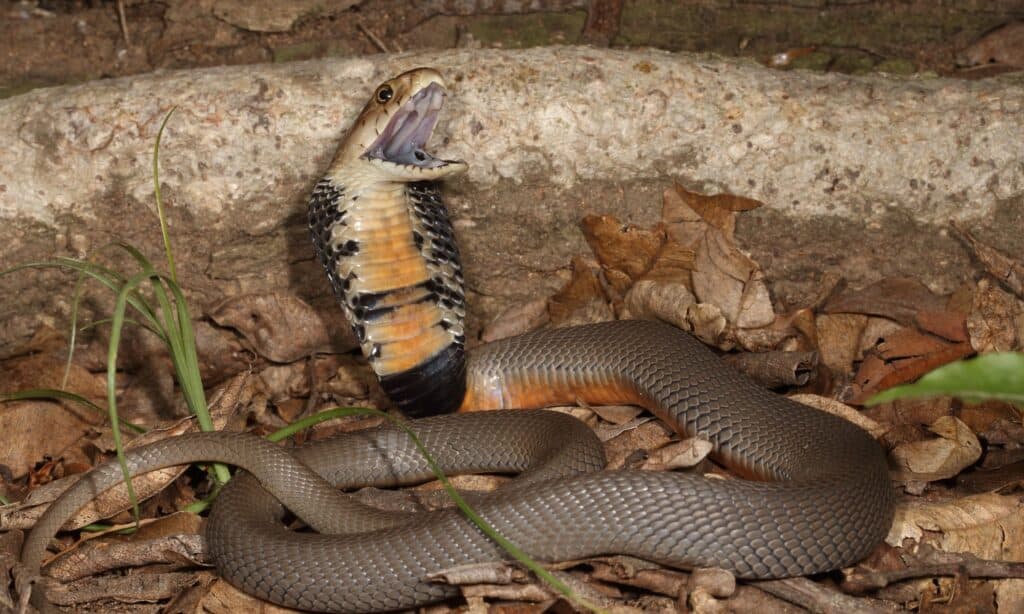
Mozambique Spitting Cobra has a slate-grey, blue, olive or tawny brown-black upper body, while its scales have black edges.

Only 200 of 600 venomous snakes have enough potency to harm a human.

5 Incredible Snake Facts!

Snakes do not chew their food, despite the presence of teeth. Instead, they swallow it whole.

Here are a few interesting facts about these reptiles:

  • Out of over 4,000 different species, only 600 are venomous. Snakes like the gopher snake and kingsnakes are nonvenomous. Only 200 of these snakes have enough potency to harm a human.
  • Though they are a reptile, like a lizard, they have no eyelids or ear holes.
  • Snakes do not chew their food, despite the presence of teeth. Instead, they swallow it whole.
  • These reptiles can be found on every continent but Antarctica.
  • The snake to have lived the longest is located in Missouri and she is 62 years old.

Scientific Name
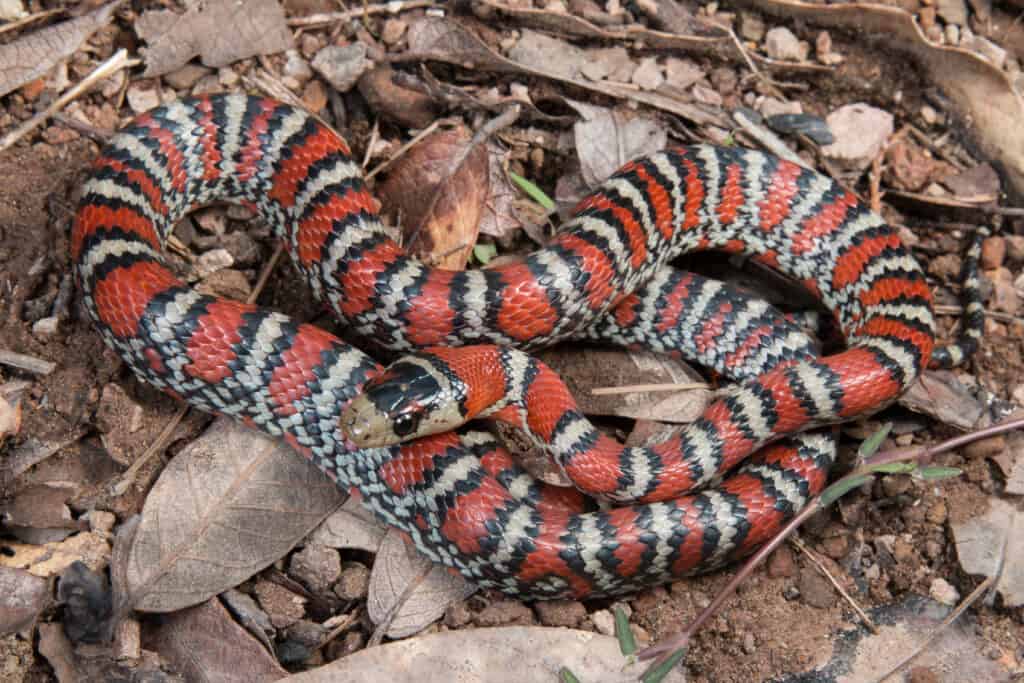
Madrean mountain kingsnake (lampropeltis knoblochi)

Snakes go by the scientific name Serpentes and belong to the kingdom Animalia and Phylum Chordata.

These reptiles go by the scientific name Serpentes and belong to the kingdom Animalia and Phylum Chordata. Their class is called Reptilia and the order is called Squamata. The clade is called Ophidia.

Serpentes, which is often shortened to the serpent in mythical stories, come from the Latin word “serpō,” which means “creep” or “crawl.”

Evolution and Origins

Snakes are a group of reptiles that evolved from lizards around 150 million years ago during the Late Jurassic period. They have evolved to have long, slender bodies and no limbs, allowing them to move efficiently through various habitats such as grasslands, deserts, and forests.

Snakes are thought to have evolved from terrestrial lizards, with their ancestors likely having four legs. Over time, snakes lost their limbs through a process of evolution known as reduction. This happens when certain body parts are no longer needed and become smaller until they eventually disappear.

Today, there are around 3,000 species of snakes found on every continent except Antarctica.

Appearance
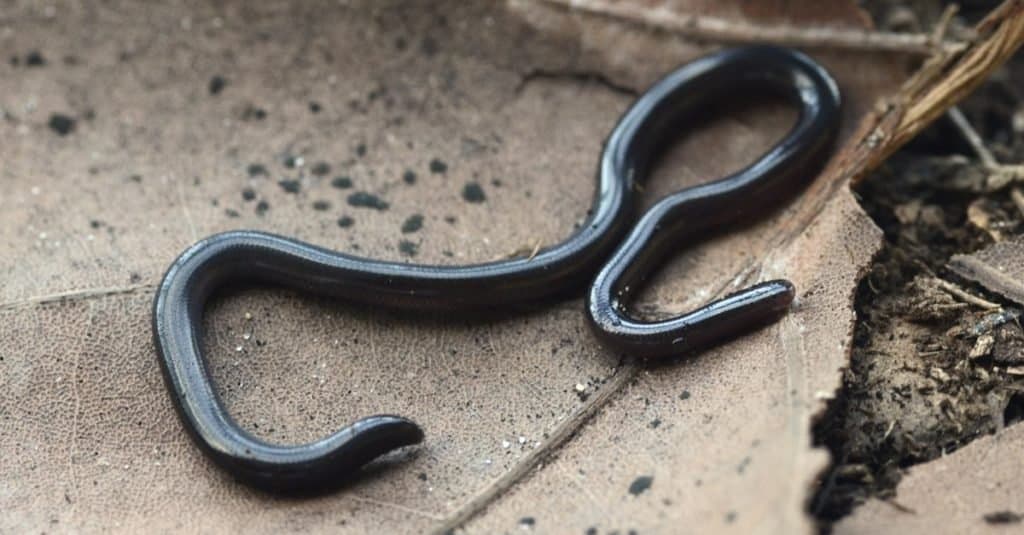
Smallest Snakes: Brahminy Blind Snake

Some snakes are as short as 4.1 inches (like the Barbados thread snake), though the longest snake in the world (which is the reticulated python) is over 20 feet long.

Snakes are reptiles, but they noticeably have no legs. However, not every legless reptile is known as a snake.

Seemingly, the only components of a snake are its head and its tail, which take up the entire length of its body. Some snakes are as short as 4.1 inches (like the Barbados thread snake), though the longest snake in the world (which is the reticulated python) is over 20 feet long.

The teeth of these reptiles will vary by species as well. Many species have several needle-sharp teeth, but venomous species have fangs. Venomous snakes typically store the venom in glands the in the head behind their eyes. Only about 600 snake species are venomous. A snake, sometimes referred to as a serpent, has no earholes, but its ears are internal.

These reptiles are covered in scales, though they have skin like humans underneath them. Some snakes have keeled scales with a ridge down the center of each scale, and others have smooth scales. The markings are determined by the species, but there is hardly a color that you won’t see.

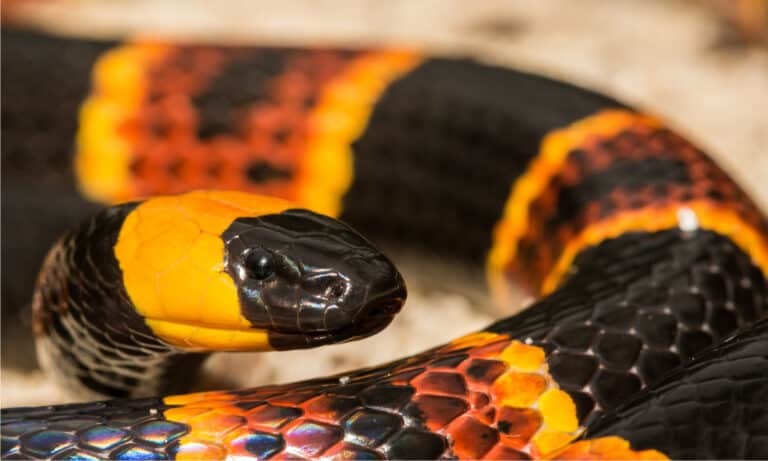
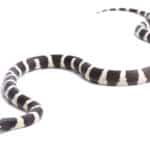
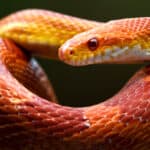
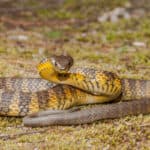
The color is sometimes a sign of how dangerous the snake is, but the pattern will help differentiate the threats from harmless animals. Snakes come in every color of the rainbow, including red, green, yellow, blue, and black.

Rattlesnakes have a large rattle at the end of their tail, which emits a loud noise to let animals and humans keep away. It is also important to note that there are some animals that look like snakes, but aren’t.

The body of the animal is also indicative of the way that the snake hunts. Animals with long and thin bodies are usually more active hunters, often chasing down their prey; while short yet thick snakes typically sit and wait for their prey.

Read here to learn more about the anatomy of snakes. Also, read here to learn about the most colorful snakes in the world.

Some snakes look like dragons. Read here to find out about them.

Behavior
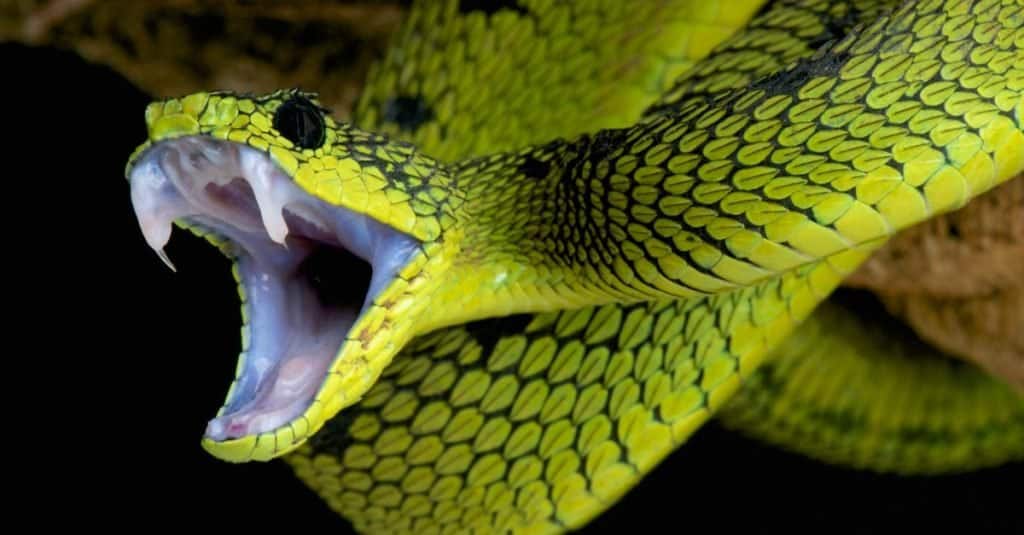
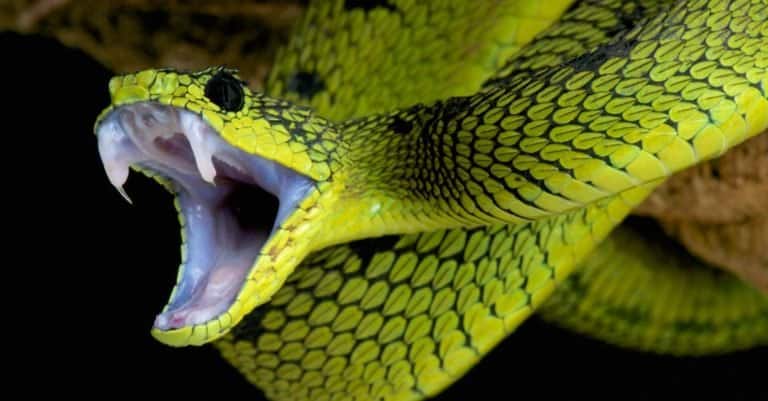
Snake, Great lakes bush viper

When it comes to hunting, snakes have an incredible sense of smell that they rely on. As they flick out their tongue, they seek out the chemicals in the air.

When it comes to hunting, snakes have an incredible sense of smell that they rely on. As they flick out their tongue, they seek out the chemicals in the air. Other snakes will use their ability to detect body heat. Constriction and venom tend to be the main ways that the prey is overpowered.

These reptiles seek out the right environment to keep their body warm since their cold-blooded body is unable to regulate their temperature internally. Snakes move back and forth between warm and cool areas, depending on their needs.

Snakes shed their skin as they grow; many shed 2-4 times per year. The shedding process can be rather uncomfortable, but it is a healthy process that reptiles undergo.

Though some species produce venom, the majority do not. Only 600 species have any kind of venom, and only a third of those venomous snakes have the capacity to wound humans at all, and even fewer can fatally kill them. Learn about the toughest animals in the world here.

Though humans are not a natural part of the reptile’s diet, it will bite if it feels threatened. In certain species, this bite can be fatal. There are scary and dangerous species in the world, the most lethal being the saw-scaled viper, killing more humans than any other species.

Read about the most dangerous animals on earth to humans here.

Common Types of Snakes
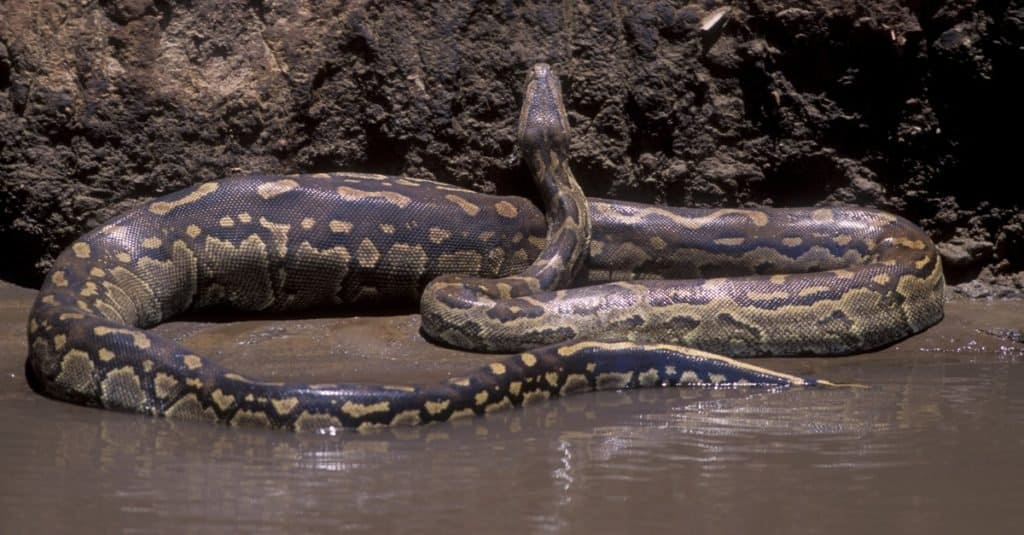
Biggest Snakes: The African Rock PythonBiggest Snakes: The African Rock Python

Like all pythons, the African Rock Python is non-venomous. It kills by constriction, ambushing, and coiling around its prey.

The following list includes some common types of snakes found around the world:

  • Pythons – Pythons are a family of snakes consisting of 42 total recognized species. These reptiles can be found mostly in Asia, Australia, and Africa; however, the Burmese python was introduced in the Florida Everglades and is currently considered an invasive species. Most species in this family are “ambush predators” meaning they remain motionless and strike as prey passes.
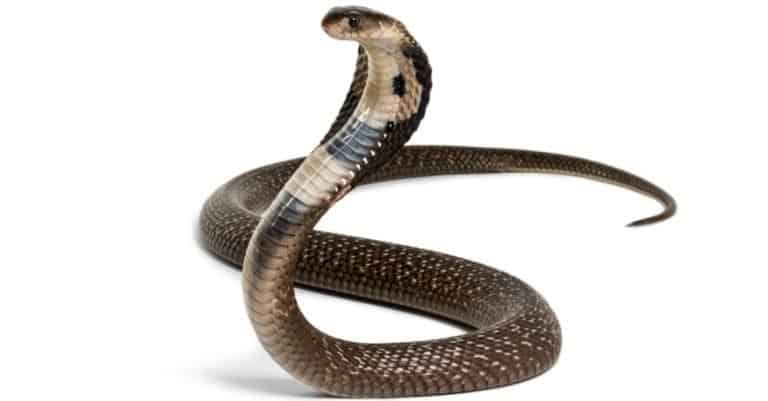
  • Elapids – Most elapids are commonly referred to as “cobras;” however, not all elapids are cobras. These snakes are characterized by erect, venomous fangs at the front of their mouths, and species can be terrestrial or aquatic. Elapids are endemic to tropical and subtropical regions throughout the world.
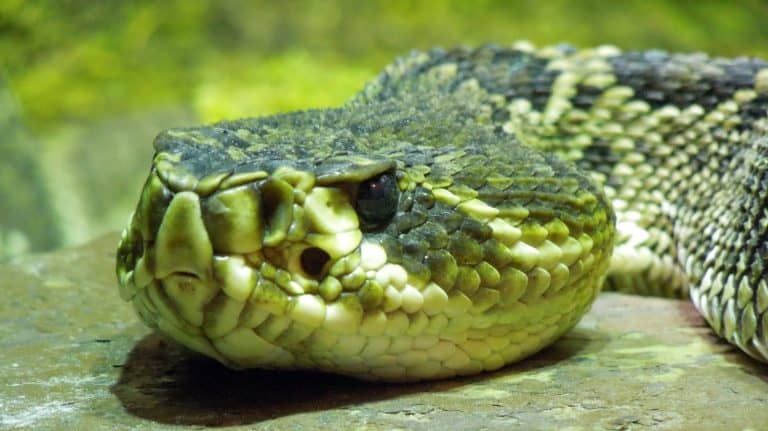
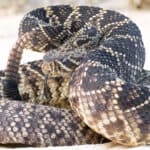
  • Rattlesnakes – Rattlesnakes are found on the American continent and are characterized by the rattle at the end of their tails which they use to scare off predators. Although rattlesnakes rarely attack humans unless provoked, rattlesnake bites are the leading cause of snakebite injuries in North America. They are an example of pit vipers of the Viperidae family of snakes.
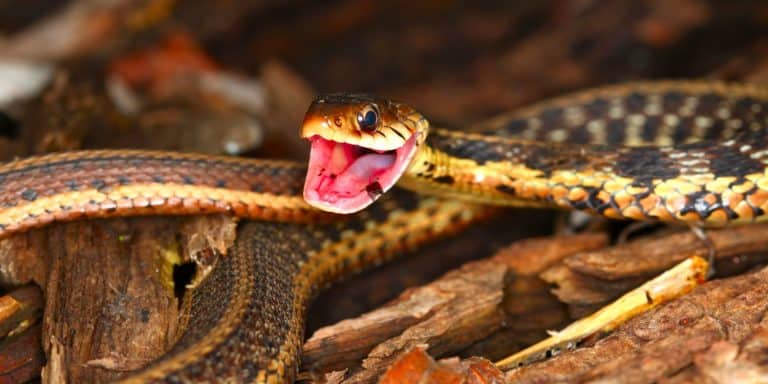
  • Garters – Garter snakes are generally harmless in North and Central America. These snakes were long believed to be non-venomous, but recent studies have determined that they produce a neurotoxic venom that is too mild to injure or kill a human.

Additional types of snakes include:

Habitat

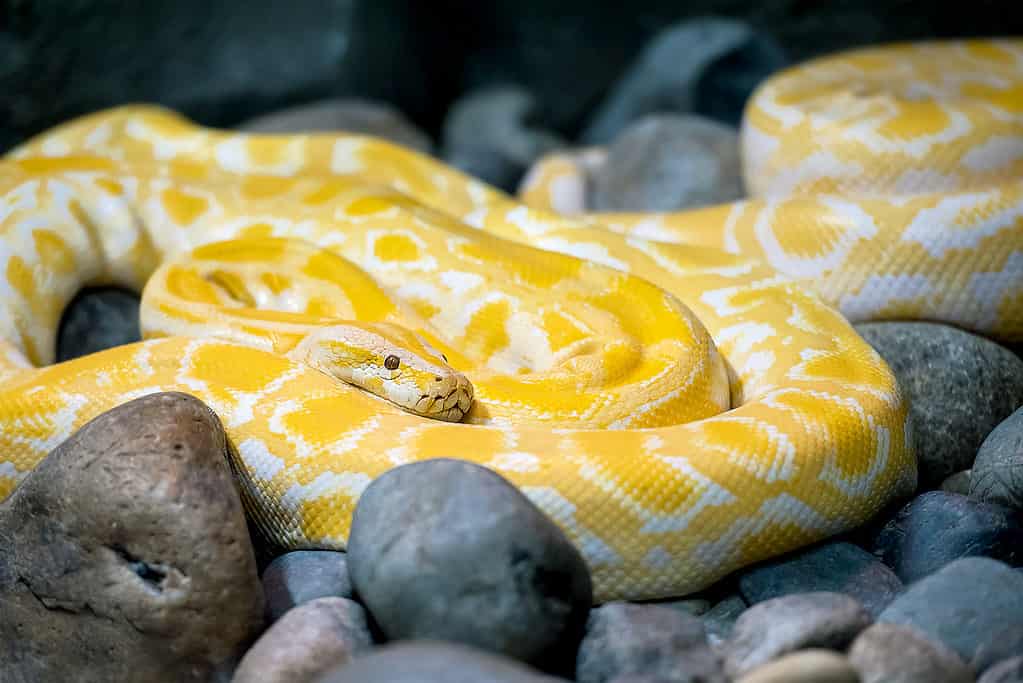
Albino Burmese python on pebbles

Snakes are quite versatile, and many types work in the climates of the world.

Snakes are quite versatile, and many types work in the climates of the world. Though the only continent without snakes is Antarctica, there are a few countries that aren’t home to any native snakes, including Ireland, New Zealand, and Iceland. Alaska is one of the few states that also has no native species.

The typical habitat is just as broad as where they can live. In water-based and land-based environments alike, these reptiles can also be found in tropical areas. While the water moccasin and the water snake commonly live near and in water, most snakes live on land. Based on the species, snakes can live in deserts, prairies, grasslands, and the rainforest.

Diet
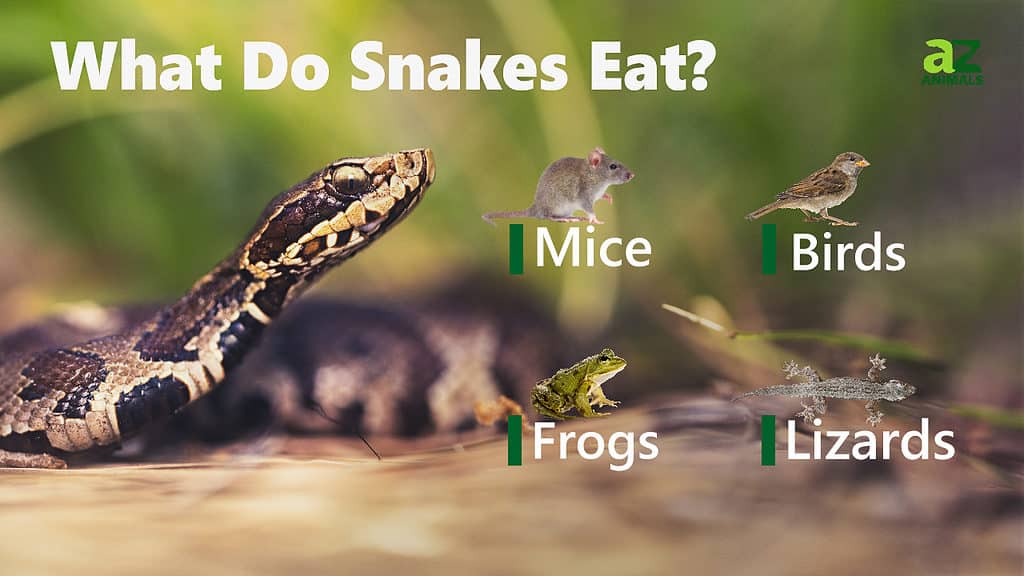
snakes eats
Snakes eat mice, birds, frogs, and lizards.

These reptiles have a carnivorous diet, meaning that their diet entirely consists of other animals. They can choose warm-blooded or cold-blooded animals, seeking out amphibians, insects, and mammals; some species feed exclusively on other snakes and lizards.

Though every snake will consume their prey whole, the way that they render them helpless varies. Boas and pythons will bite their prey to hold onto them, wrapping their body around and squeezing the life from the prey. If the animal has fangs, it will deliver venom to its prey. The venom comes from a sac that is hidden behind the eyes.

Predators and Threats
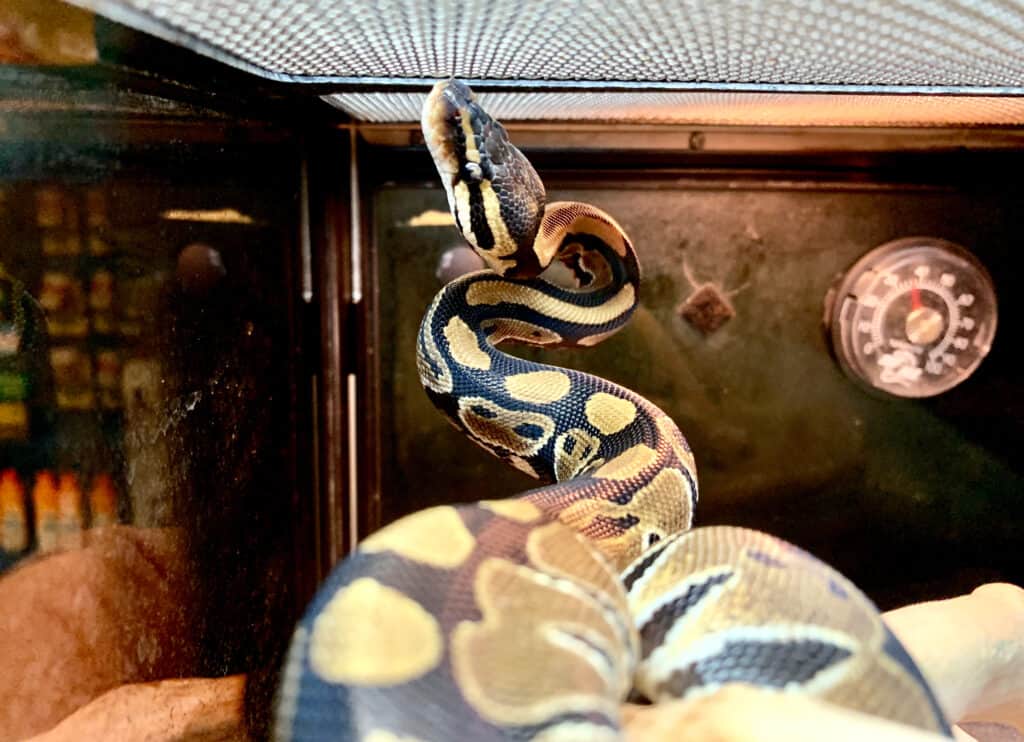
Snakes are relatively quick and effective predators, but they are also the prey of many different animals.

These reptiles are relatively quick and effective predators, but they are also the prey of many different animals. One of the biggest predators of these reptiles is humans because some people hunt them for meat, clothing, and many other purposes. However, snakes in general aren’t considered endangered.

The population of these reptiles can be negatively impacted by deforestation, hunting, and climate change. Ultimately, the threat that the snake faces is specific to many factors, like the species, where they live, and how much meat they provide. Learn about some snakes that are endangered here.

To learn about some snakes that don’t bite, read here.

What Eats Snakes?

These reptiles may be rather impressive hunters, but animals like large birds and coyotes have made these reptiles into a regular part of their diet.

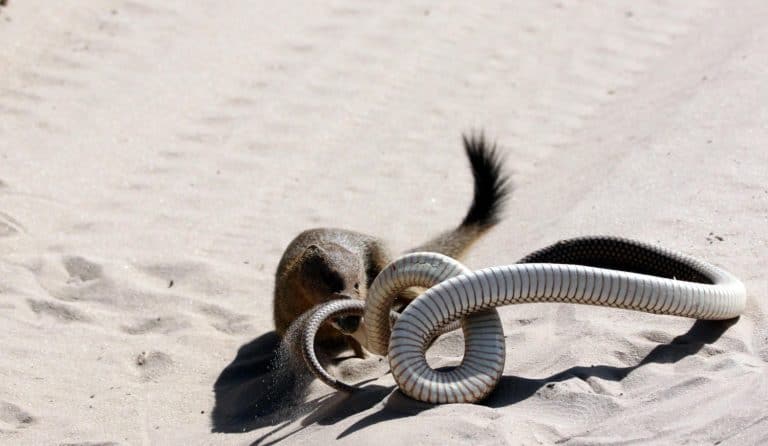
They are also hunted by mongooses, wild boars, foxes, raccoons, and other game that can pick them up and consume them. Some snake species prey on other snakes – king snakes, indigo snakes, and king cobras are good examples.

Luckily, each species has its own way to defend itself against threats. Camouflage plays a major role in their defense, hiding for additional coverage. Venomous species will bite as a last resort, but they generally try to flee instead.

What Do Snakes Eat?

Since all of these reptiles are carnivores, there are many small animals that can become their prey. The diet that the animal consumes is based on their species. Insects, amphibians, earthworms, slugs, fish, rodents, rabbits, and birds are all possible foods. Some snakes eat eggs.

Read here to discover some snakes that eat fish and some snakes that eat birds.

Reproduction, Babies, and Lifespan
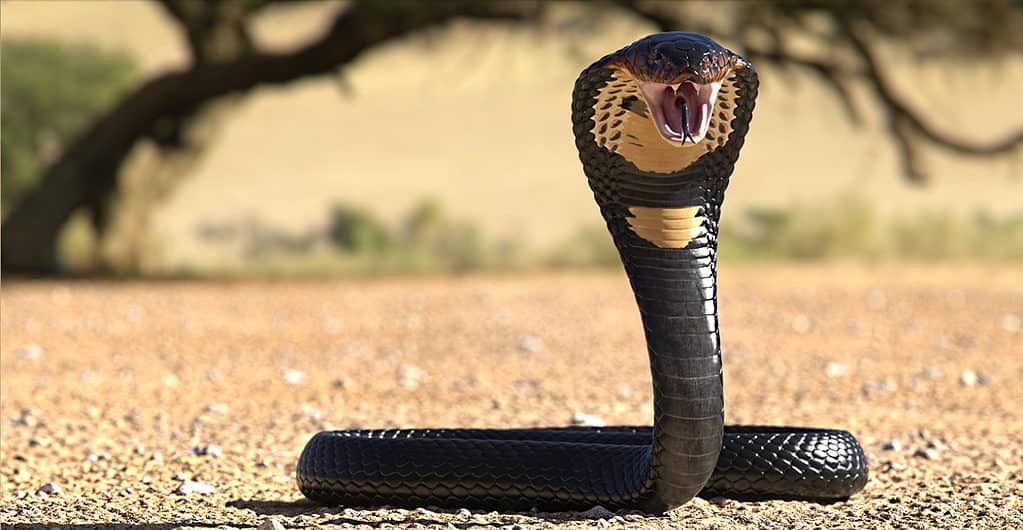
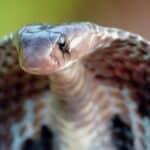
Large cobra with expanded ribs

Cobras eat other snakes but will eat birds

The reproduction process of these reptiles is primarily a process of internal fertilization. Most species intertwine their bodies with that of their partner, and the male releases the sperm from one of the two organs it has. The female doesn’t necessarily become pregnant with her young right away; some females can store the male’s sperm for 2-5 years before fertilization.

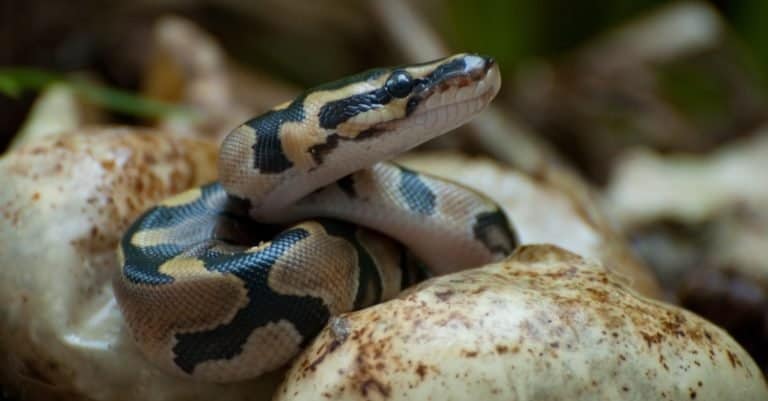
The species will determine the type of birth that the female has. Rattlesnakes and garter snakes give birth to their babies as they live young, which makes them ovoviviparous. However, species like the ball python and the corn snake lay eggs, making them oviparous. In fact, approximately 70% of all these reptiles are oviparous, rather than ovoviviparous.

The number of eggs or live young will vary greatly. For snakes that give birth to live young, about 10-30 are born in each litter, though the diamondback water snake can have up to 40 babies in a litter.

The live-bearing females often find a sheltered spot where they give birth to the babies. For the species that lay eggs, the clutch size varies significantly. While the ball python may only lay a single egg, some clutches are up to 100 eggs annually.

The species of snake determine their lifespan. While smaller species (like the garter snake) live for less than ten years, the various types of boas can leave for about 25 to 50 years.

As of September 2020, the longest-living snake is a ball python who is currently 62 years old and lives in the St. Louis Zoo of Missouri.

Population
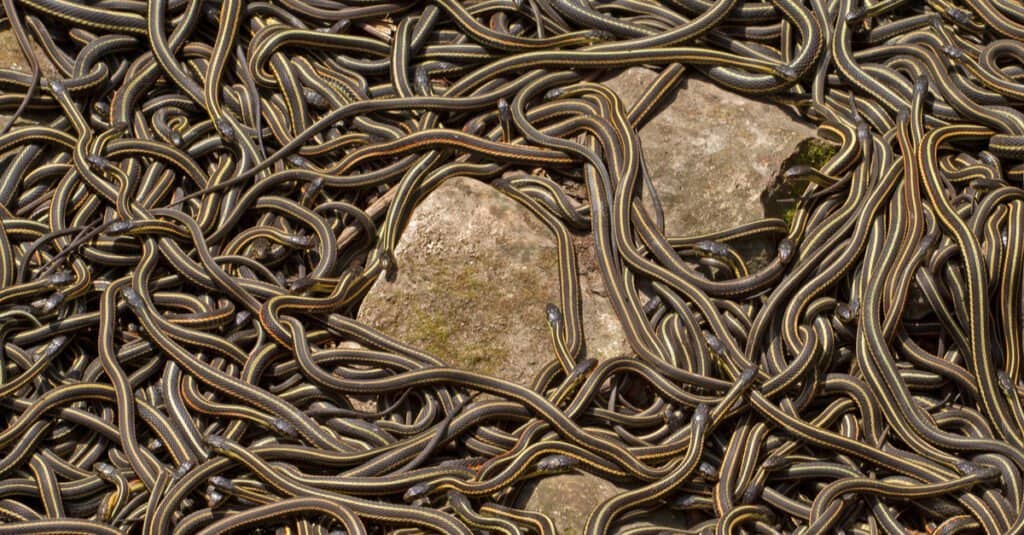
group of garter snakes in den

With over 4,000 types of snakes around the world, the total population varies from country to country.

With over 4,000 types of snakes around the world, the total population varies from country to country. Interestingly, there are a few countries that have no known native species of snakes at all, including Antarctica. Here is a compilation of pre-historic snakes.

Although most snakes are not dangerous to people, they are largely misunderstood and unpopular.

Though there are some species with lower populations, snakes (as a whole) are classified as “not extinct” by the IUCN. Here is a list of the most popular snakes in the world.

Read about the rarest snakes in the world here.

In the Zoo

These reptiles can be found at nearly every major zoo, allowing the public to become more informed of the types of this reptile that span across the globe. Most often, the zoos will include snakes that are local to their region, so the species will vary from one location to the next.

When visiting this reptile, most species will simply relax in their tank. However, some zoos (like the Virginia Living Museum) feature demonstrations outside of the tanks to allow patrons to get a closer look. With more awareness of and information about snakes, the fear typically associated with these animals can be reduced.

Snakes that live in zoos may not exhibit the same outward symptoms of illness that they show in the wild. Zookeepers are incredibly familiar with the behavior that these snakes show when they are ill, allowing them to get fast treatment when they become sick.

Some types of snakes can be kept as pets, like the corn snake or the rosy boa.

Read More

  • Snakes that fit in a 20-gallon tank.
  • Snakes that can Eat a Human.
  • Snakes are vibrant creatures that display so many different colors. Discover the beauty of blue snakes or yellow snakes.
  • Some snakes display the absence of color. Check out 12 white snakes!
  • Snakes you actually want in your yard.
  • The largest snakes that can be kept as pets.
  • What the largest snakes in the world eat.
  • The oldest known snakes in history.
  • The largest rainbow snake ever found.
  • The darkest snakes in the world.
  • Take our Snake Quiz.
View all 390 animals that start with S

Sources

  1. Britannica / Accessed February 12, 2021
  2. Science Kids / Accessed February 12, 2021
  3. Pet MD / Accessed February 12, 2021
  4. Ranker / Accessed February 12, 2021
  5. Project Pawsitivity / Accessed February 12, 2021
  6. San Diego Zoo / Accessed February 12, 2021
  7. VCA Hospitals / Accessed February 12, 2021
  8. Kid Zone / Accessed February 12, 2021
  9. Save The Snakes / Accessed February 12, 2021
  10. How To Create A Snake Nesting Structure / Accessed February 12, 2021
  11. National Geographic / Accessed February 12, 2021
  12. Wikipedia / Accessed February 12, 2021
  13. Everything Reptiles / Accessed February 12, 2021
  14. Oddly Cute Pets / Accessed February 12, 2021
Rebecca Bales

About the Author

Rebecca Bales

Rebecca is an experienced Professional Freelancer with nearly a decade of expertise in writing SEO Content, Digital Illustrations, and Graphic Design. When not engrossed in her creative endeavors, Rebecca dedicates her time to cycling and filming her nature adventures. When not focused on her passion for creating and crafting optimized materials, she harbors a deep fascination and love for cats, jumping spiders, and pet rats.
Connect:

Thank you for reading! Have some feedback for us?


Snake FAQs (Frequently Asked Questions)

Snake mites are tiny pests that feed on the blood of snakes and other reptiles. They can cause snakes to become lethargic and also spread disease. To get rid of snake mites, either use spray or soak and clean your snake.