
S
Species Profile

Sponge

Porifera

Porous powerhouses of the sea
Ogurtsov/Shutterstock.com

Sponge Distribution

Click a location to explore more animals from that region

This map shows coastal regions where Sponge are found.

Loading map...

Size Comparison

Human 5'8"
Sponge 8 in

Sponge stands at 12% of average human height.

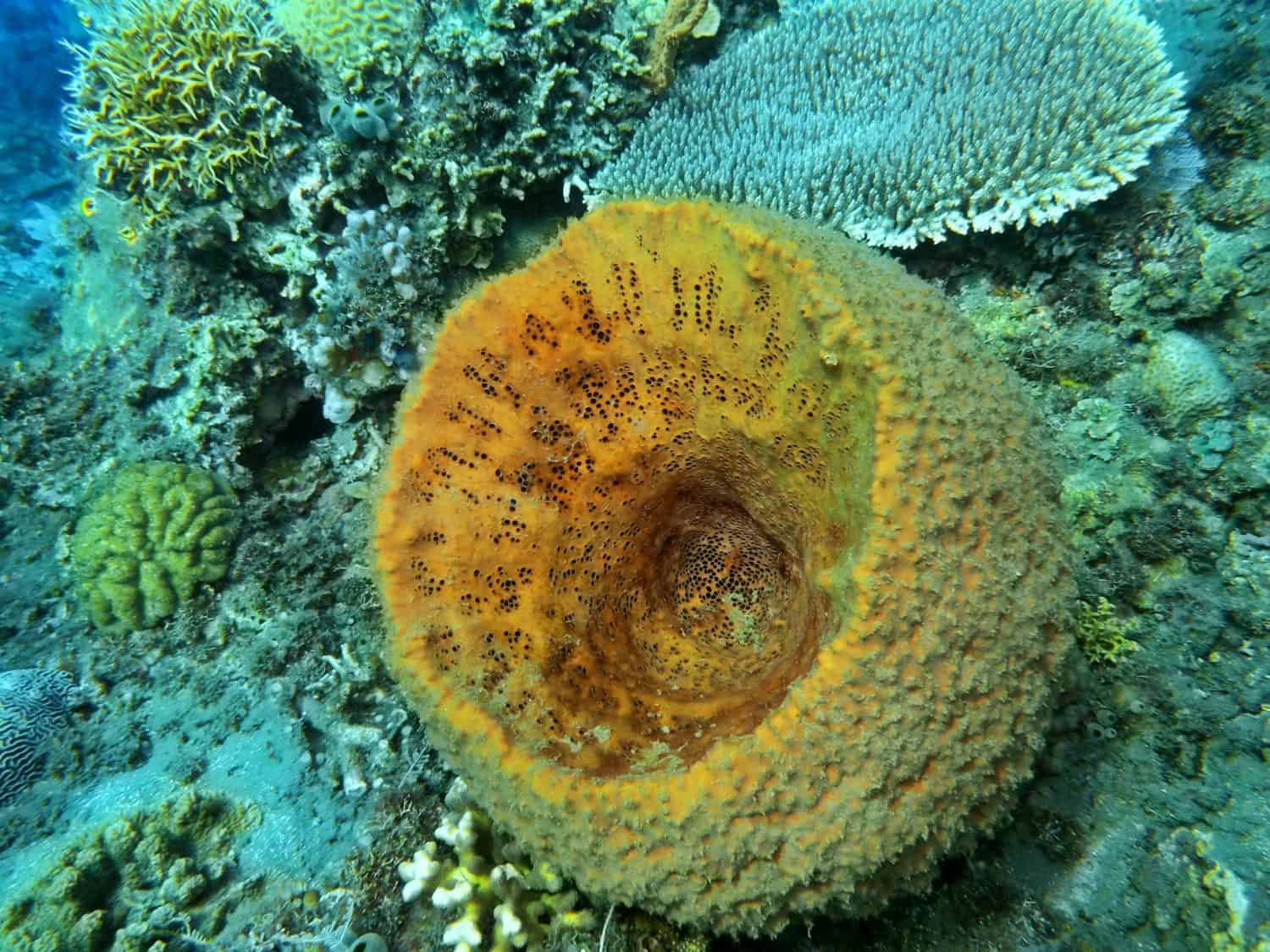
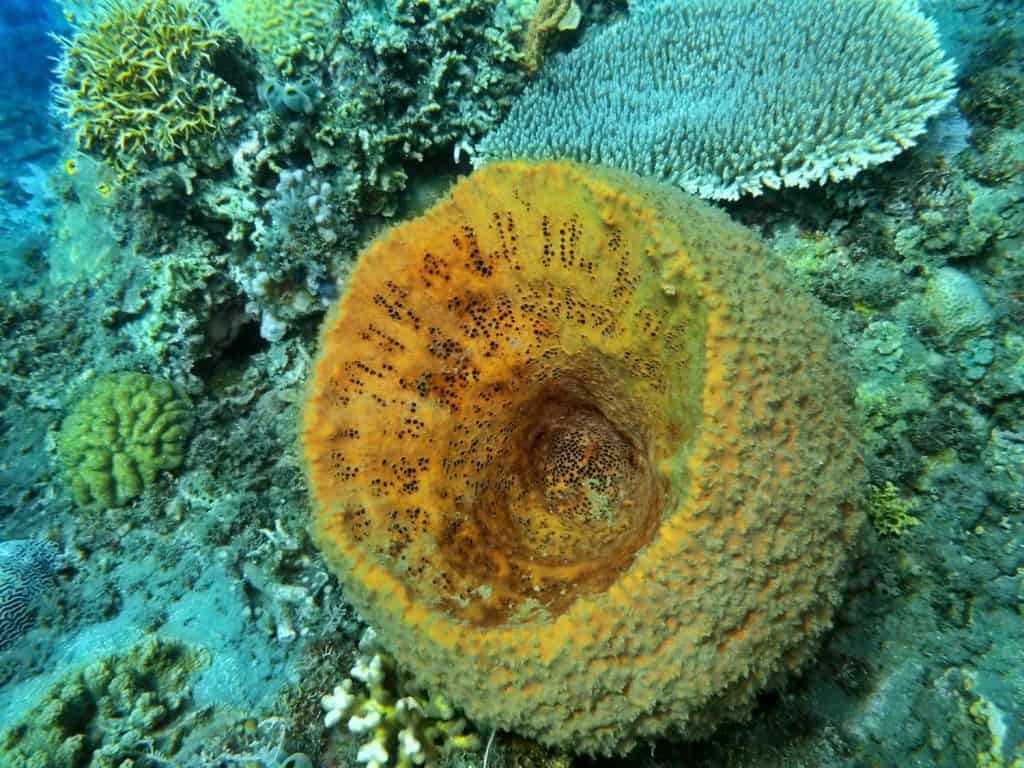
Sea sponge, Indonesia, North Sulawesi, Manado

At a Glance

Phylum Overview This page covers the Sponge phylum as a group. Stats below are general traits shared across the phylum.
Also Known As Sea sponge, Marine sponge, Natural sponge, Bath sponge
Diet Filter Feeder
Activity Cathemeral+
Lifespan 5 years
Weight 300 lbs
Status Not Evaluated
Did You Know?

Sponges lack true tissues and organs, yet coordinate feeding and flow through specialized cells and canal systems.

Scientific Classification

Phylum Overview "Sponge" is not a single species but represents an entire phylum containing multiple species.

Sponges (phylum Porifera) are simple, mostly marine animals that lack true tissues and organs. They live attached to surfaces and feed by pumping water through a porous body, filtering out bacteria and organic particles.

Kingdom
Animalia
Phylum
Porifera

Distinguishing Features

  • Sessile (attached) adult lifestyle with a porous body surface
  • Filter-feeding via choanocytes (collar cells) driving water flow
  • Internal skeleton made of spicules (silica or calcium carbonate) and/or spongin fibers
  • Typically reproduce both sexually and asexually (budding/fragmentation; freshwater species often form gemmules)

Did You Know?

Sponges lack true tissues and organs, yet coordinate feeding and flow through specialized cells and canal systems.

Their "pump" is powered by choanocytes (collar cells) whose beating flagella drive water from ostia to the osculum.

Across the phylum, bodies range from a few millimeters to over 2 meters tall, from crusts to barrels and branching forms.

Some sponges can filter on the order of thousands of liters of seawater per day (highly variable by size and species).

Many demosponges make bioactive chemicals that have inspired medicines (e.g., compounds linked to antiviral/anticancer drug research).

Glass sponges (Hexactinellida) can form deep-sea "reefs" that create habitat for many other animals.

Freshwater sponges exist too, surviving harsh seasons via resistant buds called gemmules.

Unique Adaptations

  • Poriferan body plan: A modular canal system with ostia (inlets), internal canals/chambers, and an osculum (outlet) enables efficient suspension feeding without organs.
  • Choanocytes: Collar cells both generate water currents and capture tiny particles (bacteria, microalgae, detritus), making sponges major recyclers of dissolved and particulate matter.
  • Skeletal diversity: Support can come from calcium carbonate spicules (Calcarea), siliceous spicules and/or spongin fibers (many Demospongiae), or intricate six-rayed silica frameworks (Hexactinellida).
  • High plasticity and regeneration: Many species can reorganize cells and recover from damage, a product of their relatively flexible cellular organization.
  • Microbial partnerships: Some sponges are "high microbial abundance" hosts, functioning like living bioreactors that transform nitrogen and carbon compounds in ecosystems.
  • Deep-sea glass-sponge engineering: Hexactinellids can build rigid silica lattices suited to cold, deep environments and, in some regions, assemble reef-like aggregations.
  • Gemmules (freshwater resilience): Protective capsules containing cells and nutrients allow survival through extreme cold, drought, or low food-an adaptation rare among marine animals.

Interesting Behaviors

  • Continuous filter-feeding: Water enters through many tiny ostia, moves through canals/choanocyte chambers, and exits via one or more oscula; flow patterns vary widely among classes (simple to highly folded canal systems).
  • Flow control and "sneezing": Many species can locally constrict ostia/oscula or contract parts of the body to regulate flow, shed sediments, or respond to irritants; degree of contractility differs among groups.
  • Asexual propagation: Budding and fragmentation are common; many can regrow from small pieces, though regenerative capacity varies by species and conditions.
  • Seasonal dormancy (freshwater and some temperate species): Freshwater taxa often produce gemmules-tough, seed-like propagules that persist through freezing/drying and restart growth when conditions improve.
  • Symbiosis as a lifestyle: Numerous sponges host dense microbial communities or photosymbionts; outcomes range from enhanced nutrition to chemical defense, but the type and importance of symbionts varies enormously.
  • Habitat engineering: Massive, branching, and reef-forming species create complex 3D structure that shelters invertebrates and fish; thin encrusting forms instead stabilize surfaces and occupy crevices.
  • Chemical and structural defense: Many deter predators via spicules (silica or calcium carbonate) and/or distasteful/toxic metabolites; strategies differ strongly among Calcarea, Demospongiae, Hexactinellida, and Homoscleromorpha.

Cultural Significance

Natural sponges (mostly demosponges) have been used for bathing, cleaning, painting, and medicine for thousands of years. Mediterranean, Aegean, North African, and Florida/Caribbean fisheries were once vital; too much harvesting and disease led to rules and farming. Sponges help study early animal evolution and help make new medicines.

Myths & Legends

Greek myth says sea god Poseidon made the first horse to please Demeter. She turned it down, so he threw it into the sea and it became a sponge, explaining its marine nature.

In parts of the Mediterranean sponge-diving world, divers kept folk beliefs and superstitions about luck, the sea, and protective rituals before dangerous dives; these oral traditions link to the long history of sponge fisheries.

In classical natural history (e.g., ancient Greek and Roman writings), sponges were sometimes described in quasi-plant terms-living things that blur categories-reflecting longstanding cultural fascination with their ambiguous animal nature.

Conservation Status

NE Not Evaluated (phylum-level hub). IUCN assessments are done at species level; across Porifera, statuses span from Least Concern to threatened categories, with many Data Deficient. At-risk taxa often include range-restricted endemics, freshwater species, and deep-sea sponge-aggregation specialists.

Has not yet been evaluated against the criteria.

Population Unknown

Protected Under

  • Marine Protected Areas and national marine conservation laws (varies by country/region)
  • Regional measures protecting vulnerable marine ecosystems (e.g., deep-sea sponge aggregations) and restricting destructive bottom-contact fishing in some areas
  • Fisheries regulations or harvest controls for commercial sponge fisheries in some jurisdictions

You might be looking for:

Neptune's cup sponge

18%

Cliona patera

Large, cup-shaped marine demosponge historically recorded from the Indo-Pacific; long thought extinct in some areas.

Venus' flower basket

17%

Euplectella aspergillum

Deep-sea glass sponge (Hexactinellida) with an ornate silica lattice skeleton.

Freshwater sponge

14%

Spongilla lacustris

Common freshwater demosponge found in lakes and slow-moving rivers; forms encrusting growths.

Bath sponge

13%

Spongia officinalis

Commercially harvested demosponge with a soft fibrous skeleton used historically as a natural sponge.

View Profile

Giant barrel sponge

12%

Xestospongia muta

Very large Caribbean reef sponge; important filter feeder and habitat provider.

Life Cycle

Birth 10000 larvas
Lifespan 5 years

Lifespan

In the Wild
0.1–10000 years
In Captivity
0.1–30 years

Reproduction

Mating System Hermaphroditism
Social Structure Solitary
Breeding Pattern Not Applicable
Fertilization Internal Fertilization
Birth Type Sequential_hermaphrodite

Most sponges are simultaneous hermaphrodites; individuals often release sperm into the water, which neighbors filter and use for internal fertilization of retained eggs. No pair bonds occur; some taxa also broadcast spawn and many reproduce asexually by budding or fragmentation.

Behavior & Ecology

Social Solitary Group: 1
Activity Cathemeral, Diurnal, Nocturnal
Diet Filter Feeder bacteria and other picoplankton-sized particles (dominant intake for many species)

Temperament

Sessile and non-territorial as individuals
Generally non-aggressive behaviorally, but strongly space-competitive
Often chemically defended; deterrence varies widely among taxa
Tolerance of neighbors varies from fusion to rejection depending on species
Sensitive to sedimentation and water-quality stress; responses vary by habitat

Communication

waterborne chemical cues affecting larval settlement and metamorphosis
contact-based allorecognition: fusion, boundary formation, or rejection between conspecifics
coordinated body contractions and pumping changes that propagate as slow signaling waves
microbiome-mediated chemical interactions influencing deterrence, attraction, and health
release of gametes and larvae as indirect signaling to conspecifics via timing and cues

Habitat

Coastal Rocky Shore Coral Reef Kelp Forest Seabed/Benthic Open Ocean Deep Sea Cave Estuary Mangrove Lake River/Stream Pond Wetland Marsh Swamp Urban +11
Terrain:
Coastal Island Rocky Sandy Muddy Riverine Volcanic Karst +2
Elevation: Up to 17060 ft 5 in

Ecological Role

Benthic suspension-feeding processors linking pelagic microbial production to benthic food webs; major transformers of dissolved and particulate organic matter in many marine systems.

clarify water by removing microbes and suspended particles mediate nutrient cycling (e.g., nitrogen transformations) and carbon processing, including conversion of DOM to detrital particles ('sponge loop') provide habitat/structure and microrefugia for diverse invertebrates and microbes couple water-column productivity to benthic communities via biodeposition and detritus production influence local microbial community composition through selective filtration

Diet Details

Main Prey:
Bacterioplankton Picoplankton and nanoplankton Small zooplankton Particulate organic matter Planktonic larvae and other tiny invertebrates
Other Foods:
Phytoplankton Blue-green algae Dissolved organic matter and colloidal organic material

Human Interaction

Domestication Status

Wild

Sponges (Porifera) are wild animals, not truly domesticated. Some species are grown in aquaculture for natural bath sponges and studied for chemicals. People have harvested them, especially in the Mediterranean and Caribbean, and farmed sponges on ropes or frames. They are also collected for science and sometimes foul or erode marine structures.

Danger Level

Low
  • Skin irritation or puncture from siliceous/calcareous spicules when handled (especially dried or broken tissue)
  • Contact dermatitis or inflammatory reactions from sponge chemicals in some species
  • Rare toxic effects if a highly bioactive species is handled extensively or if aerosols/particles are generated during processing
  • Potential to harbor microbes; minor infection risk from cuts when handling wild specimens or fouling communities
  • Indirect hazards: fouling/bioerosion by some sponges can damage shells, corals, or marine structures, affecting fisheries/aquaculture and infrastructure rather than causing direct injury

As a Pet

Not Suitable as Pet

Legality: Keeping marine sponges is usually legal in home saltwater tanks, but collecting wild sponges is often banned or controlled. Many places require farmed sponges and limit imports for biosecurity and wildlife rules.

Care Level: Expert Only

Purchase Cost: Up to $200
Lifetime Cost: $300 - $6,000

Economic Value

Uses:
Harvested natural products Aquaculture/mariculture Biomedical and pharmaceutical research Biomaterials and bioinspired design Ecosystem services (filtration, nutrient cycling)
Products:
  • Natural bath sponges (commercially valuable demosponges in particular)
  • Sponge aquaculture stock and farming infrastructure
  • Bioactive compounds leading to drugs or drug leads (e.g., nucleoside analog origins such as cytarabine/vidarabine; many ongoing anticancer/antiviral/antibacterial leads)
  • Collagen/spongin-based biomaterials and research reagents (limited, niche uses)
  • Scientific models for regeneration, symbiosis, and early animal evolution

Relationships

Predators 6

Related Species 4

Cnidarians
Cnidarians Cnidaria Shared Phylum
Comb jellies
Comb jellies Ctenophora Shared Kingdom
Placozoans Placozoa Shared Kingdom
Bilaterians Bilateria Shared Kingdom

Ecological Equivalents 5

Animals that fill a similar ecological role in their ecosystem

Sea squirts
Sea squirts Ascidiacea Sessile, attached filter feeders that pump water through their bodies to capture suspended food; often occupy hard-substrate habitats alongside sponges.
Bryozoans Bryozoa Colonial, encrusting or branching suspension-feeders that occupy similar space on reefs, pilings, and rocky substrates and compete for surface area.
Bivalves Bivalvia Efficient suspension feeders that filter plankton and particles from the water; can co-occur in high-flow areas where food delivery is strong.
Tube-dwelling polychaete worms Sabellidae Sessile suspension feeders that extend filtering structures into currents; overlap with sponges in flow-exposed benthic communities.
Cold-water corals and gorgonians Anthozoa Sessile, structure-forming benthic organisms that rely on water flow for feeding. They share similar depth- and current-driven distribution patterns in many regions.

Types of Sponge

14

Explore 14 recognized types of sponge

Giant barrel sponge Xestospongia muta
Mediterranean bath sponge Spongia officinalis
Venus' flower basket Euplectella aspergillum
Lake sponge (freshwater sponge) Spongilla lacustris
Boring sponge Cliona patera
Cloud sponge Aphrocallistes vastus
Goblet sponge (reef-forming glass sponge, NE Pacific) Heterochone calyx
Yellow tube sponge Aplysina fistularis
Vase sponge Ircinia campana
Breadcrumb sponge Halichondria panicea
Sea orange Tethya aurantium
Sycon (calcareous sponge) Sycon compressum
Calcareous sponge Leucetta chagosensis
Giant glass sponge Monorhaphis chuni

Sponges are one of the simplest, and perhaps oldest, animals on the entire planet. They are marine animals that are easily mistaken for plant life due to their lack of a nervous system, internal organs, and mobility.

All sponges belong to the taxonomic phylum Porifera, which is part of the kingdom Animalia and encompasses over 500 genera and between 5,000 and 10,000 different species. All sponges are aquatic animals, with the vast majority living in saltwater environments.
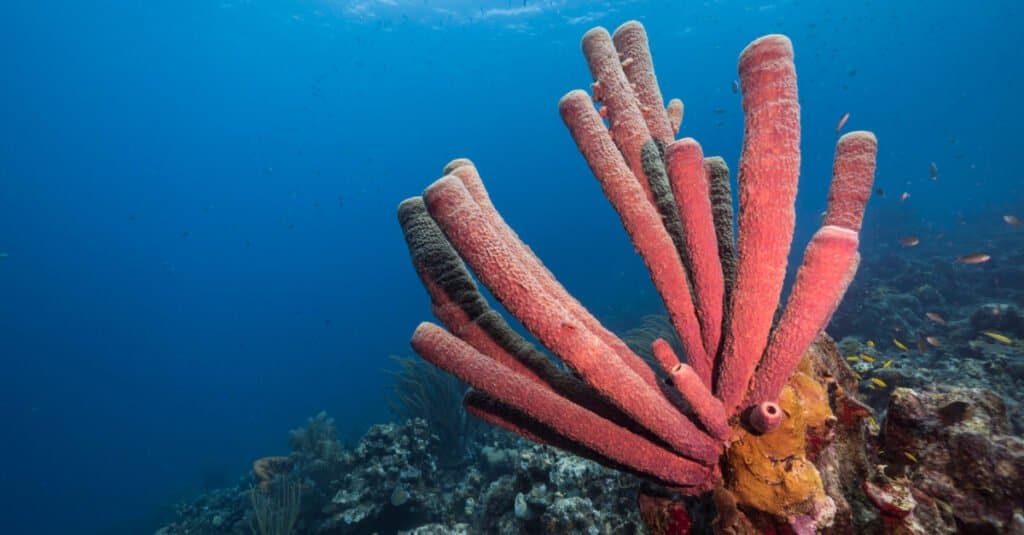
Animals that reproduce asexually – sponge

Sponges reproduce by both asexual and sexual means.

Evolution and Origins

According to an article from New Scientist, the emergence of sea sponges on Earth was previously believed to have occurred much later in history. However, the discovery of new chemical evidence indicates that this animal group actually evolved much earlier than previously estimated, dating back approximately 120 million years before the previous estimation.

The first animals on Earth, likely ancient sponges, are thought to have emerged around 700 million years ago. Sponges come in various sizes and shapes, and their bodies are comprised of a collection of cells that are bound together by collagen, a unique protein found in all animals.

Additionally, the evolutionary significance of sponges, ctenophores, placozoans, and cnidarians lies in the fact that they mark the period in which organized animal tissues were initially formed, fundamental cell types such as neurons and myocytes originated, and mechanisms for developmental patterning evolved.

Classification and Scientific Name
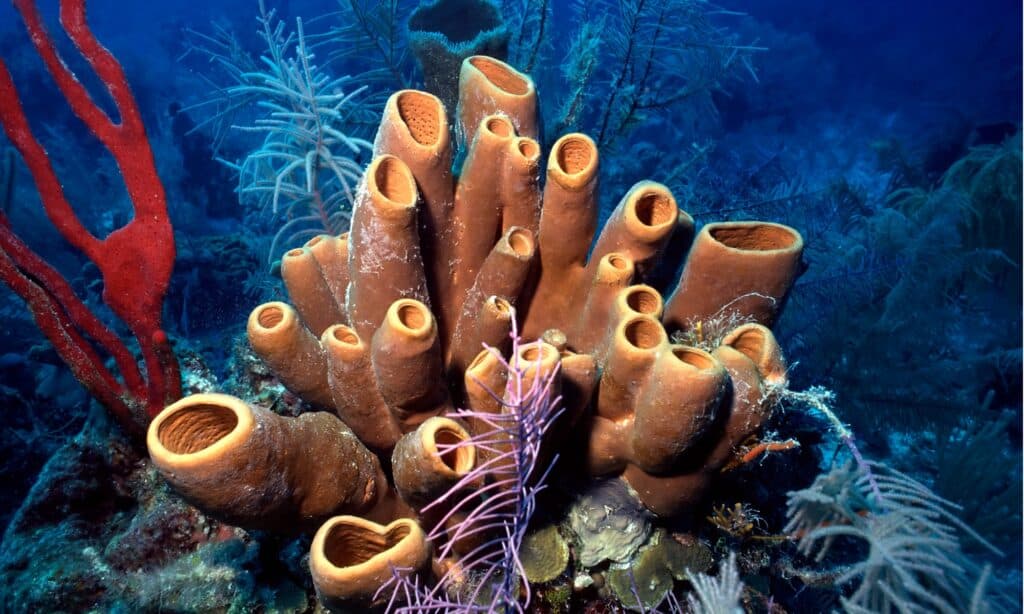
Sea Sponge

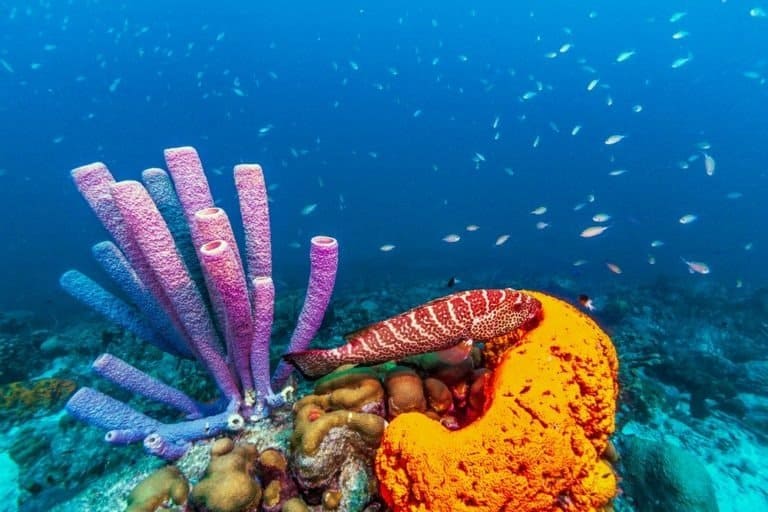
Colorful red finger sponge and brown tube sponges on the Belize reef.

All sponges are members of the Porifera phylum, which means “pore bearing” or “pore bearer” in Latin. This name comes from the many visible pores that cover their surfaces. This phylum is divided into four classes: Calcarea, Hexactinellida, Demospongiae, and Homoscleromorpha. The common name of “sponge” actually traces its origins back to Ancient Greek.

Species
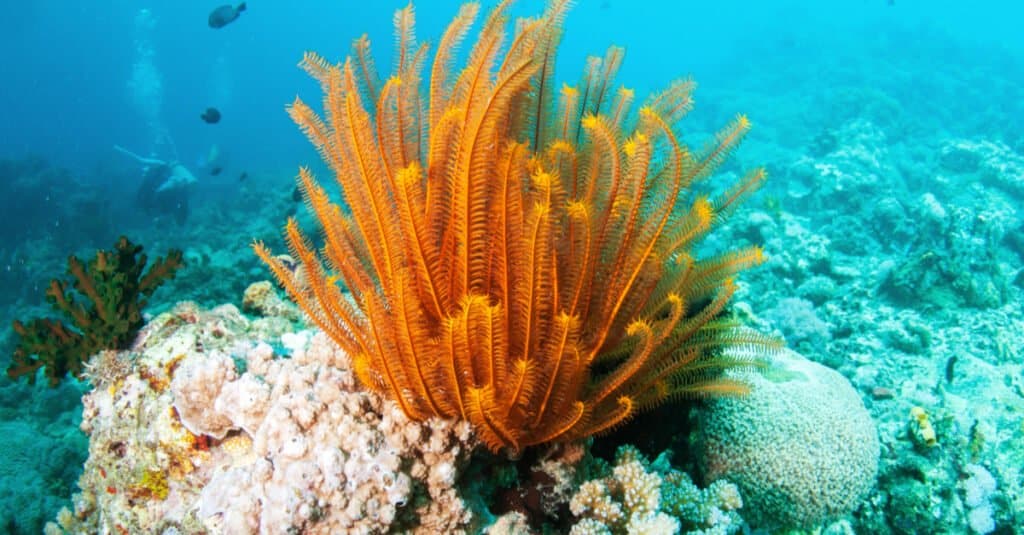
Animals That Don't Have a Brain - Sea Lily

Sea lilies are immobile, just like sea sponges.

Due to their many unique characteristics compared to all other types of animals, sponges have been designated into taxonomical isolation within their own phylum. However, despite their many shared characteristics, there are also plenty of genetic divisions among the thousands of known species. The four existing classes within the Porifera phylum are based on key differences in physiology and habitat.

  • Demospongiae: The largest and most diverse of the four classes, which includes over 70 percent of known sponge species. They have soft, flesh exteriors that cover a sprawling skeletal structure that supports their vertical growth.
  • Calcarea: A much smaller class of around 400 species characterized by calcium-based spicules, which are hard and pointy growths that serve as support and defense structures. Their spicules have between 2 and 4 points and are composed of calcium carbonates, which may present as either aragonite or calcite.
  • Hexactinellida: Also known as “glass sponges”, these animals are an even rarer type of sponge. They often have 4 or 6 pointed spicules made from silica compounds that lend them a unique appearance.
  • Homoscleromorpha: The smallest and most primitive of the four classes. These sponges may sprawl horizontally and have simple biological features compared to the species in the other classes.

Appearance
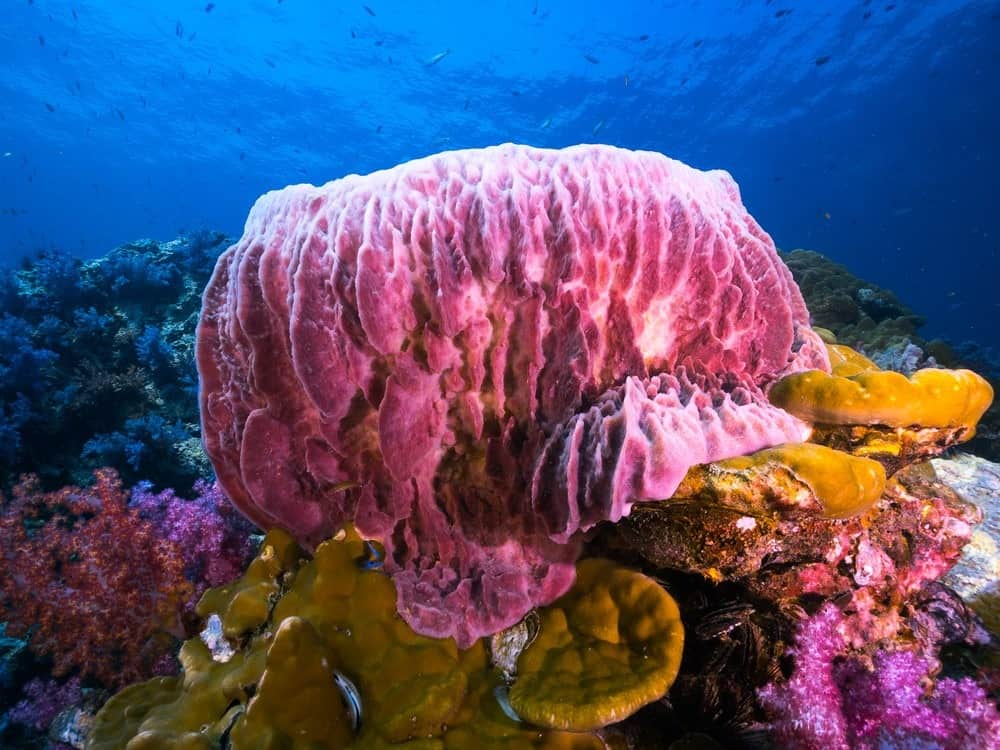
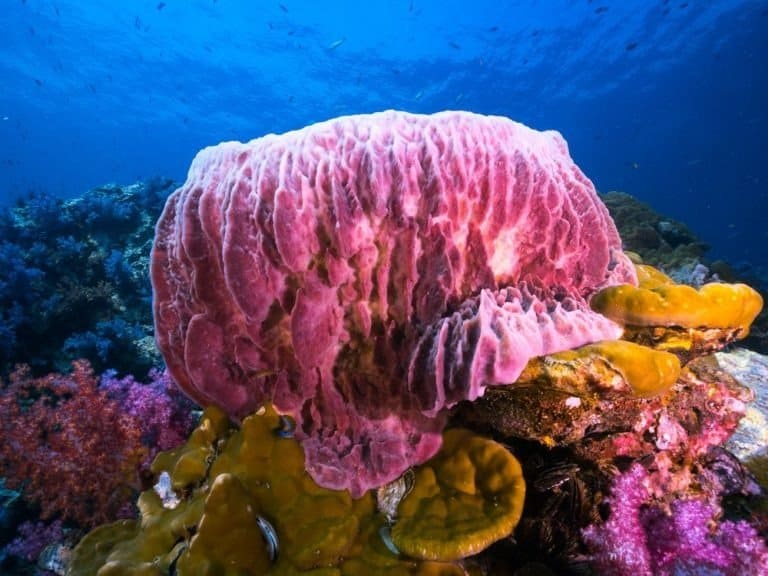
The Barrel Sponge - Similan Islands - Andaman Sea, Thailand.

The Barrel Sponge — Similan Islands — Andaman Sea, Thailand.

With thousands of different species within the phylum, it should be no surprise that there is immense diversity among them when it comes to size, shape, and color.

Most are easily mistaken for coral or plants due to their stationary nature and rigid structure. They are often covered by a soft and fleshy exterior, but their sharp and solid spicule skeletons may be exposed as a deterrent to predators or due to damage.

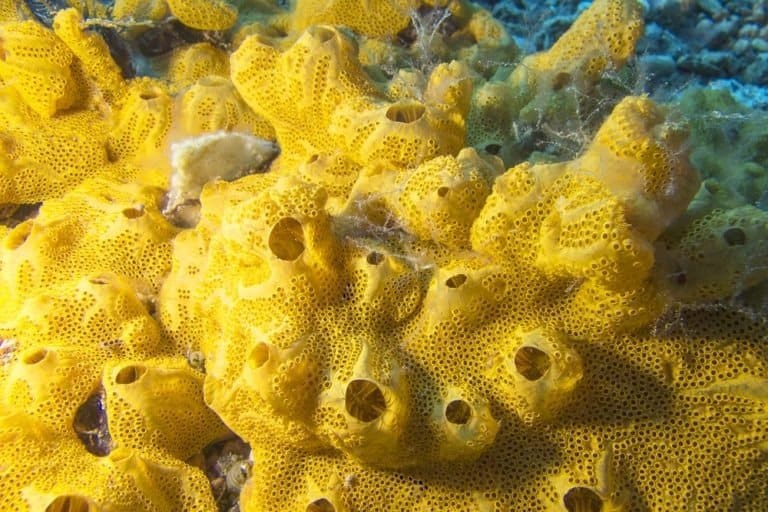
All sponges are also characterized by the presence of holes along their surface and channels throughout their body. Since they lack an internal circulatory system, these pores allow water to move through naturally to provide oxygen, introduce microscopic food particles, and remove waste.

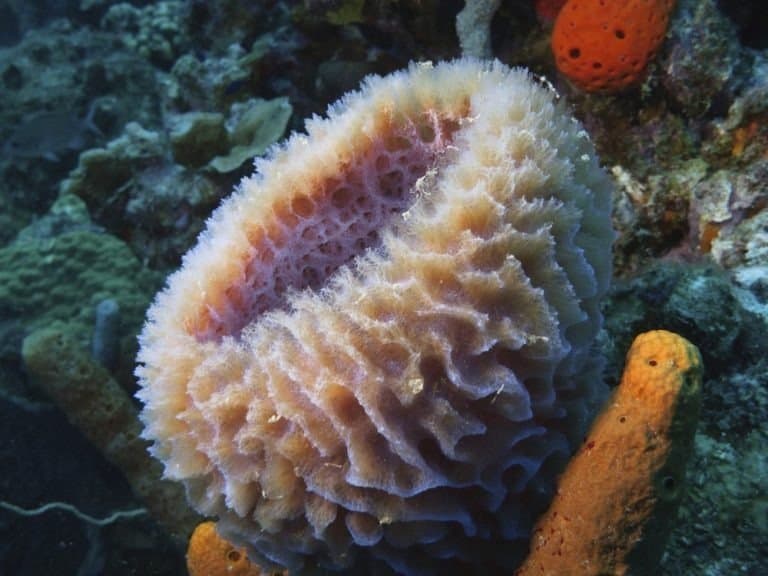
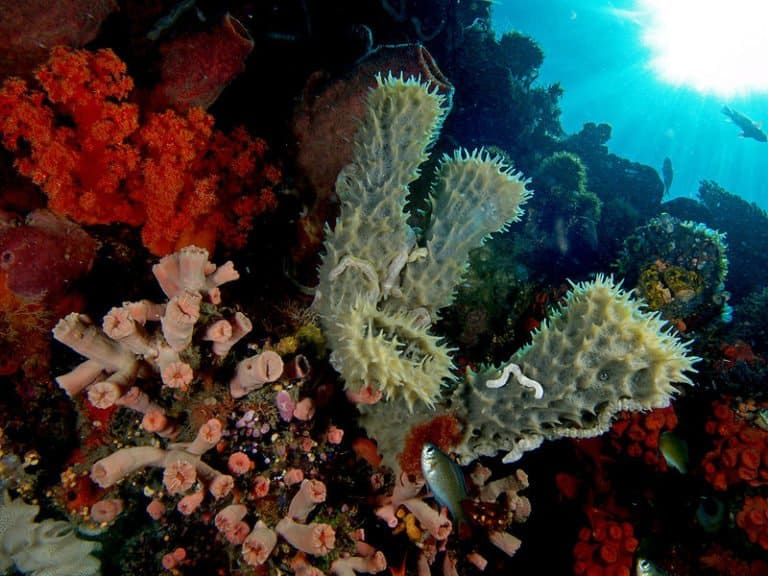
Many of these animals are tubular with a large cavity visible in the center, but they can also grow into shapes similar to trees, fans, or shapeless blobs. Depending on the species, they can also be less than 1 inch tall or well over 5 feet in height.
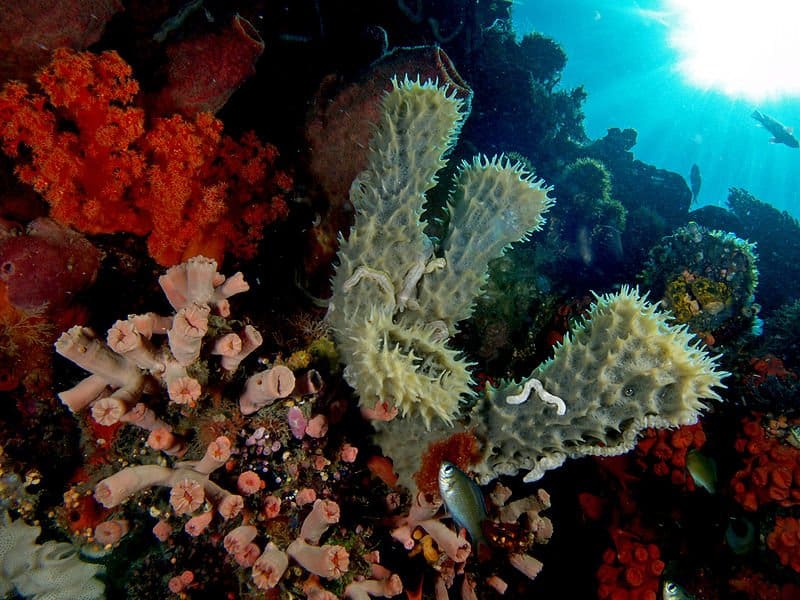
Sponge on a rock

Sponge on a rock.

Distribution, Population, and Habitat

Members of the Porifera phylum are found throughout the world’s seas and oceans, as well as some lakes and other freshwater bodies. The overwhelming majority of the roughly 9,000 known species live exclusively in marine environments, with between 100 and 200 found in freshwater ecosystems. Some researchers estimate that there are still many thousands of sponge species left to be discovered in remote areas and deep ocean environments.

Since the vast majority of species consume plankton and other microscopic life by filtering the surrounding water, they prefer clear and calm waters with minimal contamination from sediment.

They often anchor onto a hard surface, like rocks, reefs, or even shelled animals, but some can also grow roots long enough to attach to sand and other loose substrates. Populations are typically more diverse in tropical climates compared to temperate and polar ones.

Predators and Prey

What Eats Sponges?

Their lack of mobility is a serious biological vulnerability for sponges, which has compelled the development of many natural defense mechanisms. Spiny spicules on the surface and released onto the surrounding terrain help repel starfish, sea urchins, and other echinoderms that can prey on sponges. Potential predators can include various types of insects, fish, turtles, and parasites, depending on the habitat. Sponges are also harvested and cultivated for various commercial purposes by humans.

What Do Sponges Eat?

Most sponges are filter feeders, which means they feed passively by consuming microscopic plant and animal life from the water. Some species form symbiotic relationships with photosynthetic bacteria that allow them to derive energy from sunlight.

Some smaller sponges take advantage of their size and passive mobility to prey on other animals. These so-called “boring sponges” attach to the hard exterior of shellfish and erode the shell to prey on the animal within. Clams, oysters, and other mollusks are a primary target, as well as some crustaceans.

Reproduction and Lifespan

Sexual reproduction is the typical method of propagation, but some can also conduct asexual reproduction. Most sponges are hermaphrodites, which means each individual has both male and female cells. In sexual reproduction, a sponge releases eggs into the water, where they float until captured by another sponge that fertilizes them.

Sponges may conduct both activities at the same time or undergo alternating periods of releasing and fertilizing eggs. The average lifespan ranges from less than 1 year to up to 20 years, with some species able to survive for many centuries.

Fertilized eggs are released as floating larvae that propel themselves with a layer of flagellating cells. Once they find a stable surface in a suitable environment, they attach and begin metamorphosis into a proper sponge. This process involves the movement and transformation of cells throughout the body to facilitate the development of specialized functions.

Asexual reproduction is often a survival mechanism that allows a sponge to release small colonies of cells. This process is called gemmulation, and it allows a degenerating or dying adult to release small clones that might fare better in unfavorable conditions. Sponges also have profound regeneration capabilities, so small pieces may develop into fully grown clones of the original if they are broken off from the original.

Fishing and Cooking

Sponge aquaculture is a blossoming industry in many areas around the world and has the benefits of being relatively simple and having few material requirements. Farming does rely on favorable water conditions and consistent management to ensure productive yields.

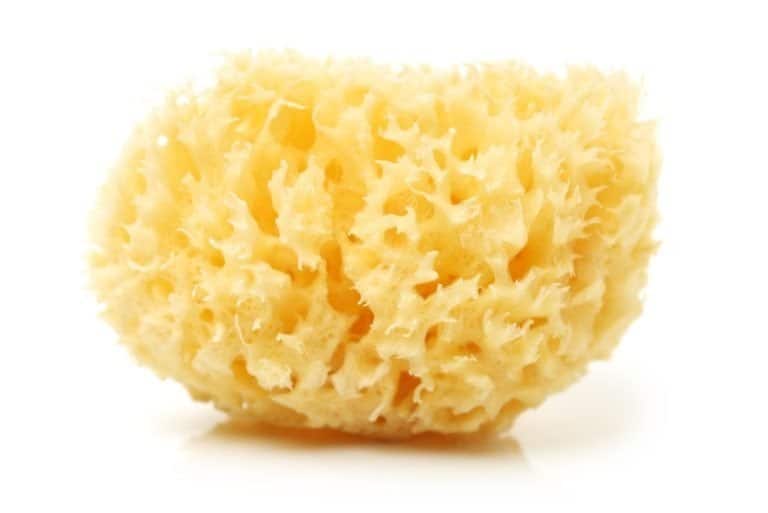
While they aren’t used as a food source by humans, they do have practical applications in bathing, feminine hygiene, and as a source of biological compounds. Bioactive chemicals have various medicinal properties, including anti-inflammatory and anti-viral potentials.

View all 390 animals that start with S

Sources

  1. David Burnie, Dorling Kindersley Animal, The Definitive Visual Guide To The World's Wildlife / Accessed November 3, 2009
  2. Tom Jackson, Lorenz Books (2007) The World Encyclopedia Of Animals / Accessed November 3, 2009
  3. David Burnie, Kingfisher The Kingfisher Animal Encyclopedia / Accessed November 3, 2009
  4. Richard Mackay, University of California Press (2009) The Atlas Of Endangered Species / Accessed November 3, 2009
  5. David Burnie, Dorling Kindersley (2008) Illustrated Encyclopedia Of Animals / Accessed November 3, 2009
  6. Dorling Kindersley (2006) Dorling Kindersley Encyclopedia Of Animals / Accessed November 3, 2009
  7. NOAA Fisheries / Accessed November 20, 2020
  8. Marine Education Society of Australasia / Accessed November 20, 2020
  9. Exploring our Fluid Earth / Accessed November 20, 2020
  10. Britannica / Accessed November 20, 2020
  11. National Ocean Service / Accessed November 20, 2020
  12. Wikipedia / Accessed November 20, 2020
Rebecca Bales

About the Author

Rebecca Bales

Rebecca is an experienced Professional Freelancer with nearly a decade of expertise in writing SEO Content, Digital Illustrations, and Graphic Design. When not engrossed in her creative endeavors, Rebecca dedicates her time to cycling and filming her nature adventures. When not focused on her passion for creating and crafting optimized materials, she harbors a deep fascination and love for cats, jumping spiders, and pet rats.
Connect:

Thank you for reading! Have some feedback for us?


Sponge FAQs (Frequently Asked Questions)

Sponges are found in all kinds of aquatic environments. Depending on species, they can thrive in coastal and tidal waters or in the abyssal depths of ocean trenches. They are found in waters of varying temperatures, ranging from balmy tropical climates to frigid polar waters. The vast majority live in saltwater, but there are some species that thrive in freshwater environments.