
S
Species Profile

Sri Lankan Elephant

Elephas maximus maximus

Sri Lanka's great gentle engineer
Volodymyr Burdiak/Shutterstock.com

Sri Lankan Elephant Distribution

Click a location to explore more animals from that region

Endemic Species
Loading map...

Found in 1 country

Size Comparison

Human 5'8"
Sri Lankan Elephant 8 ft 10 in

Sri Lankan Elephant is 1.6x the height of an average human.

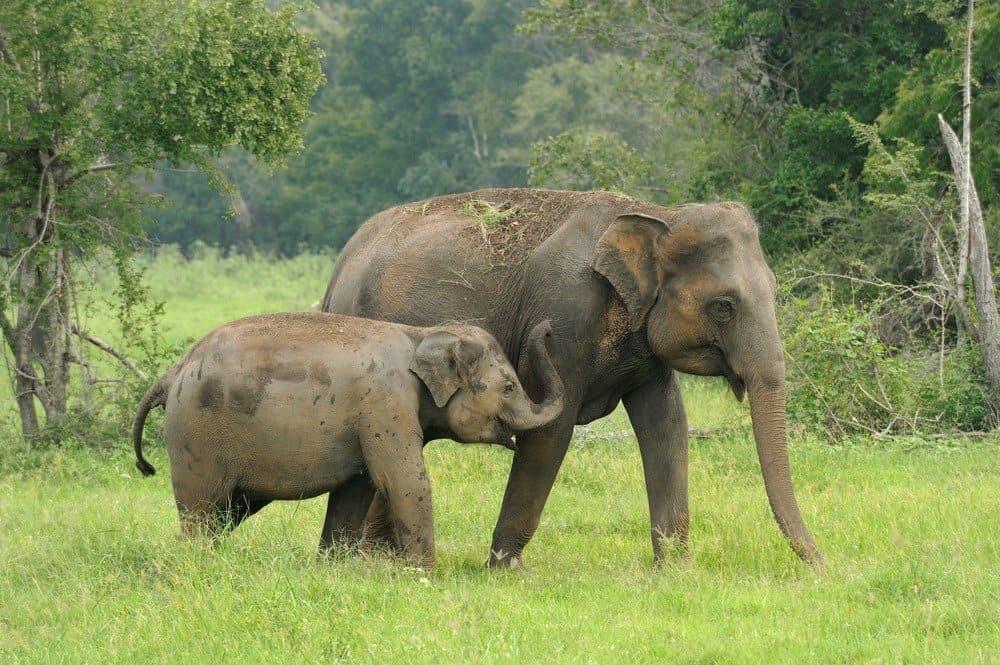
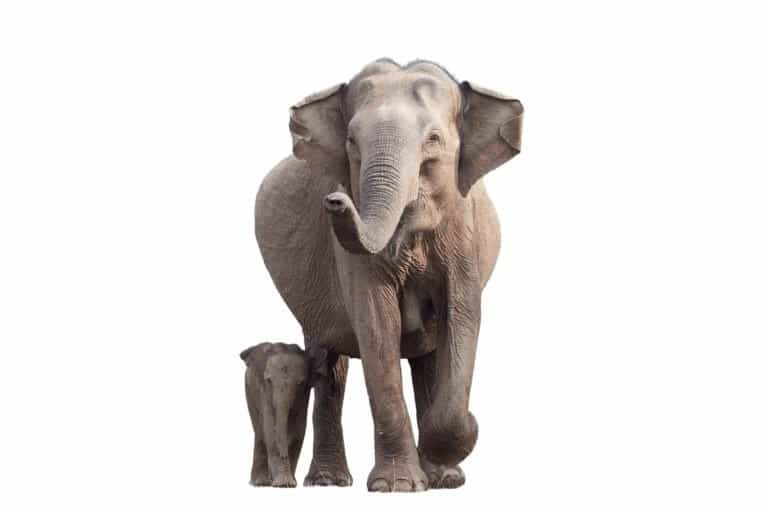
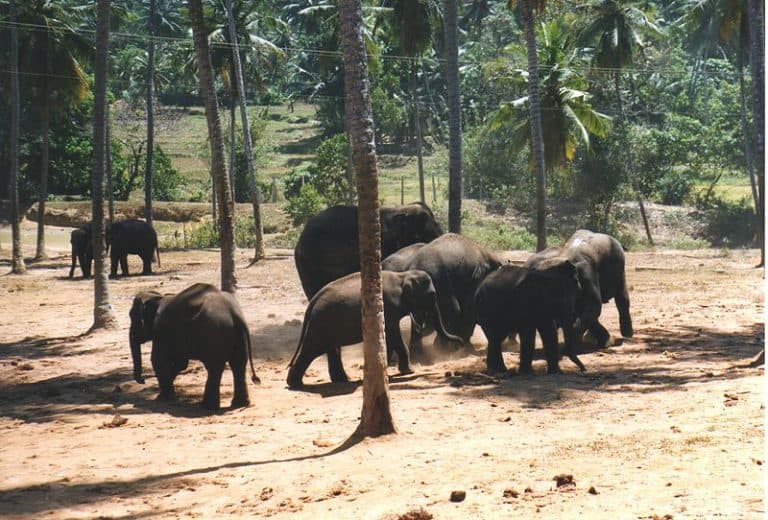
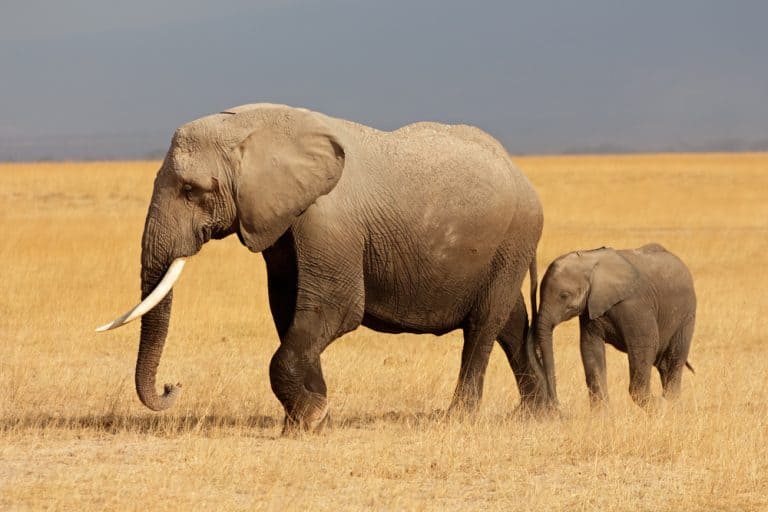
Sri Lankan elephant mother and child

At a Glance

Wild Species
Also Known As Ceylon elephant, Tusker, Aliya, Yaanai
Diet Herbivore
Activity Cathemeral+
Lifespan 55 years
Weight 5500 lbs
Status Not Evaluated
Did You Know?

Endemic subspecies: Elephas maximus maximus occurs naturally only on Sri Lanka (IUCN/Asian elephant regional accounts).

Scientific Classification

The Sri Lankan elephant is the Sri Lanka–endemic subspecies of the Asian elephant. It is among the largest Asian elephant forms and is a key megaherbivore shaping forest and grassland ecosystems through grazing, browsing, and seed dispersal.

Kingdom
Animalia
Phylum
Chordata
Class
Mammalia
Order
Proboscidea
Family
Elephantidae
Genus
Elephas
Species
Elephas maximus

Distinguishing Features

  • Subspecies of the Asian elephant endemic to Sri Lanka
  • Typically large-bodied relative to many other Asian elephant populations
  • Asian elephant traits: smaller ears than African elephants, a single “finger” at the trunk tip (upper), generally smoother skin
  • Many males can be tuskless; tusked males exist but are relatively uncommon in Sri Lanka compared with some other regions

Physical Measurements

Males and females differ in size

Height
9 ft 6 in (7 ft 10 in – 11 ft 2 in)
7 ft 3 in (6 ft 7 in – 7 ft 10 in)
Length
18 ft 4 in (15 ft 9 in – 20 ft 12 in)
Weight
4.4 tons (2.2 tons – 6.1 tons)
2.8 tons (2.2 tons – 3.3 tons)
Tail Length
3 ft 11 in (3 ft 3 in – 4 ft 11 in)
Top Speed
16 mph
running

Appearance

Primary Colors
Secondary Colors
Skin Type Very thick, sparsely haired, deeply wrinkled skin; frequent mud-dusting and wallowing alters apparent color and texture.
Distinctive Features
  • Sri Lanka-endemic subspecies of the Asian elephant (Elephas maximus), not a separate species; smaller ears than African elephants and a single 'finger' on the trunk tip (Sukumar 2003).
  • Adult size: males typically ~2.4-3.2 m shoulder height; females ~2.0-2.4 m (Sukumar 2003; Shoshani & Eisenberg 1982).
  • Body mass (Asian elephant reference values): adult males commonly ~3,000-5,000 kg; adult females ~2,000-3,000 kg (Sukumar 2003).
  • Distinctive head profile with twin frontal domes and relatively straighter back than African elephants; forehead often prominent in mature bulls (Shoshani 1996).
  • Depigmented mottling is often conspicuous on ear edges, temples, and trunk base; ear pinnae show smaller surface area than Loxodonta, aiding Asian vs African distinction.
  • Tusk expression is uncommon in Sri Lankan males; only a small minority are tuskers (reported ~7% of males in Sri Lanka populations; Fernando et al., 2011).
  • Feet: typically 5 toenails on forefeet and 4 on hindfeet (Asian elephant diagnostic; Shoshani 1996).
  • Longevity: wild individuals commonly reach ~50-60 years, with occasional reports approaching ~70 years (Sukumar 2003).
  • Dry-zone habitat use: frequent use of scrub, grassland, tank margins, and seasonal watercourses; movements expand in dry season toward permanent water (Fernando et al., 2008).
  • Human-elephant conflict influences visible condition: ear tears, tail loss, and scar patterns from fencing or deterrents may occur in conflict landscapes (Fernando et al., 2011).

Sexual Dimorphism

Males are substantially larger and more robust-headed; only some males carry tusks, and many are tuskless (tushes) in Sri Lanka. Mature bulls often show temporal gland secretion and musth-related swelling more prominently than females.

  • Larger body size: commonly up to ~3.2 m shoulder height; heavier, thicker neck and head (Sukumar 2003).
  • Tusks variable; many males are tuskless or have short tushes; tuskers form a small minority in Sri Lanka (Fernando et al., 2011).
  • More pronounced temporal gland bulging/secretions during musth; heavier musculature of forequarters.
  • Smaller body size: typically ~2.0-2.4 m shoulder height (Sukumar 2003).
  • Generally lack tusks; may have very small, non-projecting tushes.
  • More slender head/neck profile; often less extensive scarring from male-male contests.

Did You Know?

Endemic subspecies: Elephas maximus maximus occurs naturally only on Sri Lanka (IUCN/Asian elephant regional accounts).

Among the largest Asian elephant forms: adult males can reach ~3.0-3.5 m shoulder height and ~4,000-5,500 kg; females are smaller (~2.2-2.6 m, ~2,000-3,000 kg) (summarized from Asian elephant morphometrics in Sukumar 2003 and regional field syntheses).

Asian vs African distinction: Asian elephants (including Sri Lankan) typically have smaller ears and a single "finger" at the trunk tip (African elephants have two).

Reproduction is slow: gestation is ~20-22 months (~640-660 days), with inter-birth intervals commonly ~4-6+ years in wild Asian elephants (Sukumar 2003; long-term demographic studies).

Teeth are on a conveyor belt: elephants have 6 sets of molars per side over a lifetime; worn teeth are replaced from the back forward-old individuals can die when the last molars wear out.

Dry-zone specialists: many Sri Lankan elephants concentrate in the lowland dry zone, tracking seasonal water/forage and using riverine strips, scrub, grasslands, and reservoir ("tank") margins.

Human-elephant conflict is a leading conservation issue in Sri Lanka; mitigation emphasizes well-sited electric fencing, securing crop attractants, land-use planning, and maintaining movement corridors (Sri Lankan HEC literature; Fernando et al. 2008 and subsequent work).

Unique Adaptations

  • Megaherbivore "ecosystem engineer" role: by breaking branches, opening trails, and dispersing seeds via dung, elephants shape forest-grassland mosaics and regeneration patterns.
  • Water-finding and drought coping: strong spatial memory for scattered water sources (tanks, rivers, seepages) and ability to travel long distances between them.
  • Highly manipulative trunk: fused nose/upper lip with thousands of muscle fascicles enables precise feeding, drinking, dusting, and tool-like manipulation.
  • Columnar limbs and cushioned feet: elastic foot pads distribute mass and aid quiet movement on varied substrates (sand, scrub, forest floor).
  • Heat management: large, vascular ears act as radiators (though smaller than African elephants'), and behavioral cooling (shade seeking, bathing) is crucial in the dry zone.
  • Slow, efficient digestion for bulk forage: large hindgut fermentation allows use of coarse grasses, bark, and browse, supporting survival in seasonal habitats.
  • Sequential molar replacement: multiple tooth sets allow decades of grinding abrasive vegetation and grit-laden grasses common in dry-zone feeding.

Interesting Behaviors

  • Seasonal movements in dry landscapes: herds shift ranges with monsoon-driven water and grass availability, often using traditional routes between forests, scrub, and reservoir edges.
  • Fission-fusion sociality: related females and calves form family units that can split and rejoin; adult males are more solitary or in loose bachelor associations, especially outside musth.
  • Musth in males: periodic state with heightened testosterone, temporal-gland secretion, and increased roaming; it boosts mating success but raises conflict risk near people.
  • Dust bathing and mud wallowing: coating skin helps with thermoregulation, sun protection, and parasite control; dusting often follows bathing.
  • Intensive foraging strategy: mixed feeding (grazing + browsing) with daily intake commonly on the order of 100+ kg fresh vegetation for Asian elephants; individuals switch plants by season and habitat.
  • Communication across distances: low-frequency rumbles can travel long distances; chemical cues in urine and temporal-gland secretions convey reproductive status.
  • Calf learning and allomothering: young calves are protected and guided by multiple females; calves learn routes, food plants, and risk cues socially.

Cultural Significance

Sri Lankan elephants (Elephas maximus maximus) are tied to Sinhala Buddhist and royal history, stand for state power, join ceremonies like the Kandy Esala Perahera, worked in logging, feature in art and temples; conservation now balances heritage, elephant welfare, parks, and science-based ways to live with people.

Myths & Legends

Kandula and King Dutugemunu (Mahavamsa chronicle tradition): the famed war-elephant Kandula is celebrated for loyalty and valor during Dutugemunu's campaigns, becoming a symbol of righteous kingship.

The Chaddanta Jataka (Theravada Buddhist tradition, widely told in Sri Lanka): a majestic six-tusked elephant-king embodies virtue and sacrifice, illustrating karmic consequence and compassion.

The Nalagiri episode (Buddhist narrative tradition): an enraged elephant is calmed by the Buddha's compassion, a story often invoked in Sri Lankan Buddhist teaching about nonviolence and mental restraint.

Airavata/Eravana (South Asian myth and known in Sri Lanka) is the holy white elephant of the god Indra/Sakka, linked to rain and kingship, showing the elephant's role as a sign of power and good luck.

Perahera stories about the Maligawa tusker (Kandy tradition) say certain Sri Lankan elephants are picked to carry the Tooth Relic casket for calm strength and sacred duty, staying composed amid drums, fire, and crowds.

Conservation Status

NE Not Evaluated

Has not yet been evaluated against the criteria.

Population Decreasing

Protected Under

  • Sri Lanka Fauna and Flora Protection Ordinance (FFPO) (as amended) - elephants are legally protected; killing and capture are regulated/prohibited except under specific permits
  • CITES Appendix I - international commercial trade in wild specimens is prohibited (strictly regulated for permitted non-commercial purposes)

Life Cycle

Birth 1 calf
Lifespan 55 years

Lifespan

In the Wild
15–70 years
In Captivity
20–70 years

Reproduction

Mating System Polygynandry
Social Structure Transient
Breeding Pattern Transient
Fertilization Internal Fertilization
Birth Type Internal_fertilization

Sri Lankan elephants show a polygynandrous system: adult females live in stable matrilineal groups, while adult males are largely solitary and join briefly to mate, especially during musth. Mating involves short consortships; allomothering by related females is common.

Behavior & Ecology

Social Herd Group: 6
Activity Cathemeral, Crepuscular, Nocturnal
Diet Herbivore Sugarcane (highly palatable crop frequently targeted during crop-raiding in Sri Lanka)

Temperament

Highly social, cooperative caregiving (allomothering) common; matriarchs lead movements and decisions.
Risk-averse toward humans; shifts to more nocturnality/avoidance in disturbed landscapes (Fernando et al. 2008).
Adult bulls can become highly aggressive and less social during musth (Sukumar 2003).
Wild longevity commonly ~50-60 years; maximum reported about ~70 years (Sukumar 2003).
Slow life history: gestation ~20-22 months; extended calf dependence and learning within family groups (Sukumar 2003).
Core matriarchal families persist; fission-fusion and seasonal aggregation vary with water and forage availability.

Communication

Low-frequency rumbles Including infrasonic components <20 Hz) used for contact and coordination (Langbauer 2000
Trumpets associated with excitement, alarm, or social arousal.
Roars/screams during high-intensity aggression or distress.
Snorts and barks as short-range alarm signals.
Calf squeaks/squeals for distress, solicitation, or during play.
Seismic signaling via ground-transmitted vibrations from rumbles/footfalls; detected through feet and trunk Langbauer 2000
Chemical cues: urine, dung, and temporal-gland secretions convey reproductive state Especially musth
Tactile communication: trunk touches, mouth-to-mouth, body rubbing, and calf guiding.
Visual displays: ear spreading/flapping, head-high postures, and mock charges for threat signaling.

Habitat

Biomes:
Tropical Dry Forest Tropical Rainforest Savanna Wetland Freshwater
Terrain:
Island Plains Hilly Valley Riverine Coastal
Elevation: Up to 6561 ft 8 in

Ecological Role

Keystone megaherbivore / ecosystem engineer in Sri Lanka's forest-grassland mosaics

Maintains and creates open habitats through grazing, trampling, and browsing, influencing vegetation structure and fire regimes Facilitates nutrient cycling via large-volume dung deposition and redistribution of nutrients across habitats Long-distance seed dispersal (endozoochory) for many fleshy-fruited plants; enhances germination via gut passage and dung fertilization Creates microhabitats and movement corridors (trails) used by other fauna; can open thickets and promote habitat heterogeneity Modifies woody recruitment and canopy structure via selective browsing and debarking, shaping plant community composition

Diet Details

Other Foods:
Grasses Sedges Browse Tree bark and woody stems Bamboo Fruits and pods Roots and tubers Cultivated plants Mineral soil and salt licks +3

Human Interaction

Domestication Status

Semi domesticated

Sri Lankan elephant (Elephas maximus maximus) is a wild subspecies, not truly domesticated. People have long captured and tamed them for logging, transport, royal and temple pageants, and tourism; captive breeding was minor. Human interactions include crop conflict, regulated capture for work, ecotourism, and illegal trade.

Danger Level

High
  • Human fatalities and severe injuries during crop-raiding encounters, especially at night near farms and village edges; risk increases in fragmented habitats and along corridors.
  • High-risk contexts include adult males (often solitary) and musth periods (heightened aggression and long-distance roaming), as well as females defending calves.
  • Vehicle and pedestrian incidents near roads/railways where elephants cross traditional routes; sudden charges can occur at close range.
  • Documented national-scale human-elephant conflict in Sri Lanka includes recurrent annual human deaths attributed to elephants (recent decades frequently reported on the order of ~70-100 human deaths/year in Sri Lanka in governmental and scientific reporting), indicating sustained, population-level public-safety risk in affected districts (e.g., Department of Wildlife Conservation reports; Fernando et al., peer-reviewed analyses).
  • Secondary risks: property destruction (homes, granaries), which can trigger dangerous confrontations and retaliatory violence.

As a Pet

Not Suitable as Pet

Legality: Not suitable and usually illegal as a private pet. Sri Lankan Elephant (Elephas maximus maximus) is protected; private ownership needs strict permits and registration, and is usually limited to zoos or licensed working/temple elephants. CITES Appendix I.

Care Level: Expert Only

Purchase Cost: Up to $150,000
Lifetime Cost: $1,000,000 - $6,000,000

Economic Value

Uses:
Ecotourism and wildlife viewing Cultural and religious services (temple/pageant elephants) Historic labor (logging/transport; now limited/regulated) Conservation finance and protected-area branding Human-elephant conflict costs (crop loss, infrastructure damage, mitigation expenses)
Products:
  • park entrance and safari revenues linked to elephant viewing (e.g., dry-season aggregations)
  • employment and services tied to elephant-based tourism (guides, lodges, transport)
  • fees/donations associated with religious/cultural procession participation
  • costly mitigation infrastructure and services (electric fencing, guarding, deterrents, compensation schemes)
  • negative economic externalities: repeated crop damage (rice, banana, sugarcane, maize) and property destruction

Relationships

Predators 4

Sri Lankan Leopard Panthera pardus kotiya
Mugger Crocodile Crocodylus palustris
Saltwater Crocodile Crocodylus porosus
Human
Human Homo sapiens

Ecological Equivalents 5

Animals that fill a similar ecological role in their ecosystem

“The Sri Lankan elephant is one of the world’s largest and rarest land animals.”

The Sri Lankan elephant is one of three subspecies of the Asian elephant. The species as a whole is recognized as being the largest land animal in Asia and the Sri Lankan type is the largest of the species. With a population that only includes a few thousand individuals, these elephants are actively conserved and are considered at risk of further population decline. Geographically, they are limited to the island of Sri Lanka situated off the southern coast of India. Fragmentation of their habit, narrowing of geographic range and frequent lethal interactions with humans are all contributing factors in their decline.

Sri Lankan Elephant Facts

  • Massive Proportions: This subspecies has the biggest height and weight of all Asian elephants. They can weigh over 10,000 pounds and reach a height of over 10 feet at the shoulder.
  • Tusk Rarity: Sri Lankan elephants only rarely have tusks compared to other types of elephant. Only a small fraction of adult males grow them out.
  • Small Range: These animals may be big, but their natural geographic range is not. They are only found in select regions of the island of Sri Lanka.
  • Big Appetite: These animals need to eat hundreds of pounds of food each day to maintain their massive body.

Sri Lankan Elephant Scientific Name

Sri Lankan elephants are genetically distinct from other members of their species, but can also simply be called Asian elephants like their brethren found elsewhere on the continent. In taxonomic terms, these animals are known as Elephas maximus maximus. The word “elaphas” has Greek and Latin roots that indicate an antlered animal or “big arch.” The word maximus is also Latin and simply means “biggest” or “greatest,” which is an appropriate choice given their size. The subspecies belongs to the Elephantidae family in the Mammalia class.

Sri Lankan Elephant Appearance

Sri Lankan elephants are the largest of the Asian elephant subspecies and the biggest land animals on the continent. Adults can reach a height of 11.5 feet, which is about twice as tall as an average human man. Body weight can range from 4,400 to 12,000 pounds. There is generally a big size difference between male and female elephants. Males are typically 20 to 30 percent taller and can weigh almost twice as much as a female of comparable age.

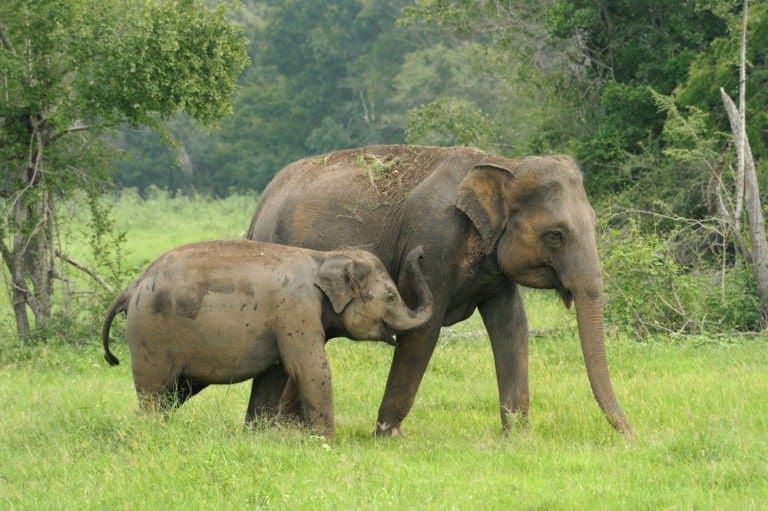
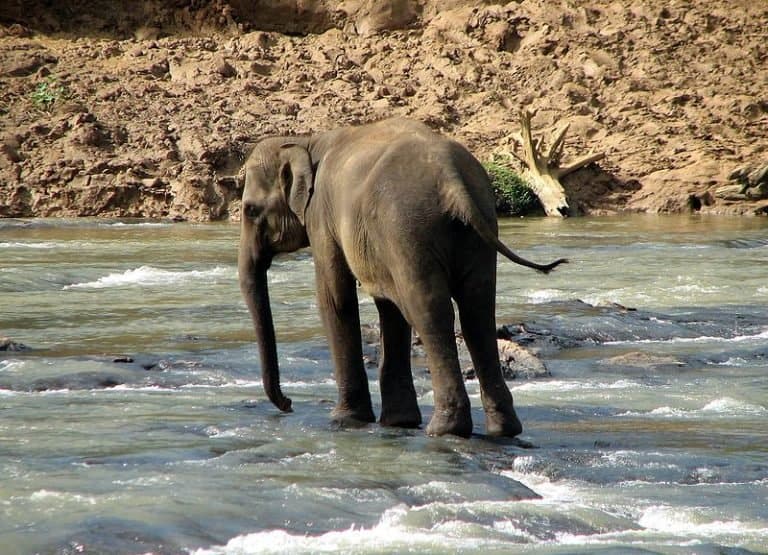
These elephants have a mostly grey body with lighter spots or flecks caused by a lack of pigment in some of the skin cells. They have a rounded torso that is supported by strong, cylindrical legs. They have small, angular ears that are generally tucked next to their heads, which has a distinct double-dome shape. Like all elephants, these animals are also equipped with a long and flexible trunk that serves many practical purposes.

They are also set apart from other Asian elephant subspecies in that only a small fraction, about 5 to 10 percent, of males grow pronounced tusks. Also, unlike African elephant species, female Sri Lankan elephants never grow tusks beyond short nubs. The longest tusks reported on a Sri Lankan elephant were 7.5 feet long and belonged to Raja, a nationally-recognized animal in India who served a ceremonial role in a local religious center.

Sri Lankan Elephant Behavior

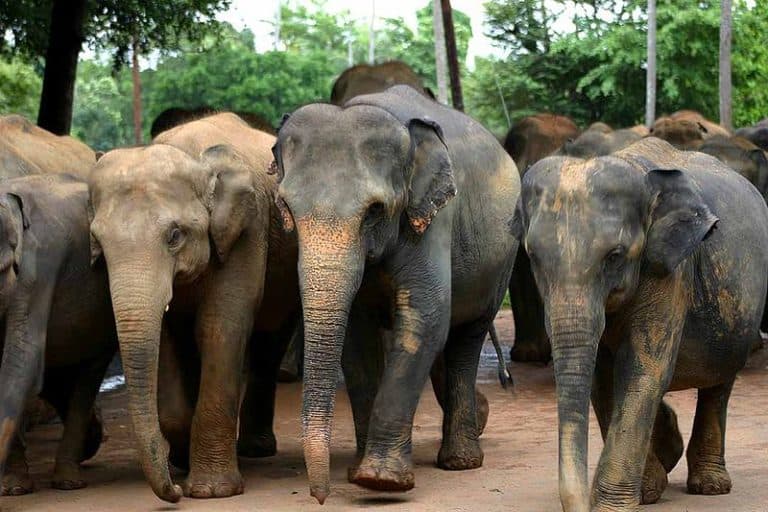
Like other elephant species, these animals have complex and integrated social behaviors that serve a critical role in their development and survival. Groups of related females and their calves, collectively called a clan, typically travel together and share in the responsibilities of caring for young. Male elephants leave their clan when they reach sexual maturity and live solitary lives or in small, loosely-bonded groups with other males.

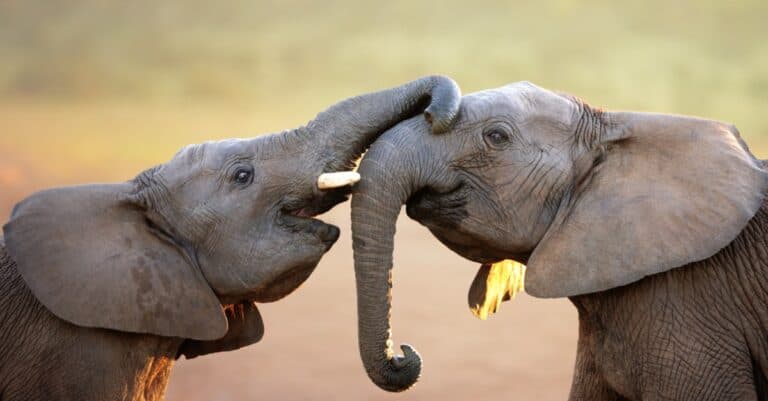
All Asian elephants rely on a combination of communication methods to interact with their clan members and potential mates. Their mouth and trunk are both involved in making a variety of noises for short and long-distance communication. They also rely on several glands to secrete chemical signals and may use their trunks to communicate via touching.

Sri Lankan Elephant Habitat

As their name suggests, this subspecies is found only on the Indian island of Sri Lanka off the country’s southern coast. While the elephants were once distributed throughout the entire island, from coasts to mountains, they are now mostly found in the lowland regions. They are migratory by nature, so only spend some of their time in areas that have been designated as protected parks and preserves.

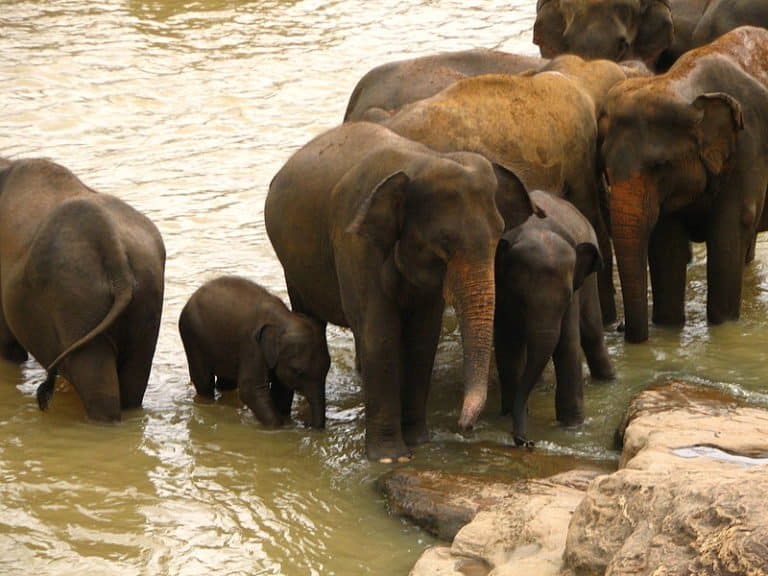
Due to the hot and dry nature of their native habitat, these elephants engage in several types of behaviors designed to manage their internal temperature. They can frequently be seen submerging themselves in freshwater bodies and may cover themselves with mud. They also repeatedly flap their ears as a way of releasing body heat.

Sri Lankan Elephant Diet

Sri Lankan elephants are considered megaherbivores due the vast quantity of plant matter they consume on a daily basis. Adults can eat over 300 pounds of food in a single day or up to 10 percent of their body weight. Their massive appetite requires over 12 hours of foraging every day and frequent migrations to find fresh feeding grounds throughout the year.

What does the Sri Lankan elephant eat?

These elephants are generalist foragers, which means they are willing and able to eat many different kinds of plants. Researchers have identified over 100 different plant species that compose part of their diet, including dozens of species used in human cultivation. Regenerating forests are usually better for foraging than mature ones.

Sri Lankan Elephant Predators and Threats

A small and declining population has prompted conservationists to classify the Sri Lankan elephant as endangered. Continued habitat fragmentation due to the expansion of human settlements and growing agricultural areas is a significant threat. Historically, these elephants were frequently targeted for hunting and extermination until the 20th century, which decimated the natural population.

Poaching by humans and attacks from natural predators are a minimal threat to Sri Lankan elephants. The rarity of tusk-bearing males in this subspecies limits their appeal for ivory poachers. However, clashes with humans are still a leading cause of death for these elephants. Loss and fragmentation of their habitat has forced migration through populated areas, which may become violent and lead to the death of the animal. Some farmers also intentionally shoot or poison elephants who could damage their crops.

What eats Sri Lankan elephants?

Aside from human hunting in the past, these elephants have few natural predators due to their massive size. Their only known predator is the Bengal tiger, but even these voracious and powerful carnivores usually limit their targets to young elephants.

Sri Lankan Elephant Reproduction, Babies, and Lifespan

Mating rituals are typically competitive between males with females making the final selection of the most desirable mate. Reproduction can occur throughout the year, but is largely influenced by the hormonal state of the two individuals involved. Females have a brief estrus period of 3 to 7 days when they are fertile and ready to mate. Males also enter a similar hormonal phase called musth, which greatly increases their potential as a mate.

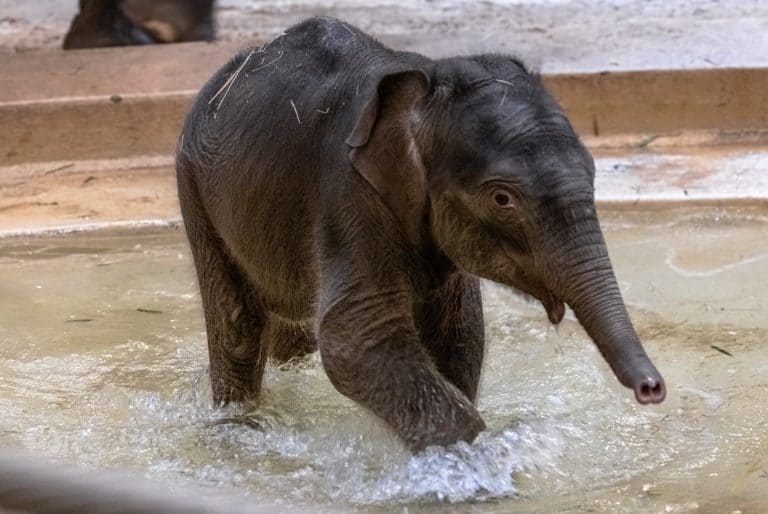
Sri Lankan elephants have a long gestation period that can extend for up to 680 days. They typically give birth to a single calf, which exits the womb weighing 200 to 300 pounds. Males don’t participate in raising or caring for the offspring. Instead, females and their young tend to linger around related adult females in clans lead by a single matriarch. All members of this “nursing unit” look after and help raise the calves.

Calves must nurse to survive for about 2 years and complete weaning is usually finished after about 4 years. Calves become independent within a year or two of weaning, with males leaving their clan to lead solitary lives or in small groups with other males. Elephants of both genders generally reach sexual maturity when they are around 10 to 15 years old and can live well over 60 years in the wild.

Sri Lankan Elephant Population

Current population estimates for this subspecies is between 2,500 and 4,000 adult individuals. The population has been on a declining trend since the colonial period and conservationists believe it will continue in the years ahead. In fact, some experts believe that the animal will be extinct in the wild within decades. Their need for vast migratory tracts and possibility of negative interactions with humans makes conservation efforts very challenging.

View all 390 animals that start with S

Sources

  1. World Wildlife Fund
  2. https://phys.org/news/2020-08-virus-sri-lanka-threatened-elephants.html
  3. Wikipedia
  4. International Elephant Foundation
A-Z Animals Staff

About the Author

A-Z Animals Staff

AZ Animals is a growing team of animals experts, researchers, farmers, conservationists, writers, editors, and -- of course -- pet owners who have come together to help you better understand the animal kingdom and how we interact.
Connect:

Thank you for reading! Have some feedback for us?


Sri Lankan Elephant FAQs (Frequently Asked Questions)

These elephants are purely herbivores and are only known to eat plant matter.