

S
Species Profile

Staffordshire Bull Terrier

Canis lupus familiaris

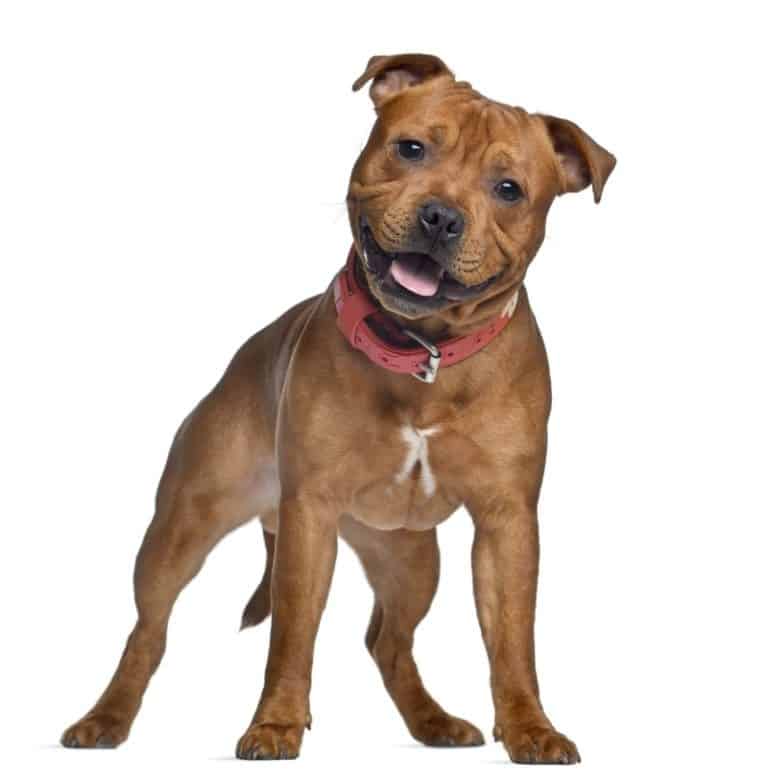
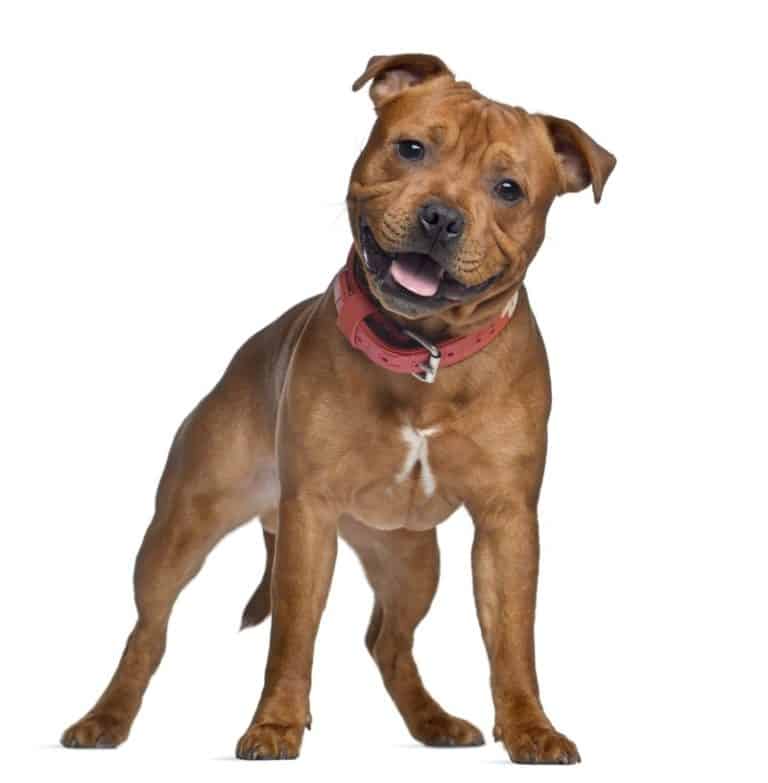
Small body. Big heart. Pure Staffie.
Hamik/Shutterstock.com

Staffordshire Bull Terrier Distribution

Click a location to explore more animals from that region

Origin Location

This map shows the native origin of the Staffordshire Bull Terrier. As a domesticated species, they are now found worldwide.

Loading map...

Found in 1 country

Size Comparison

Human 5'8"
Staffordshire Bull Terrier 1 ft 3 in

Staffordshire Bull Terrier stands at 22% of average human height.

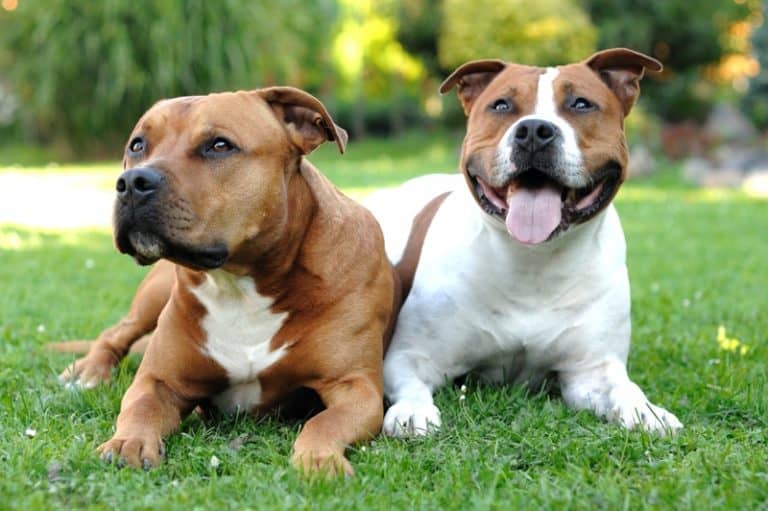
Pair of Staffordshire bull terriers

At a Glance

Domesticated
Also Known As Staffie, Staffy, Staff, Nanny dog
Diet Omnivore
Activity Diurnal+
Lifespan 13 years
Weight 17 lbs
Status Not Evaluated
Did You Know?

The Staffordshire Bull Terrier was standardized in England; the UK breed club formed in 1935 and the breed gained Kennel Club recognition soon after.

Scientific Classification

The Staffordshire Bull Terrier is a small-to-medium, muscular terrier-type domestic dog breed developed in England, now primarily kept as a companion animal.

Kingdom
Animalia
Phylum
Chordata
Class
Mammalia
Order
Carnivora
Family
Canidae
Genus
Canis
Species
Canis lupus

Distinguishing Features

  • Compact, powerful, muscular build with broad head and pronounced cheek muscles
  • Short, smooth coat; commonly brindle, red, fawn, black, blue, or white, often with white markings
  • Rose or half-pricked ears; dark, round eyes; strong jaw
  • Adult size typically small-to-medium compared with many other bull-type terriers

Physical Measurements

Males and females differ in size

Height
1 ft 3 in (1 ft 2 in – 1 ft 4 in)
Length
2 ft 8 in (2 ft 6 in – 2 ft 11 in)
Weight
33 lbs (29 lbs – 37 lbs)
29 lbs (24 lbs – 34 lbs)
Tail Length
8 in (7 in – 10 in)
8 in (7 in – 10 in)
Top Speed
28 mph
running

Appearance

Primary Colors
Secondary Colors
Skin Type Short, smooth, close-lying single coat with moderately tight skin; low grooming needs but can be prone to skin irritation/allergies in some lines.
Distinctive Features
  • Domestic dog breed (Canis lupus familiaris) within Canidae/Carnivora; selected for compact strength and companionship rather than wild survival traits.
  • Small-to-medium, very muscular build with broad chest and strong forequarters; notably stockier than many other terriers.
  • Distinctive broad skull with pronounced cheek muscles, short foreface, and strong jaw; ears are small and semi-erect/rose.
  • Short, glossy coat emphasizing defined musculature; tail is medium length, tapering, carried low to level.
  • Often confused with American Staffordshire Terrier or American Pit Bull Terrier; Staffordshire Bull Terrier is typically smaller, shorter, and more compact with a distinct head shape.
  • Breed tendencies: people-oriented and energetic with individual variation; benefits from early socialization, reward-based training, and structured exercise.
  • Care needs: daily activity plus mental enrichment; weight management is important due to powerful build and food motivation in many individuals.
  • Common health concerns in the breed include atopic skin disease, hereditary cataracts, L-2-hydroxyglutaric aciduria (L-2-HGA), and hip/elbow issues; responsible breeding and screening are recommended.

Sexual Dimorphism

Males are typically heavier and more muscular with broader heads and necks. Females are usually slightly smaller and more refined in bone and head width, while retaining the same compact, athletic outline.

  • Slightly taller/heavier overall; thicker neck and more pronounced forequarter musculature.
  • Broader skull with more prominent cheek muscles; wider chest circumference.
  • May show more obvious muscle definition across shoulders and thighs.
  • Slightly lighter frame with finer bone while maintaining compact proportions.
  • Narrower head and chest relative to males; smoother neck/shoulder outline.
  • Often appears more streamlined through the waist and loin.

Did You Know?

The Staffordshire Bull Terrier was standardized in England; the UK breed club formed in 1935 and the breed gained Kennel Club recognition soon after.

"Staffie" is a distinct breed from the American Staffordshire Terrier and American Pit Bull Terrier-typically smaller, more compact, and with its own UK-derived breed standard.

Despite the "bull" name, modern Staffies are primarily companion dogs; breed traits now emphasize steadiness with people alongside athleticism.

Their short, smooth coat is low-maintenance but offers little insulation-many need coats in cold weather and shade in heat.

Common inherited conditions for the breed include L-2-hydroxyglutaric aciduria (L-2-HGA) and hereditary cataracts; reputable breeders often use DNA/eye testing.

Staffies are often described as "velcro dogs," choosing close contact-leaning, cuddling, and following their people from room to room.

They're powerful for their size: a broad head, strong neck/shoulders, and a compact frame built for short bursts of strength and agility.

Unique Adaptations

  • Compact power build: a wide chest, strong forequarters, and dense muscle allow explosive movement and strength relative to size.
  • Short, sleek coat: easy grooming and low odor, but reduced protection from cold/heat-requires environmental management rather than heavy grooming.
  • Broad skull and well-developed jaw muscles: contributes to strong grip on toys; best paired with safe chew outlets and training.
  • High resilience/drive (breed tendency): many remain eager to play and work through distractions-useful for obedience/sport foundations when channeled well.
  • Efficient, athletic gait: suited to agility-style activities, brisk walks, and short runs once mature and conditioned.

Interesting Behaviors

  • People-first attachment: many prefer human company over independence, often seeking lap time and physical closeness.
  • Enthusiastic greeting style (individuals vary): full-body wiggles, leaning, and close face-to-face engagement-best guided with calm greeting training.
  • Play intensity: strong tug and chase drive is common; structured games and clear "drop/leave" cues help keep play polite and safe.
  • Terrier determination: if they decide a toy/game matters, they can be persistent-short, upbeat training sessions work well.
  • Dog-to-dog selectivity can occur, especially with same-sex dogs; early socialization and ongoing management are important.
  • Mouthy play as youngsters: like many bull-and-terrier types, they may use their mouths during play-redirect to toys and reinforce gentle behavior.
  • "Staffie smile" reputation: many show an open-mouthed, relaxed grin when excited or content (not universal).

Cultural Significance

The Staffordshire Bull Terrier (Canis lupus familiaris) comes from England's Midlands and working-class dog culture, changed from 19th-century bull-and-terrier types into a family companion. The 'Staffie' is a pop-culture symbol of toughness and affection; owners stress training and socializing.

Myths & Legends

Founding-dog lore: early breed histories often spotlight influential 1930s dogs-commonly cited names include "Gentleman Jim" and "Lady Eve"-as the kind of Staffie the first fanciers wanted to fix in type and temperament.

The 'nanny dog' story says Staffordshire Bull Terrier (Canis lupus familiaris) in some British homes followed and watched children. Families pass this tale, but owners still stress watching and training every dog.

Name-and-place storytelling: the breed's identity is tightly tied to Staffordshire and neighboring industrial towns, where local tales describe tough little dogs that were equally prized for loyalty at home.

Rescue and redemption narratives: modern Staffie culture-especially in the UK-includes widely shared anecdotal "second-chance" stories of rescued Staffies becoming famously gentle companions, shaping a community tradition of advocacy and pride.

Conservation Status

NE Not Evaluated

Has not yet been evaluated against the criteria.

Population Stable

Life Cycle

Birth 5 pups
Lifespan 13 years

Lifespan

In the Wild
12–14 years
In Captivity
10–16 years

Reproduction

Mating System Polygynandry
Social Structure Managed Domestic
Breeding Pattern Transient
Fertilization Managed Selective
Birth Type Internal_fertilization

Staffordshire Bull Terriers reproduce like other domestic dogs: brief estrus-based matings with no lasting pair bond, often involving multiple potential partners under human selection. Responsible breeding commonly includes screening for L-2-HGA, hereditary cataracts, and orthopedic issues.

Behavior & Ecology

Social Pack Group: 3
Activity Diurnal, Crepuscular, Cathemeral
Diet Omnivore Meat-forward foods (commonly lean chicken or beef-based meals/treats)

Temperament

Breed HUBS: people-oriented companion; variation from clownish social butterfly to reserved with strangers.
Typically affectionate, tactile, and cuddly; seeks proximity and physical contact more than many canids.
Distinguishing from base species (wolves/free-ranging dogs): less cooperative hunting; more human-directed bonding and play.
High play drive and persistence; can be intense, tenacious, and easily over-aroused without downtime training.
Often confident and bold; may display dog-selective or same-sex intolerance compared with many pet dogs.
Generally good with respectful children when well-socialized; rough play requires management and impulse control.
Terrier traits: prey interest in small animals varies; early training and management reduce chasing.
Care requirements: daily aerobic exercise plus tug/obedience games; short bursts suit muscular build.
Care requirements: early, positive socialization; reward-based training; avoid harsh corrections that increase reactivity.
Health concerns influencing behavior: atopy/skin allergies may increase irritability or scratching-related restlessness.
Health concerns: L-2-hydroxyglutaric aciduria (L-2-HGA) risk; watch for seizures/ataxia; DNA testing advised.
Health concerns: hereditary cataracts and other eye issues; vision changes can affect confidence/reactivity.
Health concerns: patellar luxation/hip issues possible; adjust exercise intensity if lameness appears.
Heat sensitivity possible during intense play; provide shade, water, and controlled exertion in warm weather.

Communication

sharp alert bark
play bark
whine/whimper for attention or frustration
low growl during rough play or discomfort
grumble/"talking" sounds when content or demanding interaction
intense eye contact and close proximity seeking
whole-body wags, wiggling, and play bows
pawing, nudging, and leaning Contact-seeking
mouthy play and tug-gripping; needs bite-inhibition training
stiffening/freezing and hard stare as early warning signals
scent marking and sniffing routines during walks
ear position, facial tension, and tail carriage changes signaling arousal or discomfort

Habitat

Biomes:
Temperate Forest Temperate Grassland Mediterranean Boreal Forest (Taiga) Tundra Alpine Desert Hot Desert Cold Savanna Tropical Dry Forest Tropical Rainforest Freshwater Wetland +7
Elevation: Up to 16404 ft 3 in

Ecological Role

Human-associated omnivorous mesopredator/companion (domestic dog) with largely provisioned diet; occasional opportunistic hunter/scavenger behavior.

Companionship and social support to humans Deterrence/alerting (watchdog function) Localized pest control via opportunistic predation on small mammals Scavenging of food waste/carrion in human environments (where accessible)

Diet Details

Main Prey:
Small mammals Birds and eggs Animal-based foods provided by humans
Other Foods:
Cooked grains and starches Legumes and plant starches Vegetables Fruits Grass

Human Interaction

Domestication Status

Domesticated

Canis lupus familiaris is a fully domesticated dog shaped by humans. The Staffordshire Bull Terrier is a small-to-medium, very muscular terrier from 19th-century England, bred for compact strength, friendliness toward people, and terrier persistence. Today Staffies are mainly companions, family dogs, sport and therapy/assistance animals; human care includes training, vet care, breeding, rescue, and regulation.

Danger Level

Moderate
  • Like any dog, can bite-risk increases with poor socialization, pain/illness, mishandling, or unmanaged high arousal.
  • Strong jaws and muscular build can make incidents more injurious than with smaller breeds.
  • Potential for dog-to-dog aggression/reactivity in some lines; conflicts can escalate if humans intervene unsafely.
  • High prey/terrier drive may lead to chasing/grabbing behavior if not trained and managed.

As a Pet

Suitable as Pet

Legality: Staffordshire Bull Terrier (Canis lupus familiaris) may face laws for certain breeds and rental/HOA/insurance limits. Owners should check local rules. Needs early training, socialization, daily exercise, secure containment; watch skin, joints, eyes, L-2-HGA, heart.

Care Level: Moderate

Purchase Cost: Up to $2,500
Lifetime Cost: $18,000 - $45,000

Economic Value

Uses:
Companion animal market Breeding/kennel club activities Training and canine sports Therapy/assistance and community programs Veterinary, grooming, boarding, and pet insurance services Rescue and rehoming networks
Products:
  • purchase/adoption and rehoming services
  • training classes (obedience, behavior, sport)
  • veterinary services (vaccination, dermatology/allergy management, orthopedic care, ophthalmology screening, genetic testing)
  • pet supplies (food, harnesses, crates, enrichment toys)
  • boarding/daycare and grooming (often nail/coat maintenance; bathing for skin issues)

Relationships

Ecological Equivalents 6

Animals that fill a similar ecological role in their ecosystem

American Staffordshire Terrier
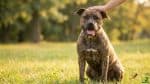
American Staffordshire Terrier Canis lupus familiaris Similar 'bull-and-terrier' type companion dog with a muscular build, a people-oriented temperament when well socialized, and comparable management needs: structured exercise, training, responsible ownership, and public-perception considerations.
American Pit Bull Terrier
American Pit Bull Terrier Canis lupus familiaris Overlapping historical function and modern niche as an active companion/athletic dog. Similar strengths—tenacity and athleticism—and similar care priorities: early socialization, impulse-control training, and safe dog–dog introductions.
Bull Terrier
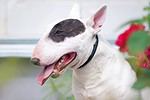
Bull Terrier Canis lupus familiaris Comparable size range and bull-type companion niche; similarly benefits from consistent training and enrichment to prevent boredom-related behaviors.
Boxer
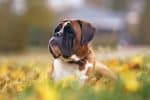
Boxer Canis lupus familiaris A muscular, highly social companion breed with a high play drive. Requires similar daily exercise, positive-reinforcement training, and avoidance of excessive heat during exertion.
Boston Terrier
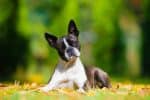
Boston Terrier Canis lupus familiaris Shares a companion terrier-type niche: people-focused, lively, and urban-friendly. Although built differently, both typically thrive on family interaction, regular play, and basic obedience work.
Staffordshire Bull Terrier
Staffordshire Bull Terrier Canis lupus familiaris Much smaller than gray wolves; exhibits juvenile-like skull proportions and behaviors. Bred for close human contact and strong human bonding; compact, muscular, and people-oriented. Requires daily exercise, early socialization, training, and regular veterinary checks. Breed-specific health issues include L-2-hydroxyglutaric aciduria (L-2-HGA), cataracts, and joint and skin problems.

Looking for a doggie that’s devoted to its humans, and isn’t too big? A Staffordshire bull terrier may be the perfect match! Known as “SBTs” or “staffies” among dog enthusiasts, Staffordshire bull terriers are stocky, energetic, fond of affection, and don’t require extensive grooming. According to the American Kennel Club, Staffordshire bull terriers are the 80th most popular breed in the United States, the 10th most popular dog in Australia, and the most popular terrier in South Africa.

Descendants of ferocious, pit bull fighting stock, staffies have muscular bodies and gobs of energy. But over centuries, aggressiveness has been bred out of them. These days, most SBTs are goofy bundles of energetic joy who are fantastic with kids.

Widely regarded as an excellent dog for active families, a staffy may be the perfect addition to your home. But before welcoming one into the fold, it’s important to familiarize yourself with a few critical facts to ensure it’s a good fit.

Owning a Staffordshire Bull Terrier: 3 Pros and Cons

Pros!Cons!
People-Loving
Staffordshire bull terriers adore humans and make excellent therapy dogs. Anyone who needs a loving companion can’t go wrong with a staffy. Plus, SBTs have keen “emotional barometers” and “mothering instincts.”
Overheats
Staffordshire bull terriers easily overheat and detest weather extremes. If you live in a hot, humid region, strongly consider another breed.
Trainable
SBTs take instructions well. Basic obedience training goes a long way with individuals of the breed. And on the competition circuit, they are amazing at agility and fly-ball matches.
Stubborn
If another dog attacks a staffy, their “pit bull breed” instinct may kick in, and they won’t back down.
Loyal
Staffordshire bull terriers are kind pals who want nothing more in life than to be around their humans, whether in a tiny one-bedroom apartment or a 40-room mansion. So long as you love them, they’ll love you right back, 10-fold.
Very Active
Staffordshire bull terriers are athletic and need lots of vigorous exercise. They need to play to stay happy and healthy. If you can’t frolic with them frequently, consider another breed. Gardeners beware: due to their terrier roots, some staffies like to dig!

History and Evolution

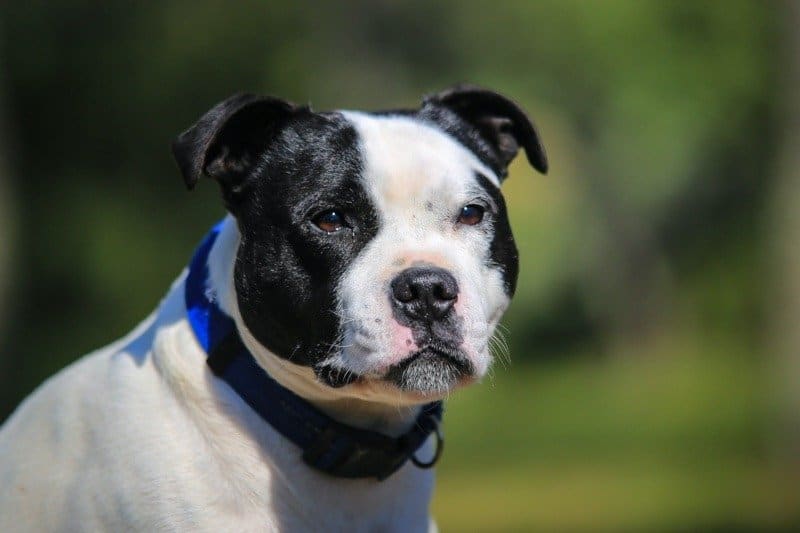
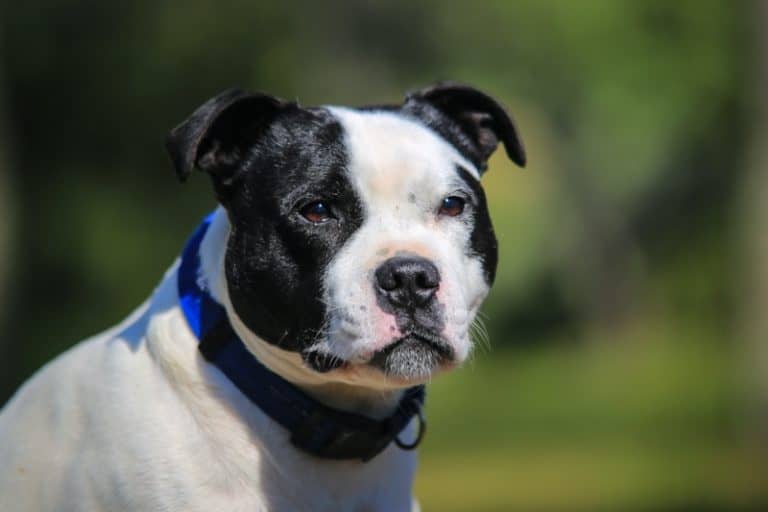
Black and white Staffordshire bull terrier with faded background

Despite their bulldog ancestry, Staffordshire bull terriers became a much-loved working dog in the 19th century

Staffordshire bull terriers are descendants of the now-extinct Old English bulldog and Old English terrier. Some kennel clubs call the two “lost breeds” old-fashioned bulldogs and old-fashioned terriers, and refer to early cross-bred generations as “bull and terriers.” Because of their lineage, SBTs fall into the pit bull category.

In medieval England and Europe, Old English bulldogs competed in blood sports, like bull- and bear-baiting, which gave way to dogfighting in the 18th century. The matches were gnarly and inhumane and were ultimately outlawed in 1835.

Around that time, English breeders turned their attention to creating family-friendly pit bulls, and that’s how Staffordshire bull terriers came into existence. Breeder James Hinks of Birmingham, England, is credited with “perfecting” the breed in the mid-19th century. In short order, the staffy became beloved as a “working-class dog.”

The first staffy came to the United States in the 1880s. At that point, North American breeders used the SBT to develop an offshoot breed, the American Staffordshire terrier — known as the AmStaff — which is heavier and taller.

In 1935, the first SBT standards club convened in the United Kingdom, and the Kennel Club of England accepted the breed. Today, the British Isles are home to approximately 15 different Staffordshire bull terrier clubs. On this side of the Atlantic, in 1975, the American Kennel Club first green-lit SBTs as its 120th recognized and registerable breed.

Size and Weight
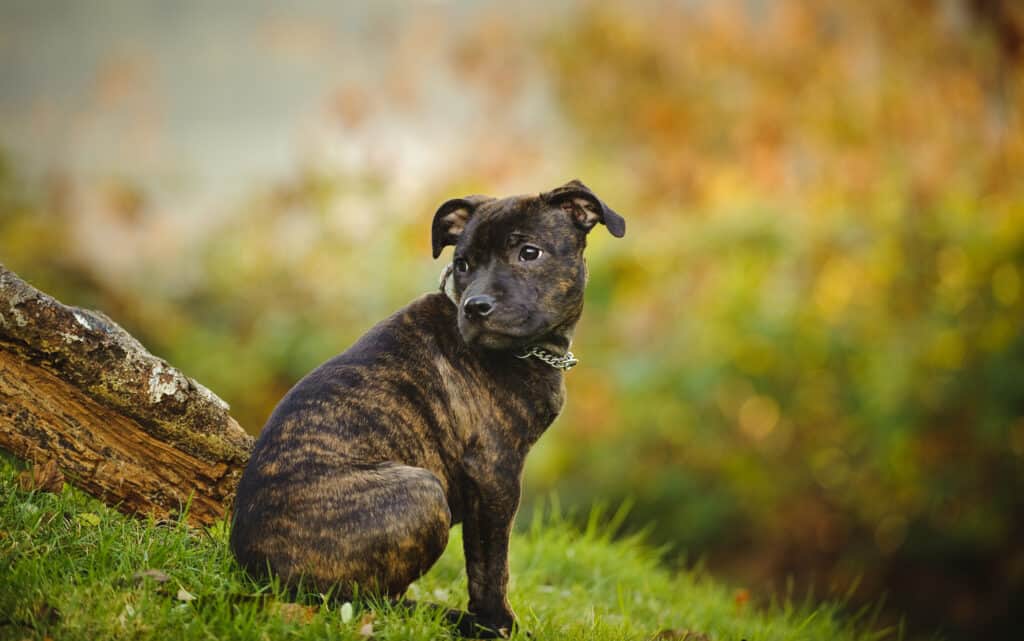
A brindle staffordshire bull terrier sitting on a hill

Staffordshire bull terriers reach their adult size between 12 and 18 months.

The Staffordshire bull terrier is a small- to medium-sized, short-haired dog with an average height of 14 to 16 inches for both males and females. Weight-wise, males tip the scales between 28 and 38 pounds, females between 24 and 34 pounds. SBT puppies are born tiny, but females weigh between 9 and 14 pounds and males between 10 and 15 pounds after three months. Staffies reach their adult sizes between 12 and 18 months.

Common Health Issues

Some breeds are riddled with inherent health problems, but staffies are relatively robust and hearty. SBTs’ most common ailments are L2HGA, skin allergies, and cataracts, all of which can be screened for genetically. Some Staffordshire bull terriers suffer from hip dysplasia and patellar luxation — a painful knee joint condition — but these problems aren’t as widespread among the SBT population compared to other breeds.

Temperament
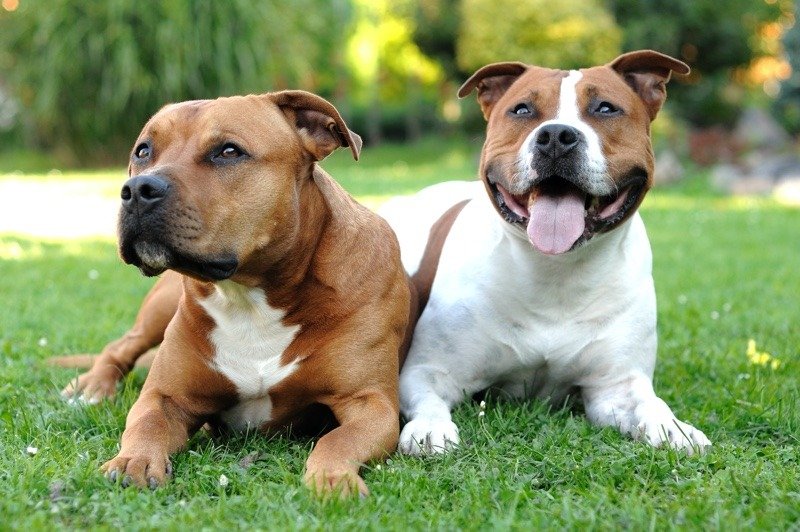
Pair of Staffordshire bull terriers

Staffordshire bull terriers are playful and affectionate, but have a strong prey drive.

Clever, brave, energetic, and loyal are the adjectives most used to describe Staffordshire bull terriers. If it’s not too hot, they can play tirelessly. According to Steve Eltinge, an SBT expert and author, “As early as three to four weeks of age, a staffy puppy will often prefer human companionship to that of its biological mother.”

Staffies are smart and reliable. Writer Dieter Fleig describes the breed as “a sort of everybody’s man Friday.” And, much to the delight of their owners, SBTs aren’t big barkers. But if another dog in the house likes to howl, staffies will mimic their buddies and “talk back.” Also, SBTs let out yelps of joy when playing.

It’s important to remember that Staffordshire bull terriers were initially bred to battle other dogs. Though that instinct has significantly eroded over hundreds of years, they can still be aggressive with other dogs if not properly trained. Moreover, because of their lineage, SBTs also have a strong “prey drive” and will often chase small rodents that cross their path — but it’s not a pervasive issue. The overwhelming majority of staffies ultimately bond with other family pets and find friends at the dog park.

How to Take Care of a Staffordshire Bull Terrier
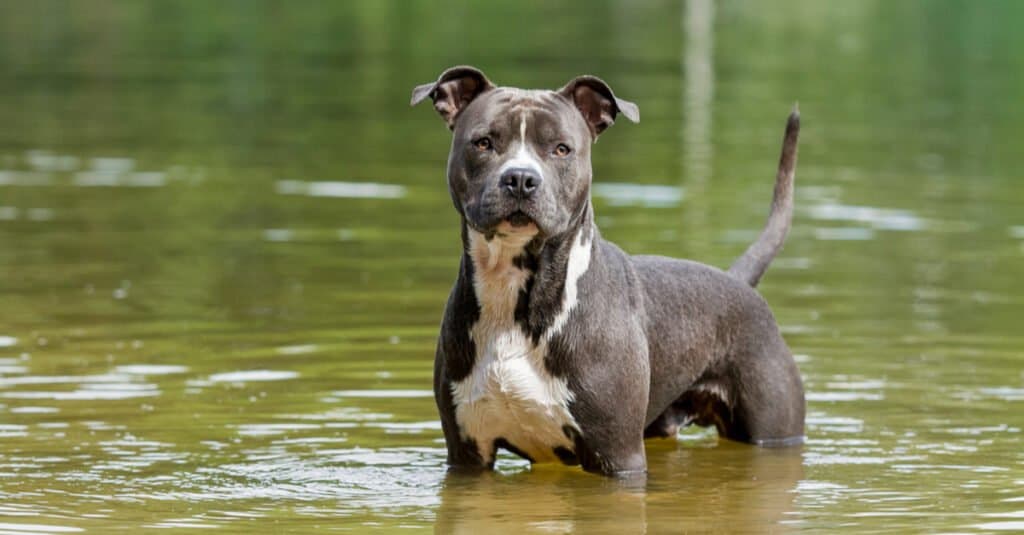
American Staffordshire Terrier standing in water

Staffordshire bull terriers should be fed diets rich in omega-3 fatty acids.

What must new staffy owners know about caring for the breed? What diseases and health issues do SBTs most frequently face? What’s their optimal diet, and do they need special training?

The Best Dog Food for Staffordshire Bull Terriers

Staffies aren’t picky eaters, and they’re not prone to ailments that require modified diets. However, since they can have skin allergies, foods with Omega-3 fatty acids best support their dermatological functions. Also, SBTs gain weight easily. So beware of foods that are packed with filler. Instead, choose higher-quality options with lots of protein.

Staffies need meat. Some vegetarians and vegans insist on feeding their dogs all-plant diets, which isn’t the best for Staffordshire bull terriers — or any dogs for that matter. Indeed, dogs aren’t obligate carnivores like cats — who can’t live without meat — but canines are facultative carnivores, meaning they mostly eat meat. Sure, in a pinch, dogs can survive for days on just plants, grains, and fruits. But by no means is it optimal, and canine individuals on flora-restricted diets may have more health problems and die sooner.

Maintenance and Grooming
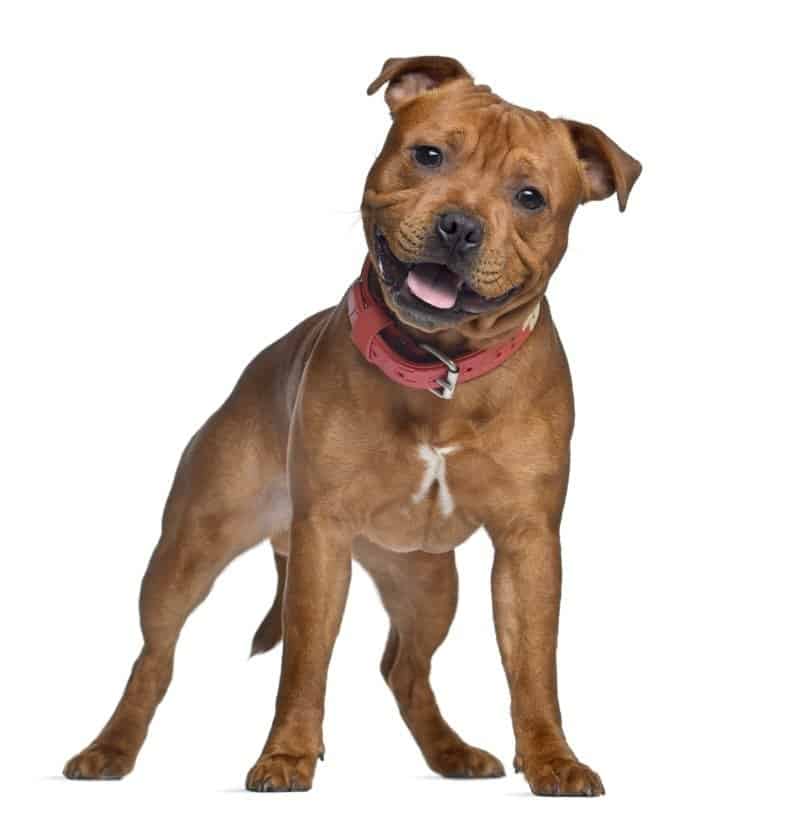
Staffordshire bull terriers’ short, drip-dry coats make them susceptible to fleas and ticks.

Staffordshire bull terriers have sleek and short coats of hair. As such, they don’t require as much grooming as fussier breeds, like poodles, bichon frise, and puli dogs. However, SBTs do well with once-a-week brushings and the occasional bath.

As is the case with all dogs, regular maintenance of ears and teeth keeps them in top shape. Moreover, humans who care for Staffordshires should trim their nails monthly; long nails cause the breed a lot of pain.

Due to their short, drip-dry coats, SBTs are susceptible to fleas and ticks. To keep your energetic fur ball pest-free, frequently use a flea comb in warmer months.

How much do Staffordshire bull terriers shed? Since they sport short coats, not a lot. You may occasionally find some hair lying around the house, which can easily be vacuumed up, but that’s about it.

While Staffordshire Bull Terriers have short coats and are relatively low-maintenance, they are not considered hypoallergenic and may still trigger allergies in sensitive individuals.

Training

Staffies are highly energetic, and puppy training school does wonders for their socialization skills. When they’re taught how to control their abundance of enthusiasm, Staffordshire bull terriers are incredible additions to households of all sizes.

With proper training, female Staffordshire bull terriers make excellent watchdogs, but not guard dogs. Staffies excel at protecting people but fall short when it comes to defending property.

In terms of marking off their territory, Staffordshire bull terriers have high pain thresholds and regularly cross electric fences. It’s best to invest in a high backyard fence instead.

Exercise

Staffies get overheated easily, but they also love to play! Daily romping is essential for SBTs’ happiness and health. People who live sedentary lives and cherish alone time should consider another breed because staffies love to be around their people. They love going for car rides, tagging along on hikes, or spending loads of time in the yard or inside playing fetch. And when you’re not romping around together, a staffy will cuddle up close.

During the summer months, or if you live in a year-round hot and humid climate, invest in a plastic kiddie pool for your staffy. They’ll need to take a dip every few minutes when playing outside under the sweltering sun. But don’t leave them alone while they’re in the pool. It may be shallow, but staffies are notoriously bad swimmers because of their stocky builds. So, like you would a child, keep an eye on them when wading in water!

Puppies
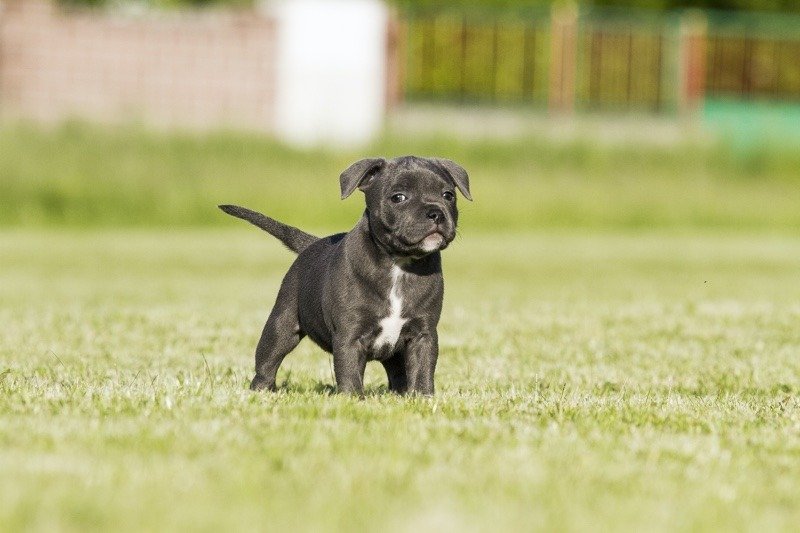
Obedience training is highly recommended for Staffordshire bull terrier puppies.

Experts strongly advise basic obedience training for a Staffordshire bull terrier when it’s a puppy. Moreover, staffy puppies are orally stimulated. To save your furniture, shower the young ones with lots of chew toys. They love boomer balls, nylabones, and large Kongs.

What about SBT puppies and other family pets? Do they assimilate quickly? The answer largely depends on the age of the puppy in question and their personality. Some Staffordshire bull terriers immediately take to new four-pawed friends, while others see them as competition for their humans’ attention.

Generally speaking, though, it’s easier to bring a staffy puppy into a home with another dog than to bring another dog into a staffy’s home.

If you want two Staffordshire bull terriers, it’s best to get one male and one female. Plus, you shouldn’t bring them home at the same time. By doing so, you risk them bonding with each other and ignoring you — which can lead to unsolvable disciplinary problems down the road. So space them out by a couple of years.

Children

Dubbed “the children’s nursemaid” and “the nanny dog,” staffies are notoriously great with — and protective of — babies and little kids. They’re also extremely attached to their adult humans. During cold weather, Staffordshire bull terriers love to cuddle up, and if there’s a child around, staffies usually pick them as snuggle mates.

Brave and loyal, SBTs are also very protective of their human infants and toddlers and may not back down if they sense a threat. While staffies are generally gentle with children, like all dogs, they can bite if provoked or frightened, so supervision is always recommended.

Dogs Similar to Staffordshire Bull Terriers

Staffordshire bull terriers are most like — and compared to — American pit bull terriers, American Staffordshire terriers, bull terriers, bulldogs, and American bulldogs.

View all 390 animals that start with S

Sources

  1. American Kennel Club / Accessed September 10, 2018
  2. Staffordshire Bull Terrier Club of America / Accessed September 10, 2018
  3. Dogs First / Accessed September 10, 2018
  4. Gutenberg / Accessed September 10, 2018
Ashley Haugen

About the Author

Ashley Haugen

Ashley Haugen is the editor of A-Z Animals. She's a lifelong animal lover with an affinity for dogs, cows and chickens. When she's not immersed in A-Z-Animals.com (her favorite editorial job of her 25-year career), she can be found on the hiking trails of Middle Tennessee or hanging out with her family, both human and furry.
Connect:

Thank you for reading! Have some feedback for us?


Staffordshire Bull Terrier FAQs (Frequently Asked Questions)

Purebred Staffordshire bull terriers can cost anywhere between $800-$2,500. Adopting one will run you about $300. Staffies don’t have many grooming needs, so their monthly maintenance costs amount to food and toys. However, SBTs need basic obedience training when young, so factor that into your budget!