
S
Species Profile

Starfish

Asteroidea

Hydraulic feet, star-shaped predators
Vojce/Shutterstock.com
Slowest Animals: Starfish

At a Glance

Class Overview This page covers the Starfish class as a group. Stats below are general traits shared across the class.
Also Known As Sea star, Star fish, Seastar
Diet Omnivore
Activity Nocturnal+
Lifespan 8 years
Weight 10 lbs
Status Not Evaluated
Did You Know?

Preferred name is "sea star" (they aren't fish), though "starfish" remains widely used.

Size Comparison

Human 5'8"
Starfish 1 in

Starfish stands at 2% of average human height.

Scientific Classification

Class Overview "Starfish" is not a single species but represents an entire class containing multiple species.

Sea stars (often called “starfish”) are marine echinoderms in the class Asteroidea, characterized by radial symmetry (commonly five arms, but sometimes many more), a water vascular system with tube feet for locomotion and feeding, and remarkable regenerative abilities.

Kingdom
Animalia
Phylum
Echinodermata
Class
Asteroidea

Distinguishing Features

  • Pentaradial (or multi-radial) body plan with arms radiating from a central disc
  • Water vascular system with tube feet used for movement, adhesion, and feeding
  • External digestion in many species (e.g., everting the stomach over prey)
  • Ability to regenerate lost arms; some can reproduce asexually via fragmentation

Physical Measurements

Males and females differ in size

Height
1 in (0 in – 5 in)
1 in (0 in – 6 in)
Length
8 in (0 in – 4 ft 7 in)
4 in (0 in – 1 ft 8 in)
Weight
0 lbs (0 lbs – 13 lbs)
Top Speed
0 mph
crawling

Appearance

Secondary Colors
Skin Type Skin is leathery over calcareous ossicles (bony plates), and can be smooth, grainy, spiny, or armored. Many show pedicellariae (tiny pincers) and papulae (skin gills) as small bumps.
Distinctive Features
  • Preferred common name is "sea star" (though "starfish" remains widely used).
  • Overall size range (across the class): from ~1 cm across to >1 m across; arm length and thickness vary greatly, including large multi-armed forms.
  • Arm number varies widely: commonly 5, but many species have 6-10, and some have dozens (e.g., multi-armed deep-sea or sunflower-type sea stars).
  • Pentamerous radial symmetry is typical; some species develop many arms through growth or regeneration.
  • Oral (underside) surface bears tube feet used for locomotion and feeding; tube feet are powered by a water vascular system (hydraulic canals ending in suction-cup or pointed feet).
  • Mouth is central on the underside; many species can evert the stomach to digest prey externally.
  • Feeding ecology spans predators, scavengers, and omnivores; many prey on bivalves (prying shells with tube feet), some graze films/sponges, and some are specialized coral predators (e.g., crown-of-thorns, Acanthaster).
  • Habitats range from intertidal zones to abyssal depths; deep-sea forms often have softer bodies, longer arms, or different ossicle/spine development than shallow rocky-shore species.
  • Regeneration is common (arms can regrow; some can recover from partial body loss), but it is not "immortality" and varies substantially among species.
  • Lifespan range (across species): roughly ~3 to 35+ years; longevity can be longer in some cold/deep-water taxa, but is often poorly documented.
  • Typical visible structures may include spines, paxillae (in some sandy-bottom taxa), pedicellariae for cleaning/defense, and papulae for gas exchange.

Sexual Dimorphism

Sexual dimorphism is usually subtle in sea stars. Many species have externally similar males and females, with differences mainly in gonad size/appearance during the breeding season and occasional average size differences, varying by species and habitat.

  • Often externally indistinguishable; may be slightly smaller on average in some species.
  • Gonads (internal) may appear smaller; seasonal swelling can be visible in translucent-bodied forms.
  • Release sperm during broadcast spawning; no consistent external ornamentation across the class.
  • Often externally indistinguishable; may be slightly larger on average in some species.
  • Gonads (internal) may appear larger when ripe; seasonal swelling can be visible in some species.
  • Release eggs during broadcast spawning; a minority of species brood, without a consistent female-only external structure across the class.

Did You Know?

Preferred name is "sea star" (they aren't fish), though "starfish" remains widely used.

Size across the class ranges from ~1 cm to >1 m across (arm tip-to-arm tip), depending on species and habitat.

Most have 5 arms, but some groups commonly have many more-dozens of arms in some multi-armed sea stars.

They move and feed with tube feet powered by a water vascular system (a hydraulic network that controls suction-cup-like feet).

Many can evert their stomach out of the mouth to digest prey externally-famous for opening bivalves this way.

Feeding roles vary widely: predators and scavengers are common; some are suspension-feeders in deep water; a few specialize on corals (e.g., crown-of-thorns sea stars).

Lifespan varies by species and environment: from only a few years in some small/fast-growing species to multiple decades (often ~10-30+ years) in larger, cold-water forms.

Unique Adaptations

  • Water vascular system: seawater enters through the madreporite and is distributed through canals to tube feet; muscular ampullae and valves create controlled hydraulic motion and strong suction.
  • Regeneration: many species can regrow lost arms; in some, an arm with part of the central disc can regenerate an entire new individual (capacity varies greatly among species).
  • Mutable collagenous tissue: connective tissues can rapidly shift stiffness, helping with posture, gripping, and defense with low energy cost.
  • Eversible stomach and specialized mouthparts: enables feeding on prey too large or well-protected to ingest whole; combined with tube-foot force.
  • Endoskeleton of calcified ossicles and spines: provides support and protection; surface structures may include pedicellariae (tiny pincer-like organs) for cleaning and defense.
  • Chemical defenses: many produce distasteful compounds (notably saponins) that deter predators and microbes; strength and chemistry differ among groups.
  • Gas exchange through body surfaces: respiration occurs via tube feet and skin gills (papulae), suited to both wave-swept shallows and cold deep seas.

Interesting Behaviors

  • Bivalve predation via persistence: many sea stars clamp mussels/clams with tube feet, tiring the shell's muscles, then evert the stomach into the crack to digest soft tissues (degree of reliance varies by species).
  • External digestion: stomach eversion is common in several lineages, while others feed by swallowing small prey, scavenging, grazing films, or suspension-feeding-showing major ecological spread across the class.
  • Broadcast spawning is widespread (releasing eggs/sperm into the water), but some species brood young on/under the body-especially in colder or nutrient-limited settings.
  • Autotomy and escape: some sea stars shed arms when attacked; the detached arm may wriggle, distracting predators.
  • Deep-sea specializations: many deep-sea forms perch or climb on corals/sponges, using raised arms and tube feet to capture drifting food; others prowl soft sediments.
  • Keystone impacts in some ecosystems: predation by certain sea stars can strongly shape intertidal community structure, though "keystone" effects are not universal across the class.

Cultural Significance

Sea stars are iconic coastal animals used as ocean symbols in art, jewelry, and tourism, and as teaching models for regrowing body parts and marine ecology. Some species show how eating can reshape communities; they can control shellfish or, as crown-of-thorns outbreaks, harm coral reefs.

Myths & Legends

Name origins: "Asteroidea" and the older common label "starfish" trace to Greek/Latin roots meaning "star-like," reflecting long-standing associations between the animal and celestial stars in coastal language and lore.

Medieval and early modern European natural histories often referred to sea stars as "stars of the sea," blending observation with symbolic writing that treated sea creatures as reflections of heavenly signs.

A modern, widely circulated parable known as "The Starfish Story" (popularized in 20th-century literature and speeches) uses stranded sea stars as a moral tale about helping individuals even when you can't help everyone.

In coastal communities, dried sea stars have long been used as decorative good-luck charms and keepsakes, part of a wider tradition of keeping 'wonders of the sea' as household symbols of seafaring life.

You might be looking for:

Common starfish / European sea star

22%

Asterias rubens

A widespread North Atlantic sea star with typically five arms; common on rocky shores and subtidal habitats.

Ochre sea star

18%

Pisaster ochraceus

Iconic intertidal predator of the NE Pacific; often used as an example of a keystone species.

Blue sea star

16%

Linckia laevigata

Indo-Pacific reef sea star, frequently blue; popular in public aquaria and reef imagery.

Sunflower sea star

12%

Pycnopodia helianthoides

Large multi-armed NE Pacific species; notable conservation concern due to sea star wasting disease impacts.

Crown-of-thorns starfish

10%

Acanthaster planci

Spiny coral-eating sea star complex on Indo-Pacific reefs; infamous for coral predation during outbreaks.

Life Cycle

Birth 100000 larvas
Lifespan 8 years

Lifespan

In the Wild
1–35 years
In Captivity
0.5–25 years

Reproduction

Mating System Promiscuity
Social Structure Aggregation Group
Breeding Pattern Transient
Fertilization Broadcast Spawning
Birth Type Broadcast_spawning

Most sea stars are separate-sex and reproduce via synchronized broadcast spawning, releasing eggs and sperm into the water, often in temporary aggregations. Fertilization is external with little parental care, though some species brood developing young.

Behavior & Ecology

Social Aggregation Group: 2
Activity Nocturnal, Crepuscular, Cathemeral, Diurnal
Diet Omnivore Bivalve mollusks (especially mussels and clams), where available; however, diets vary widely across Asteroidea and can shift with habitat and prey availability.
Seasonal Hibernates

Temperament

Non-social and non-territorial; interactions are mostly incidental or resource-driven rather than cooperative.
Predatory/scavenging behavior is common; intensity varies from slow opportunism to active pursuit in some taxa.
Intraspecific aggression is uncommon; contact is typically tolerated unless competing directly for prey.
Strong ecological variation across Asteroidea: intertidal to deep-sea, from solitary hunters to outbreak-forming corallivores.
Diversity note (class-wide ranges): adult size spans a few centimeters to >1 m across; lifespans range from a few years to multiple decades, varying widely by species and environment.

Communication

Waterborne chemical cues Including spawning synchrony signals and prey-related odors
Contact chemoreception and tactile signaling via tube feet and body surface
Following chemical trails and localized gradients to food or conspecific aggregations
Light sensitivity and orientation using simple photoreception Varies among species
Mechanical cues from substrate/water movement; limited role compared with chemical/tactile signals

Habitat

Coastal Beach Rocky Shore Coral Reef Kelp Forest Estuary Mangrove Cave Cliff/Rocky Outcrop Seabed/Benthic Deep Sea Open Ocean +6
Biomes:
Marine Wetland Tropical Rainforest Tropical Dry Forest Savanna Desert Hot Mediterranean Temperate Forest Temperate Rainforest Boreal Forest (Taiga) Tundra Desert Cold +6
Terrain:
Coastal Island Rocky Sandy Muddy
Elevation: -393701 in

Ecological Role

Benthic consumer guild spanning predators, omnivores, and occasional specialist feeders; often influential in structuring seafloor communities, with some species acting as keystone predators while others can be major coral predators on reefs.

Regulation of bivalve and sessile-invertebrate populations, influencing community composition and space competition Scavenging and processing of carrion, aiding nutrient recycling Linking benthic food webs by transferring energy from sessile invertebrates/detritus to higher predators Bioturbation and sediment mixing in soft-bottom habitats (in taxa that forage on/in sediments) In some regions, strong top-down control that can maintain biodiversity (keystone effects); conversely, outbreaks of coral-feeding species can reduce coral cover and alter reef structure

Diet Details

Main Prey:
Bivalves Gastropods Barnacles and other sessile crustaceans Polychaete worms Small crustaceans Sponges Cnidarians Echinoderms Carrion +3
Other Foods:
Benthic microalgae, diatom films, and algal turfs Detritus and organic-rich sediments Marine snow Biofilms and microbial mats

Human Interaction

Domestication Status

Wild

Sea stars (Class Asteroidea) have not been domesticated. People interact with them by collecting or watching them in intertidal and subtidal areas, studying them (developmental biology, regeneration, ecology), and in small fisheries or aquariums. Some become pests (coral-eating outbreaks). Sizes, diets, habitats (tidepools to deep sea) and how well they live in captivity vary, so interactions range from ecotourism to control programs.

Danger Level

Low
  • Minor skin irritation or puncture wounds from spines in some species; risk of secondary infection from marine bacteria if wounds occur
  • Venomous spines in a few groups (notably crown-of-thorns sea stars) can cause painful stings, swelling, and systemic symptoms in sensitive individuals
  • Allergic reactions are possible but uncommon
  • Indirect hazards: slippery intertidal rocks and surf exposure during collection/handling

As a Pet

Not Suitable as Pet

Legality: Laws differ by place and by species. Keeping sea stars often needs following marine rules—collection limits, permits, and no-take zones. Some areas ban taking intertidal animals. Check local fisheries and import rules.

Care Level: Expert Only

Purchase Cost: $10 - $200
Lifetime Cost: $1,000 - $15,000

Economic Value

Uses:
Research and education (regeneration, development, biomechanics, ecology) Aquarium/ornamental trade (limited, species-dependent) Ecotourism and public outreach (tidepooling, aquariums, dive tourism) Fisheries and aquaculture impacts (predation on shellfish farms in some regions) Ecosystem services and biodiversity value (predators/scavengers shaping benthic communities) Pest/outbreak management costs (e.g., coral reef damage in outbreak-forming species; disease-related die-offs affecting ecosystems)
Products:
  • live specimens for public aquaria and education (where legally sourced)
  • educational materials and museum/aquarium displays
  • scientific data/biological insights (non-consumptive value)
  • tourism experiences (guided tidepool walks, reef tours)
  • in some locales: bycatch/curio trade (often discouraged/regulation-dependent)

Relationships

Predators 8

Sea otter
Sea otter Enhydra lutris
Harlequin shrimp Hymenocera picta
Giant triton Charonia tritonis
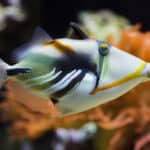
Triggerfish
Triggerfish Balistidae
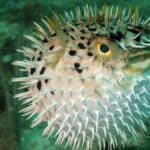
Pufferfish
Pufferfish Tetraodontidae
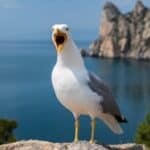
Gulls
Gulls Laridae
Spiny lobster Palinuridae
Sea stars Solaster dawsoni

Related Species 4

Brittle stars Ophiuroidea Shared Phylum
Sea urchins and sand dollars
Sea urchins and sand dollars Echinoidea Shared Class
Sea cucumbers Holothuroidea Shared Phylum
Feather stars and sea lilies Crinoidea Shared Phylum

Ecological Equivalents 5

Animals that fill a similar ecological role in their ecosystem

Predatory sea snails Nucella spp. Occupy rocky-shore predatory niches, often targeting barnacles and bivalves, and shape intertidal community structure.
Crabs Brachyura Benthic generalist predators and scavengers that co-occur with many sea stars, overlapping in habitat and prey (bivalves, carrion) and exerting strong top-down effects.
Sea anemone
Sea anemone Actiniaria Sessile, benthic invertebrate predators in similar coastal habitats; they overlap in prey types (small invertebrates) and can compete for space and food in some communities.
Brittle star Ophiuroidea Close ecological analogs in many benthic systems, performing scavenging, detritivory, suspension feeding, or predation; often co-occurring with sea stars from shallow to deep sea.
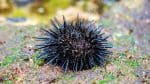
Sea urchin
Sea urchin Echinoidea Share benthic habitats and strongly influence algal and invertebrate communities; are also frequent prey of, or competitors with, sea stars depending on species and location.

Types of Starfish

13

Explore 13 recognized types of starfish

Common starfish (Common sea star) Asterias rubens
Ochre sea star Pisaster ochraceus
Blue sea star Linckia laevigata
Sunflower sea star Pycnopodia helianthoides
Crown-of-thorns sea star Acanthaster planci
Chocolate chip sea star Protoreaster nodosus
Cushion sea star Oreaster reticulatus
Bat star Patiria miniata
Leather star Dermasterias imbricata
Giant sea star Pisaster giganteus
Six-rayed sea star Leptasterias hexactis
Antarctic sea star Odontaster validus
Sand star Astropecten polyacanthus

Although they aren’t technically fish, sea stars are animals that are still present in nearly every coastal habitat and can be found as low as the abyssal layer. You can identify a starfish by its bumpy skin and flat center surrounded by long limbs that give the appearance of a star.

These slow-moving but sensitive fish come in a wide array of colors; although you should never pick one up, trying to find starfish along the beach is a wonderful seaside activity.

Incredible Starfish Facts!
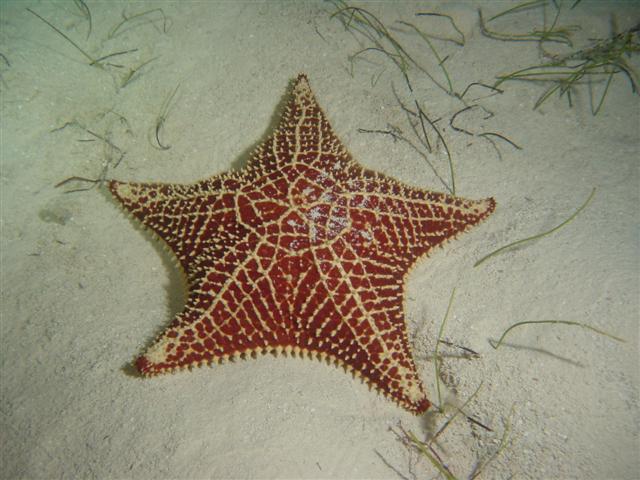
Starfish on sand

Starfish are animals that are made up of a fragile network of thin muscles and tiny ligaments.

  • Delicate structure: Starfish are animals that are made up of a fragile network of thin muscles and tiny ligaments. This is why they move so slowly — and also why they shouldn’t be handled.
  • Extended senses: Starfish do not have a central nervous system; instead, their entire body is made up of a collection of sensory nerves. Starfish observe the world through small eyes located at the ends of their “arms.”
  • Natural regeneration: Starfish possess the ability to regrow a limb that is lost. This process is slow, and it only occurs if the starfish survives the pain of the initial break. Some species of starfish can break off their own limbs to escape from predators.
  • Vascular system: Starfish don’t actually have blood in their bodies. Instead, they pump seawater through their vascular structure in order to carry nutrients and oxygen.

Evolution and Origins

Starfish, also known as Asterozoans, are a diverse and ecologically successful group of spiny-skinned echinoderms that happened to first appear in fossil records close to 500 million years ago. They appeared in the Ordovician period. In fact, starfish are the most primitive members of the Asterozoan family. Additionally, the five arms of starfish are leftovers from these ancient ancestors.

Today, starfish are found all over the world in different tropical coral reefs, coastal waters, and the world’s oceans. Not only that, but starfish most likely evolved from ancient animals called crinoids.

Although ancient fossils reveal that starfish have been around for a very long time, due to pollution and other man-made reasons, starfish risk a decline in population numbers.

Classification and Scientific Name
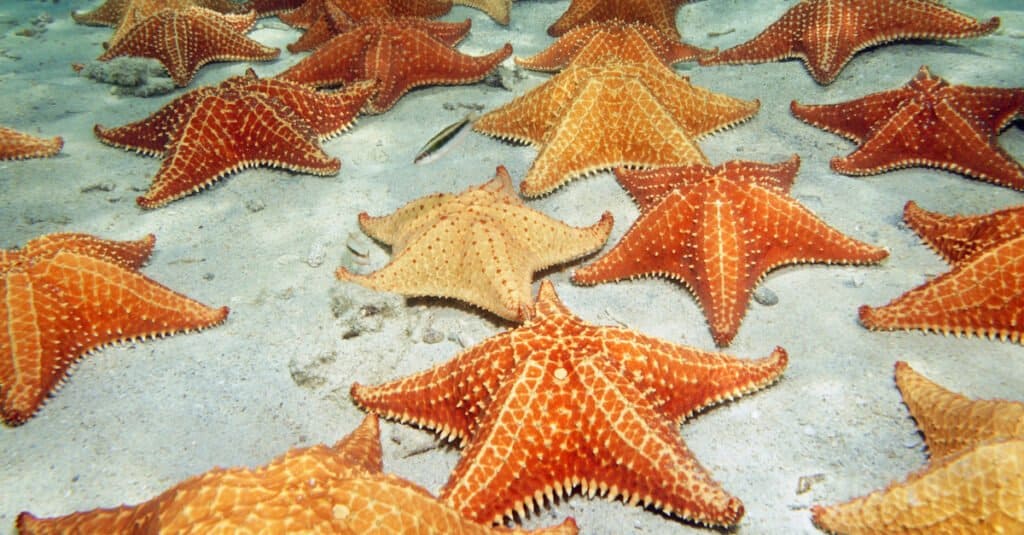
Animals That Don't Have a Brain - Starfish

The aquatic animal that is commonly known as a starfish is also frequently called a sea star. All of these animals fall into the class Asteroidea.

The aquatic animal that is commonly known as a starfish is also frequently called a sea star. All of these animals fall into the class Asteroidea; in the scientific community, they are frequently known as asteroids. The zoological name Asteroidea translates to “star-shaped — “aster” means “star,” and “eidos” refers to “shape.”

Asteroidea is one of the largest classes in the Echinodermata family. Other echinoderms include sea urchins, sea cucumbers, and sand dollars. Most echinoderms have the same five-pointed structure as common sea stars, but plenty of these animals — including some of the different types of starfish — are capable of having far more complicated structures.

Species
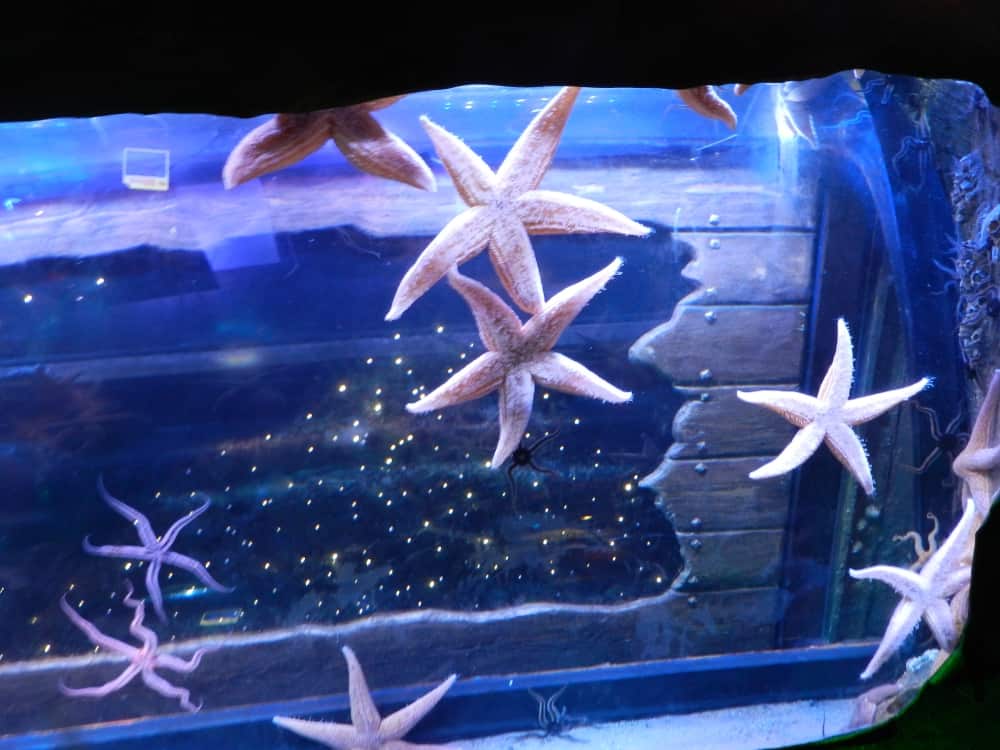
Starfish at Great Yarmouth Sealife Centre

There are over 2,100 distinct species of starfish, and more are frequently discovered during oceanic research.

There are over 2,100 distinct species of starfish, and more are frequently discovered during oceanic research. The many types of these animals are as varied as the different places where they are found.

With so many bright colors and creative forms, it’s no surprise that so many sea stars have colloquial and zoological names that express their unique types of beauty.

Some of the most notable types include:

  • Common starfish: Asterias rubens is a simple, five-pointed animal with a peachy orange color. Also known as sugar starfish, you can find these aquatic animals all along the Atlantic coast.
  • Sunflower starfish: Pycnopodia helianthoides is found in the Pacific Ocean. These sea stars can have up to 24 limbs and come in all different types of colors.
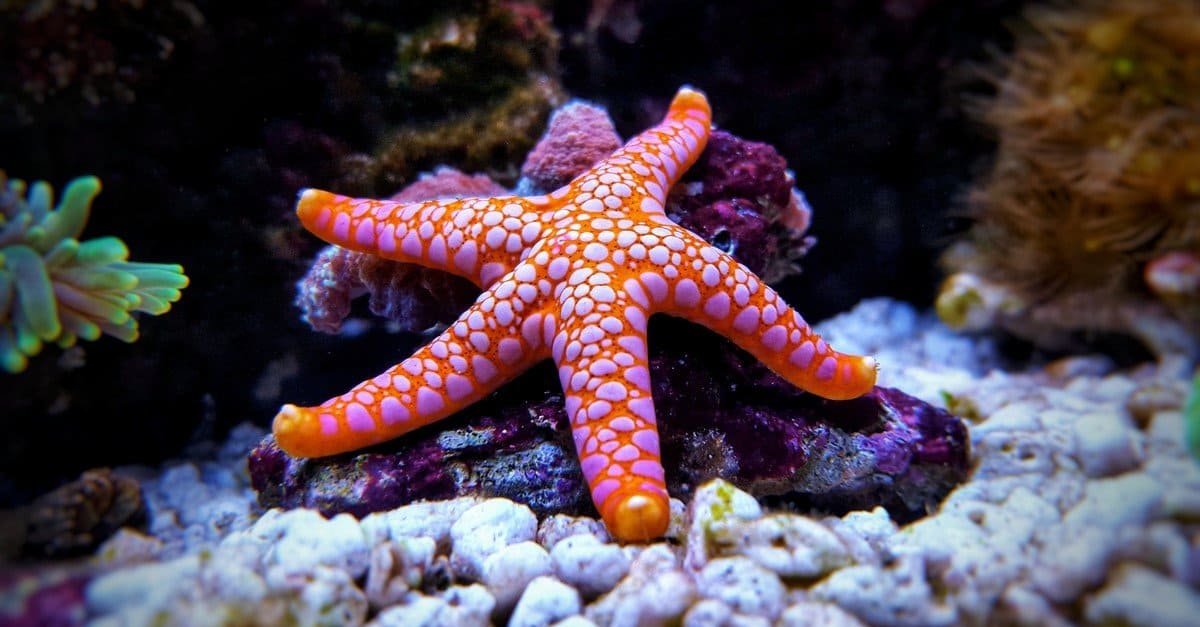
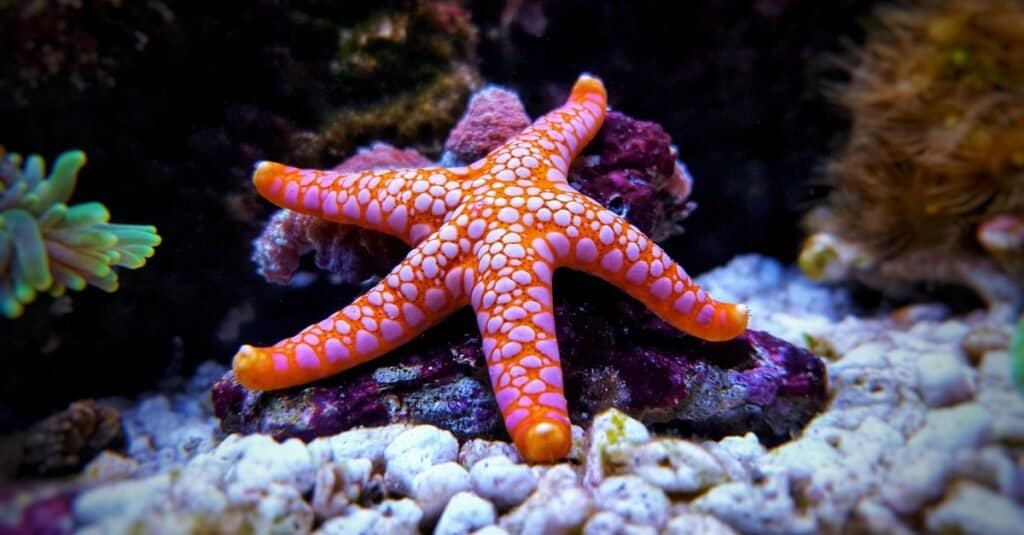
  • Royal starfish: Astropecten articulatus live in the West Atlantic. Like sugar starfish, they have five points; however, they are distinguished by their bold purple and orange colors.
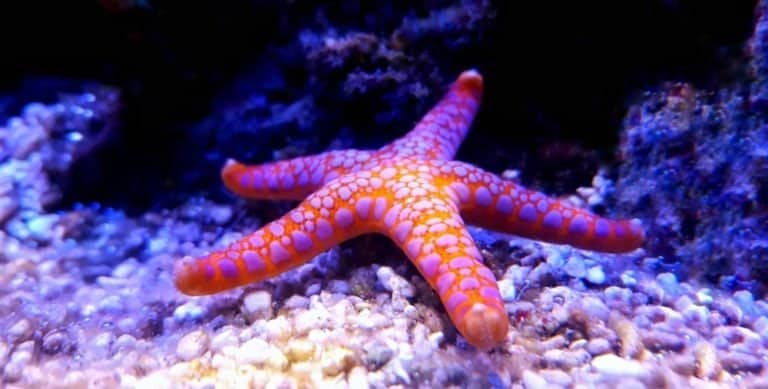
  • Necklace starfish: Fromia monilis is a West Pacific starfish named for the plates on its body, which look a lot like the beads on a necklace. In some areas, they’re known as tiled starfish.
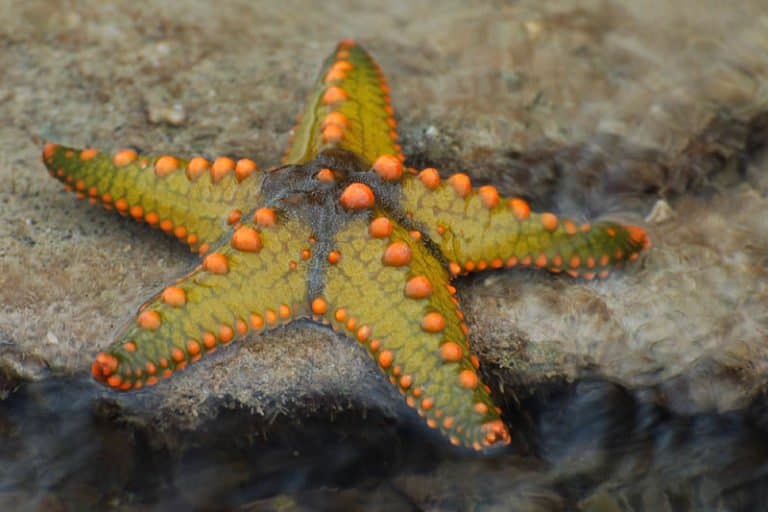
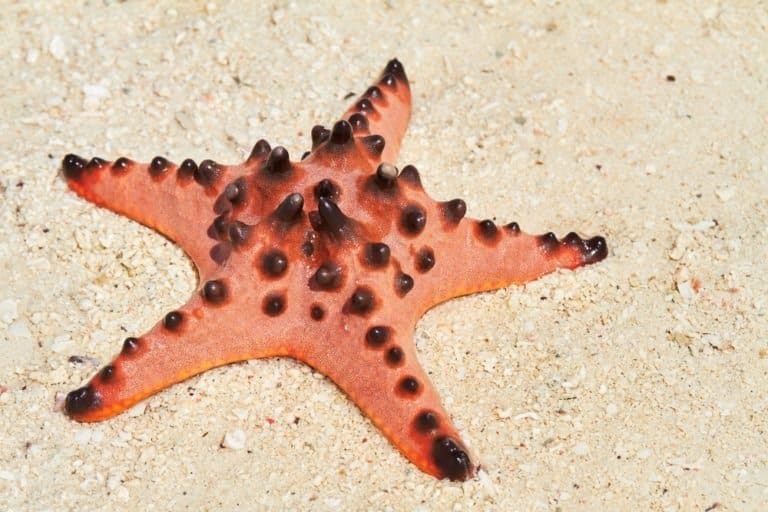
  • Chocolate chip sea stars: Protoreaster nodosus is found in the Pacific Ocean near Indonesia. These animals can be recognized by their black spikes, which look like chocolate chips.

Appearance
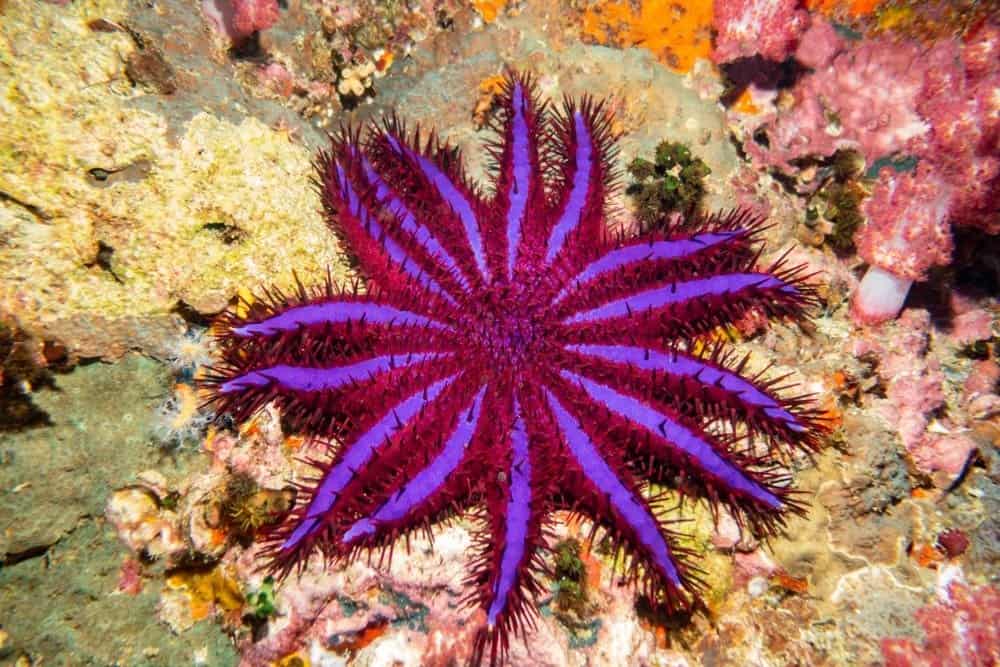
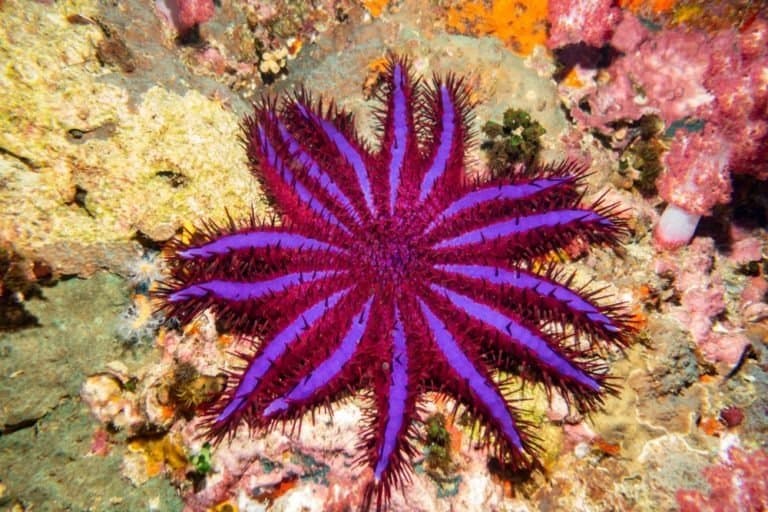
Crown of Thorns Starfish (Purple Variant) Thailand

Crown of Thorns Starfish (Purple Variant) is found in Thailand.

Starfish are flat aquatic animals that move slowly and stick to the ocean floor. Most of them have a central disk surrounded by five or more arms. The mouth is usually located in the middle of the disk, and the ends of its arms feature light-sensitive eyespots. The skin is covered in small spines, and the bottom of its limbs is usually lined with hundreds of small tubular feet that are used for gradual movement.

Starfish are animals that come in an amazing array of colors and variations. From bold purple stripes to pointed black horns, there’s no limit to the different types you might find. There are small species that are only an inch or two across, and there are large starfish that can get as big as a foot. Every region is different; you may need to take a walk along the beach to see your local sea stars.

Distribution, Population, and Habitat
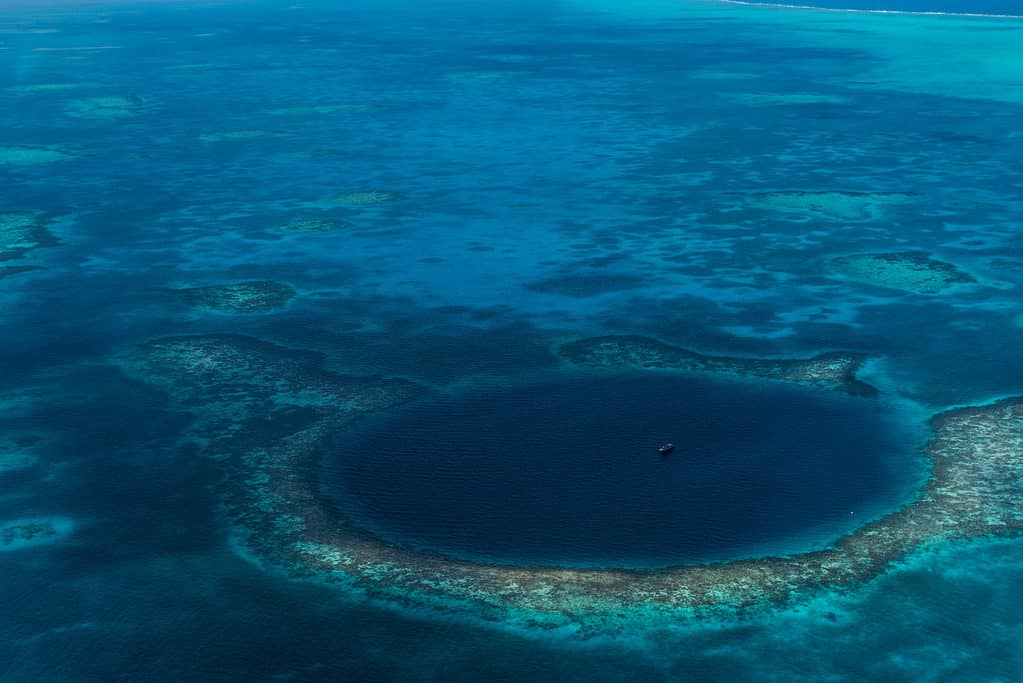
The Great Blue Hole, Belize

Starfish are found along every coast in the world.

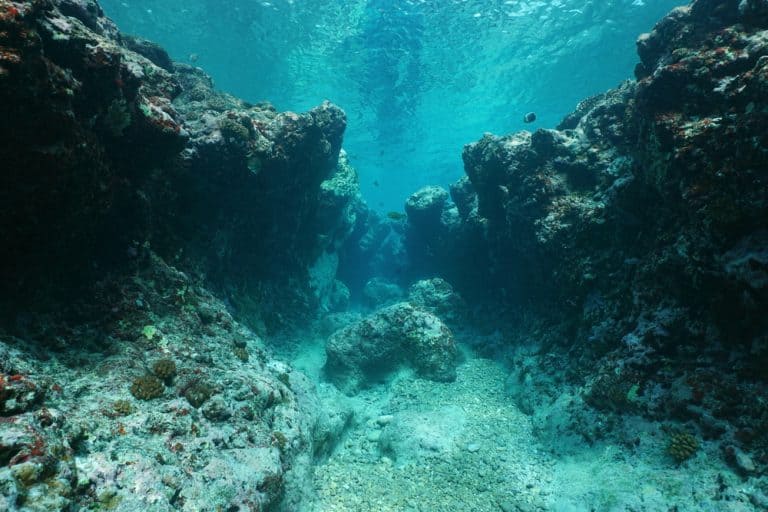
These animals are found along every coast in the world. Because they use seawater as part of their vascular system, they cannot live in any type of freshwater. You can find them in coral reefs, muddy bays, underwater kelp forests, and pretty much every other kind of aquatic environment.

Although starfish are found all over the world, some species — such as the sunflower sea star (Pycnopodia helianthoides) and the live-bearing sea star — are listed as critically endangered by the IUCN, while others are not considered threatened. Human presence has destroyed many of the coral reefs that house the world’s different starfish species. These animals are incredibly important to their local ecosystems, and the recent decline of their species has threatened the biodiversity of many different regions.

Diet: Predators and Prey
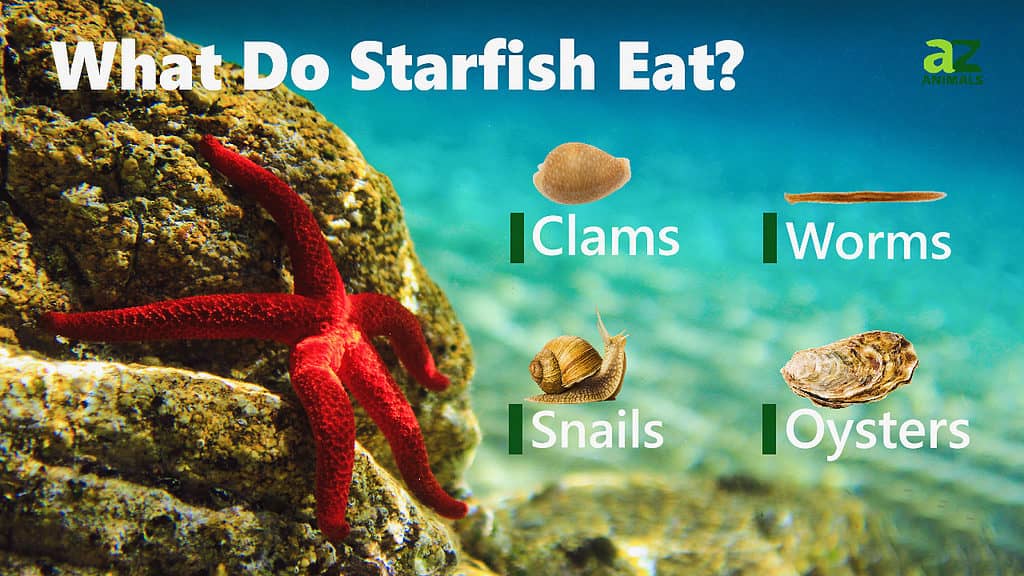
Starfish eat clams, worms, snails, and oysters.

These animals are carnivores that consume nearly all types of small ocean life. Depending on where they live, they may eat mussels, oysters, clams, sea snails, fish, and even other starfish.

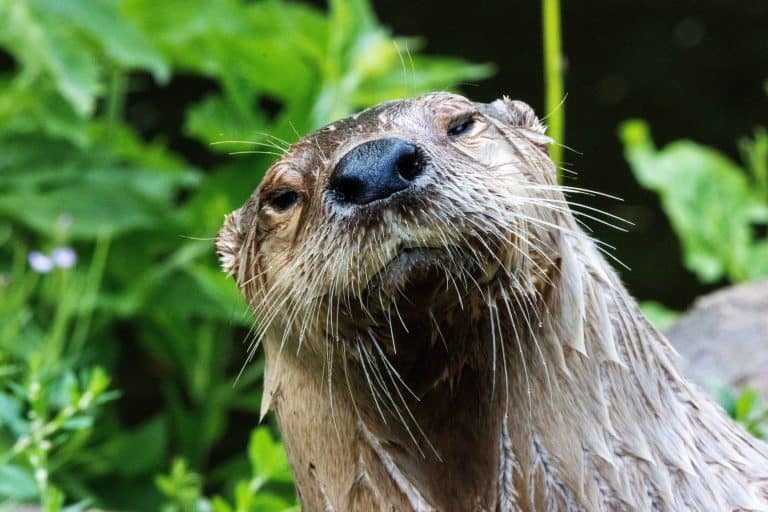
These animals are also seen as prey by many different types of ocean-faring life. Mammals like seals and otters may choose to eat them as a snack; other threats include birds, crabs, and large carnivorous fish.

Reproduction and Lifespan
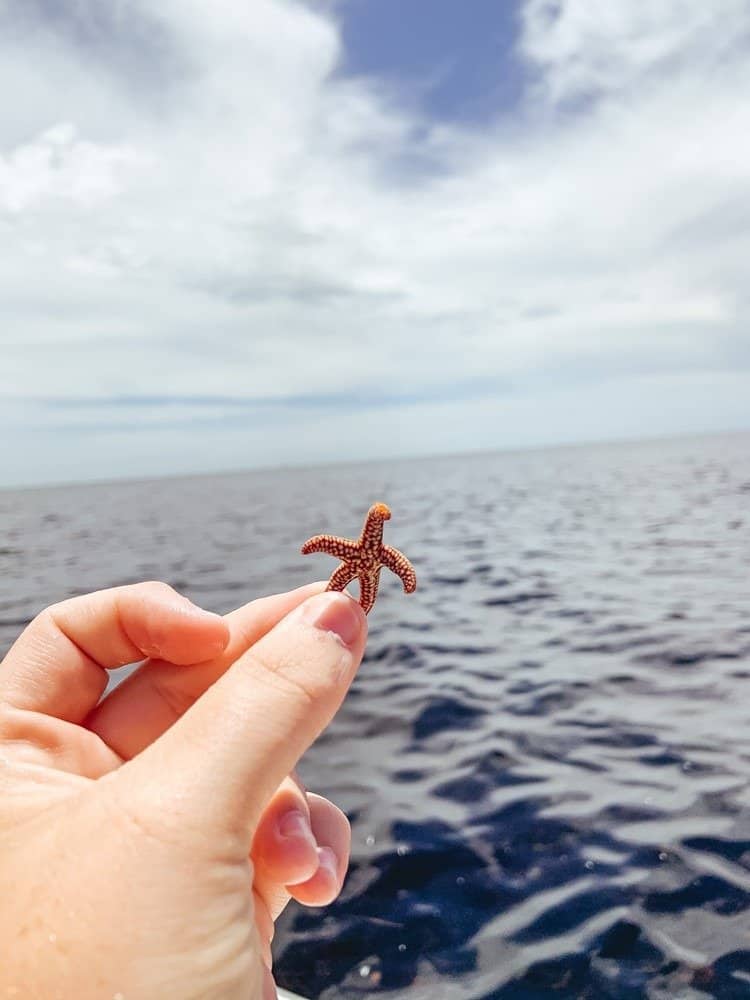
Holding Baby Starfish over the Florida Waters

Holding Baby Starfish over the Florida Waters

These animals are solitary creatures, but they come together in large groups for mating purposes on a semi-annual basis. They typically mate by pairing off with an opposite-gender partner. Both sea stars will release a spawn cloud into the water; once the eggs are fertilized, they will drift to the ocean floor.

These animals do not appear to care for their young after the eggs are laid. The embryos hatch before they are fully developed; as the young grow, they will slowly gain limbs and assume their adult form. These animals can live up to 10 years, with some rare species possibly reaching 35 years, and will continue to develop and regrow their limbs as they age

Fishing and Cooking

These animals are not eaten as a staple food anywhere in the world. Some exotic restaurants sell fried starfish; however, between the fact that they are naturally toxic and the various state- and federal-level regulations on the sale of this sea animal, these restaurants are seldom profitable enough to continue providing them as a product.

View all 390 animals that start with S

Sources

  1. David Burnie, Dorling Kindersley Animal, The Definitive Visual Guide To The World's Wildlife / Accessed December 21, 2009
  2. Tom Jackson, Lorenz Books The World Encyclopedia Of Animals / Accessed December 21, 2009
  3. David Burnie, Kingfisher The Kingfisher Animal Encyclopedia / Accessed December 21, 2009
  4. Richard Mackay, University of California Press The Atlas Of Endangered Species / Accessed December 21, 2009
  5. David Burnie, Dorling Kindersley Illustrated Encyclopedia Of Animals / Accessed December 21, 2009
  6. Dorling Kindersley Dorling Kindersley Encyclopedia Of Animals / Accessed December 21, 2009
  7. Marine Education Society of Australasia / Accessed November 17, 2020
  8. Wikipedia / Accessed November 17, 2020
  9. National Ocean Service / Accessed November 17, 2020
  10. Britannica / Accessed November 17, 2020
Rebecca Bales

About the Author

Rebecca Bales

Rebecca is an experienced Professional Freelancer with nearly a decade of expertise in writing SEO Content, Digital Illustrations, and Graphic Design. When not engrossed in her creative endeavors, Rebecca dedicates her time to cycling and filming her nature adventures. When not focused on her passion for creating and crafting optimized materials, she harbors a deep fascination and love for cats, jumping spiders, and pet rats.
Connect:

Thank you for reading! Have some feedback for us?


Starfish FAQs (Frequently Asked Questions)

Starfish are found at the borders of all of the world’s oceans. Although they are most commonly found in coral reefs, you can also find sea stars hidden among other forms of aquatic vegetation, including seagrass meadows and kelp forests.