T
Species Profile

Termite

Isoptera

Nature's master recyclers (and builders)
Yewenyi at the English language Wikipedia / Creative Commons

Termite Distribution

Click a location to explore more animals from that region

Invasive Species
Loading map...

Found in 81 countries

At a Glance

Order Overview This page covers the Termite order as a group. Stats below are general traits shared across the order.
Also Known As White ant, Mound builder
Activity Cathemeral+
Lifespan 1 years
Weight 0.01 lbs
Status Not Evaluated
Did You Know?

"Isoptera" means "equal wings," referring to the similar-sized fore- and hindwings of winged swarmers (alates).

Scientific Classification

Order Overview "Termite" is not a single species but represents an entire order containing multiple species.

Termites are eusocial, wood- and plant-material–feeding insects forming colonies with castes (reproductives, workers, soldiers). They are key decomposers in many ecosystems and some species are significant structural pests.

Kingdom
Animalia
Phylum
Arthropoda
Class
Insecta
Order
Isoptera

Distinguishing Features

  • Eusocial colonies with caste system (queen/king; workers; soldiers)
  • Soft-bodied, usually pale workers; soldiers often with enlarged mandibles or a nasal tube (nasus) in some groups
  • Adults (alates) typically have two pairs of similar-sized wings that are shed after mating flights
  • Digest cellulose via symbiotic gut microbes (protozoa/bacteria); some cultivate fungi (e.g., Macrotermes)

Physical Measurements

Males and females differ in size

Weight
♂ 0 lbs (0 lbs – 0 lbs)
♀ 0 lbs (0 lbs – 0 lbs)
Top Speed
4 mph
flying

Appearance

Primary Colors
Secondary Colors
Skin Type Chitinous exoskeleton; workers are soft-bodied and weakly sclerotized, while soldiers and alates are more heavily sclerotized. Alates have two similar-sized wings that are shed after flight.
Distinctive Features
  • Most workers and soldiers are about 0.4-1.5 cm long; alates often about 0.5-2.5 cm. Queens in some species can exceed 10 cm in length.
  • Eusocial caste polymorphism: reproductives (alates/queen/king), workers or worker-like pseudergates, and soldiers.
  • Alates have two pairs of equal-length wings with simplified venation; wings are often shed at dealation.
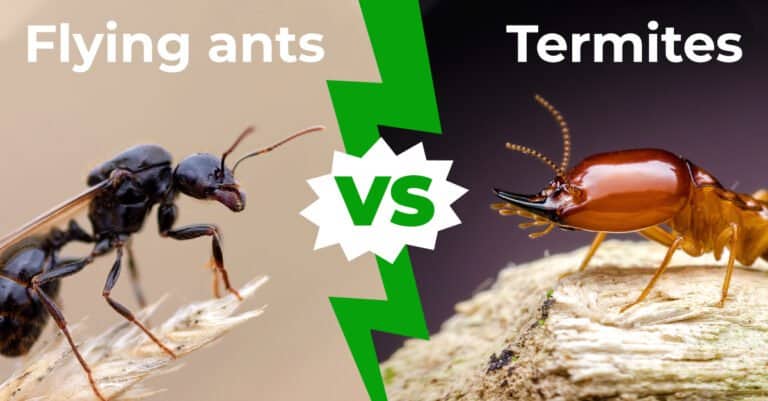
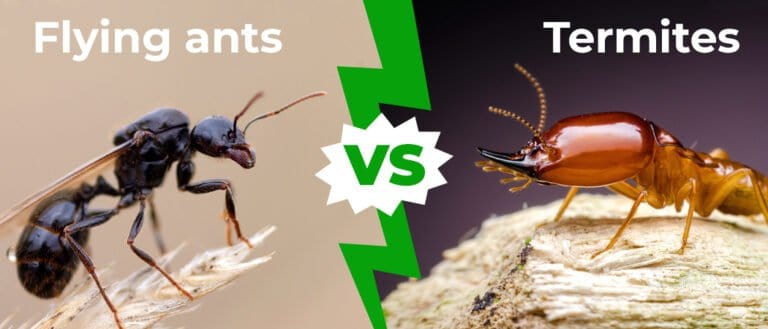
  • Antennae are straight or gently curved (not elbowed), helping distinguish from ants.
  • Waist is broad (no narrow petiole), with a generally cylindrical body profile.
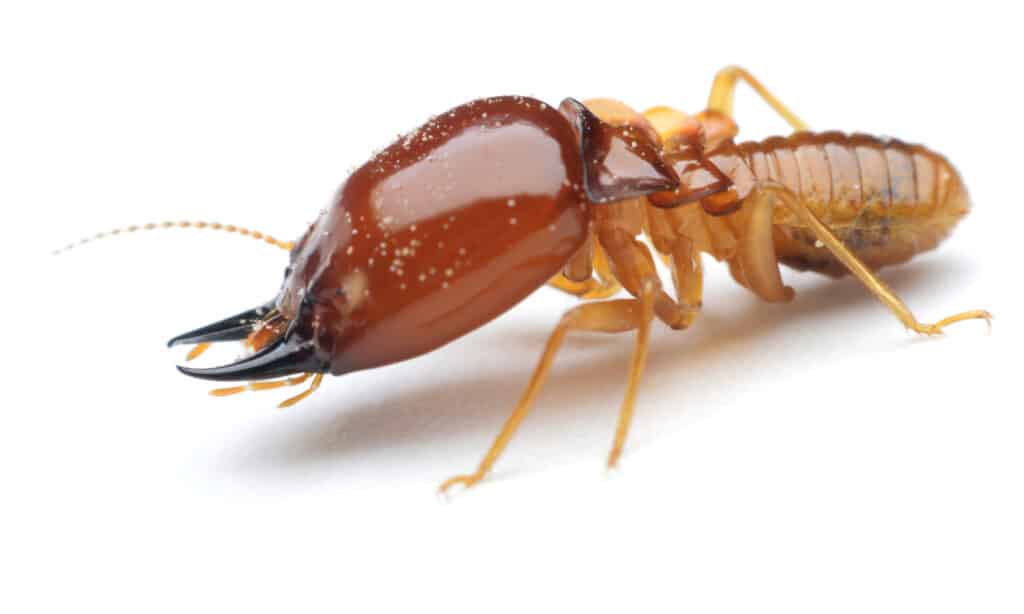
  • Soldiers often have enlarged heads with prominent biting mandibles or a nasute snout for defensive secretions.
  • Eyes reduced or absent in workers/soldiers; well-developed compound eyes in alates.
  • Gut and head often adapted for cellulose feeding and symbioses; appearance varies with diet and nesting ecology.
  • Ecology/generalization: mostly wood/plant-material feeders and major decomposers; nesting ranges from soil and mounds to wood and arboreal nests, with some species significant structural pests.
  • Lifespan range across castes: alates live days-weeks after flights; workers/soldiers months to years; queens can persist for a decade to multiple decades in some species.

Sexual Dimorphism

Sexual dimorphism is most evident in reproductives: mature queens become greatly enlarged and long-lived, while kings are smaller and typically less physogastric. Alate males and females are often similar externally, with size differences varying among lineages.

♂
  • Kings usually smaller-bodied than queens, remaining relatively slender after mating.
  • Male alates may be slightly smaller with proportionally narrower abdomens in many species.
  • Males often die earlier than queens, though longevity varies by species and colony conditions.
♀
  • Queens develop physogastry (greatly enlarged abdomen) after colony founding.
  • Female alates are often slightly larger, especially in abdomen volume.
  • Queens can become immobile egg-laying specialists, with reduced external resemblance to alates.

Did You Know?

"Isoptera" means "equal wings," referring to the similar-sized fore- and hindwings of winged swarmers (alates).

Termites are now usually classified within the cockroach order Blattodea (as an infraorder), though "Isoptera" is still widely used.

Some termite queens become physogastric-abdomen hugely enlarged-and can lay thousands of eggs per day in large colonies.

Many termites rely on gut symbionts (protozoa and/or bacteria); fungus-growing termites cultivate fungi to help process plant material.

Termite mounds can strongly alter local soils-adding nutrients, changing water infiltration, and creating "islands" of fertility.

Not all termites eat sound wood: many consume leaf litter, grass, dung, or highly decayed plant material; diet varies widely across the group.

Termite colonies can span from small family groups to enormous societies with millions of individuals, depending on species and habitat.

Unique Adaptations

  • Cellulose digestion via symbiosis: many "lower" termites host protozoa plus bacteria; "higher" termites rely mainly on specialized bacterial communities-multiple evolutionary solutions to the same dietary challenge.
  • Physogastry in queens: extreme abdominal expansion boosts egg production, enabling very large colony sizes in some species.
  • Caste differentiation: environmentally and hormonally regulated development produces distinct worker and soldier morphologies; in some species, "minor" and "major" soldiers coexist.
  • Efficient water balance: many drywood and arid-zone termites conserve water exceptionally well, allowing life in low-humidity wood or hot savannas.
  • Advanced mound ventilation (in some mound-builders): mound shape and porous walls can help regulate temperature, humidity, and gas exchange-yet designs vary widely and not all species build mounds.
  • Antimicrobial nest materials: salivary secretions, fecal components, and soil chemistry can suppress pathogens in dense colonies; strategies differ among lineages.
  • Wing shedding after mating: alates break off wings along predetermined lines (basal sutures), reducing drag as pairs search for nest sites.

Interesting Behaviors

  • Eusocial caste systems: reproductives (queen/king), workers (forage, feed nestmates, build), and soldiers (defense). Caste proportions and roles vary greatly among lineages and environments.
  • Swarming flights: many species produce winged alates seasonally; synchronized mass flights increase mating success and can overwhelm predators. Timing cues differ (rainfall, temperature, day length).
  • Trophallaxis (food sharing): frequent exchange of gut fluids and/or processed food helps distribute nutrients and essential symbionts across the colony.
  • Diverse nesting strategies: subterranean networks, single-piece nests inside wood, carton nests in trees, and towering soil mounds-architecture differs dramatically among species.
  • Soil engineering and bioturbation: workers move and cement soil particles, altering soil structure and aeration; impacts range from subtle to landscape-scale.
  • Farming behavior in Macrotermitinae: workers gather plant material to grow Termitomyces fungi in fungus combs; the colony then feeds on fungal products.
  • Chemical communication: pheromone trails guide foraging; alarm pheromones coordinate defense. Signal types and complexity vary across groups.
  • Defense diversity: some soldiers bite with powerful mandibles, others spray sticky or irritating secretions (nasute soldiers); tactics depend on predator pressure and nest type.

Cultural Significance

Termites (Isoptera) across Africa, Asia, Australia, and the Americas recycle dead plants and build mounds that shape land. Winged alates are eaten as seasonal protein. Mound soil is used for plaster. Some species (subterranean, drywood) damage wood, crops, and homes.

Myths & Legends

In Hindu tradition, the sage Valmiki is said to have meditated so long that a termite mound (anthill) grew up around him-an emblem of extreme ascetic devotion and transformation.

In parts of South India and Sri Lanka, termite mounds are traditionally regarded as abodes of Nagas (serpent deities); offerings are sometimes made at mounds as part of local devotional practice.

In South Asian folk belief, termite mounds are often treated as potent, living places tied to fertility and the earth-sites where householders may seek blessings for prosperity or protection.

The scientific name "Isoptera" ("equal wings") reflects early naturalists' focus on the winged swarmer form; later research and cultural education shifted many references to emphasize their close kinship to cockroaches (Blattodea).

Conservation Status

NE Not Evaluated

Has not yet been evaluated against the criteria.

Population Unknown

You might be looking for:

Formosan subterranean termite

22%

Coptotermes formosanus

Major invasive structural pest termite, forms large colonies and causes severe wood damage.

Eastern subterranean termite

18%

Reticulitermes flavipes

Common North American subterranean termite; important decomposer and frequent household pest.

African mound-building termite

14%

Macrotermes bellicosus

Fungus-growing termite known for large mounds; ecologically important in savannas.

Conehead termite

12%

Nasutitermes corniger

Tropical/subtropical species; can be invasive; soldiers have a characteristic nasus.

Life Cycle

Birth 1000 nymphs
Lifespan 1 year

Lifespan

In the Wild
0.01–50 years
In Captivity
0.02–50 years

Reproduction

Mating System Monogamy
Social Structure Eusocial
Breeding Pattern Long Term
Fertilization Internal Fertilization
Birth Type Internal_fertilization

Across termites, colonies are typically founded by a male-female pair (king and queen) that mates repeatedly and is maintained by eusocial workers. Some species develop additional or replacement reproductives, shifting colonies toward polygyny or polygynandry.

Behavior & Ecology

Social Colony Group: 100000
Activity Cathemeral, Nocturnal, Crepuscular
Diet Detritivore Dead wood and other cellulose-rich plant detritus (varies widely: some species specialize on grass/litter or soil organic matter; some rely heavily on cultivated fungi).
Seasonal Hibernates 6 mi

Temperament

Highly cooperative eusocial insects; individual survival depends on colony-level coordination and task allocation.
Generally non-aggressive; soldiers specialize in defense and can be highly aggressive when disturbed.
Colony cohesion maintained by caste system (reproductives, workers, soldiers) with broad variation among lineages.
Foraging ecology varies: subterranean, mound-building, arboreal, and drywood lifestyles; many avoid light exposure.
Diet broadly plant-based: wood, leaf litter, grasses, soil organic matter; key decomposers, some serious structural pests.
Body size varies widely across the order: workers often ~0.2-1 cm; soldiers/alates commonly ~0.5-2.5+ cm; queens may become 3-10+ cm when physogastric.
Lifespan spans castes and species: workers typically months to a few years; kings often years; queens can persist for decades in some taxa.
Colony sizes range from dozens in small/drywood colonies to hundreds of thousands or millions in large subterranean or mound-building species.
Division of labor is flexible in some groups (e.g., worker-to-soldier development) but rigid in others; caste proportions shift with ecology.
Nesting and climate tolerance vary; some build elaborate mounds with ventilation, others live entirely within a single piece of wood.

Communication

Substrate-borne vibrational drumming or head-banging alarm signals
Stridulation (rubbing body parts) in some soldiers or workers
Pheromones for trail following, aggregation, alarm, and reproductive suppression
Cuticular hydrocarbon cues for nestmate recognition and caste/status signaling
Trophallaxis (food exchange) to distribute nutrients and chemical signals
Antennation and tactile contact to coordinate work and assess colony members
Vibration transmission through soil/wood to coordinate defense and recruitment

Habitat

Biomes:
Tropical Rainforest Tropical Dry Forest Savanna Desert Hot Mediterranean Temperate Grassland Temperate Forest Temperate Rainforest Wetland +3
Terrain:
Plains Hilly Plateau Valley Riverine Coastal Island Mountainous Karst Volcanic Rocky Sandy Muddy +7
Elevation: Up to 11482 ft 11 in

Ecological Role

Major decomposers and ecosystem engineers in many tropical/subtropical (and some temperate) ecosystems; they accelerate breakdown of plant detritus and modify soils and habitats, while a subset of species become structural/agricultural pests by consuming or damaging wood and plant materials.

decomposition of dead plant material and nutrient recycling soil formation and organic matter turnover (especially soil-feeding taxa) bioturbation: mixing/aeration of soils and changes to soil porosity/infiltration carbon cycling (including production/consumption of soil and gut-derived gases) creation of microhabitats via nests/mounds and galleries that influence other organisms food-web support as prey for many vertebrates and invertebrates

Diet Details

Other Foods:
Dead wood Decaying plant litter Grass and herbaceous litter Humus and soil organic matter Dead roots and buried plant material Dung and nutrient-rich detritus Fungal material +1

Human Interaction

Domestication Status

Wild

Termites (Isoptera) are not domesticated. People mainly manage them to protect buildings and wood. They also help nature by breaking down wood and making soil, are eaten or used as feed in some places, and are studied for colony life (eusociality) and gut symbionts. Some species are pests.

Danger Level

Moderate
  • Major economic/property risk from structural damage (some species), including weakened timber, drywall, flooring, and utility structures
  • Indirect health risks via damaged buildings (e.g., moisture pathways contributing to mold) and nuisance infestations
  • Allergic reactions or irritation from dust/frass in some situations
  • Occasional minor bites by soldiers (typically limited and not medically significant)
  • Invasive spread risk where non-native termites establish and increase control costs

As a Pet

Not Suitable as Pet

Legality: Rules vary by place. Keeping local termites (Isoptera) in secure, no release conditions may be allowed, but moving, selling, or releasing them is often restricted, especially pest or invasive species. Permits often needed for research or crossing borders.

Care Level: Expert Only

Purchase Cost: Up to $25
Lifetime Cost: $20 - $300

Economic Value

Uses:
Structural pest impacts (housing, buildings, infrastructure) Forestry and plantation impacts Ecosystem services (decomposition, nutrient cycling, soil formation) Agricultural soil engineering (sometimes beneficial, sometimes harmful) Food/feed (human consumption in some regions; animal feed/fish bait) Research value (eusociality, microbiomes, symbiosis, digestion of cellulose) Biotechnology potential (enzymes for biomass conversion)
Products:
  • Pest inspection and control services (baiting systems, barriers, treatments)
  • Edible termites/alates (seasonal harvest in some cultures)
  • Animal feed or fishing bait (local use)
  • Bioactive and industrially relevant enzymes (e.g., cellulases/hemicellulases) studied for biomass processing
  • Soil enhancement effects via tunneling and mixing of organic matter (ecosystem/land management value)

Relationships

Related Species 8

Asian subterranean termite Coptotermes gestroi Shared Order
Formosan subterranean termite Coptotermes formosanus Shared Order
Eastern subterranean termite Reticulitermes flavipes Shared Order
Dark southern subterranean termite Reticulitermes virginicus Shared Order
African mound-building termite Macrotermes bellicosus Shared Order
Natal fungus-growing termite Macrotermes natalensis Shared Order
Caribbean conehead termite Nasutitermes corniger Shared Order
Neotropical nasute termite Nasutitermes ephratae Shared Order

Ecological Equivalents 5

Animals that fill a similar ecological role in their ecosystem

Wood roaches Cryptocercus spp. Occupy a similar wood-feeding niche and rely on gut symbionts to digest cellulose. Often cited as the closest ecological analogue and close evolutionary relative to termites in terms of diet and microhabitat (decaying logs).
Carpenter ants
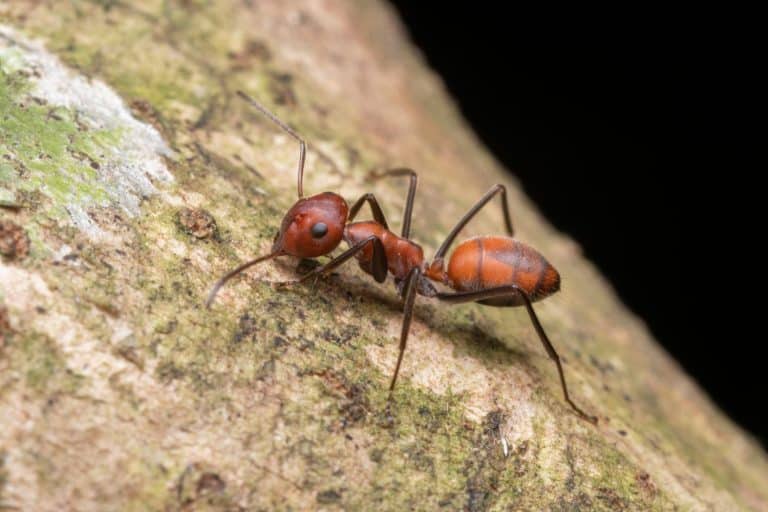
Carpenter ants Camponotus spp. Eusocial colony structure and frequent association with wood in buildings and trees. Unlike termites, they do not primarily eat cellulose, but they overlap strongly in the wood-associated structural pest niche and in predator-competitor interactions.
Powderpost beetles
Powderpost beetles Lyctinae Wood-infesting insects whose larvae consume dry wood products. They overlap with drywood termites in the 'seasoned timber' niche and are often confused in damage diagnostics (frass/powder and galleries).
Longhorn beetles Cerambycidae Major decomposers of dead wood; they overlap with termites in deadwood processing, though feeding mode and life cycle differ — longhorn beetles have solitary larvae, whereas termites are eusocial and live in colonies.
Shipworms Teredo navalis Marine analogue of the wood-digestion niche: boring and digesting submerged timber with the help of symbionts. Ecologically similar despite distant taxonomy.

Types of Termite

15

Explore 15 recognized types of termite

Formosan subterranean termite Coptotermes formosanus
Asian subterranean termite Coptotermes gestroi
Eastern subterranean termite Reticulitermes flavipes
Dark southern subterranean termite Reticulitermes virginicus
Desert subterranean termite Heterotermes aureus
West Indian drywood termite Cryptotermes brevis
European drywood termite Kalotermes flavicollis
Dampwood termite Zootermopsis angusticollis
Giant northern termite Mastotermes darwiniensis
African mound-building termite Macrotermes bellicosus
Natal fungus-growing termite Macrotermes natalensis
Indian fungus-growing termite Odontotermes obesus
Caribbean conehead termite Nasutitermes corniger
Neotropical nasute termite Nasutitermes ephratae
A soil-feeding termite Anoplotermes banksi

Termites never sleep!

Often referred to as silent destroyers, termites are responsible for an estimated $5 billion in property damage each year.

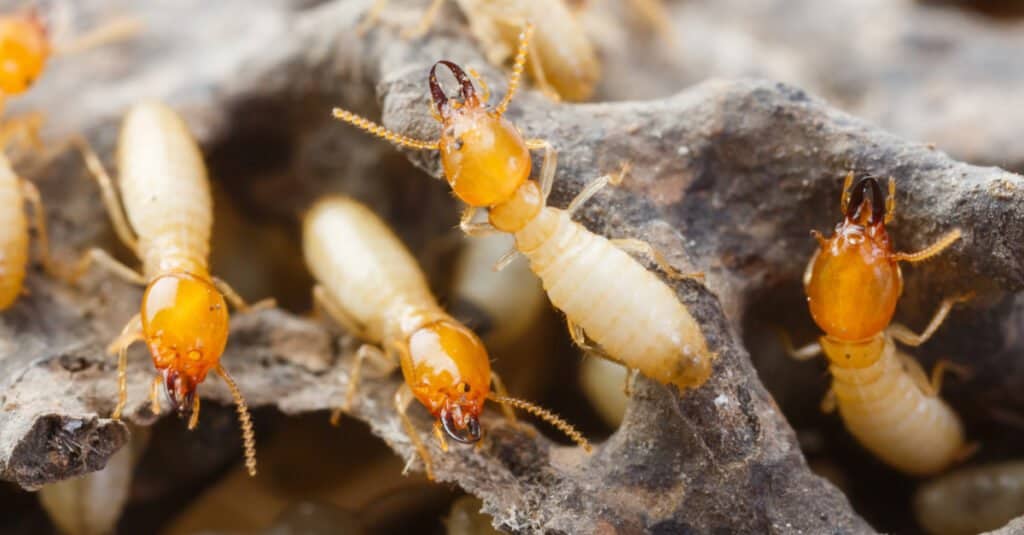
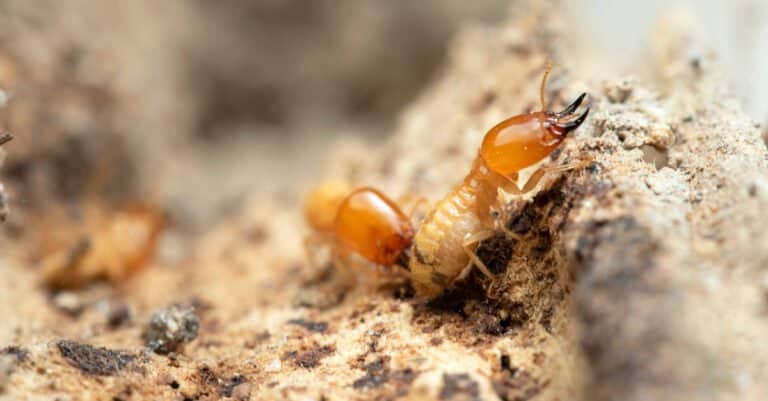
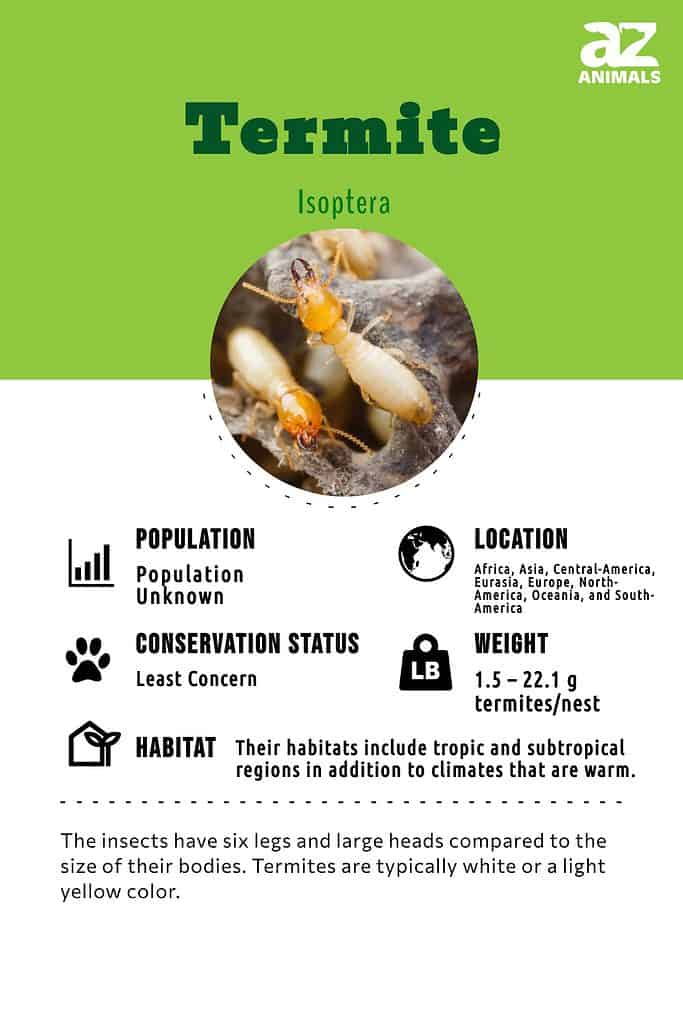
The insects have six legs and large heads compared to the size of their bodies. Termites are typically white or a light yellow color.

The insect species live in colonies with a queen, and she lays eggs continuously.

A termite’s diet is wood, and they eat a lot of it.

5 Termite Facts
Termite

Termites live in colonies and queens can live up to 25 years

Here are some amazing termite facts:

• There are thousands of termite species
• Termites live in every part of the world
• The insects live in colonies
• Queen termites can live for as long as 25 years
• Most termites are blind

Evolution and Origins

Termites have been on planet earth for millions and millions of years. In fact, evidence of the relationship between ancient roaches suggests that termites may have evolved in the Late Permian period, meaning that their evolution took place about 251 million years ago!

Many of the species of termites originated from south Asia. About seven out of the 28 species alive today are native to Asia. Although, termites are found in many places around the world today, but their origins are from Asia and even South America.

Different Types of Termites

Here are the different types of termites found around the world:

  • Rhinotermitidae
  • Kalotermes flavicollis
  • Termitidae
  • Hodotermitidae
  • Termitinae
  • Termopsidae
  • Kalotermitidae
  • Parastylotermes
  • Serritermitidae

Scientific Name

Termites

The scientific name for a termite is Isoptera, and they are eusocial insects.

The scientific name for a termite is Isoptera, and they are eusocial insects. They are under the Termitidae epifamily inside a cockroach classification called Blattodea.

In the past, termites were categorized within a different order of insects than cockroaches, but additional research has determined that they originated from cockroaches. Termites are under the animal kingdom and the arthropods phylum. The bugs are a part of the Insecta class and the pterygota subclass.

In North America, there are more than 50 termite species and Europe features 10 termite species. In Africa, there are more than 1,000 different species of termites.

They are successful bugs that use various methods to survive. The name Isoptera comes from two Greek words. The first is Iso, and it means equal. The second word is ptera, and in the Greek language, this means winged.

The name “Termite” is from a Latin and Late Latin word, which is Termes. This word refers to a white ant or a woodworm. Before the word “termite” became the common name for the species, the insects were called white ants or wood ants. According to research, the modern term for bugs was first used in the late 1700s.

Appearance and Behavior
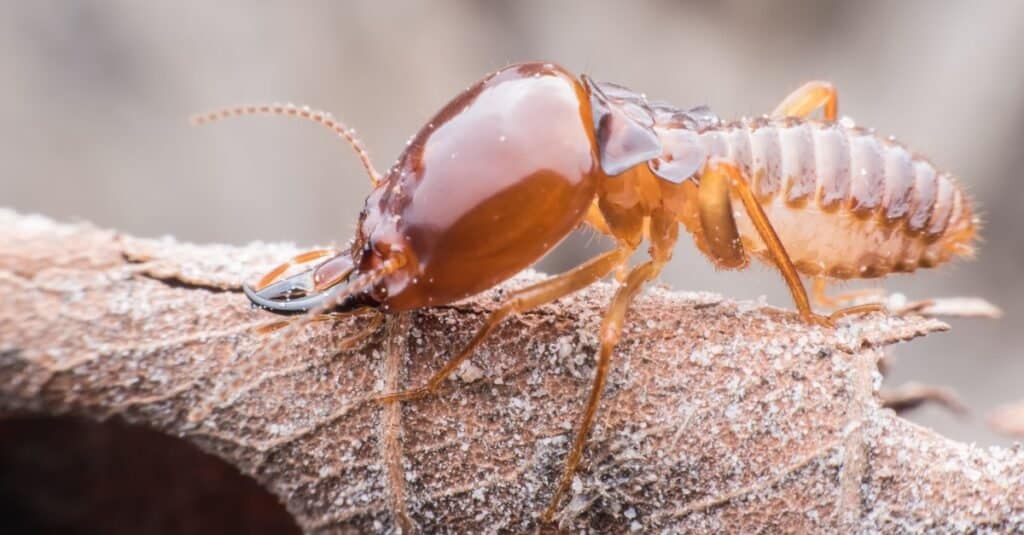
Animals That Spit Acid

Termites are small insect that typically measures from 4 millimeters to 15 millimeters long.

Termites are small insect that typically measures from 4 millimeters to 15 millimeters long. Queen termites are the largest, and they are often more than 10 centimeters long.

During the Miocene era, a giant termite called the Gyatermes Styriensis existed, and its wingspan measured around 76 millimeters long. It also had a body length that was around 25 millimeters long.

Modern-day termites have soft bodies and long, straight antennae. The insects vary in color from white to pale brown. Worker termites are usually a lighter color than swarming ones. There are size and color variations between the species too.

For instance, western subterranean soldier termites have heads that are a yellow hue, and the termite soldiers of the western drywood species feature reddish brown heads. Subterranean termites are usually smaller in size than damp wood and dry wood termites.

Termites operate in a caste system, and there are three. Each caste has a different job to do in a colony. Along with this, each caste features distinctive physical characteristics that allow it to do its job. The different castes may have very different appearances from one another even when they are a part of the same species.

Worker termites are usually a lighter color than their fellow bugs. They are also the smallest termites. For the most part, worker termites and nymphs feature soft bodies and resemble larvae. Soldier termites generally have a similar body structure to worker termites. However, soldiers have hard heads that display a dark color. They also have large jaws.

These features allow them to keep their colonies safe. Worker and soldier termites are generally blind. When termites reach the reproductive stage, they form wings. They also have hard bodies that protect them as they fly away from their colonies to begin new ones. Flying termites have wings and dark exoskeleton bodies.

Also called alates, or swarmers, flying termites have two equally sized wing sets that are almost twice as big as their bodies.

There are a lot of termites in the world. In fact, if you could somehow place them in one big pile, they would weigh more than if you did the same with all the humans in the world. According to some estimates, there could be 1,000 pounds of termites for each human.

Termites are not highly aggressive insects unless their nests are under attack. Soldier termites use their large jaws to poison other insects that may attempt to attack their nests. The number of soldiers that are in a termite colony is based on the colony size. When a colony is just starting out, it will have more workers to become established. As it grows, more termites become soldiers for greater defense.

Termites have the ability to communicate when they are inside their nest. They do it using pheromones and vibrations. This allows them to recognize other colony members and know what part of the caste other termites are from. To make vibrations, termites bang their heads.

Habitat
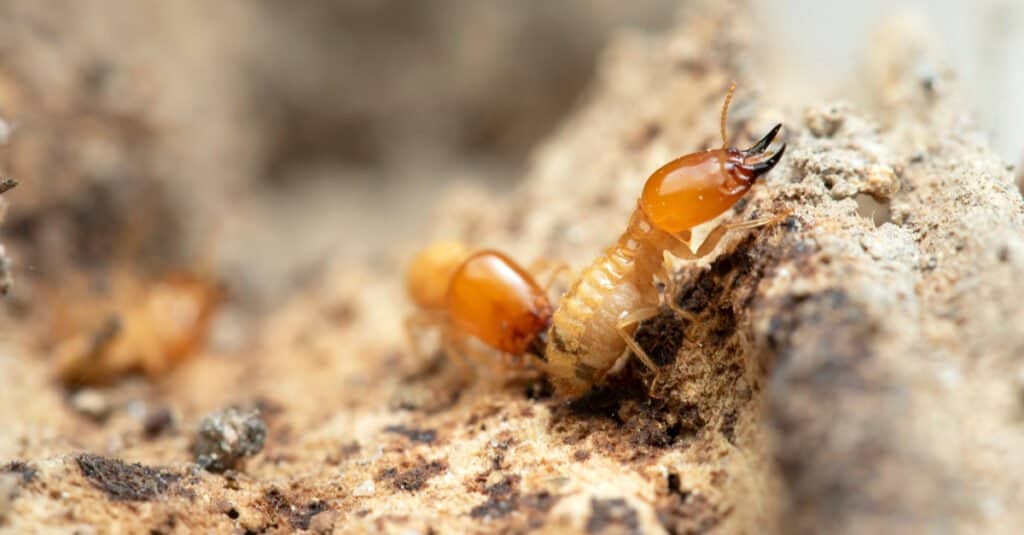
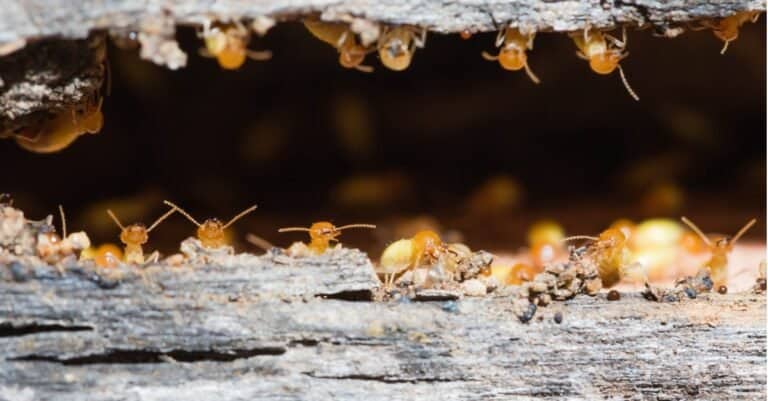
Termites eating wood

Termites are found throughout the world. This means their habitats include tropic and subtropical areas.

Termites are found throughout the world. This means that their habitats include tropic and subtropical regions in addition to climates that are warm. The insect species do well in moist lowland areas as well as along coasts. Some of the North American species have become accustomed to living in chillier areas, which means that they are found in the northern part of the country too.

Different termite species have different habitats. Subterranean termites form colonies in the ground, and they build pathways inside of them that they use to find wood sources. To get to wood that’s located out of the ground, like the framework of a home, the insects create mud tubes that they travel through. These tubes connect from the soil to the wood source.

Dampwood termites make their colonies in damp wood that may be in the ground or on top of it. The insects search for damp wood that remains that way from ground contact. This may be from a clogged rain gutter or a water leak.

Drywood termite colonies usually form their nests in wood that’s solid. These bugs do not need to be in touch with the soil to survive. Drywood termites usually make their homes in furniture, wood framing sections, attics, and doors.

The big termite mounds that you may have seen on television or in magazine ads are made by mound-building termites. This insect species lives in South America, Australia, and Africa. These amazing mounds can be as wide as 98 feet, and they are usually constructed in well-drained areas.

In many cases, termite mounds outlive the colonies that build them. The structure of these homes can be highly complex with the insects taking proper ventilation into account.

Diet
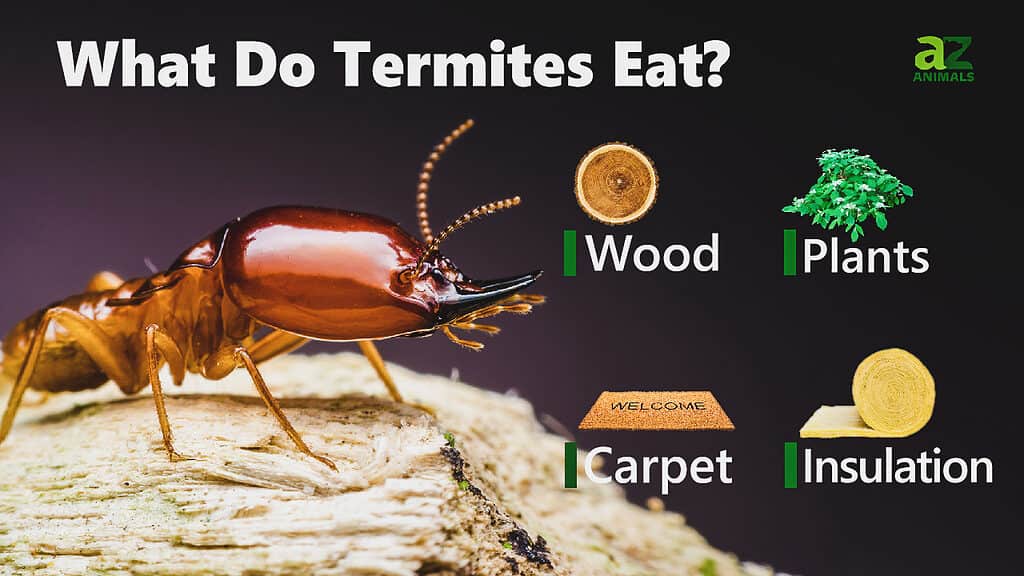
Termites are known to eat wood, plants, carpet, and even insulation.

What do termites eat? The insect species eat plants. They also eat the fungus that develops and grows on plants that are in a state of decay.

Termites eat wood because their bodies need cellulose, which is a wood component. The insects have a digestive system bacterium, and it breaks the cellulose down, giving the bugs access to hydrogen. Termites don’t come by their digestive system bacteria naturally. To get it, they eat one another’s poop.

Termites never sleep. The insects work 24 hours a day every day of their life. During this time, they eat, keep their queen happy and safe, and build their nests. Since the bugs never stop, they are capable of eating a large amount of wood.

If they decide to dine in a person’s home, they can do a lot of damage to it. In fact, a colony of Formosan termites has been known to eat as much as 1,000 pounds of wood in one year. The insects are able to ingest the amount of wood that would fill a football field. Along with this, termite workers look for food as far as 250 feet away from their homes.

Predators and Threats
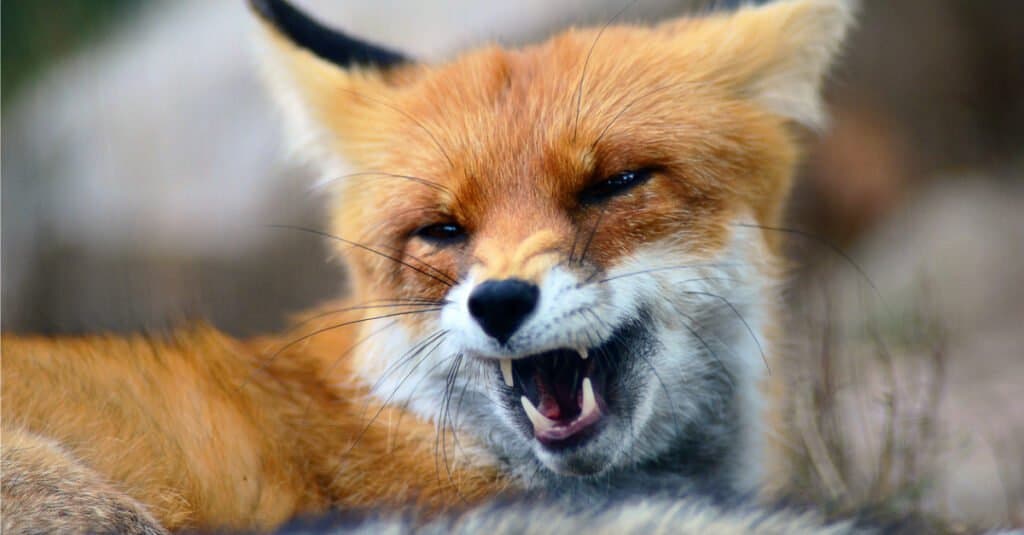
Fox Teeth- A Fox

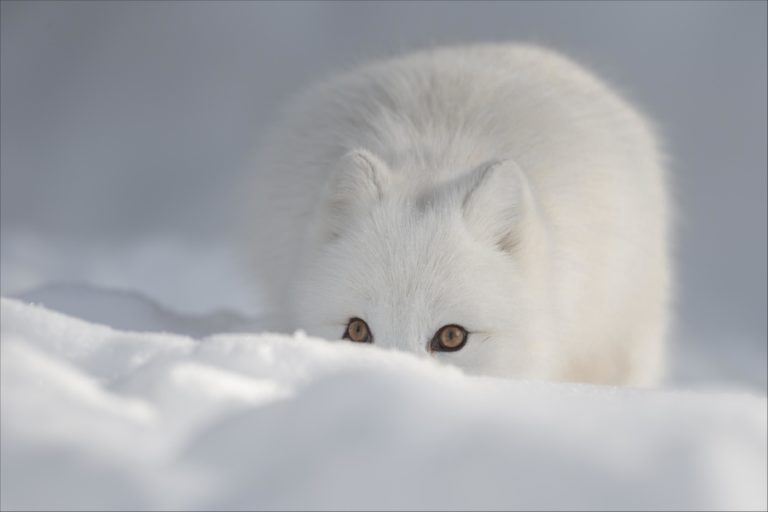
Many creatures prey on termites including 65 different bird species in addition to bats, bears, and foxes.

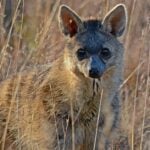
Many creatures prey on termites including 65 different bird species in addition to bats, bears, and foxes. The aardwolf is a mammal that mainly feeds on insects. To find them, it uses scent and sound. According to research, a single aardwolf can ingest thousands of termites in just one night.

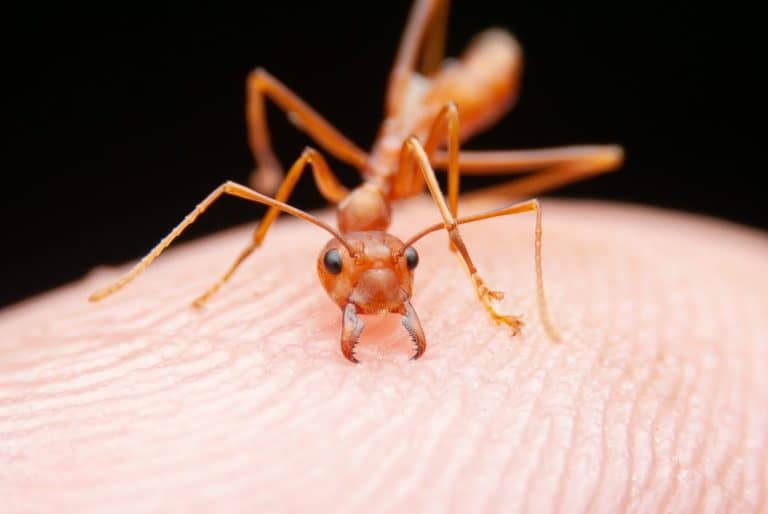
Sloth bears eat them too as do chimpanzees. Ants are a big risk to termites. Some ant species hunt termites and may even move into termite mounds.

Termites are good at protecting themselves, but they are vulnerable to parasites such as dipteran flies, pyemotes mites, and nematodes. When attacked by parasites, a termite colony may relocate. People exterminate termites when the insects make a meal of their homes.

Reproduction, babies, and lifespan

Termites

Undergoing incomplete metamorphosis, termites have three stages: egg, nymph, and adult.

During the summer months, king and queen termites start swarming in the thousands as they search for a mate. When they find one, they perform a simple courtship dance and begin a separate colony. The male termite participates in the labor of building a nest once the queen becomes fertilized and ready to lay eggs.

In the first year that a queen termite lays eggs, she can have from one hundred to several thousand eggs each day. The king and queen termites take care of their first termite generation until they’ve made enough babies to help them.

Once the insects hatch into larvae, the juvenile termites can turn into worker termites or soldiers. The kind of termite that they become depends on the pheromones that are released and the temperature at that the termite eggs. Worker termites complete the nest’s labor and provide food for the colony. They also take care of baby termites.

Worker and soldier termites may be male or female. Both types are sterile. For around five years, the termite population will grow. After this period, the queen will have a young king and queen termites, so they can expand into another new colony. This is a cycle that repeats itself continuously.

When it comes to the life cycle of the insect species, termites go through incomplete metamorphosis. Scientifically, this is called a hemimetabolous life cycle. A termite’s beginning life cycle consists of an egg, larvae, and nymph an older nymph while the mid-life cycle is worker or soldier. The last stage is a drone. A queen termite’s average lifespan is 25 years, but the other types of termites live from just 12 months to 24 months.

Population

According to reports, subterranean termite colonies may include as many as 5 million termites. Worker termites make up an estimated 90% to 95% of a colony while soldiers are 1% to 3% of a colony. Each colony has very few reproductive adults with five to 10 kings in total. The kings take turns mating with the queen.

View all 606 animals that start with T

Sources

  1. David Burnie, Dorling Kindersley (2011) Animal, The Definitive Visual Guide To The World's Wildlife / Accessed November 10, 2008
  2. Tom Jackson, Lorenz Books (2007) The World Encyclopedia Of Animals / Accessed November 10, 2008
  3. David Burnie, Kingfisher (2011) The Kingfisher Animal Encyclopedia / Accessed November 10, 2008
  4. Richard Mackay, University of California Press (2009) The Atlas Of Endangered Species / Accessed November 10, 2008
  5. David Burnie, Dorling Kindersley (2008) Illustrated Encyclopedia Of Animals / Accessed November 10, 2008
  6. Dorling Kindersley (2006) Dorling Kindersley Encyclopedia Of Animals / Accessed November 10, 2008
Rebecca Bales

About the Author

Rebecca Bales

Rebecca is an experienced Professional Freelancer with nearly a decade of expertise in writing SEO Content, Digital Illustrations, and Graphic Design. When not engrossed in her creative endeavors, Rebecca dedicates her time to cycling and filming her nature adventures. When not focused on her passion for creating and crafting optimized materials, she harbors a deep fascination and love for cats, jumping spiders, and pet rats.
Connect:

Thank you for reading! Have some feedback for us?


Termite FAQs (Frequently Asked Questions)

Termites are herbivorous creatures, so they eat organic plant matter. The insects dine on a blend of grasses, plants and woods. Some termite species are a threat to homeowners who have wooden houses.