Evolution and Classification
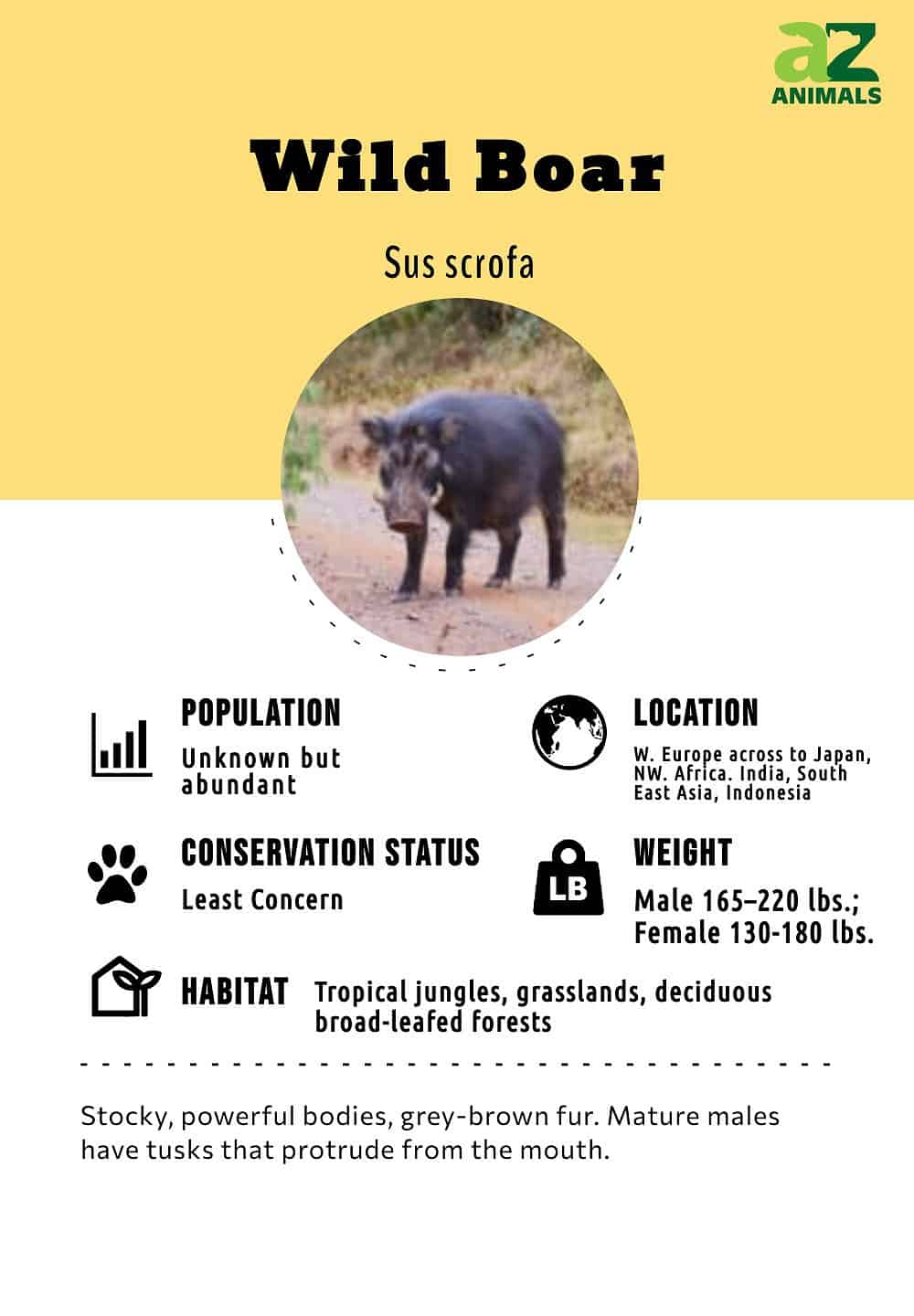
The Wild Boar is a species of Wild Pig, native to the forests of Europe, northwest Africa, and throughout Asia. It may have originated in Indonesia, the Phillipines, or nearby, but the earliest fossil evidence, from the Early Pleistocene Era, comes from both Europe and Asia. The Wild Boar’s closest wild relative today is the bearded pig in Malaysia.
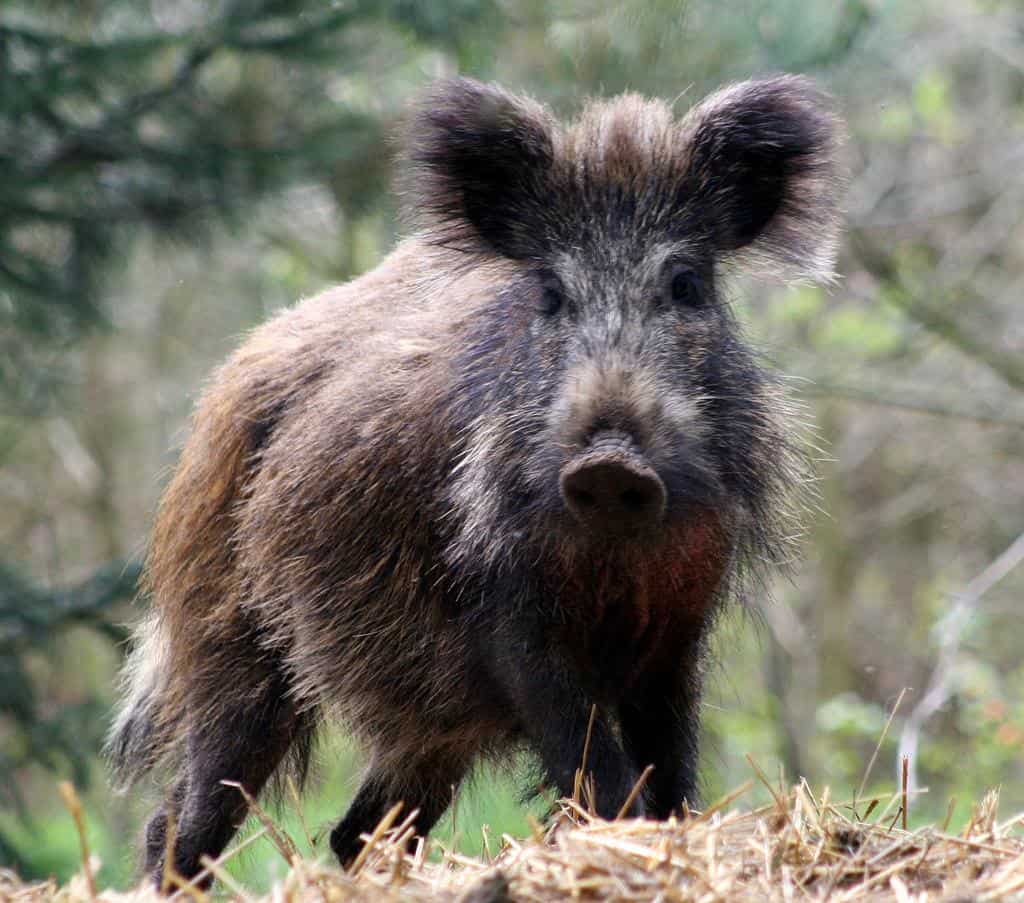
There are four main types of Wild Boar, determined by their location
The Wild Board is an animal with an extremely wide distribution among a number of habitats. Naturally, it is hard to classify them all since they can easily interbreed, but it is widely agreed that there are 4 main types, determined by their location, with 15 subspecies. They are all very similar in size and appearance but may vary in color, depending on their geographic location.
- Western: Includes S. s. scrofa, S. s. meridionalis, S. s. algira, S. s. attila, S. s. lybicus and S. s. nigripes. They all have thick underwool, and the majority are high-skulled and have poorly developed manes.
- Indian: Includes S. s. davidi and S. s. cristatus. These have sparse or absent underwool, long manes, and prominent bands on the snout and mouth.
- Eastern: Includes S. s. sibiricus, S. s. ussuricus, S. s. leucomystax, S. s. riukiuanus, S. s. taivanus and S. s. moupinensis. These have a whitish streak extending from the corners of the mouth to the lower jaw. Most are high-skulled with thick underwool and no mane
- Indonesian: Only one subspecies – S. s. vittatus which has sparse body hair, no underwool, a fairly long mane, and a broad reddish band extending from the muzzle to the sides of the neck. It is the least evolved of the four groups in terms of cranial structure, brain size. and teeth.
The Wild Boars are also commonly known as European Wild Pigs, Hogs, or simply Boars. People have farmed them for so many centuries that the Wild Boar is the ancestor of common domestic pigs.
Anatomy and Appearance
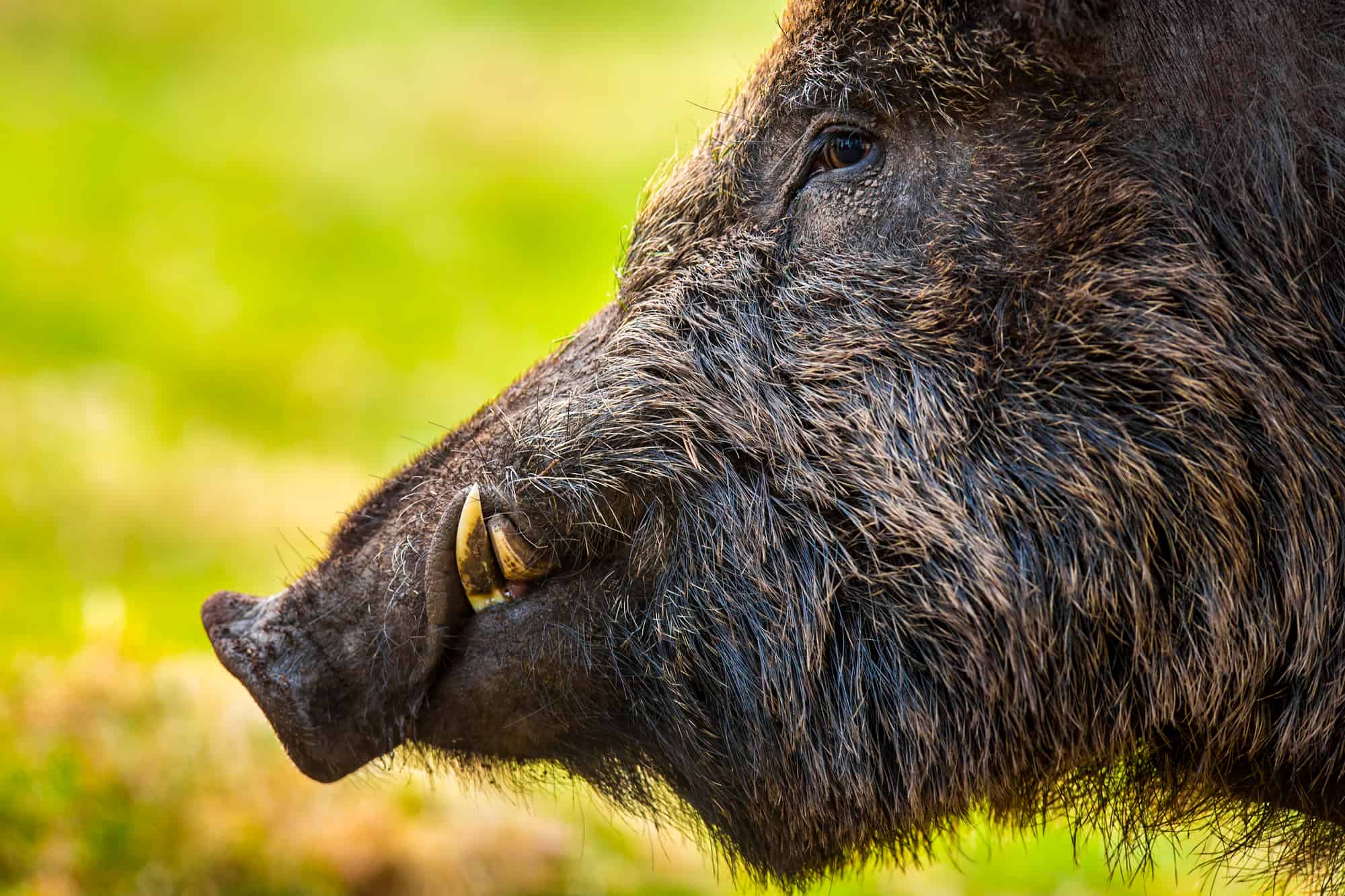
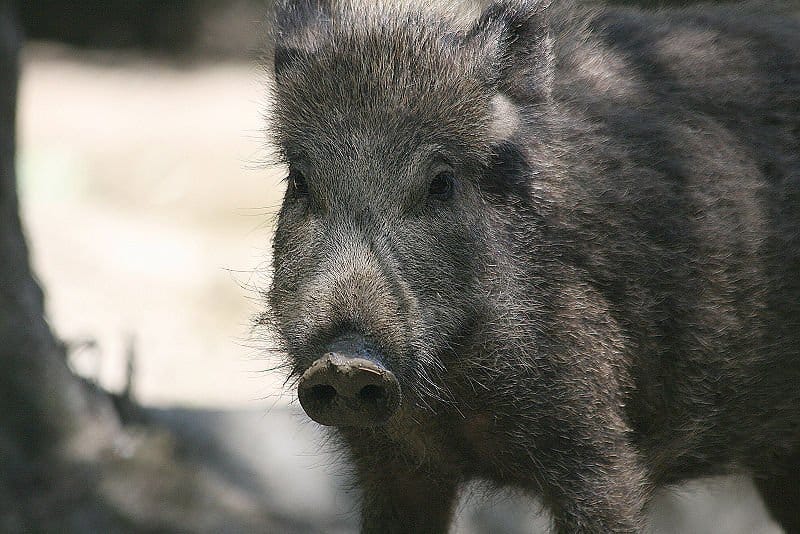
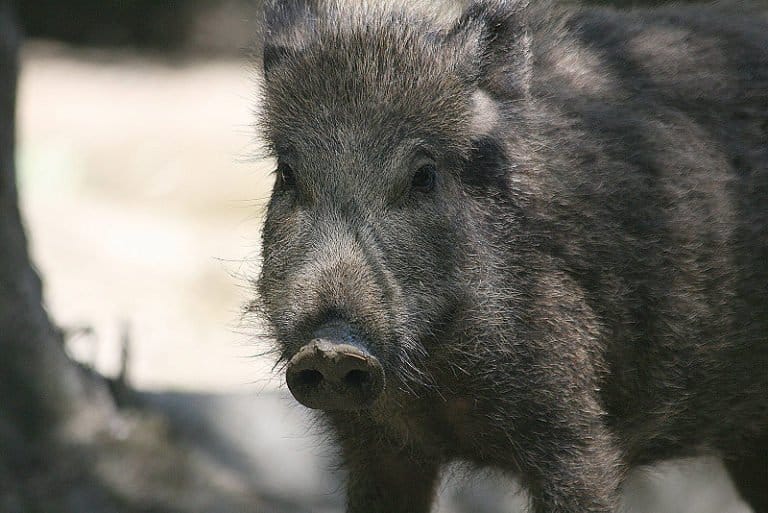
The Wild Boar has a large head with a long, straight snout and tusks.
©iStock.com/JMrocek
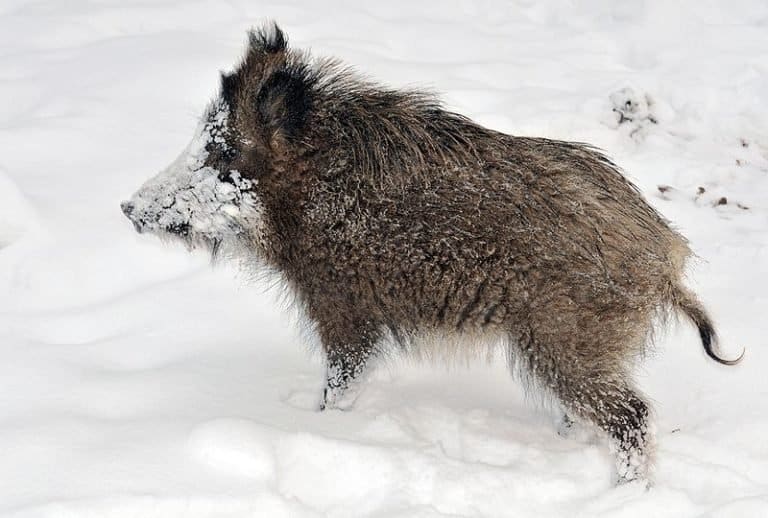
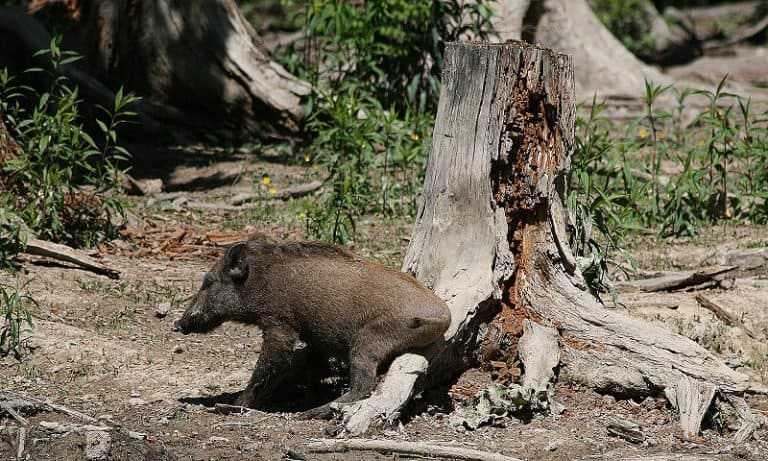
The Wild Boar is a medium-sized mammal with a large head and front end that leads into a smaller hind. Their double coat of fur has a bristly top layer with a softer undercoat. The hair that runs along the ridge of the Wild Boar’s back is longer than the rest.
Coloration varies: brown, black, red, or dark grey, generally depending on the boar’s location. For example, Wild Boar in Western Europe tend to be brown, while those in Eastern European forests can be completely black.
The Wild Boar has very poor eyesight because of its very small eyes, but it also has a long, straight snout that enables it to have an acute sense of smell. The snout of the Wild Boar is probably one of this animal’s most characteristic features, and like other Wild Pigs, it sets these mammals apart from others. It has a cartilaginous disk at the end that is supported by a small bone called the prenasal, which allows the Wild Boar’s snout to be used as a bulldozer when it is foraging for food.
All Wild Boars have tusks on their bottom lips, although the male’s are larger than the female’s and curve upwards out of their mouths. Interestingly, males also have a hollow tusk on their top lip, which acts like a knife-sharpener, constantly sharpening the male’s bottom tusks, both of which can grow up to 6cm long.
There have been several wild boars whose size captured the imagination of the Internet. We published a look at the largest wild boars on record. Generally, the weight is Size
Distribution and Habitat
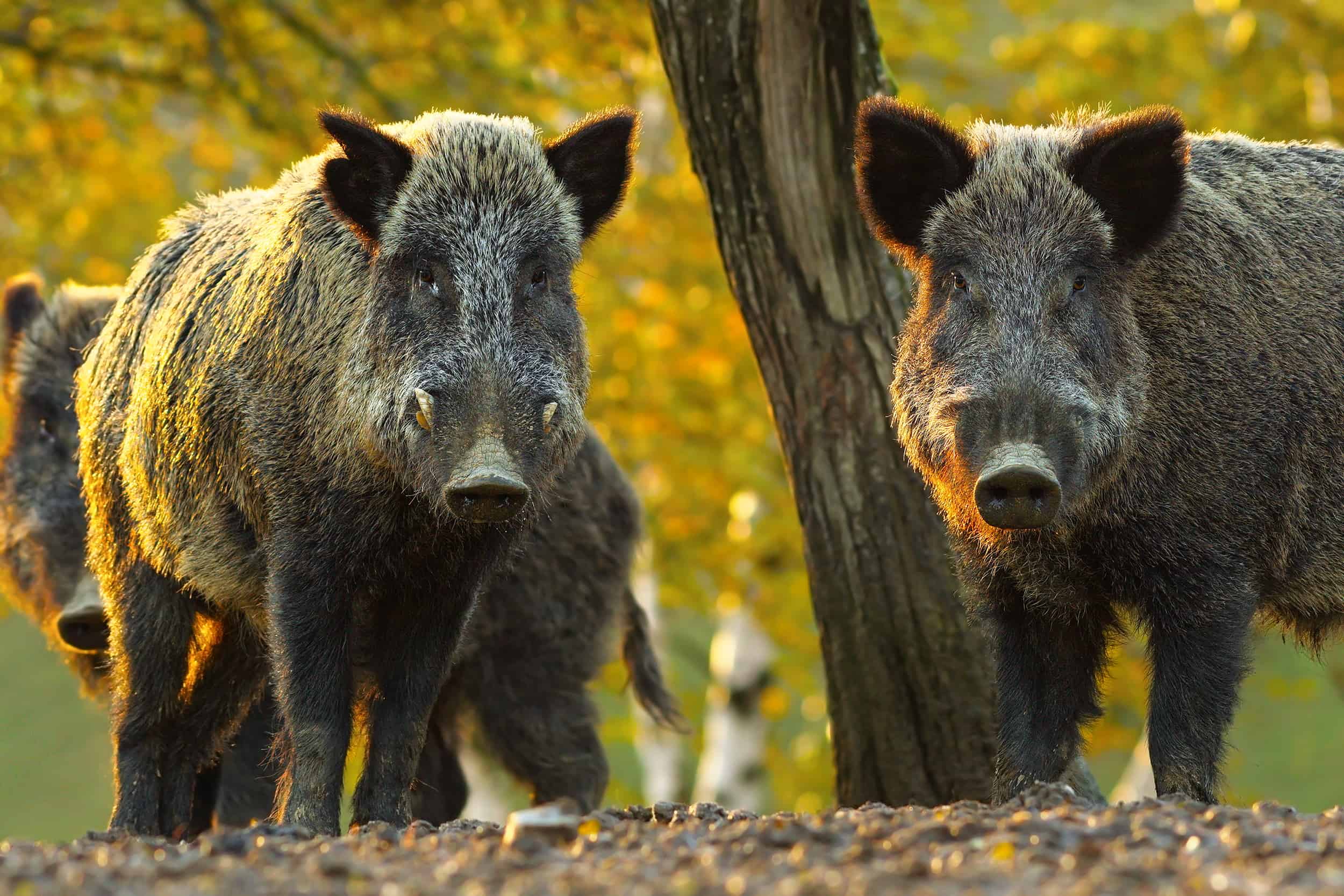
Wild boars can be found in western Europe, across Asia, into India, and on Indonesian islands.
©iStock.com/taviphoto
The Wild Boar is the most widely distributed land mammal on Earth occupying habitats from Western Europe to Japan to the rainforests of Indonesia. As discussed above, the four divisions of Wild Boars are determined by their location with one inhabiting Europe, north-western Africa and western Asia; another is found across northern Asia and in Japan; the third inhabits the tropical jungles of India, South East Asia and the Far East, with the last being found only in Indonesia. Wild Boars inhabitat tropical jungles and grasslands, but they favor deciduous, broad-leafed forests with dense vegetation.
Behavior and Lifestyle
Wild Boars are nocturnal animals that forage for food only at night. They spend around 12 hours sleeping in a dense nest of leaves during the day. Female Wild Boars are relatively sociable animals that live in groups called sounders consisting of 6-30 members. Sounders consist of breeding females and their young and can often be found in the same area as other groups, although they don’t usually mix. Males however, are solitary most of the year, but during the breeding season will move closer to the sounders, and even other males. Male Wild Boars compete with one another to mate with a female.
Reproduction and Life Cycles
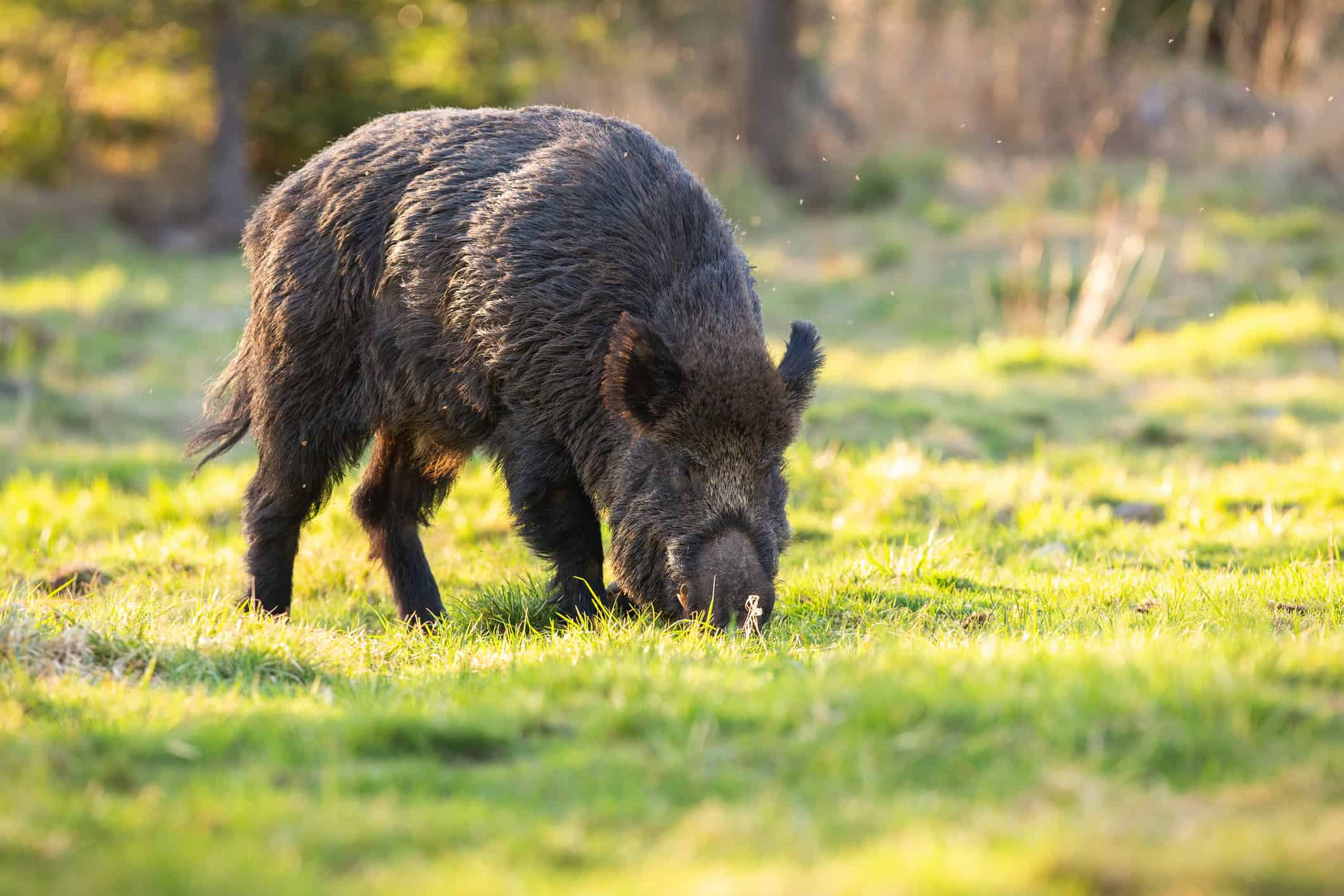
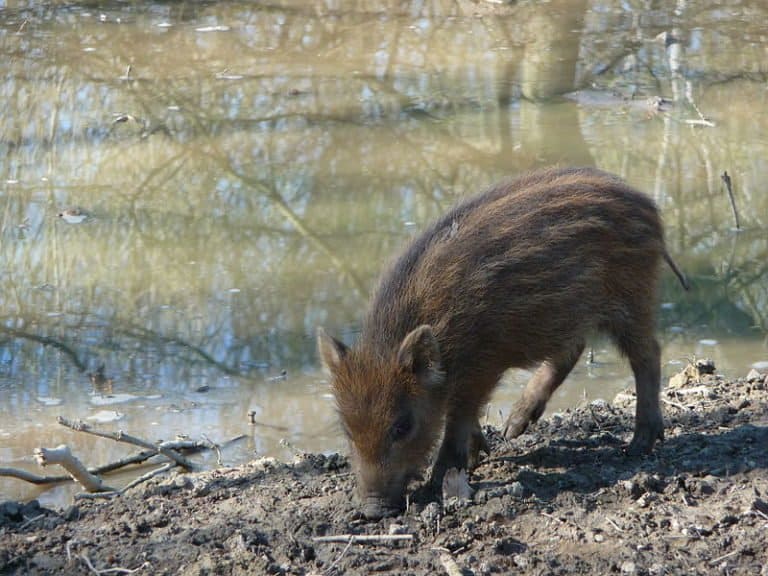
A Wild Boar sniffing the ground perhaps in search of roots and bulbs it can unearth with its snout or just eating the grass.
©iStock.com/sus scrofa
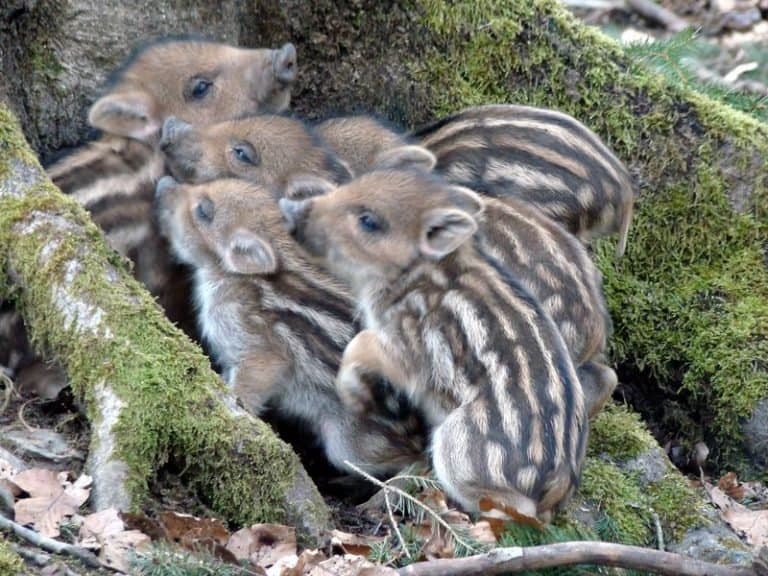
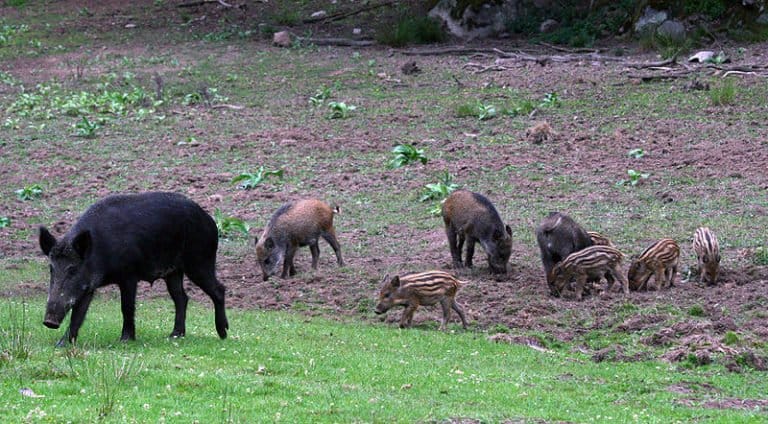
Once mated, the female Wild Boar gives birth to 4-6 piglets in a nest found in a dense thicket, which is made up of leaves, grasses, and moss. The mother remains with her piglets for about two weeks to protect them from hungry predators. Wild Boar piglets are distinctive animals because they have light brown fur with cream and brown stripes that run the length of their backs. Although these stripes will disappear when the piglets are between 3 and 4 months old, they will have effectively camouflaged the vulnerable babies in the forest floor debris. Once they are two months old, the piglets begin to venture out on short foraging trips. Then they turn almost red and become independent at around 7 months old. The Wild Boar does not reach adult coloration until the animal is about a year old.
Diet and Prey
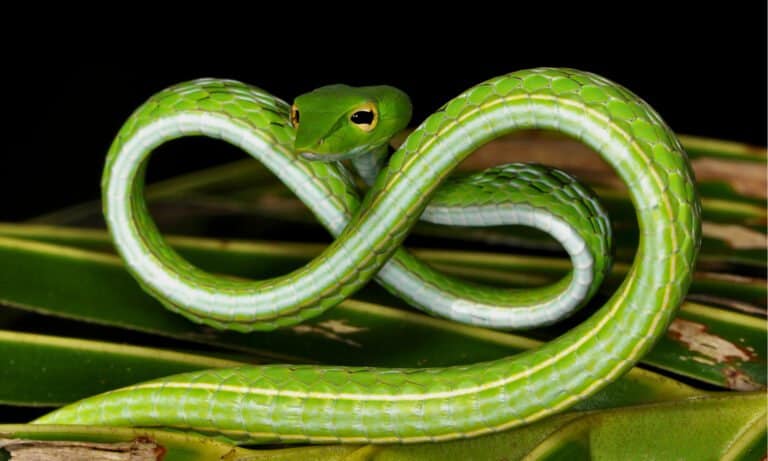
The Wild Boar is an omnivorous animal, and 90% of its diet is young leaves, berries, grasses, and fruits, It also unearths roots and bulbs with its hard snout. Living in highly seasonal regions, Wild Boars have had to adapt to changing fruits and flowers and favor the protein-rich nuts (such as acorns) found in the autumn, which helps to prepare them for the winter ahead. They will, however, eat almost anything that will fit into their mouths and supplement their diet by eating eggs, mice, lizards, worms, and even snakes. Wild Boars will also finish off the abandoned kill of another animal.
Predators and Threats
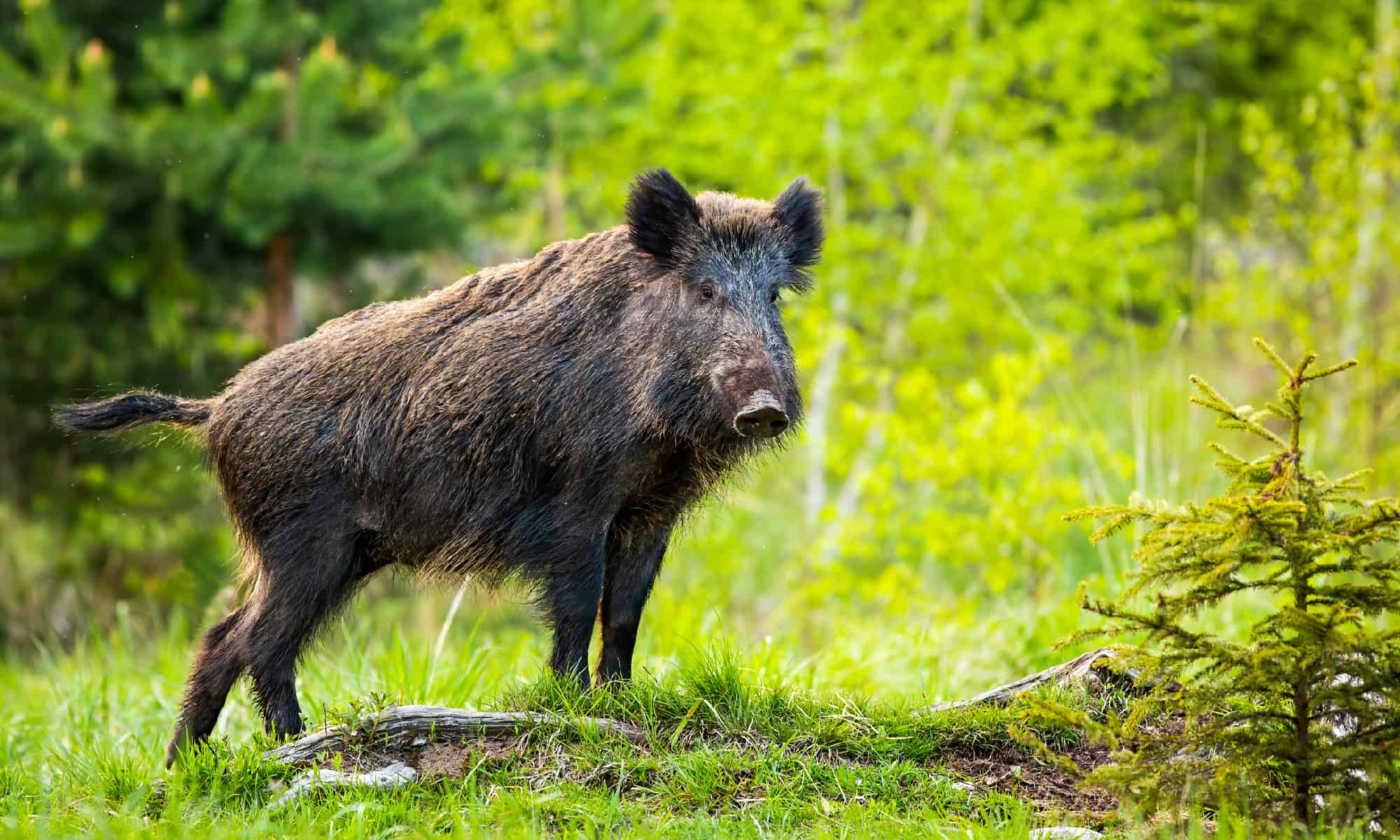
Wild Boar populations have grown in some areas and decreased in other.
©iStock.com/JMrocek
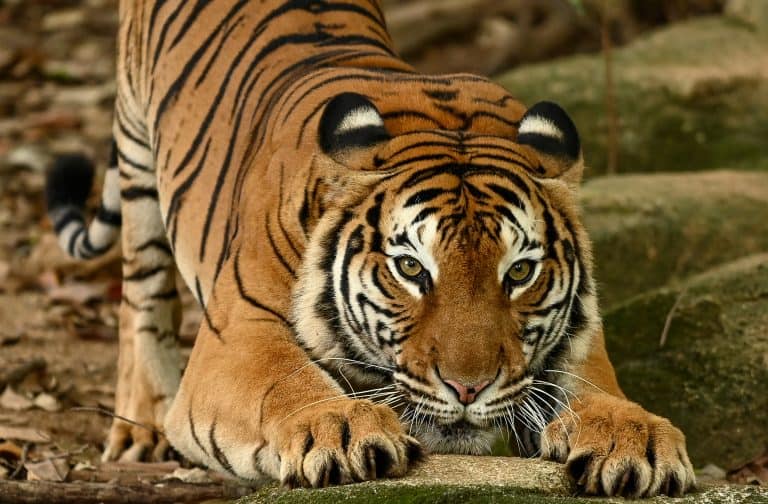
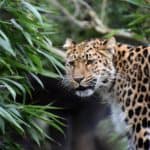
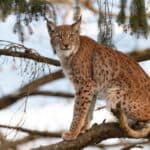
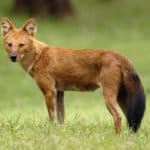
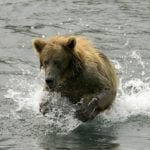
Due to their large distribution, Wild Boars are prey to numerous predators of all shapes and sizes. Large felines such as leopards, lynxes, and tigers are among the most common predators of the Wild Boar, along with other large carnivores like wolves, bears, and humans.
Although their numbers in the wild have dropped rapidly in much of their natural range, in other areas, including mainland Europe, Poland, and Pakistan, there has been a significant population rise. The exact reasons are not known. It is thought to be due to the decline of their main predators, their increased protection, and more regulated hunting.
In terms of being in danger of extinction, the Wild Boar has been listed by the IUCN as a species of Least Concern.
Relationship with Humans
Wild Boars are now farmed in many places for their meat, but they have also been hunted for their sharp tusks as prize trophies for centuries. Some populations even became extinct, such as in Britain. Today, however, humans have introduced the Wild Boar to numerous other countries around the world, purely so that they can be hunted and eaten. This list includes Hawaii, the Galapagos Islands, Fiji, New Zealand, Australia, South Africa, Sweden, and Norway. Although the overall Wild Boar population is increasing, the species has, in places, been threatened by habitat loss to humans, mainly through deforestation and continuously growing settlements.
Wild Boar Pictures
View all of our Wild Boar pictures in the gallery.

Richard Bartz, Munich Makro Freak / CC BY-SA 2.5, Wikimedia Commons
How to say Wild Boar in ...
Sources
- David Burnie, Dorling Kindersley (2011) Animal, The Definitive Visual Guide To The World's Wildlife / Accessed April 21, 2011
- Tom Jackson, Lorenz Books (2007) The World Encyclopedia Of Animals / Accessed April 21, 2011
- David Burnie, Kingfisher (2011) The Kingfisher Animal Encyclopedia / Accessed April 21, 2011
- Richard Mackay, University of California Press (2009) The Atlas Of Endangered Species / Accessed April 21, 2011
- David Burnie, Dorling Kindersley (2008) Illustrated Encyclopedia Of Animals / Accessed April 21, 2011
- Dorling Kindersley (2006) Dorling Kindersley Encyclopedia Of Animals / Accessed April 21, 2011
- David W. Macdonald, Oxford University Press (2010) The Encyclopedia Of Mammals / Accessed April 21, 2011
- Wild Boar Information / Accessed April 21, 2011
- Wild Boar Facts / Accessed April 21, 2011
- About Wild Boars / Accessed April 21, 2011