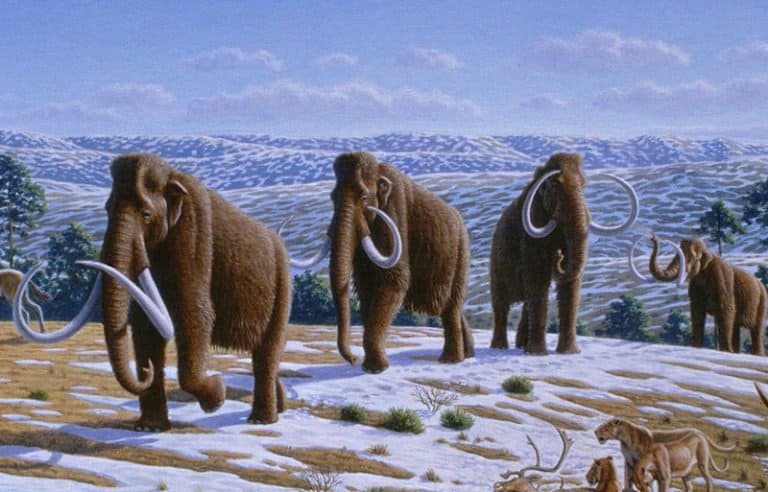
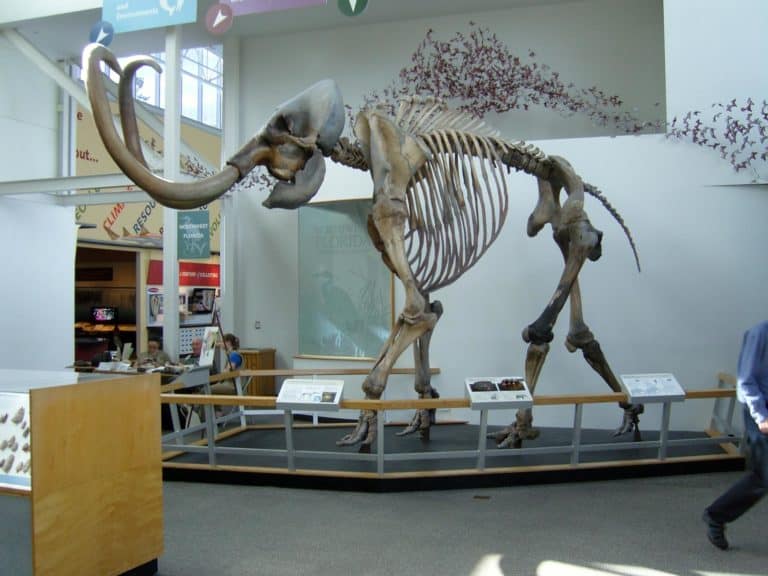
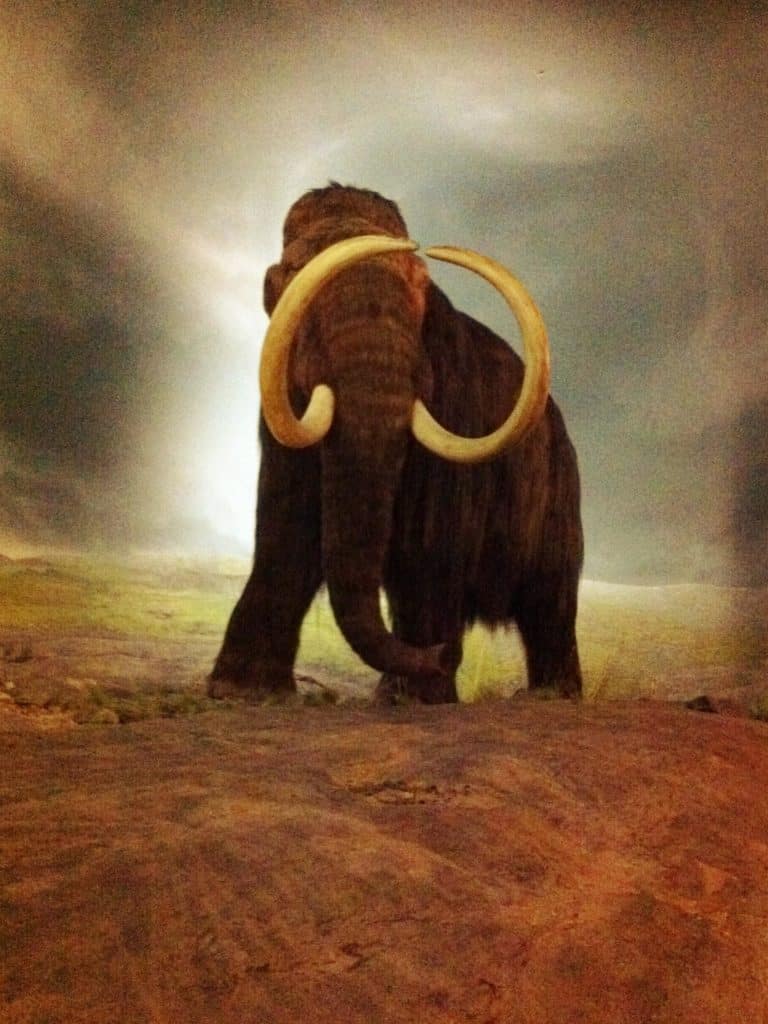
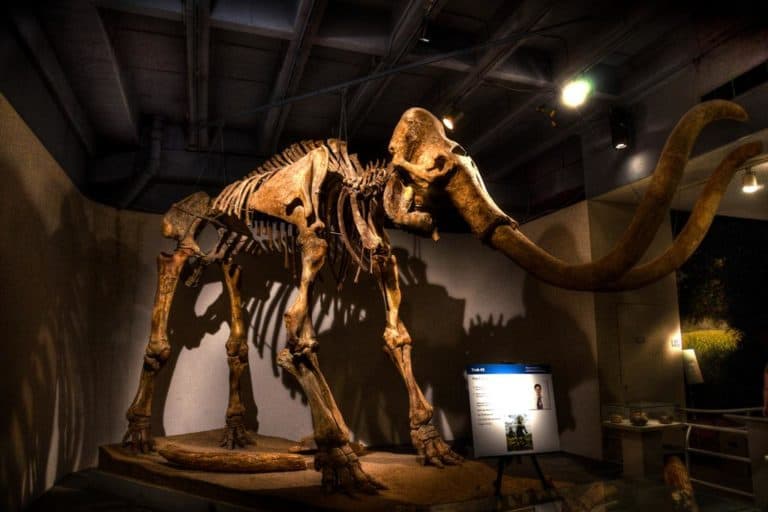
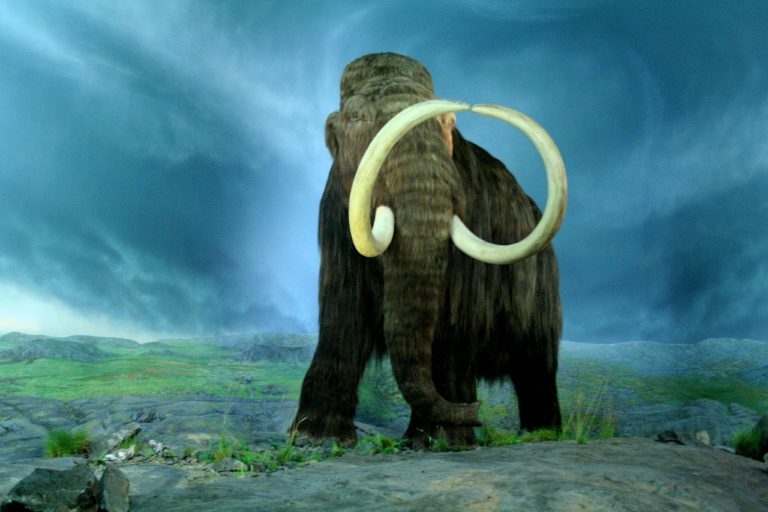









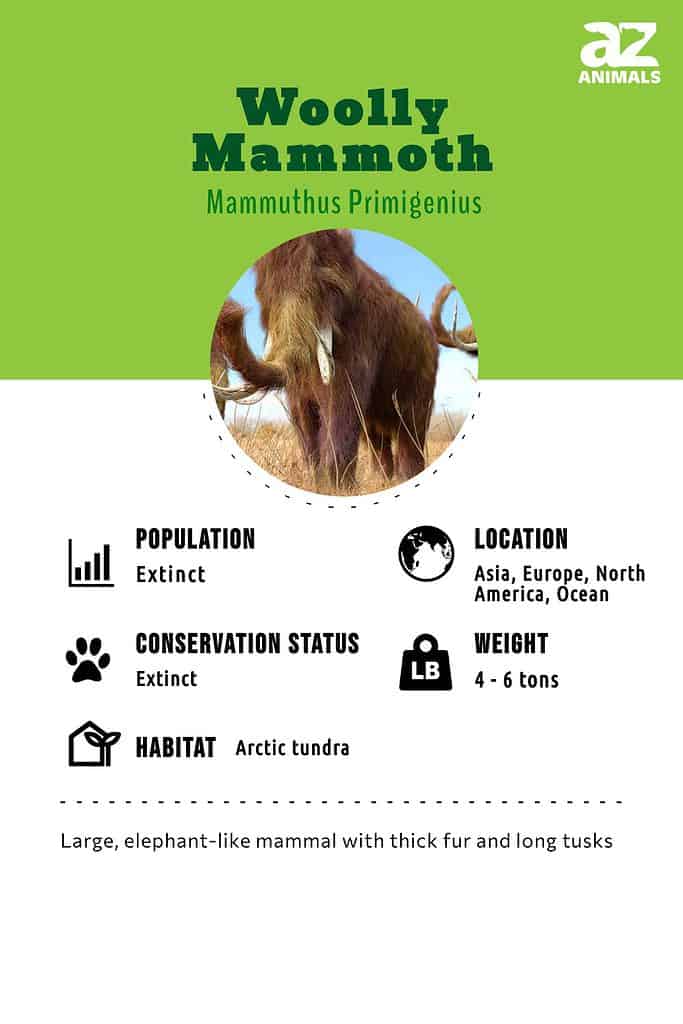
The woolly mammoth was a furry elephant-like mammal.
The wooly mammoth is one of the most fascinating prehistoric animals – probably because it became extinct only as soon as 4,000 years ago. Remains and tusks of this mammoth are found all across Eurasia and North America almost every day. Its closest living relative is the Asian elephant – whose DNA holds the key to efforts to bring the woolly mammoth back from extinction. Woolly mammoths are well known for their long-curved tusks, and mammoth ivory is still a hot commodity among humans today.
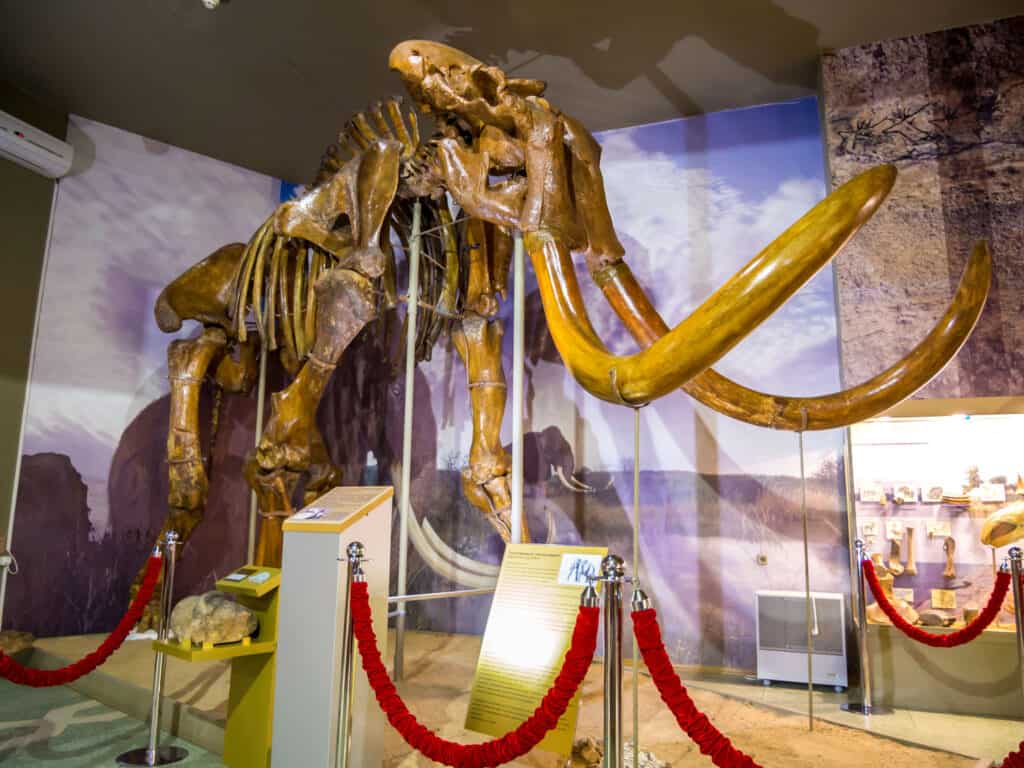
The steppe mammoth is an ancestor of the woolly mammoth.
©VPales/Shutterstock.com
Evolution
The oldest representative of the genus Mammuthus is the South African mammoth, which appeared in what is now South Africa during the early Pliocene around 5 million years ago. These large land giants carried the same spiraling, twisted tusks of their heirs, the steppe mammoth. The woolly mammoth began to diverge from the steppe mammoth around 800,000 years ago in East Asia – making the Asian elephant its only living relative.
Relatives of the steppe mammoth traveled to North America by way of the Bering Strait land bridge, beginning 1.5 million years ago. Eventually, the Columbian mammoth and several other species evolved, with some inhabiting North America as far south as Mexico. Woolly mammoths adapted to colder climates in the north while the Columbian mammoth and other smaller groups of species adapted to warmer climates. It is believed that the species interbred.
The woolly mammoth is the latest ancestor of that first identified Mammuthus, with a habitat that eventually covered most of Eurasia, and North America. Some wooly mammoths survived as recently as 3,700 – 4,000 years ago on Russia’s Wrangel Island and on the remote Taymyr Peninsula in mainland Siberia.
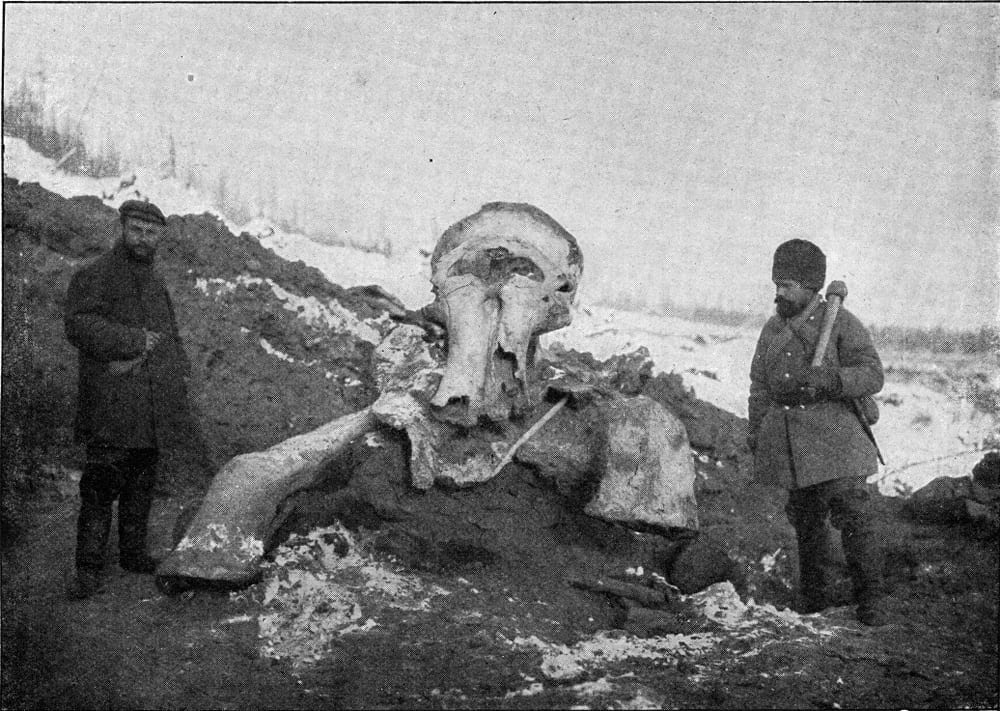
Mammoth carcass exhumed in Siberia in the spring of 1902 by the expedition sent by the Russian Academy of Sciences, vintage engraved illustration. From the Universe and Humanity, 1910.
©Morphart Creation/Shutterstock.com
Species
There is a dispute as to exactly how many species of mammoth have existed. They include these ten:
- South African mammoth (Mammuthus subplanifrons): The oldest mammoth species of the genus Mammuthus appeared around 5 million years ago in the early Pliocene in South Africa and countries of East Africa with a concentration in Ethiopia. It already possessed features of its ancestors – including spirally, twisting tusks, and a trunk.
- African mammoth ( Mammuthus africanavus): The second oldest mammoth species first appeared around 3 million years ago during the late Pliocene, and lastly around 1.65 million years ago during the early Pleistocene. Fossils have been found in Chad, Libya, Morocco, and Tunisia.
- Columbian mammoth (M. columbi): This species of mammoth inhabited the Americas as far north as the Northern United States and as far south as Costa Rica during the Pleistocene epoch. It was one of the last mammoth species that ended with the woolly mammoth.
- Cretan dwarf mammoth ( M. creticus): The most miniature mammoth ever to exist, skulls of this species have been found on Mediteranean islands and have been suggested as the basis for the ancient Greek myth of Cyclopes. This mammoth lived during the late Pleistocene in the isle of Crete.
- Imperial mammoth (M. columbi imperator): Another mammoth species that existed during the Pleistocene that inhabited the Americas from the Northern United States south to Costa Rica.
- Jefferson’s mammoth (M. columbi jeffersoni): This mammoth inhabited the American West and mid-west during the late Pleistocene epoch.
- Pygmy mammoth (M. exilis): The pygmy or Channel Islands mammoth lived on three of the Channel Islands of California, United States during the late Pleistocene.
- Southern mammoth (M. meridionalis): Another of the Pleistocene era mammoths, this animal roamed Europe and Central Asia.
- Steppe mammoth (M. trogontheri): The steppe mammoth ranged over most of northern Eurasia during the early and middle Pleistocene, approximately 1.8 million – 200,000 years ago. It evolved in Siberia from the Southern mammoth.
- Woolly mammoth (M. primigenius): The woolly mammoth lived during the Pleistocene until its extinction during the Holocene epoch. This mammoth ranged across Eurasia and North America and was perhaps, the last in the line of mammoth species having lived as early as 4,000 years ago.
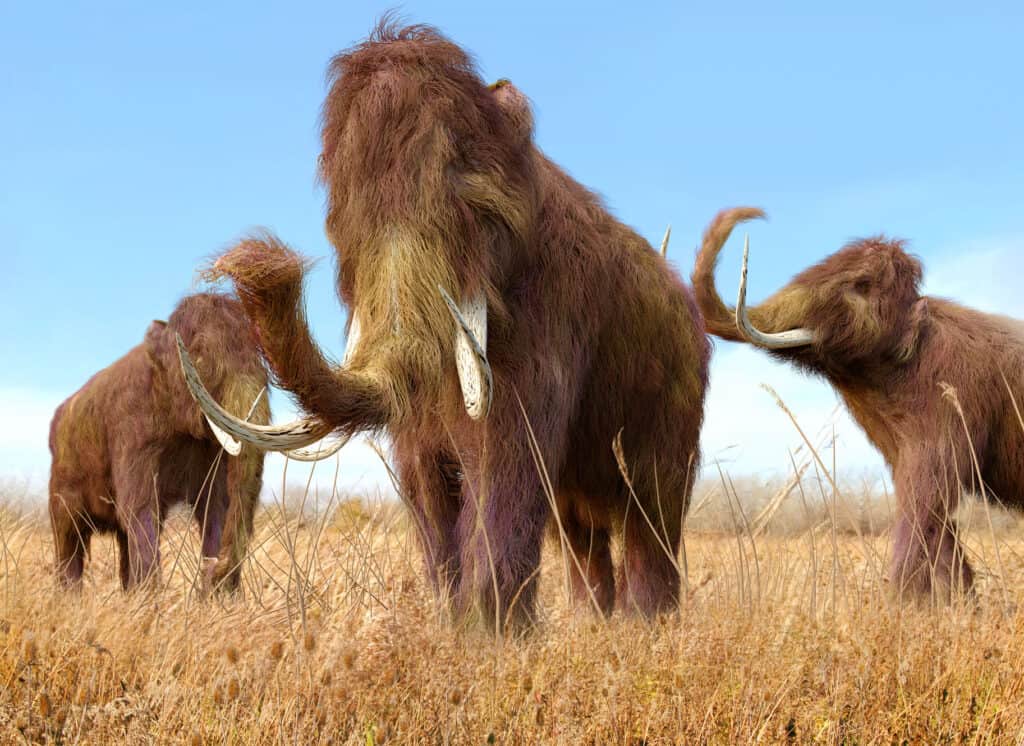
Woolly mammoths were about the same size as the African elephants of today.
©iStock.com/Aunt_Spray
Description and Size
Woolly mammoths were the same size as today’s African elephants. Males stood between nine and 11 feet high at the shoulder and females were slightly smaller—8.5-9.5 feet tall at the shoulder. Males could weigh as much as 12,000 pounds, and females weighed 8,000 pounds. A newborn woolly mammoth would have weighed 200 pounds.
Woolly mammoths were covered in fur, likely to keep them warm in the wintery environments they inhabited. Genetic tests revealed that woolly mammoths ranged in color from blonde to dark brown or black. However, they aren’t sure if there was an evolutionary advantage to this coloring. Preserved woolly mammoth hair is often orangish when it is found, but researchers believe that is due to ground conditions changing the pigmentation. What is most interesting is that the gene researchers used to determine the animals’ coloring is still present in animals today – including humans. This gene causes people to have red hair, and in some other animals, it causes yellow or blonde hair.
Woolly mammoths had long trunks, like elephants, and huge, curved tusks. Researchers believe they used their tusks in a similar manner to modern elephants. They could use their tusks for fighting and use their trunks for handling items and help with foraging.
The main difference between woolly mammoths and modern elephants is their ears. They had much smaller ears, likely to minimize the chance of frostbite. Besides their tusks, they had four large molars to grind their food. Their molars would get replaced six times throughout their lifetime.
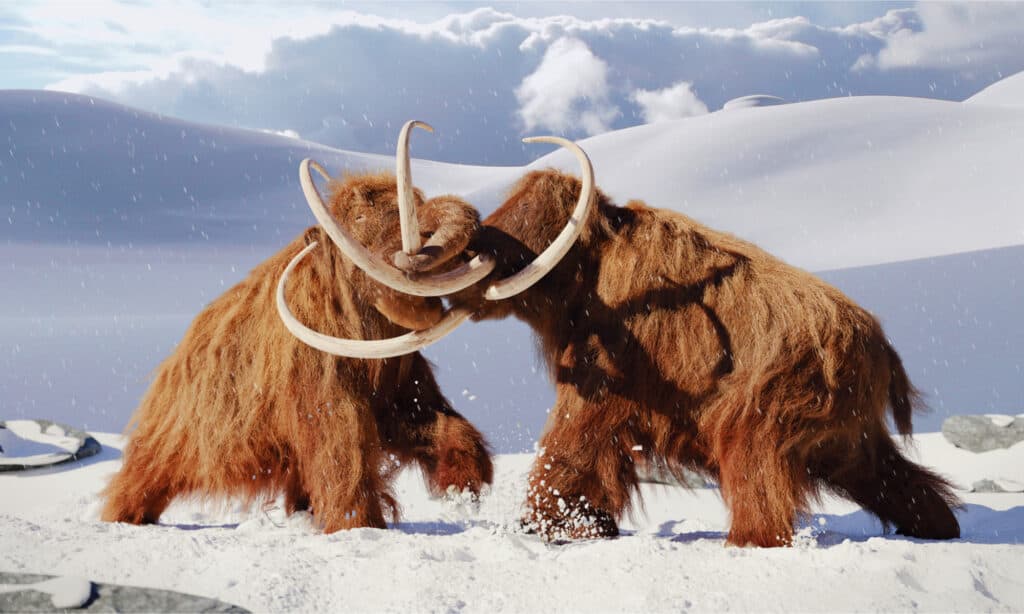
Like today’s elephants, woolly mammoths were herbivores.
©Dotted Yeti/Shutterstock.com
What Did Woolly Mammoths Eat?
Woolly mammoths likely lived on a diet of mainly grasses and sedges—grass-like plants with flowers. However, evidence preserved in mammoths’ stomachs shows that they also snacked on flowers, shrubs, materials found on trees, and moss. Different samples show that what the mammoths ate specifically depended on their location.
Some evidence shows that baby mammoths may have eaten excrement to promote the growth of a gut biome that would help them to digest plants as they grew and stopped drinking their mother’s milk.
Since they were so large, they needed to eat a lot. Experts believe they had to eat nearly 400 pounds of food each day and could have spent up to 20 hours a day searching for food.
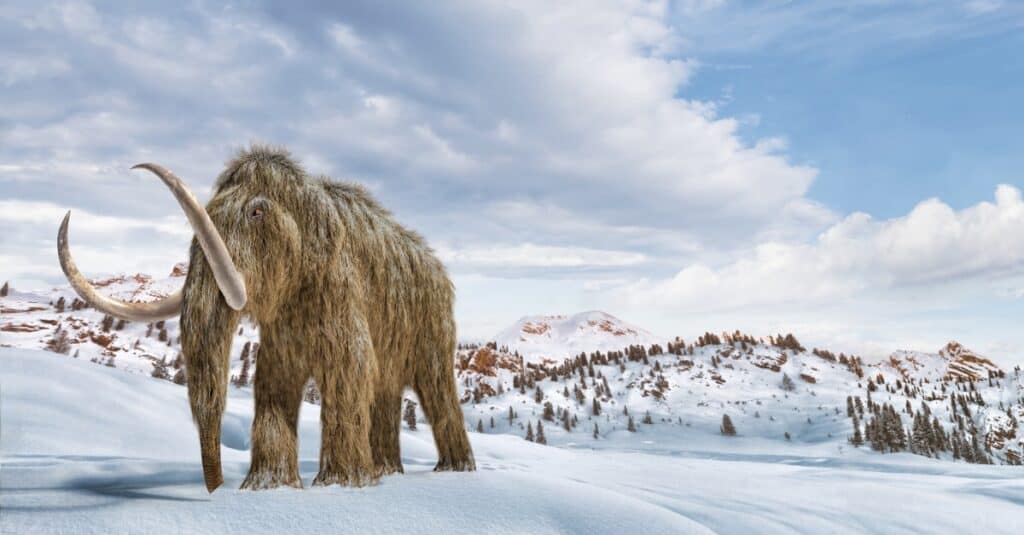
The wooly mammoth was one of the last mammoths to emerge and lived in Asia, Europe, and North America.
©iStock.com/leonello
When and Where Woolly Mammoths Lived
Woolly mammoths lived in a type of environment called “mammoth steppe” or “tundra steppe.” This area was found in the northern regions of what we now call Asia, Europe, and North America. There are actually two groups of woolly mammoths that experts are researching to find out if they should be two different subspecies. The first group went extinct about 45,000 years ago and stayed closer to the Arctic. The second group went extinct about 12,000 years ago and skeletons of this type have been found as far south as the Shandong Province in China and Granada in Spain.
Woolly mammoths may have gotten onto North America by crossing the land bridge on what is now the Bering Strait over 300,000 years ago.
Researchers consider the woolly mammoth one of the most successful mammals of its era because it was present in so many places. They estimate its habitat covered over 33,301,000 square kilometers.
Other mammoth species were present millions of years ago. Woolly mammoths started to diverge from other mammoth species about 800,000 years ago. They went extinct in most places around 10,000 years ago, except for isolated populations on islands that went extinct 4,000 years ago.

Threats and Predators
As such large animals, woolly mammoths may not have had many predators. However, young mammoths and weak or sick animals would have been vulnerable to wolves, cave hyenas, and large predatory cats of the era. There is some evidence that humans may have hunted woolly mammoths, but it’s not clear how prevalent that was. There were other, smaller, and easier-to-hunt animals available to humans at the time. What is more common to see in mammoth skeletons is that humans scavenged the remains after a predator had already killed it or it had died of natural causes.
Threats to woolly mammoths were also environmental. They were sensitive to the long winters when it was harder to find food. This is evidenced by their tusk growth rings, which slowed in the winter. One study of mammoth remains in North America found that the most common time for them to die was in the winter or spring when food was hardest to come by.
Climate change was also likely a threat to woolly mammoths. The final downturn of the woolly mammoth population occurred towards the end of the last ice age. However, experts believe that the woolly mammoths’ decline could also have contributed to the warming of the environment. They were no longer eating trees, specifically birch trees, that have a sunlight-absorbing and warming effect. So, birch forests grew more readily and could have warmed the environment by 0.2 degrees Celsius. That doesn’t sound like much, but it did make an effect!
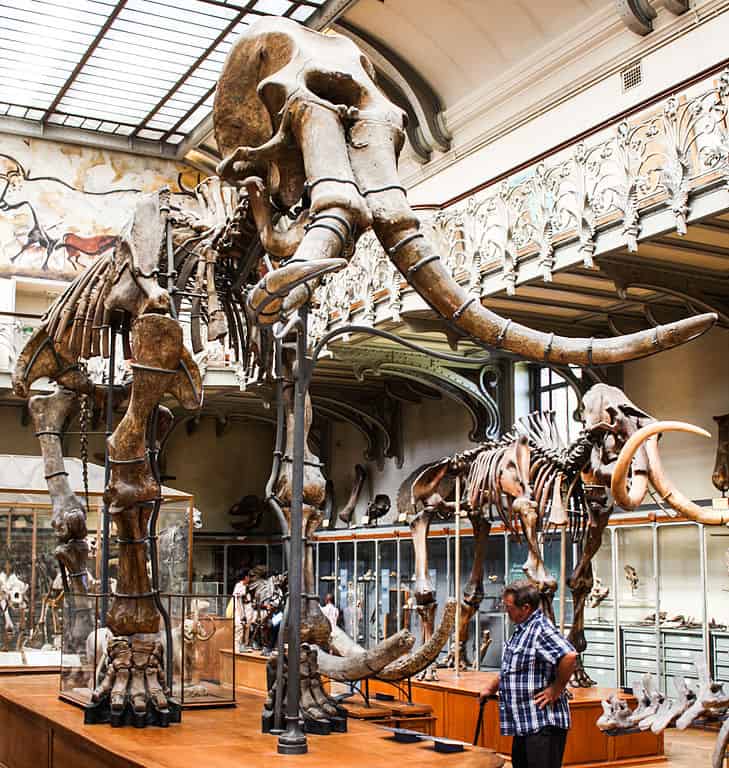
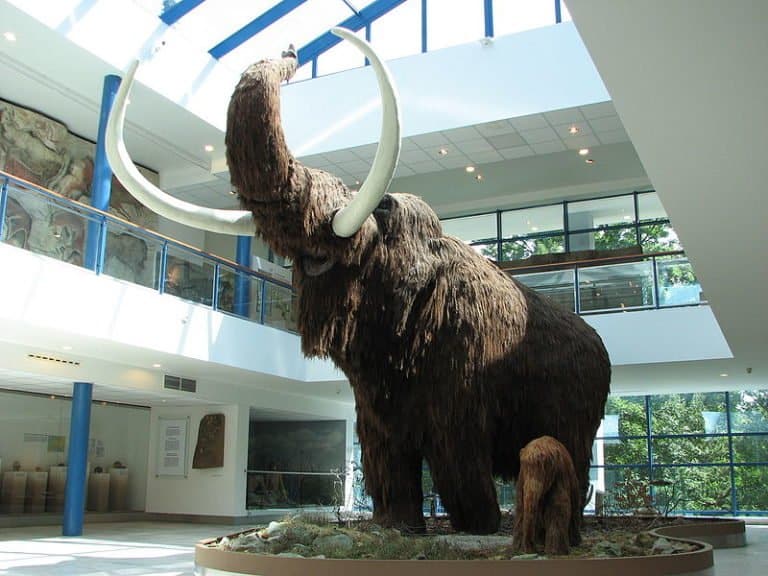
Woolly mammoth skeletons are plentiful with as many as 200 found at one site.
©Shadowgate from Novara, ITALY / CC BY 2.0 – Original / License
Discoveries and Fossils
Mammoth skeletons are very plentiful. A simple search reveals numerous articles about hundreds of mammoth skeletons being found in one location or another. In 2020, nearly 200 skeletons were found at a construction site in Mexico City. Samples are plentiful, however, there are some notable ones that have helped scientists to learn a lot about woolly mammoths.
There are two types of woolly mammoth remains that can be found. Skeletons or fossils, and actual remains. Many woolly mammoth remains are found frozen. However, one mammoth was found in Poland with preserved soft tissue. It had been naturally mummified in a petroleum seep.
Early frozen mammoth remains from the 1700s were cut up and sold off to the highest bidder. In the 1800s, some were even fed to dogs! Fortunately, since then, scientists have found many well-preserved frozen specimens to study.
Some of the most informative frozen mammoths are mammoth calves. These specimens give us an idea of how mammoths grew and how they cared for their young. For example, by studying these specimens, scientists believe that calves were nursed for 2-3 years before transitioning to a diet of plants.
One frozen mammoth that was found in 2013 still had liquid blood in its abdomen, leading researchers to believe that its blood may have had some anti-freezing capabilities.
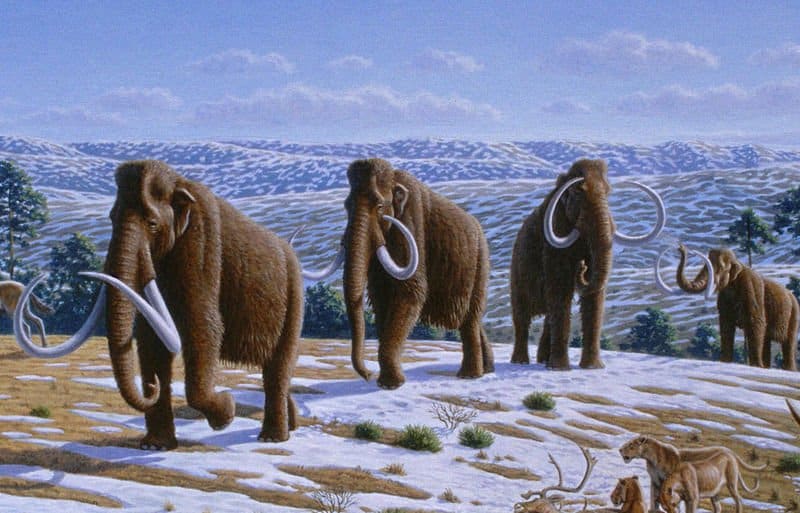
Woolly mammoths were driven to extinction by climate change and human impacts.
©Mauricio Anton / Creative Commons – Original
Extinction: When and Why Did The Woolly Mammoth Die Out?
There are a few different theories as to why the woolly mammoth died out. The one thing everyone is sure about is when they died out. Most died out about 10,000 years ago. However, a few isolated populations remained on the islands. They lived on Saint Paul Island, which is part of Alaska, until 5,600 years ago. They lived on Wrangel Island, in Russia, until about 4,000 years ago.
It is a bit easier to determine the cause of extinction for the smaller island-based populations. The mammoths on St. Paul Island went extinct because their habitat shrank due to sea-level rise, and that likely reduced the amount of fresh water available.
The Wrangel Island mammoths seem to have been killed by a catastrophic event, which could have been the arrival of humans on the island or changes in the climate. Their disappearance did happen around the same time that humans first came to the island. That pattern is seen in some other mammoth populations. For example, in what is now Alaska and Yukon, mammoths died out 1,000 years after humans appeared.
Experts believe that a shrinking habitat due to a changing climate puts the population in a declining trend. Then, human activity and hunting likely sealed their fate.
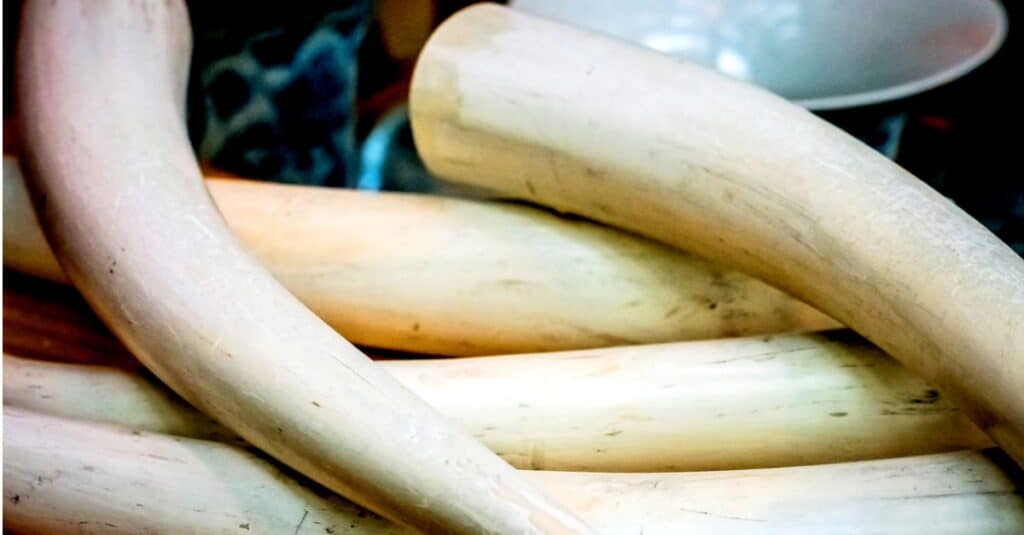
Ivory from woolly mammoths is still a lucrative market.
©iStock.com/MagicColors
Mammoth Ivory
Ivory from woolly mammoths is a hot commodity to this day. This is in part because it is illegal in many places to trade or sell elephant ivory, so people use mammoth ivory instead. Climate change and human activity are revealing more and more mammoth skeletons and tusks, especially in Siberia. A lucrative market has formed, mainly exporting mammoth ivory to China, where expert craftspeople carve it into beautiful and traditional designs and figures.
Early humans and Neanderthals used mammoth ivory to make tools and even used mammoth bones as a building material. They also used mammoth ivory to make spear tips.
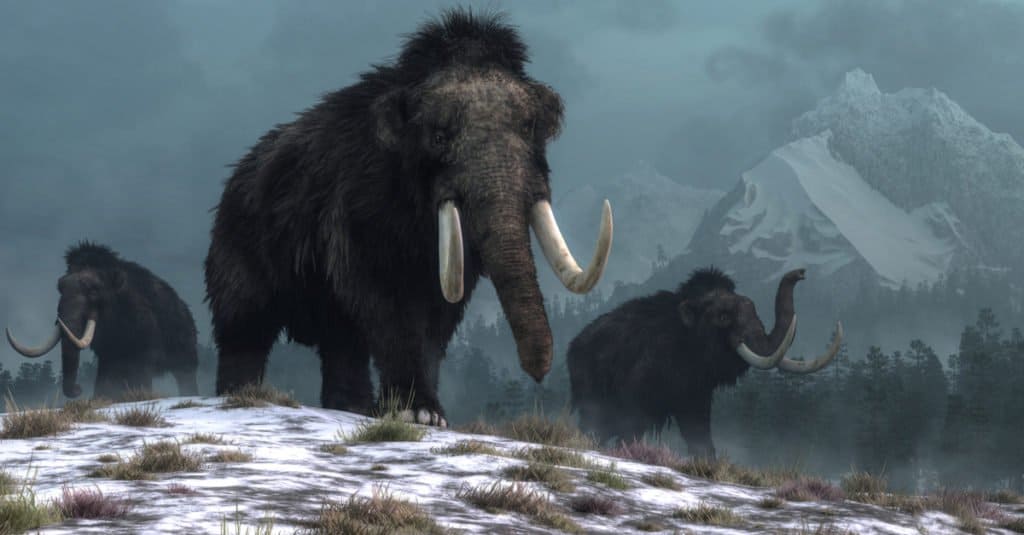
Scientists believe that reintroducing woolly mammoths to the arctic tundra could turn it back into grassland and preserve the permafrost.
©Daniel Eskridge/Shutterstock.com
Bringing Back the Woolly Mammoth
Some people want to bring back the woolly mammoth using preserved genetic evidence. This process is complicated. First, the genome of the extinct animal must be sequenced. Then, scientists must edit the DNA of a close living relative, meaning one must exist. Luckily, in the case of mammoths, the Asian elephant is a good candidate.
The people who want to recreate woolly mammoths believe their return to our ecosystem could help our modern problem of climate change. These experts believe that re-introducing grazers such as woolly mammoths to the current tundra could turn it back into grassland, which may help preserve the permafrost there. They also think it could help us to learn more about preserving endangered species that already exist today.
Similar to the Woolly Mammoth
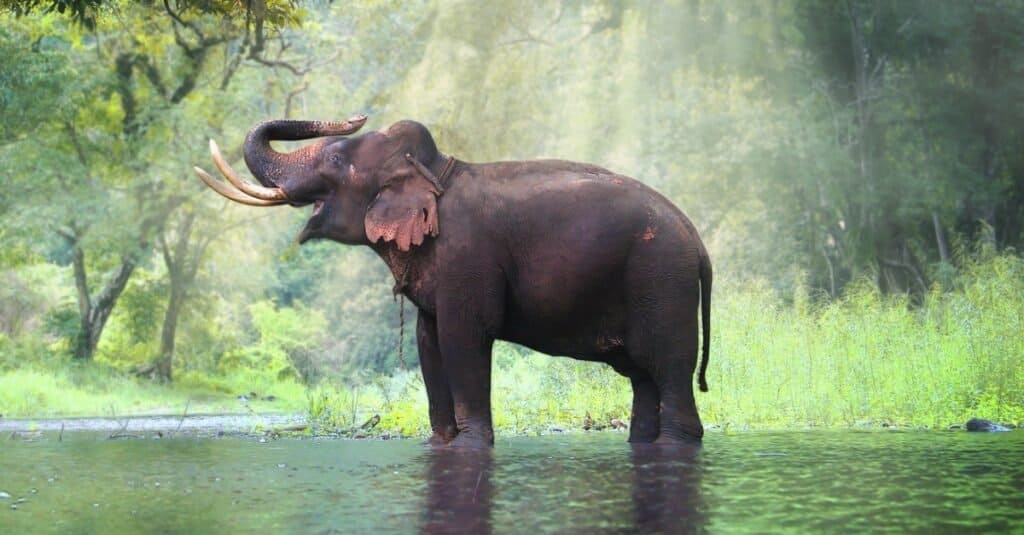
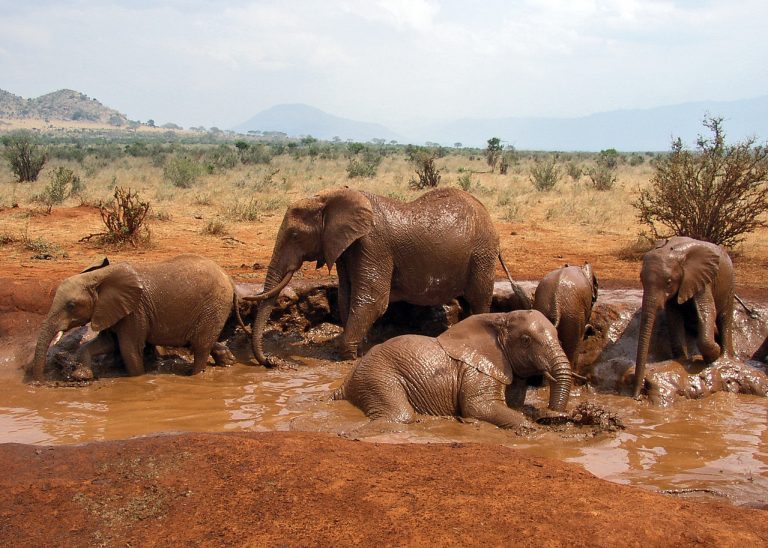
Asian elephants are the closest living relatives of the woolly mammoth.
©iStock.com/goodze
Similar animals to the woolly mammoth include:
- Mastodons – Smaller than the woolly mammoth, they emerged about 25 million years and may have been the mammoth’s predecessors.
- Gomphotheres – Giant four-tusked animals that looked similar to a modern elephant.
- Asian Elephant – This is the mammoth’s closest living relative and has several different subspecies living in Asia today.
- African Bush Elephant – A modern elephant species living in Central and Southern Africa.
- African Forest Elephant – A subspecies of the African bush elephant, these elephants live in forests and grasslands in central Africa.
Woolly Mammoth Pictures
View all of our Woolly Mammoth pictures in the gallery.

Sources
- BBC News
- Ted Blog / Accessed May 27, 2022
- Science Daily / Accessed May 27, 2022
- Science Direct / Accessed May 27, 2022
- Everything Dinosaur / Accessed May 27, 2022
- Live Science / Accessed May 27, 2022
- BBC / Accessed May 27, 2022
- Kids National Geographic / Accessed May 27, 2022
- Ice Age / Accessed May 27, 2022
- Scienc Daily / Accessed May 27, 2022
- CBC / Accessed May 27, 2022
- Why did the woolly mammoth go extinct? / Accessed May 27, 2022
- Wired Were woolly mammoths dinosaurs? / Accessed May 27, 2022
- Science / Accessed May 27, 2022
- Revive Restore / Accessed May 27, 2022