
Quick Take
- Argentina has over 50 tarantula species, with over 30 endemic to Argentina.
- The Dry Chaco region records the greatest tarantula diversity in Argentina, including Grammostola pulchripes.
- Currently known species in the genus Euathlus inhabit high-elevation environments in the Andes Mountains.
- Read on to discover the Vitriemboli genus, described in 2025, and V. diaguita, named for the Diaguita people.
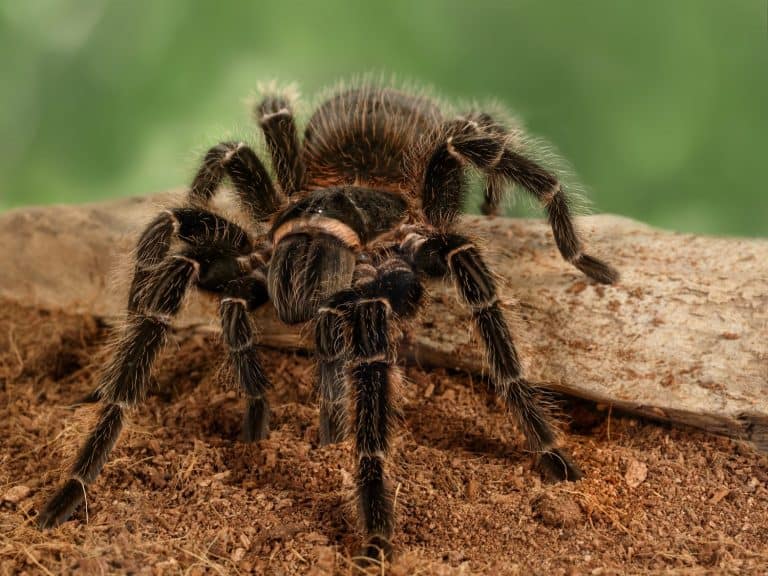
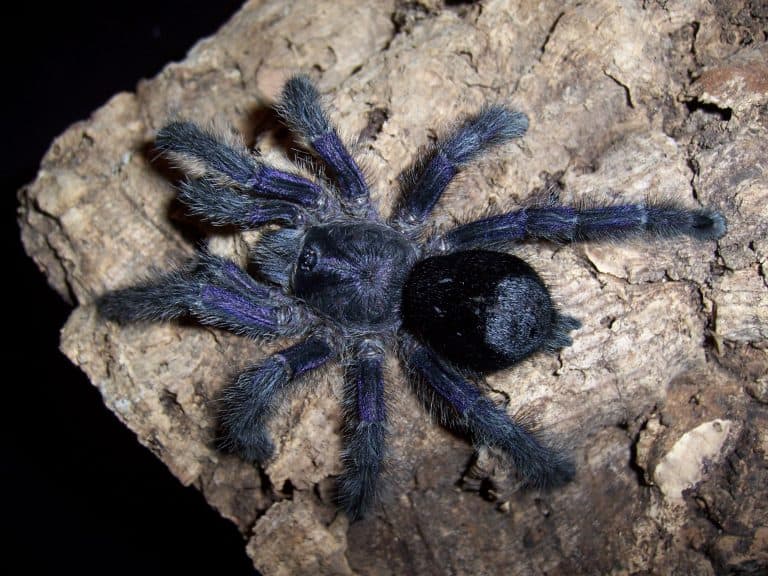
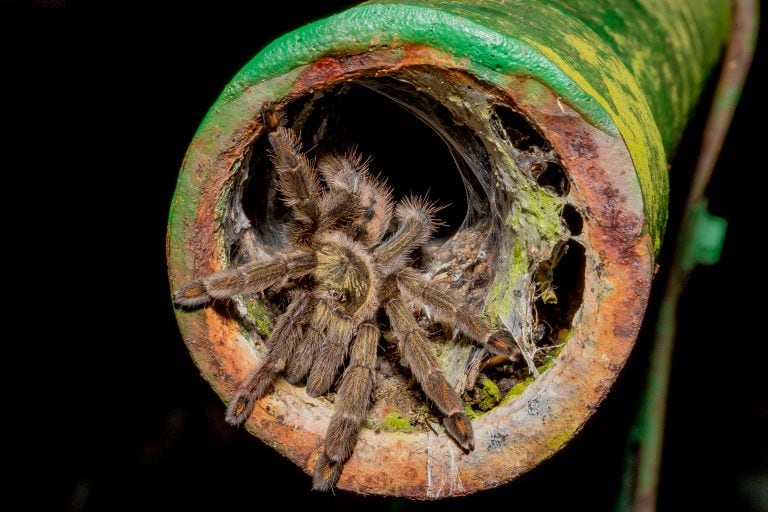
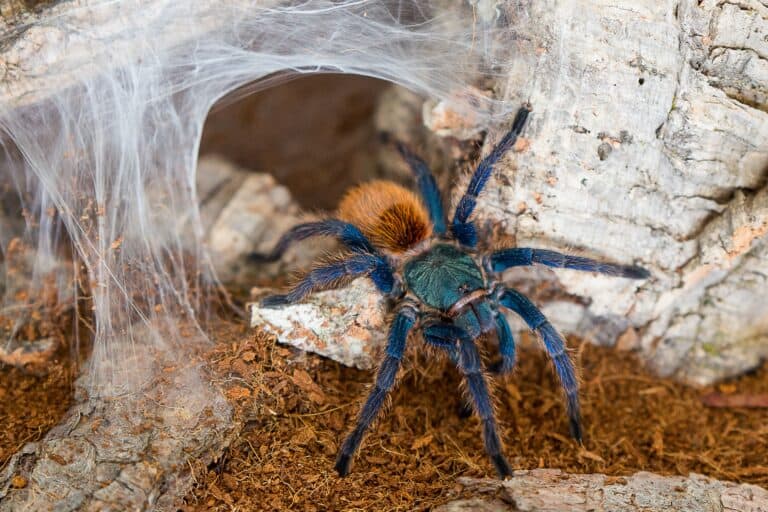
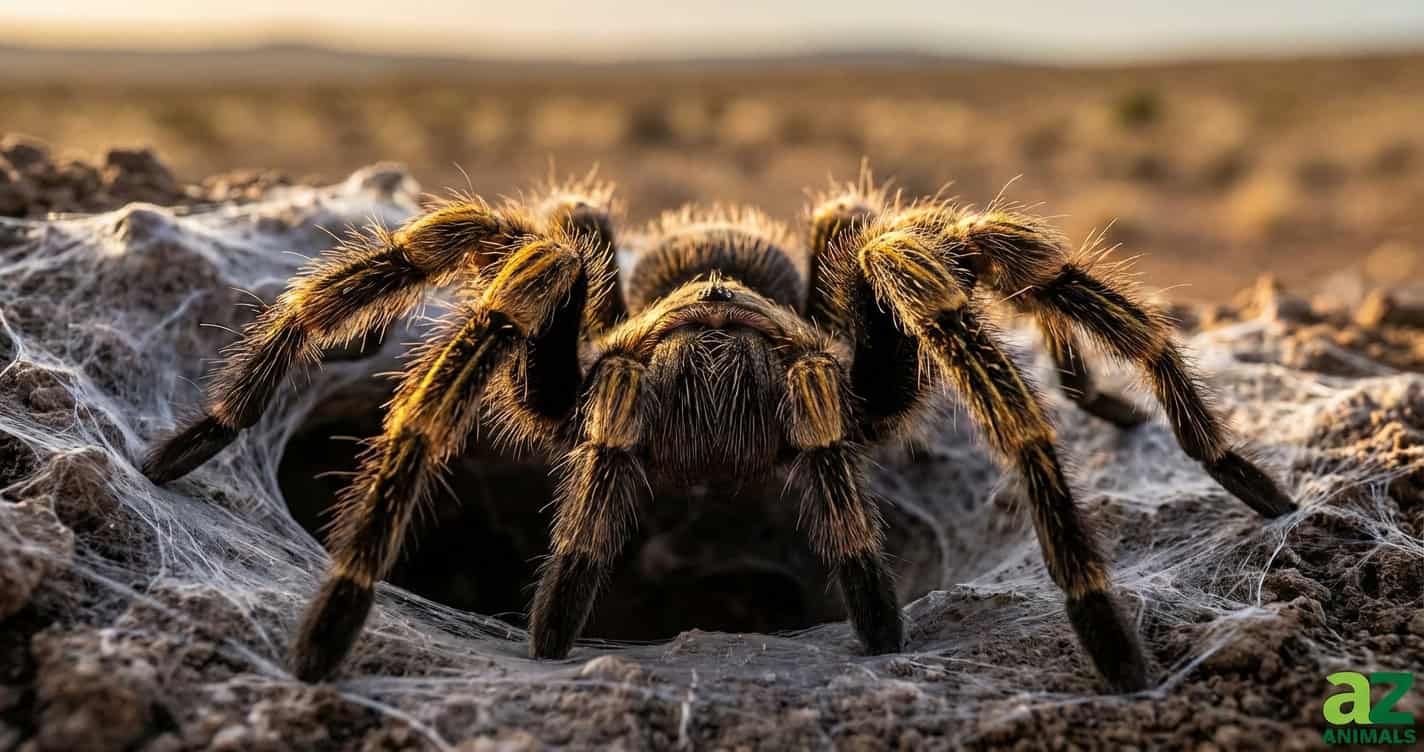
Argentina is home to over 50 tarantula species, more than 30 of which are exclusive to Argentina. Researchers have found that the Dry Chaco region in northwestern Argentina has the greatest number of species, including the popular Grammostola pulchripes, known in the pet trade as the Chaco golden knee tarantula. The Southern Andean Yungas — a tropical and subtropical moist forest that borders the Dry Chaco — and the Humid Pampas, temperate plains in eastern Argentina, are also rich in diversity.
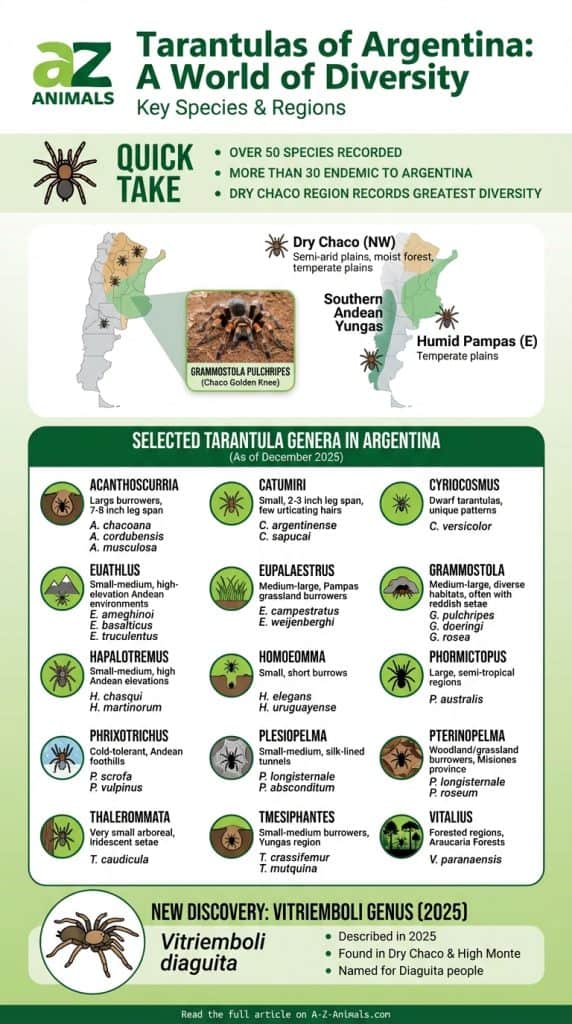
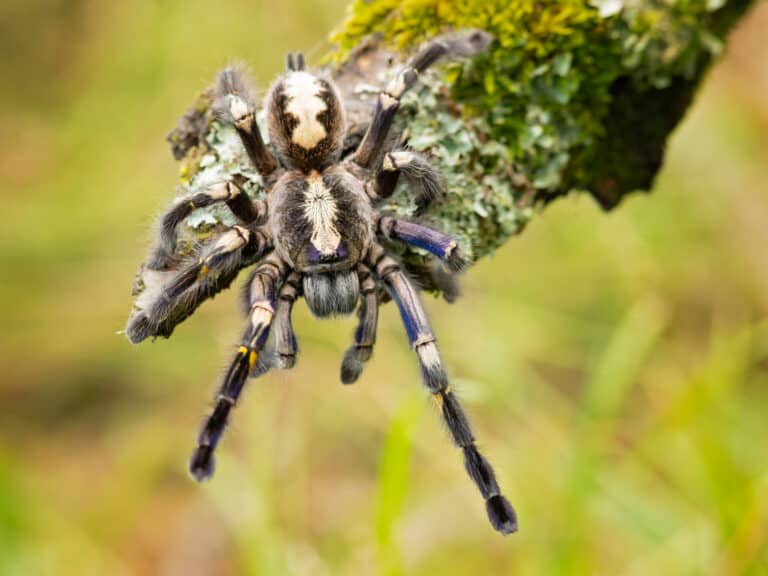
More than 30 species found nowhere else on Earth, including a 2025 discovery that’s rewriting the history of South American arachnids. Step into Argentina’s hidden world of giants.
©A-Z Animals
The following list includes all of the currently recognized tarantula species in Argentina as recorded in the World Spider Catalog as of December 2025. Entries marked with asterisks denote the type species. For information on tarantulas in other parts of the world, click the link for a complete reference list of all tarantula species.
Acanthoscurria Ausserer, 1871
Tarantulas in the genus Acanthoscurria are large-bodied terrestrial burrowers, generally reaching a leg span of 7-8 inches, although some species may grow larger. These spiders create deep, web-lined burrows in semi-arid plains. The tarantulas in this genus often have distinctive, light-colored bands at the leg joints and reddish hairs (setae) on their legs and abdomen. Acanthoscurria can also be distinguished by the stridulating, or noise-making, bristles on the back of the second segment of the pedipalps.
- Acanthoscurria chacoana Brèthes, 1909
- Common name: Bolivian red rump, Bolivian pink, Paraguayan pink
- Distribution: Brazil, Bolivia, Paraguay, Argentina
- Acanthoscurria cordubensis Thorell, 1894
- Common name: Rusty brown birdeater
- Distribution: South America, except Colombia, Suriname, Ecuador, and Chile
- Acanthoscurria musculosa Simon, 1892
- Common name: Brazilian black velvet
- Distribution: Bolivia, Paraguay, Argentina
Catumiri Guadanucci, 2004
Catumiri tarantulas are very small, with leg spans of around 2-3 inches. These terrestrial burrowing spiders are unique for having few or no urticating hairs. C. argentinense is believed to be the most common tarantula in Argentina, with a distribution north of Jujuy and Salta provinces, south to La Pampa province. C. sapucai is known from the low hills of Paraje Tres Cerros in northern Argentina.
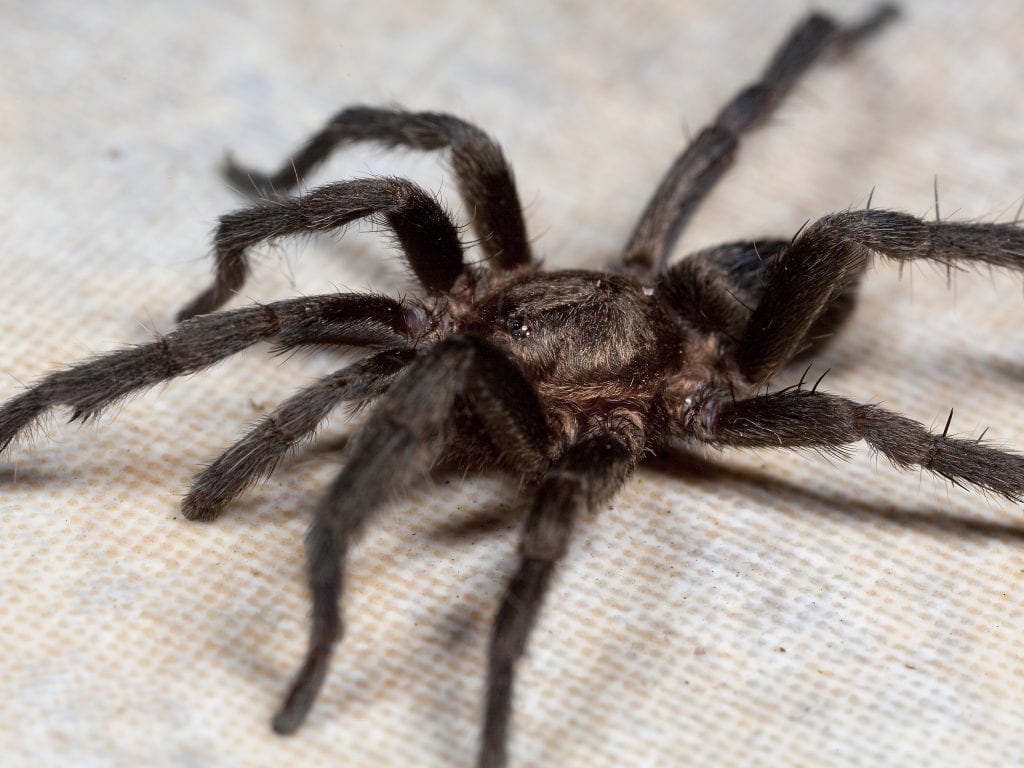
The Argentinian bronze, Catumiri argentinense, is a small tarantula that only reaches a leg span of about 3 inches.
- Catumiri argentinense (Mello-Leitão, 1941)
- Common name: Argentine copper dwarf or Argentinian bronze dwarf
- Distribution: Chile, Argentina
- Catumiri sapucai Nicoletta, Panchuk, Peralta-Seen & Ferretti, 2022
- Common name: N/A
- Distribution: Argentina
Cyriocosmus Simon, 1903
The genus Cyriocosmus is known for dwarf tarantulas. C. versicolor is a small burrowing spider found in Argentina’s Chaco, Pampas, and Yungas regions in the northwest. It has a black and brown carapace and a dark abdomen with a large, round, rust-colored patch at the end. This spider also has banded legs of black and shades of brown.
- Cyriocosmus versicolor (Simon, 1897)
- Common name: N/A
- Distribution: Paraguay, Argentina
Euathlus Ausserer, 1875
The spiders in the genus Euathlus are generally small- to medium-sized with leg spans of 3-5 inches. However, species in other geographical locations may grow larger. The genus is distinguished by having a single patch of urticating setae in the middle of the abdomen. Most of the currently known species in the genus inhabit high-elevation Andean environments over 6,560 feet.
- Euathlus ameghinoi Allegue & Ferretti, 2025
- Common name: N/A
- Distribution: Argentina
- Euathlus basalticus Allegue & Ferretti, 2025
- Common name: N/A
- Distribution: Argentina
- Euathlus diamante Ferretti, 2015
- Common name: N/A
- Distribution: Argentina
- Euathlus grismadoi Ríos-Tamayo, 2020
- Common name: N/A
- Distribution: Argentina
- Euathlus kupal Allegue & Ferretti, 2025
- Common name: N/A
- Distribution: Argentina
- Euathlus mauryi Ríos-Tamayo, 2020
- Common name: N/A
- Distribution: Argentina
- Euathlus pampa Ríos-Tamayo, 2020
- Common name: N/A
- Distribution: Argentina
- Euathlus sagei Ferretti, 2015
- Common name: N/A
- Distribution: Argentina
- Euathlus susanae Peralta-Seen, Allegue & Ferretti, 2025
- Common name: N/A
- Distribution: Argentina
- Euathlus tenebrarum Ferretti, 2015
- Common name: N/A
- Distribution: Argentina
- Euathlus truculentus* L. Koch, 1875
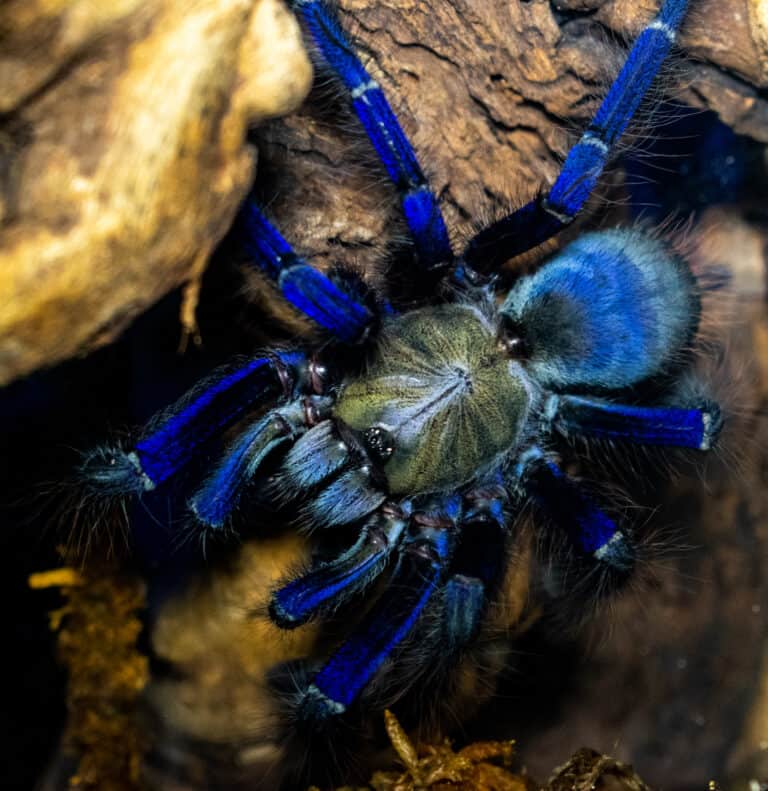
- Common name: Chilean blue femur
- Distribution: Chile, Argentina
- Euathlus ventus Allegue & Ferretti, 2025
- Common name: N/A
- Distribution: Argentina
Eupalaestrus Pocock, 1901
Eupalaestrus tarantulas are terrestrial, excavating their burrows in the open Pampas grasslands and forested transitional regions between the Humid and Dry Chaco. They are often dark brown with distinctive light-colored stripes on their leg joints and dense setae on their legs and abdomen. These are medium to large spiders, with most adults reaching a leg span of 5 to 6 inches.
- Eupalaestrus crassimetatarsis Borges, Paladini & Bertani, 2021
- Common name: N/A
- Distribution: Brazil, Argentina
- Eupalaestrus larae Ferretti & Barneche, 2012
- Common name: Gold zebra beauty, Argentinian gold zebra
- Distribution: Argentina
- Eupalaestrus campestratus (Simon, 1891)
- Common name: Pink zebra beauty
- Distribution: Brazil, Paraguay, Argentina
- Eupalaestrus weijenberghi (Thorell, 1894)
- Common name: White collared tarantula
- Distribution: Brazil, Uruguay, Argentina
Grammostola Simon, 1892
Tarantulas in the genus Grammostola are medium- to large-sized spiders, with a maximum leg span of around 8 inches. They often have dark-colored bodies with markings on their knees and dense, reddish-tinted setae. These spiders inhabit diverse habitats, including open plains, scrublands, and rocky hills. Species such as G. doeringi excavate tube-like burrows in open fields, while others, such as G. vachoni, dig burrows beneath stones on rocky hillsides.
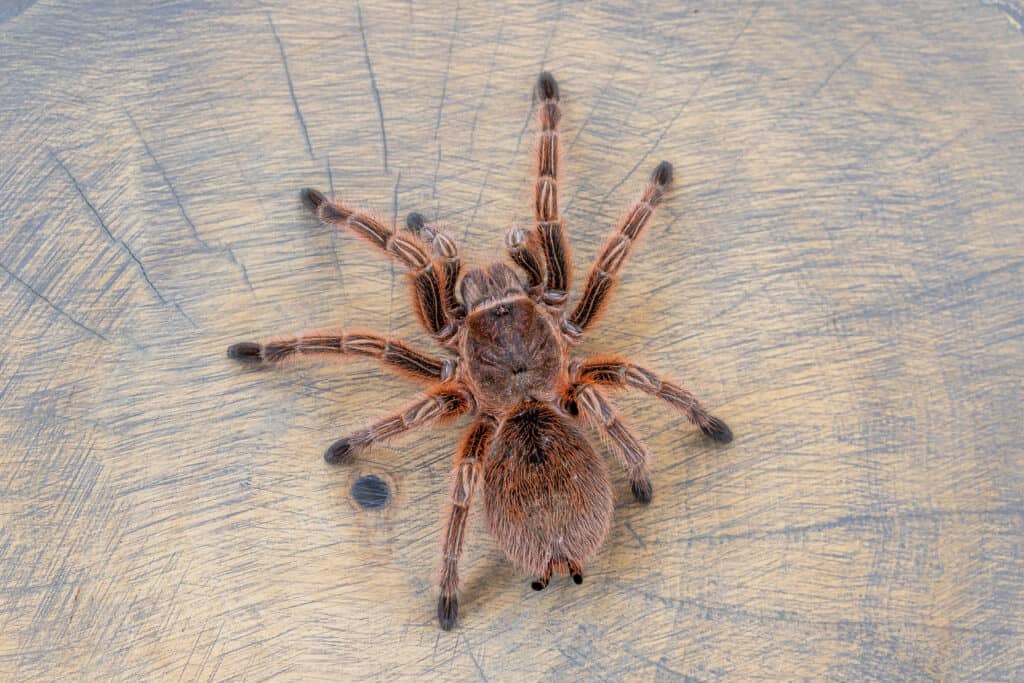
Grammostola rosea, the Chilean fire hair or rose hair tarantula, is a burrowing spider native to Bolivia, Chile, and Argentina.
©iStock.com/Svetlana Makarova
- Grammostola anthracina (C. L. Koch, 1842)
- Common name: Tawny red, Brazilian tawny red
- Distribution: Brazil, Uruguay, Paraguay, Argentina
- Grammostola australis Gerschman & Schiapelli, 1948
- Common name: N/A
- Distribution: Argentina
- Grammostola burzaquensis Ibarra, 1946
- Common name: N/A
- Distribution: Argentina
- Grammostola chalcothrix Chamberlin, 1917
- Common name: Pampas golden
- Distribution: Argentina
- Grammostola diminuta Ferretti, Pompozzi, González & Pérez-Miles, 2013
- Common name: N/A
- Distribution: Argentina
- Grammostola doeringi (Holmberg, 1881)
- Common name: Patagonian Hill Spider (Araña Pollito Patagónica)
- Distribution: Argentina
- Grammostola gossei (Pocock, 1899)
- Common name: N/A
- Distribution: Argentina
- Grammostola grossa (Ausserer, 1871)
- Common name: Guarani giant
- Distribution: Brazil, Paraguay, Uruguay, Argentina
- Grammostola inermis Mello-Leitão, 1941
- Common name: N/A
- Distribution: Argentina
- Grammostola mendozae (Strand, 1907)
- Common name: Argentine dwarf
- Distribution: Argentina
- Grammostola pulchripes* (Simon, 1891)
- Common name: Chaco golden knee
- Distribution: Paraguay, Argentina
- Grammostola rosea (Walckenaer, 1837)
- Common name: Chilean rose hair, Chilean fire hair
- Distribution: Bolivia, Chile, Argentina
- Grammostola subvulpina (Strand, 1906)
- Common name: N/A
- Distribution: South America
- Grammostola vachoni Schiapelli & Gerschman, 1961
- Common name: N/A
- Distribution: Argentina
Hapalotremus Simon, 1903
The genus Hapalotremus includes small to medium-sized tarantulas with a leg span of 3 to 4.5 inches. They prefer the high elevations of the Andes mountains between 4,265 and 14,763 feet. Members of this genus are also distinguished by having either red or white setae on the abdomen. H. martinorum is a unique green tarantula that inhabits short burrows or lives under stones in the Yungas of Salta province.
- Hapalotremus chasqui Ferretti, Cavalllo, Chaparro, Ríos-Tamayo, Seimon & West, 2018
- Common name: N/A
- Distribution: Argentina
- Hapalotremus martinorum Cavallo & Ferretti, 2015
- Common name: N/A
- Distribution: Argentina
Homoeomma Ausserer, 1871
Members of the genus Homoeomma are small tarantulas, with a leg span of 2-4 inches. They tend to dig short burrows beneath small rocks. In Argentina, researchers have found H. elegans in the northeastern province of Misiones and H. uruguayense in central-eastern provinces of Buenos Aires, Entre Ríos, and Santa Fe.
- Homoeomma elegans (Gerschman & Schiapelli, 1958)
- Common name: N/A
- Distribution: Argentina
- Homoeomma uruguayense (Mello-Leitão, 1946)
- Common name: Uruguayan dwarf tarantula
- Distribution: Uruguay, Argentina
Phormictopus Pocock, 1901
Phormictopus species are large tarantulas, with some females reaching leg spans of up to 8.5 inches. These terrestrial spiders are found in semi-tropical regions, typically in the Caribbean. They are often found in silk-lined burrows or beneath rocks. P. australis is considered by some researchers to be incertae sedis (of uncertain placement) and may belong to the genus Acanthoscurria due to its occurrence far outside of the normal range of Phormictopus.
- Phormictopus australis Mello-Leitão, 1941
- Common name: N/A
- Distribution: Argentina
Phrixotrichus Simon, 1889
Members of the genus Phrixotrichus are cold-tolerant tarantulas that inhabit the Andean foothills and dry forests of southwestern Argentina. These medium to large terrestrial spiders reach a leg span of around 4-6 inches. This genus is differentiated by the presence of two patches of urticating setae. Some species, such as P. vulpinus, are notable for the brightly colored setae on their legs and abdomen.
- Phrixotrichus pucara Ferretti, 2015
- Common name: N/A
- Distribution: Argentina
- Phrixotrichus scrofa (Molina, 1782)
- Common name: Chilean copper
- Distribution: Chile, Argentina
- Phrixotrichus vulpinus* (Karsch, 1880)
- Common name: Chilean ocelot
- Distribution: Chile, Argentina
Plesiopelma Pocock, 1901
Tarantula species in the genus Plesiopelma are small to medium-sized spiders known to inhabit heavily silk-lined tunnels beneath rocks in mountainous areas. P. aspidosperma can be found in the northwestern region of Argentina. P. longisternale has a wide distribution and can be found from northern Argentina to south central Argentina. The newly described P. absconditum is only known from Catamarca Province in northwestern Argentina.
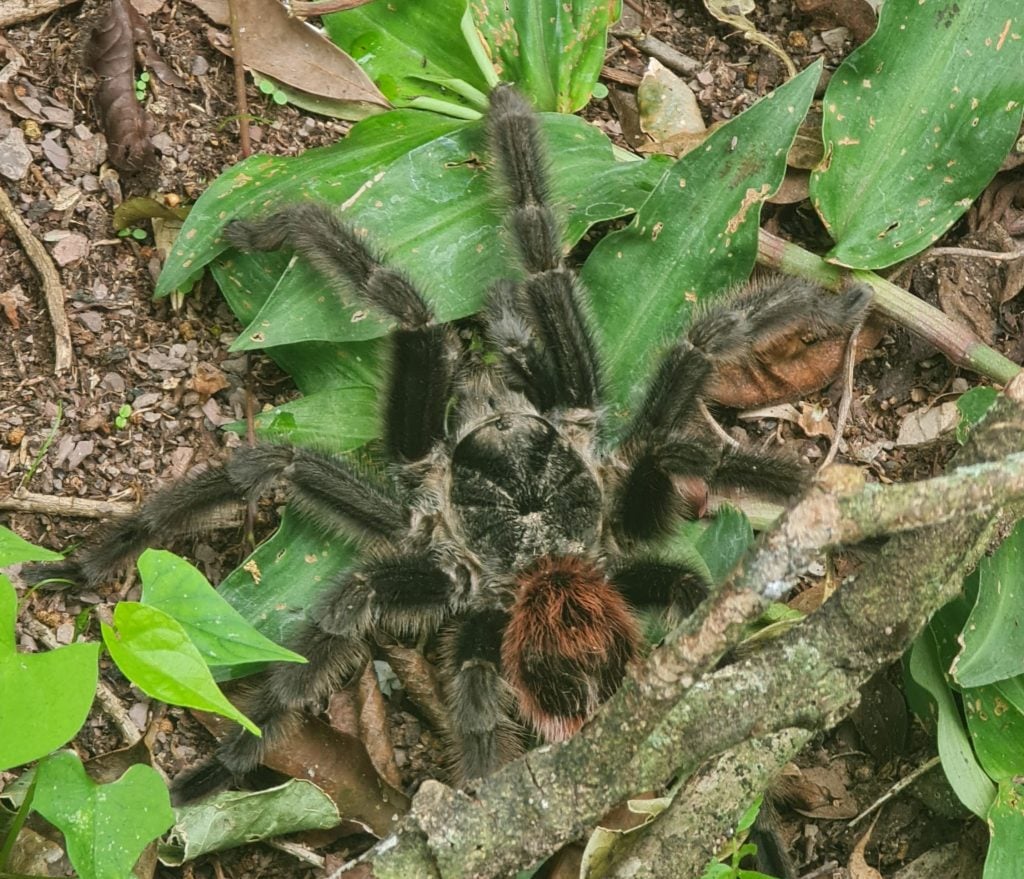
Plesiopelma longisternale inhabit silk-lined burrows under stones in mountainous regions in Argentina.
- Plesiopelma absconditum Ferretti, Nicoletta & Soresi, 2024 – Argentina
- Common name: N/A
- Distribution: Argentina
- Plesiopelma aspidosperma Ferretti & Barneche, 2014 – Argentina
- Common name: N/A
- Distribution: Argentina
- Plesiopelma longisternale (Schiapelli & Gerschman, 1942)
- Common name: N/A
- Distribution: Argentina, Uruguay
Pterinopelma Pocock, 1901
Tarantulas in the genus Pterinopelma inhabit woodland and grassland habitats in northeastern Argentina, specifically the Misiones province. Pterinopelma spiders are burrowers, frequently found under leaf litter and other forest floor detritus. They are primarily distinguished by the lack of stridulatory setae on the coxae, the first segment of the leg that connects to the body. Females are also differentiated by a sternum that is as wide or wider than it is long.
- Pterinopelma longisternale (Bertani, 2001)
- Common name: N/A
- Distribution: Brazil, Argentina
- Pterinopelma roseum (Mello-Leitão, 1923)
- Common name: Giant pink starburst
- Distribution: Brazil, Argentina
Thalerommata Ausserer, 1875
In 2023, the genus Thalerommata was transferred from the family Barychelidae, brushed trapdoor spiders, and moved to the family Theraphosidae. These very small arboreal tarantulas rarely exceed 2 inches in leg span. They are distinguished by the presence of flattened, iridescent setae on the abdomen and sometimes the legs.
- Thalerommata caudicula (Simon, 1886)
- Common name: N/A
- Distribution: Argentina
Tmesiphantes Simon, 1892
The genus Tmesiphantes is composed of small to medium-sized burrowing spiders found in the Yungas region of northeastern Argentina. They can be differentiated by a thickened femur III, especially in males, a rounded sternum, and urticating setae type III and IV. Many species are described as being various shades of brown, including golden brown and reddish-brown.
- Tmesiphantes crassifemur (Gerschman & Schiapelli, 1960)
- Common name: N/A
- Distribution: Argentina
- Tmesiphantes mutquina (Perafán & Pérez-Miles, 2014)
- Common name: N/A
- Distribution: Argentina
- Tmesiphantes uru (Perafán & Pérez-Miles, 2014)
- Common name: N/A
- Distribution: Argentina
- Tmesiphantes yupanqui (Perafán & Pérez-Miles, 2014)
- Common name: N/A
- Distribution: Argentina
Vitalius Lucas, Silva & Bertani, 1993
Vitalius tarantulas inhabit forested regions, specifically the Araucaria Forests in Misiones province in northeastern Argentina. These tarantulas can primarily be distinguished by the absence of stridulating hairs on the coxa I and the morphology of the genitalia. They are relatively large spiders that generally grow to reach leg spans between 6 and 7 inches. These spiders are often shades of black or brown, with light-colored banding on their leg joints and longitudinal stripes on their legs.
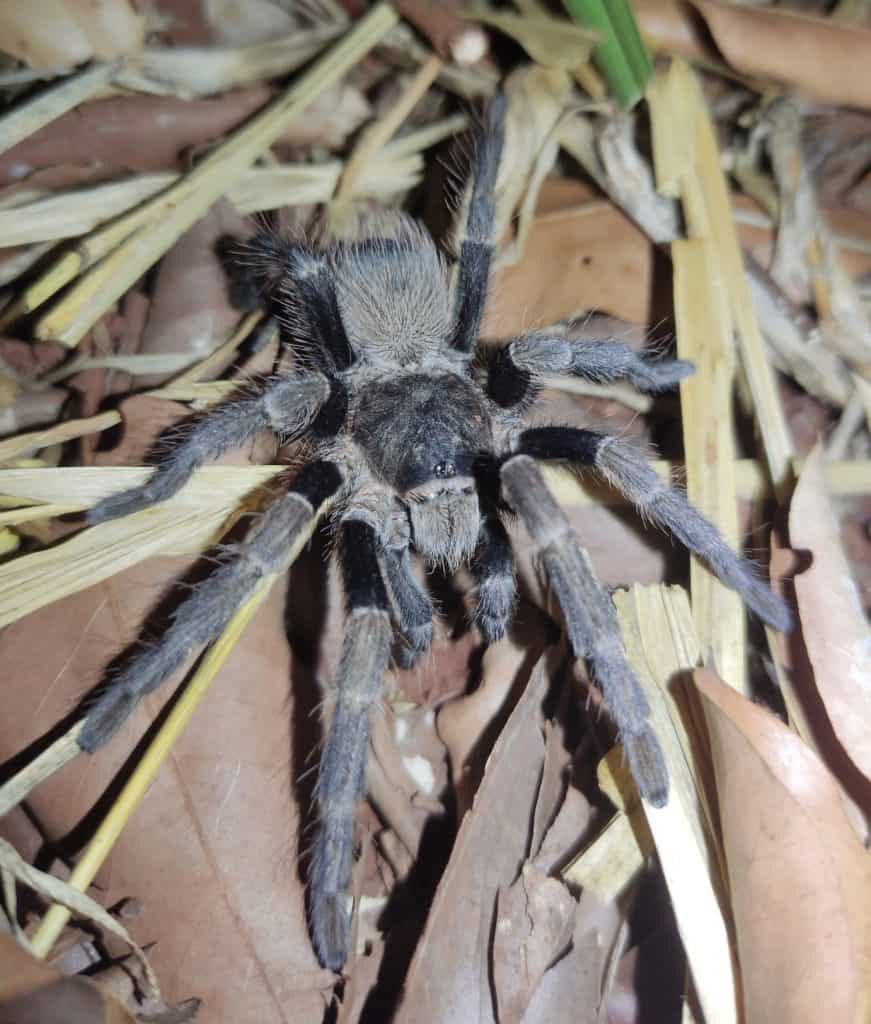
The Brazilian brown tarantula, Vitalius paranaensis, reaches 4 to 5 inches in leg span.
- Vitalius paranaensis Bertani, 2001
- Common name: Brazilian brown
- Distribution: Brazil, Argentina
Vitriemboli Peñaherrera-R., Ríos-Tamayo, Sherwood, Gabriel, Guerrero-Campoverde, León-E., Mora-Bolaños & Cisneros-Heredia, 2025
Vitriemboli is a new genus that includes the recently described species Vitriemboli diaguita, found in the thorn scrub of Argentina’s Dry Chaco and the shrublands of the High Monte. V. diaguita was named for the indigenous Diaguita people of northwestern Argentina and northern Chile, specifically the Calchaquí Valleys.
- Vitriemboli diaguita* Ríos-Tamayo, Peñaherrera-R., Sherwood, Guerrero-Campoverde, León-E., Mora-Bolaños, Gabriel & Cisneros-Heredia, 2025
- Common name: N/A
- Distribution: Argentina