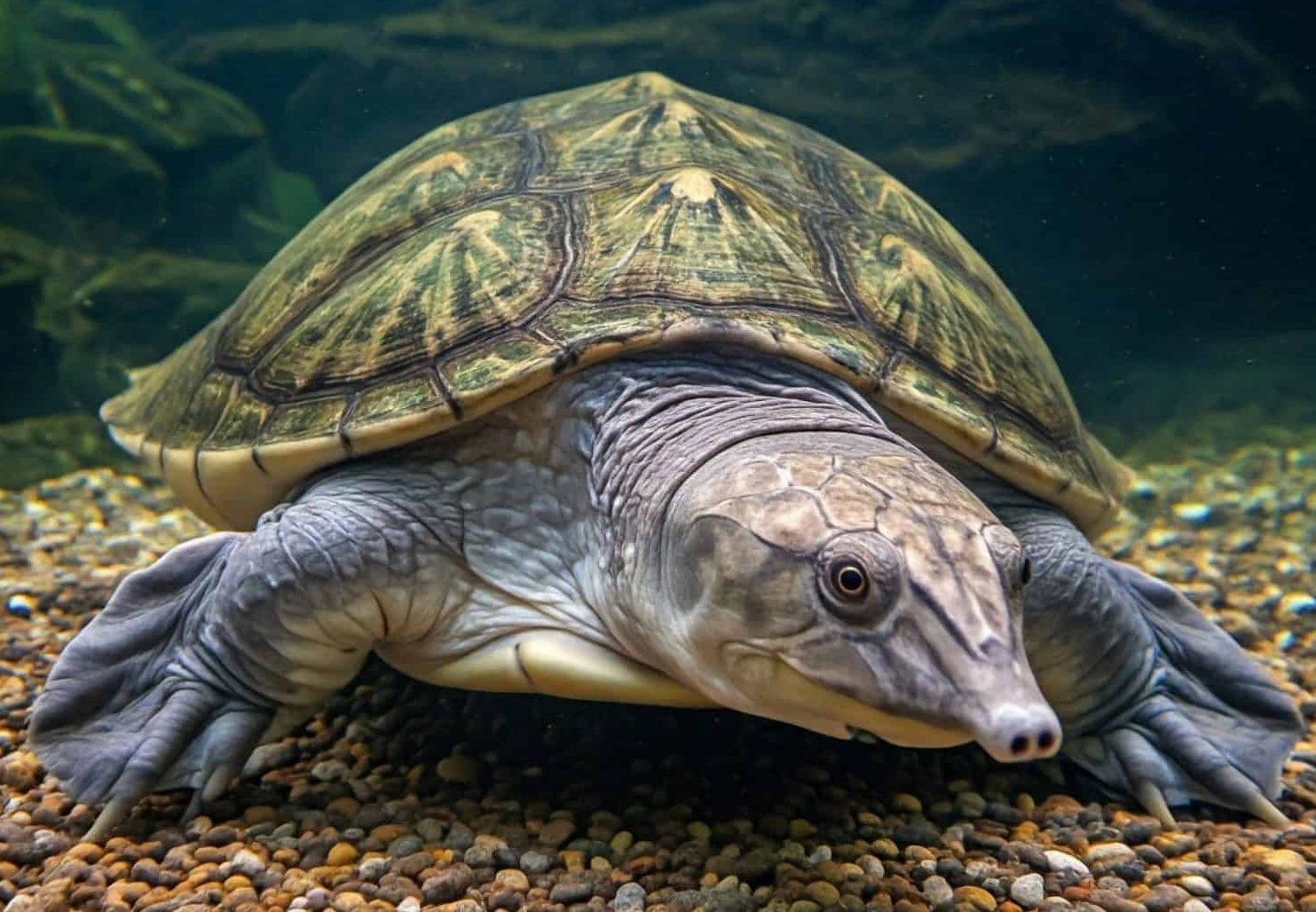

Quick Take
- Recovery of this softshell turtle species now requires working with a global population of only two or possibly three known individuals, though the exact number remains uncertain due to ongoing surveys and the difficulty of confirming wild turtles.
- The last confirmed female was found dead in Dong Mo Lake, a known habitat for the species, in April 2023.
- Environmental DNA is being used to detect a species when physical sightings remain next to impossible.
- Implementing portable eDNA testing in 2025 was vital to verify the presence of hidden survivors, of which there have been none yet.
Freshwater extinctions rarely happen overnight, especially in a habitat as large as the Yangtze River. However, it’s still possible for a species to dwindle, and dwindle enough so that only a few remaining refuges start carrying the entire future of the species.
That’s exactly what happened to the Yangtze giant softshell turtle (Rafetus swinhoei), making this species a stark example of this extinction phenomenon. After the death of a key female turtle in Vietnam, conservation efforts questioned just how many of these animals remain in the wild.
This is the story of the Yangtze giant softshell turtle and one of the largest river systems in Asia. The people working to protect both of these things are concerned about the future of this species and the river ecosystem as a whole. Here’s why, as well as what’s being done to save this creature.
The Last Confirmed Female Yangtze Giant Softshell Turtle
In April 2023, the last confirmed female Yangtze giant softshell turtle was found dead in Vietnam’s Dong Mo Lake. The animal was described as roughly 61 inches long and weighing about 205 pounds, measurements that show how large and old these turtles can get if allowed to live a long and healthy life.
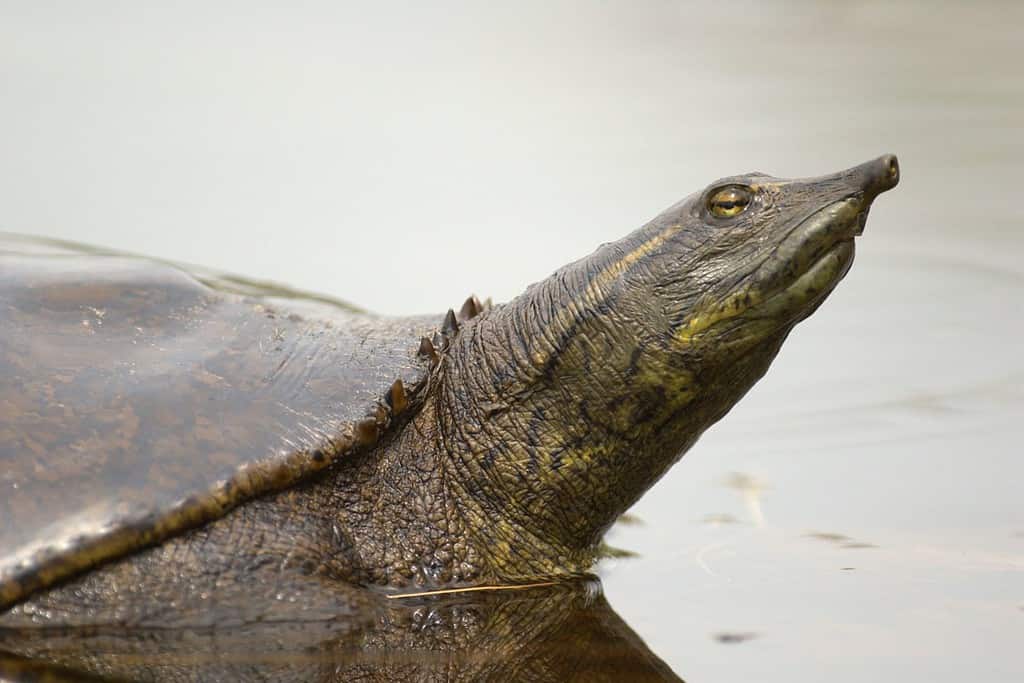
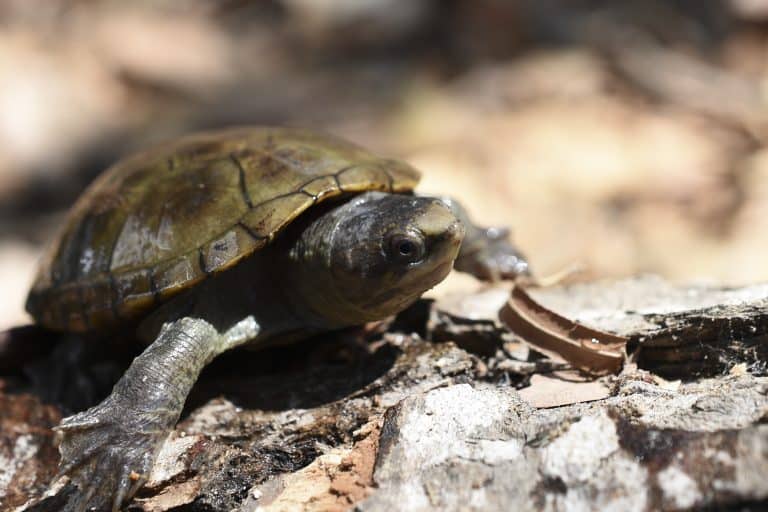
The Yangtze giant softshell turtle once thrived in its namesake river, but no longer.
©Tharuka Wanniarachchi/Shutterstock.com
Her loss was significant and mattered because this species is already at the edge of its viability and potential future. At the time, reporting described one confirmed male in captivity in China and at least one wild turtle in Vietnam whose sex is unconfirmed. Conservationists knew this recent death meant the most basic requirement for recovering the species suddenly looked far less likely. Without any living females, is there hope left for the Yangtze giant softshell turtle, especially in the habitat it once called home?
Where Did This Giant Turtle Used to Live?
The Yangtze giant softshell turtle once occupied large rivers and connected wetlands in northern Vietnam and parts of China, and for good reason. Conservation groups confirm that this river giant needs big, linked water systems rather than isolated ponds, given its size and typical ways of living.
The Asian Turtle Program’s Rafetus project describes habitat use that includes large rivers and adjacent wetlands and lakes, including Dong Mo itself, as part of what made the species possible in the first place. However, our human influence is making it all the more difficult for this turtle to exist.

The Yangtze River was once home to these turtles, but pollution and changes to its structure made it impossible for them to survive.
©MyCreative/Shutterstock.com
This dependency on larger connected waterways is a key problem. When river networks get fragmented, as they so easily do in our modern era, a turtle that relies on wide-ranging movement and stable nesting areas doesn’t shift range easily. In fact, it likely won’t adapt quickly enough and risks dying out.
How Dams and Water Control Reduce Turtle Habitat
Dams and major water-control projects can devastate species, especially freshwater ones. These projects often remove nesting habitats, alter seasonal water levels, create physical barriers that block movement between water channels, and may even pollute once clean and natural habitats.
A global review in Tropical Conservation Science mentions that dams greatly affect freshwater turtles through habitat loss, flow changes, movement barriers, and water-quality shifts, which is exactly what’s occurred across the Yangtze and Red River regions over time.
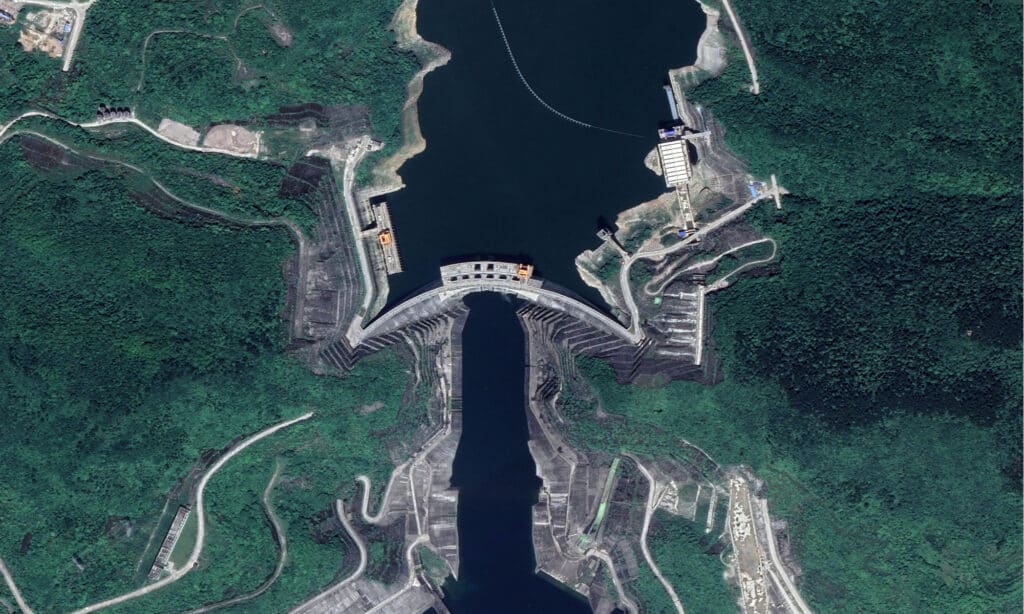
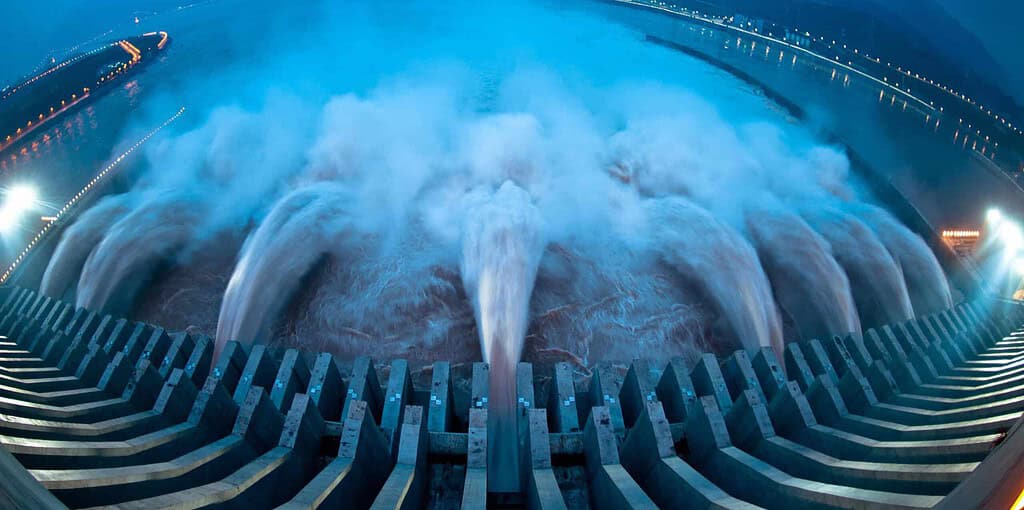
Dams along the Yangtze River altered the habitat for this turtle species, leading to their decline.
©burakyalcin/Shutterstock.com
For a giant softshell turtle, these changes mean fewer safe places to nest, fewer connected areas to forage, fewer chances for adults to find each other, and ultimately fewer turtles born in the long run.
How Pollution and Disturbance Weaken Dwindling Species
Even when a turtle survives in a large, once-beautiful lake, long-term habitat quality can still block recovery. Another reason for the Yangtze giant’s species collapse is habitat degradation and pollution; those factors are especially damaging for an animal that spends its life in the same water and sediment. Their safe harbors become unsafe, but in insidious, creeping ways, with no possible waterways left to escape.
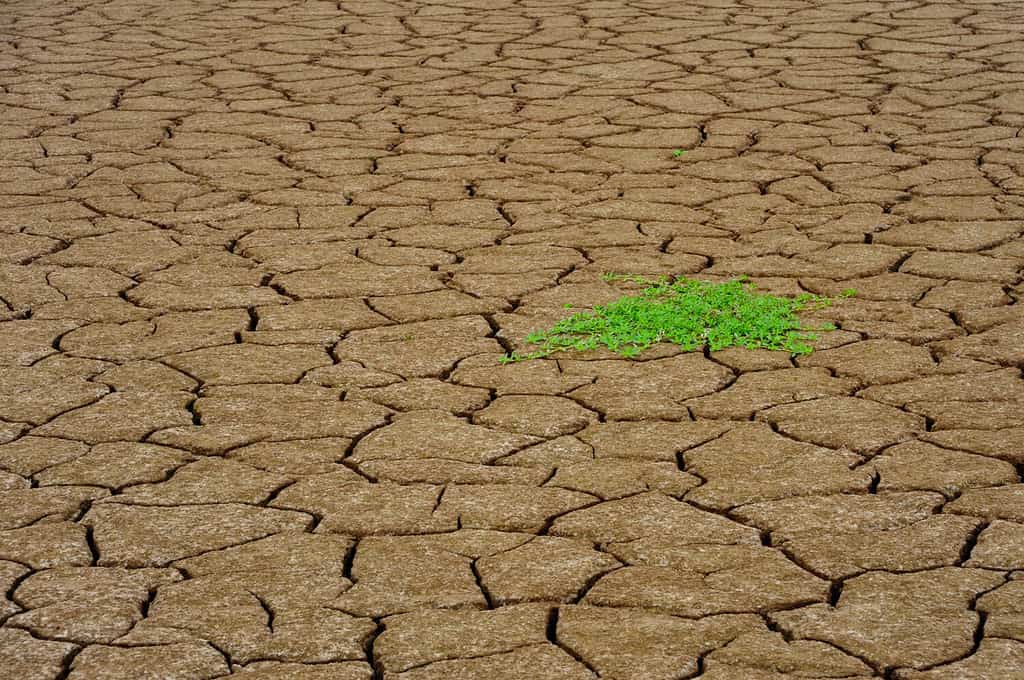
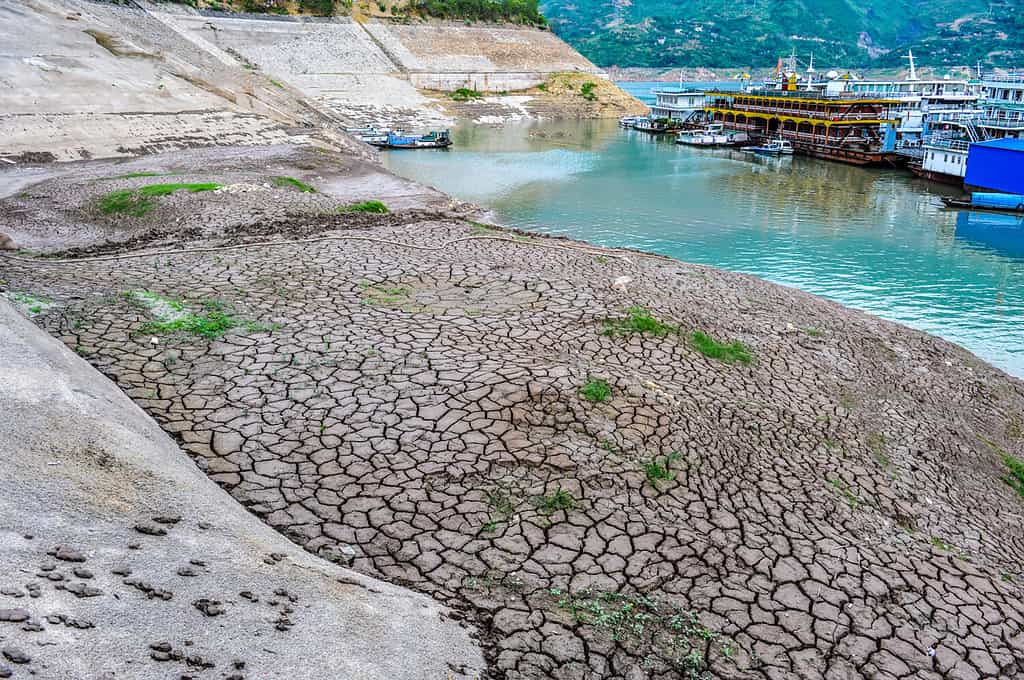
Parts of the Yangtze River are dried up now, due to alterations of its course, making it difficult for species to survive.
©Scott Gutentag/Shutterstock.com
When a population is down to single digits, like it is for the Yangtze giant softshell turtle, it’s easy for a species to be affected. Reduced survival rates, fertility rates, healthy functioning, and a higher chance that any capture attempt or medical intervention goes badly make every individual count. There simply aren’t enough turtles left to risk losing a single one.
How Hunting and Trade Removed Breeding Adults
This species was especially affected, as it lost many of its breeding adults to trade. In fact, hunting and trade alongside habitat loss are all this turtle’s major causes of decline, which is the worst possible combination for slow-reproducing turtles. Here’s why.
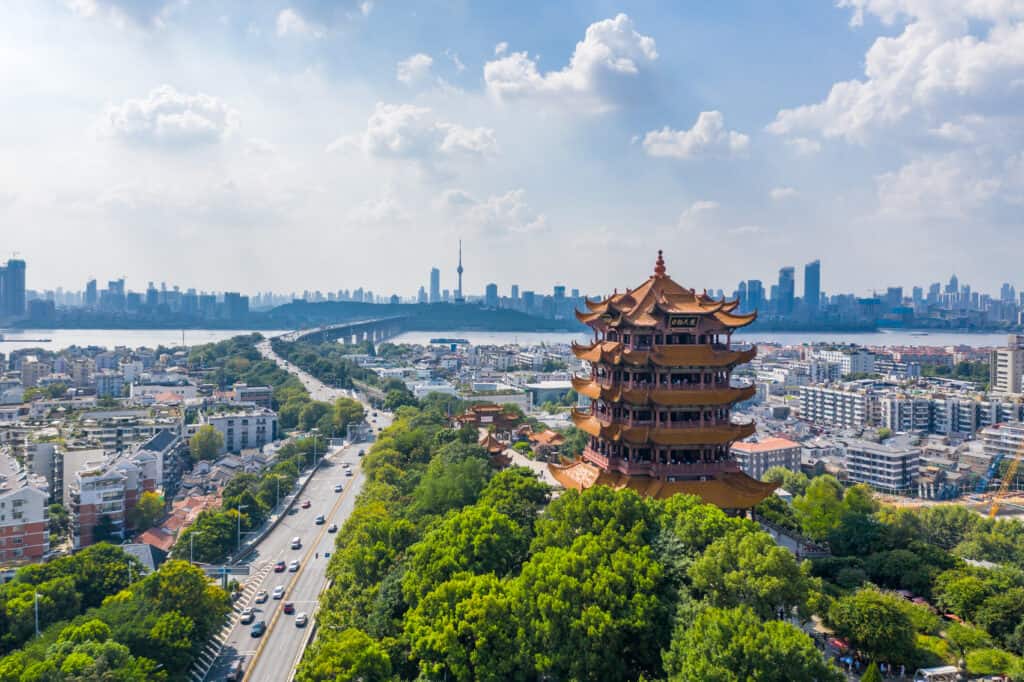
Besides changing the river itself, the capture of breeding adults greatly affected the Yangtze giant softshell turtle’s numbers.
©sleepingpanda/Shutterstock.com
Long-lived turtles often depend on adults surviving for decades. But what happens when these adults are taken? When breeding adults are consistently lost, the population can keep existing for a little while longer, right up until it can’t. And, once conservationists recognize what’s happened within a species, it is often too late.
How Many Turtles Are Left, and Why Does the Count Keep Changing?
According to recent reporting, there are only two of these turtles left, and they’re both males. However, population counts for the Yangtze giant softshell turtle vary because these turtles are hard to detect. Additionally, conservation teams have had to use tools like genetic testing and environmental DNA to even confirm species identity.
For example, in December 2020, a Wildlife Conservation Society news release described genetic testing that confirmed a female of this turtle captured in October 2020 in Dong Mo Lake. While it gave hope that additional turtles in nearby lakes could be captured and sexed, the efforts needed to determine this take time, more time than this species may have.
Conservationists continue to search the Yangtze River for more turtles, especially females.
©xinjian/Shutterstock.com
As of 2025, portable eDNA testing confirmed the presence of only two known individuals: one captive male in China and one wild turtle in Vietnam whose sex remains unconfirmed, though ongoing surveys may yet reveal more. Regardless, this testing shows how narrow the margin has become for the Yangtze giant softshell turtle.
What Are Conservationists Doing Now?
At this stage, conservationists are adamant about locating other living individuals and confirming their sex, as well as preventing any other future, avoidable losses. In the 2020 WCS release, Asian Turtle Program director Timothy McCormack stated it was vital to confirm the sex and identity of remaining animals so teams can plan accordingly. In addition, overhunting and habitat destruction are highly contested, as they are the main reasons why this turtle is so endangered.
Conservationists are constantly monitoring potential habitats this turtle may be hiding within.
©isabel kendzior/Shutterstock.com
This means that conservationists are constantly monitoring, making targeted capture attempts when conditions allow, expanding searches beyond historic lake habitats, and taking their time to confirm if there are any other turtles left out there. One additional turtle can change the entire outlook for this species, and conservationists aren’t going to let the opportunity slip through their fingers.
Why Freshwater Ecosystem Diversity Matters
While the Yangtze giant softshell turtle is just one example of how freshwater ecosystems are changing, they aren’t the only ones. Freshwater systems everywhere are taking some of the steepest biodiversity hits on the planet, and the same drivers of this shift show up again and again: habitat loss, dams, pollution, and overexploitation lead to devastating consequences.
The WWF Living Planet Report, made in 2024, reported that monitored freshwater populations have declined by 85% since 1970. This heartbreaking truth helps explain why the Yangtze giant softshell turtle’s near-disappearance isn’t a rare or singular circumstance. Many rivers and lakes are experiencing historically abnormal losses due to our expansion and advancement as human beings, with little regard for the natural world we call home.

Our advancement as humans greatly affects freshwater ecosystems.
©gyn9037/Shutterstock.com
If a river system can’t support a slow-breeding giant anymore, it’s a signal that the basics of these freshwater ecosystems are failing. That’s the warning we need to heed, as it applies far beyond the Yangtze. More species may suffer and face extinction if we aren’t careful, if we don’t heed the Yangtze giant softshell turtle’s story.