
Quick Take
- A bear lying in a cornfield in mid-November shouldn't make sense. Two things explain it.
- A drone can make a bear's heart race while the animal barely moves.
- Ohio once lost every one of its bears. The comeback hinges on something one sex of bear does that the other doesn't.
- This sighting stands apart from nearly every other bear report in the state. The collar is why.
A hunter in Ohio shot a buck during deer season, then lost its trail in a cornfield. So he did what more and more hunters do now when the blood trail runs out: he hired a drone.
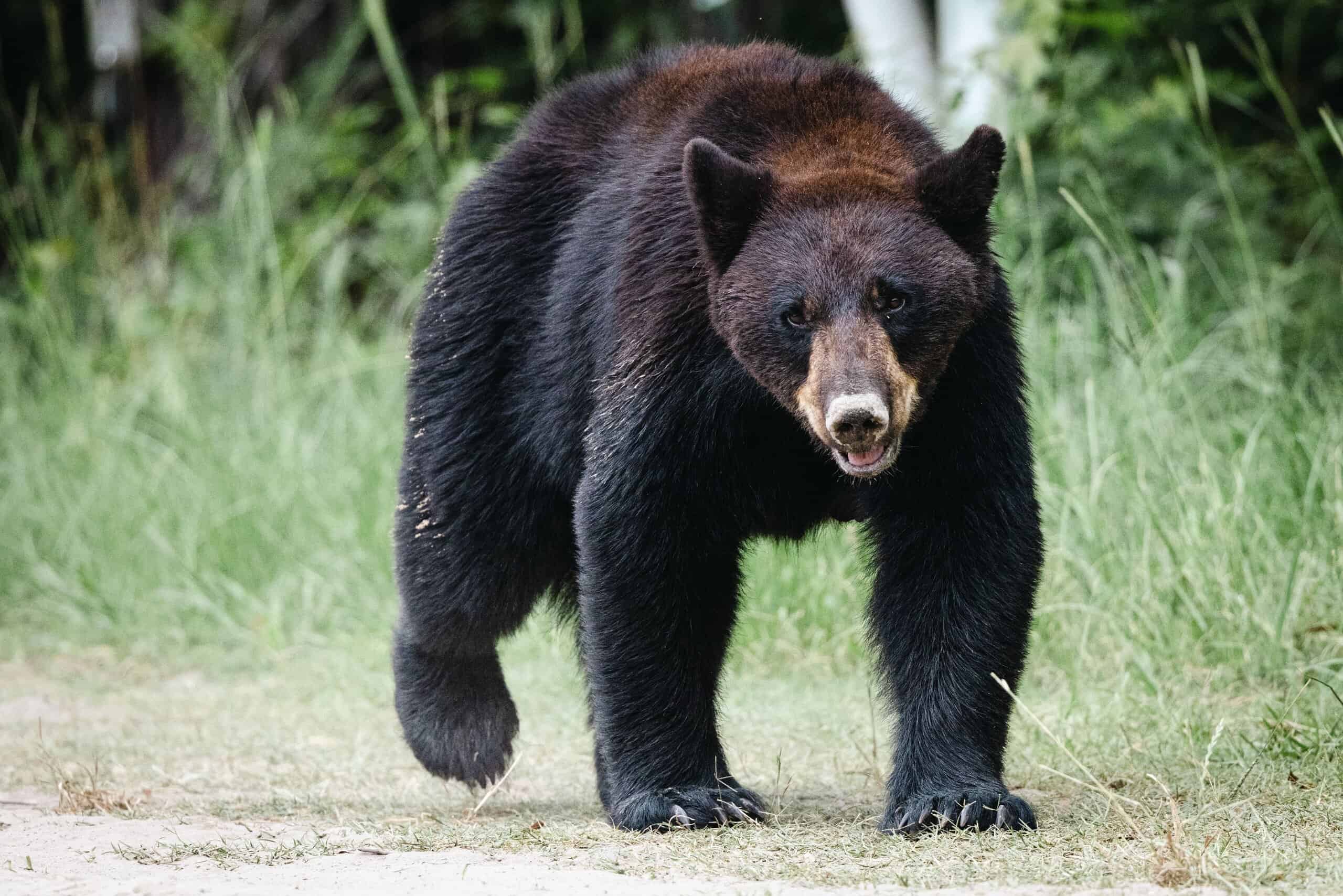
Whitetail Acres / Drone Services is based in Lake County, Ohio. It flies drones with heat-sensing cameras, which see warm bodies as glowing shapes even when they’re hidden from view. Its customers include hunters looking for a deer, farmers missing livestock, and people searching for a lost dog. The camera spotted something warm in the corn fairly fast. When the drone flew lower for a closer look, the warm shape turned out to be a black bear taking a nap. The Akron Beacon Journal reported the find, based on a Facebook post the company shared on Nov. 13.
Then the bear woke up. It lifted its head toward the drone, which was hovering 100 feet above it, and that movement showed a tracking collar around its neck. After that, the bear just watched. The company called the Ohio Department of Natural Resources (ODNR) to report the sighting. It hoped to hear back about where the collared bear had been.
Why a Bear Was Lying in Corn in Mid-November
Right about now is when Ohio’s bears should be settling in for the winter. They hole up in dens from November through March. A black bear’s winter sleep is fairly light, though. Its body temperature drops only a little, and the National Wildlife Federation says bears may stay active through their usual den months if the weather stays warm.
Corn is the other reason a bear might stay up. Bears will eat farm crops when they’re available. In one study, researchers put GPS collars on wild black bears and placed heart monitors under their skin. They found that bears react to farmland in two very different ways. When bears crossed bare, open ground, their hearts beat faster than their walking pace could account for. The researchers took that as a sign of stress. In fields full of food, though, the bears slowed down and their heart rates dropped too. To a bear, a cornfield seemed to be a place to relax, not a place to hurry through.
That same study also caught the seasonal shift that could leave a bear lying flat on its belly in a field in broad daylight. In the fall, the bears’ heart rates dropped about two weeks before they started moving around less. In other words, their bodies were already slowing down for winter while they were still out eating.

Bears in Ohio typically hibernate from November through March.
©Tom Reichner/Shutterstock.com
A Calm Bear With a Racing Heart
Researchers at the University of Minnesota wanted to know how a passing drone affects a bear on the inside. They placed heart monitors in five black bears living in captivity and flew a drone over them. On the first flight, the bears’ heart rates jumped by about 50 beats per minute. In earlier research, the same team found that wild bears’ heart rates went up to four times their normal rate when a drone was nearby. On the outside, the bears barely reacted. On the inside, their hearts were racing. They did get used to it quickly, though. The drone flew over twice a week, and by the third week those heart-rate jumps had mostly leveled off. So a bear’s first drone and its tenth are very different experiences.
A State That Had Written Off Its Bears
Ohio’s wildlife scientists will care most about the collar. A sighting tells you a bear was in a cornfield on a Friday. A collar tells you where that bear has been all year. Scientists keep tabs on black bears with GPS collars, trail cameras and DNA samples, often taken from hair or droppings. That’s how they estimate how many bears there are and keep track of individual animals. In places where bears are only starting to return, it’s also how scientists tell a bear that lives there apart from one that’s just passing through.
That difference matters in Ohio because the state lost all of its bears. Black bears were wiped out here by the 1850s, as the forests were cut down, and today they’re listed as endangered under state law. Most bears seen since then were probably young males wandering in from Pennsylvania and West Virginia. A young male usually won’t stick around if there’s no female living nearby.
That’s starting to change. ODNR wildlife biologist Katie Dennison says there’s now steady evidence of female bears having cubs in northeast Ohio. A mother bear with cubs was confirmed in Meigs County in southeast Ohio, and pairs of adult bears have been caught on camera in Hocking, Noble and Washington counties. Once an adult female settles into an area, she tends to stay. That means a single female having cubs does more for the state’s bear numbers than a dozen males passing through.
More sightings have followed. In 2025, Ohio logged 537 reported bear sightings across 69 counties, the most ever. The year before, there were 370 sightings across 55 counties. Dennison said that through October of this year, the state had already confirmed about as many sightings as it did in all of 2025. The bear in the corn will be one more. Unlike almost every other sighting, though, this bear came with its history already on record.