
Quick Take
- The gut-brain axis can directly impact your dog’s moods, digestion, and immune function.
- Many dog owners use at-home microbiome sequencing kits to understand their pups’ microbiome.
- Some dogs require fecal transplants to improve their chronic illnesses.
Have you ever heard of the gut-brain axis in domestic pets? As its name suggests, this two-way network links the gut with the brain, or the enteric nervous system with the central nervous system.
The gut-brain axis contributes to a variety of internal processes, including digestion and immune response. It’s also often responsible for issues like anxiety, allergies, and inflammation. In fact, many dog owners are now turning to at-home microbiome sequencing kits to identify the root causes of such ailments in their pups.
Interested in learning more about the gut-brain axis? Keep reading to understand the bidirectional communication network and how to interpret your pup’s microbial diversity score.
What is the Gut-Brain Axis?
The gut-brain axis is a network of nerves that links the central nervous system with the enteric nervous system. In other words, it connects the brain with the gut.
“Even though we often think of the brain and the digestive system as having different jobs, they are closely connected,” says Emily Halaszynski, Director of Education at Bernie’s Best. “The ‘gut-brain axis’ is the term used to describe ongoing communication between the digestive tract and the brain. Rather than a one-way command system, it functions as a bidirectional feedback loop.”
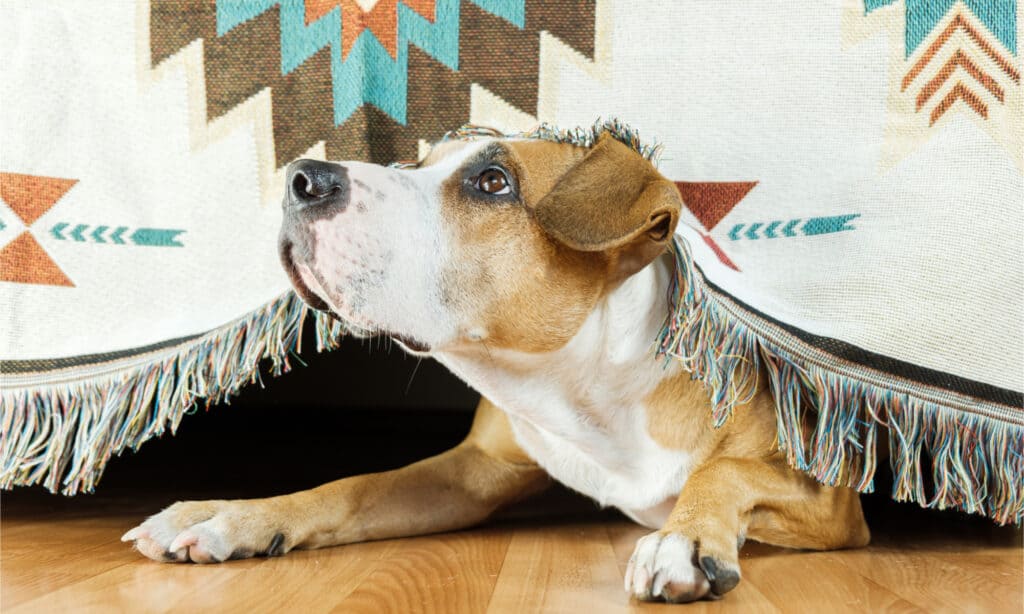
The gut-brain axis can influence a dog’s mood and anxiety levels.
©Aleksey Boyko/Shutterstock.com
“If you’ve ever felt ‘butterflies’ in your stomach when you’re nervous, that’s your brain affecting your gut,” Halaszynski continues. “And if you’ve ever felt grumpy or distracted when you’re really hungry, that’s your gut affecting your brain.”
How the Gut-Brain Axis Impacts Dogs
The gut-brain axis can influence a variety of internal processes in dogs. These include digestion, stress response, and immune function, says Halaszynski.
“The gut is home to trillions of helpful bacteria that break down food, support the immune system, and produce signals that the brain can interpret,” she explains. “The brain influences how the gut works, and the gut sends updates back about fullness, irritation, and whether that bacterial community is balanced. This two-way communication can affect appetite, stool quality, mood, immunity, and overall health.”
How to Interpret a Microbial Diversity Score
The gut-brain axis impacts a dog’s overall health and well-being. As such, many pet owners are investing in at-home microbiome sequencing kits. These tools can help identify the root cause of anxiety and skin allergies in dogs.
“At-home microbiome sequencing kits provide a convenient way for pet parents to send a stool sample to a lab that analyzes which types of bacteria are present in the gut,” says Halaszynski. “These tests provide a snapshot of the bacterial community at a single point in time, which can be helpful in identifying patterns of imbalance or tracking changes after things like antibiotics, diet adjustments, or probiotic supplements.”
However, she added, there’s no “perfect” test for any pet—so take results with a grain of salt.

A stool sample can help you understand your pup’s microbial diversity.
©tenkende/iStock via Getty Images
At-home microbiome sequencing kits provide a convenient way for pet parents to send a stool sample to a lab that analyzes which types of bacteria are present in the gut.
Emily Halaszynski, Director of Education at Bernie’s Best
“The gut contains many different species of bacteria, and healthy dogs can have different microbial profiles,” Halaszynski explains. “Still, knowing more about the gut bacterial population, and whether it changes, can offer clues about whether symptoms like anxiety or skin irritation are linked to gut health.”
If you’re attempting to interpret your pet’s microbial diversity results, you must take an individualized approach. Consider the company you’re using for the test and your pet’s unique symptoms.
“Because different companies use different reporting methods and scoring systems, results can vary between providers and should be interpreted according to that company’s reference guidelines,” Halaszynski states. “The score offers context about bacterial variety, but it needs to be considered alongside the full microbiome profile and the dog’s symptoms.”
Why ‘Poop Transplants’ Are Becoming Mainstream for Pets
Many dog owners have invested in “poop transplants,” or Fecal Microbiota Transplants, to treat their chronically ill pets. Essentially, a poop transplant involves transplanting feces from a healthy colon into an unhealthy one.
“If a dog’s gut microbiome has become severely disrupted, one way to introduce a robust population of beneficial bacteria is to ‘borrow’ microbial diversity from a healthy dog,” Halaszynski explains. “In a Fecal Microbiota Transplantation, stool from a screened healthy donor is prepared and introduced into the recipient’s gut to repopulate it with a full bacterial community.”
While it might seem like a strange or even unsanitary process, it can actually do wonders for your dog’s health.
“Unlike single-strain probiotics, this approach attempts to restore the ecosystem as a whole,” Halaszynski continues. “For some dogs with chronic digestive disease that hasn’t responded to other treatments, this broader reset can significantly improve stool quality and related symptoms.”